
Pram and stroller reviews
Best prams and strollers to buy in Australia
Find a pram or stroller that’s safe for your baby, and easy and practical for you to use every day
Join to compare now Already a CHOICE member? Log in
48 models rated and ranked
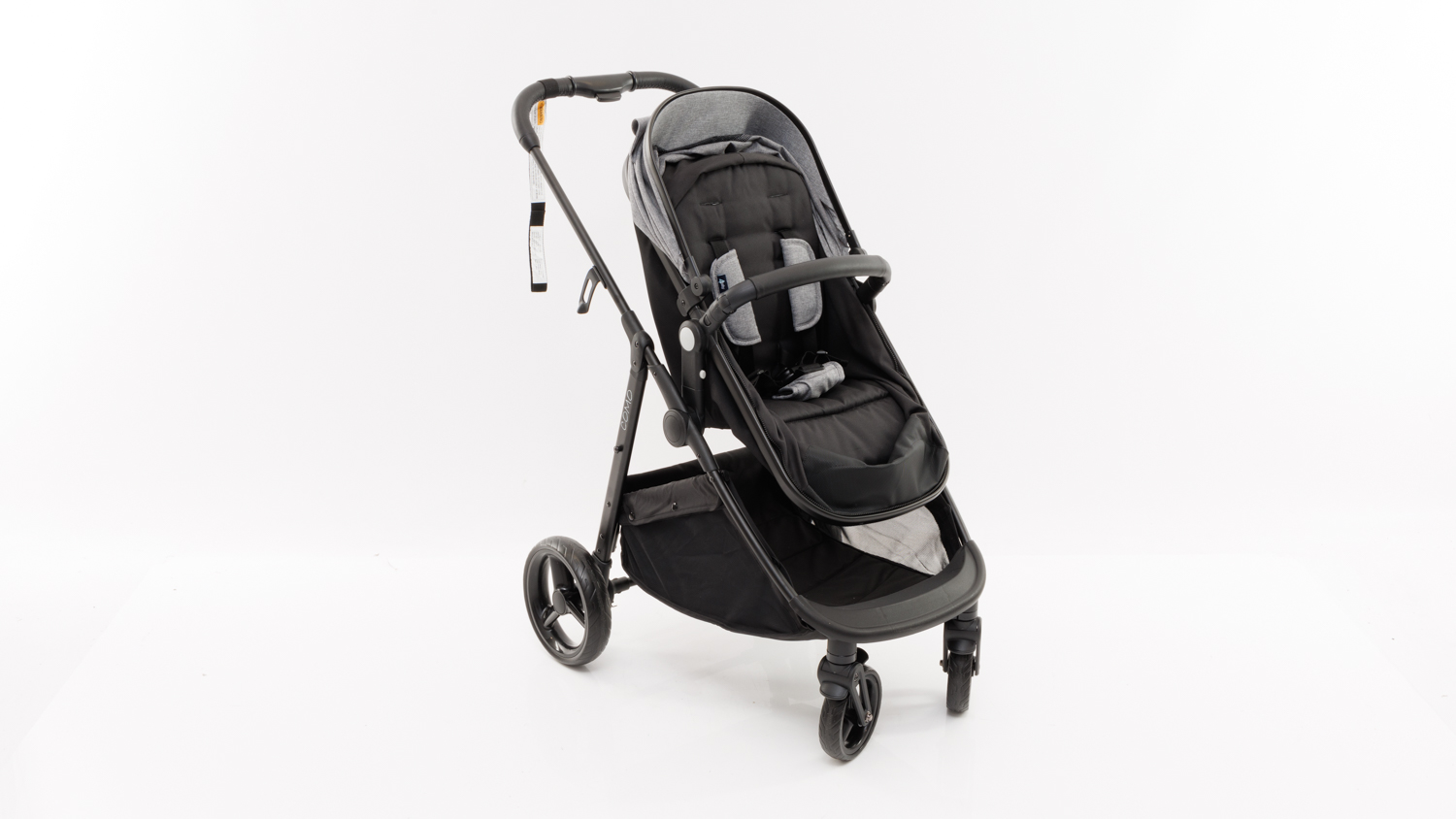
4Baby
Como
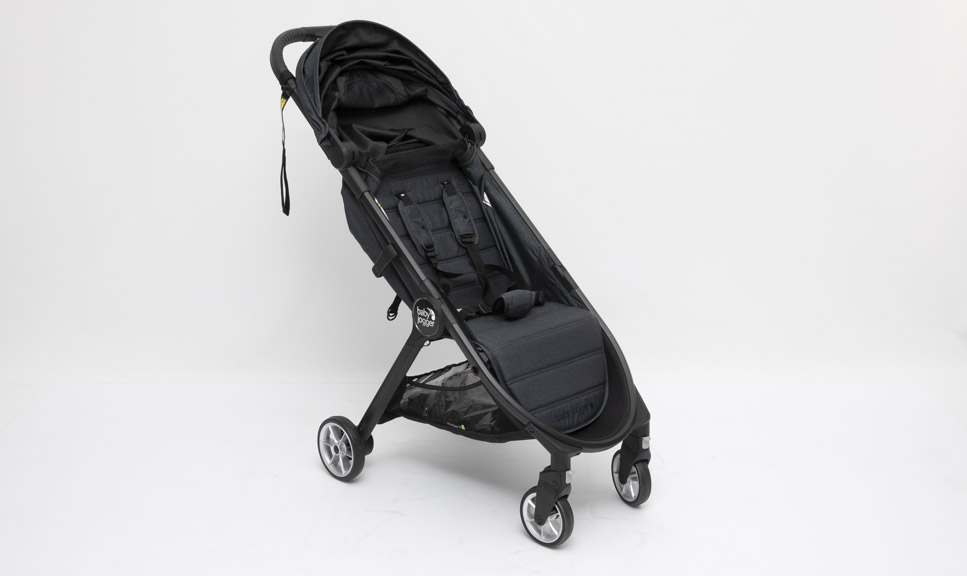
Baby Jogger
City Tour 2
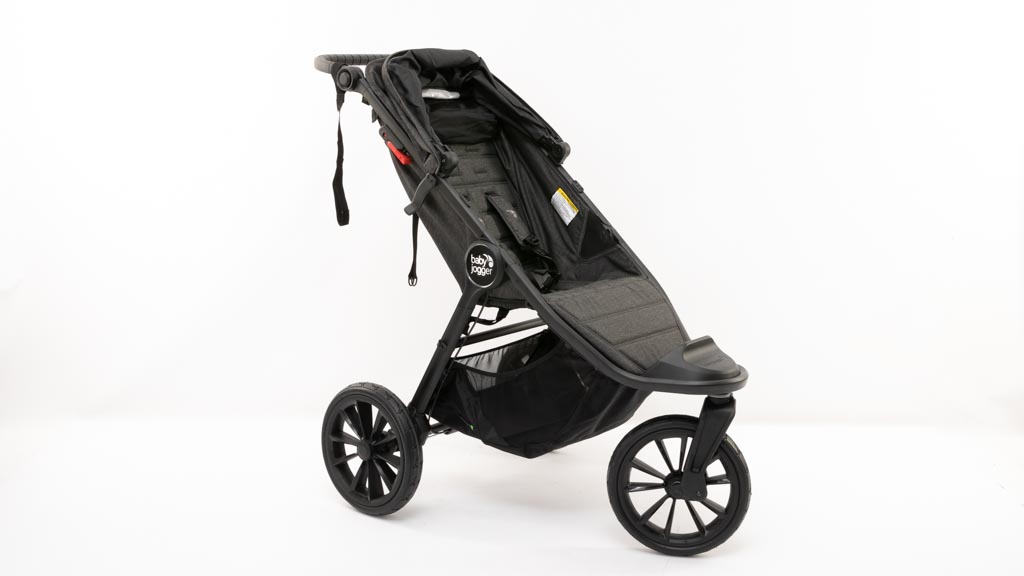
Baby Jogger
City Elite 2
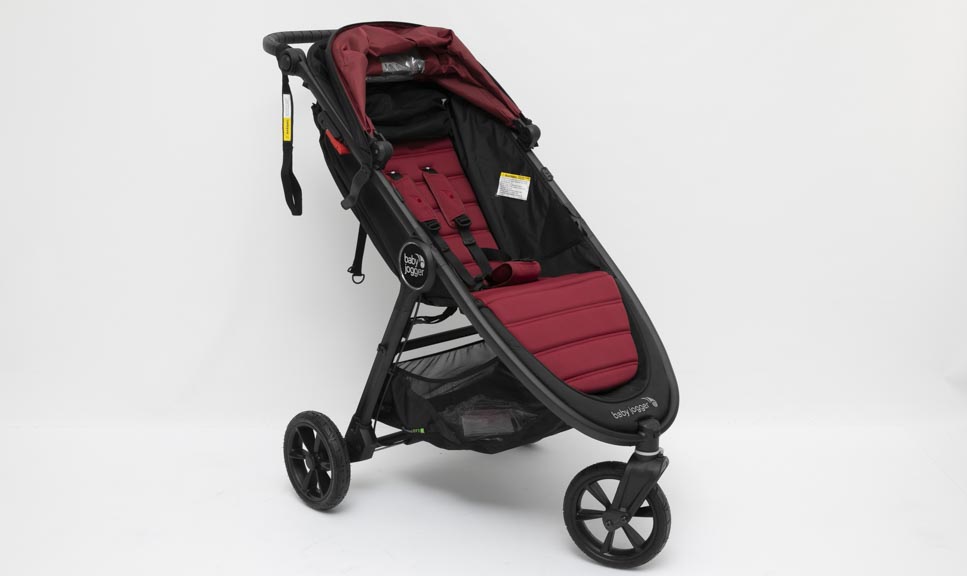
Baby Jogger
City Mini GT2
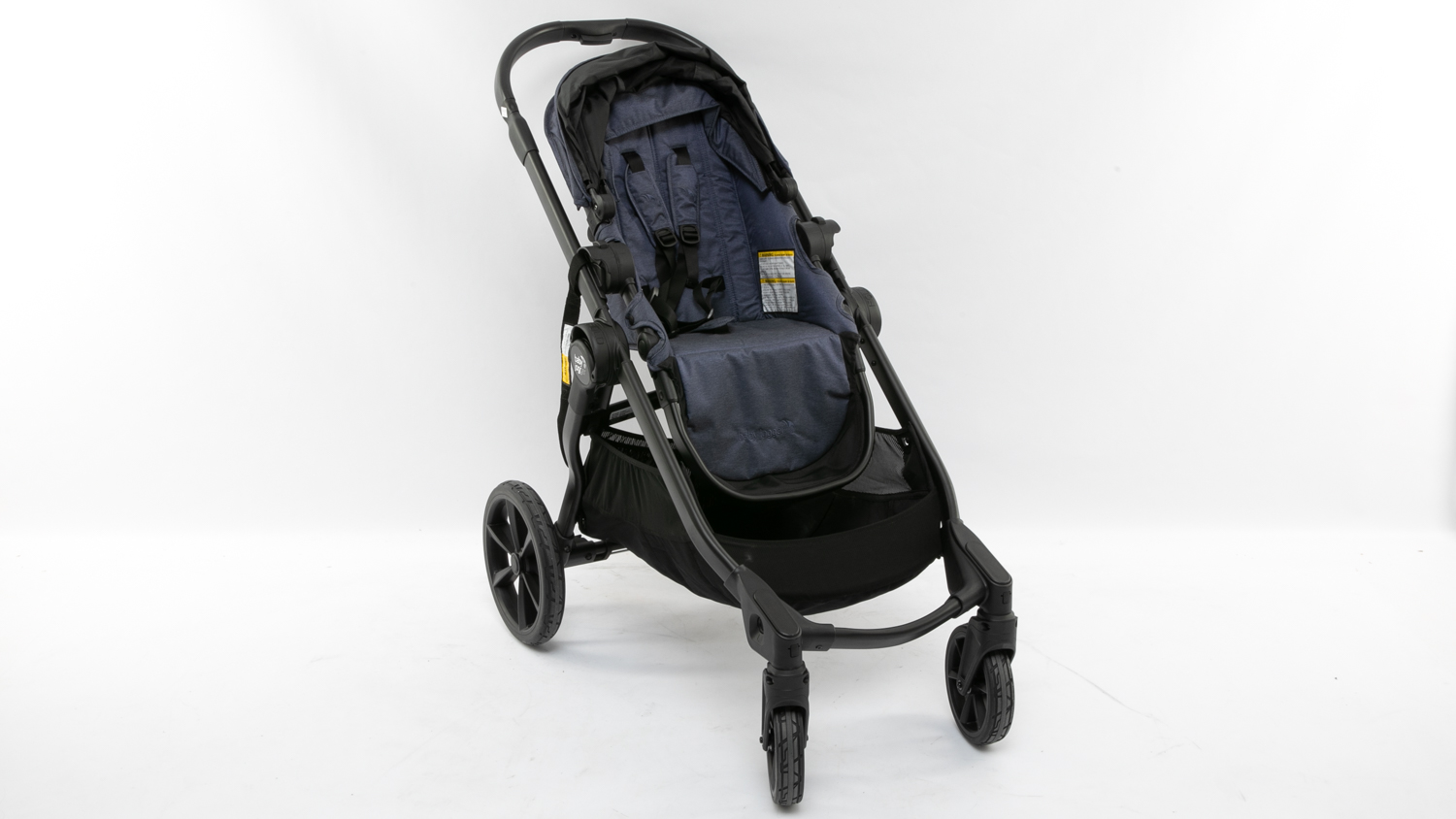
Baby Jogger
City Select 2
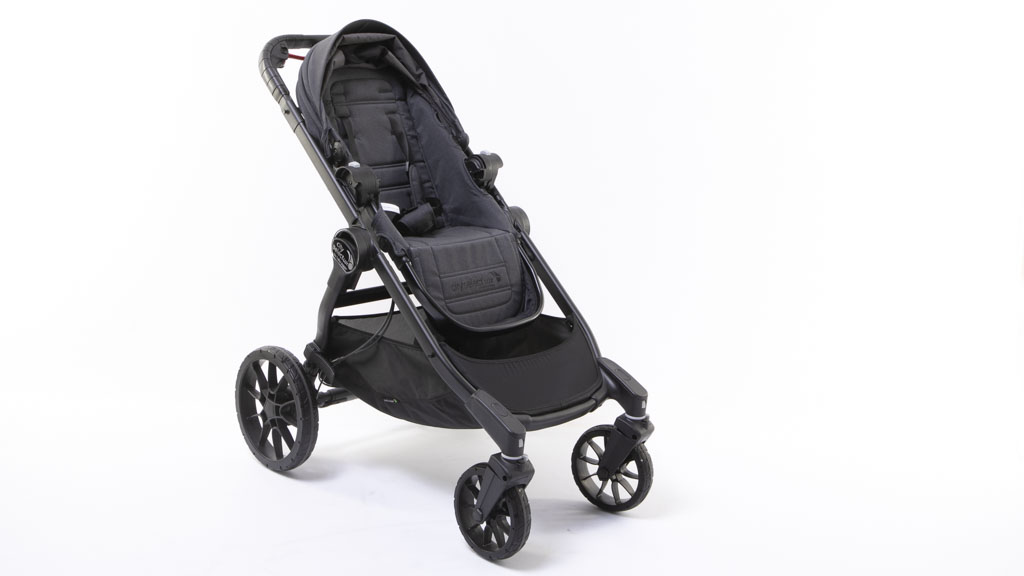
Baby Jogger
City Select Lux (Single)
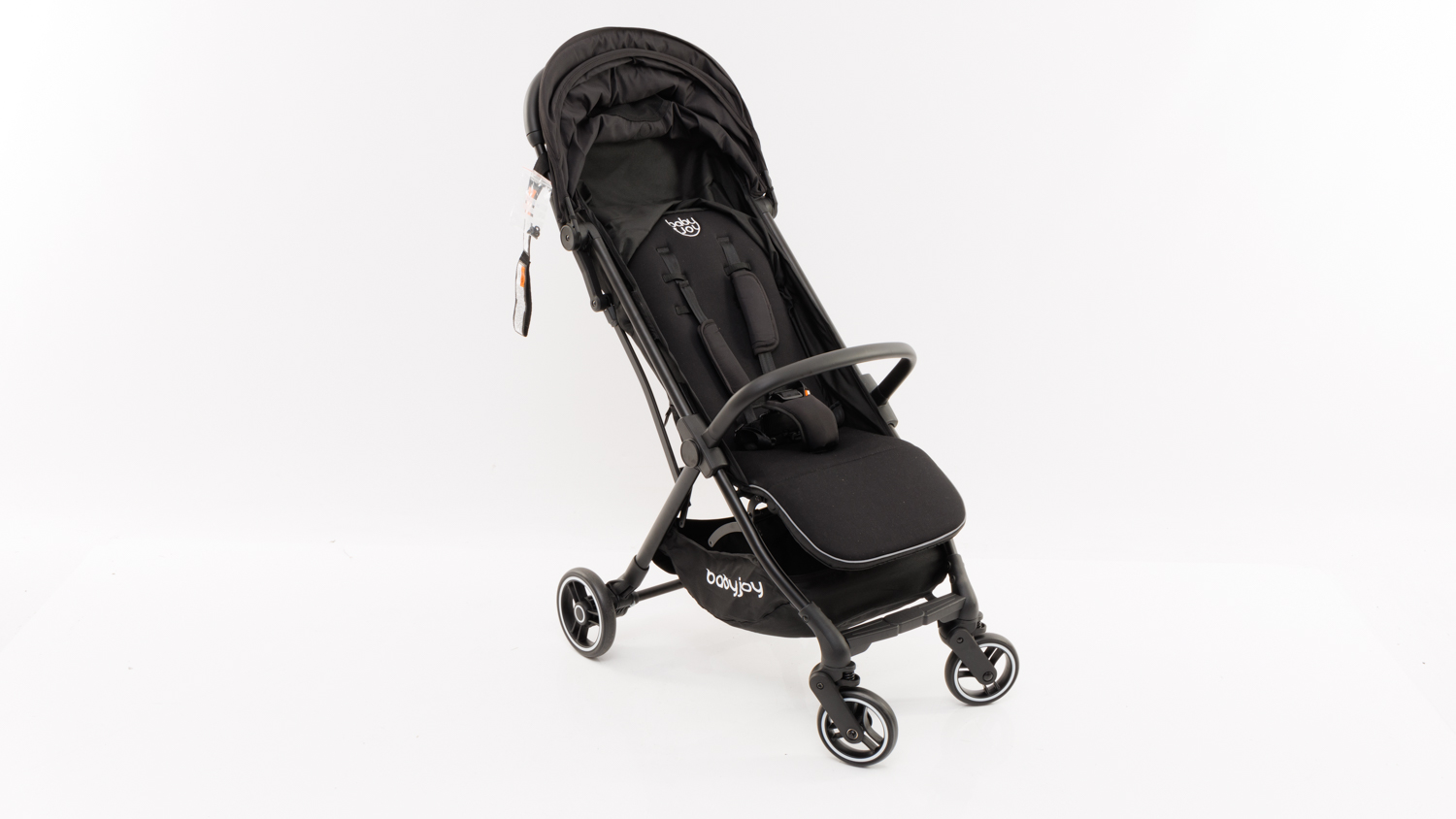
Baby Joy
Baby Stroller
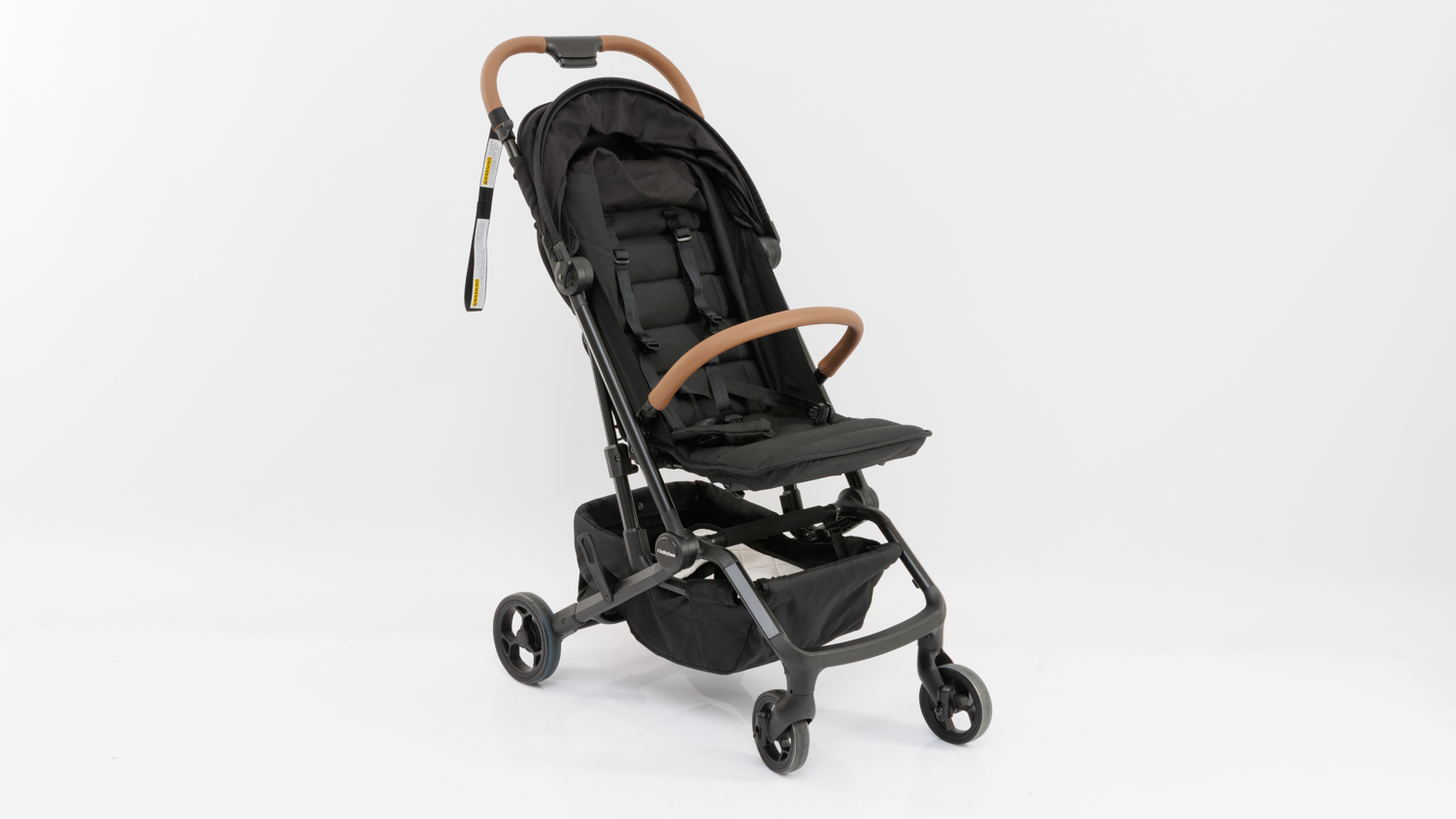
Babybee
Miles
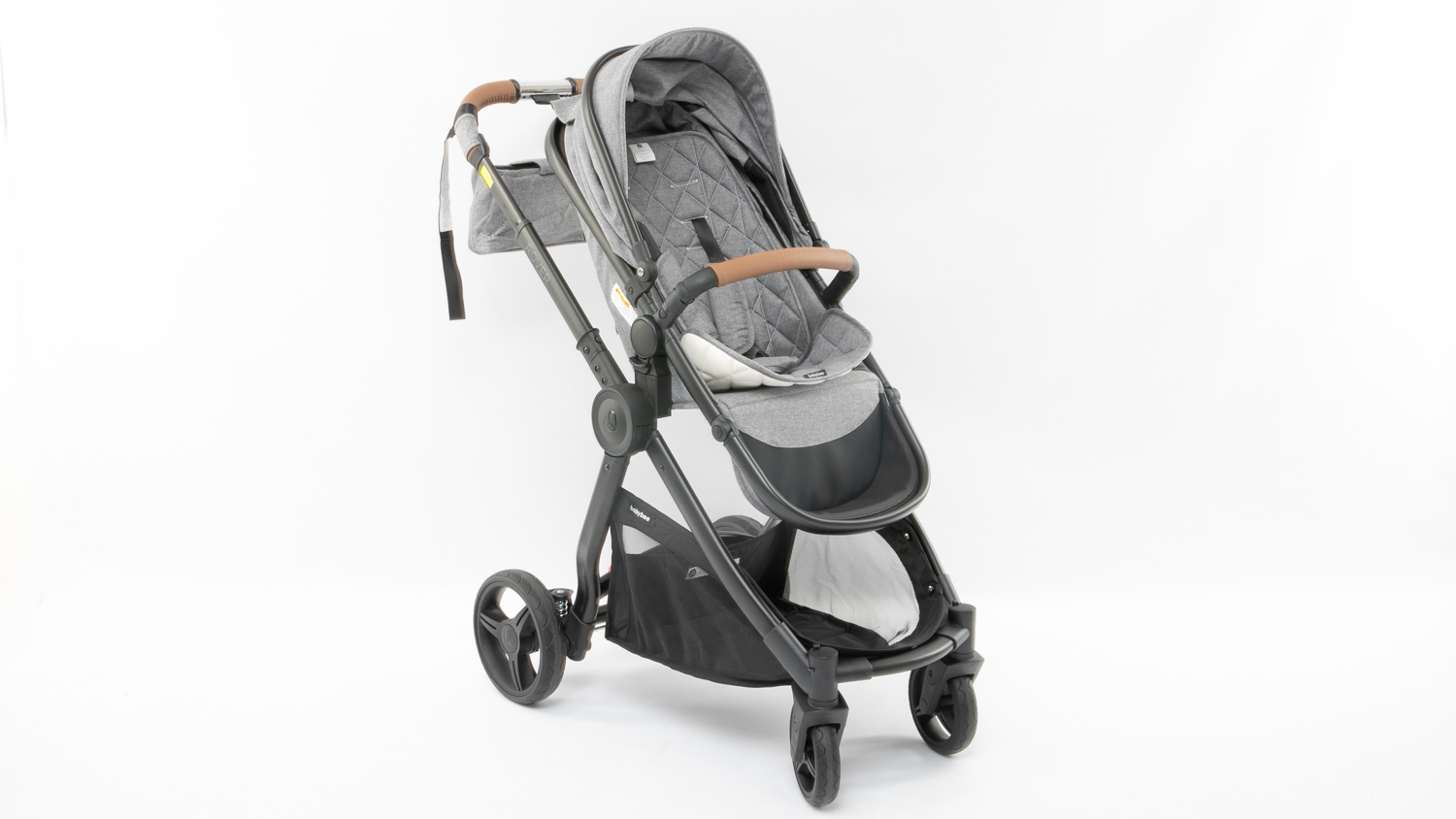
Babybee
Rover 3
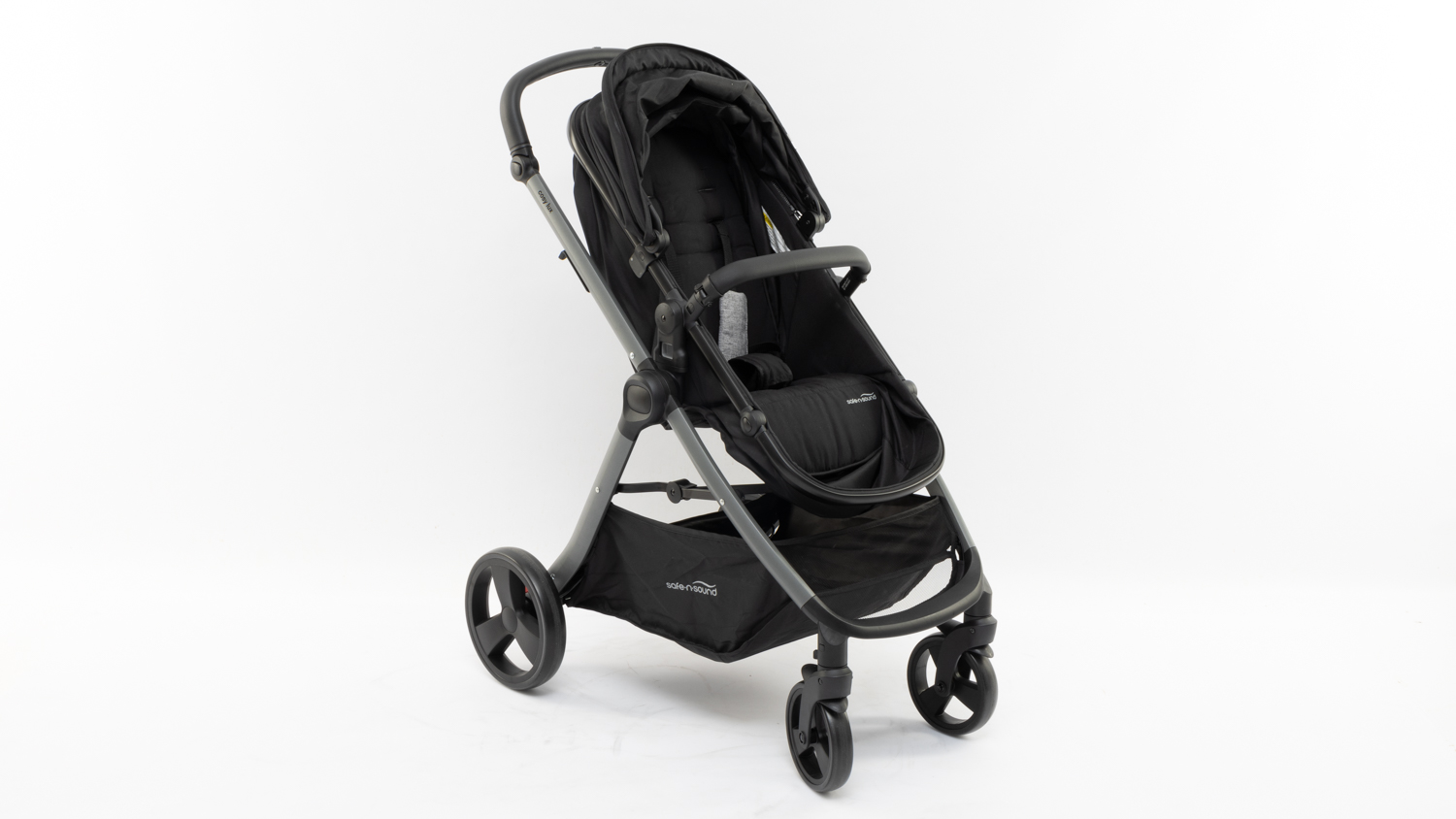
Britax
Safe-N-Sound Cosy Lux
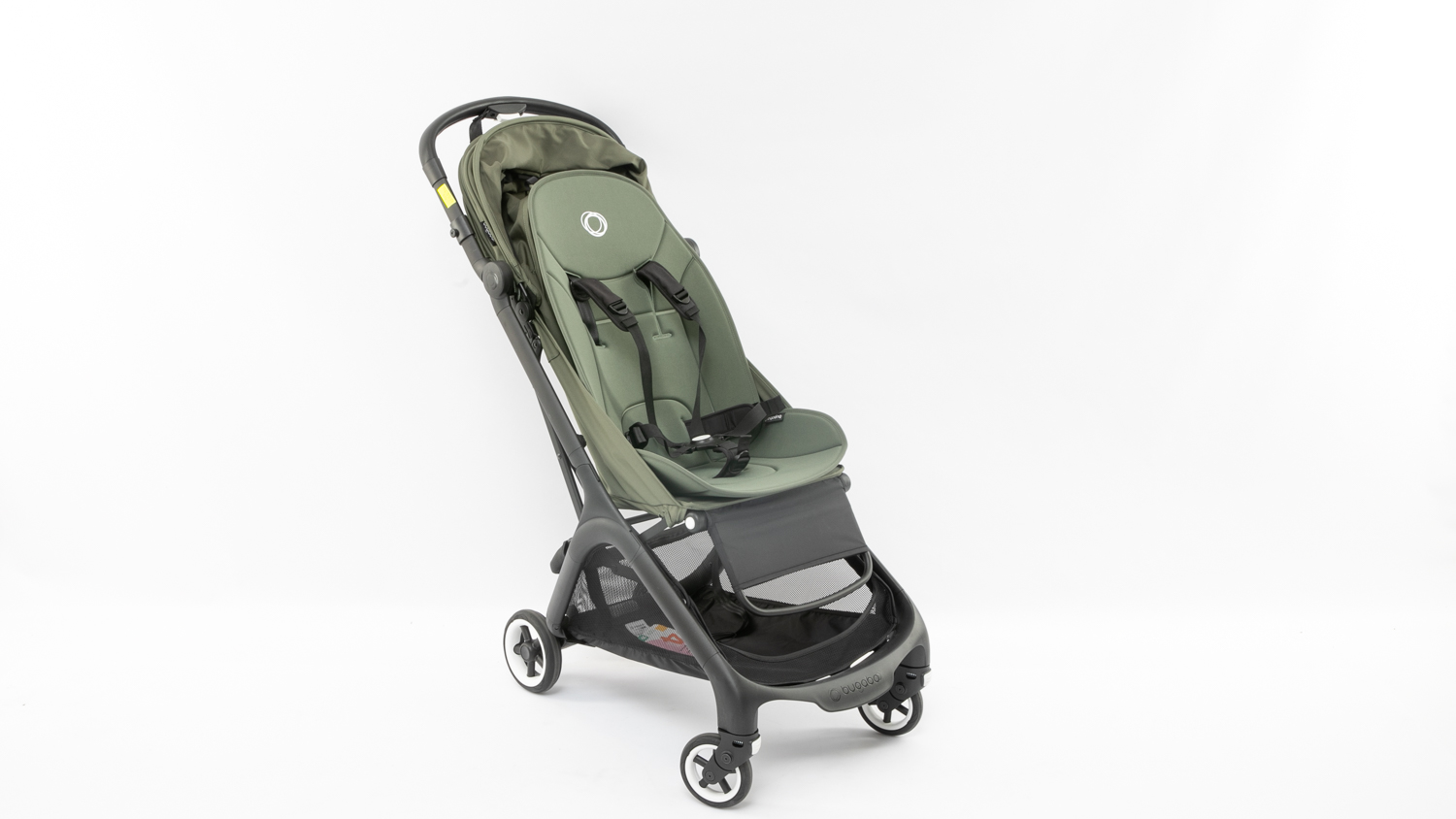
Bugaboo
Butterfly
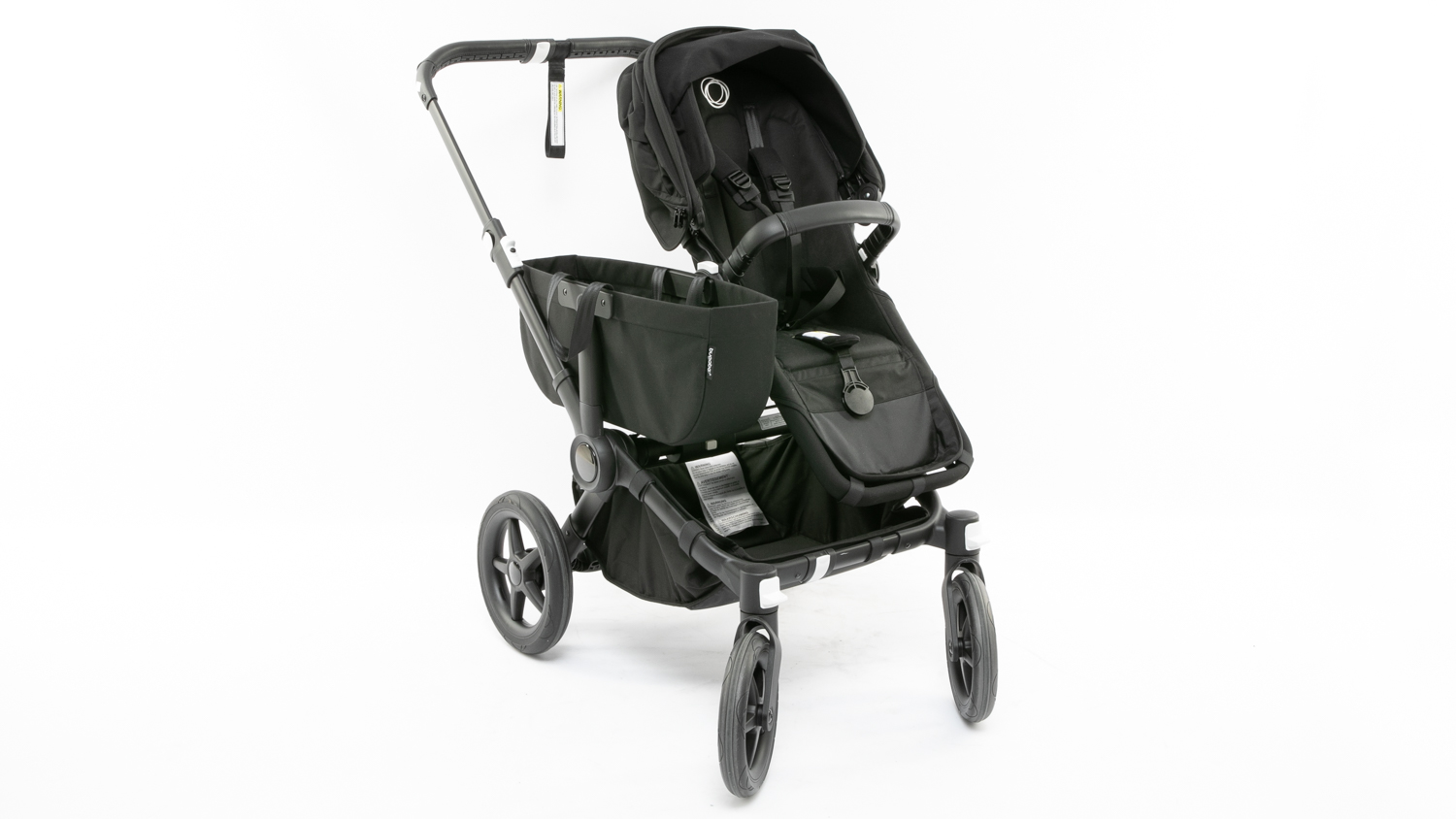
Bugaboo
Donkey 5
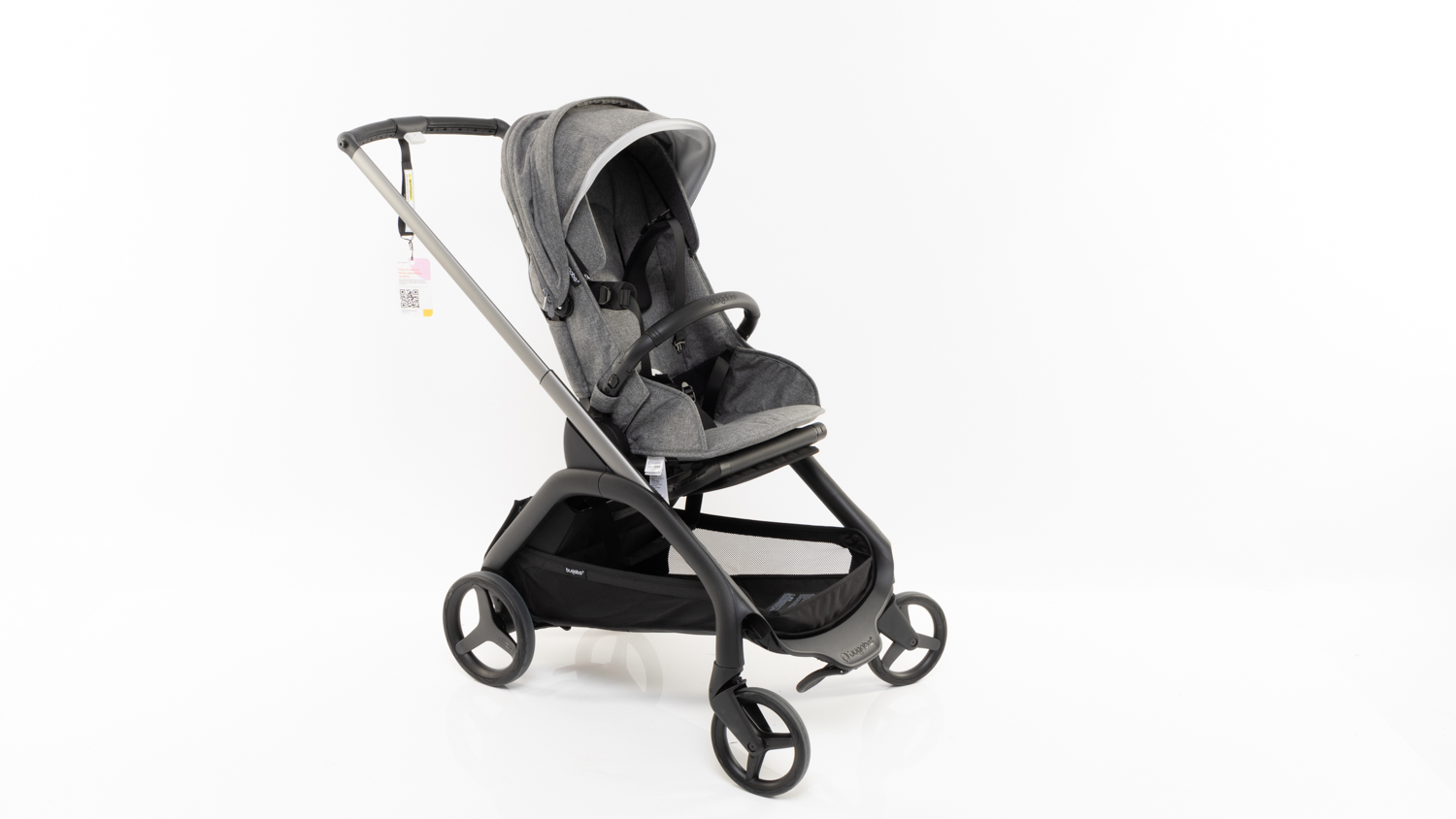
Bugaboo
Dragonfly
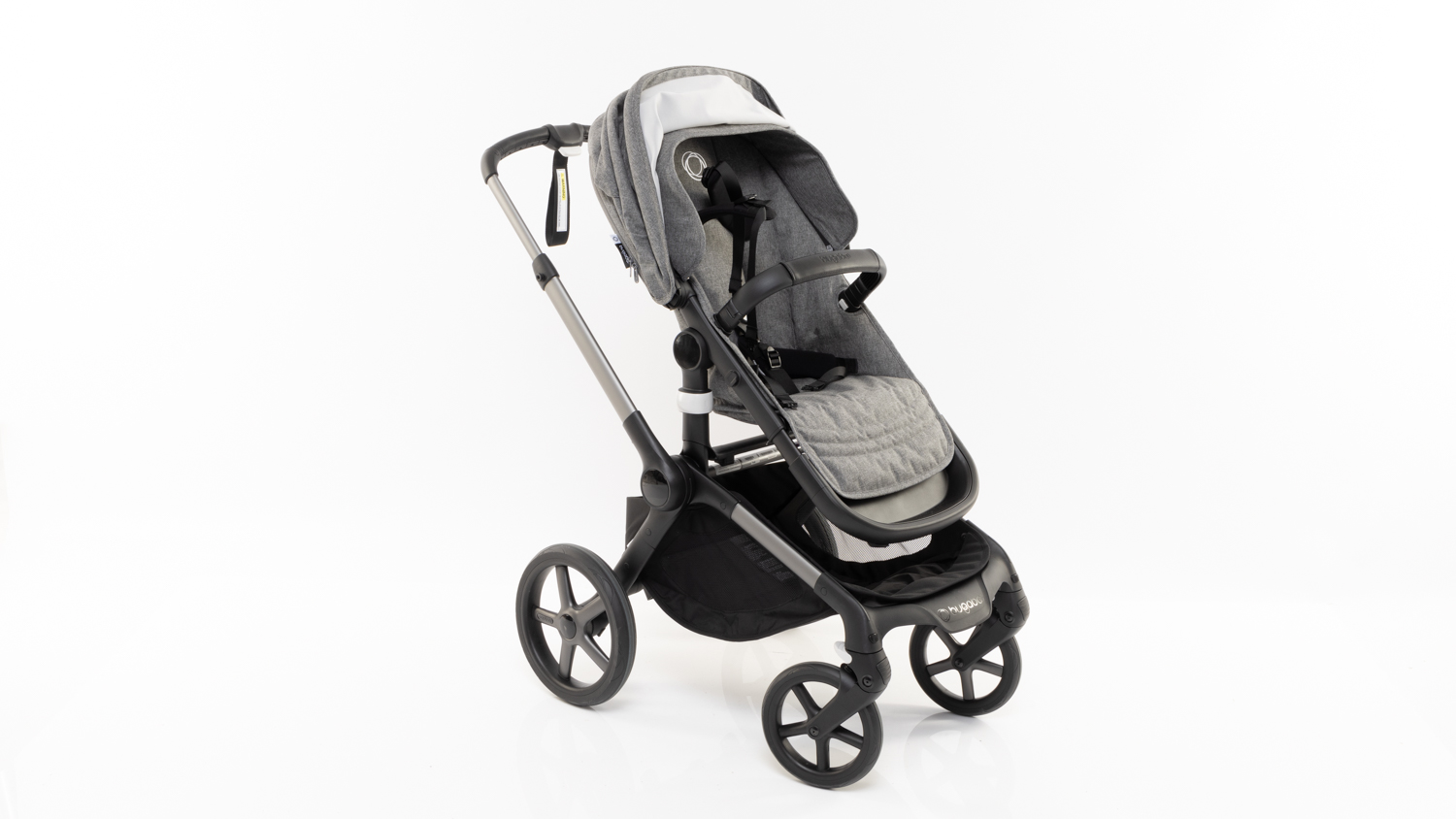
Bugaboo
Fox 5
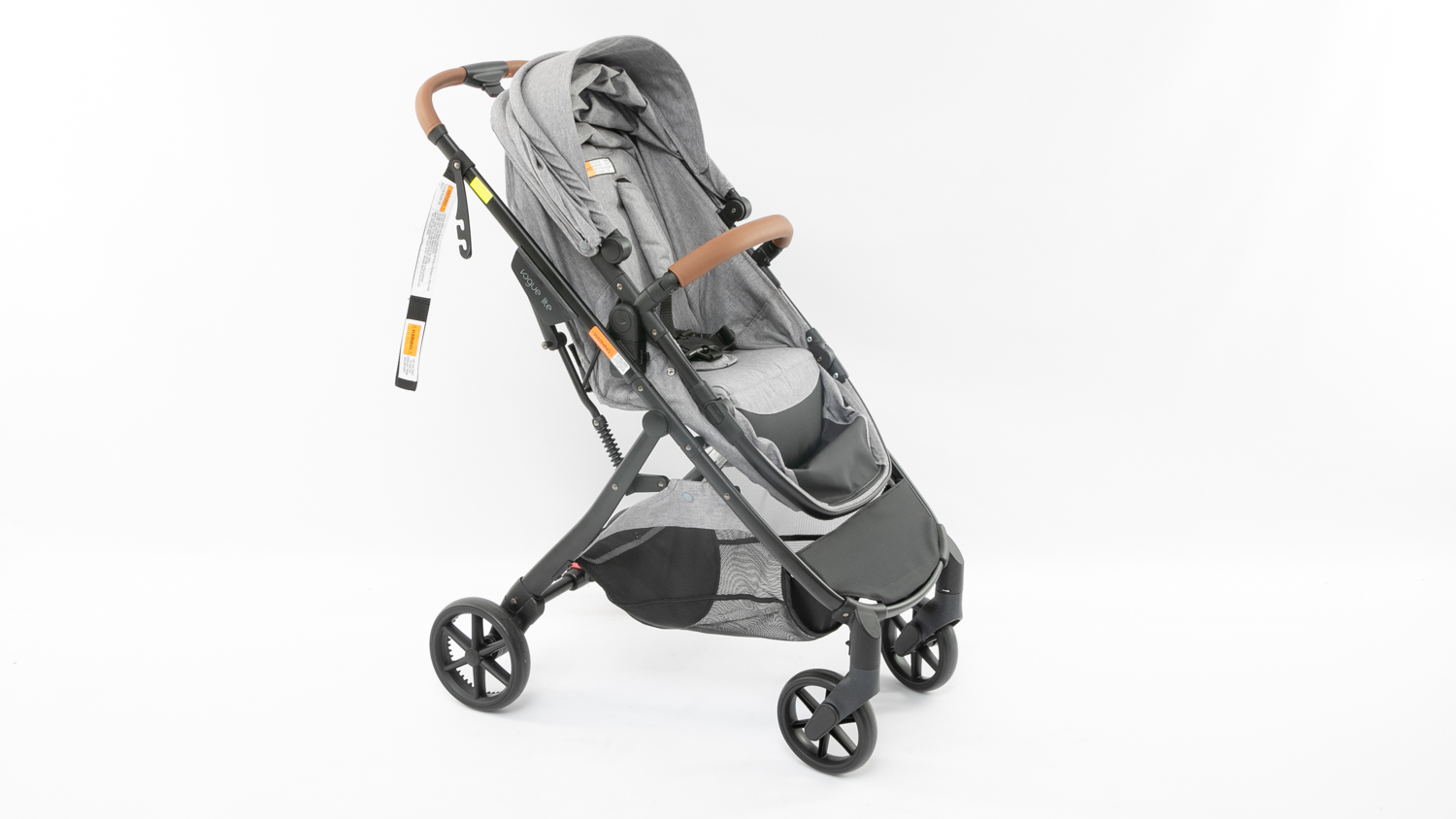
Childcare
Vogue Lite
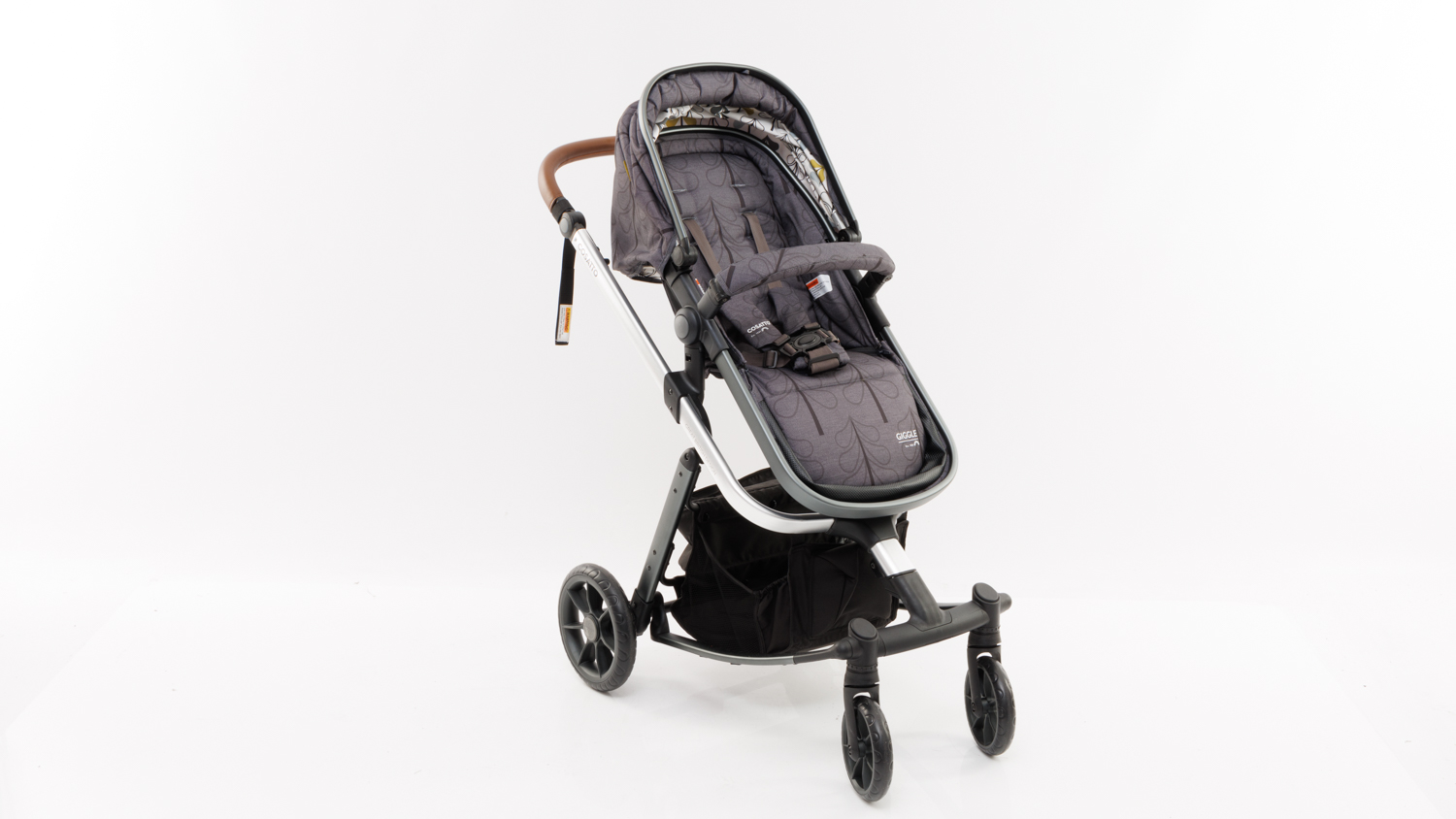
Cosatto
Giggle Quad
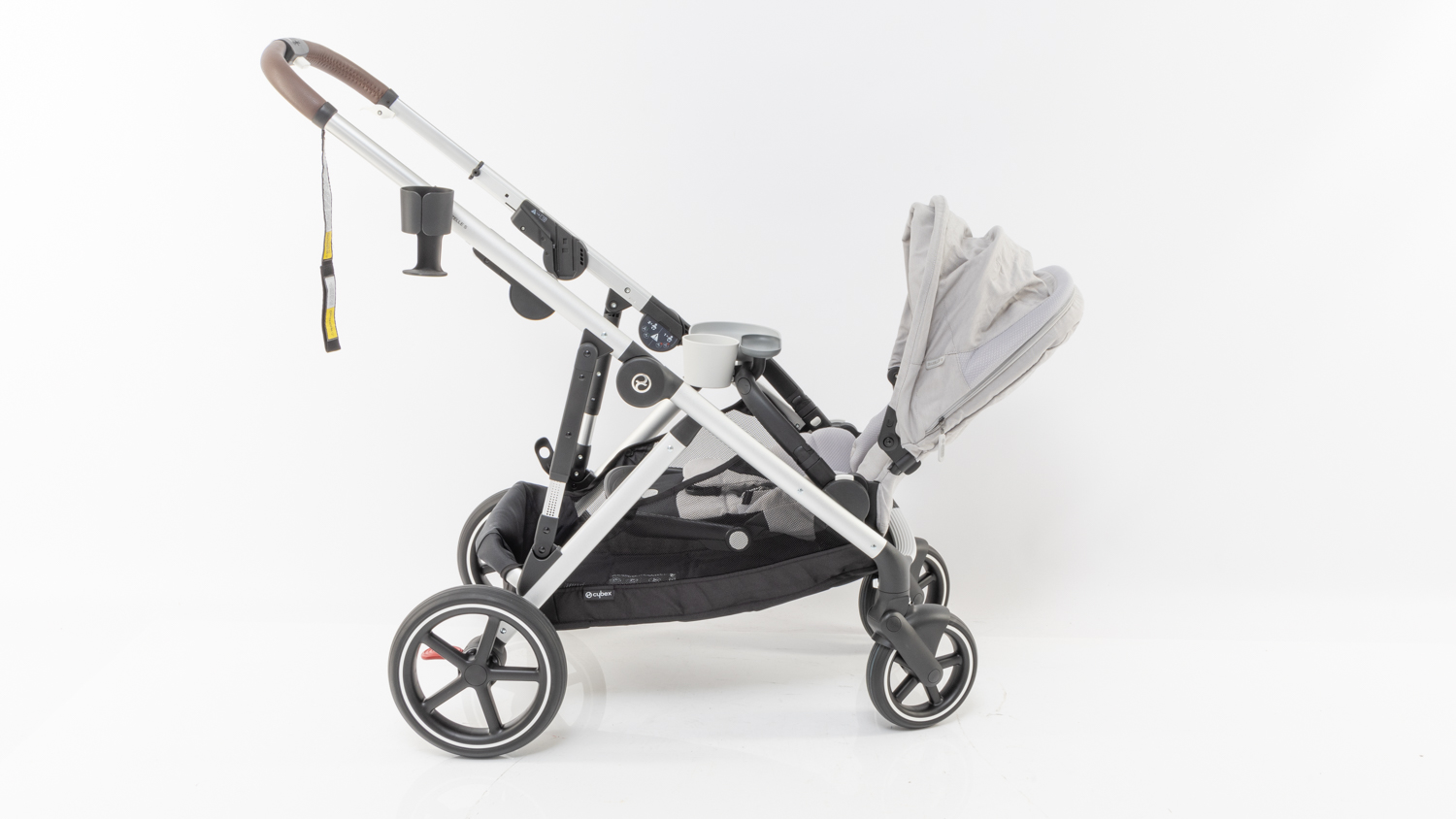
Cybex
Gazelle S
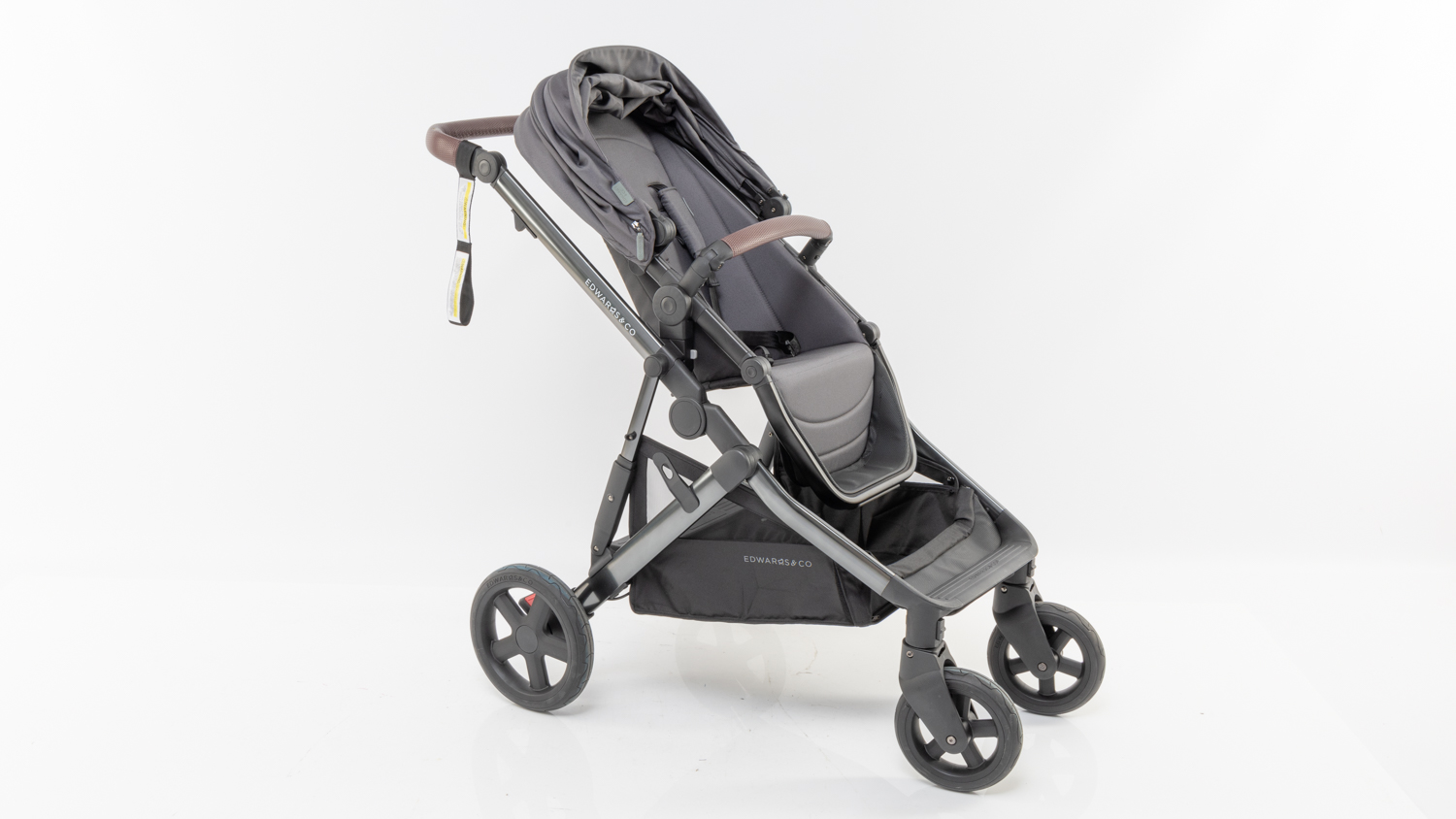
Edwards & Co
Olive
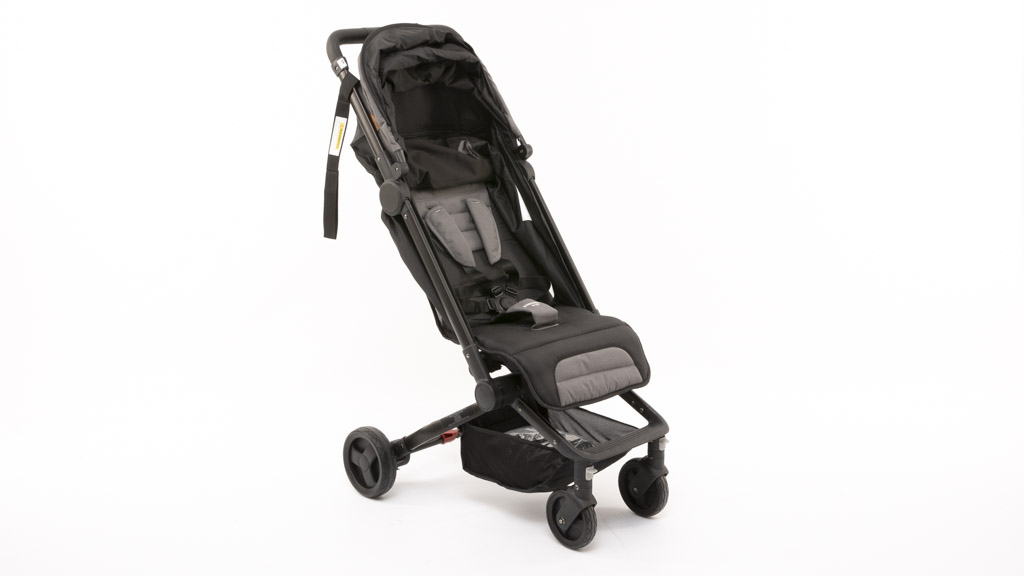
Edwards & Co
Otto
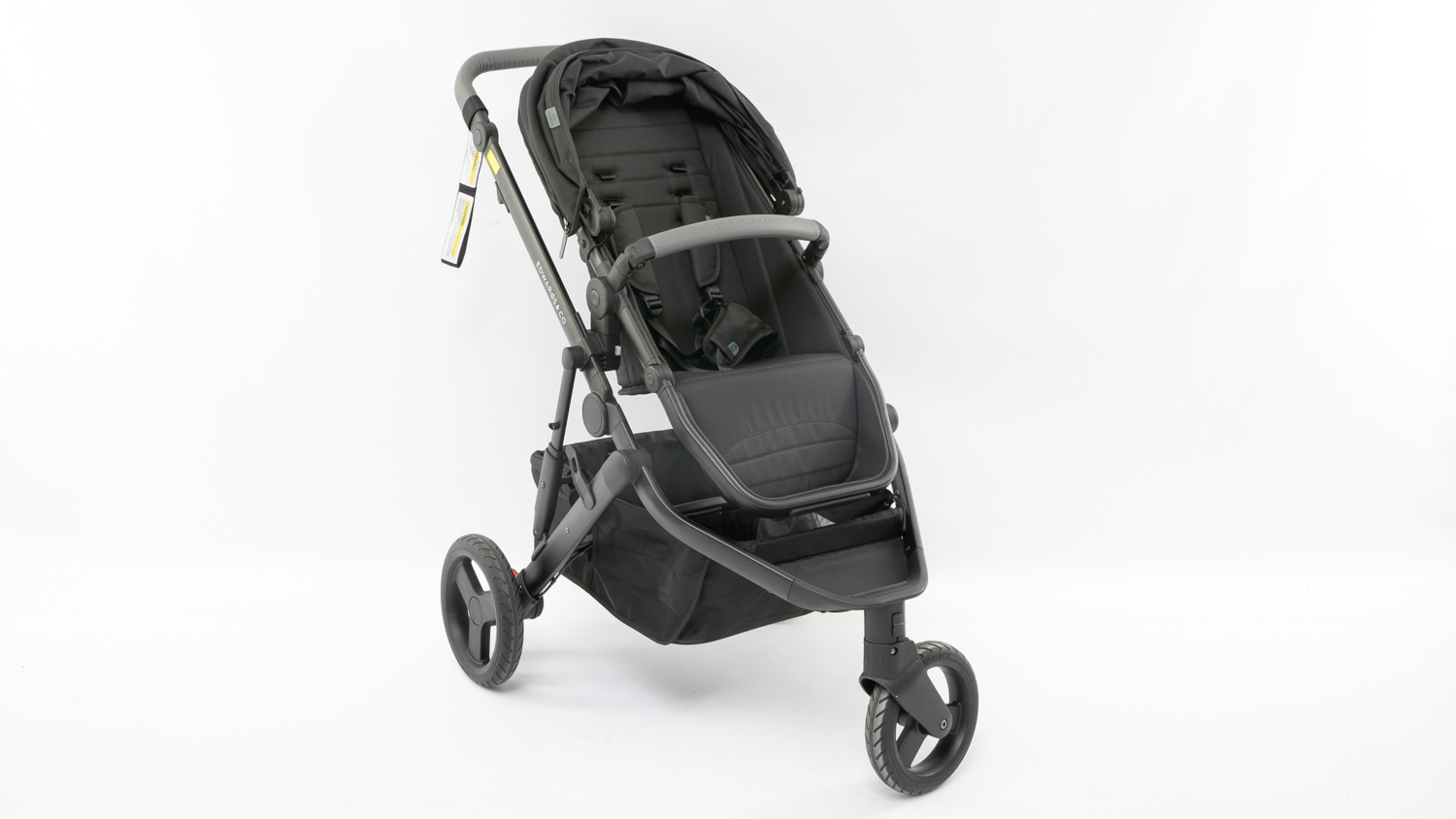
Edwards & Co
Oscar M2
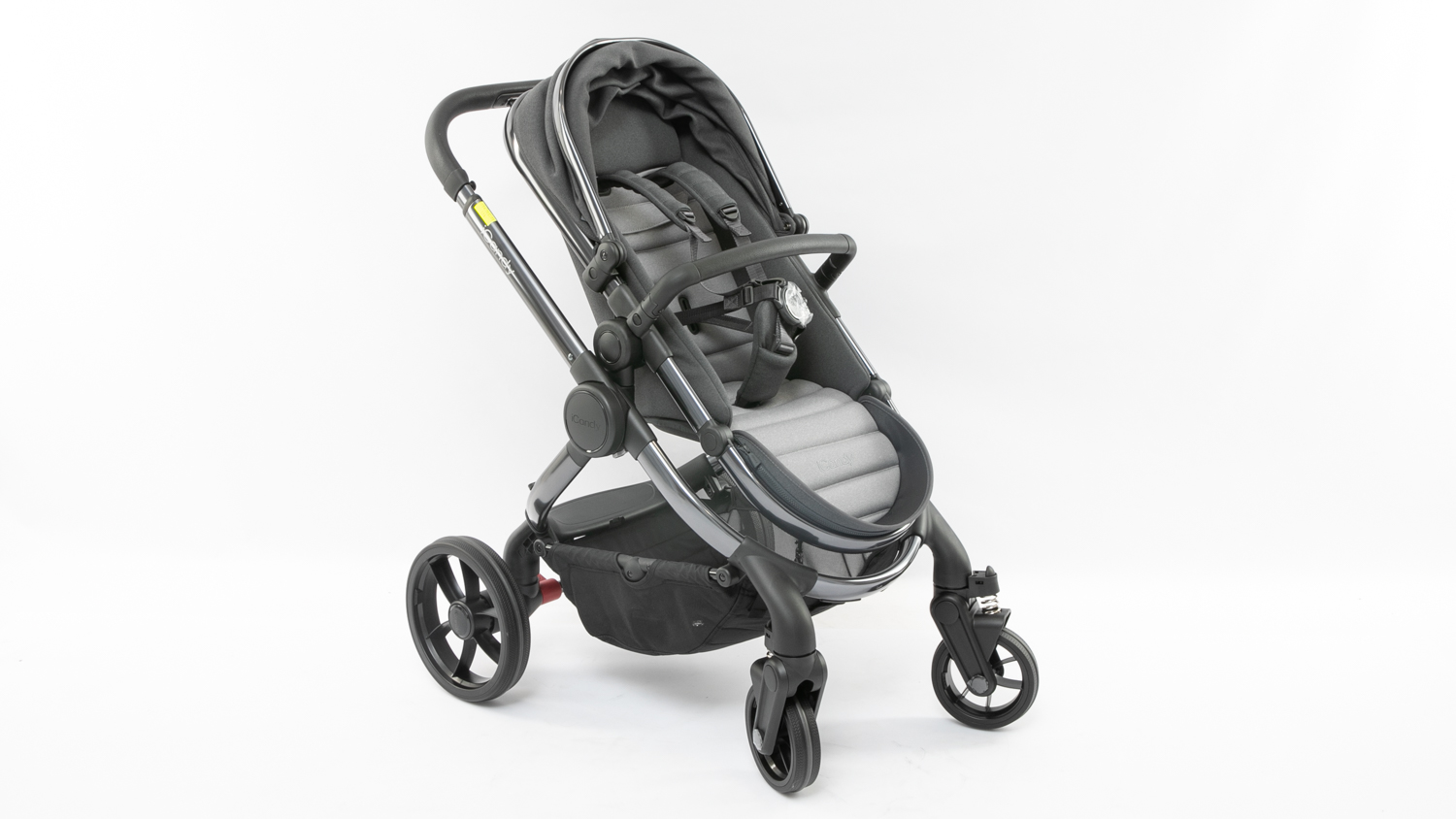
iCandy
Peach 7
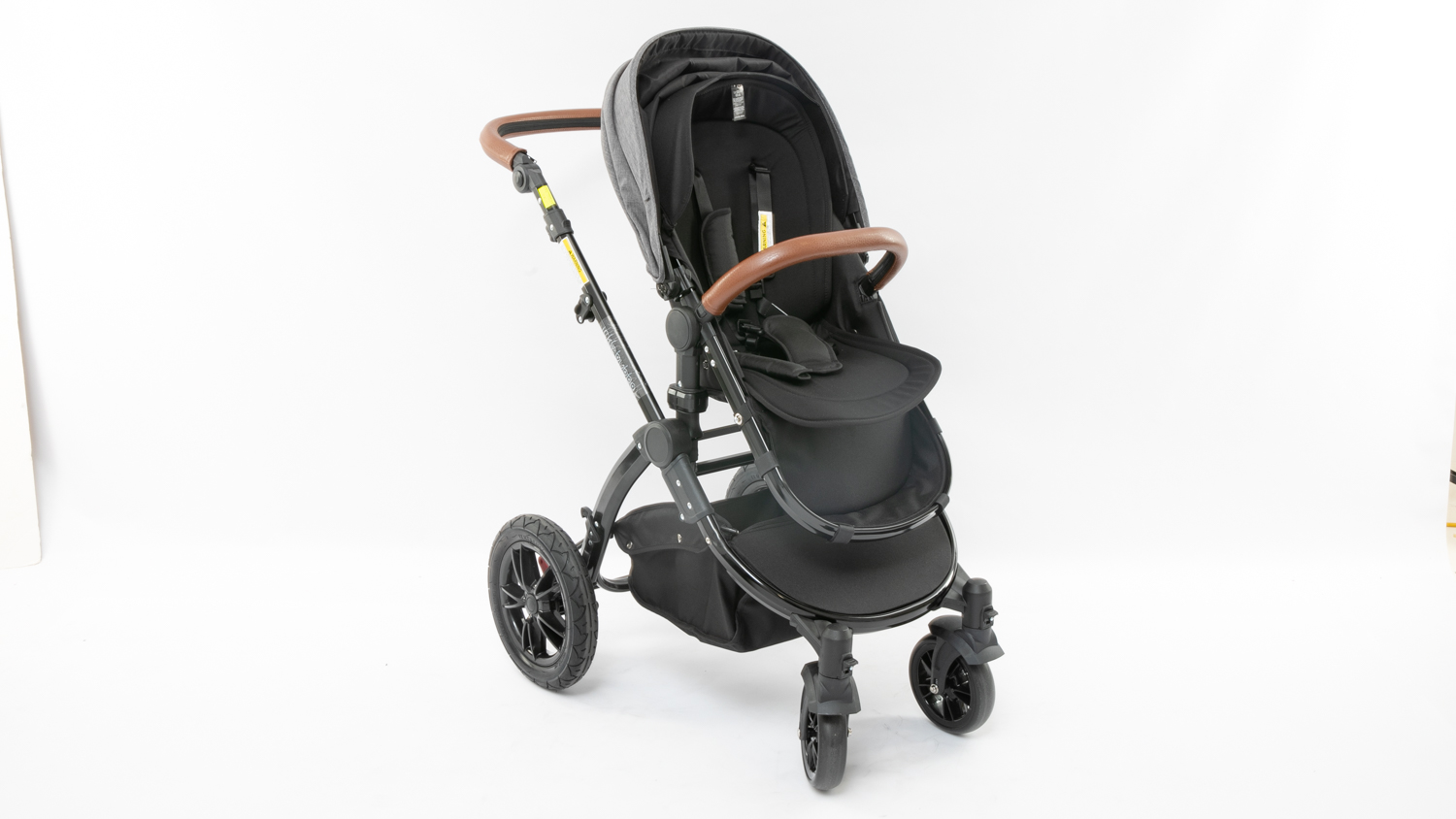
Ickle Bubba
Stomp V3
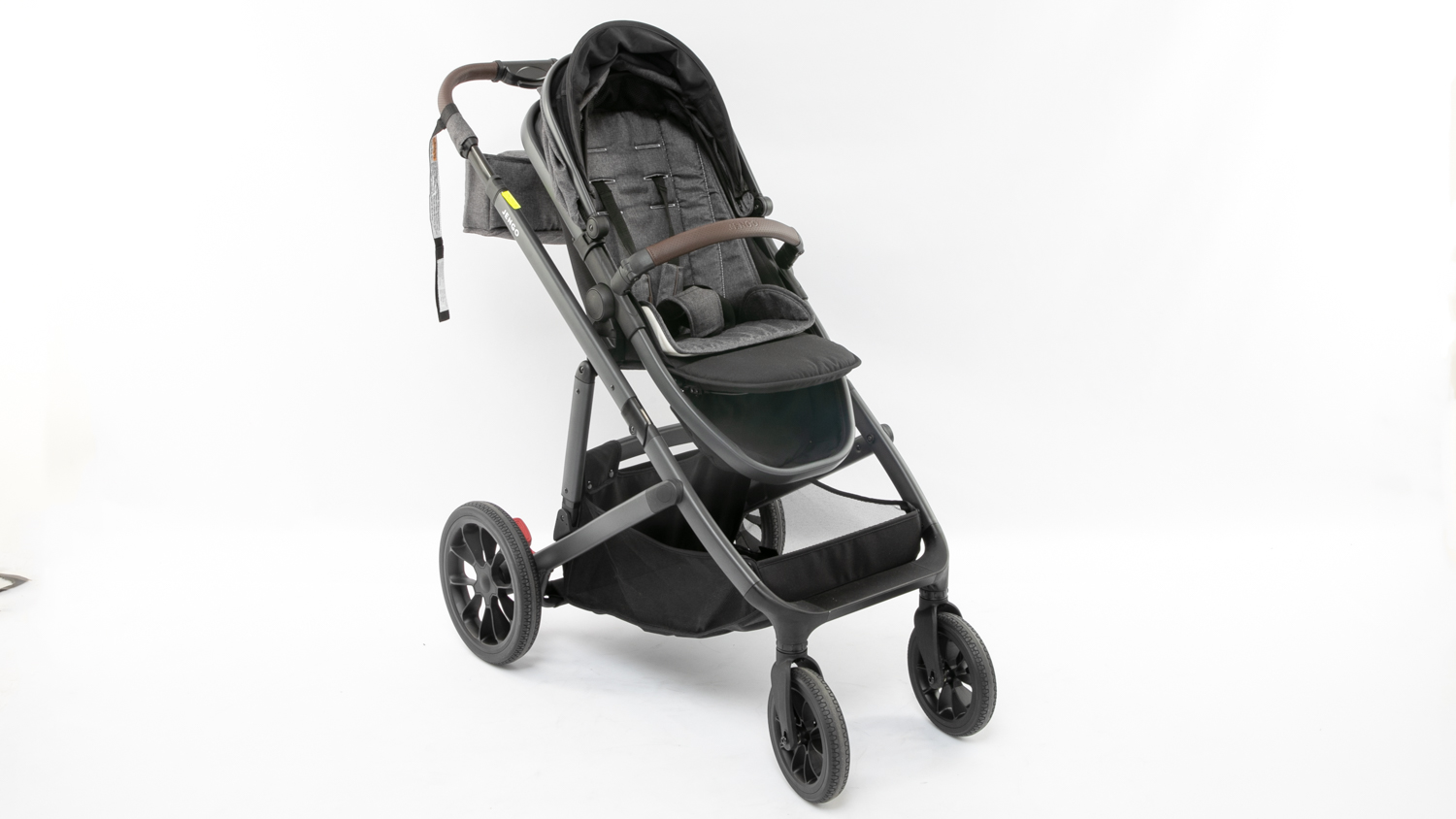
Jengo
Strand
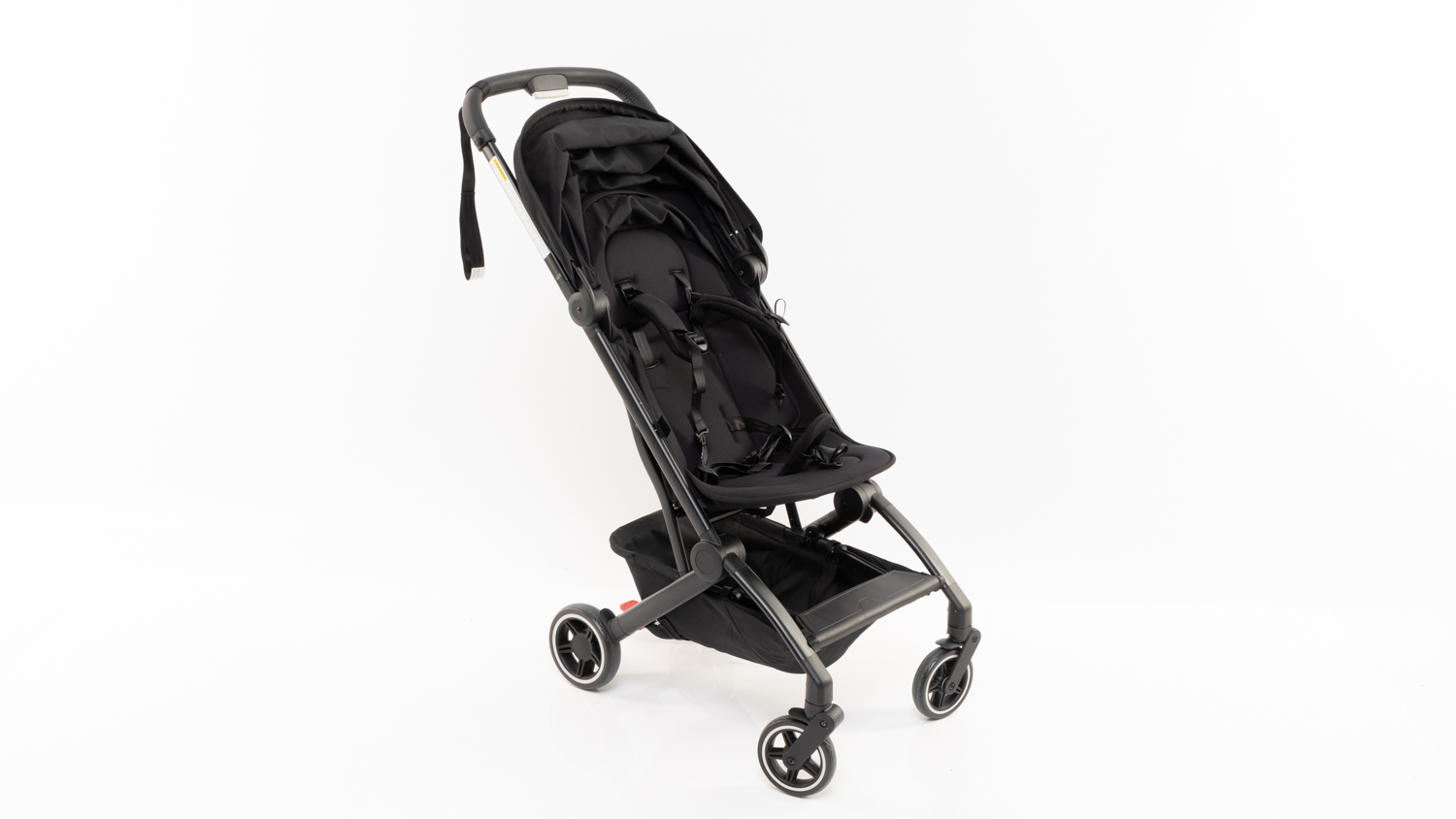
Joolz
Aer+
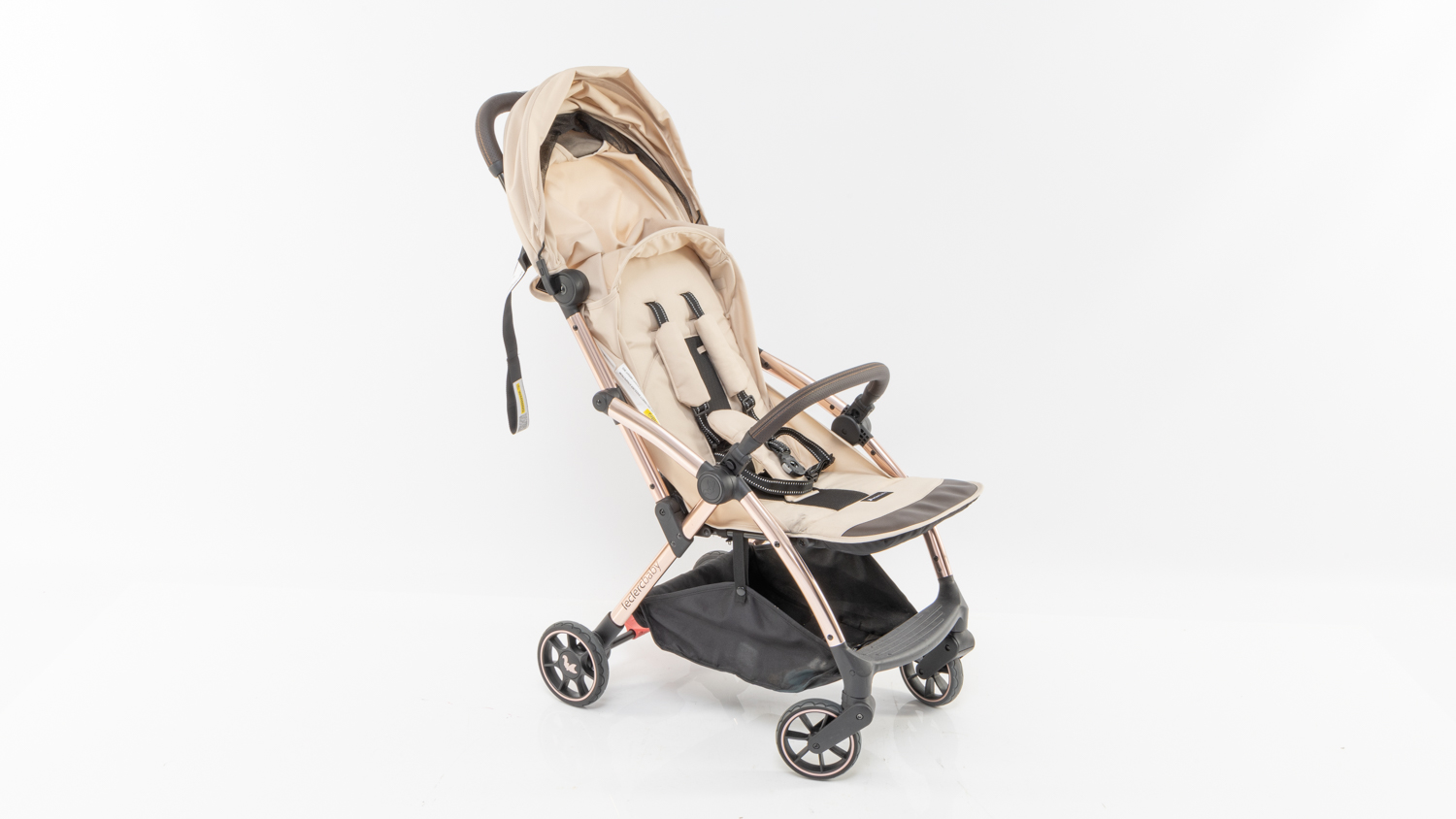
Leclercbaby
Influencer
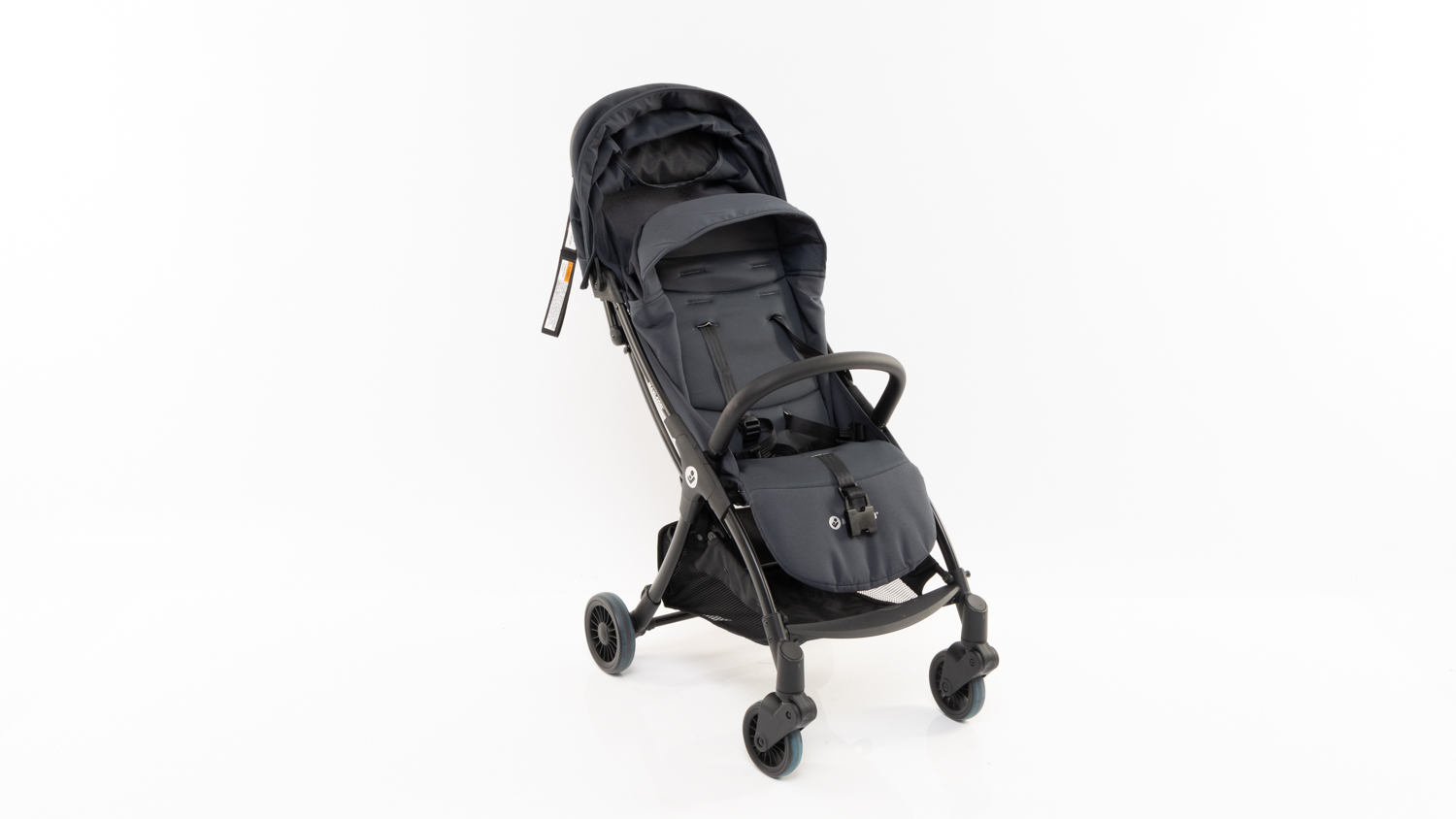
Maxi-Cosi
Jaya
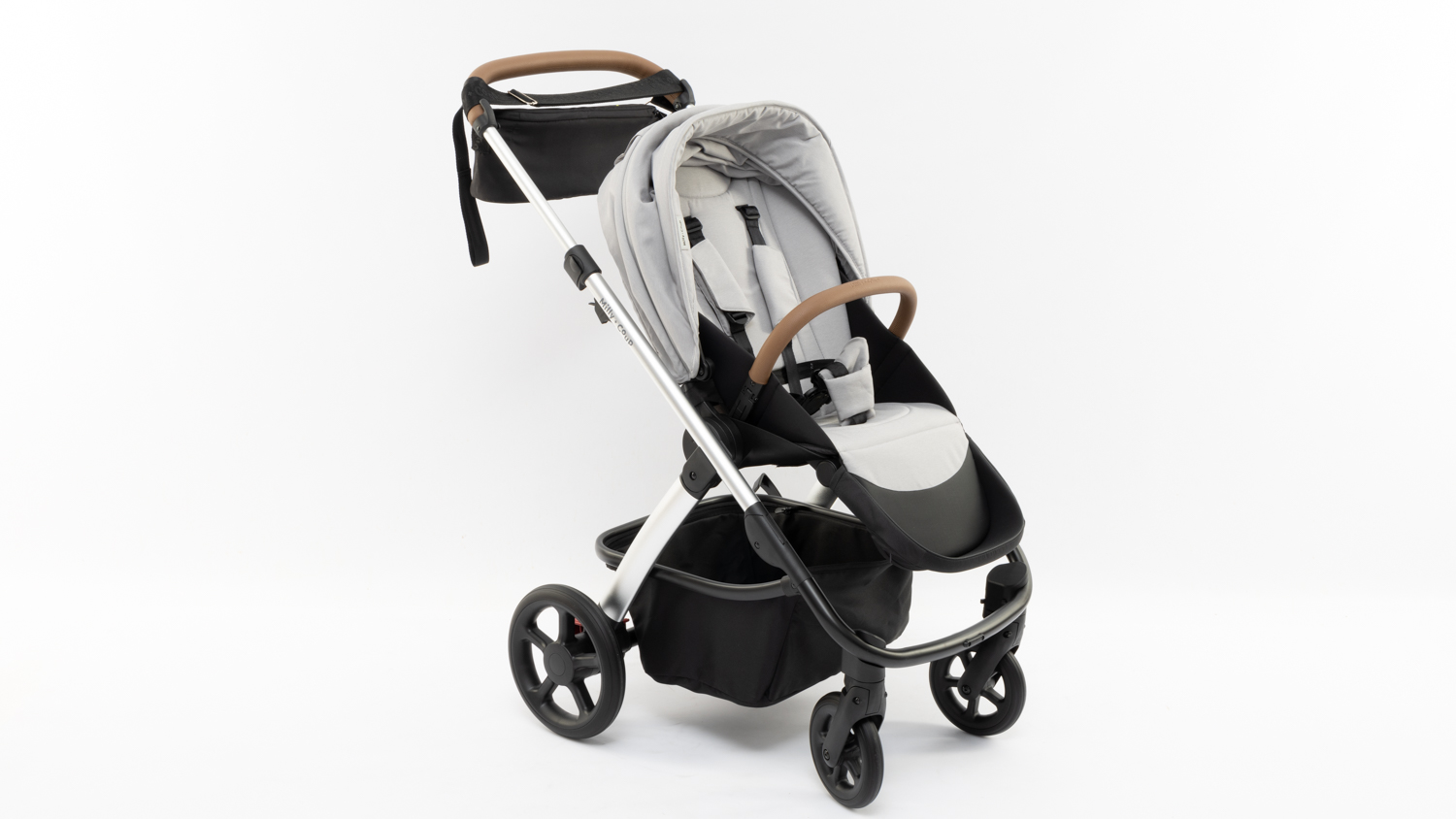
Milly + Coup
Milo2
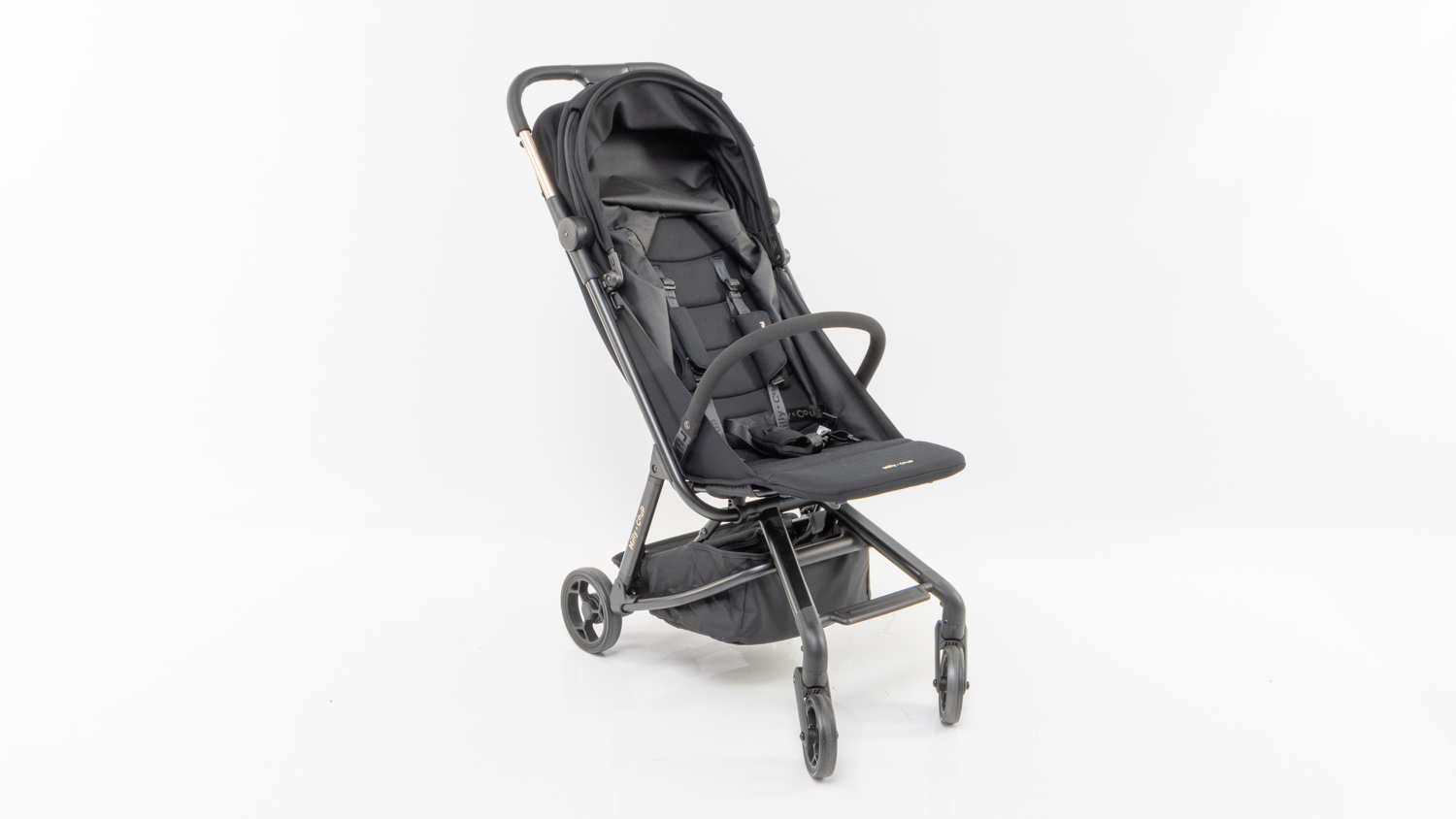
Milly + Coup
Pixi Travel
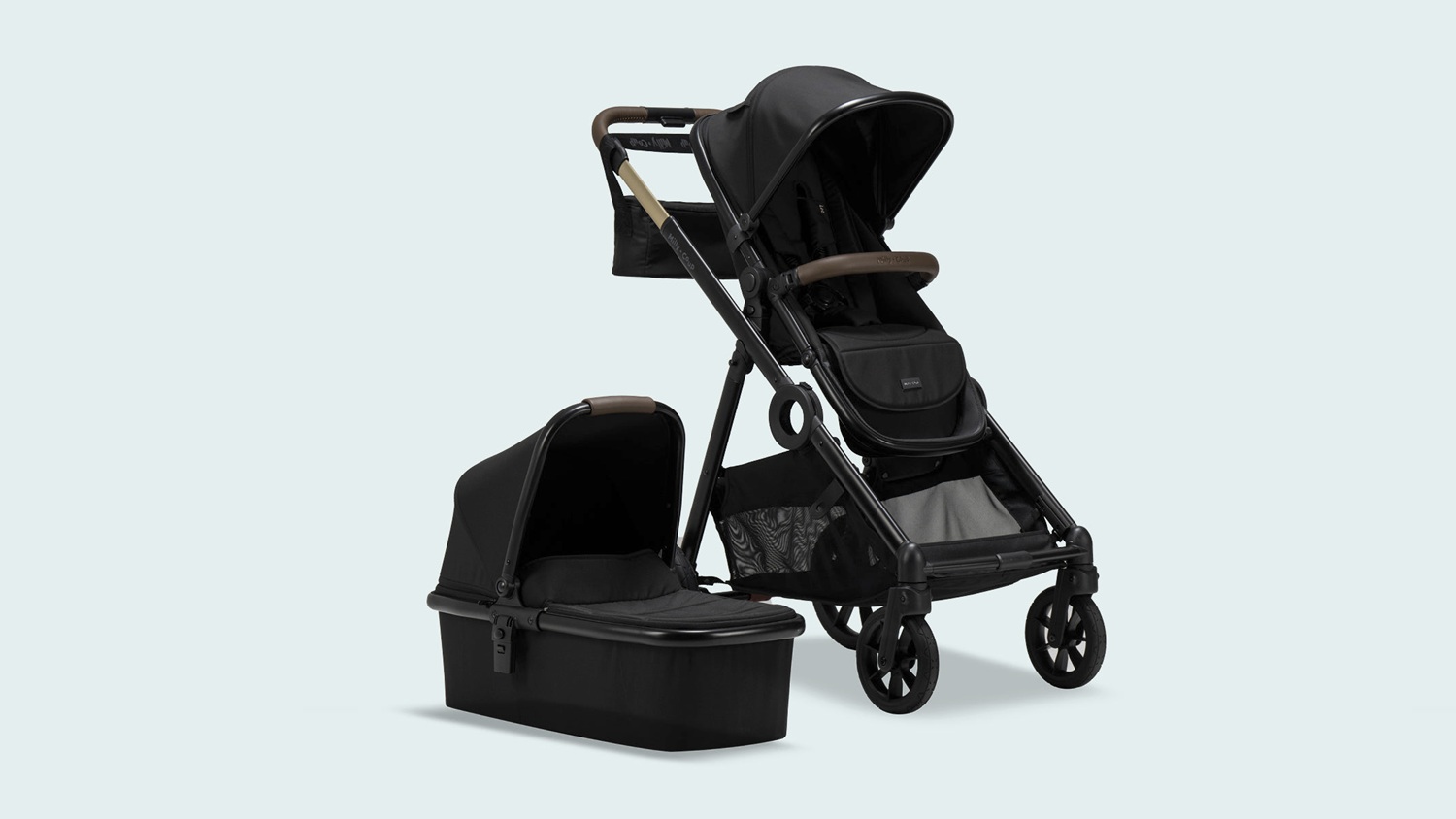
Milly + Coup
Leo
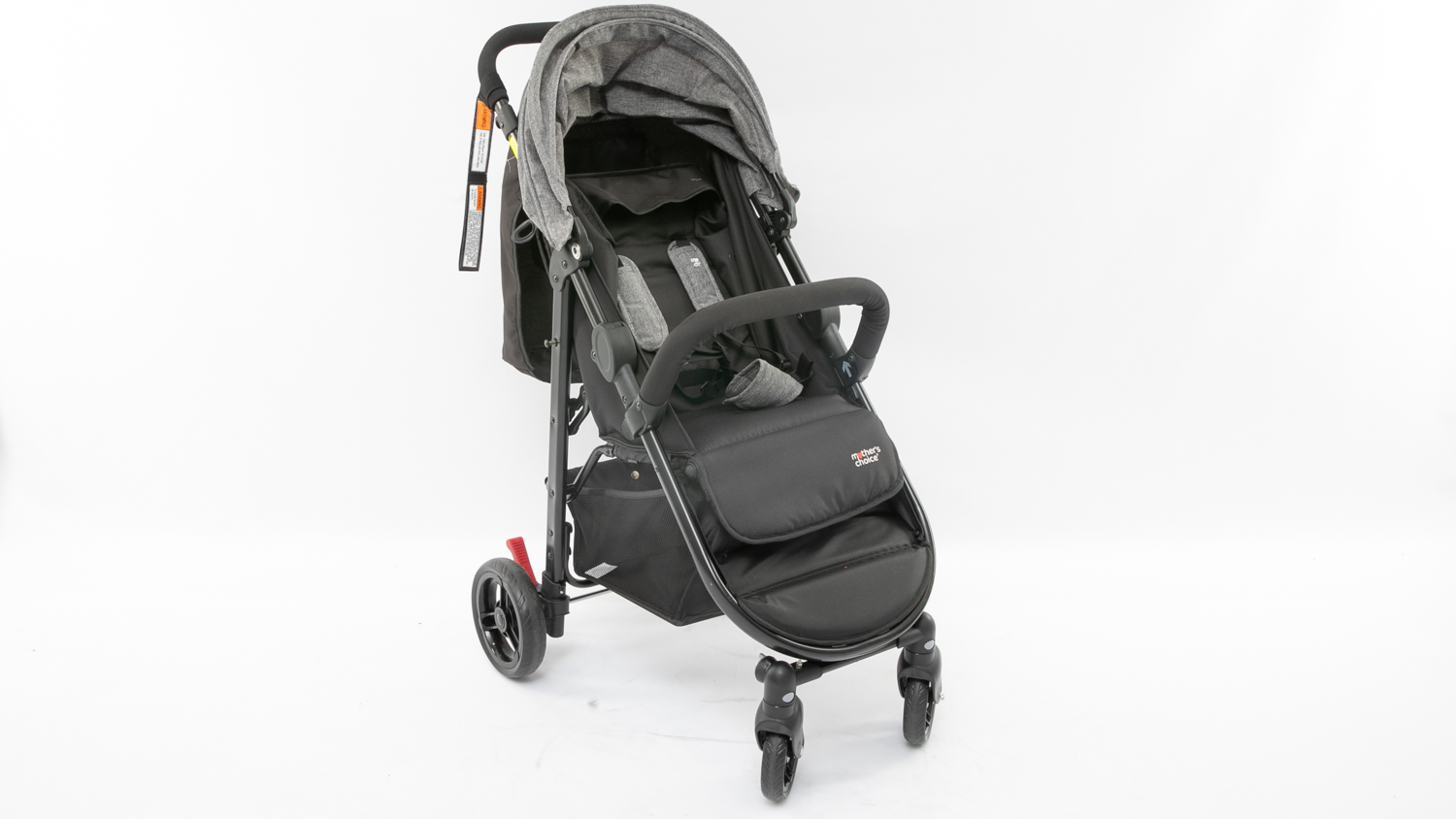
Mother's Choice
Ava
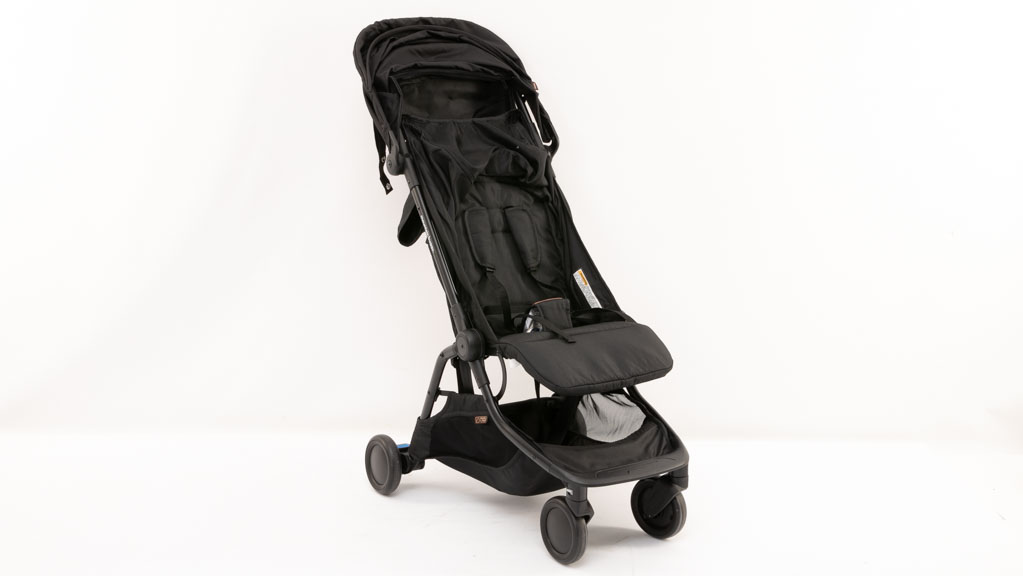
Mountain Buggy
Nano 3.0
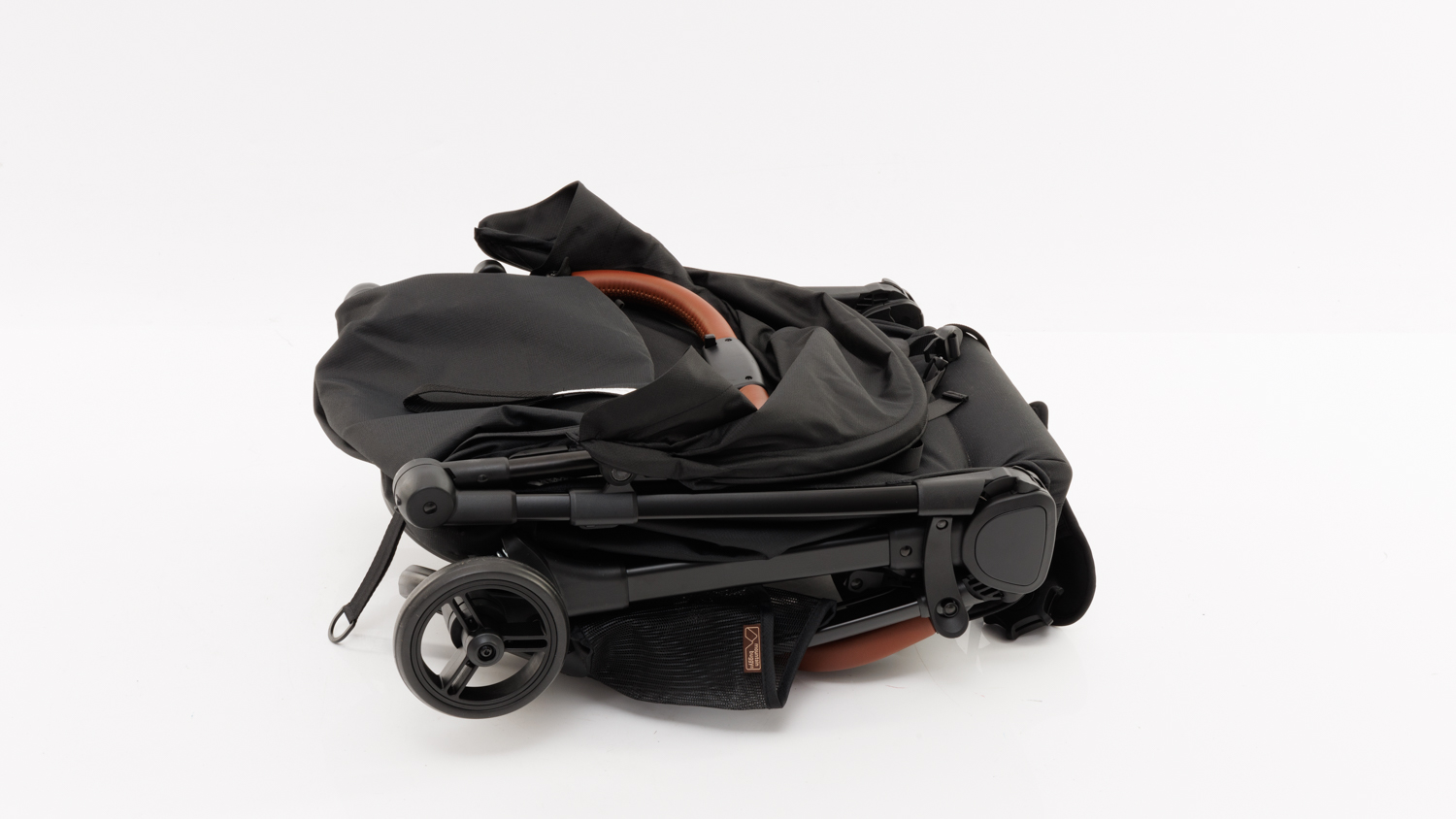
Mountain Buggy
Nano Urban
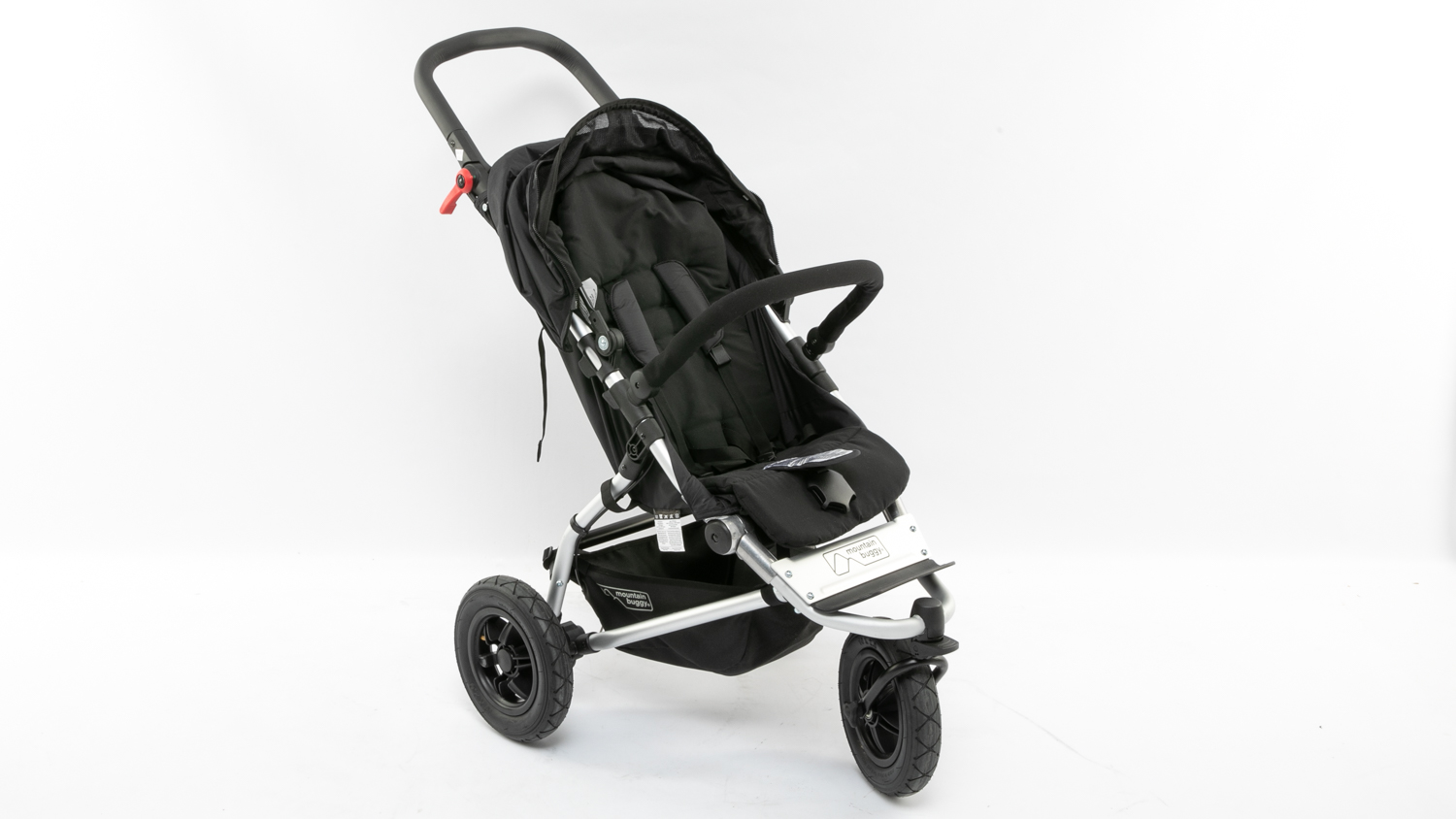
Mountain Buggy
Swift
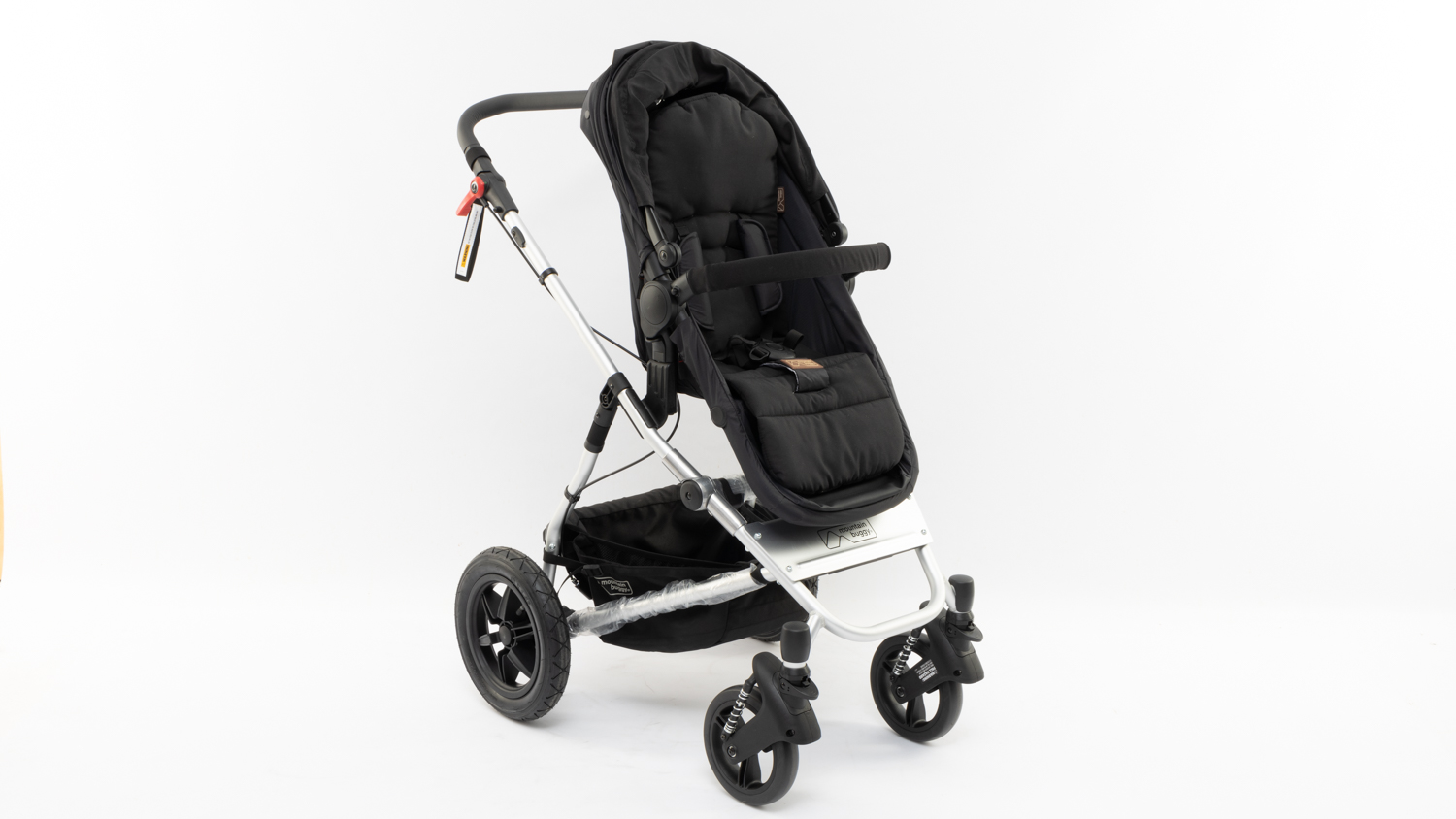
Mountain Buggy
Cosmopolitan 4.0 2021+
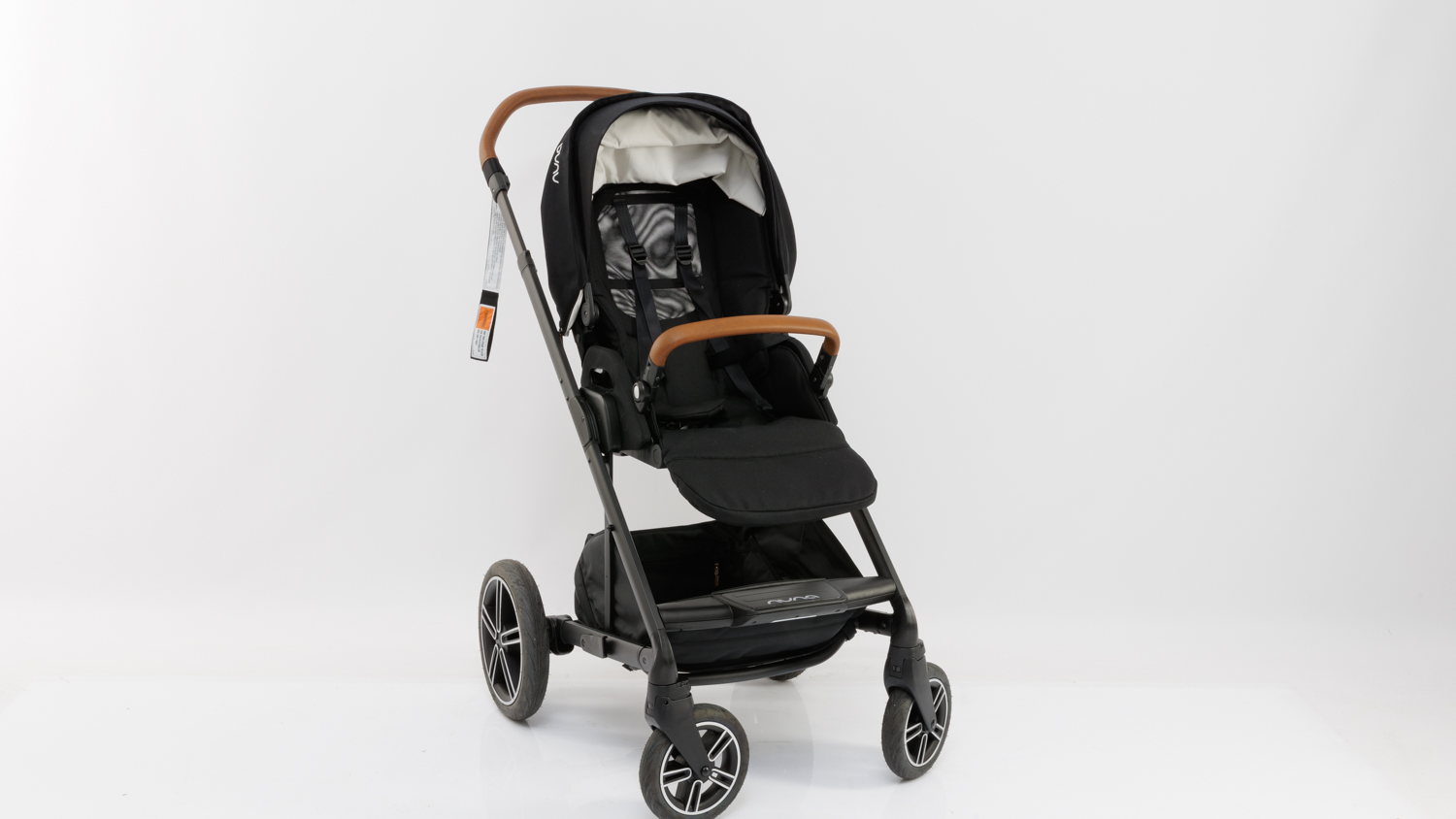
Nuna
Mixx Next
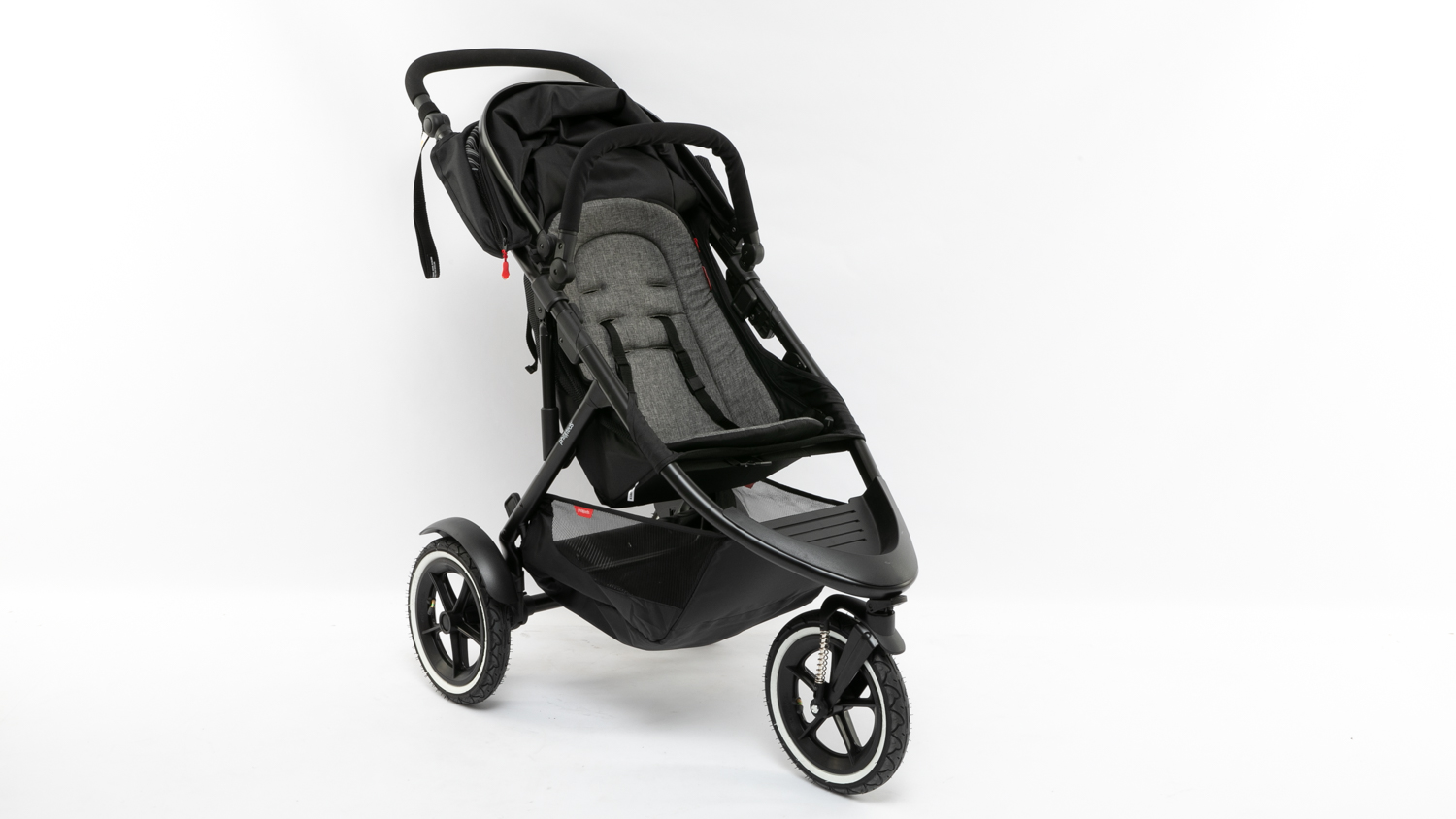
Phil & Teds
Sport
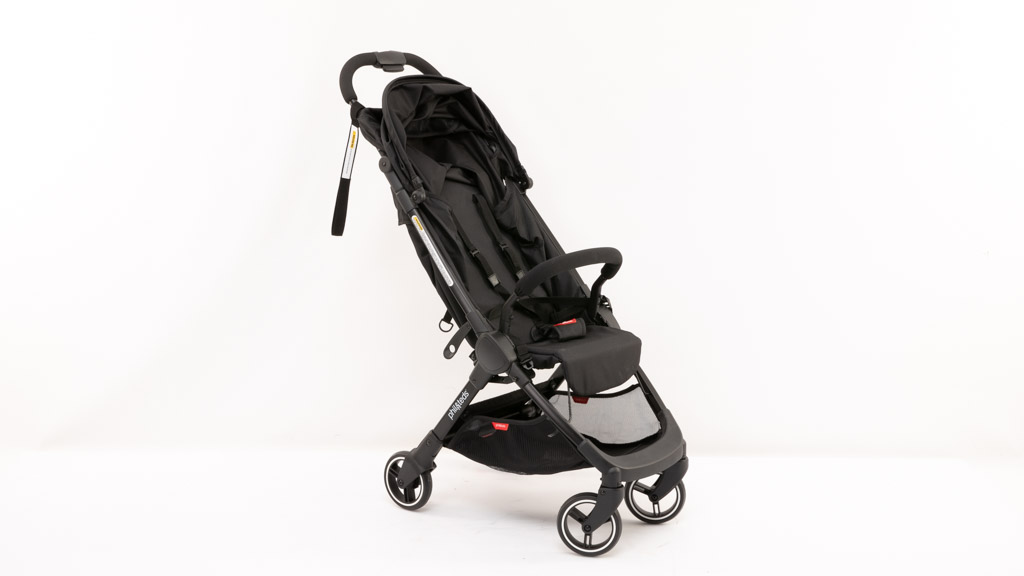
Phil & Teds
Go V2
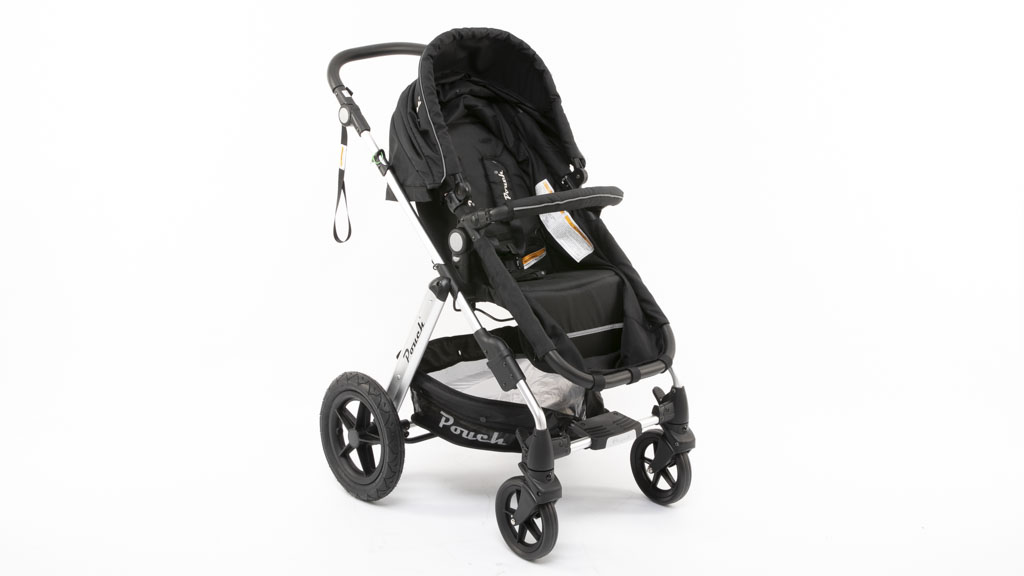
Pouch
2 in 1
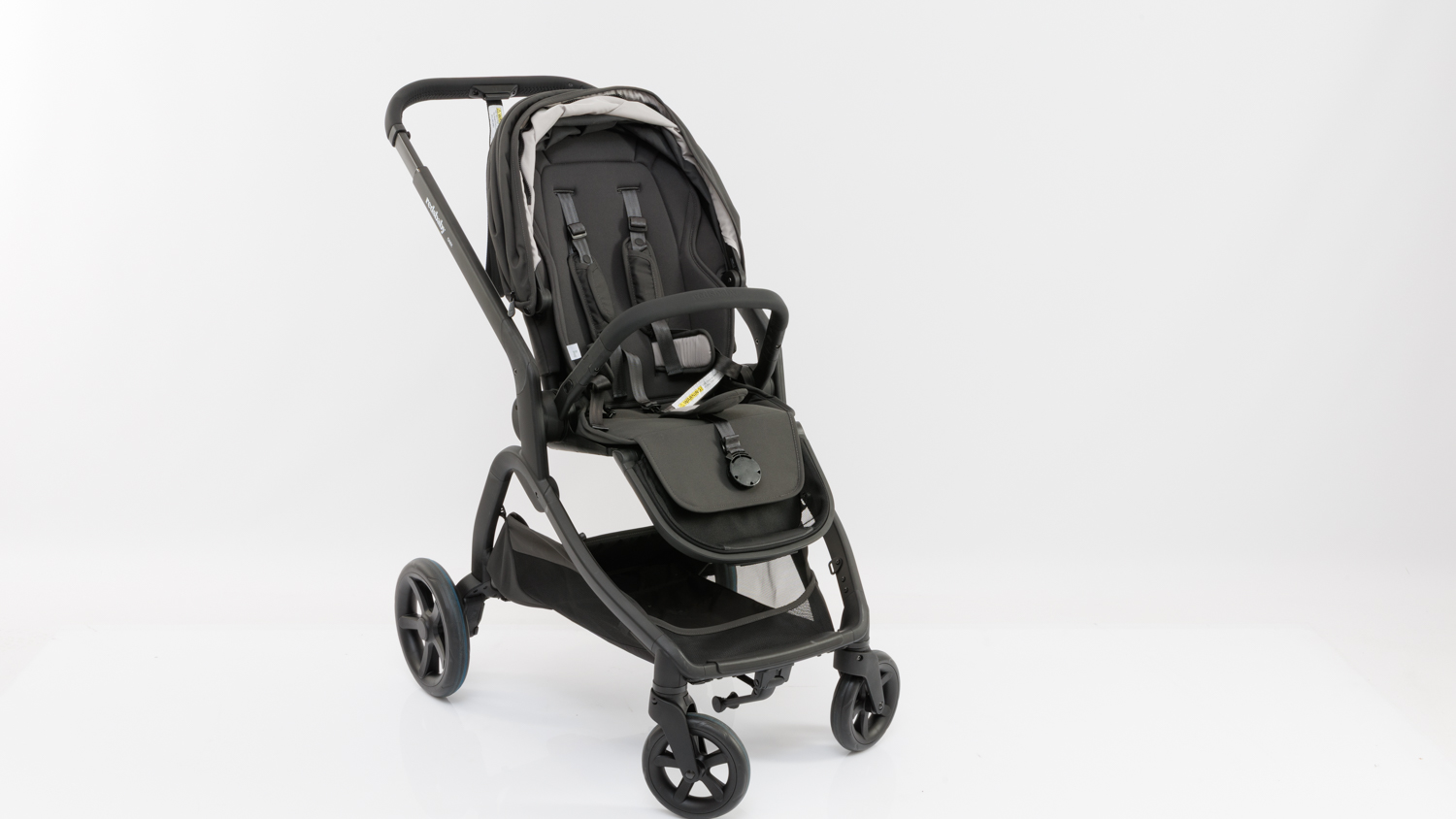
Redsbaby
Onix
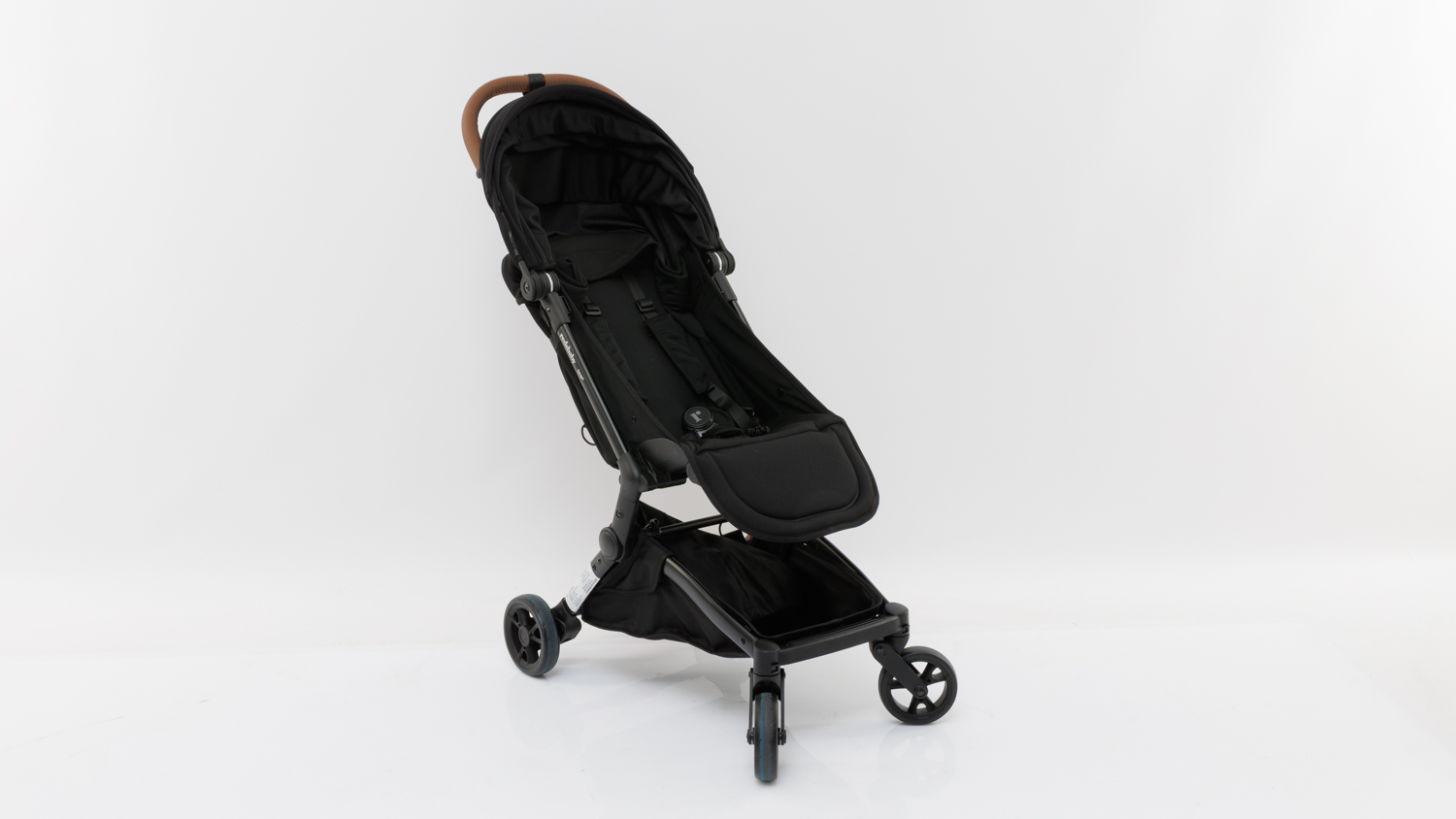
Redsbaby
Skip2
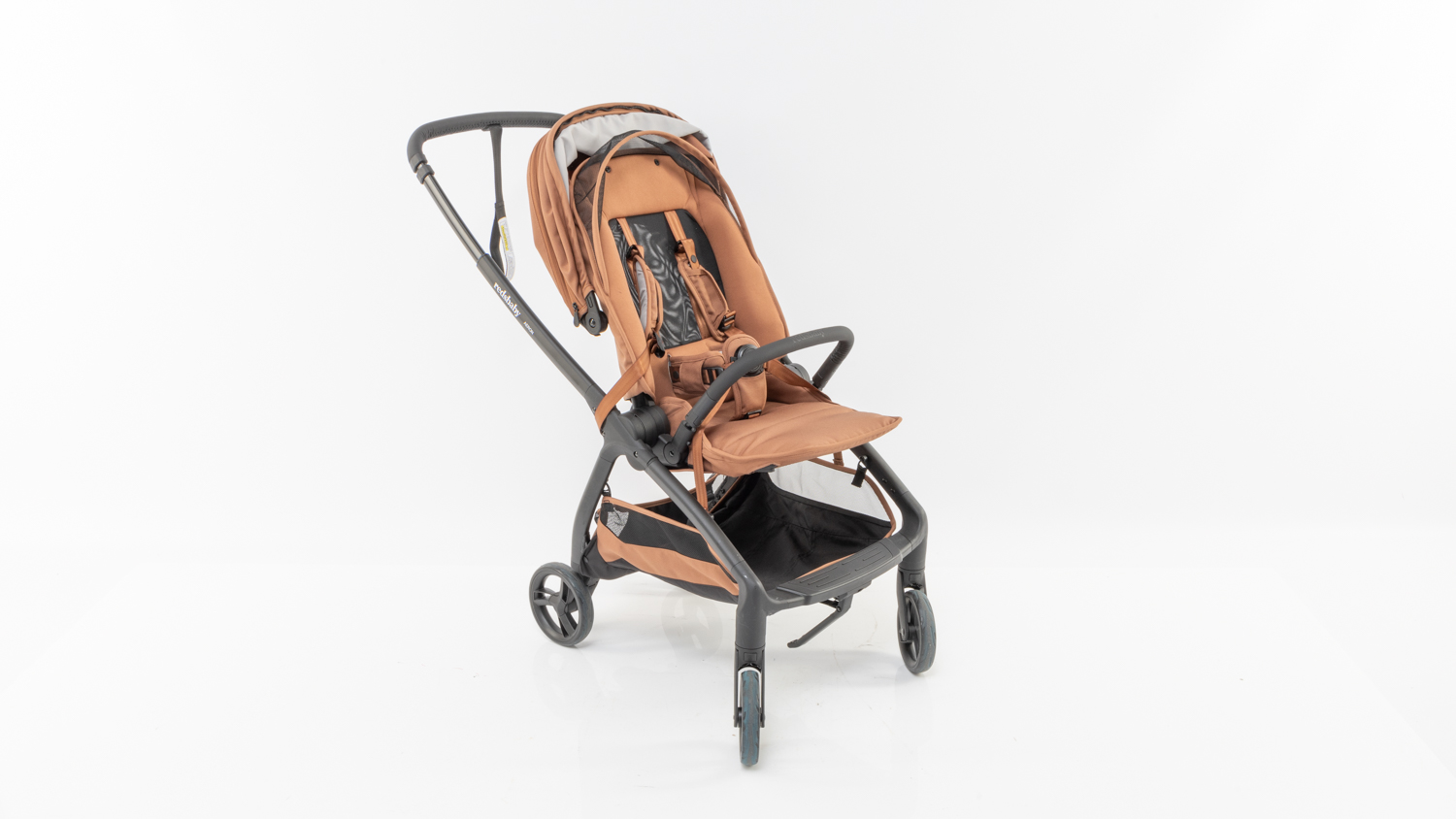
Redsbaby
Aeron
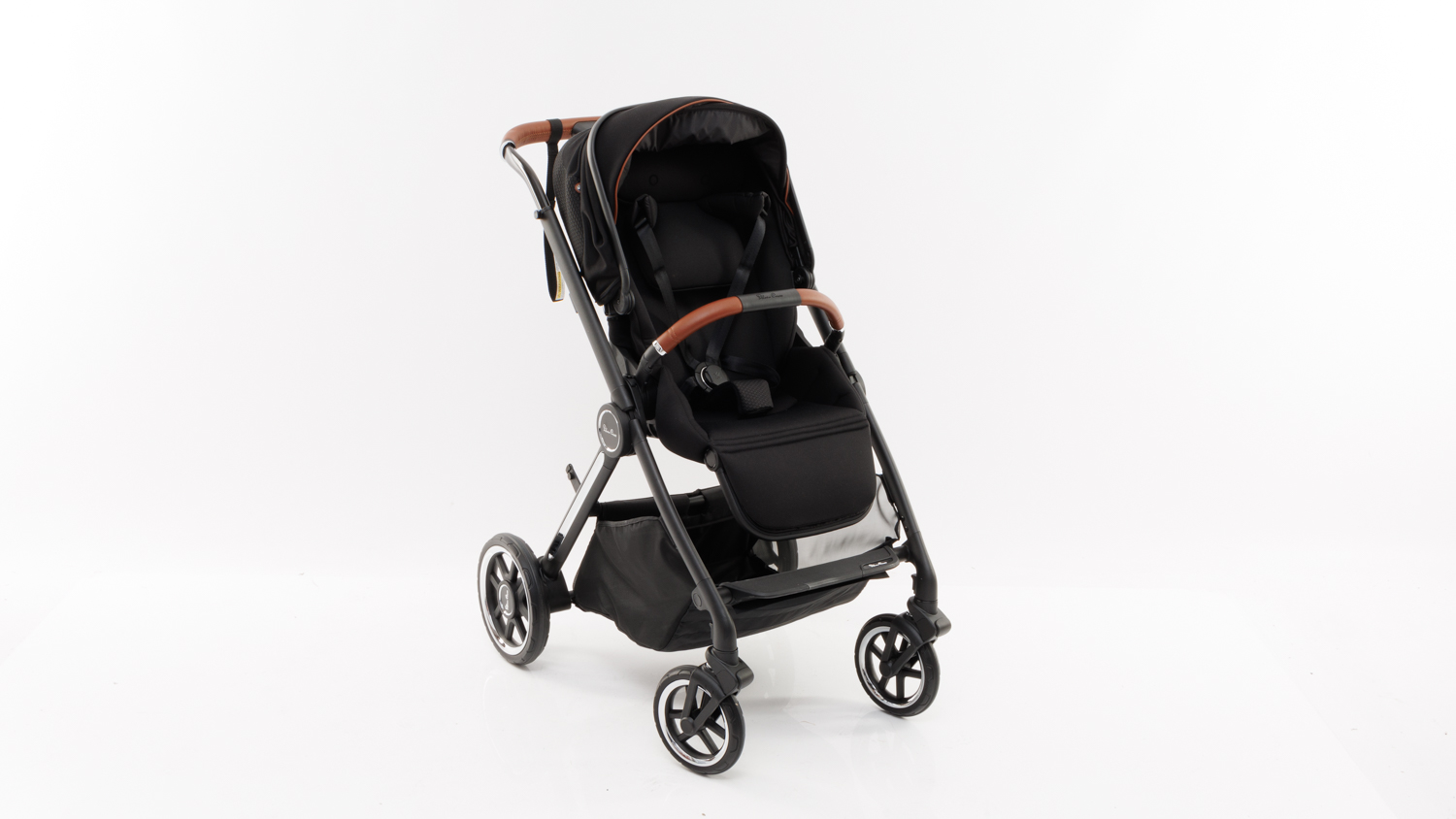
Silver Cross
Reef 2
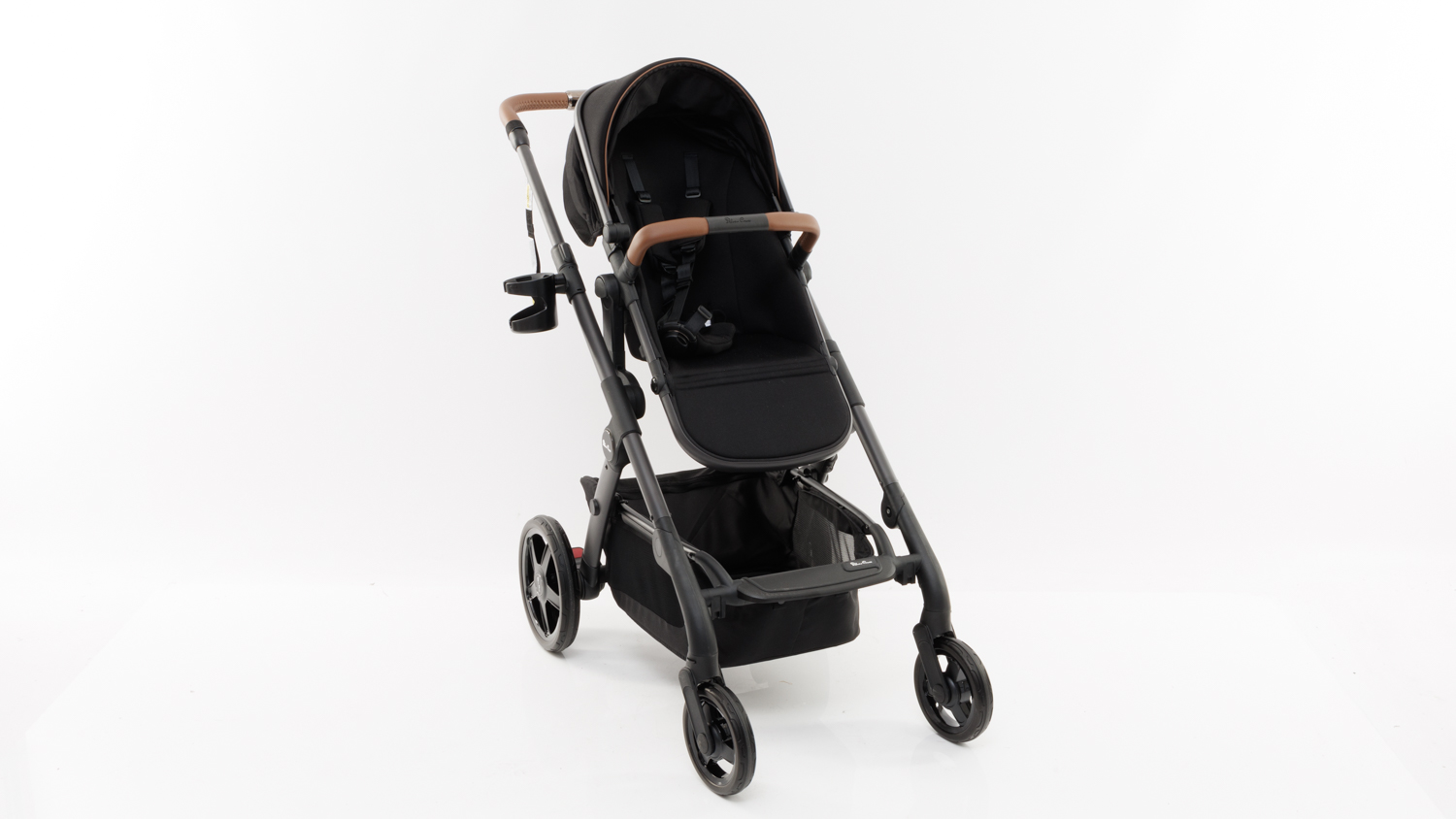
Silver Cross
Wave 3
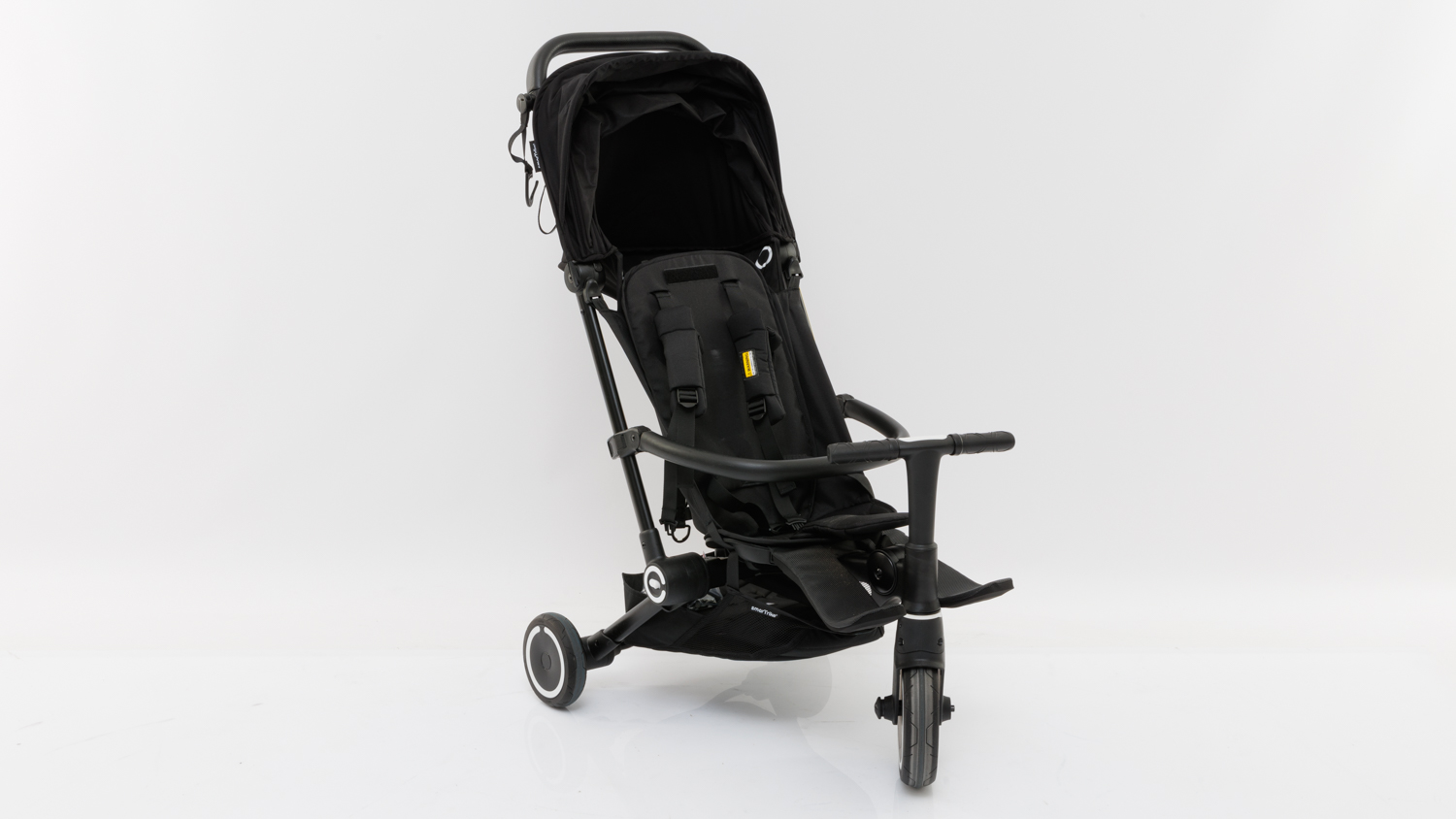
SmarTrike
Traveler
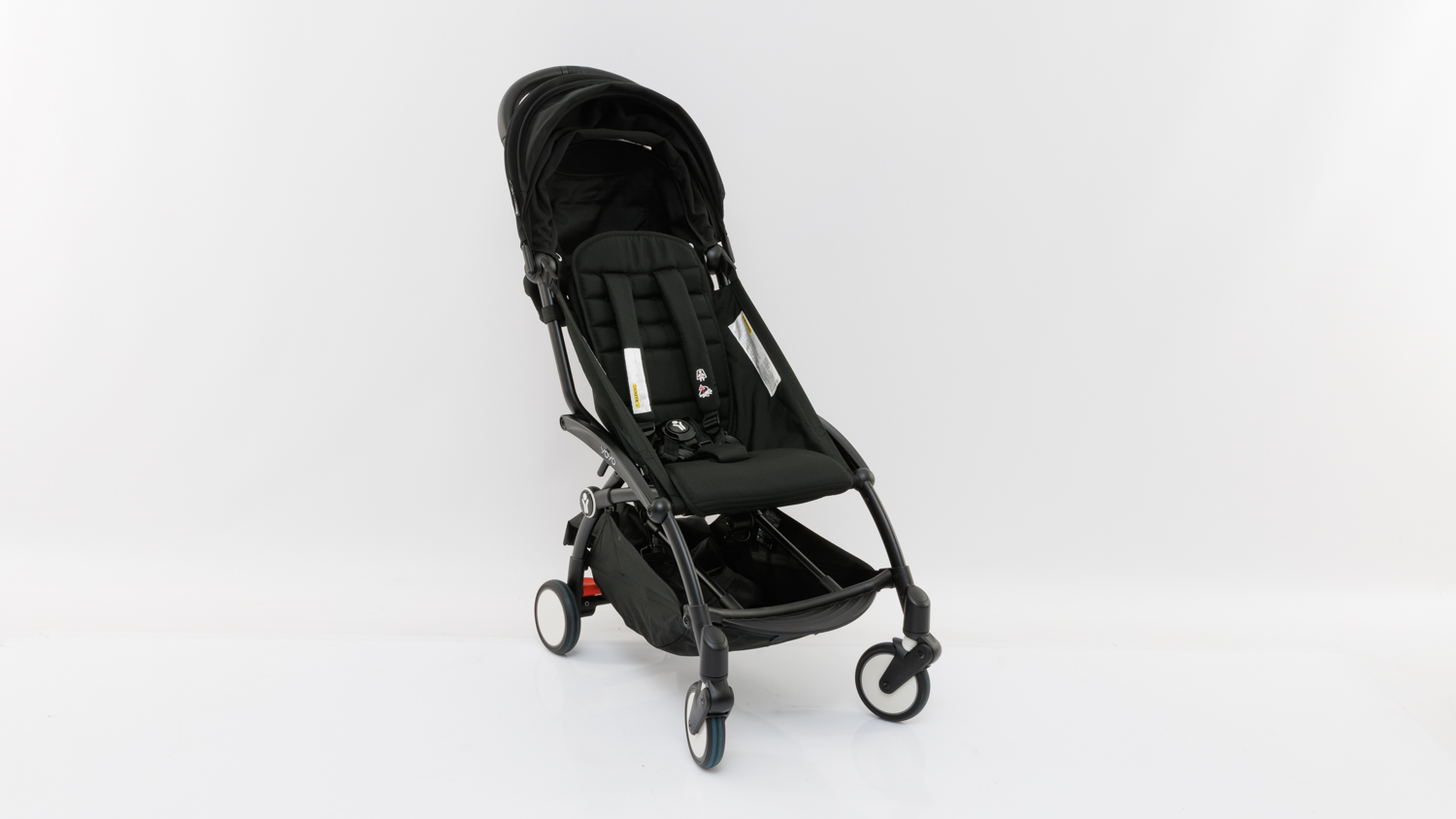
Stokke
Yoyo3
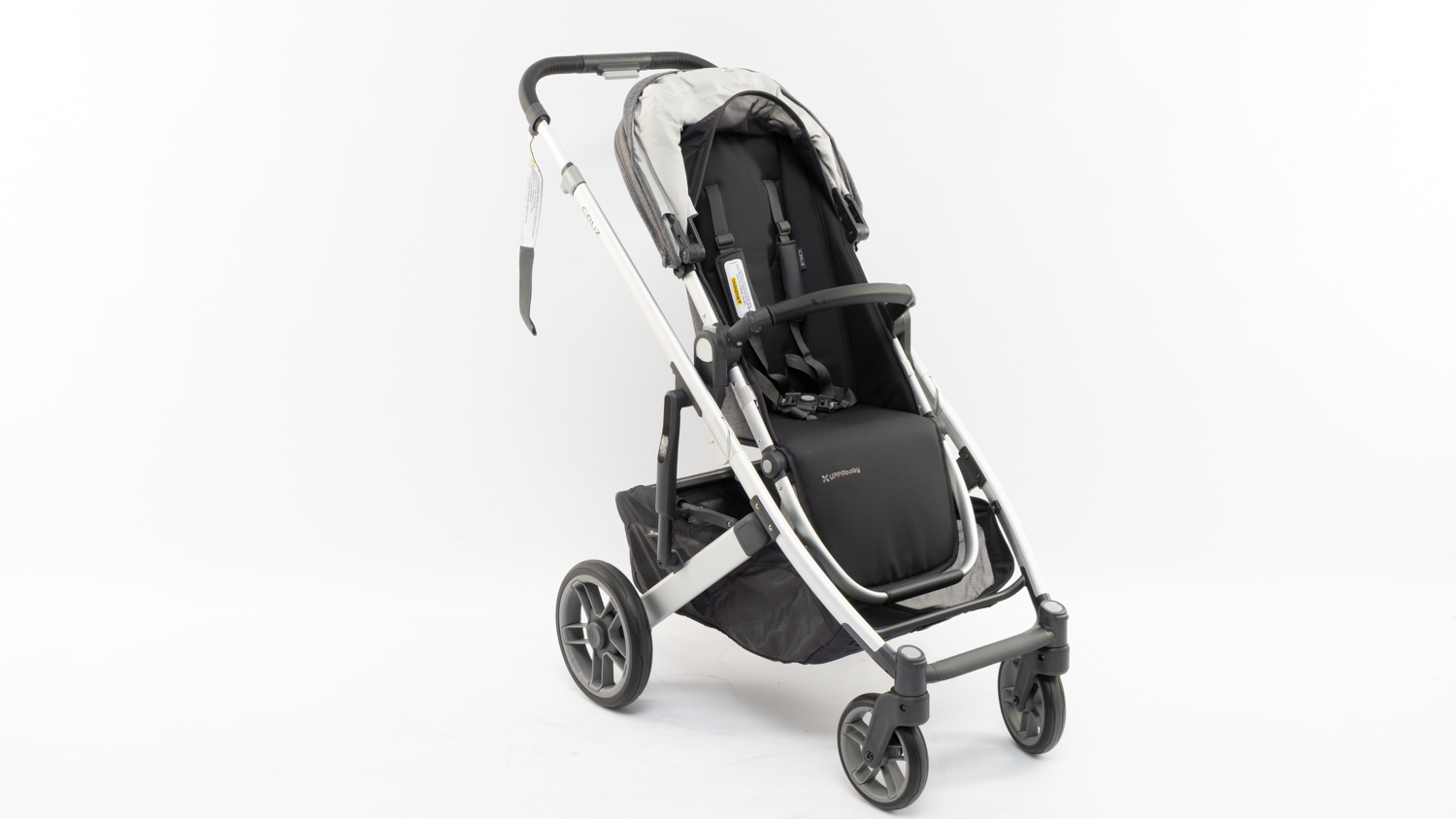
Uppababy
Cruz V2
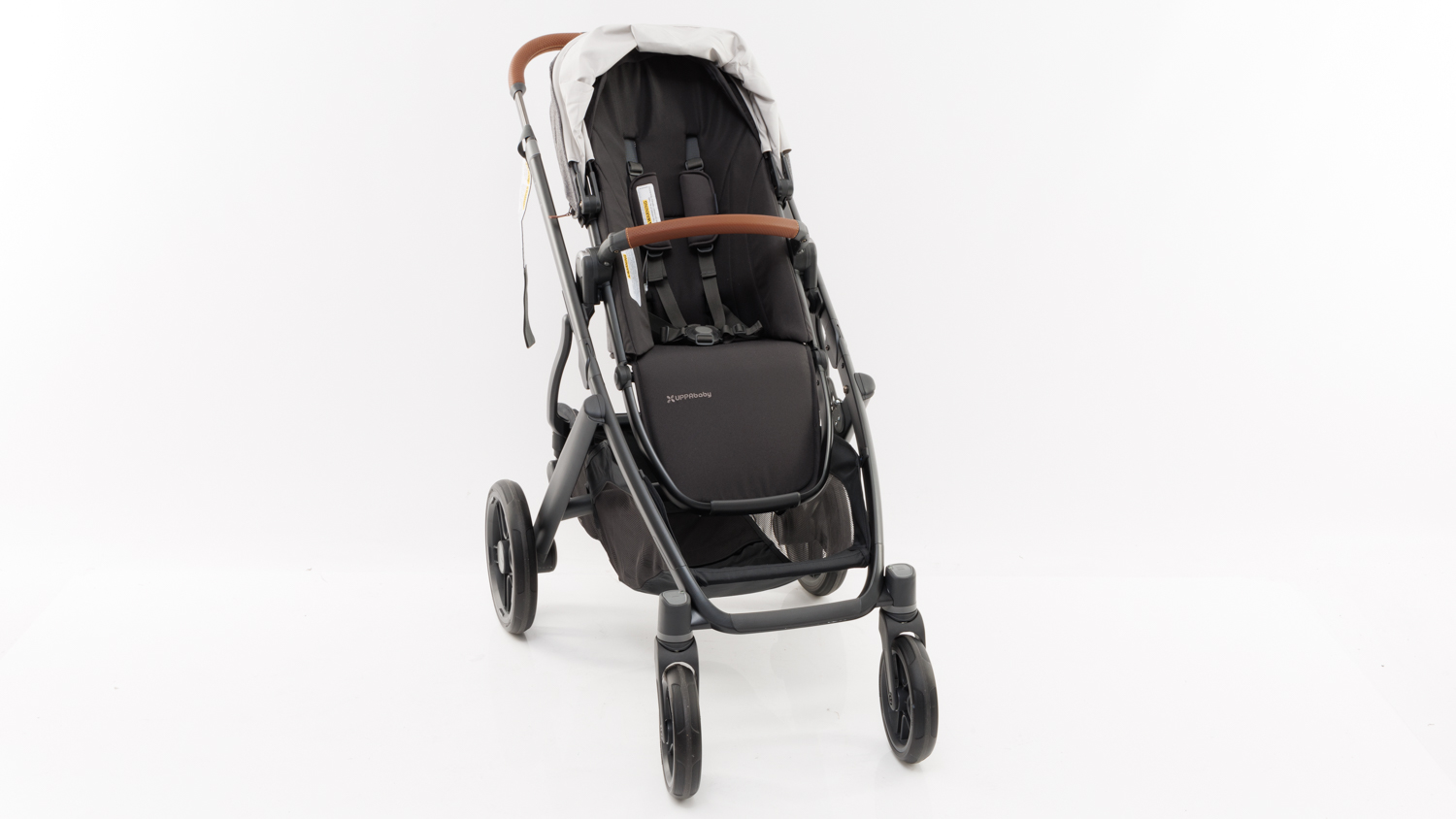
Uppababy
Vista V3
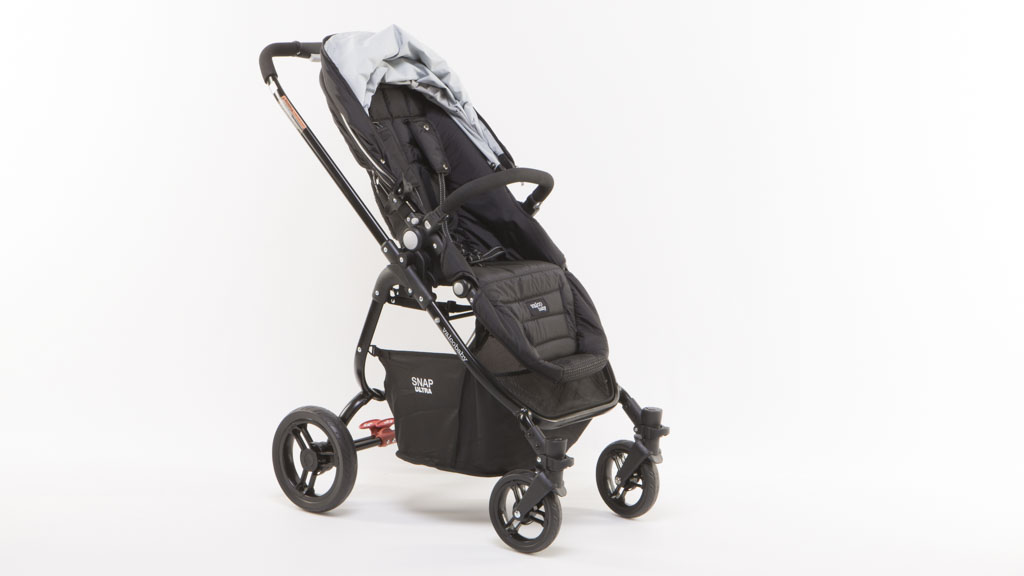
Valco Baby
Snap Ultra
Scientifically tested in accredited labs
We test baby products to the highest safety standard, so you can trust our results.
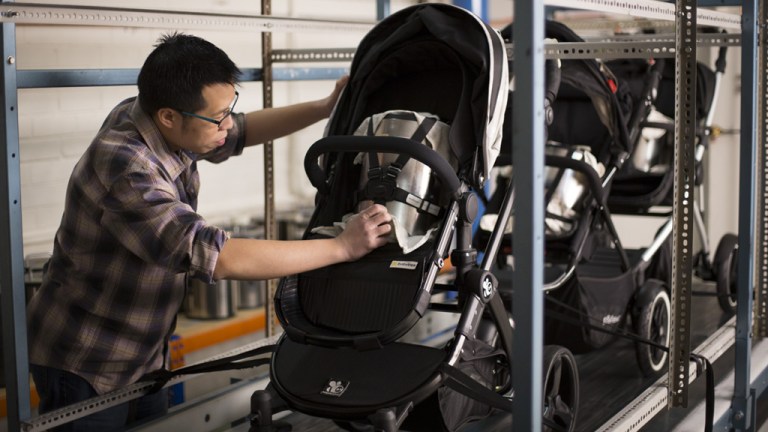
Our experts test and rate
Safety and stability
Key safety tests include harness security and stability

Ease of use
Steering, folding, unfolding and manouvreability – we test them all
Durability
Know which prams will stand up to long-term use
We give each pram a score made up of:
Prams are assessed on select tests in the Australian standard, including stability and harness safety
How easy prams are to use, including folding and unfolding them, adjusting the seat and safety harness, loading and unloading the basket, and using the brakes and wheel lock.
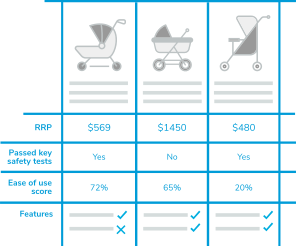
See key features side by side
Save time with our easy comparison tool – all the features rated so you don’t have to.

CHOICE keeps the marketplace honest. Without them, manufacturers will be able to do whatever they want.
Aaron – CHOICE member

They’re here to make a difference and here to make us safe.
Allison – CHOICE member

CHOICE keeps the marketplace honest. Without them, manufacturers will be able to do whatever they want.
James – CHOICE member
Our experts test prams from Baby Jogger, Babybee, Britax, Bugaboo, Childcare, Cosatto, Cybex, Edwards & Co, iCandy, Ickle Bubba, Jengo, Joolz, Leclercbaby, Maxi-Cosi, Milly + Coup, Mother’s Choice, Mountain Buggy, NunaPhil & Teds, Pouch , Redsbaby, Silver Cross, SmarTrike, Stokke, Uppababy, Valco Baby and more.
Our priority is testing the models you’ll see in stores and major online retailers. To do this, we check current market data to see what’s most popular. We’ll also test models that a lot of members have requested.
Prams are tested to the highest safety standard – the Australian standard.
As well as needing to pass key safety tests, all prams and strollers are tested on a rolling rig for 64 hours at a speed of 5km/h and on a machine that simulates the action of mounting a kerb. These make sure they can stand regular use without anything breaking, falling off or stopping working properly.
Testers also check how easy they are to use, including: folding and unfolding the pram, adjusting the seat and safety harness, loading and unloading the basket, and using the brakes and wheel lock.
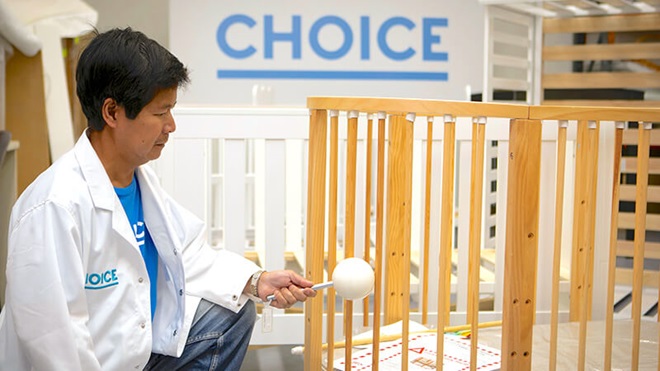
Unlike other product review sites, we don’t accept free test models from manufacturers. This allows us to be independent and review without interference. Instead, we buy products anonymously from a variety of retailers, then bring them into our labs. This means we get what you’d get, and can be sure the model hasn’t been potentially ‘tweaked’ for better performance.
Our expert testers have decades of experience in testing children’s products and sit on the Australian Standards committee for prams and strollers, so we keep up to date with changes. Our lab is also NATA-accredited to test products to both the mandatory and voluntary prams and strollers standards.
We’re a nonprofit that’s been supporting Australian consumers since 1959
Buy smarter
The tools you need to find the best brands, avoid poor performers and get help when things go wrong.

Make a difference
Our members are at our heart, funding our independent product testing, journalism and campaigns.

Connect and belong
Join a community of thousands where you can share ideas, get advice and make positive change.
