Unlike other product review websites, we don’t accept free test models. We buy the products we test, just like you do, so our expert reviews are always influence-free.
How we test mattresses
We put mattresses through tough tests in the lab to help you avoid losing sleep on a bad buy.
Last updated: 6 Jun 2024
On this page:
- How does CHOICE pick which mattresses to test?
- How does CHOICE test mattresses?
- Who does the testing?
When you buy a new mattress, you want to rely on it to be comfortable, supportive and keep its shape for years to come. That’s why we test both retailer and bed-in-a box mattresses in the lab for:
- Support
- Stability
- Durability
We also assess how breathable the mattress is, and rate how cool or warm the mattress feels to sleep on.
We test all mattresses side-by-side to the same standards, using the same, repeatable tests.
Why you can trust our independent testing
How does CHOICE pick which mattresses to test?
Types tested:
- Spring
- Foam
- Latex
- Hybrid
We aim to test the most popular brands and types on the market, and what you’re most likely to see in shops. To do this, we:
- Survey manufacturers to find out about their range of products.
- Check market sales information.
- Check member requests to test specific models.
We then buy each product, just as you would. We do this so we can be sure the products are the same as any consumer would find them, not ‘tweaked’ for better performance.
How we test mattresses
Comfort can be subjective, but our lab tests are designed to find if a mattress will change over time, or can be relied on to deliver the same level of support after 8 years of use – how long you can expect the average mattress to last.
A mattress should keep your spine aligned when you sleep, which can depend on your body type and sleeping position.
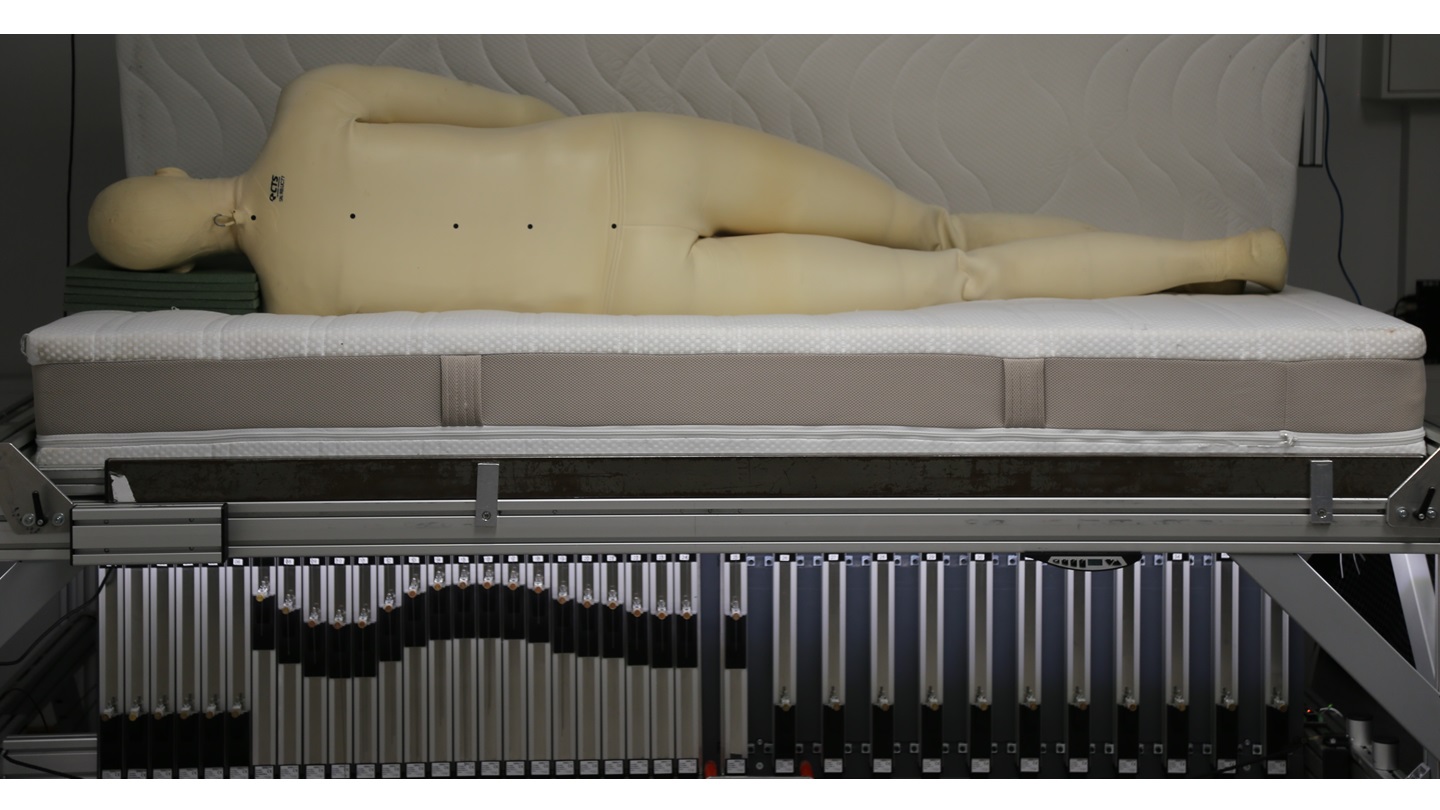
We test mattresses using dummies that match both petite (1.55m/55kg) and larger body types (1.9m/100kg). This height and weight range covers 90% of the general population.
Support when new
We run body support tests for both back and side sleeping positions to test how each mattress performs when it’s brand new.
- Back support
We measure 36 different points along the body when upright, and again when lying on the back, to assess how supportive a mattress is for back sleepers.

- Side support
We mark 5 points on the dummy’s ‘spine’ to show its alignment when lying on the side, and check that no parts sink too far into the mattress. A good mattress keeps your spine in line and parallel to the mattress.
Support over time (8 years)
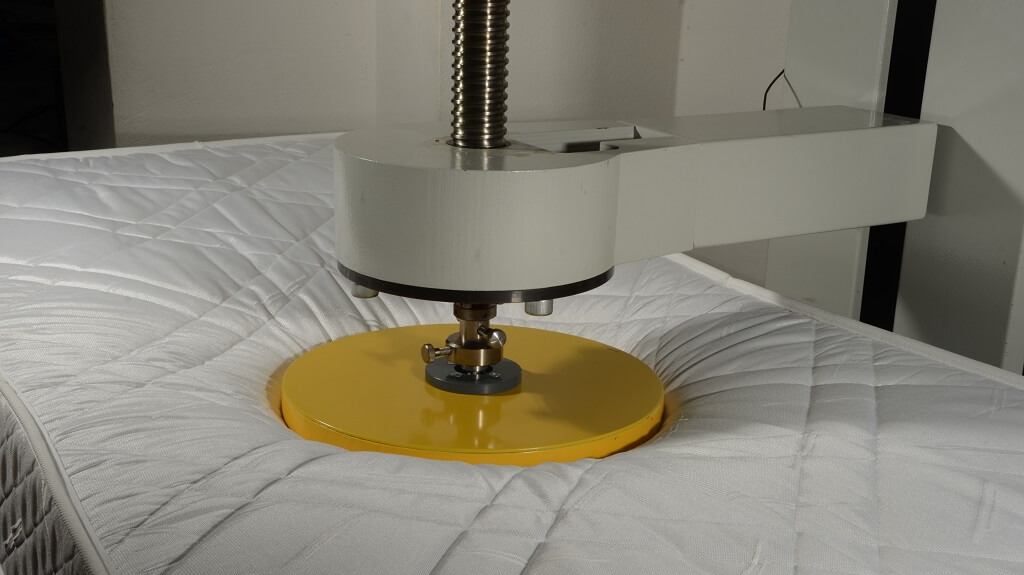
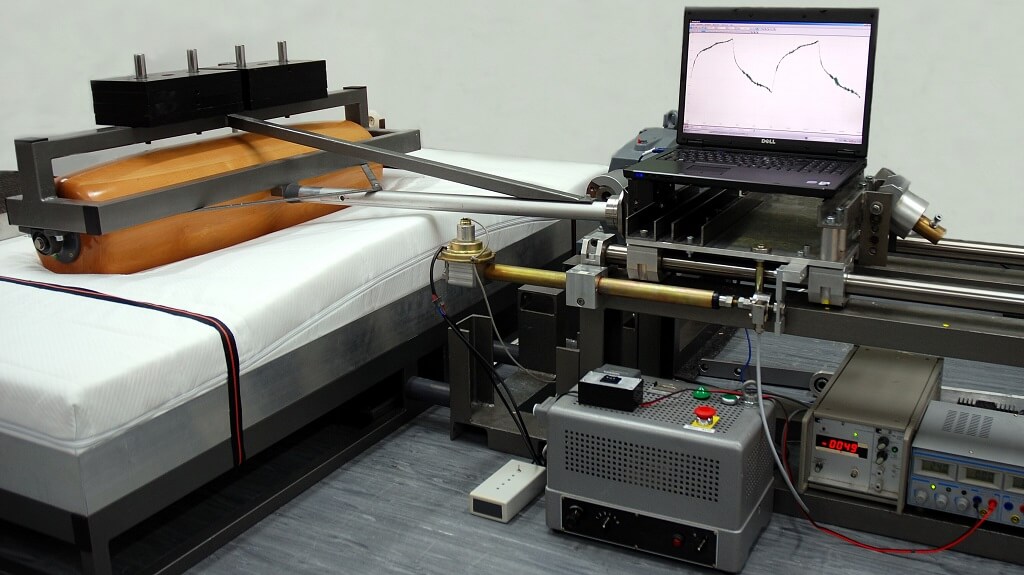
To simulate 8 years of use we run a cask-shaped roller over each mattress 30,000 times and measure any changes in support for both positions.
Good mattresses show little change, indicating that they’ll give you the same level of support after years of use.
Sagging resistance
We measure height and firmness when the mattress is brand new, and again after our cask-shaped roller test. We then compare the differences.
Mattresses with a higher score show fewer signs of sagging over time, while lower-scoring mattresses show more. Mattresses with a higher score will generally feel the same as they did out of the box after 8 years of use.
Stability
Using a device called an oscilloscope, we measure the movement of the mattress after an impact of 17.5kg. This simulates a sleeping person’s body turning.
We also count how many bounces up and down the mattress shows before it stops moving. Higher-scoring mattresses show fewer bounces and less movement – meaning a less-disturbed sleep.
Resistance to wear
We rate whether or not the mattress shows damage after the wear and tear we simulated in our roller test. If a mattress gets through without damage, it’s more likely to last for you at home.
Breathability
To check how permeable or ‘breathable’ a mattress is, we test in humidity chambers set to 37 degrees. We measure how much moisture passes through the layers of each mattress.
Mattresses that score highly let lots of moisture through, so if it’s humid or you sweat a lot, the surface of the mattress is unlikely to become damp. Instead the moisture passes through the layers.
Mattress warmth or coolness
So we can give you an idea of how cool or warm the mattress feels to sleep on, we rate its ‘warmth’.
We place a copper plate on each mattress and heat it to 37°C (body temperature). We then measure how much energy it takes to keep the plate at that temperature over eight hours. If lots of energy is needed, we rate the mattress ‘cool’, as it will efficiently move body heat away from you through the mattress.
Environmental impact
We know sustainability may be a factor in your choice of mattress. So we also assess their environmental impact, focusing on these key areas:
Carbon footprint
This is the amount of carbon dioxide produced during the manufacturing of the materials for each mattress.
Recyclability
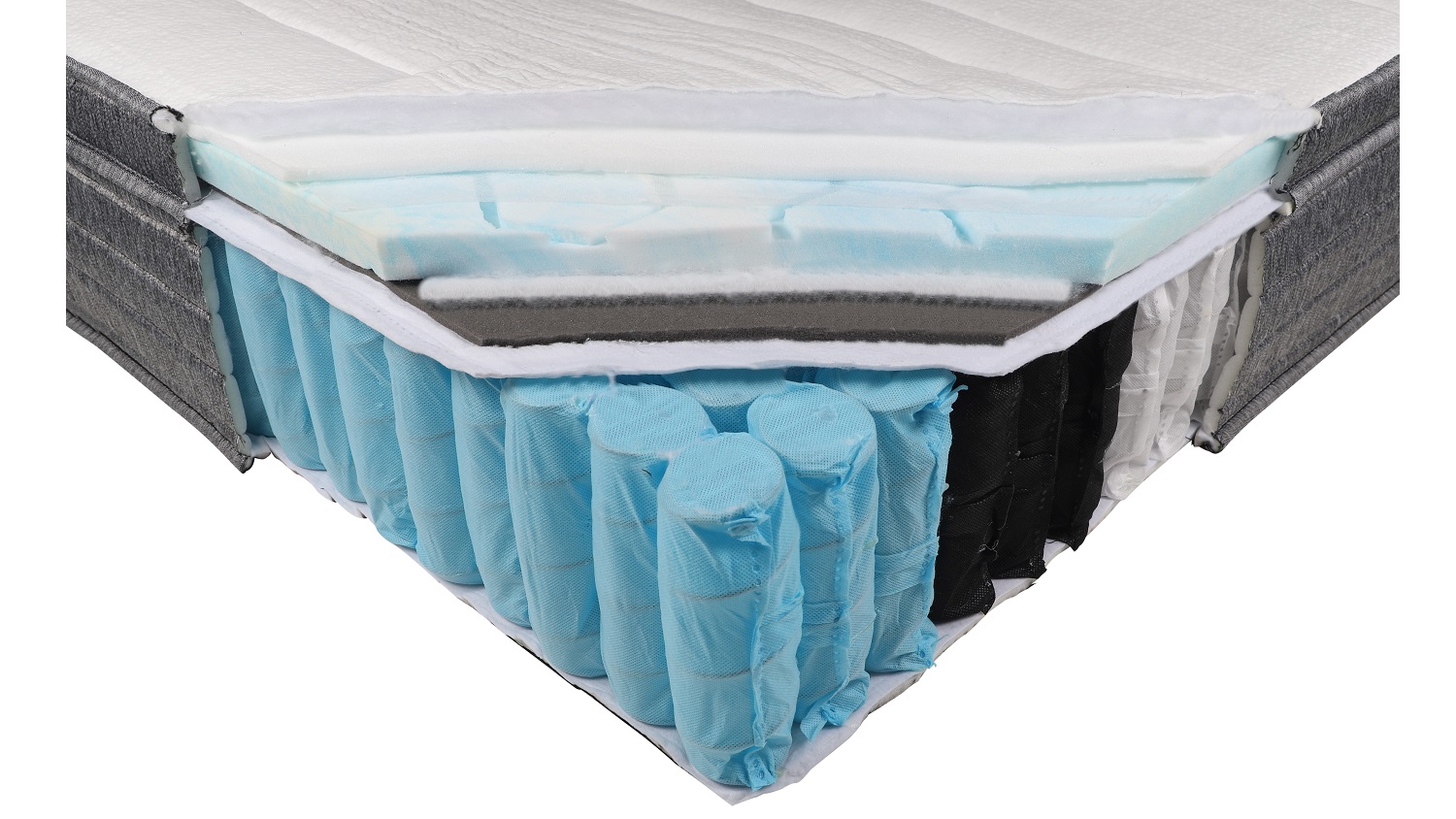
Some materials can’t be recycled, and multiple materials and layers add complexity. We look for mattresses that are:
- Made of fewer materials
- Have fewer layers
- Can be easily separated into their recyclable and non-recyclable layers.
Build quality
Well-made mattresses need replacing less frequently. We look at stitching quality, tension, any loose threads or wadding, rippled zippers or skewed seams.
We also look for a removable cover that’s easy to wash and refit, since a washable cover can extend the lifespan of the mattress.
Who does the testing?
Mattresses are tested by our European partner lab, an accredited facility set up exclusively to test mattresses.
These labs are equipped with precisely calibrated measurement tools and reference machines to test and compare products.