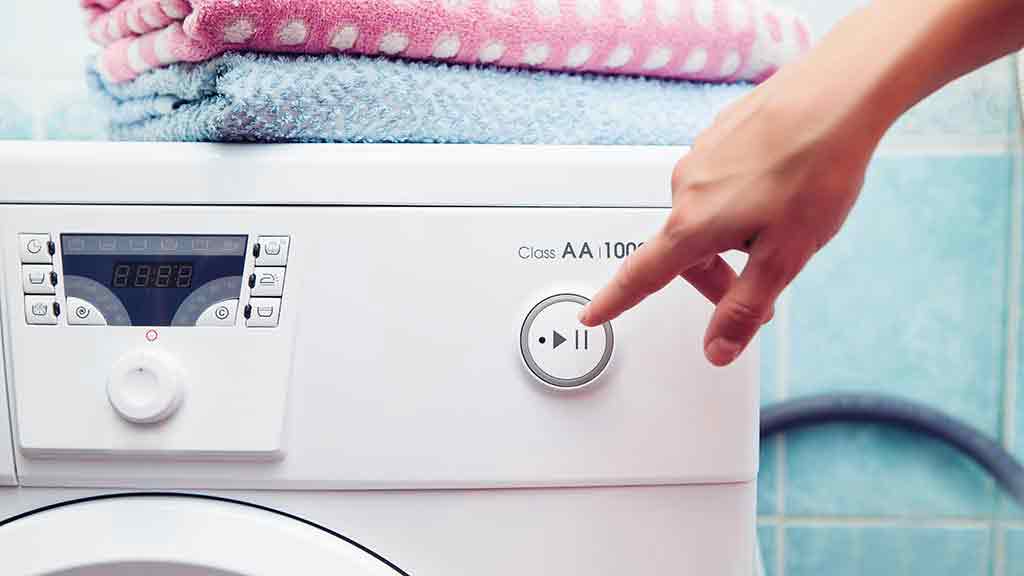
No-one likes having to spend more time on the laundry than they have to, but if your washing’s coming out of the machine looking much the same as when you put it in, you have two options: re-wash everything, or give your machine a clean.
Unfortunately both options mean expending extra energy, but cleaning your cleaner will spare you from having to wear stained socks and grubby garments.
(And if clean clothes aren’t enough of an incentive, there’s this: it’ll save you money and hassle in the future.)
Investing a little time in your machine will pay dividends. Here’s the basic cleaning schedule our experts recommend to keep your machine running properly.
Every use
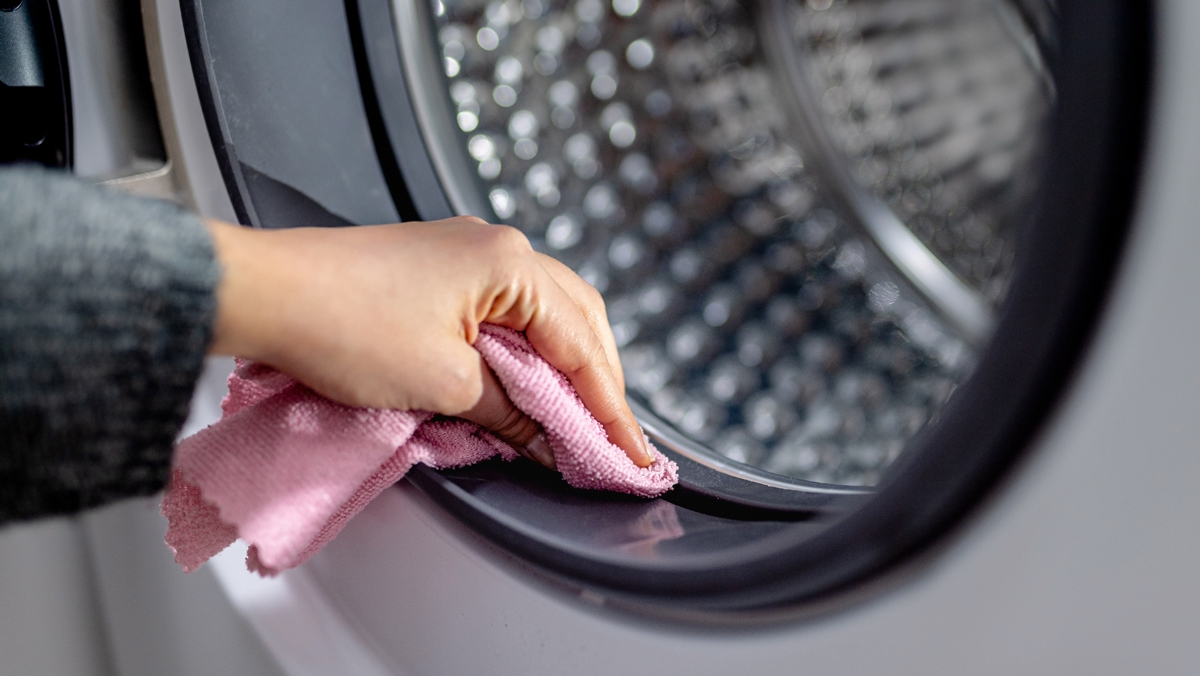
Wipe out the inside of the door seal
If you have a top loader, clean the lint filter
Leave the door ajar to help prevent mould growth and extend the life of your door seals
Every month
Run the machine empty on its hottest cycle with a bit of detergent (or run a cleaning cycle if your machine has one)
Wipe away mould deposits on door seals and other surfaces using hot soapy water and a soft cloth
Remove any scrud with hot soapy water, a sponge and a bit of elbow grease
Every year
Check if the machine is properly levelled and adjust the feet if needed
Scrub detergent out of nooks and crannies with a toothbrush (don’t forget the detergent dispenser!)
Check the hoses for damage and replace them if necessary
CHOICE tip: Check pockets for coins and keys as you load the washer. They can end up in between the washer’s two drums and punch a hole in the outer drum, damaging your machine (not to mention flooding your laundry).
How to clean your washing machine
Do you need to buy washing machine cleaner?
Good news – no you don’t.
Our experts say they’re not necessary. Just run a hot cycle with your machine empty using a little bit of detergent.
And don’t be tempted by hacks you might’ve seen on social media. One trend we’ve heard of is using dishwasher tablets to clean your washing machine.
We don’t recommend it, though: dishwasher detergents are very caustic so they can damage the seals and hoses over time.
You could use vinegar, but check your washing machine’s instruction manual first – some manufacturers say you shouldn’t use it in their machines.
Our laundry detergent tests show that you can use even a third of the recommended dose and still get a good wash
If you wash in cold water, pre-dissolving powdered detergent in warm water before pouring it into the machine can help. Or try using a liquid detergent instead of a powder.
Store your detergent in an airtight container to prevent it becoming clumpy.
Try putting the residue-affected clothes in a dryer on the ‘air-dry’ setting (that is, without heat, just using the fan) for five minutes. It might help knock off the residue.
Water hardness can also contribute to marks on clothes. In most parts of Australia the water is relatively soft, but if you live in an area with particularly hard water you may be more likely to notice this.
CHOICE tip: Wash your whites in hot water with a good detergent. Not only will this help keep scrud at bay, it also helps your clothes retain their whiteness.
Lint
If you’re finding lint on your clean laundry, it’s likely caused by washing lint-shedding items like towels and fleecy clothes together with fabrics that attract lint, such as corduroy and synthetics. To avoid this, wash these items separately and double-check pockets for tissues before washing.
Also make sure you’re using enough detergent (you’ll probably need less than the recommended dose) and that your machine isn’t overloaded, so clothes can move freely.
A washing machine provides the perfect environment for mould to flourish: it’s damp (and often warm), and there’s not much air circulating around.
When mould grows on the seals of your washing machine or in the drum itself, it can start to smell bad and make your clothes smell as well. Plus, mould can cause health issues so it’s not something you want in your home.
Keep mould to a minimum by doing the following things:
Give your door seals a quick dry after each wash.
Leave the door and detergent dispenser open to air dry between washes.
Wipe away existing mould deposits on the rubber seals with hot water and detergent.
Run a hot wash monthly with a full-strength powder detergent.
For more than 60 years, CHOICE has been fighting the good fight for Australian consumers.
In the past year alone we've uncovered systemic issues with sunscreens, investigated shonky supermarket pricing, fought for stronger scam protections and helped make complex energy pricing fairer and clearer.
CHOICE is here to provide unbiased advice and independent testing in our world-class labs. We buy the products we test, just like you do, and our expert reviews are influence free. We’re here to help you choose smarter. Hopefully you’ll also save some money along the way.
Thanks to CHOICE, you’ll never be alone when a business treats you unfairly. You can support our work by joining or donating to our cause.