
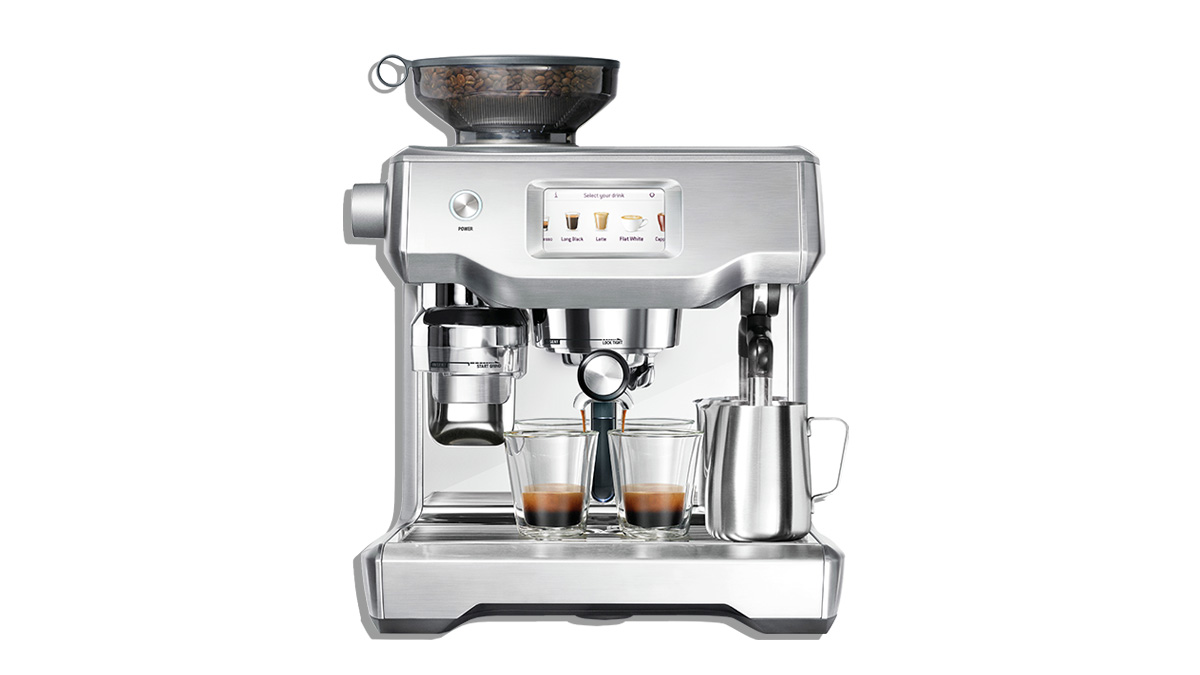
Espresso coffee machine reviews
Best coffee machines to buy in Australia
We lab test and review the latest manual, semi-automatic and coffee pod machines.
Join to compare now Already a CHOICE member? Log inCHOICE test expert Adrian Lini shows you how we test and compare coffee machines
70 models rated and ranked
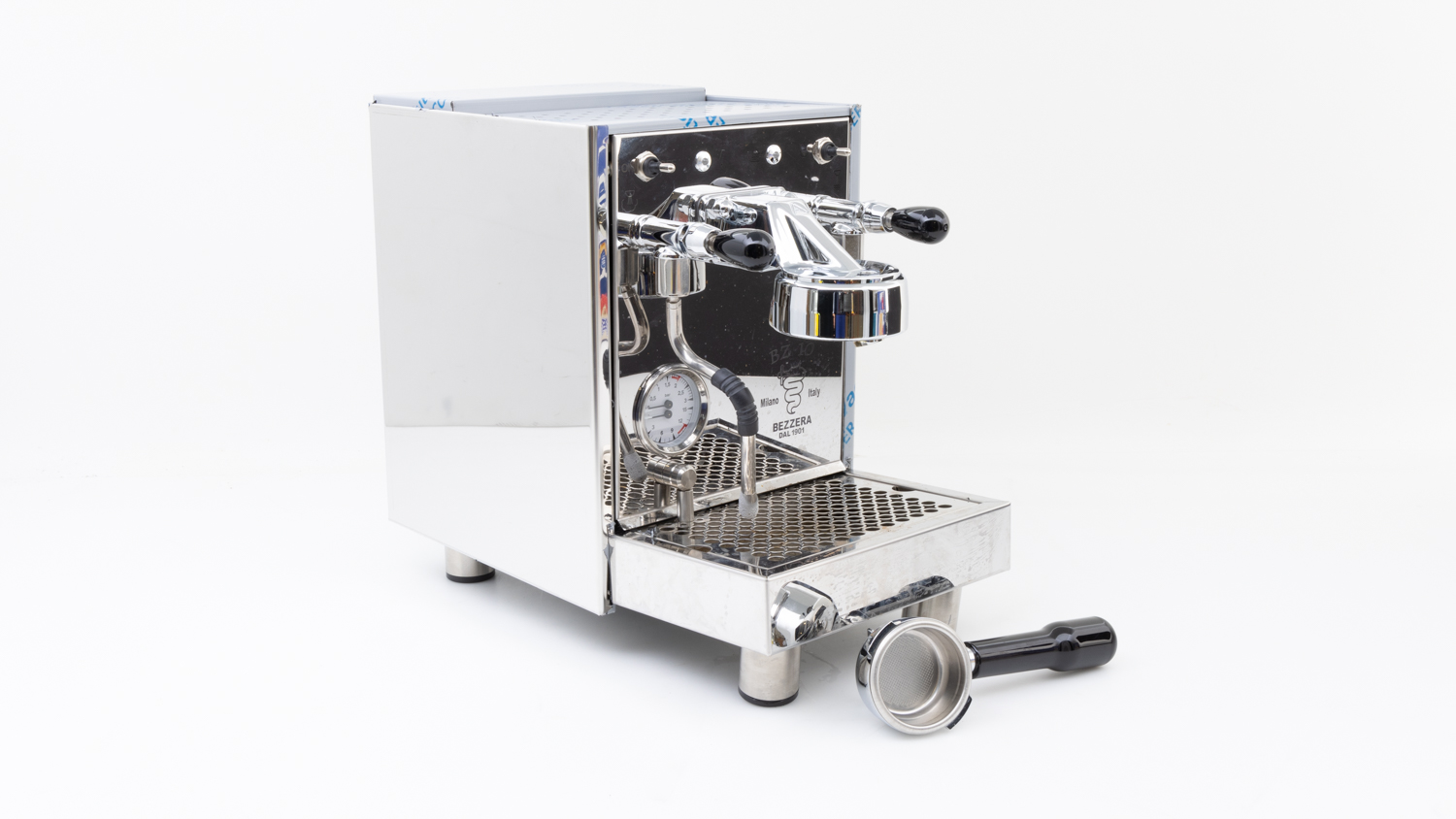
Bezzera
BZ10
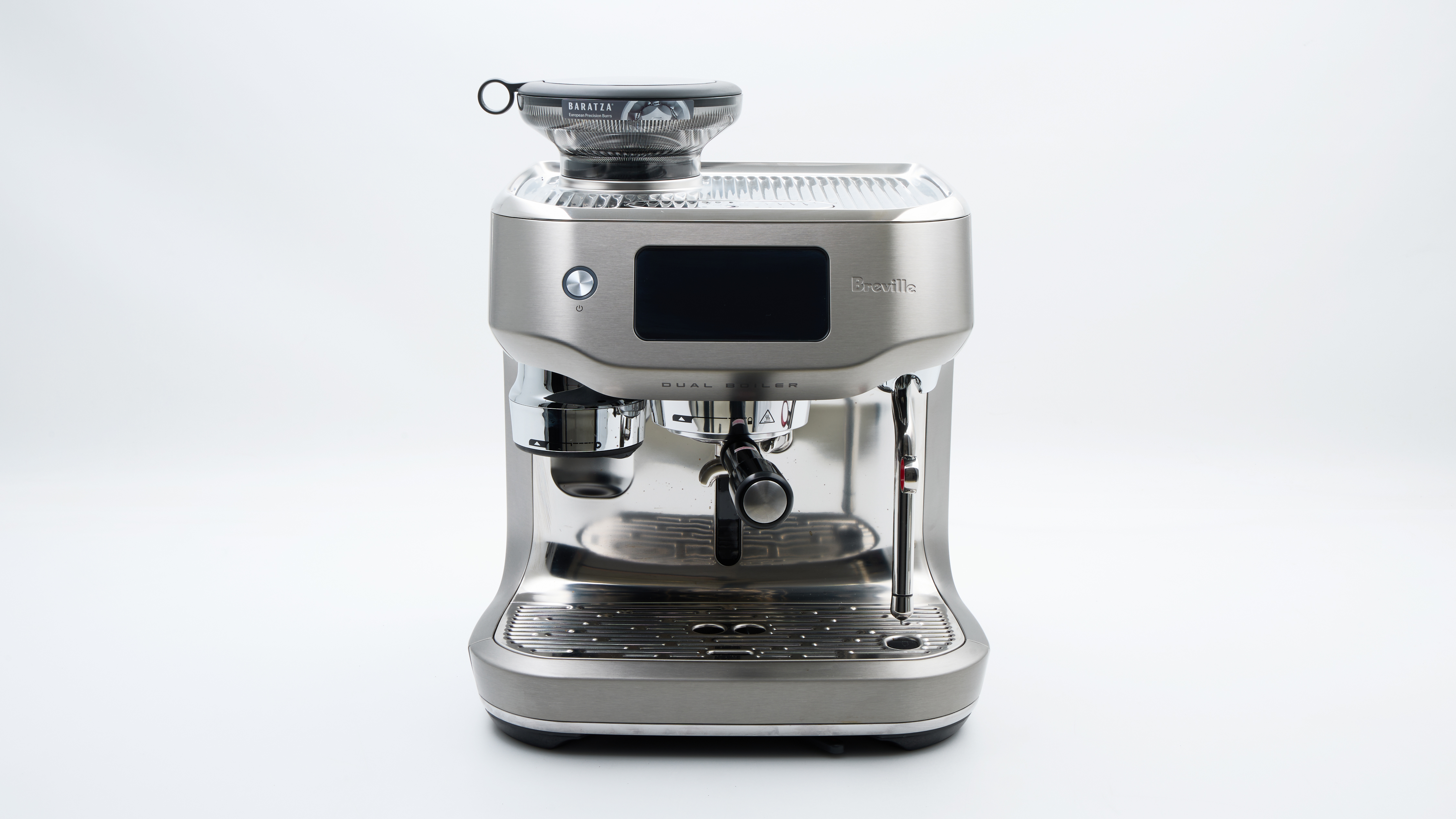
Breville
The Oracle Dual Boiler (BES995)
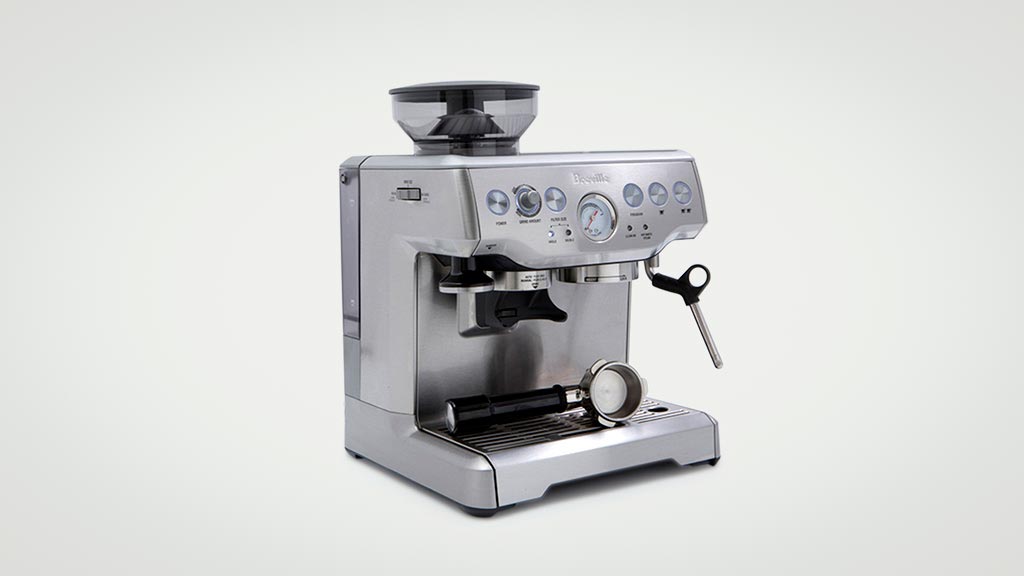
Breville
The Barista Express BES870
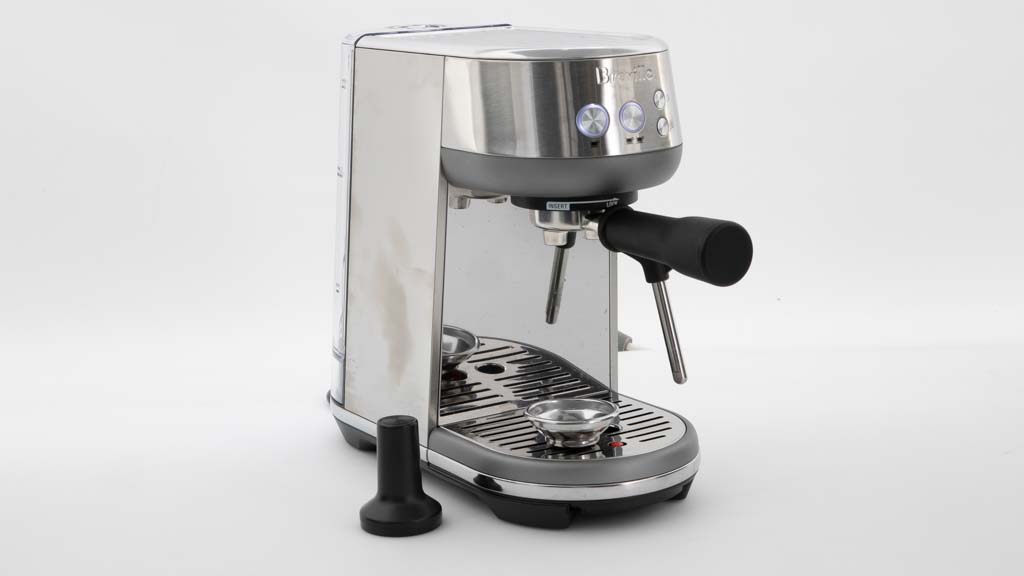
Breville
the Bambino BES450
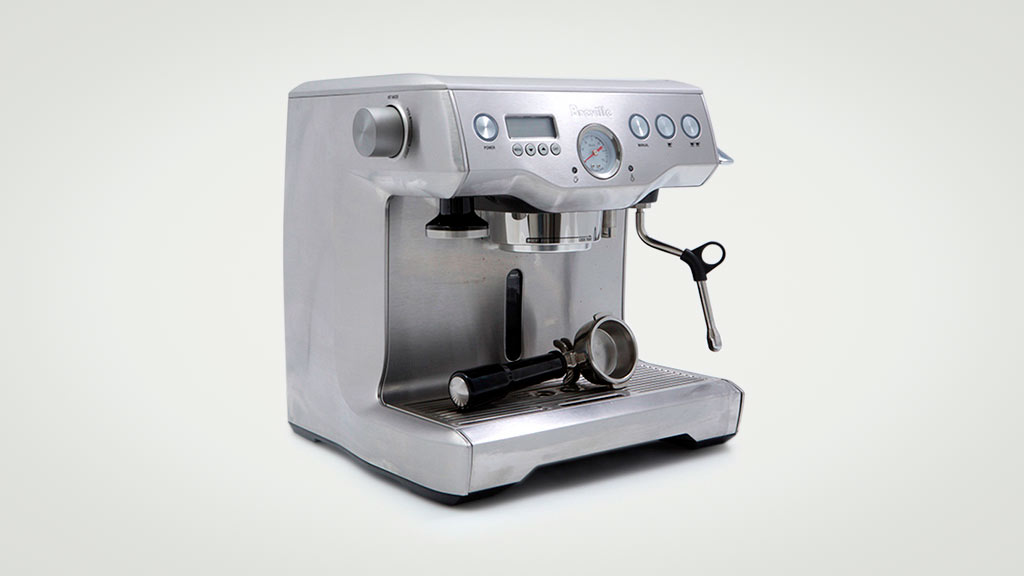
Breville
The Dual Boiler BES920
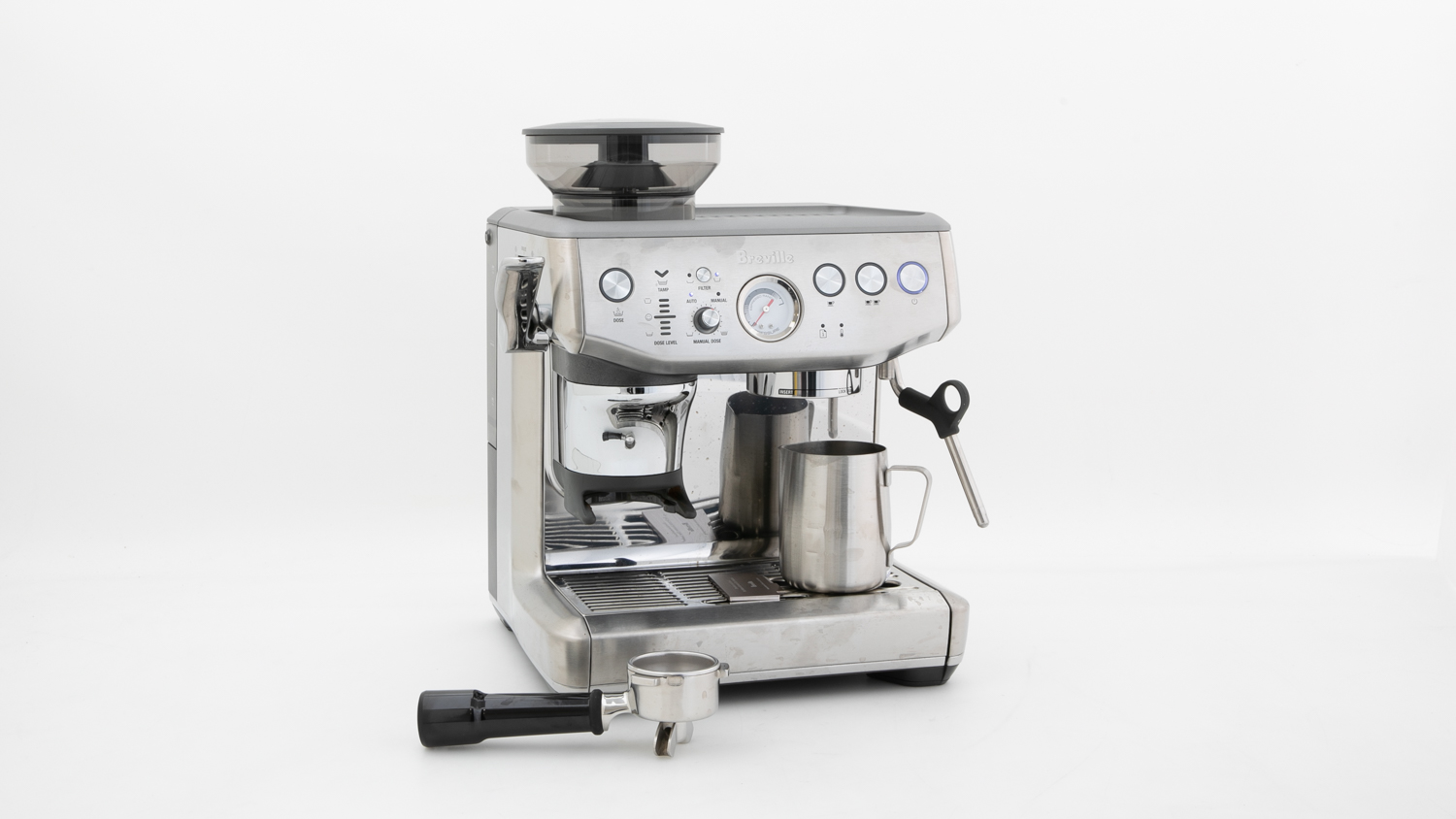
Breville
The Barista Express Impress BES876 BSS
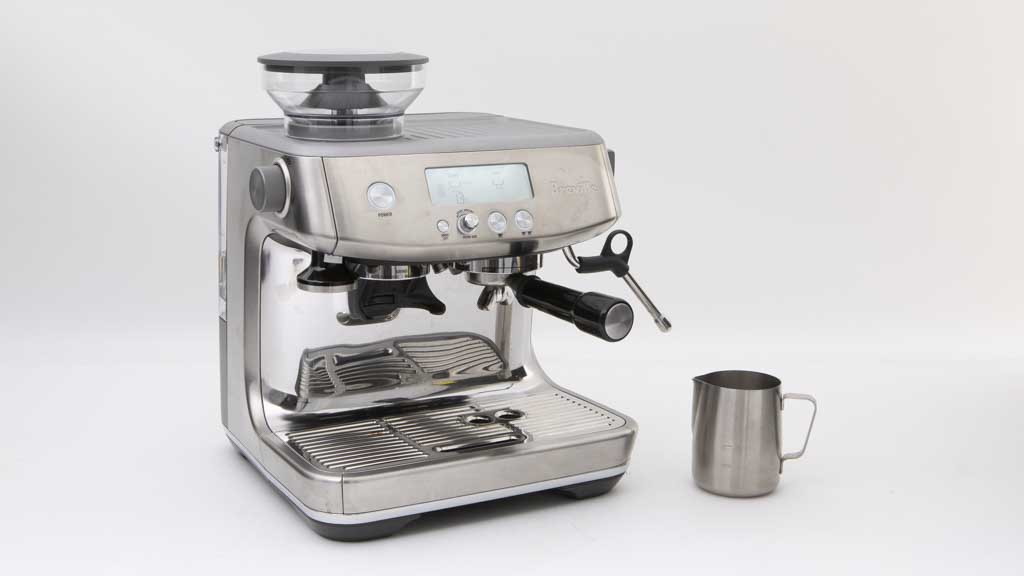
Breville
The Barista Pro BES878BSS4JAN1
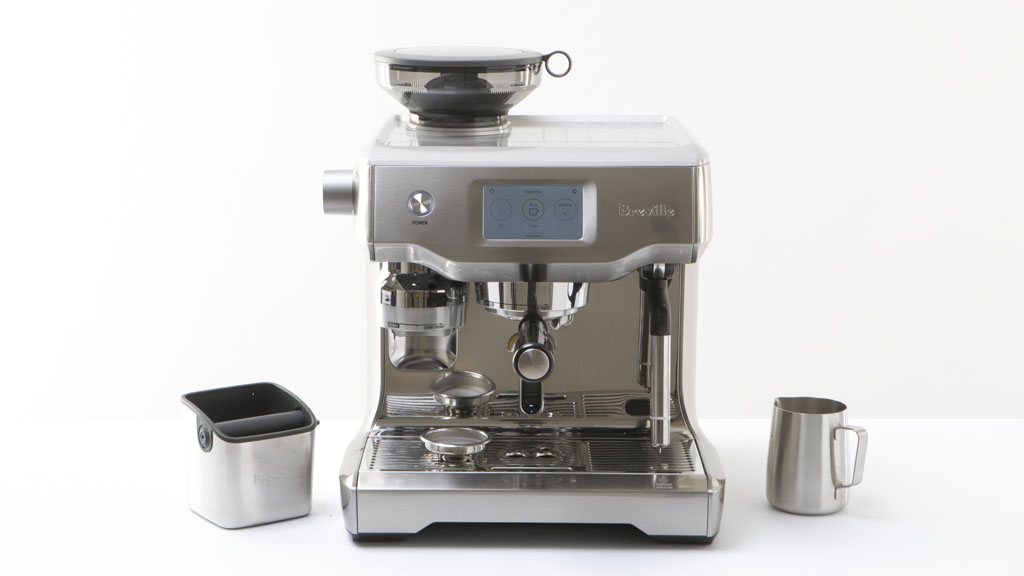
Breville
The Oracle Touch BES990BSS
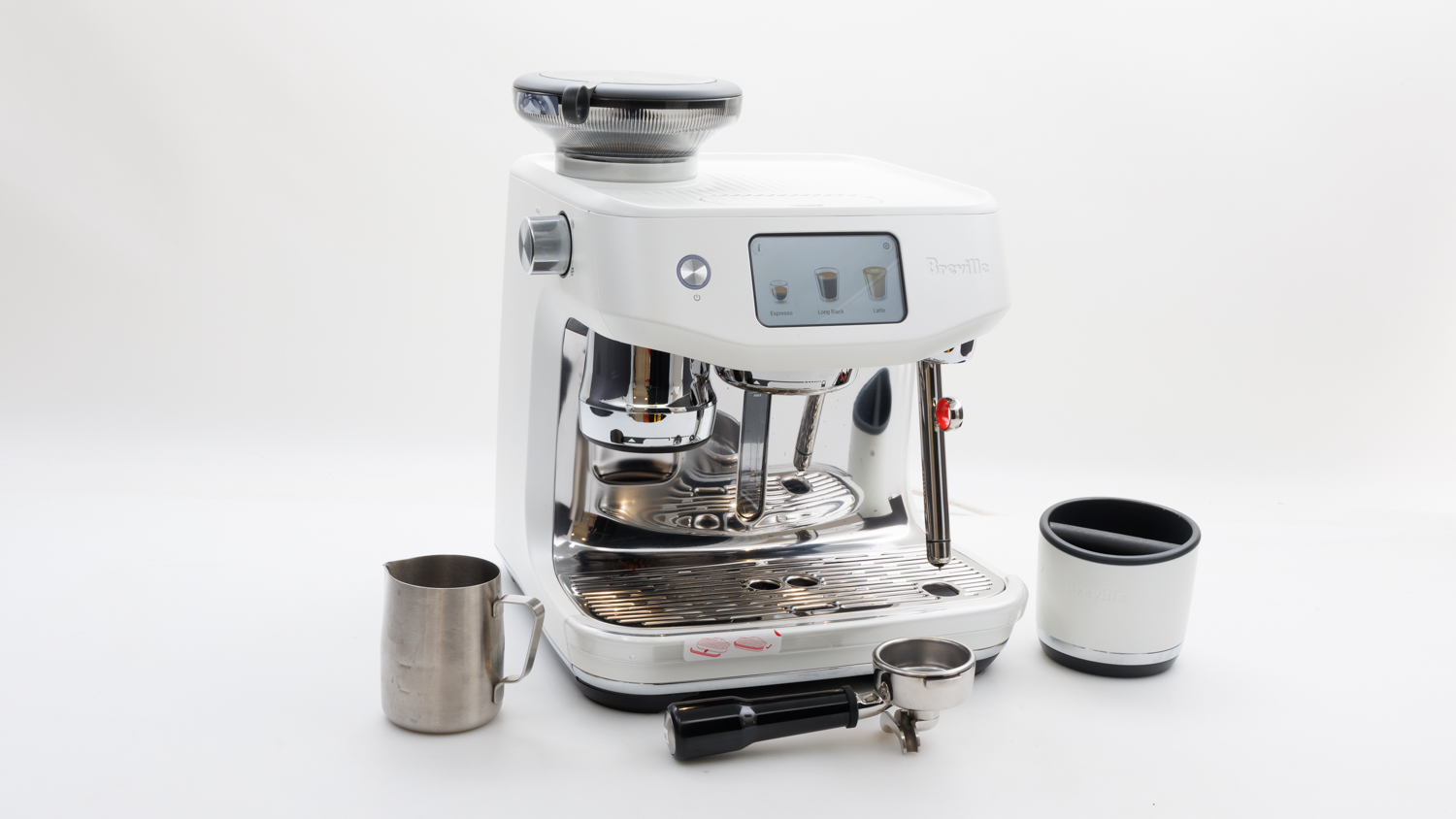
Breville
The Oracle Jet (BES985)
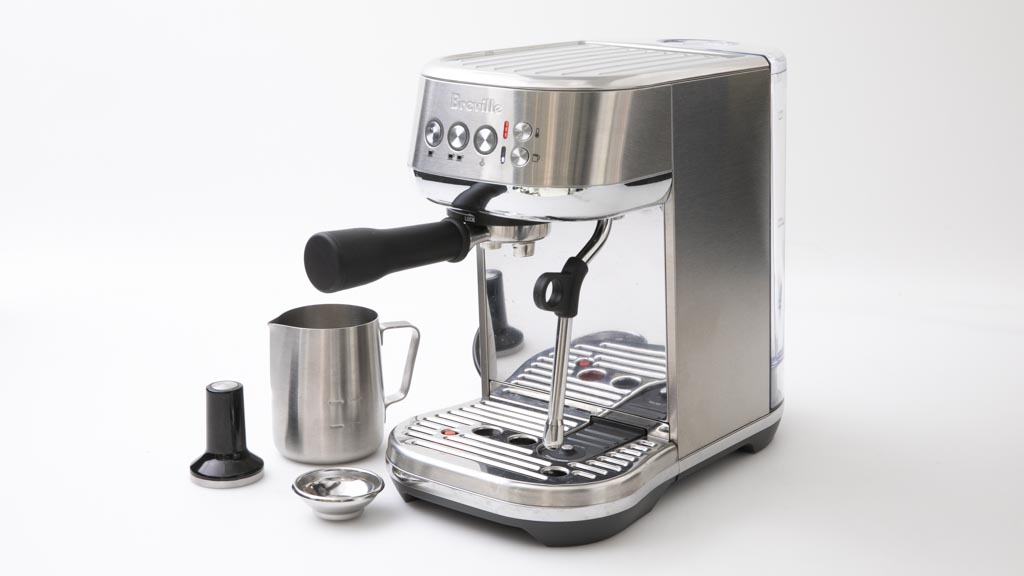
Breville
Bambino Plus BES500
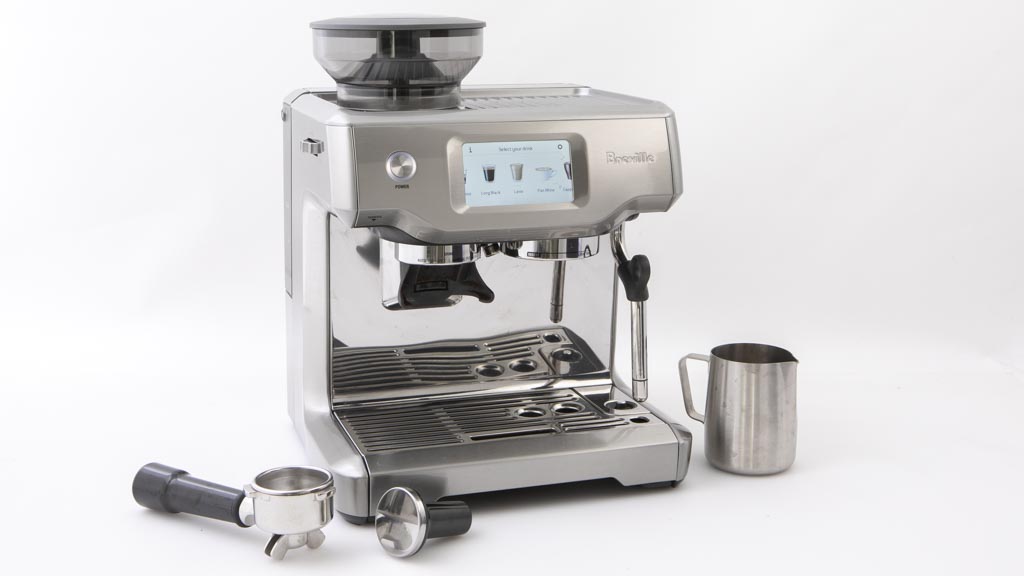
Breville
The Barista Touch BES880
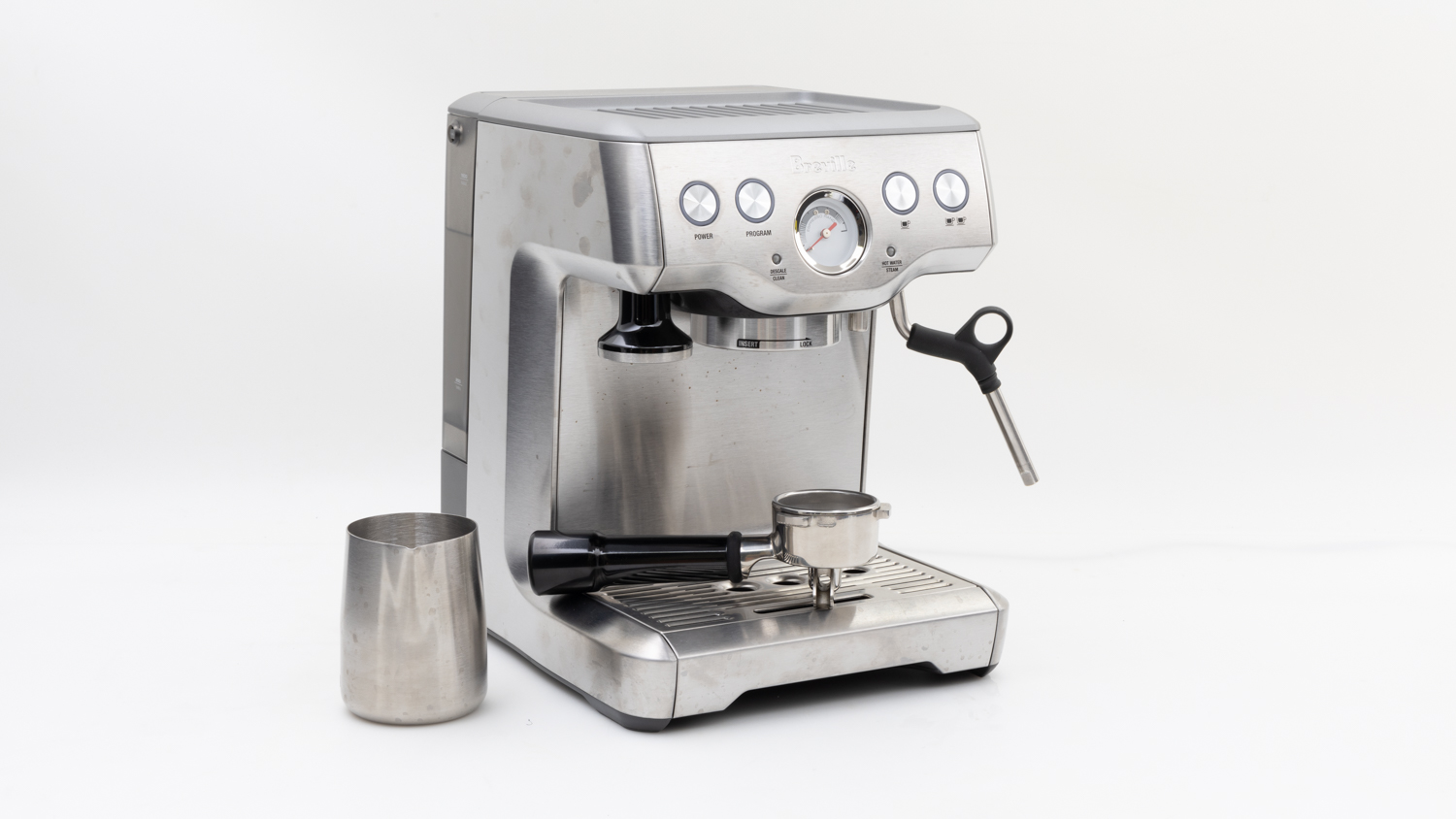
Breville
The Infuser BES840
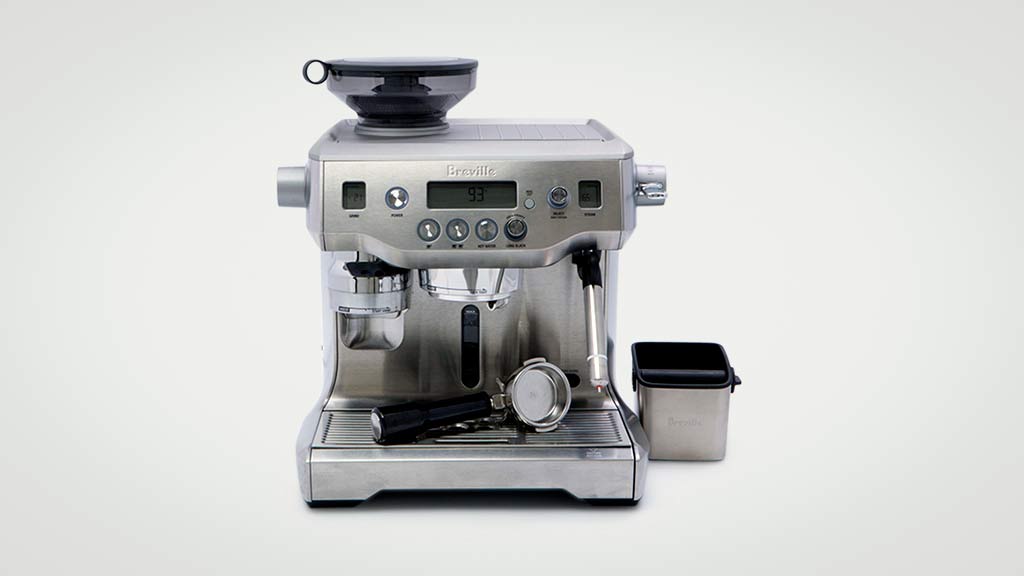
Breville
The Oracle BES980
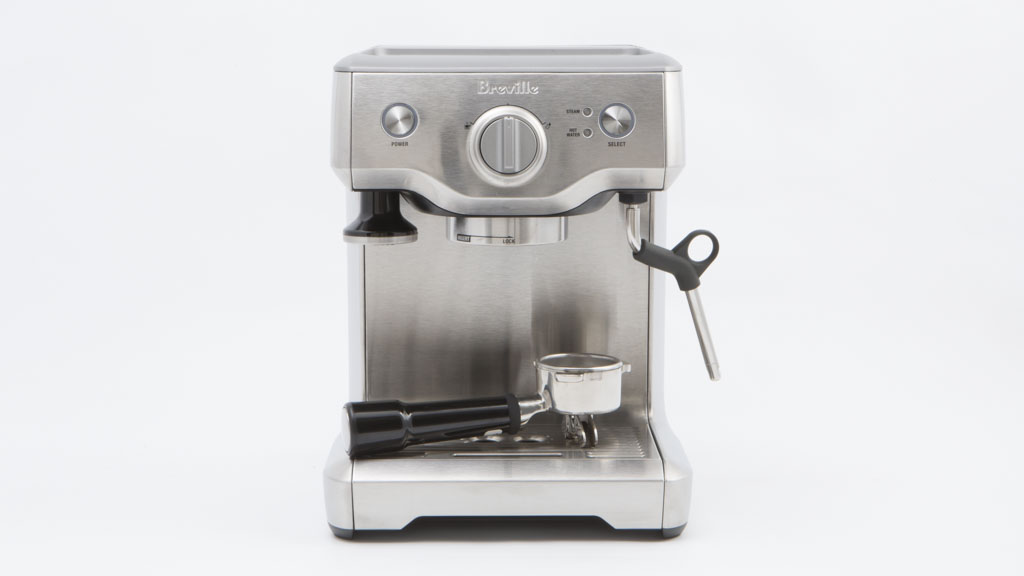
Breville
Duo-Temp Pro BES810BSS
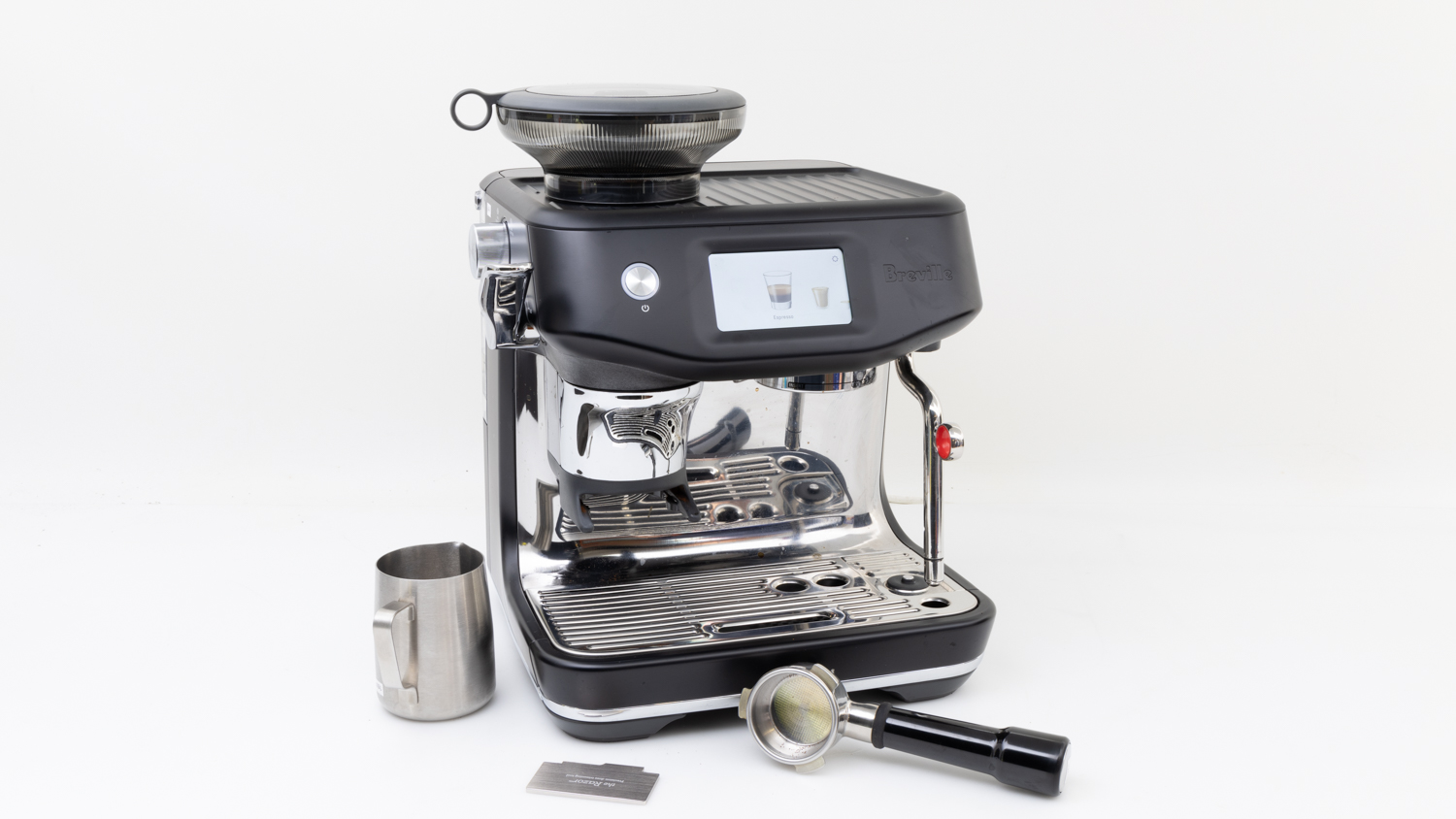
Breville
The Barista Touch Impress (BES881)
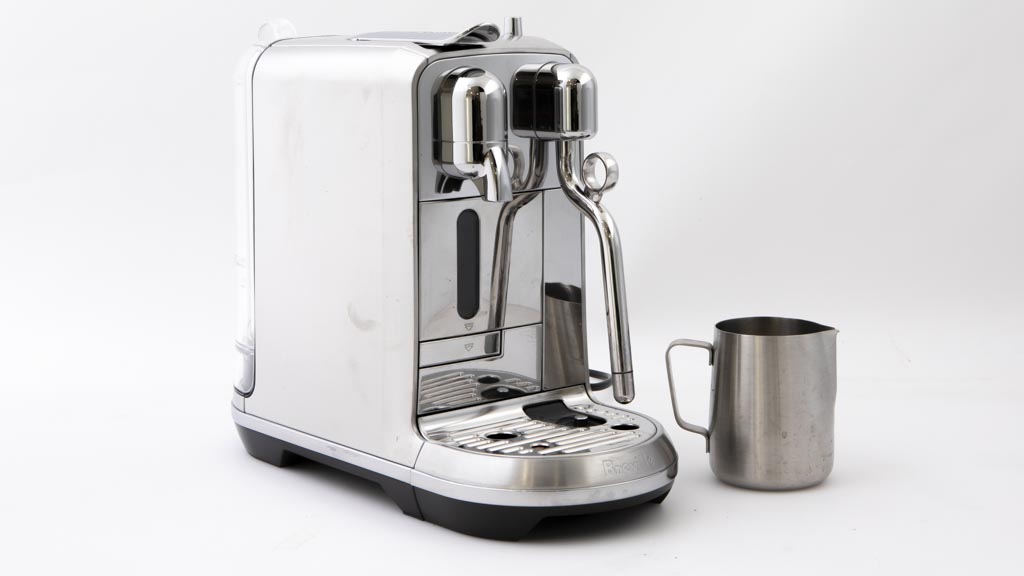
Breville Nespresso
Creatista Plus BNE800BSS
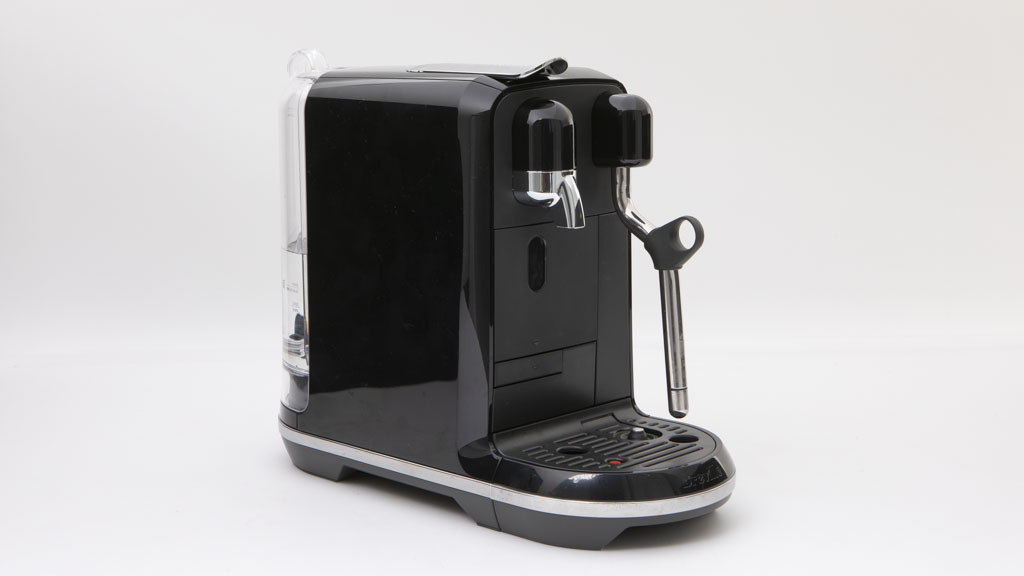
Breville Nespresso
Creatista Uno BNE500
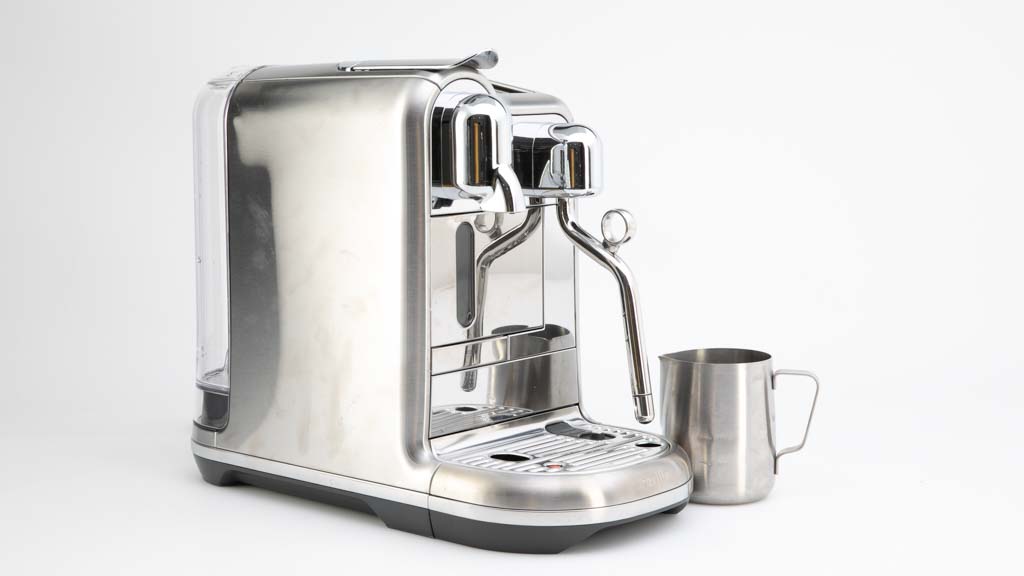
Breville Nespresso
The Creatista Pro BNE900BSS4JAN1
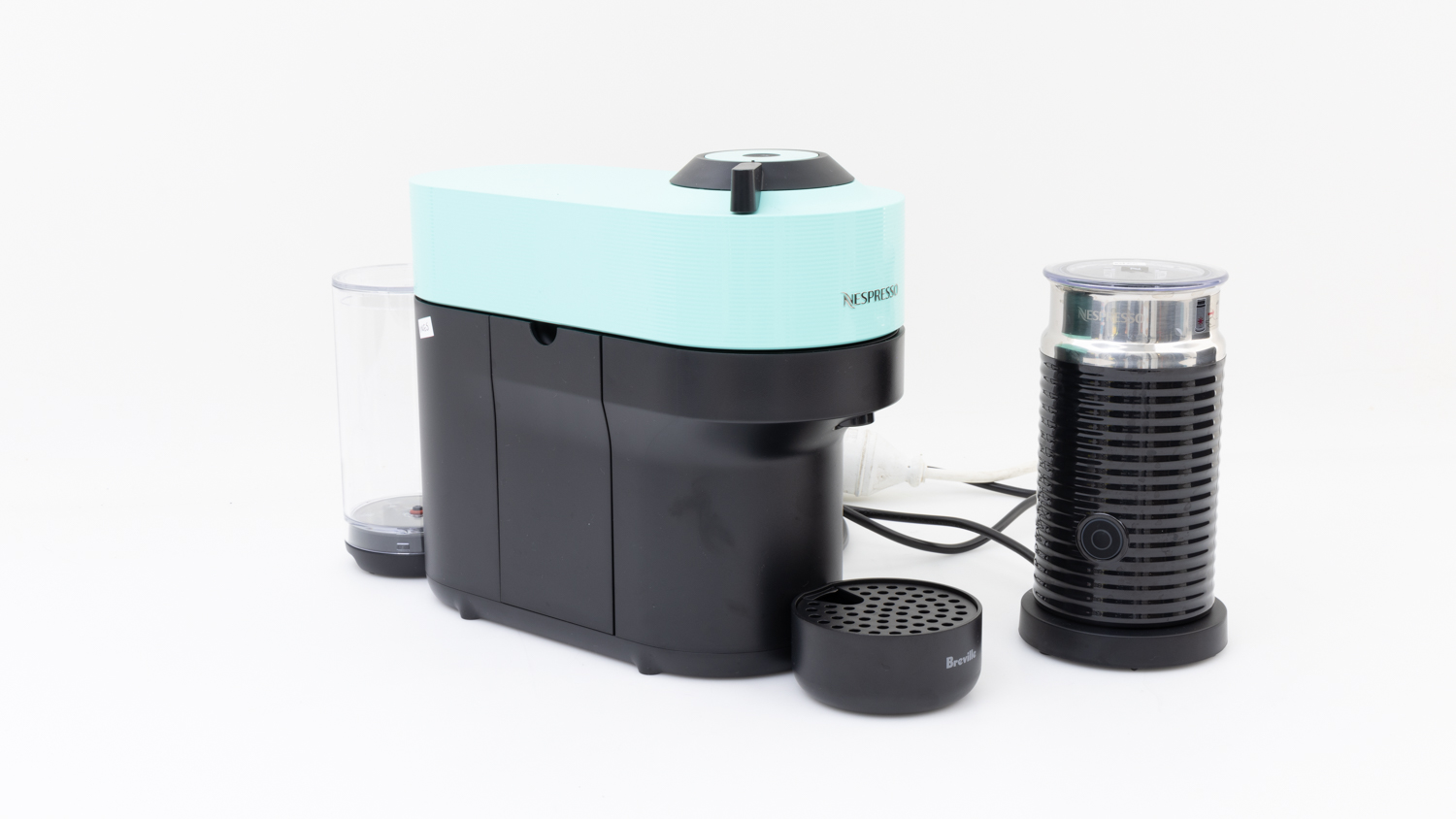
Breville Nespresso
Vertuo Pop + Aeroccino 3 Bundle BNV150
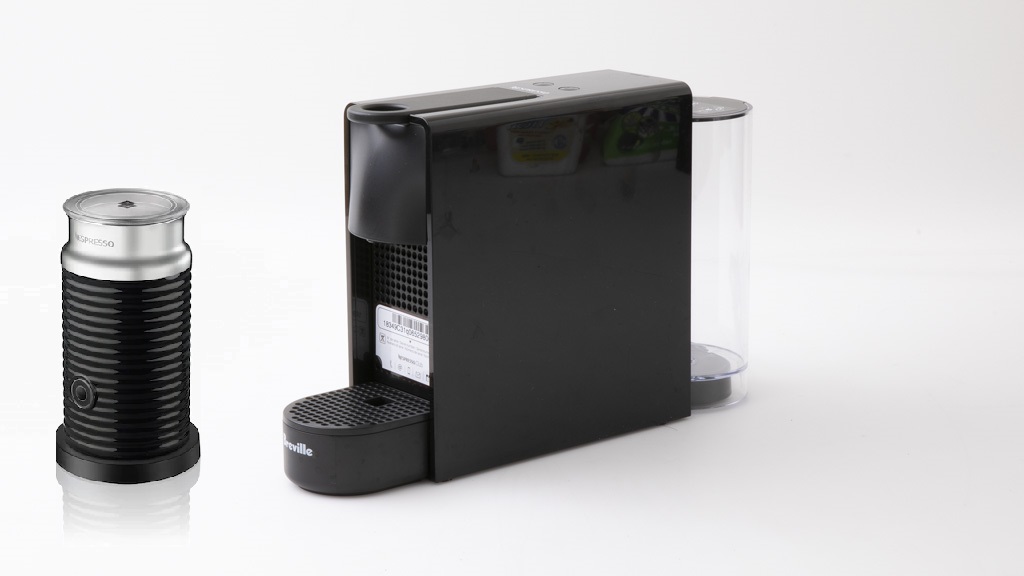
Breville Nespresso
Essenza Mini Bundle BEC250BLK
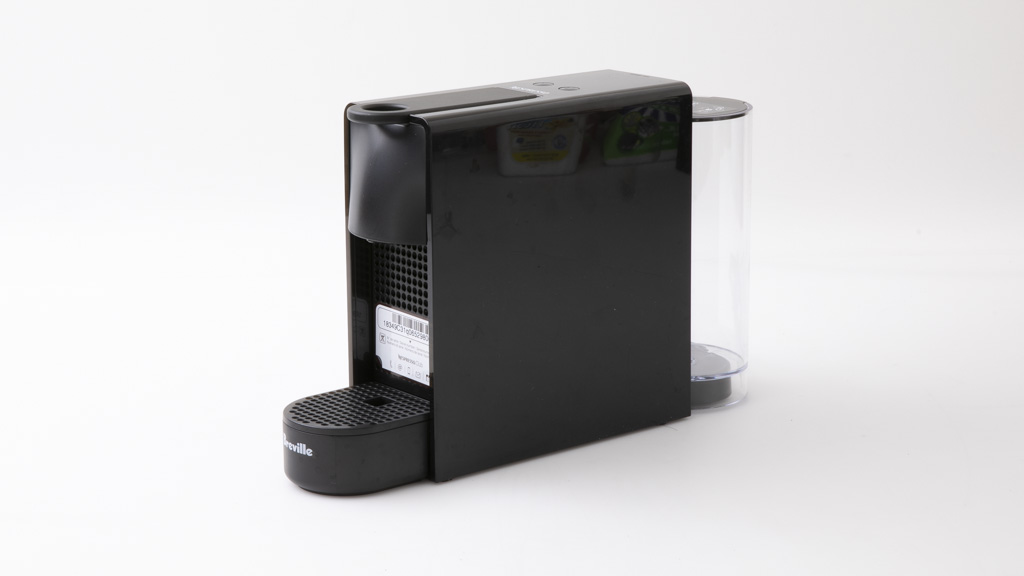
Breville Nespresso
Essenza Mini Capsule Machine BEC220
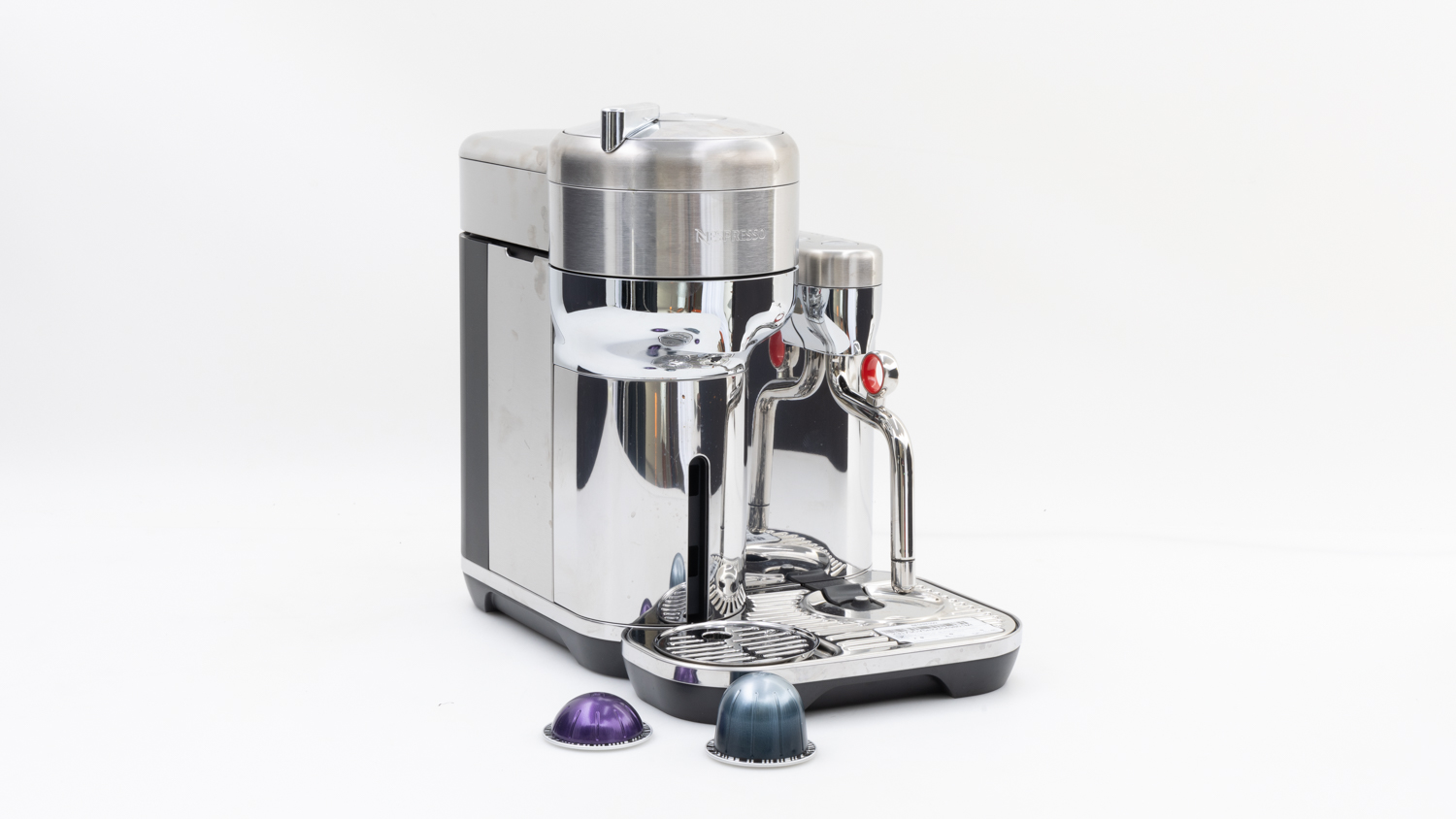
Breville Nespresso
Vertuo Creatista BVE850
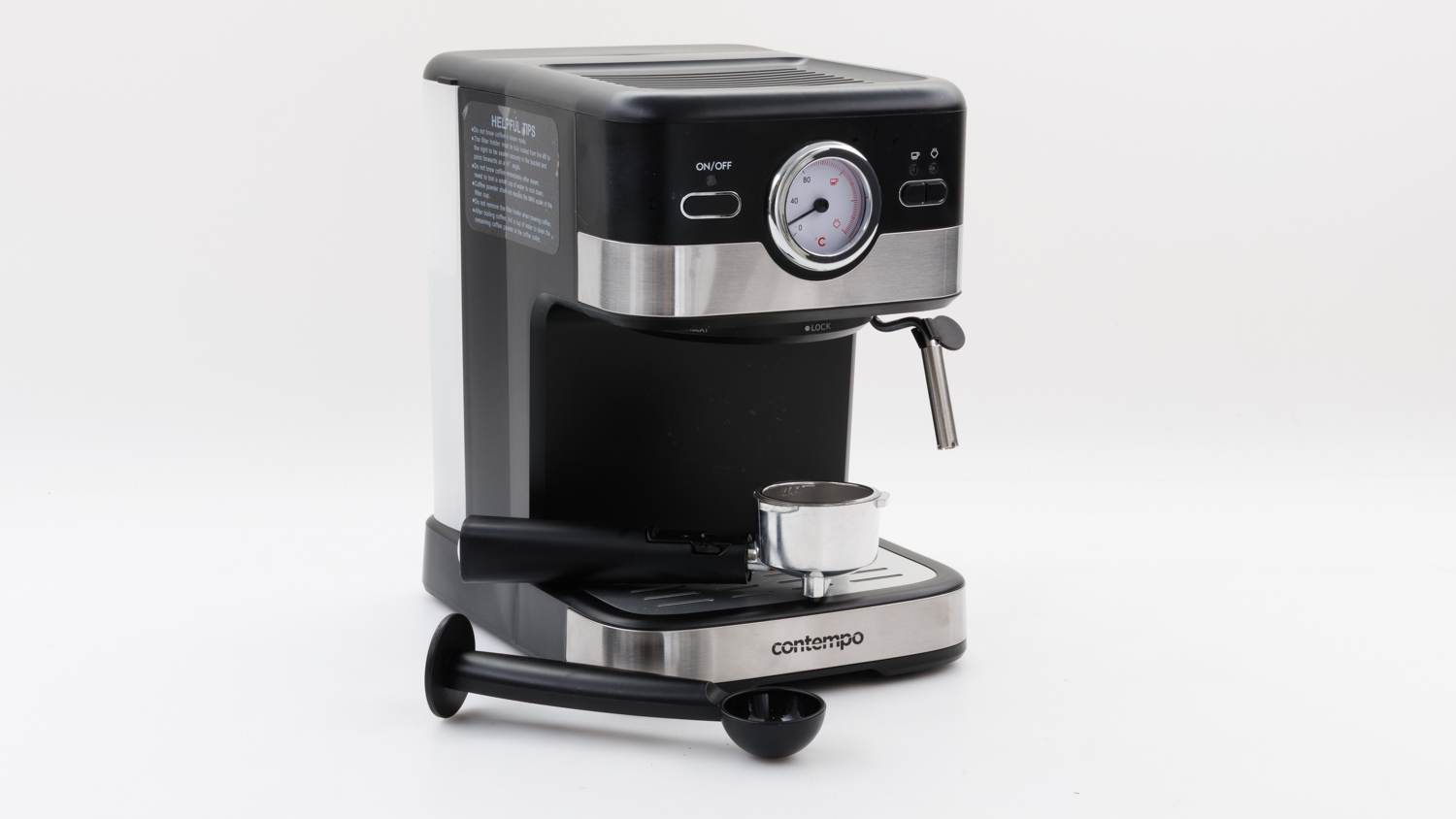
Contempo
Espresso Machine (CM8501D-GS)
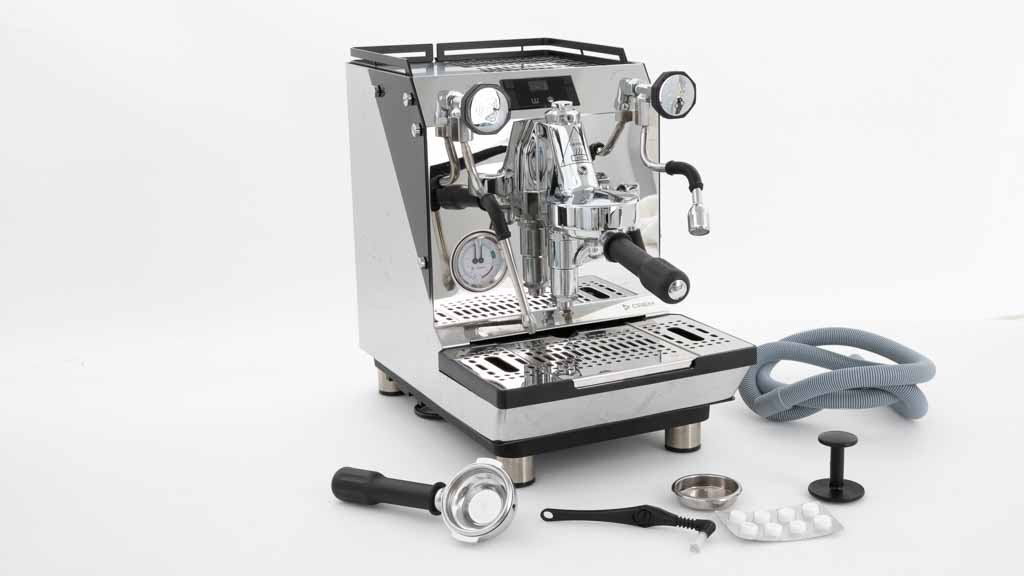
Crem One
Single Boiler (1B) PID
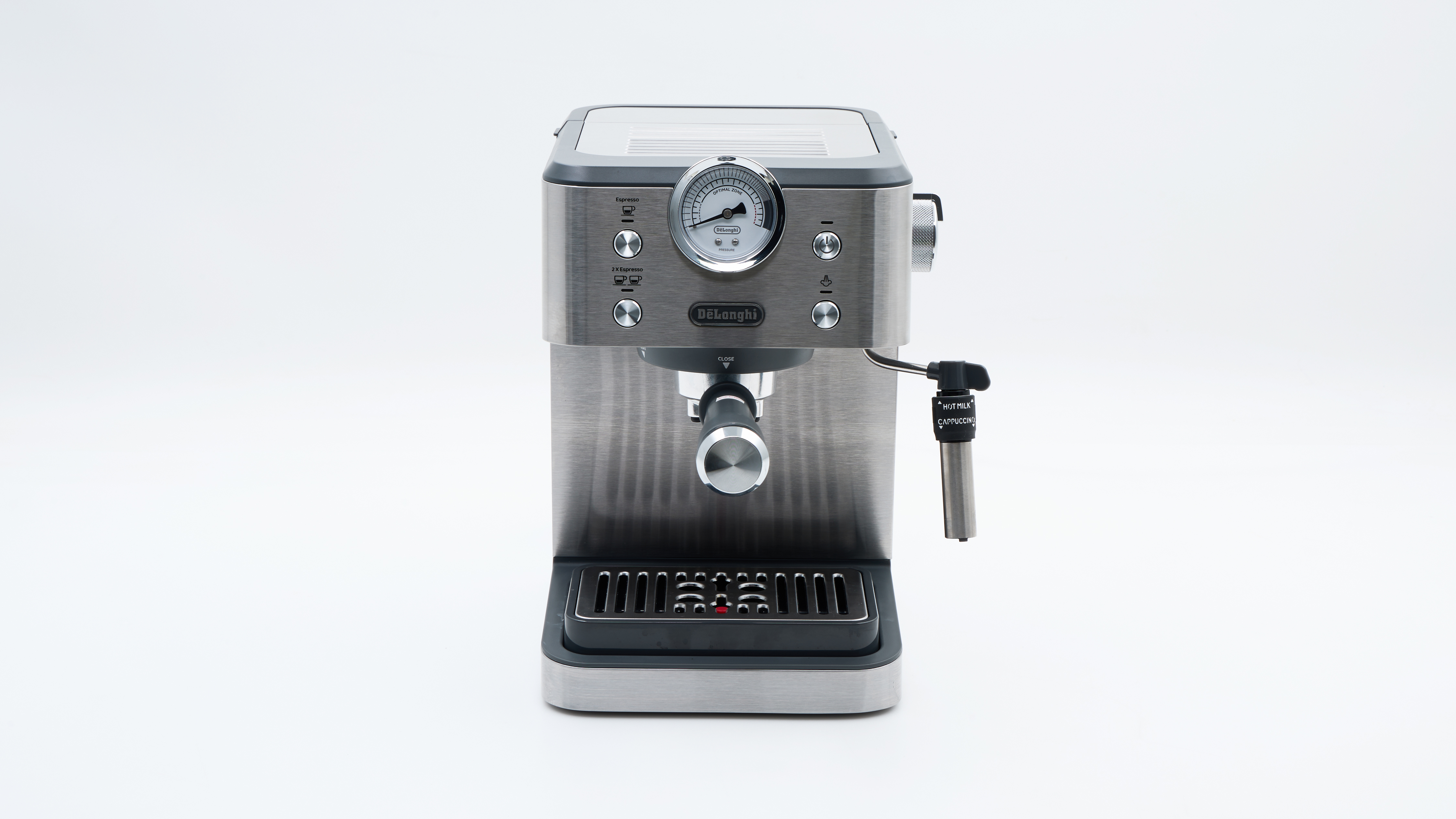
DeLonghi
Classic Manual Coffee Machine (EM450.M)
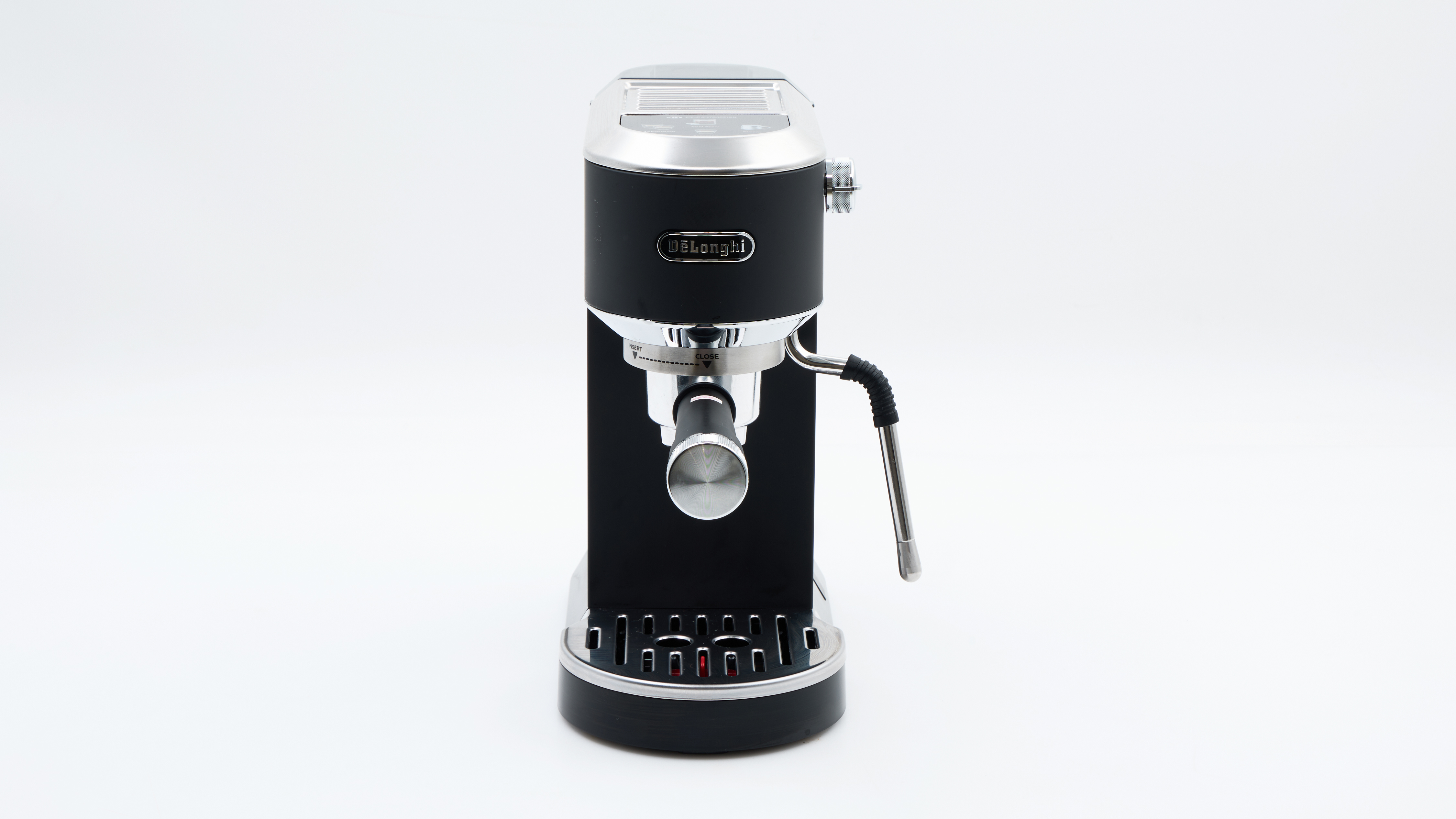
DeLonghi
Dedica Duo Manual Coffee Machine (EC890)
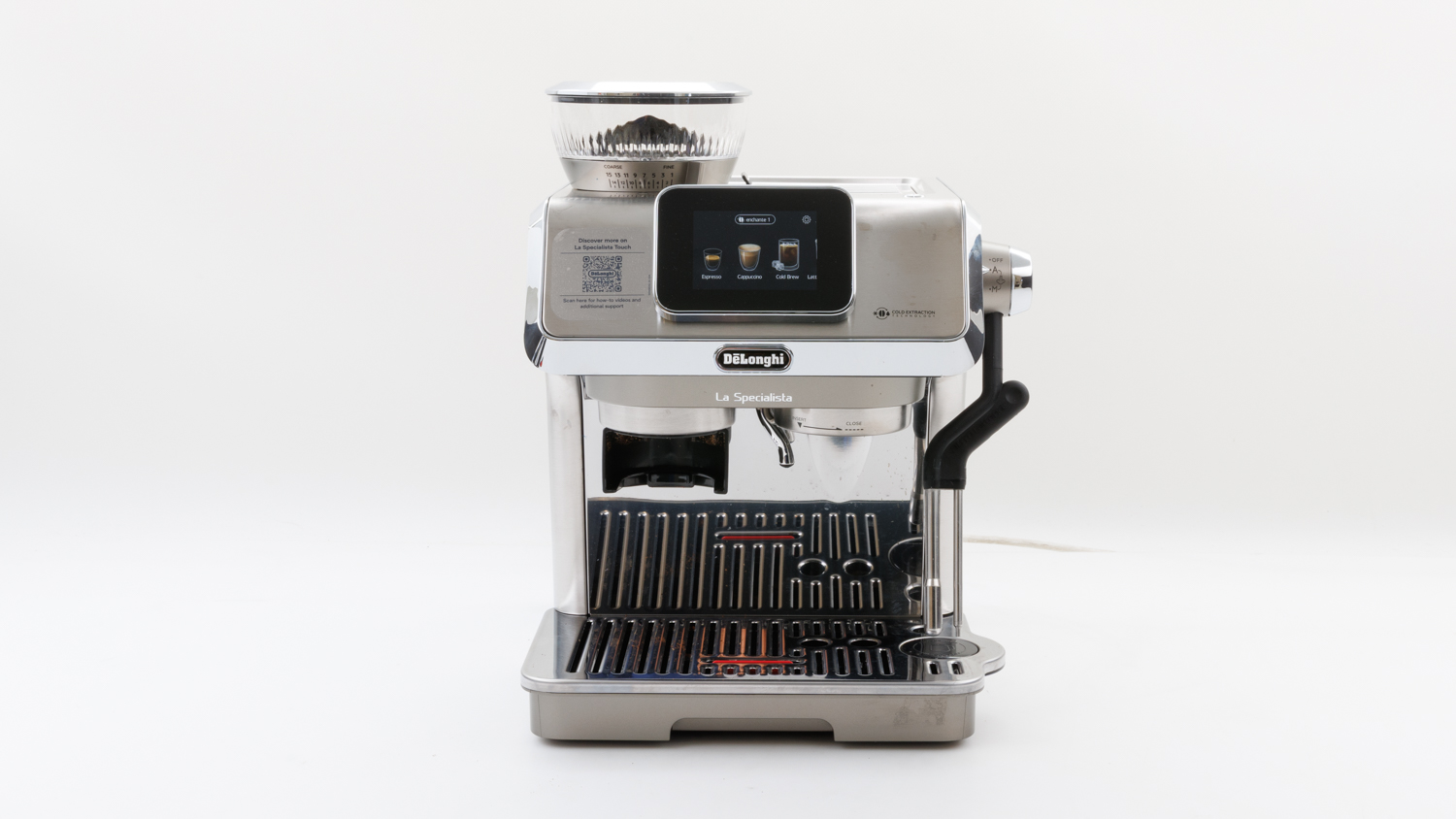
DeLonghi
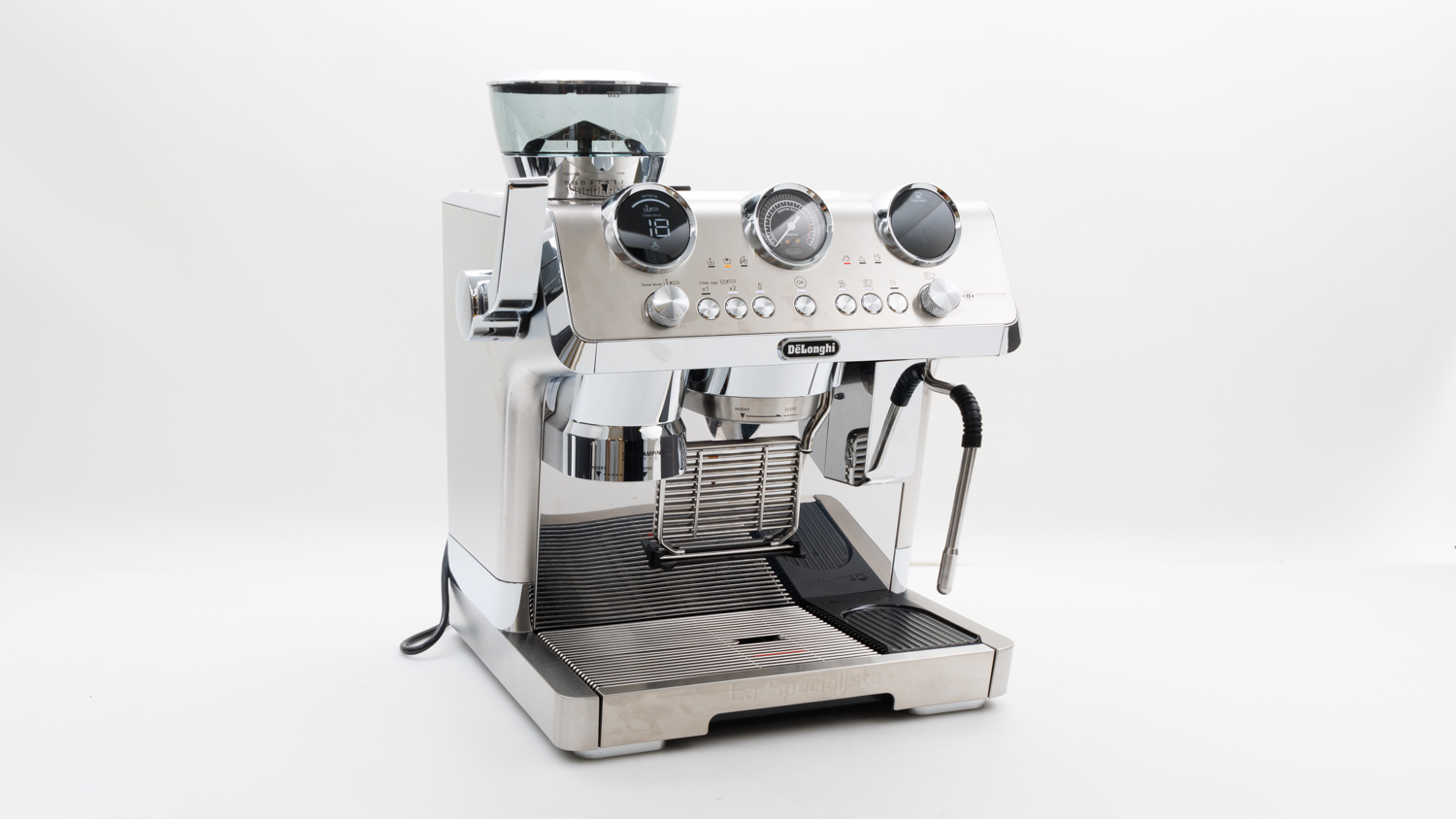
La Specialista Touch (EC9455)
DeLonghi
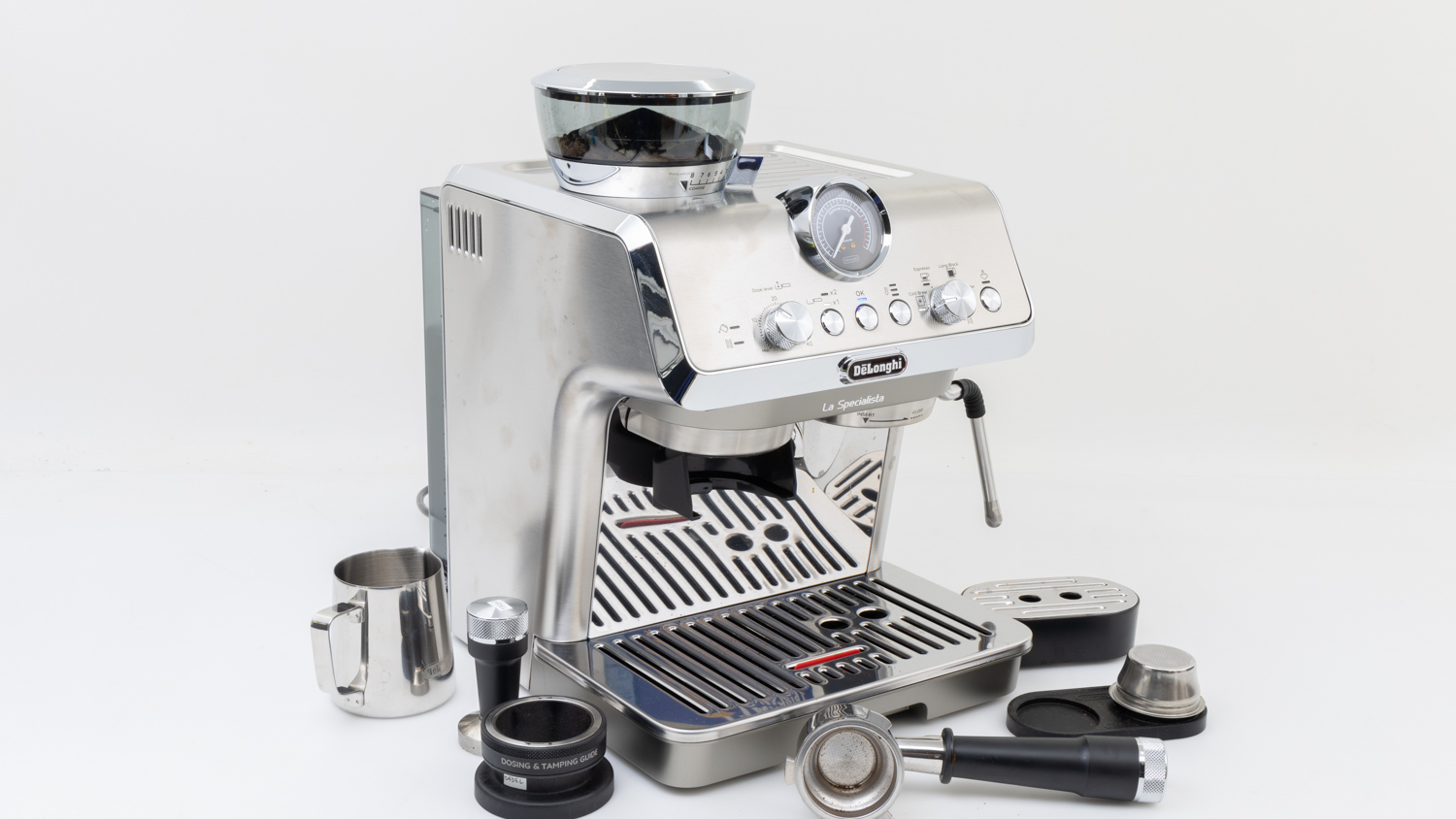
La Specialista Maestro Cold Brew (EC9885)
DeLonghi
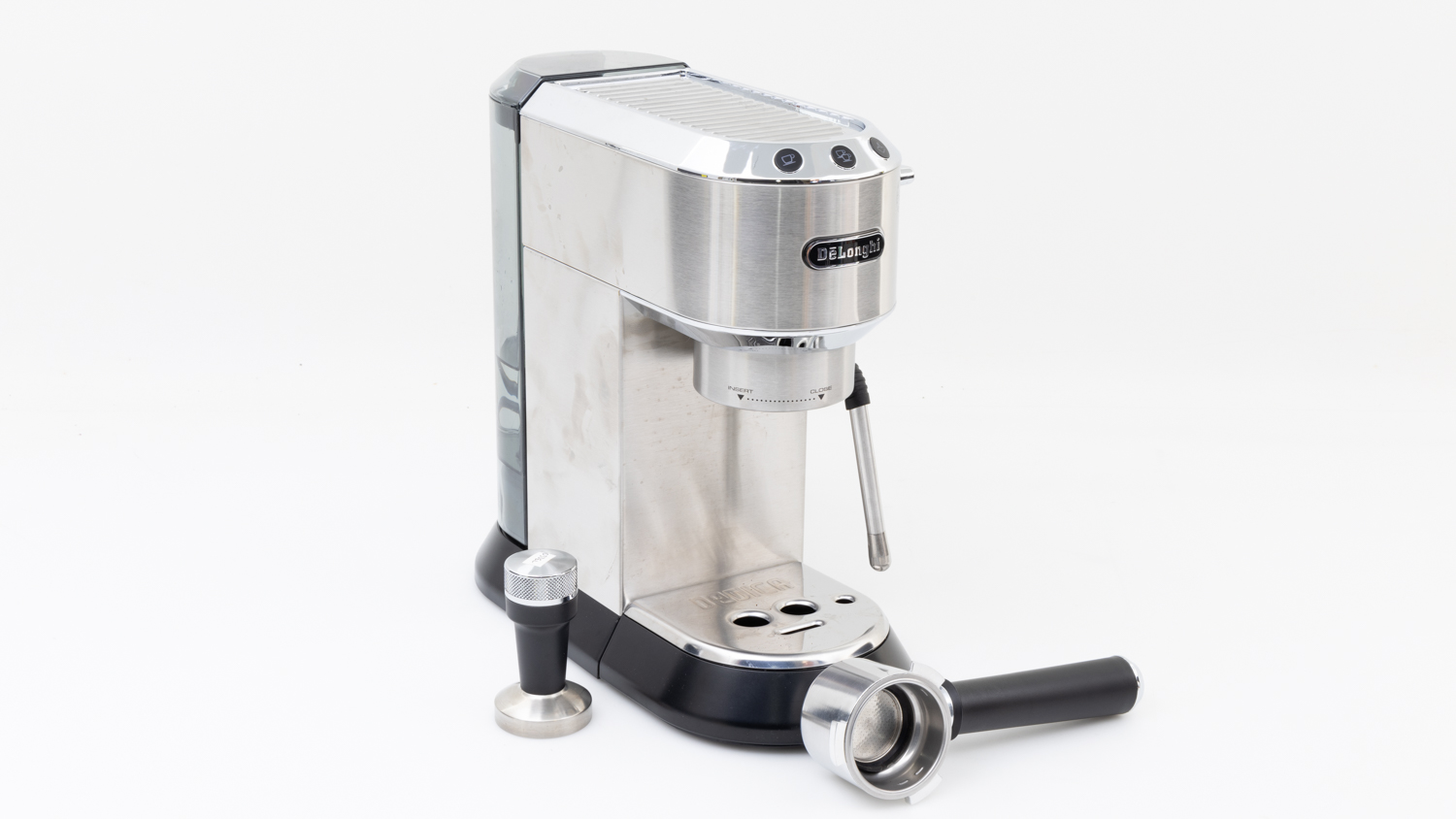
La Specialista Arte Evo EC9255
DeLonghi
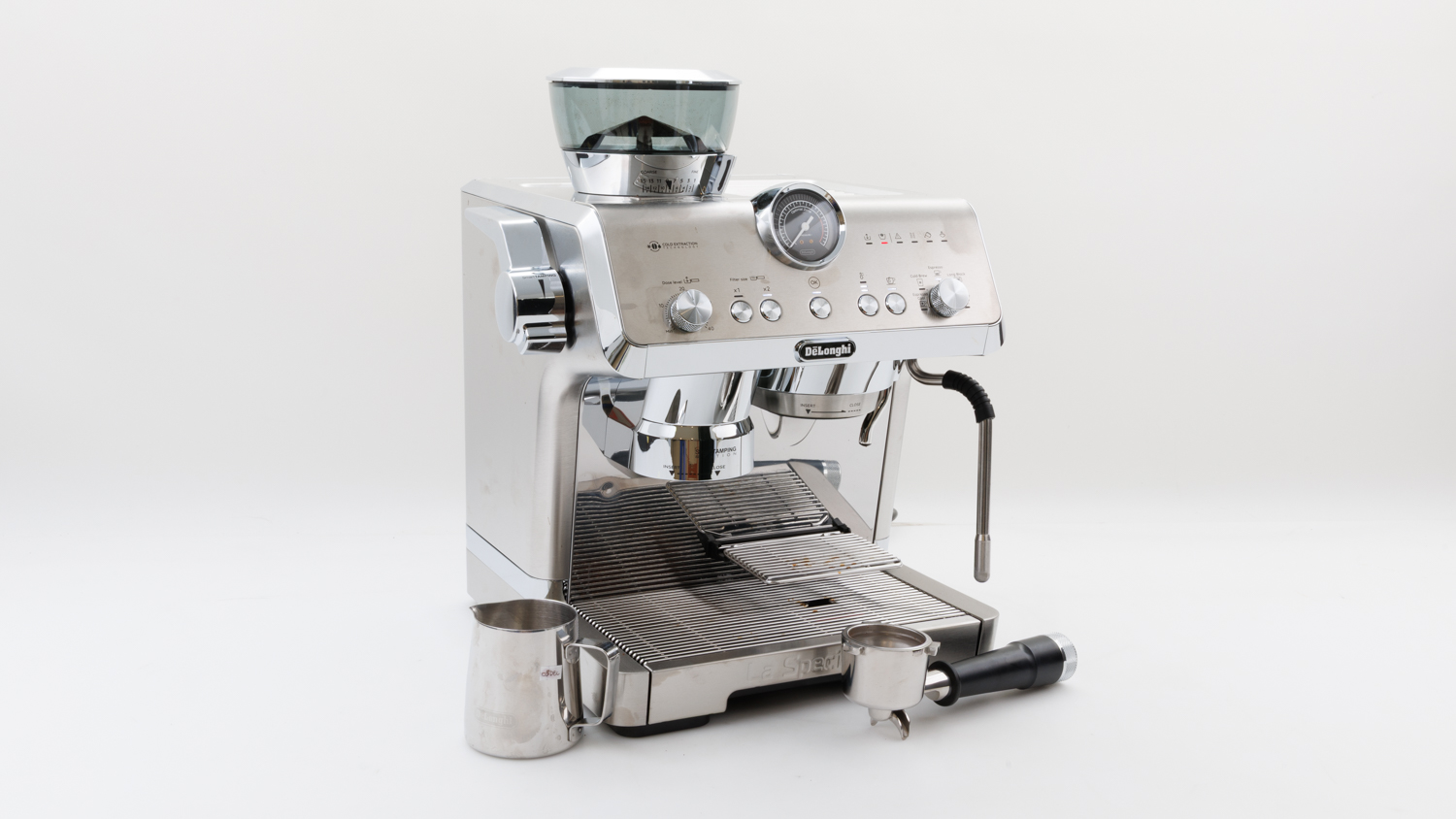
Dedica Arte EC885
DeLonghi
La Specialista Opera (EC9555)
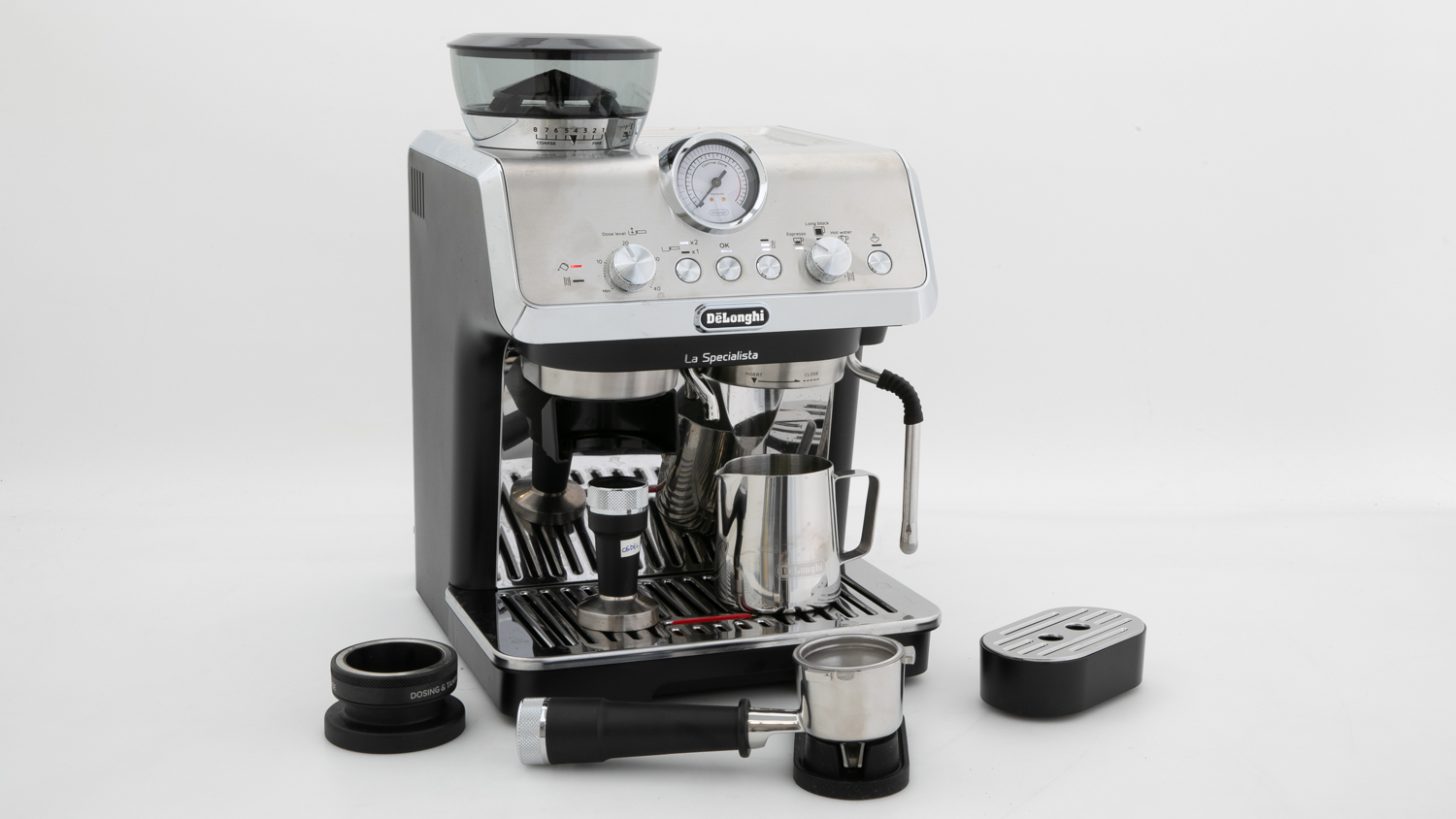
DeLonghi
La Specialista Arte EC9155.MB
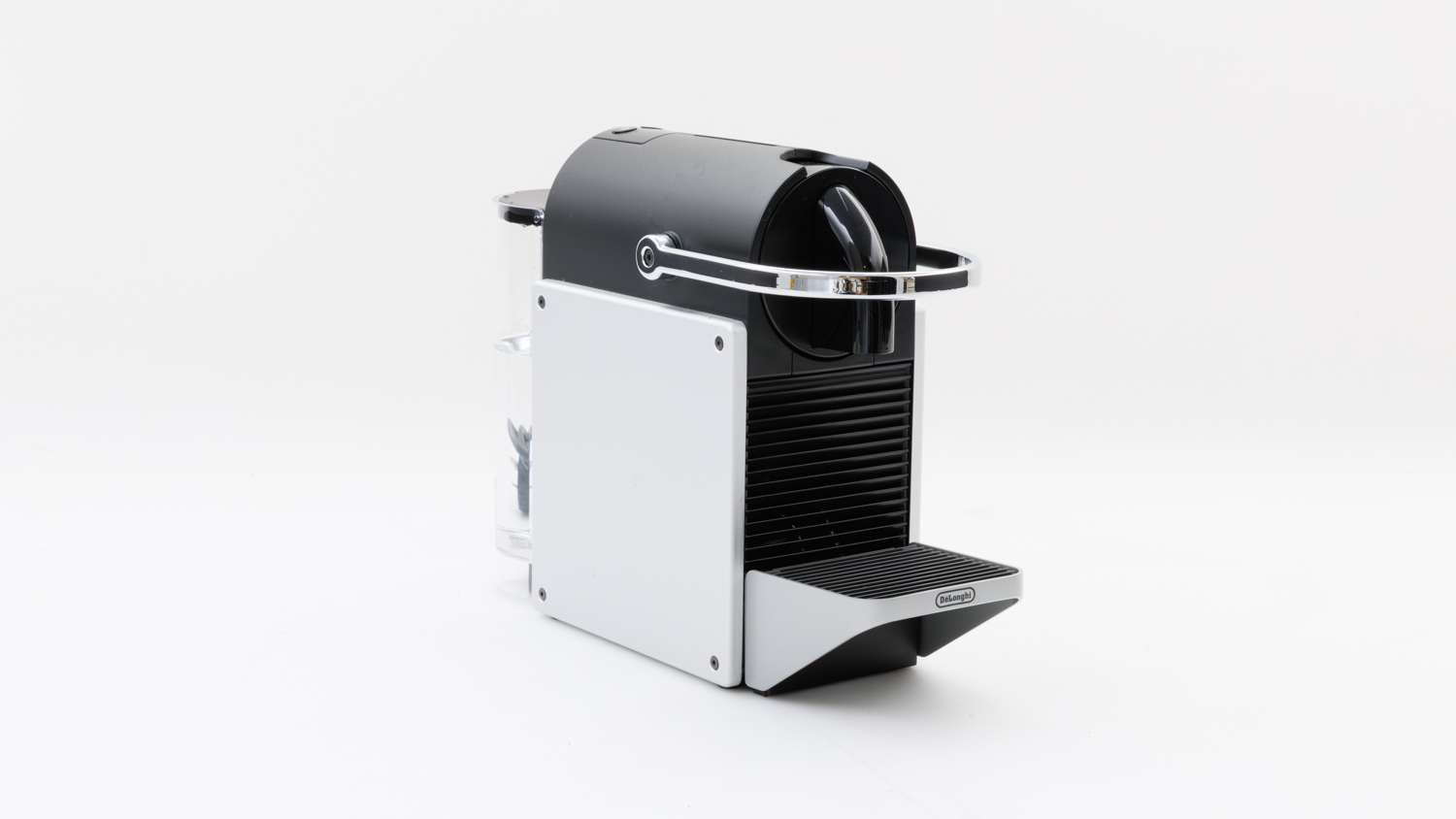
DeLonghi
Nespresso Pixie Capsule Coffee Machine with Aeroccino (EN127.SAE)
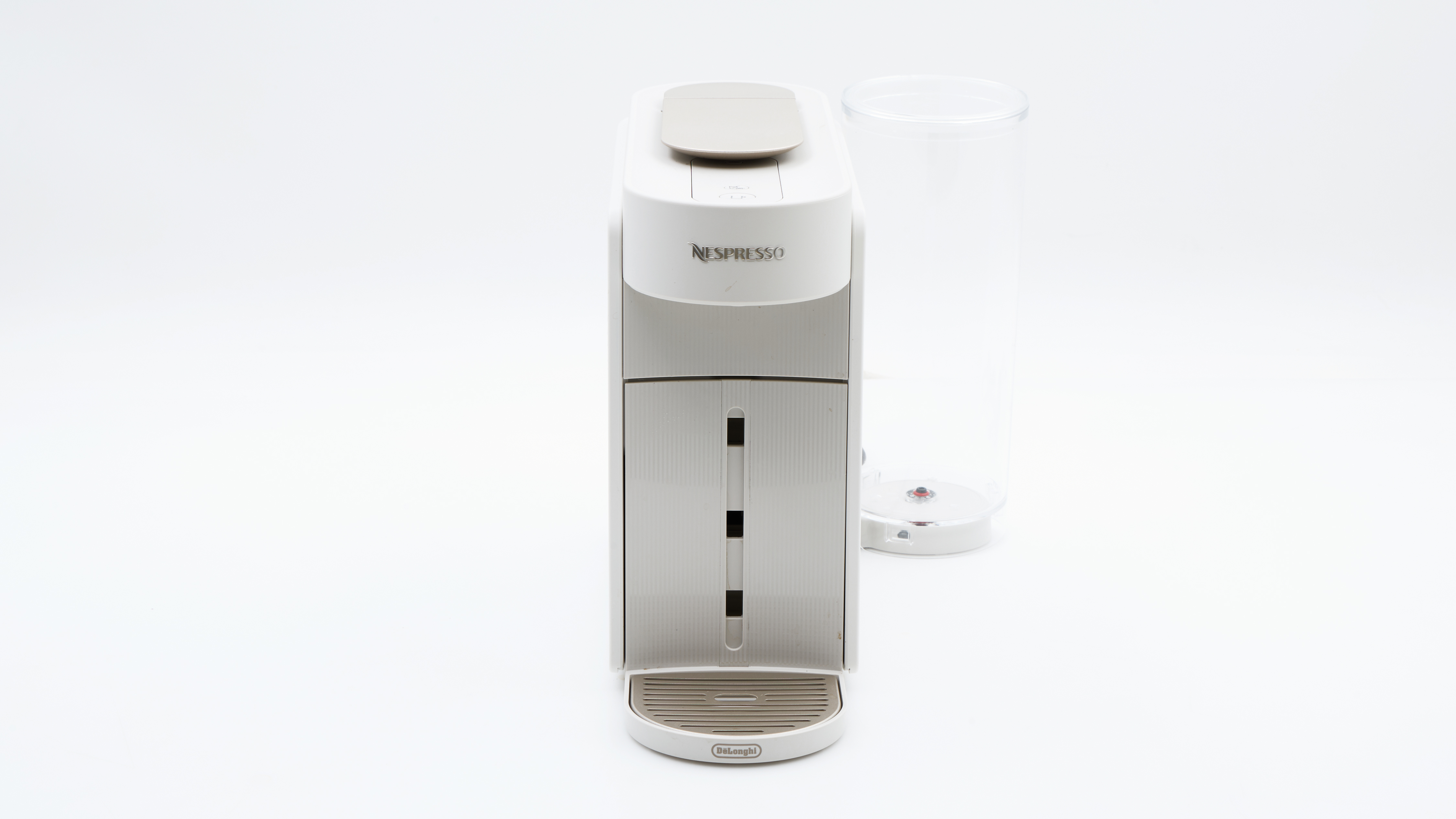
DeLonghi Nespresso
VertuoUP ENV200
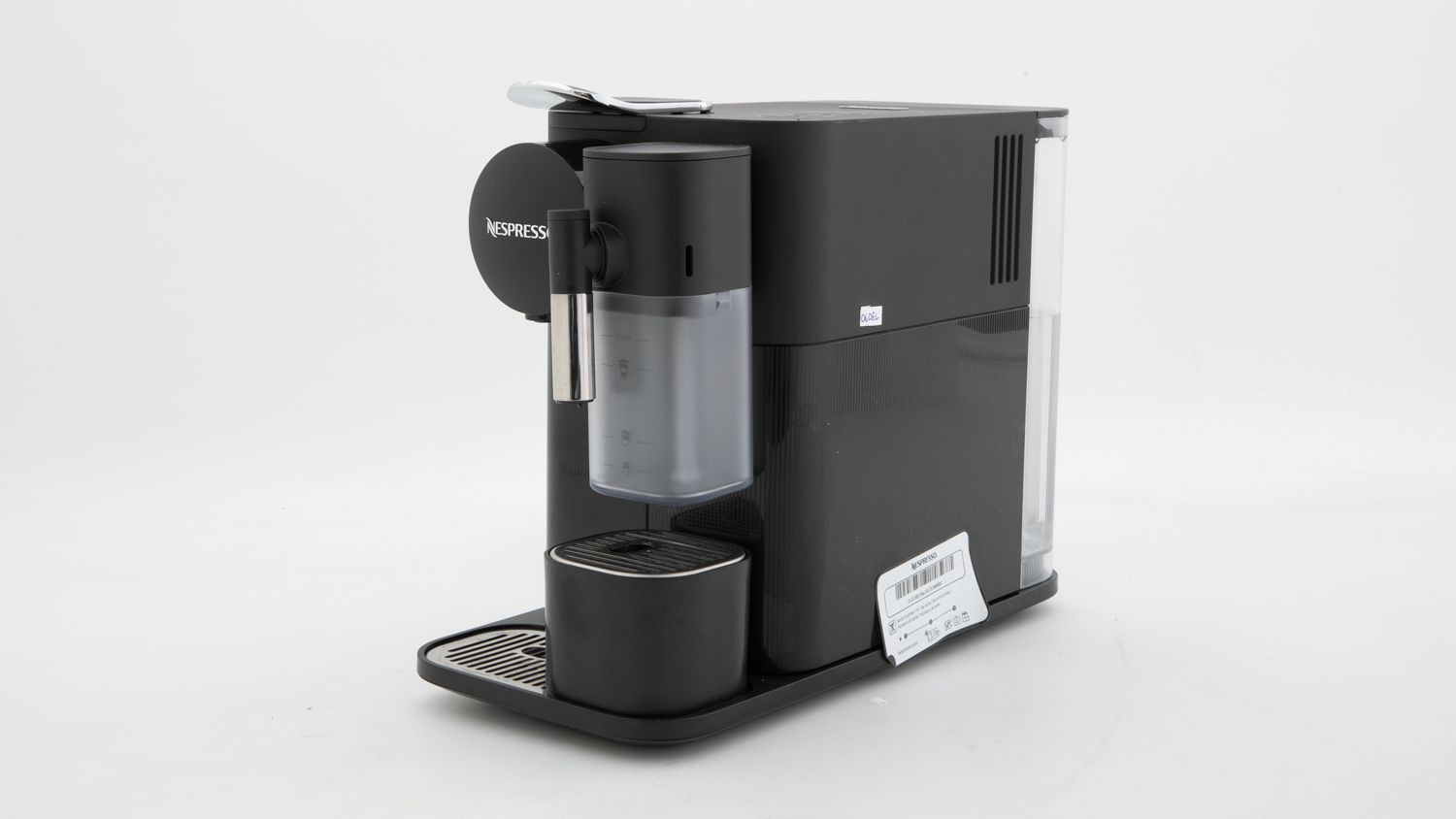
DeLonghi Nespresso
Lattissima One EN510.B

DeLonghi Nespresso
Vertuo Next & Aeroccino 3 ENV120WAE
DeLonghi Nespresso
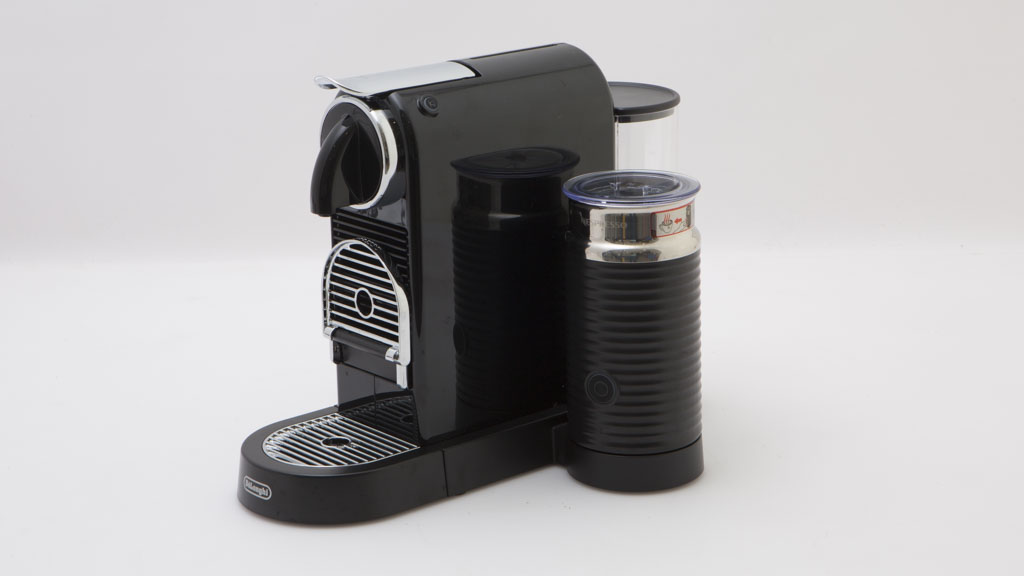
Citiz & Milk EN267.BAE
DeLonghi Nespresso
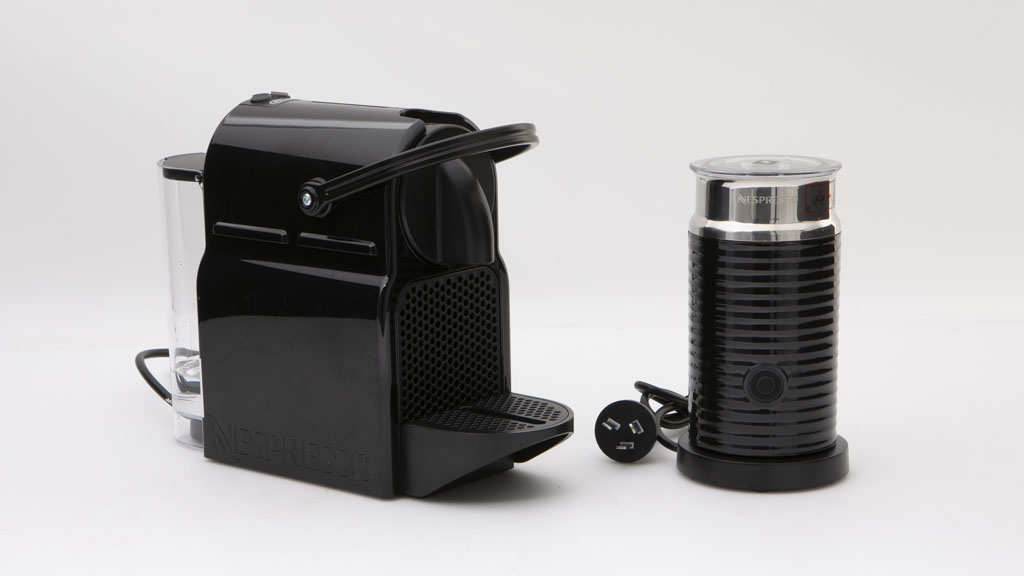
Inissia EN80BAE
DeLonghi Nespresso
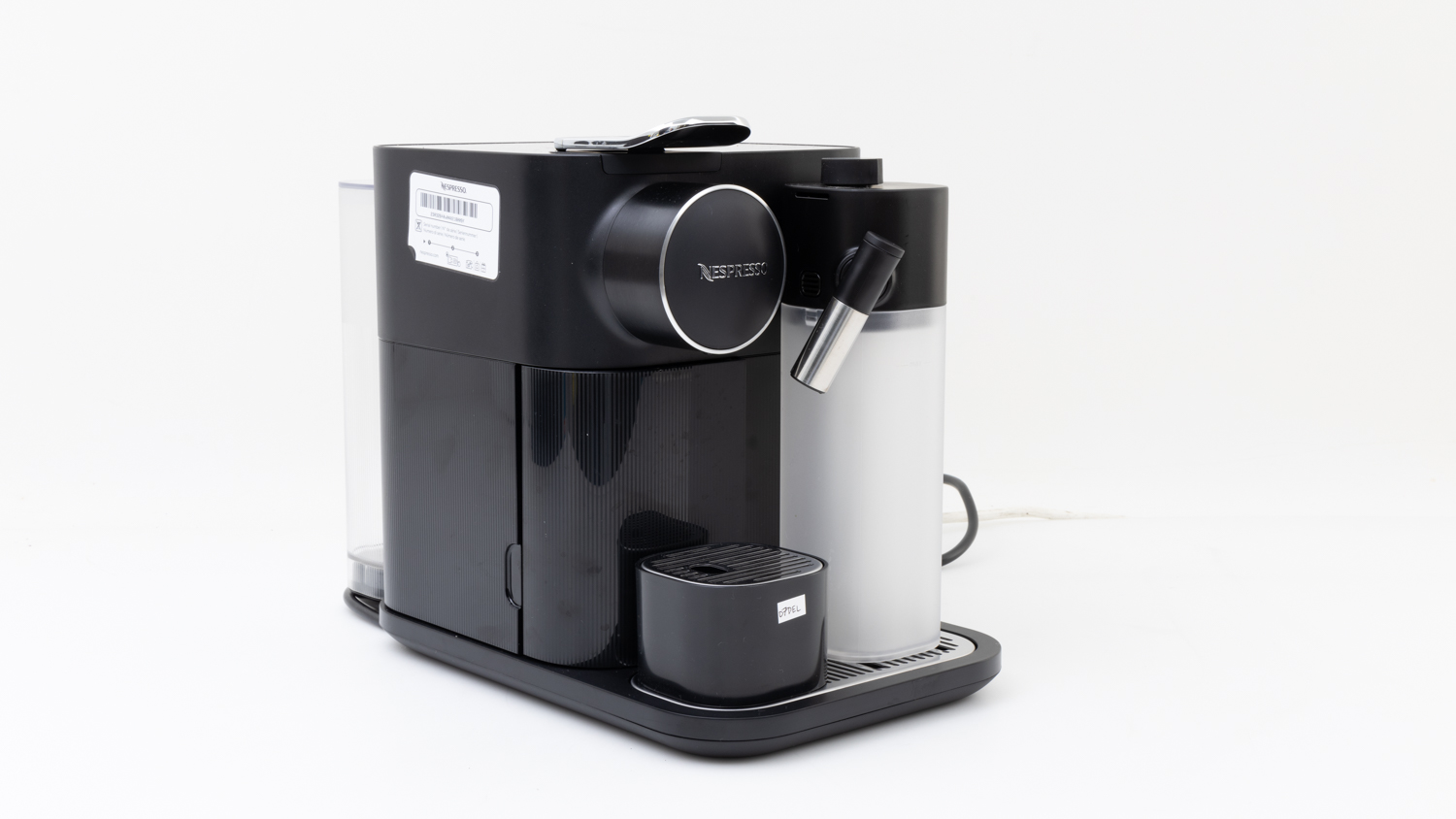
Gran Lattissima EN640.B
DeLonghi Nespresso
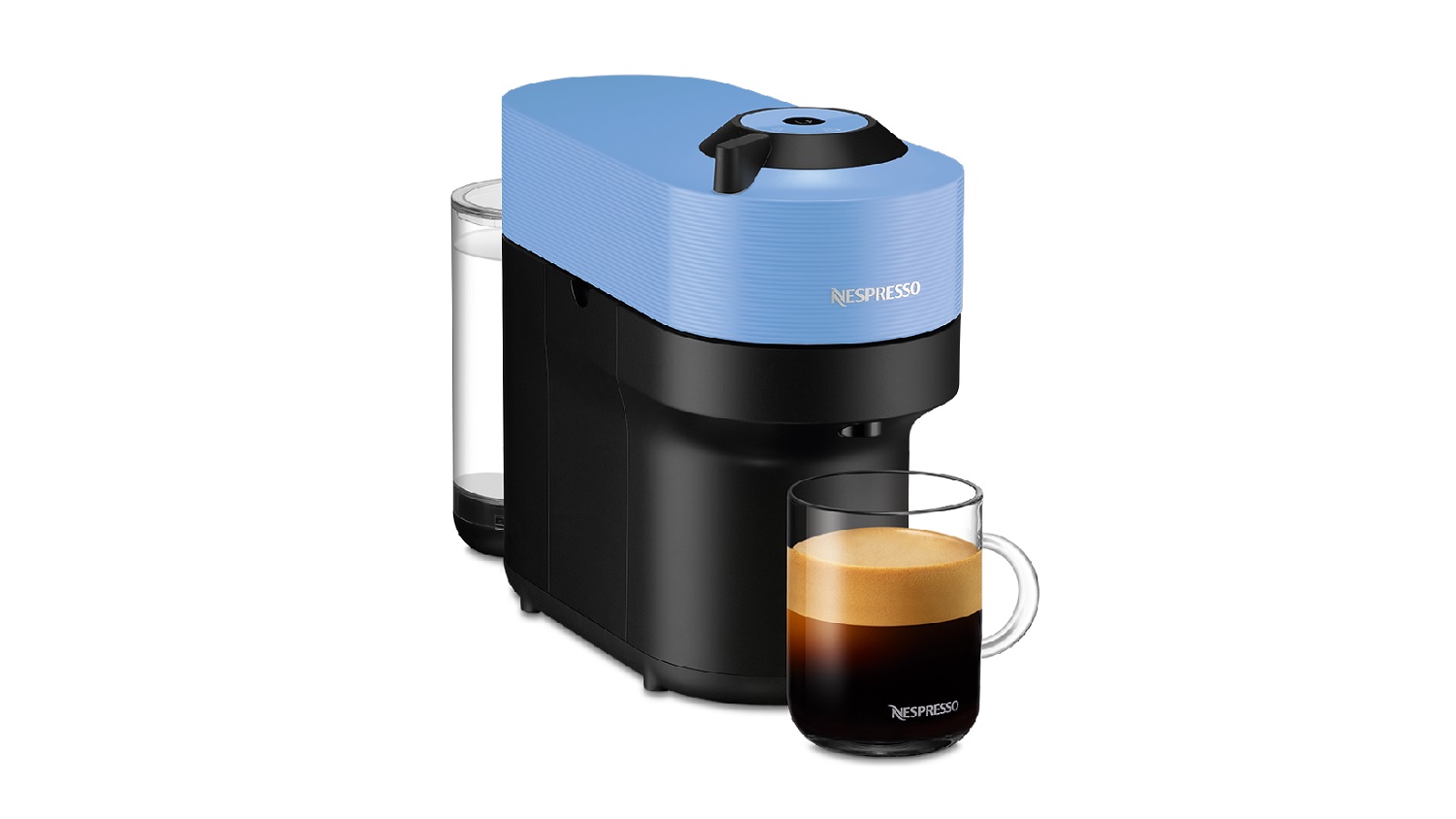
Vertuo Pop + Aeroccino 3 Bundle ENV90AAE
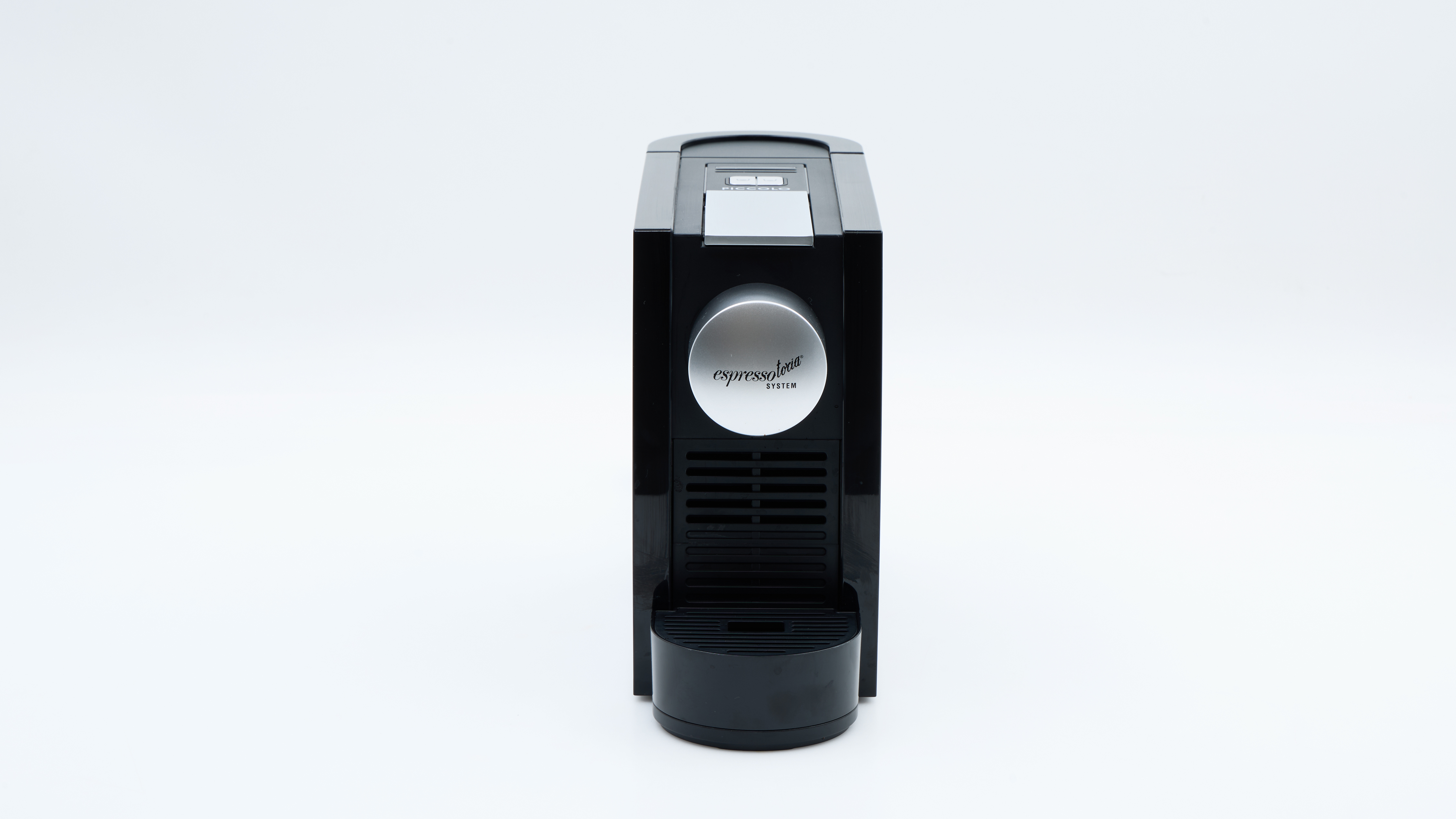
Espressotoria System
Piccolo
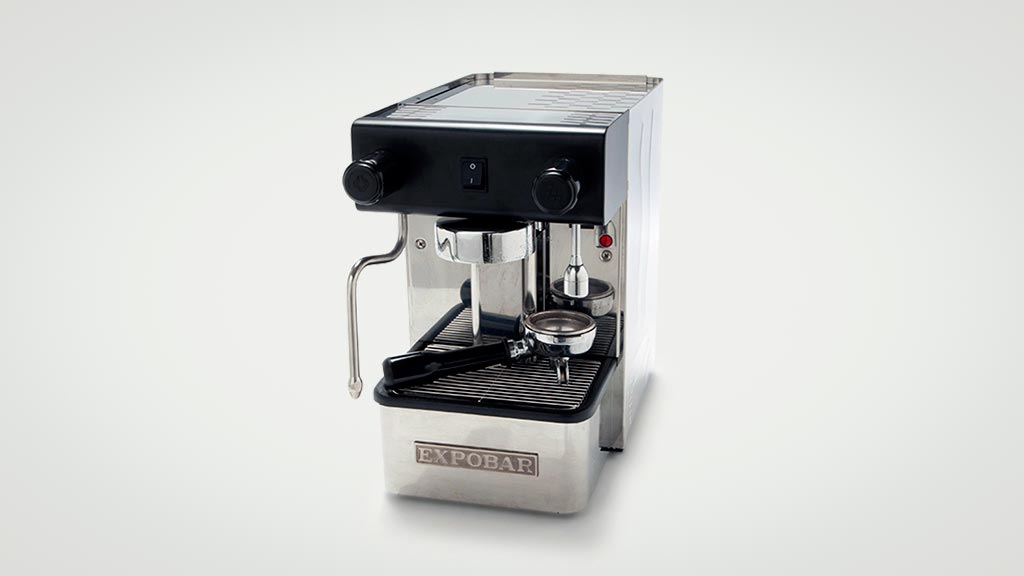
Expobar
Office SA
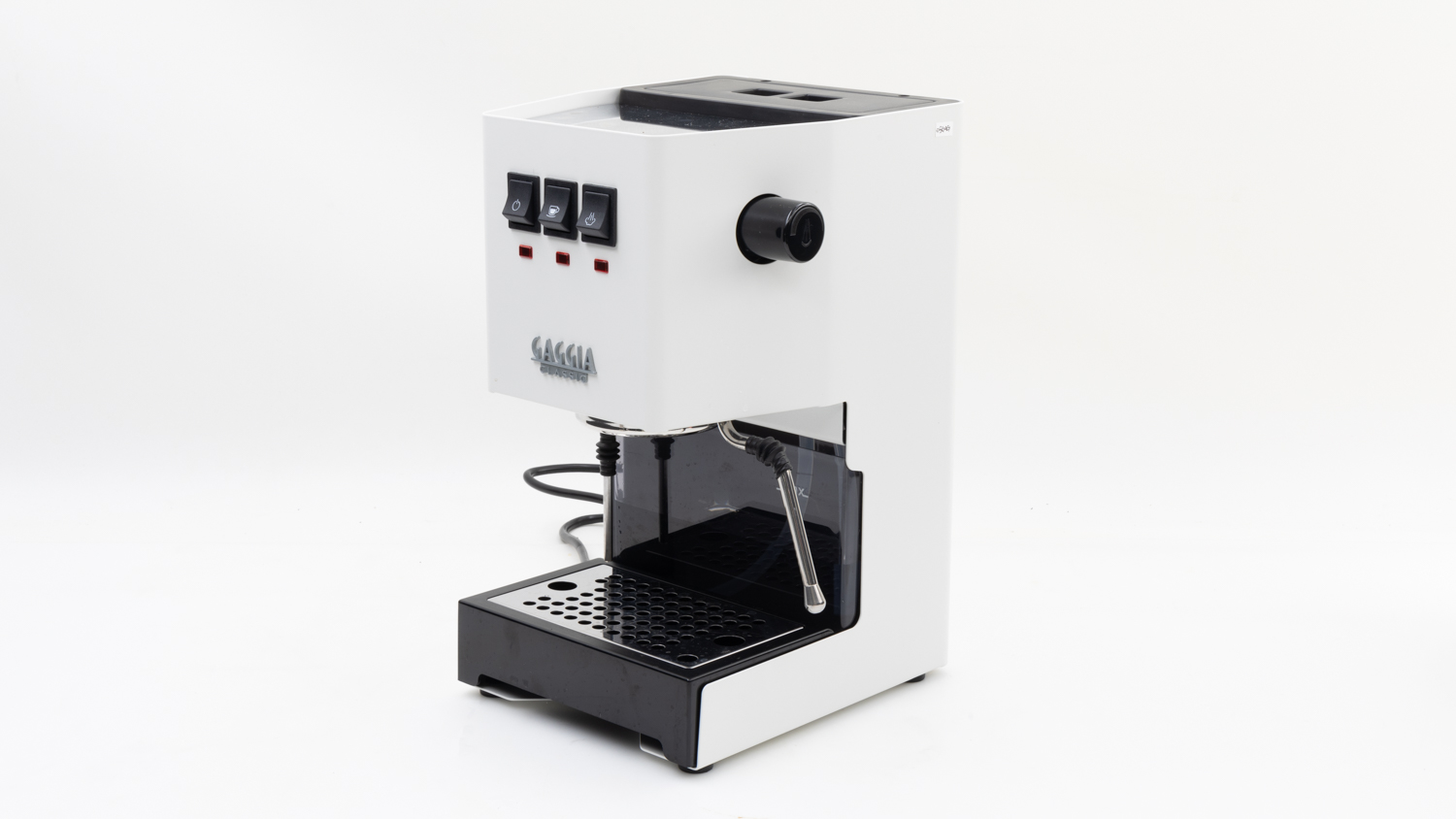
Gaggia
Classic Evo Pro R19481
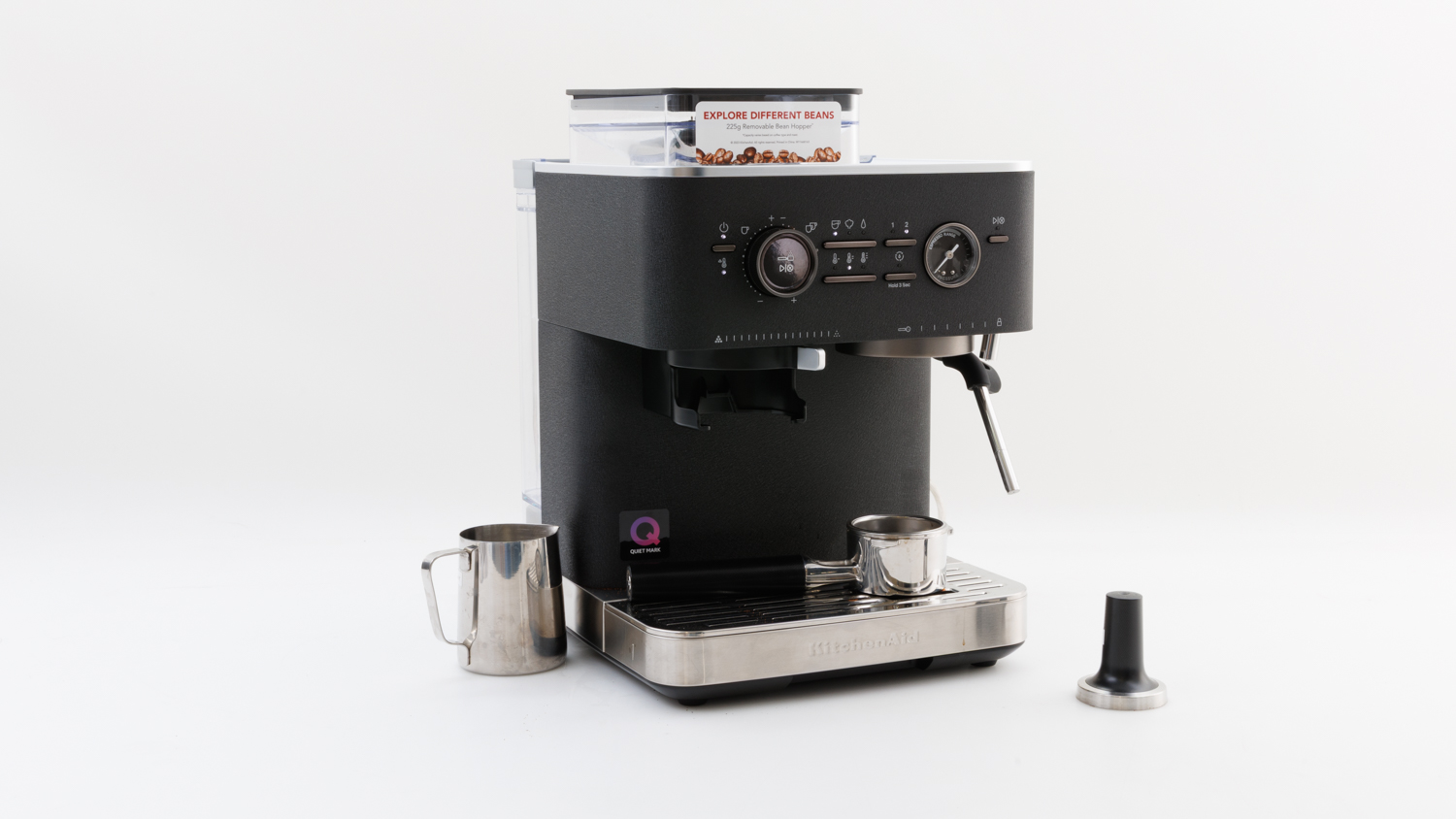
KitchenAid
Semi Automatic Espresso Machine with Burr Grinder (KES6551)
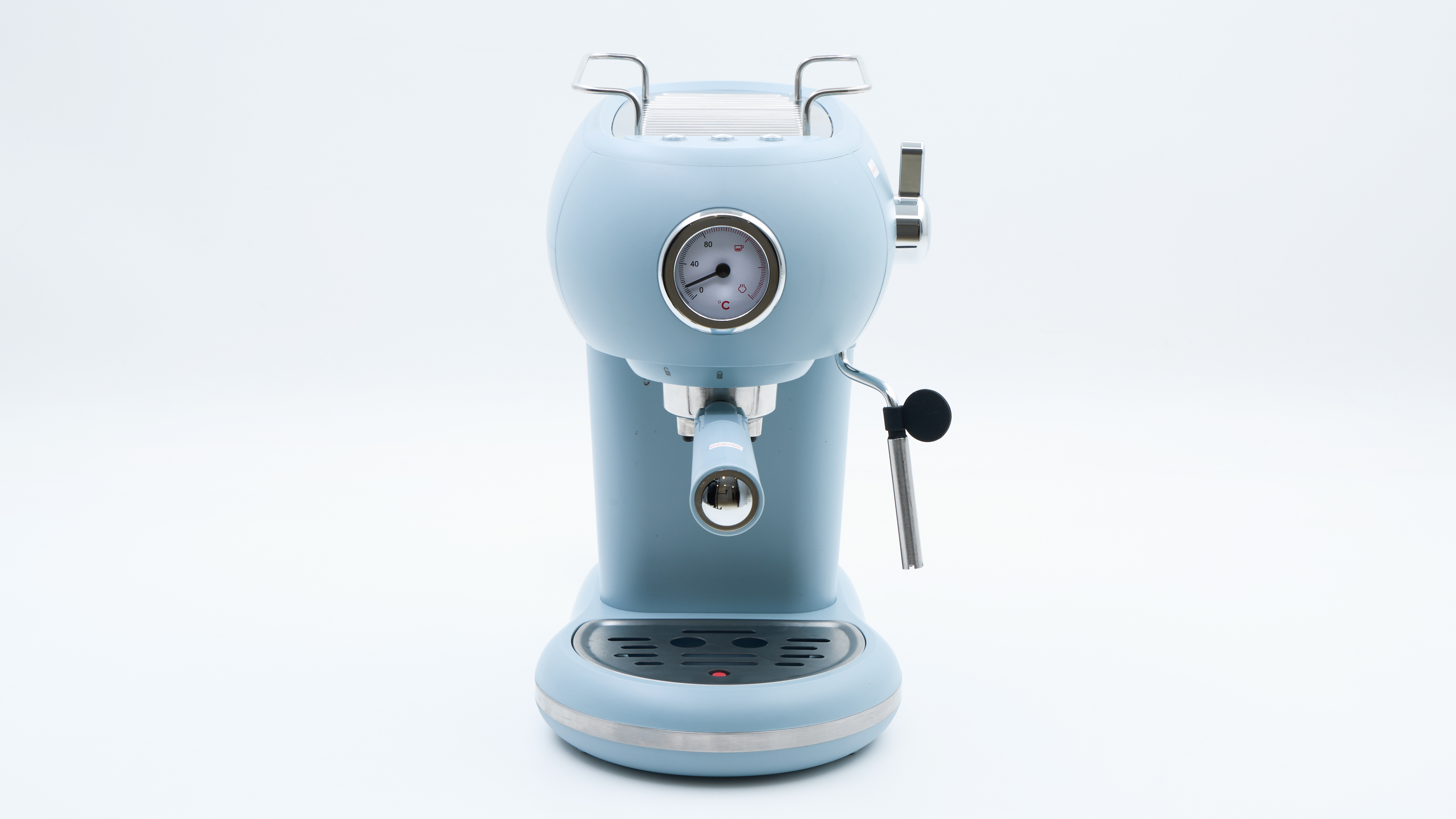
Kmart
Retro Espresso Coffee Machine (CM5428-GS)
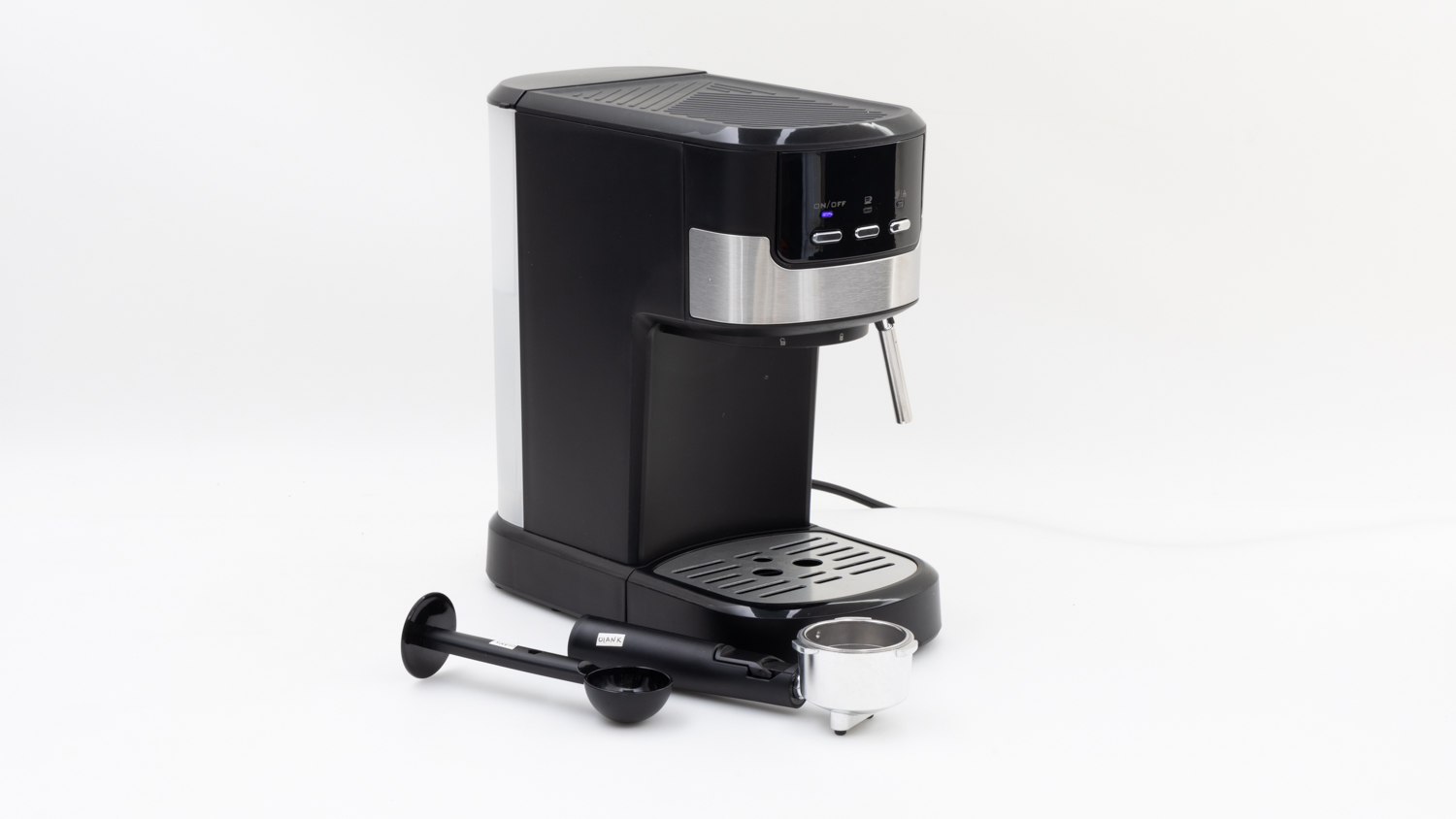
Kmart
Anko Compact Espresso CM8502-GS
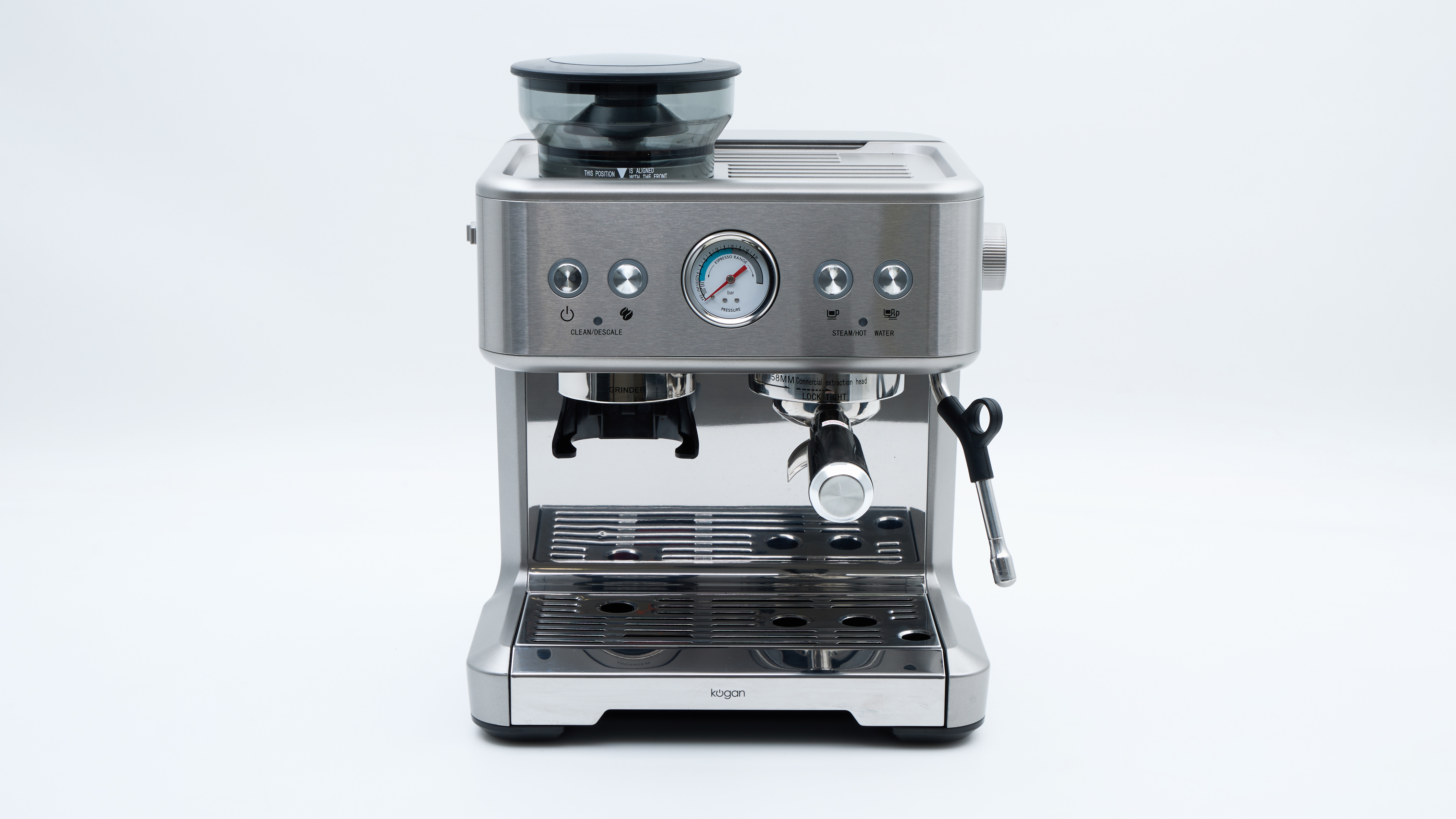
Kogan
Dual Thermoblock Espresso Coffee Machine wth Grinder (KAZOCOFDBSA)
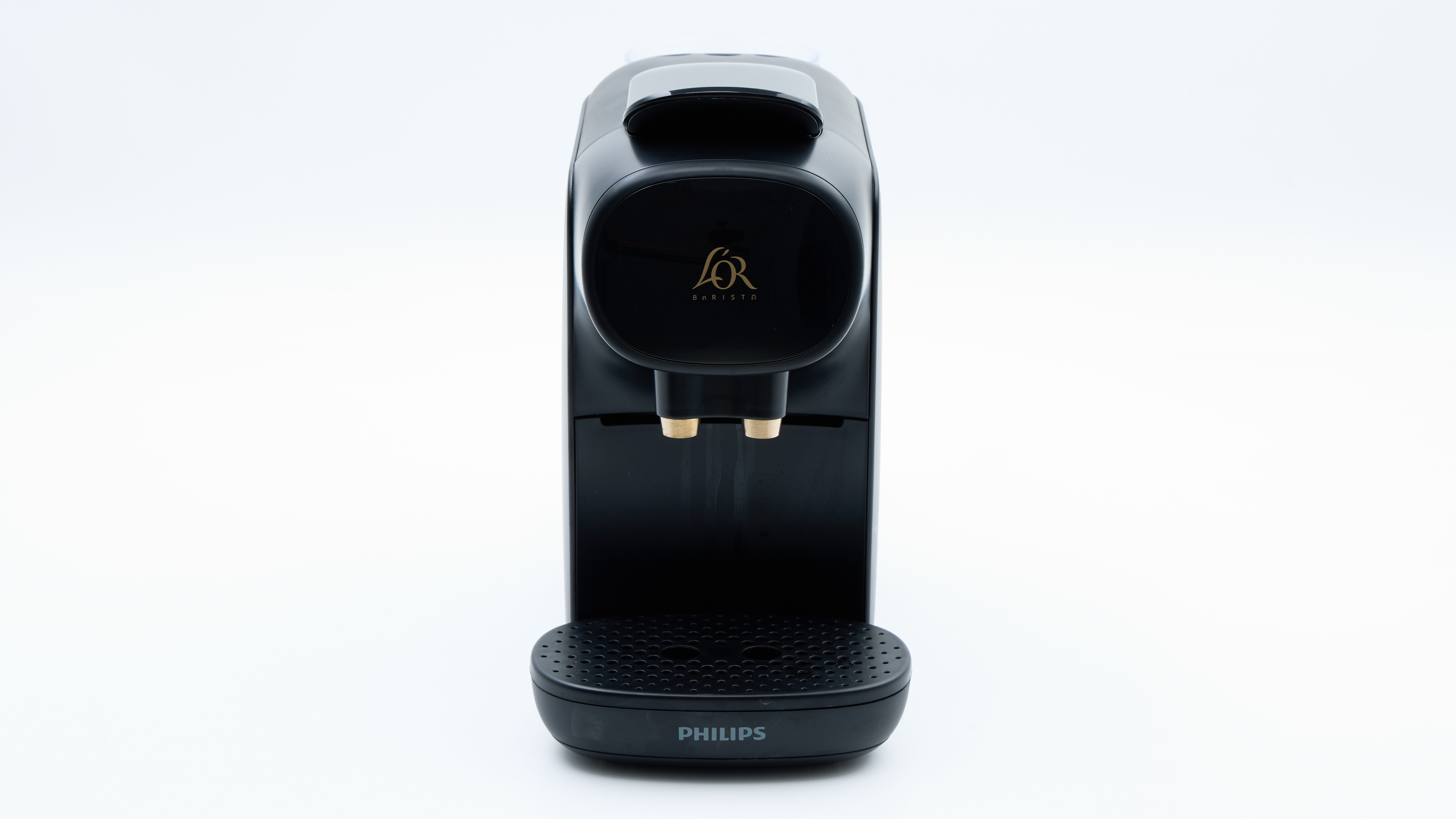
L'OR
Sublime Compact (LM9012/60)
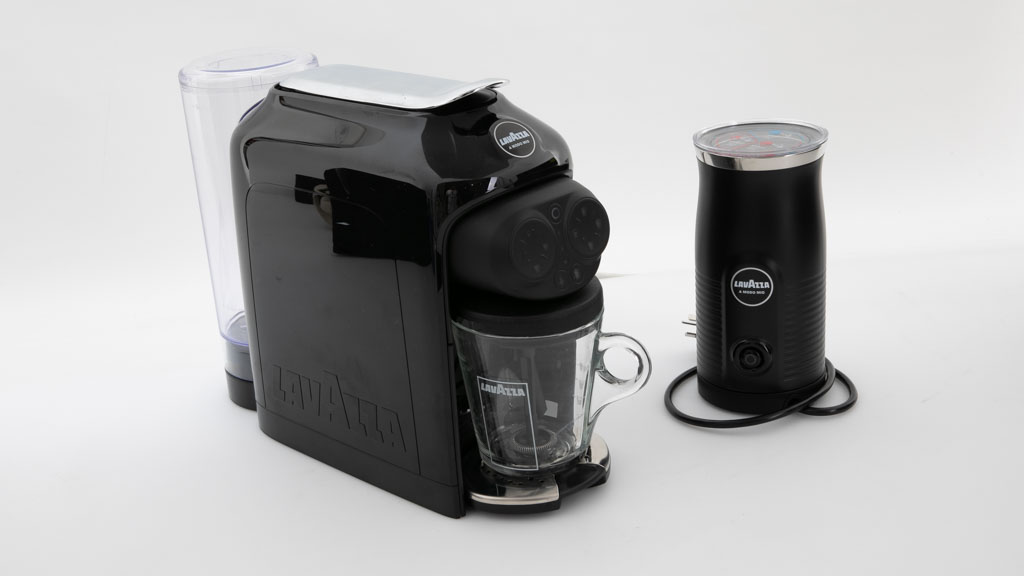
Lavazza
Desea LM950 Coffee Machine
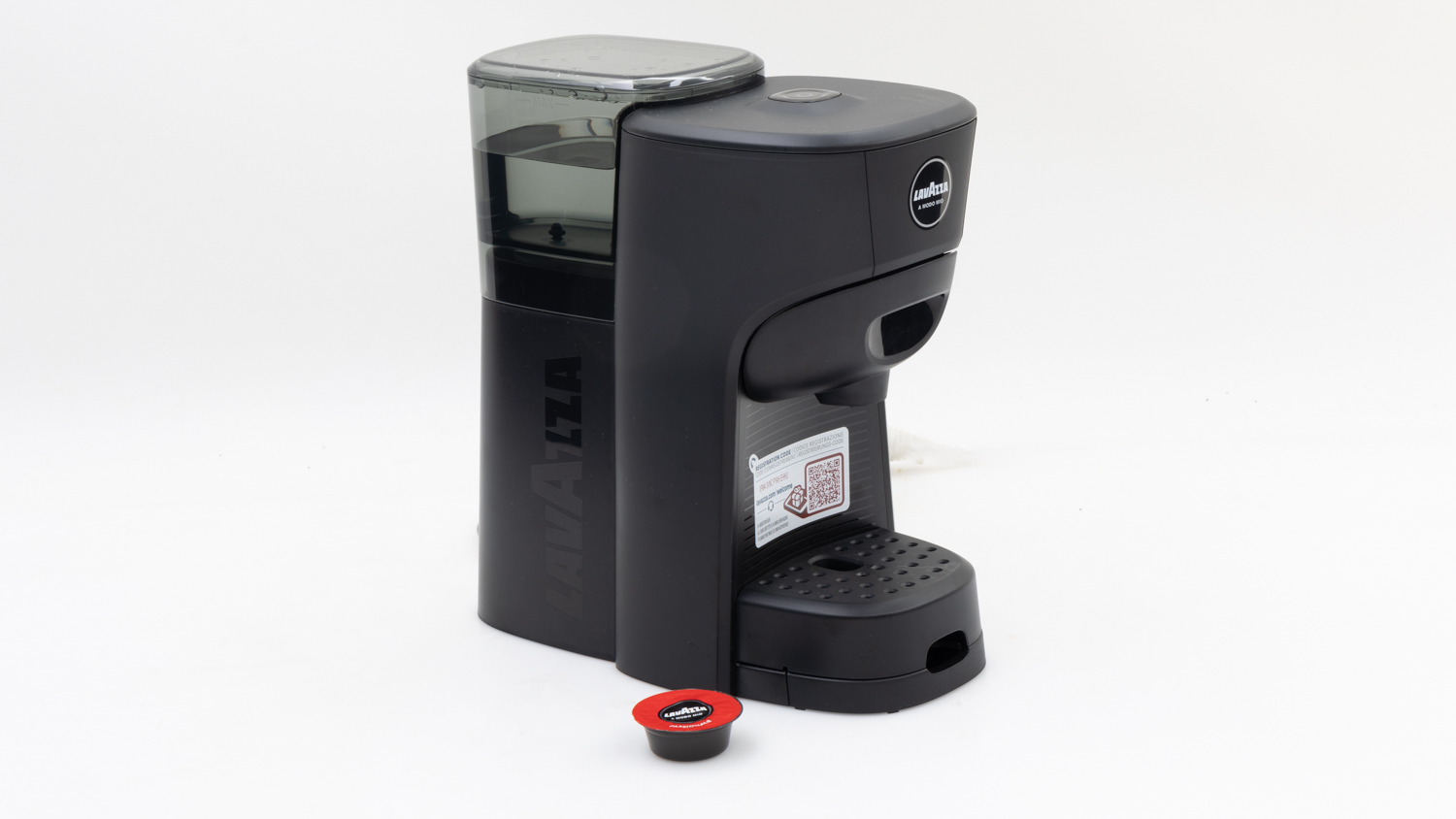
Lavazza
A Modo Mio Tiny Eco LM 840
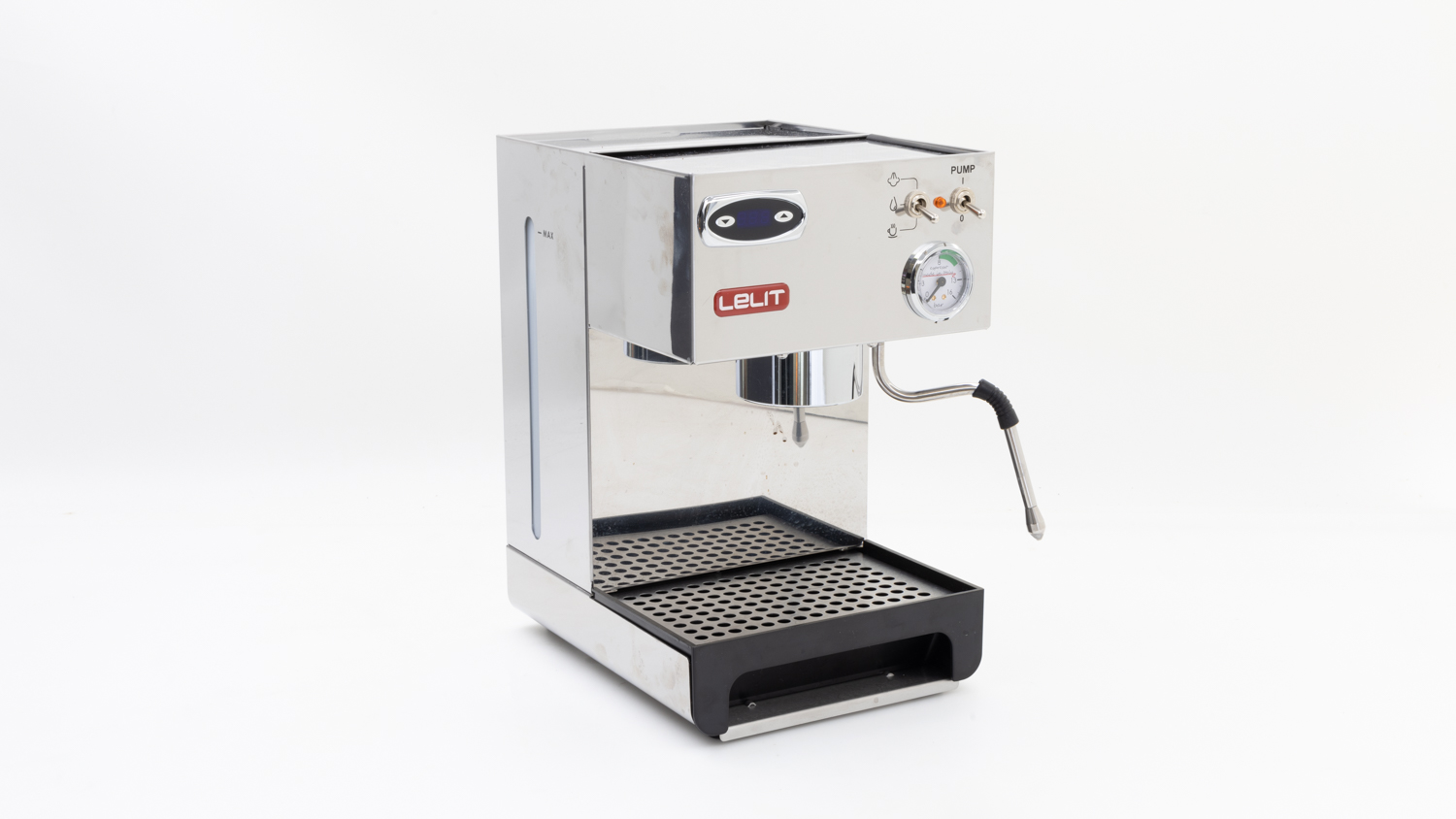
Lelit
Anna PL41TEMD
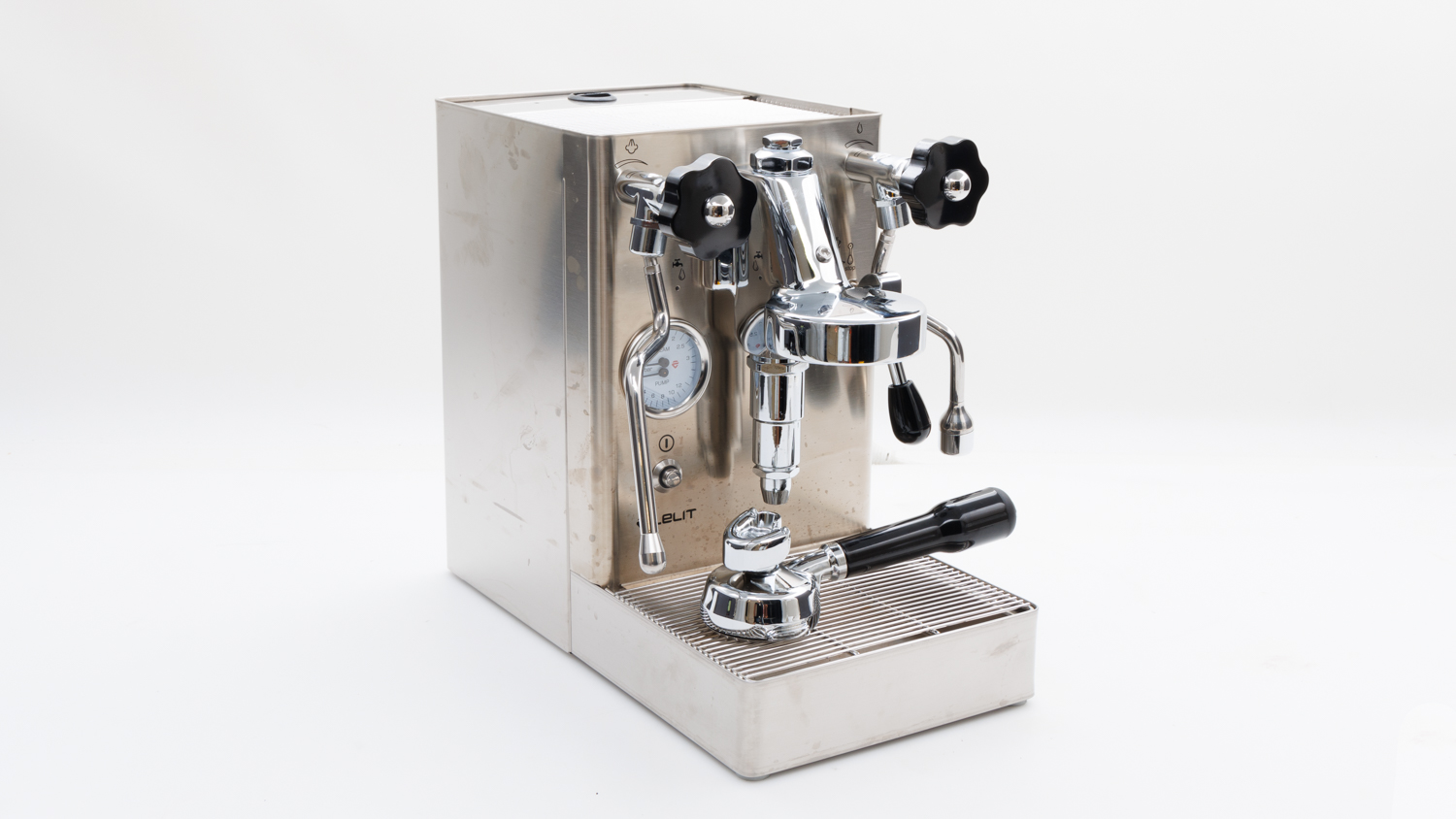
Lelit
MaraX PL62X V2 (PL62X-AUS)
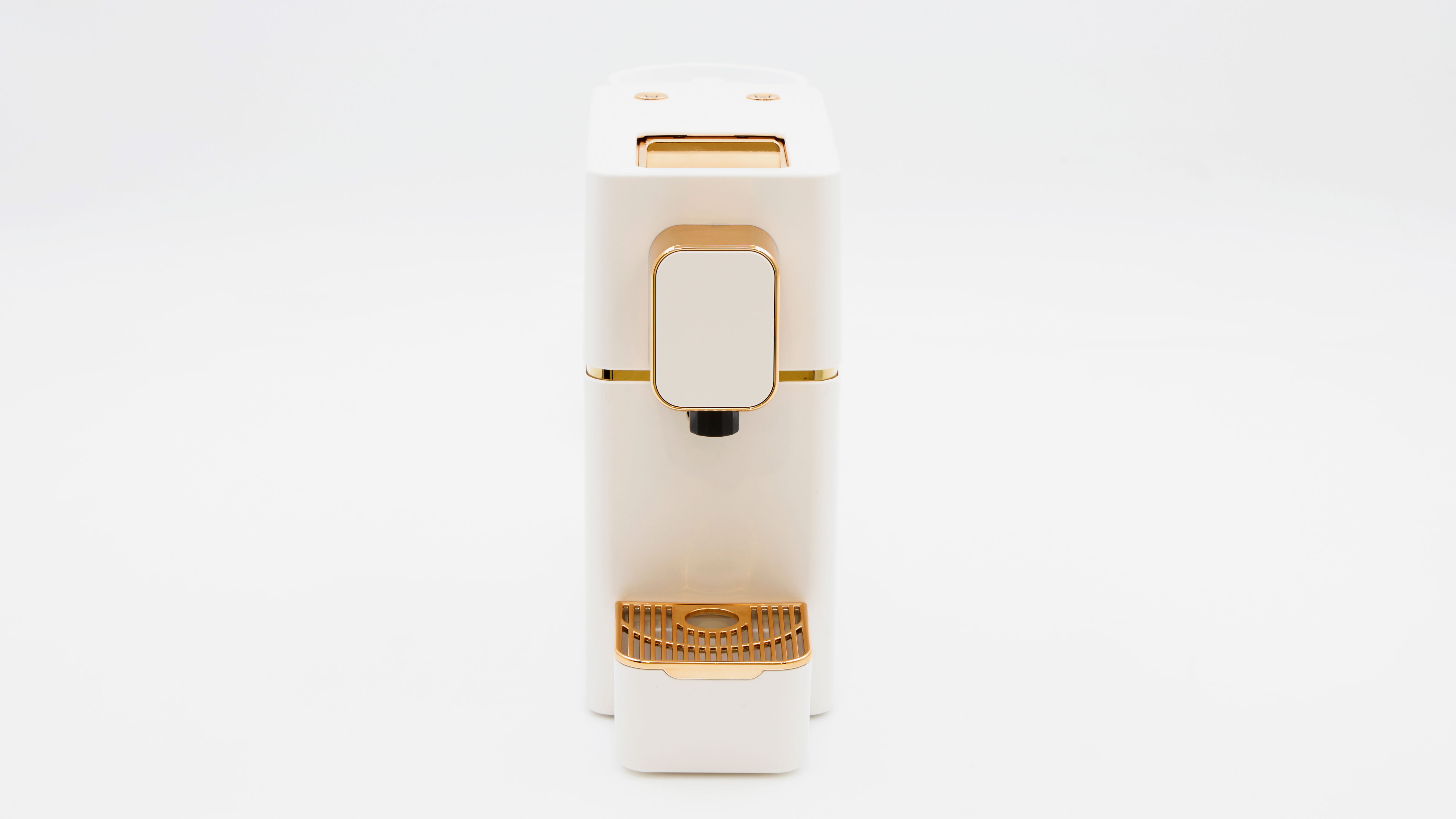
MZBG
Etika Capsule Machine
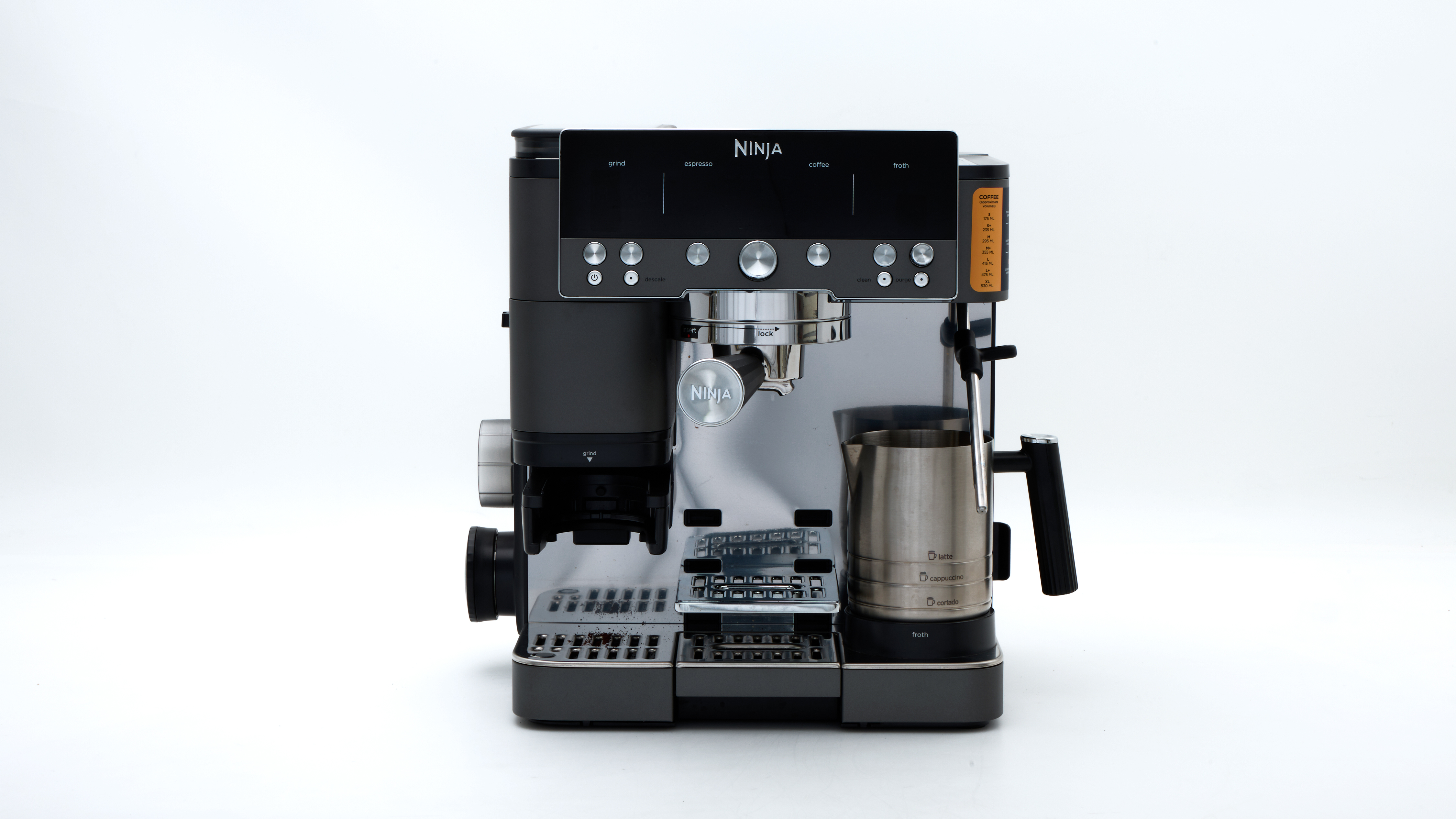
Ninja
Luxe Cafe Premier Series (ES601)
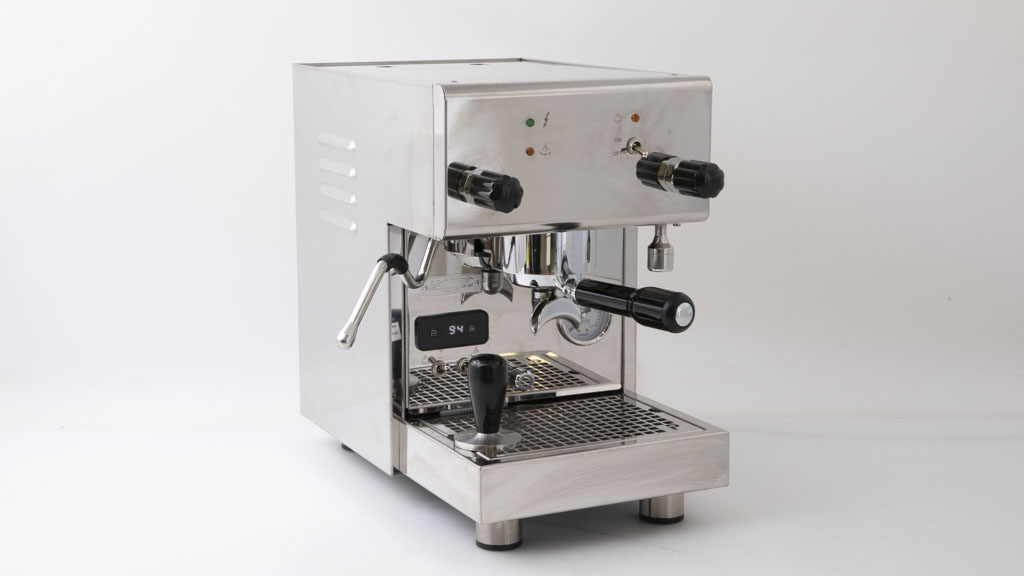
Profitec
Pro 300
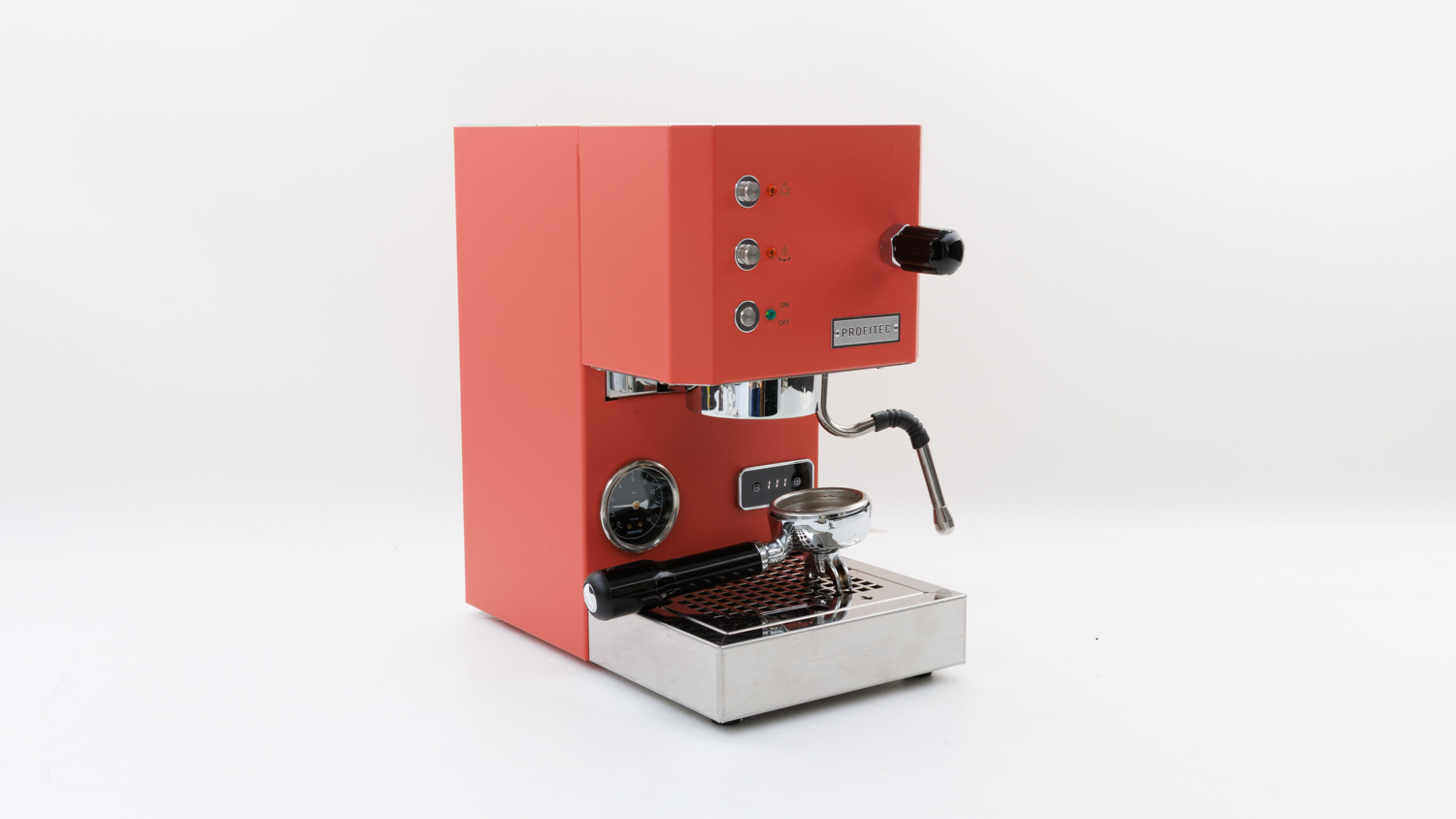
Profitec
Go
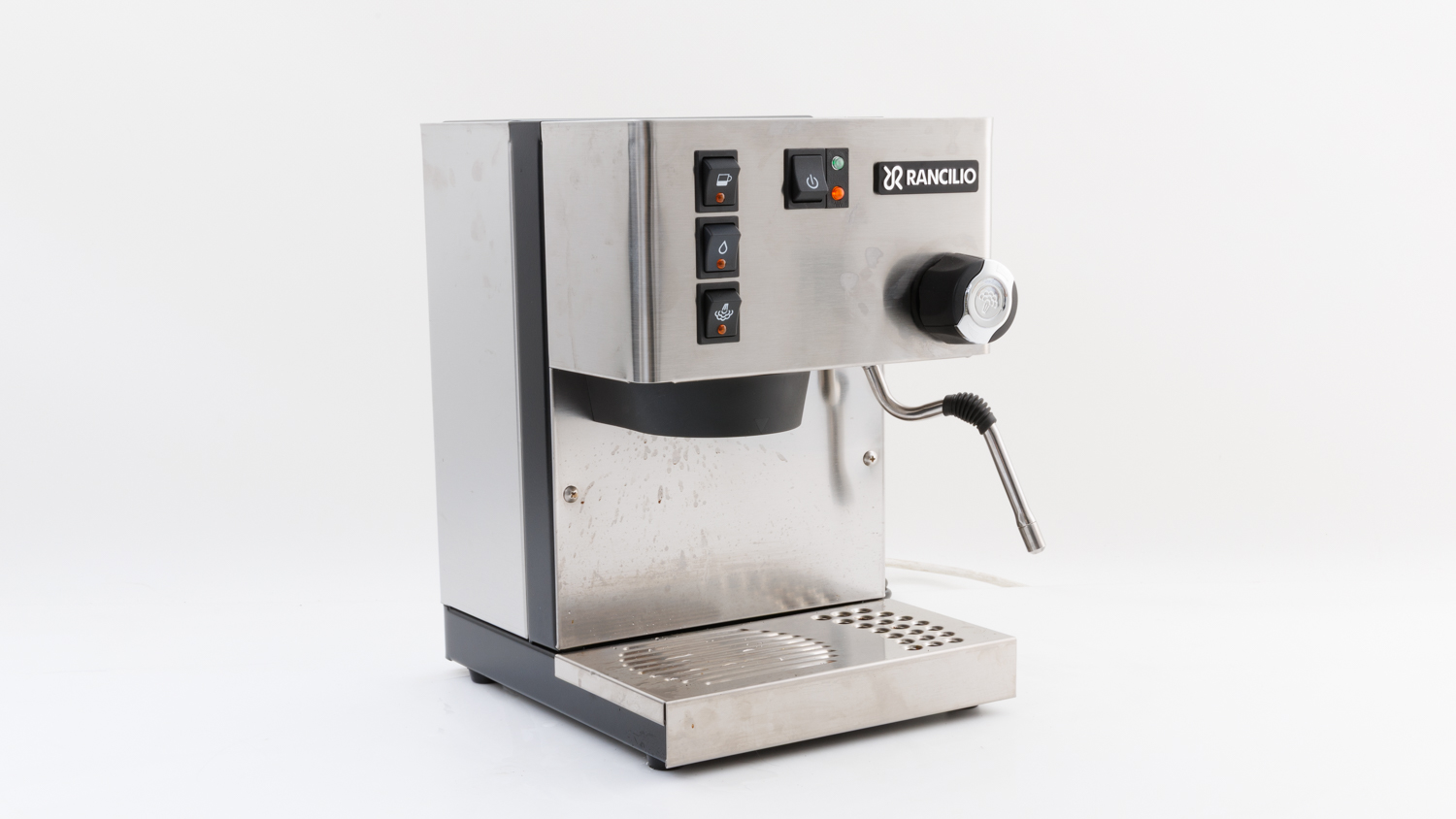
Rancilio
Miss Silvia V6
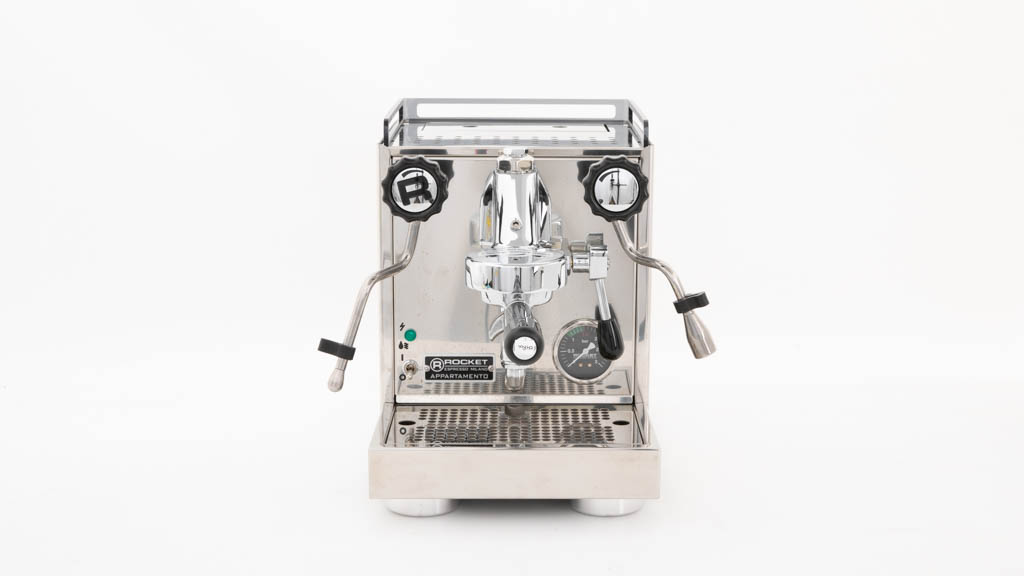
Rocket
Appartamento
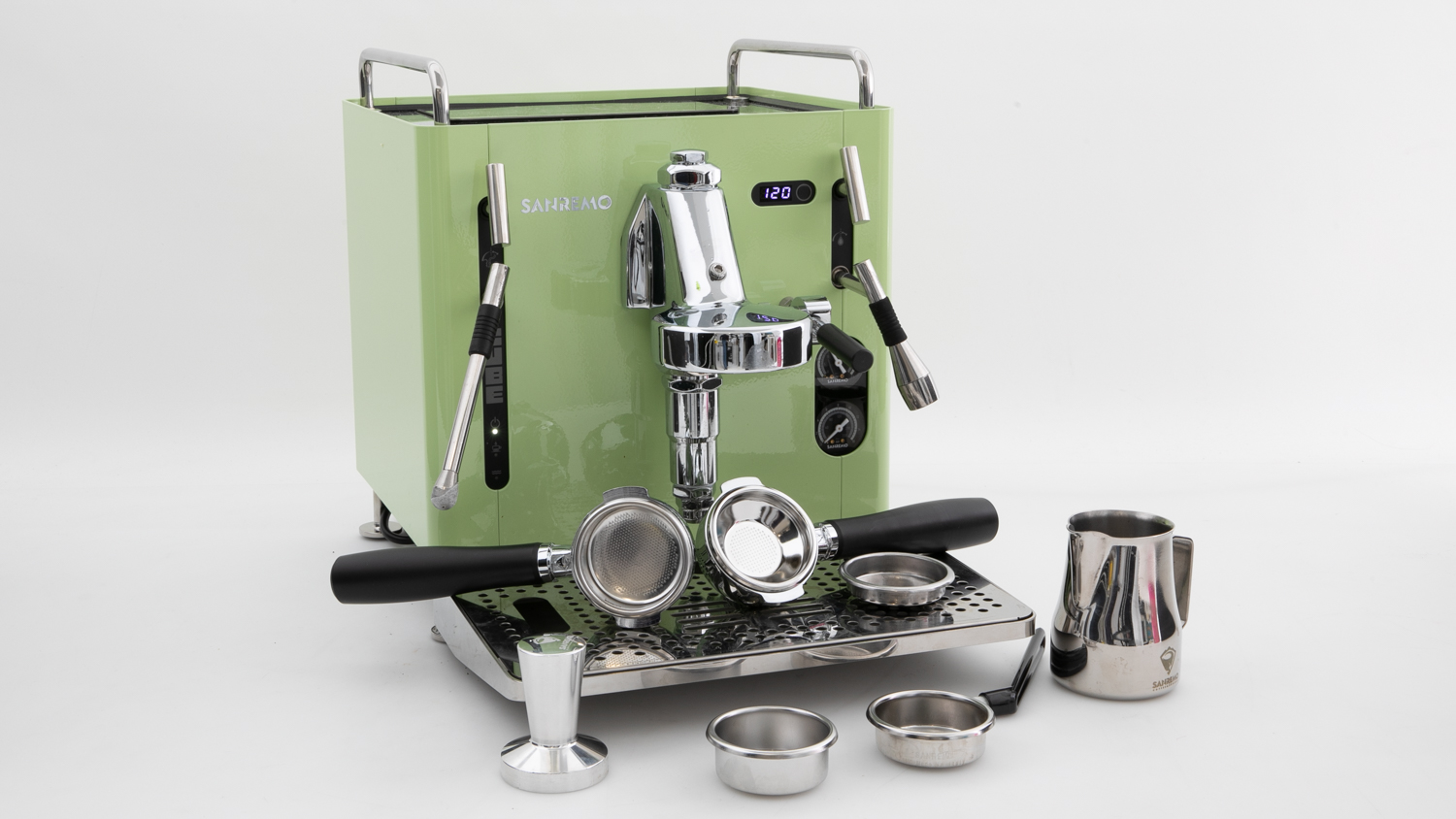
Sanremo
Cube R CL1A1B2A1C
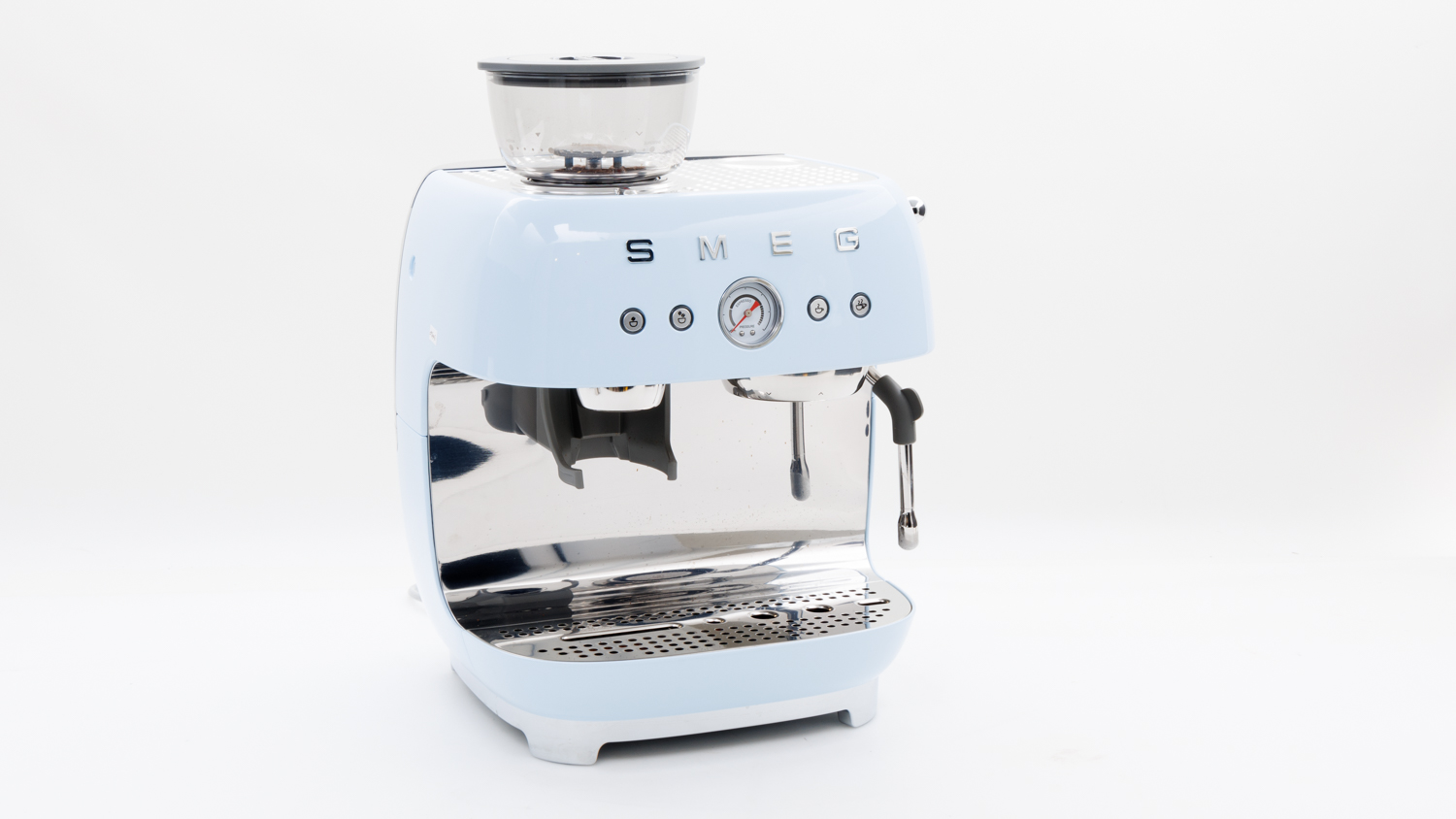
Smeg
50's Style Espresso Coffee Machine with Grinder (EGF03)
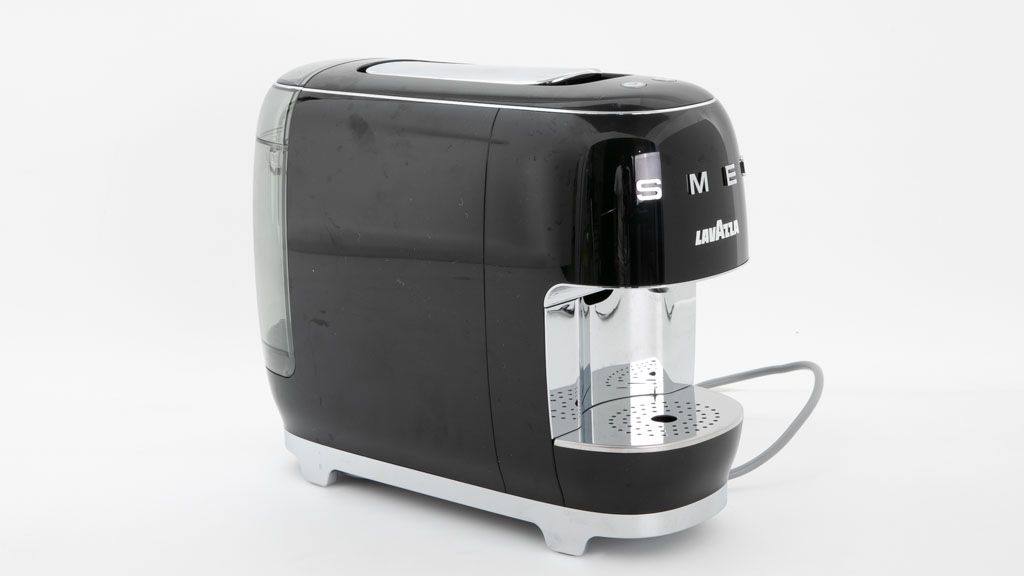
Smeg Lavazza
A Modo Mio LM200
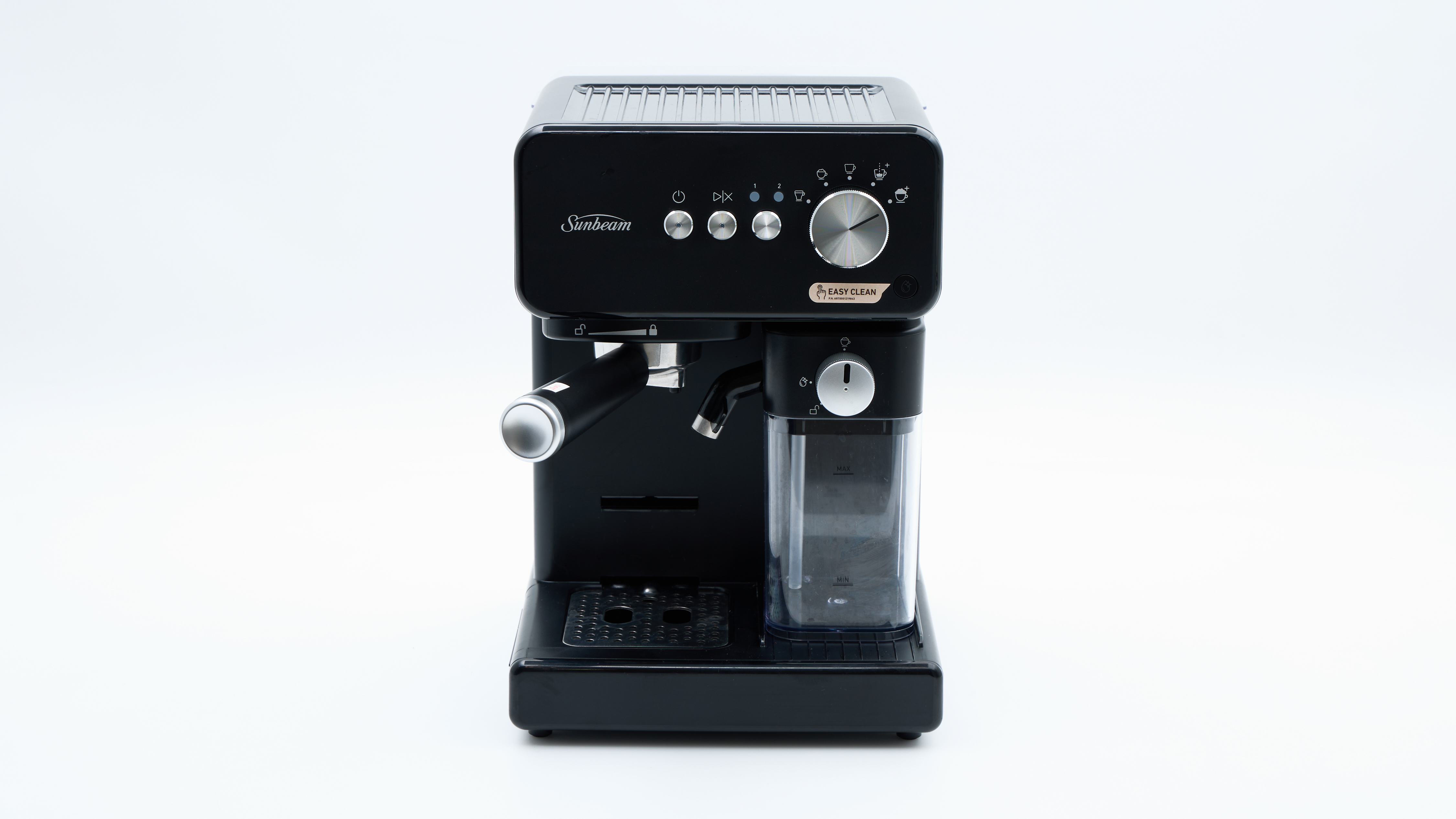
Sunbeam
Prima Latte (EMP5100BK)
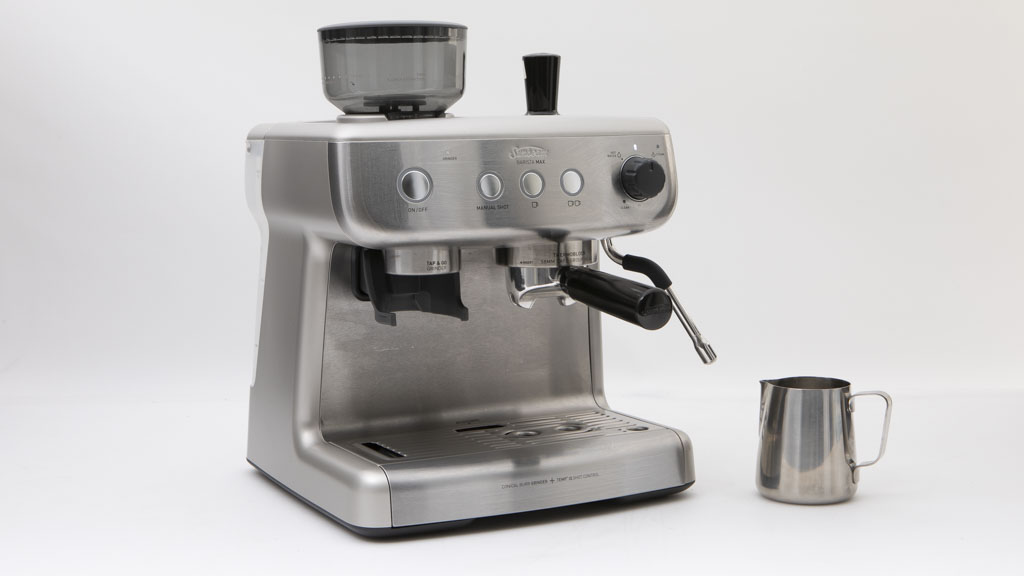
Sunbeam
Barista Max EM5300
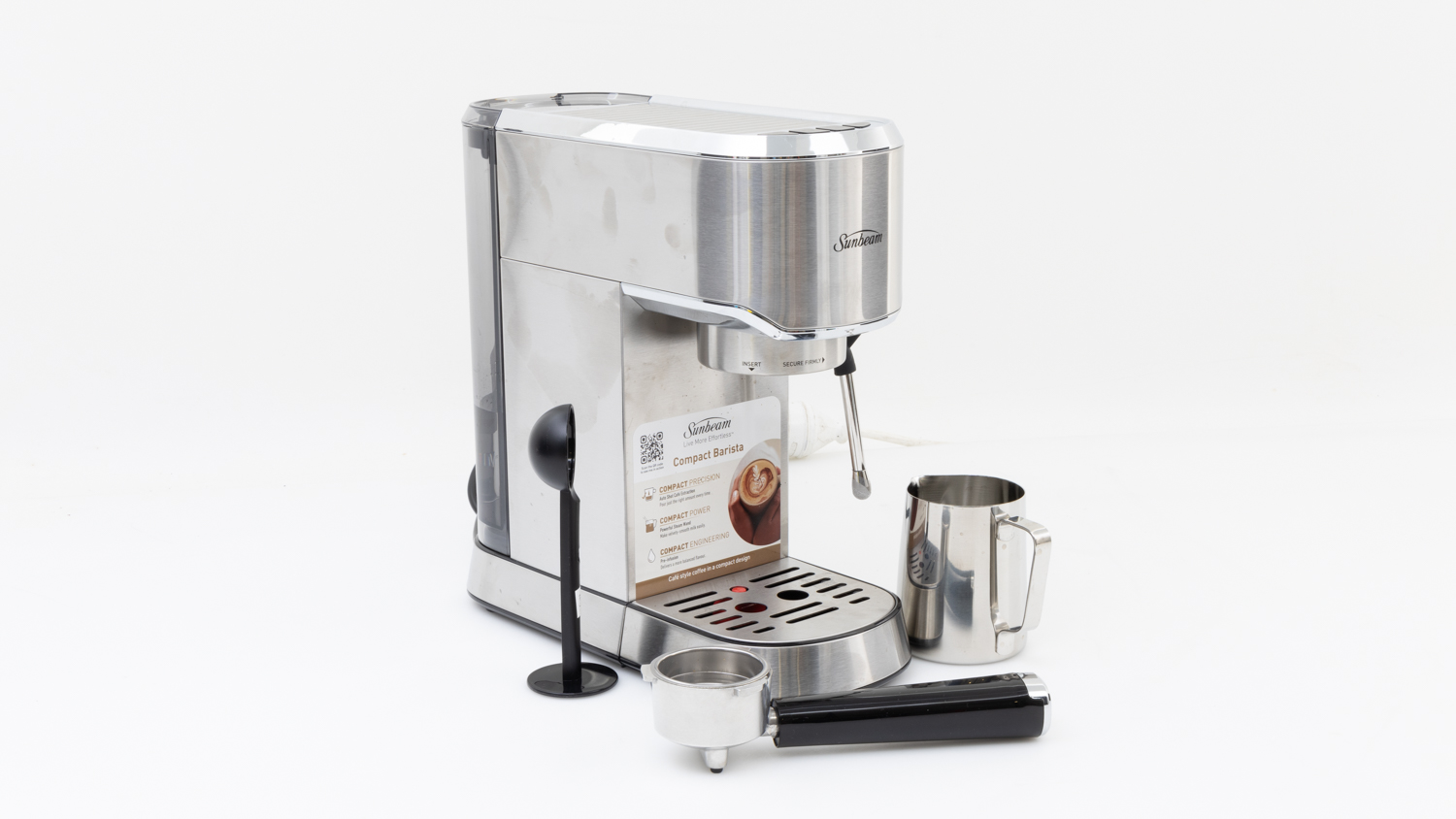
Sunbeam
Compact Barista Espresso Machine EMM2900SS
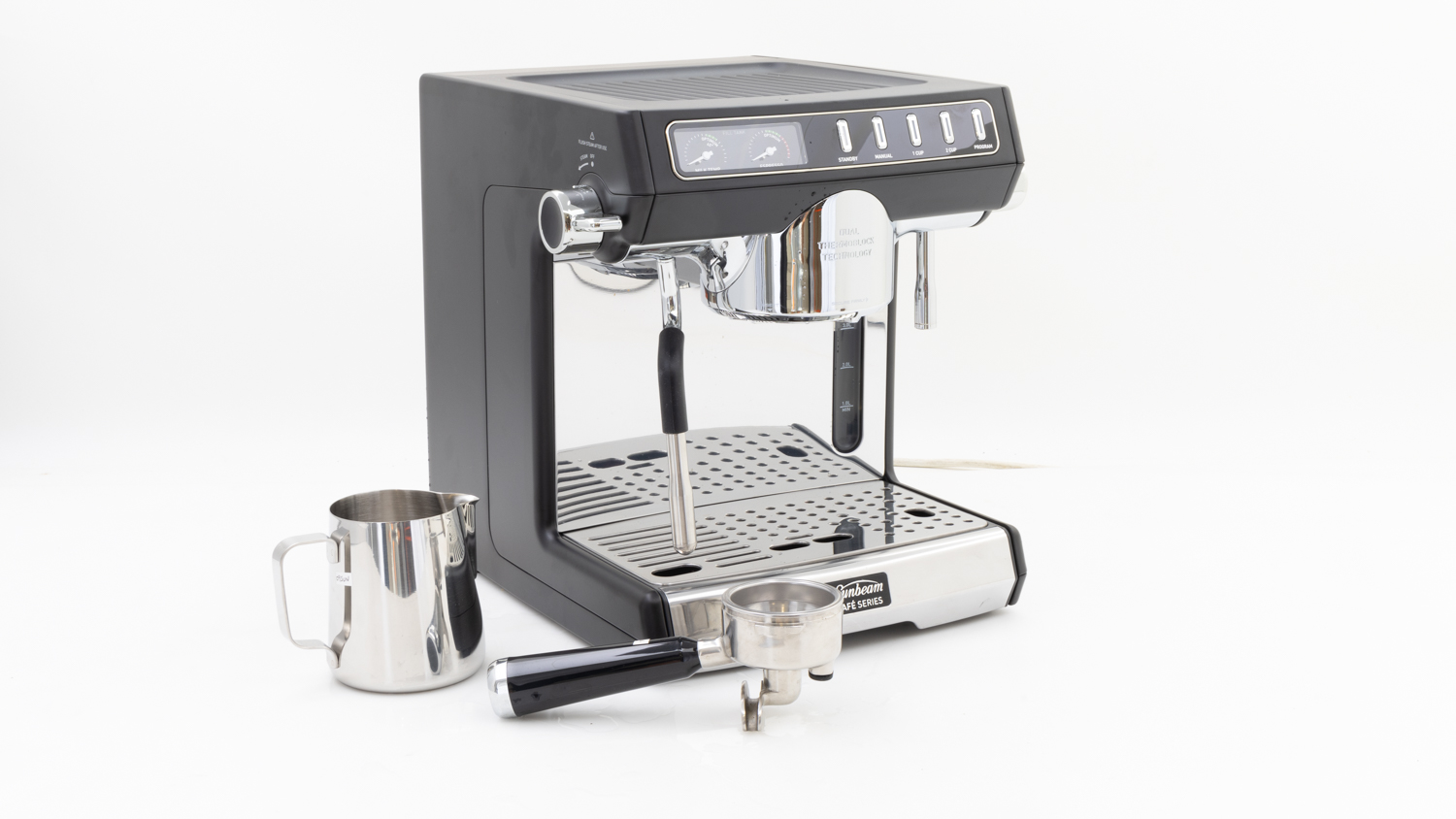
Sunbeam
Cafe Series Duo EMM7200
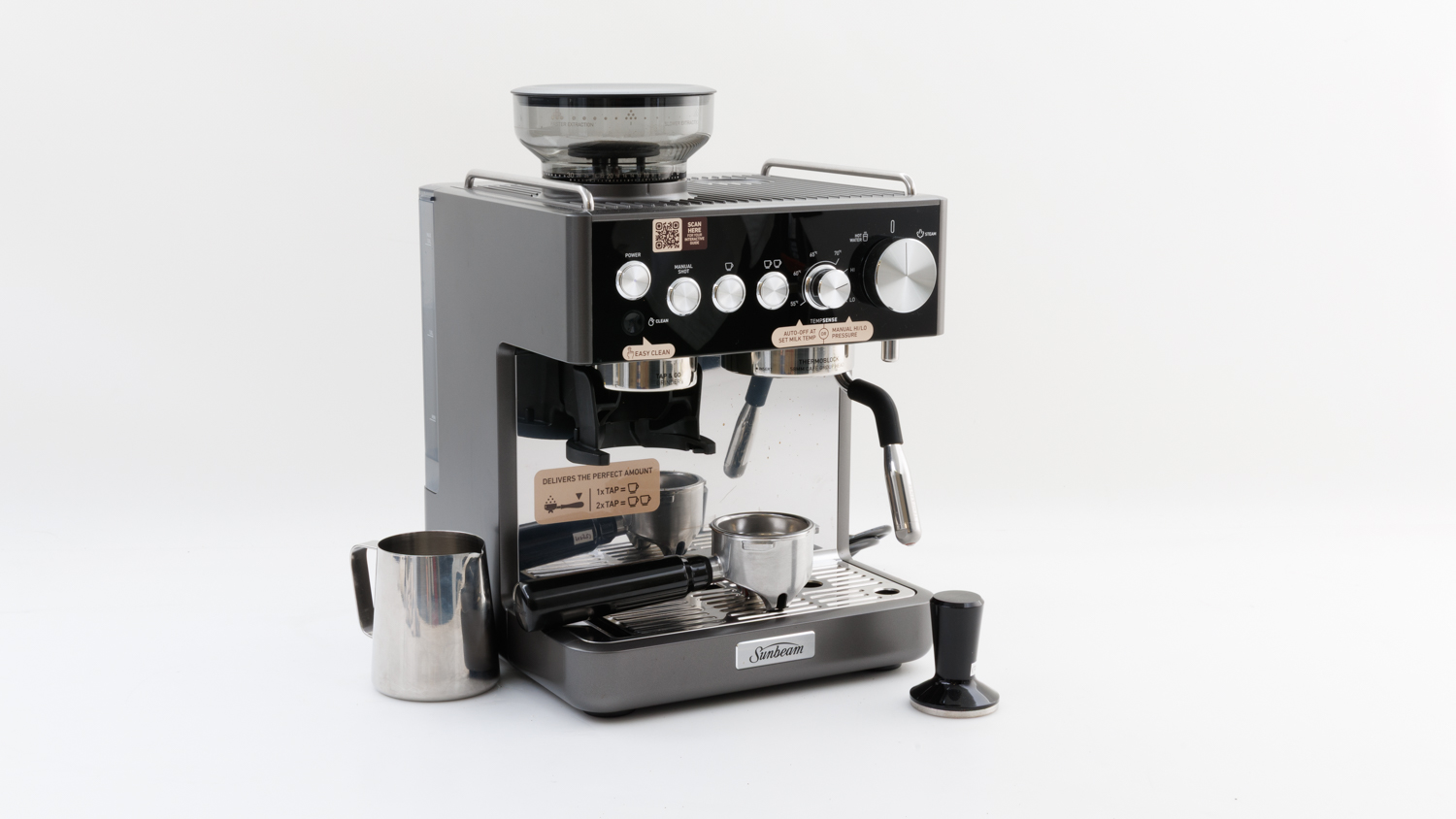
Sunbeam
Origins Sense Espresso Machine (EMM6500GR)
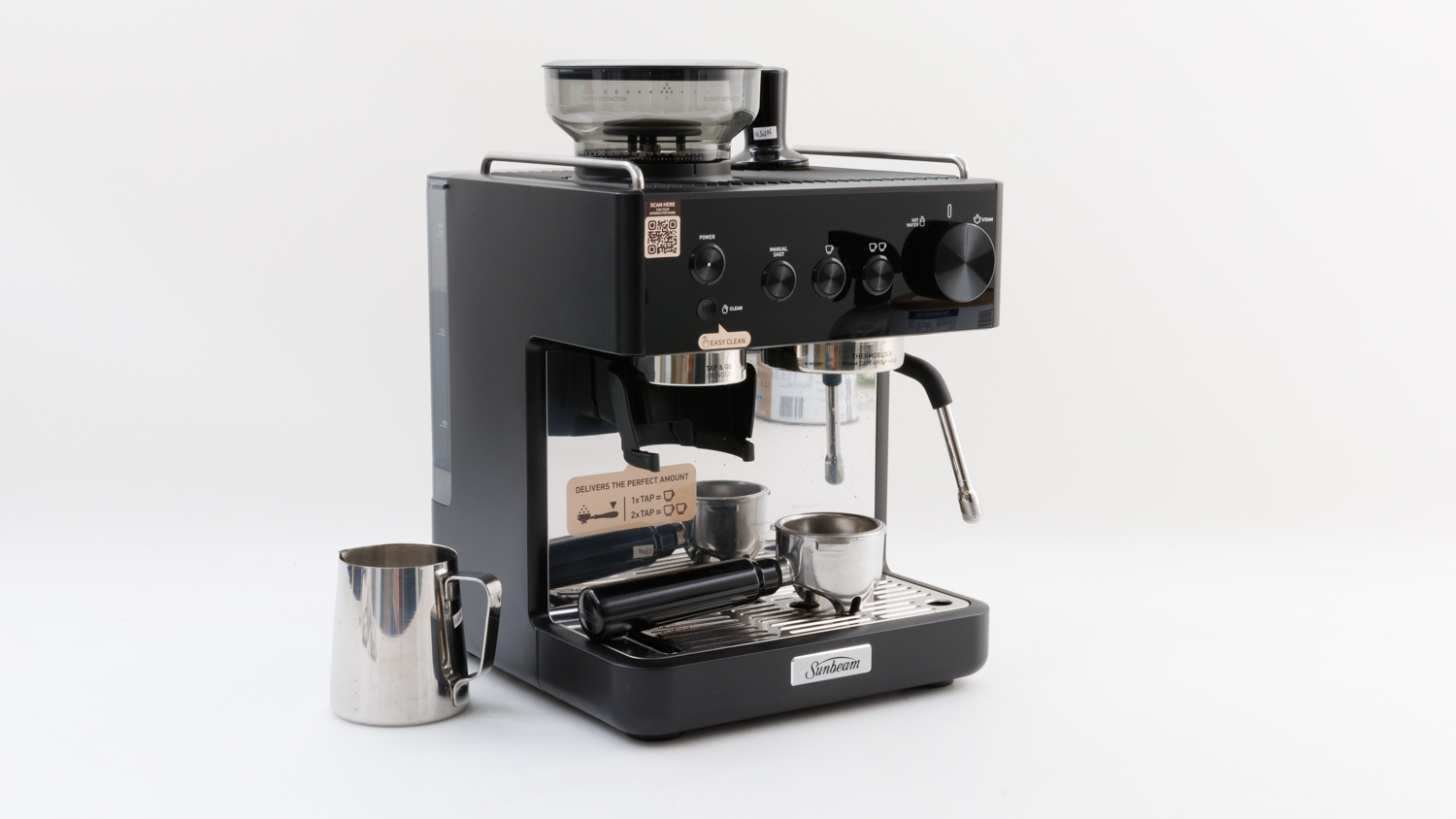
Sunbeam
Origins Classic Espresso Machine (EMM5500BK)
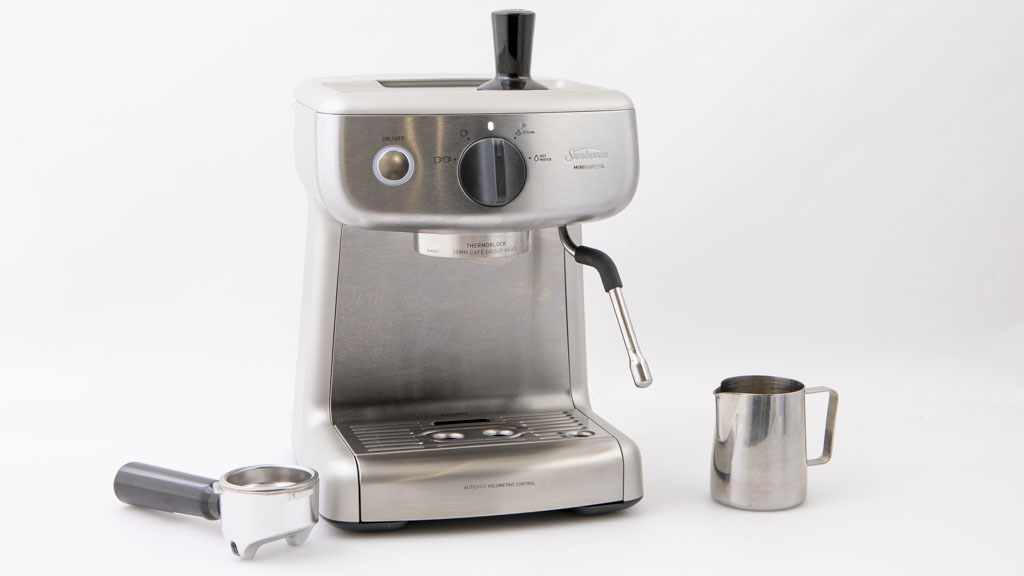
Sunbeam
Mini Barista Espresso Machine EM4300
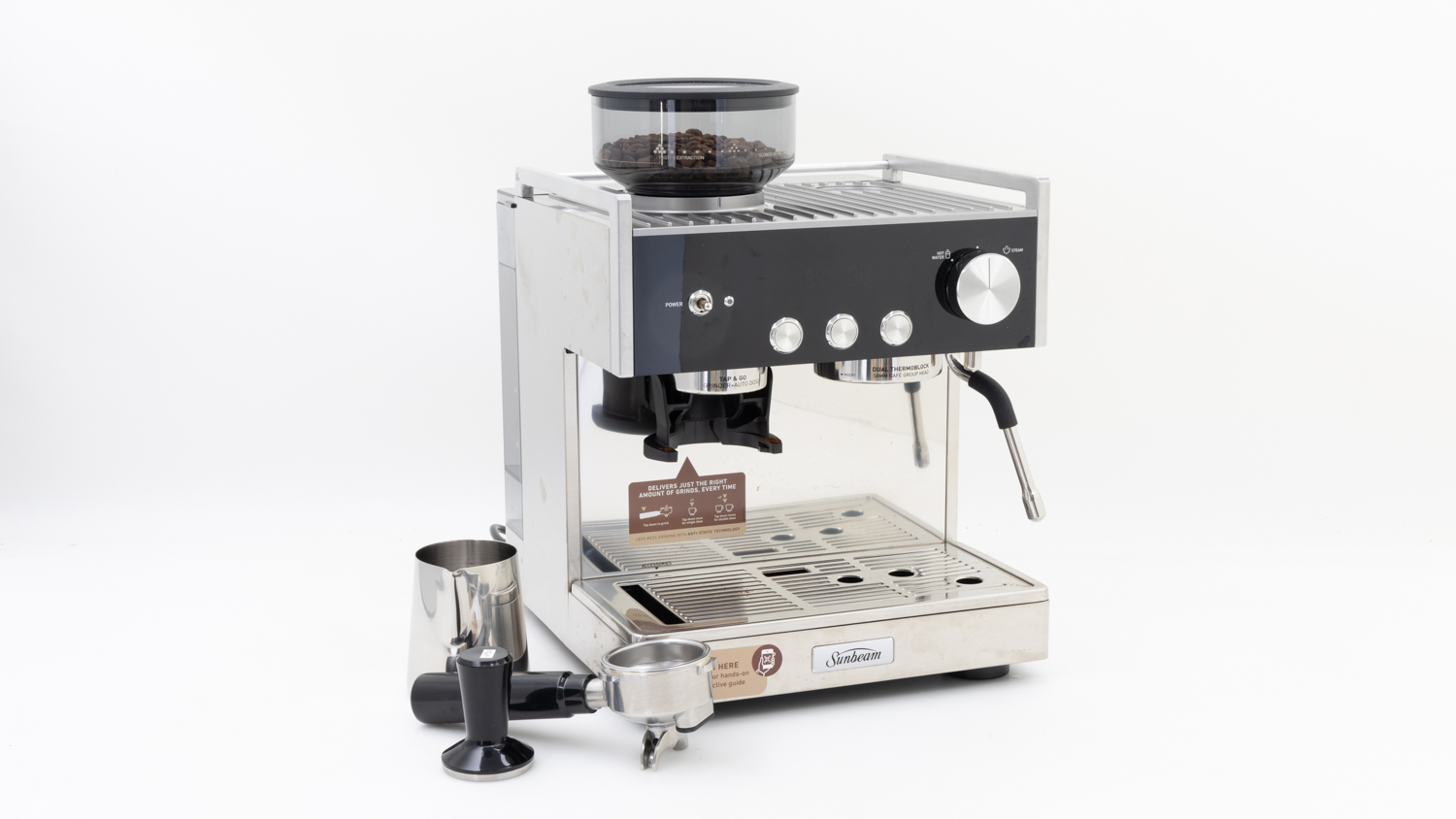
Sunbeam
Origins EMM7300
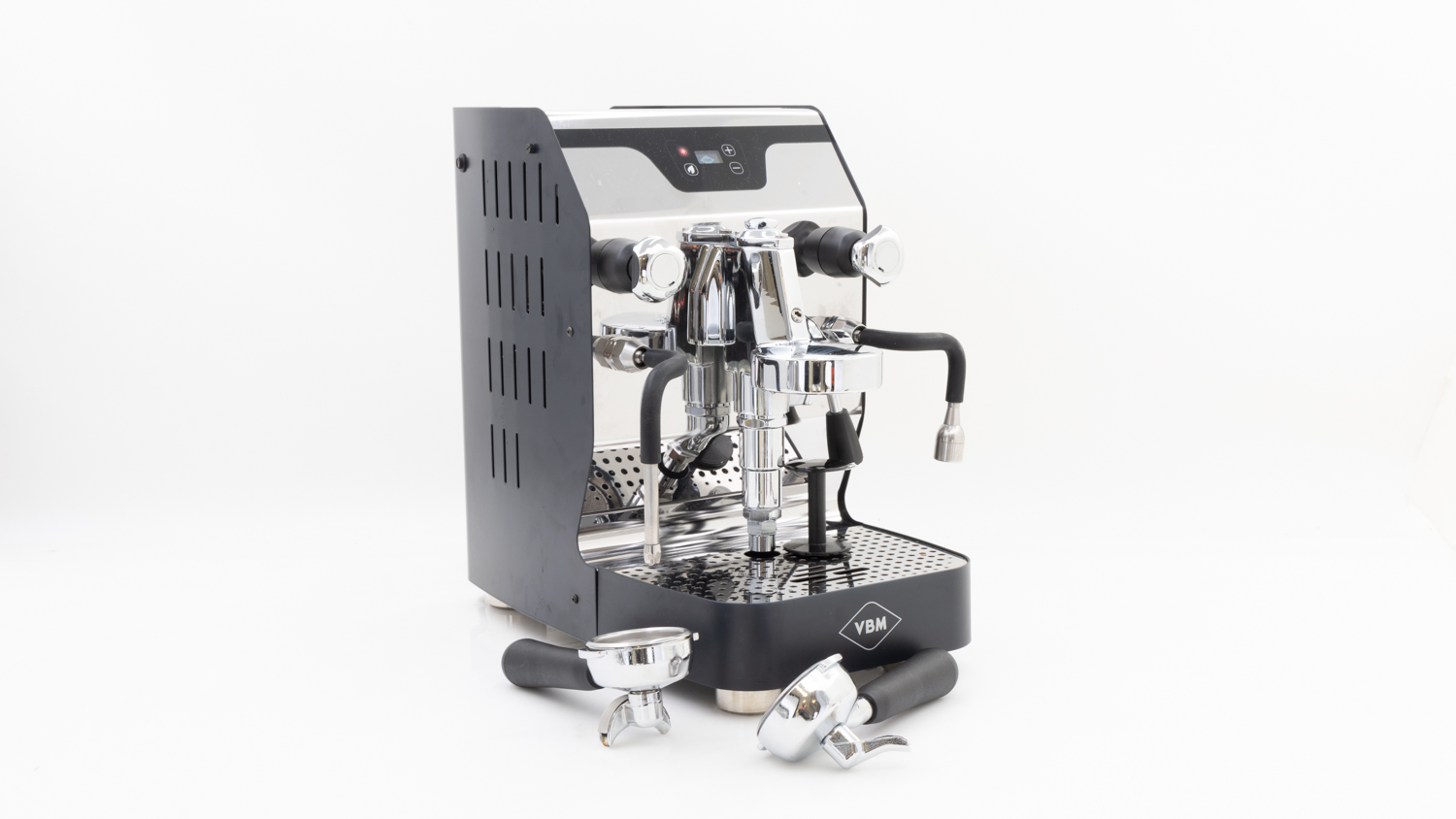
VBM
Domobar Junior Digital
Put to the taste test by the experts
Coffee experts take part in a blind taste test in our labs to rate espresso shots from each machine.
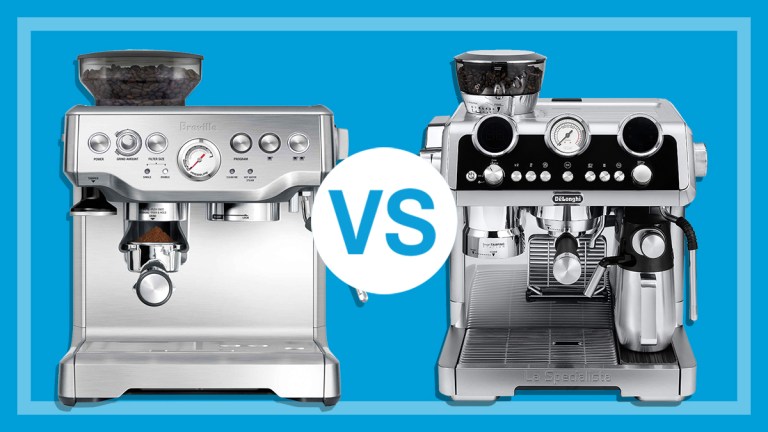
Our experts test and rate
Coffee taste
Our expert panel rates espresso shots on crema, aroma, flavour, mouth-feel and aftertaste
Ease of use
We try the controls, fill the water tank and bean hopper, adjust the grinder and more

Consistency
We measure the temperature of four coffees in a row so you can be sure of a consistent cup
Coffee machines to avoid
Don’t waste your money on a dud. Find out which models rated lowest in our lab tests.
Coffee machines to avoid buying
We give each coffee machine a score made up of:
We do a blind taste test to check the colour and thickness of the coffee’s crema (the tan-coloured foam on the top of an espresso shot), plus the aroma, flavour, mouthfeel and aftertaste.
To see how easy each machine will be to use, we try the controls, fill the water tank and bean hopper, adjust the grinder, make a coffee, and clean it inside and out.
We experiment with each machine to find how well it heats milk, looking for fine, pourable froth.
We measure the consistency of 4 consecutive coffees after warming up each machine for 5 minutes. We add another 5 minutes for thermoblock and small boiler machines, and 30 minutes for heat exchangers.
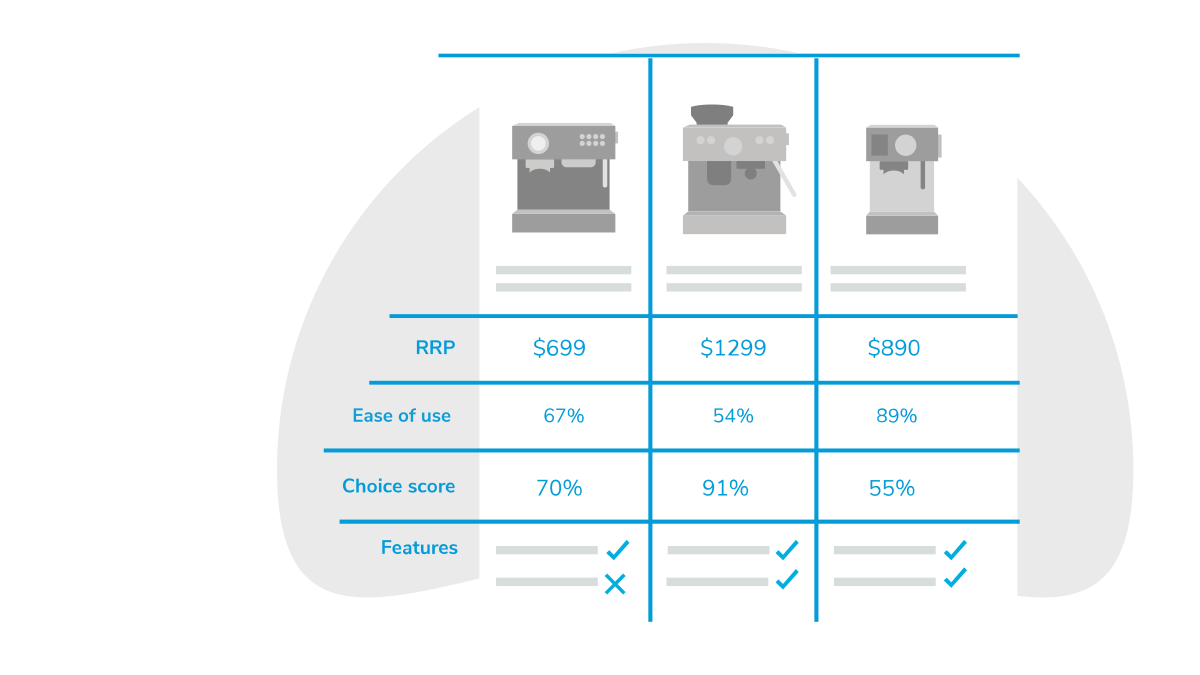
See key features side by side
Save time with our easy comparison tool – all the features rated so you don’t have to.

CHOICE keeps the marketplace honest. Without them, manufacturers will be able to do whatever they want.
Aaron – CHOICE member

They’re here to make a difference and here to make us safe.
Allison – CHOICE member

It’s important to keep brands accountable and it’s good CHOICE is there to do that.
James – CHOICE member
Our experts currently test pod, manual and semi-automatic coffee machines from brands including Aldi, Bezzera, Breville, Crem One, DeLonghi, Expobar, Gaggia, Kitchen Aid, Kmart, La Pavoni, Lavazza, Nescafe, Nespresso, Profitec, Rocket, San Remo, Smeg and Sunbeam.
Our priority is testing the models you’ll see in stores and major online retailers. To do this, we check current market data to see what’s most popular. We’ll also test models that a lot of members have requested.
Our expert panel members taste a 30mL shot of espresso from each machine in a blind taste test and assess each shot by looking at the colour and thickness of the crema, the aroma, flavour, mouthfeel and aftertaste. We use a reference machine to check the consistency of our taste testers.
Our lab testers use single-wall baskets where supplied (double-wall if no single is supplied) and an ECM grinder to get the right grind.
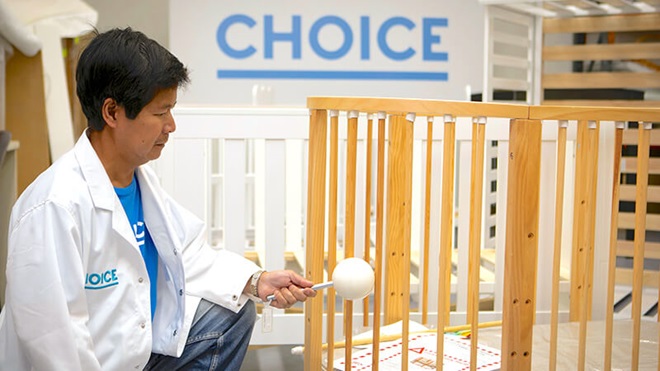
Unlike other product review sites, we don’t accept free test models from manufacturers. This allows us to be independent and review without interference. Instead, we buy products anonymously from a variety of retailers, then bring them into our labs. This means we get what you’d get, and can be sure the model hasn’t been potentially ‘tweaked’ for better performance.
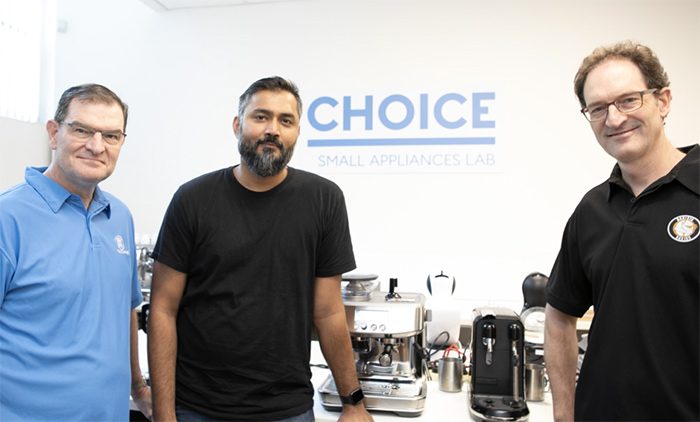
For our taste tests we rely on the expert palates of brothers David and Matthew Gee from Barista Basics as well as Anee Sampath, managing director of Samson Coffee House. We also have in-house experts, including CHOICE’s own home economist, Fiona Mair.
Pod or capsule coffee machines are usually cheaper than manual espresso machines and they’re convenient if you’re short on time or have limited bench space. But our expert taste testers agree: if you’re fussy about flavour, a manual espresso machine will almost always give you the best, barista-like results.
We’re a nonprofit that’s been supporting Australian consumers since 1959
Buy smarter
The tools you need to find the best brands, avoid poor performers and get help when things go wrong.

Make a difference
Our members are at our heart, funding our independent product testing, journalism and campaigns.

Connect and belong
Join a community of thousands where you can share ideas, get advice and make positive change.
