
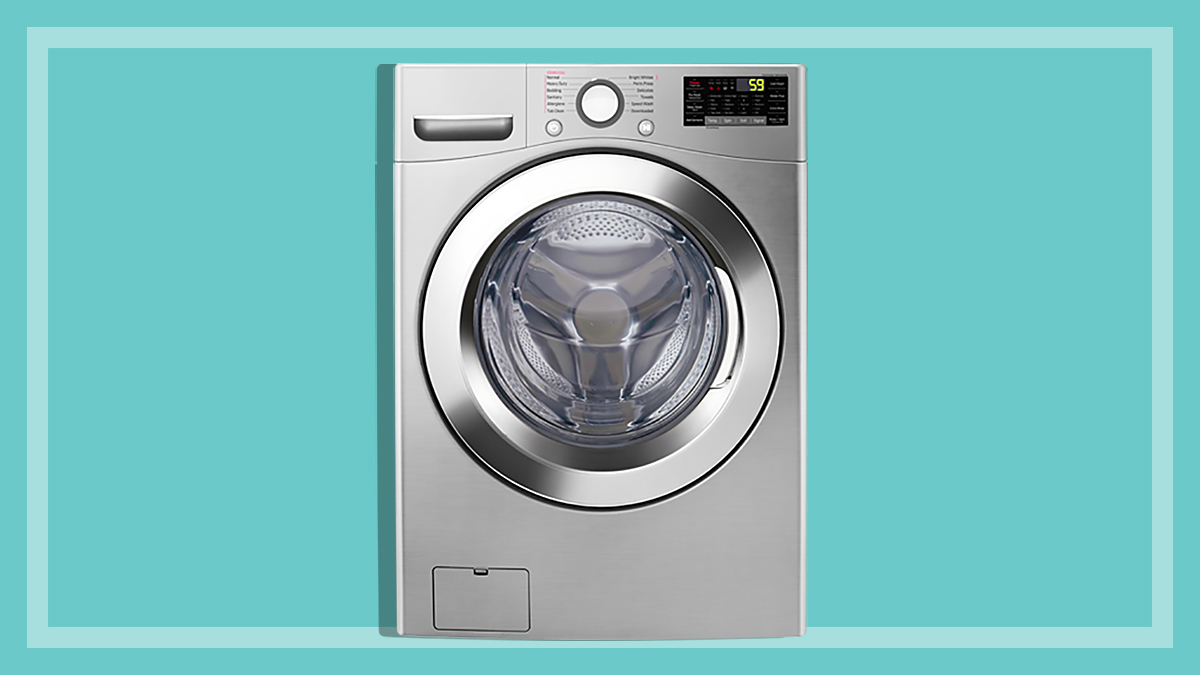
Washing machine reviews
Best washing machines to buy in Australia
Shop smarter and faster with our unbiased, expert washing machine reviews.
Join to compare now Already a CHOICE member? Log in71 models rated and ranked
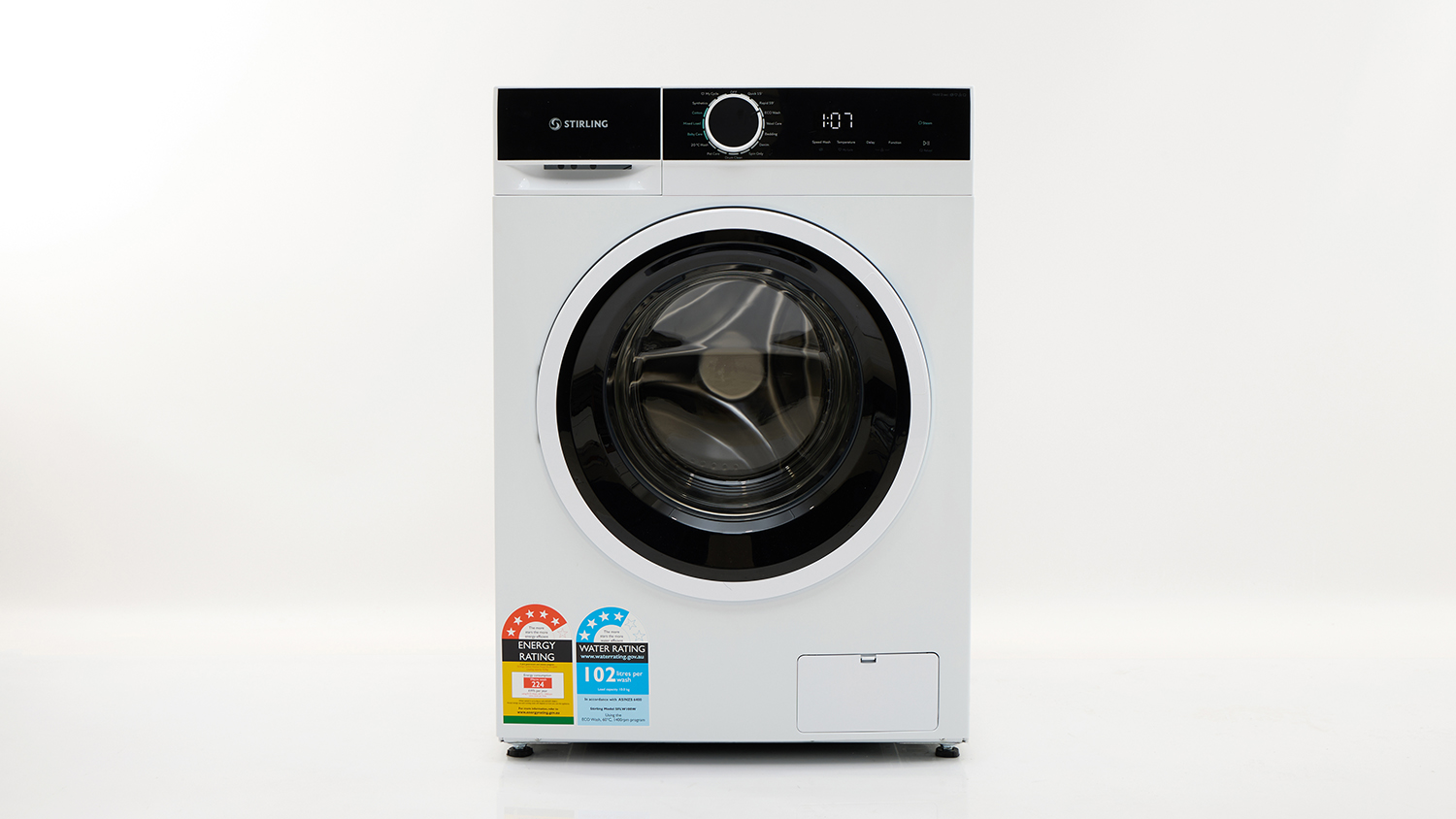
Aldi Stirling
SFLW100W
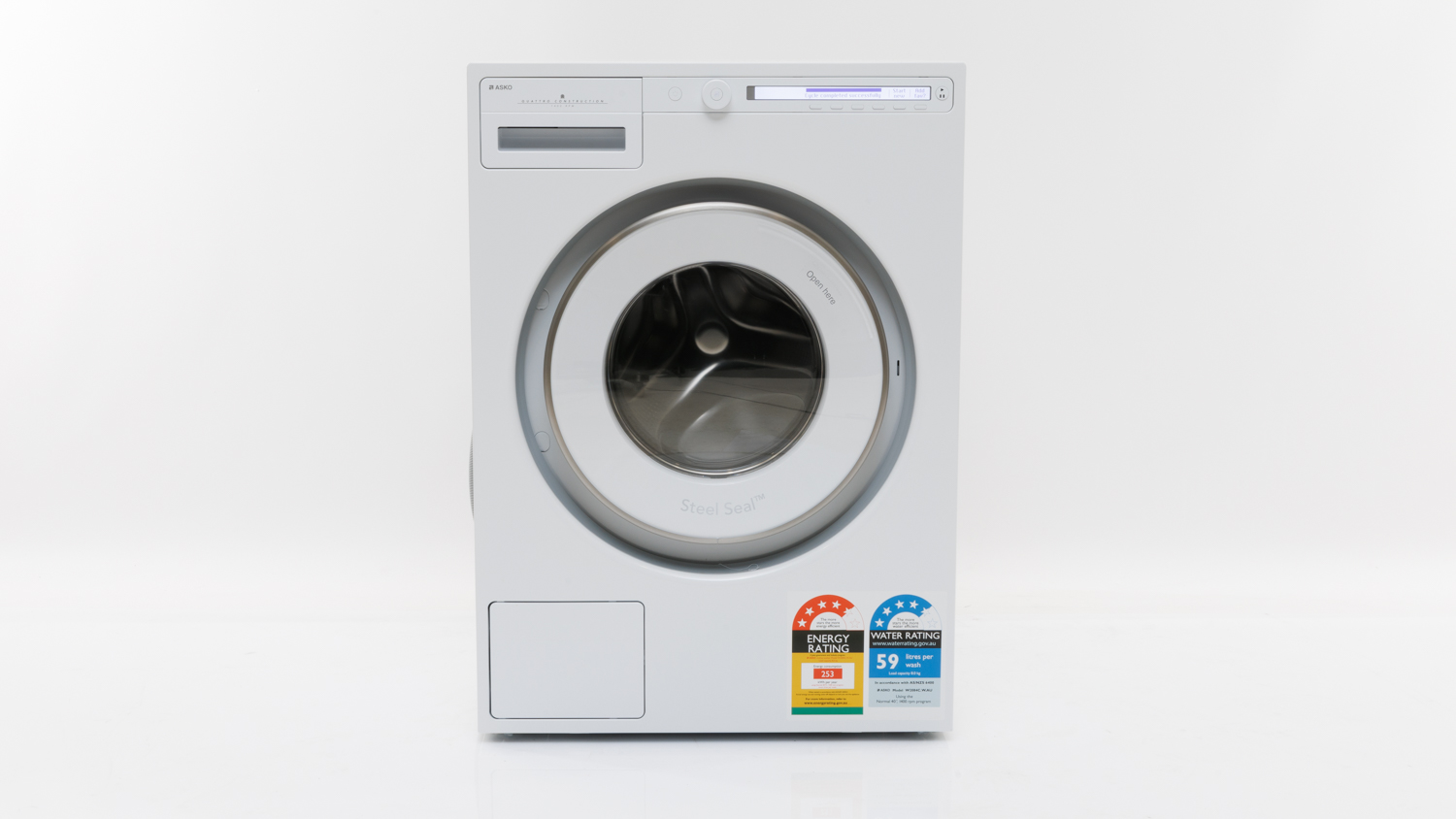
Asko
W2084C.W.AU
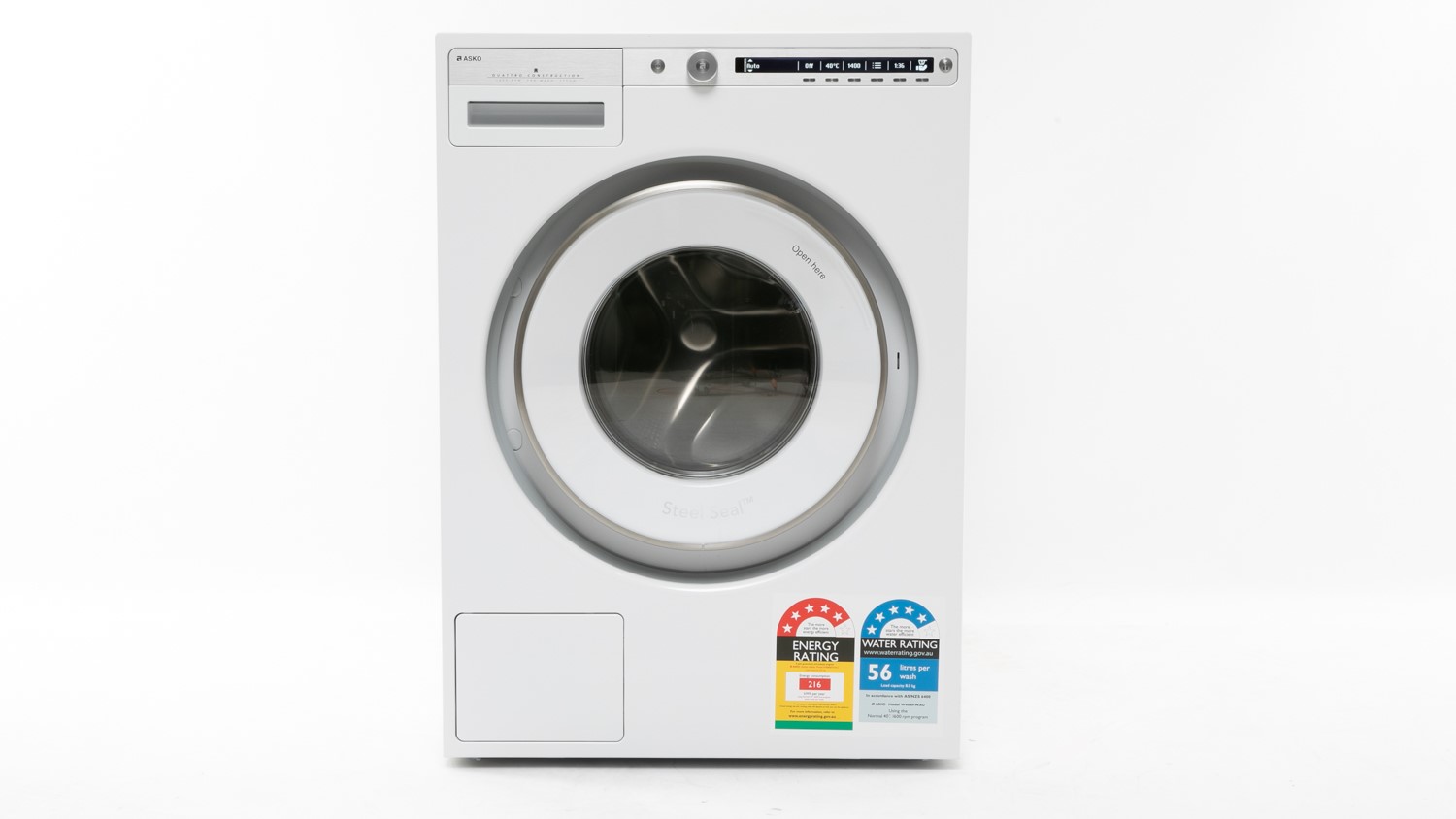
Asko
W4086P.W.AU
Asko
W6088XS
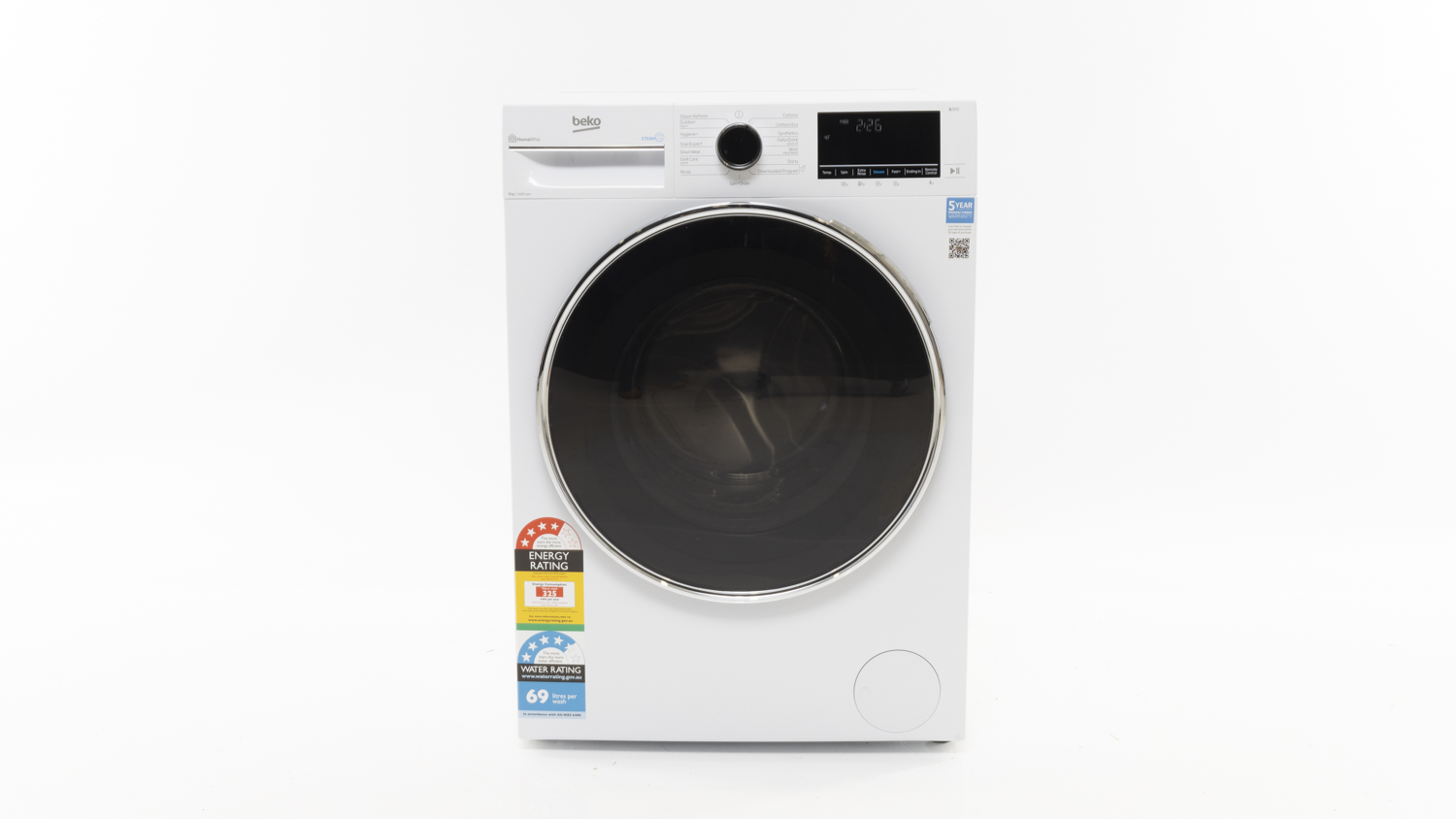
Beko
BFLB8020W
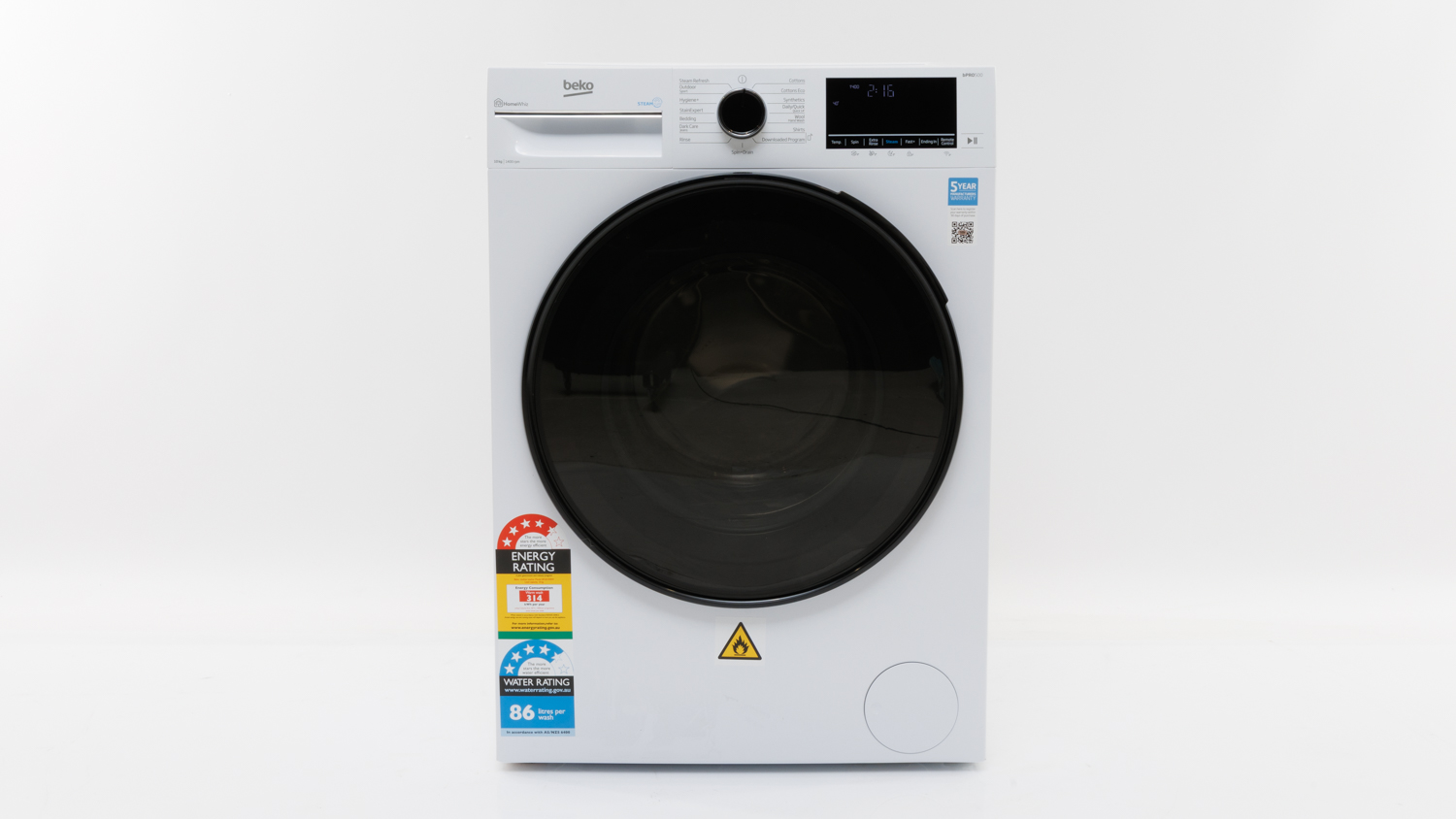
Beko
BFLB1020W
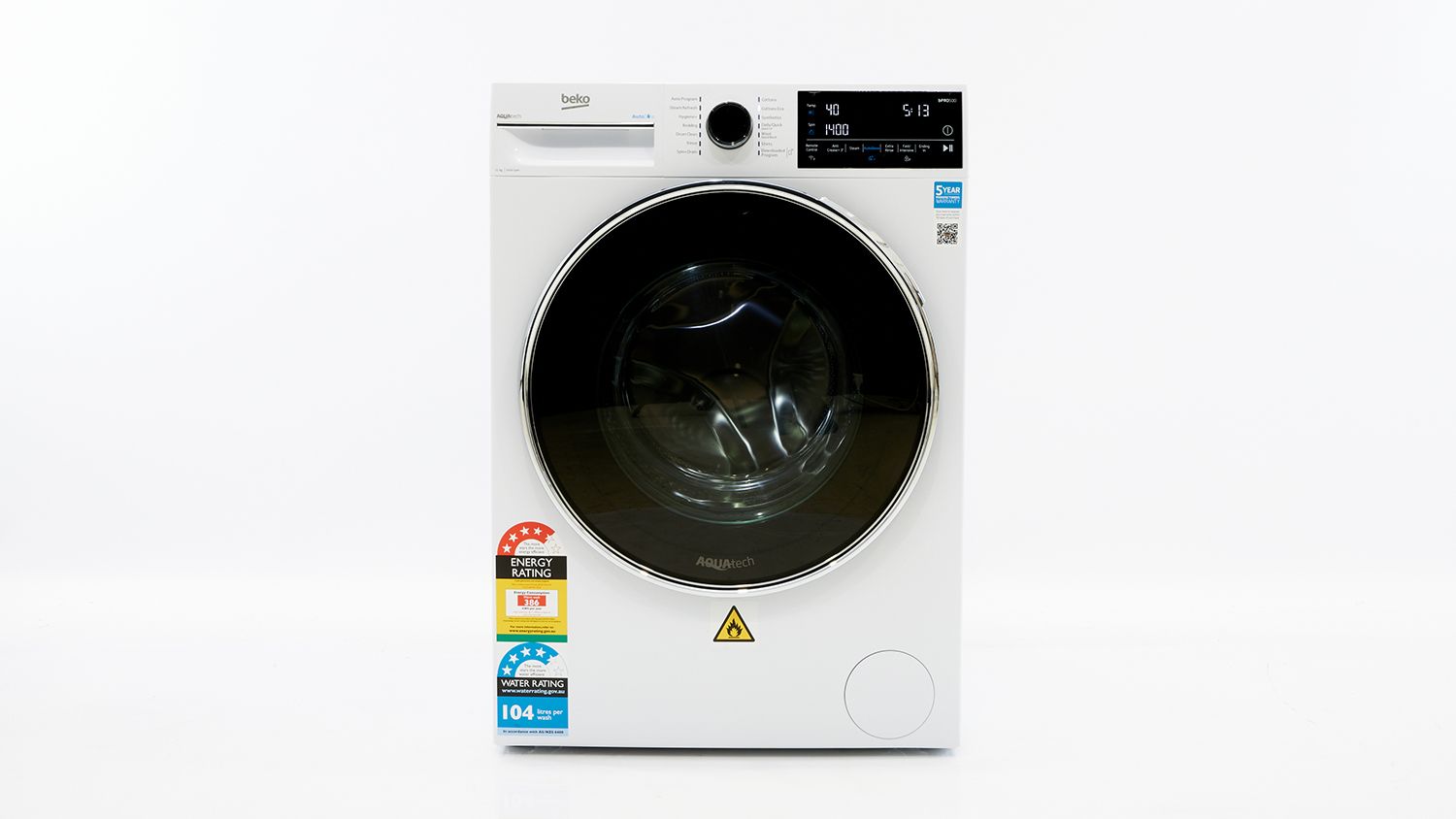
Beko
BFLB124ADW
Beko
BFLB904ADG
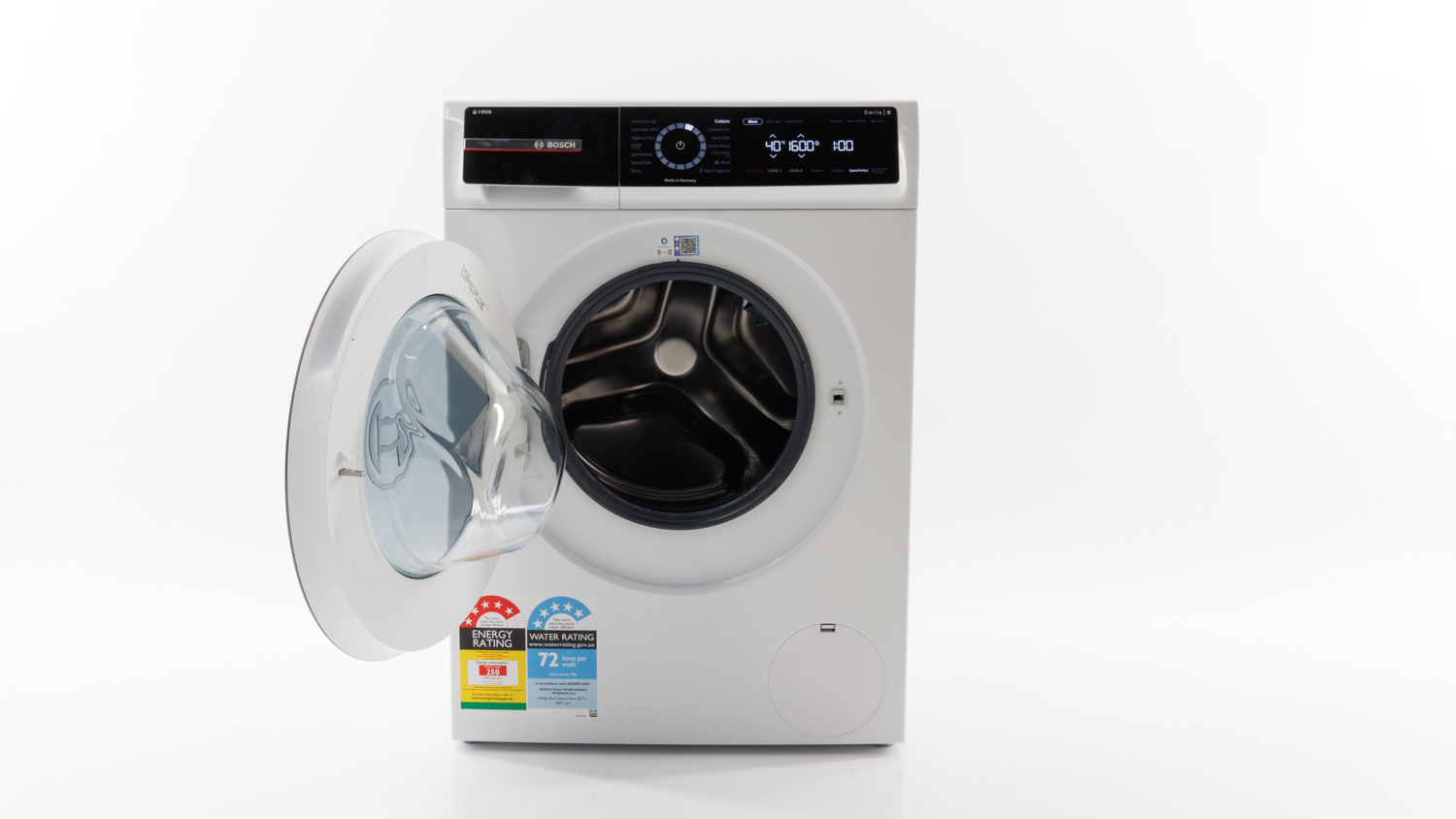
Bosch
WGB256A1AU
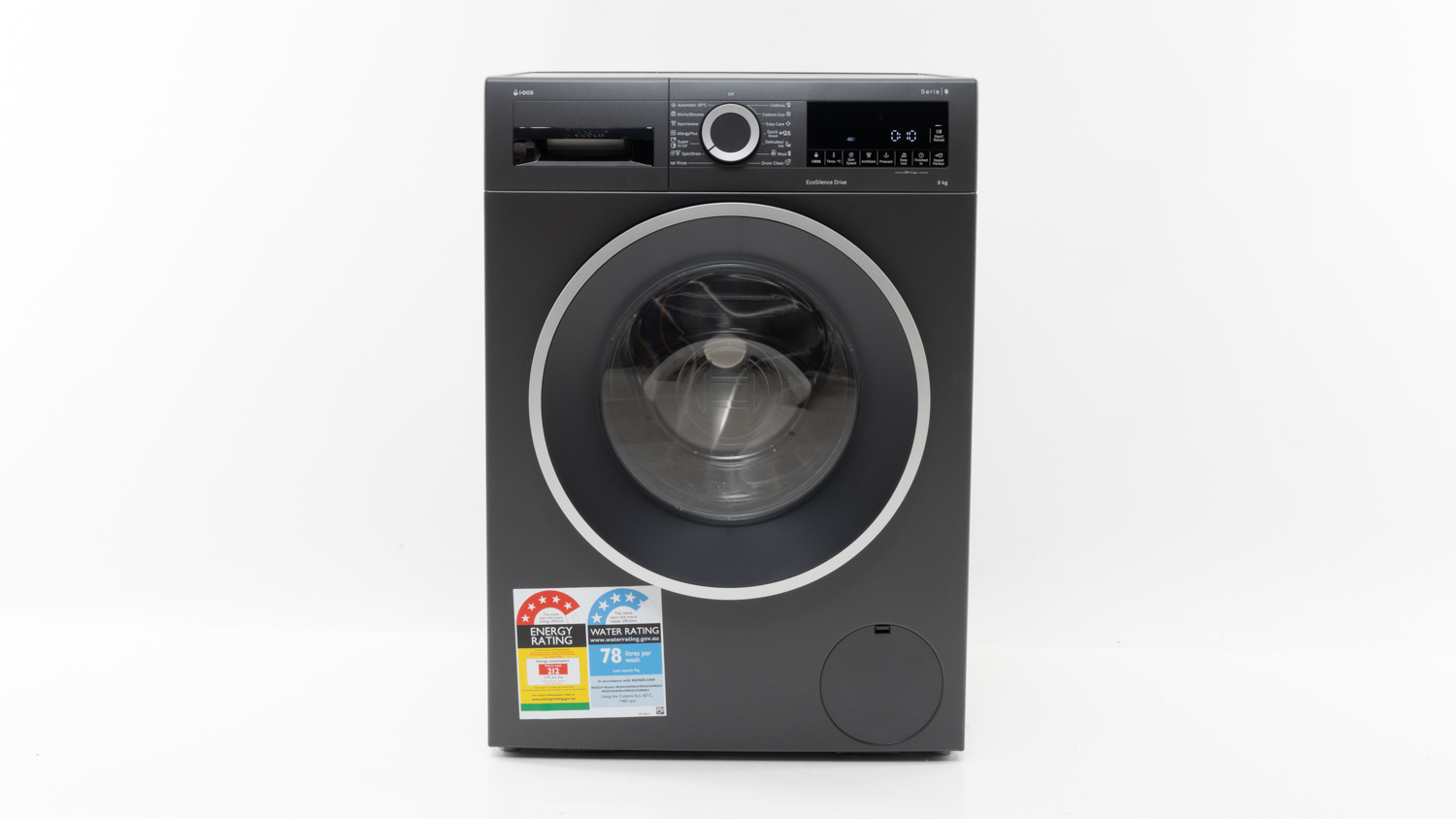
Bosch
WGG244ARAU
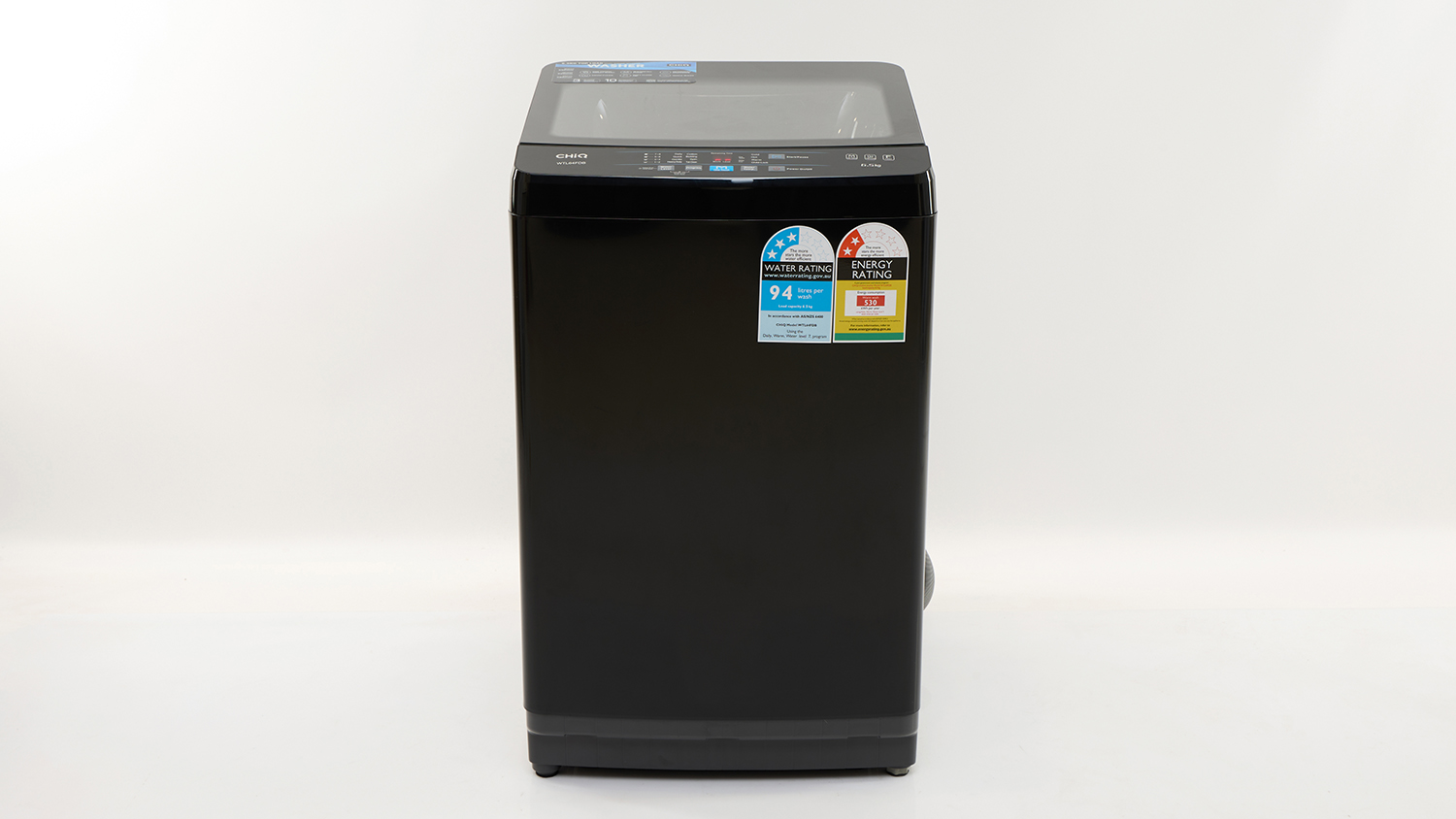
Chiq
WTL64FDB
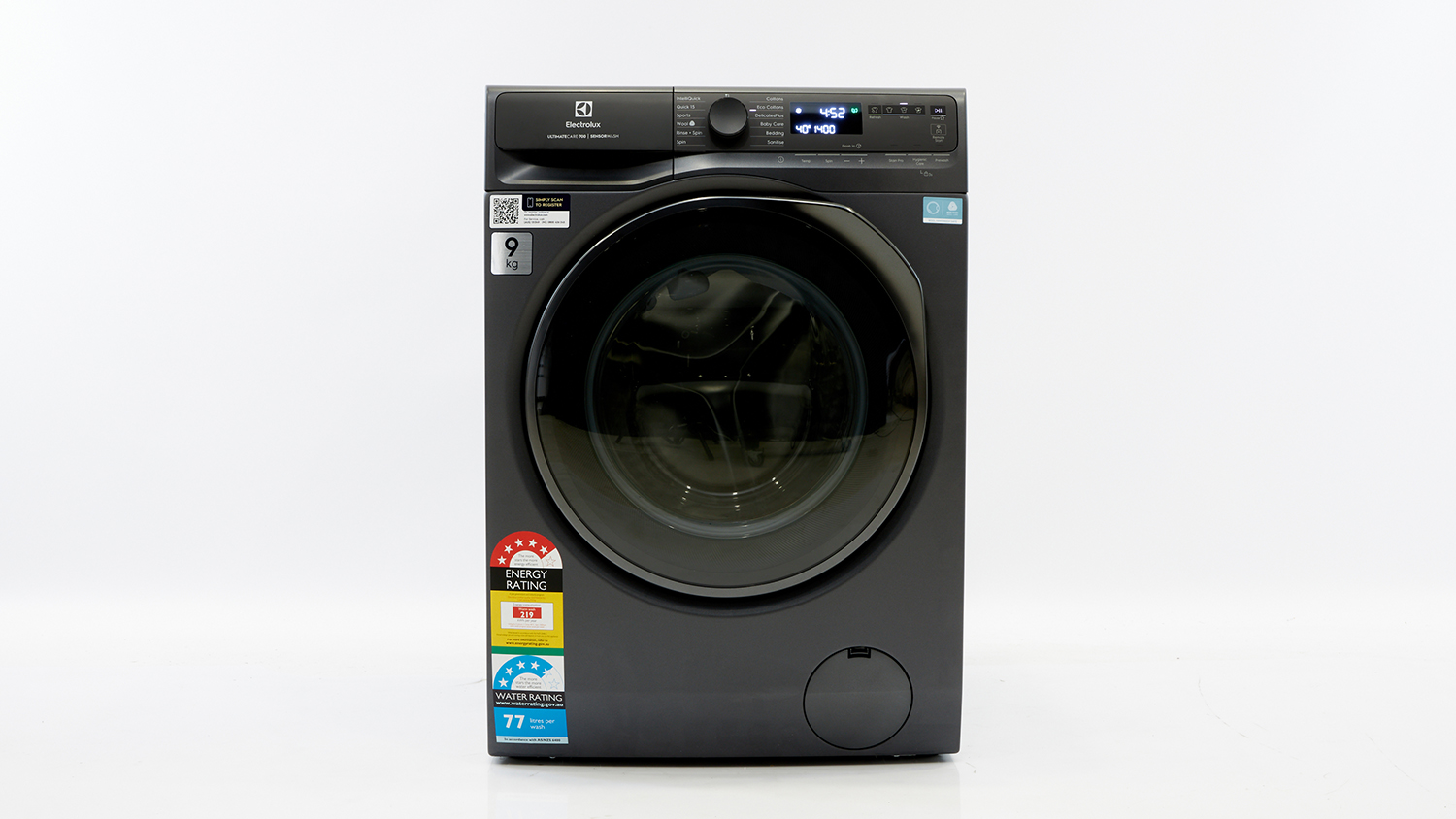
Electrolux
EWF9043R7SC
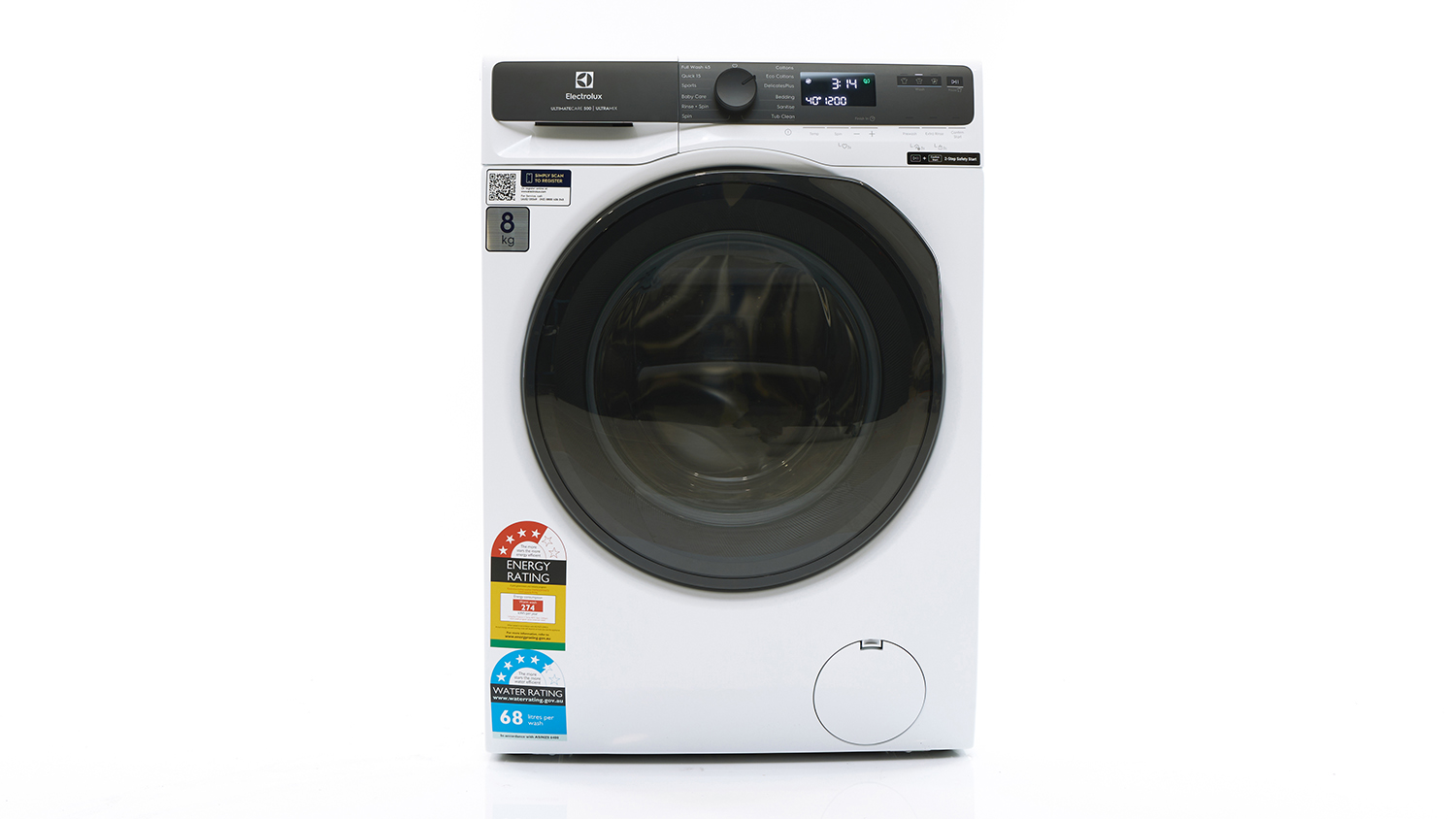
Electrolux
EWF8023P5WCS
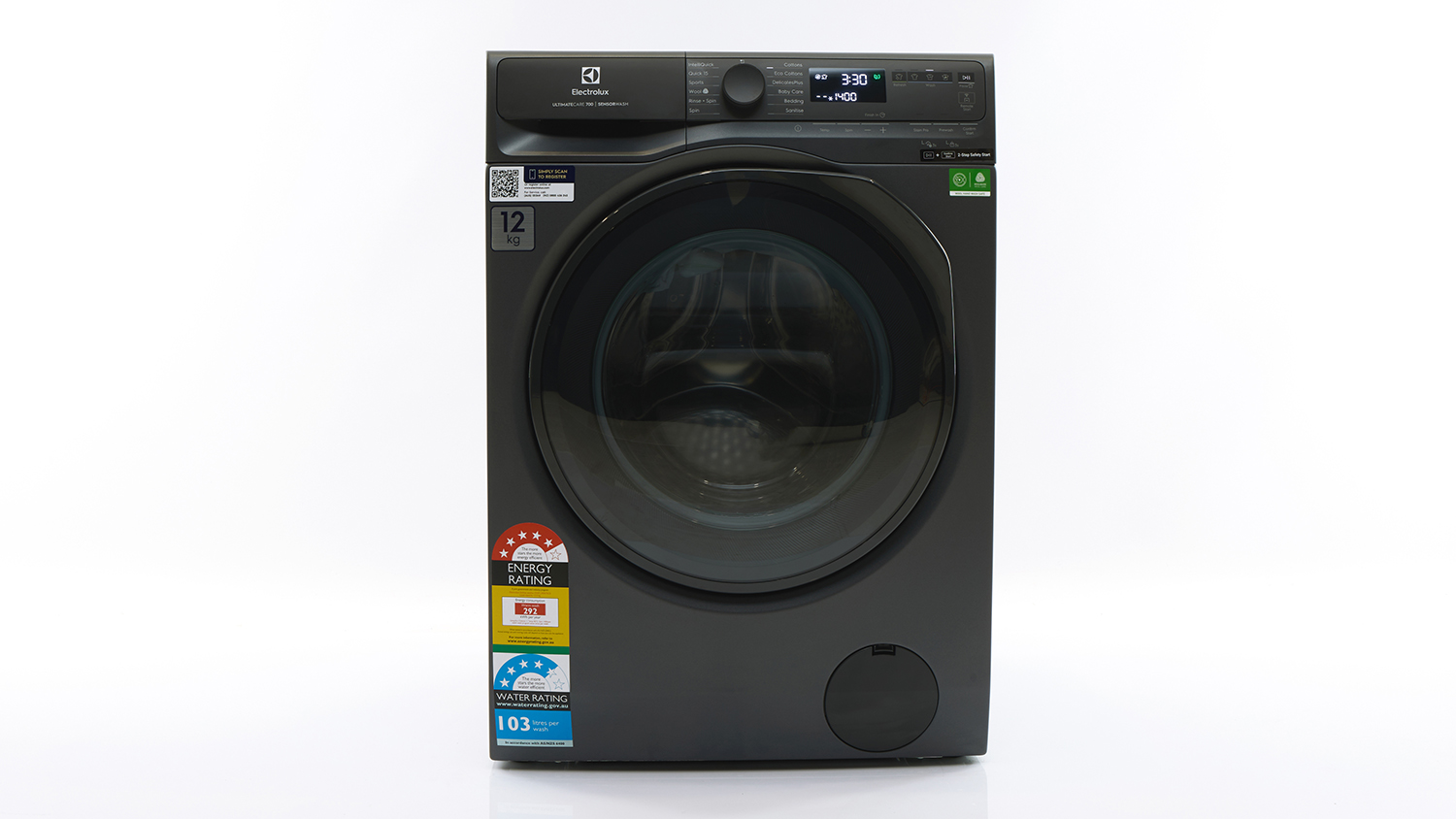
Electrolux
EWF1243R7SCS
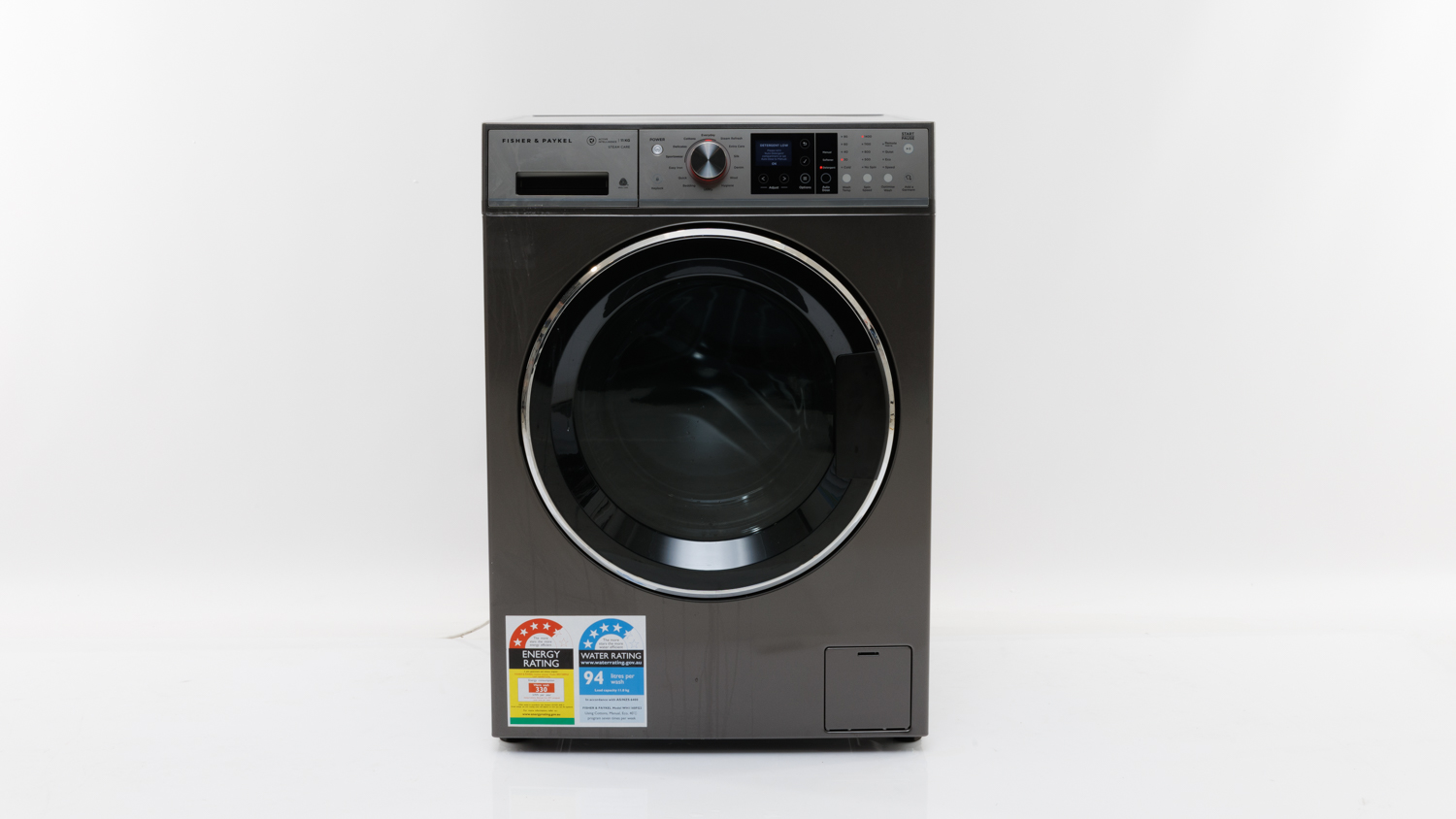
Fisher & Paykel
WH1160FG2
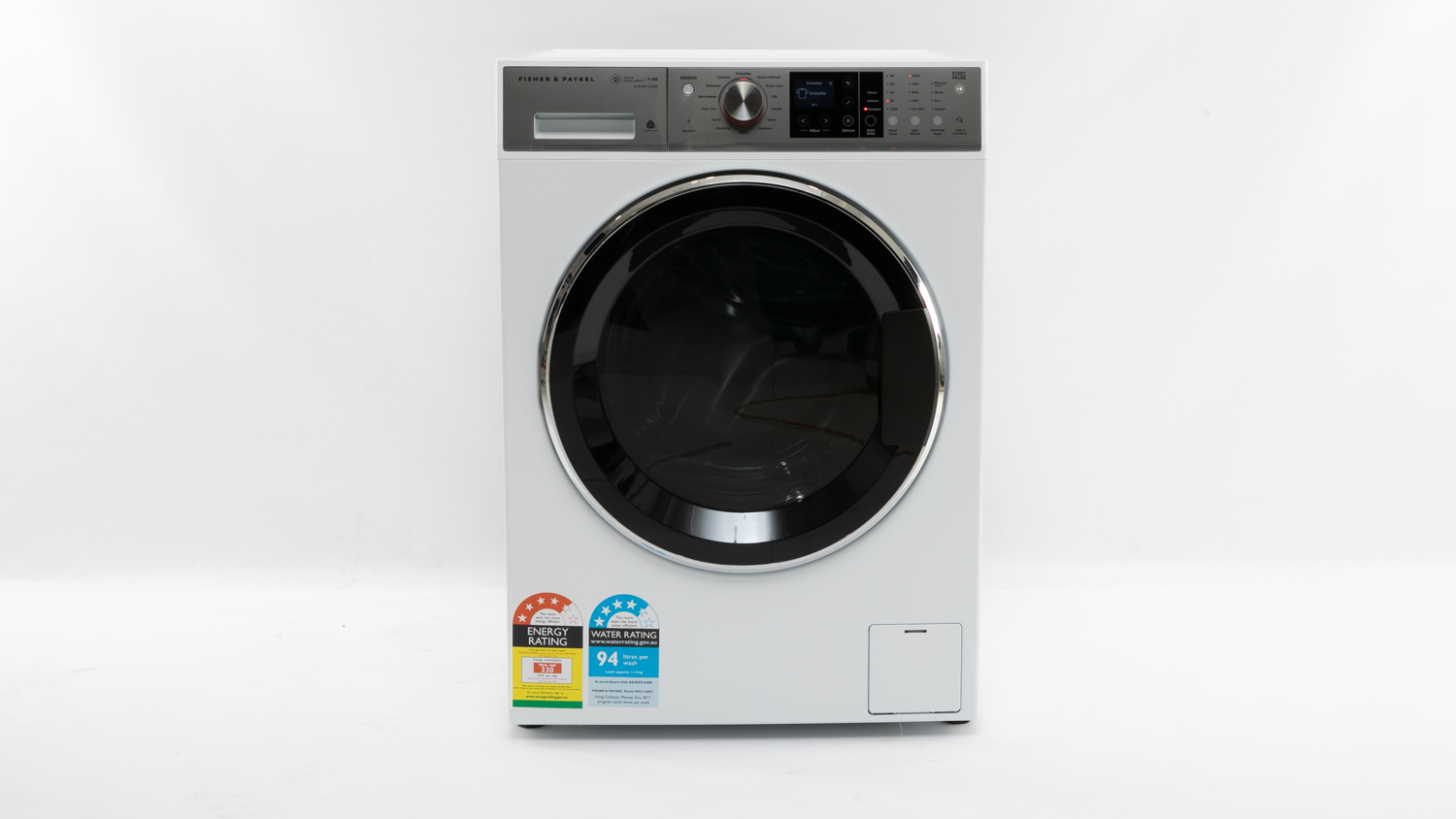
Fisher & Paykel
WH1160F2
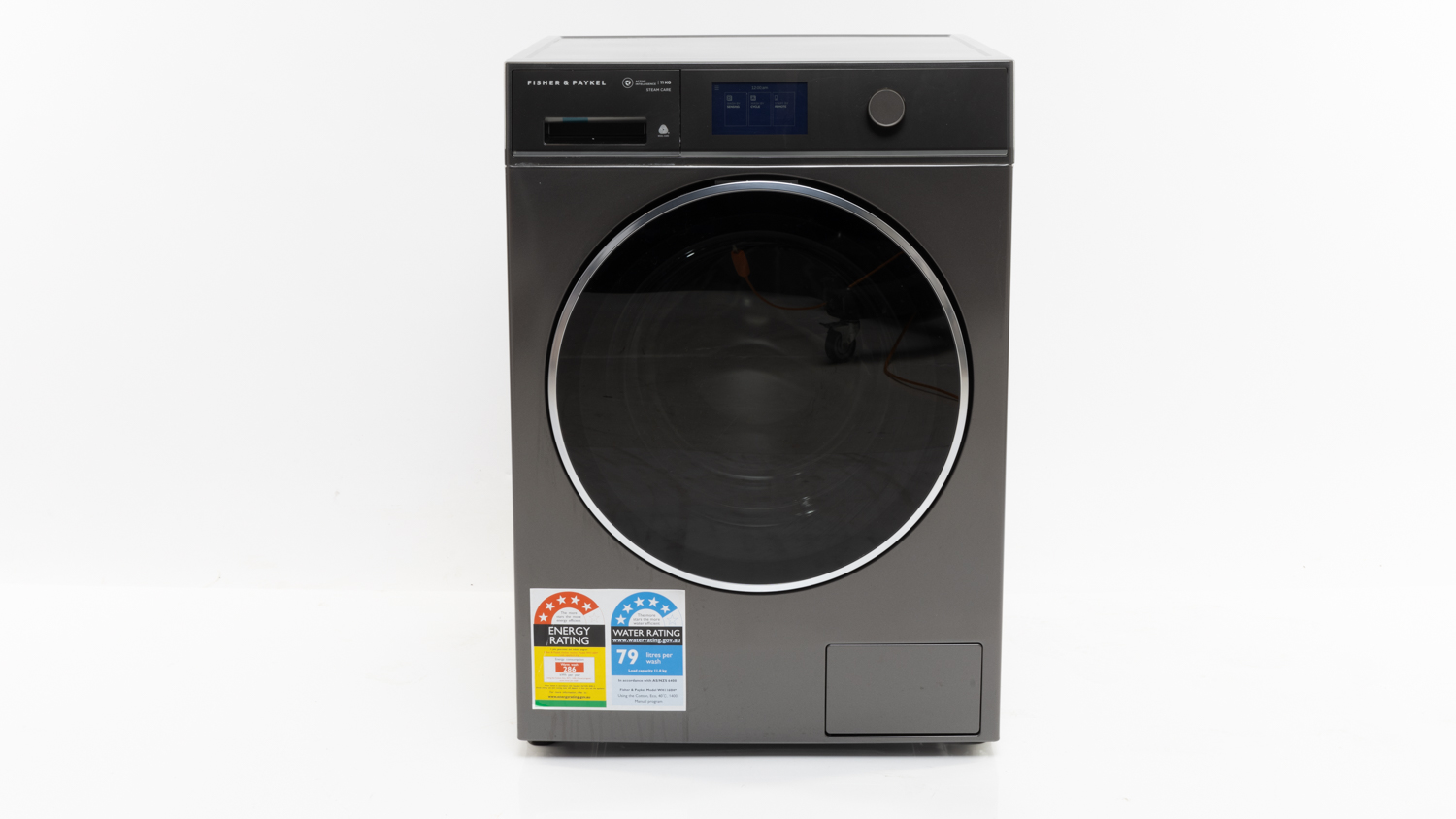
Fisher & Paykel
WH1160HG1
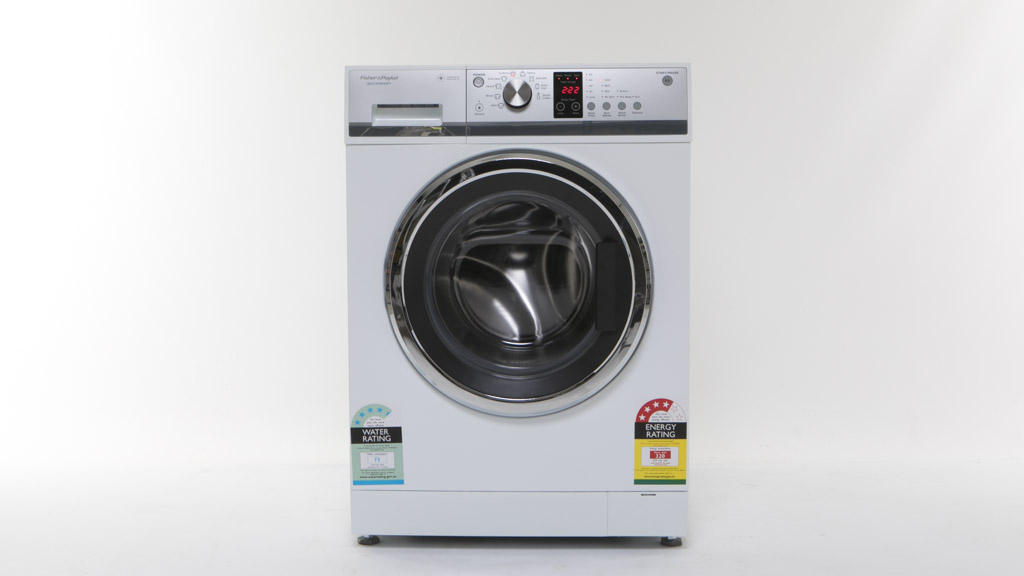
Fisher & Paykel
WH8060J3
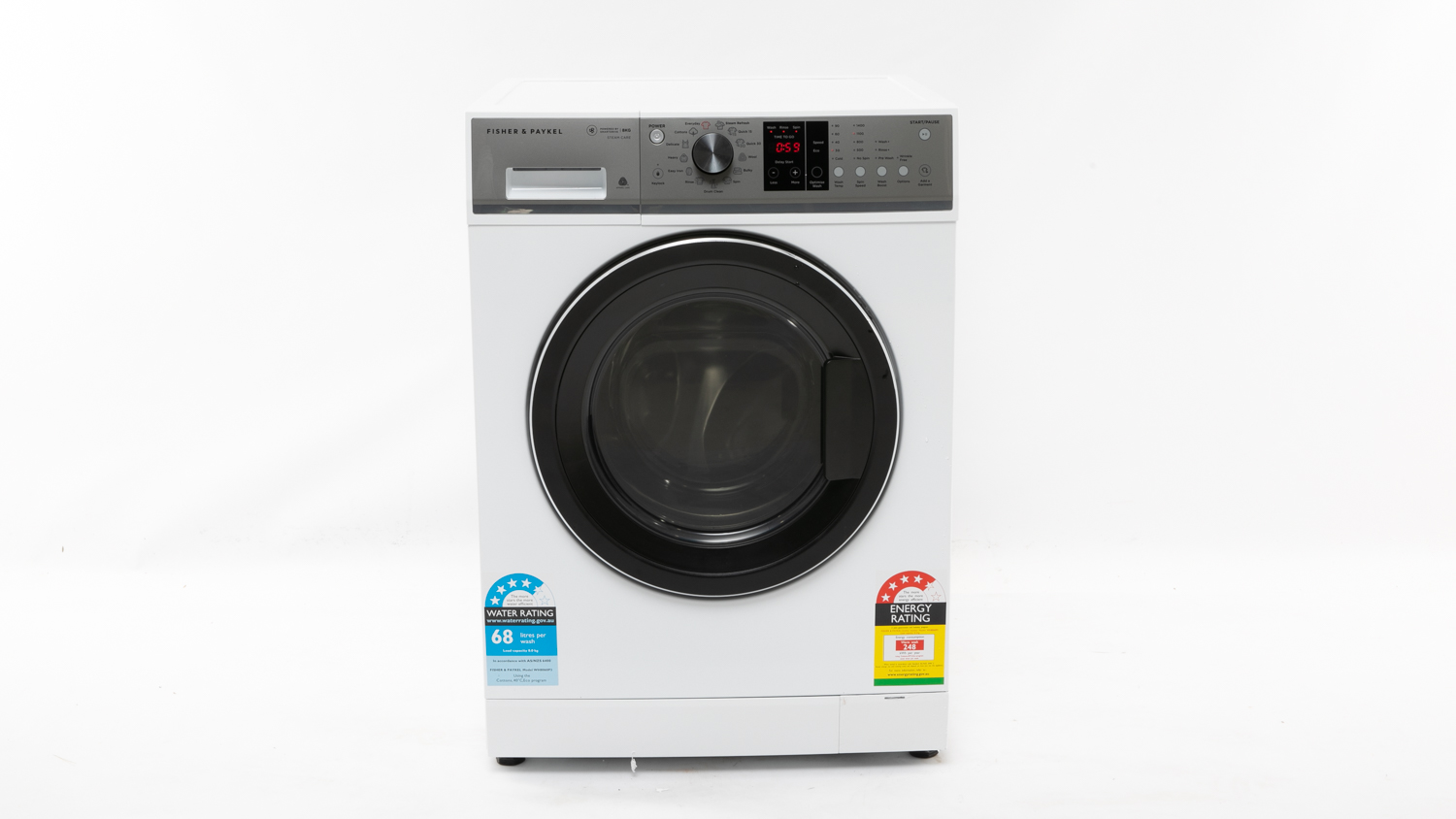
Fisher & Paykel
WH8060P3
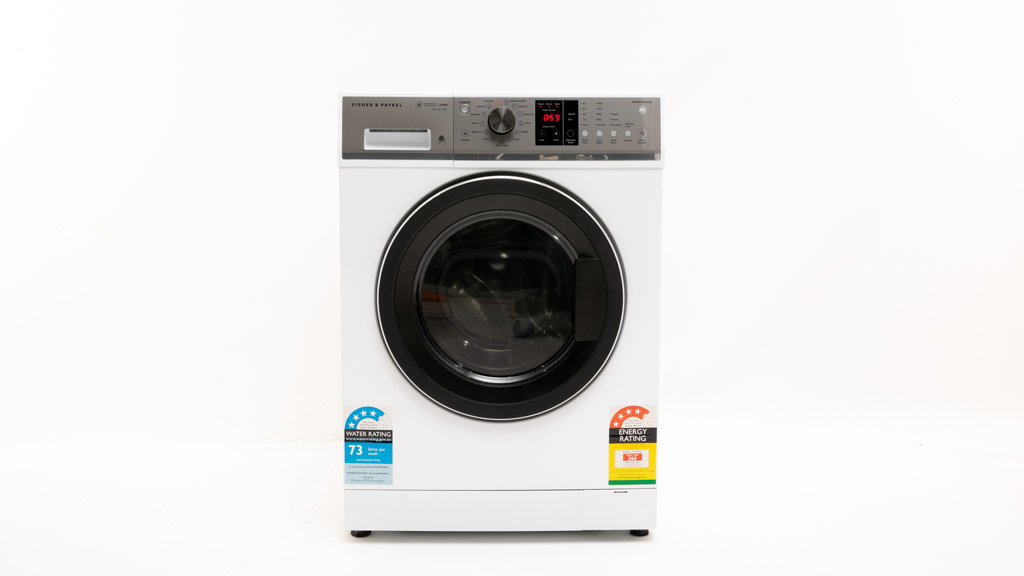
Fisher & Paykel
WH8560P3
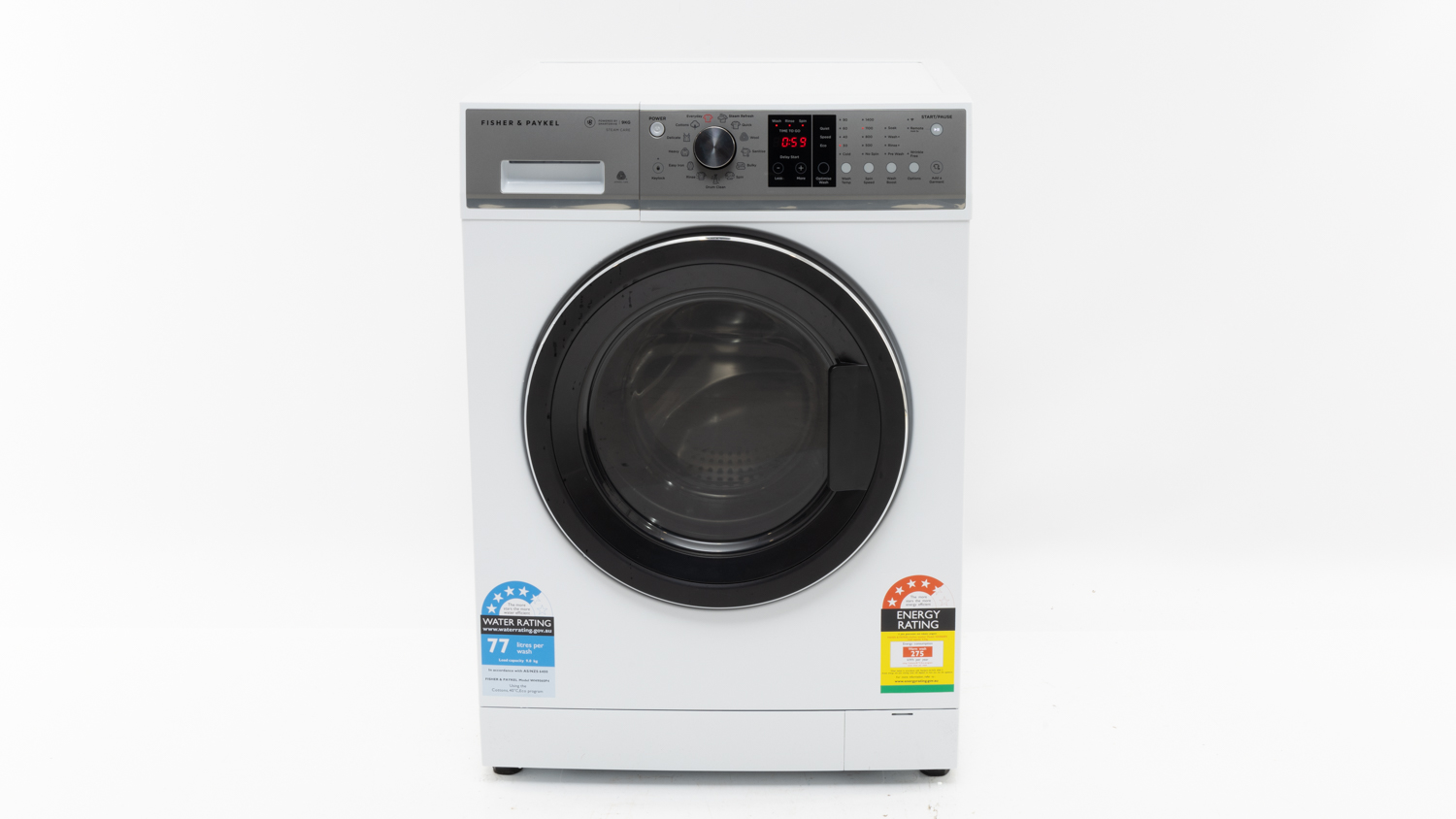
Fisher & Paykel
WH9060P4
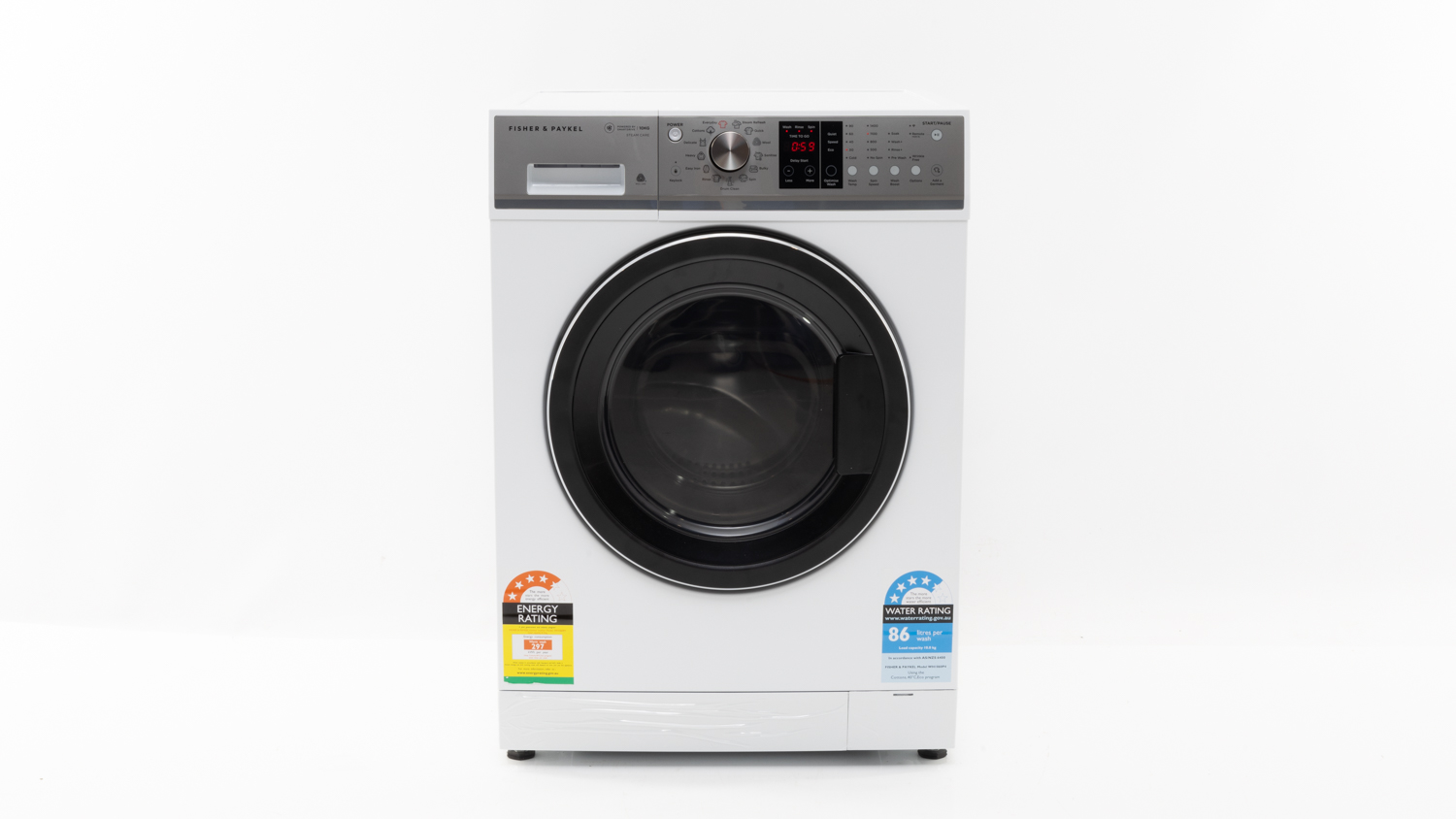
Fisher & Paykel
WH1060P4
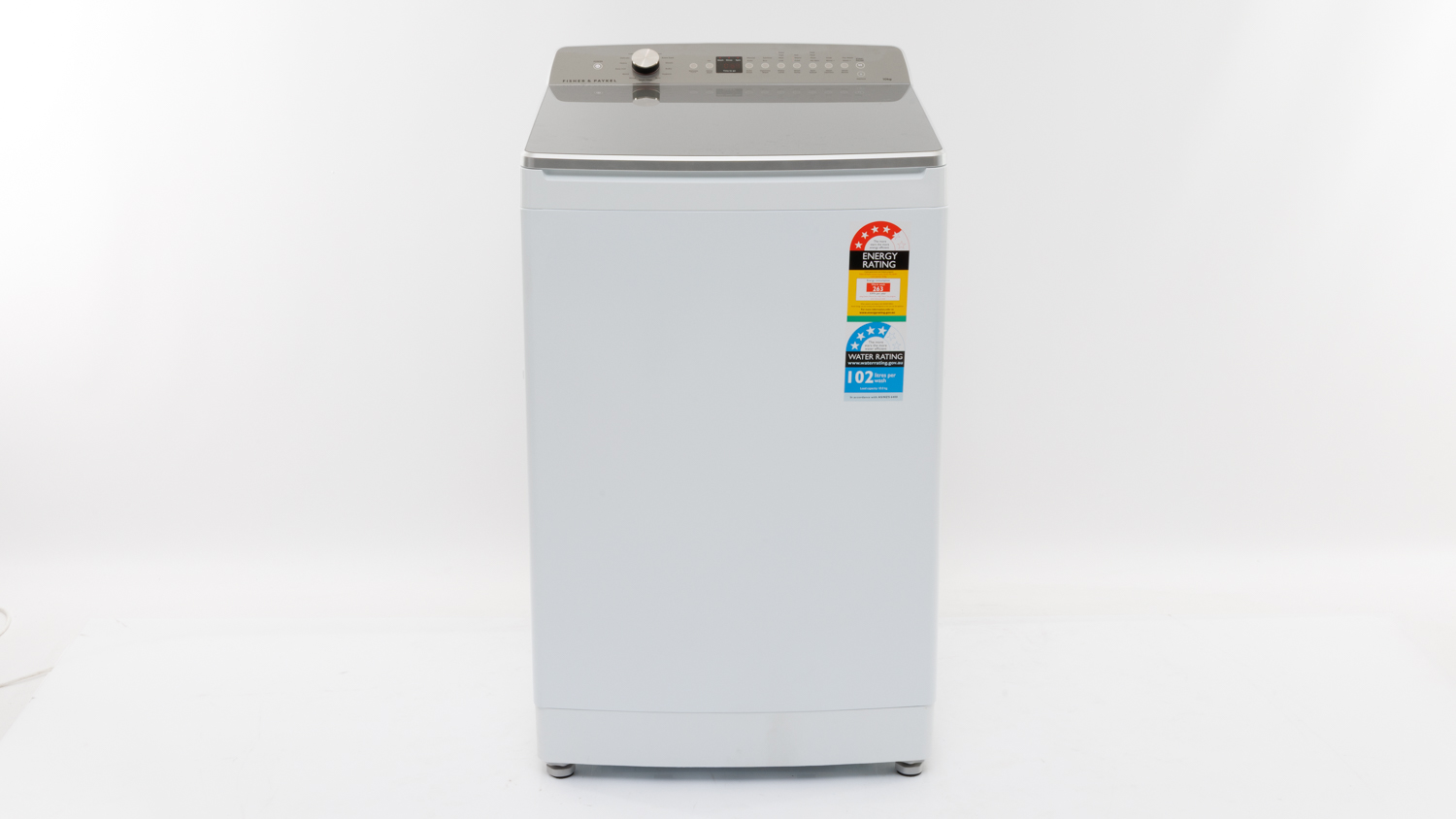
Fisher & Paykel
WL1064P1
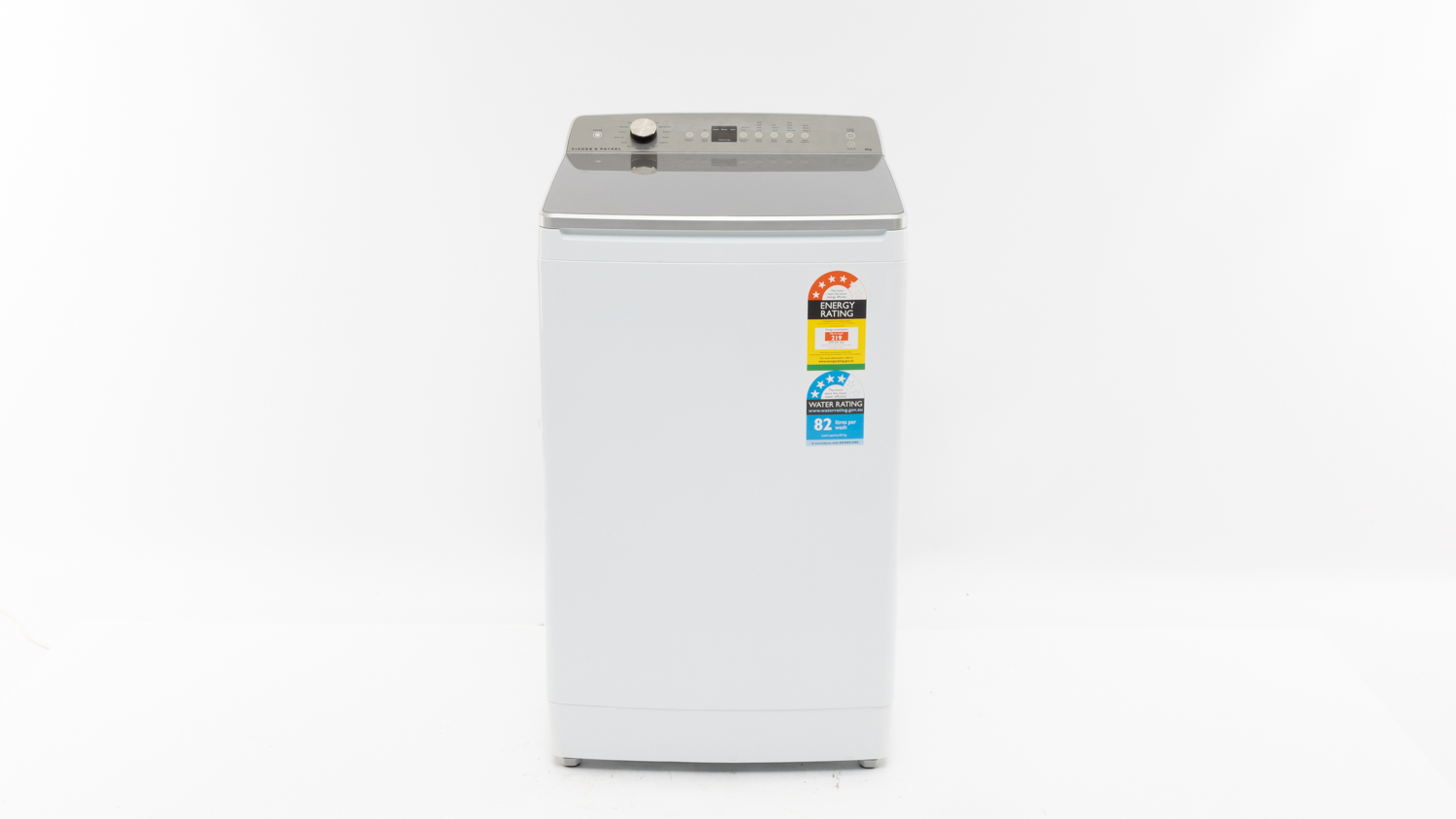
Fisher & Paykel
WL8058G1
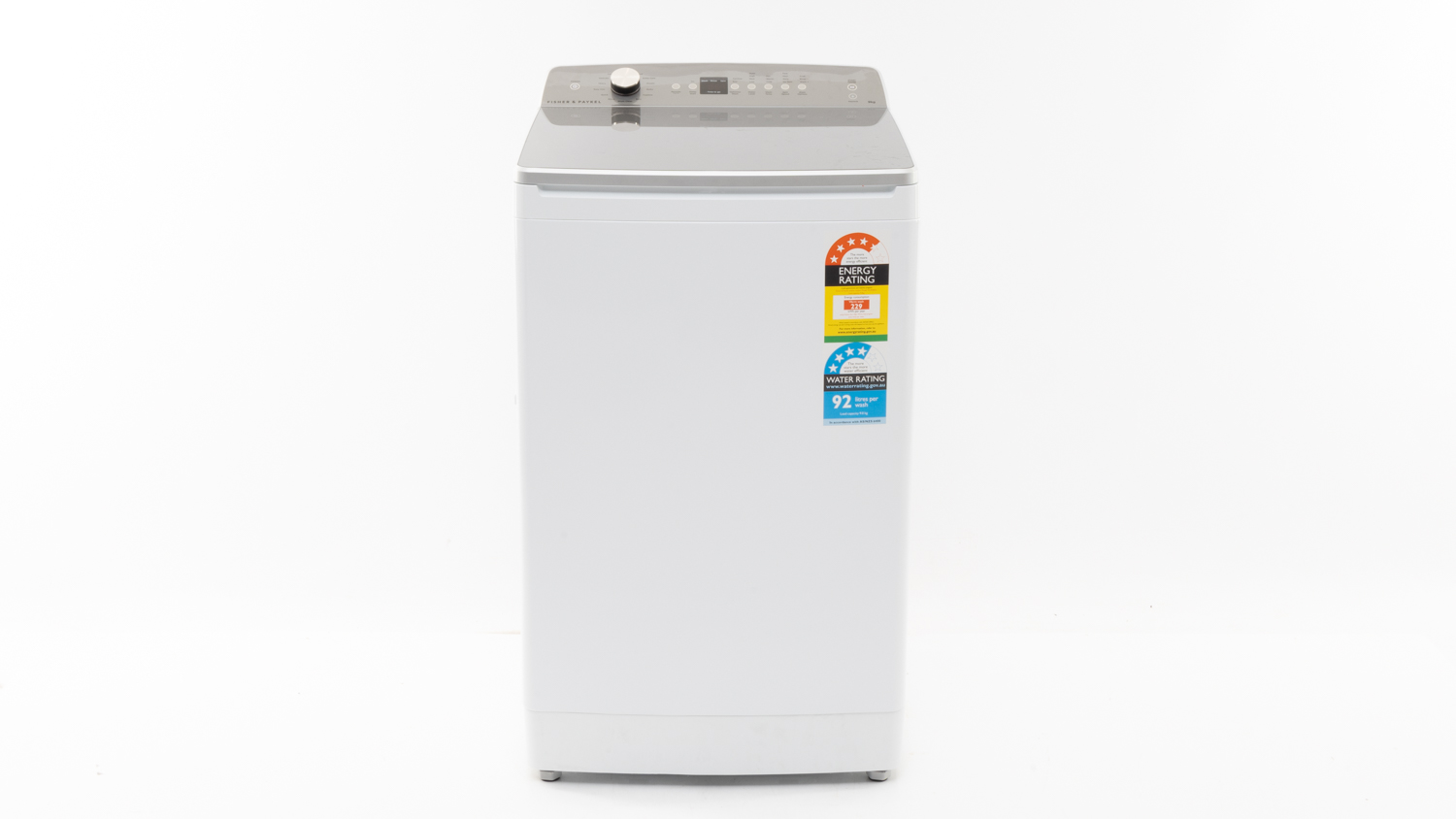
Fisher & Paykel
WL9058G1
Fisher & Paykel
WH1160H1
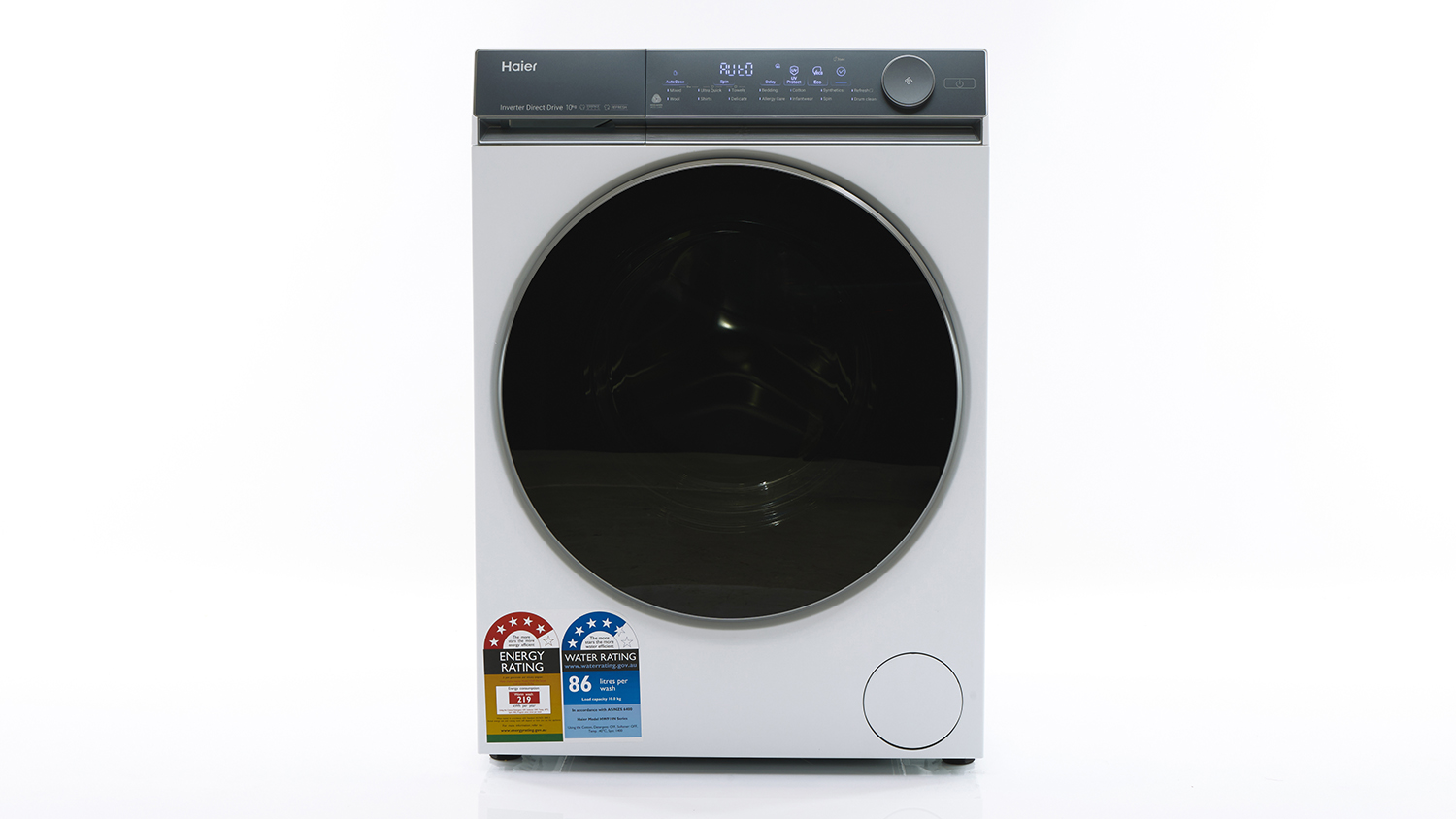
Haier
HWF10NW1
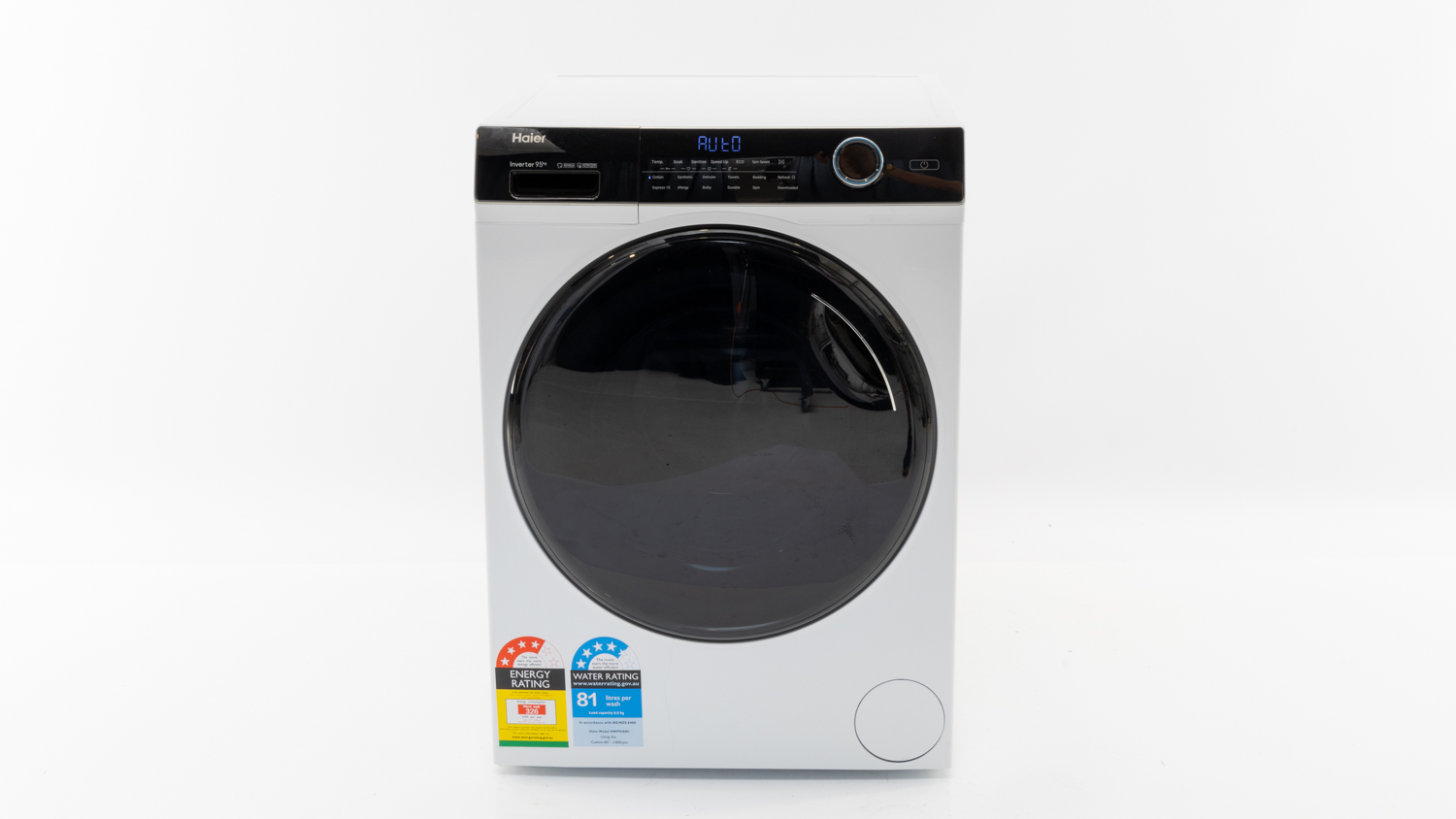
Haier
HWF95AN1
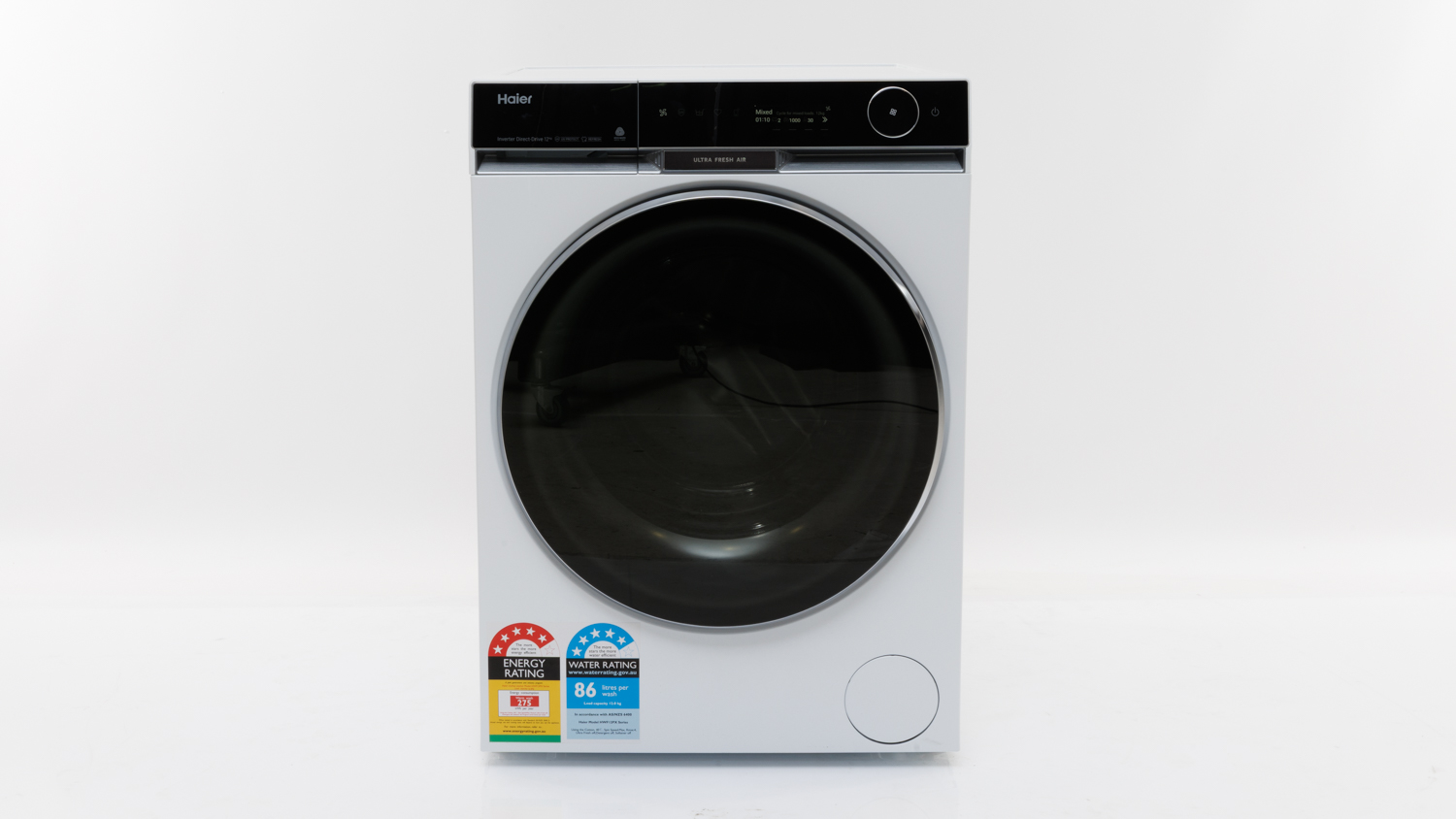
Haier
HWF12PXW1
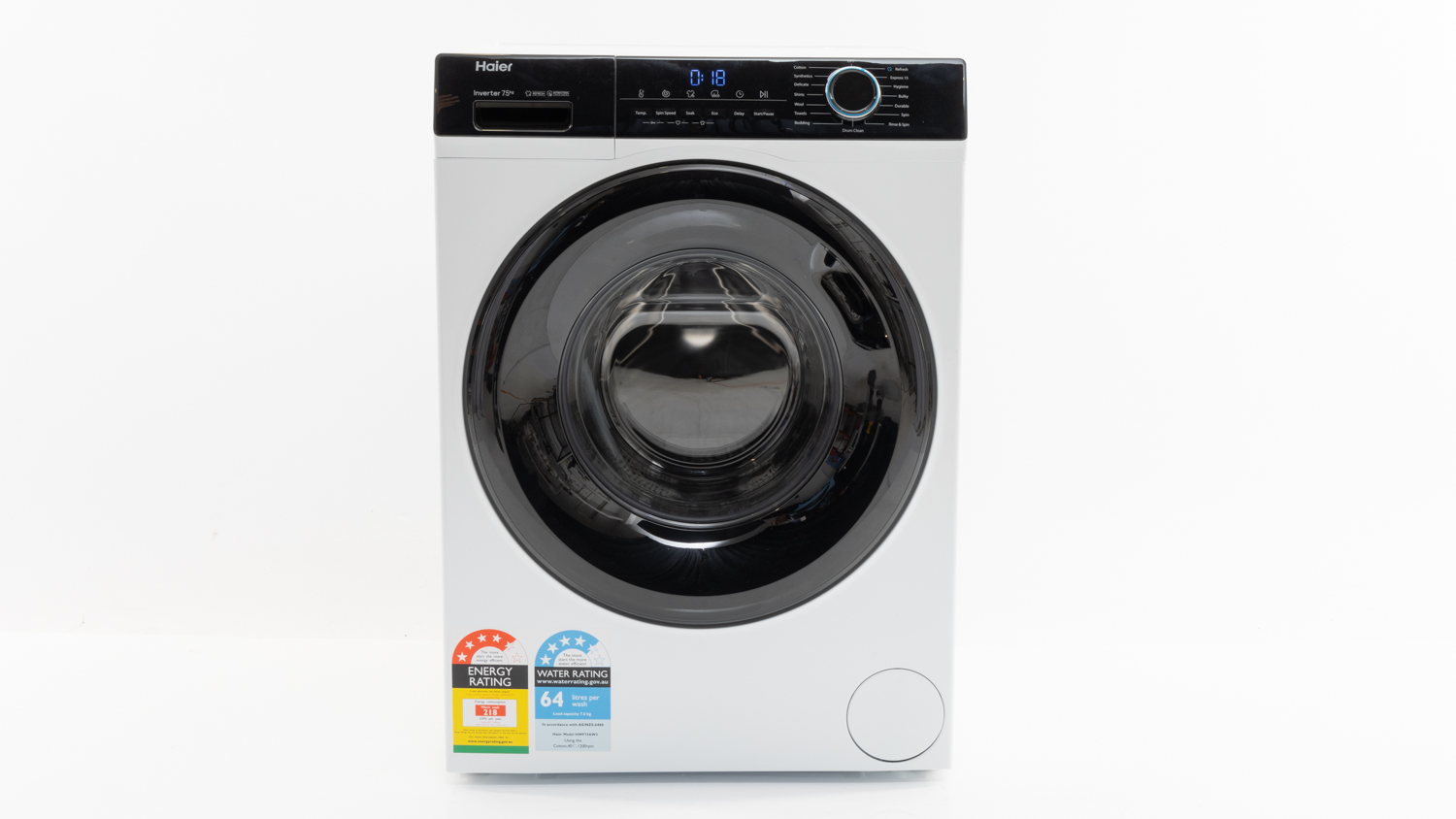
Haier
HWF75AW3
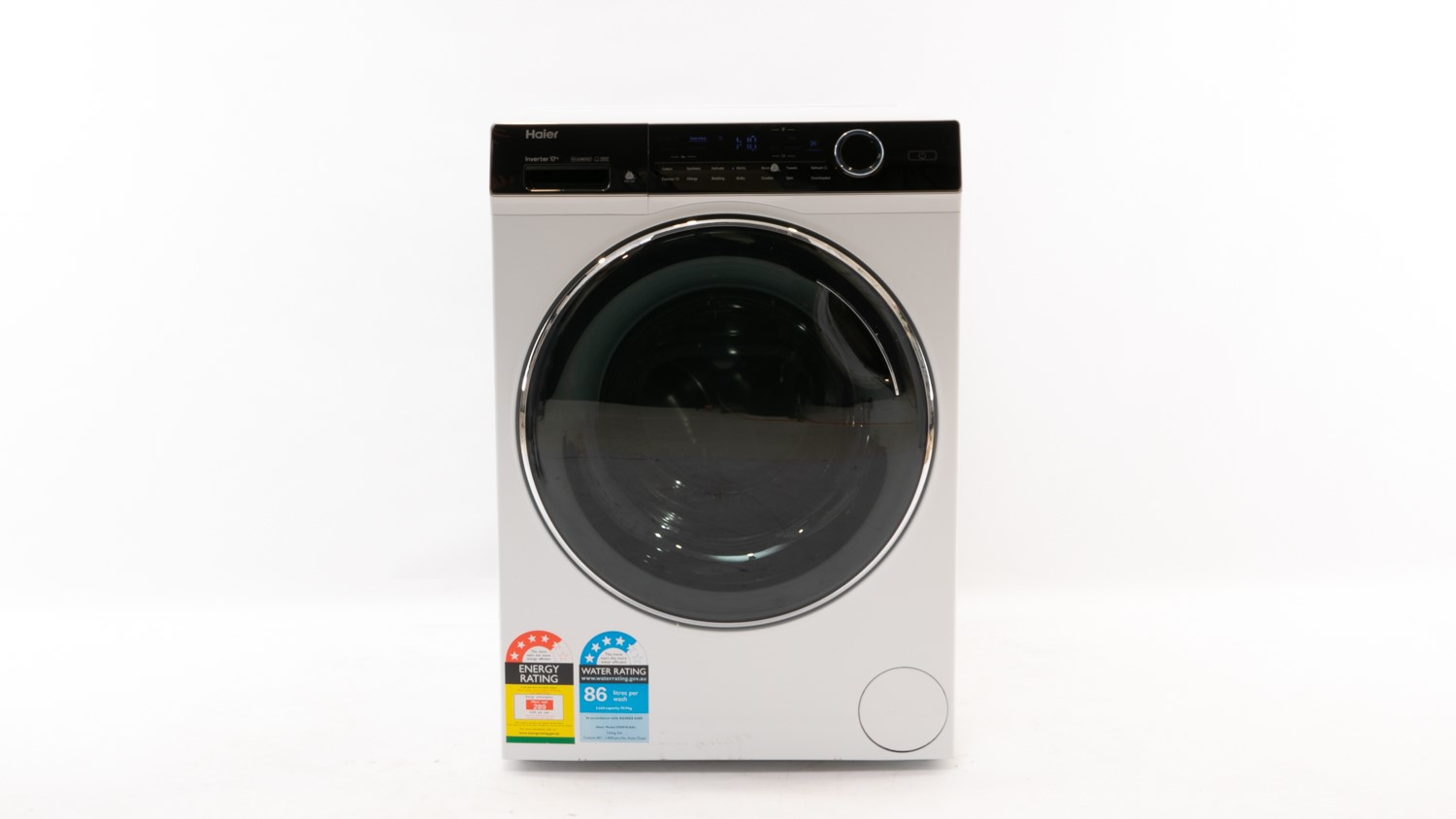
Haier
HWF10AN1
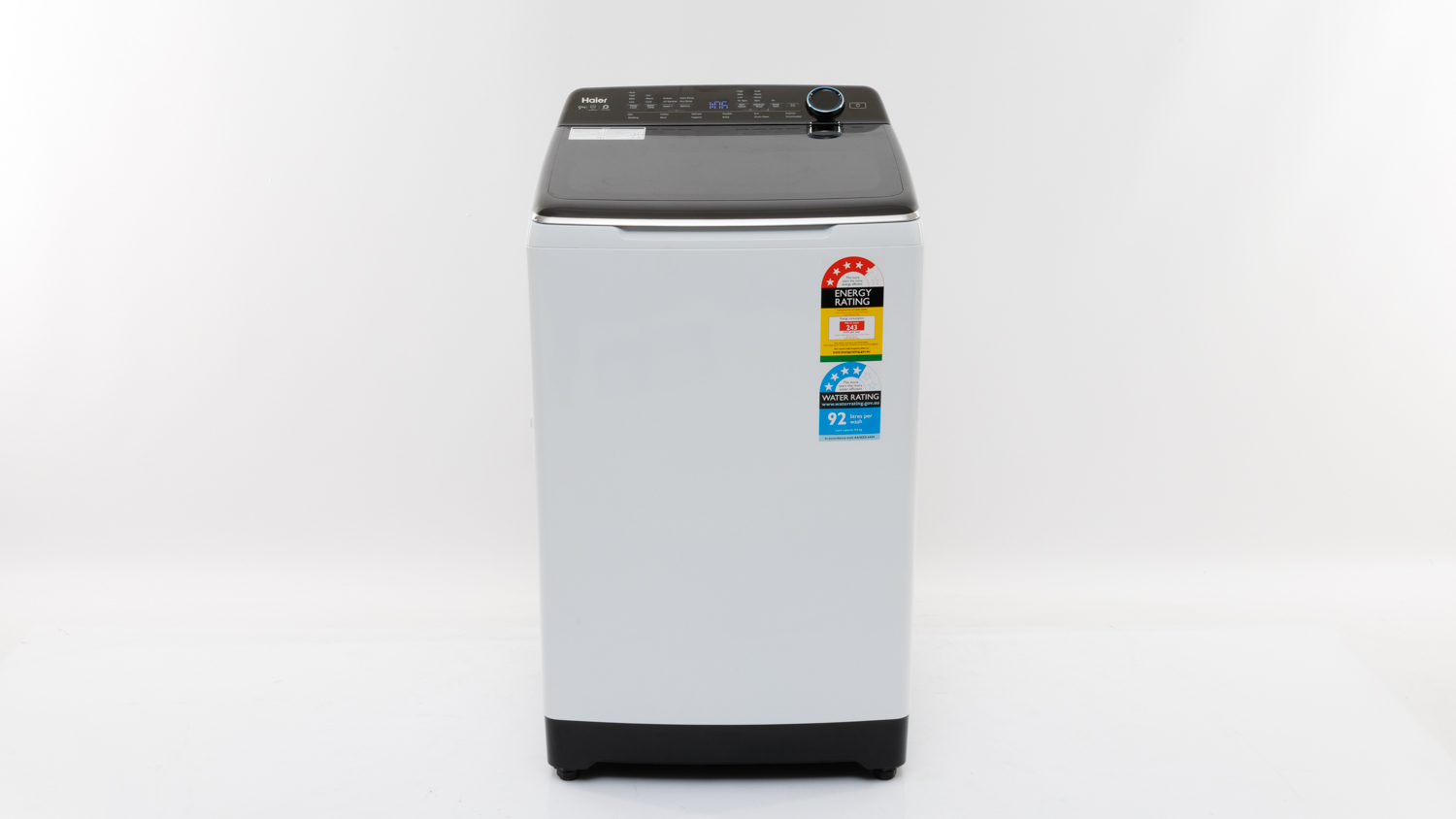
Haier
HWT09AD1
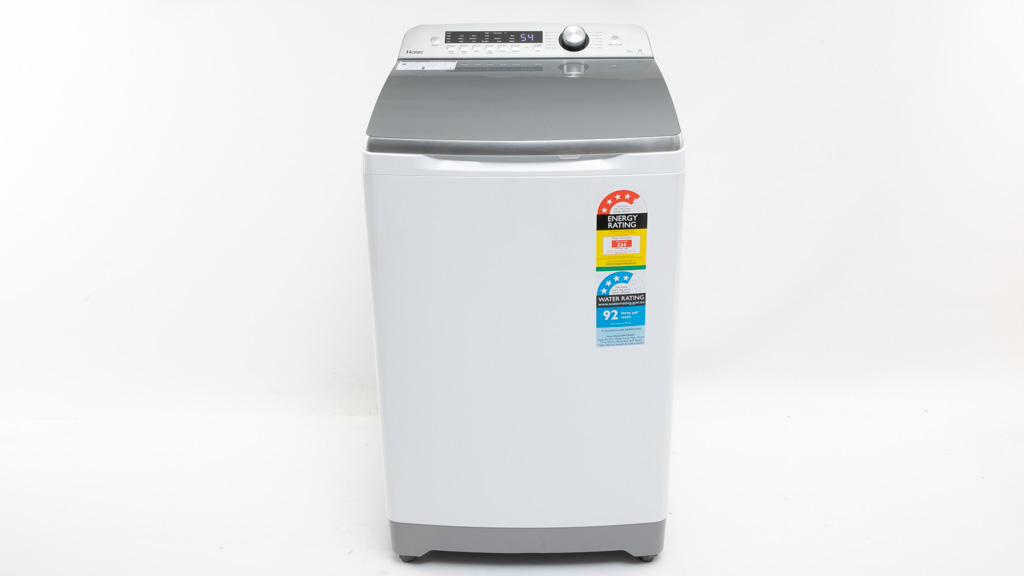
Haier
HWT09AN1
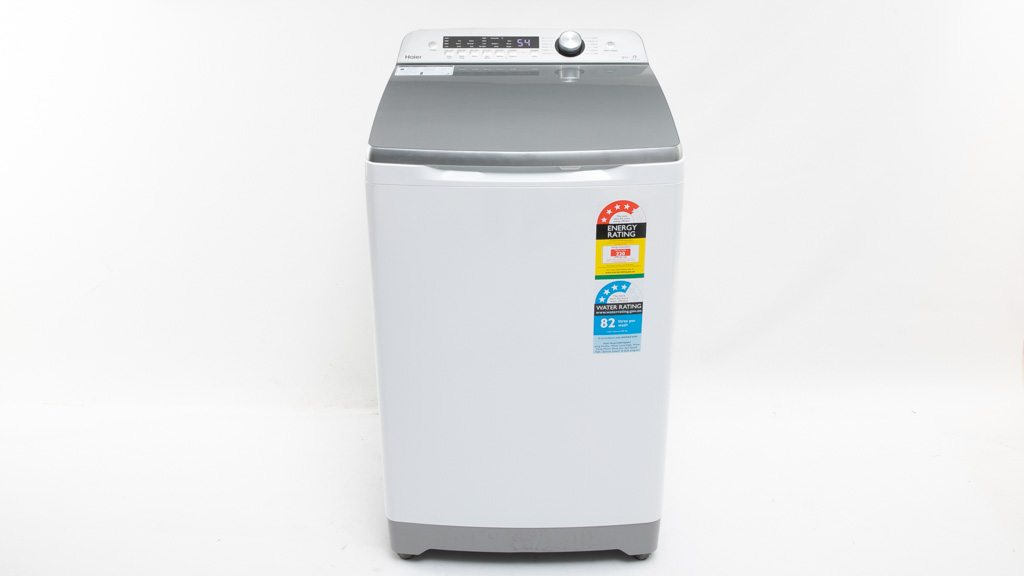
Haier
HWT08AN1
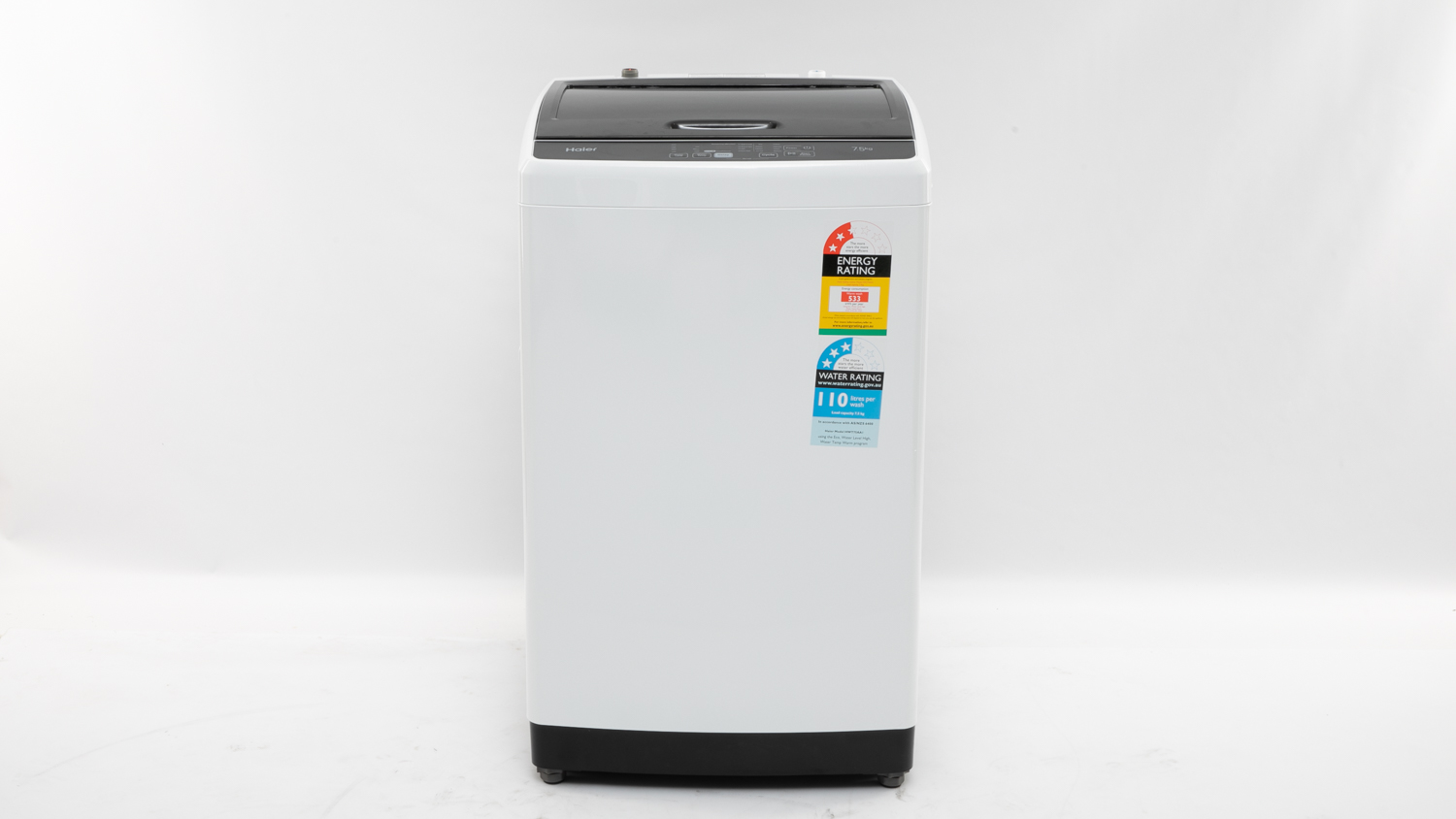
Haier
HWT75AA1
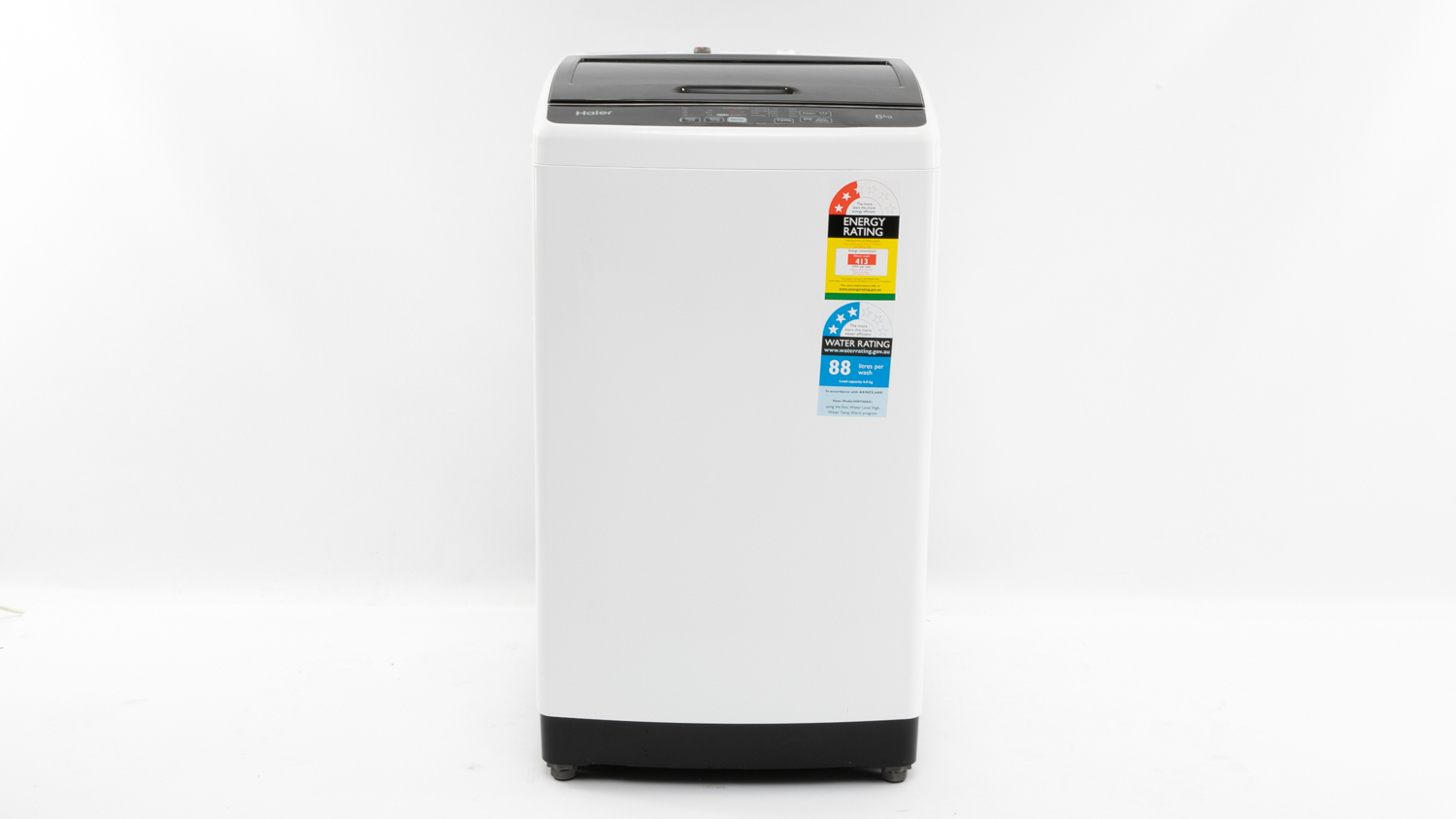
Haier
HWT60AA1
Haier
HWF95ANB1
Haier
HWF10ANB1
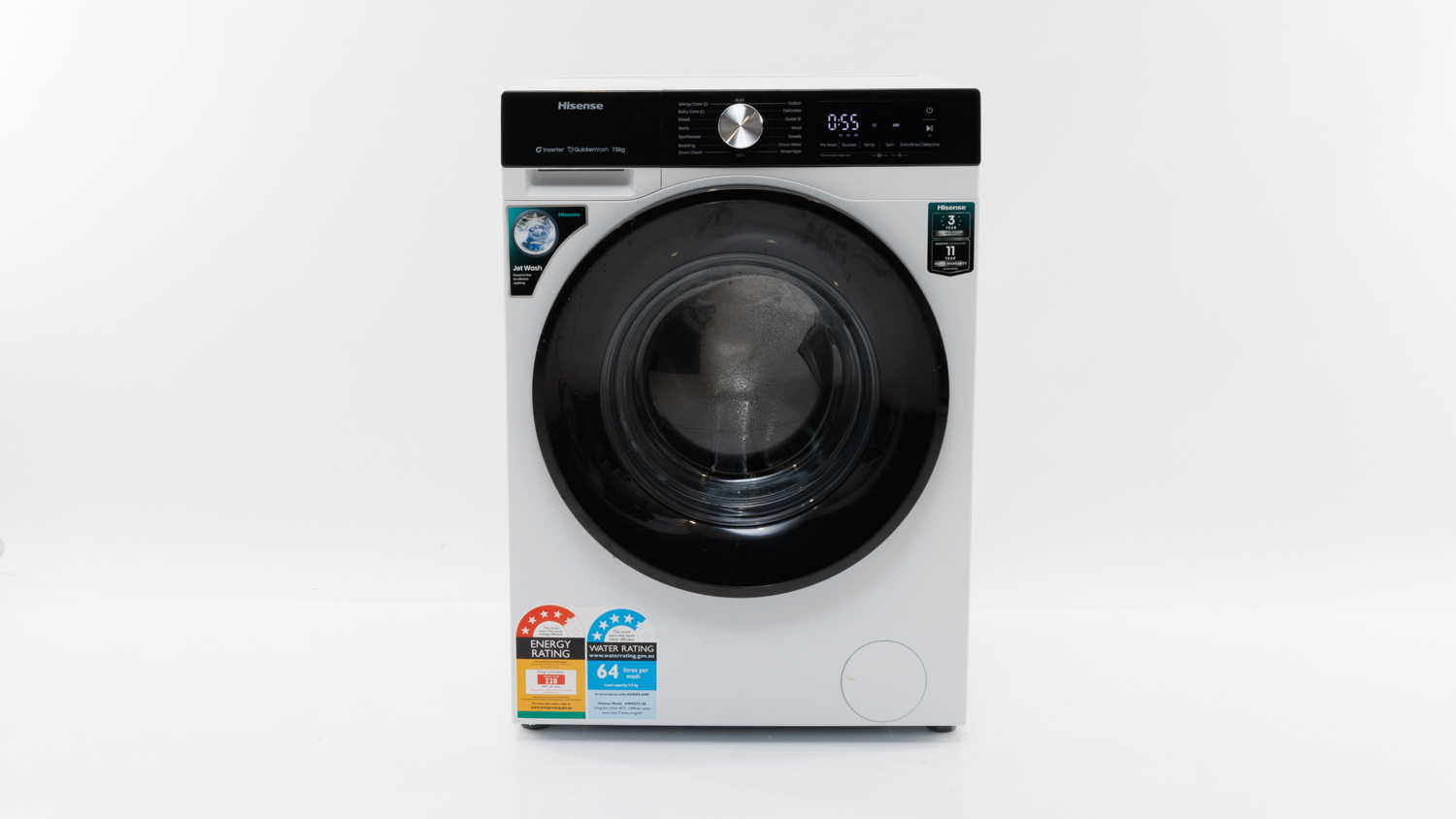
Hisense
HWFS7514S
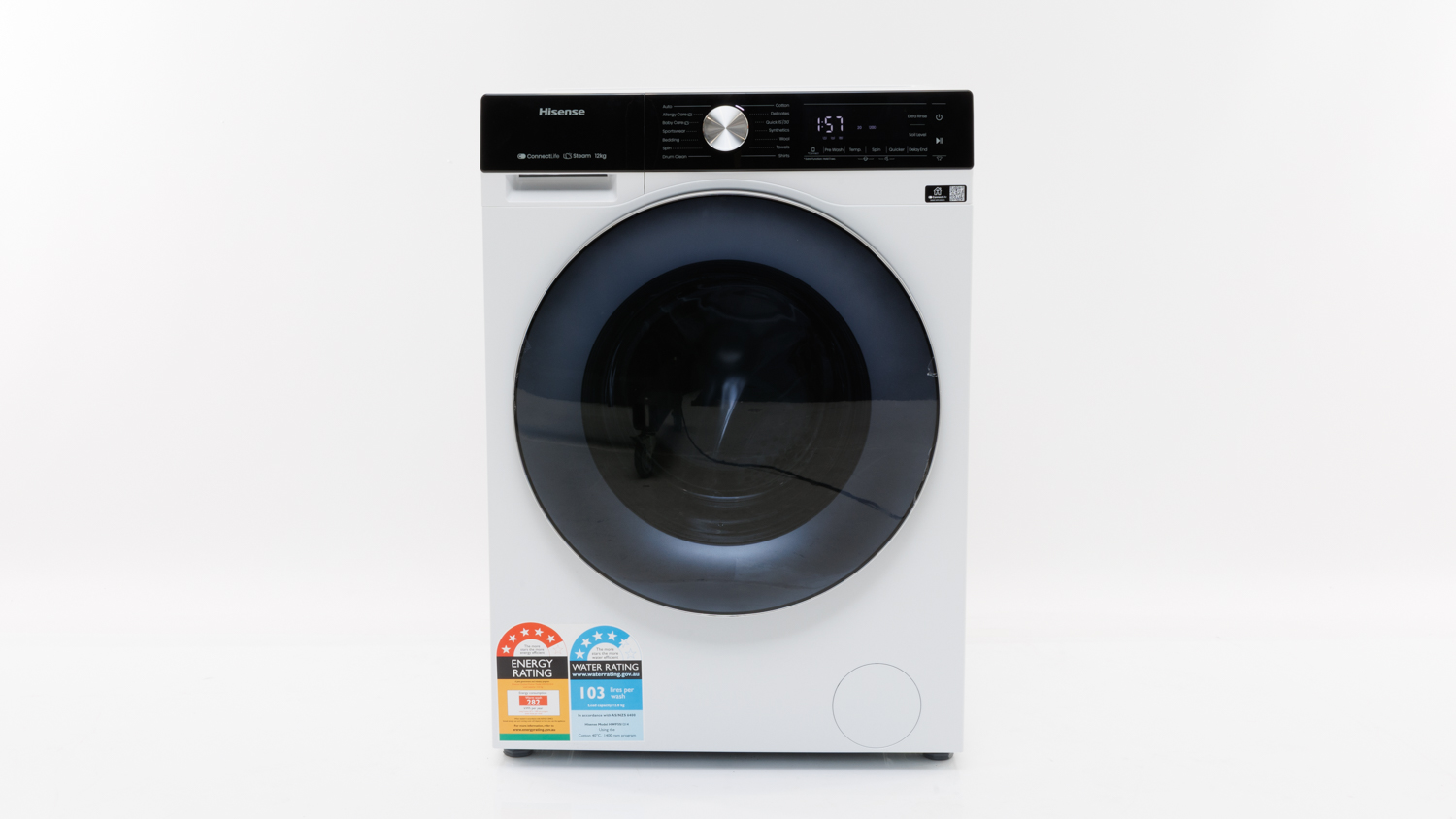
Hisense
HWF5S1214
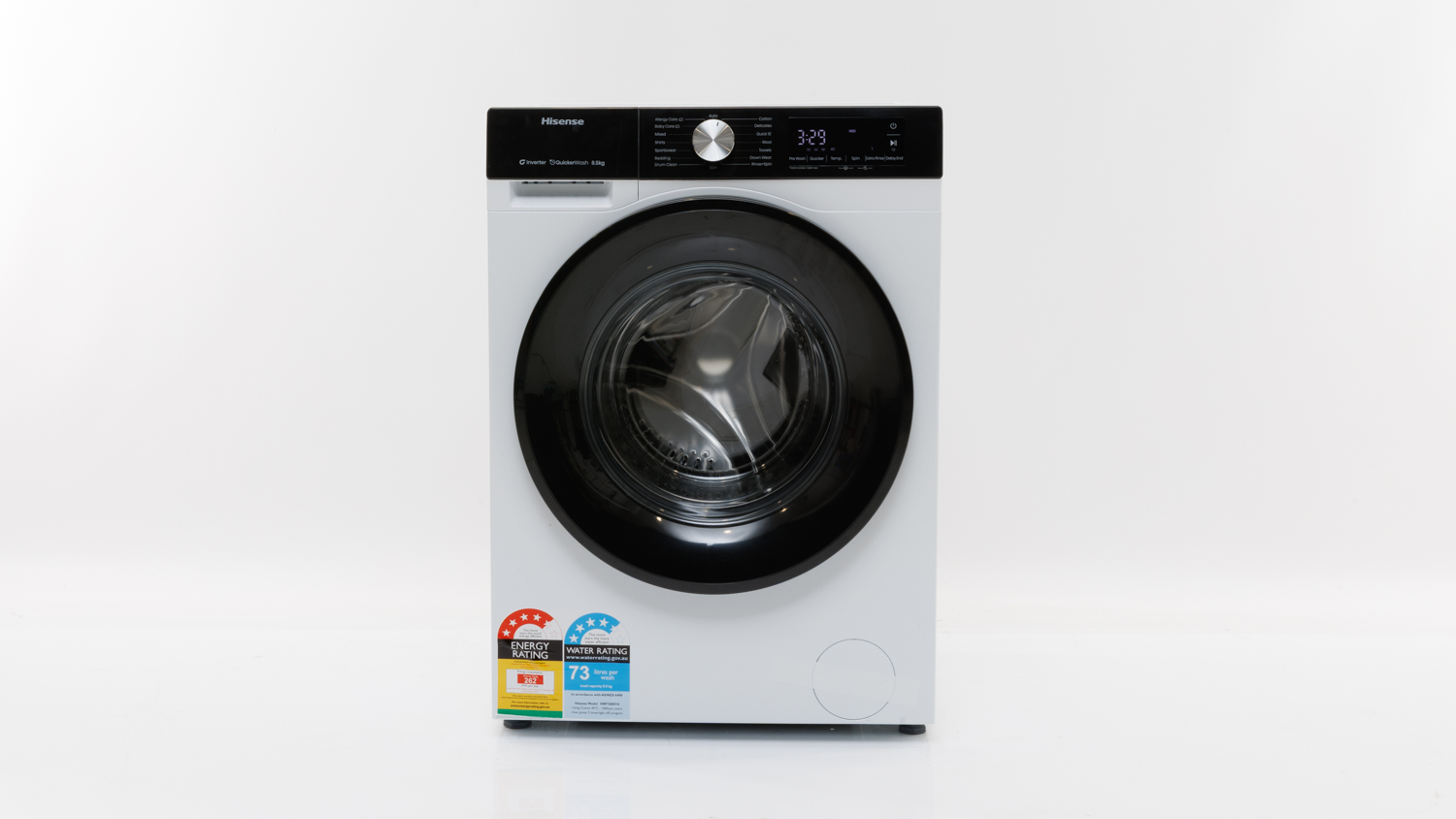
Hisense
HWF3S8514
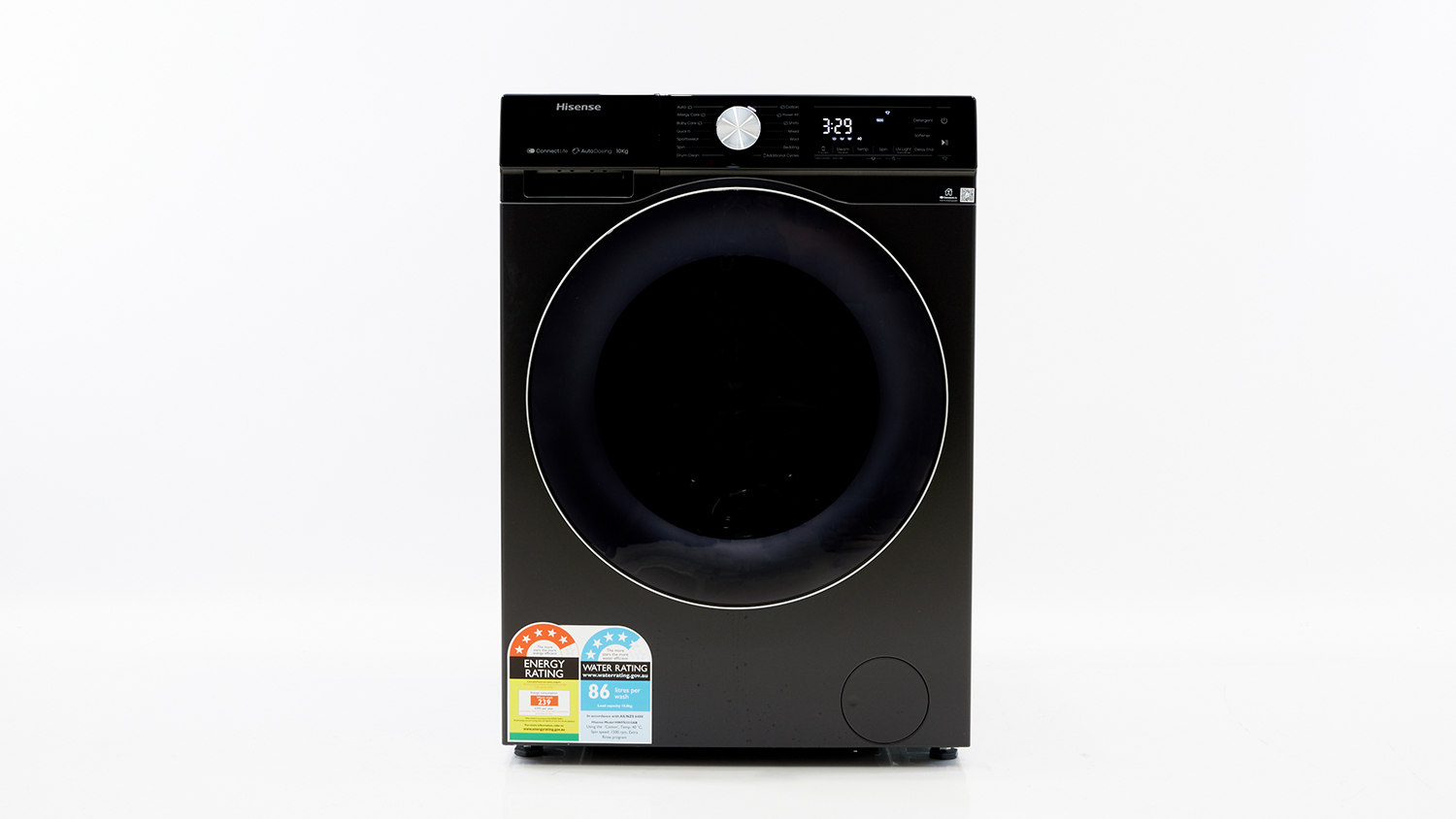
Hisense
HWFS1015AB
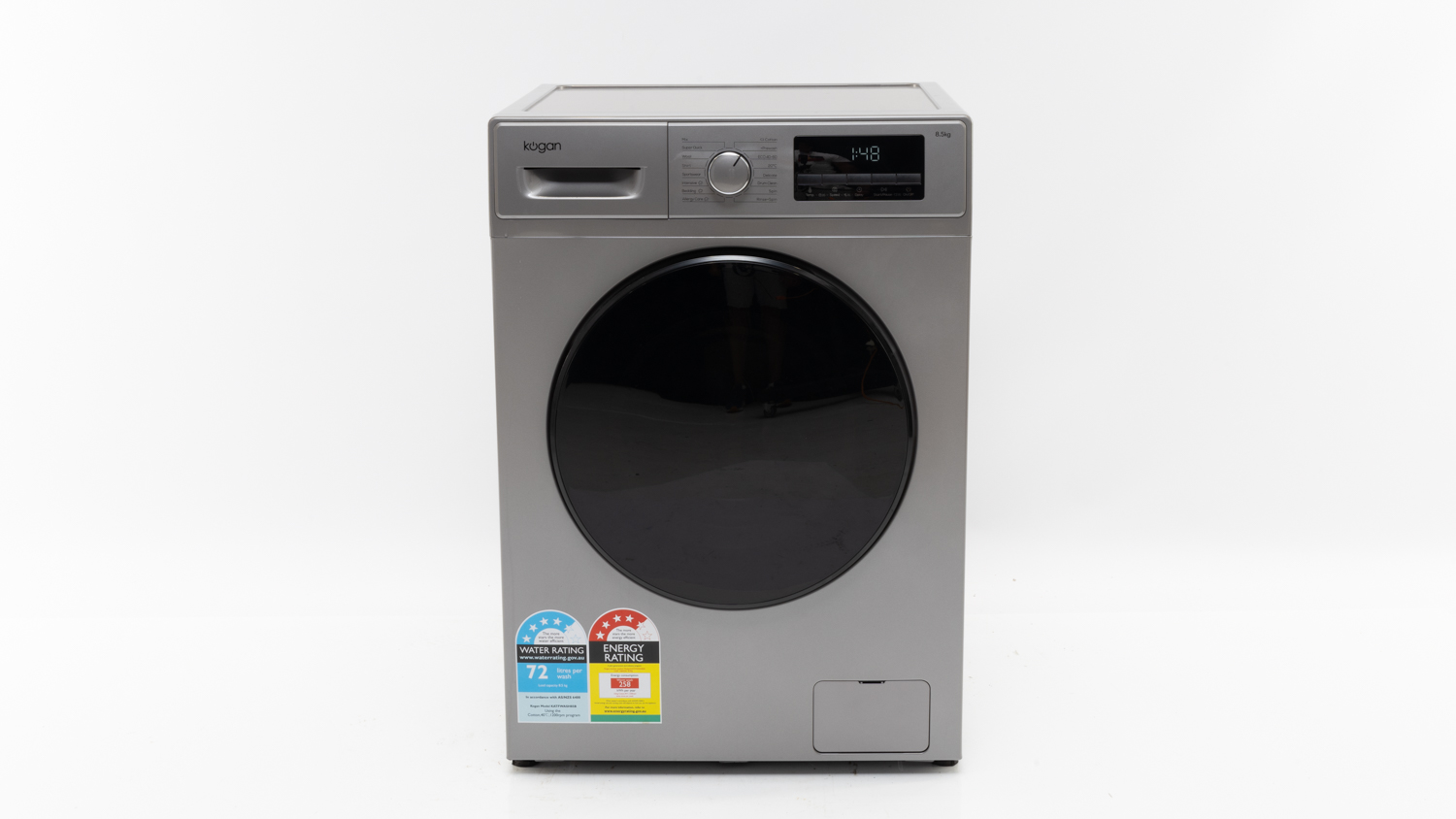
Kogan
KATFWASH85B
Kogan
KATFWASH85A
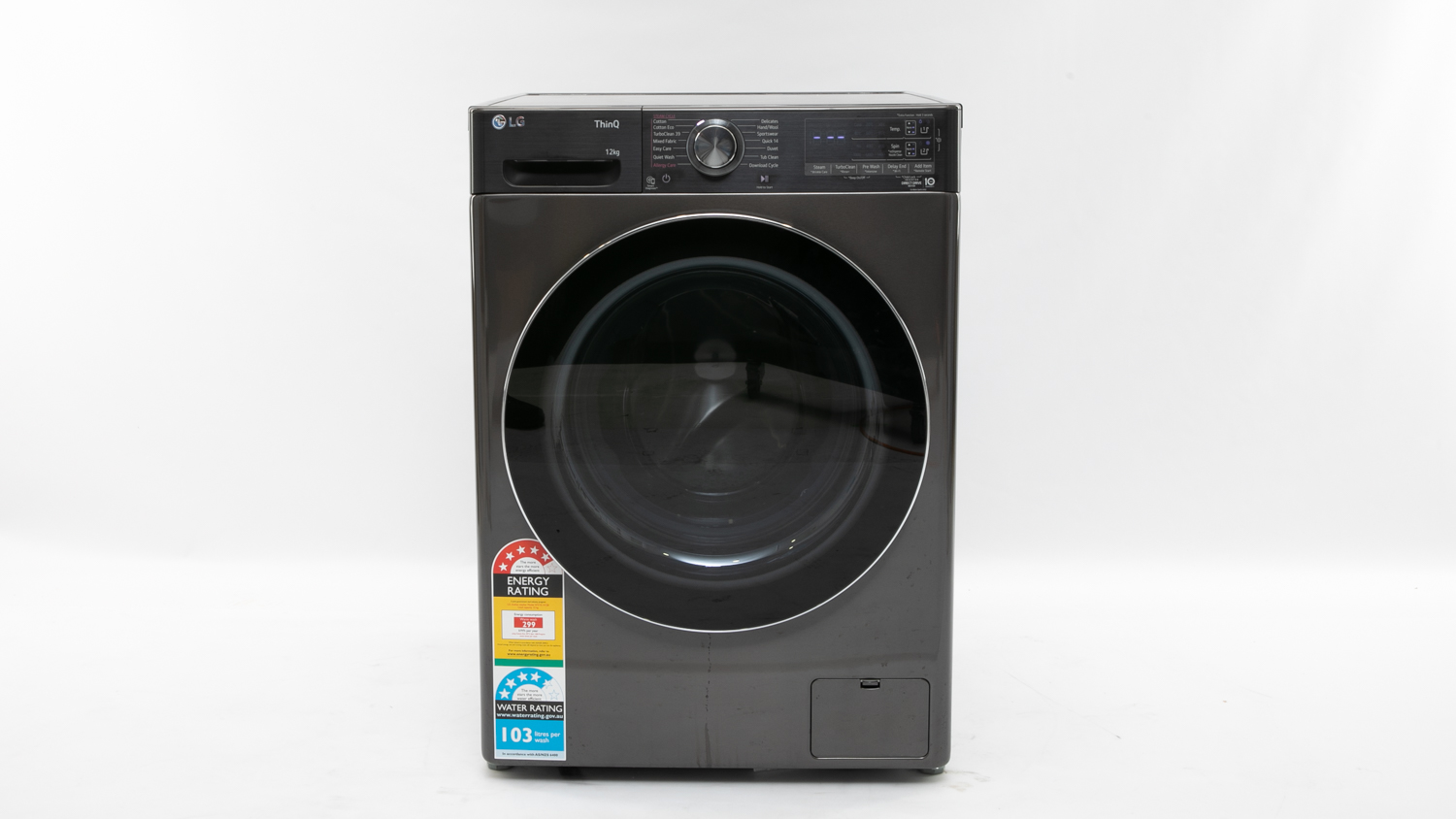
LG
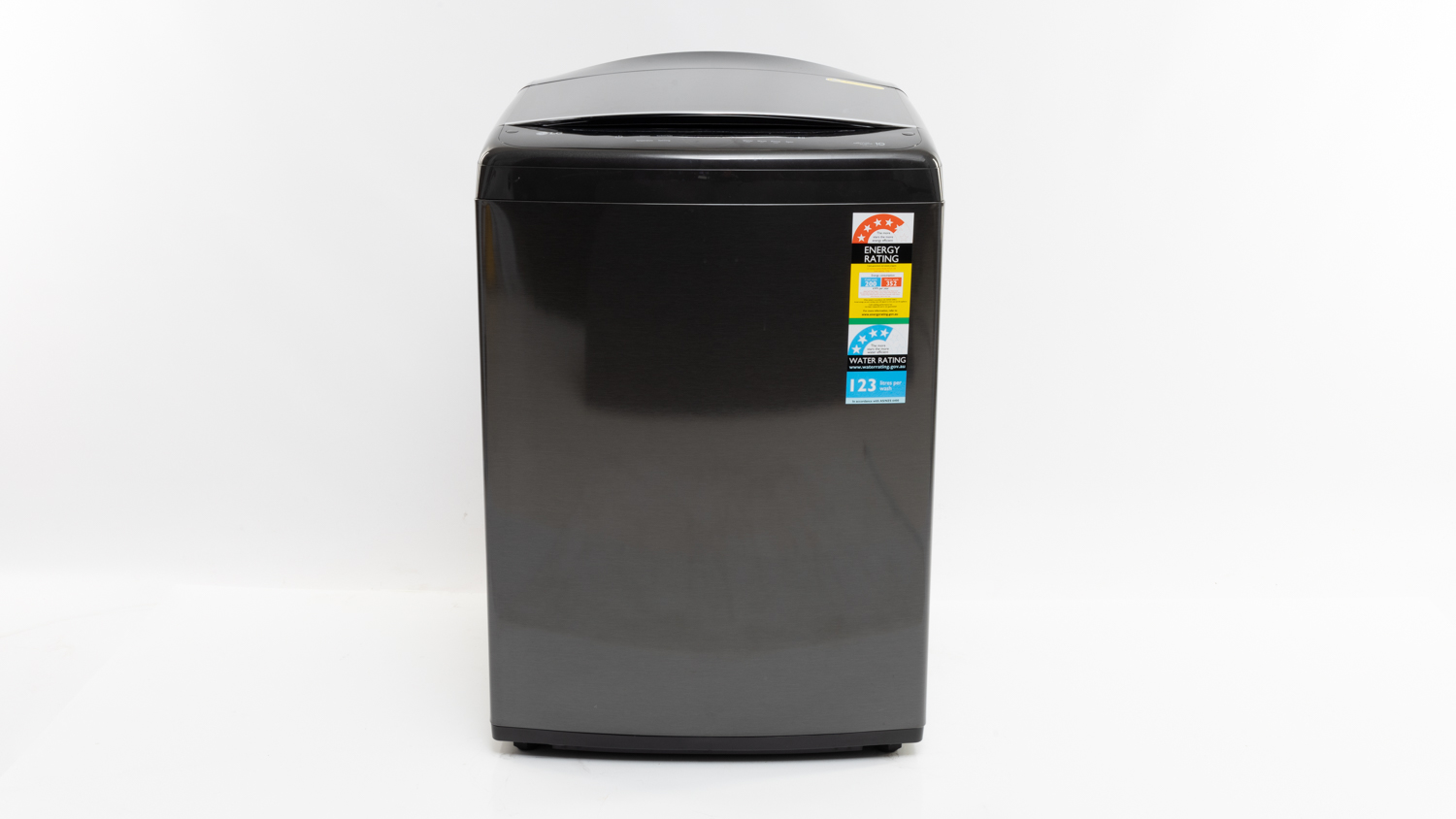
WV10-1412B
LG
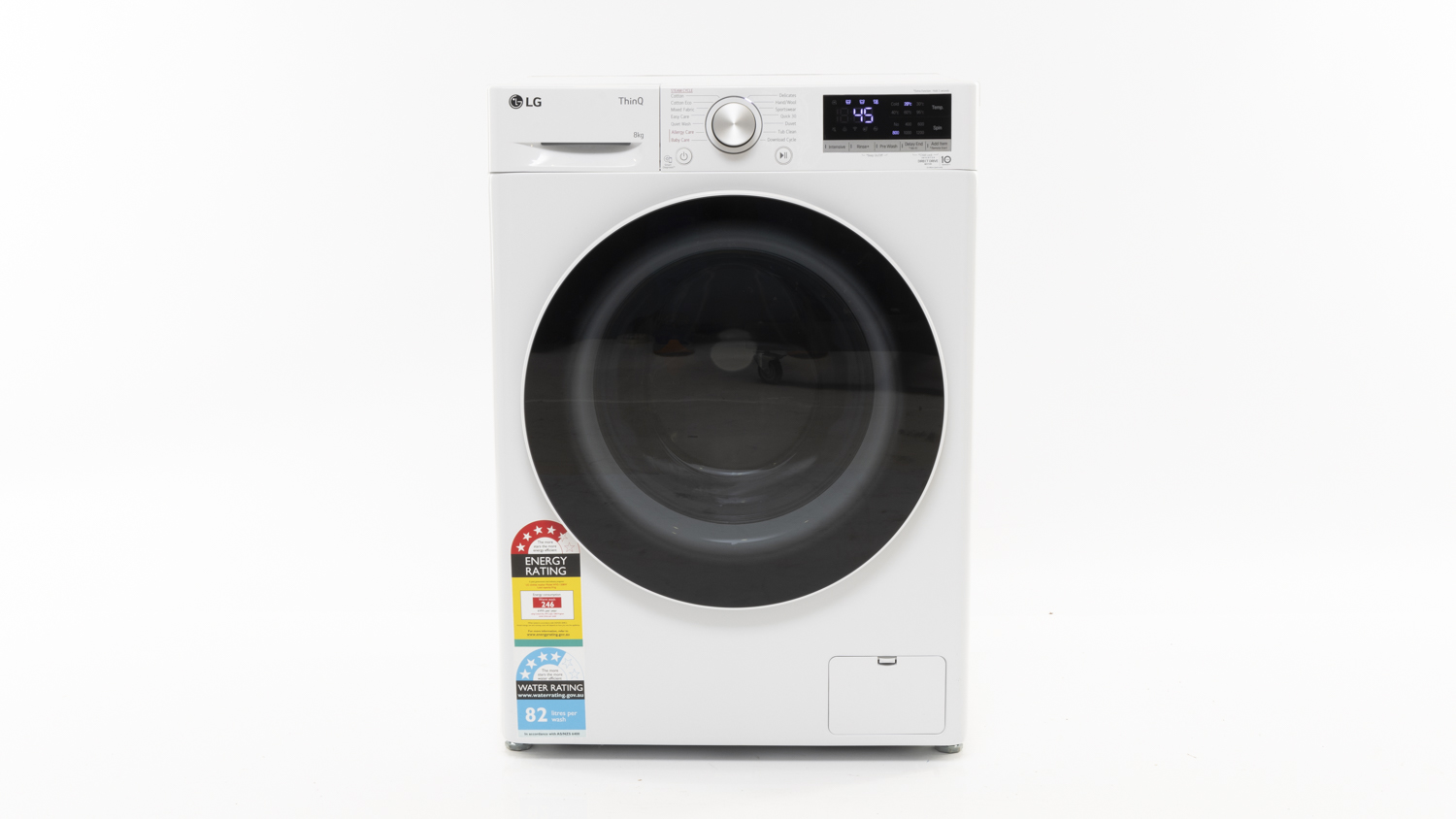
WTL9-12B
LG
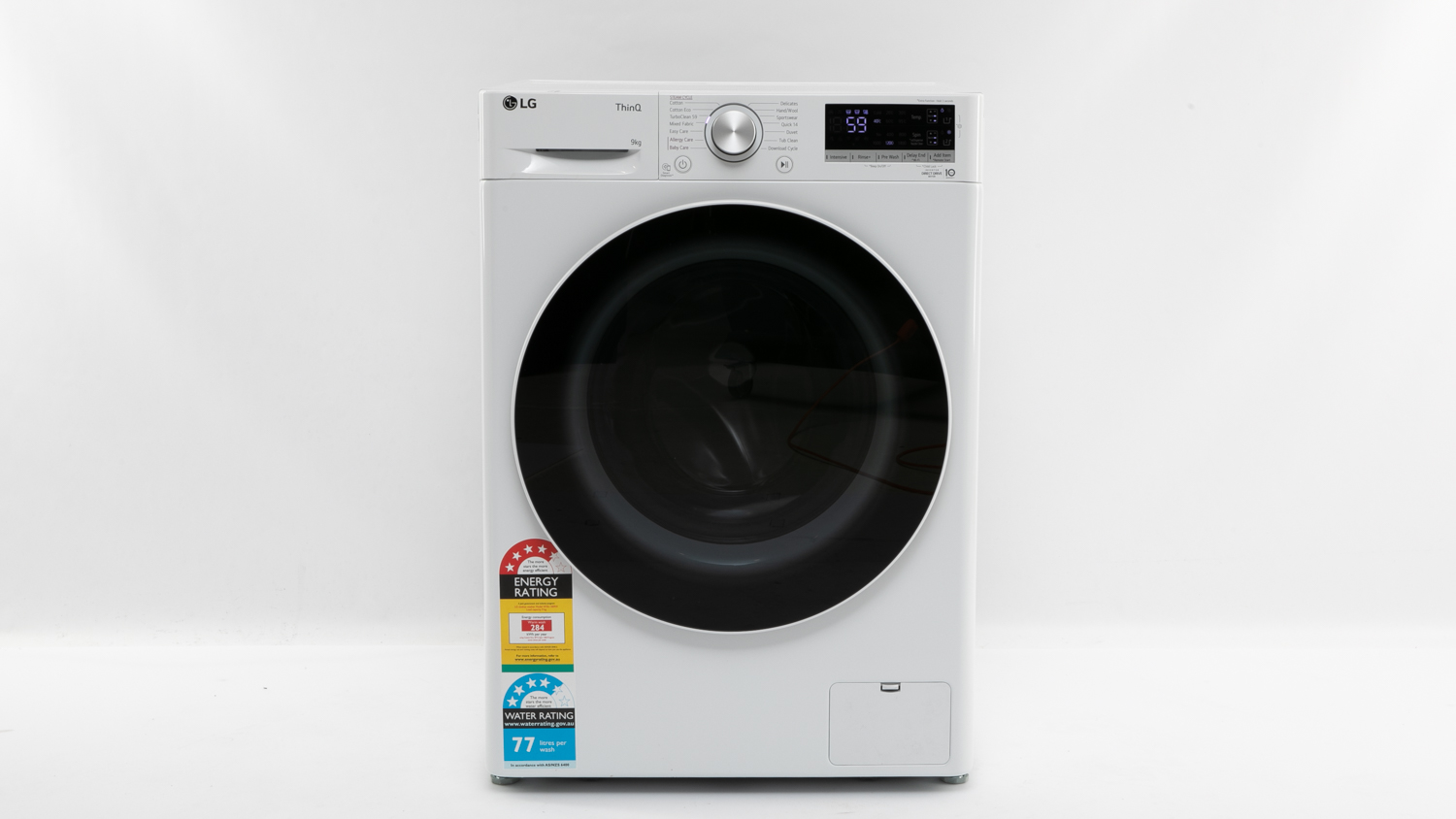
WV5-1208W
LG
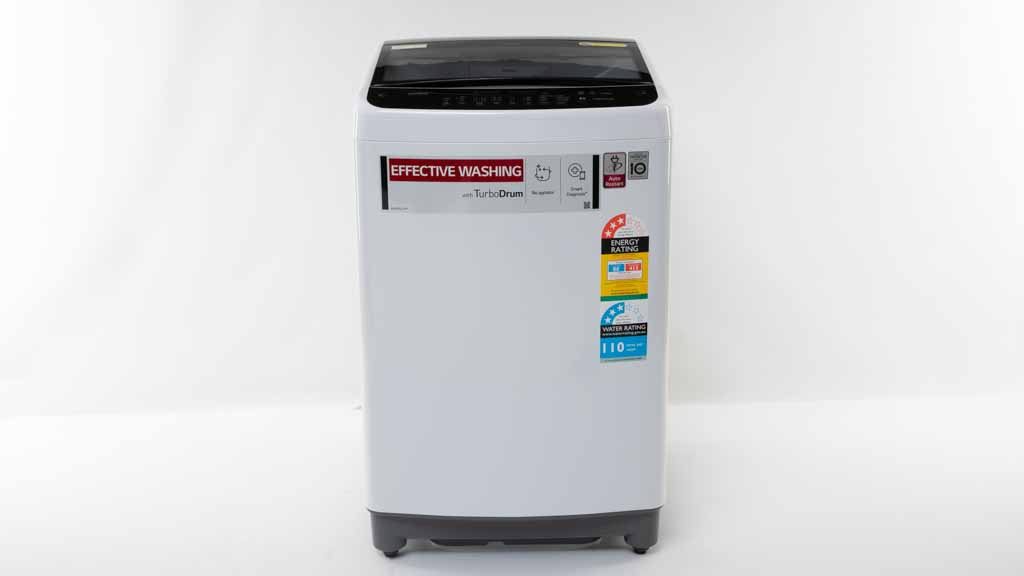
WV6-1409W
LG
WTG7520
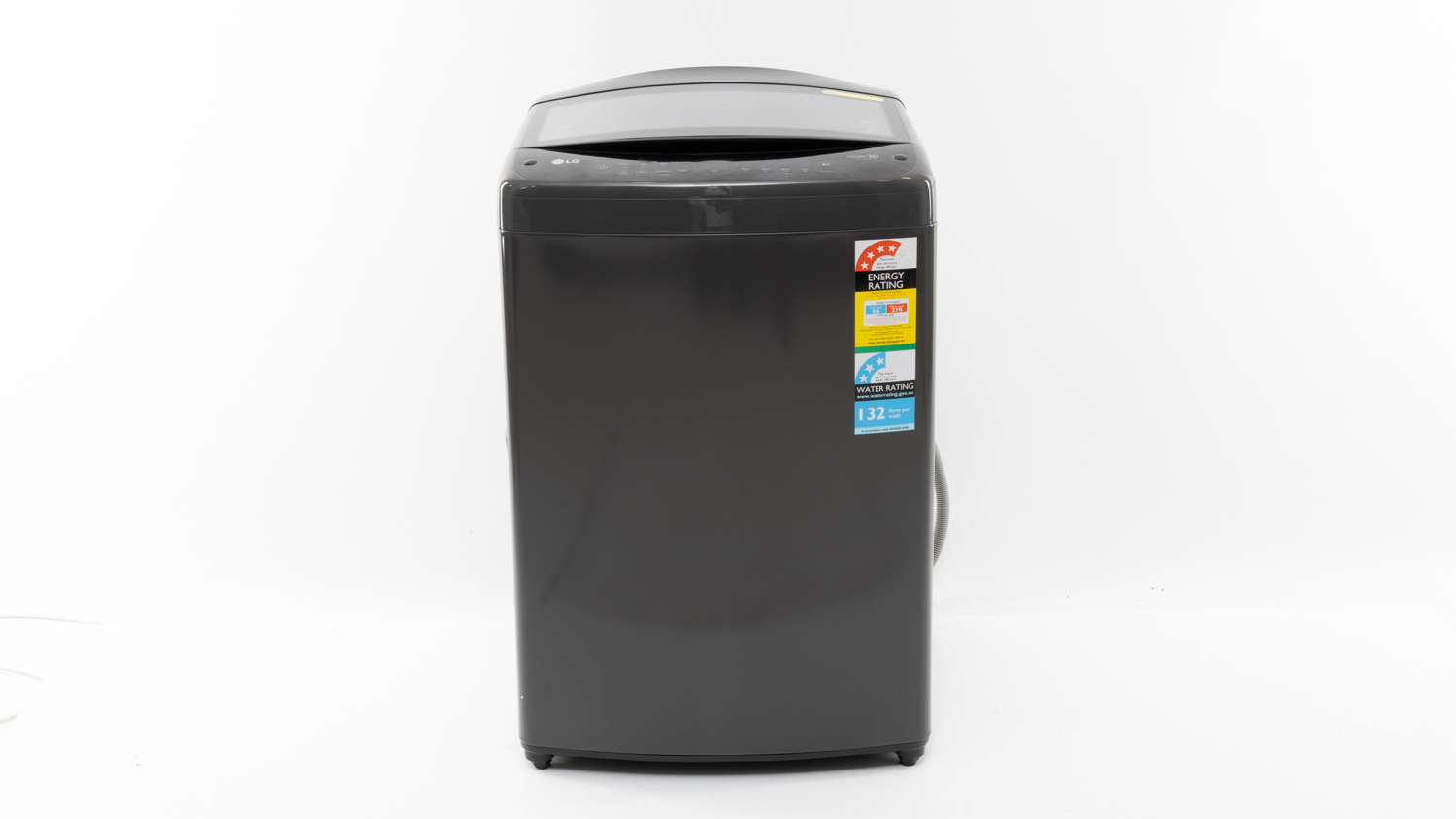
LG
WTL3-09G
LG
WV5-1409W
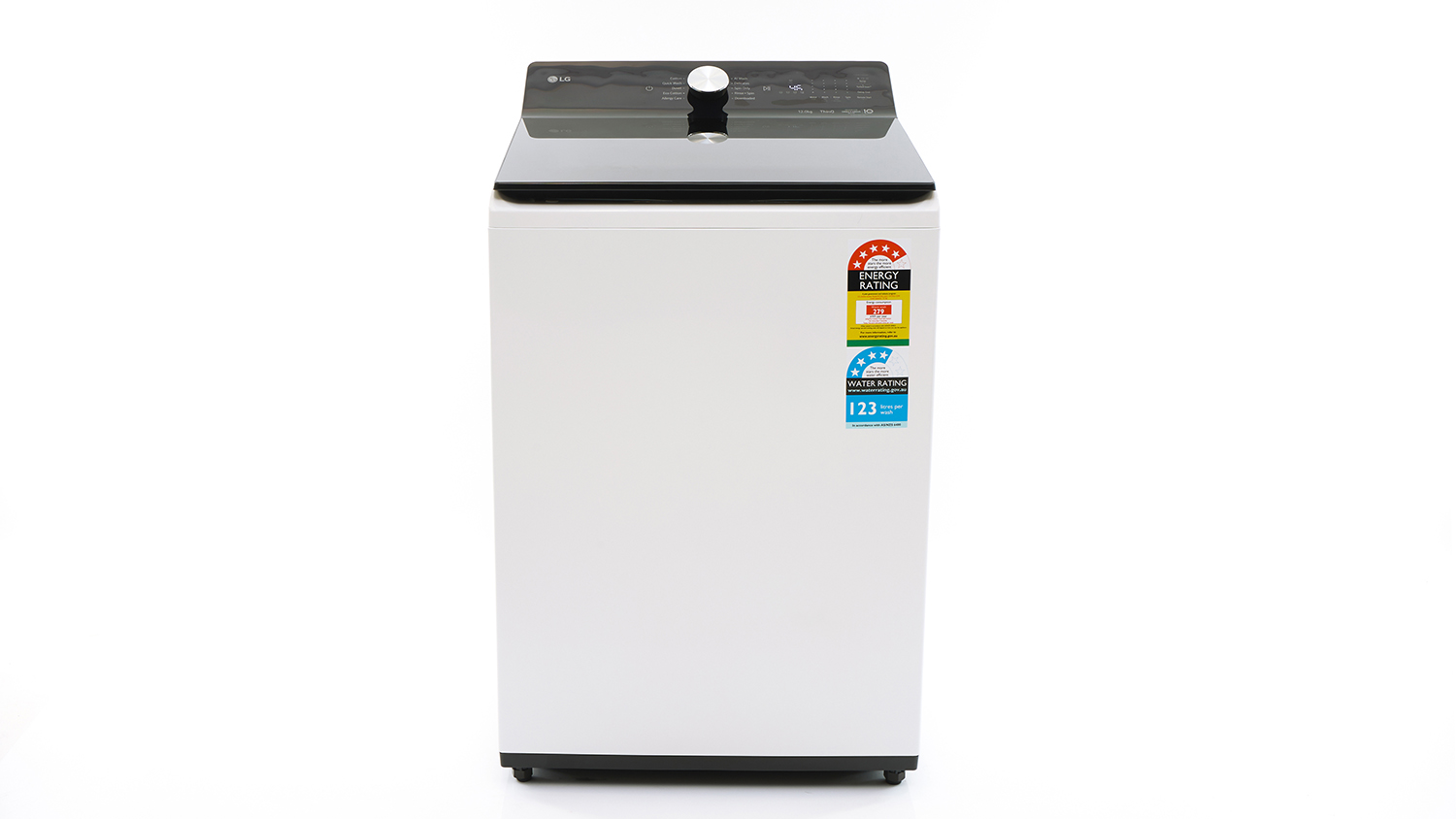
LG
WTX5-12W
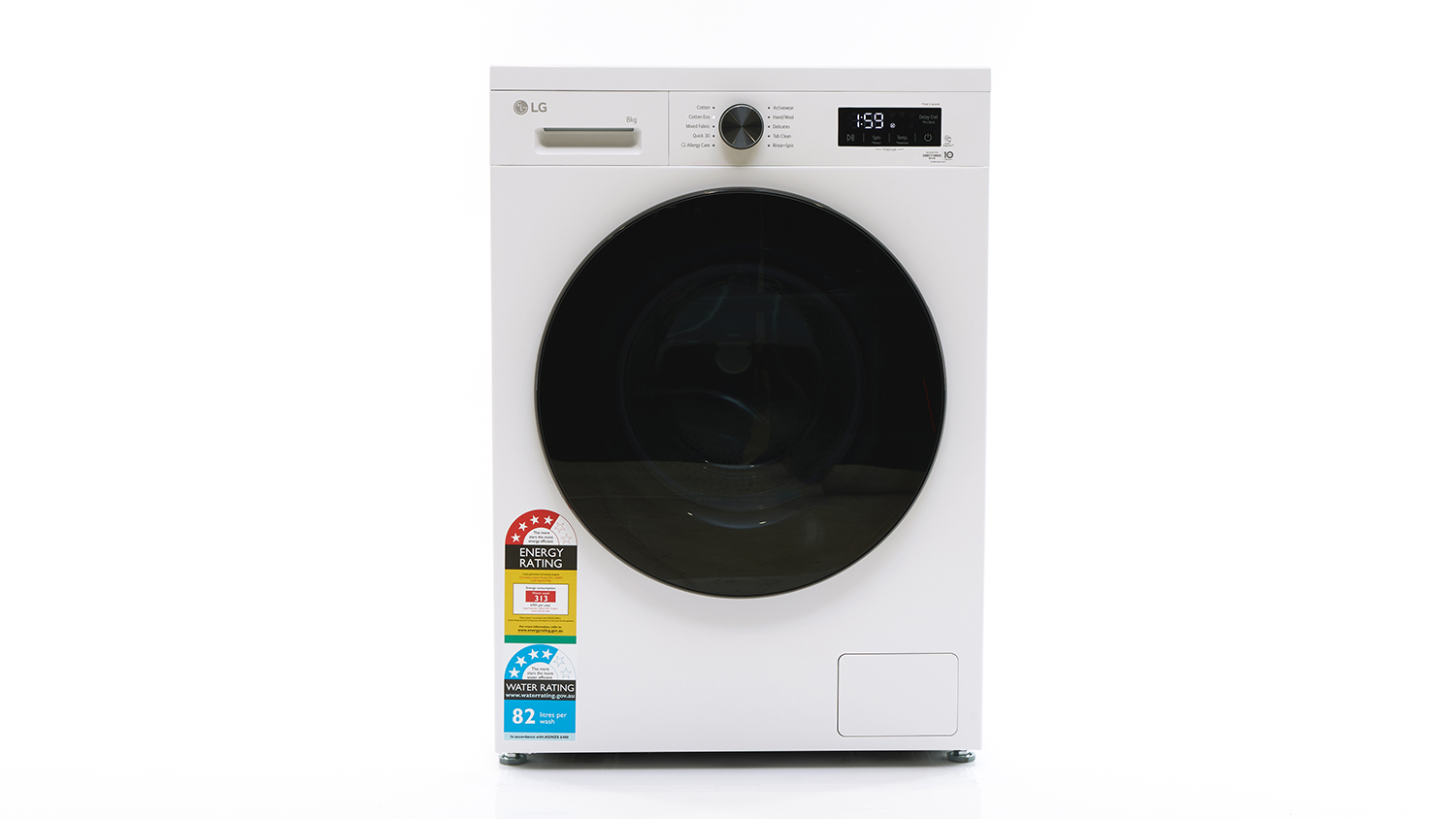
LG
WV1-1208W
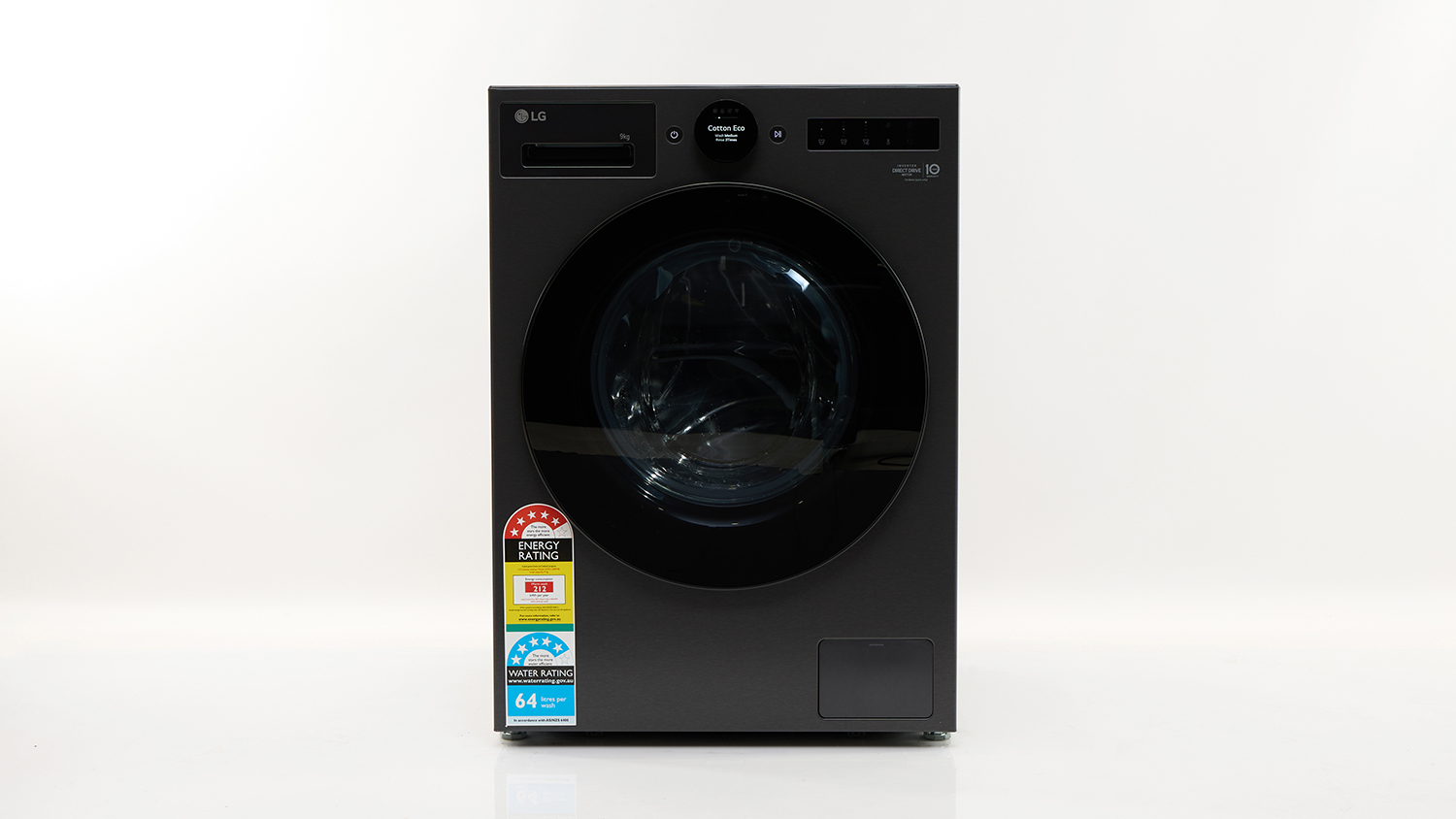
LG
WX9-1409MB
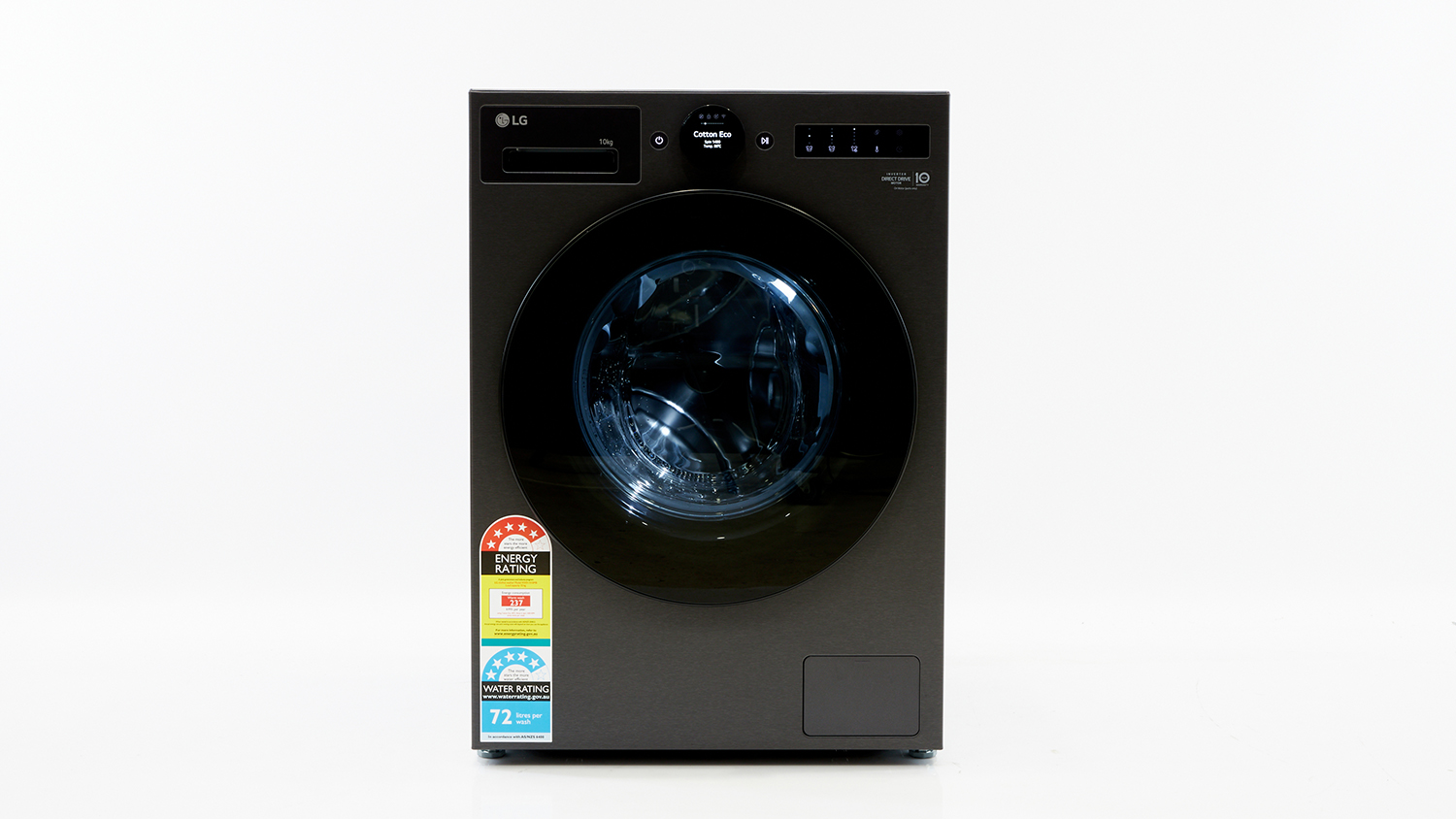
LG
WX9-1410MB
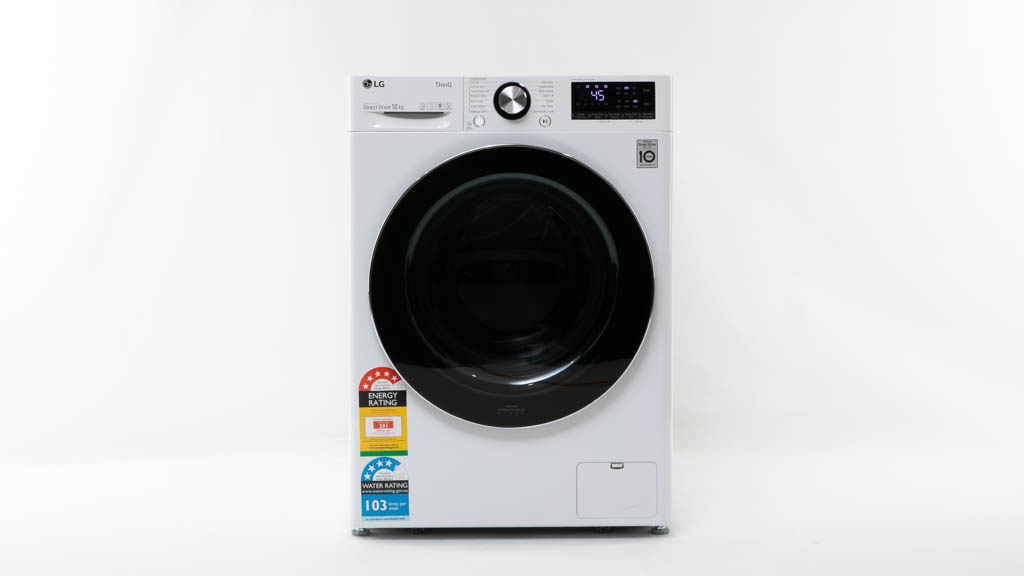
LG
WV9-1412W
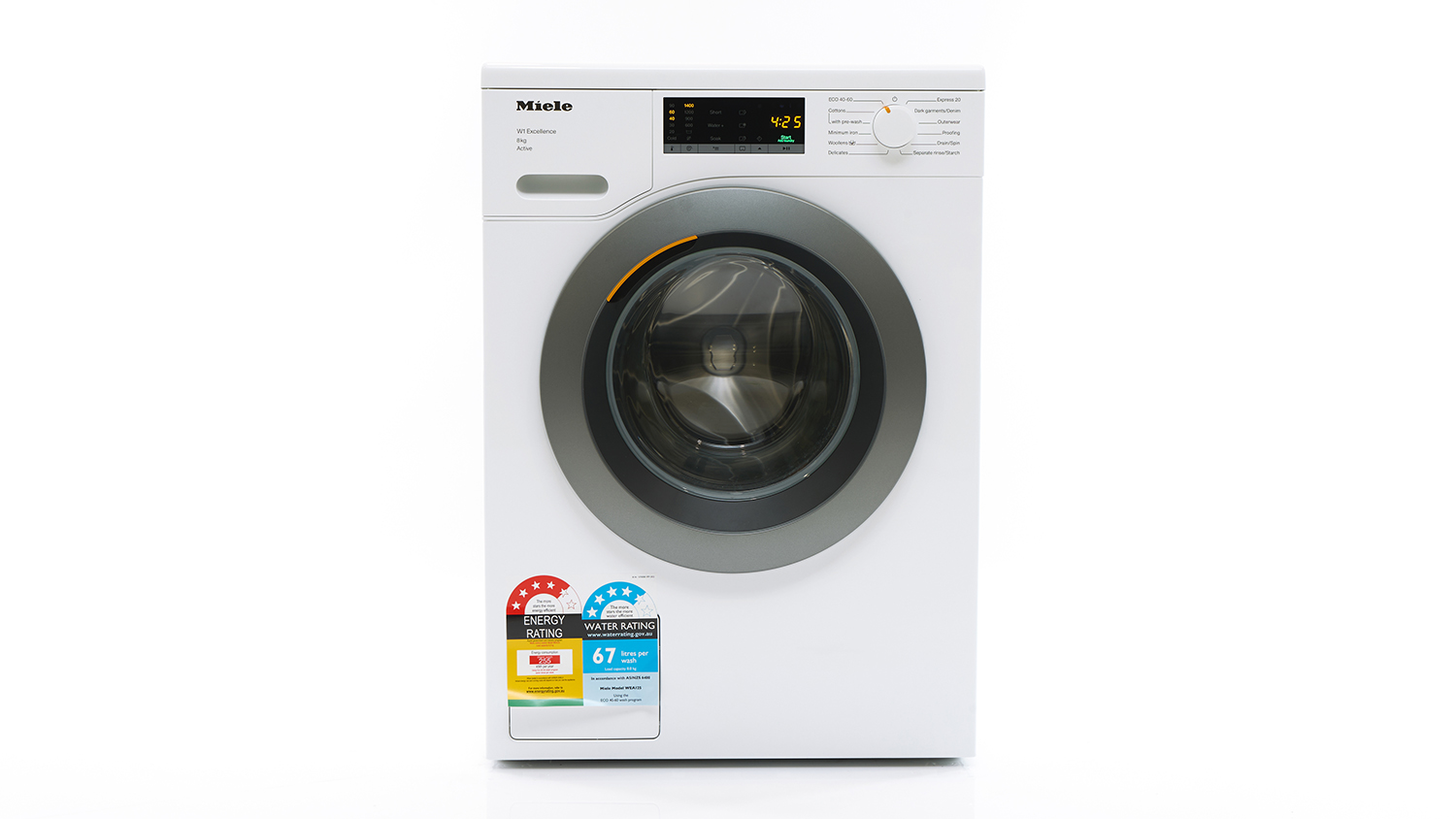
Miele
WEA125 WCS
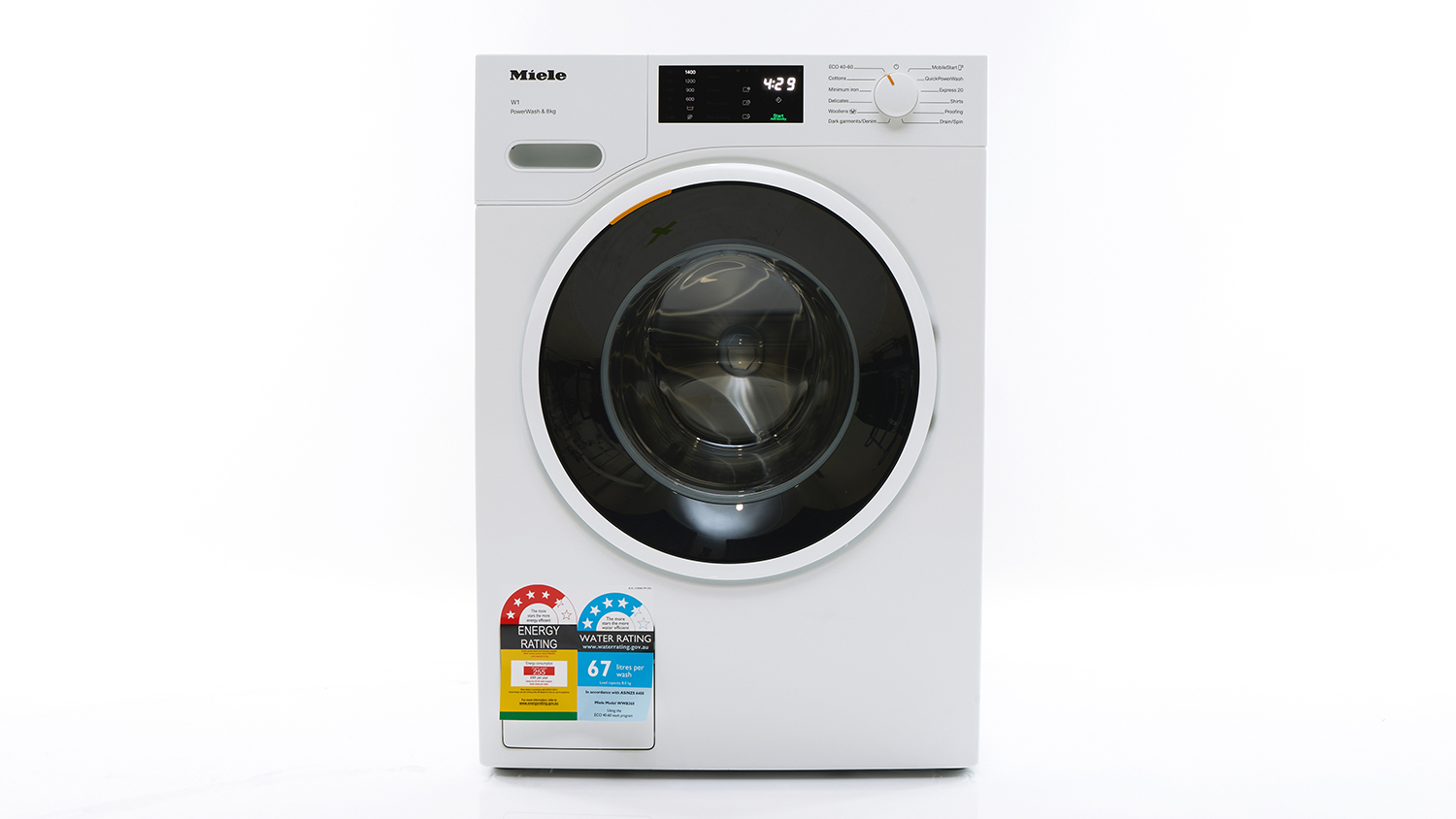
Miele
WWB360 WCS
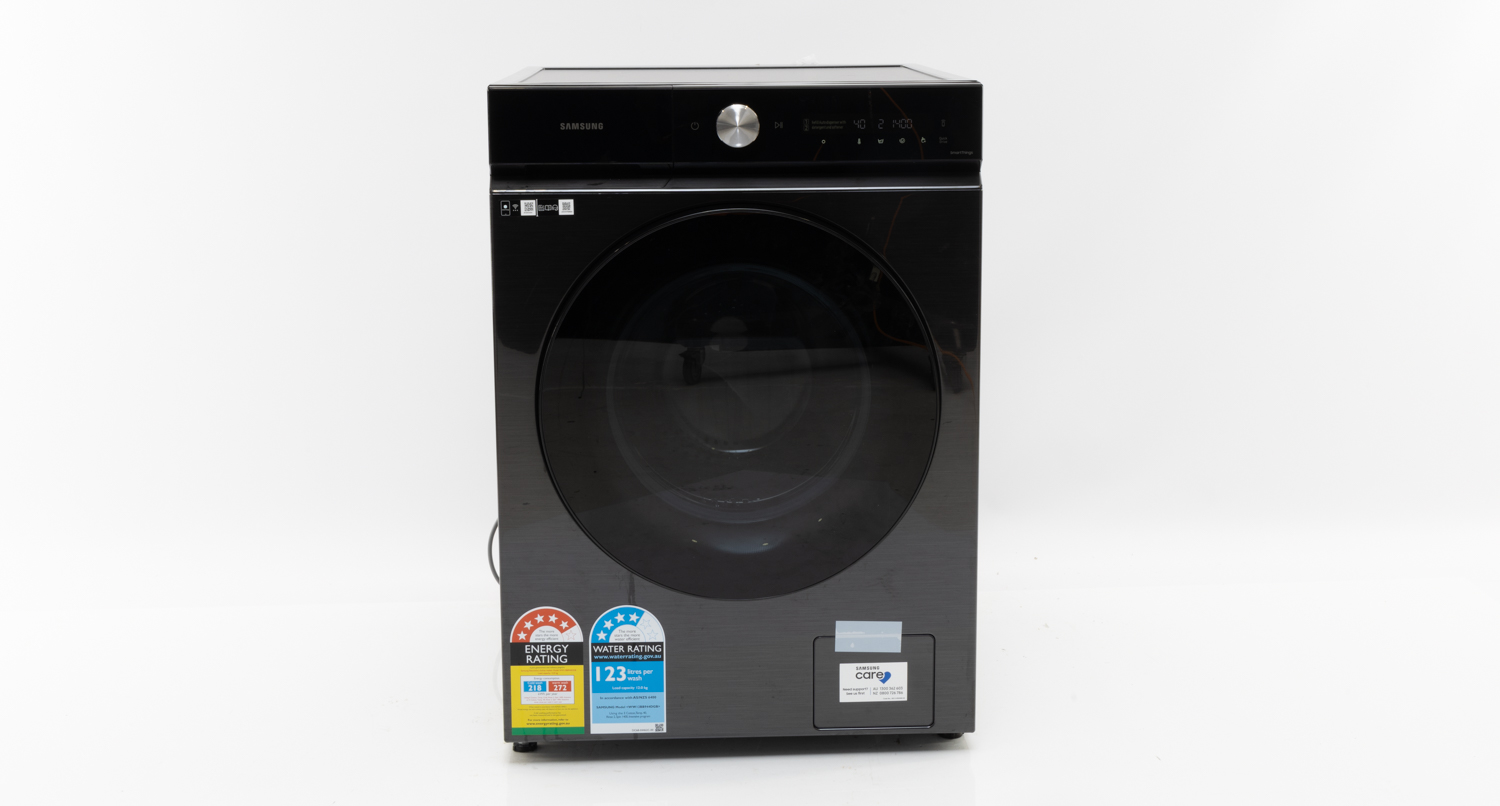
Samsung
WW12BB944DGBSA
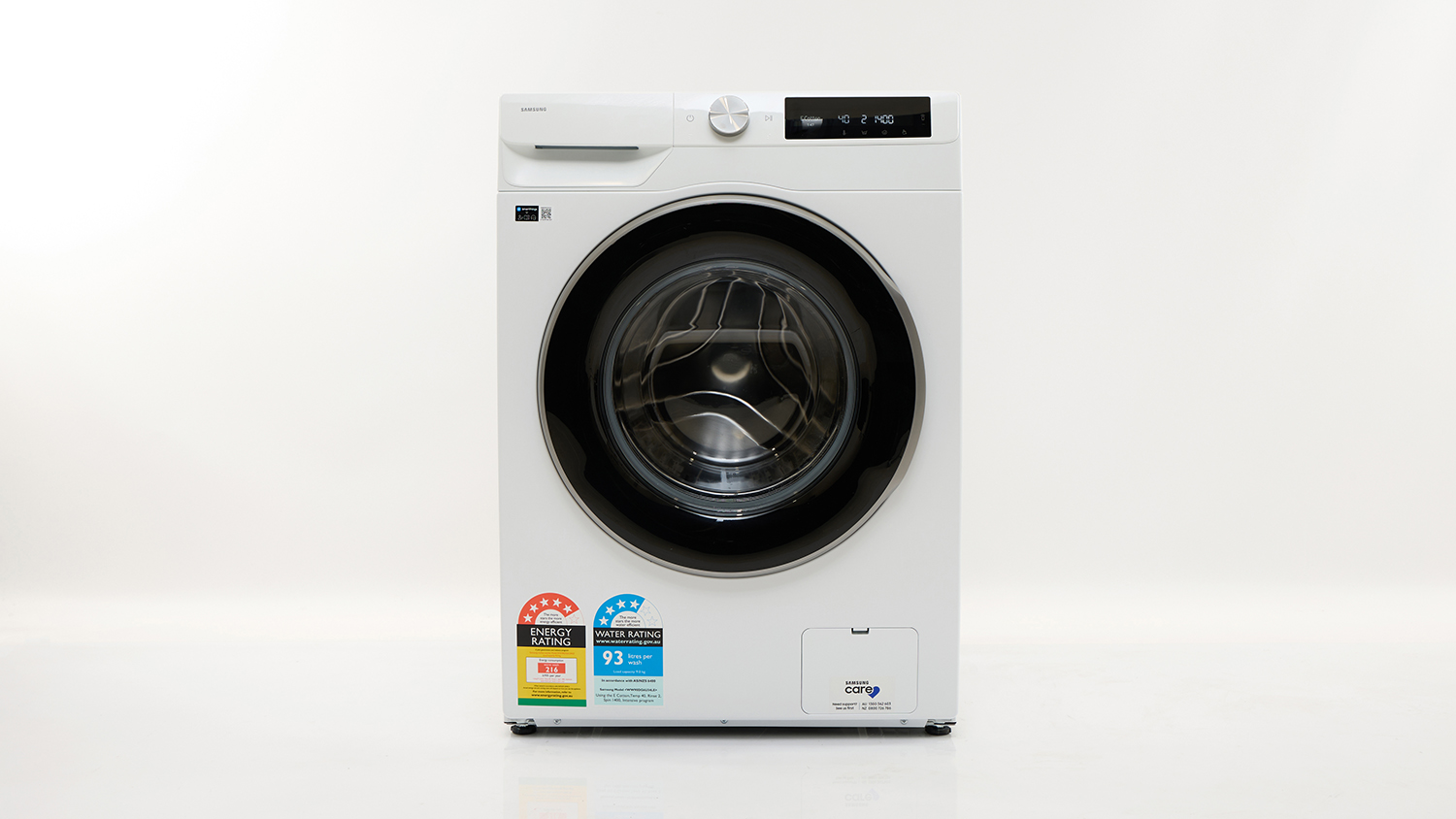
Samsung
WW90DG6U34LE
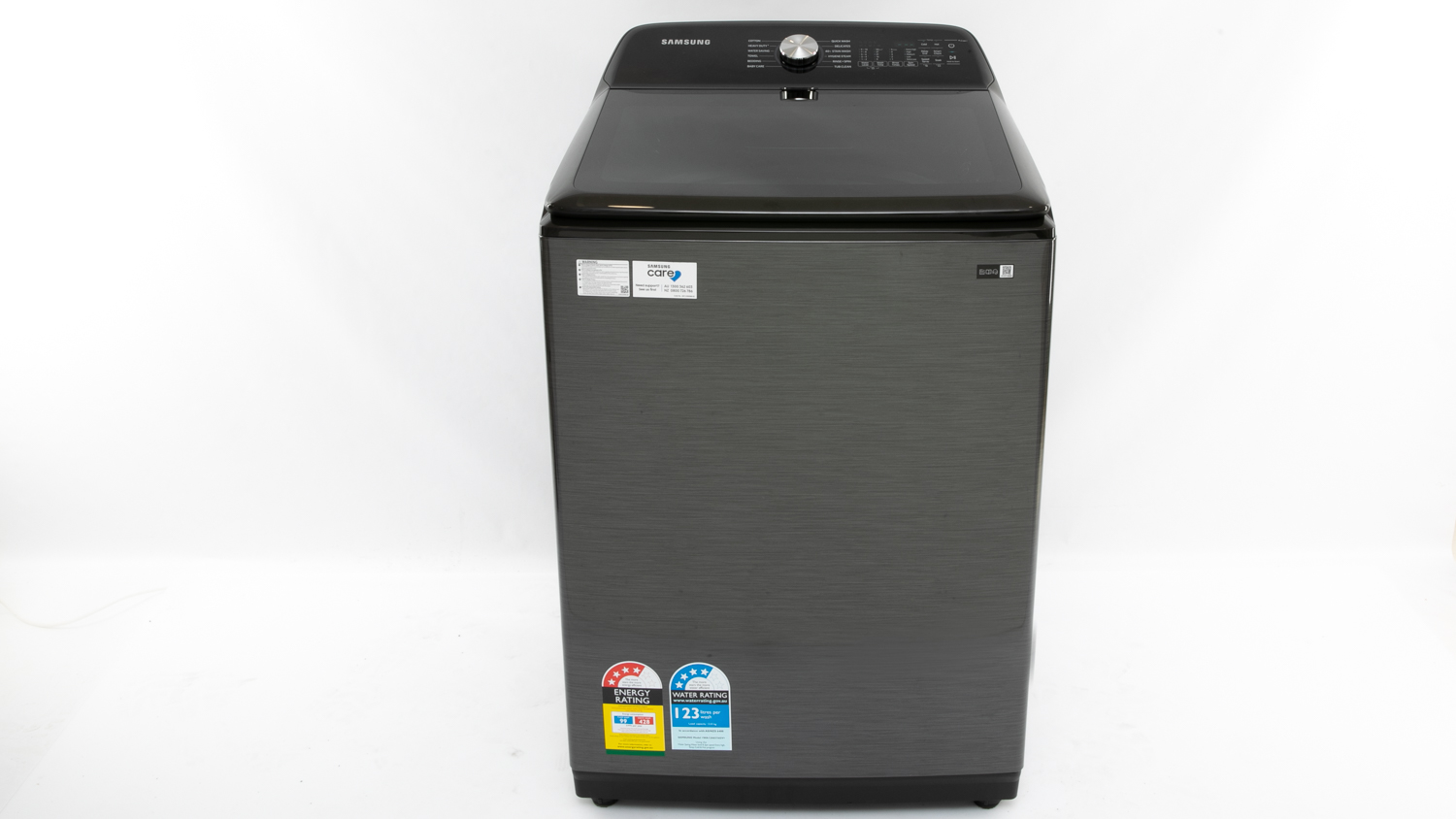
Samsung
WA12A8376GV
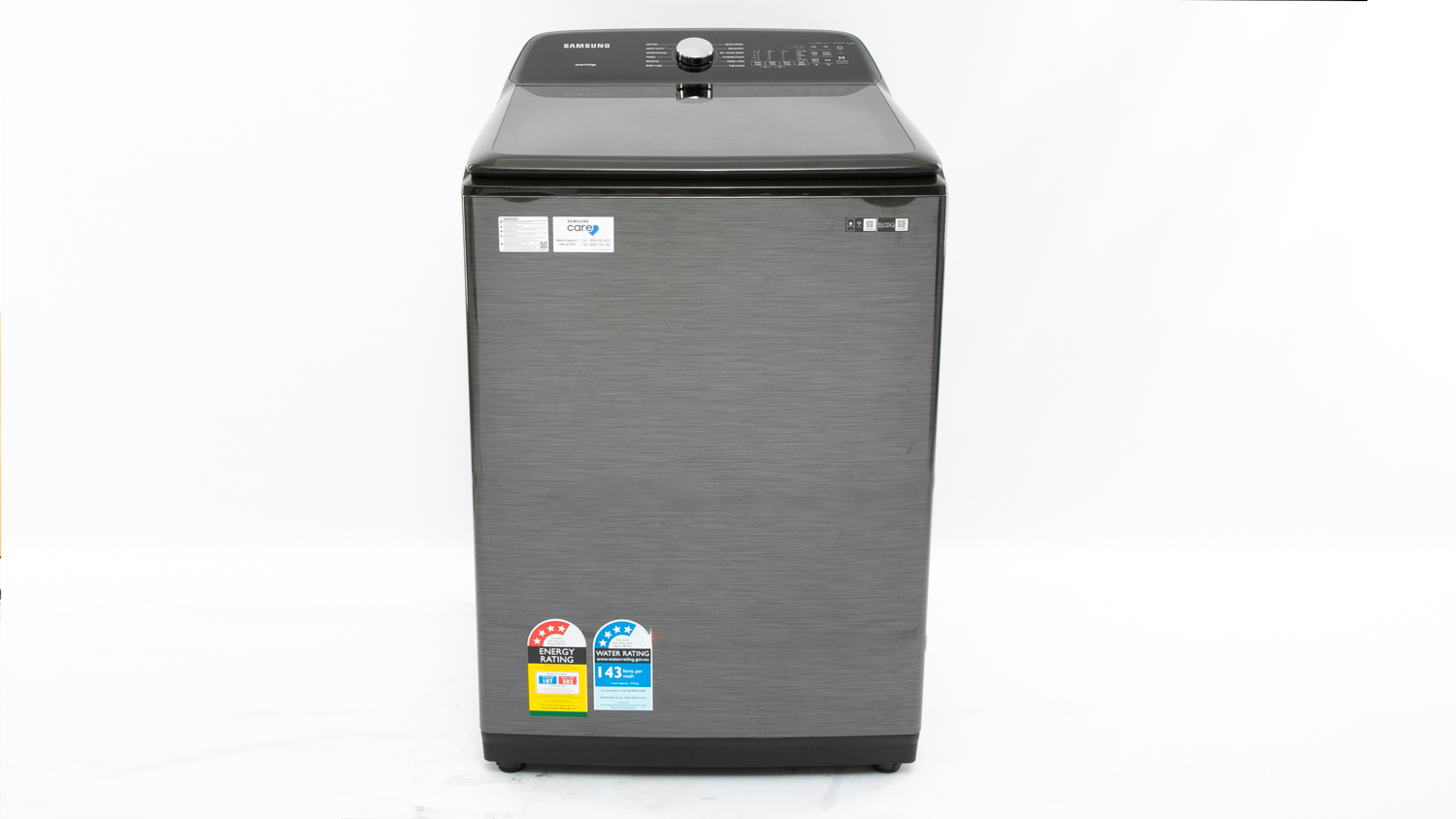
Samsung
WA14A8377GV
Samsung
WA12A8376GW
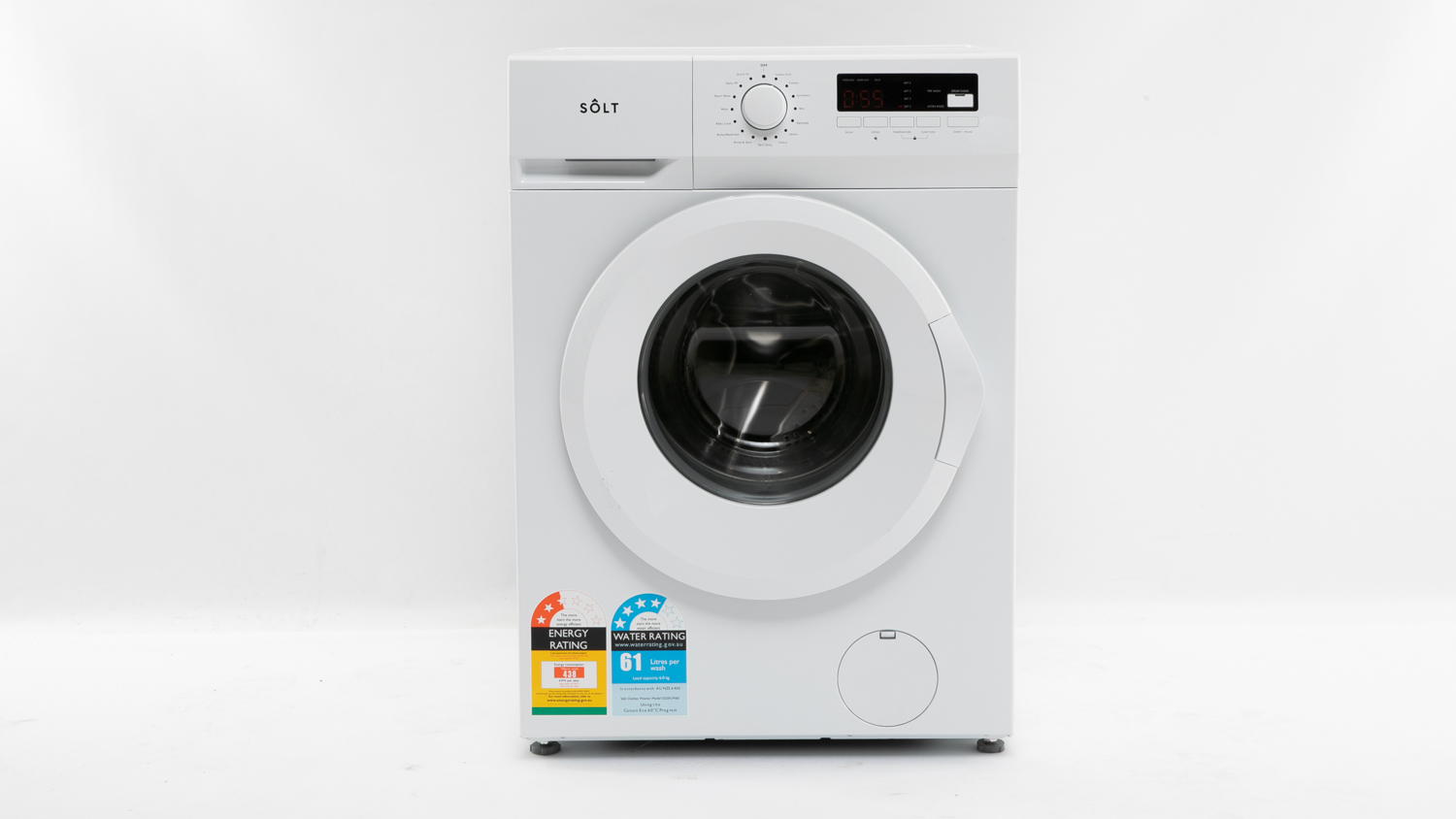
Solt
GGSFLW60
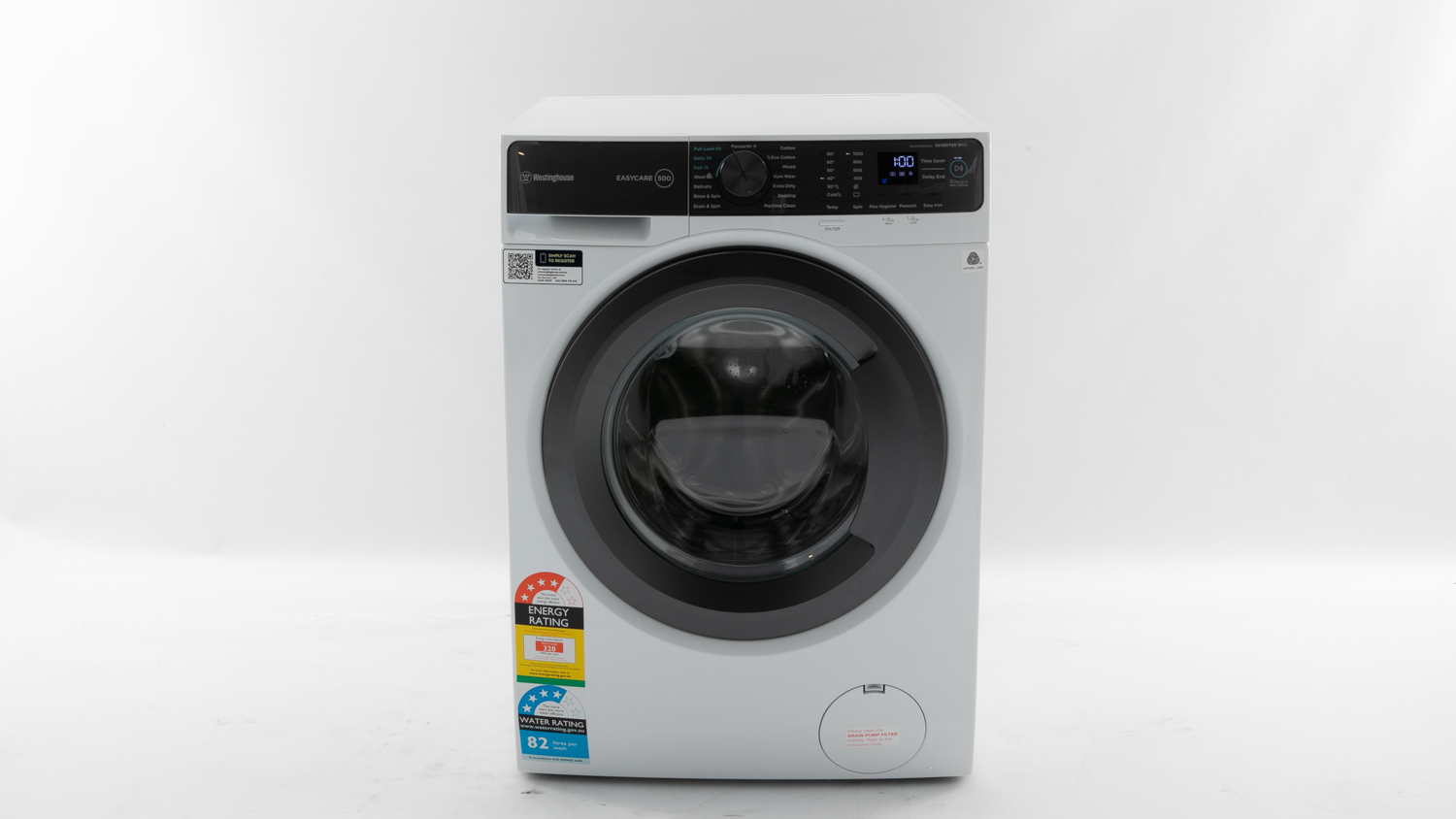
Westinghouse
WWF9024M5WA
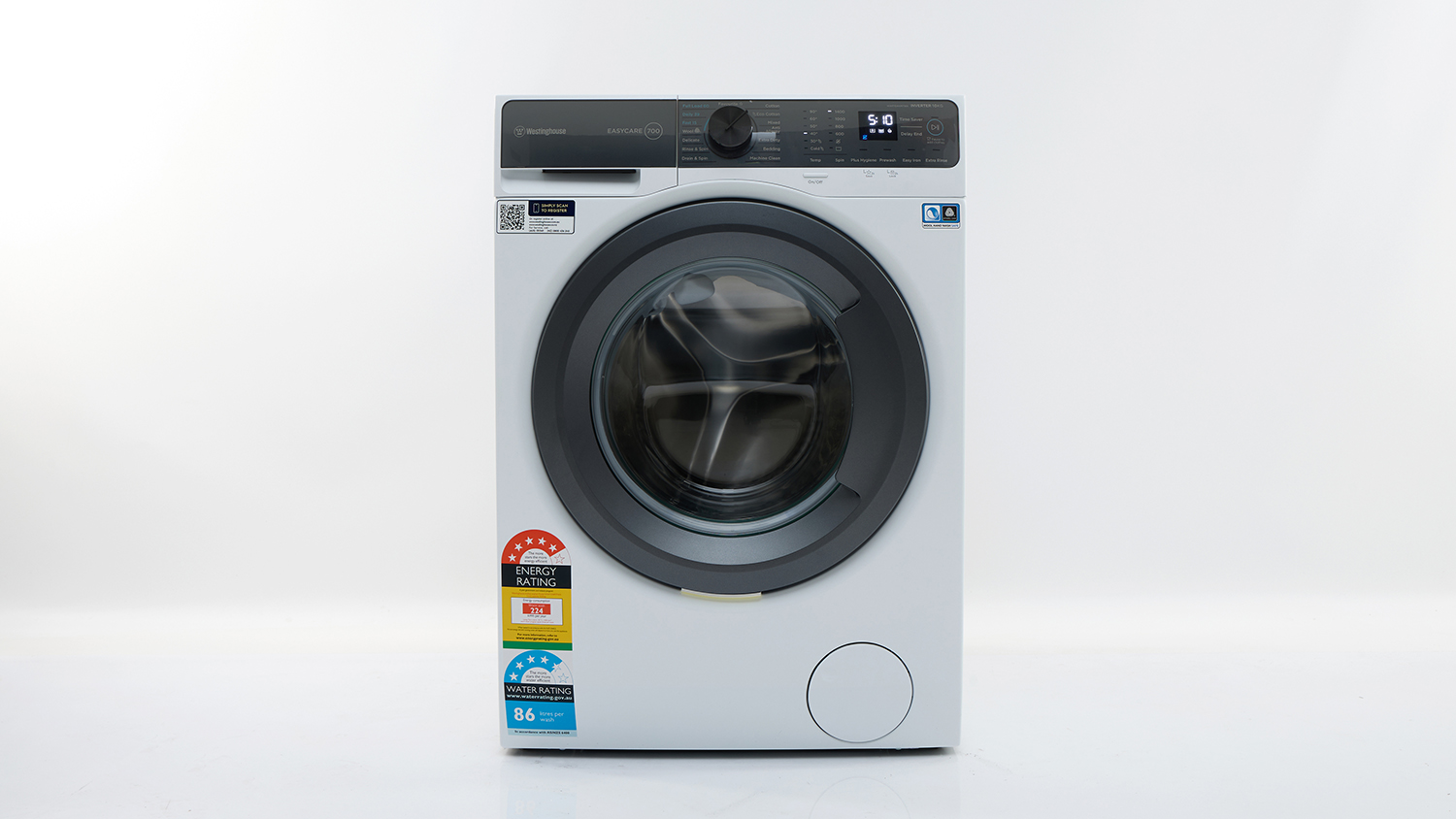
Westinghouse
WWF1044M7WA
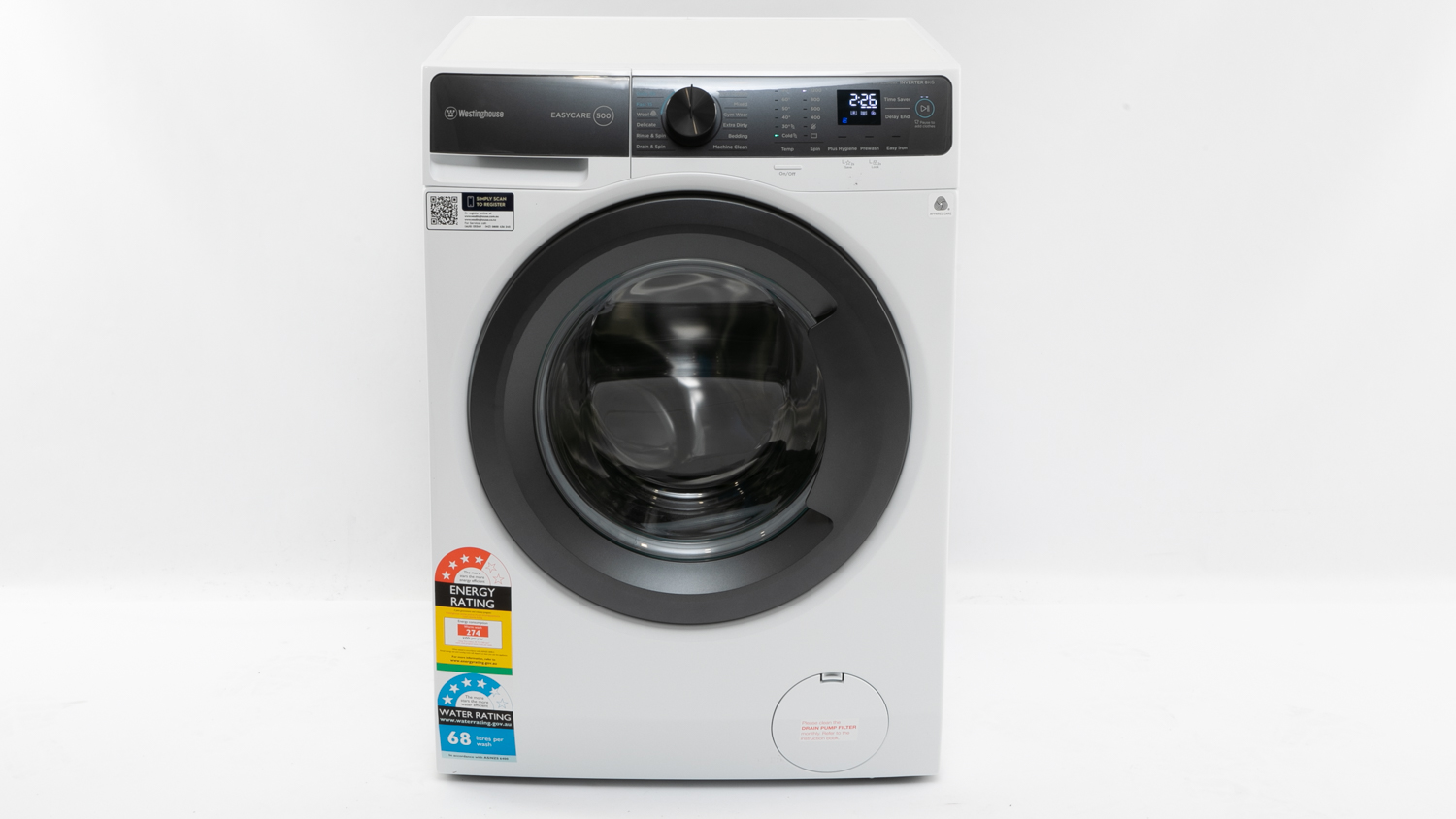
Westinghouse
WWF8024M5WA
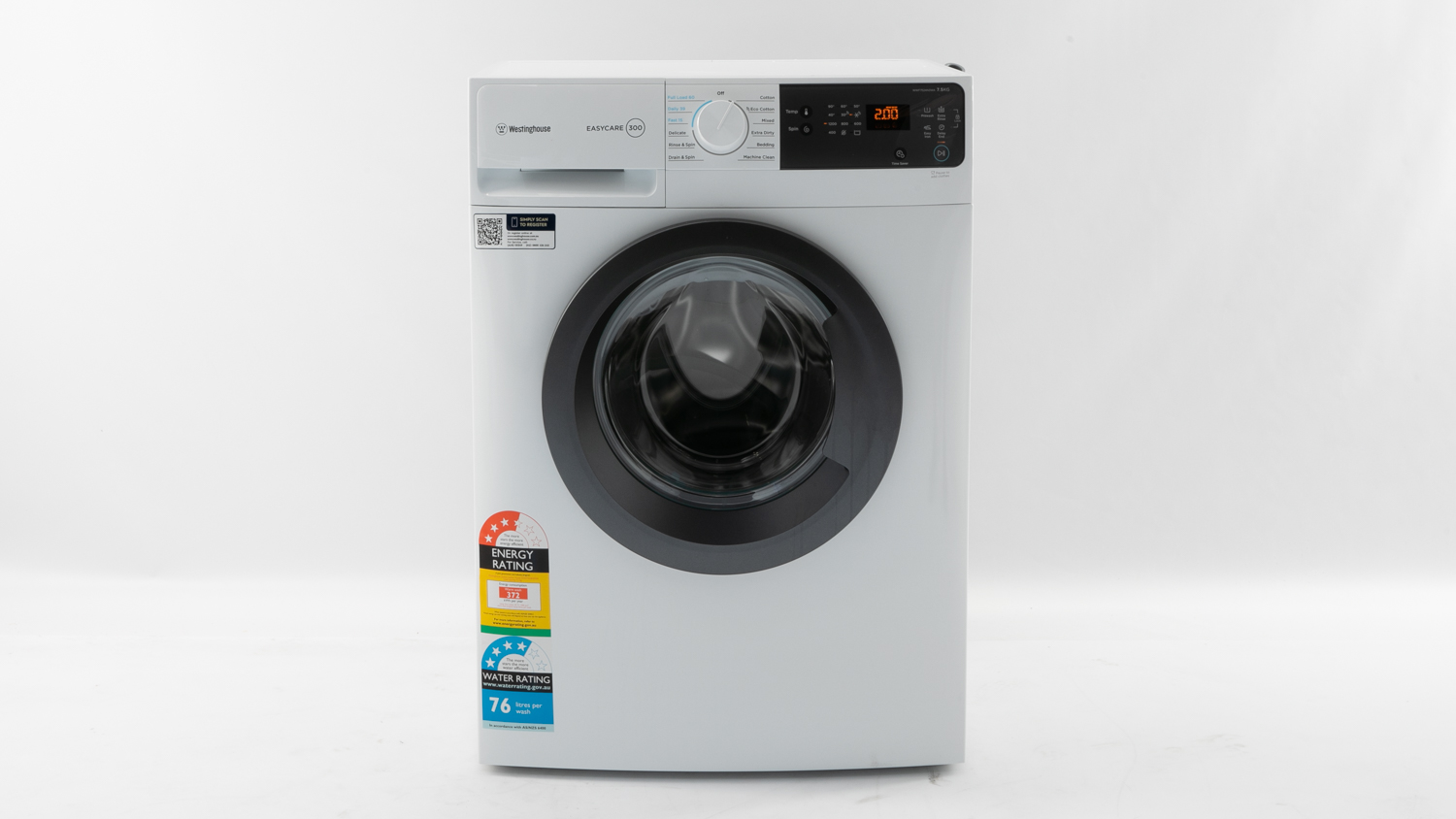
Westinghouse
WWF7524N3WA
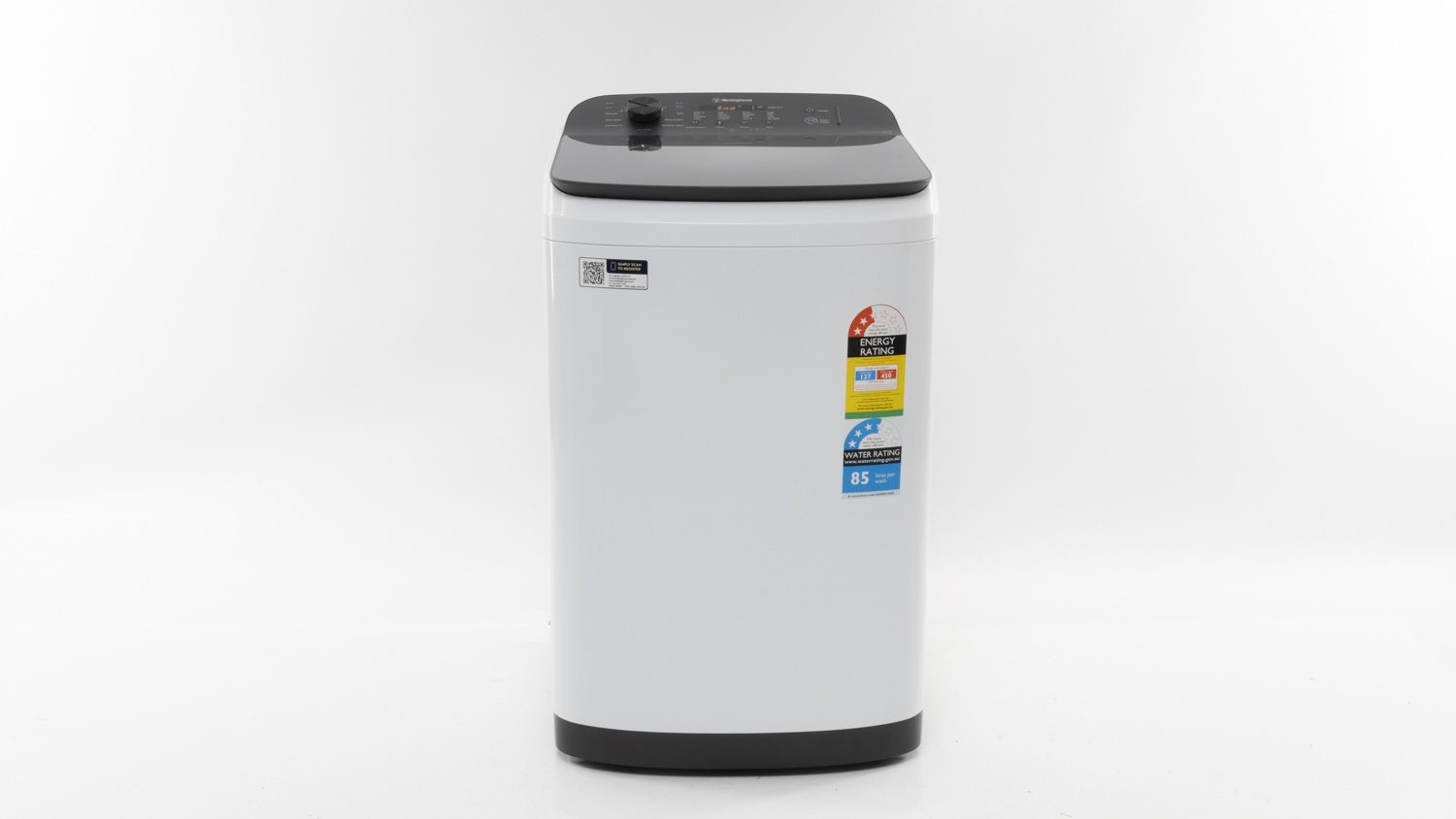
Westinghouse
WWT7084J5WA
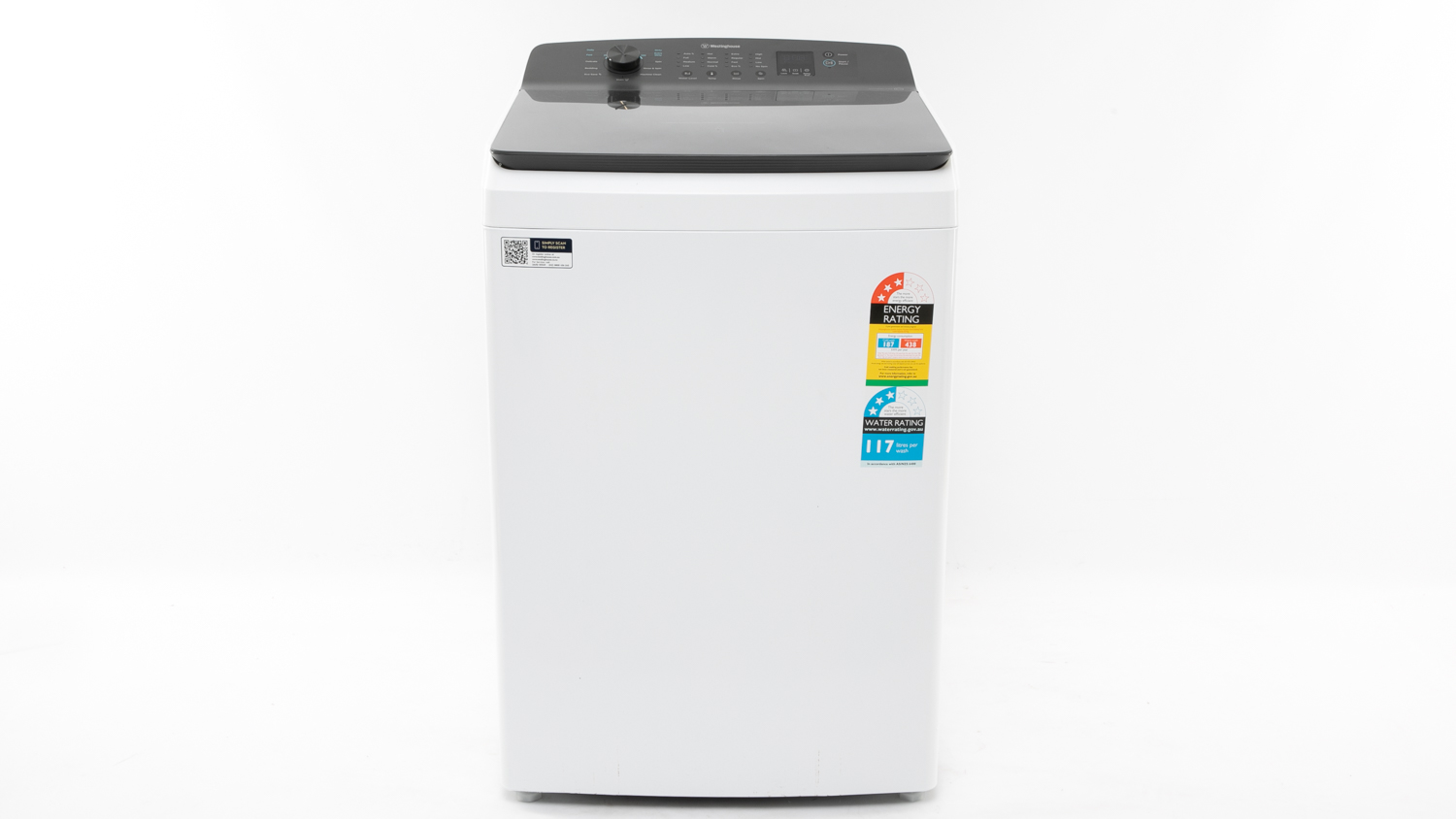
Westinghouse
WWT8084J7WA
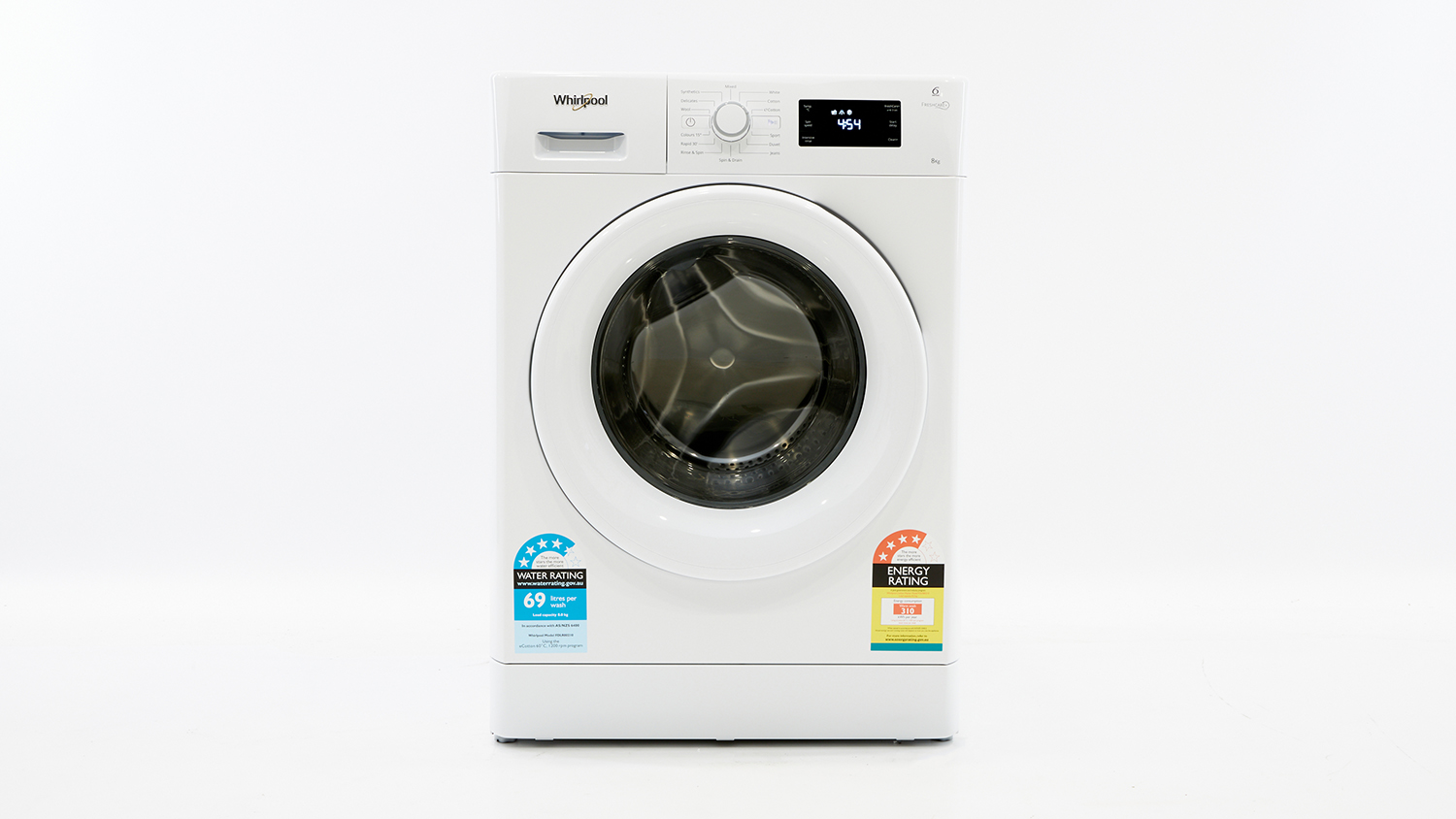
Whirlpool
FDLR80210
Scientifically tested in our accredited labs
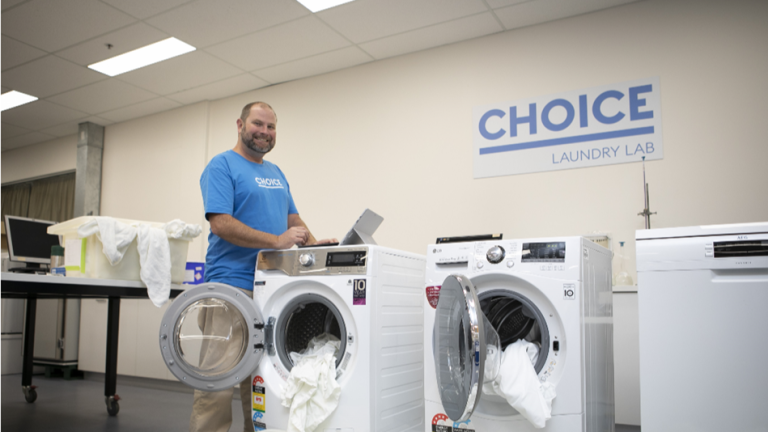
Every model is assessed by our experts with many years of combined experience.
Our experts test and rate
Best energy and water use
See efficiency ratings and running costs for 10 years
Best cleaning performance
Discover which models remove the most dirt
Most reliable brand
Learn which ones won’t let you down
Washing machines to avoid
Don’t waste your money on a dud. See the models that rated lowest in our lab tests.
Washing machines to avoidWe give each washing machine a CHOICE score made up of:
We measure dirt removal with a spectrophotometer, a machine that’s more accurate than the human eye, that can detect differences of about 6%.
We measure how well the machines keep the dirt suspended in the water, rather than depositing it back on the clothes, and how well they rinse out the detergent. We test this by adding a marker chemical to the wash and at the end, we take a sample of the water remaining in the clothes to determine the amount of chemical that’s left. The less there is, the better the rinse.
This score measures how long your clothes are going to last compared to other machines using the program we test on. To check for fabric wear, we attach swatches of easily frayed fabric to the garments in each load. The area of the swatch is measured before and after the wash. The less fraying, the gentler the machine is assessed to be and the higher the score it’s given.
This shows you how efficiently a washer uses water. Water flow meters are connected to each machine to measure water use. To compare efficiency between different-sized machines, we calculate the amount of water used per kilogram of the test load of washing. The lower the water consumption per kilogram of clothing, the higher the efficiency score.
The test load is weighed before and after each wash. Higher scores mean more water is removed, which means the washing takes less time to dry. We use the default spin speed (some machines let you vary the speed).
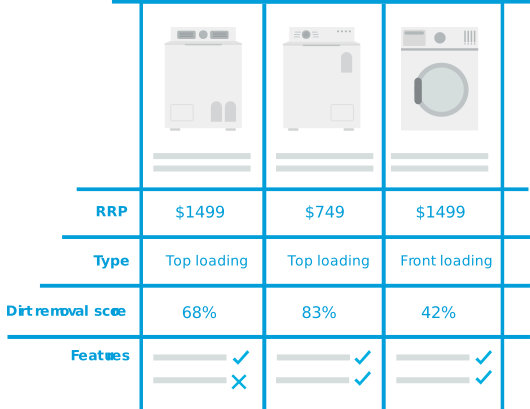
See key features side by side
Make the right decision with our easy comparison tool. Need advice? See our washing machines buying guide.

CHOICE keeps the marketplace honest. Without them, manufacturers will be able to do whatever they want.
Aaron – CHOICE member
They’re here to make a difference and here to make us safe.
Allison – CHOICE member

CHOICE keeps the marketplace honest. Without them, manufacturers will be able to do whatever they want.
James – CHOICE member
Our experts test dozens of front loader and top loader washing machines from AEG, Asko, Beko, Bosch, Electrolux, Fisher & Paykel, Haier, Kogan, LG, Miele, Samsung, Solt, Speed Queen and Westinghouse, and have test results for discontinued models from Ariston, Daewoo, Euromaid, Gorenje, Hoover, Kmart Anko, Midea, Panasonic, Siemens, Simpson and Whirlpool.
Our priority is testing the models you’ll see in stores and major online retailers. To do this, we check current market data to see what’s most popular. We’ll also test models that a lot of members have requested.
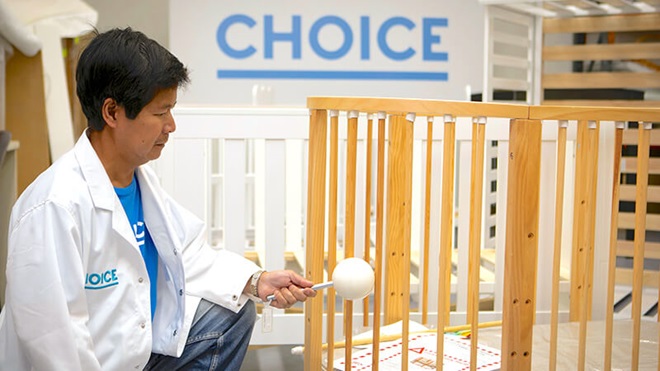
We have our own on-site laundry lab, equipped with precisely calibrated measurement tools and reference machines to test and compare products. Every model is tested with a standardised laundry load, cloth swatches embedded with specific amounts of dirt, fray swatches and specific detergent. These align with Australian and International Standards.
Our experts assess key test criteria including dirt removal, rinse performance, water and spin efficiency, gentleness on clothes, noise levels and more.
Unlike other product review sites, we don’t accept free test models from manufacturers. This allows us to be independent and review without interference. We buy products anonymously from a variety of retailers, then bring them into our labs. This means we get what you’d get, and can be sure the model has not been potentially ‘tweaked’ for better performance.
We test new models every four to six weeks, usually in batches of six. We do this because manufacturers are constantly releasing new front loader and top loader machines into the market.
Our expert testers – Shafi Noor and Sean Lim – have many years of combined experience in reviewing products. They also sit on industry standards committees, both national and international.
The star ratings you see on labels are calculated using a full load, warm wash, as specified by the Australian Standard. But we’ve found most consumers actually use a 3.5kg cold wash, so we use this in our testing to truly reflect real use at home.
We’re a nonprofit that’s been supporting Australian consumers since 1959
Buy smarter
The tools you need to find the best brands, avoid poor performers and get help when things go wrong.

Make a difference
Our members are at our heart, funding our independent product testing, journalism and campaigns.

Connect and belong
Join a community of thousands where you can share ideas, get advice and make positive change.
