
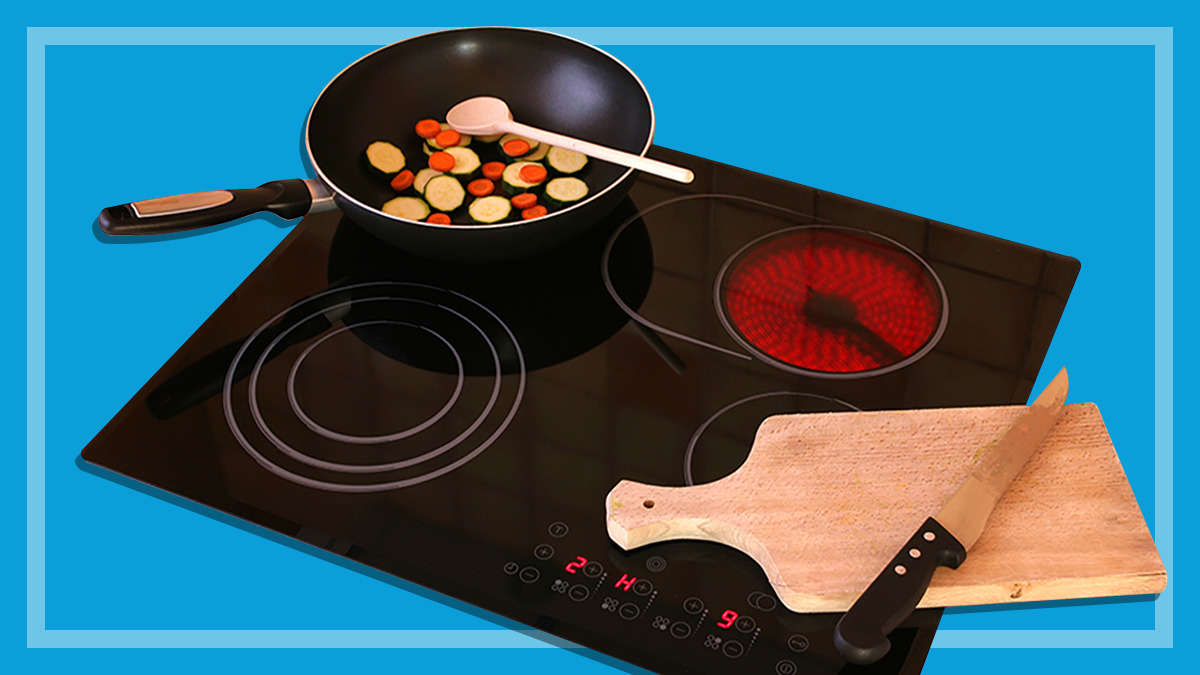
Induction cooktop reviews
Best induction cooktops to buy in Australia
Shop smarter and faster with our unbiased, expert reviews
Join to compare now Already a CHOICE member? Log in
35 models rated and ranked
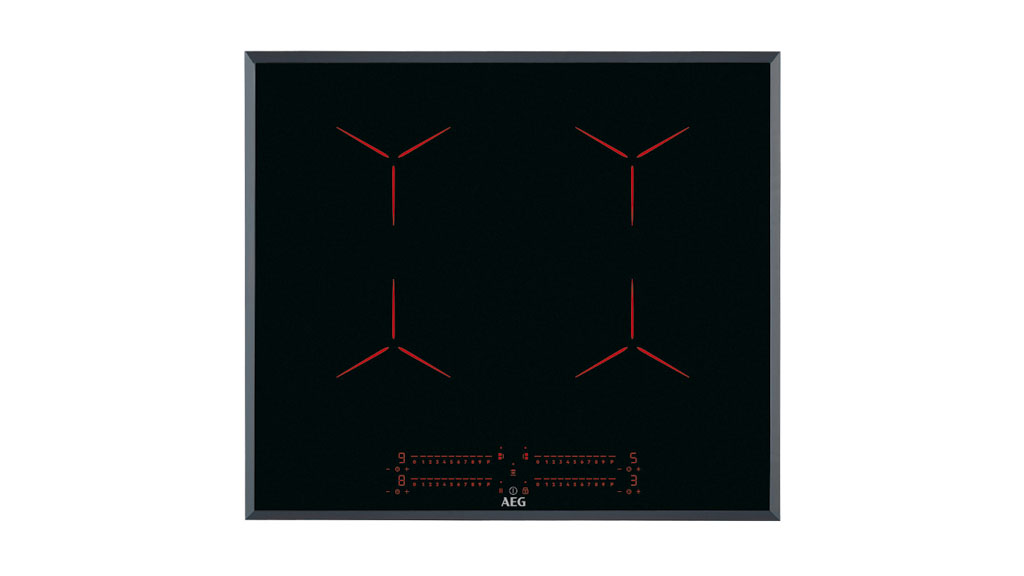
AEG
IPE64551FB

AEG
IKE63471FB

AEG
NII63R00FB
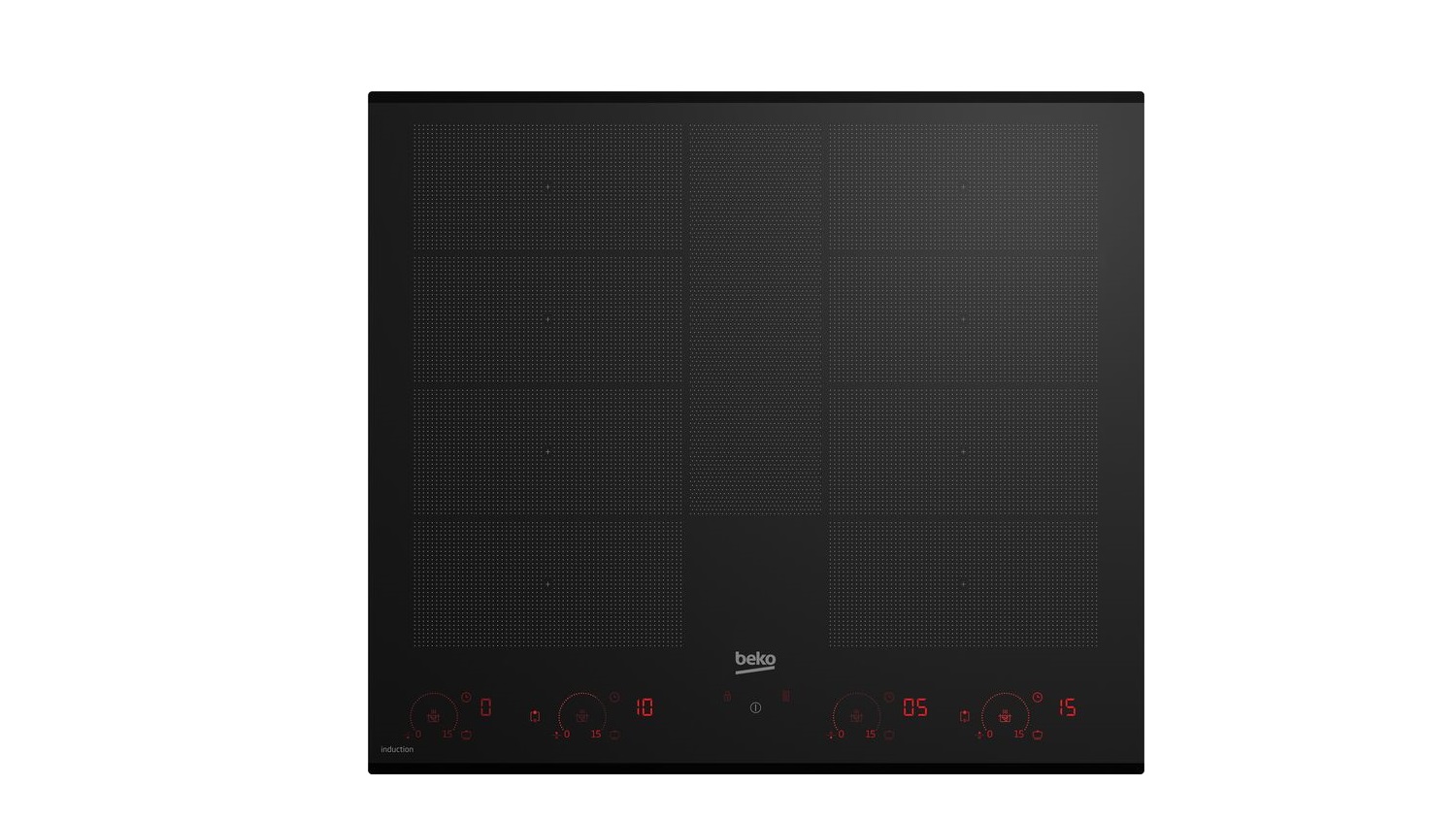
Beko
BCT604IG
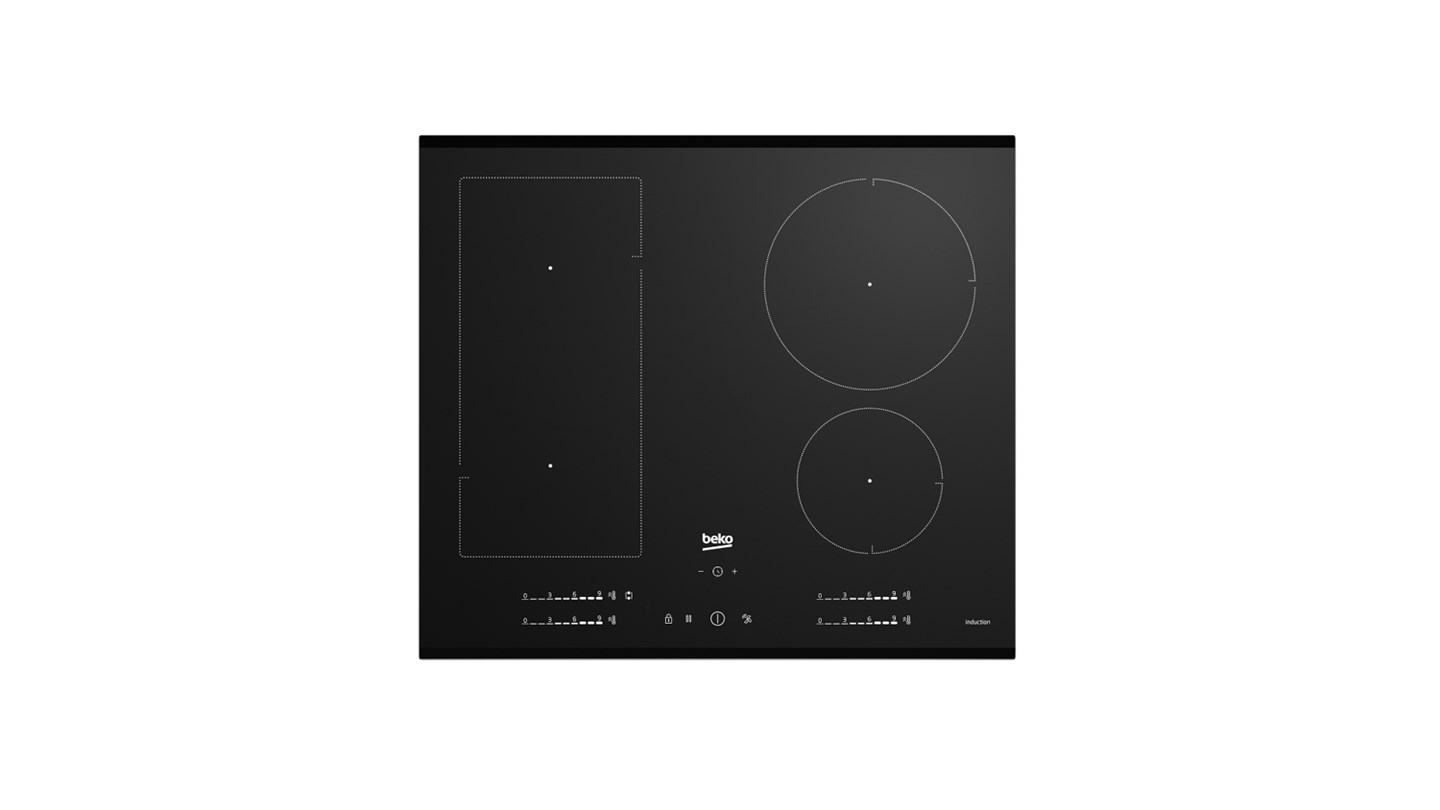
Beko
BCT601IGN
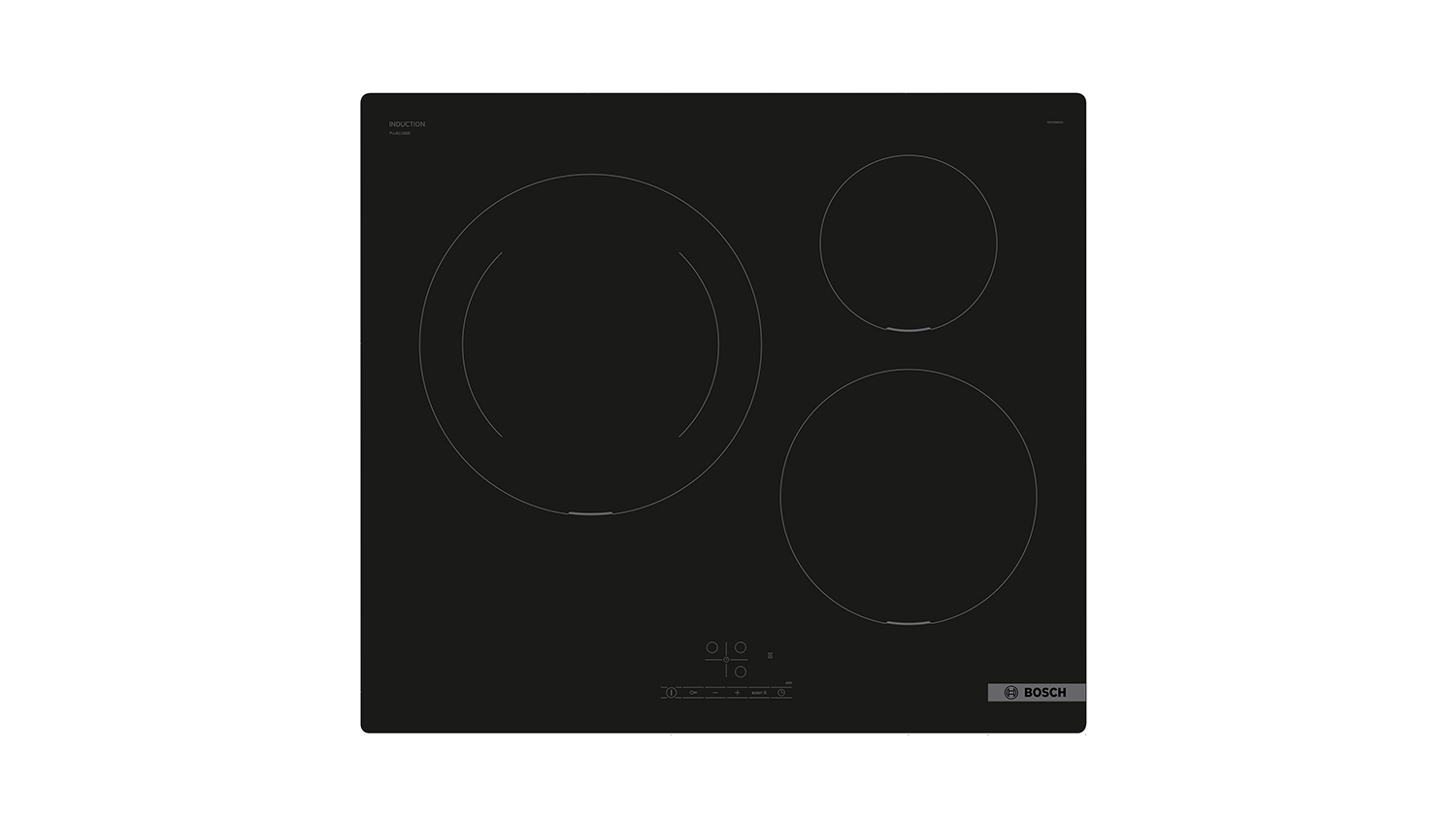
Bosch
PUJ611BB5H

Bosch
PXE875DC1E

Bosch
PXV890DV5E

Chef
CHI944BB
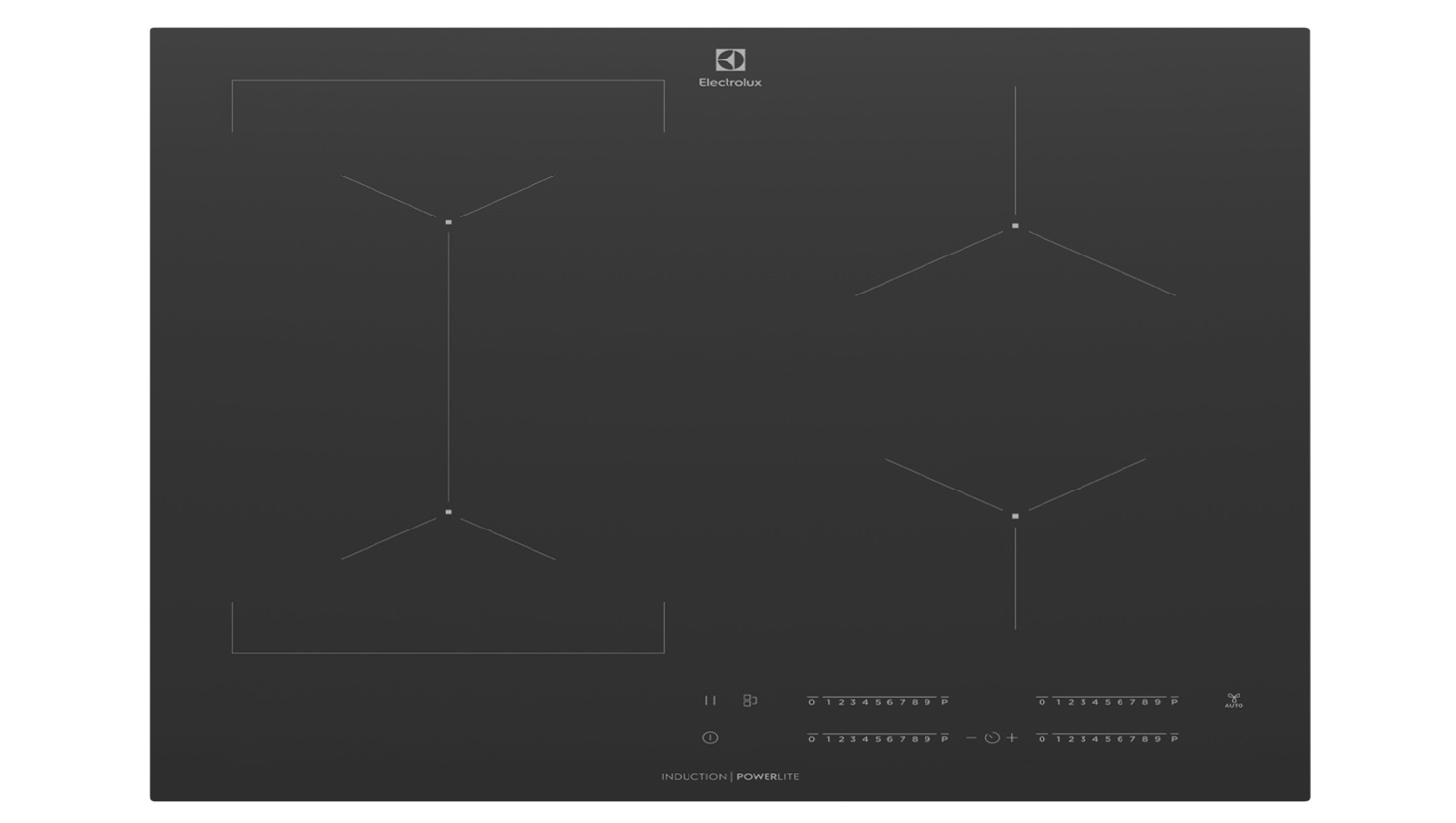
Electrolux
EHI644BF
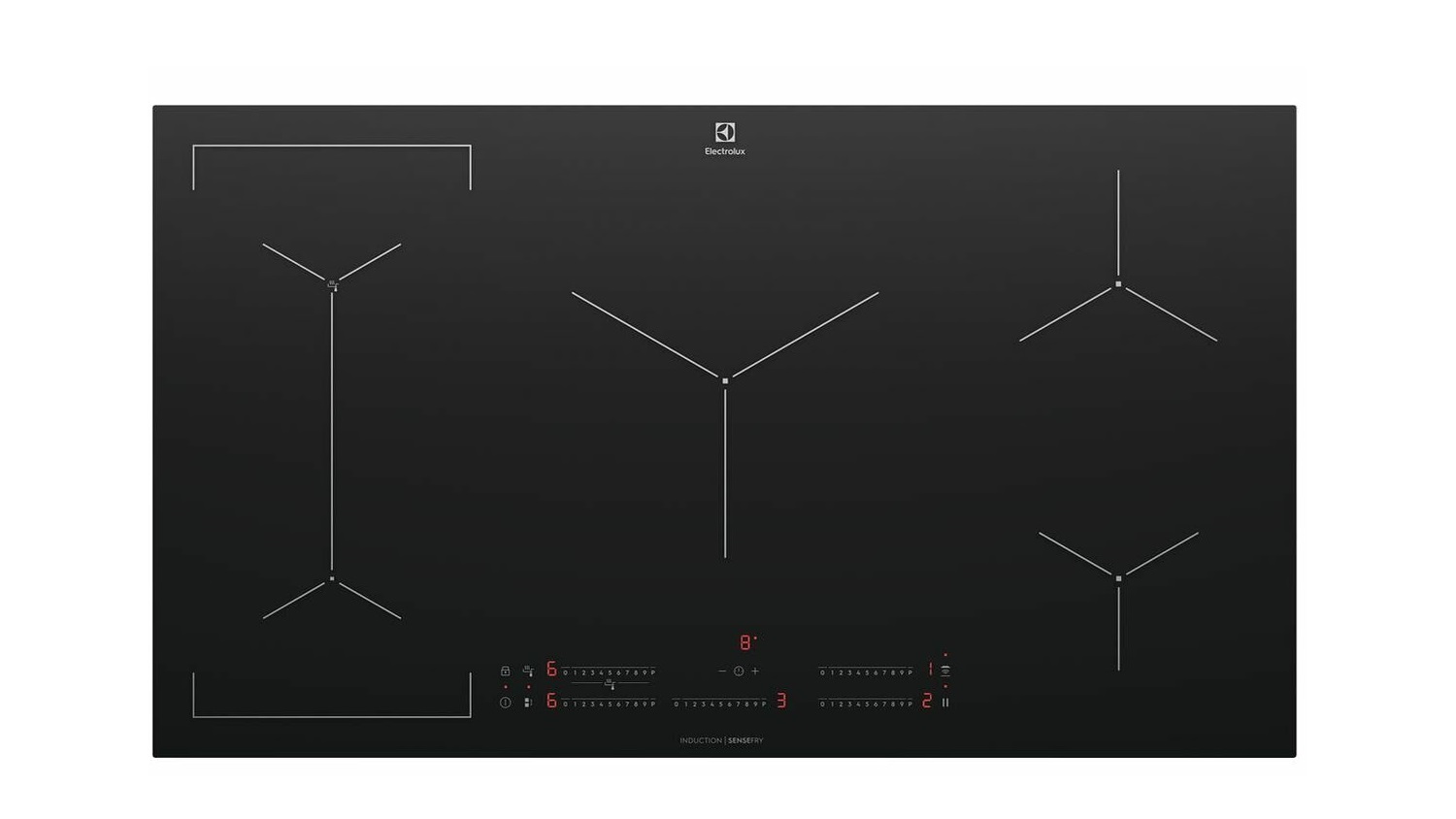
Electrolux
EHI955BE
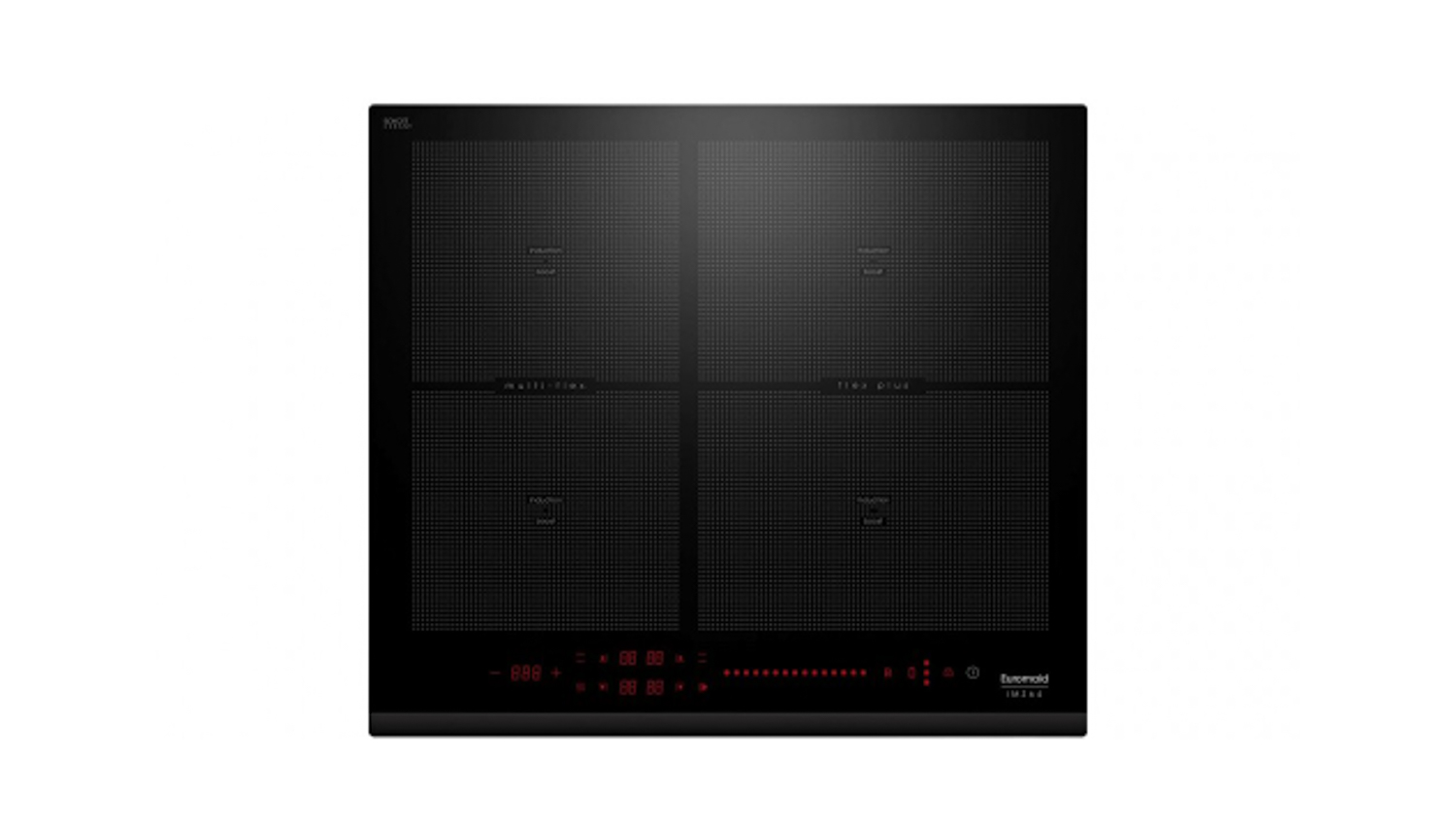
Euromaid
IMZ64
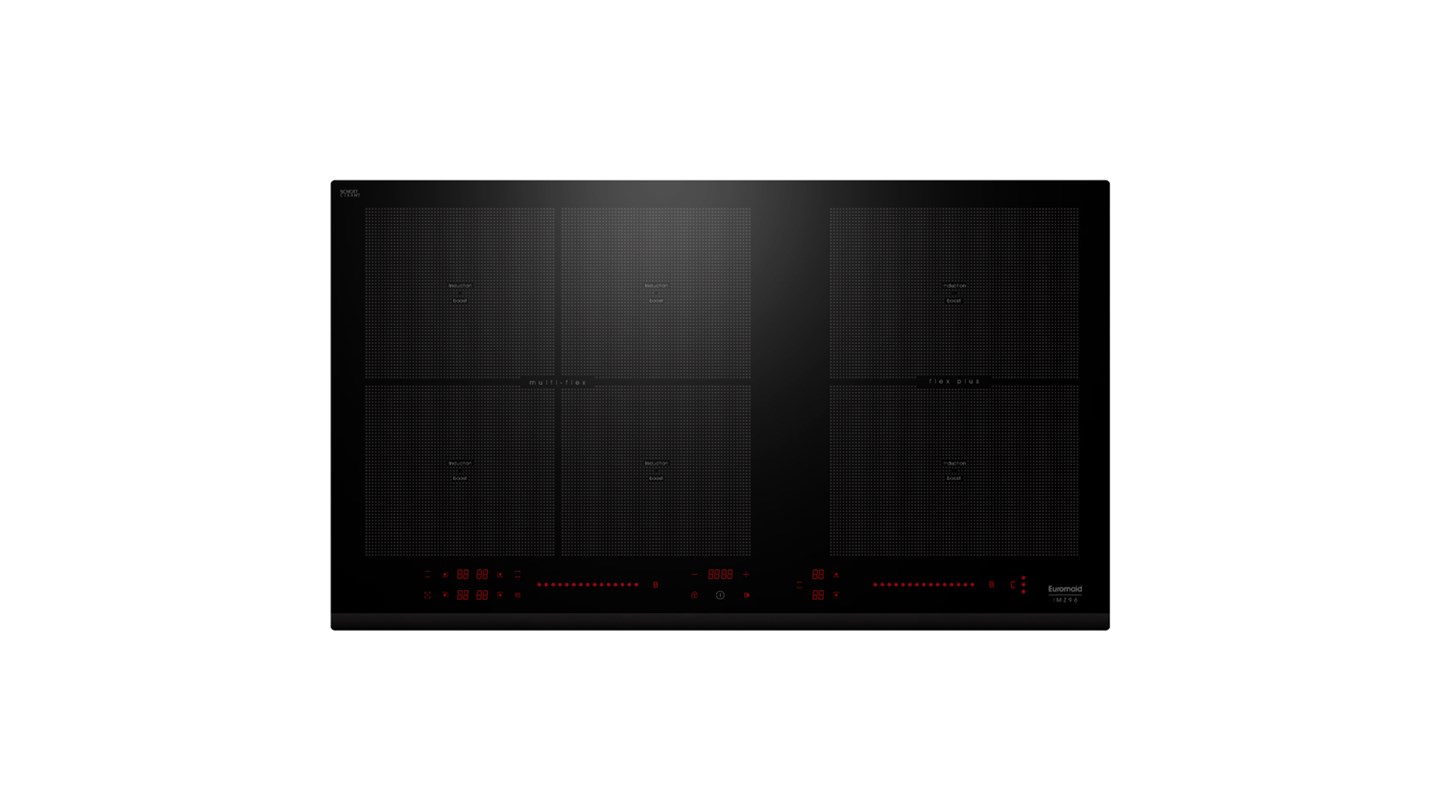
Euromaid
IMZ96
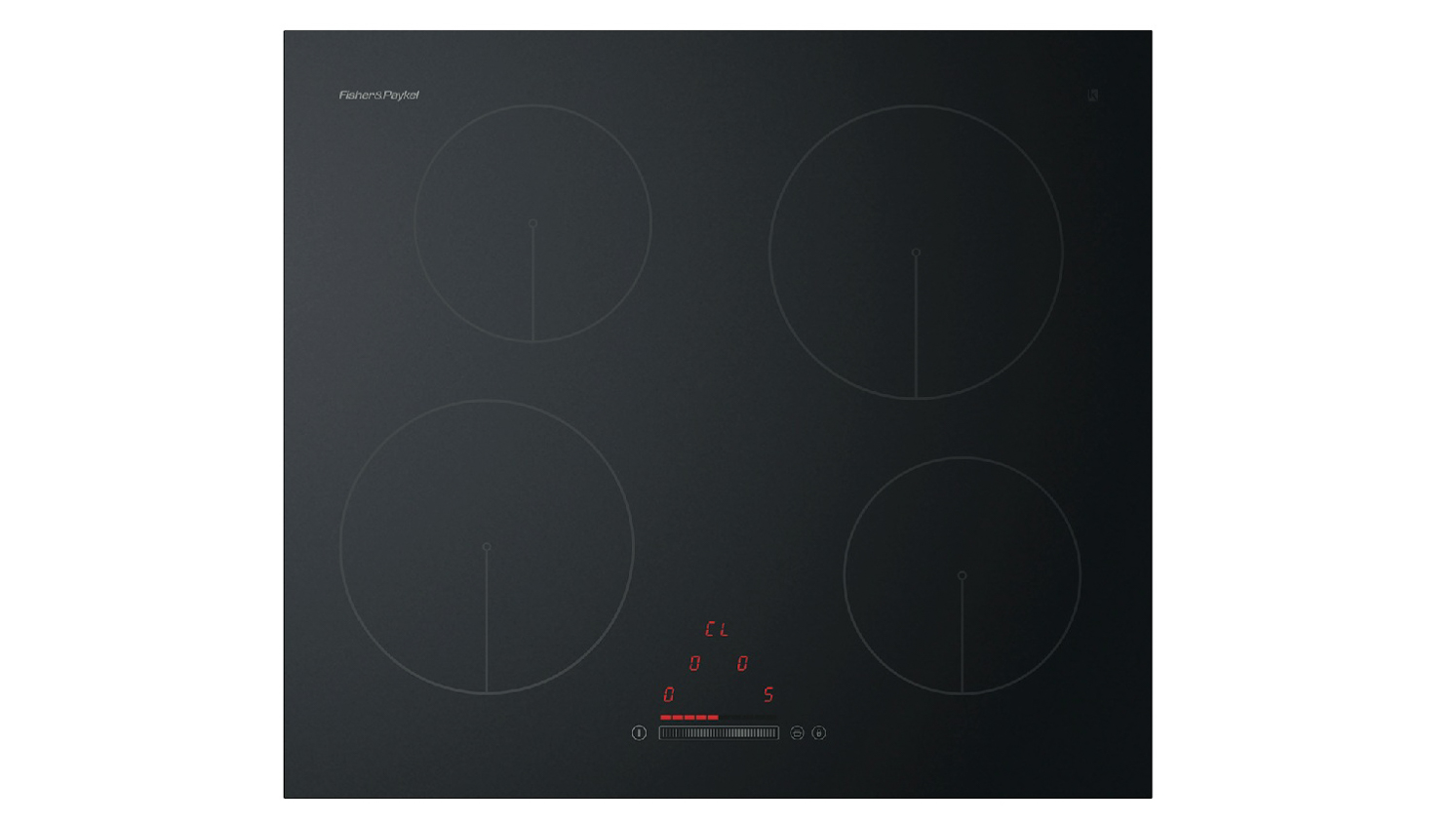
Fisher & Paykel
CI604CTPB1

Fisher & Paykel
CI604DTB4

Fisher & Paykel
CI604ZCTPB2
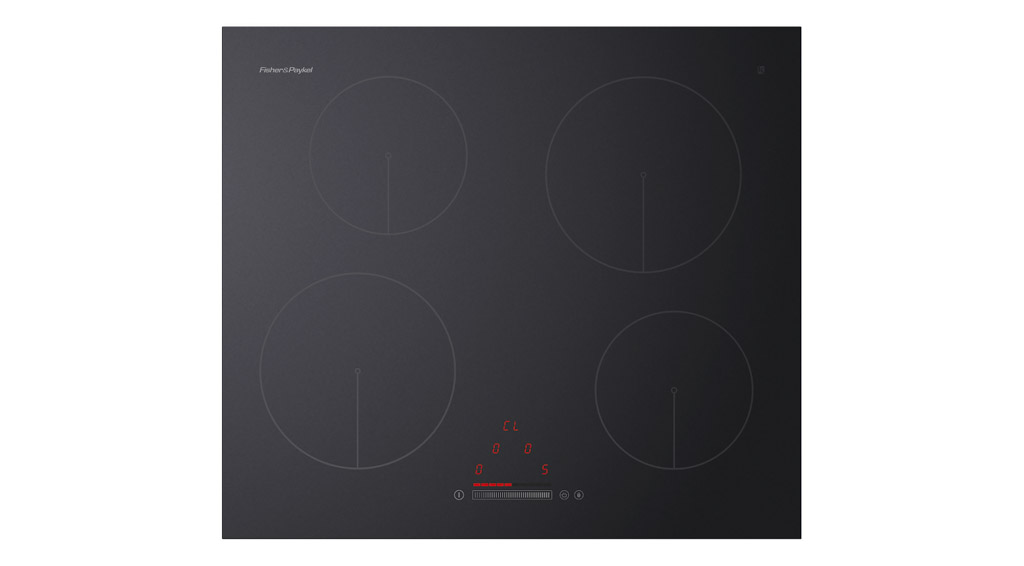
Fisher & Paykel
CI604CTB1

Haier
HCI905FTB4
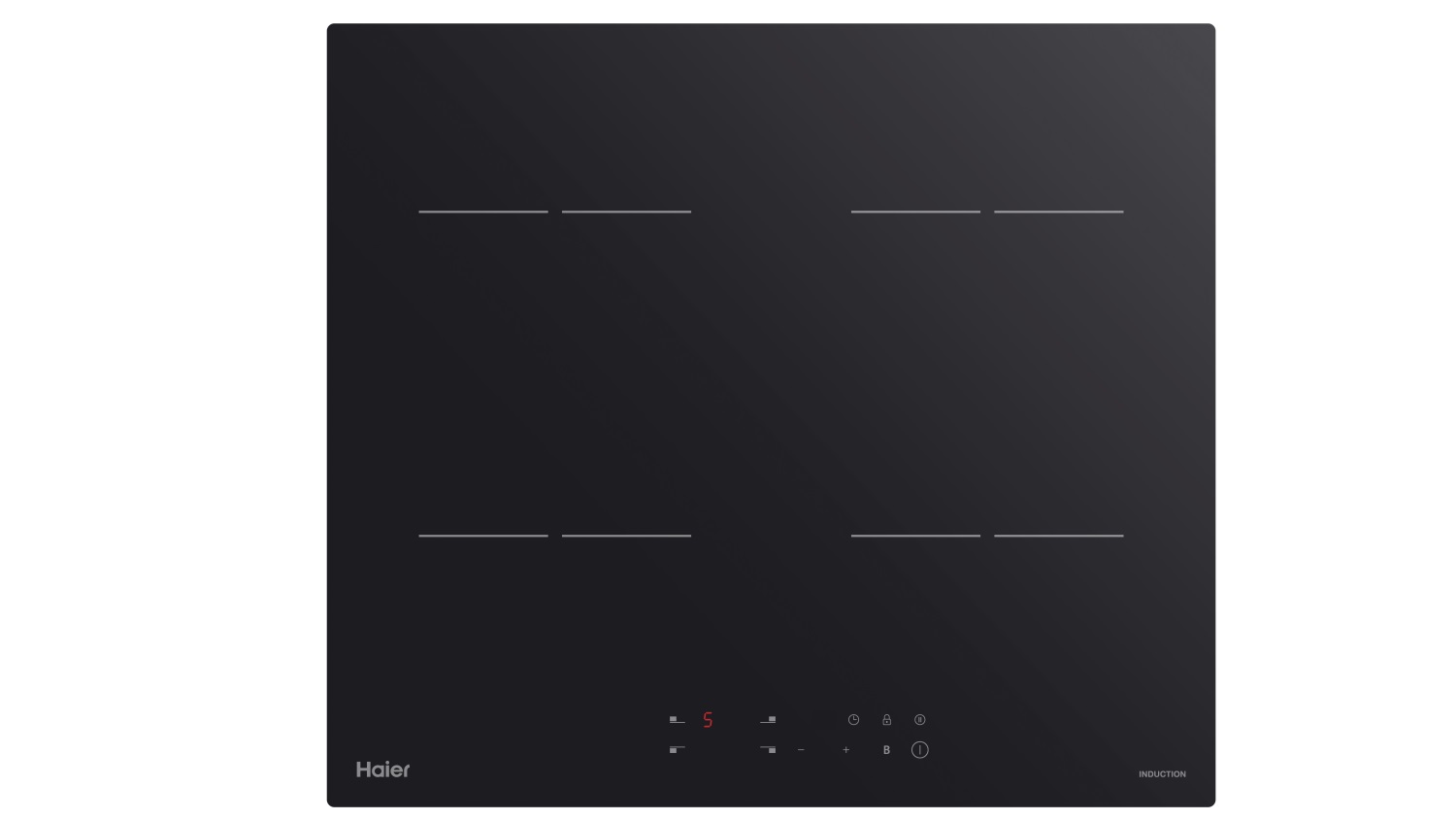
Haier
HCI604TB3

Ikea
HÖGKLASSIG
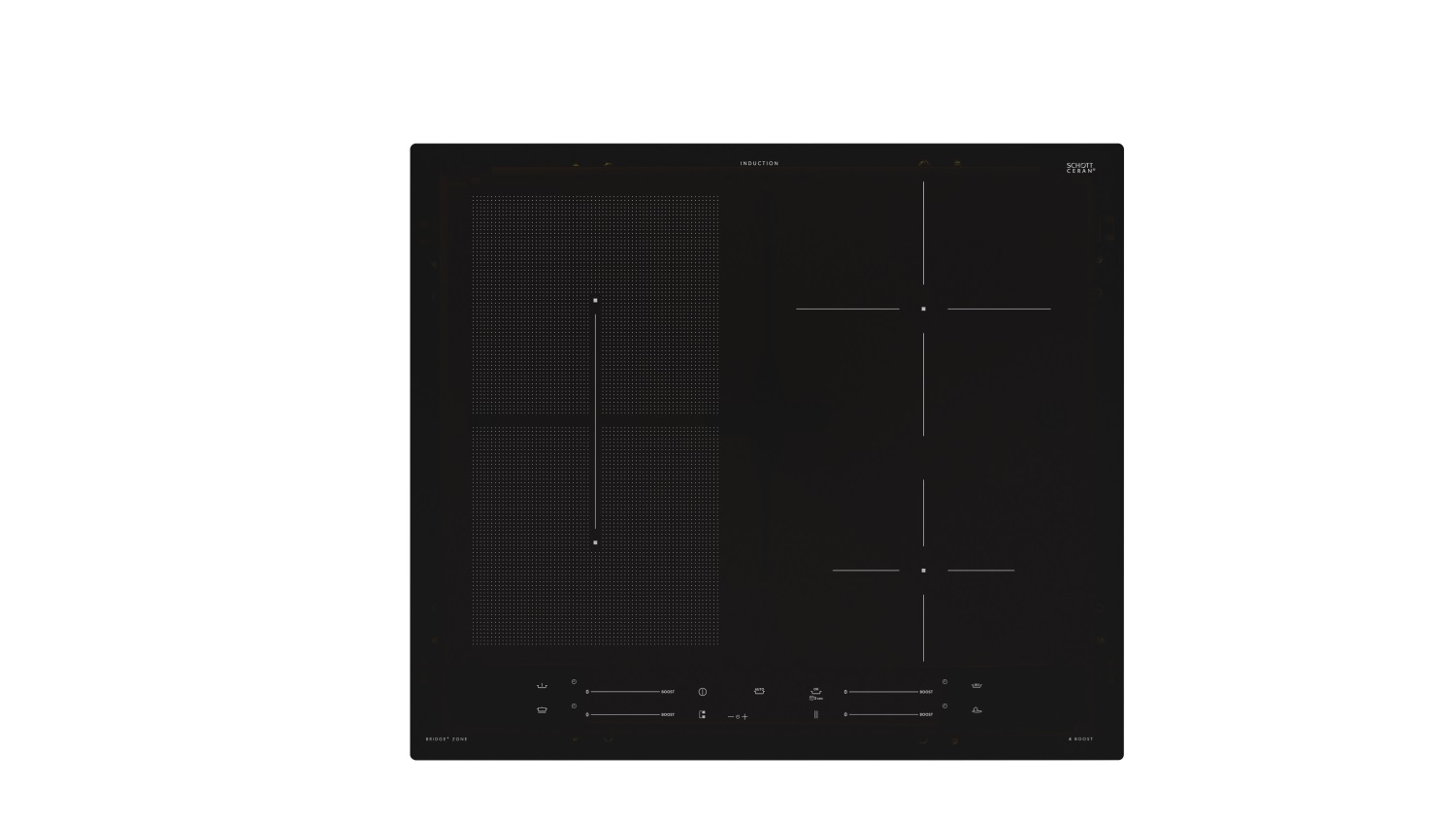
Ikea
SMAKLIG

LG
BCI607T4BG
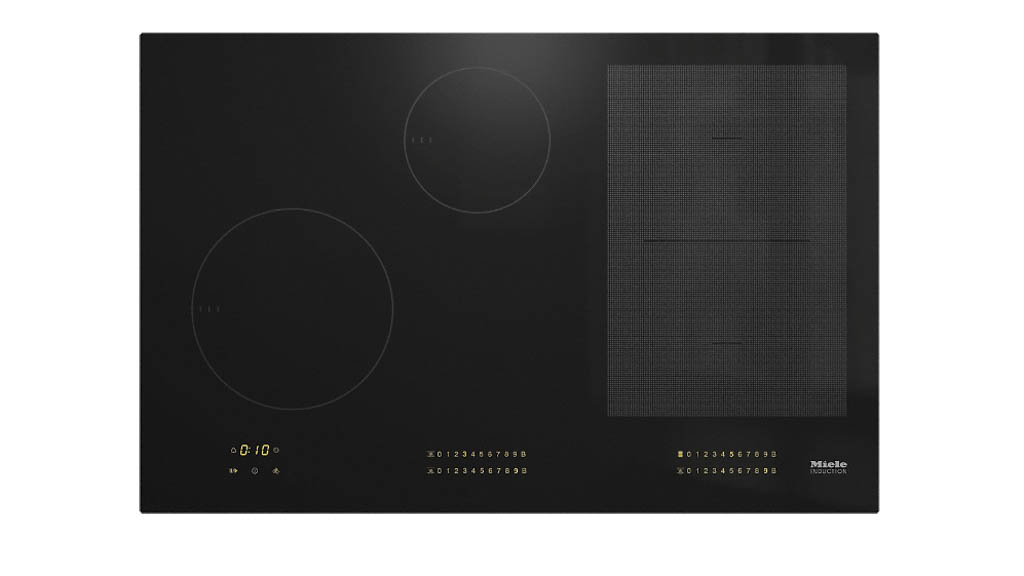
Miele
KM 7574 FL
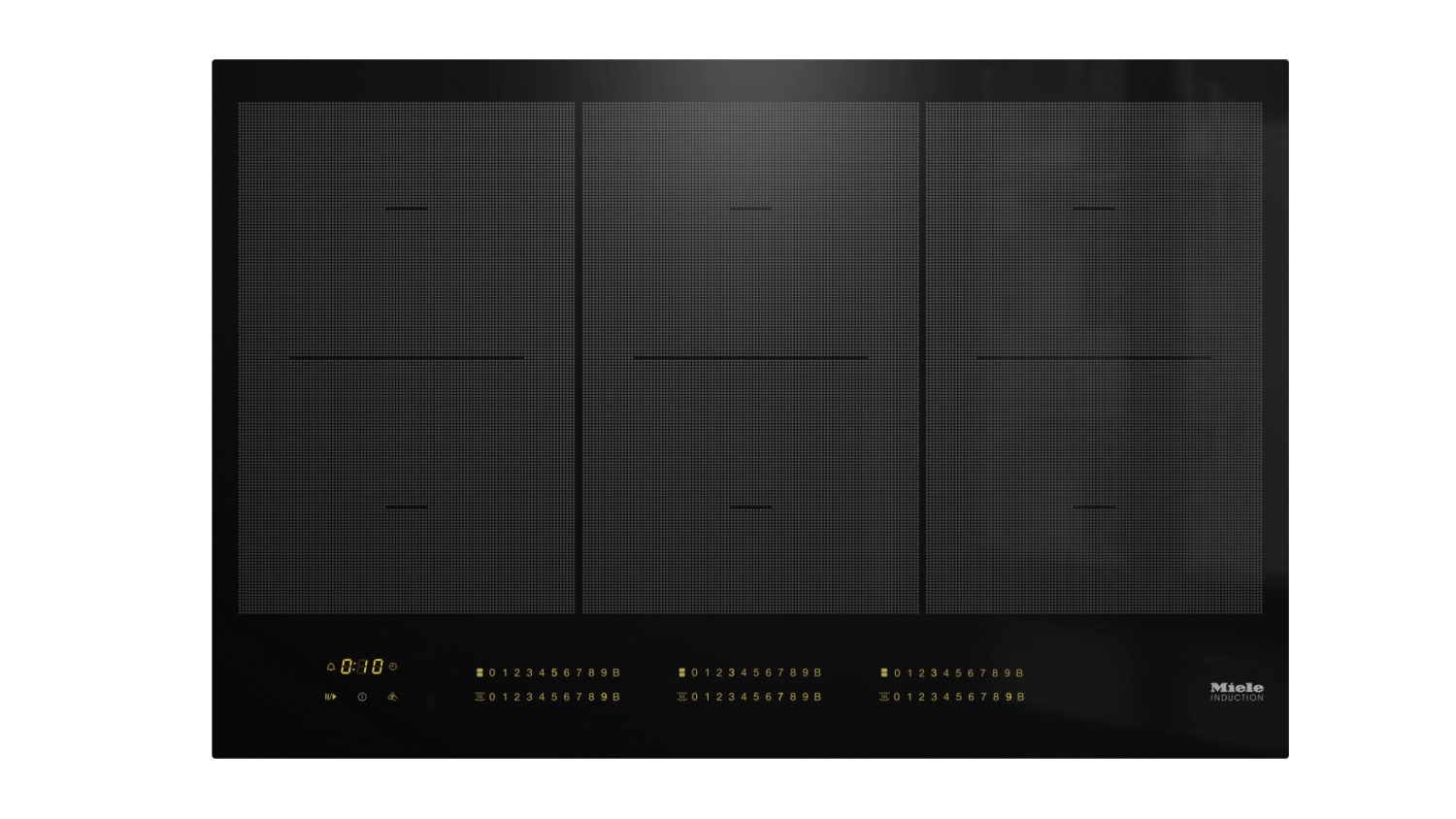
Miele
KM 7575-2 FL
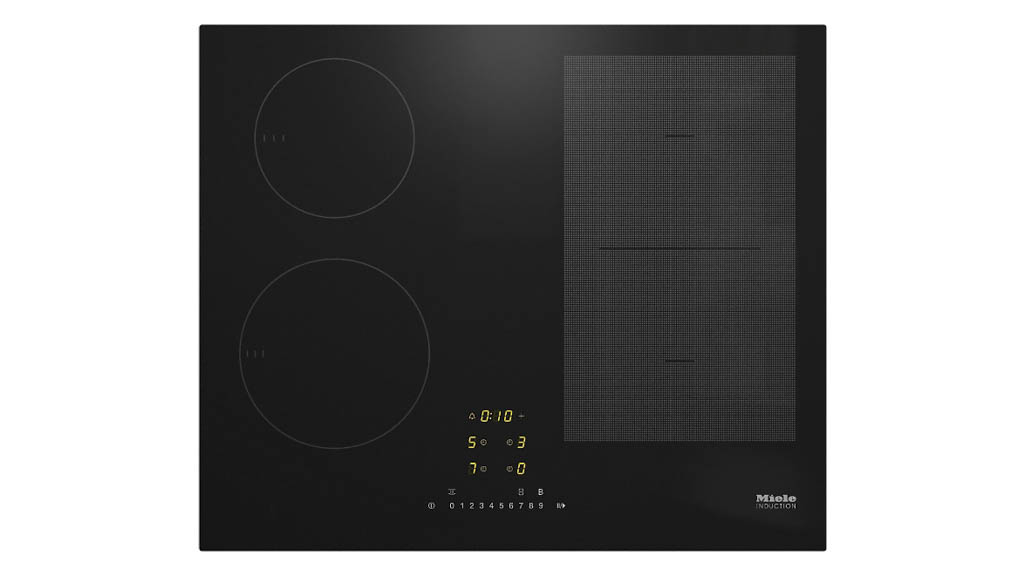
Miele
KM 7464 FL

Omega
OCI604PPTZ
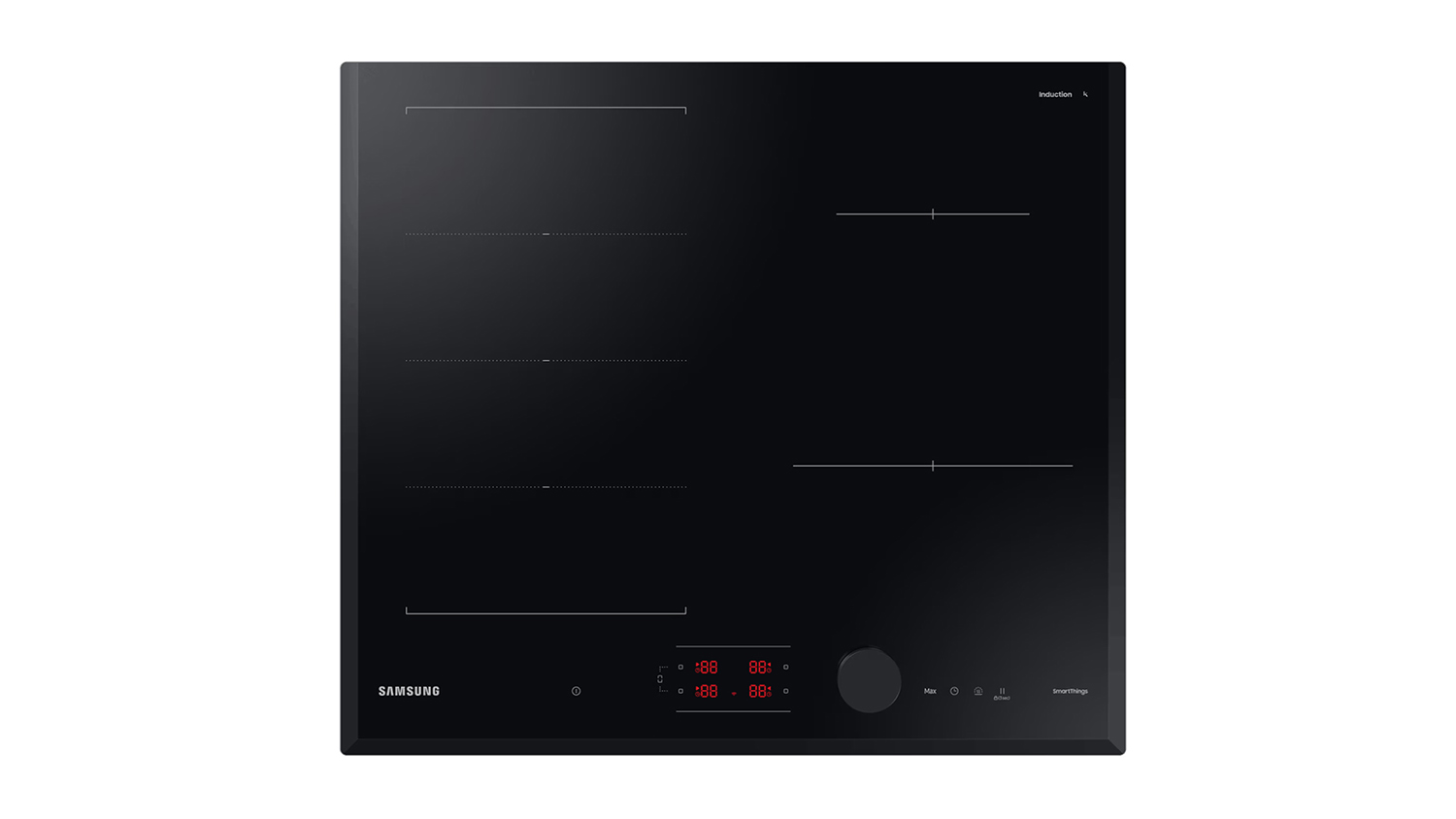
Samsung
NZ64B6058KK
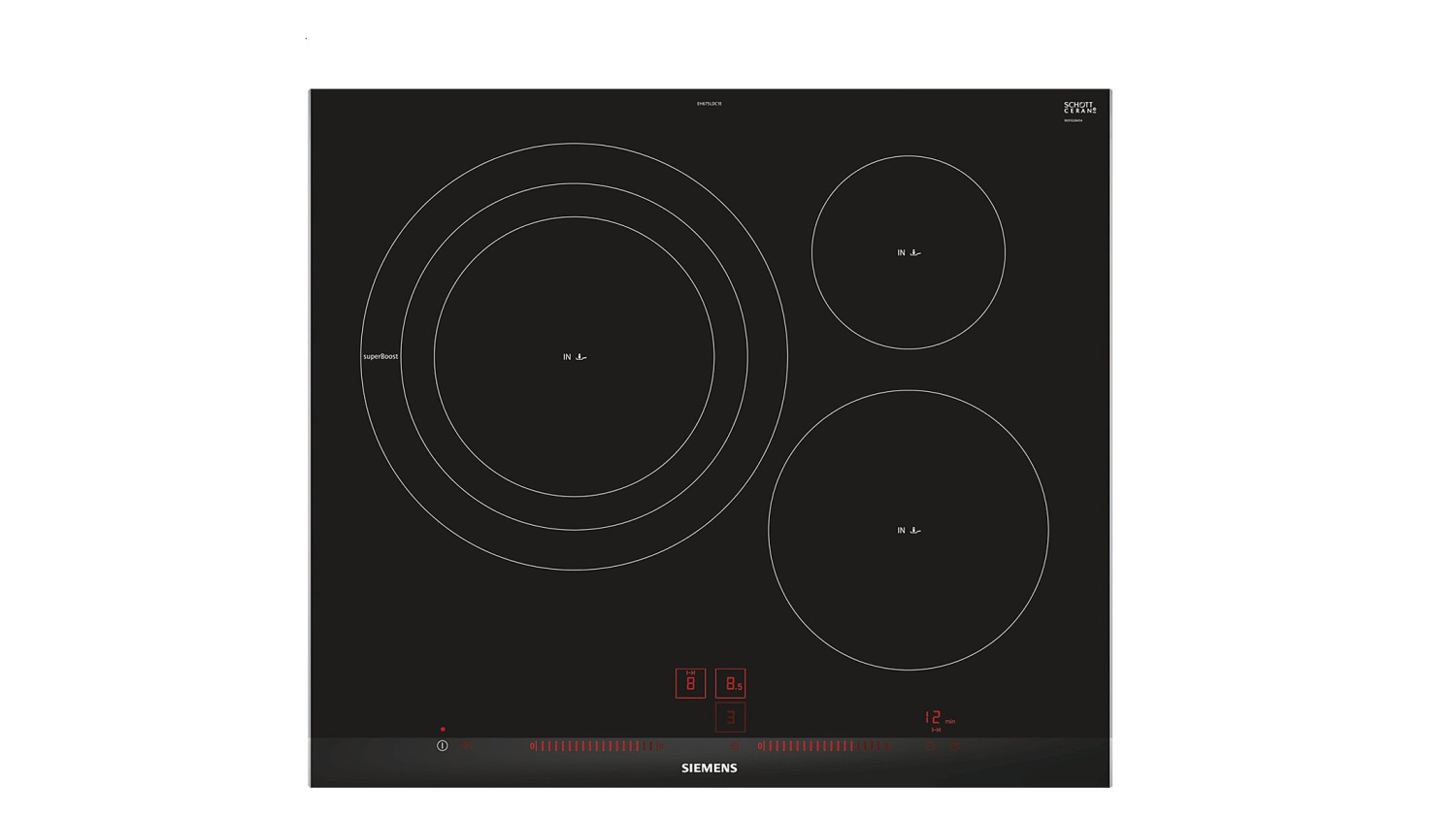
Siemens
EH675LDC1E
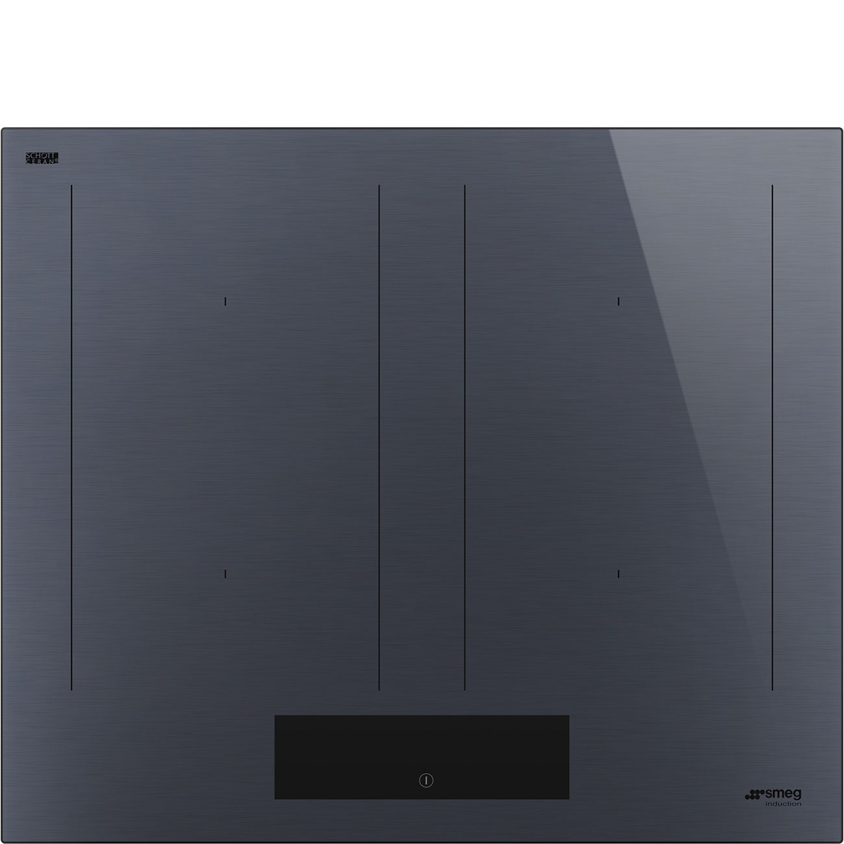
Smeg
SIM1644DG

Smeg
SAI3644B

Smeg
SI2641DAU
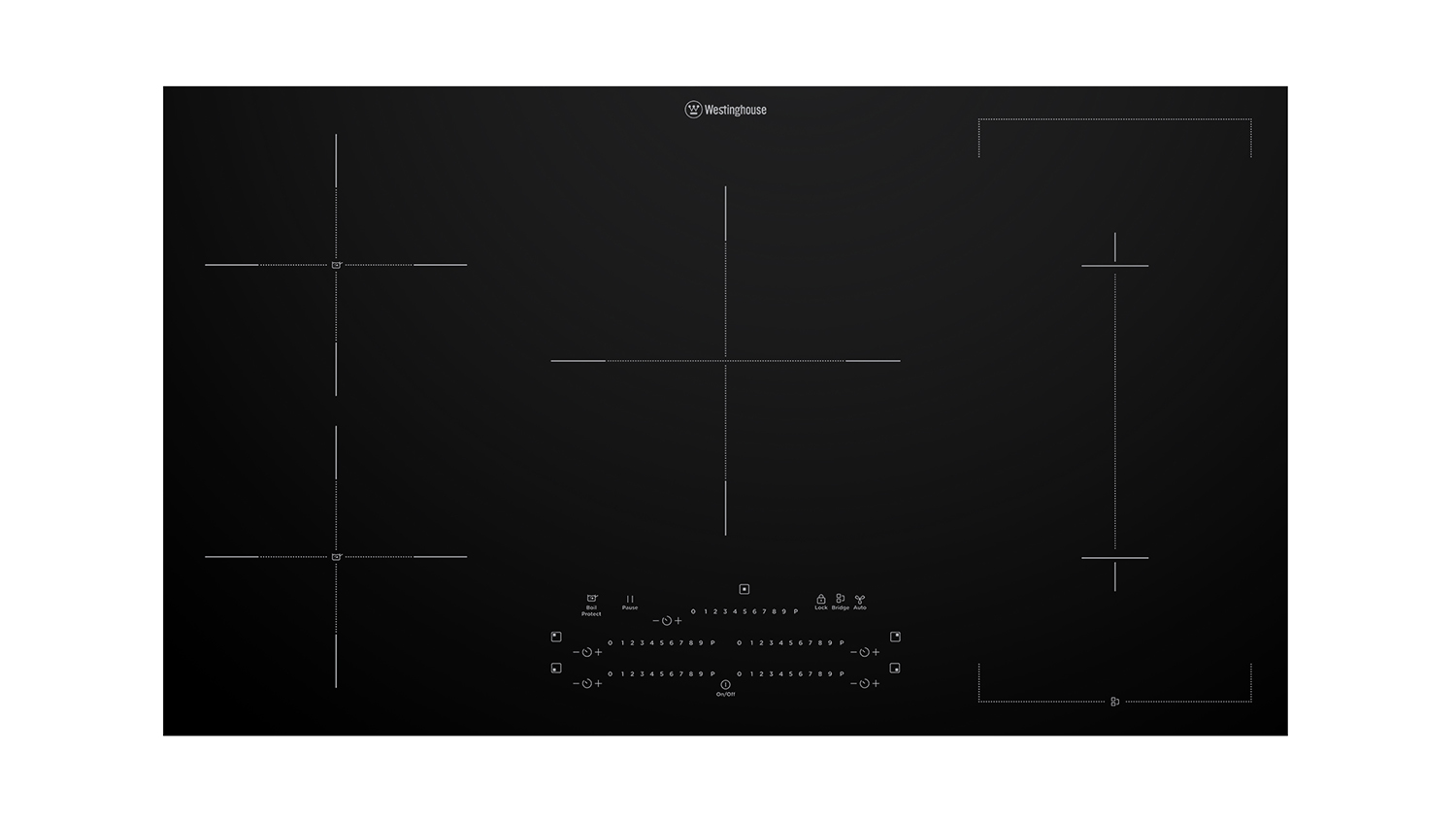
Westinghouse
WHI955BD
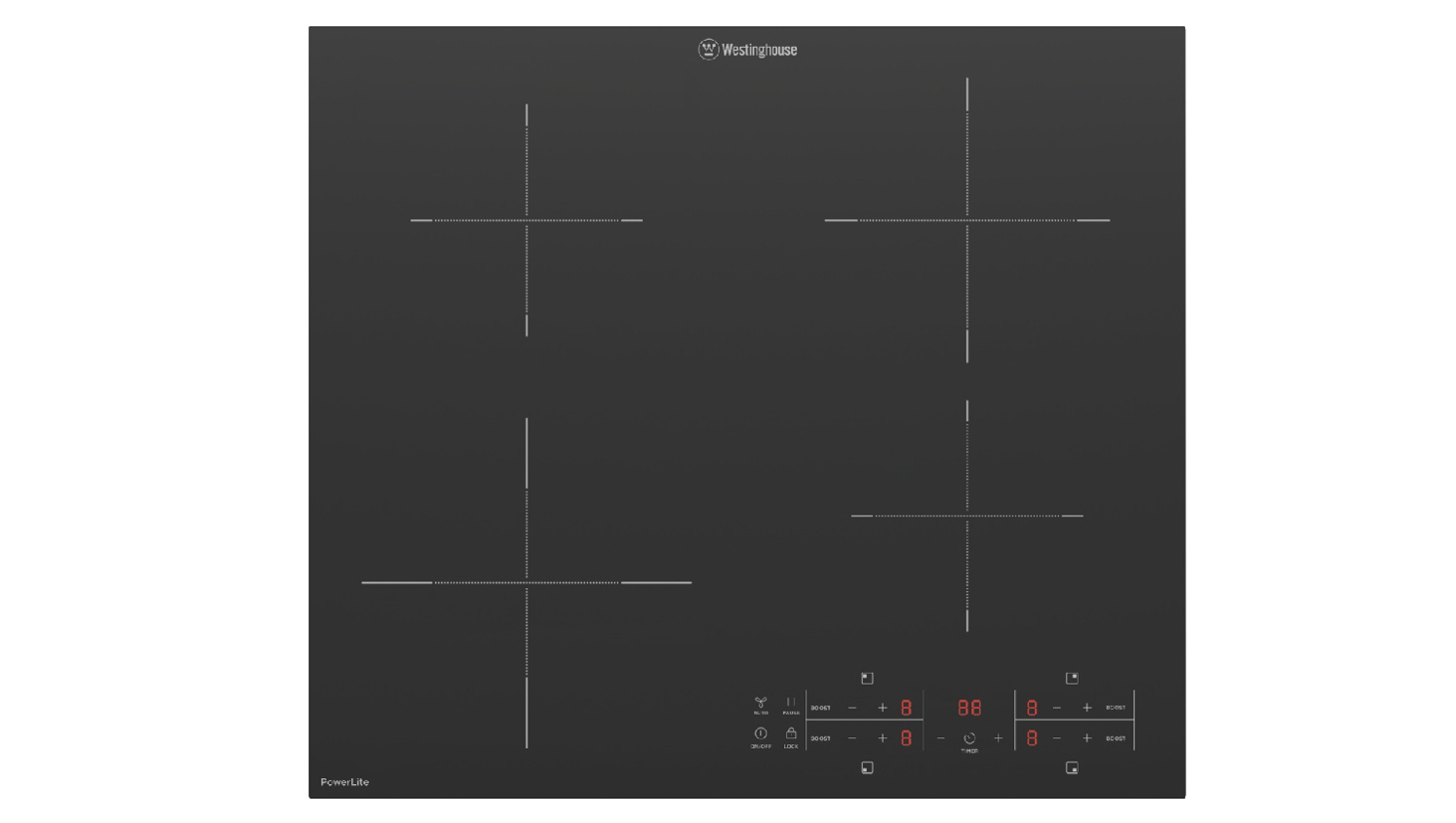
Westinghouse
WHI642BE
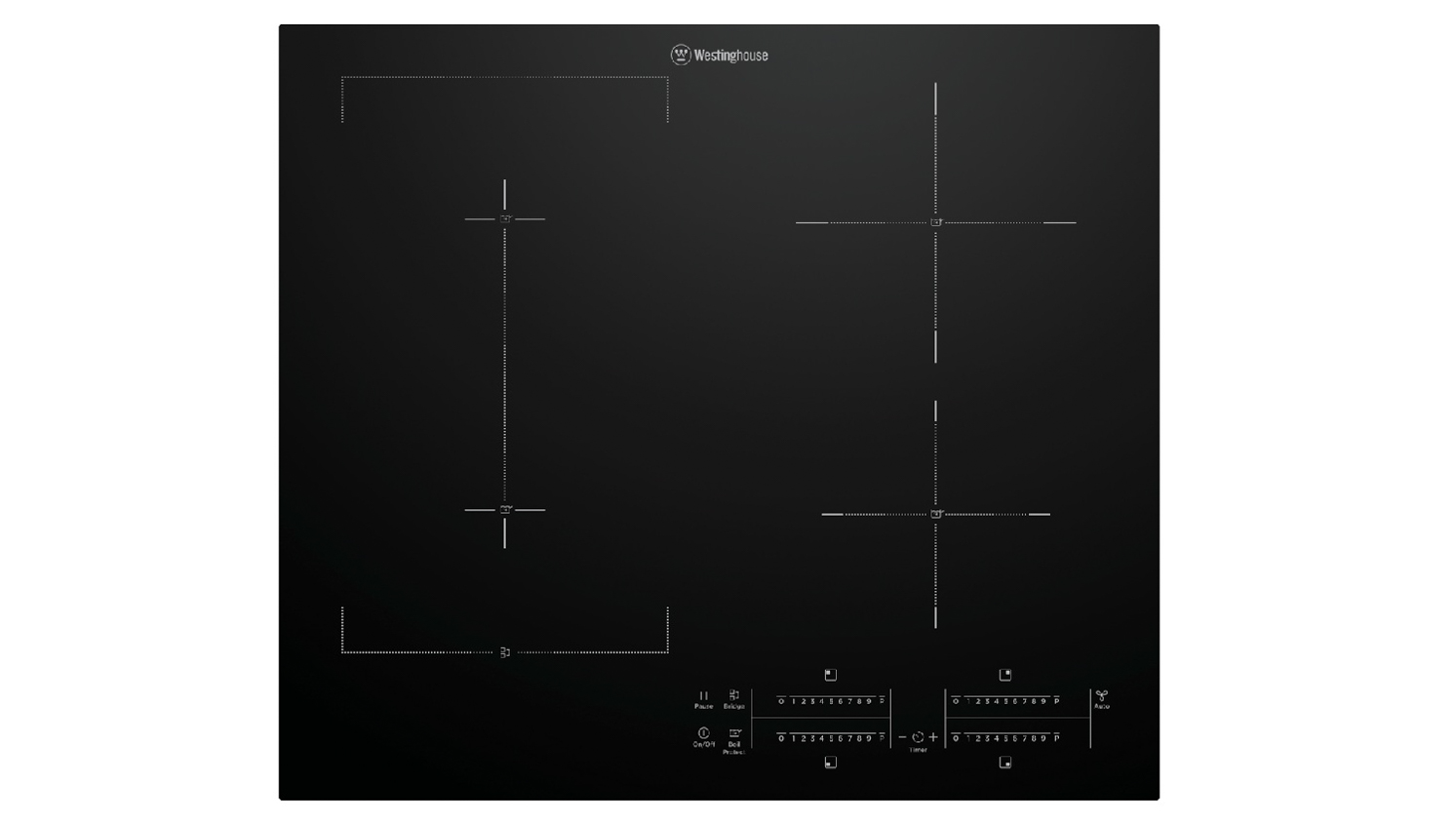
Westinghouse
WHI645BE
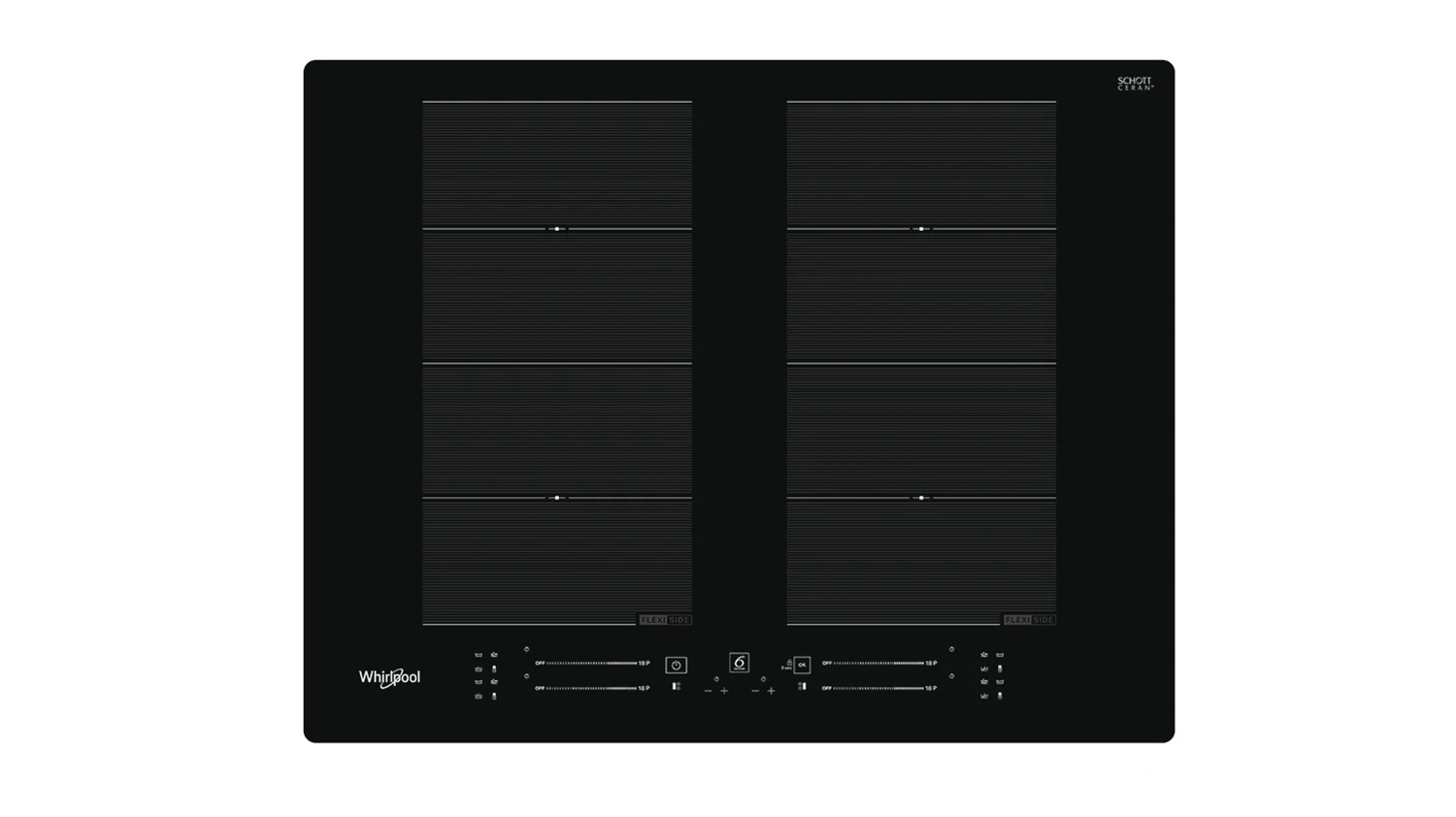
Whirlpool
WS8865NEP
Tested in our lab, not the showroom
We test every single cooktop in our own kitchen lab. Our results reveal the pros and cons that you won’t see in-store.
CHOICE test expert Fiona Mair found some surprising results in the latest induction cooktop test.
Our experts test and rate

Cooking performance
See which models cook best – from a fast boil to a gentle simmer

Ease of use
Controls, layout, responsiveness and cleaning – we test them all

Running costs
Reduce your bills with the most energy-efficient model
Induction cooktops to avoid
Our expert testers share the models they wouldn’t want in their own kitchens, so you don’t waste your money on them.
Three induction cooktops to avoid buying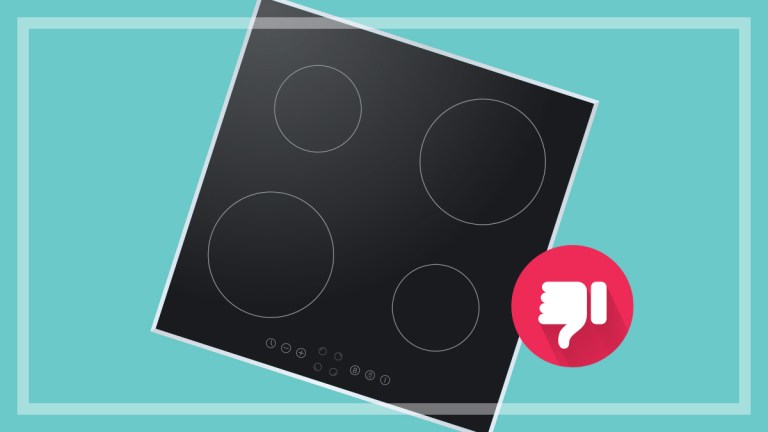
We give each induction cooktop a CHOICE score made up of:
How well the cooktop performs on a low heat setting, how well it reduces from high heat to a simmer, and how well it stir fries using a high heat setting for a short time.
How easy the cooktops are to operate for a home cook, including the controls, size and type of cooking zones as well as their position and ease of cleaning.
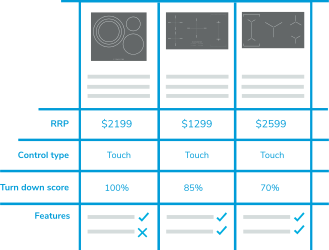
See key features side by side
Make the right decision with our easy comparison tool. See sizes and specs for installation, and compare controls and automatic settings.

CHOICE keeps the marketplace honest. Without them, manufacturers will be able to do whatever they want.
Aaron – CHOICE member

They’re here to make a difference and here to make us safe.
Allison – CHOICE member

CHOICE keeps the marketplace honest. Without them, manufacturers will be able to do whatever they want.
James – CHOICE member
We test models from AEG, Beko, Bosch, Electrolux, Euromaid, Fisher & Paykel, Haier, Ikea, LG, Miele, Omega, Samsung, Siemens, Smeg, Westinghouse, Whirlpool and more.
Our priority is testing the models you’ll see in stores and major online retailers. To do this, we check current market data to see what’s most popular. We’ll also test models that a lot of members have requested.
Our kitchen lab experts rate and compare cooktops by cooking various dishes using a range of heat settings. They cook white sauce to test the low heat setting, boil rice to check the turn-down capacity of the cooktop (how well it reduces from high heat to a simmer) and stir fry to test the cooktop on a high heat setting for a short time.
Unlike other product review sites, we don’t accept free test models from manufacturers. This allows us to be independent and review without interference. Instead, we buy products anonymously from a variety of retailers, then bring them into our labs. This means we get what you’d get, and can be sure the model hasn’t been potentially ‘tweaked’ for better performance.
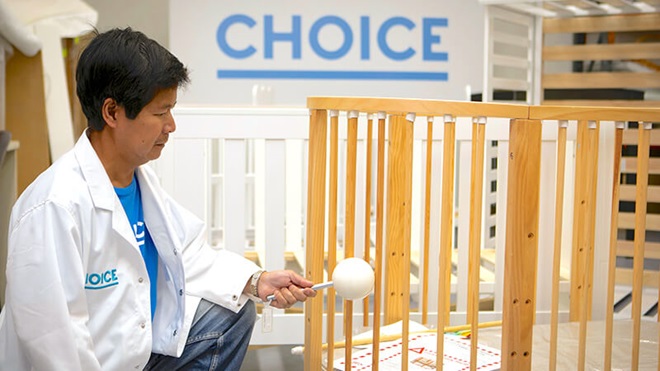
Home economist Fiona Mair and test coordinator Chantelle Dart have well over 30 years’ combined experience testing kitchen appliances. They put each cooktop through a series of tests in our own CHOICE kitchen lab.
We’re a nonprofit that’s been supporting Australian consumers since 1959
Buy smarter
The tools you need to find the best brands, avoid poor performers and get help when things go wrong.

Make a difference
Our members are at our heart, funding our independent product testing, journalism and campaigns.

Connect and belong
Join a community of thousands where you can share ideas, get advice and make positive change.


