
Fridge reviews
Best fridges to buy in Australia
Find the right fridge for your household.
Join to compare now Already a CHOICE member? Log in
183 models rated and ranked
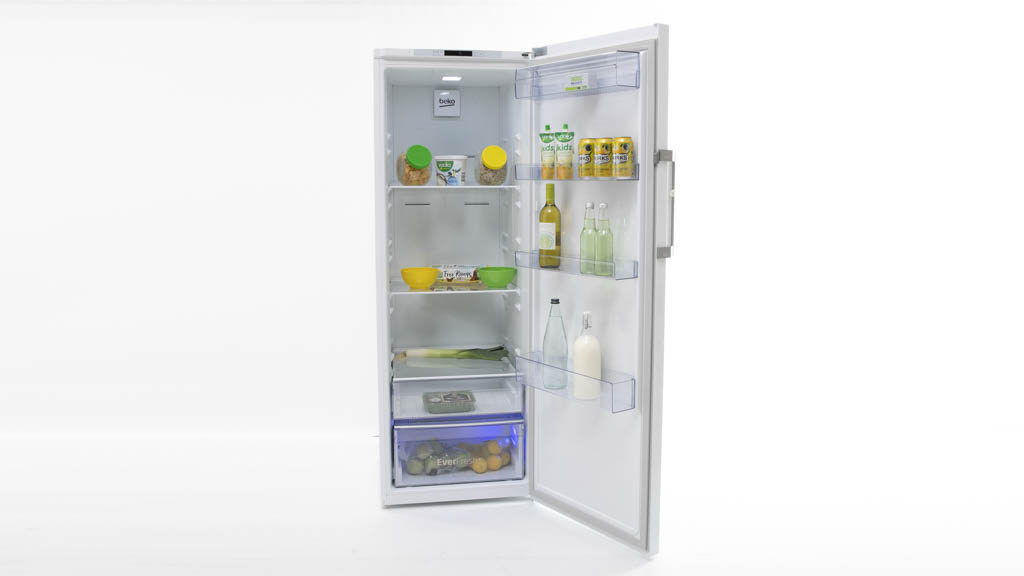
Beko
BAF369W
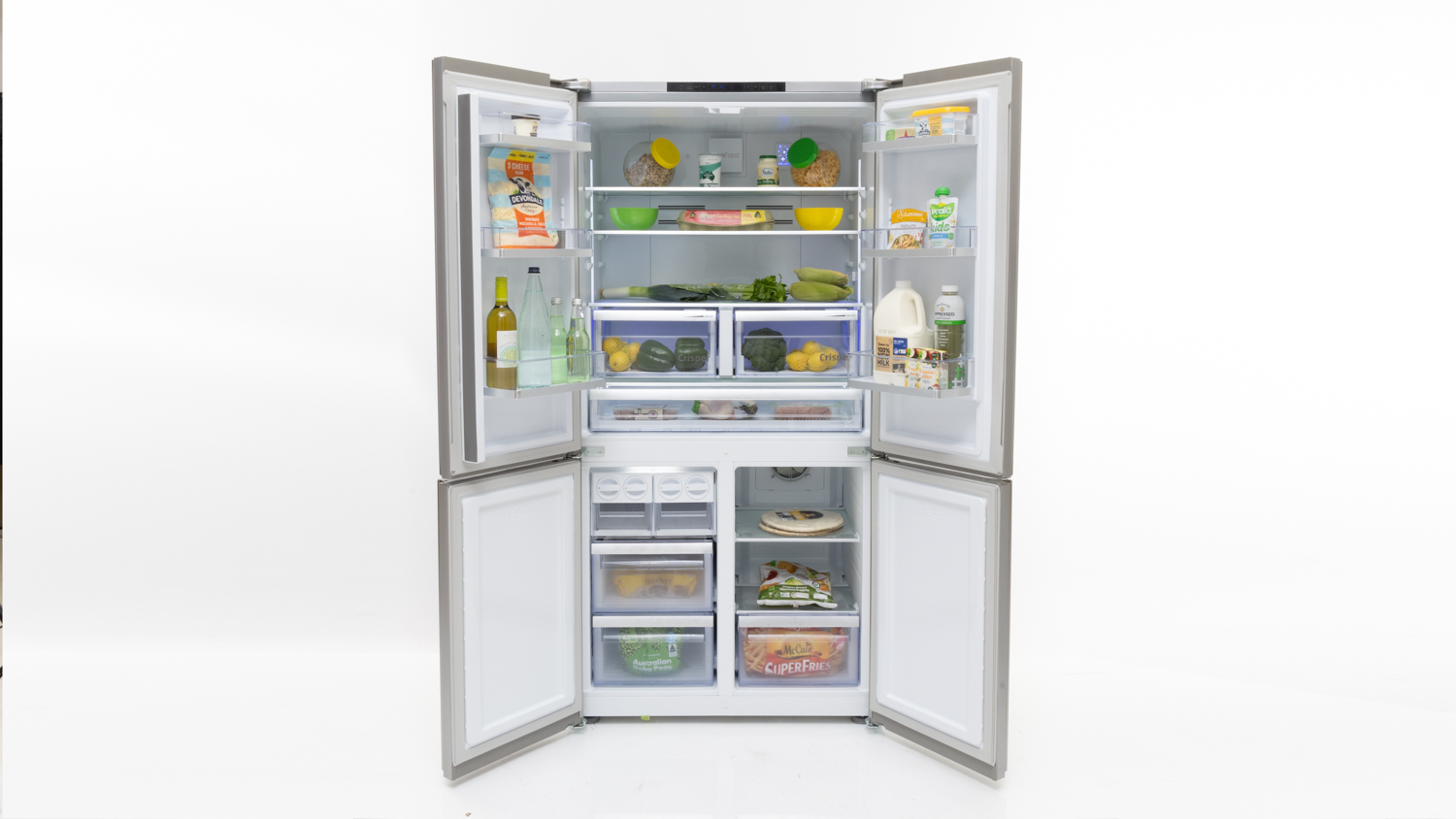
Beko
BFR575PX
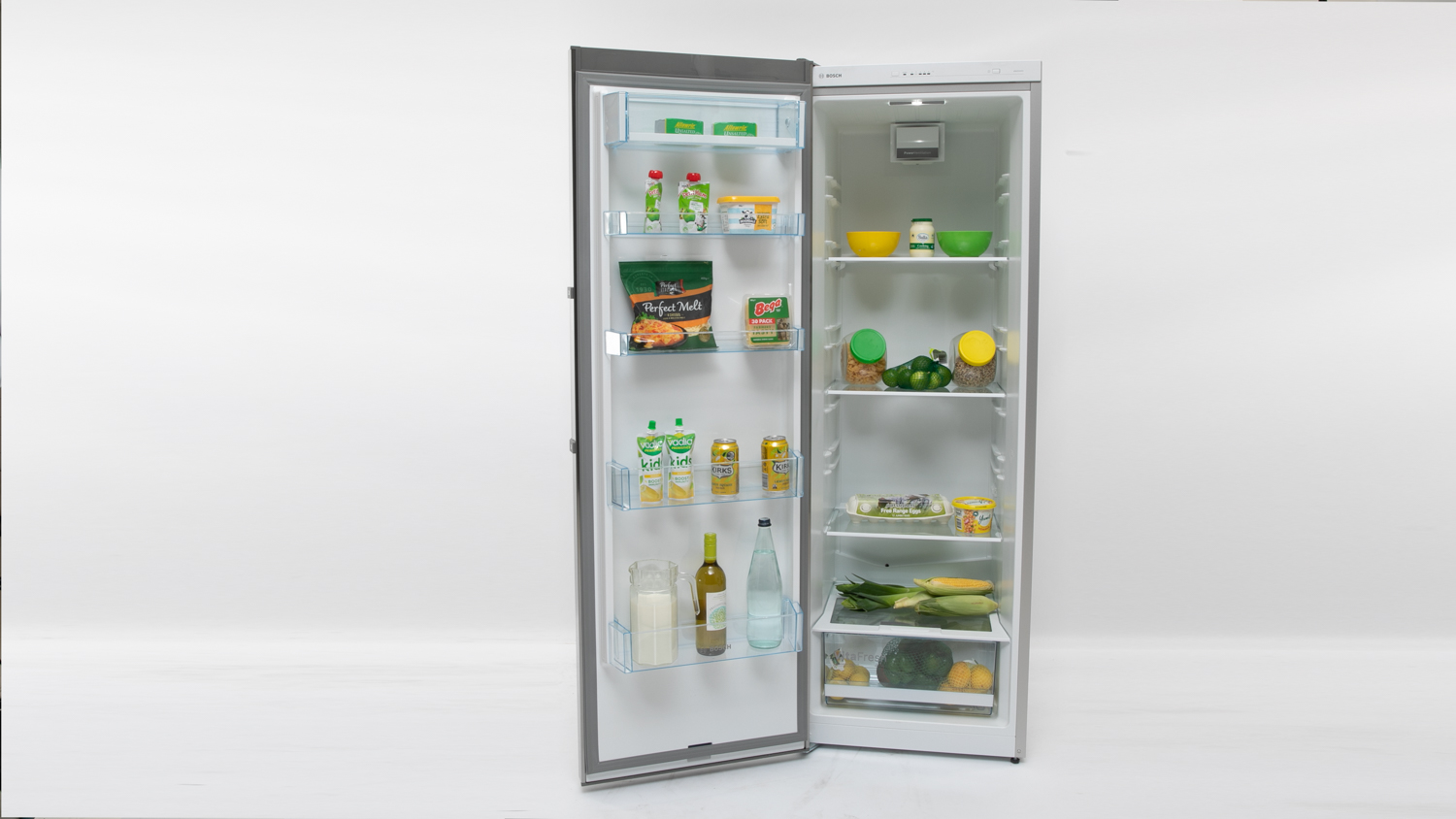
Bosch
KSV33VI3A
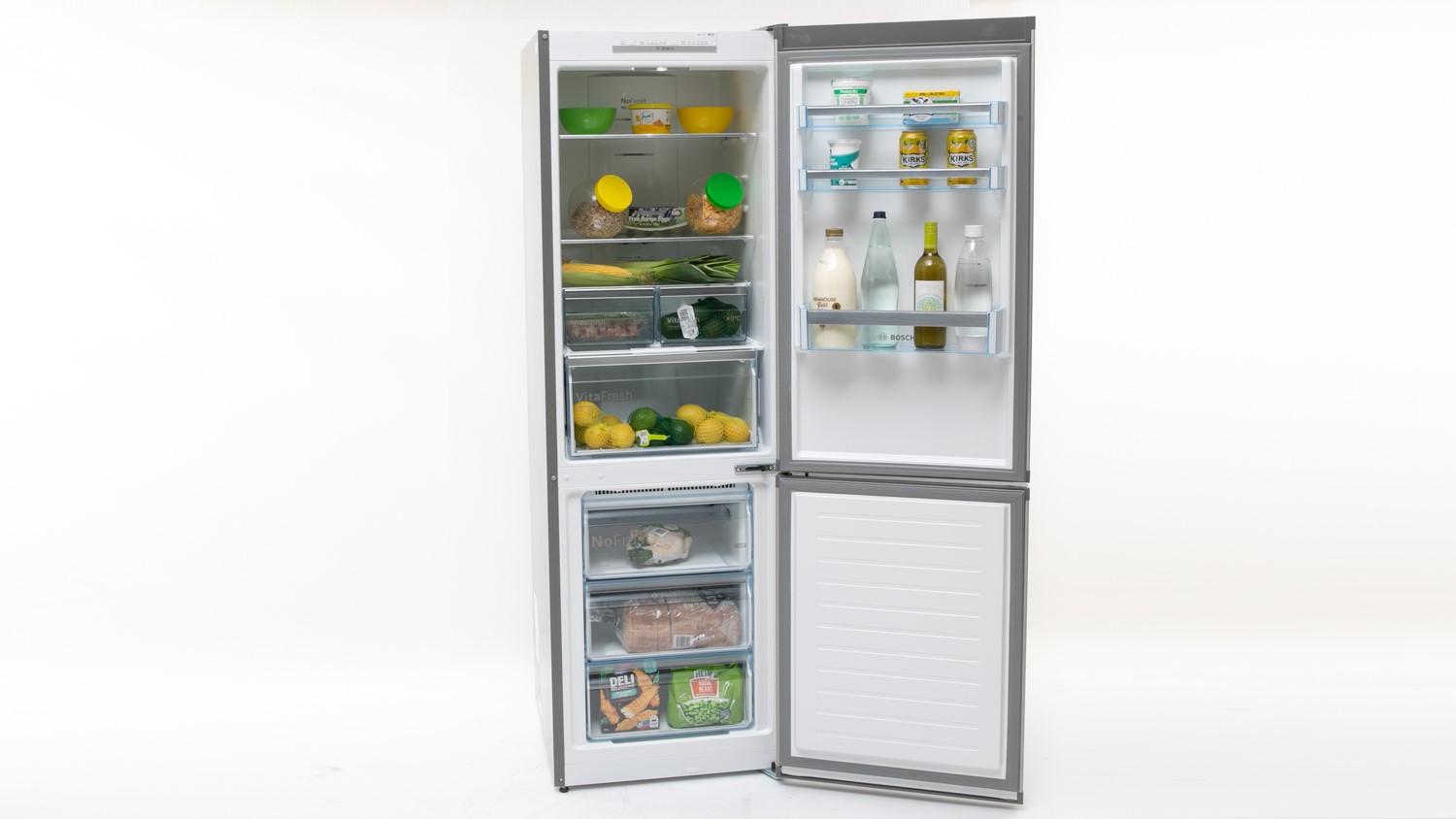
Bosch
KGN36VI3AA
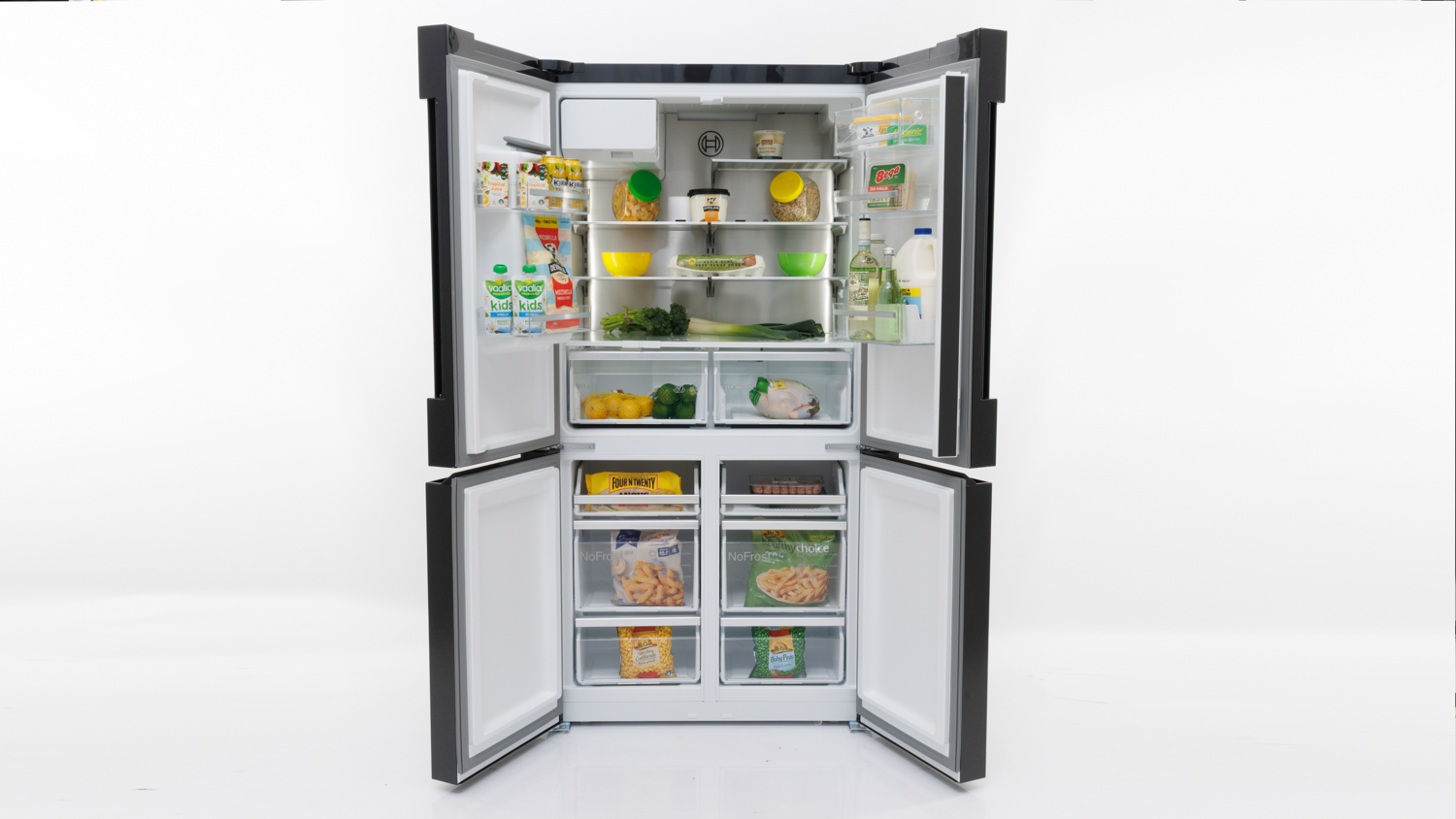
Bosch
KFD96AXEAA
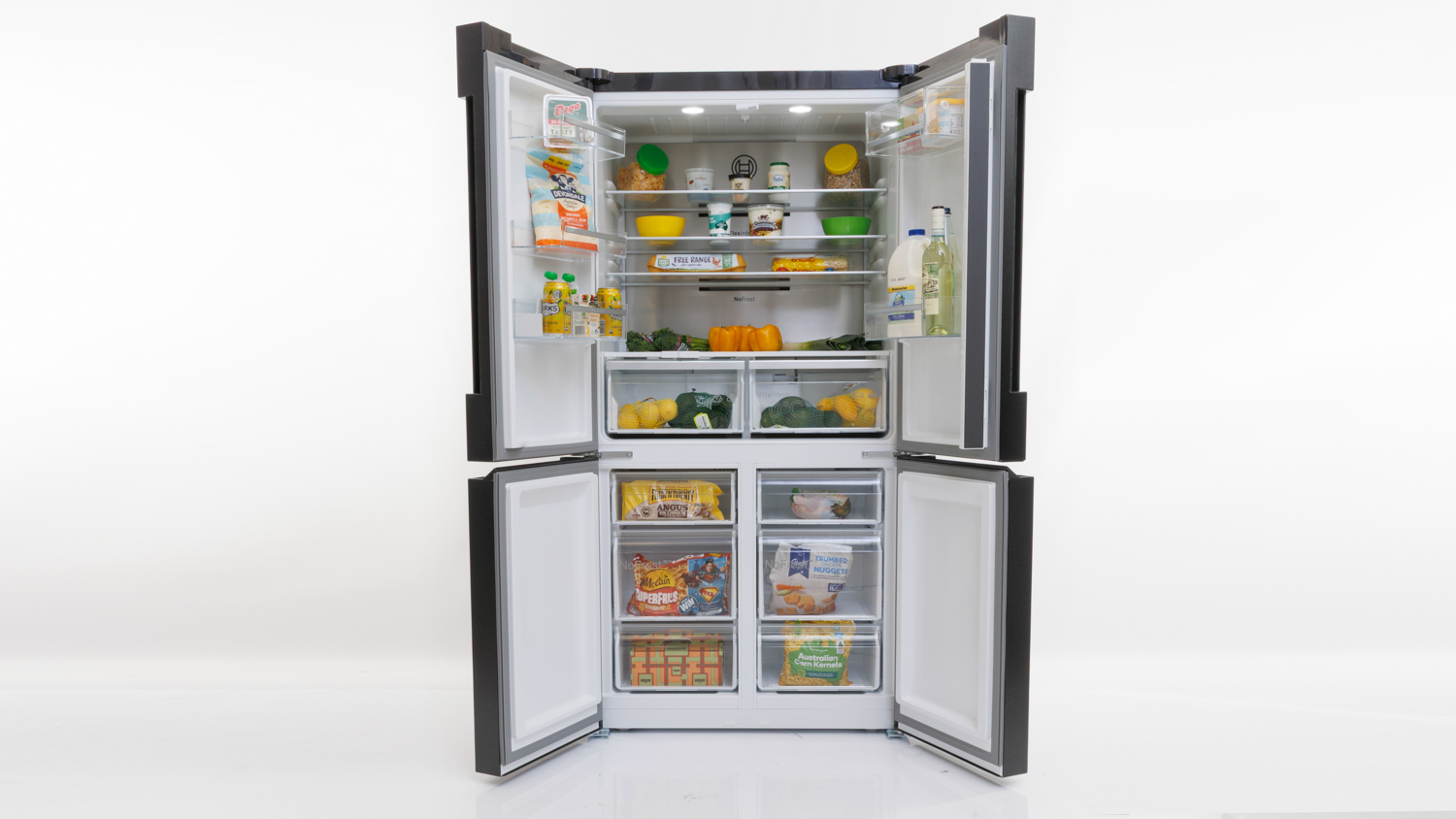
Bosch
KFN96AXEAA
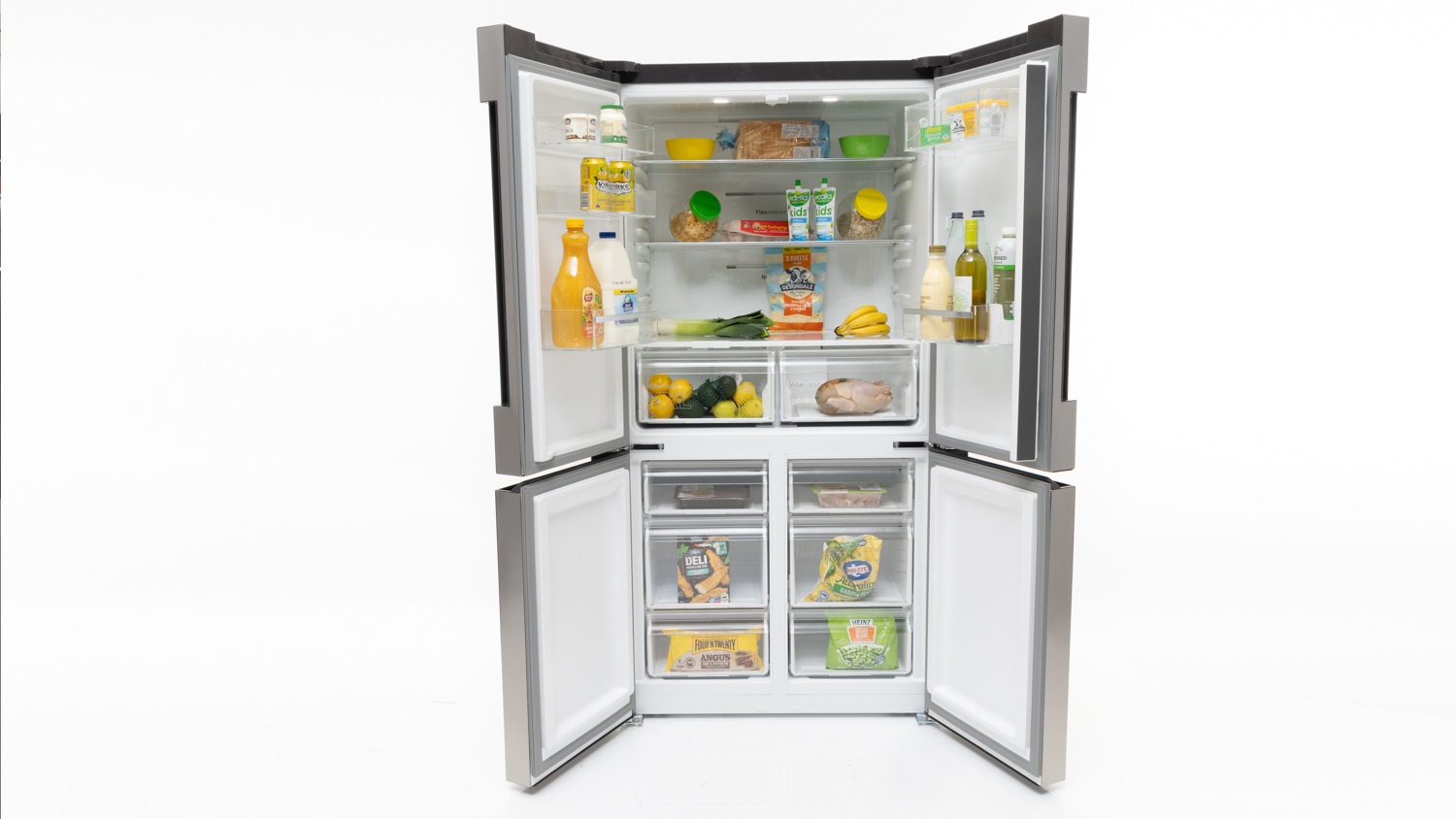
Bosch
KFN96VPEAA

Bosch
KFN96APEAA
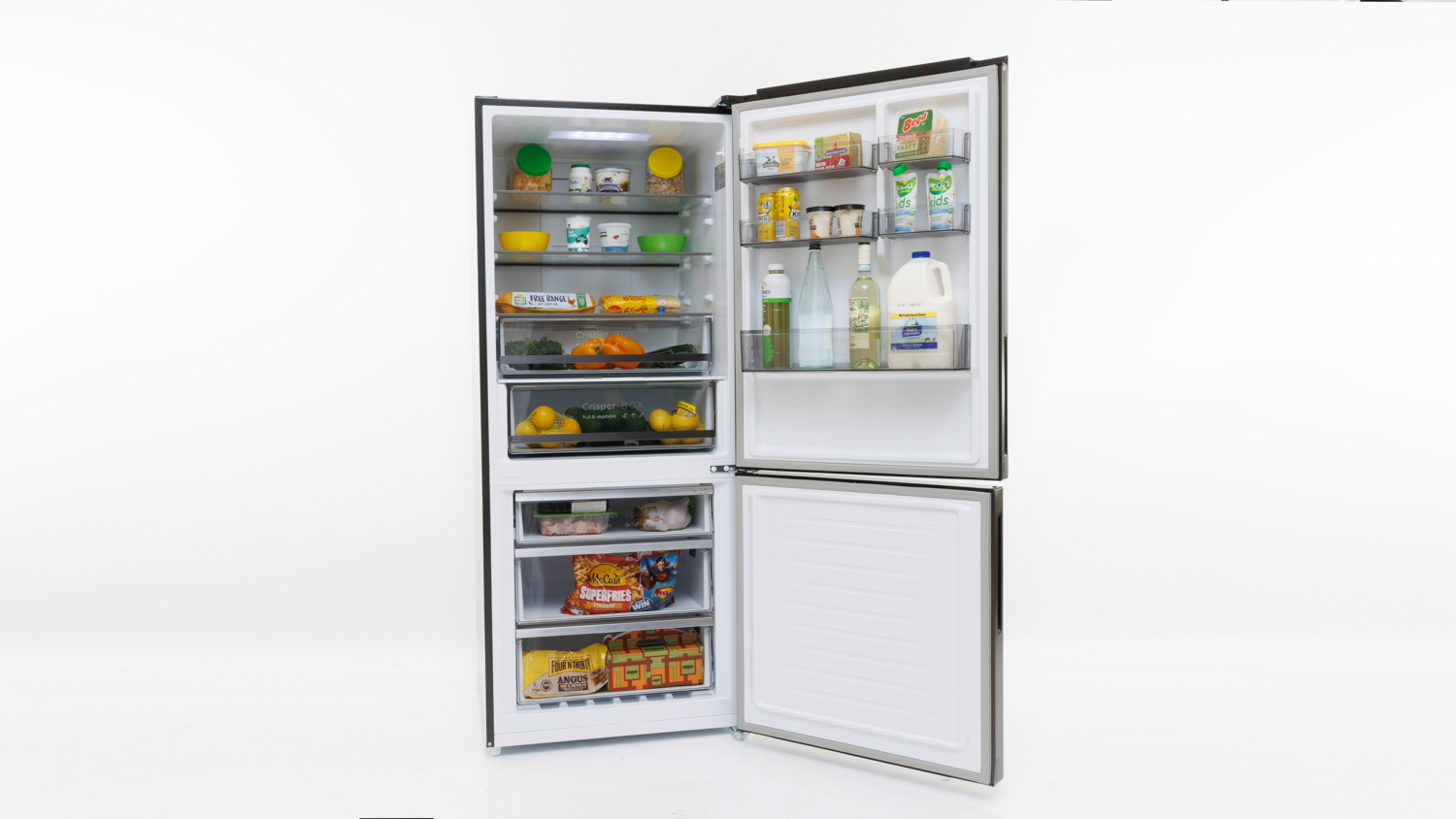
Chiq
CBM395NBS6E
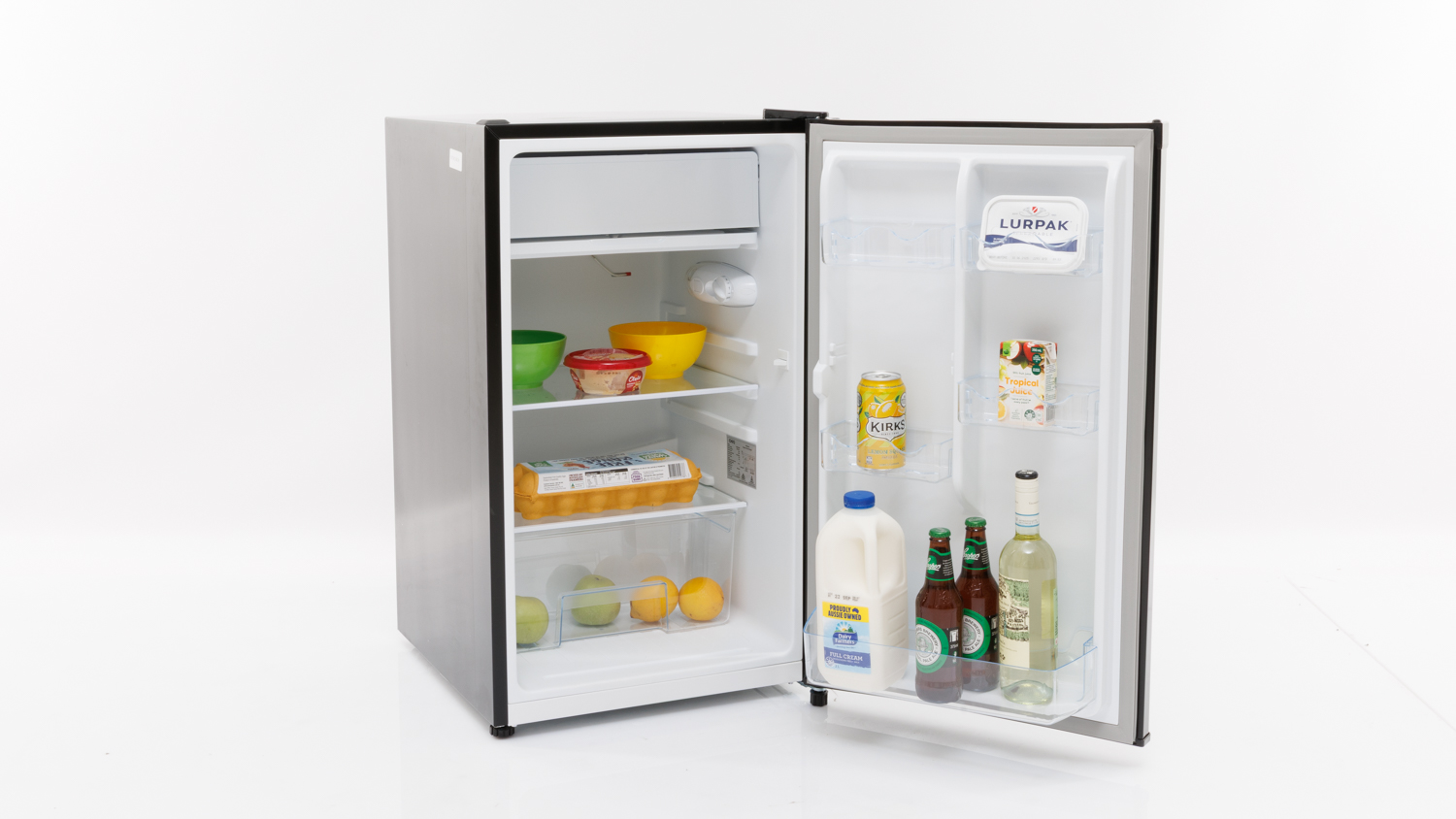
Chiq
CRSR125DB
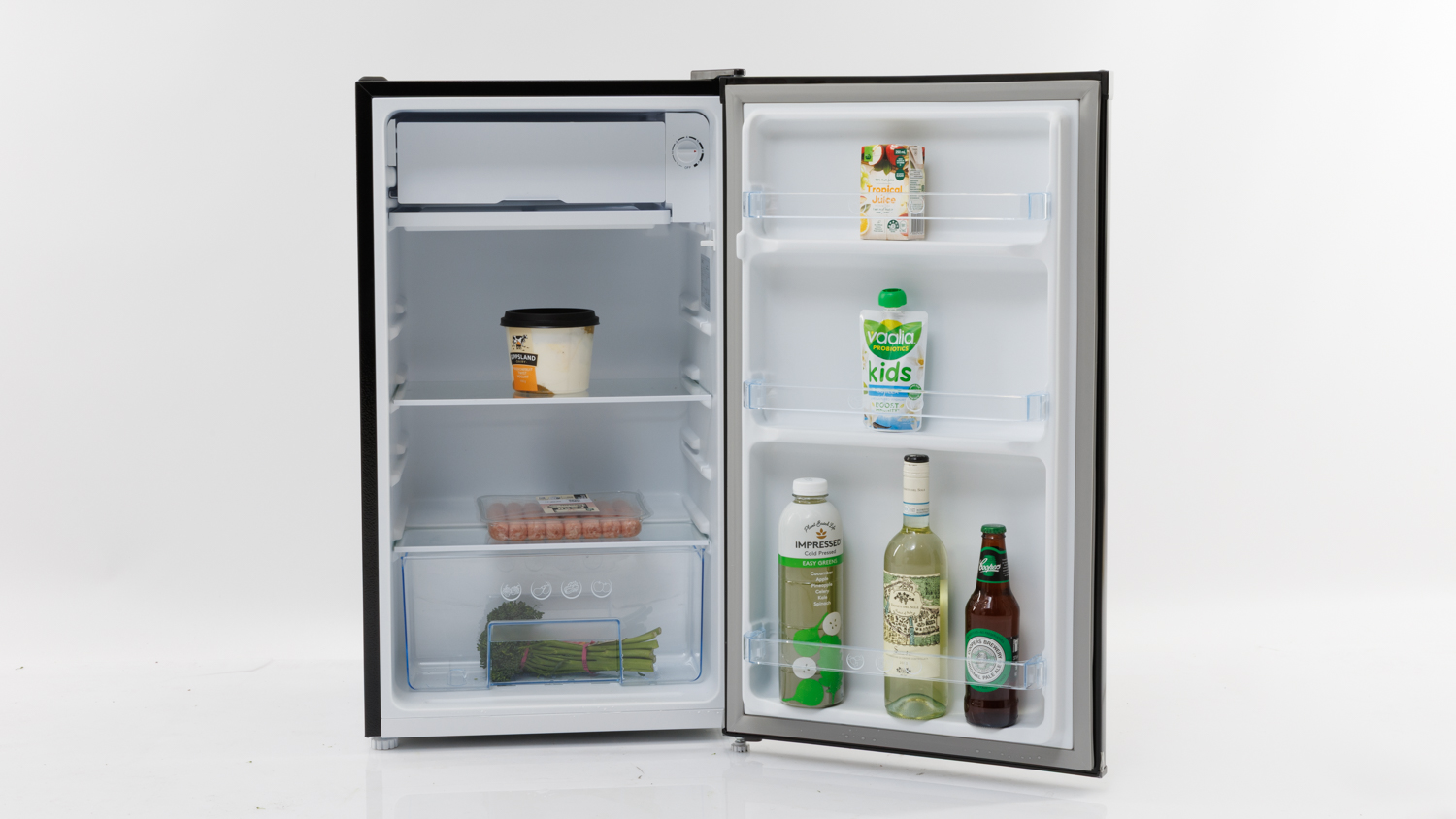
Chiq
CSR089DB
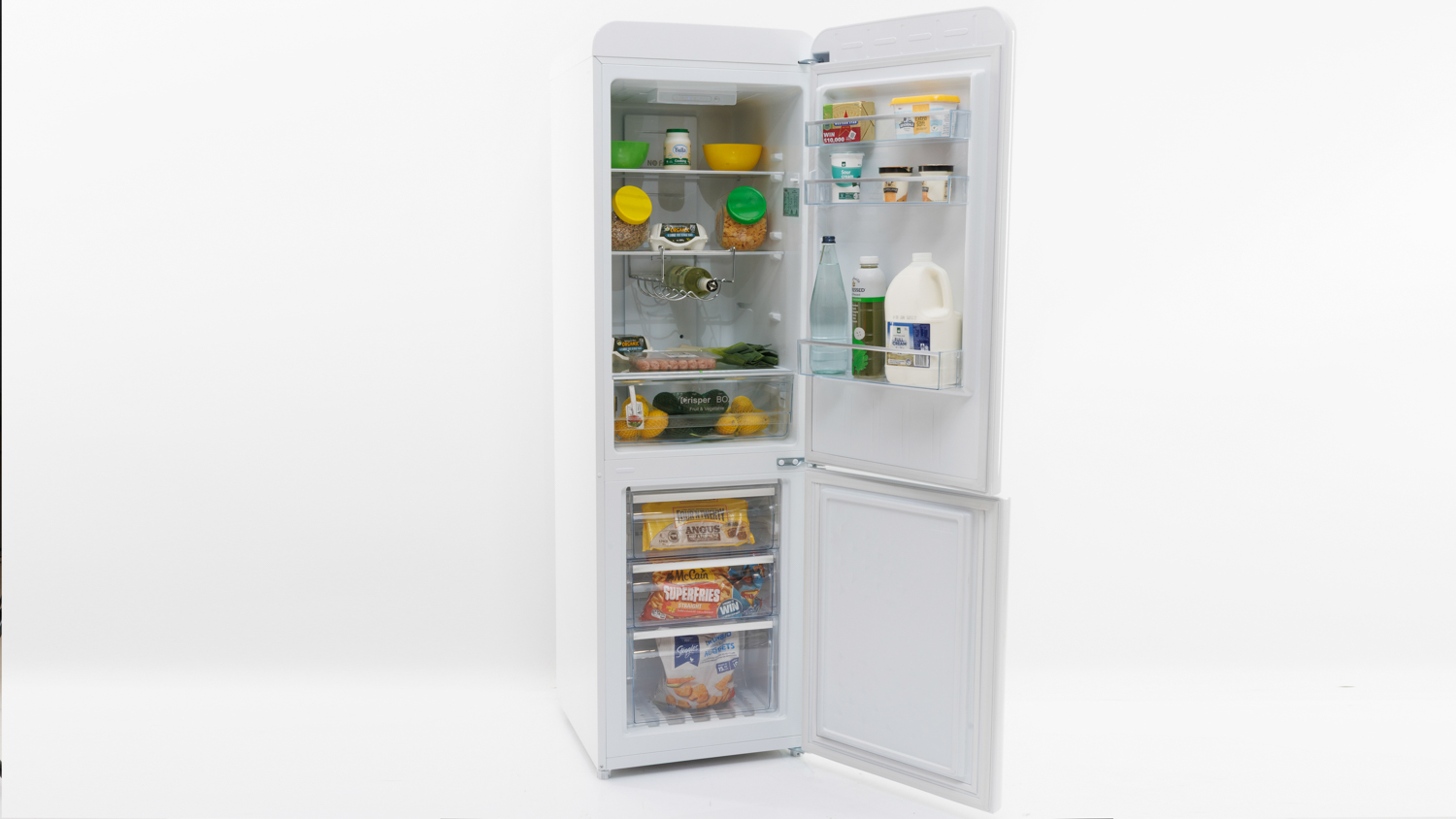
Chiq
CRBM227NW3
Chiq
CTM202NW3
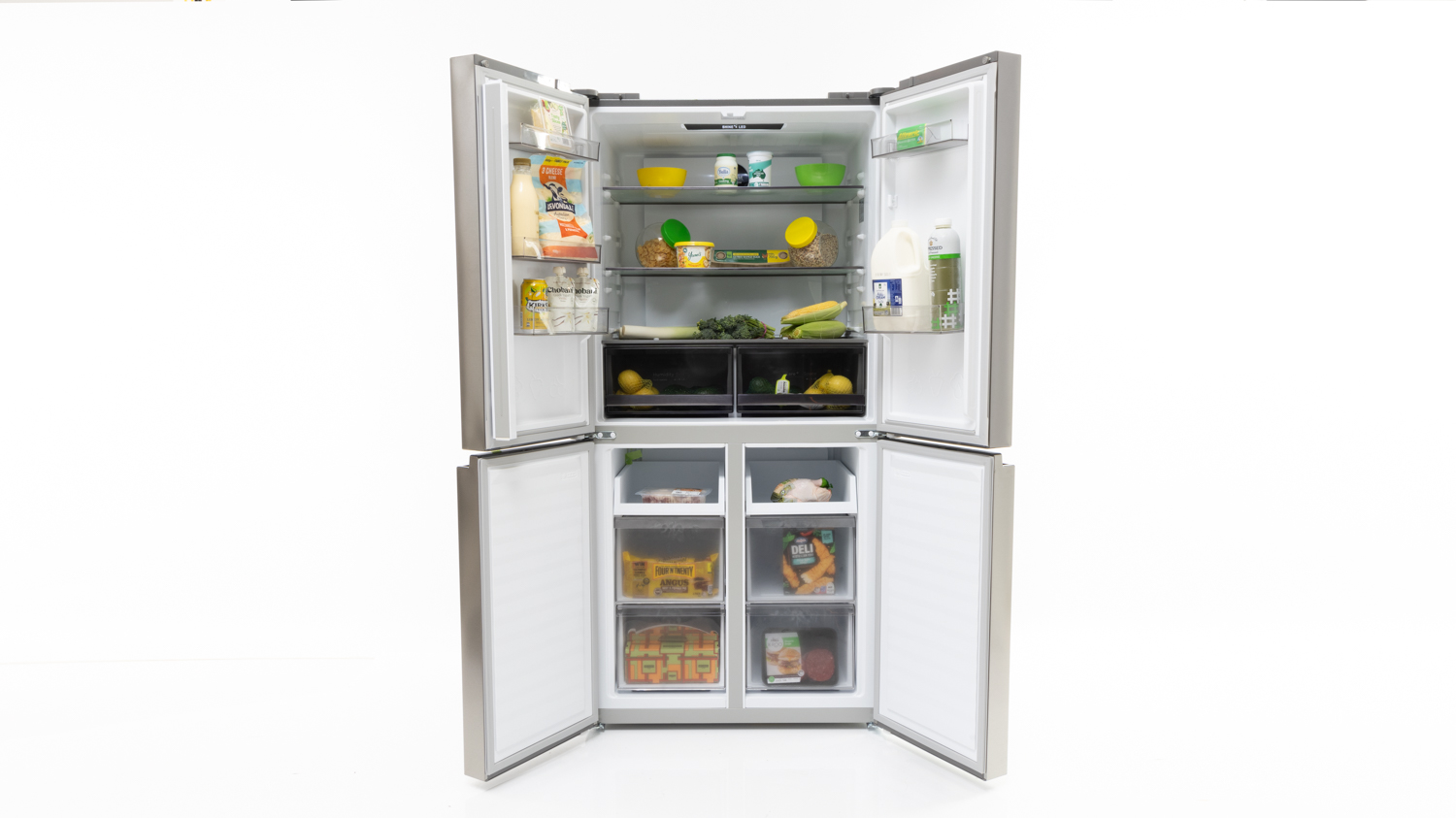
Chiq
CCD500NS
Chiq
CTM200NSS

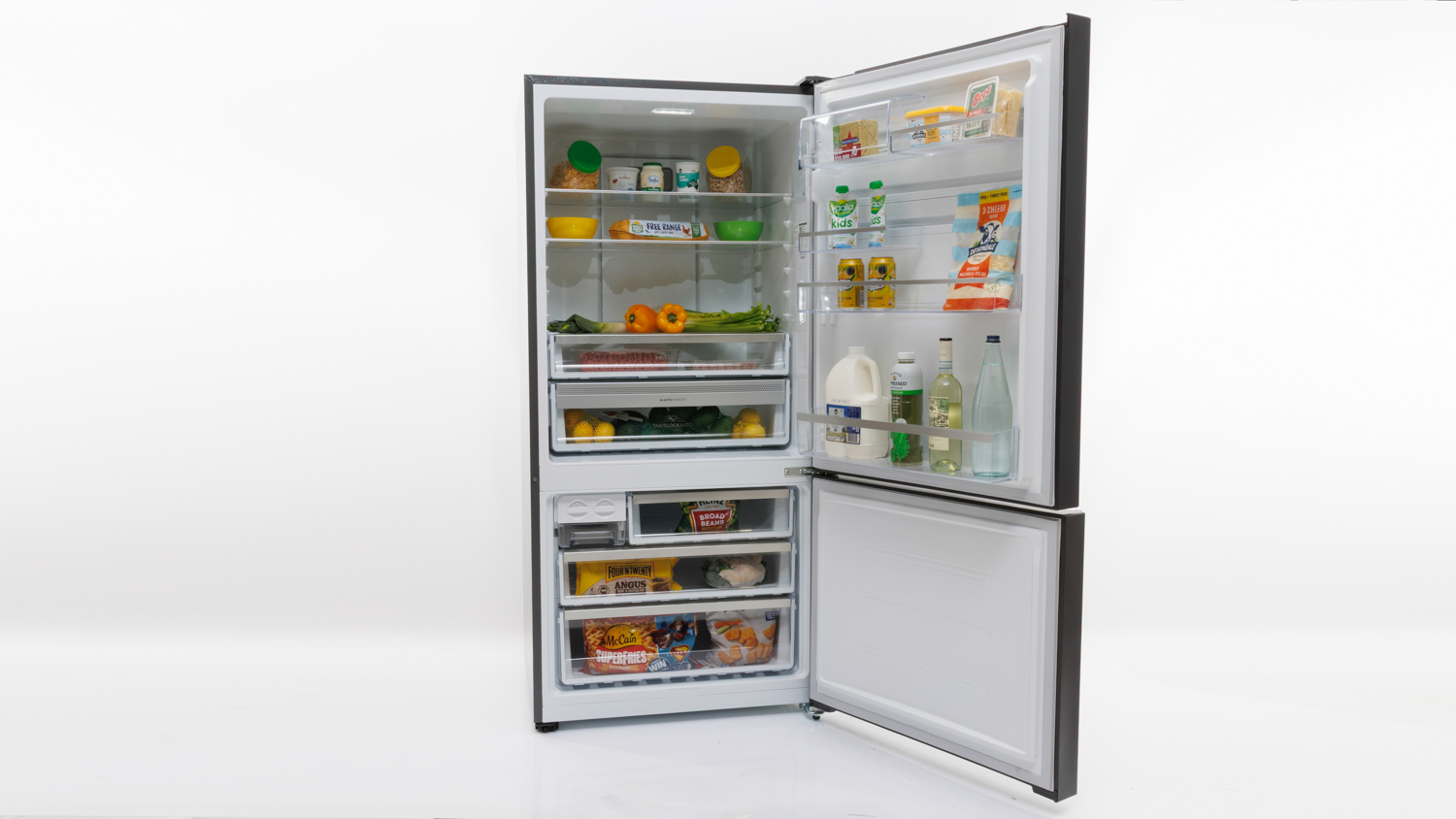
Chiq
CTM201NB3
Electrolux
EBE5007BD
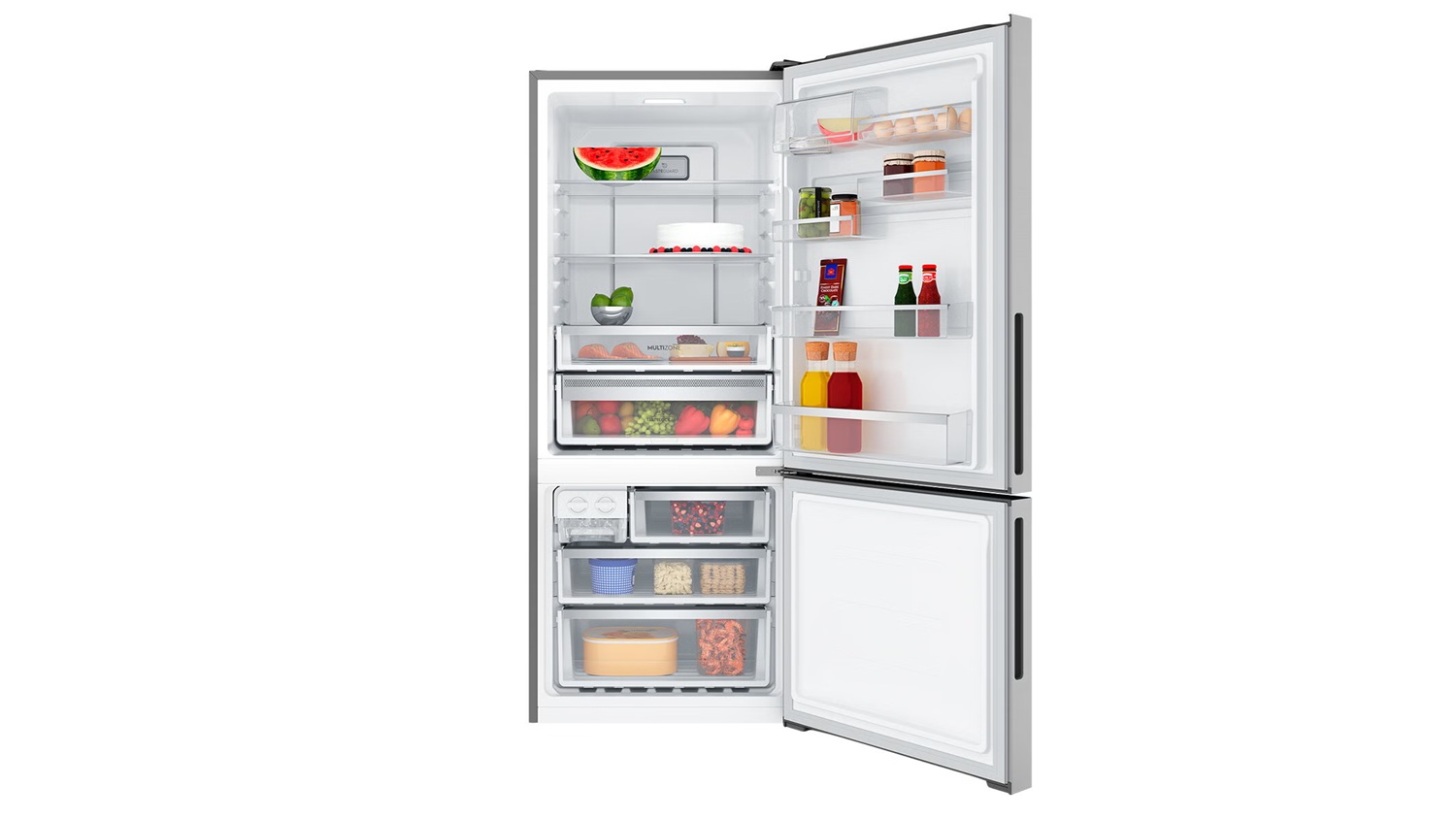
Electrolux
EBE4302SD
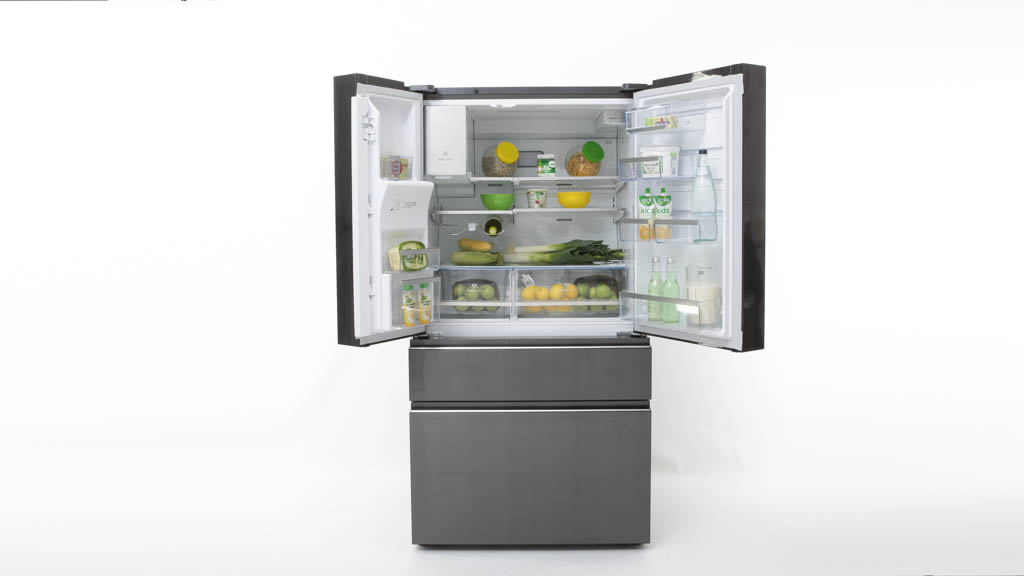
Electrolux
EHE6899BA
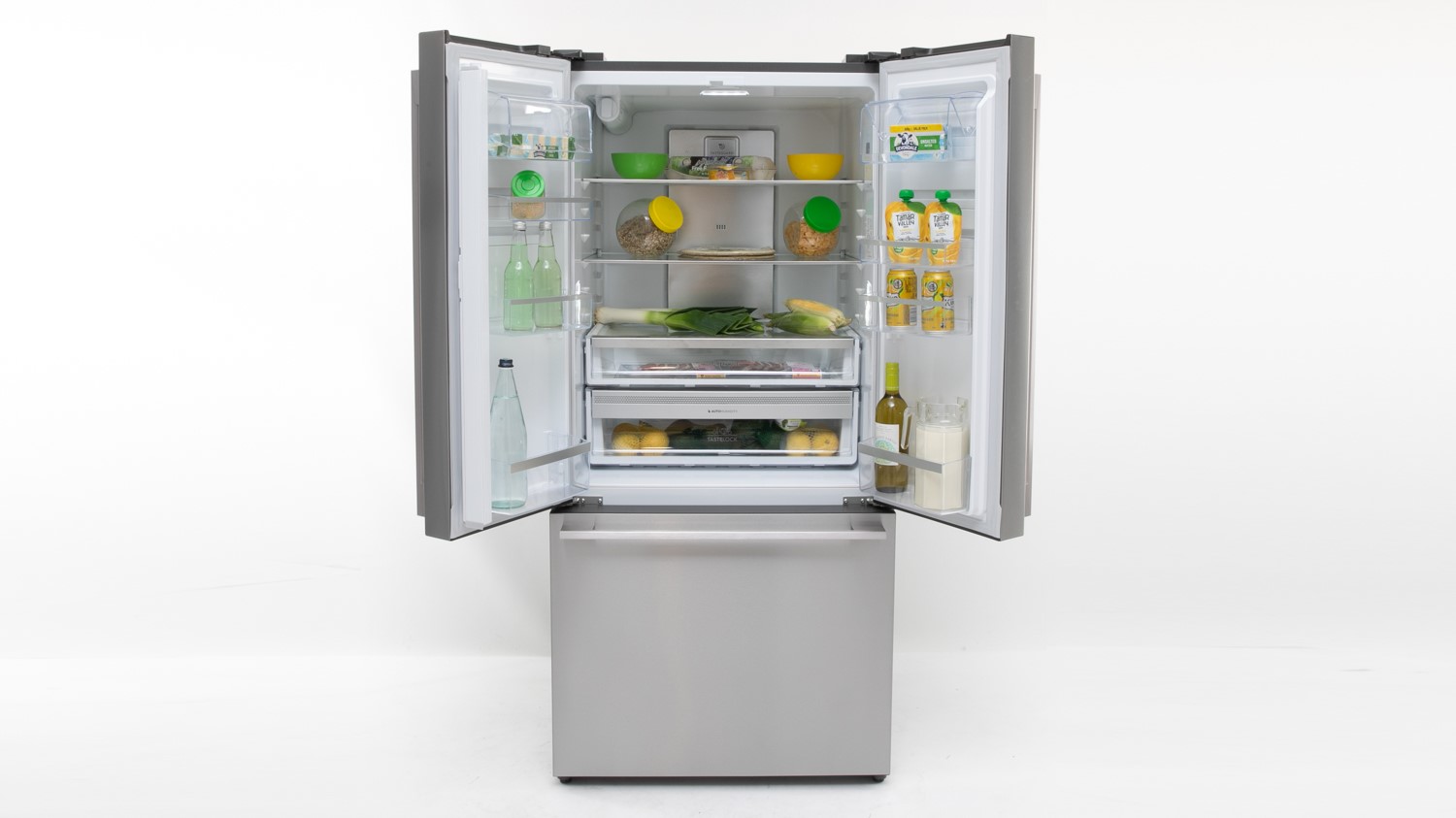
Electrolux
EHE5267SC

Electrolux
EQE5657BA

Electrolux
EHE5267BC
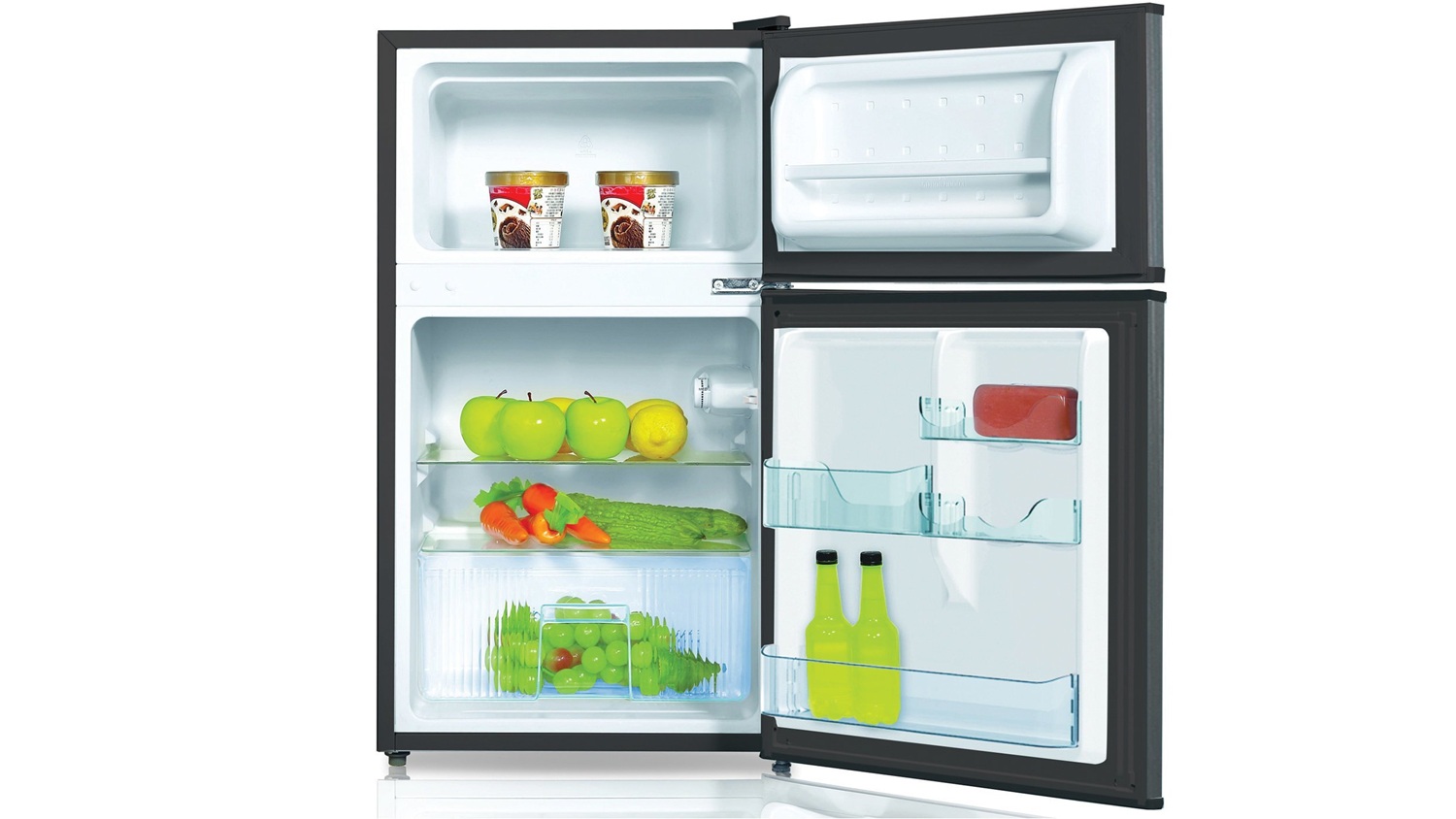
Esatto
EBF91S

Esatto
ETM236S
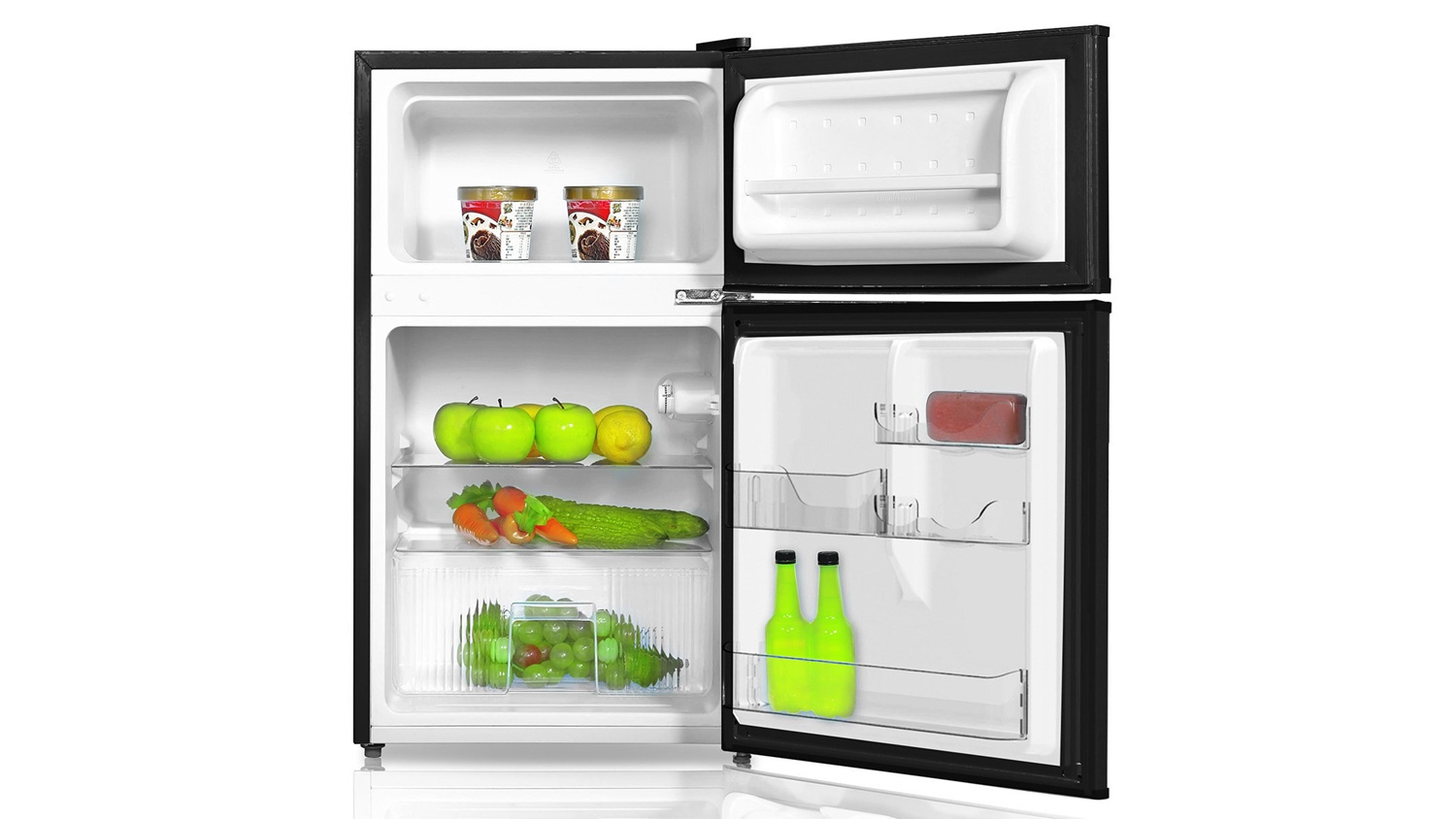
Esatto
EBF91B
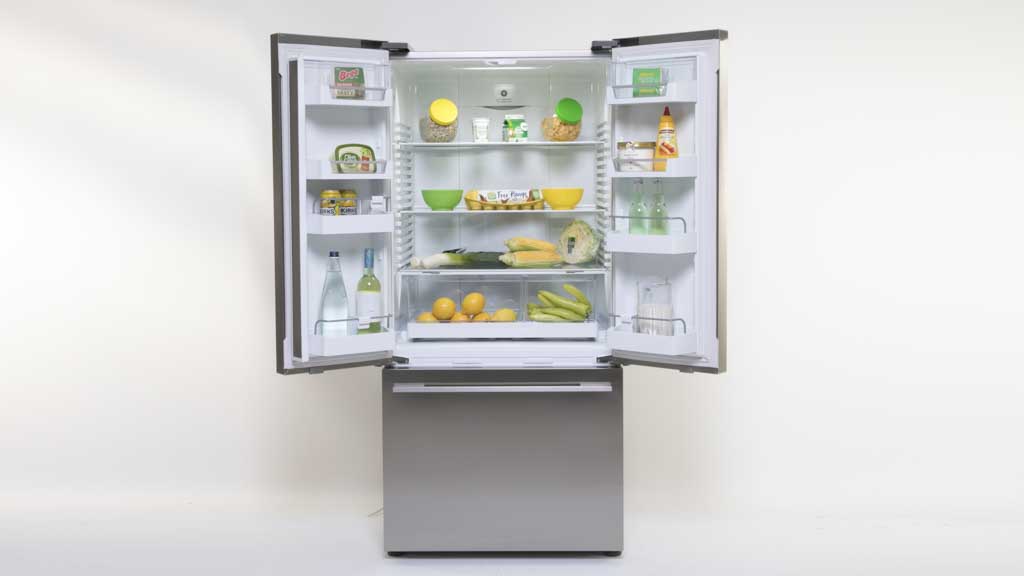
Fisher & Paykel
RF522ADX5
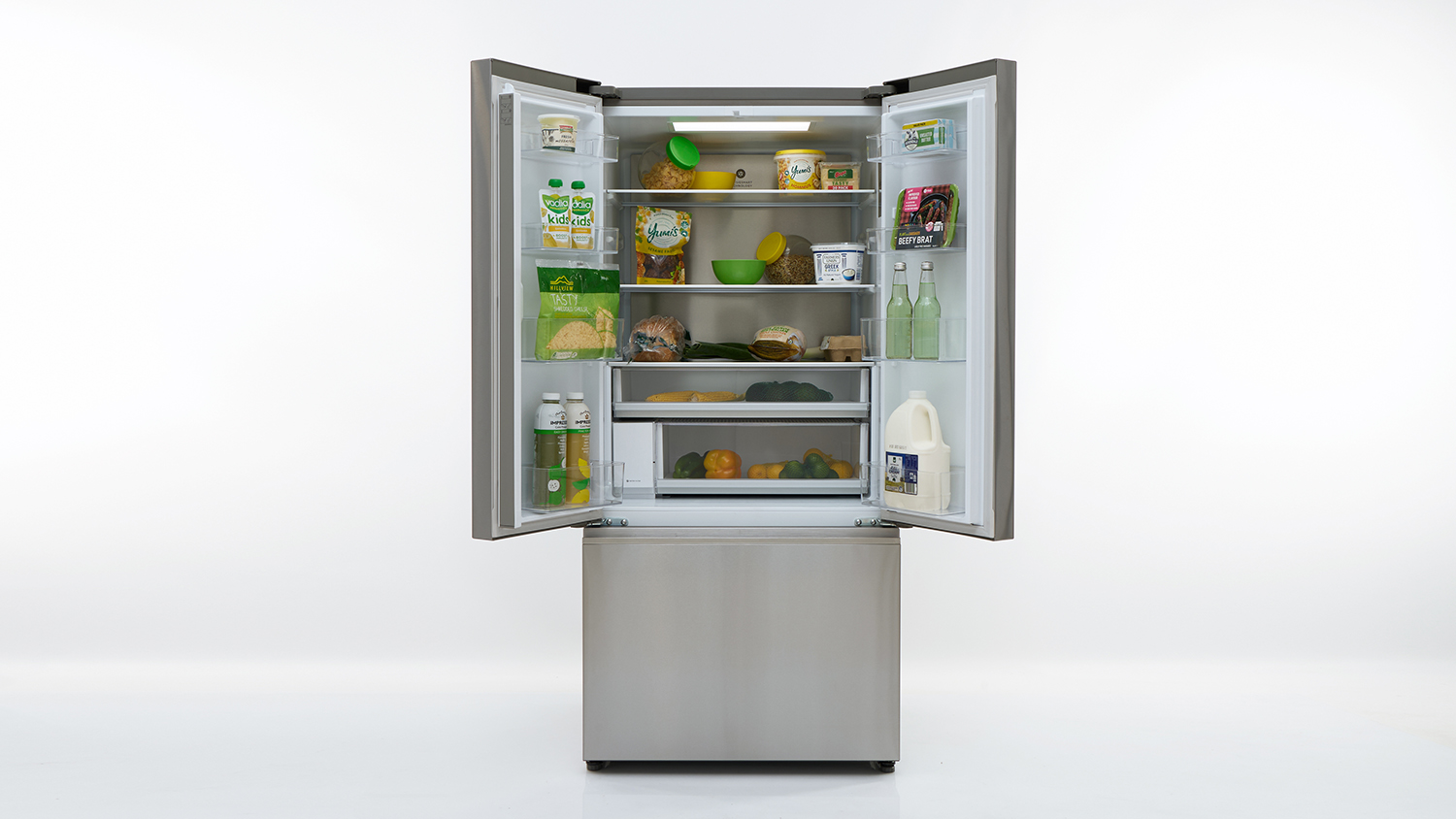
Fisher & Paykel
RF505ANUX1
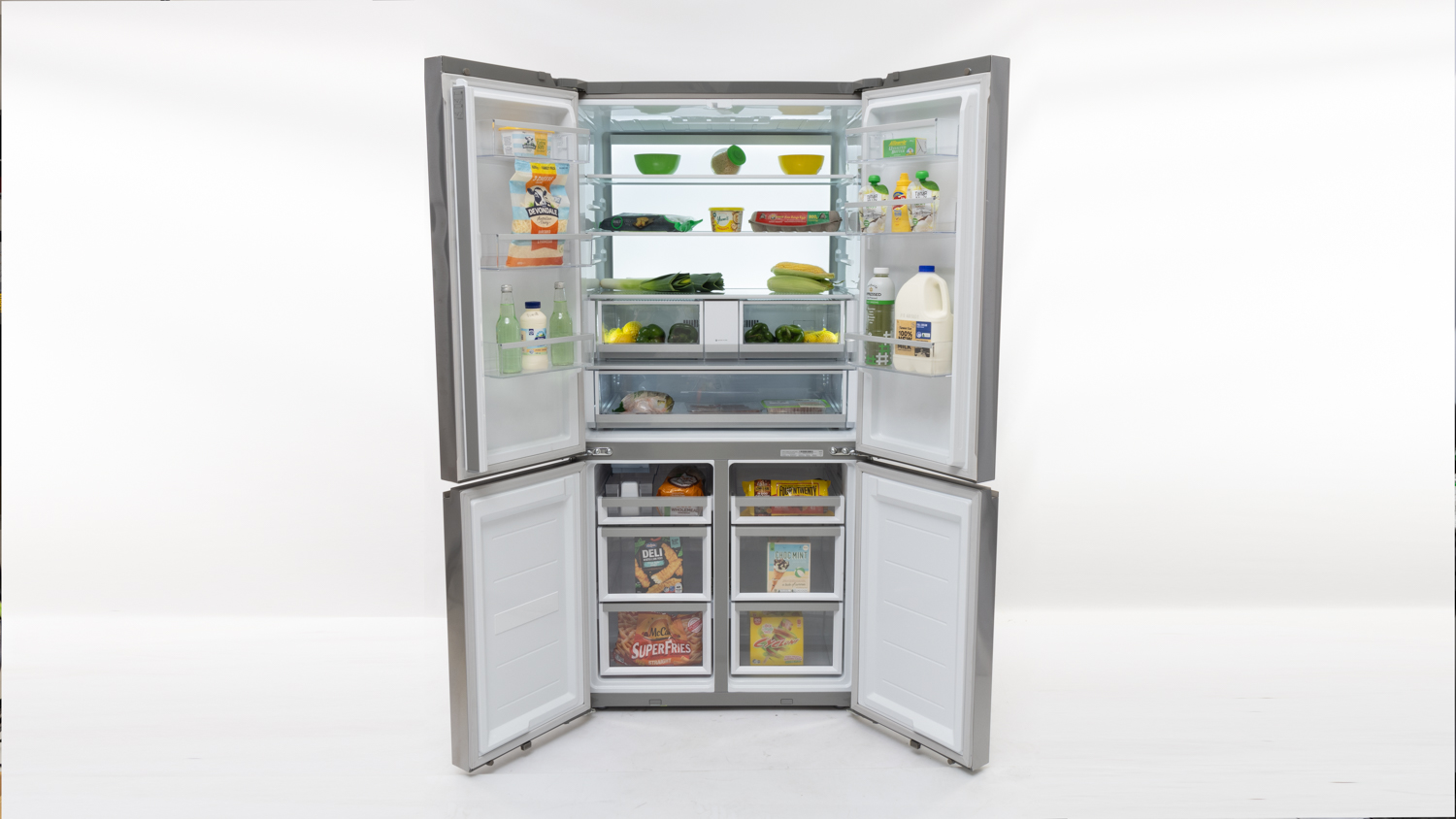
Fisher & Paykel
RF730QNUVX1
Fisher & Paykel
RF505BRNUX1

Fisher & Paykel
RF605QDVX2
Fisher & Paykel
RF500QNX1

Fisher & Paykel
RF605QDUVX2

Fisher & Paykel
RF605QNUVB1

Fisher & Paykel
RF605QZUVB1

Fisher & Paykel
RF522BRPX6

Fisher & Paykel
RF730QZUVB1

Fisher & Paykel
RF605QDUVB2

Fisher & Paykel
RF500QNB1
Fisher & Paykel
RF505BRNB1
Fisher & Paykel
RF505ANX1
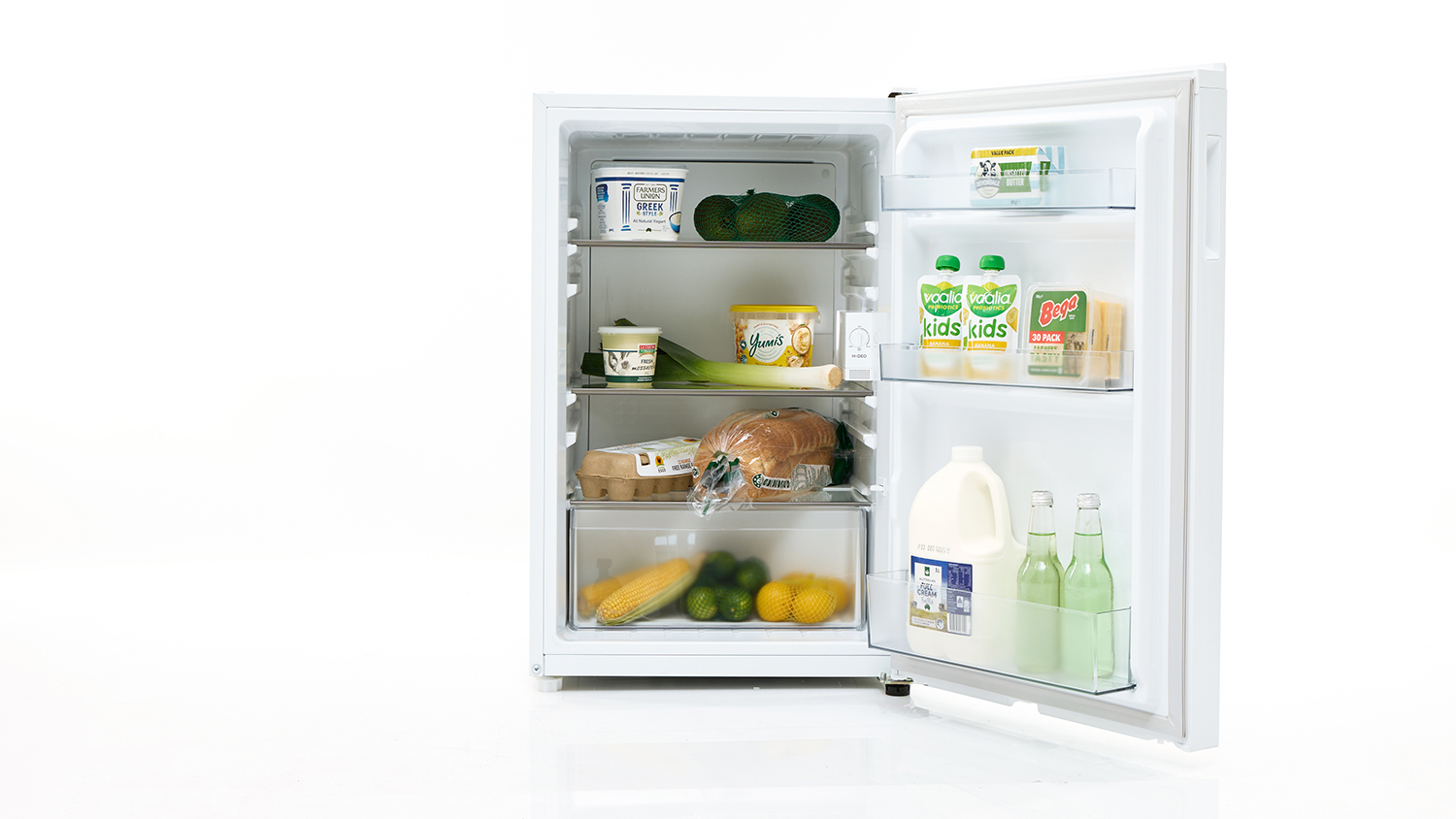
Haier
HRF130UW2
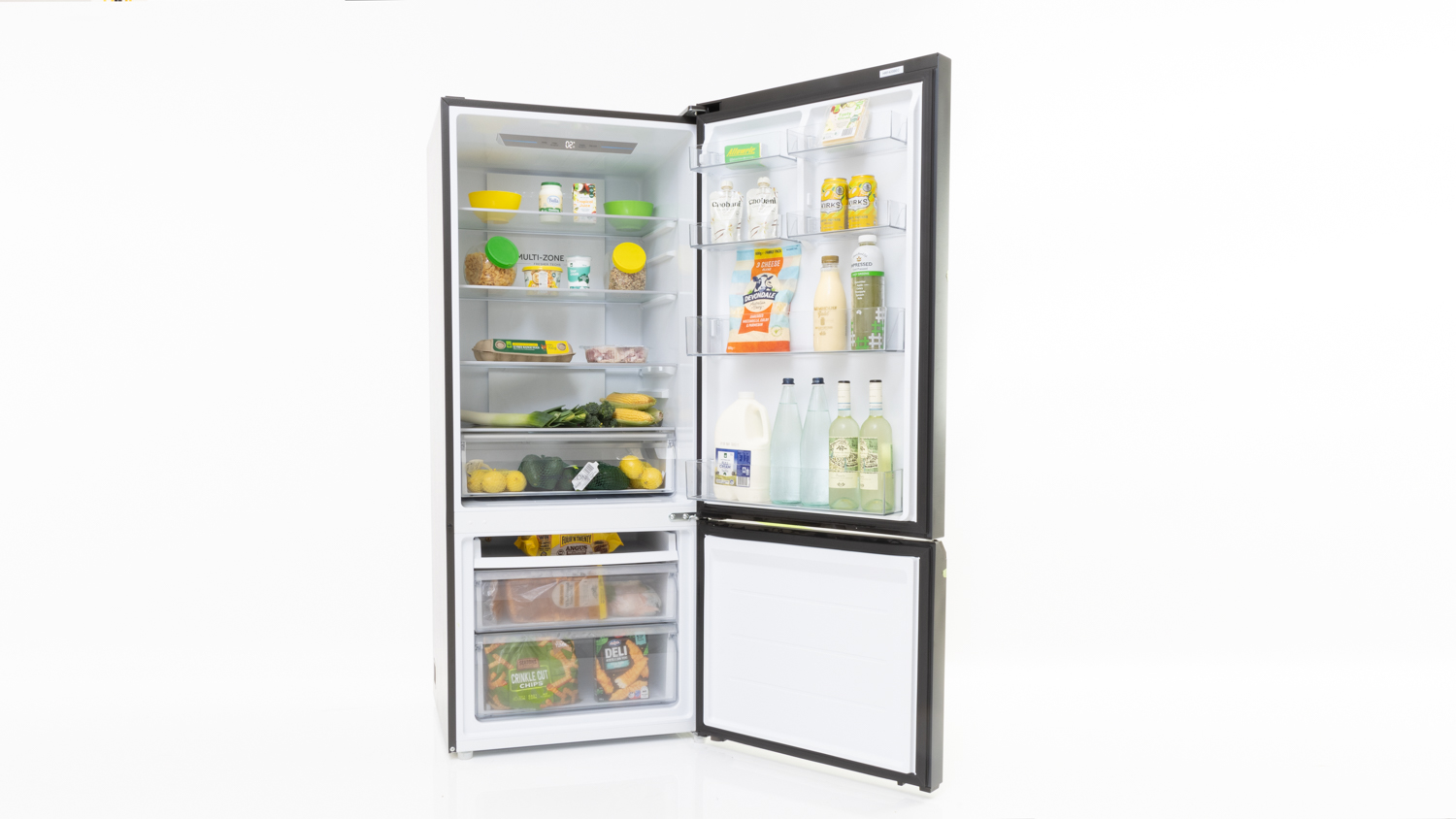
Haier
HRF420BEC
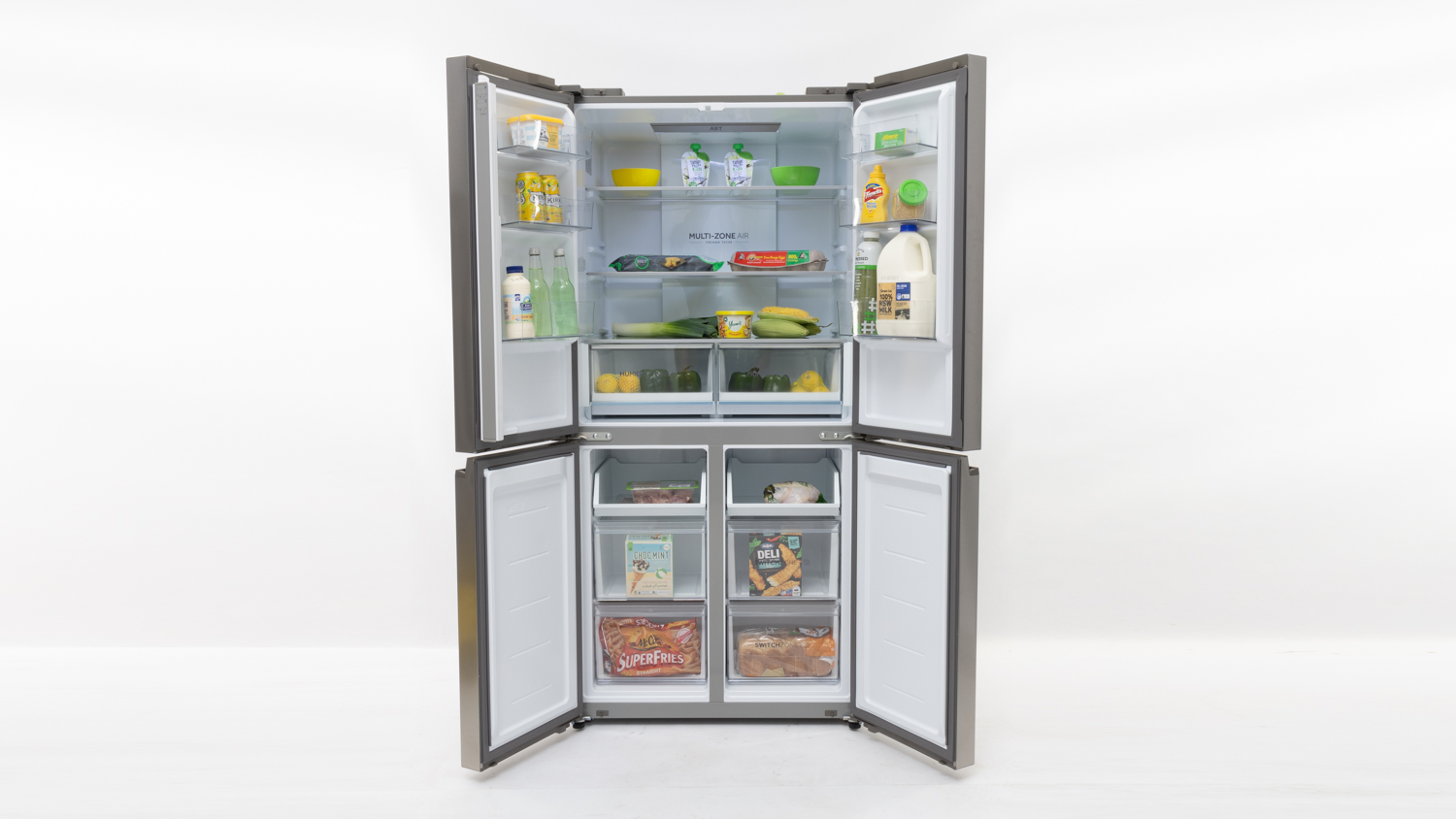
Haier
HRF530YS
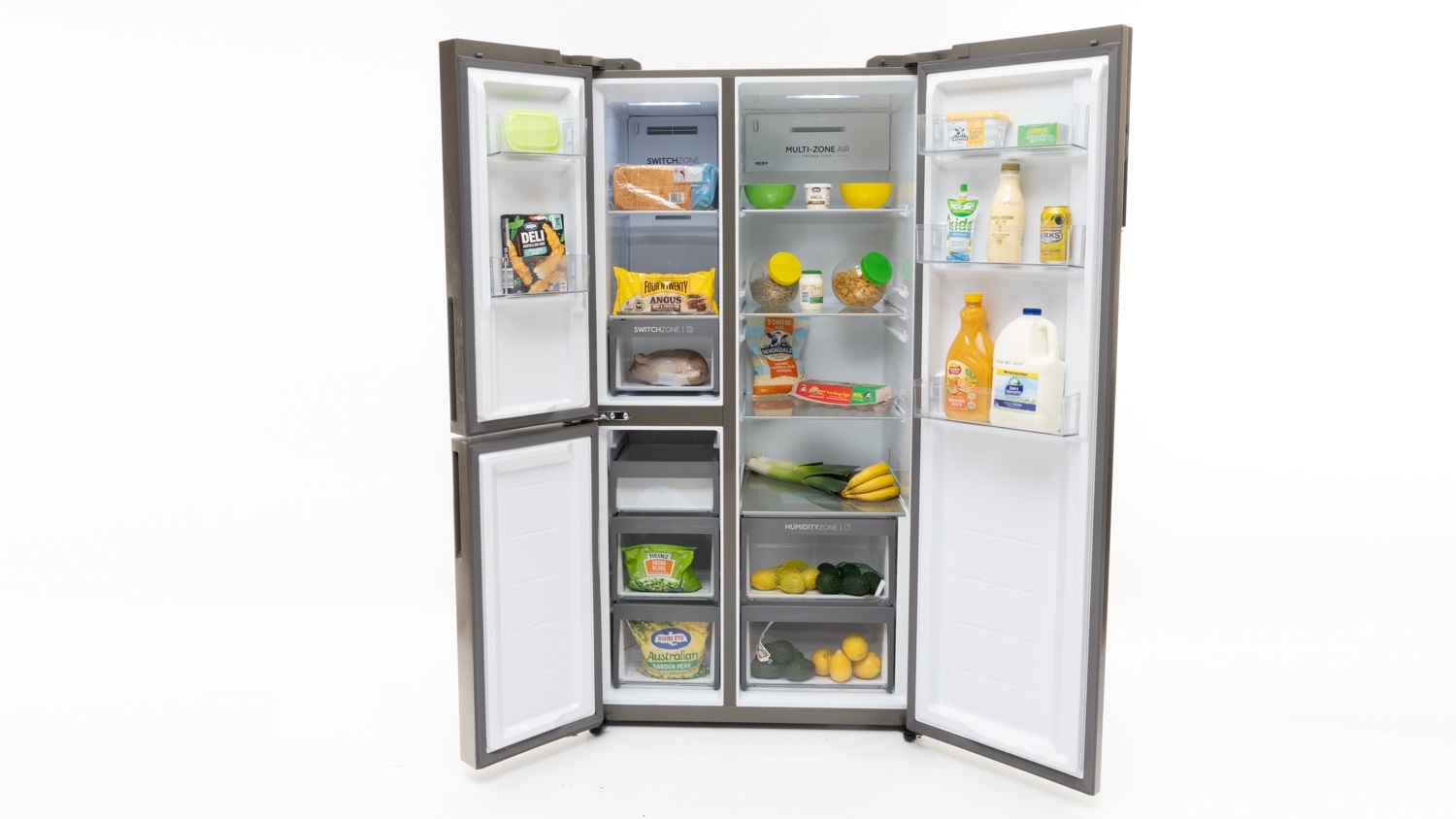
Haier
HRF575XS
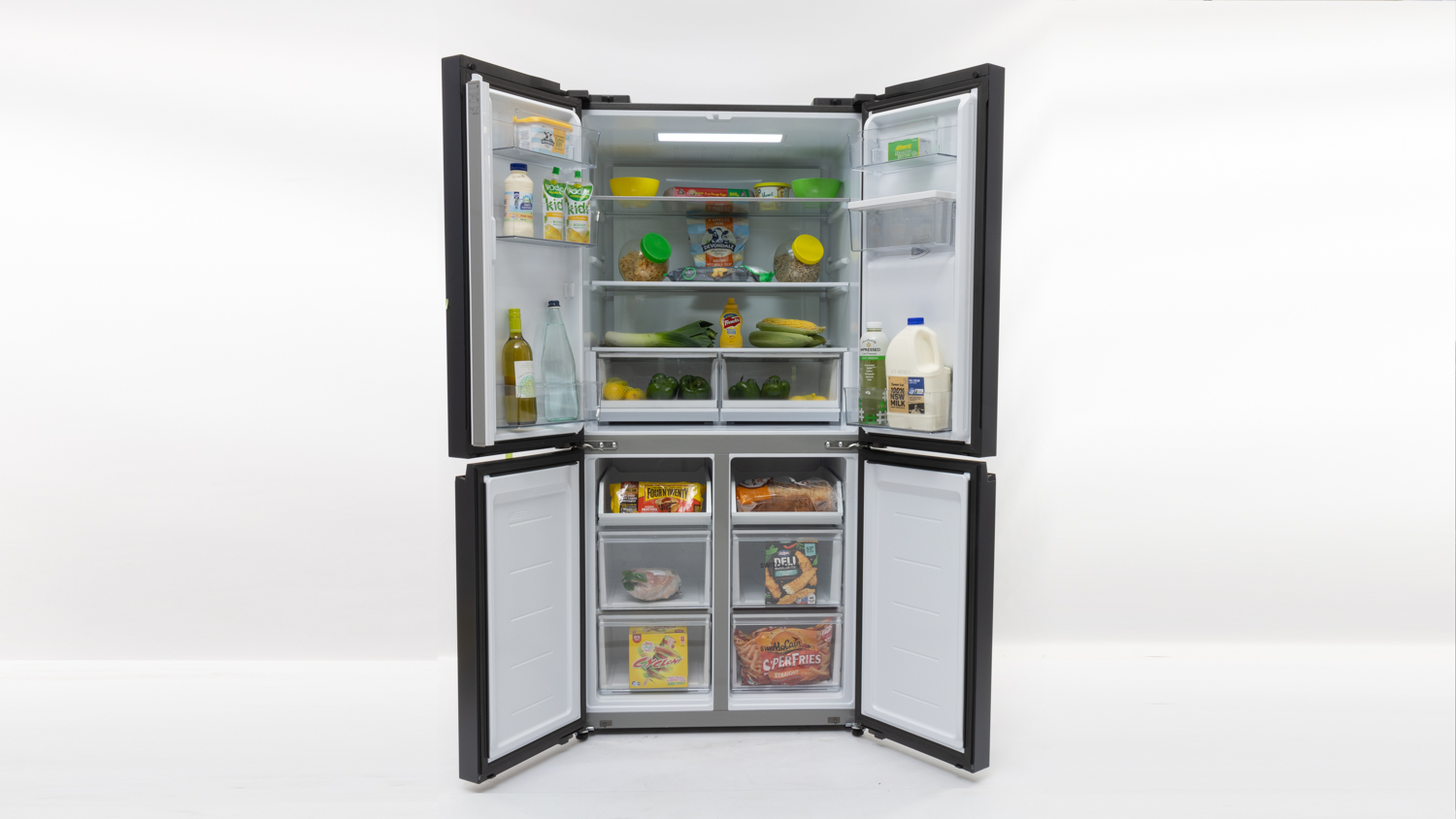
Haier
HRF580YHC
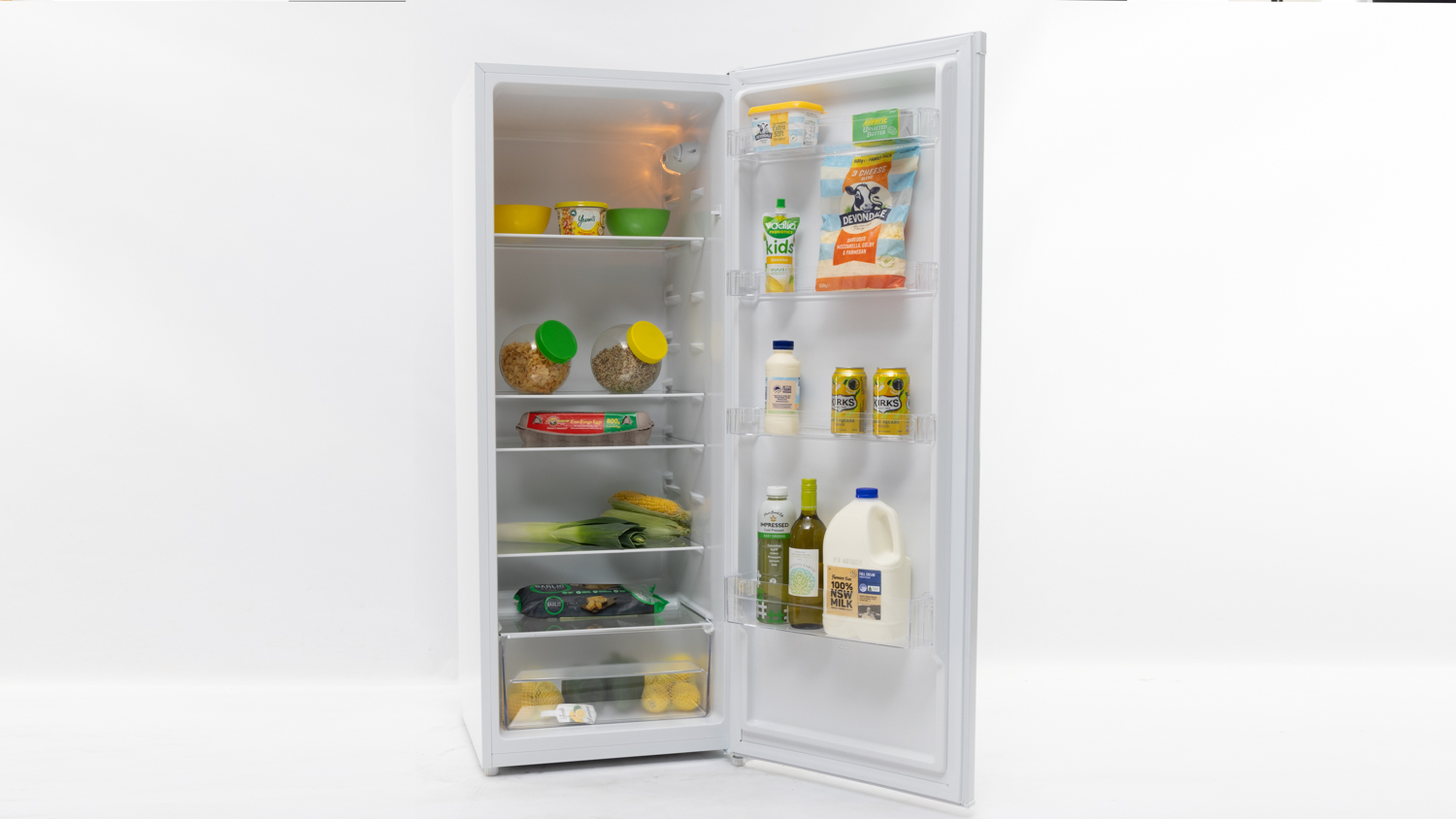
Haier
HRF241VW
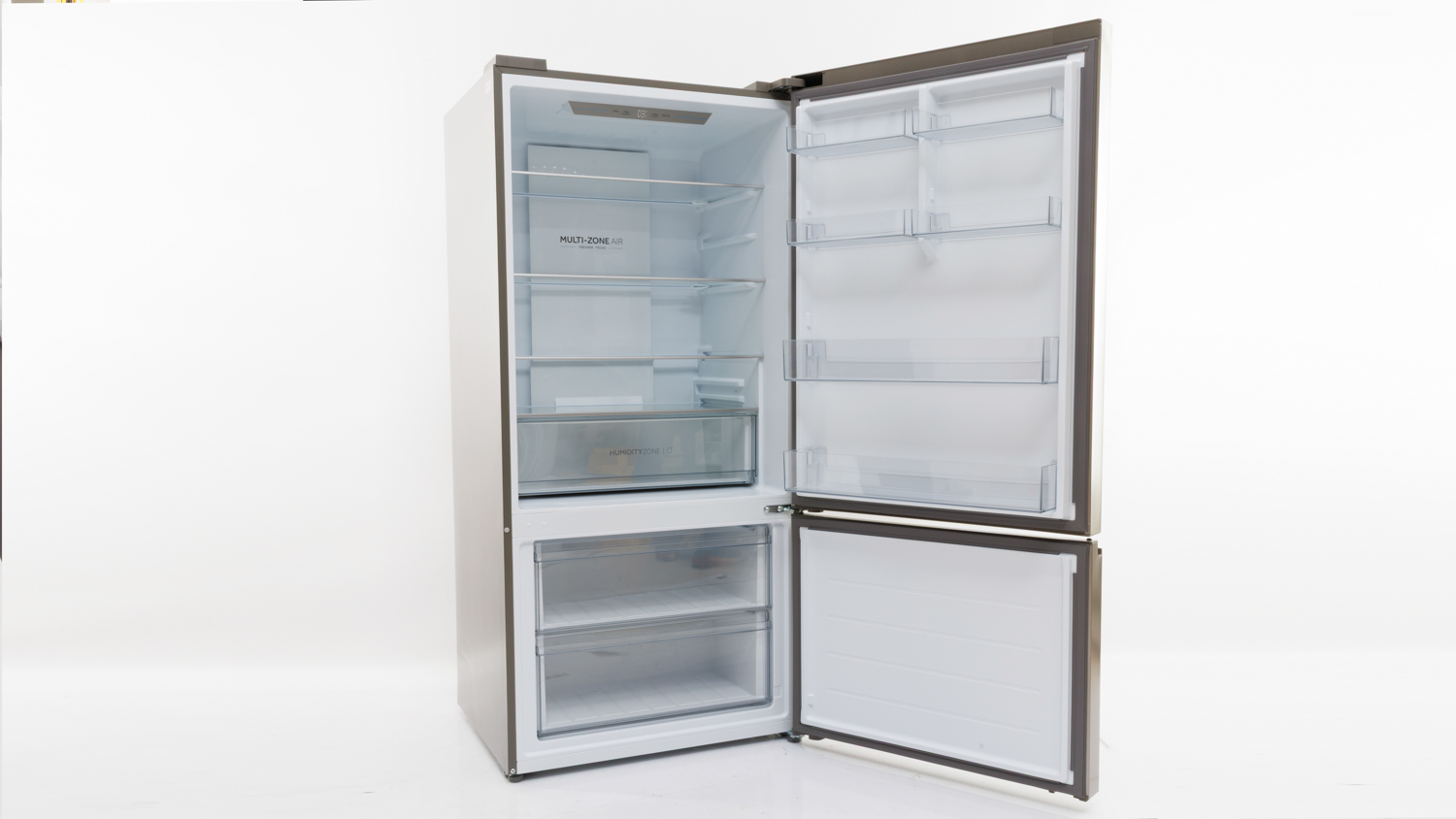
Haier
HRF510B
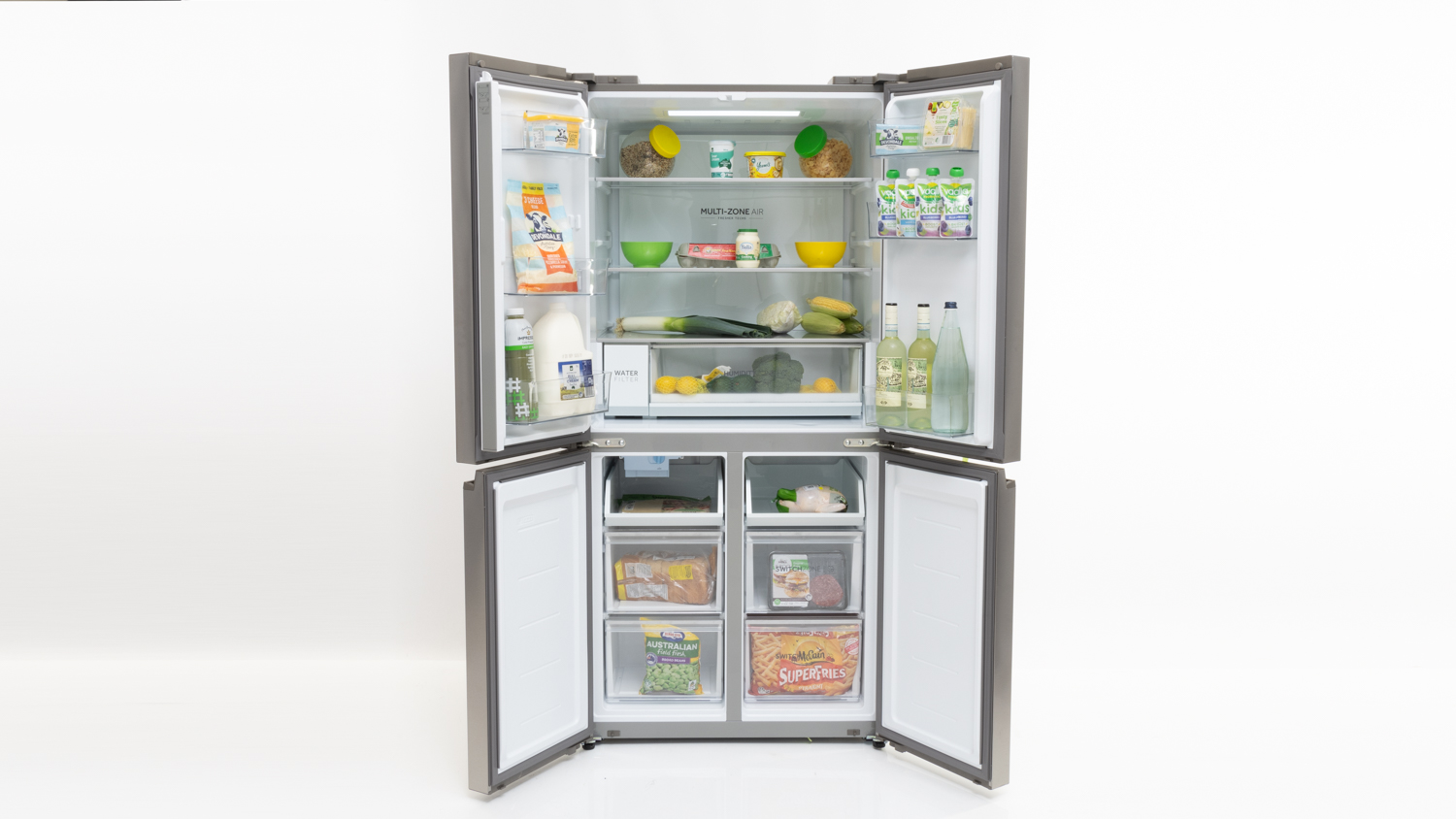
Haier
HRF580YPC
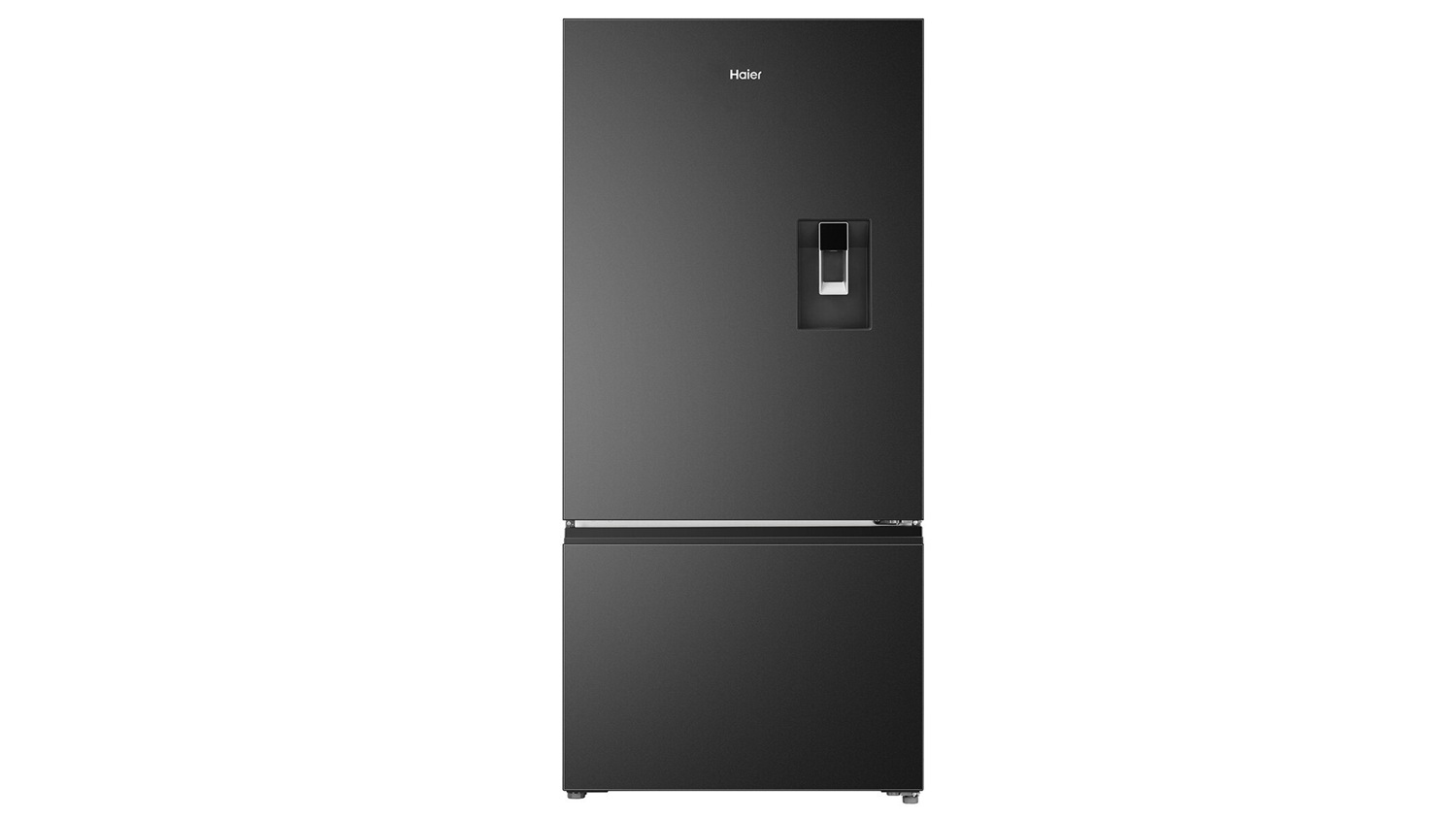
Haier
HRF510BHC
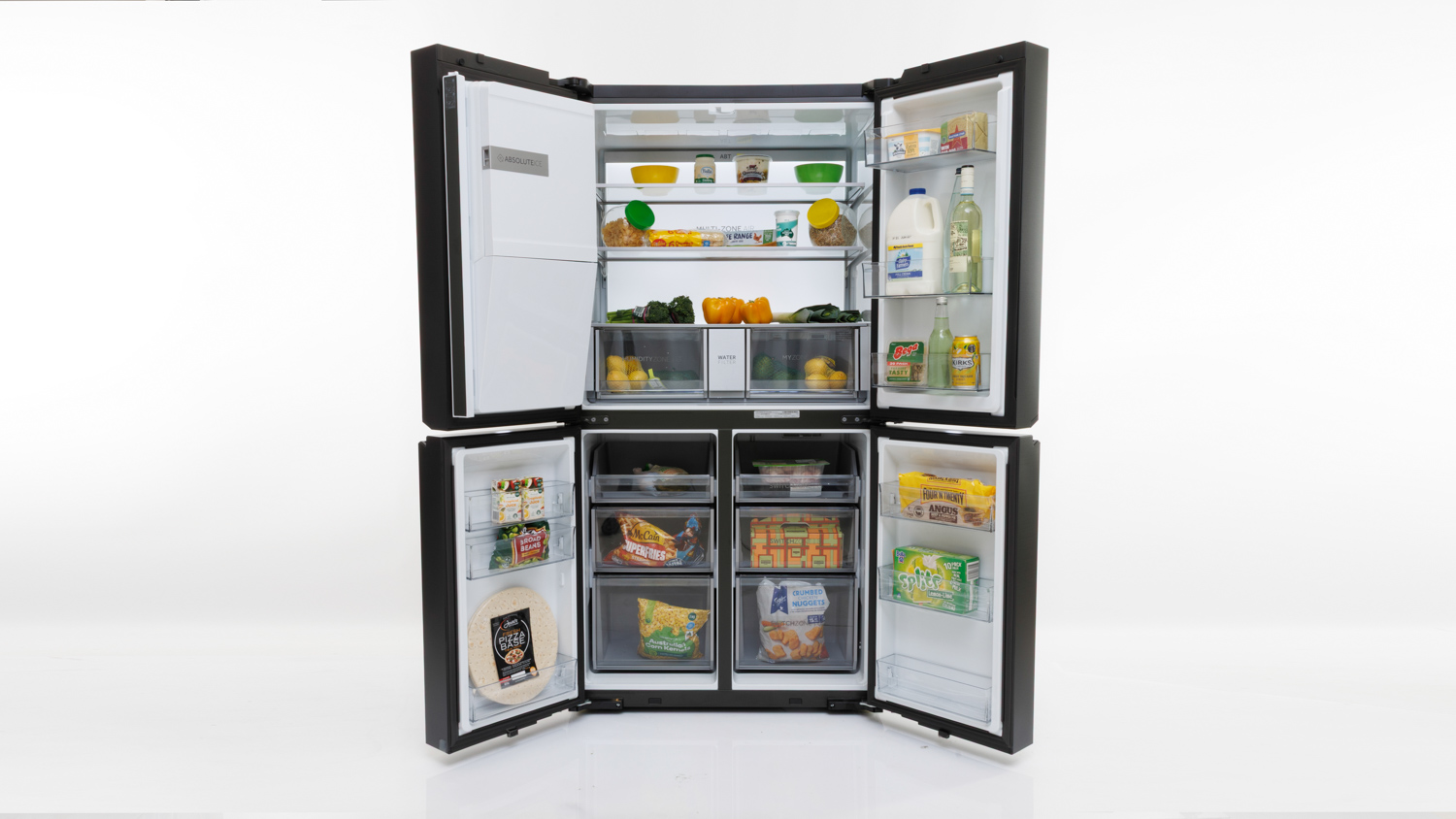
Haier
HRF680YZC
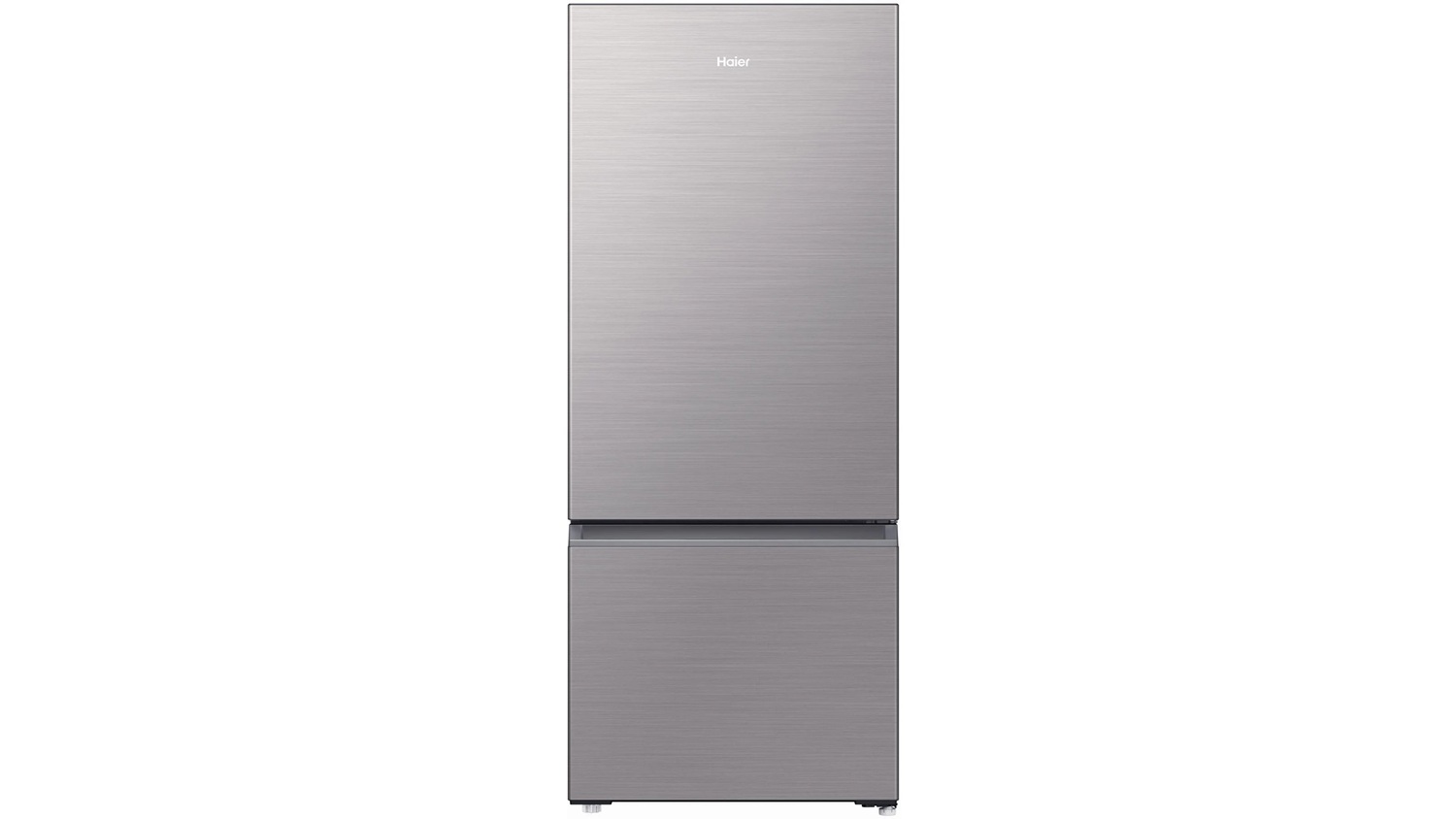
Haier
HRF420BS
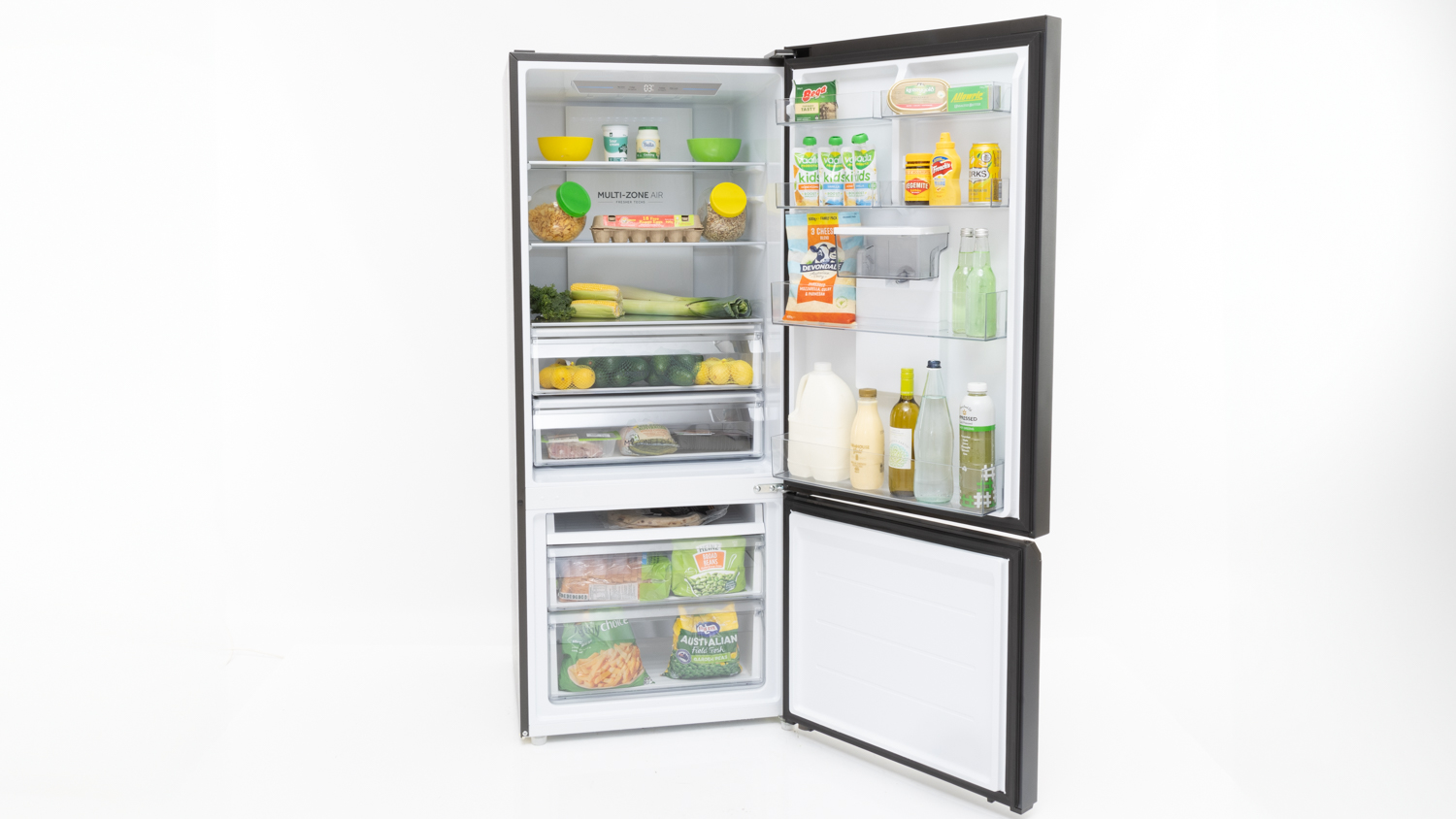
Haier
HRF420BHC
Haier
HRF575XHC
Haier
HRF575XHS

Haier
HRF510BW
Haier
HRF530YC
Haier
HRF575XC

Haier
HRF580YHS
Haier
HRF580YPS
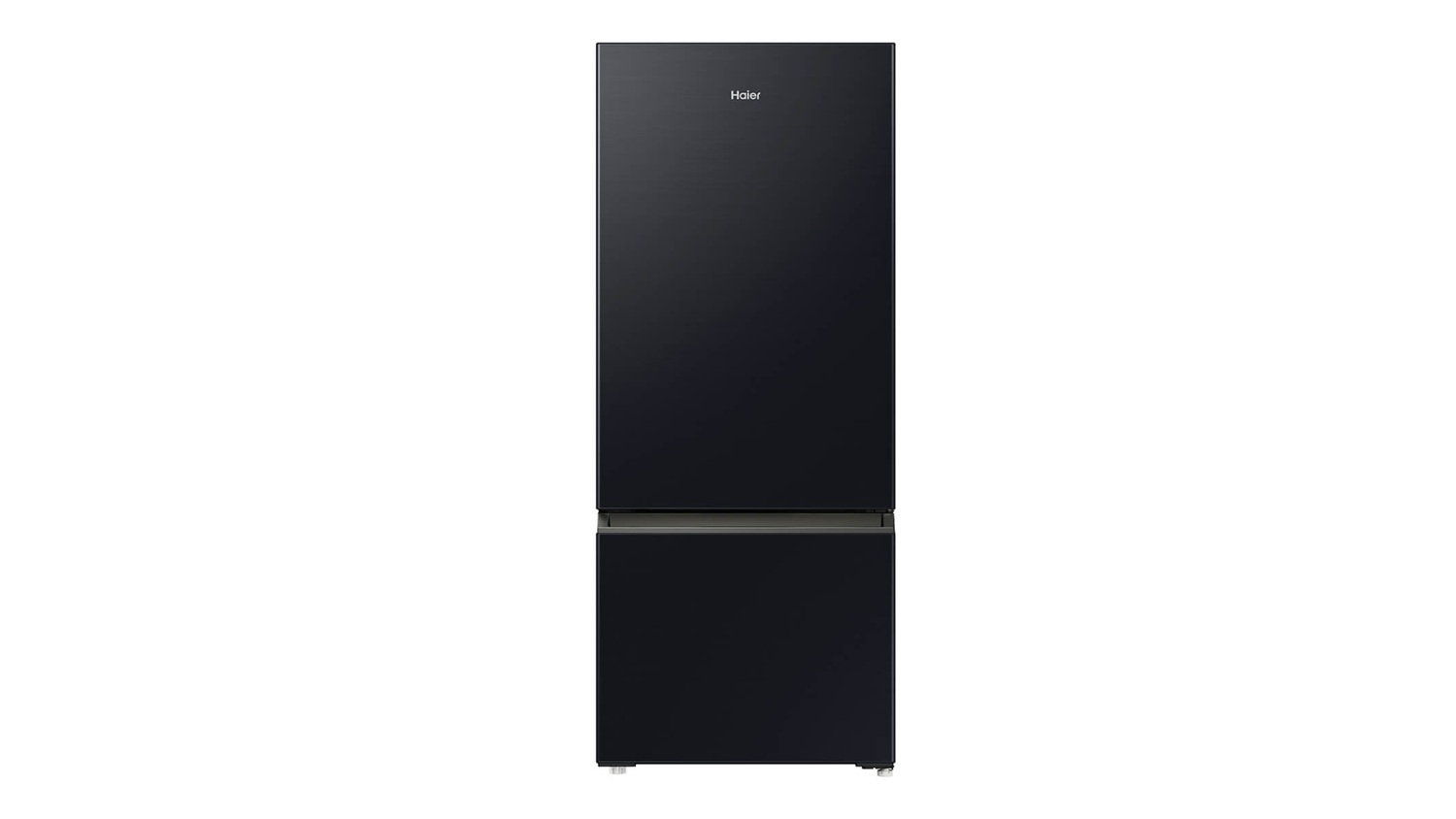
Haier
HRF420BC
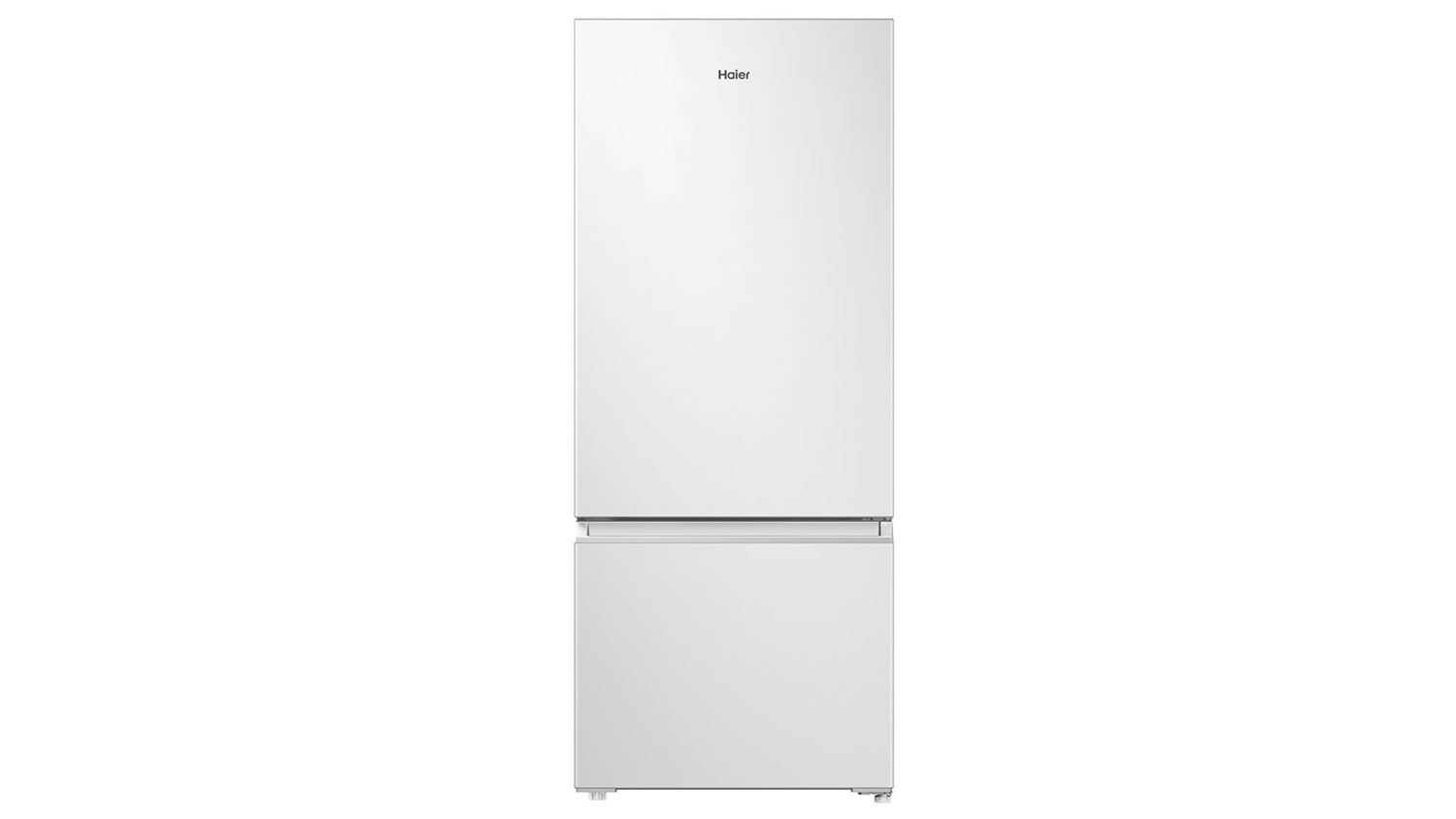
Haier
HRF420BW
Haier
HRF420BHS
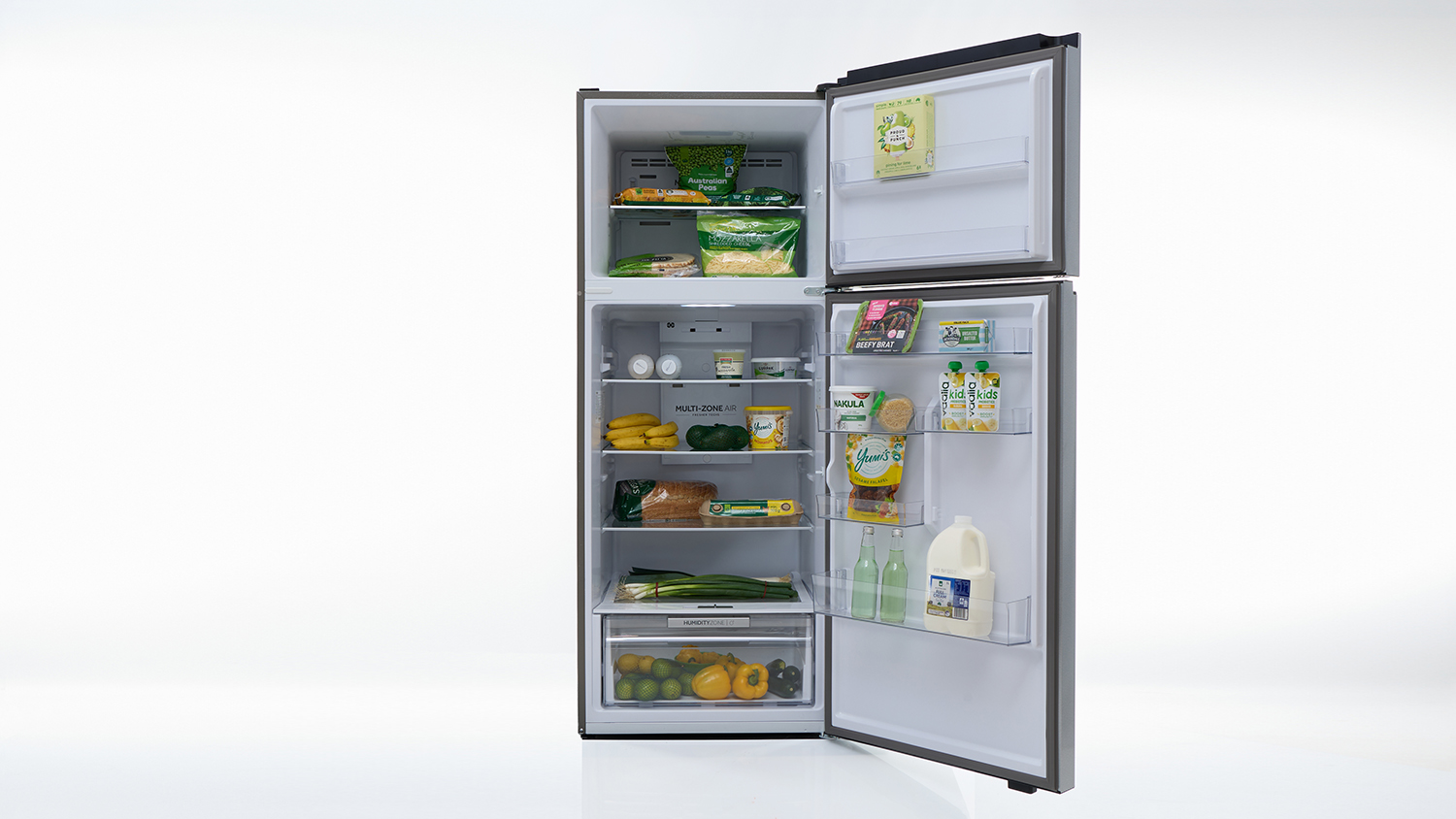
Haier
HRF450TS
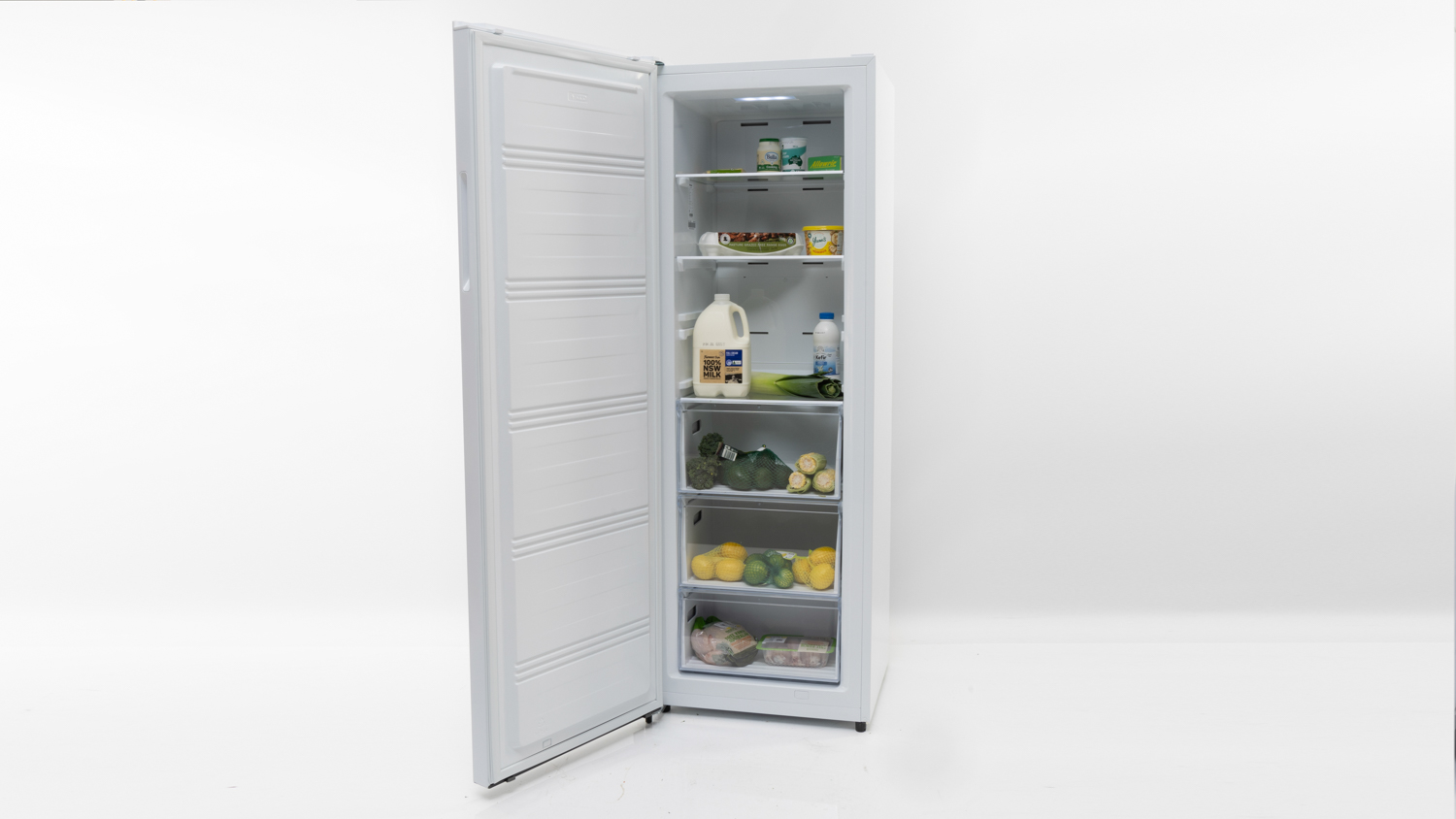
Hisense
HRVF240
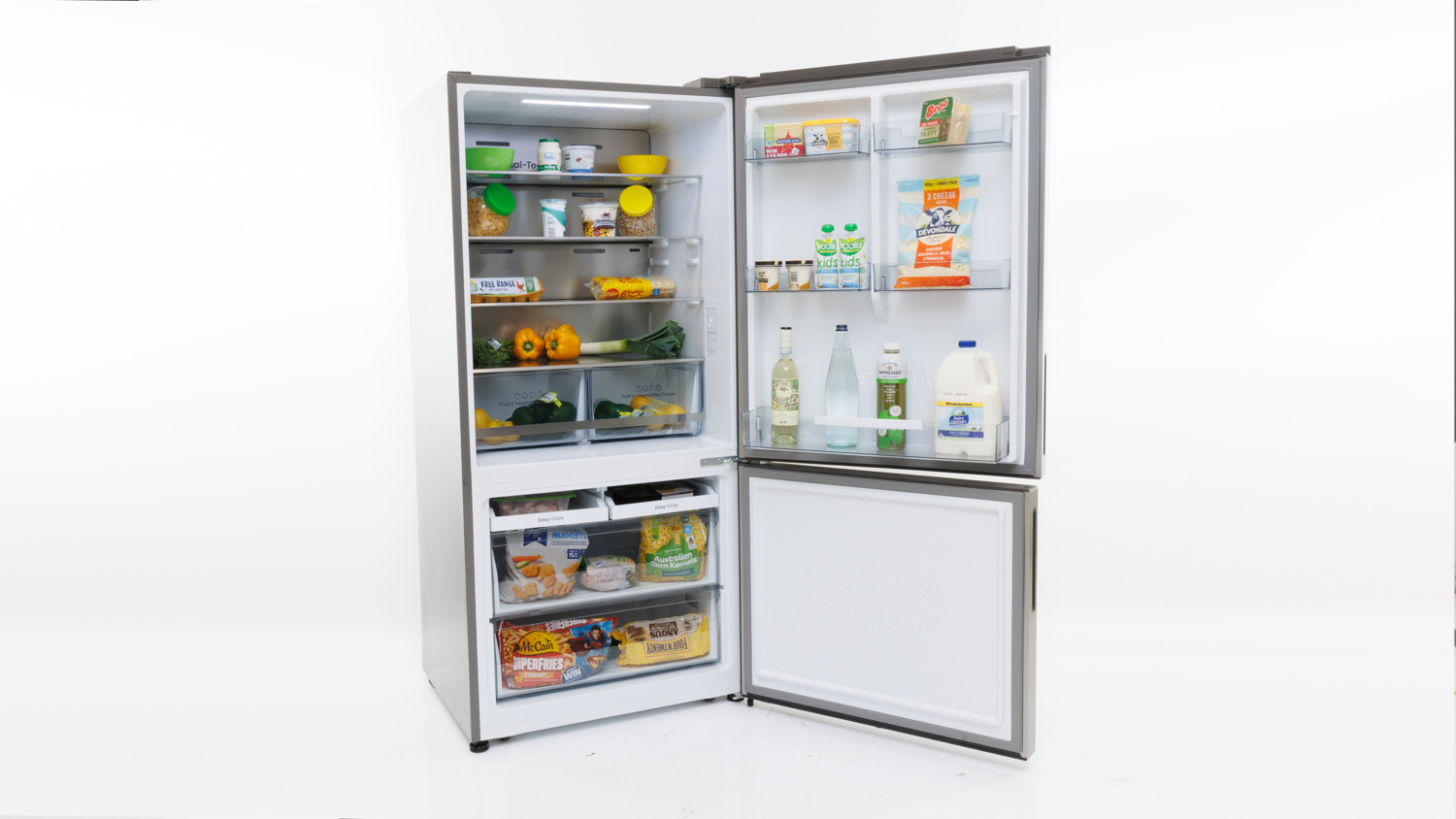
Hisense
HRBM503S

Hisense
HRCD610TS
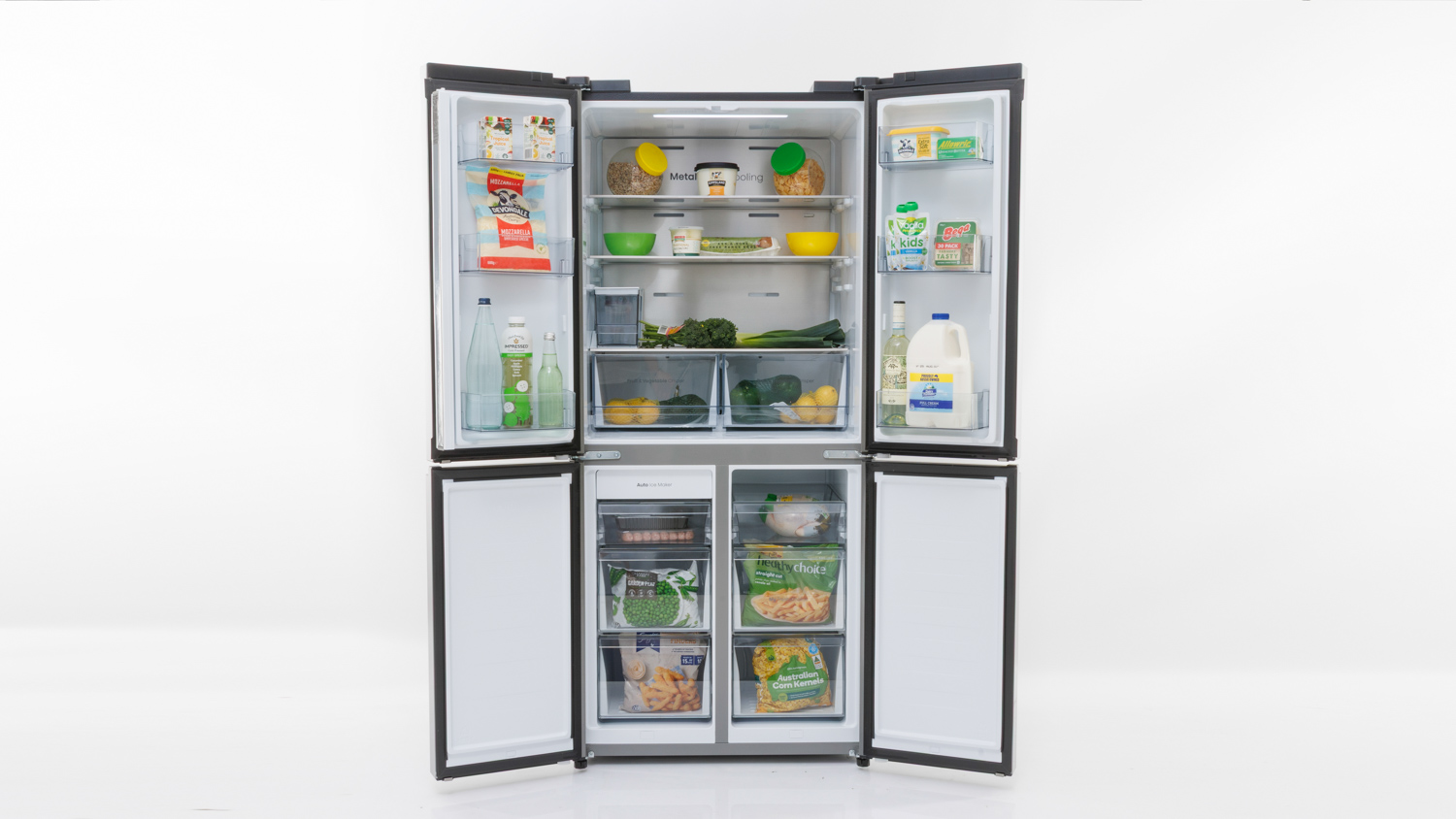
Hisense
HRCD483TBW
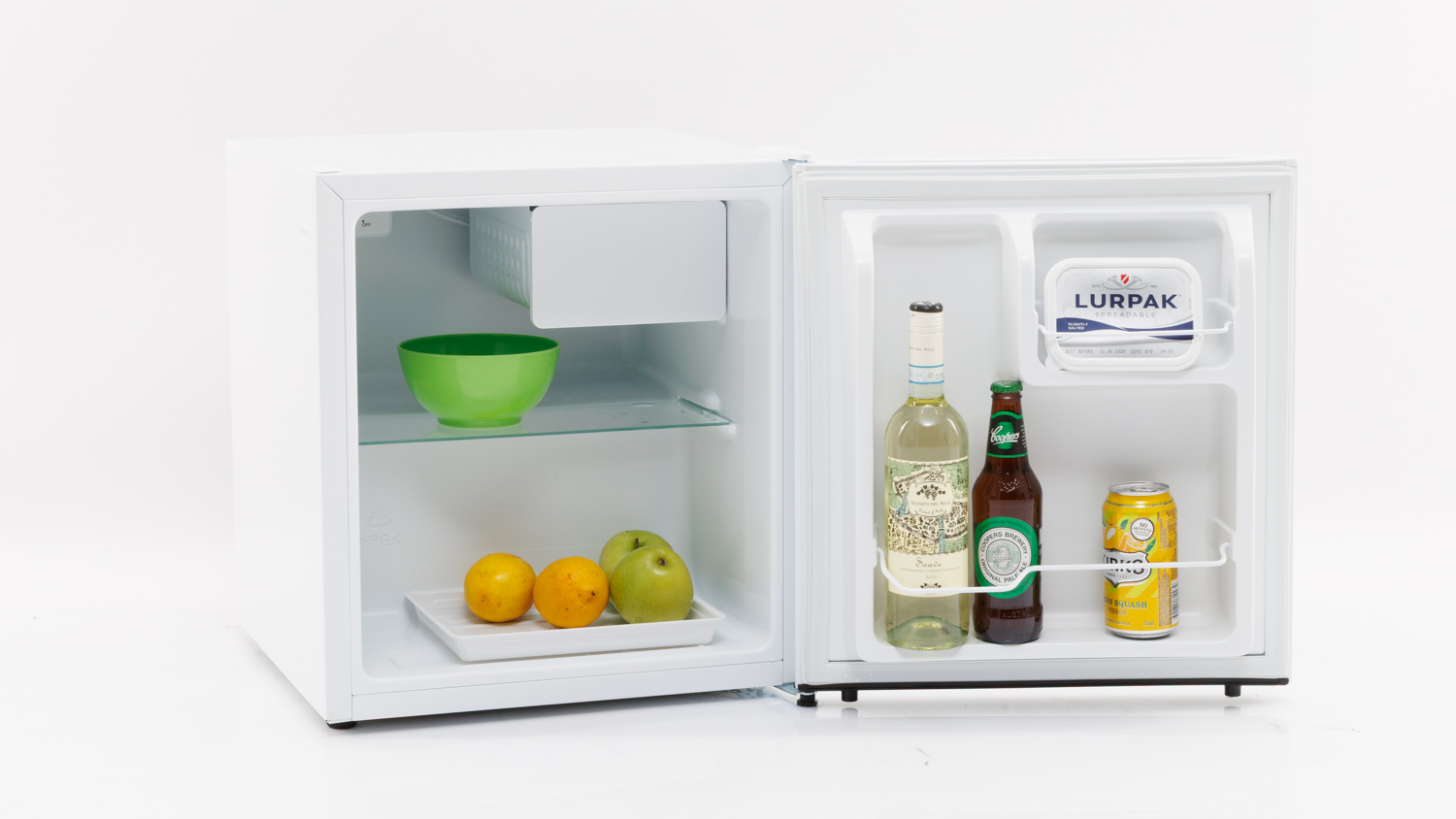
Hisense
HRBF46
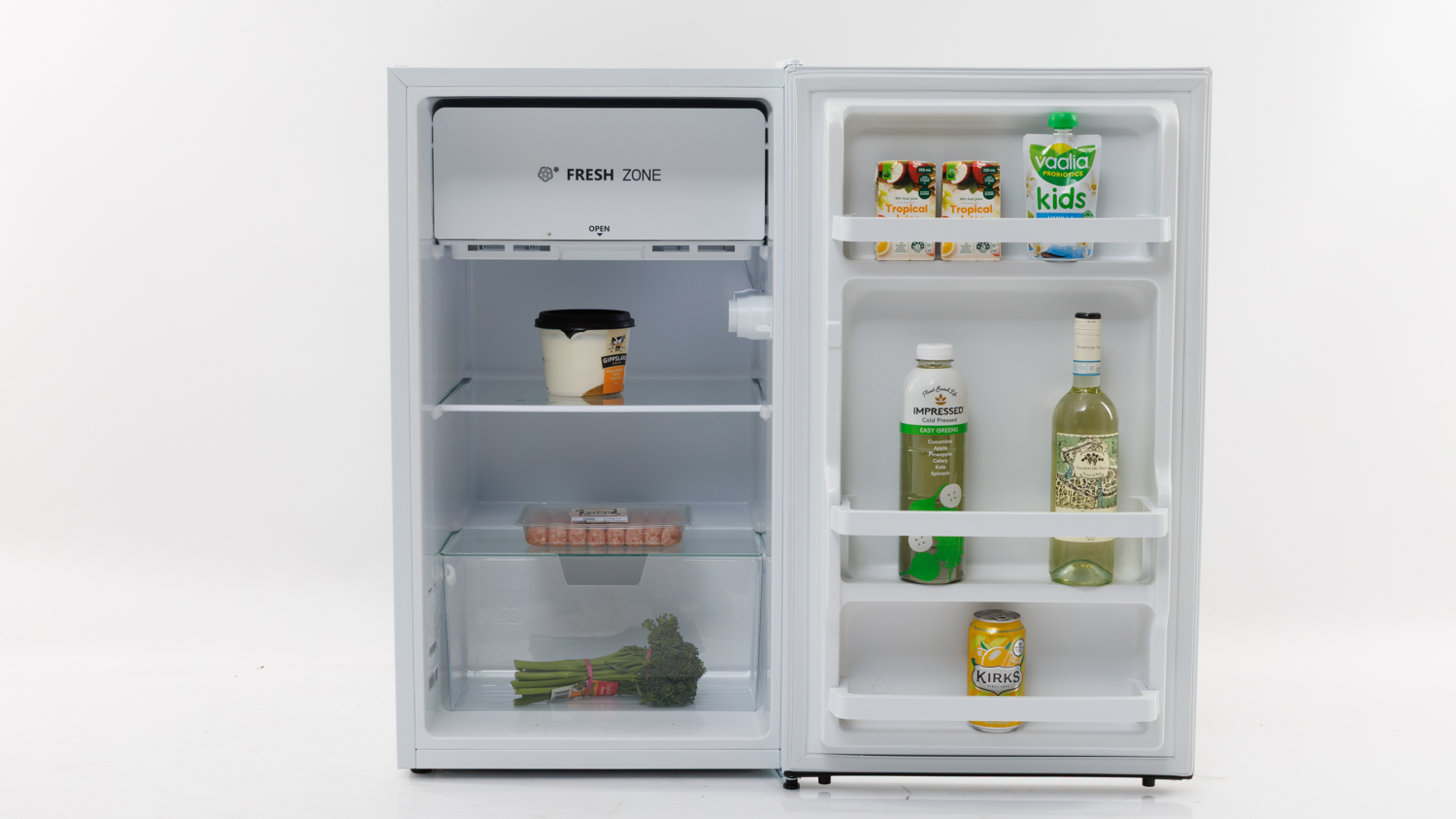
Hisense
HRBF126
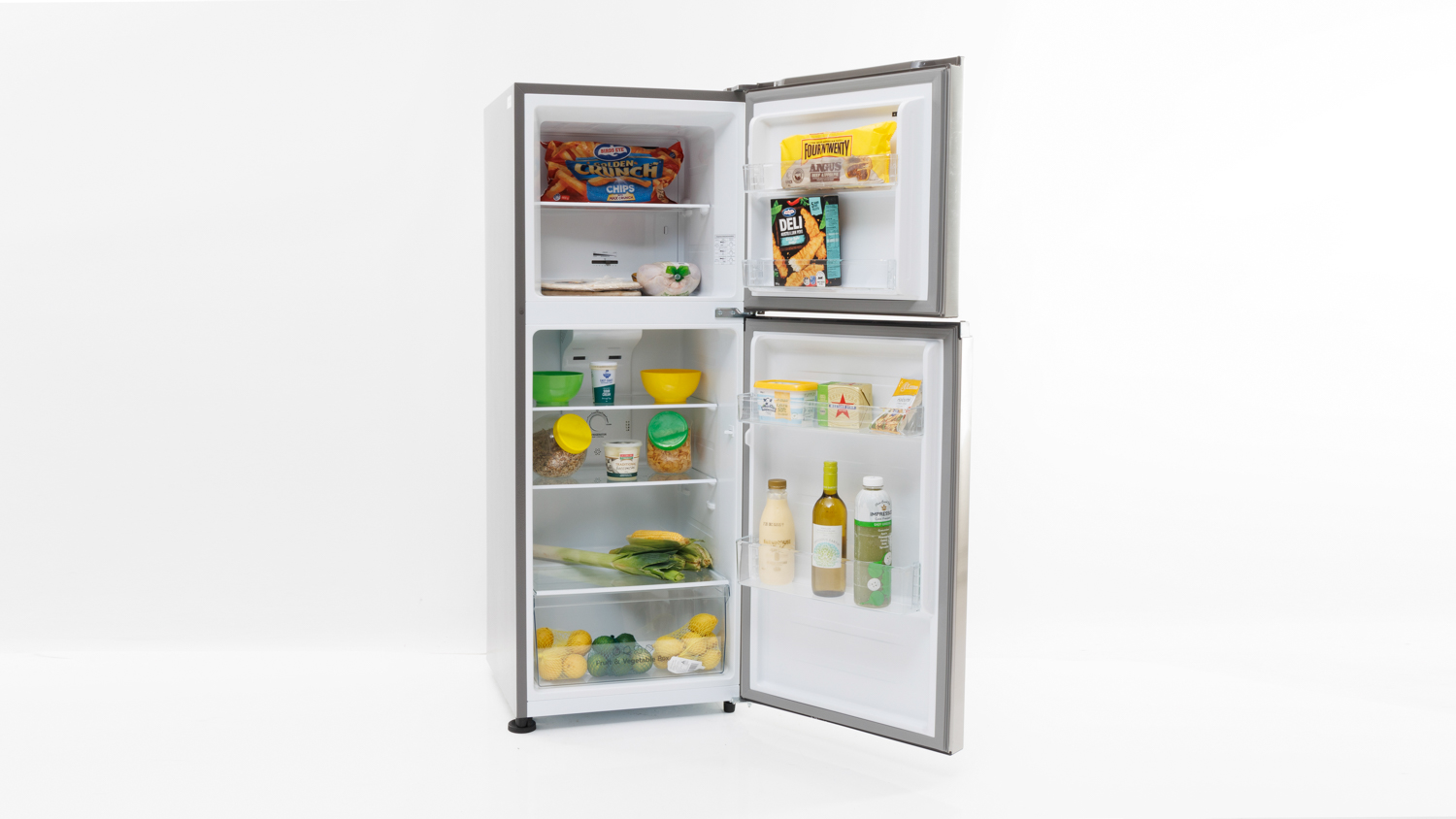
Hisense
HRTF206S
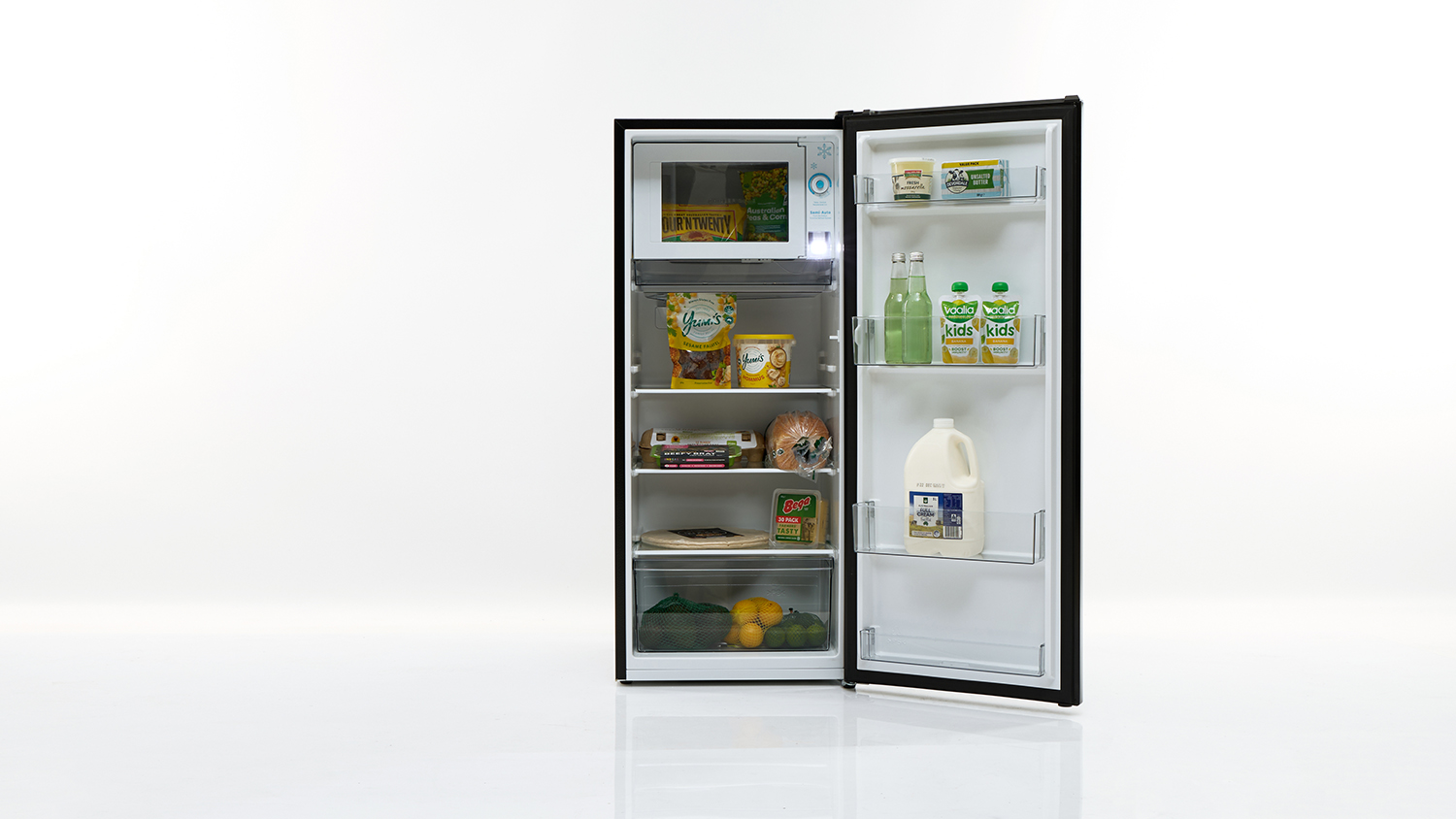
Hisense
HRBF179B

Hisense
HRTF325
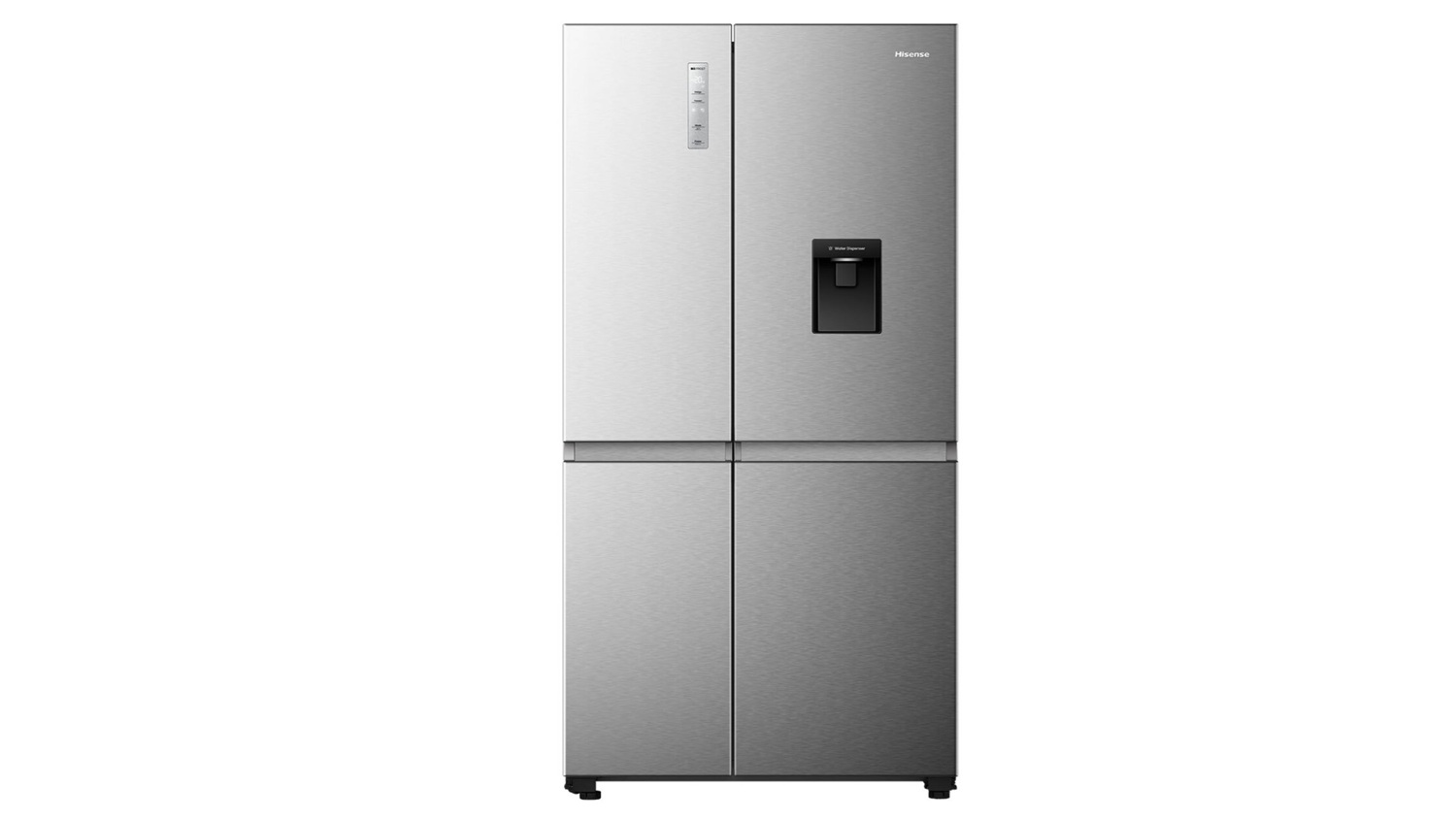
Hisense
HRSBS649SW

Hisense
HRCD483TSW

Hisense
HRTF325S

Hisense
HRBM417C

Hisense
HRBF126B

Hisense
HRBF126S
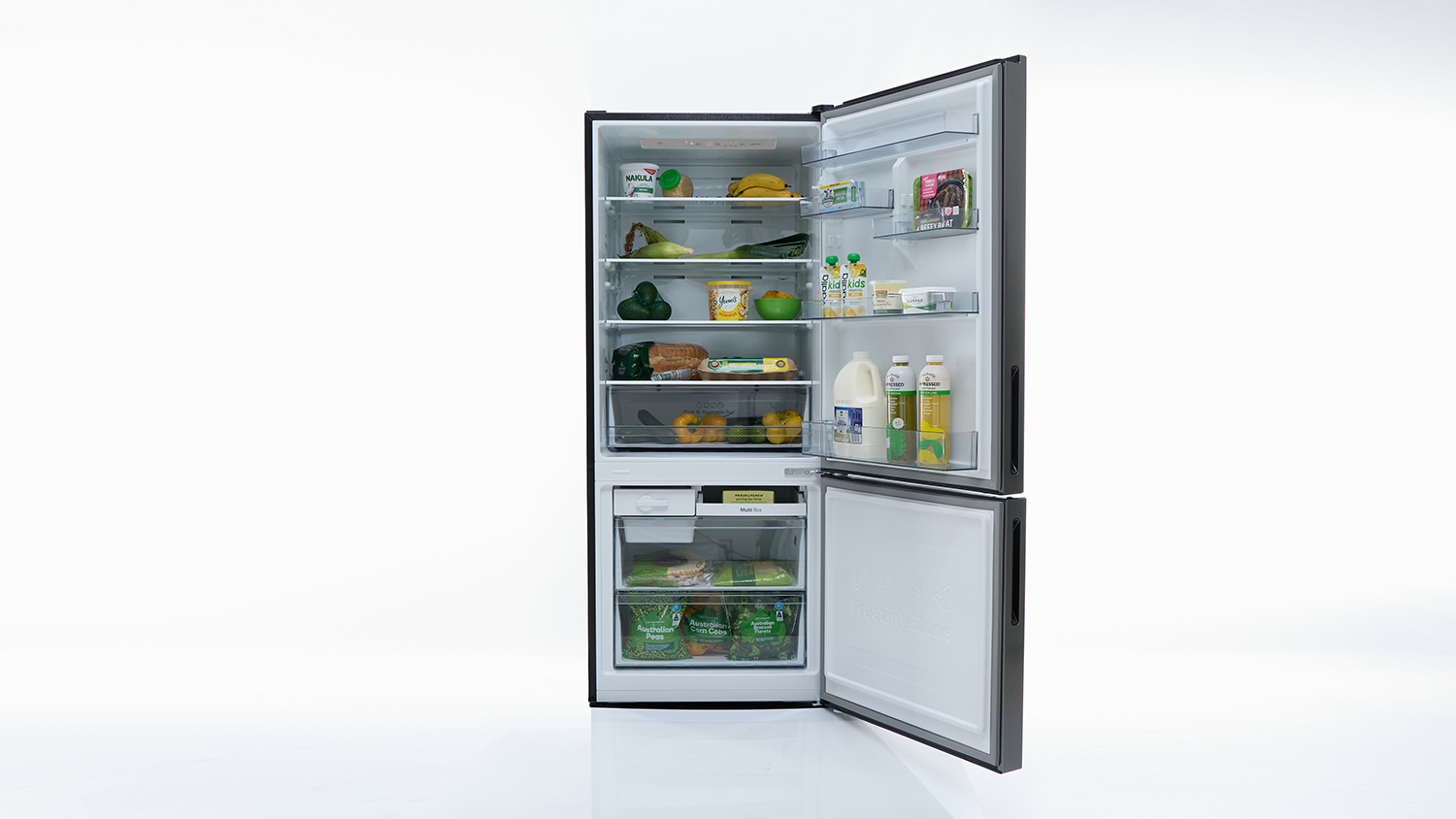
Hisense
HRBM418E
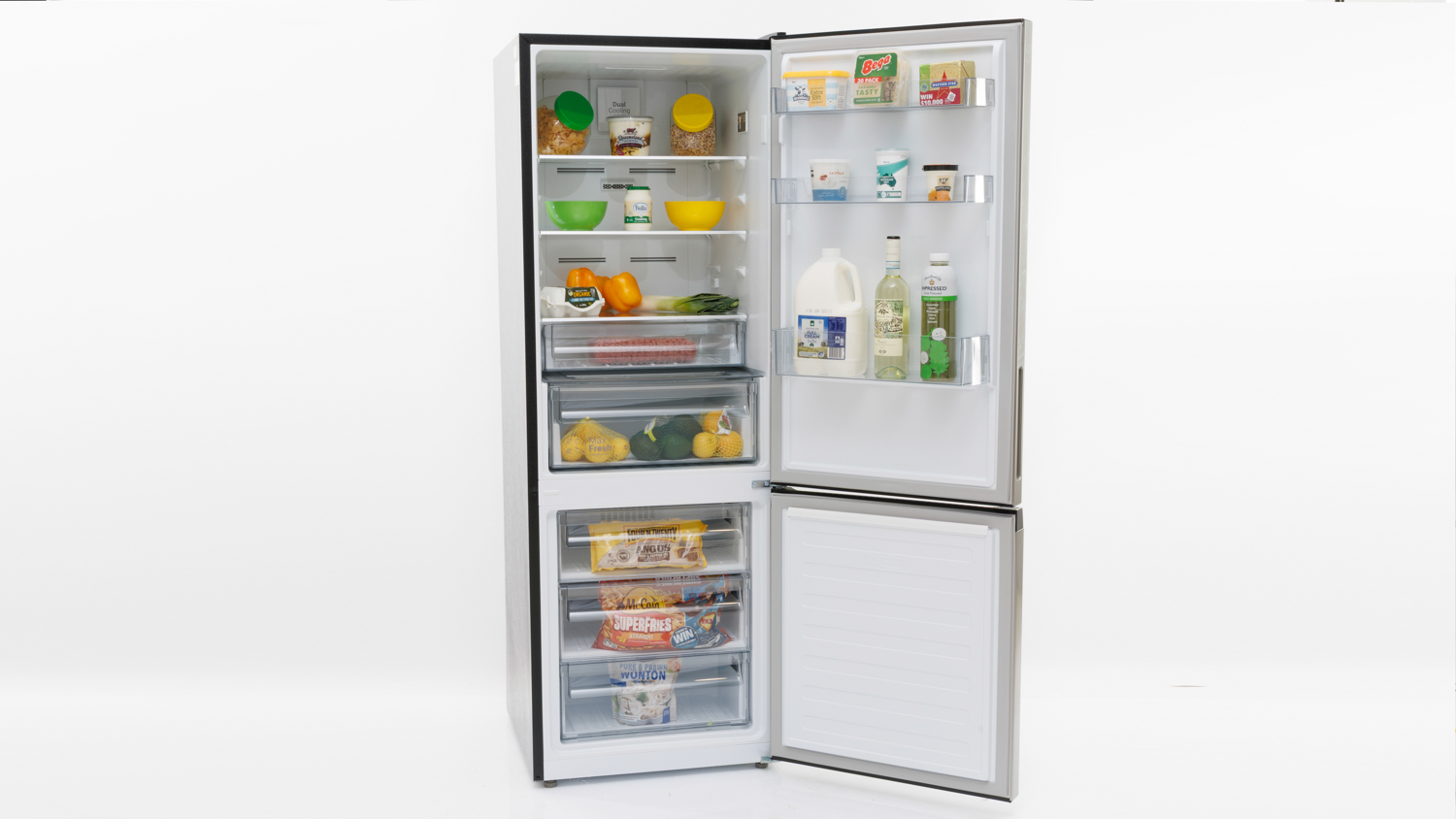
Hitachi
HRBN6340EXAU
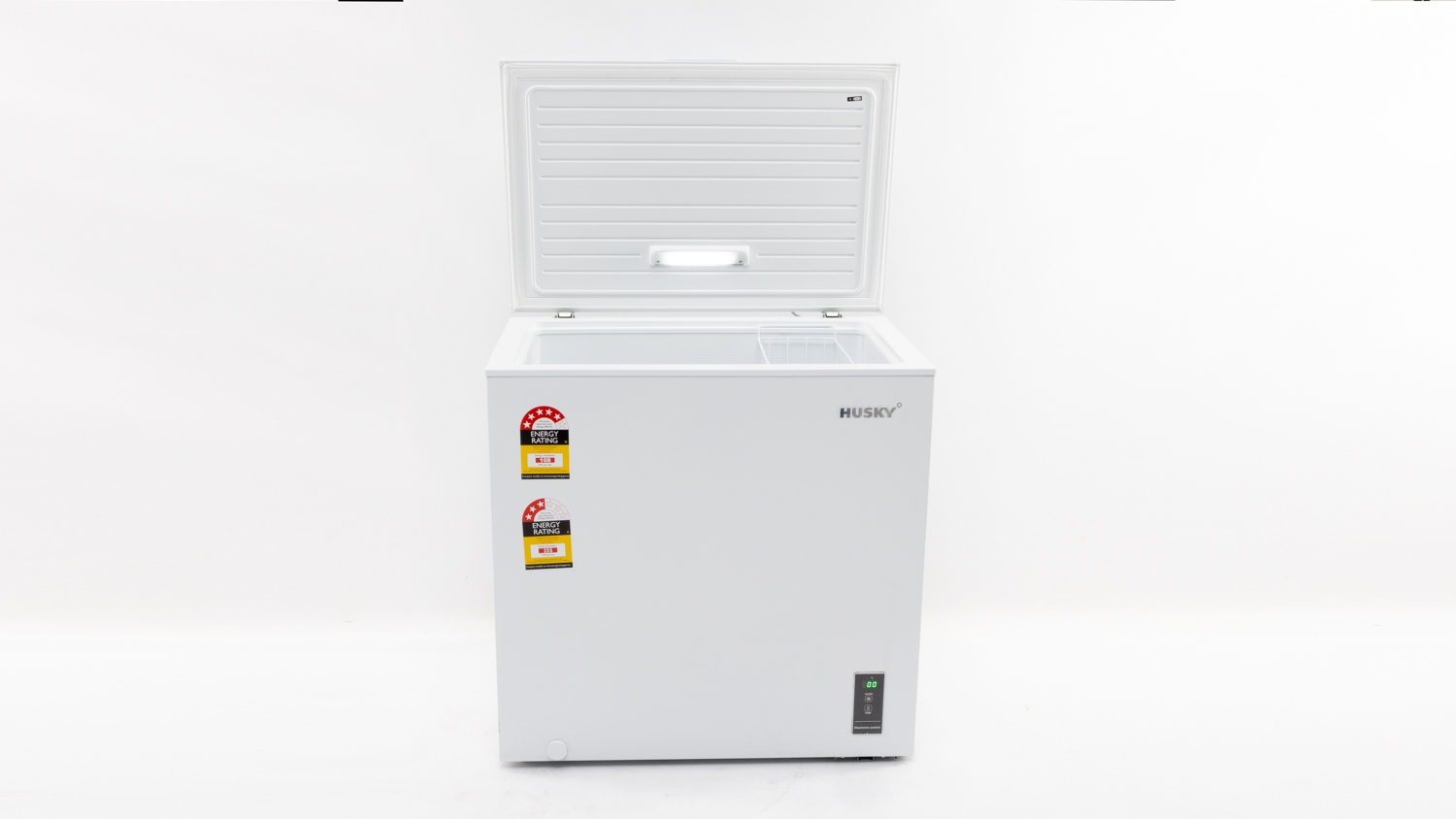
Husky
HUS-198CHE.1
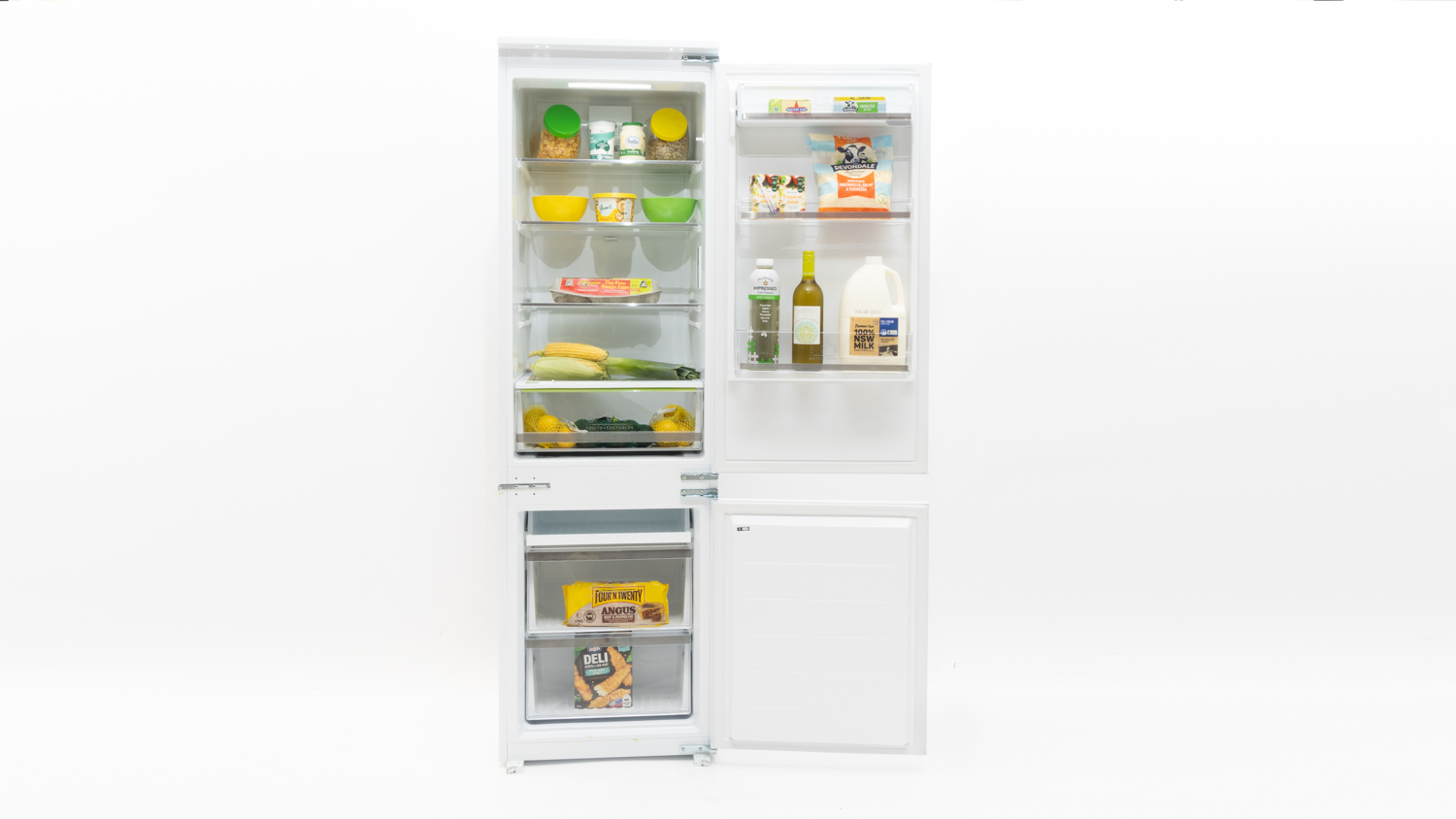
Husky
HUS-266INBM.1
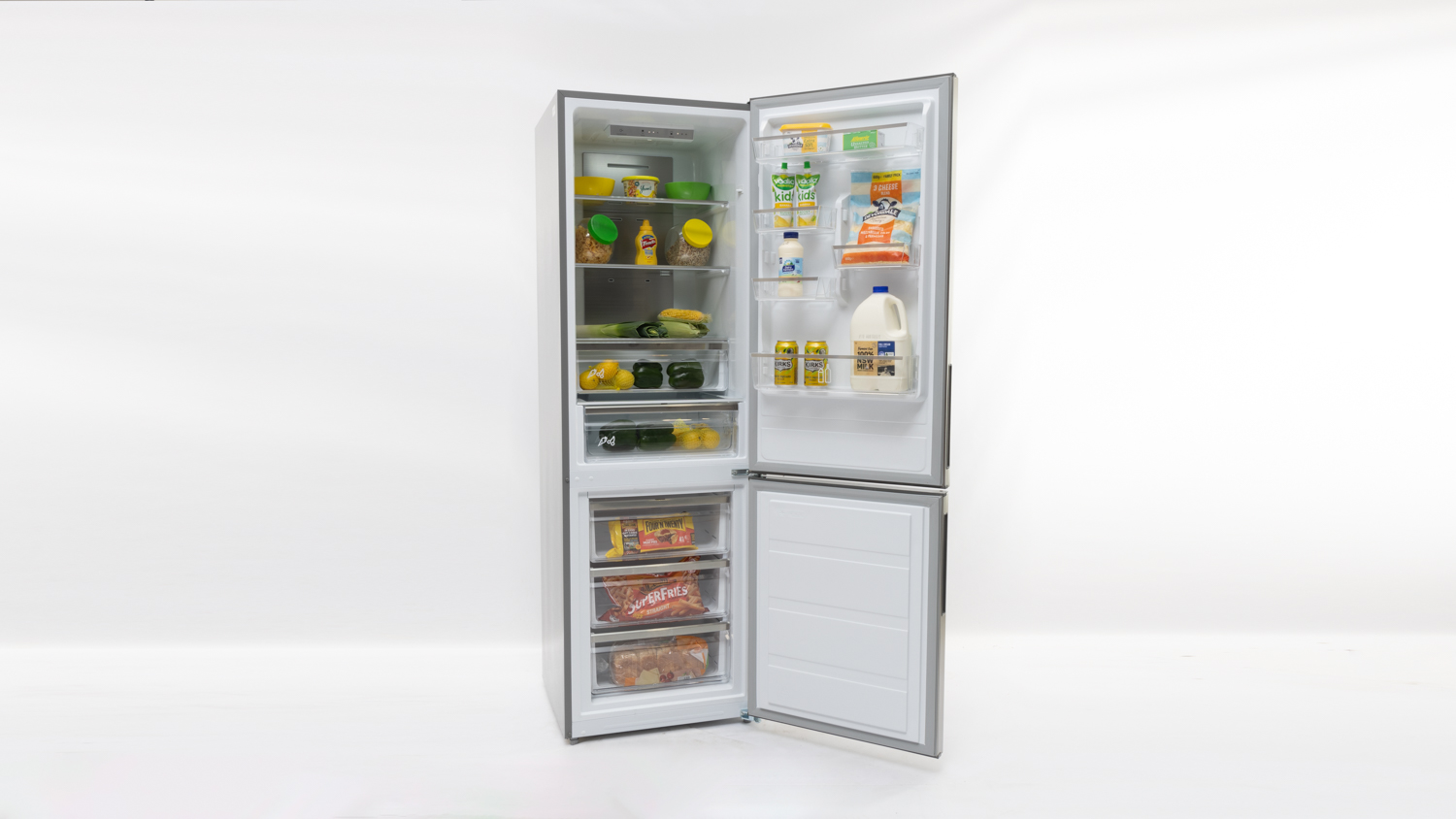
Ikea
HD-400RWEN (AU) MEDGANG
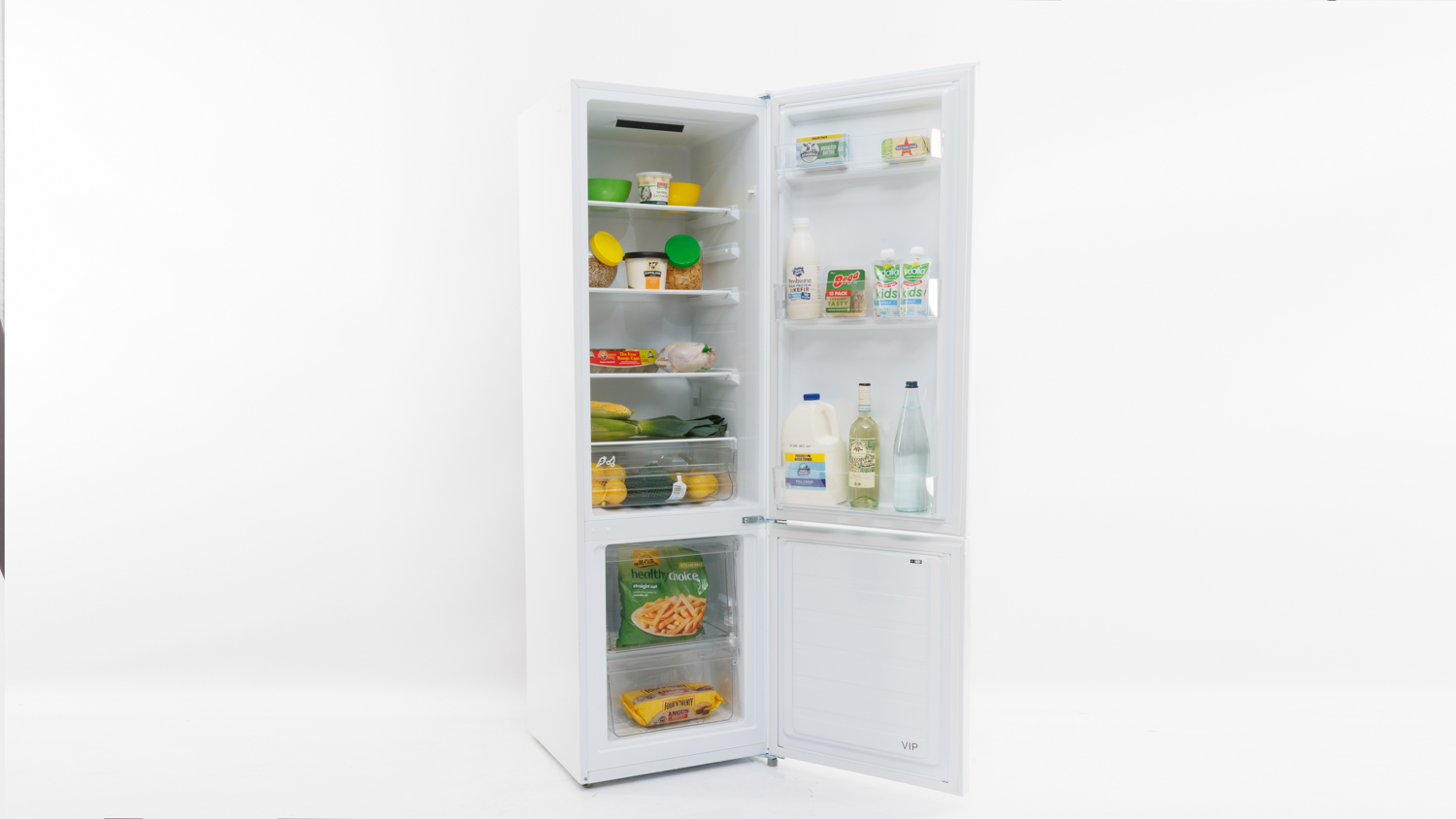
Ikea
LAGAN L 10571297
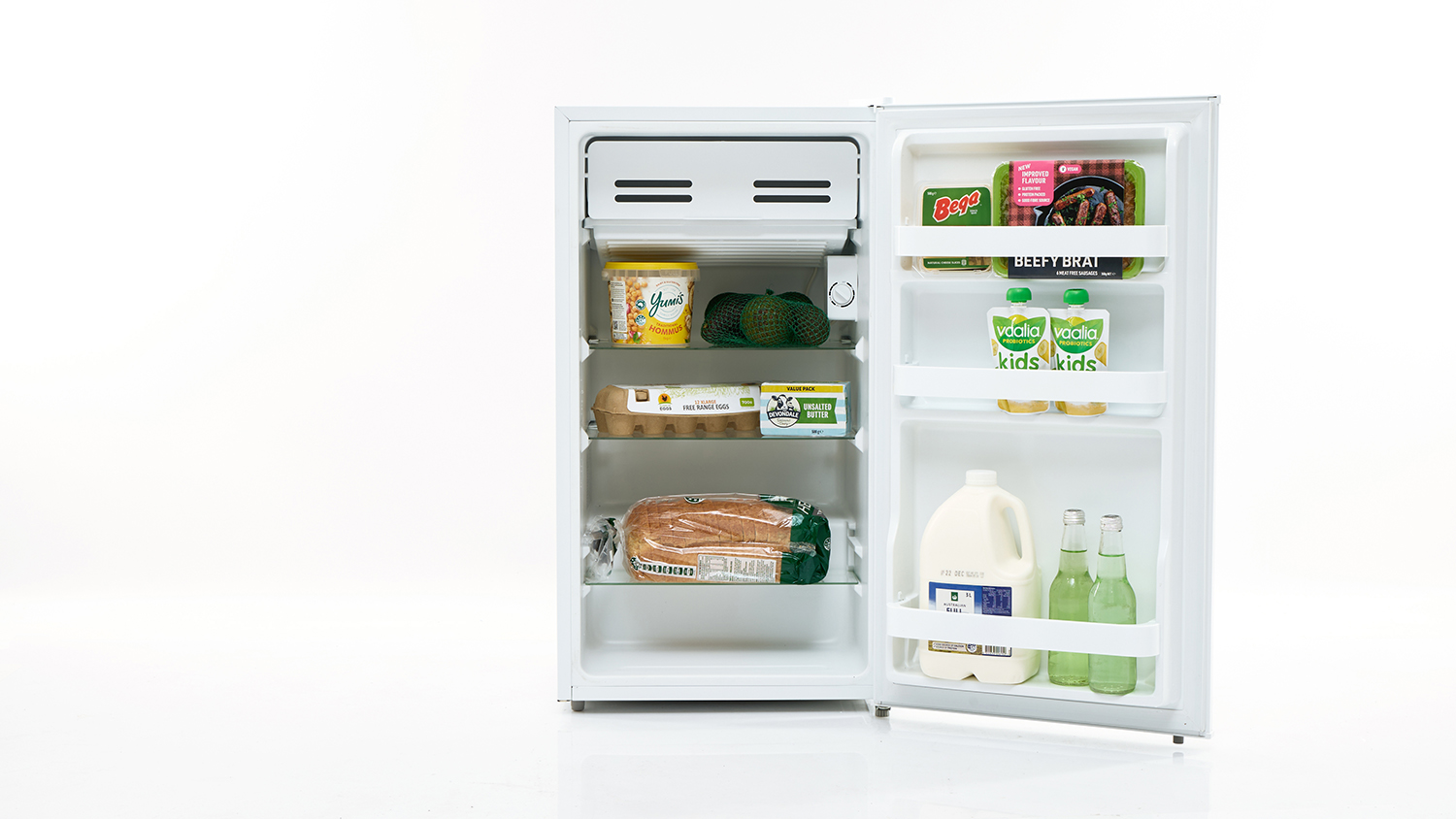
Inalto
IBF95W
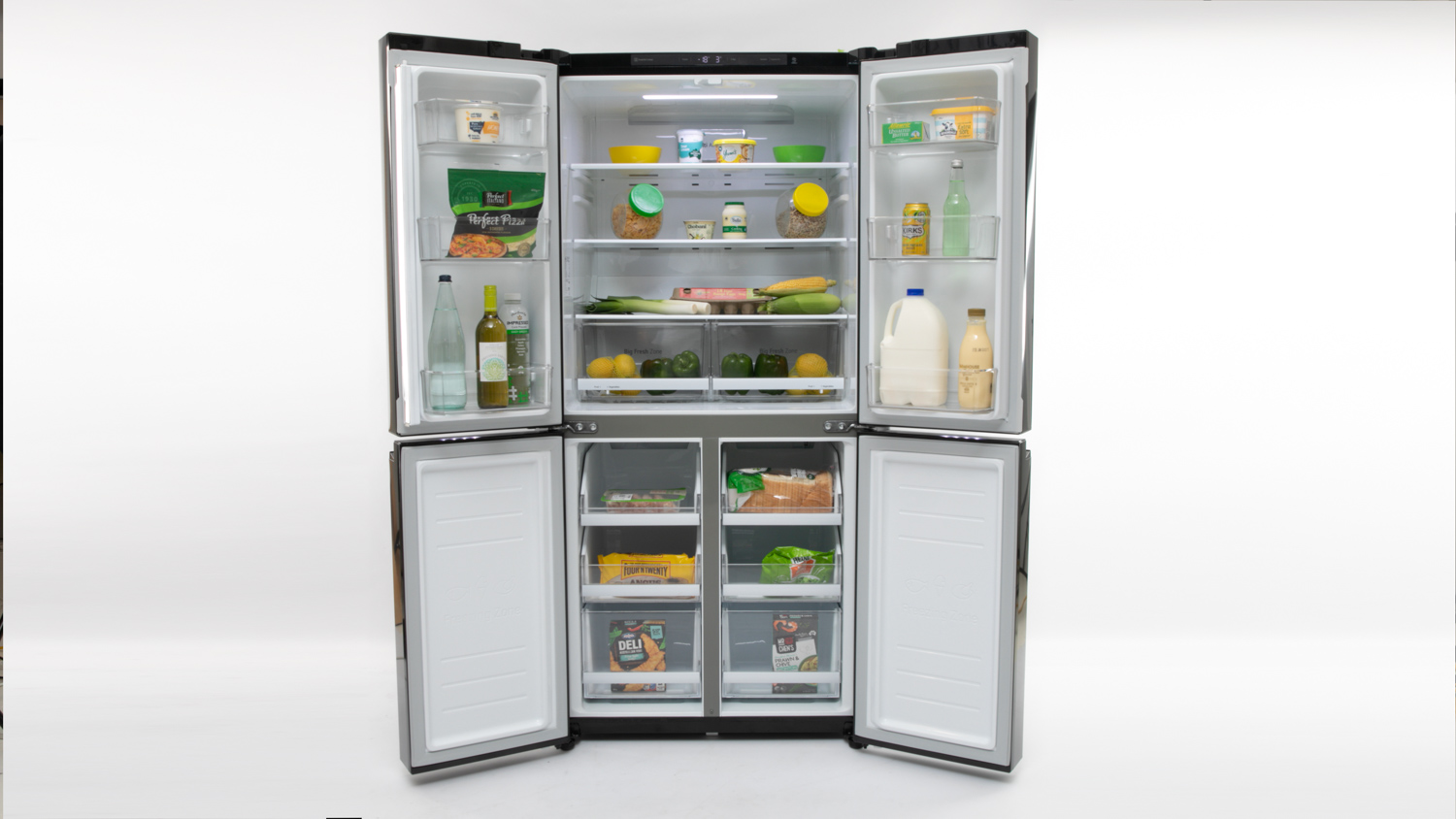
LG
GF-B530BL
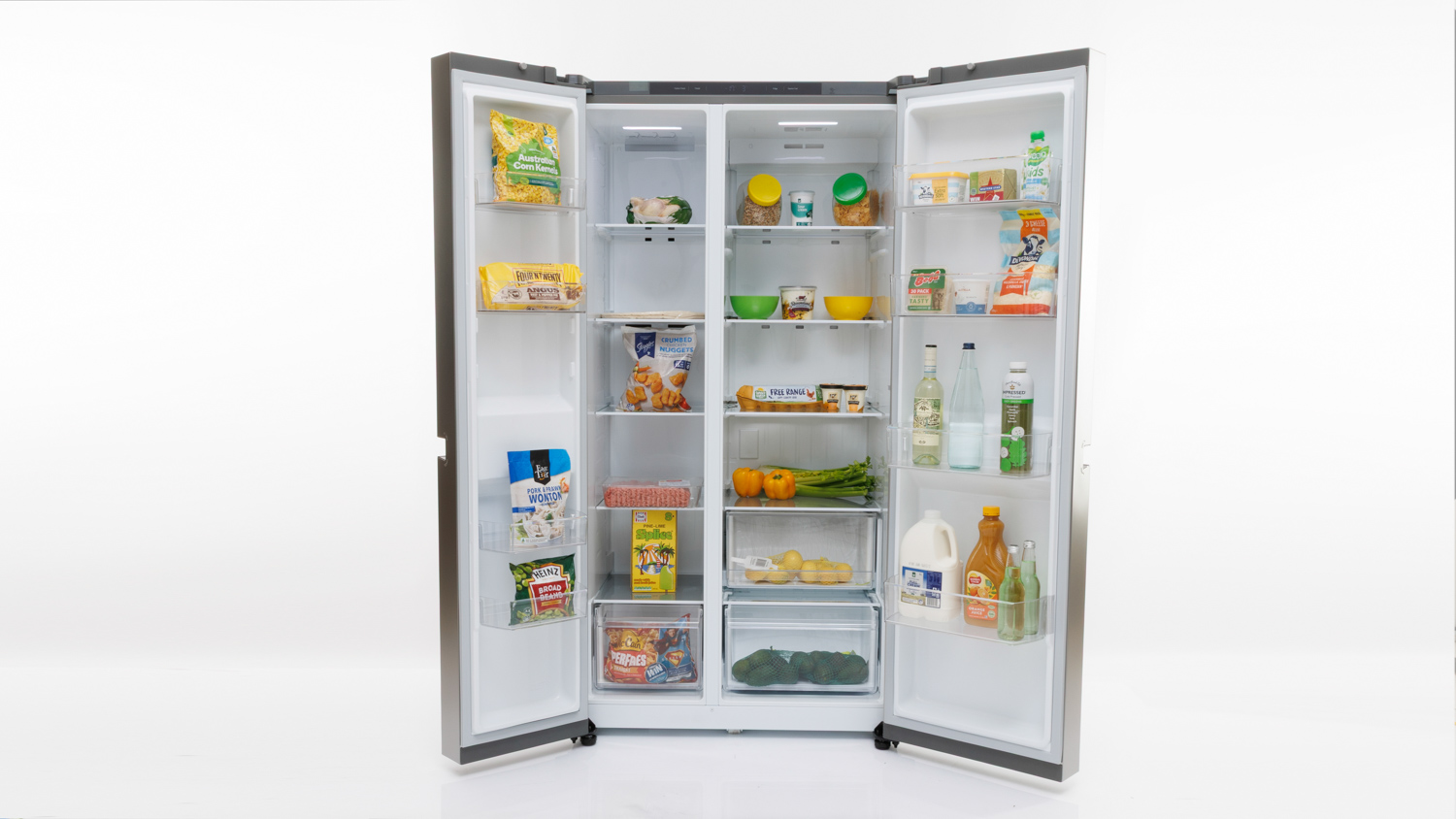
LG
GS-B599PLB
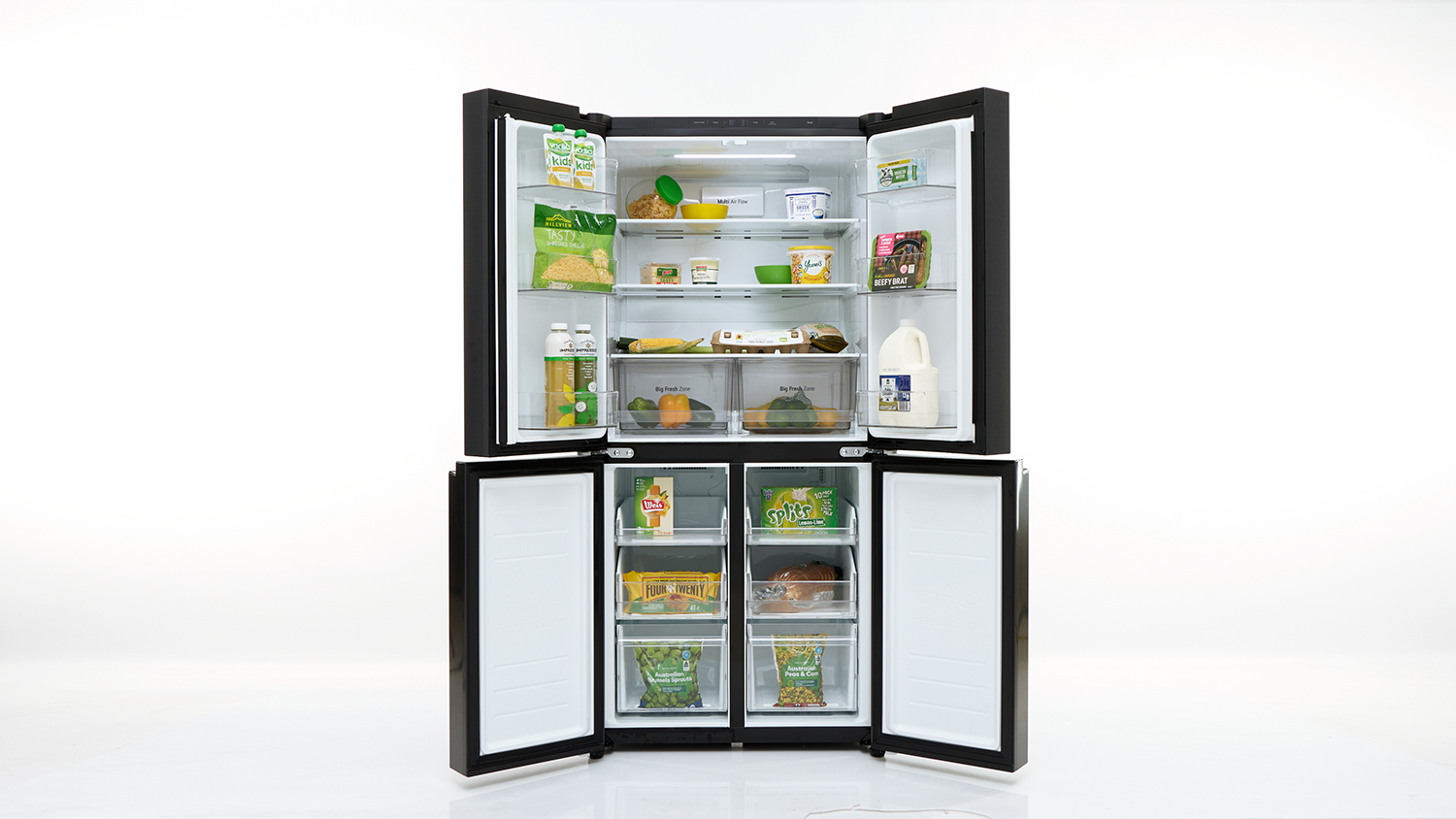
LG
GF-B505BB

LG
GF-B505MBL
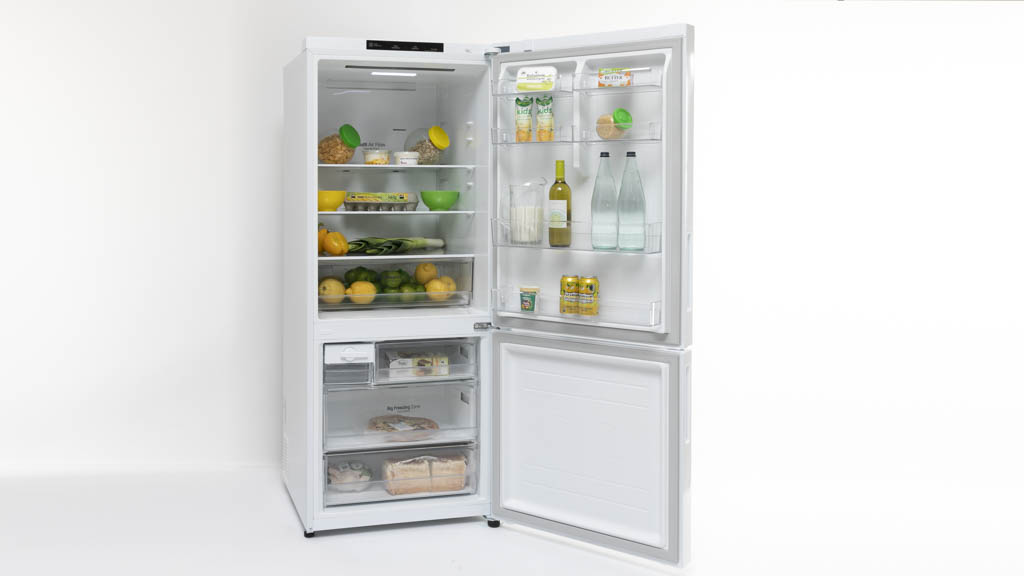
LG
GB-455WL
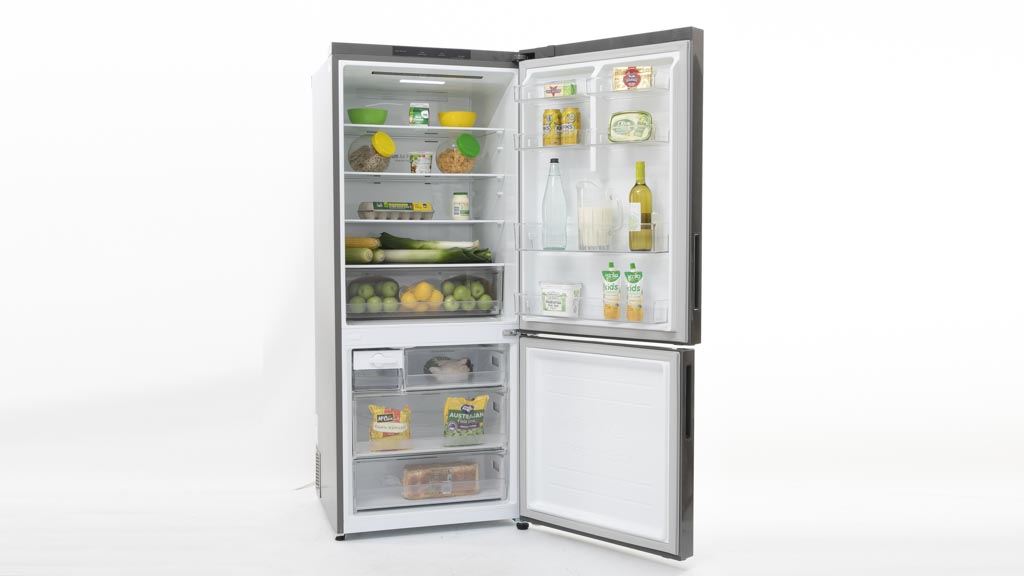
LG
GB-455UPLE
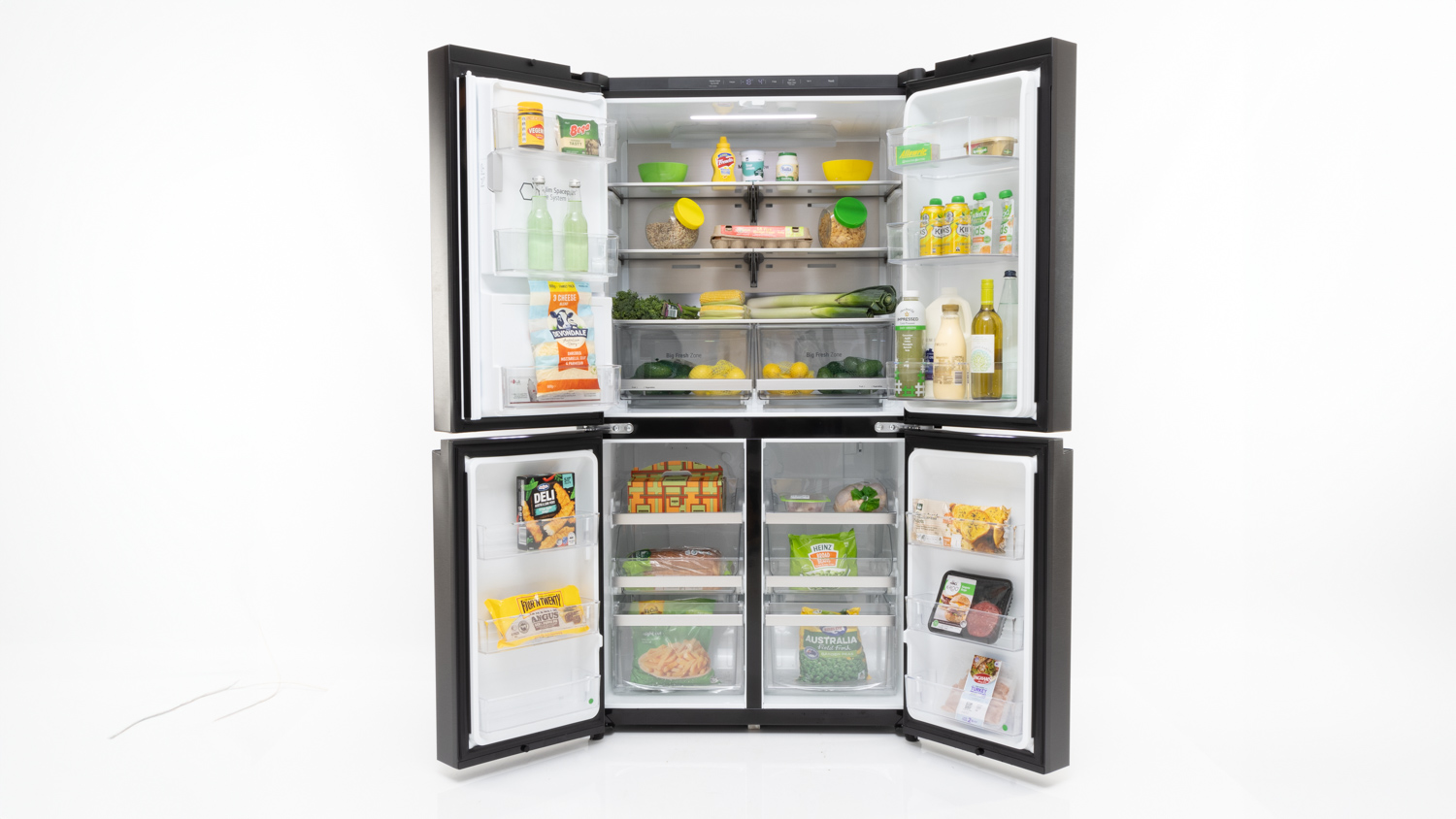
LG
GF-L700MBL
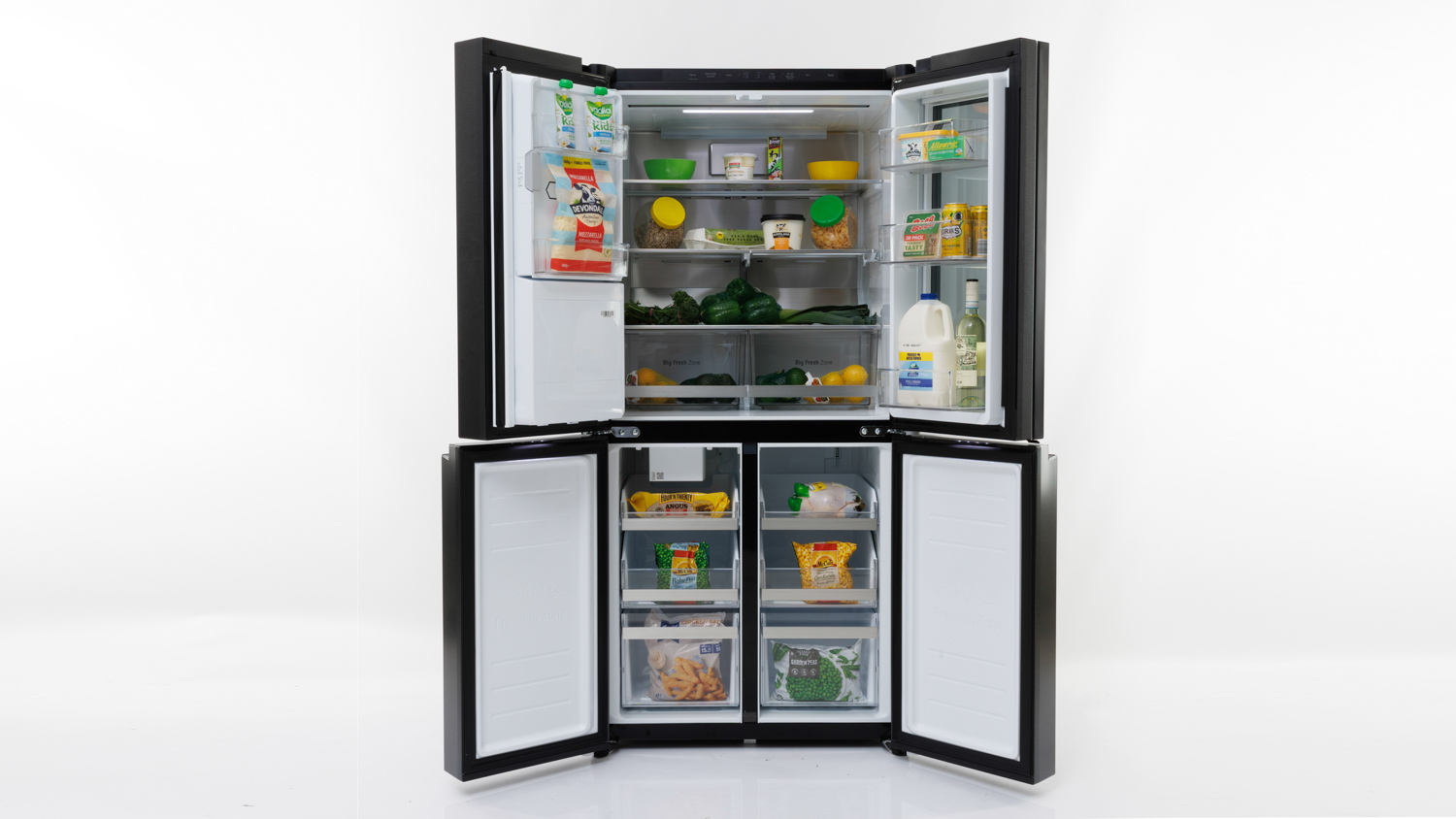
LG
GF-V500MBLC
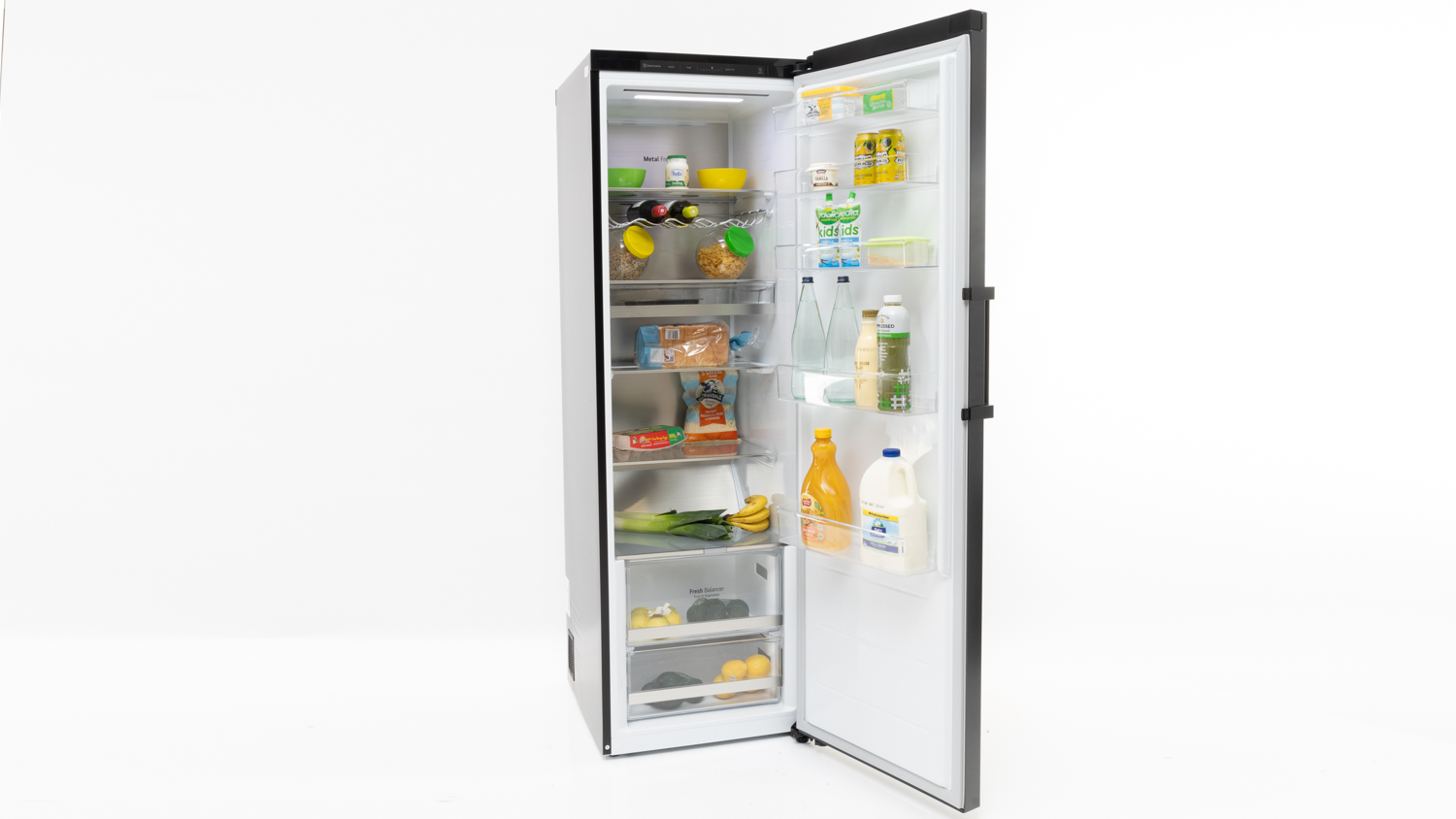
LG
GP-R386MBL
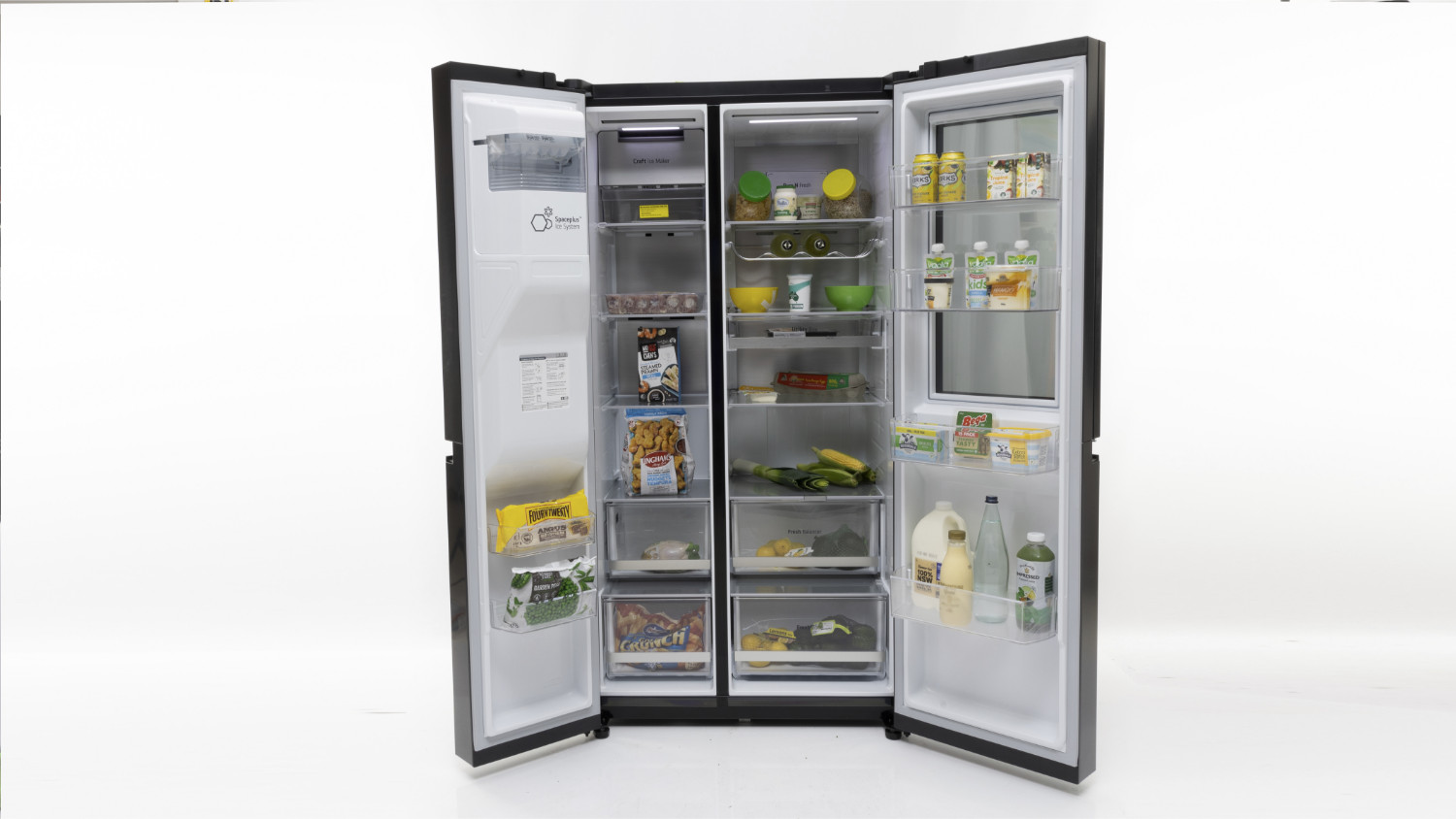
LG
GS-V600MBLC
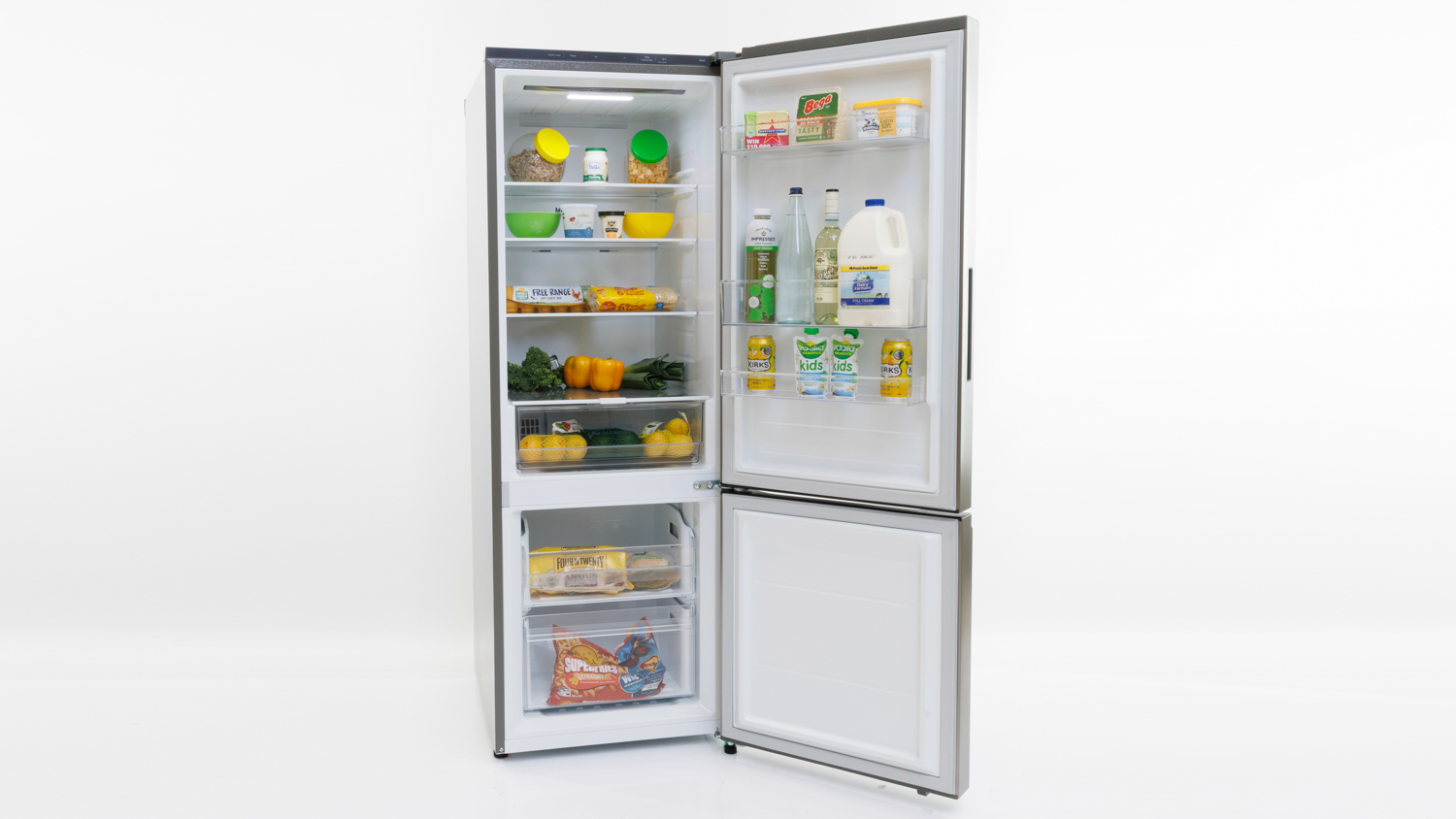
LG
GB-B300PL
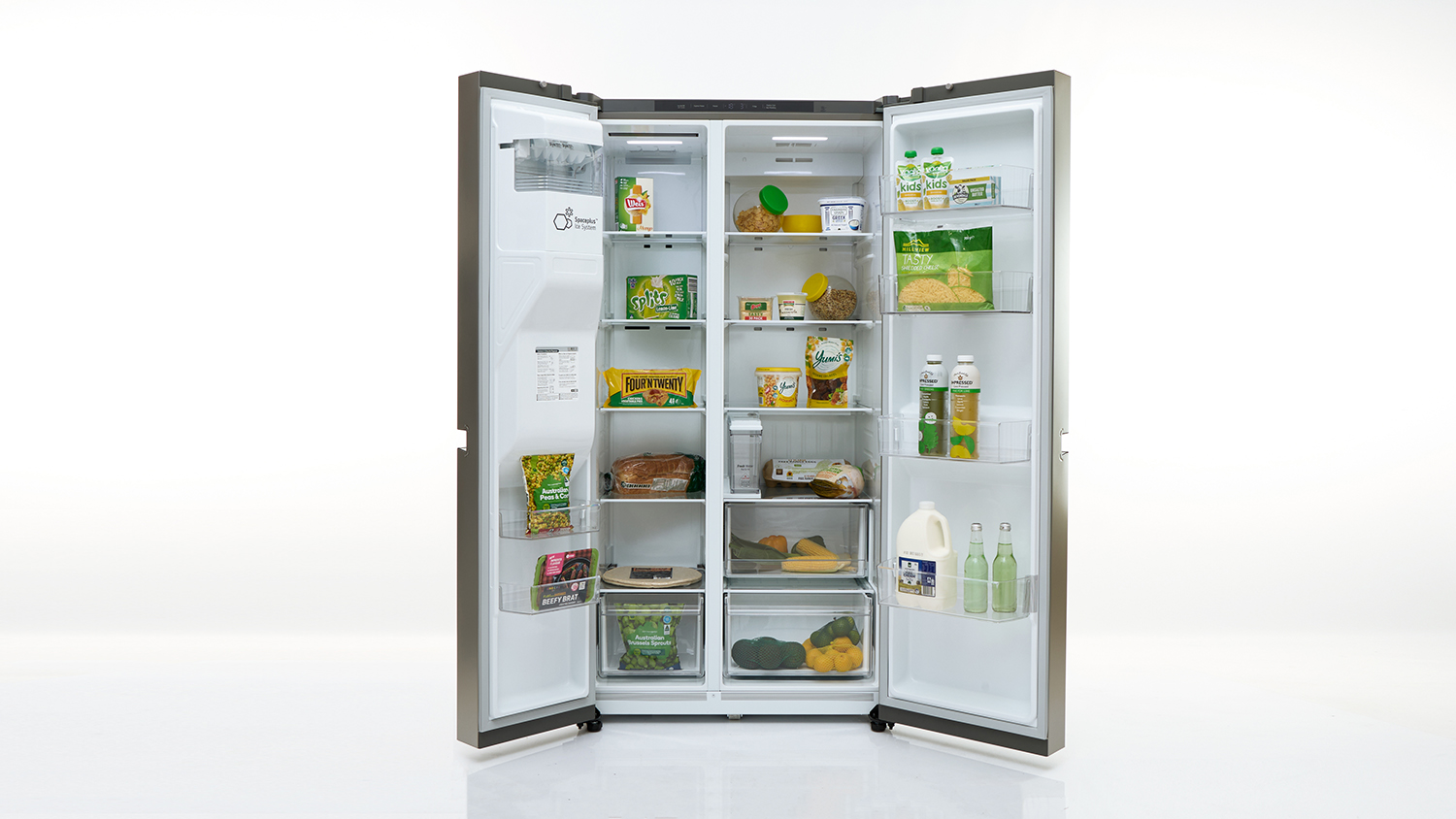
LG
GS-N599PL
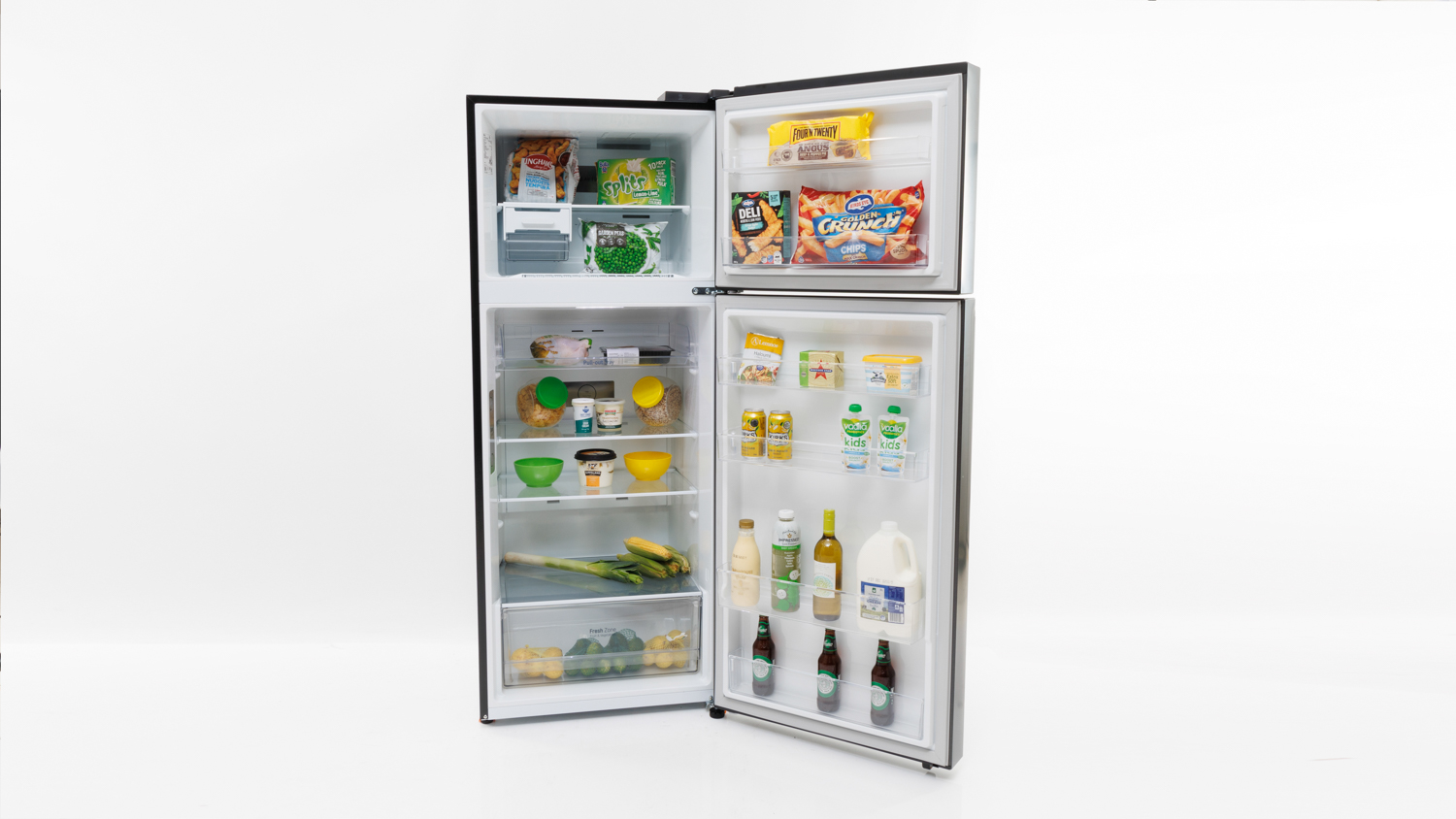
LG
GT-6MB

LG
GB-V300MBL
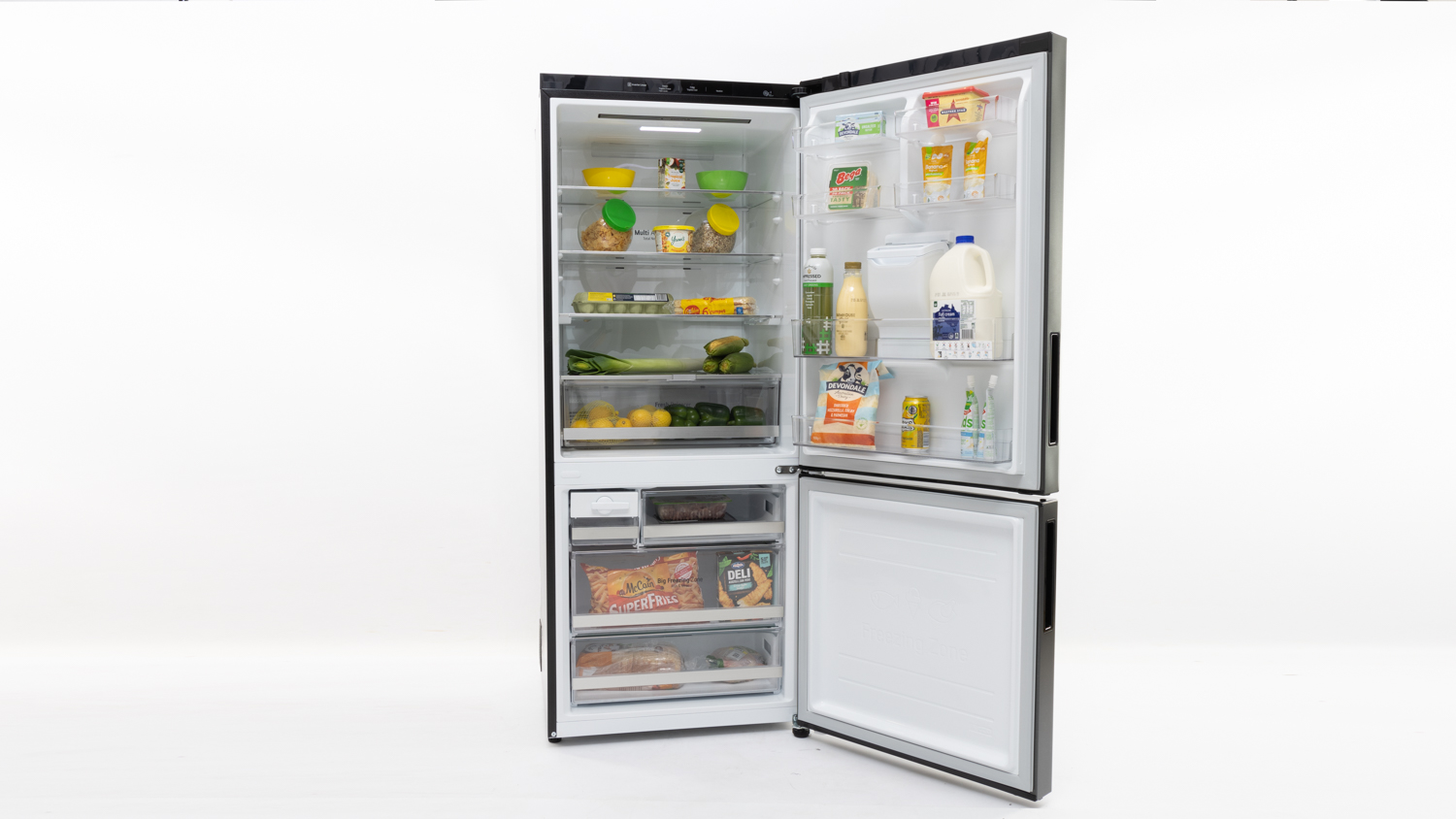
LG
GB-W455MBL
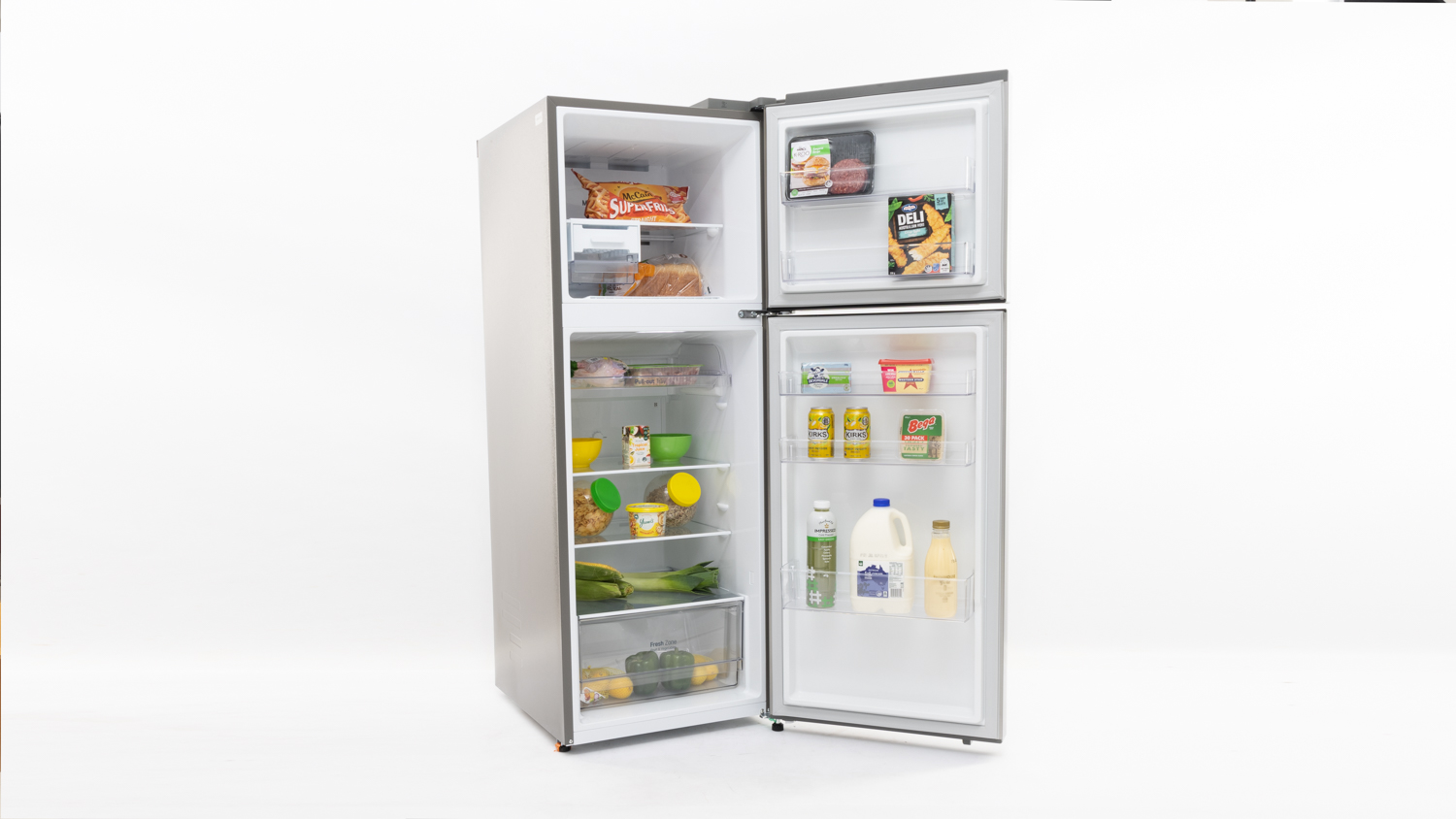
LG
GT-3S
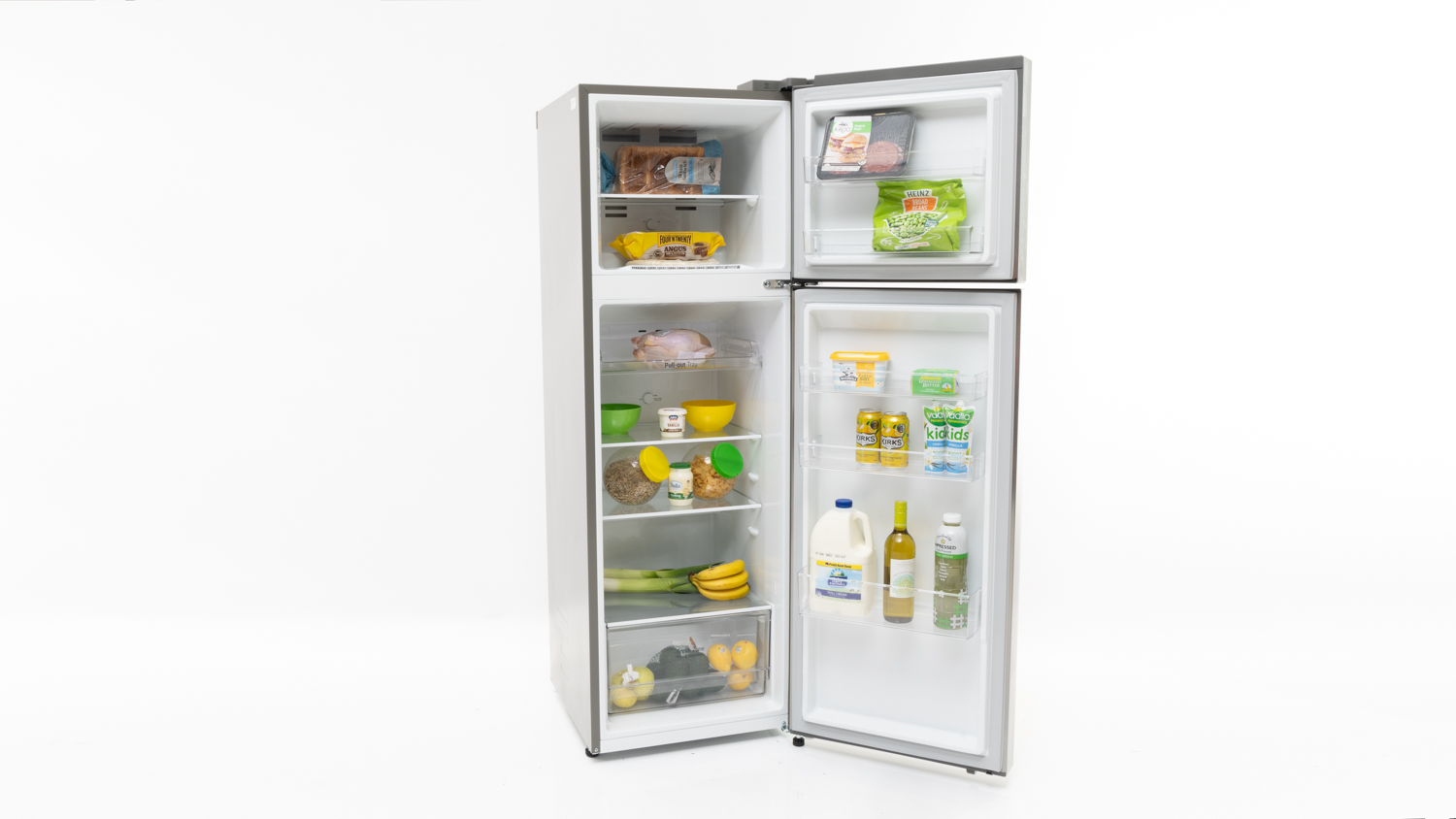
LG
GT-2S
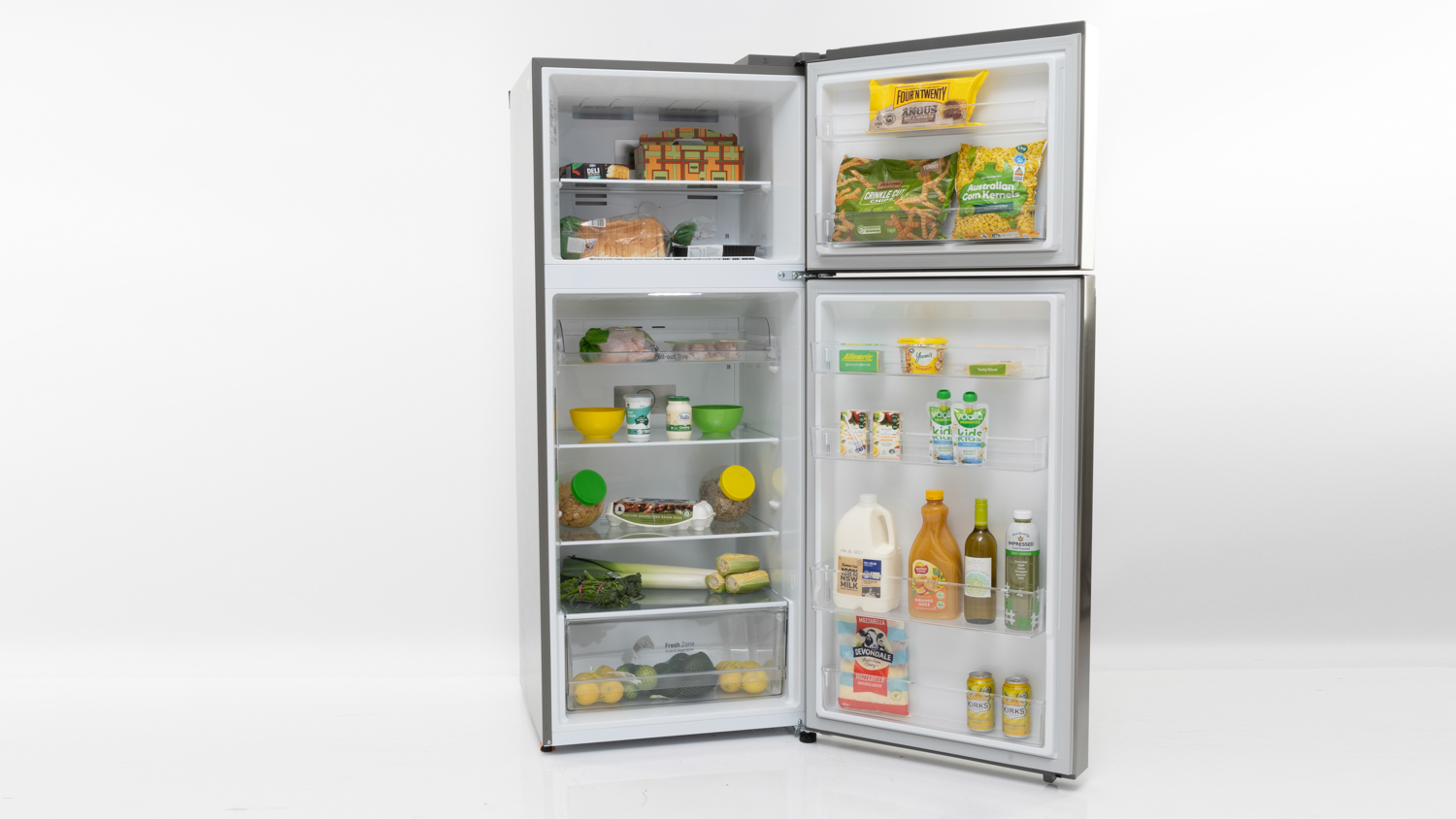
LG
GT-5S
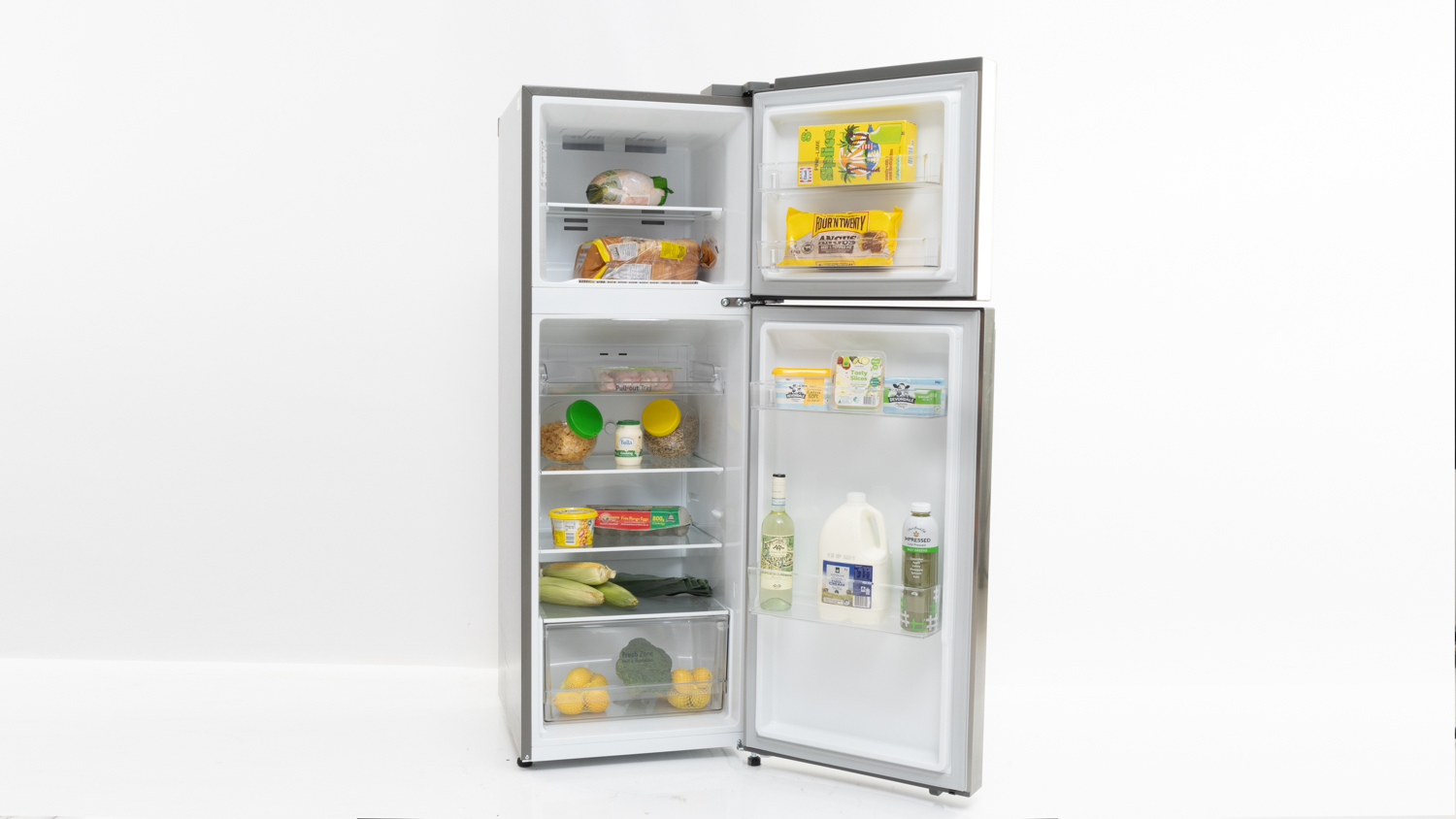
LG
GT-1S

LG
GS-B600MBL

LG
GF-VN500PL

LG
GF-B505PL
LG
GB-455BTL
LG
GB-455MBL
LG
GB-455PL

LG
GF-L700MWH

LG
GF-L700PL
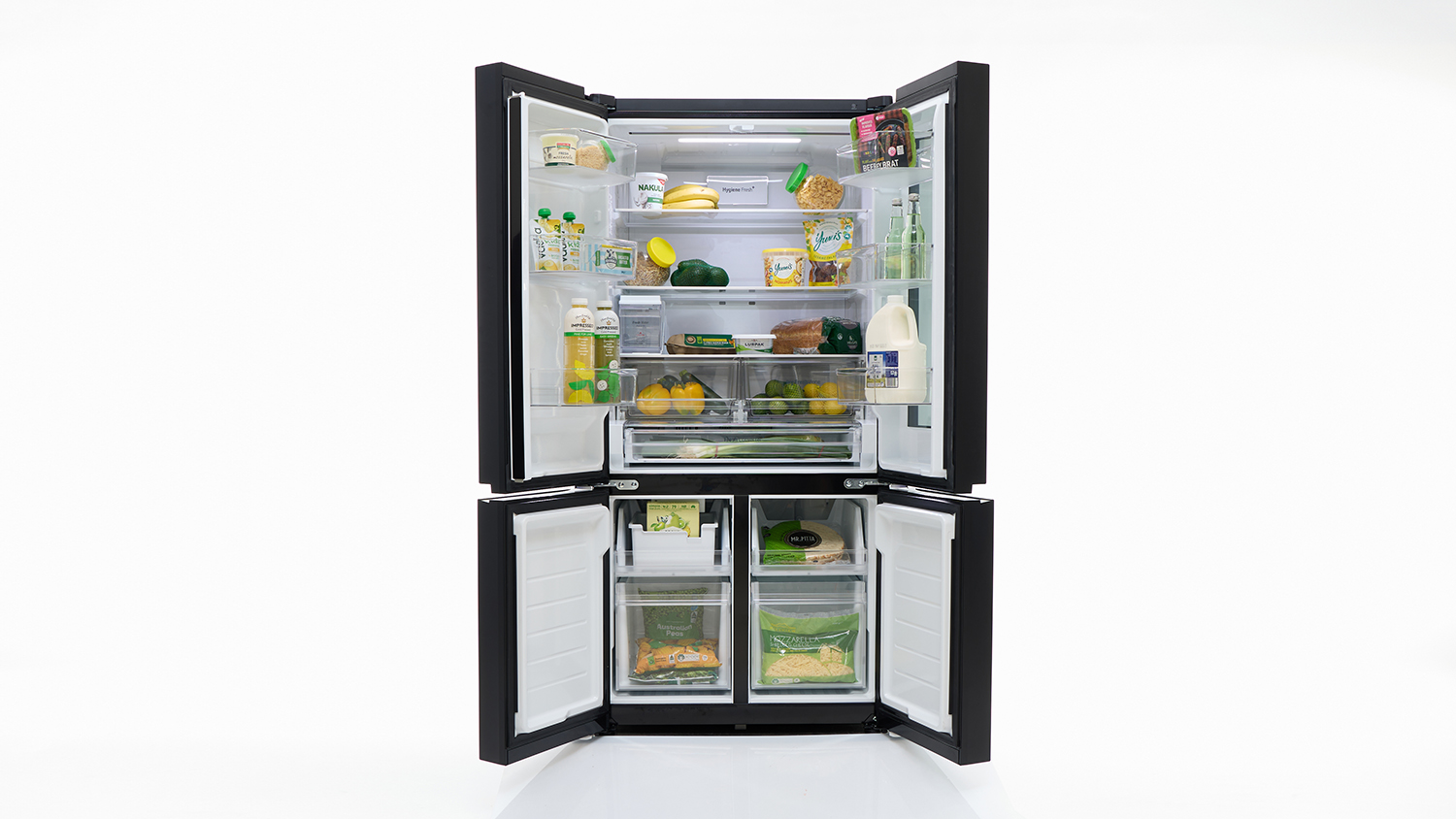
LG
GF-VN600BM
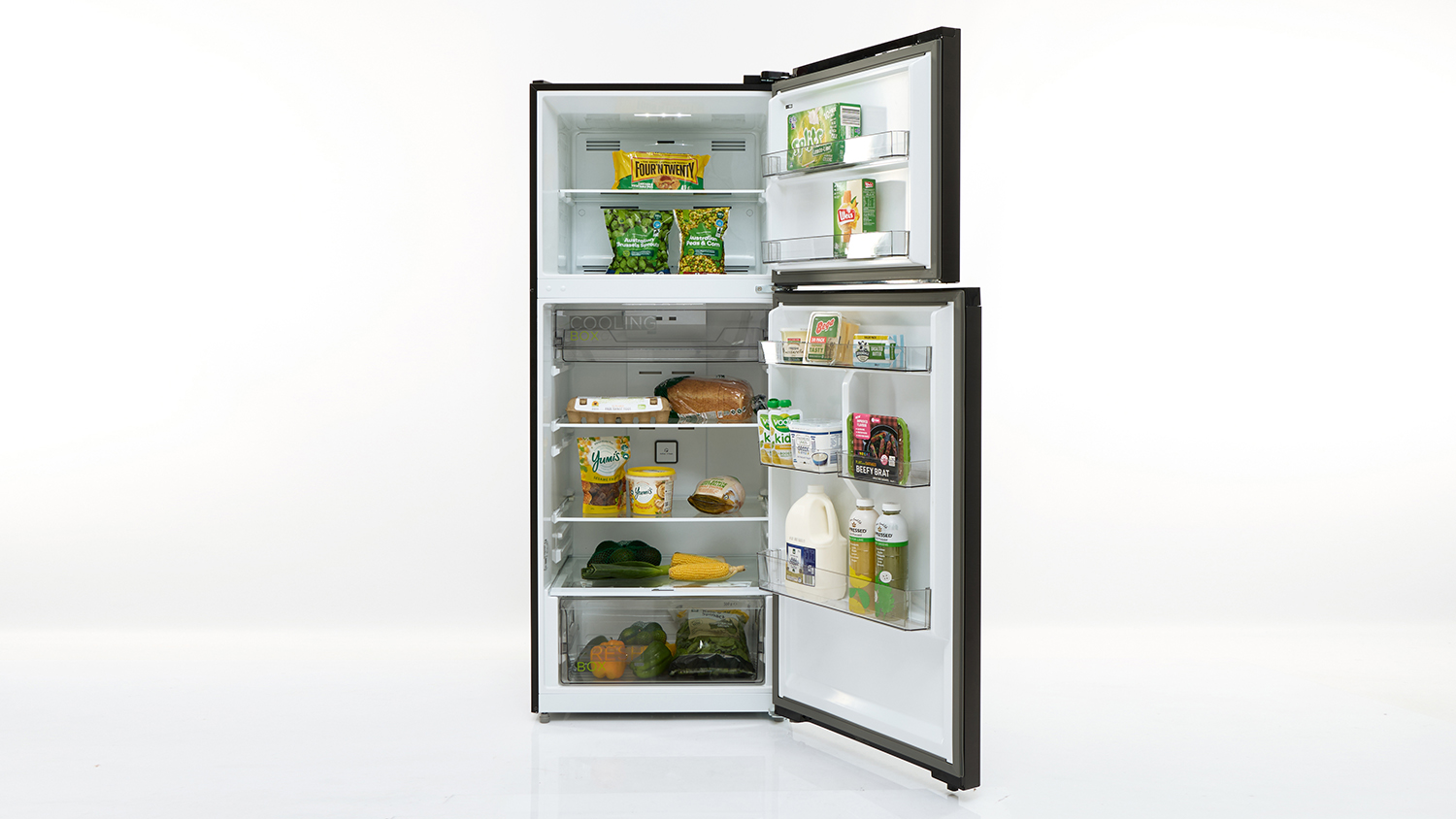
Midea
MDRT580MTF45AP
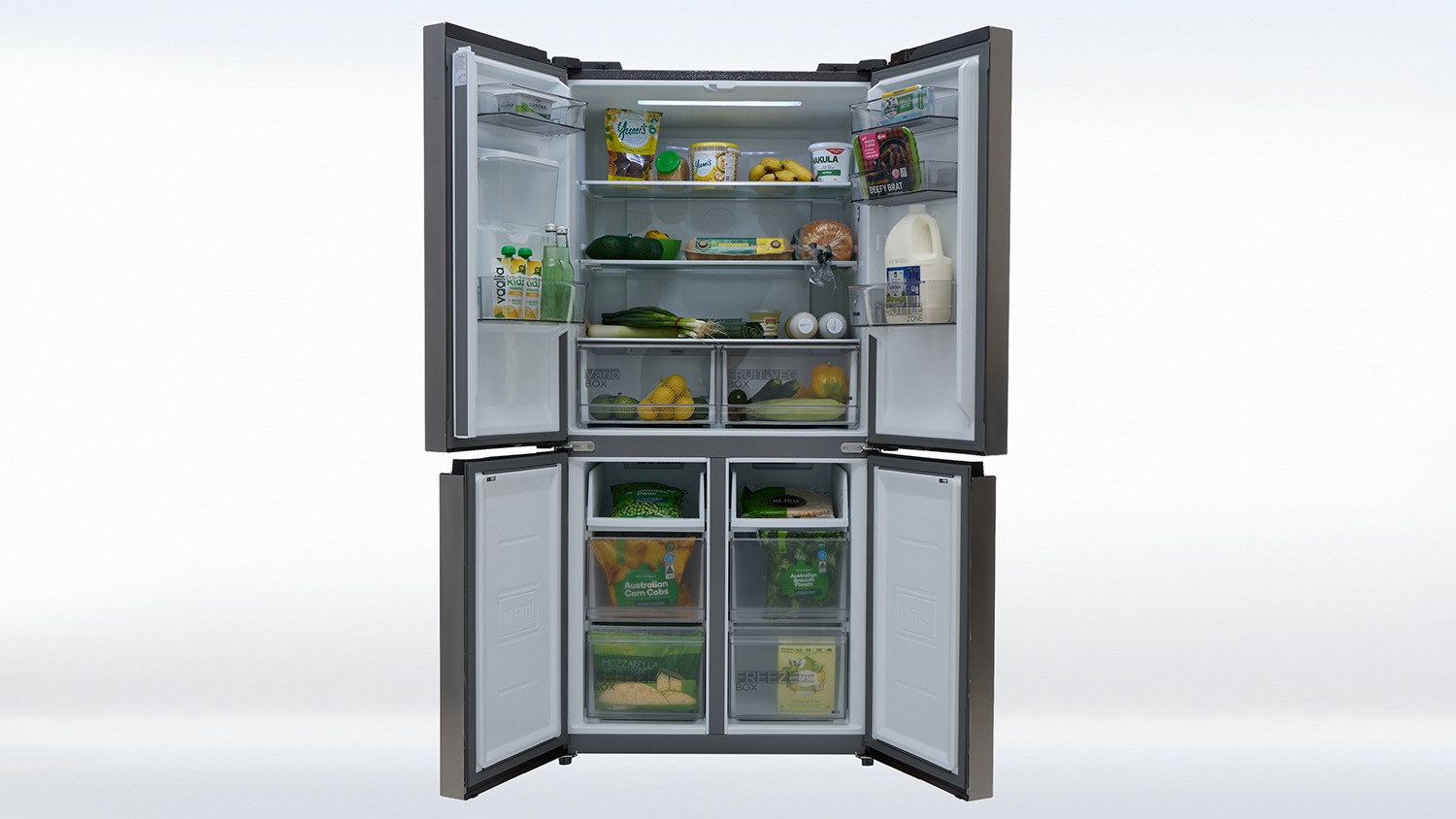
Midea
MDRF632FGD46APW
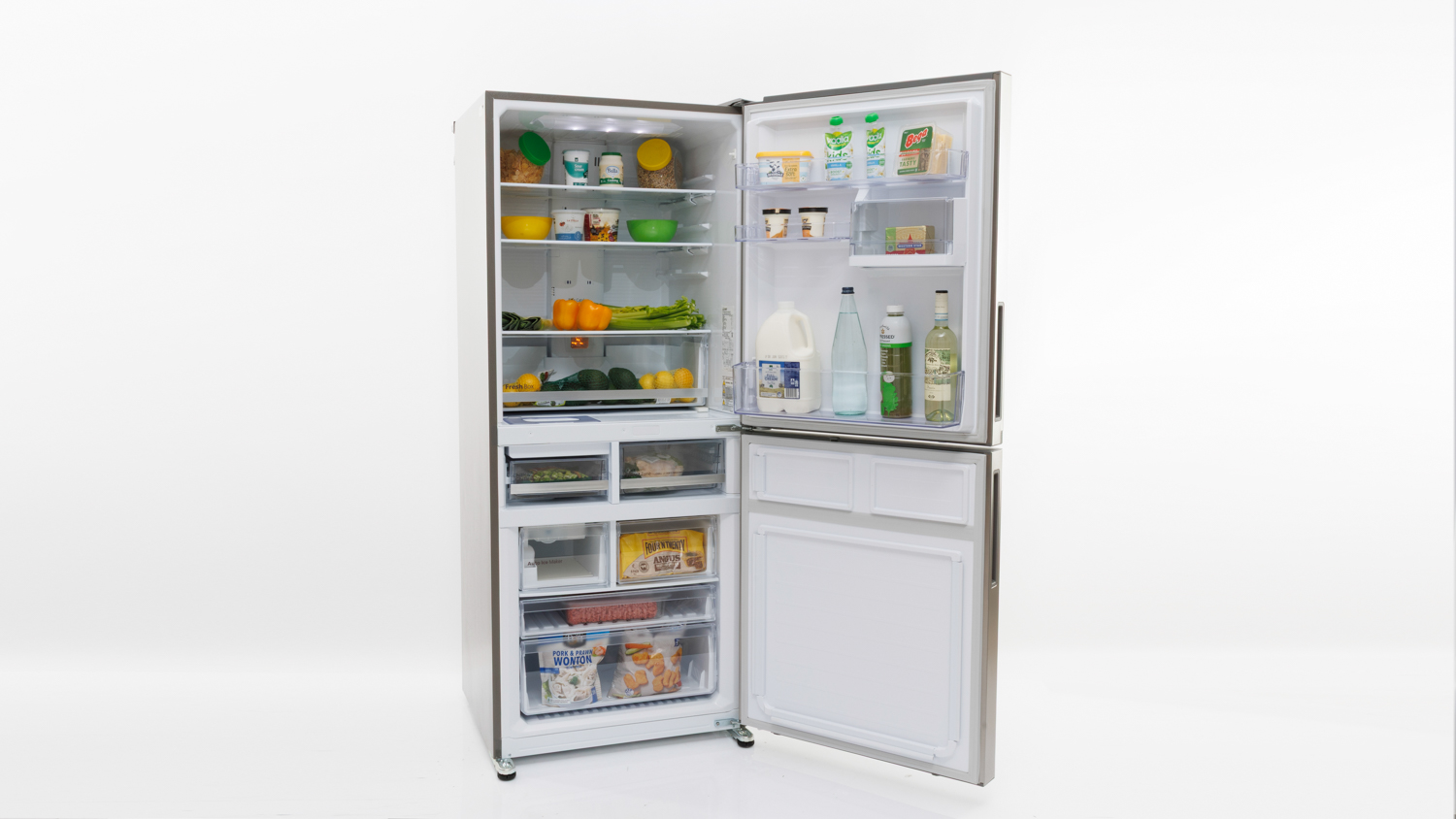
Mitsubishi Electric
MR-HS421EX-SS-A
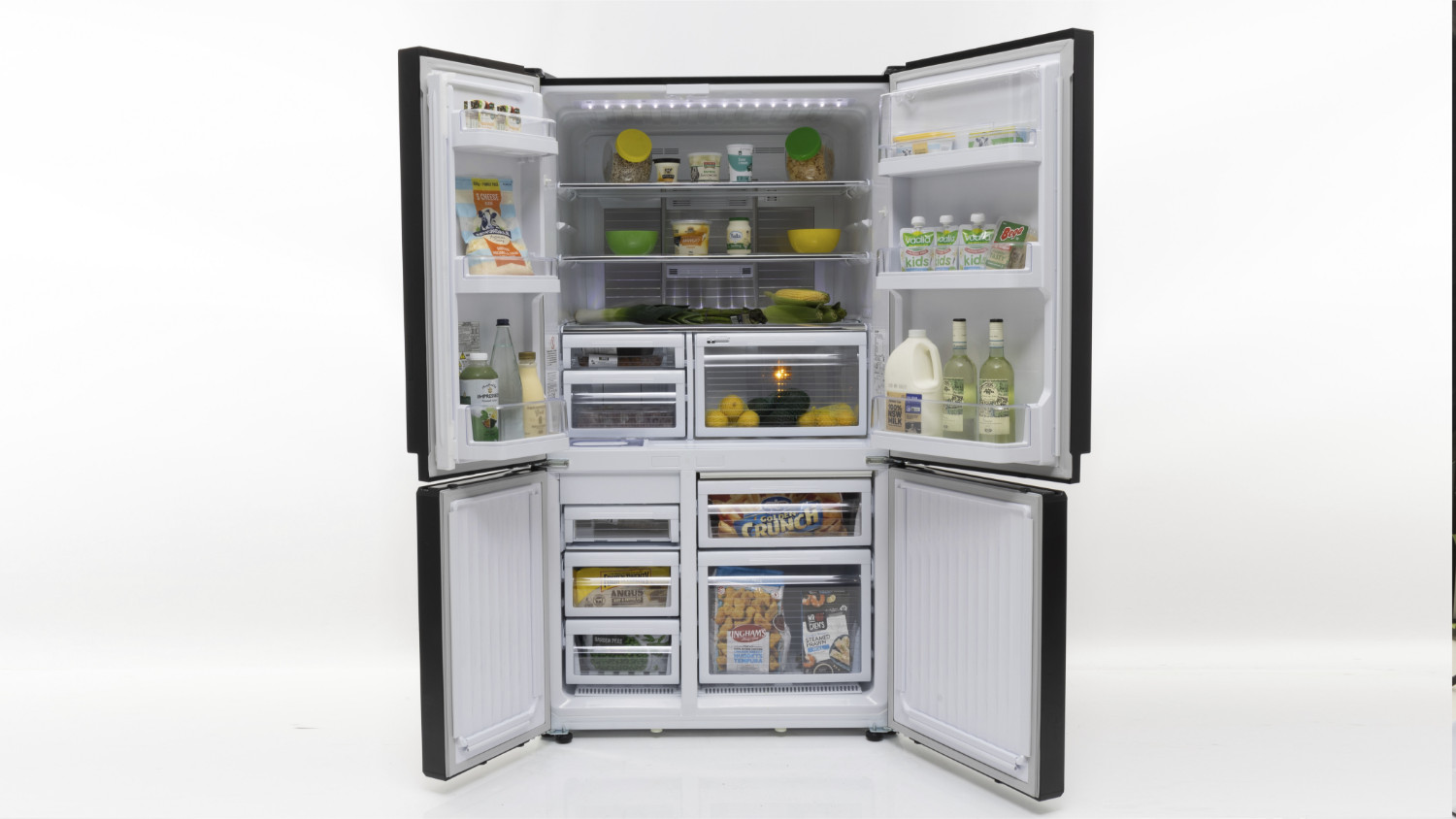
Mitsubishi Electric
MR-LA580ER-GBK-A
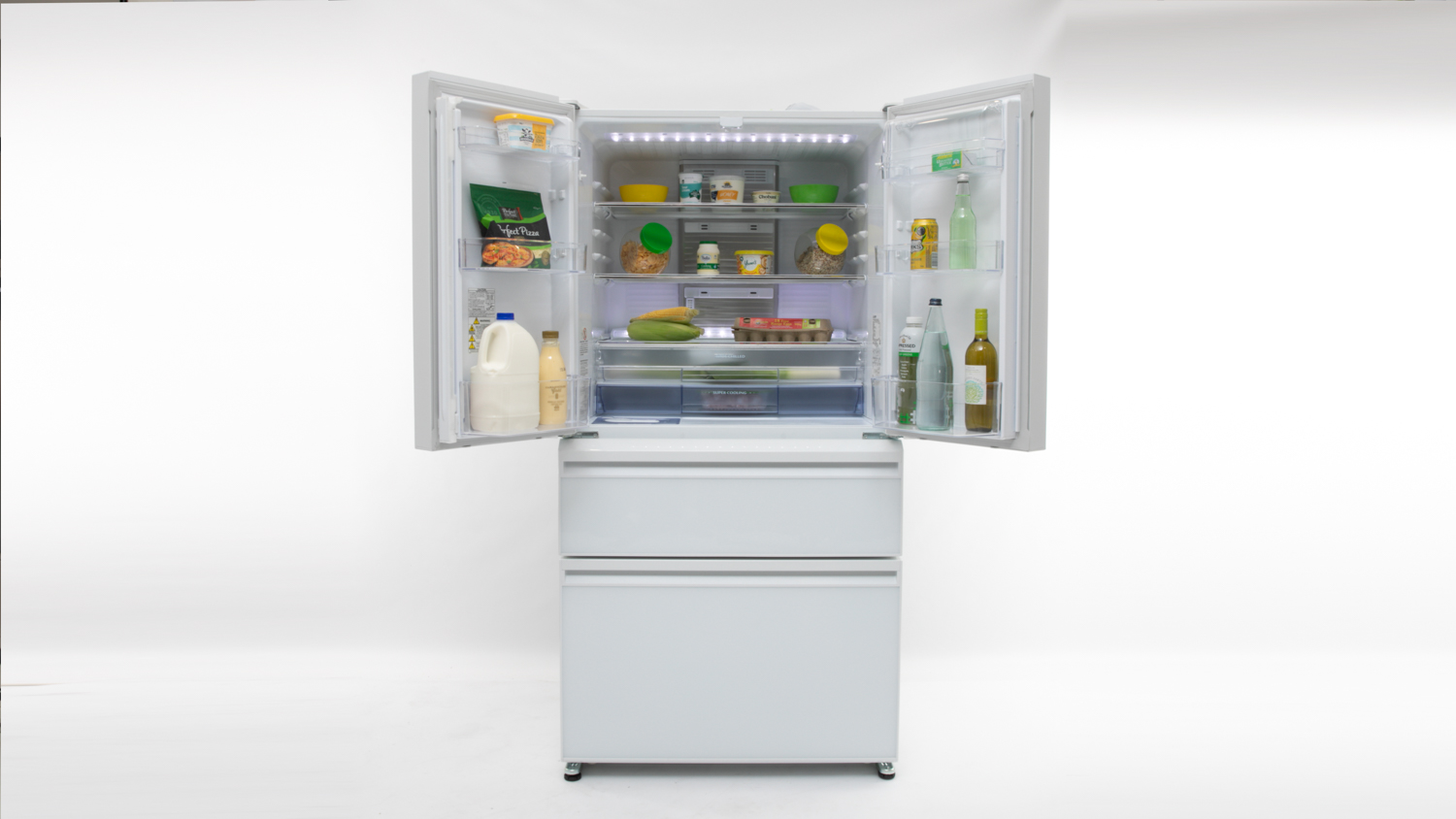
Mitsubishi Electric
MR-LX564ER-GWH-A
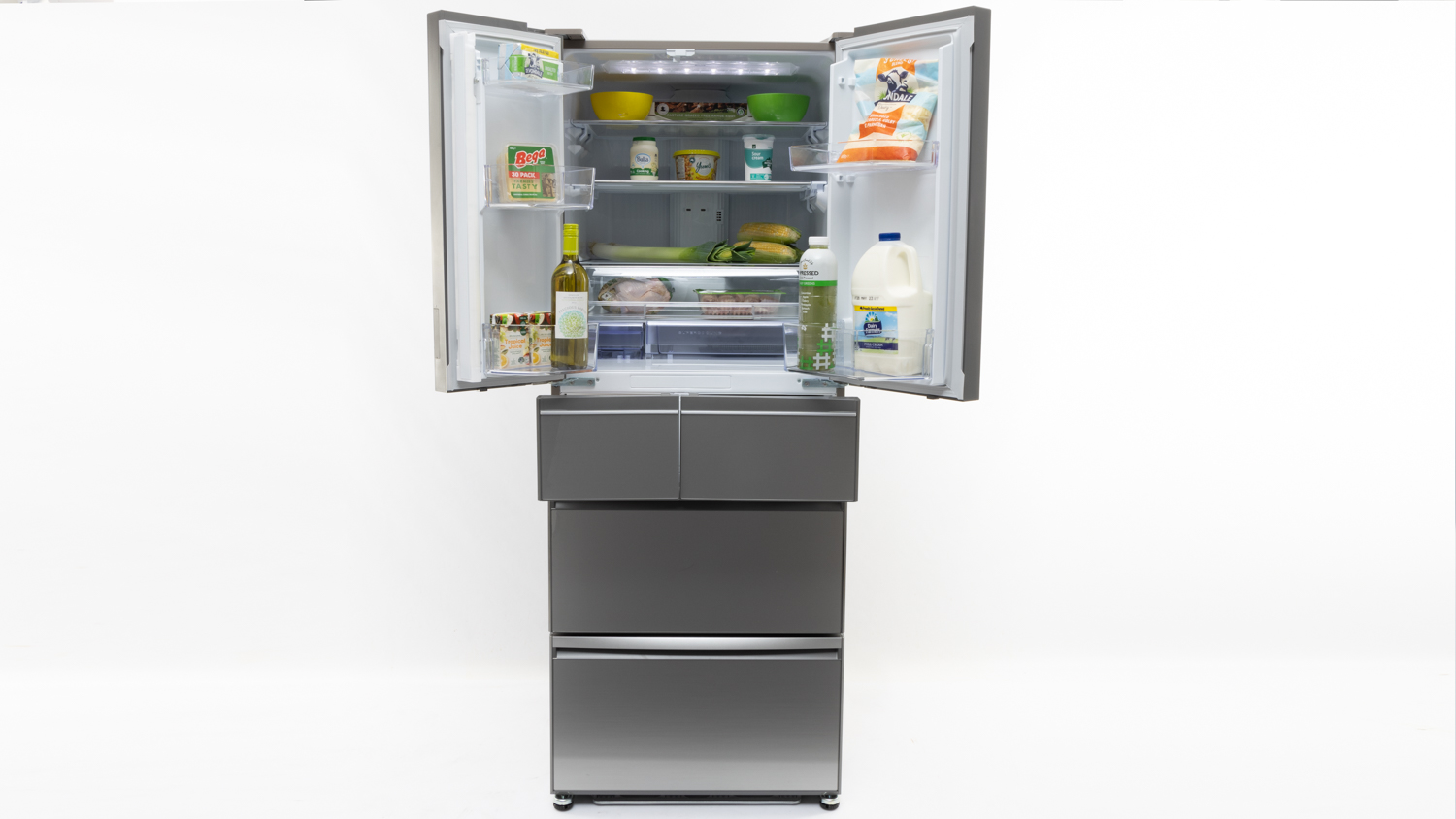
Mitsubishi Electric
MR-WX470F-S-A
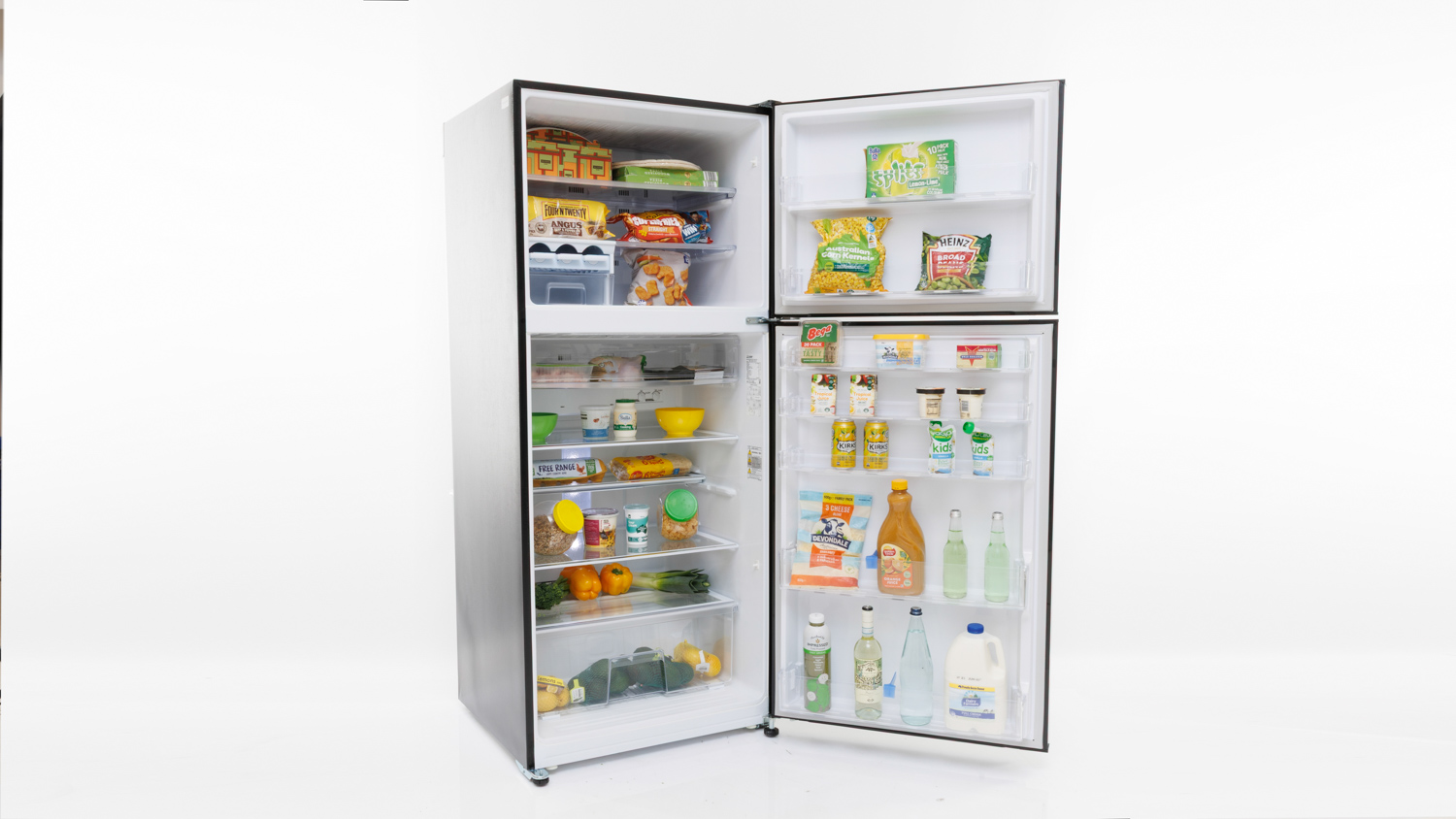
Mitsubishi Electric
MR-505ER-SB-A
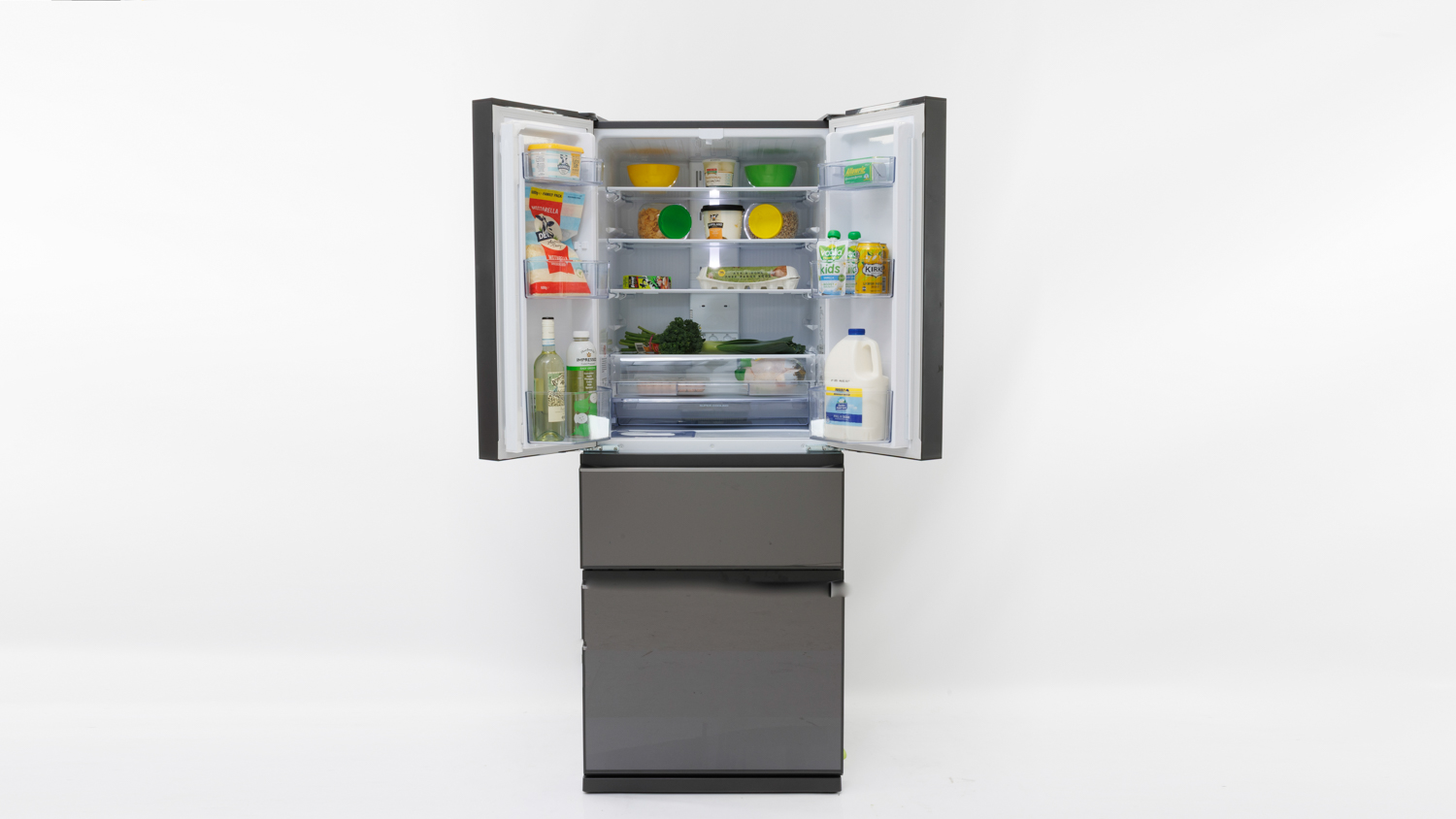
Mitsubishi Electric
MR-LX442EX-GDS-A
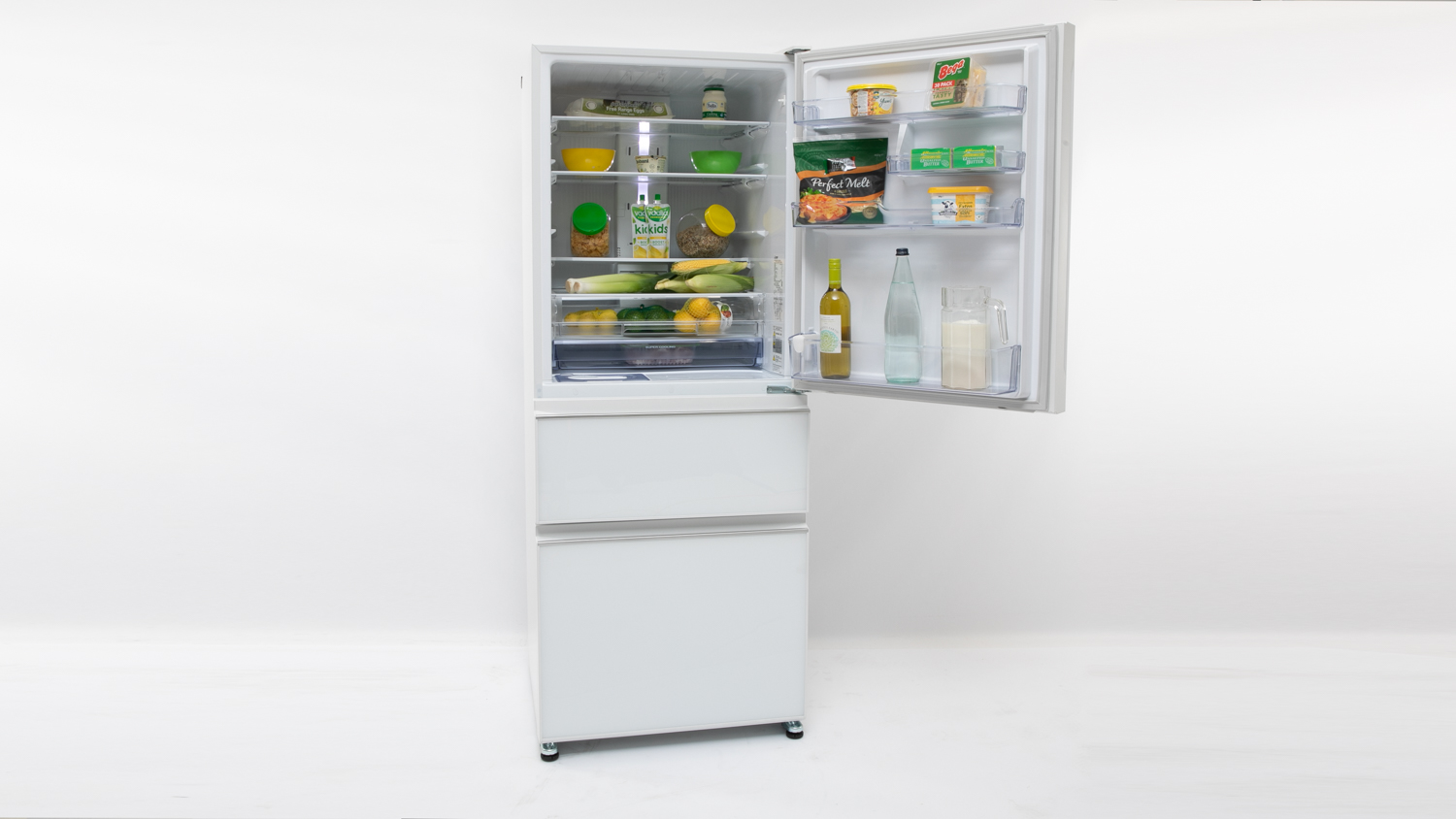
Mitsubishi Electric
MR-CGX450ER-GWH-A

Mitsubishi Electric
MR-LX442EX-GBK-A
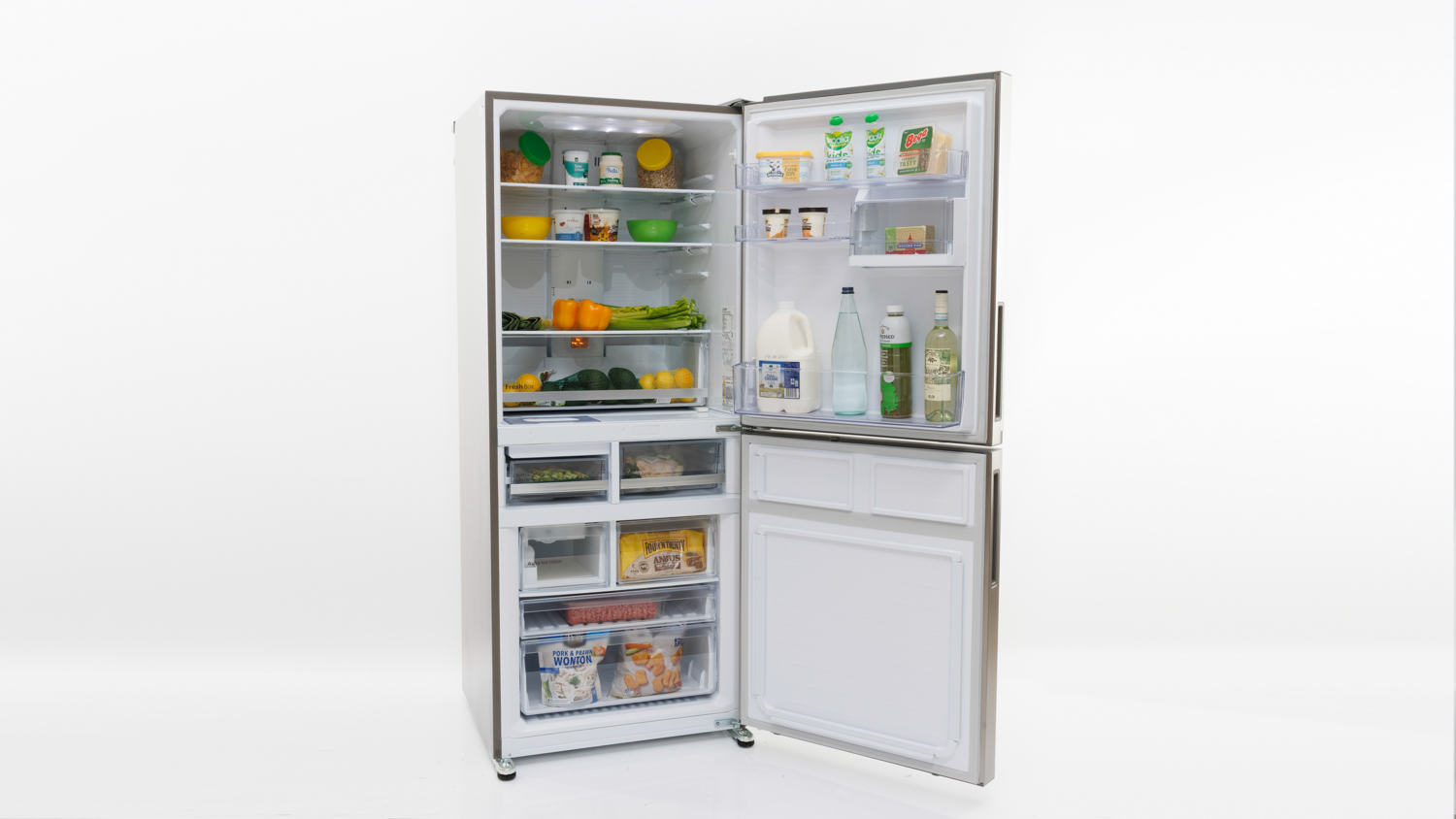
Mitsubishi Electric
MR-HS421EX-SDS-A

Mitsubishi Electric
MR-LX564ER-GBK-A

Mitsubishi Electric
MR-LX564ER-GSL-A
Mitsubishi Electric
MR-WX470F-W-A

Mitsubishi Electric
MR-LX442EX-GWH-A

Mitsubishi Electric
MR-CGX450ER-GBK-A
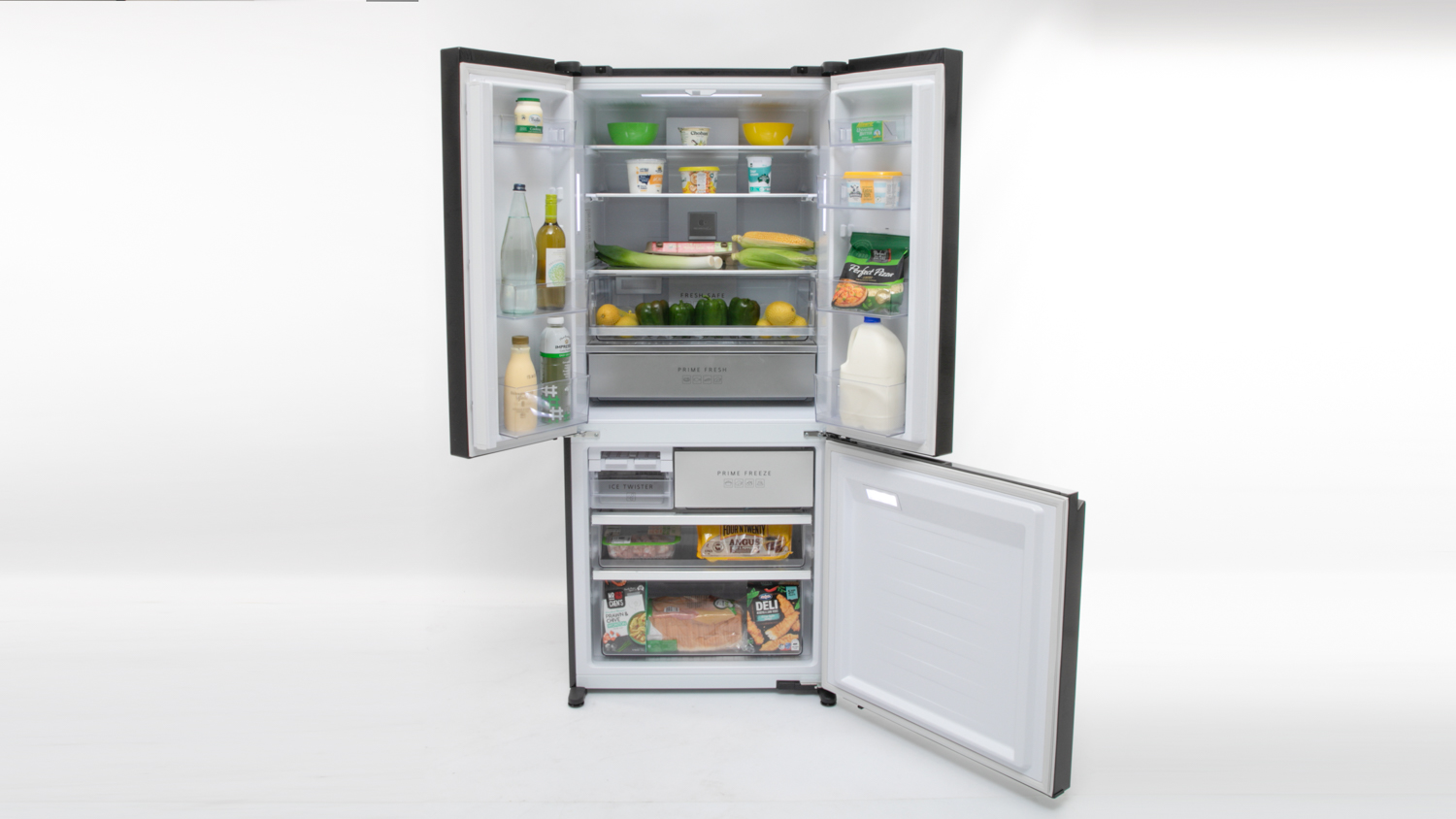
Panasonic
NR-CW530H
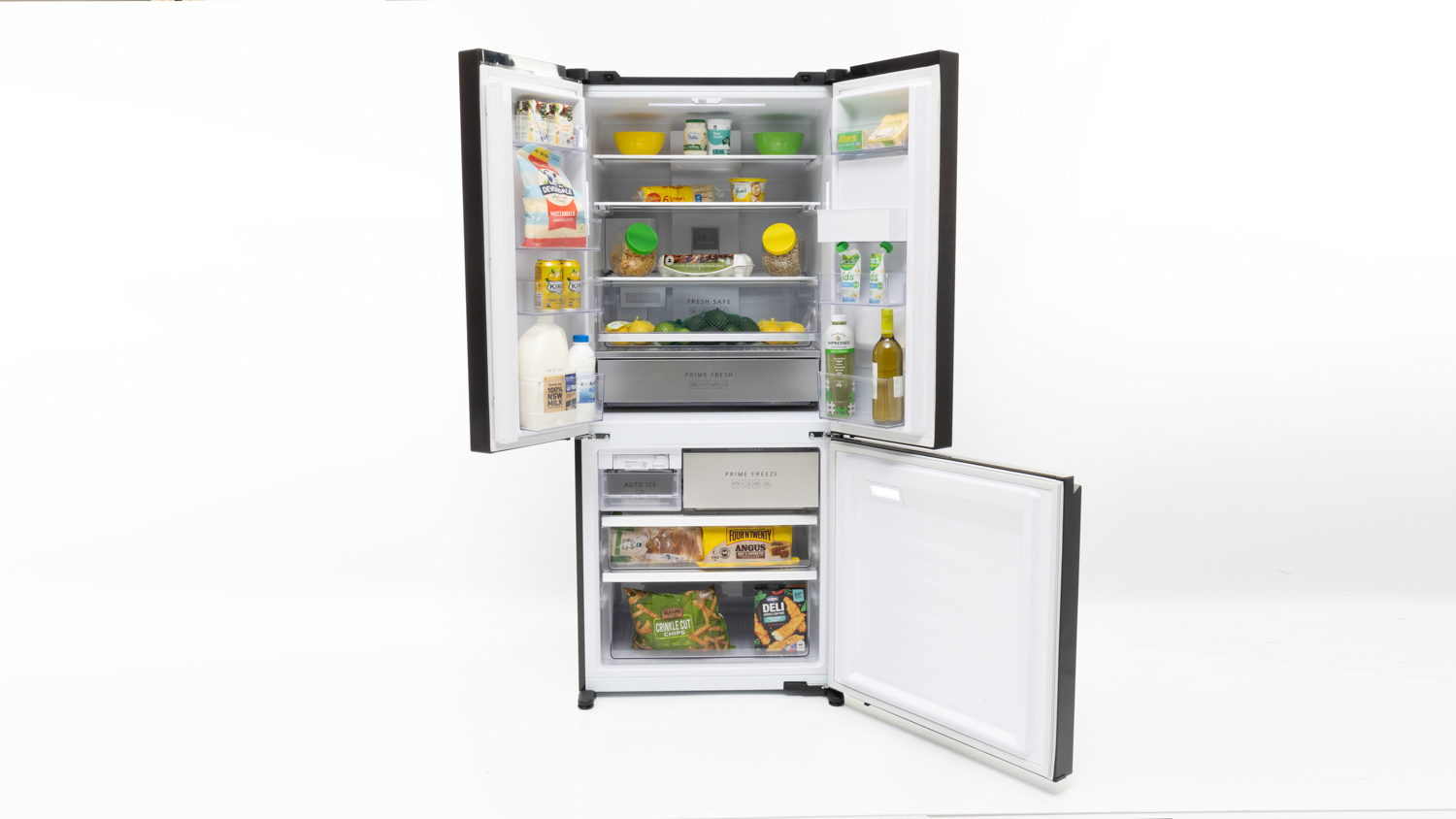
Panasonic
NR-CW530J
Panasonic
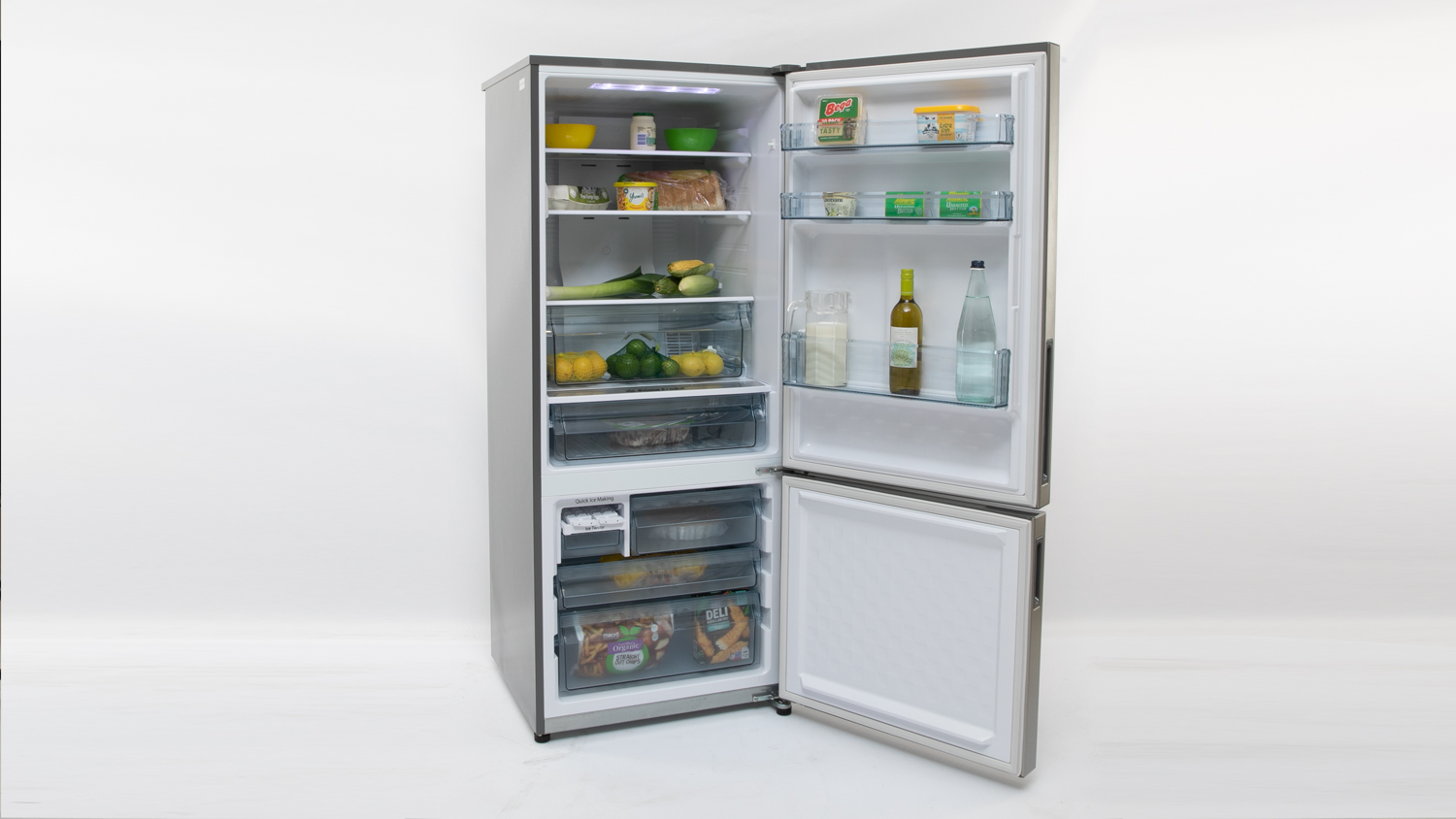
NR-BX421B
Samsung
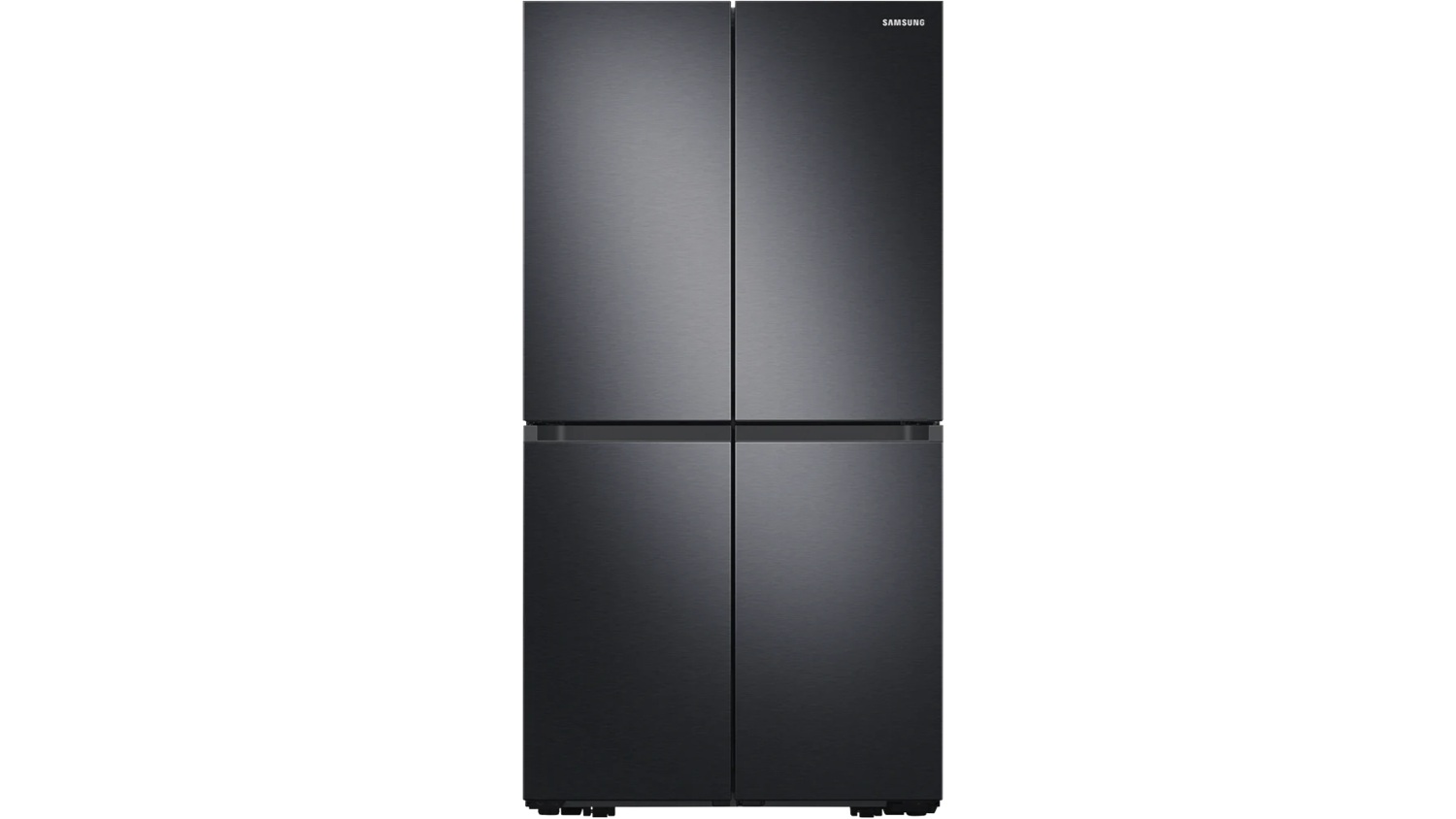
SRF7500BB
Samsung
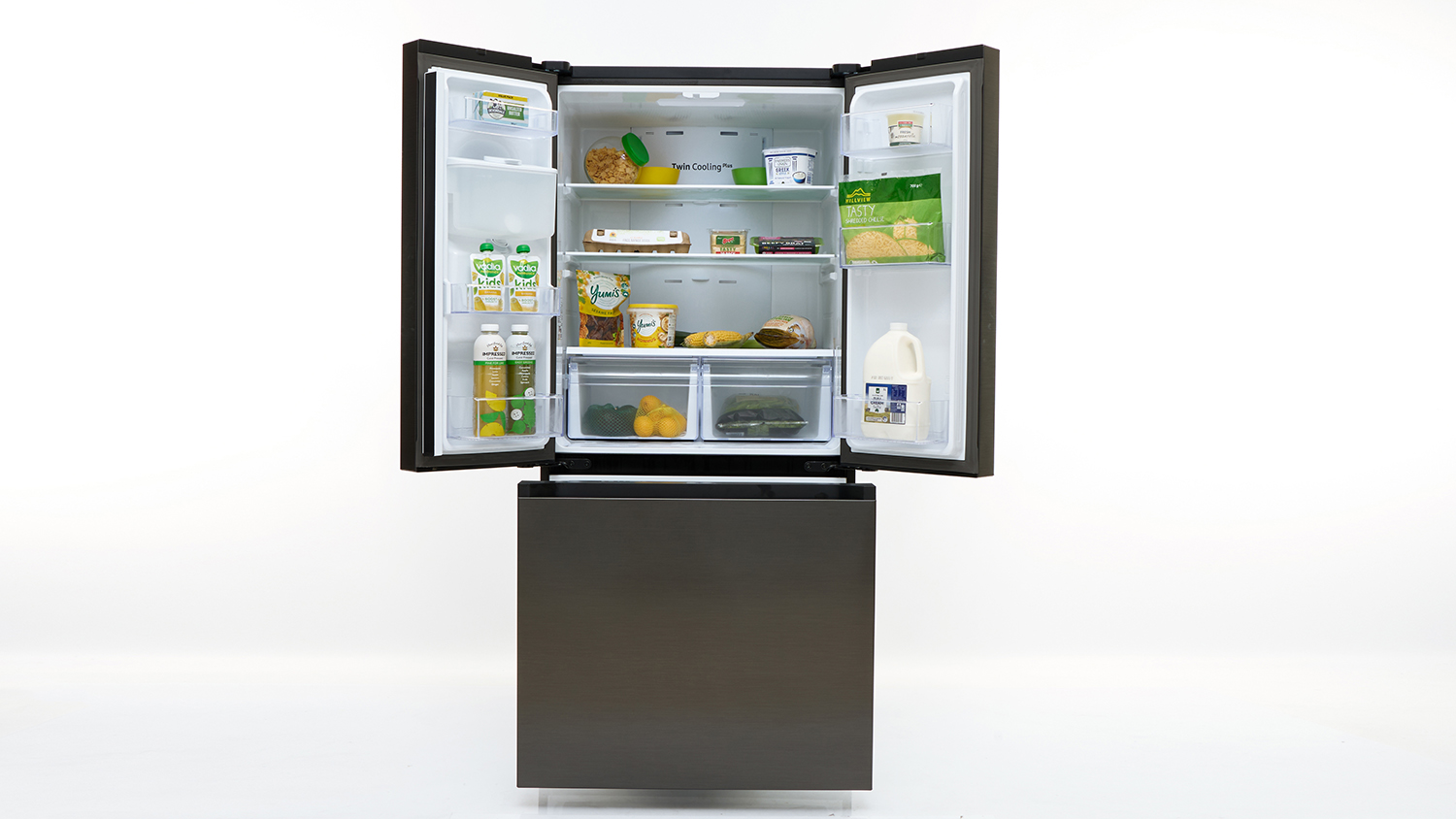
SRF5300BD
Samsung
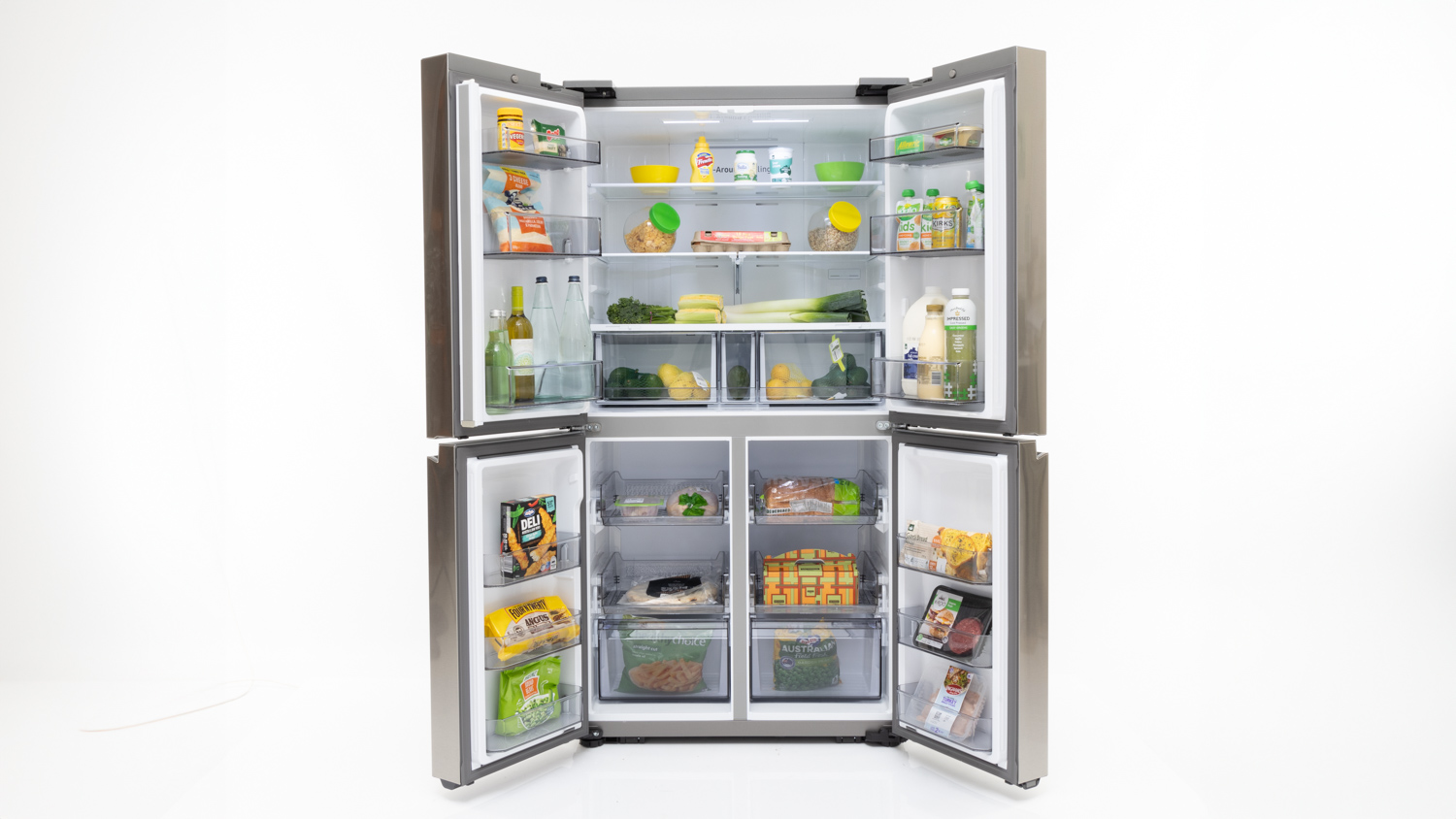
SRF7100S

Samsung
SRF9400BFH
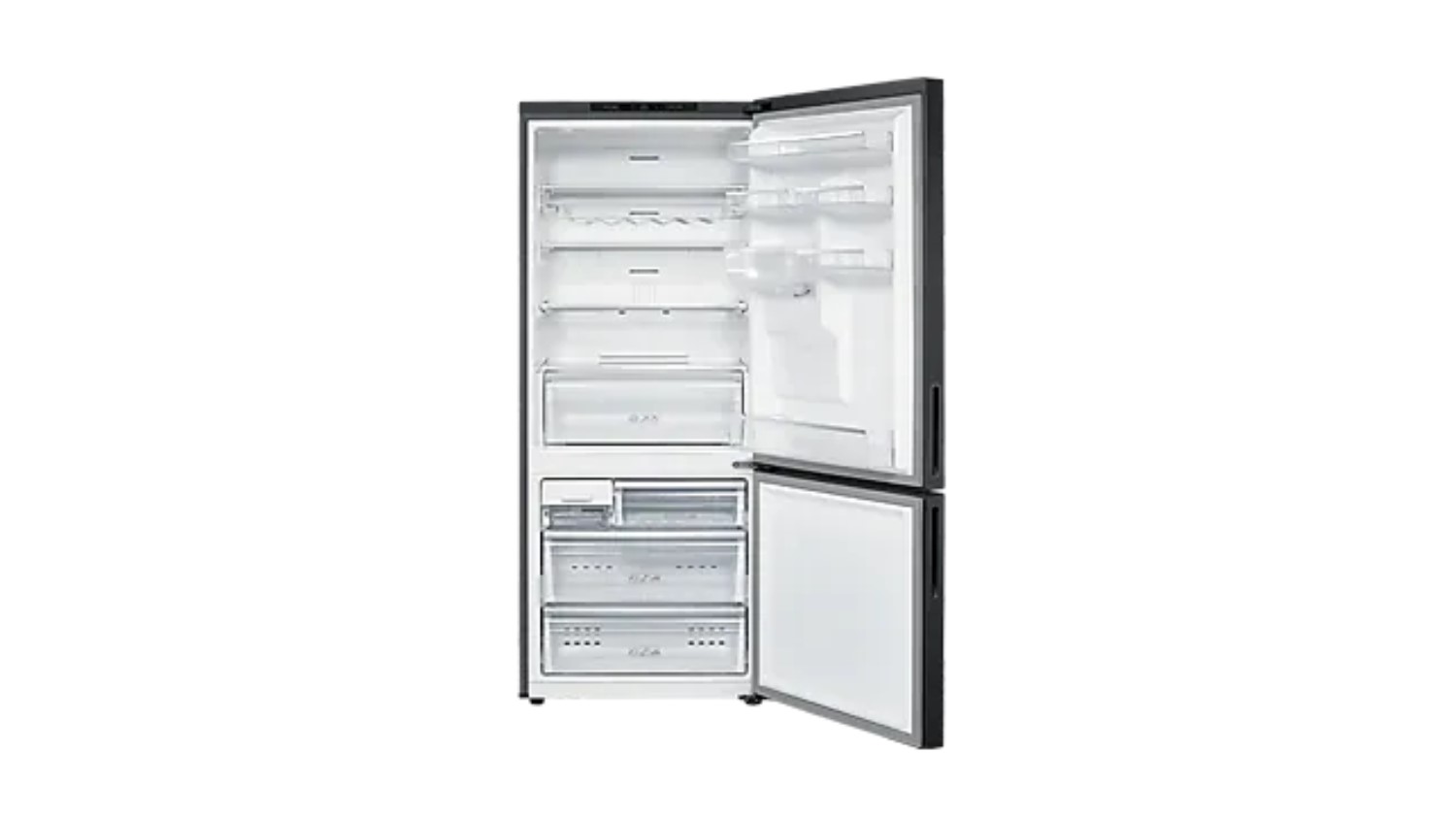
Samsung
SRL334NMB
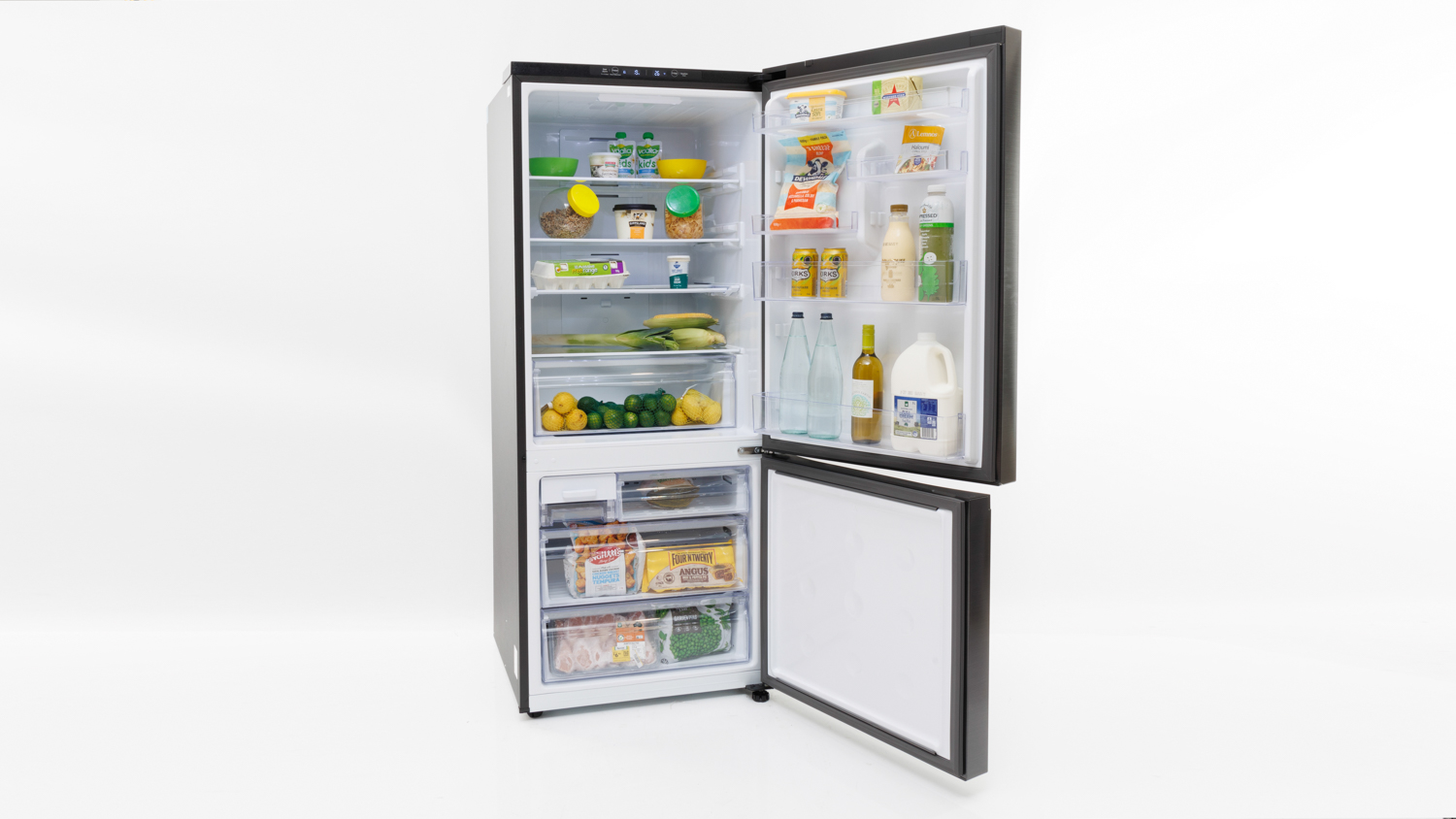
Samsung
SRL4200B
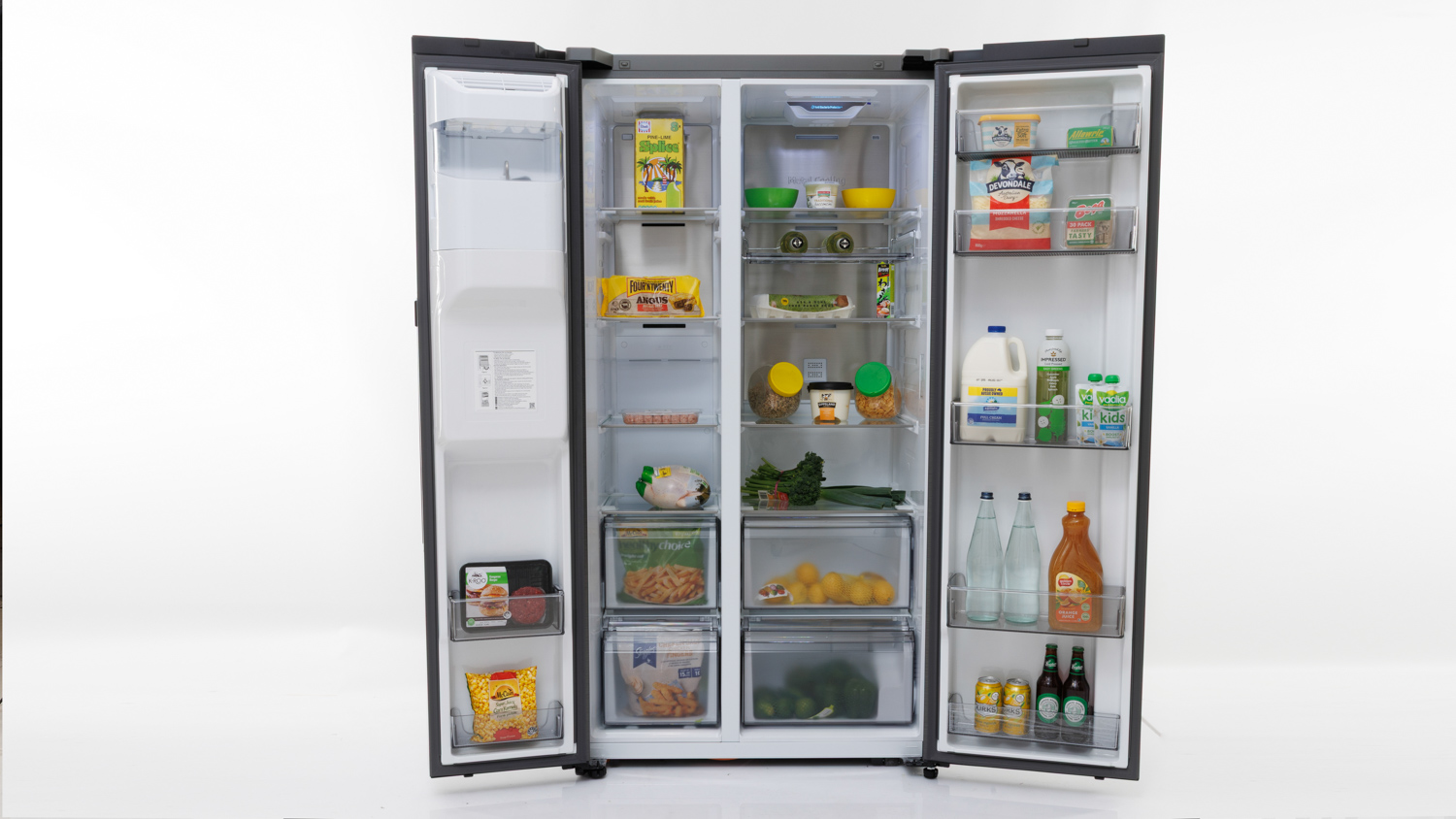
Samsung
SRS6300B
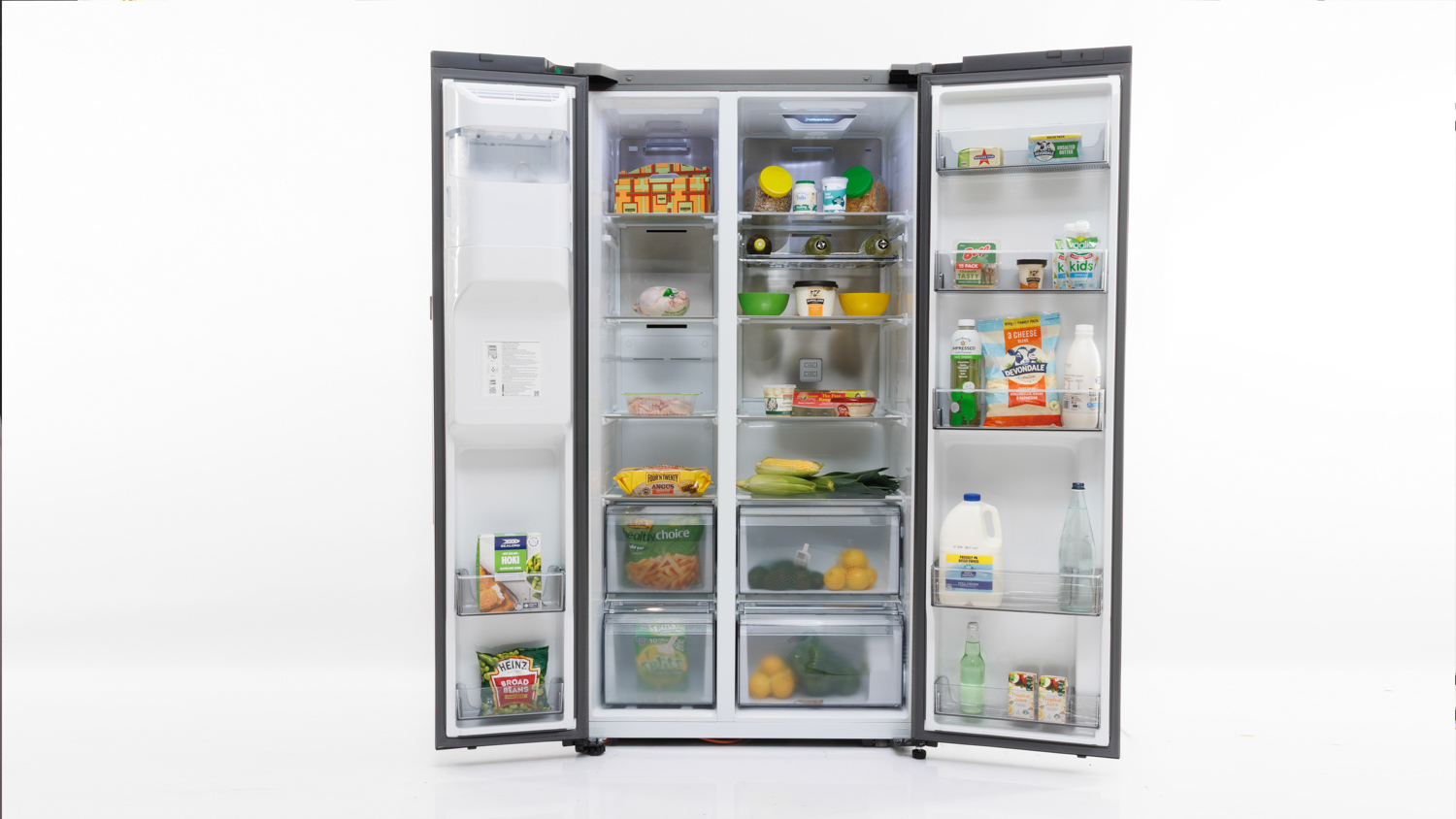
Samsung
SRS6500BA
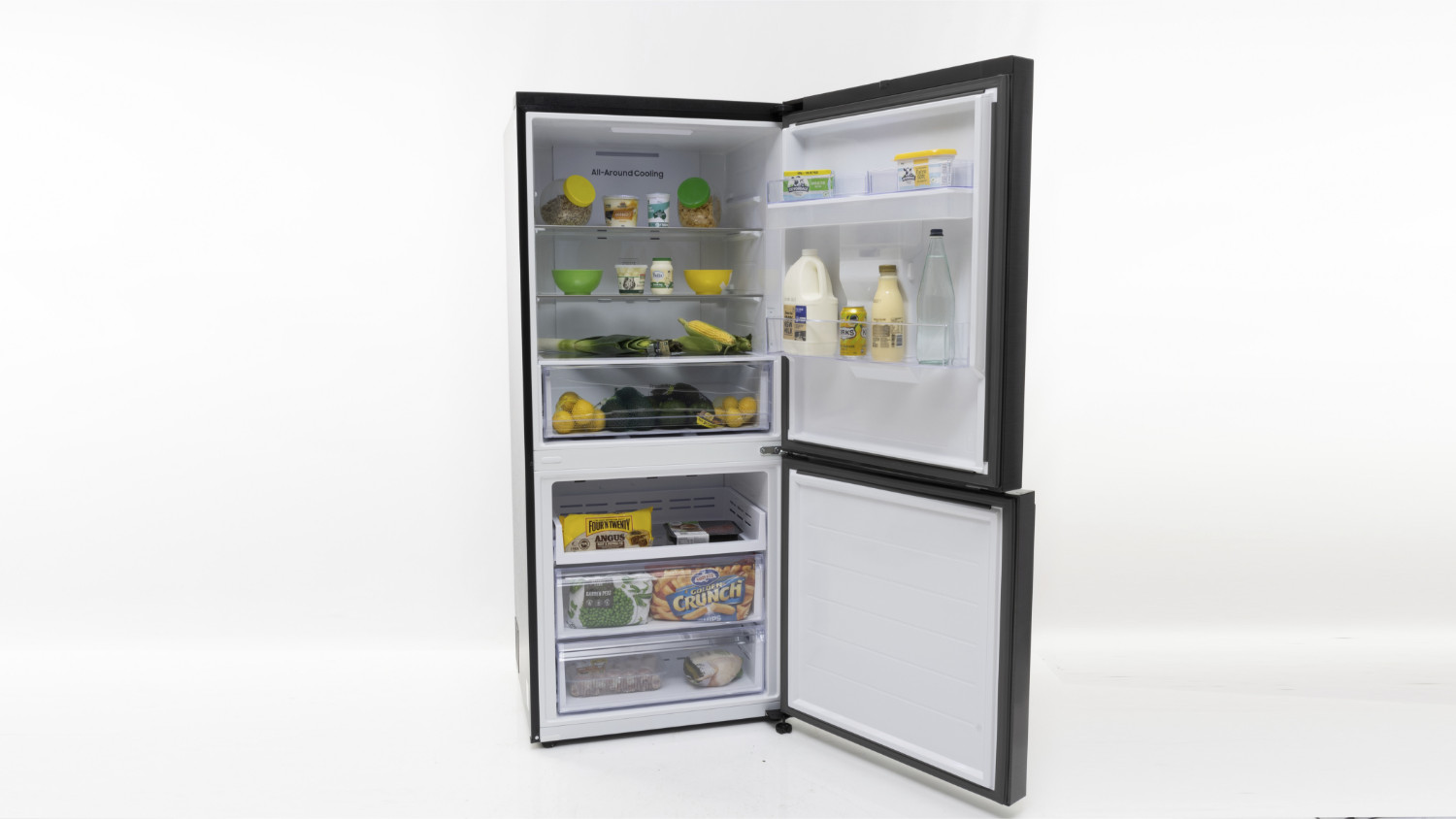
Samsung
SRL4600BD
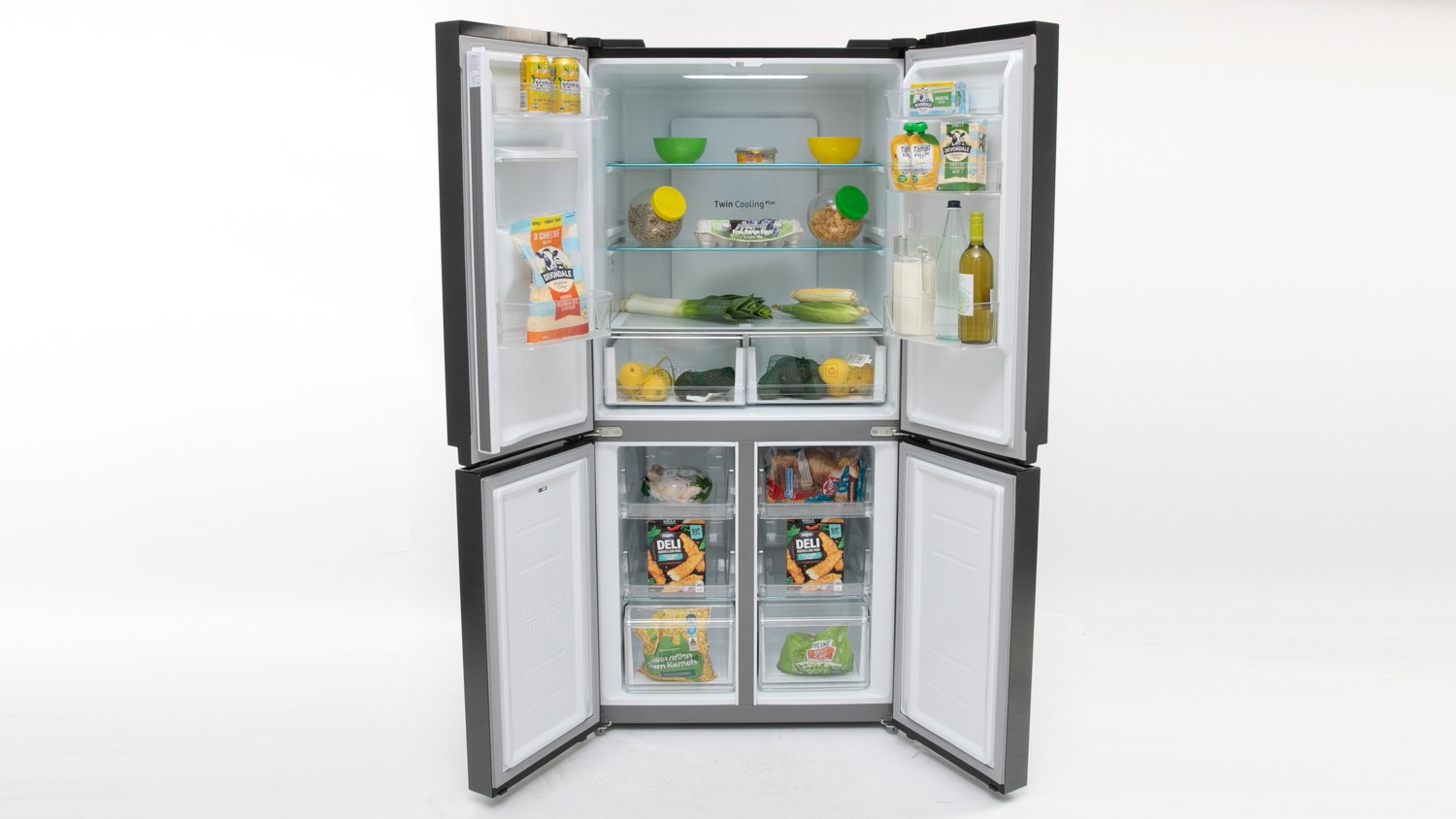
Samsung
SRF5700BD
Samsung
SRF7100B
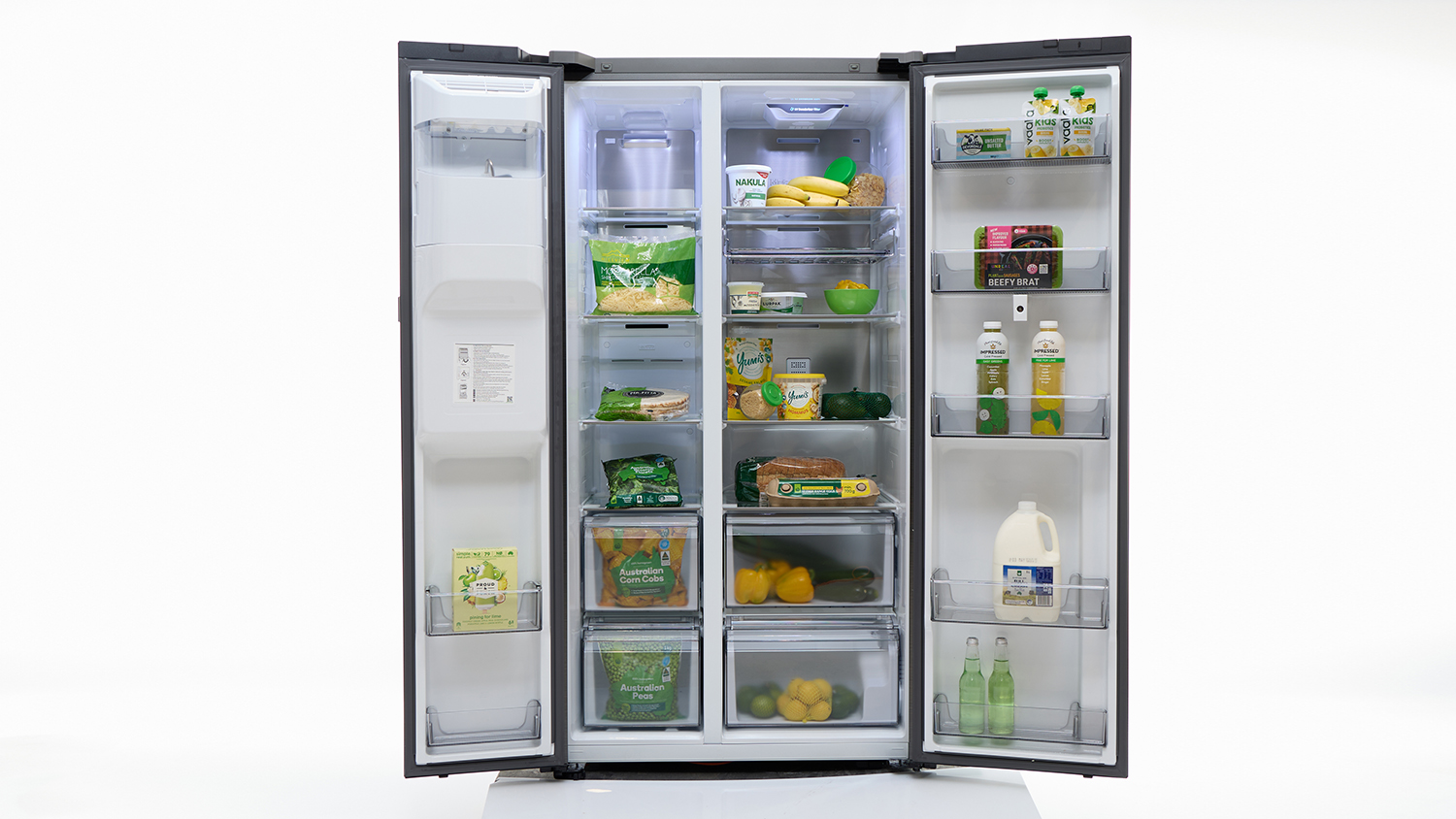
Samsung
SRS6800BFH
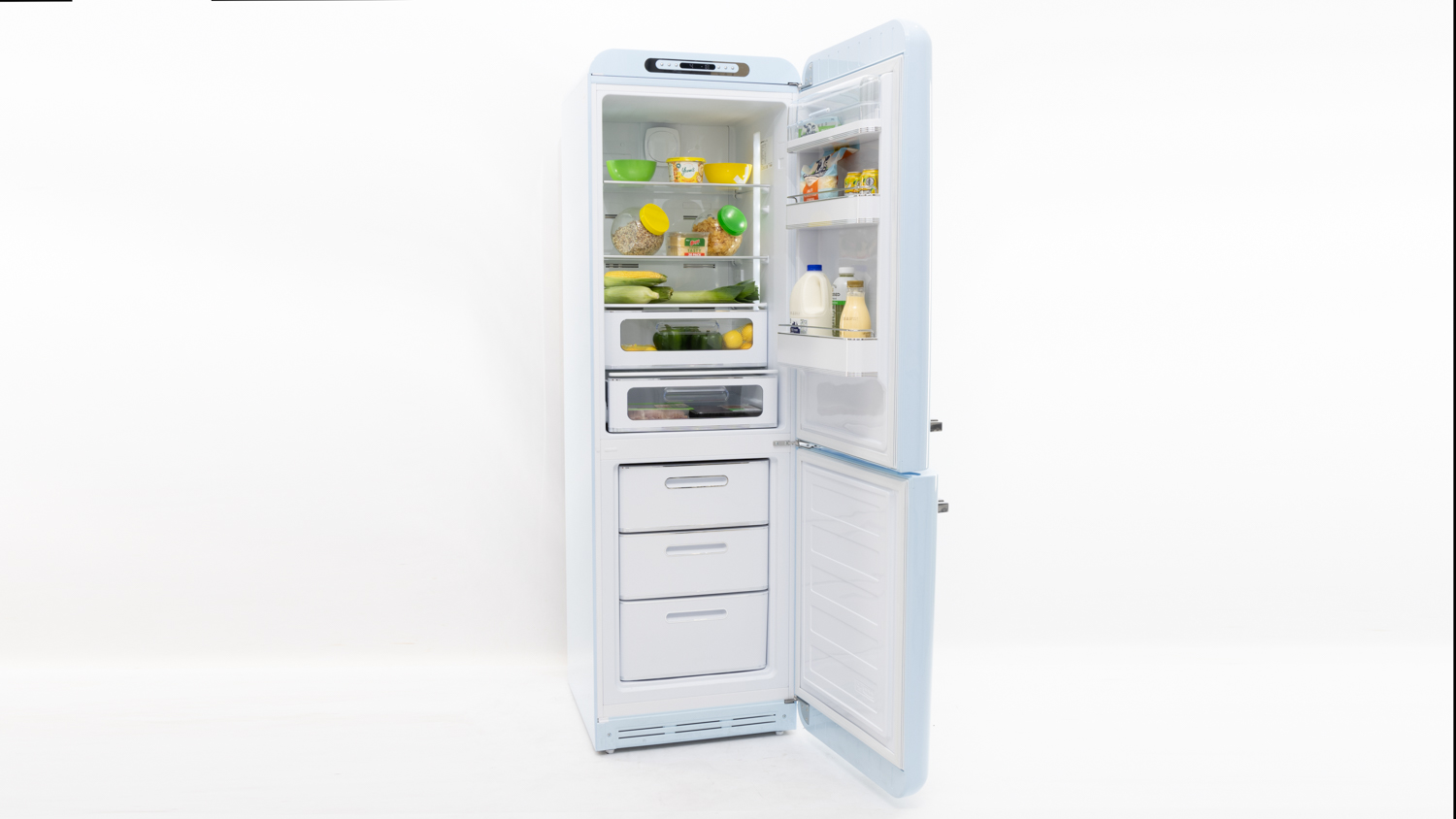
Smeg
FAB32RPB5AU

Smeg
FAB32LBL5AU

Smeg
FAB32LPG5AU

Smeg
FAB32LRD5AU

Smeg
FAB32LWH5AU

Smeg
FAB32RCR5AU

Smeg
FAB32RPG5AU

Smeg
FAB32RRD5AU
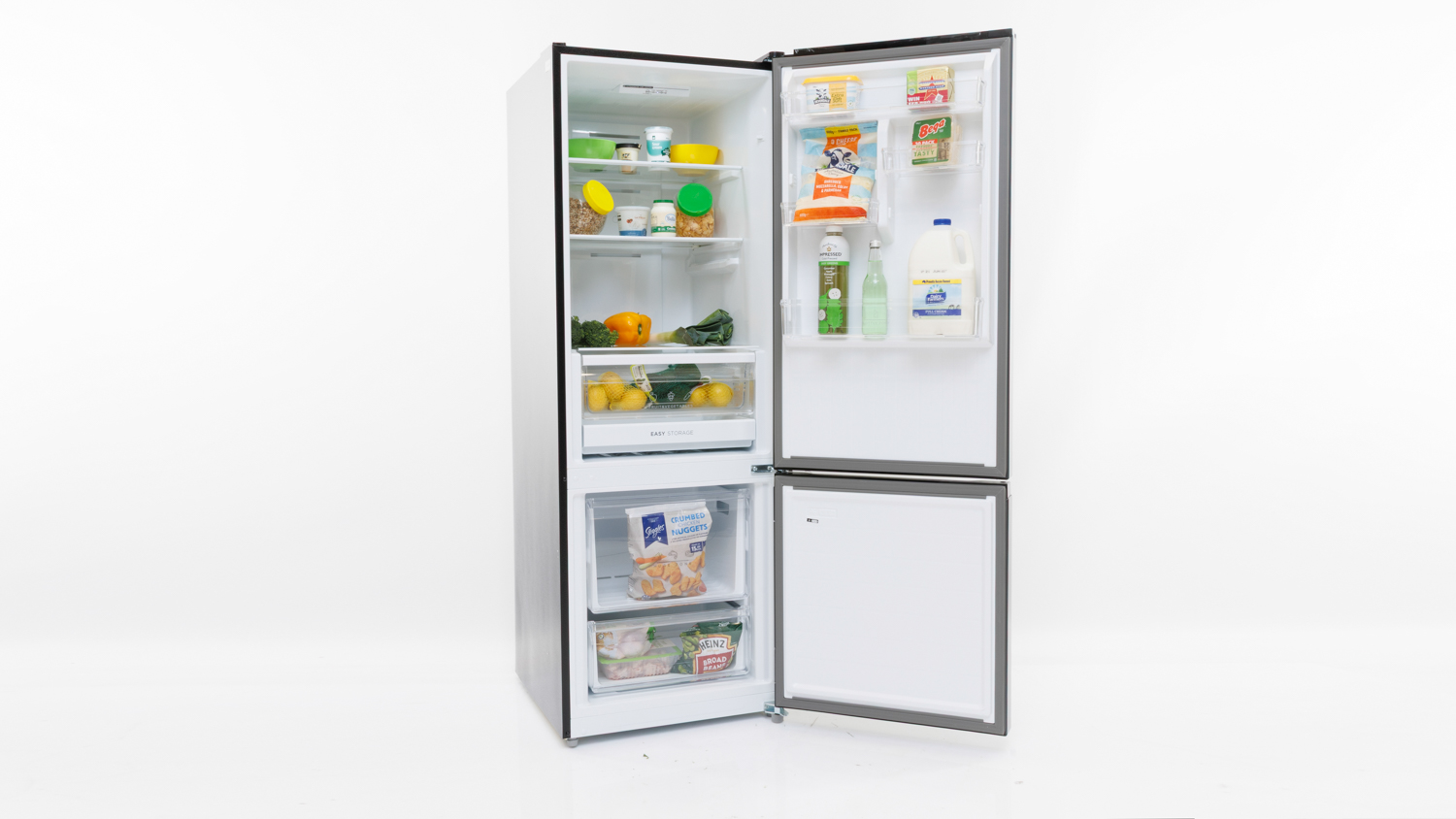
Solt
GGSBM325DS

TCL
P445BFB
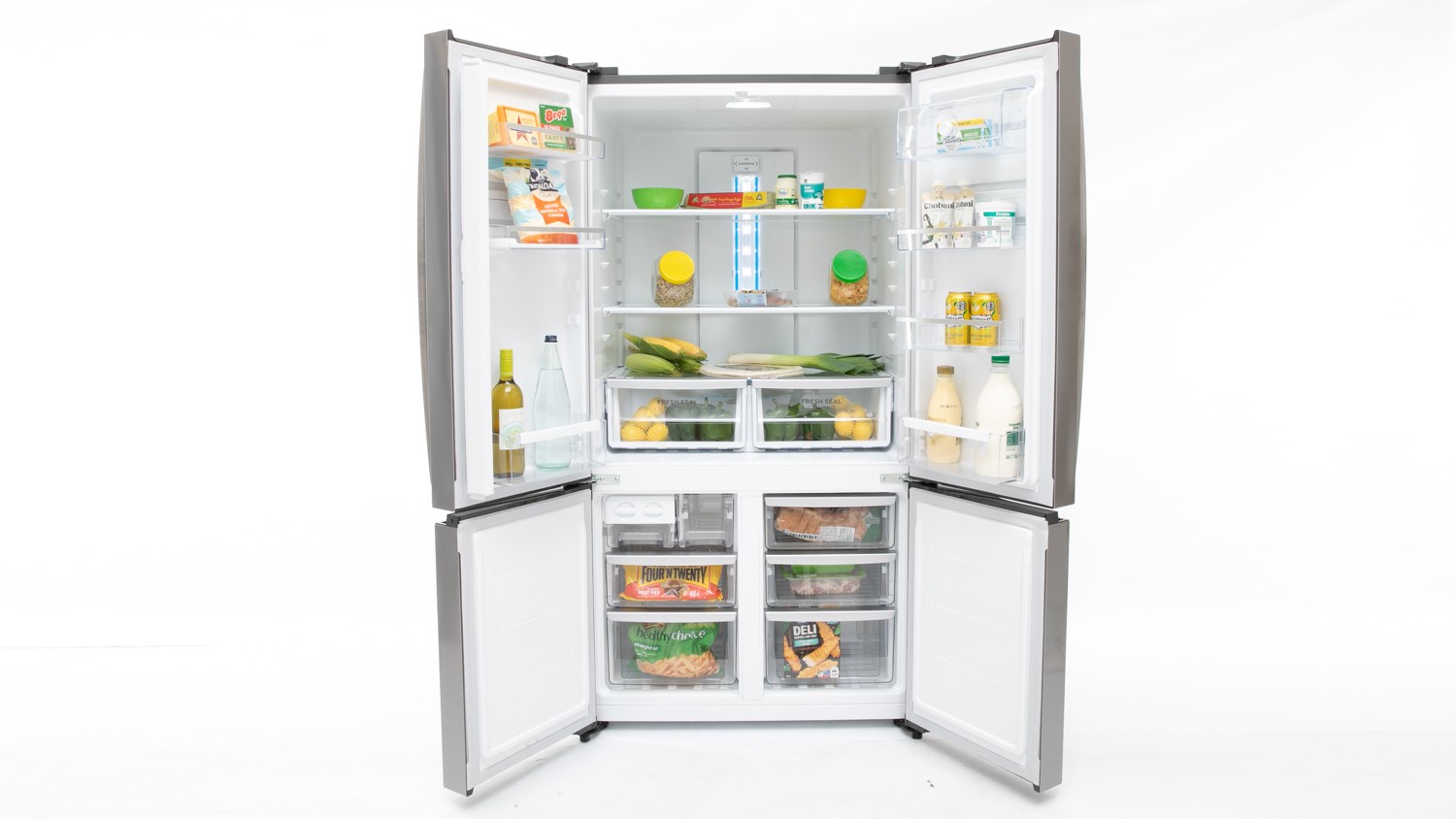
Westinghouse
WQE6000SB
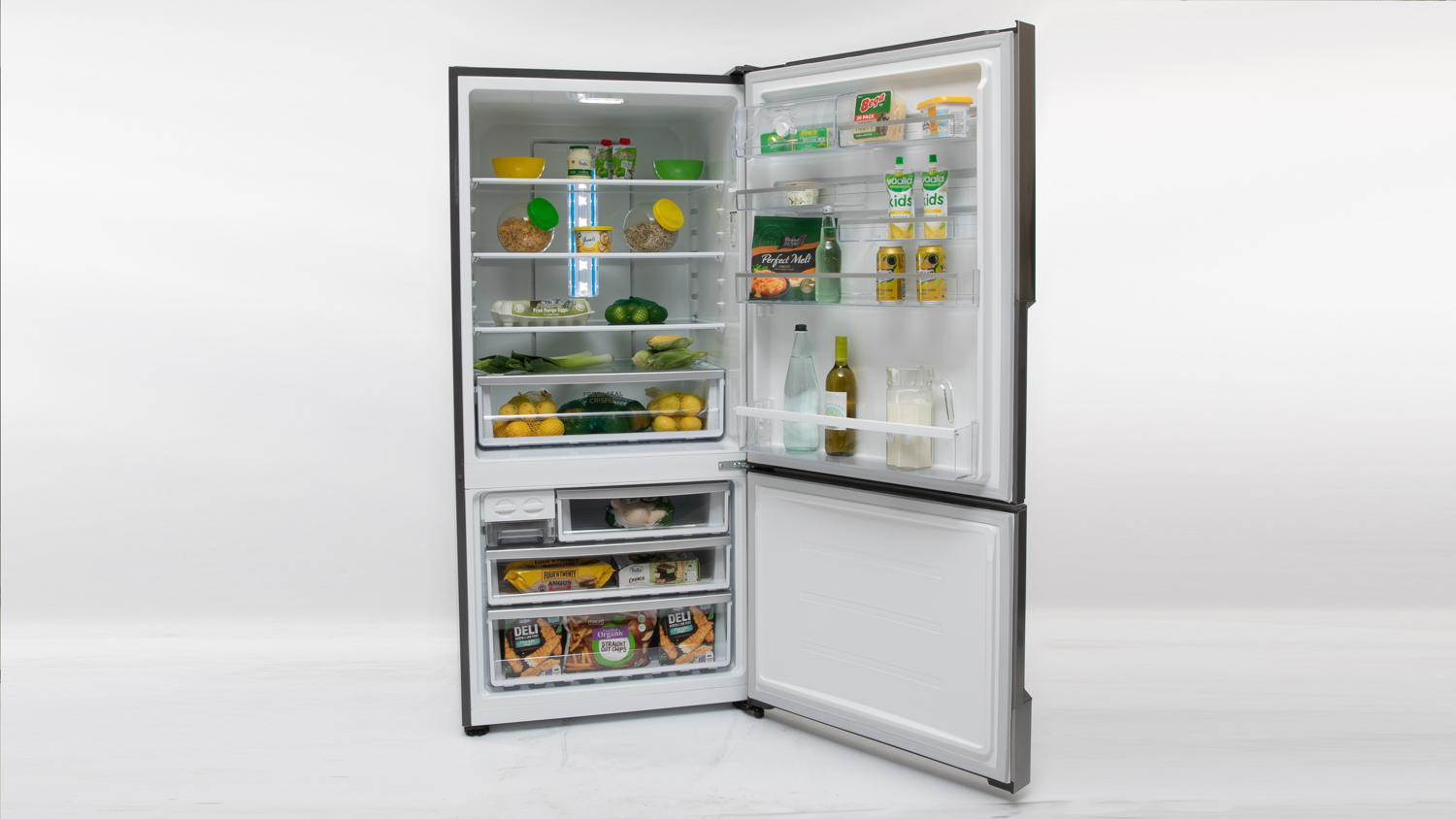
Westinghouse
WBE5300SC
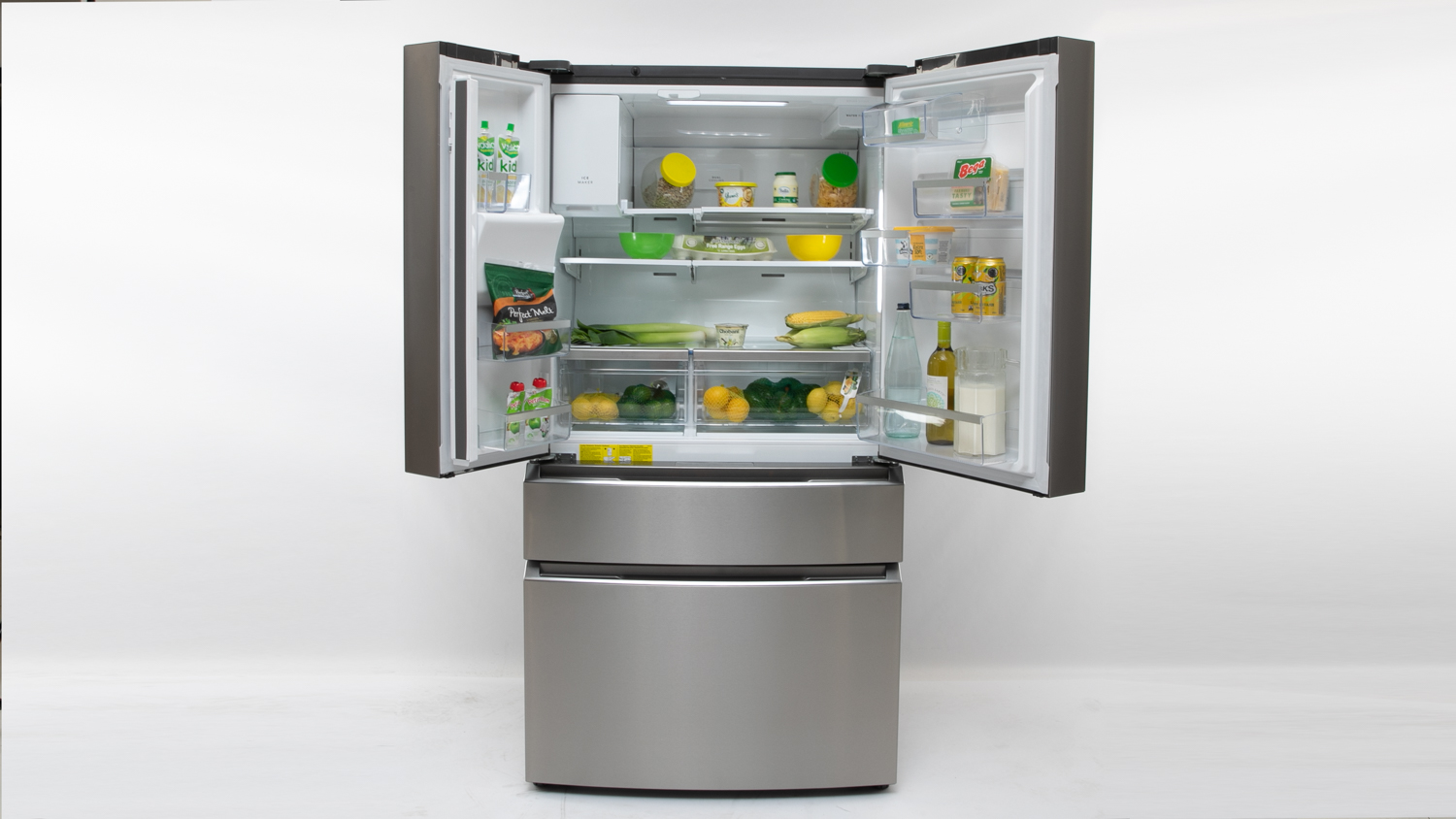
Westinghouse
WHE6170SB
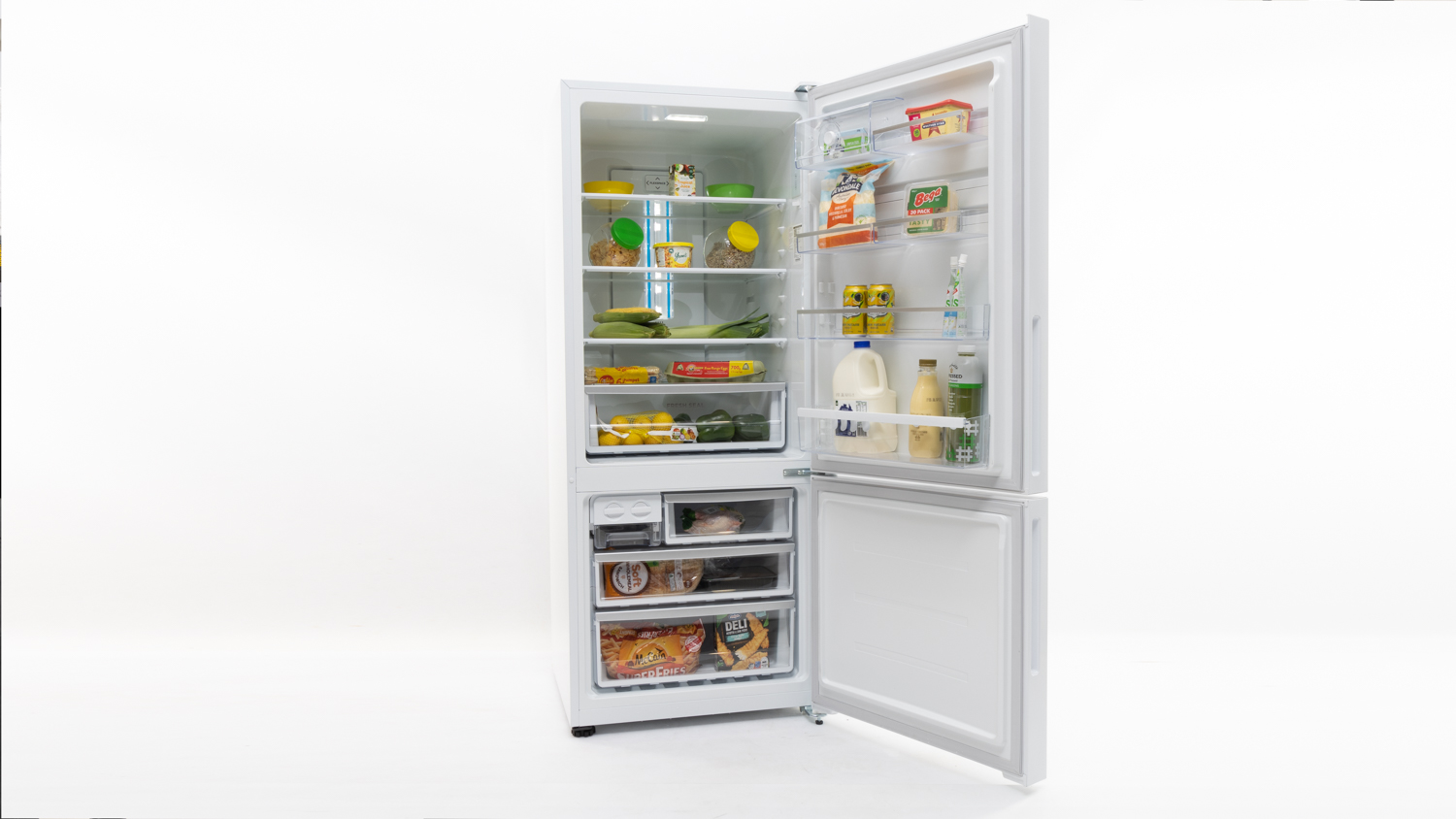
Westinghouse
WBE4302WC
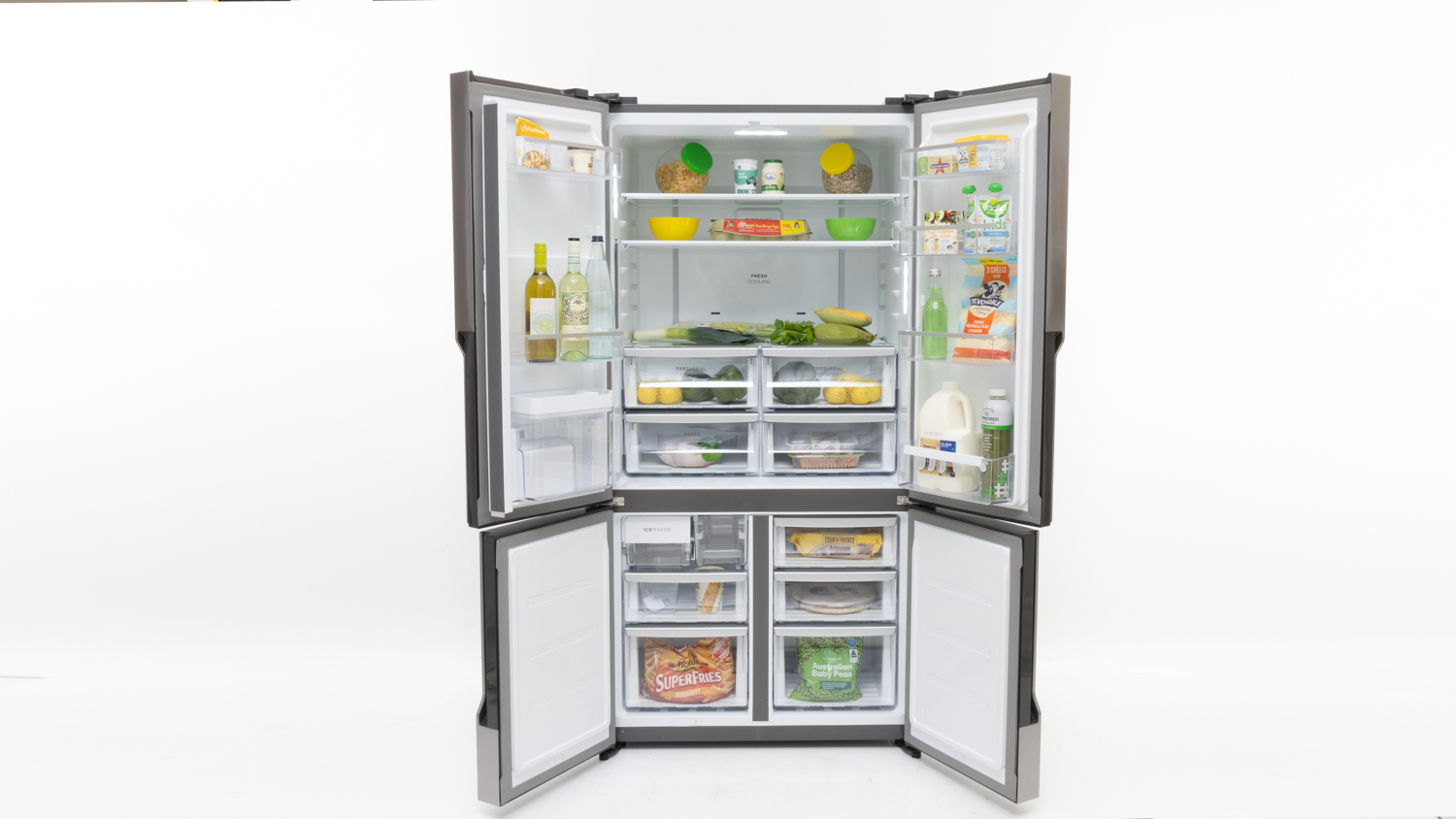
Westinghouse
WQE5660SA
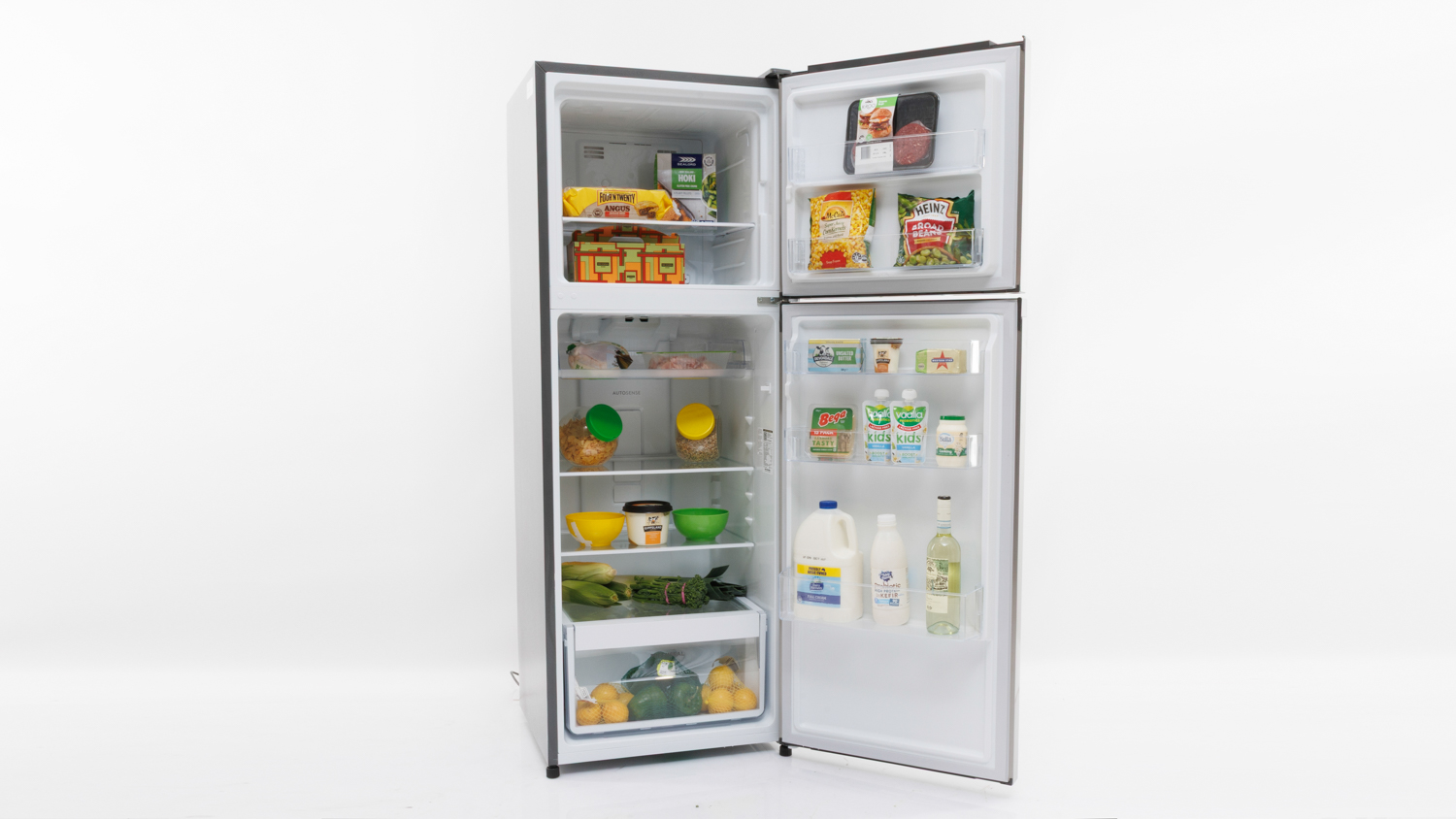
Westinghouse
WTM3100SL

Westinghouse
WIM1000WD
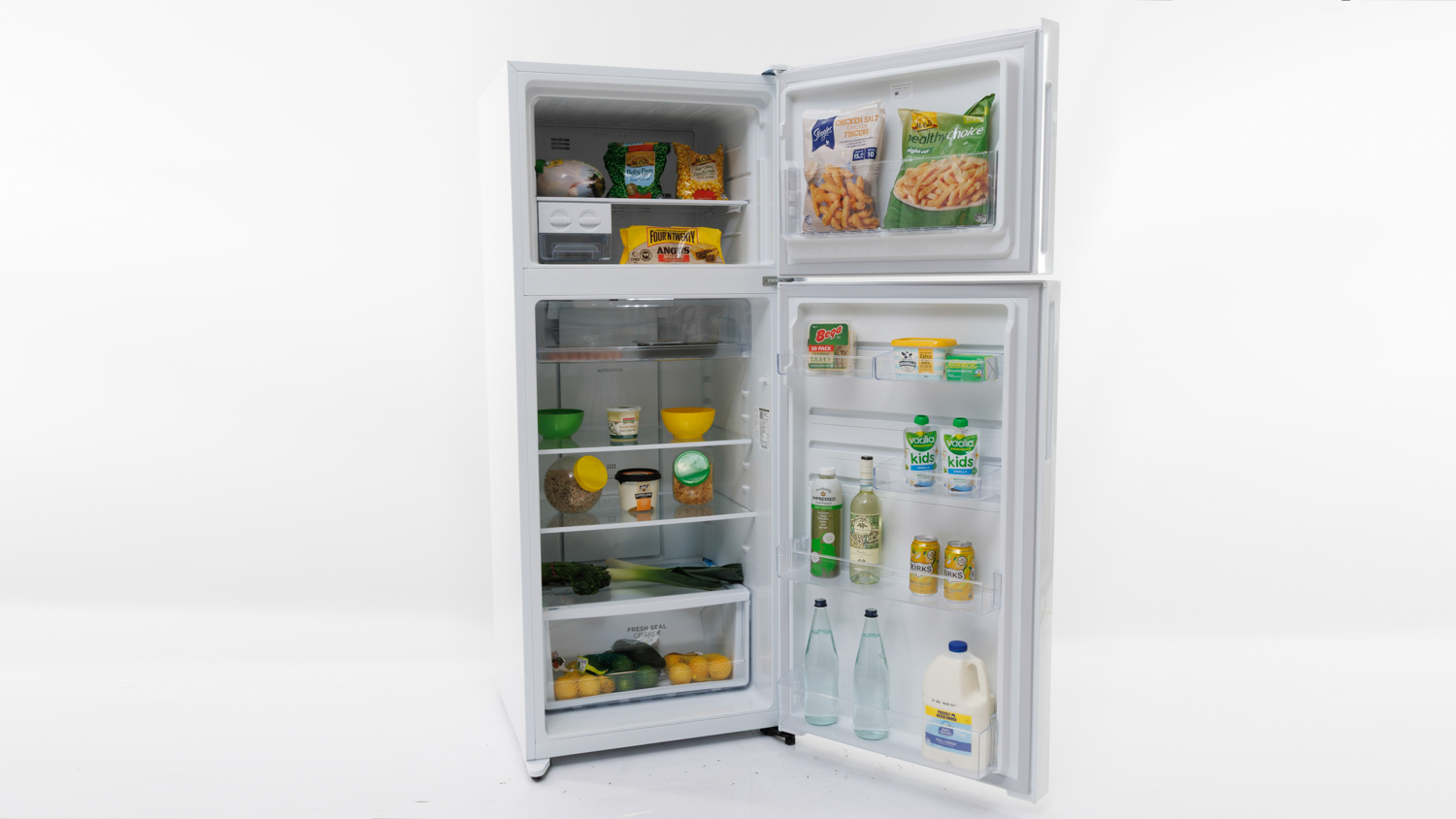
Westinghouse
WTM4302WD

Westinghouse
WIM1200WD
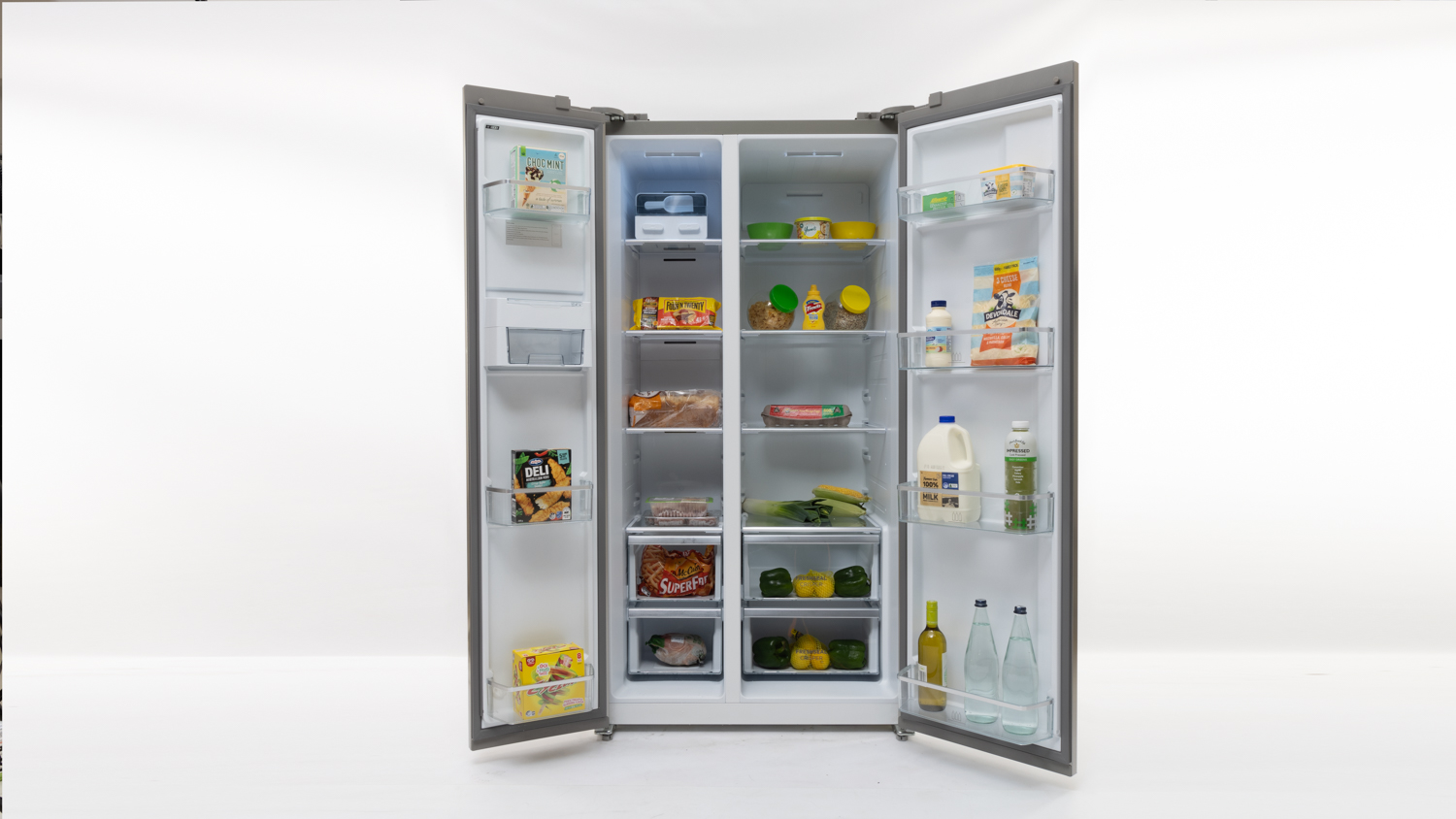
Westinghouse
WSE6630SA
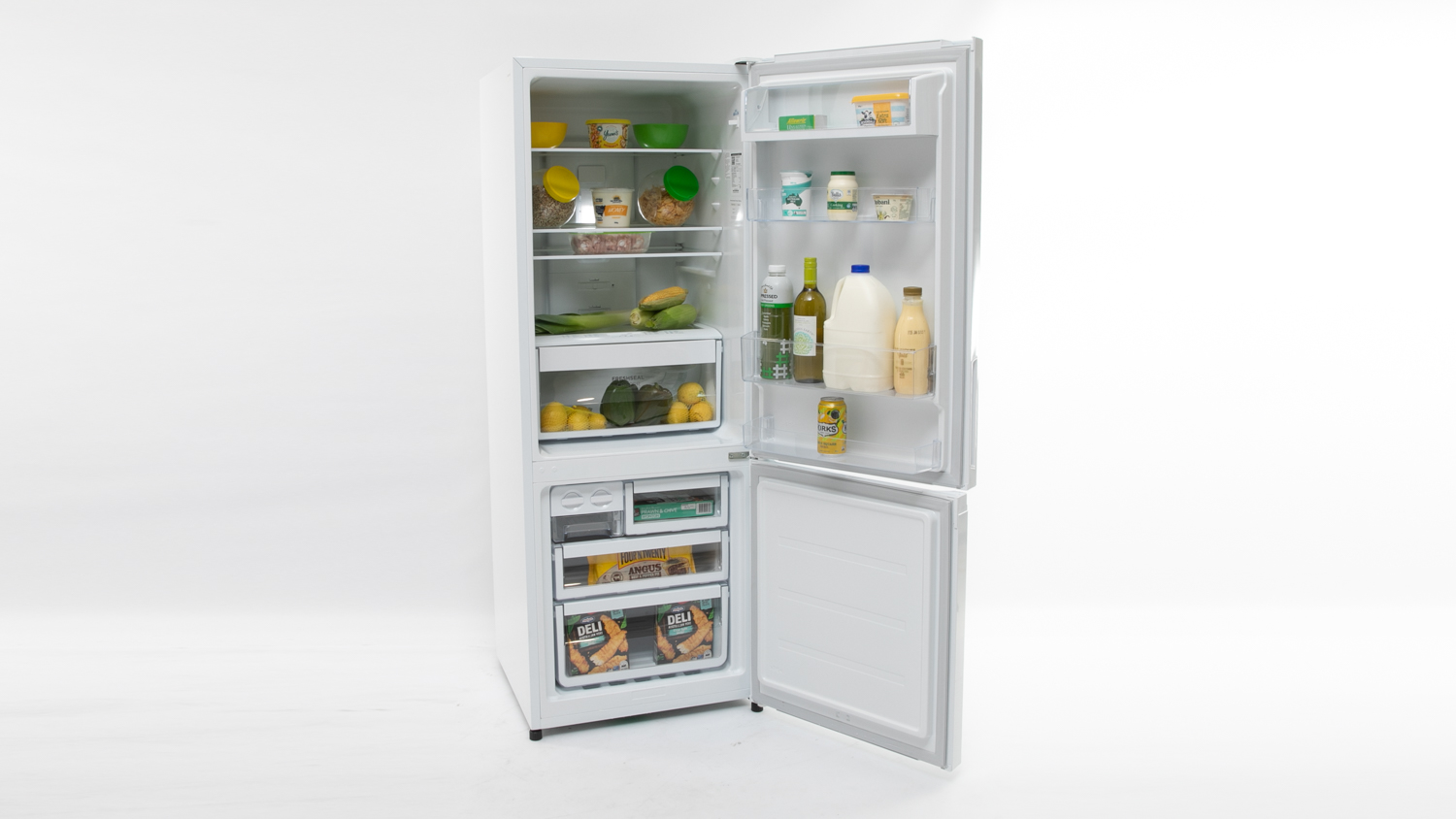
Westinghouse
WBB3100WK
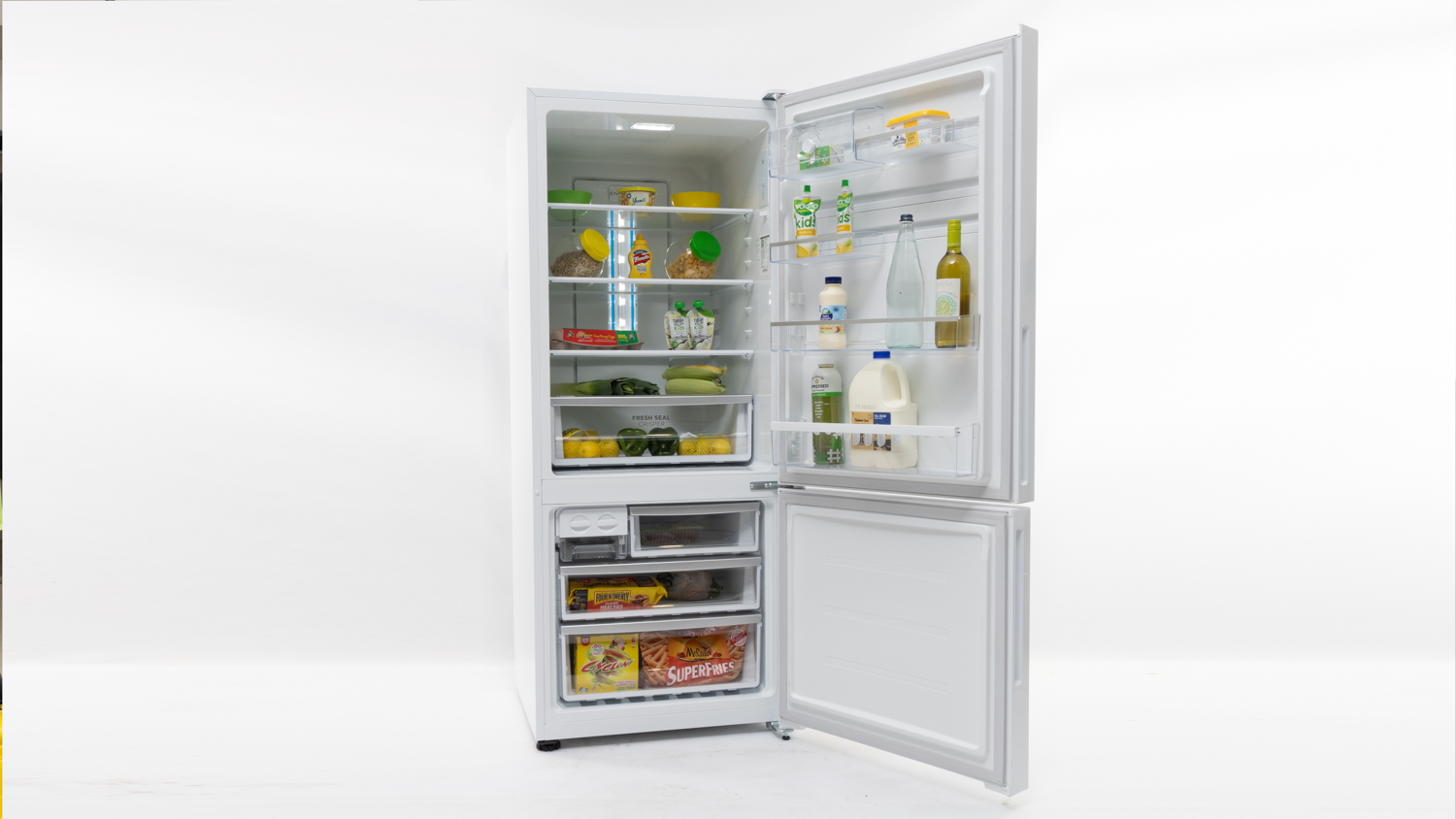
Westinghouse
WBB3400WK

Westinghouse
WQE4900BA

Westinghouse
WBE5304BC

Westinghouse
WBE5304SC

Westinghouse
WQE6000BB

Westinghouse
WBE5300BC

Westinghouse
WBE5300WC

Westinghouse
WHE6170BB

Westinghouse
WBE4302AC

Westinghouse
WBE4302BC
Westinghouse
WSE6630WA

Westinghouse
WBB3100AK
Westinghouse
WBB3400AK

Westinghouse
WQE4900AA
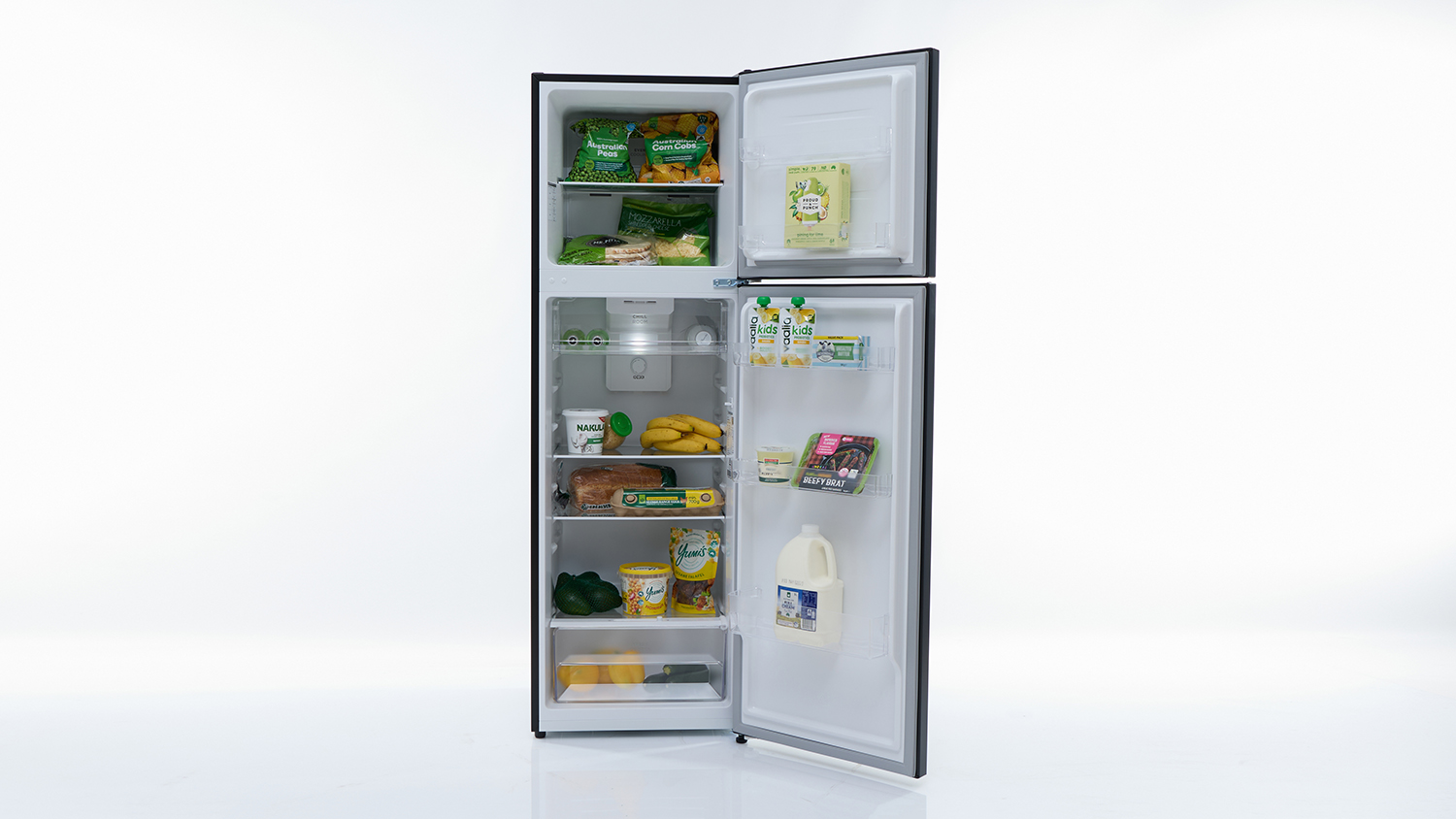
Westinghouse
WTM2500BA
Whirlpool
WQ70900SXX

Whirlpool
WB3560EUXX

Whirlpool
WQ70900SBX
5 surprises from our test
CHOICE test expert Chris Barnes found some surprising results in the latest fridge test.
Our experts test and rate

Food freshness
Our thermal lab measures how well each fridge can keep your food fresh

Running costs
We test whether each model’s energy consumption matches the manufacturer’s claims

Most reliable brands
Learn which fridges won’t let you down over time
Fridges to avoid buying
Avoid an expensive and frustrating fridge fail. Here are the models to approach with caution.
Fridges to avoid buying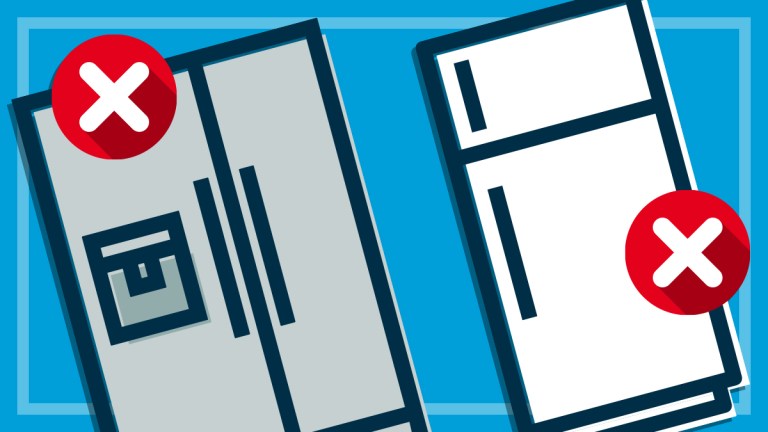
We give each fridge a CHOICE score made up of:
We assess the amount the temperatures fluctuate as the compressor stops and starts (this is because even temperature is an important factor in maintaining food quality). The higher the score, the more stable the temperature is, so your ice cream won’t melt or refreeze.
We assess how well the range of the fridge and freezer temperature options suit the needs of most users. The higher the score, the better the temperature management between the fridge and freezer compartments.
We measure how well the fridge adjusts to changes in the outside room temperature, like the change from winter to summer. The higher the score, the more stable the fridge temperature will be.
We measure how uniform the temperature is throughout each compartment. The higher the score, the more uniform. That means fewer fluctuations throughout compartments.
We test whether the fridge’s default setting (which most people don’t change) is suitable for the Australian climate.
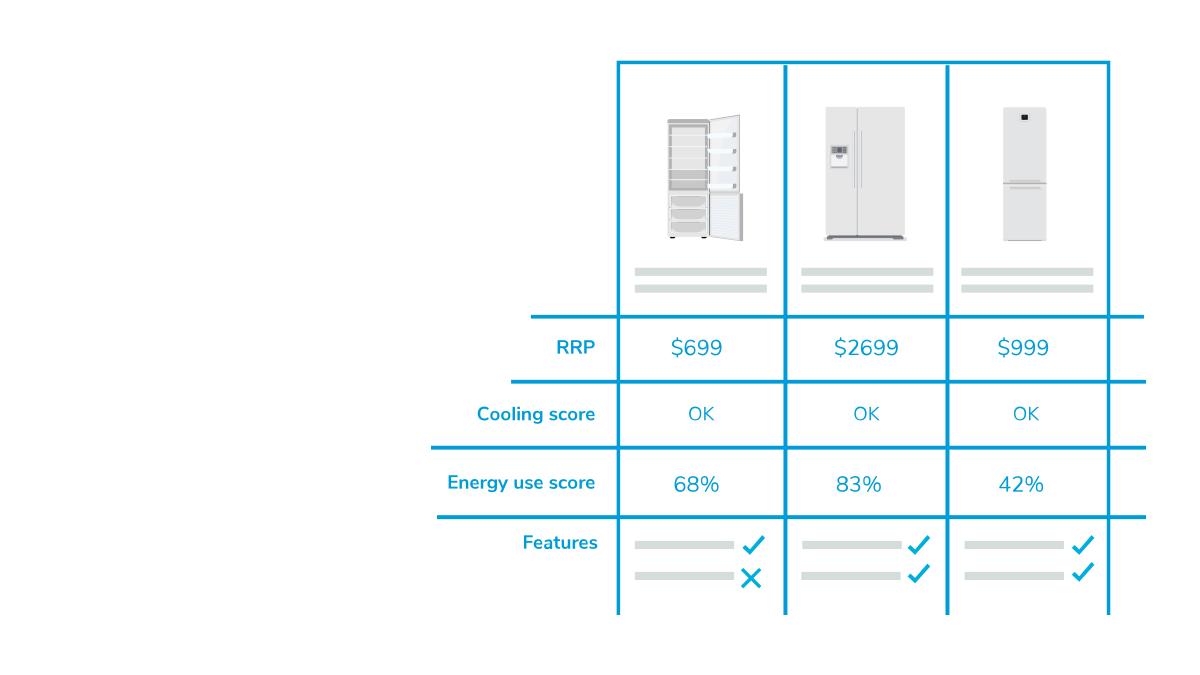
See key features side by side
Save time with our easy comparison tool – compare features, energy efficiency, and brands to find the perfect fit for your kitchen.

CHOICE keeps the marketplace honest. Without them, manufacturers will be able to do whatever they want.
Aaron – CHOICE member

They’re here to make a difference and here to make us safe.
Allison – CHOICE member

CHOICE keeps the marketplace honest. Without them, manufacturers will be able to do whatever they want.
James – CHOICE member
Our experts test fridges from brands including Beko, Bosch, Chiq, Electrolux, Fisher & Paykel, Haier, Hisense, Husky, Ikea, Kelvinator, LG, Miele, Mitsubishi Electric, Panasonic, Samsung, Smeg, TCL, Westinghouse and Whirlpool. We also include test results for discontinued models from Anko, Changhong, Daewoo, Hitachi, Midea, Seiki, Sharp, Smeg, Stirling and more.
Our priority is testing the models you’ll see in stores and major online retailers. To do this, we check current market data to see what’s most popular. We’ll also test models that a lot of members have requested.
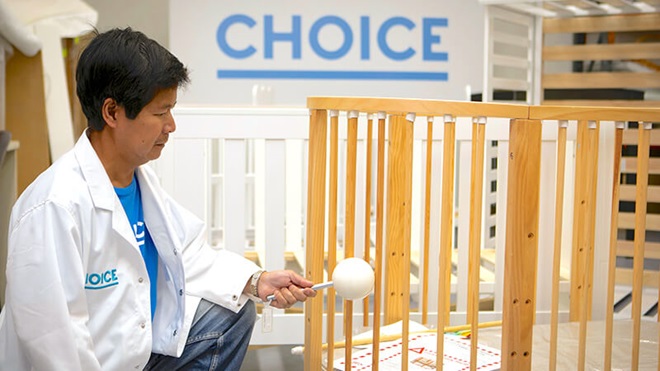
We use calibrated platinum resistance thermometers (PRTs) and set lots of them consistently throughout each fridge in a variety of areas. We do this to measure each compartment and shelf so you know where a fridge is warmer and cooler than normal. We replicate these areas according to the Australian Standard AS/NZS 4474.2. Our experts assess key test criteria including temperature range, response to outside temperature change, temperature evenness, noise levels, plus many more.
Our expert testers have over 30 years’ combined experience in our thermal laboratory, and some of them sit on both national and international industry standards committees.
Unlike other product review sites, we don’t accept free test models from manufacturers. This means we’re independent and can review without interference. We buy products anonymously from a variety of retailers, then bring them into our labs. This means we get what you’d get, and can be sure the model hasn’t been potentially ‘tweaked’ for better performance.
While fridges are a pretty simple device, their thermal properties take time to measure. We test every few months in batches of up to 10 fridges at a time. We’re always looking for ways to improve testing, so we regularly survey our members to find out what’s important to them and what they look for when buying a fridge.
Not all fridges are created equal when it comes to keeping your food fresh and safe to eat. Our food safety score is made up of three elements: temperature stability (40%), temperature evenness (30%), and response to outside temperature (30%).
We’re a nonprofit that’s been supporting Australian consumers since 1959
Buy smarter
The tools you need to find the best brands, avoid poor performers and get help when things go wrong.

Make a difference
Our members are at our heart, funding our independent product testing, journalism and campaigns.

Connect and belong
Join a community of thousands where you can share ideas, get advice and make positive change.
