When the cold really hits in winter, you need to find a middle ground between having a home that’s cosy and a resulting energy bill that won’t send you broke. This guide will help you heat your home using less power but with maximum effectiveness.
The main types of heaters include electric heaters, gas heaters and reverse-cycle air conditioners. The best option for you depends on a few factors, so let’s take a look at each type.
A gas heater can be very efficient and good value for money, and some people prefer the feel of gas heating over electric heaters and air conditioners.
Gas heaters can run from reticulated natural gas (gas connected to your home) or bottled LPG, but you need to make sure you have the right model for the type of gas you have available, as a heater designed for natural gas won’t work with LPG, and vice versa.
Gas heating produces small amounts of waste products: these include carbon monoxide, which is dangerous, and water vapour, which can lead to condensation and mould problems. It can contribute to indoor air pollution, releasing pollutants such as nitrous dioxide and fine particles, which several studies have shown are a factor contributing to childhood asthma and other respiratory health problems.
Flued gas heaters and central ducted gas heating may be less likely to have this risk as they vent most of the waste outside, but they can still release a small amount of emissions into the indoor air, so the risk is not zero for these types either.
Flued heaters direct their fumes outside through a flue, or pipe, and are generally more expensive to buy and install. This removes the waste products such as carbon monoxide and water vapour from the home, which is safer, but can also create a small amount of heat loss, reducing the efficiency.
Portable or unflued heaters expel theirwaste products into the room being heated. Australian standards and regulations strictly limit the amount of emissions allowed, but even so you need to keep the room ventilated.
Gas heaters need to be professionally serviced every few years to make sure they’re operating safely and effectively.
NEVER use an outdoor gas heater for indoor heating! They don’t have the same emission standards as indoor gas heaters and can give off a dangerous amount of carbon monoxide and other gases if left running indoors for several hours. The same applies for your kitchen’s gas cooktop or oven.
If you have a gas heater of any type (whether flued, portable unflued, or ducted central heating), make sure you install a carbon monoxide alarm too – they’re readily available from hardware stores. This could save your life if the heater develops a fault and starts putting out dangerous amounts of this deadly gas.
If you’re going to leave a heater on all day, a gas heater may be cheaper to run than a portable electric heater, though probably not as cheap as a reverse-cycle air conditioner.
However, average national gas prices have risen in recent years, while solar power is making electricity much cheaper in many homes – it’s no longer a given that gas heating is cheaper than using electricity. Gas is also a fossil fuel, a factor to consider if you’re trying to go green.
There’s a growing movement to “get off gas” and make homes entirely electric; electricity can be generated from renewable sources such as solar and wind, and in the long term an all-electric home will likely be cheaper to run.
The Climate Council has calculated that households can save between $500 and $1900 a year (depending on the price of gas in your area) by switching completely from gas and having the gas connection cut off. Ensuring your gas supply is cut off is important because even if you don’t use it, it may cost hundreds of dollars annually in supply charges.
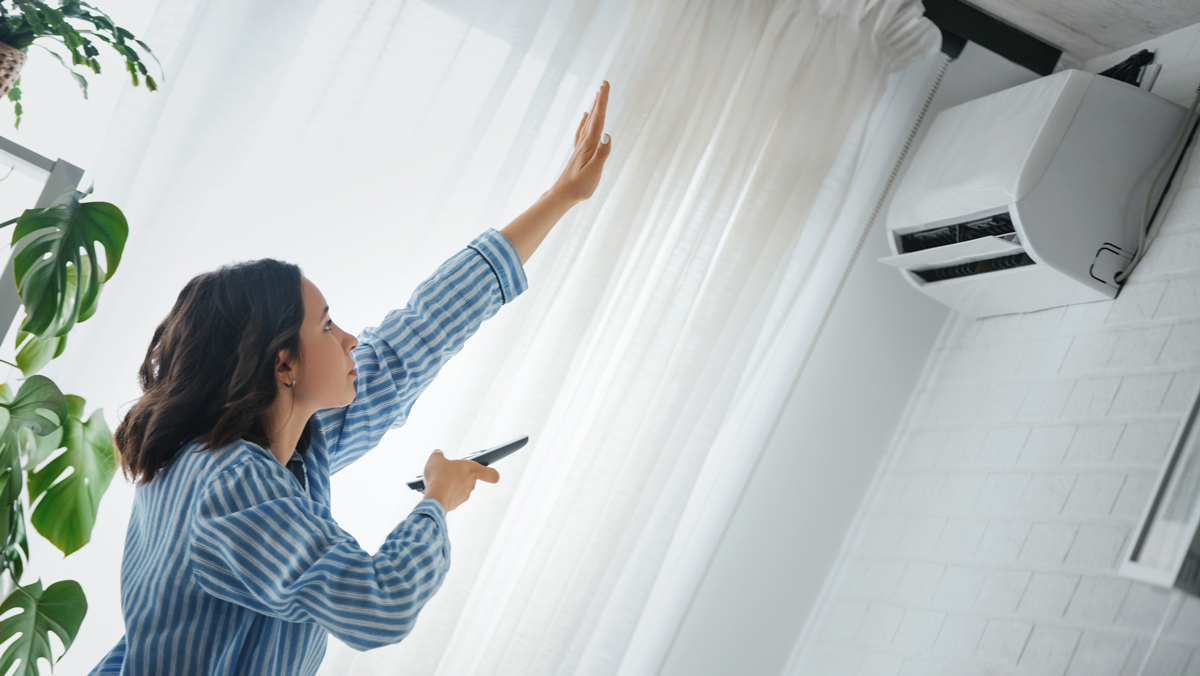
These are very effective for heating individual rooms and large spaces such as an open-plan living area. And they’re much more economical than trying to heat the same space with portable electric heaters, because for every unit of electricity they consume, they can put out three or more units of heat due to the heat pump technology they use.
The downside of a reverse-cycle air conditioner is that it’s more expensive to buy and install than a portable electric heater. Check our air conditioner buying guide for more details.
Good for: a wide range of room sizes. Small models are good for a single room, while larger models can heat bigger spaces such as open-plan living areas.
The costs below are based on using the heater over winter in a moderate Australian climate (such as Sydney, Adelaide or Perth). They’re indicative costs only; your costs will depend on your home, your local climate and the prices you pay for electricity and gas.
For example, heater running costs in a cold climate such as Melbourne or Hobart will likely be higher, as the heater will need to run more often; and for a home with its own solar panel system, running an electric heater or air conditioner in daytime can be significantly cheaper than running a gas heater.
Suitable heater type
Running cost
Small gas heater (1.5kW)
$283
Portable electric heater (2.4kW)
$417
Small reverse-cycle air conditioner (2.5kW)
$146
Suitable heater type
Running cost
Medium gas heater (3.5kW)
$400
Medium reverse-cycle air conditioner (5kW)
$297
Suitable heater type
Running cost
Large gas heater (7kW)
$550
Large reverse-cycle air conditioner (7.1kW)
$415
Air conditioner running costs are based on their rated annual energy consumption in heating mode in an average climate zone. Portable electric and gas heater running costs are based on energy consumption measurements in our lab tests, and calculated for running for 500 hours (about 6 hours per day for 12 weeks in winter). Based on an electricity price of 40c/kWh and a gas price of 4c/MJ.
How can you make heating your home cheaper?
Before buying a heater
Make your home as thermally efficient as you can to keep the heat inside in winter and outside in summer.
Eliminate draughts: Make sure windows and doors are well sealed. Use draught excluders and door snakes if needed and close off any rooms you don’t need to heat. But remember that if you’re using a portable gas heater, you need some ventilation.
Insulate the ceiling: Ideally, walls and floors should also be insulated. Rugs can provide some useful insulation on a hard floor.
Install (or use) curtains and blinds: They’ll help keep the warmth from escaping through glass windows and doors. Our counterpart in New Zealand, Consumer NZ, has an excellent comparison of the benefits of different types of curtains and blinds, as well as double glazing, for keeping your home warm in winter.
Plan ahead
Before the winter chill hits, think about what sort of heating you’re going to need.
If you know you’re going to need a new electric or gas heater, try to beat the rush and buy one ahead of winter (which is not always easy, as stores often don’t stock many heaters until the cold weather arrives). Look online for cheap second-hand models, but these might need a service to ensure they work safely. Alternatively, pick one up cheap in a clearance sale after winter and store it for next year.
If you’re looking at having a new air conditioner or flued gas heater installed, get this done well ahead of the peak cold season – don’t wait until the installers are busy. You might pick up an off-season bargain this way.
The right sized heater
Make sure you get the right size of heater for the space you’re looking to heat – see above for our size tips for each heater type.
You can find room heating calculators online, so try searching for room heater size.
There are several factors to consider when choosing your heater’s capacity: the climate you live in, the floor area and ceiling height of the room, how much natural sunlight it receives, whether the room is carpeted, whether adjacent rooms or floors above and below are heated, and of course the amount of other insulation.
As a general guide: for moderate climates, a well-insulated room of 20 square metres will probably need a 2000W electric heater or a gas heater with 6–8MJ input, or a 2kW reverse-cycle air conditioner. The same room would need more heating if poorly insulated or in a colder climate – even a 2400W electric heater could struggle, and you could need at least a 10–12MJ gas heater or 2.5kW reverse-cycle air conditioner.
How to keep it cheap
Only use the heater when you really need to. That sounds obvious, but it’s easy to get into the habit of routinely switching the heater on when maybe just putting on a jumper is a better option.
Don’t heat rooms to tropical temperatures. For example, try 20°C instead of 23°C. Each degree less will save about 10% on your energy use.
Only heat the rooms you’re actually using.
Hot air rises to the ceiling, so if you have a ceiling fan with a reverse-direction option, consider using it at a low speed to help circulate the hot air more evenly through the room without creating a downward breeze.
Wood fires can give a cosy look and feel to a room on a cold night. Modern slow-combustion wood-burning stoves can be quite efficient too.
Firewood should be well seasoned (left to dry for at least two summers) so you don’t waste energy evaporating water by burning green wood. Hardwood contains more energy than softwood, and burns longer and more steadily. But it’s also harder to light. Softwood can spit and spark in open fires.
Pros
Wood is available almost everywhere.
Wood heating can be very economical if you have cheap or even free firewood (however, check whether you need a permit to collect firewood from forests).
If firewood is produced sustainably (by regrowing the amount that’s used) and burned in a slow-combustion heater, it produces the least amount of CO2 of all the fuels in our comparison.
Cons
You need somewhere to store wood in reasonable quantity.
If you’re buying your firewood, it can cost several hundred dollars (or more) for a winter’s worth of good firewood.
You have to load the heater or grate, start and maintain the fire and dispose of the ash.
Apart from modern slow-combustion heaters, solid-fuel heaters are less energy-efficient than electric and gas heating.
They produce combustion gases and need a flue or chimney, which makes installation expensive.
Not all the smoke and other combustion products go up the chimney; some will get into the indoor air and can be a serious irritant for people with asthma and other respiratory conditions.
The smoke from wood fires can be a major contributor to outdoor air pollution. There is ongoing debate about the impact that wood-burning heaters have on air quality and whether they’ll continue to be allowed in urban areas, or whether improved standards for heaters might address the situation. The ACT government intends to phase out wood heaters by 2045.
Ethanol fireplaces
These use denatured ethanol (methylated spirits) which doesn’t give off dangerous fumes such as carbon monoxide when burned (though it does give off water vapour and carbon dioxide). So these burners don’t need vents or flues, or a gas or electrical connection.
They’re comparable in heating capacity and efficiency to an unflued gas heater, and typically cost a few hundred dollars. However, they’re more expensive to run – one litre of fuel, costing about $6, will give roughly 90 minutes to two hours burning on a high setting. The same amount of heating with gas would cost around 50 cents.
Decorative alcohol-fuelled burners were temporarily banned years ago following a long list of serious burn injuries and fire incidents, but they can now be sold as long as they meet the specified decorative alcohol-fuelled device safety standard. Under this standard, tabletop burners (devices weighing less than 8kg or with a footprint less than 900cm2) are not allowed.
Freestanding and fixed devices must pass a stability test, have a flame arrester or automatic fuel pump system and be labelled with warnings about refuelling hazards.
Many models have open flames, so you need to take the same care around them as with an open wood fireplace, and you also need to be careful when handling the fuel. A number of people have been burned by them through mishandling, hence the ban and safety standard mentioned above.
Hydronic heating works through heating water (or steam), piping it through the house into panel radiators and returning the water back to the heating system to be reheated for the cycle to repeat. You can also utilise this method to provide heating to in-floor systems.
The advantages are direct control of how much you want to heat each room via the system’s panel radiators, which are quiet and unobtrusive. It’s a relatively quick way of heating, is low maintenance and is well tested, having been used in many countries for around a century.
The disadvantage is it’s quite expensive to install; quotes can start at around $6000.
The heating supply is usually a boiler, fuelled by natural gas, LPG, electricity, or solid fuel. Look for a low content boiler so it’s not wasting fuel, panels that heat up quickly and can be controlled independently, and pipes that don’t lose heat where they don’t need to.
Electric
Ducted reverse-cycle air conditioning
Ducted air conditioners consist of a compressor (which can be installed outside or in the ceiling space, for example) and ducted outlets in the rooms you want to heat or cool. A good system can be very efficient, but installation can be costly, in the several thousands of dollars. Consider it if you’re building or renovating a house.
Underfloor heating
For this type of heating, electric wiring or water pipes are installed into the concrete floor slab. The slab is heated, using cheap off-peak electricity or hot water (in which case you can use a gas heater to heat the water if gas is available). It then releases the stored heat during the day, in a similar way to an off-peak storage heater. The substantial construction work required for this type of heating means it’s more appropriately installed when a house is being built.
Gas
Ducted gas central heating
This system consists of a gas furnace (which can be installed outside or underfloor) and ducting vents in the rooms you want to heat. A ducted system may work out cheaper to run than two gas space heaters, though installation costs are usually much higher.
Solid fuels
Typically a slow-combustion stove with heat shifters: the stove in one room is connected to a system of ducts and fans in the ceiling space that shift warm air to other rooms. This could be a good option if you have a large supply of cheap wood or other solid fuel, but the same negatives listed above for any wood-burning stove still apply.
Chris Barnes is a Senior Project Officer. He manages the product reviews that are done outside of CHOICE with external labs or data sources. This includes solar panels, electric heaters, air purifiers and detergents. Chris also manages our testing services through our commercial arm, Test Research, and he is CHOICE's NATA authorised representative for our lab's formal accreditations. Chris is involved with the standards committee for air conditioners. And he works with government and industry in areas such as product safety and regulation. In over 20 years at CHOICE, Chris has managed lab teams for a wide range of products, including children's products, kitchen appliances, laundry appliances, garden power tools and more. Chris has a Science degree from the University of Sydney. LinkedIn
Chris Barnes is a Senior Project Officer. He manages the product reviews that are done outside of CHOICE with external labs or data sources. This includes solar panels, electric heaters, air purifiers and detergents. Chris also manages our testing services through our commercial arm, Test Research, and he is CHOICE's NATA authorised representative for our lab's formal accreditations. Chris is involved with the standards committee for air conditioners. And he works with government and industry in areas such as product safety and regulation. In over 20 years at CHOICE, Chris has managed lab teams for a wide range of products, including children's products, kitchen appliances, laundry appliances, garden power tools and more. Chris has a Science degree from the University of Sydney. LinkedIn
For more than 60 years, CHOICE has been fighting the good fight for Australian consumers.
In the past year alone we've uncovered systemic issues with sunscreens, investigated shonky supermarket pricing, fought for stronger scam protections and helped make complex energy pricing fairer and clearer.
CHOICE is here to provide unbiased advice and independent testing in our world-class labs. We buy the products we test, just like you do, and our expert reviews are influence free. We’re here to help you choose smarter. Hopefully you’ll also save some money along the way.
Thanks to CHOICE, you’ll never be alone when a business treats you unfairly. You can support our work by joining or donating to our cause.