
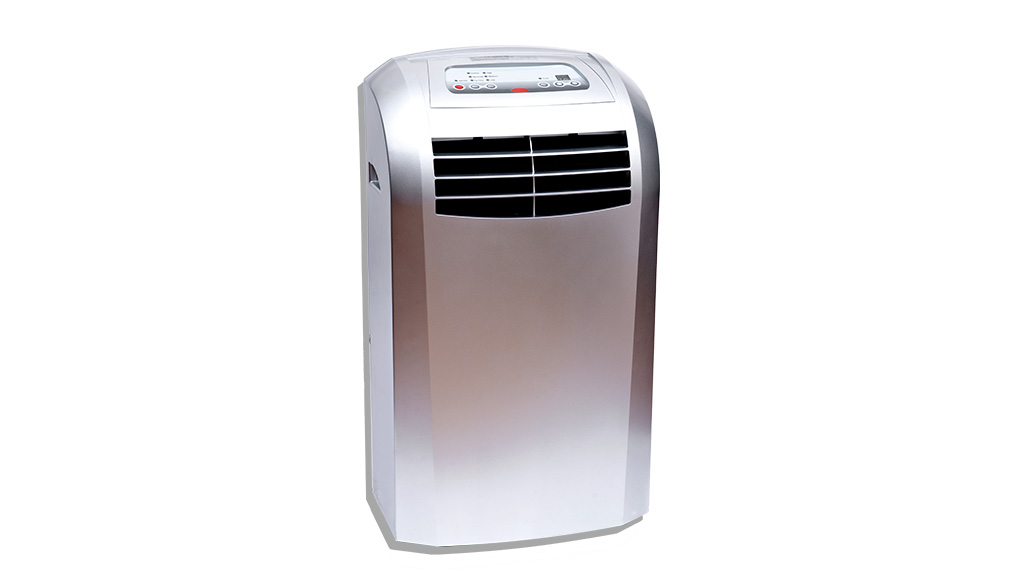
Portable air conditioner reviews
Best portable air conditioners to buy in Australia
Shop smarter and faster with our unbiased, expert reviews.
Join to compare now Already a CHOICE member? Log in
59 models rated and ranked
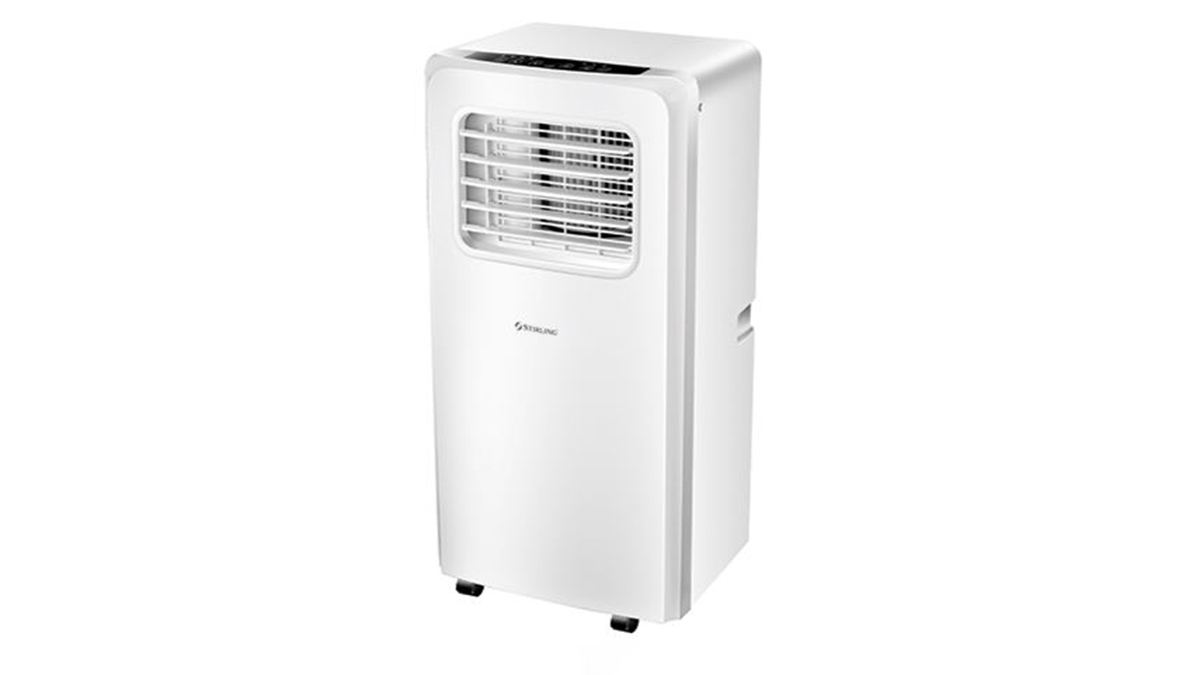
Aldi Stirling
PA09W1
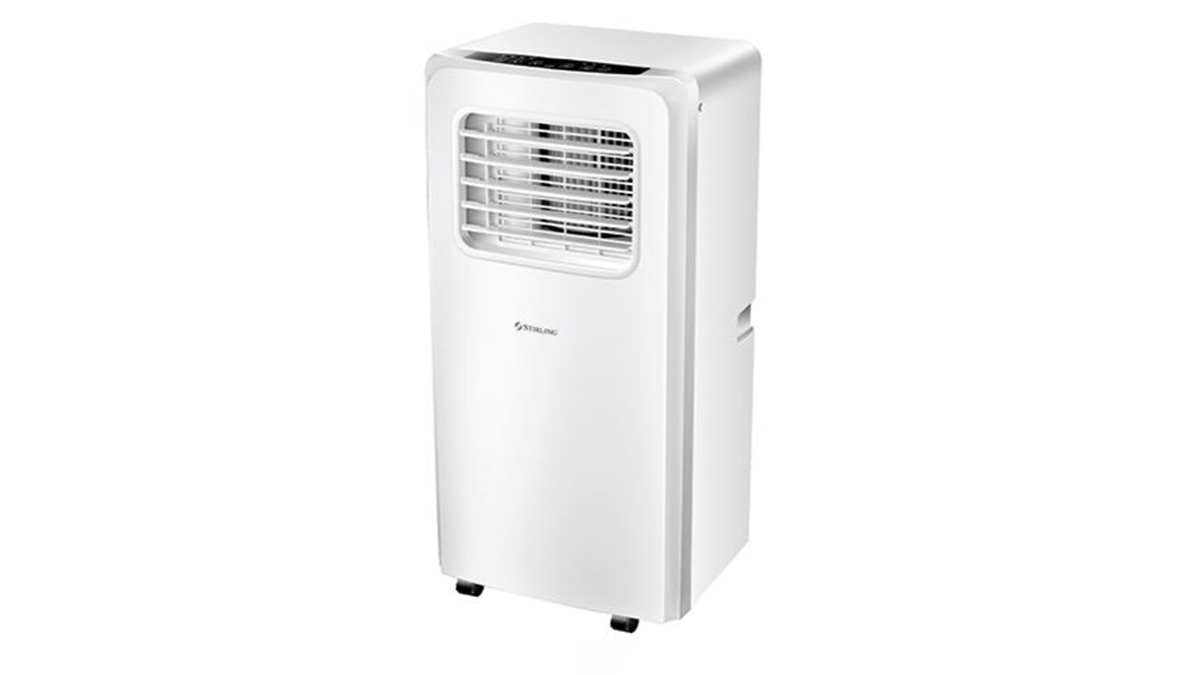
Aldi Stirling
PA15W1
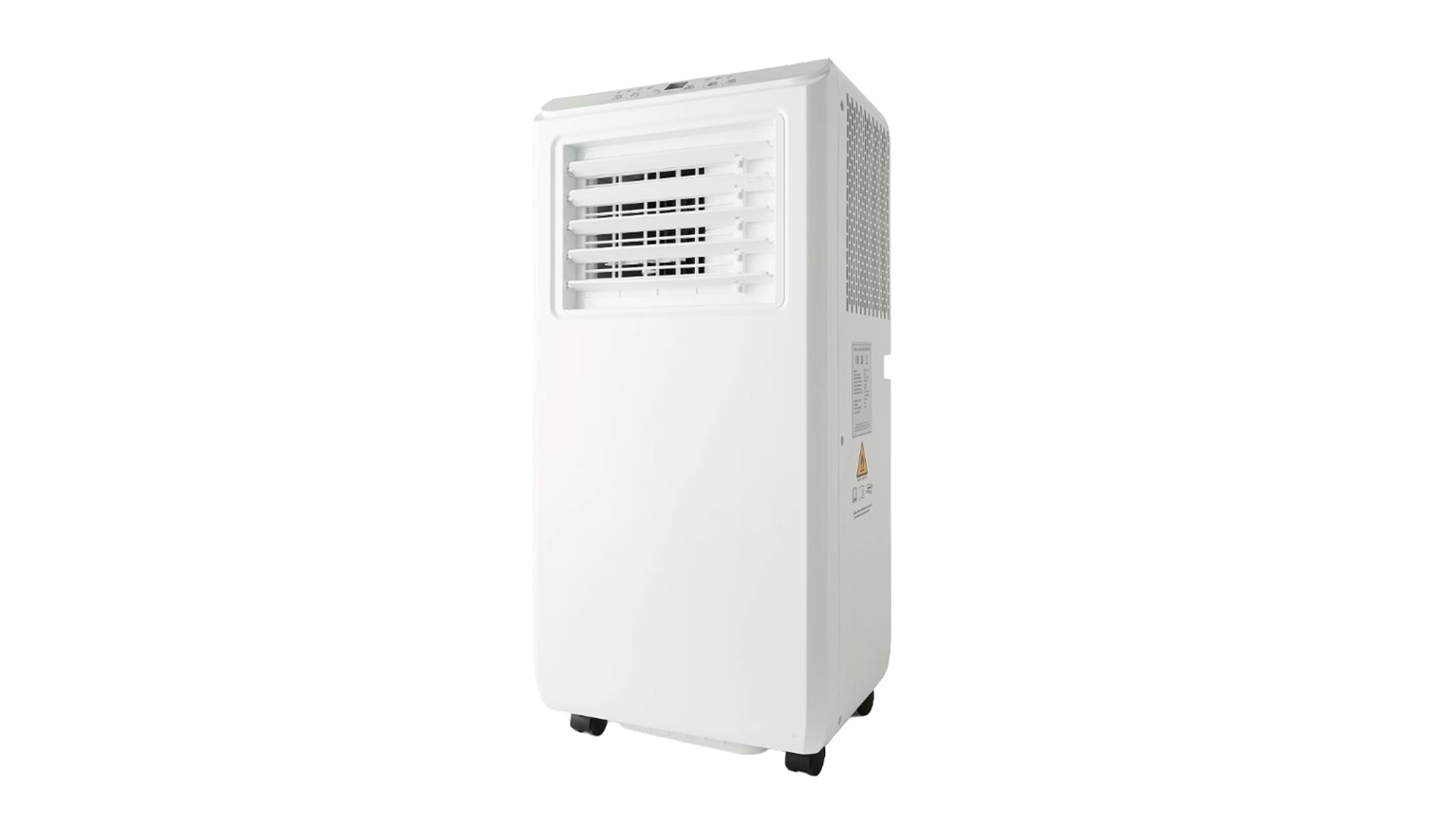
Anko
FDP20-2022R5
Ausclimate
ACPAC205CB
Ausclimate
ACPAC205SG
Bonaire
PRC7000026
Bonaire
PRC6000026
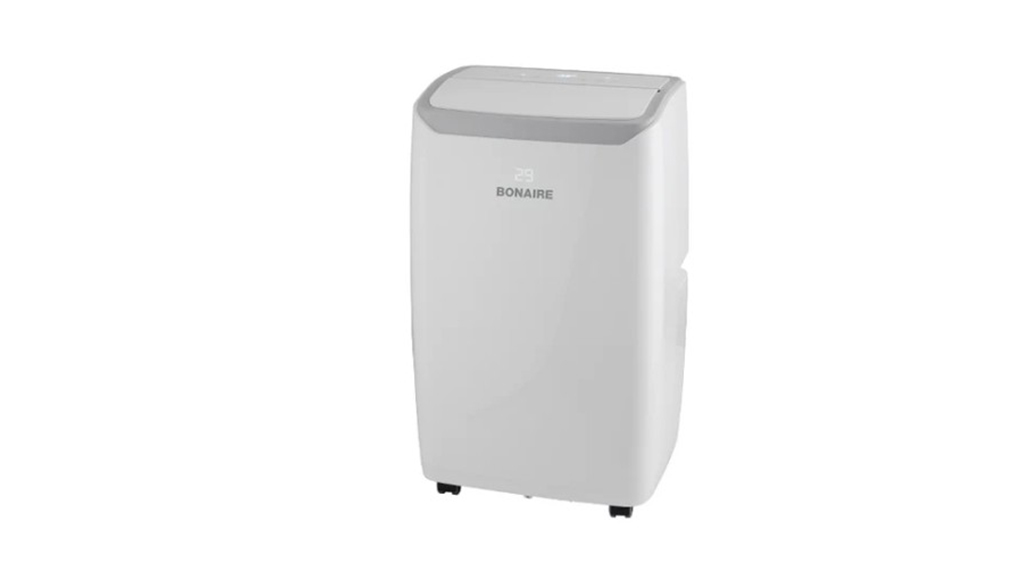
Bonaire
PRC6000141
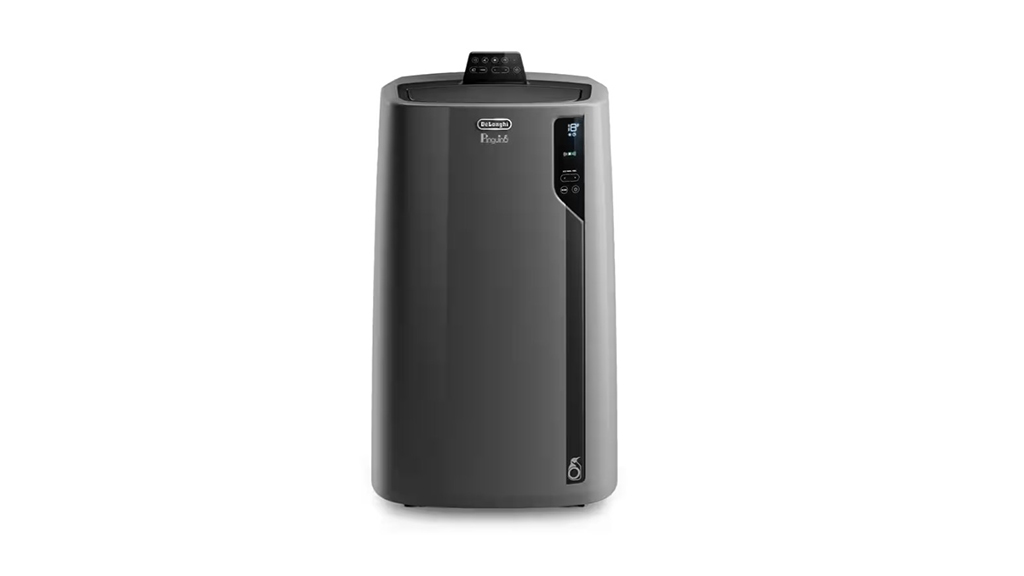
DeLonghi
PAC EL112 CST WIFI
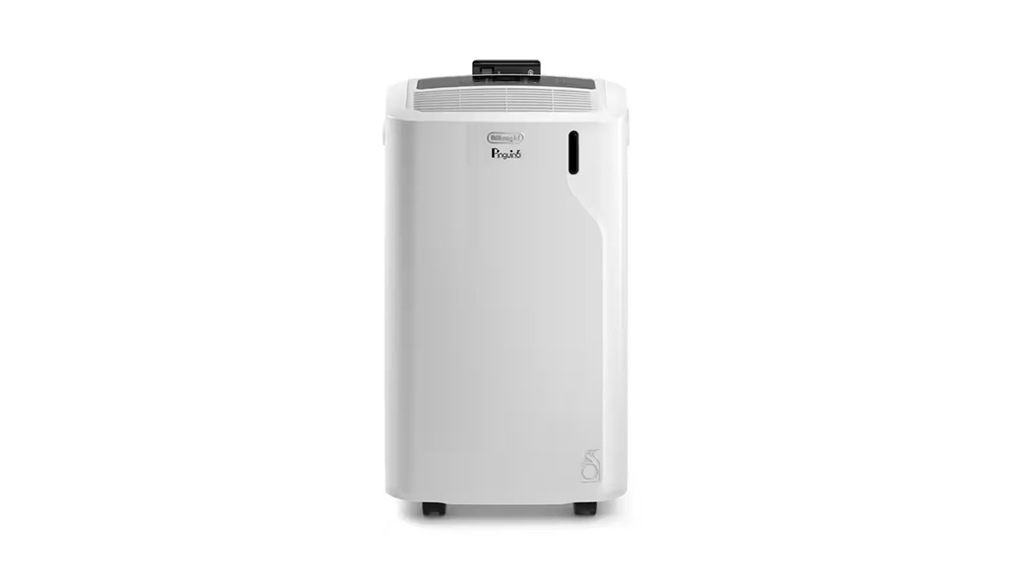
DeLonghi
PAC EM82K
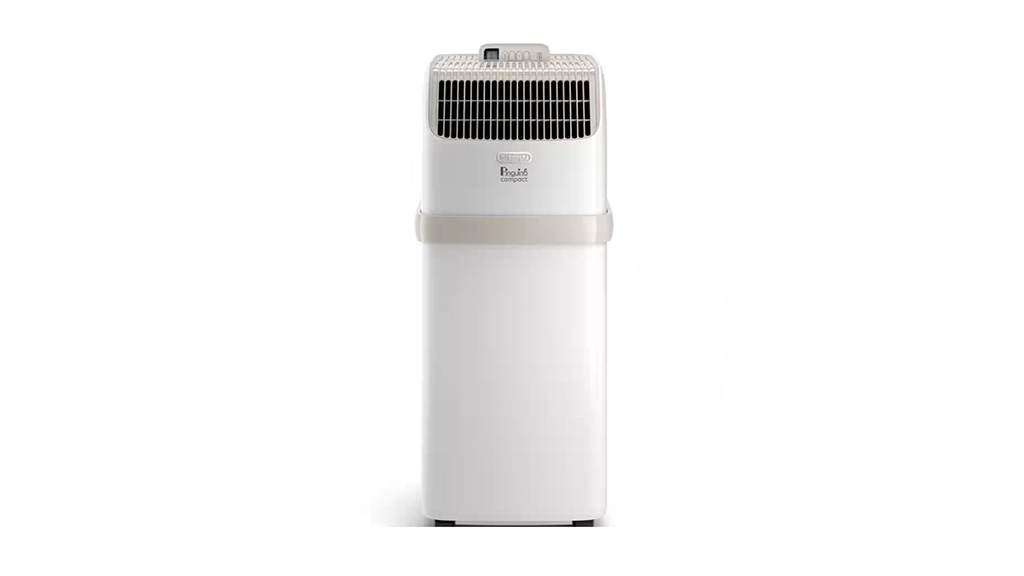
DeLonghi
PAC ES72 CLASSIC
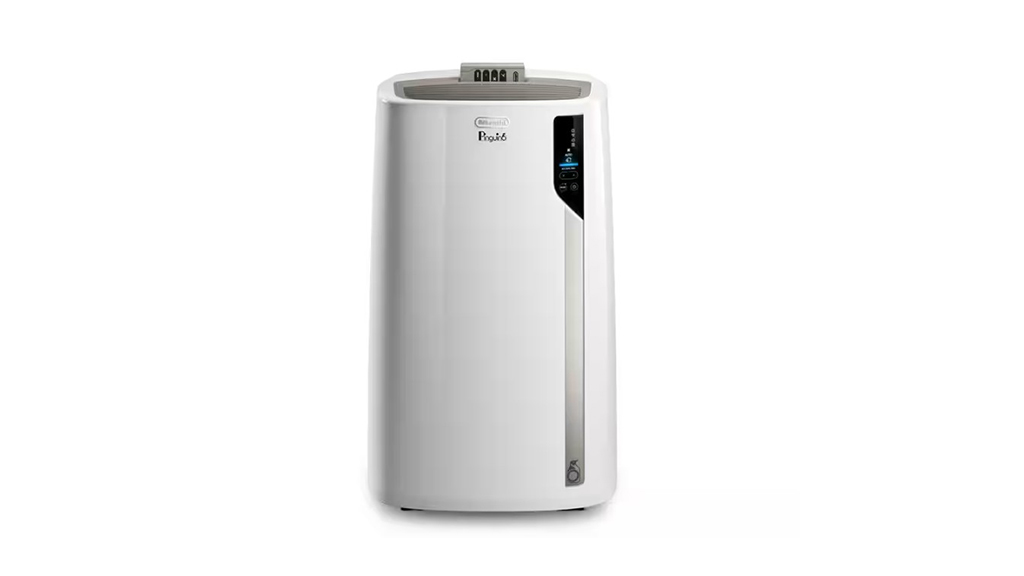
DeLonghi
PAC EL110 ERF WIFI
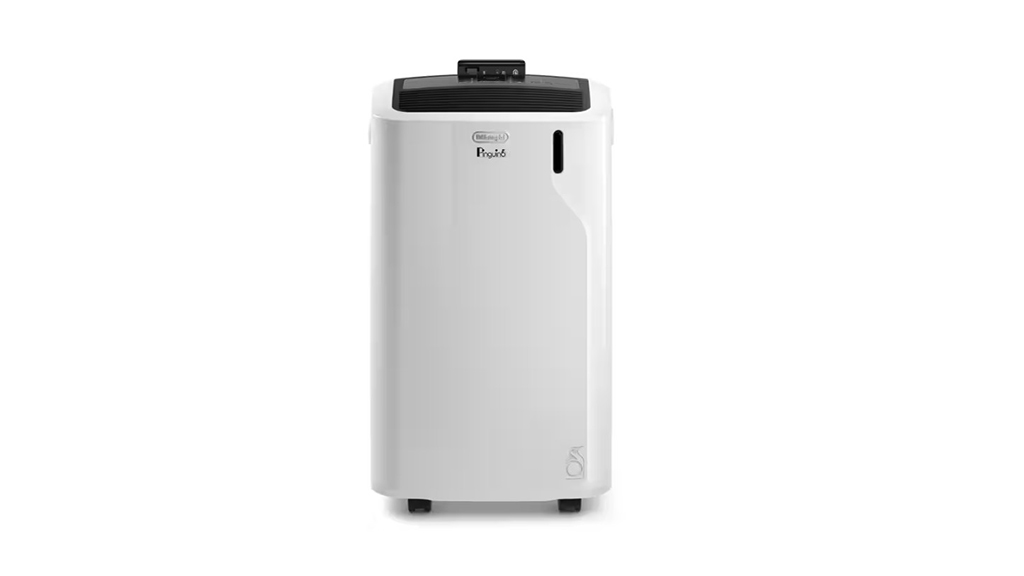
DeLonghi
PAC EM93K SILENT
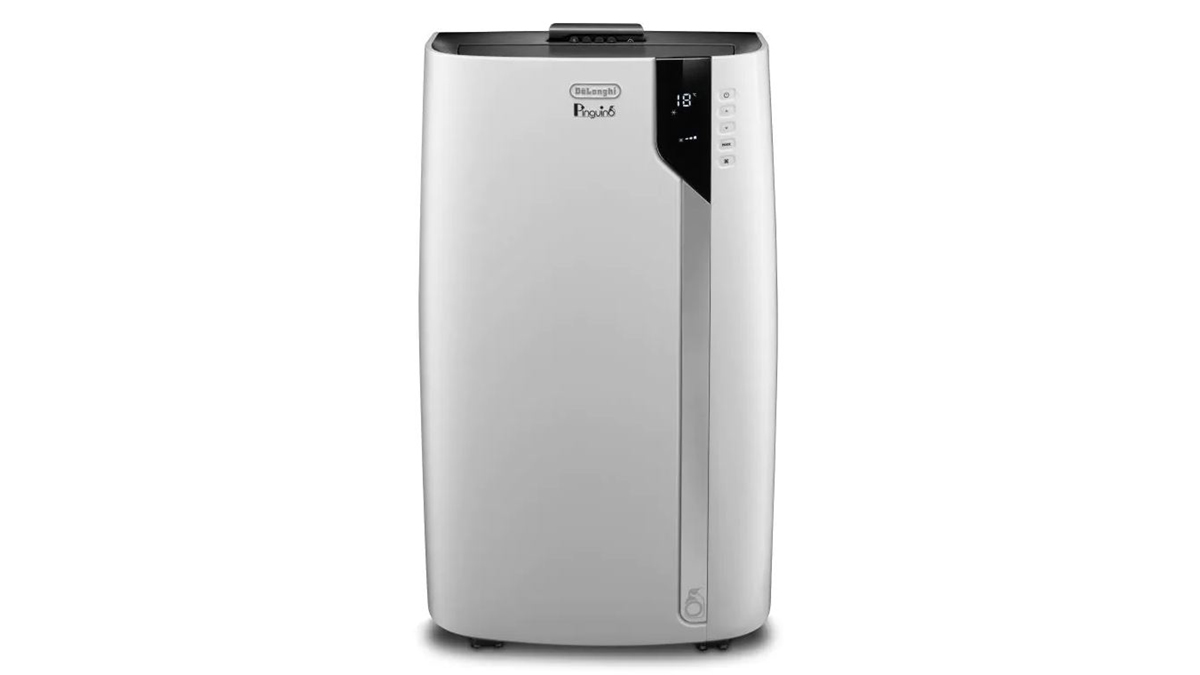
DeLonghi
PAC EX130 CST WIFI
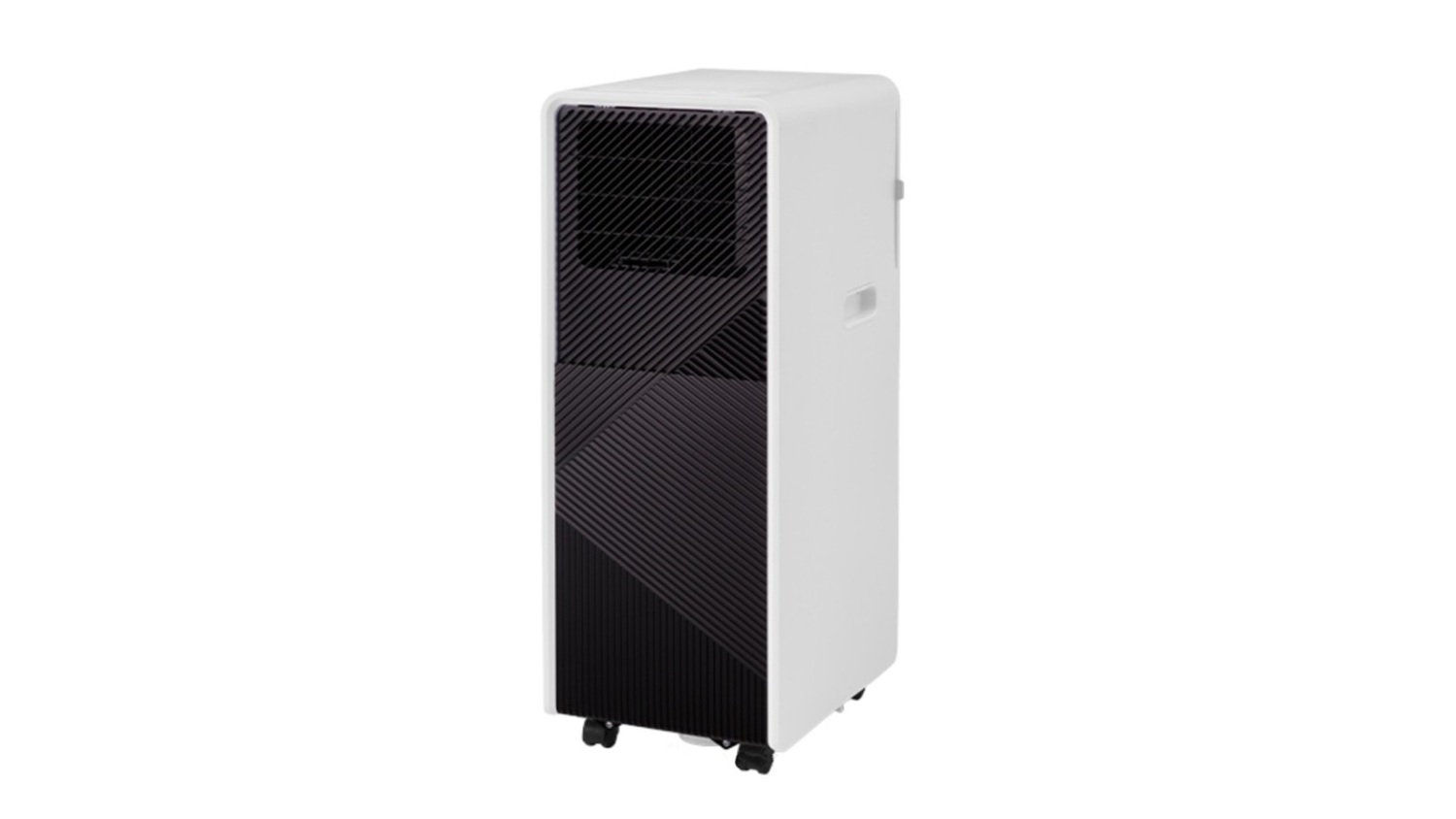
Dimplex
DCP20FS
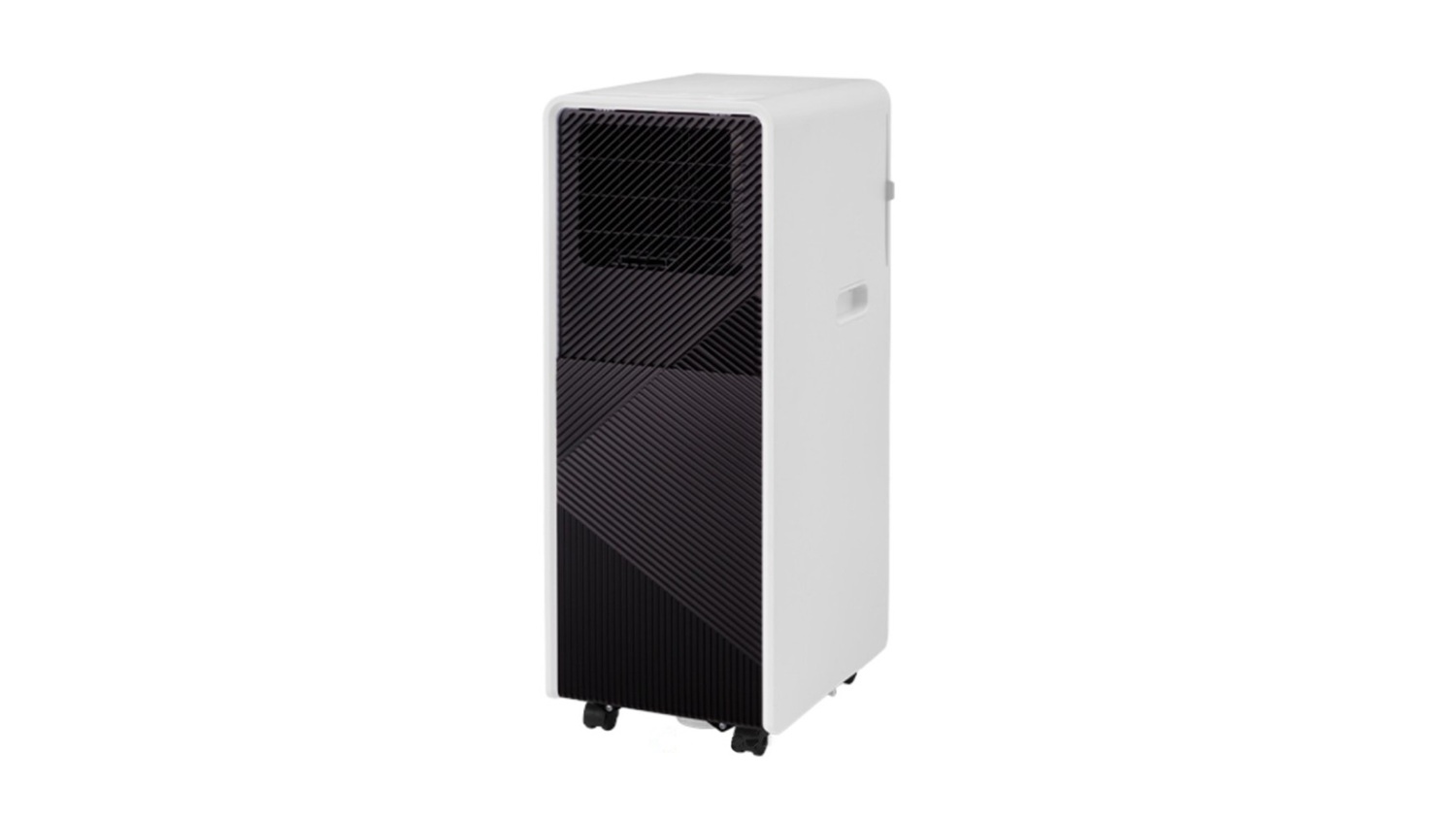
Dimplex
DCP26FS
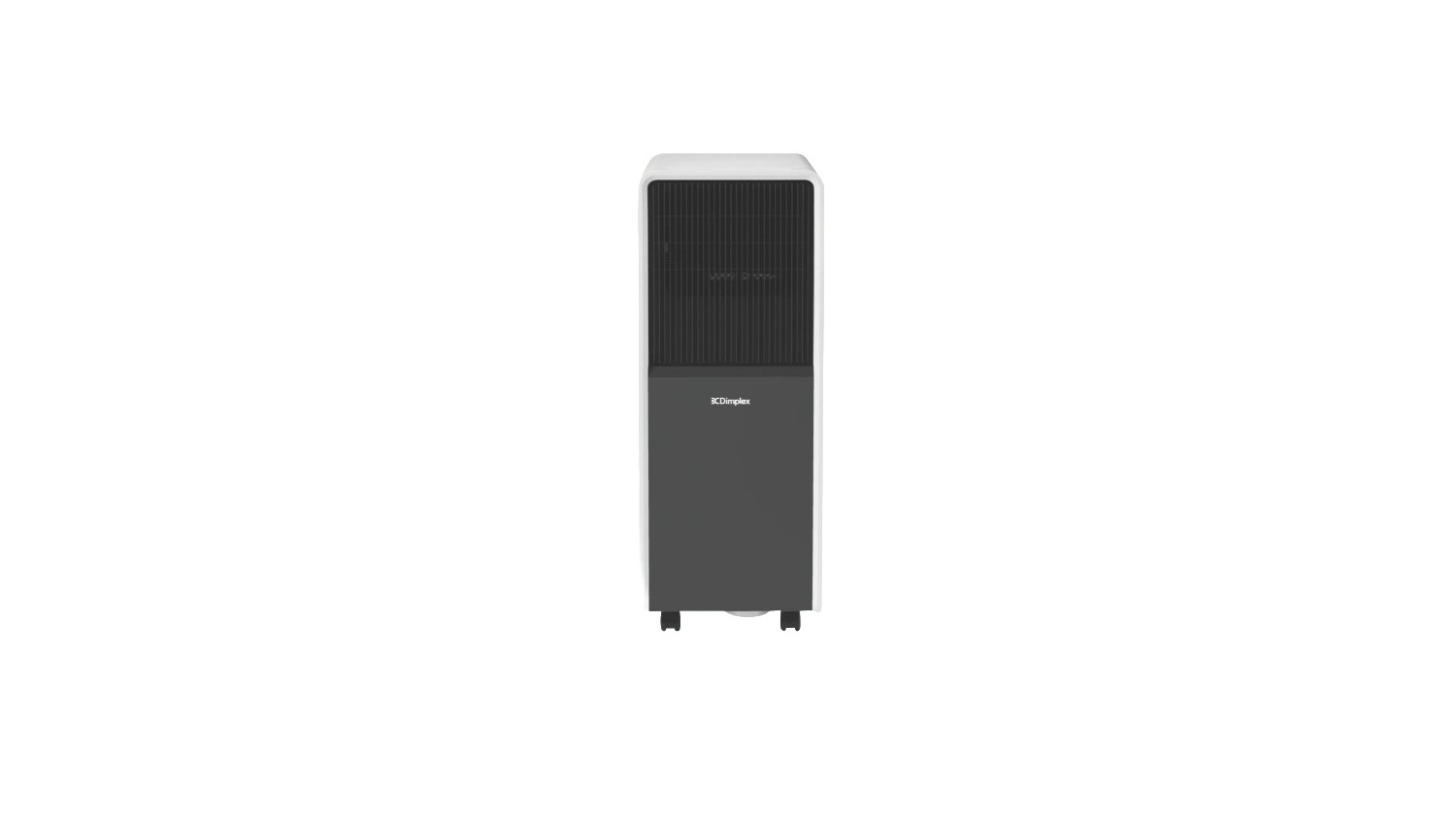
Dimplex
DCP35FS
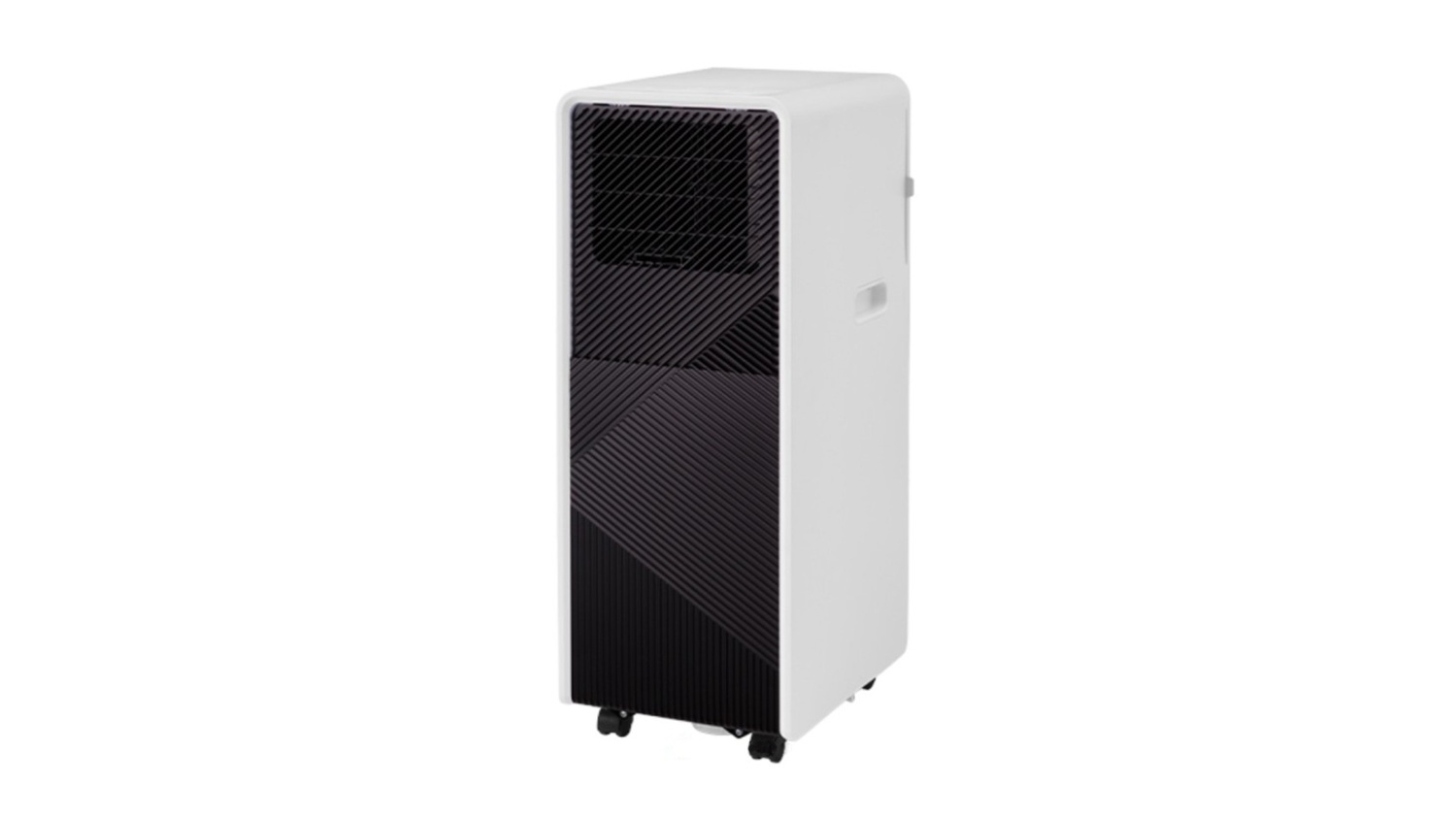
Dimplex
DCP40EB
Dimplex
DCP40FS
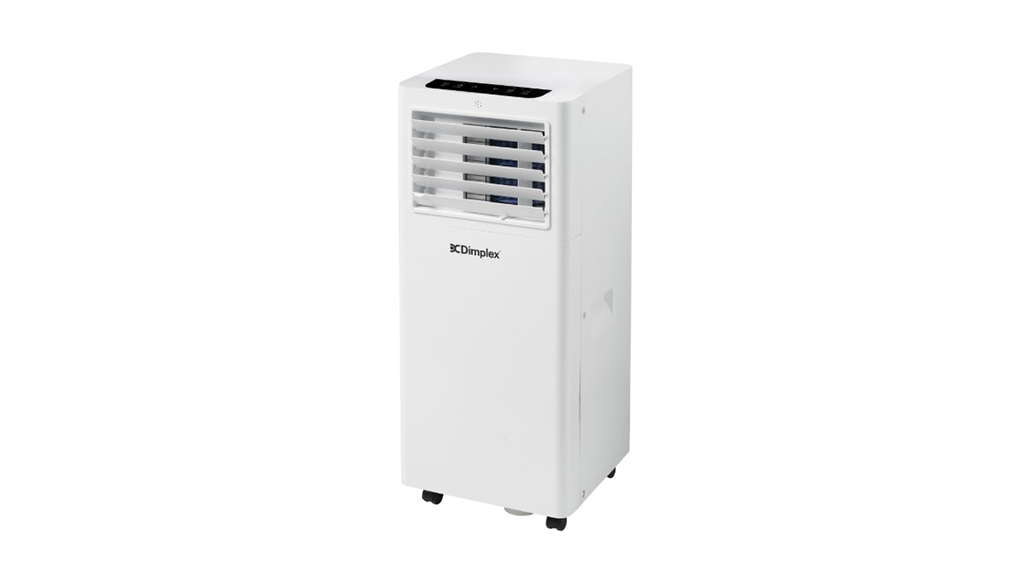
Dimplex
DCP9C
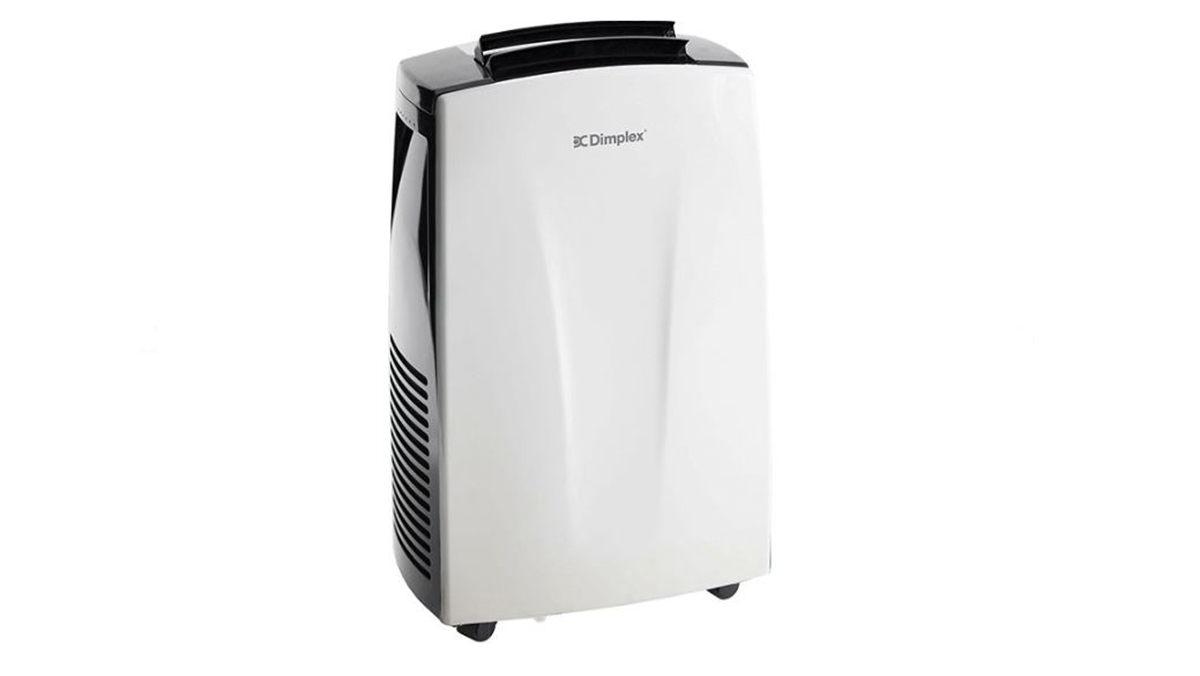
Dimplex
DCP16C
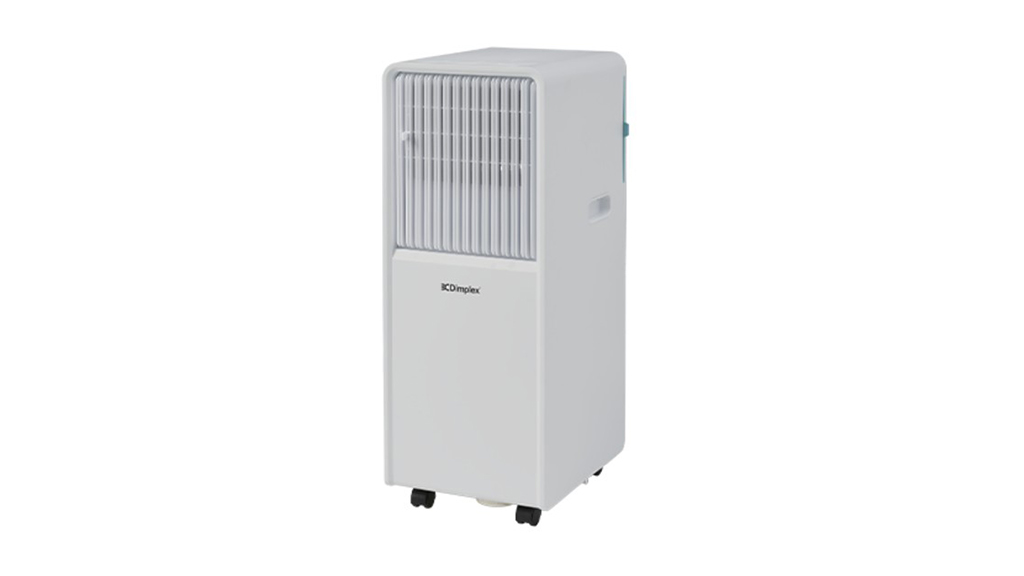
Dimplex
DCP26EB
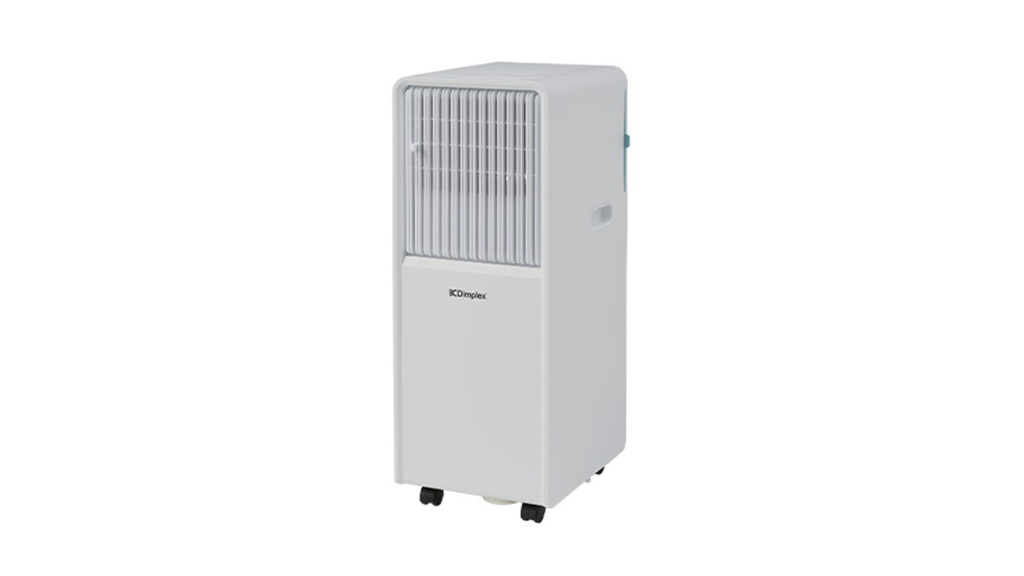
Dimplex
DCP33EB
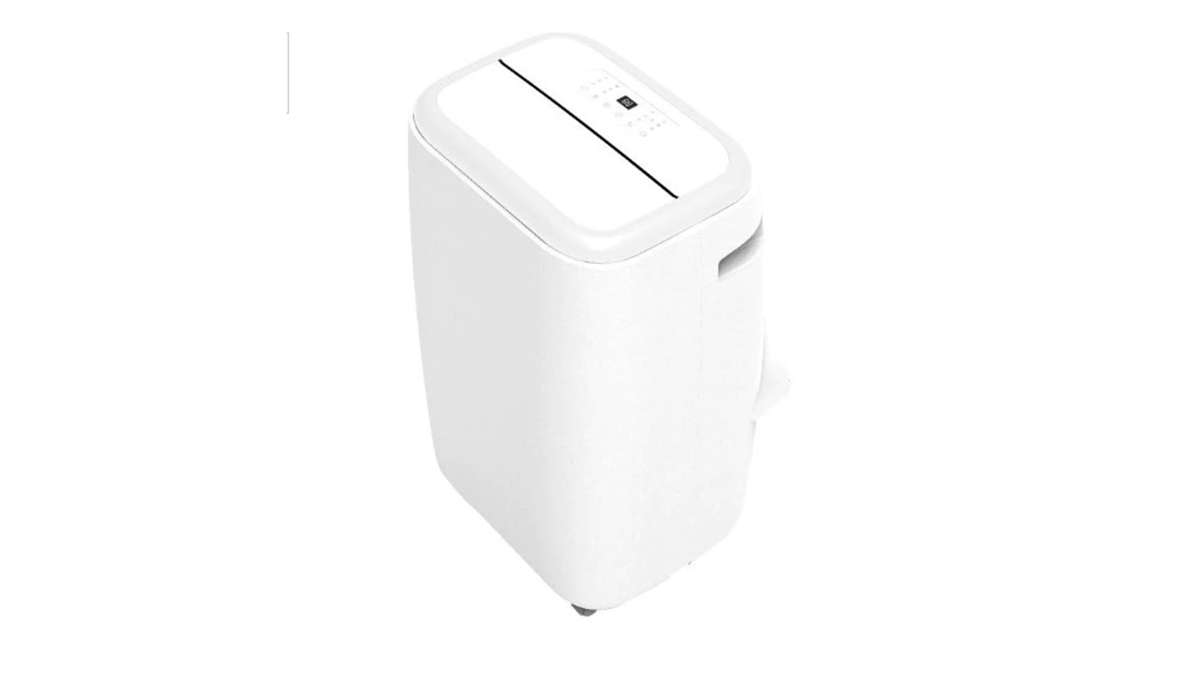
EWT
EWTP13
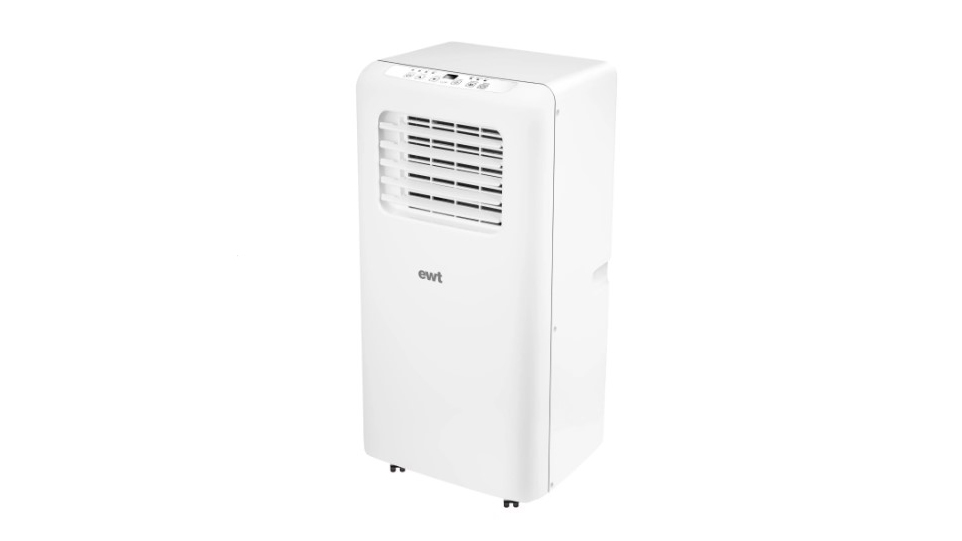
EWT
EWTP9
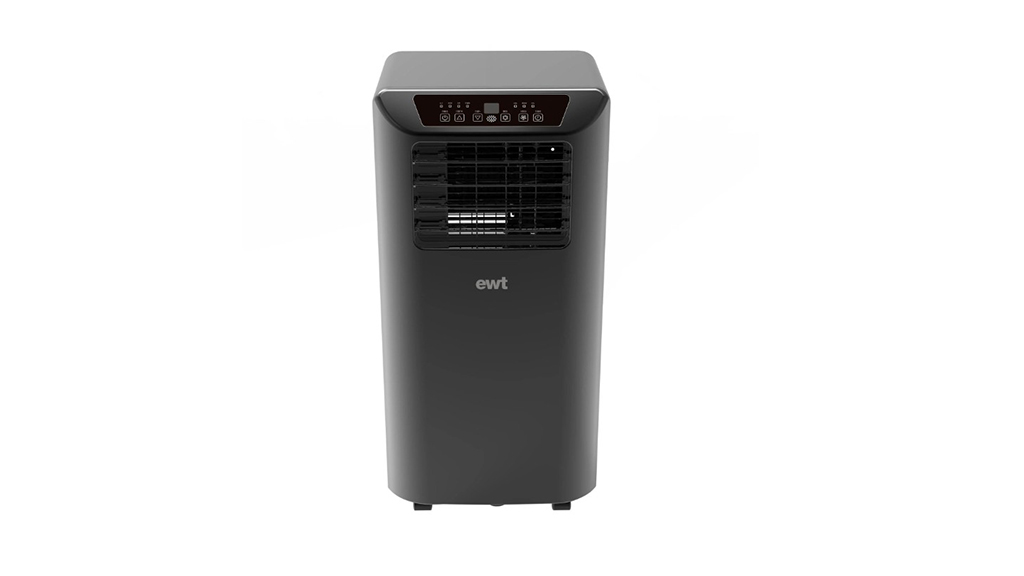
EWT
EWTP9BF
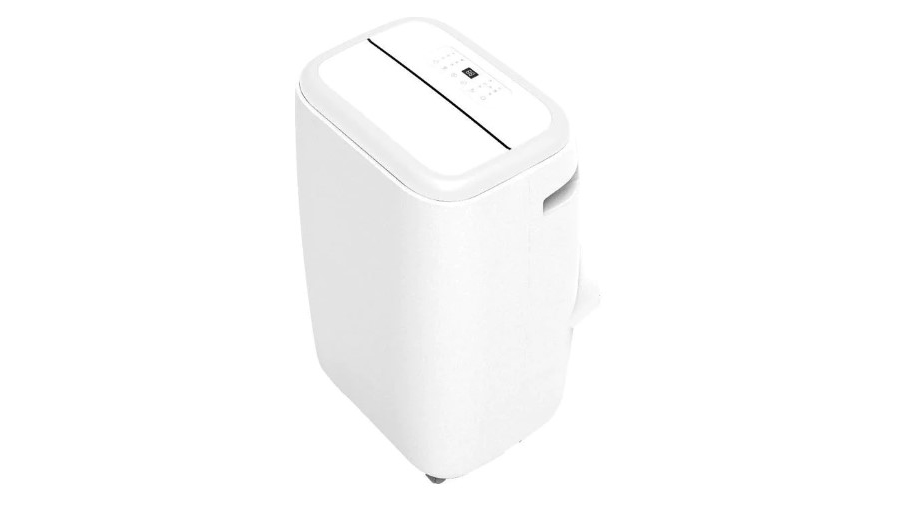
EWT
EWTP11
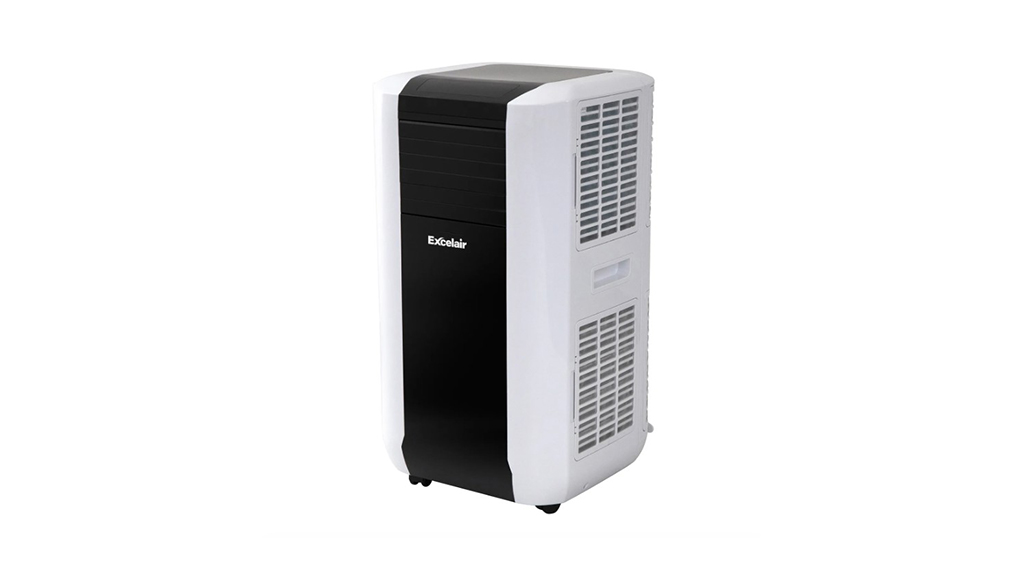
Excelair
EPA58043WB
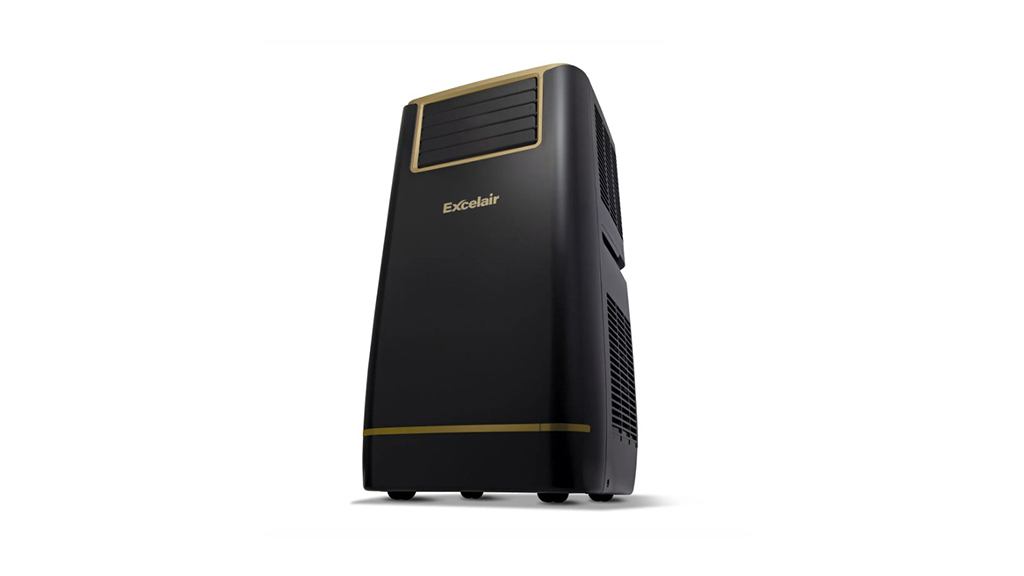
Excelair
EPA58041BG
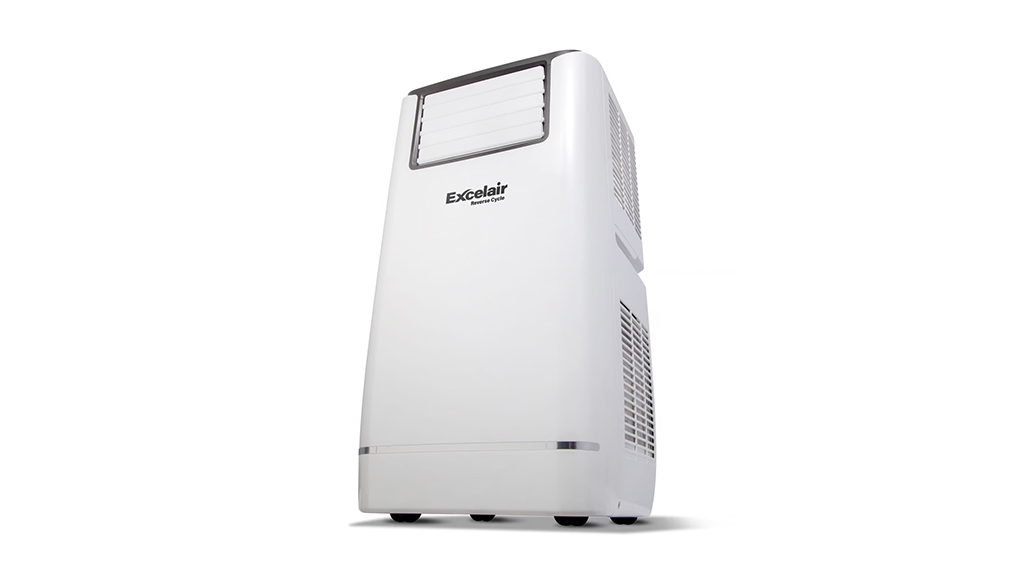
Excelair
EPA58041RWB
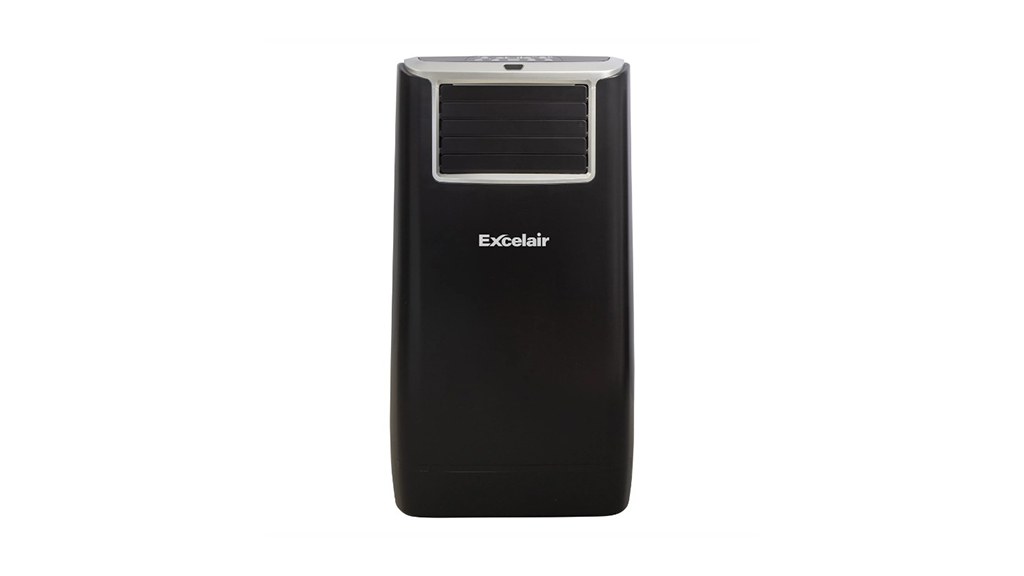
Excelair
EPA58041BS
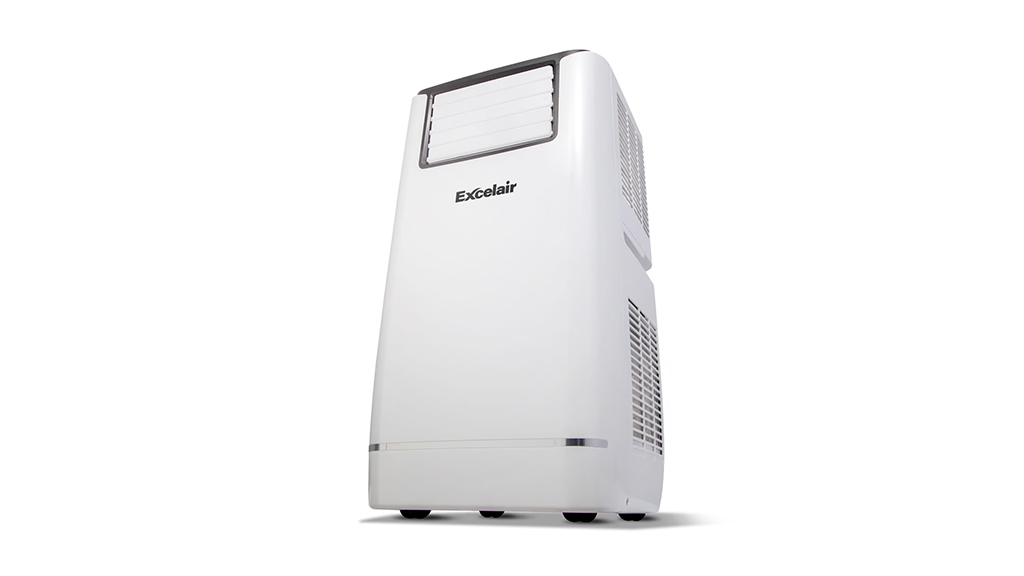
Excelair
EPA58041WB
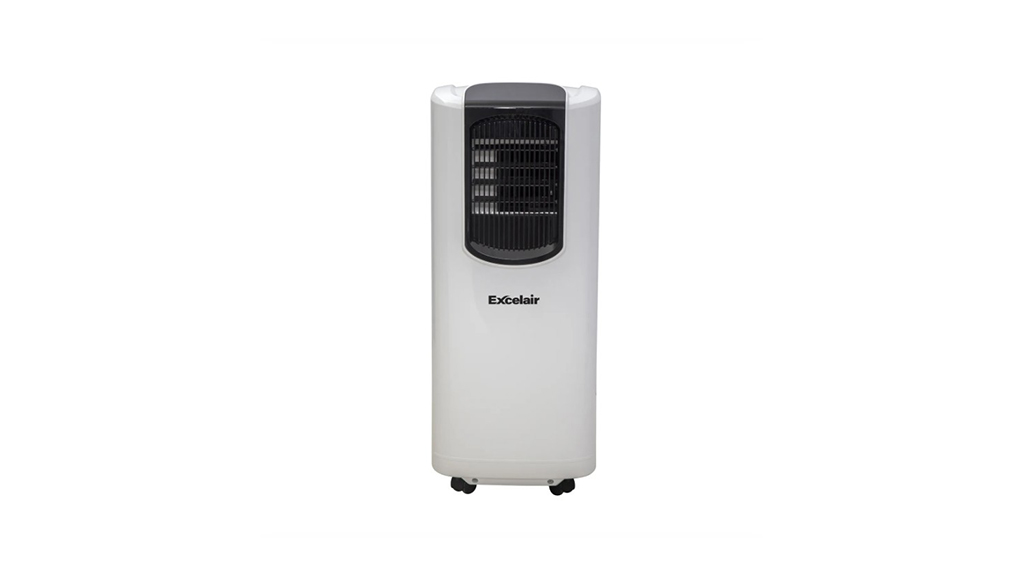
Excelair
EPA58023W
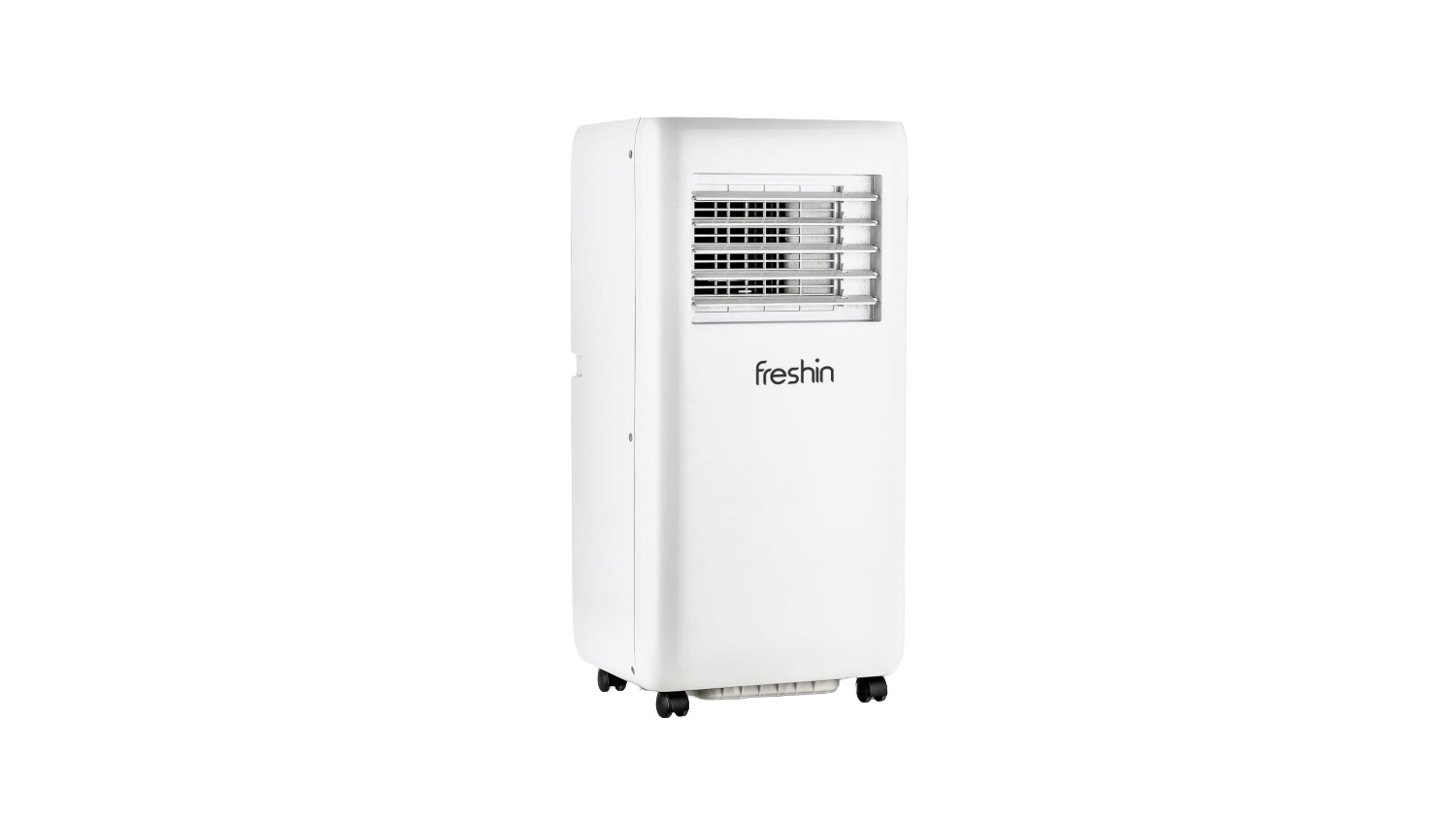
Freshin
FDP26-2021WR5
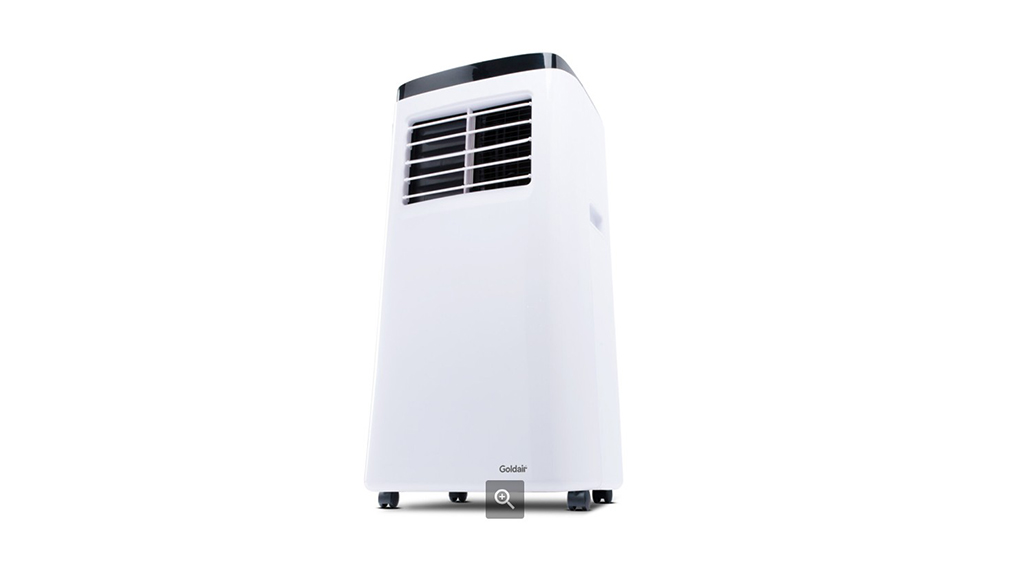
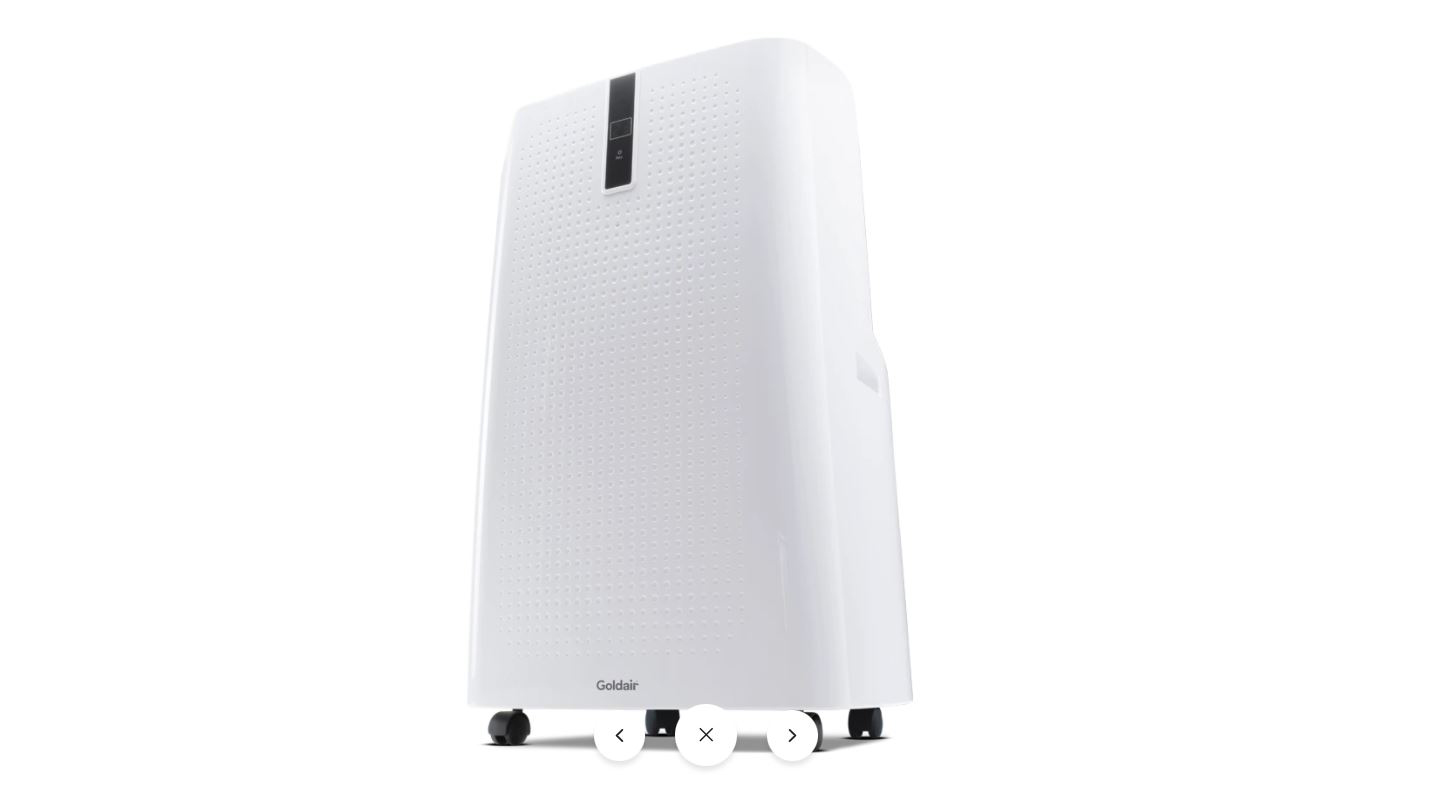
Goldair
GCPAC200
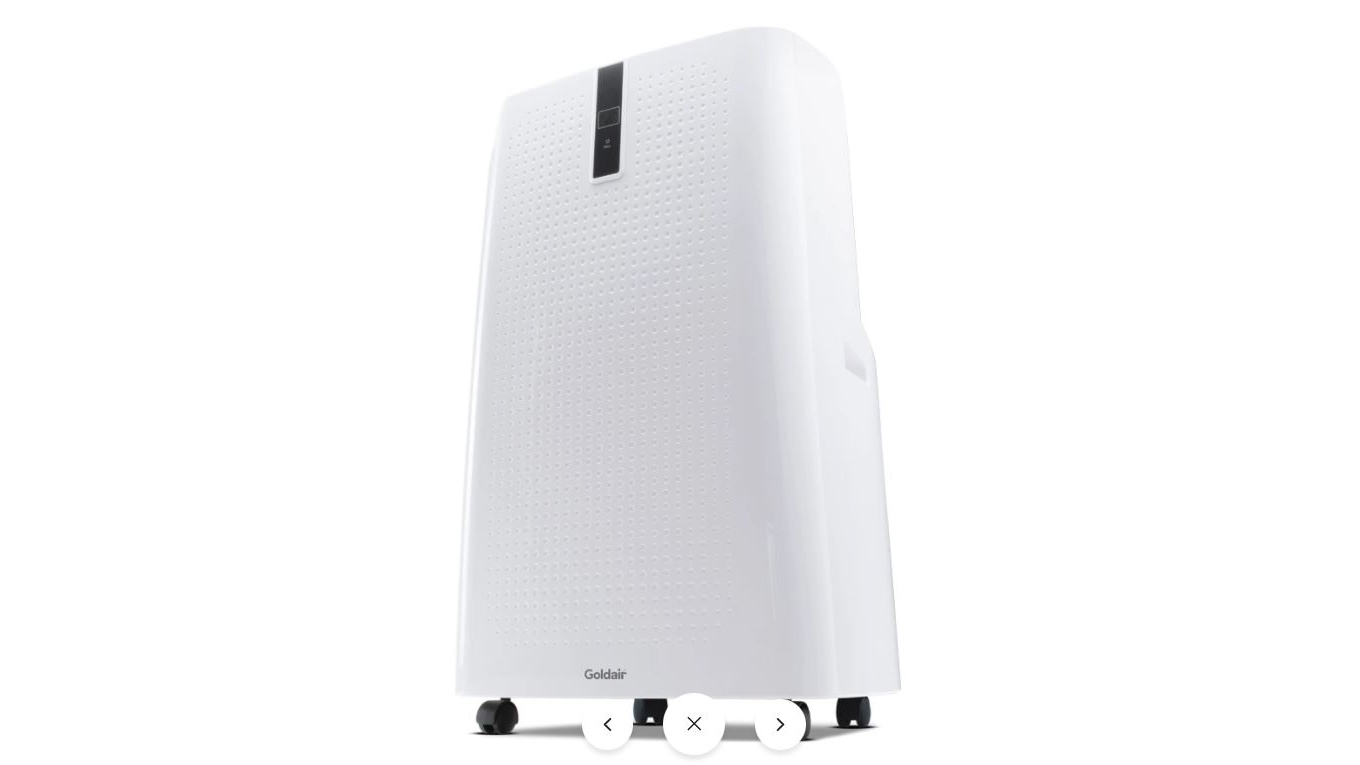
Goldair
GCPAC350W
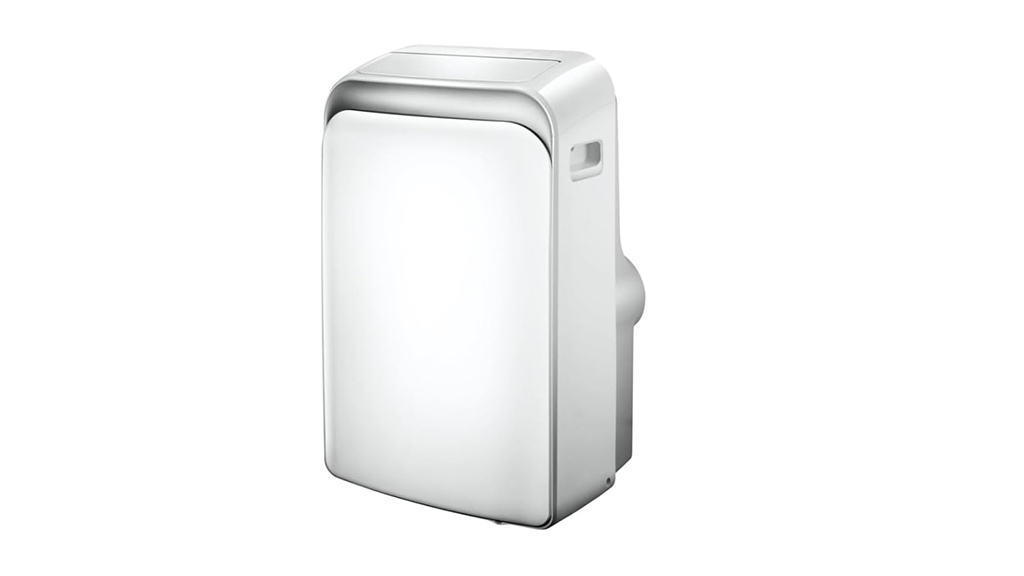
Goldair
GCPAC12
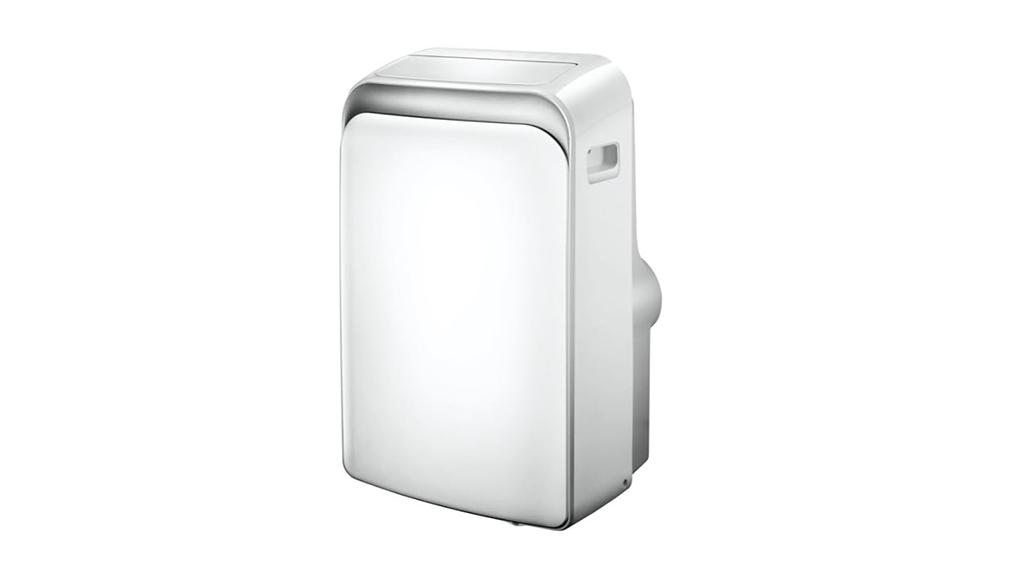
Midea
MPPD40C
Midea
MPPD33H
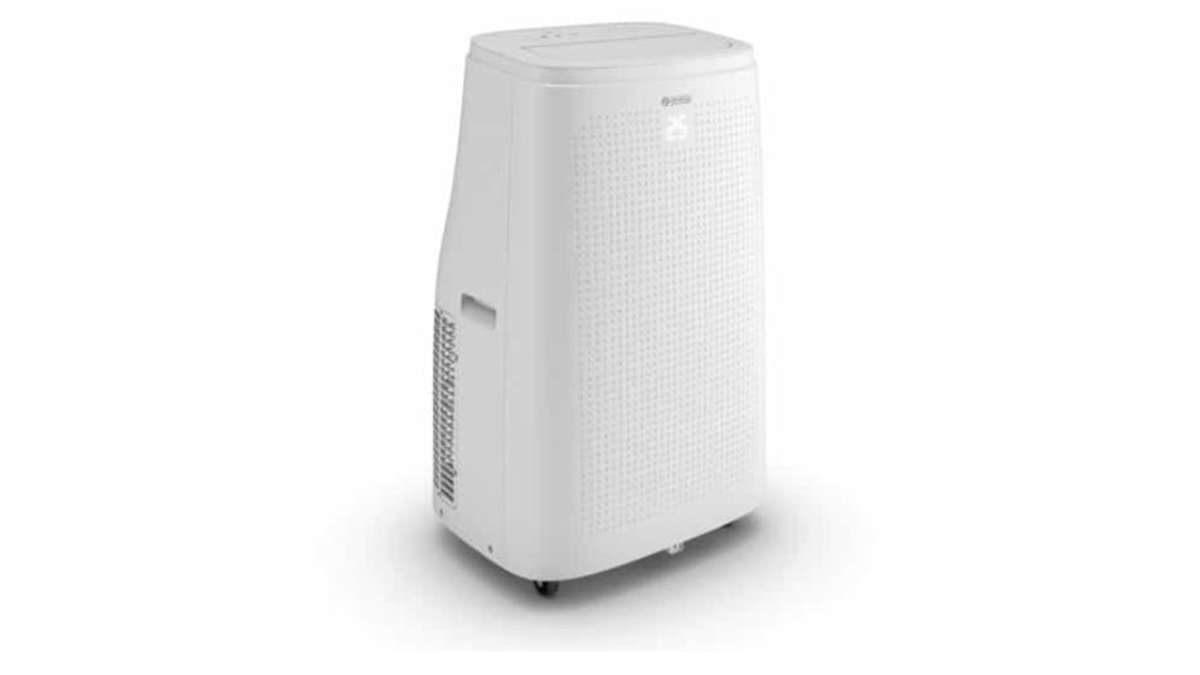
Olimpia Splendid
Procool 16E 2098
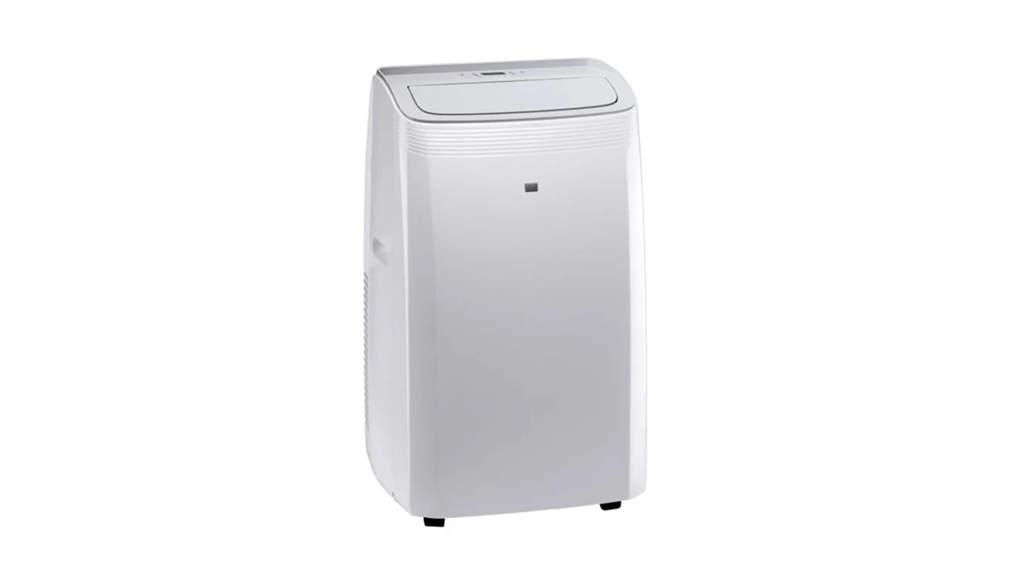
Olimpia Splendid
Elite 16
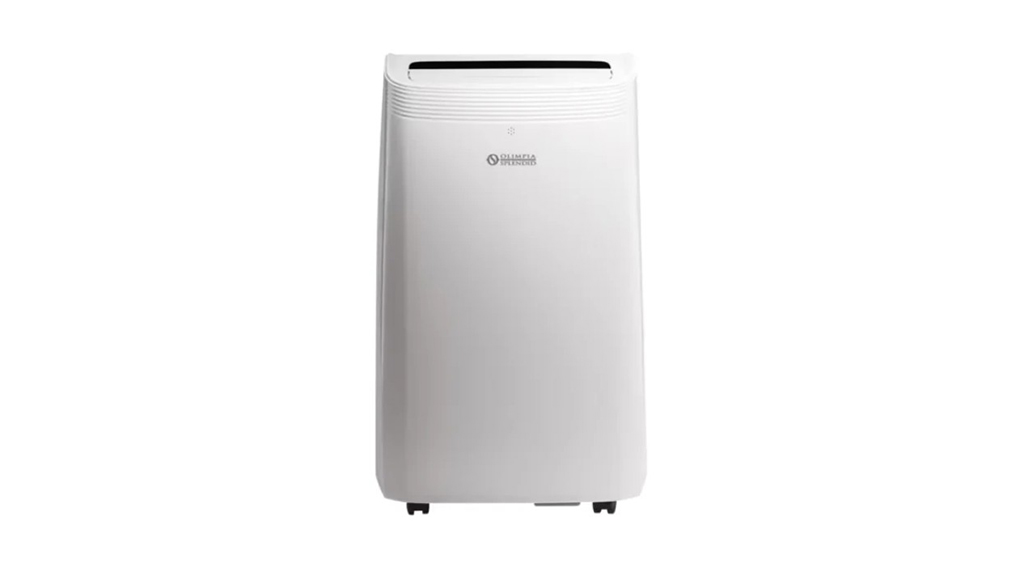
Olimpia Splendid
Elite 12
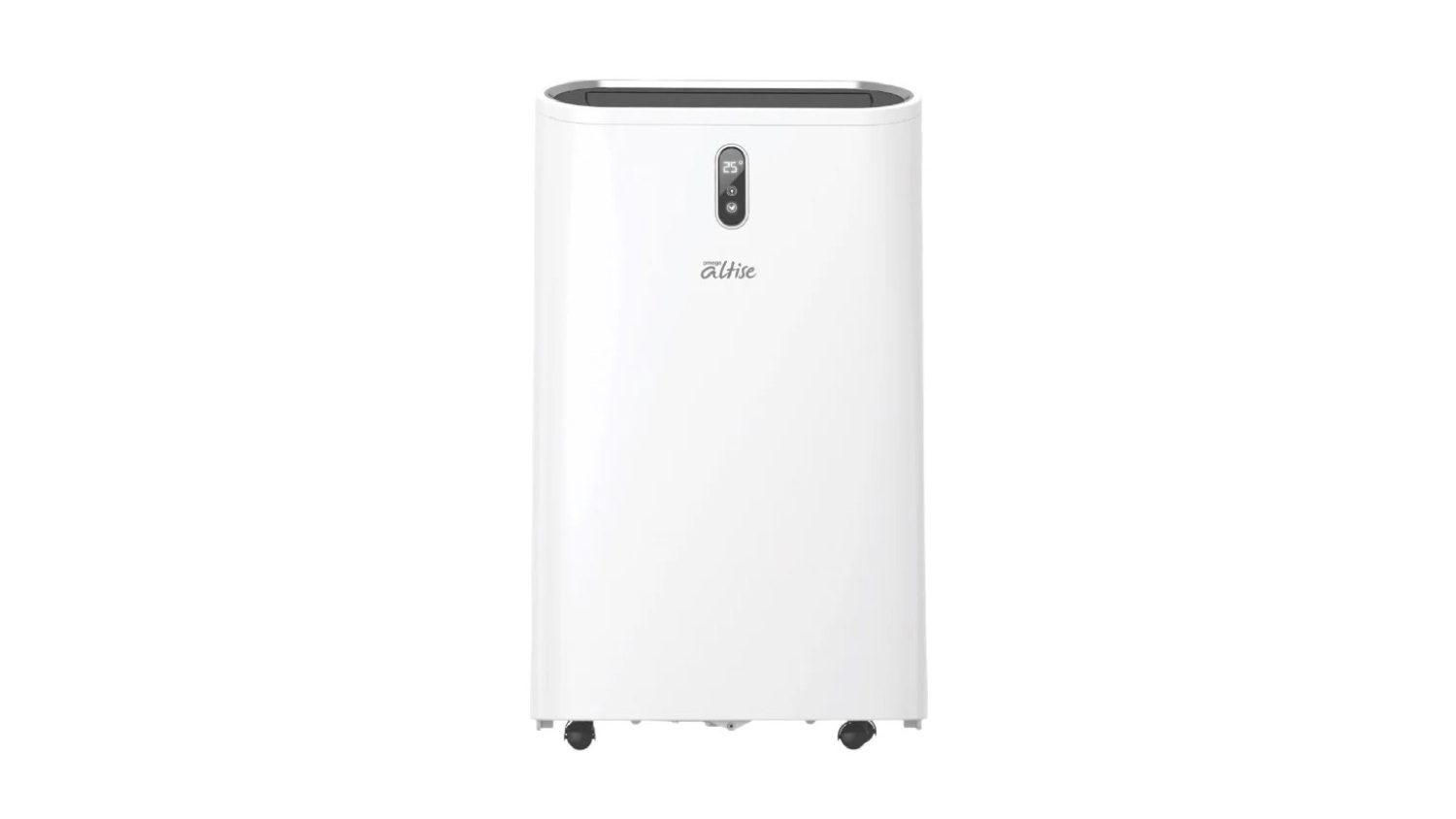
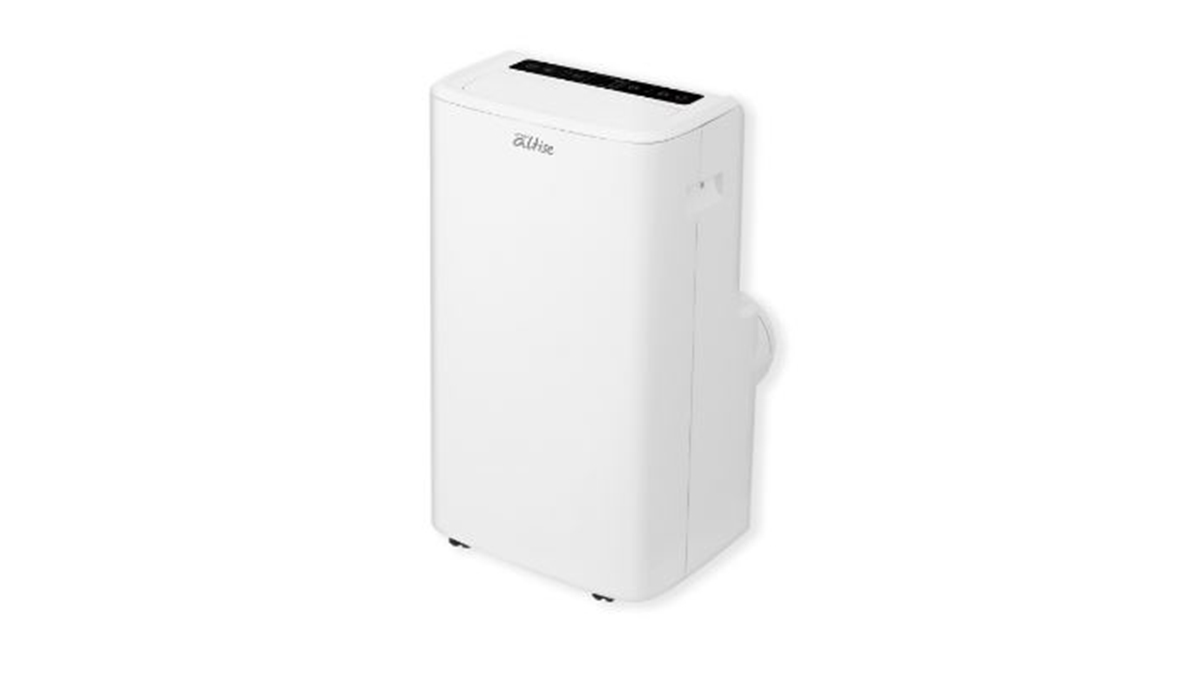
Omega Altise
OAPC12W
Omega Altise
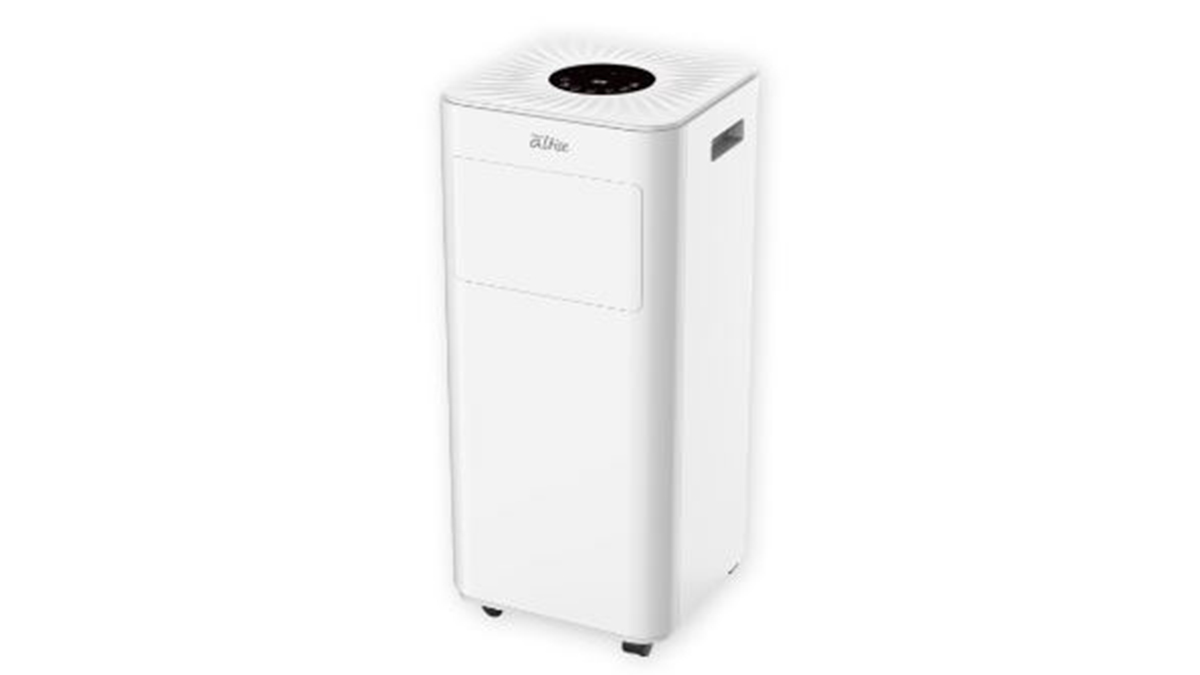
OAPC41W
Omega Altise
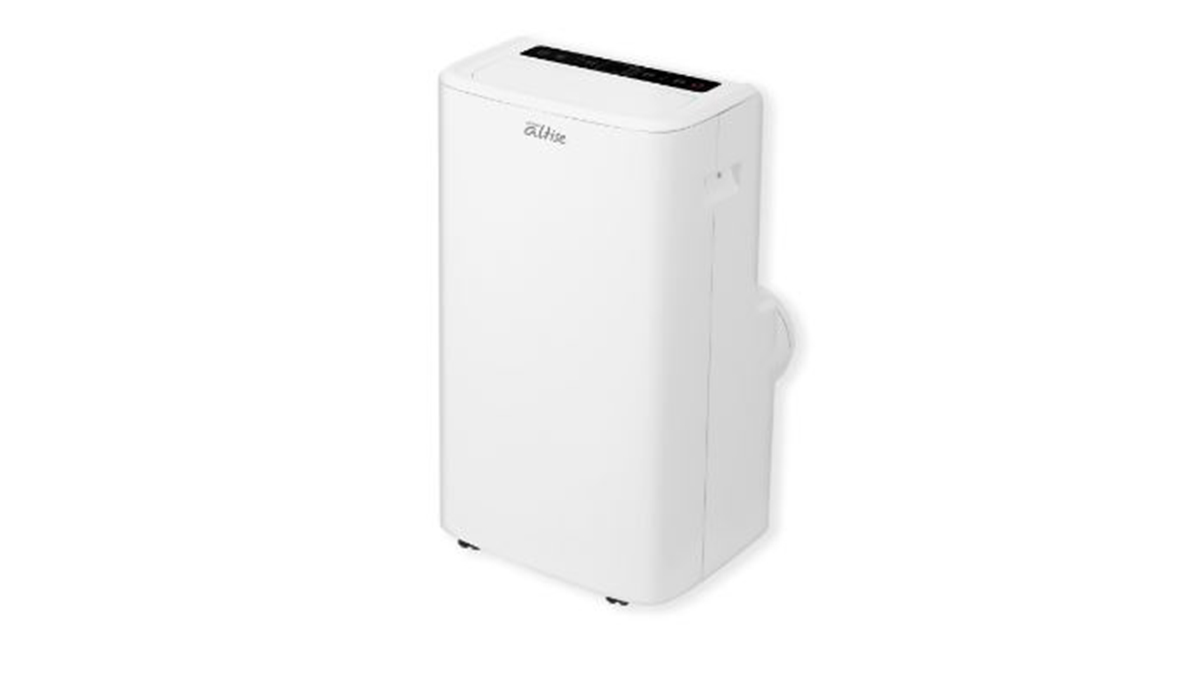
OAPC9W
Omega Altise
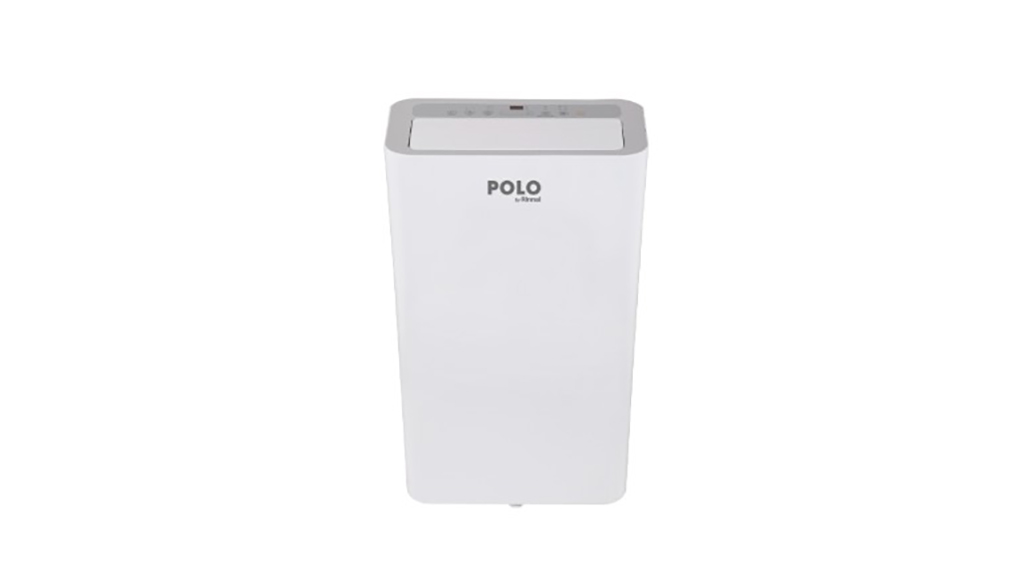
OAPC36RW
Polo
PQ10CWF
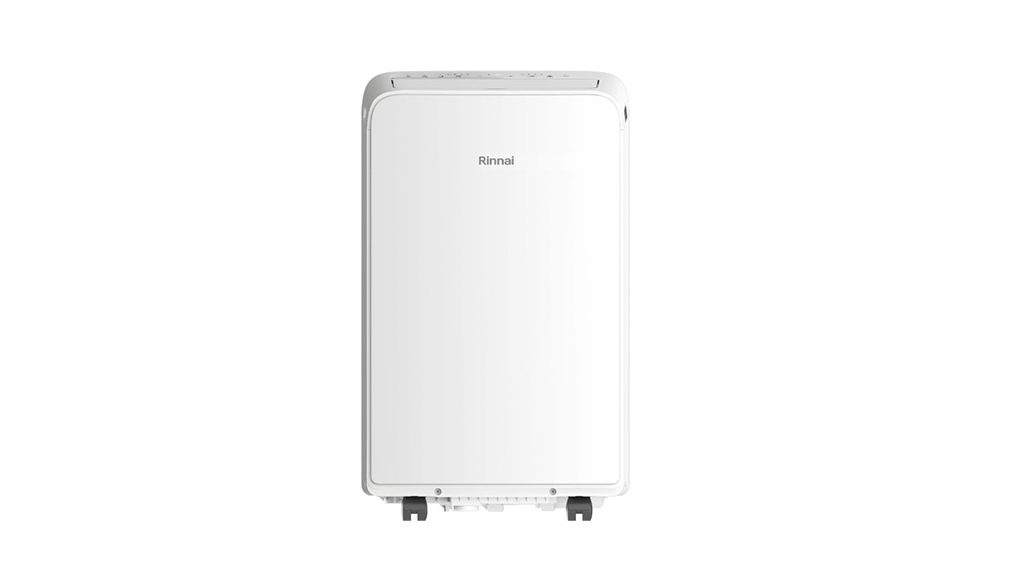
Rinnai
RPC26MCWF
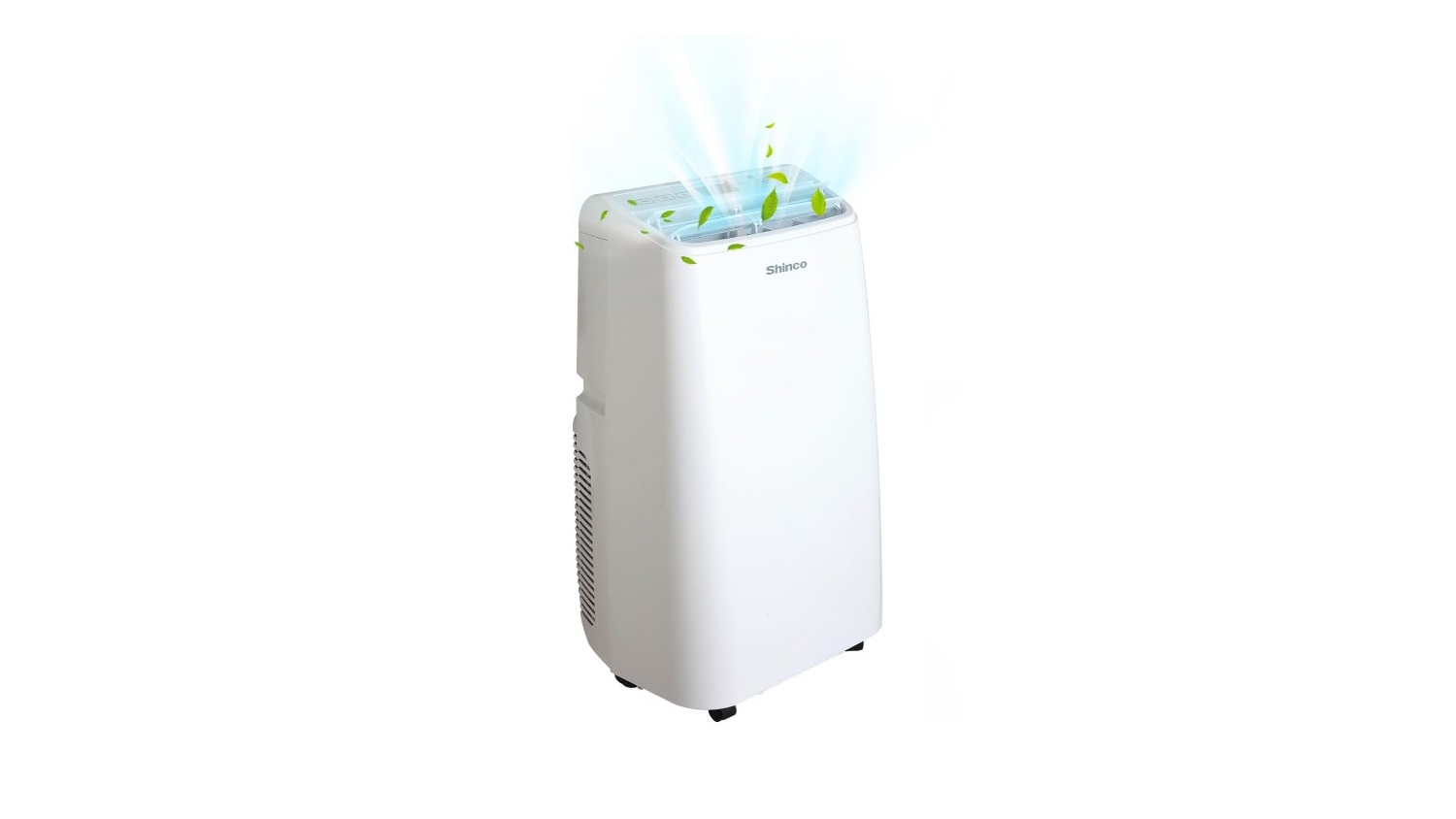
Shinco
SPS-12C
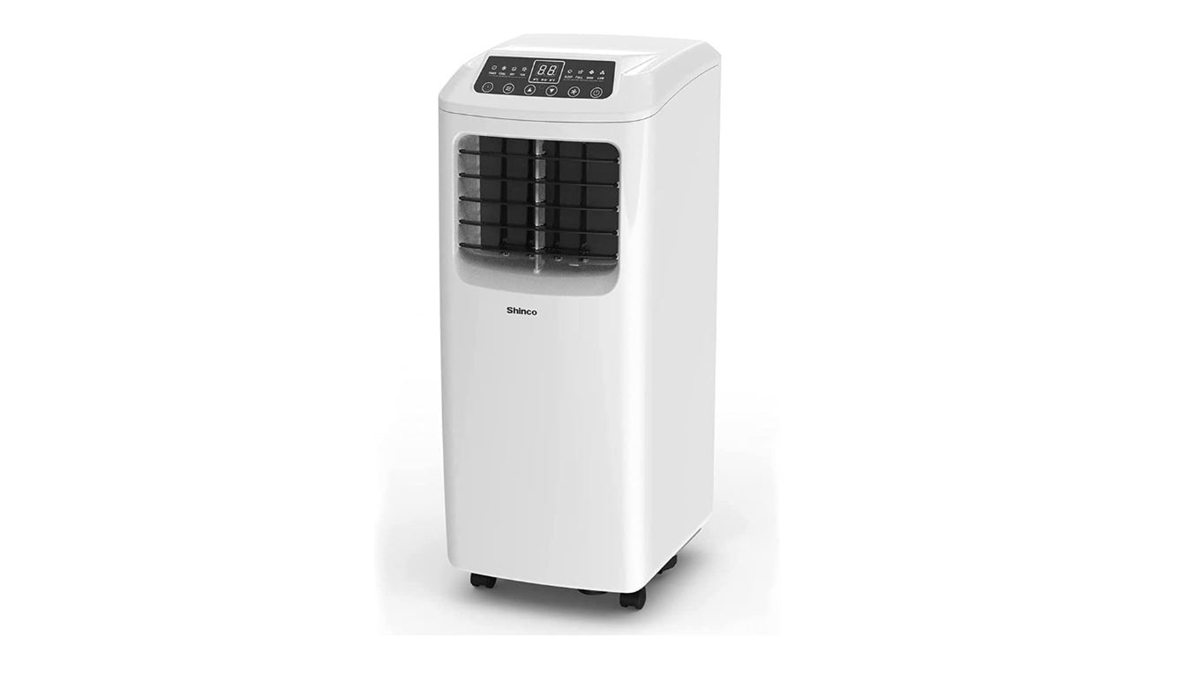
Shinco
SPO6-07C
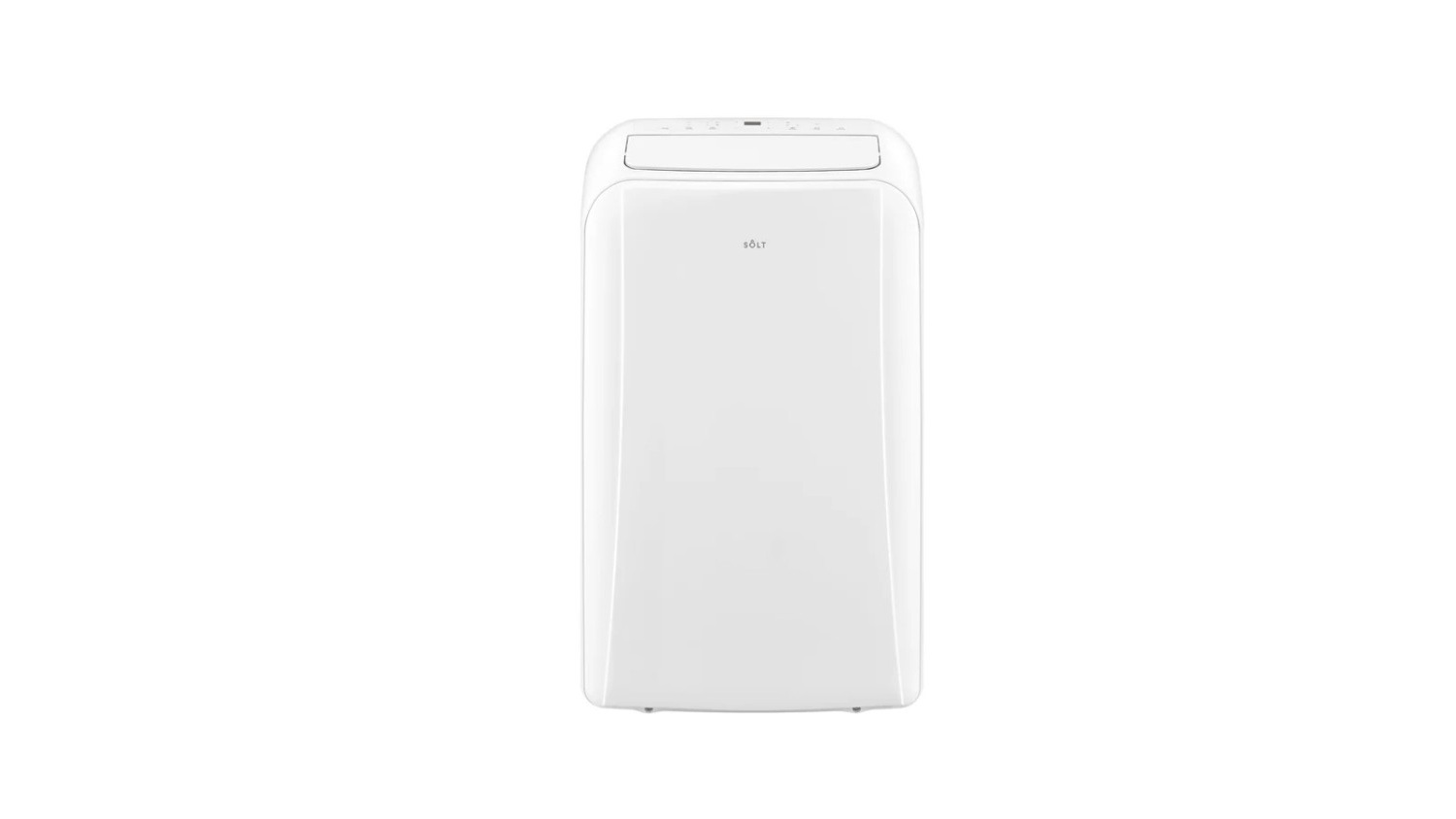
Solt
GGSAP3500W
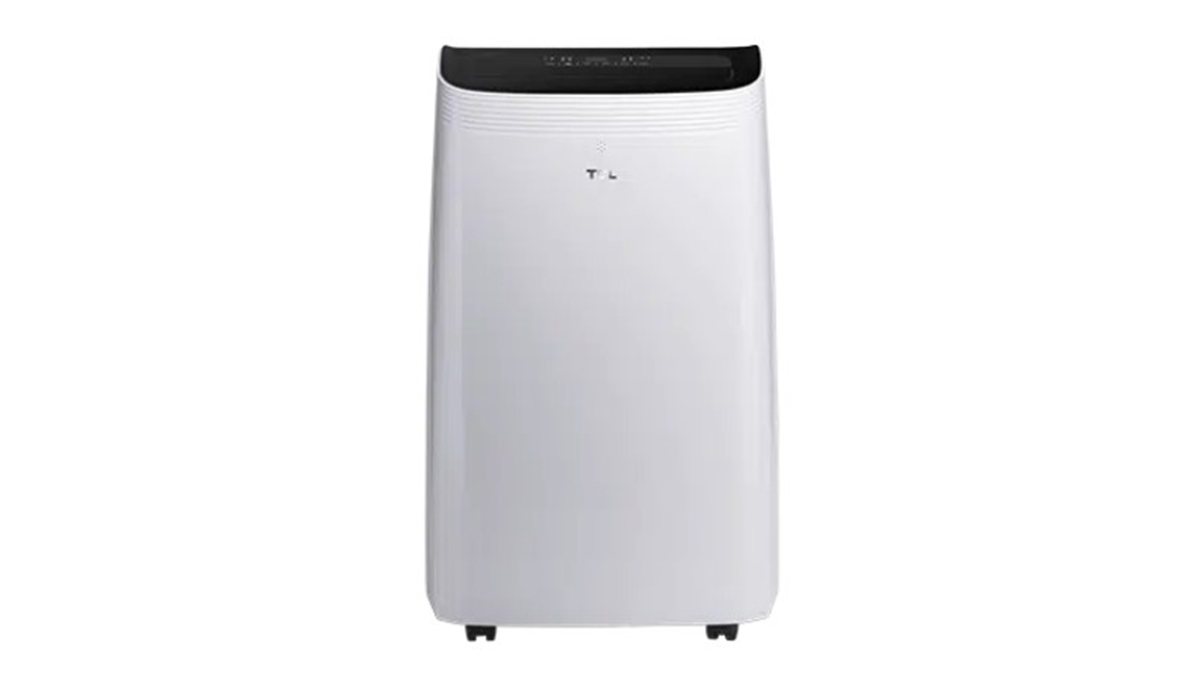
TCL
TAC-09CPB/MZ
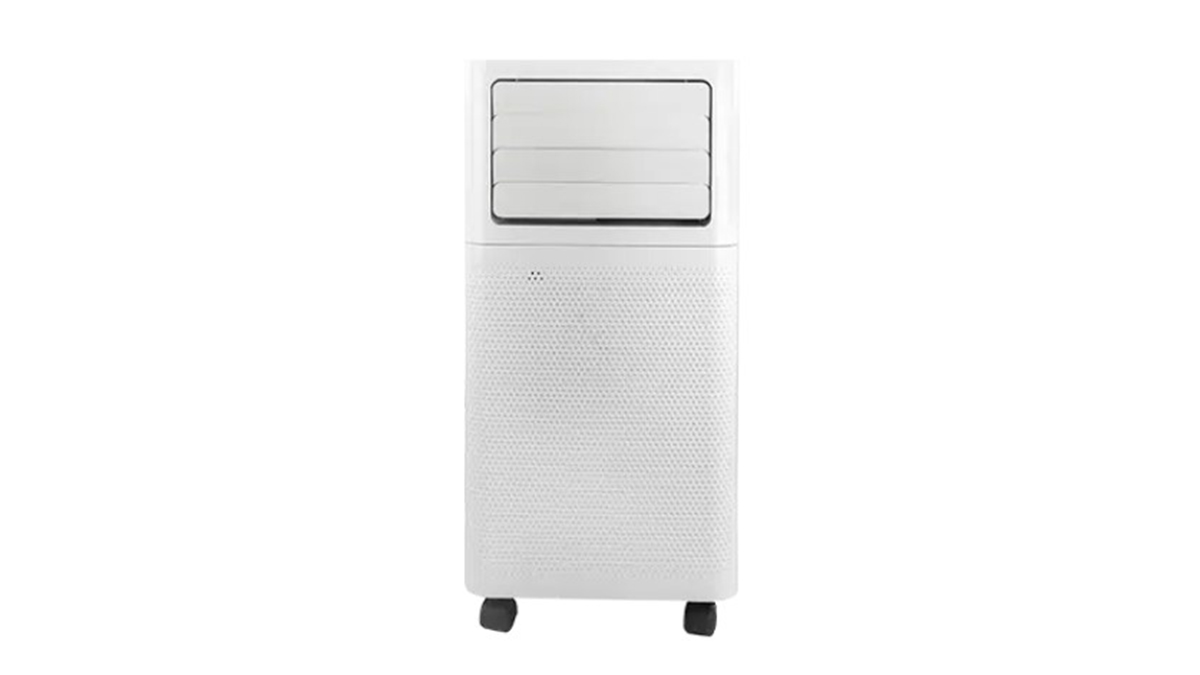
TCL
TAC-07CPB/RV
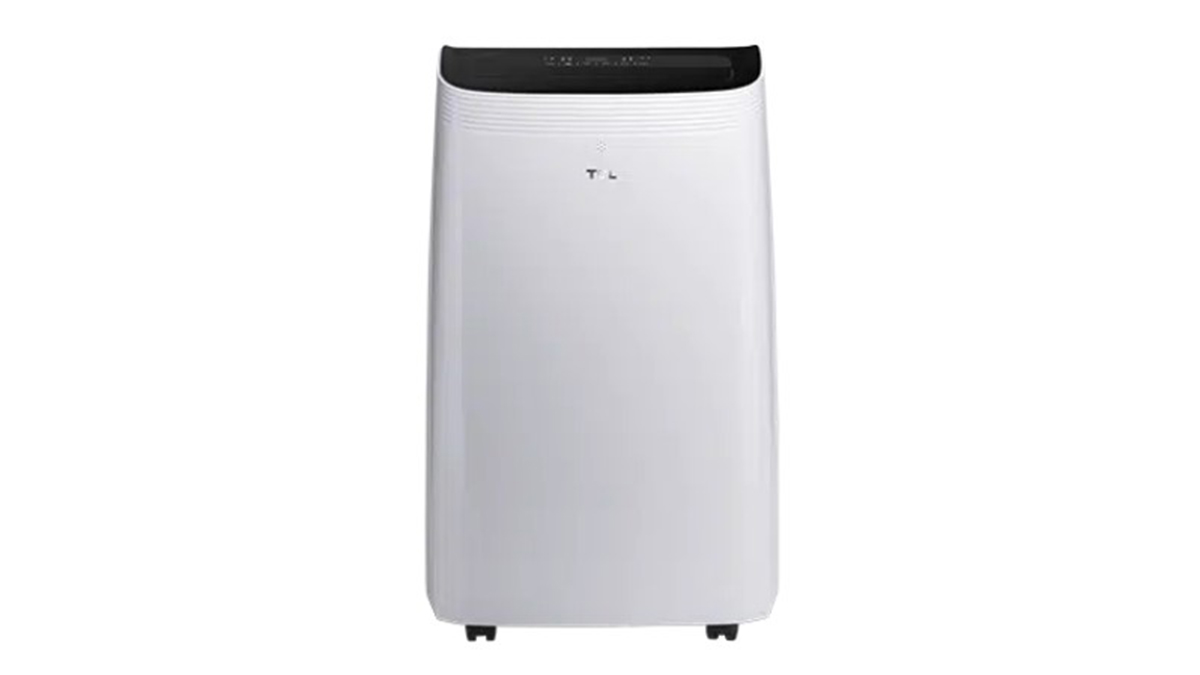
TCL
TAC-12CPB/MZ
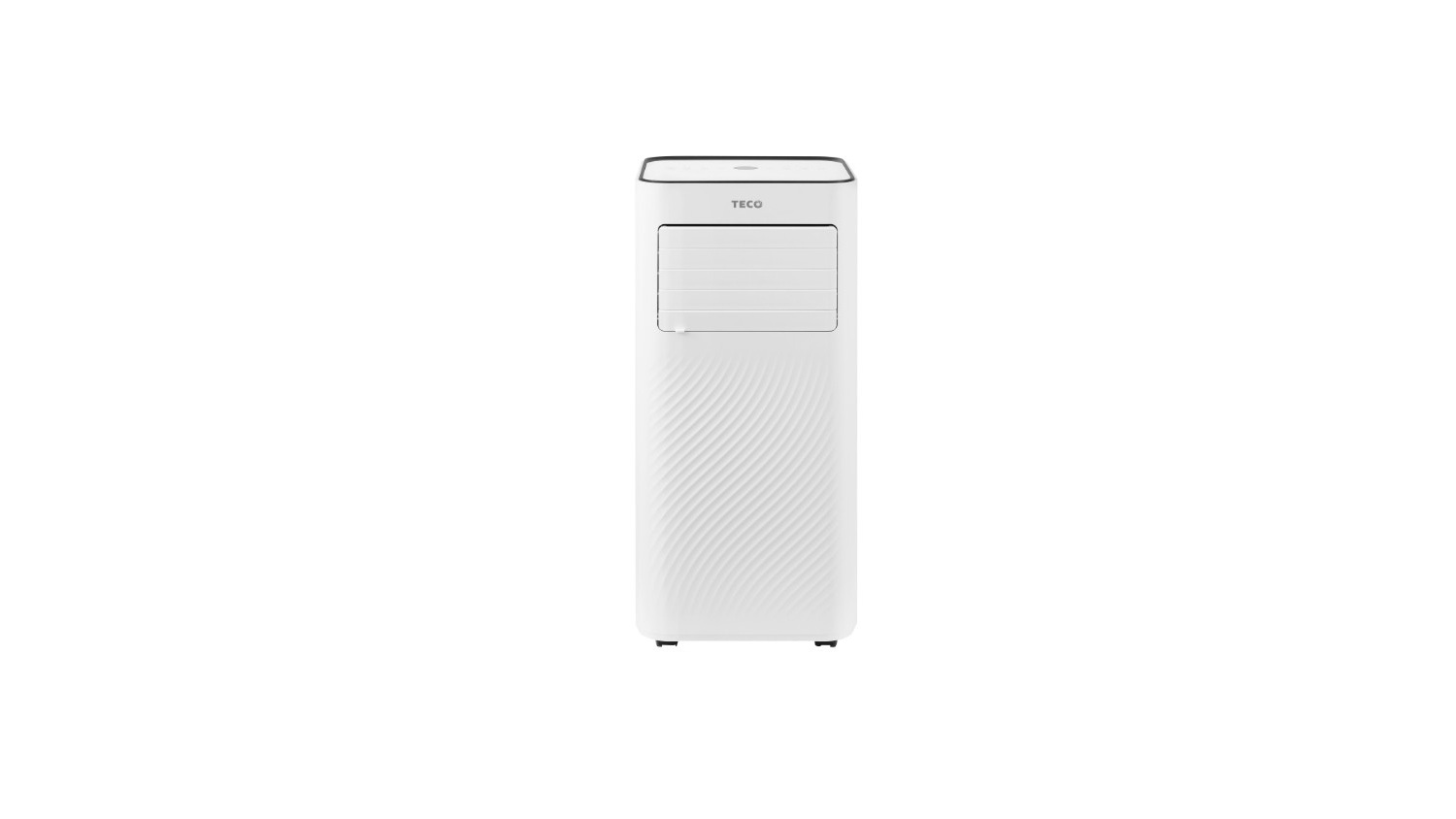
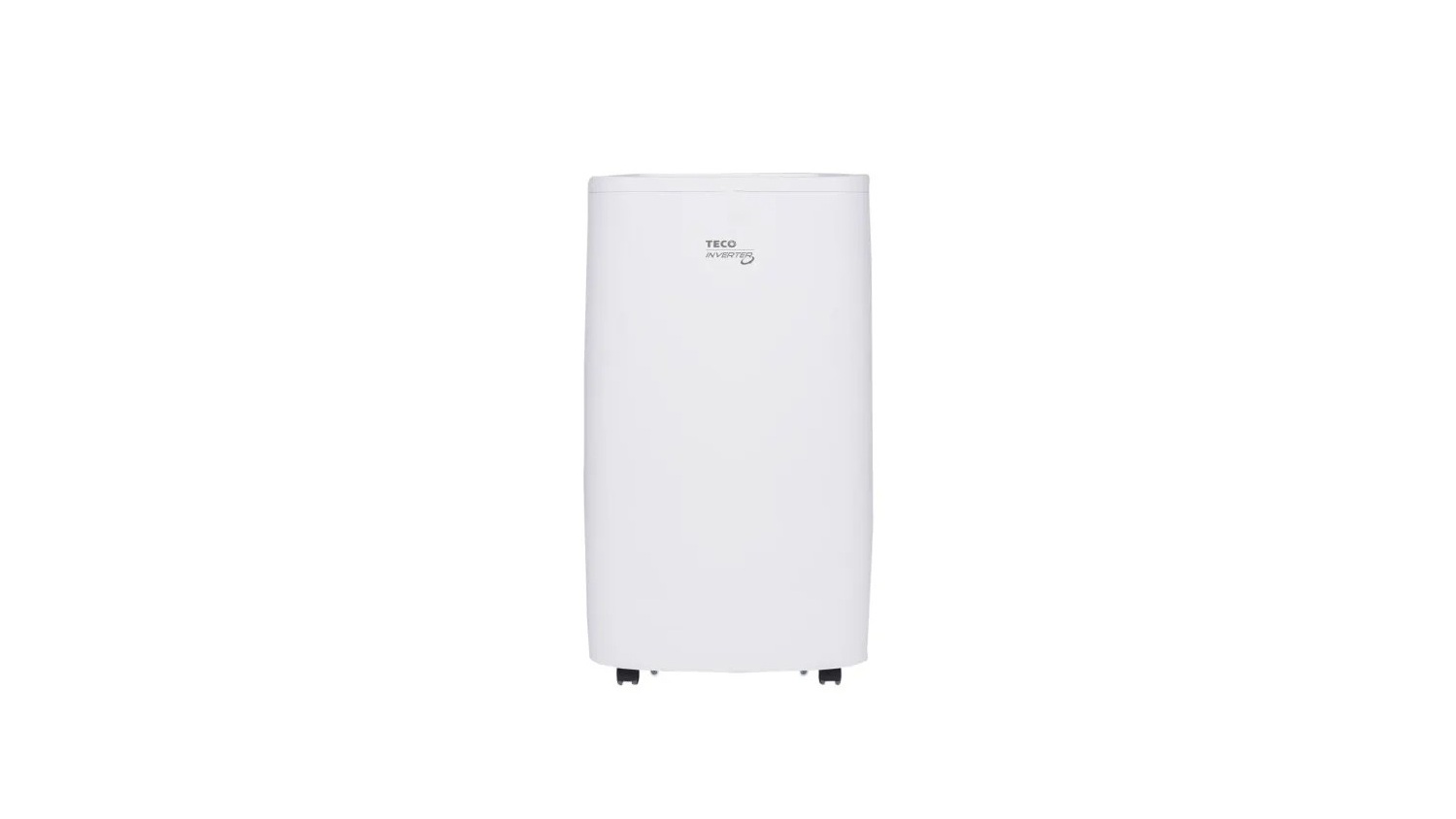
Teco
TPO20CFWAO
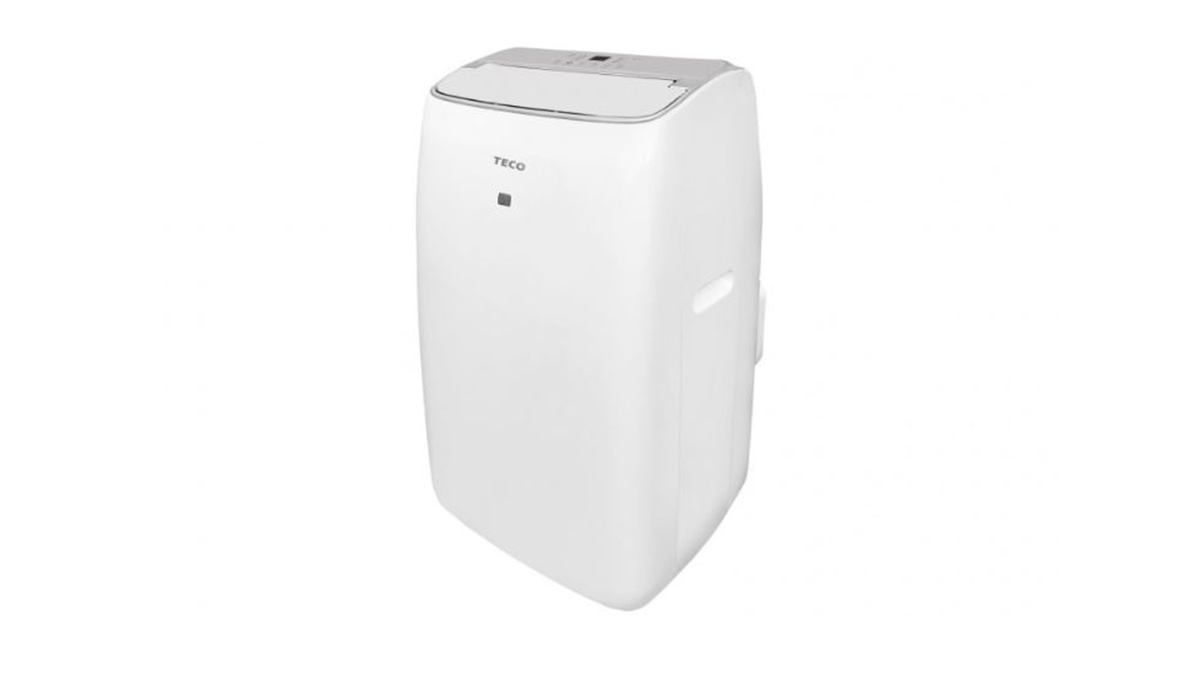
Teco
TPO42HVWAH
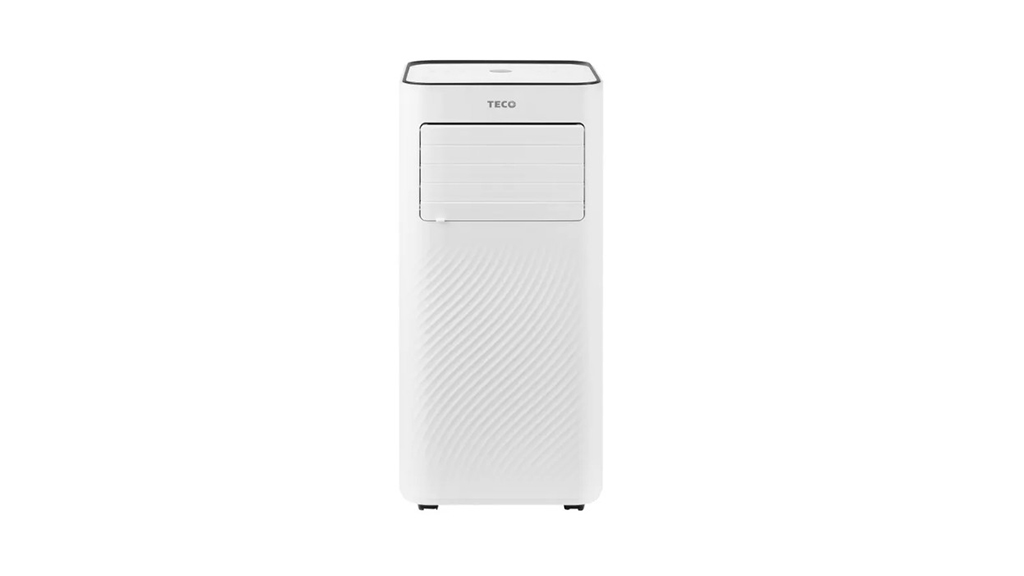
Teco
TPO41CFWUDT
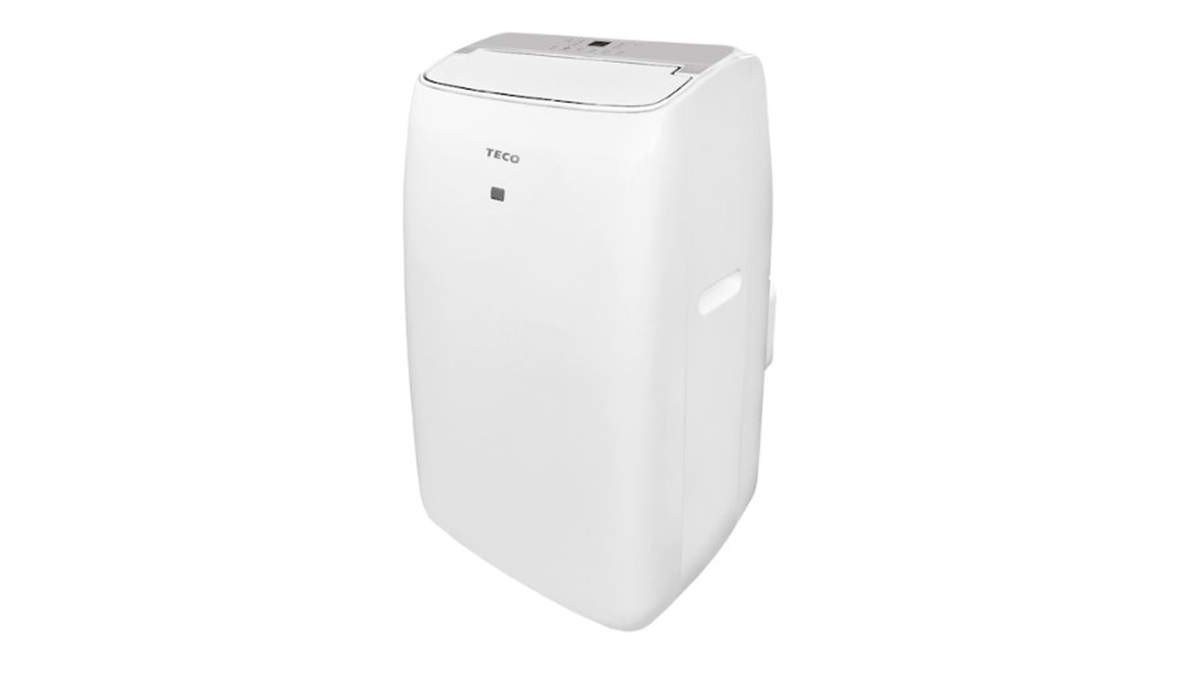
Teco
TPO26CFWAO
Teco
TPO46CFWAT
Our results reveal which air cons cool the best
We review portable air conditioners for their cooling performance, including whether they cut out humidity.
Our experts test and rate
Cooling capacity and efficiency
Best performers for a hot summer

Running costs
Save on your electricity bill with the right model

Noise levels
We compare fan noise so you can pick a quiet unit
Portable air cons to avoid
Keep your cool and steer clear of these loud and lousy units.
Portable air conditioners to avoid buying
We give each portable air conditioner an expert rating made up of:
We compare how efficiently each portable air conditioner reduces the heat in a room, based on its power input and standby power, so you know which unit cools most effectively.
We check the power used by each portable air conditioner against the cooling energy it produces, to see which unit can help you save on your power bills.

See key features side by side
Compare cooling score, noise and running costs at a glance.

CHOICE keeps the marketplace honest. Without them, manufacturers will be able to do whatever they want.
Aaron – CHOICE member

They’re here to make a difference and here to make us safe.
Allison – CHOICE member

CHOICE keeps the marketplace honest. Without them, manufacturers will be able to do whatever they want.
James – CHOICE member
Our review includes portable air conditioners from Aldi Stirling, Arlec, Bonaire, Chiq, Click, DeLonghi, Devanti, Dimplex, Ecoflow, Electrolux, Euromatic, EWT, Excelair, Goldair, Heller, Hisense, Honeywell, Hyundai, Inalto, Kogan, Midea, Olimpia Splendid, Omega Altise, Onix, Polo, Rinnai, Shinco, TCL, Teco, Yokohama and more.
Our priority is comparing the models you’ll see in stores and major online retailers. To do this, we check current market data to see what’s most popular. We’ll also look at models that a lot of members have requested.
We rate portable air conditioners based on their cooling performance, as well as energy efficiency, estimated running costs and noise levels. Using our ratings, you should be able to work out the model that’s best for you.
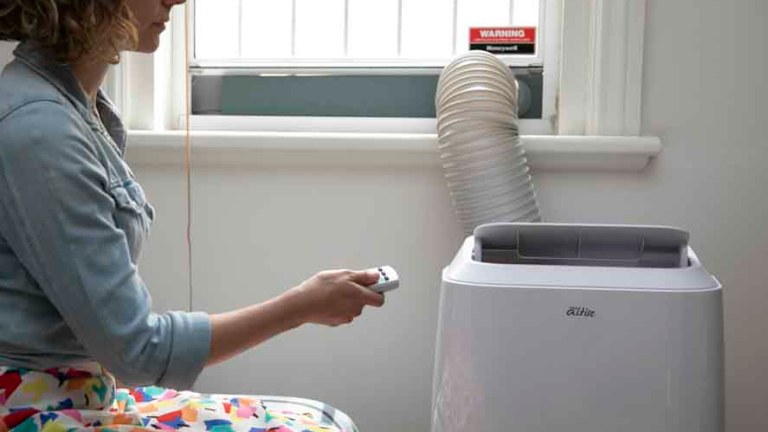
Portable air conditioners work the same way as built-in air conditioning. They suck in warm and humid air, cool and dehumidify it, then blow it back into the room. Single-duct models (with a duct connected to an open window) draw the air from the room to cool it and vent some of it outside. These units also condense water from the air while cooling. Generally, this is collected in a tank or drained away in a tube. A venting kit is usually included so you can seal the gap around the duct to stop the cool air escaping out the window.
While they’re convenient and often comparatively cheaper than split-systems, single-duct portable air conditioners aren’t as effective or efficient. They’re only really worth considering if you’re a renter and can’t make modifications to your building, or if you can’t afford the upfront costs of the built-in option. If you use your air conditioner a lot, a split-system model is likely to be more cost-effective in the long run.
Portable air conditioners can cost about twice as much to run as a split-system air conditioner of a similar size. We found the average running cost for portable air conditioners over a summer was $172, compared with $61 for a small split-system. That’s based on running the cooling mode for four hours a day, over three months, at an electricity cost of 40c/kWh.
We are nonprofit and have supported Australian consumers since 1959.

Who we are
We’re a nonprofit that’s been supporting Australian consumers since 1959.

Our mission
We work for fair, just and safe markets to meet the needs of all Australians. Just like you.

How we’re funded
Our members fund our independent testing, journalism and campaigns.
