Solar electricity incentives

As energy prices soar, solar electricity should be a smart investment – but are the incentives strong enough?
 
Get access to all CHOICE BENEFITS
$1.91/wk
*Billed quarterly


01.Introduction

Solar panel

In brief

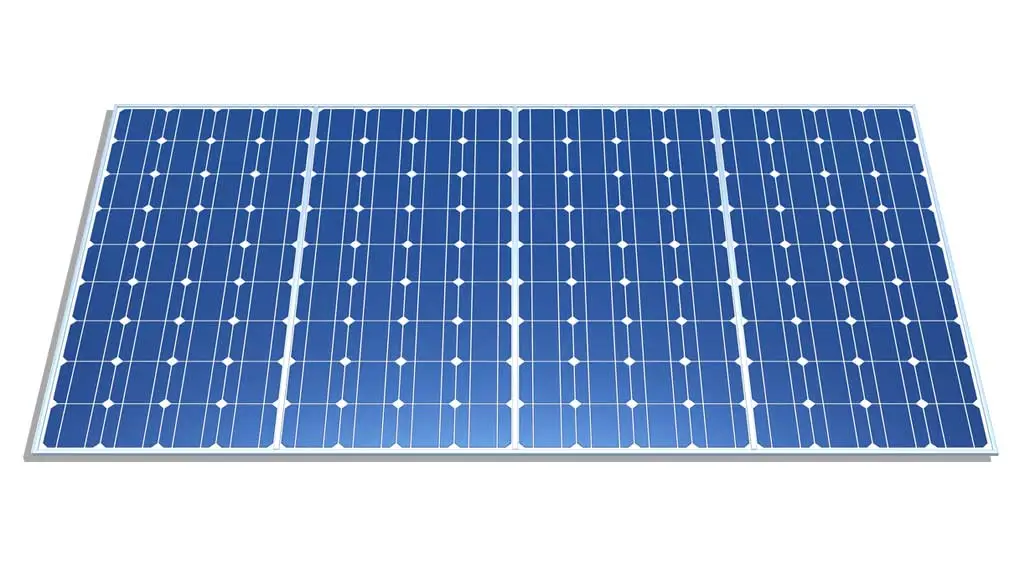
Australia is the sunniest continent on Earth, yet we lag way behind Europe, Asia and North America in solar photovoltaic (PV) panels. While we’re recognised as a world leader in solar energy research, in the past decade numerous Australian renewable energy experts have shifted overseas where there is greater funding and more government support for renewable energy development. 

State governments are currently bringing in feed-in tariffs, which essentially reward customers who purchase solar systems by paying them for any renewable energy they generate and feed into the electricity grid. However, experts contacted by CHOICE believe the model most states are adopting is too limited to have any major effect and falls well short of other countries’ more progressive and generous tariffs.

We look at the state of Australia’s solar PV industry, the incentives currently available to households and what the government could be doing to encourage future growth.

Solar Credits Scheme & RECs

The current Solar Credits Scheme (SCS) is based on the Renewable Energy Certificates (RECs) market, which provides money back to those installing solar panels or hot water on top of any rebates. For every tonne of greenhouse emissions saved (over a 15-year period), the owner receives an REC that they can trade on the market at the going rate – currently about $50 per REC.

Australia’s electricity companies are required to submit a certain number of RECs each year to contribute to achieving the national Mandatory Renewable Energy Target.

However, the number of RECs created depends on where you live, as less sunny climates are deemed to generate lower greenhouse emissions savings. Therefore, those living in Tasmania or Victoria are likely to receive less money back than northern residents. In Melbourne, the subsidy for a 1kW system might be only $4500. The SCS is capped at $7500, and the five-times multiplier only applies to systems up to 1.5kW, so people installing larger systems will only receive the value of one REC above this level.


Tune into the CHOICE Radio podcast to hear Alan Dooley and Christopher Zinn discuss the myths and hidden costs of installing photovoltaic (PV) solar panels

Subscribe to the free CHOICE Radio podcasts.


How to comment

Here's your chance to join in the debate. Just click in the comment box and let the CHOICE Community know what you think, or view all of the comments on this article.

Reporting offensive comments

If you see something offensive or something that just shouldn't be there, hit the report button and let us know immediately. View the Terms of use for user comments.


Make a Comment