How to take care of your health when you travel
Expert advice to help you stay healthy on holiday.
Last updated: 7 Jun 2016
Australians love to travel – we take more than five million trips to overseas destinations every year. And being prepared for common health problems before you head off will help ensure you’ll see more on your holiday than just the hotel bathroom.
Travel checklist
- Visit a travel health specialist and get the appropriate vaccinations for the area you’re travelling to.
- Take out travel insurance to cover hospital treatment, medical evacuation, and any activities you’ll be undertaking.
- Always carry your insurance company’s emergency assistance card with you and contact the company as soon as you need help – most insurance companies provide 24-hour advice to travellers.
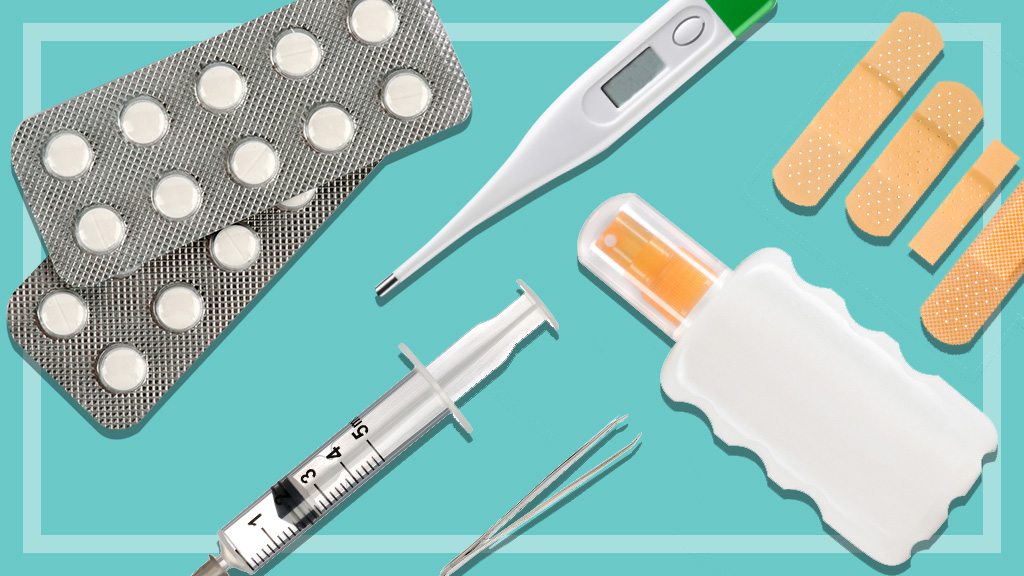
- Carry a traveller’s medical kit containing items such as headache tablets, antiseptic lotion, cotton wool, Band-Aids or similar, latex gloves, safety pins, insect repellent and hand sanitiser. Specialised kits for diarrhoea are also available from a travel doctor.
- Exercising a little care with food and drinks and good personal hygiene can help you avoid gastro symptoms.
- To avoid being bitten by disease-carrying mosquitoes, pack some good repellent and a long-sleeved shirt and long pants.
- Avoid contact with animals such as dogs and monkeys, as they could be carrying rabies.
- Have a check-up when you return home if you’ve been ill.
Do your research
While your travel agent may be knowledgeable, it’s a good idea to seek independent advice on the country you wish to travel to. Smartraveller.gov.au has comprehensive information on up to 150 countries, including the latest health alerts and advice and other potential risks (personal crime, terrorism and so on), tips on travelling with children and contact details for Australian embassies and consulates around the world. You can also register your details on the site beforehand so you can be traced in an emergency.
Vaccinations
Malaria, meningococcal meningitis, rabies, hepatitis A, hepatitis B, typhoid or various strains of encephalitis are just some of the nasties you might need to guard against. Some initial web research is a good idea.
Check the World Health Organization (WHO) disease outbreak updates to get the most accurate, up-to-date information on any countries you’re visiting.
Even if you’re from that country originally, you may have lost immunity to some diseases and be at risk, particularly if you’re spending a long time there, living in the same conditions as locals (as opposed to travelling on tourist buses and staying in sanitised, air-conditioned hotels) or travelling to remote areas.
No matter where you’re going, make sure your childhood vaccinations are up to date. This includes tetanus, whooping cough, measles, mumps and rubella. Hepatitis B is part of the standard vaccination schedule for children, but many adults may not have been vaccinated for it. Consider getting the series of shots (there are three) for lifetime protection.
If you’re over 65, your doctor may advise you to get a pneumonia vaccine before travelling overseas. All travellers should consider the influenza vaccine (flu jab) to reduce their chances of getting struck down in a place where medical care is hard to come by.
Visit a travel doctor
If you’re sticking to well-travelled tourist trails – Bali, China or Vietnam, for example – then you’re probably okay to rely on your GP’s advice. It’s when you’re venturing to more remote places that extra care should be taken. GPs may not have the expertise to know exactly what vaccinations you should have in those kinds of travel situations. You can you end up getting more shots than you need, or not enough.
Visit the doctor six to 12 weeks before you depart, to allow time for the appropriate vaccinations — some require a series of jabs. The vaccines you need depend on the country and region you’re visiting, and this is where the expert knowledge of a travel doctor comes in handy.
Destinations and diseases
Smartraveller has flagged health issues for certain destinations. Some diseases are only a risk at certain times of the year, in certain areas (rural, mountainous, forested, etc) or only occur during occasional outbreaks. Your travel doctor can give you the most up-to-date advice and cross check this with the smartraveller website.
How much does it cost?
Medicare only covers the consultation, not the shots, so the costs can quickly add up. GPs may not have all the required vaccines in stock, in which case they’ll write you a script for the vaccine. This provides the opportunity to check prices at different chemists.
Vaccination prices may be slightly higher at travel clinics, but you’re less likely to receive and pay for shots you don’t need and more likely to get well-informed advice. New vaccines are usually the most expensive. The Travel Doctor website advises you budget about $300-$600 per person (including a travel medical kit) for average trips to the remoter parts of the developing world.
The average cost of a single travel vaccine can vary from $45 to $85, with the yellow fever vaccine costing $75 per shot. Malaria pills cost between $1-$5 a day and the multi-shot regime for rabies and Japanese B encephalitis can amount to $300-$360. Doctor’s consultation fees and nurse’s fees also need to be added to determine the total cost.
If you have private health insurance, it should cover most vaccinations over $32, and you can make a Medicare claim for shots that are not specifically travel-related, such as flu shots.
Travel insurance
It is vital to take out comprehensive travel insurance as it ensures you’re covered for general medical expenses, any existing medical conditions, hospitalisations and medical evacuation.
Always carry your insurance company’s emergency assistance card with you and contact the company as soon as you need help – most insurance companies provide 24-hour advice to travellers. Often your insurer will make arrangements for you to have treatment.
Read the product disclosure statement (PDS) carefully
The Insurance Ombudsman Service recommends thoroughly reading the PDS and policy wording of your travel insurance policy to get a full understanding of any conditions, exclusions and limitations that may apply, what you need to do in order to make a claim and what’s expected of both you and your insurer.
Some common traps:
- Claims relating to pre-existing conditions may not be covered. Check the PDS for which pre-existing conditions are covered and under what circumstances, and whether an extra premium can be paid for conditions not covered.
- There may be certain procedures you must follow if you are going to claim medical expenses, such as contacting the insurer as soon as physically possible and obtaining their agreement to pay expenses; using a medical adviser specified by the insurer; or having to follow the advice of the insurer (they might advise you get treatment locally, whereas if you’d prefer to go back to Australia your evacuation may not be covered).
- Exclusions or restrictions may relate to injuries caused by risky activities such as skiing, snowboarding or riding a motorbike. While you may be able to pay an additional premium to cover these activities, there may be some circumstances where you’re not covered – for example, taking part in racing, riding a motorbike without a helmet or off-piste skiing.
Travel insurance from your credit card company
If you’re planning to use the travel insurance you can get when you buy a ticket on your credit card, obtain a copy of the policy wording from your bank or credit card provider and make sure it meets your personal needs and situation. For example, it pays to check whether the policy covers existing medical conditions, and whether the travel has to take place within a certain time of buying the ticket.
Reciprocal Health Care Arrangements
The Australian Government has Reciprocal Health Care Agreements (RHCA) with New Zealand, the UK, Ireland, Finland, Sweden, the Netherlands, Italy, Malta, Belgium, Slovenia and Norway, which cover the cost of any immediate treatment you may require. However, while this provides a safety net for Australians travelling to those countries, an RHCA won’t cover a medical evacuation back to Australia, which can cost, in extreme cases, up to $300,000.
The RHCA also won’t cover any health problems encountered while travelling to and from those countries.
What to take
Travelling with your own medicine
Many countries control or restrict imports of medication, even for personal use. Check Smartraveller for the rules of the countries you’re travelling to – you may need a certain type of documentation or there may be limits to how much you can take in.
General advice for travelling with medicine:
- Take a list of current medications (use the generic rather than brand name, as brands vary from country to country) and drug allergies. It may be useful to carry a letter from your doctor explaining what medications you’re taking and the conditions they’re for, as well as an assurance they’re for personal use.
- A prescription (including the generic drug name) can also provide evidence you have legitimate use for the drugs, and may be useful if you lose yours or it runs out.
- Carry medication in its original packaging with your name and dosage instructions.
- Check the expiry date to make sure they don’t expire while you’re away.
- Take a few days’ supply in your hand luggage in case your checked baggage goes astray.
- Be aware that counterfeit drugs are a big problem in Asia, Africa and South America, so it’s best to bring as much as you need from home. If you do need to buy medicine, buy from a reputable source, not a street market.
- If medicines have special storage requirements (being kept refrigerated, for example), talk to your pharmacist about how to manage this.
- Some conditions you’ve had previously, for example asthma, may flare up again when you’re overseas.
- It’s been advised that diabetics pack double the required insulin, putting half in your hand luggage and the rest in your hold luggage. Ask your doctor for advice on timing if you’re crossing time zones. Also take jelly beans or other quick-acting sugar fix solutions. If you don’t have a medic-alert bracelet, consider getting one.
Controlled and restricted drugs
Some countries, including Greece, Japan, Singapore and the UAE, consider codeine to be a narcotic, so if you take painkillers containing codeine you may need to carry documentation or take alternative painkillers.
Amphetamine drugs for ADHD and pseudoephedrine (a decongestant found in cold and sinus medicines) are other commonly used medications that are restricted or controlled in many countries.
The UAE, a common stopover en route to Europe, has an extensive list of controlled and restricted drugs including painkillers; cough, cold and flu medicines; psychiatric medications; hormones (including contraceptives); and anti-acne and anti-diarrhoeal medications.
Travel medical kit
Take a small travel medical kit to deal with common problems. Useful items in developing countries include:
- painkillers (paracetamol, NSAIDs and/or aspirin)
- diarrhoea medicine (such as loperamide)
- oral rehydration salts (such as Gastrolyte or Hydrolyte)
- antiseptic lotion and/or ointment
- Band-Aids and other wound dressings (including gauze swabs, bandages and medical tape)
- insect repellent
- sunscreen
- latex gloves
- a thermometer
- a pair of tweezers
- respiratory medicine if you are prone to respiratory problems
- motion sickness medicine if you are prone to motion sickness.
Your doctor may also suggest carrying antibiotics in case of diarrhoea or severe respiratory infections. The more remote or primitive the conditions, or the more adventurous the travel, the more you should consider taking. Talk to your doctor or travel agent about extra requirements you may have.
Avoiding sickness
No one wants gastro symptoms, such as diarrhoea, nausea and vomiting. But they’re the most common health issues encountered by travellers, especially in developing countries. They’re usually caused by bacteria such as E. coli, campylobacter or salmonella; parasites including cryptosporidium and giardia; or dysentery (bacterial or amoebic). Other causes are typhoid and cholera.
The bugs are spread in contaminated food and water, so the best way to prevent diarrhoea and other gastro symptoms is to maintain good personal hygiene and avoid foods and drinks likely to cause problems.
- Salad and other raw or unpeeled fruit and vegetables may be contaminated by unclean water or bugs in the soil (in some countries human sewage is sometimes used as fertiliser).
- Any food can be affected by poor storage and handling procedures. In particular, avoid uncooked, undercooked or reheated meat, poultry and fish, and be wary of crustaceans, shellfish and dairy foods.
- Boiled or purified water, or bottled water with a properly sealed lid (bottles are sometimes refilled with unclean water) should be used for drinking and when brushing teeth.
- Soft drinks, beer and wine are low risk.
- Ice and drinks with ice in them should be avoided.
As well as food, drinks and related utensils, you can pick up germs from all sorts of things, including money, shaking hands with people, door handles, hand rails, hotel room surfaces, tap handles, touching animals or even handling fresh produce in markets. So it’s a good idea to wash your hands frequently throughout the day, and always after using the toilet and before eating.
Extra measures you can take if you really want to reduce the risk of sickness are to use a disposable paper towel or tissue to turn off the tap, and don’t use a communal cloth towel to dry your hands. Watch how many people don’t wash their hands after using the toilet, and then consider using a disposable paper towel, a tissue or part of your clothing when opening the bathroom door!
It’s not always easy to find somewhere to wash your hands before eating, such as when tempted by street vendors’ fare, so alcohol or anti-bacterial hand wipes or liquid hand sanitiser are alternatives, and can be used regularly throughout the day.
Extreme weather
Lazing around in hot weather is unlikely to cause problems for most people, but doing strenuous exercise or exercising for a long time when you’re not accustomed to the heat can cause conditions such as heat stroke, dehydration or hyponatraemia (caused by drinking too much water without replacing salts lost through sweating). In some cases (such as sports or hiking in the tropics or desert) an acclimatisation program may be beneficial.
Wearing lightweight, loose and light-coloured clothing with a broad-brimmed hat can provide ventilation for evaporation and reduce exposure to radiant heat from the sun. If you’re sweating a lot, drink plenty of fluids and eat salty snacks (most sports drinks don’t contain enough salts to replace those lost). And don’t forget the SPF 50+ sunscreen.
Bothersome bugs
The world’s most deadly animal is frighteningly common. The mosquito carries diseases including dengue fever, malaria, Japanese encephalitis, Zika virus, filiariasis, chikungunya fever and Ross River fever. Even if the disease doesn’t kill you, symptoms can be debilitating and it can take a long time to recover. The best prevention is to avoid contact with mozzies, and you can also:
- use physical barriers (long pants and long-sleeved tops, bed nets)
- avoid being out during biting times (usually dawn and dusk, but some species bite all day)
- avoid attracting them (perfumes and dark clothing attract mozzies)
- use chemical protection (repellent containing DEET or picaridin; permethrin-impregnated clothing, bedding and nets)
- use natural protection (citronella, lemon balm or peppermint oil).
Ticks are another problem insect, and can cause serious diseases, including encephalitis and Lymes disease. Insect repellent and permethrin-impregnated clothing will help keep them at bay.
Bed bugs are small, non-flying biting insects that live in furniture, especially beds. They’re most active at night, and are increasingly reported to be in hotels, even upmarket ones, all around the world. While the effects aren’t serious, the itching is definitely a nuisance and you may end up inadvertently bringing them home as a souvenir. Look for small dark spots on sheets, and check crevices in the bed frame and walls near the bed for signs of the insects.
Motion sickness
Hyoscine hydrobromide (Kwells) is an effective drug for reducing nausea associated with motion sickness, and can be bought over-the-counter from a pharmacy. Ginger tablets or chews may help some people in some situations, although study results are inconsistent. The evidence for acupressure bracelets is less convincing, but at least they do no harm.
Deep vein thrombosis (DVT)
DVT occurs when clots form in the blood vessels in the legs, which can lead to a heart attack and stroke. DVT is referred to as ‘Economy Class Syndrome’ because sitting in cramped conditions for long periods can increase your risk.
However, flying isn’t the only risk. Research from New Zealand revealed that you’re more likely to get DVT from sitting at your desk for extended periods than sitting on a plane.
Risk factors include having a family history of DVT or pulmonary embolism, recent surgery, smoking, being obese, pregnant or over the age of 40.
To reduce your risk during a long flight:
- Stand up and walk around regularly and do exercises such as leg stretches every half an hour.
- Drink at least one litre of water for every five hours you’re flying, and avoid alcohol and caffeinated drinks before and during the flight.
- Wear loose-fitting clothing.
- Avoid sleeping tablets as they limit your mobility.
- Avoid crossing your legs and elevate your legs when possible.
- Talk to your doctor if you have any risk factors for DVT.
If you do get sick…
Treating diarrhoea
Treatment for diarrhoea depends on the cause – in simple cases that only last a day, rest and rehydration with electrolyte drinks may be enough.
However, if it lasts longer, is accompanied by fever, or if there is blood in the stools, antibiotics or other treatment may be needed. Your GP or travel doctor can advise you on an action plan, and perhaps provide antibiotics to take with you just in case. Otherwise see a local doctor recommended by your travel insurance company or, depending on the type of accommodation you’re staying in, the hotel concierge may be able to recommend a doctor.
Stoppers like loperamide (Imodium) can be useful if you have to get on a bus or plane, but this keeps the infection within you so you have it for longer.
Karina worked at CHOICE from 2000 to 2018, and continues to contribute as a freelancer, mostly on health and lifestyle matters.
You can find me on LinkedIn.
Karina worked at CHOICE from 2000 to 2018, and continues to contribute as a freelancer, mostly on health and lifestyle matters.
You can find me on LinkedIn.
Jodi Bird is the Managing Financial Content Editor at CHOICE. Previously at CHOICE, he worked as Travel project lead and as a Finance specialist.
Jodi has extensive experience in financial services, having worked with major banks such as CBA, Westpac and Credit Suisse. He enjoys breaking down complex consumer decisions into easy to understand steps and holding companies to account for failing their customers. He is regularly called upon for expert commentary by major broadcasters such as the ABC, SBS, and Channels 7, 9, and 10.
Jodi has a Bachelor of Commerce majoring in Economics from the University of Wollongong. He is RG146 compliance certified to provide general advice for General Insurance and is a Responsible Manager on CHOICE's Australian Financial Services License. LinkedIn
Jodi Bird is the Managing Financial Content Editor at CHOICE. Previously at CHOICE, he worked as Travel project lead and as a Finance specialist.
Jodi has extensive experience in financial services, having worked with major banks such as CBA, Westpac and Credit Suisse. He enjoys breaking down complex consumer decisions into easy to understand steps and holding companies to account for failing their customers. He is regularly called upon for expert commentary by major broadcasters such as the ABC, SBS, and Channels 7, 9, and 10.
Jodi has a Bachelor of Commerce majoring in Economics from the University of Wollongong. He is RG146 compliance certified to provide general advice for General Insurance and is a Responsible Manager on CHOICE's Australian Financial Services License. LinkedIn