01.Hearing aids
Hearing loss is the most common physical condition in Australia after back pain. Around 22% of people aged 15 and over are hearing-impaired, and each year more than 100,000 of them choose to be fitted with hearing aids.
What types of hearing aids are available?
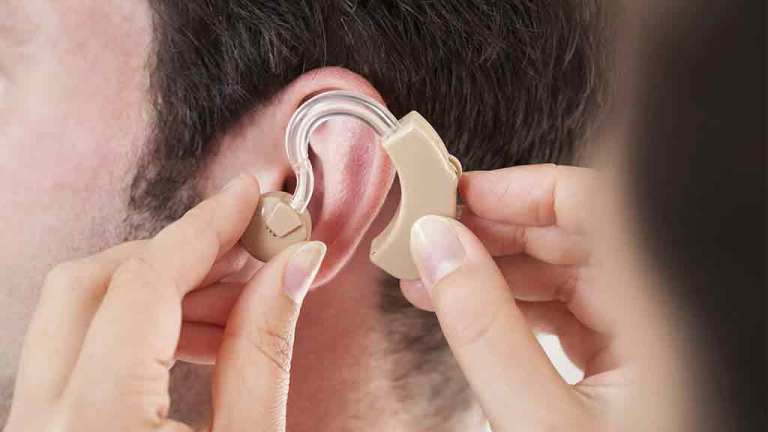
- The most common hearing aids are the ones worn behind the ear (BTE). They're relatively easy to maintain and are suitable for all levels of hearing loss.
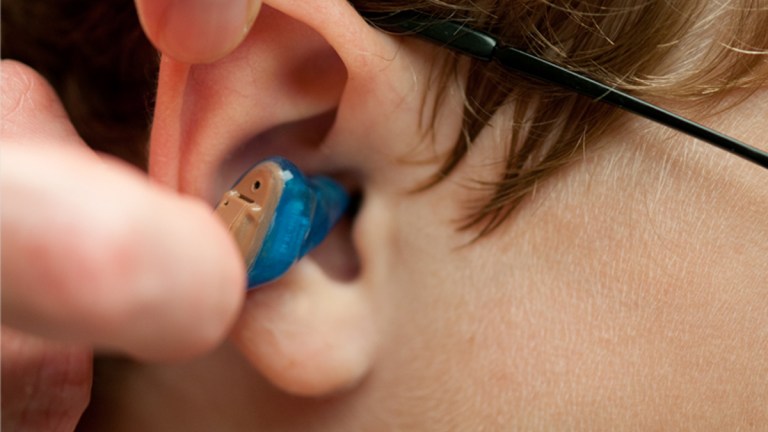
- Hearing aids worn in the ear (ITE), in the canal (ITC) or the smallest type, completely in the canal (CIC), are suitable for mild to moderate hearing loss.
- People with profound hearing loss can benefit from body-worn hearing aids, where you wear the electronics in a pocket and a fine cable connects it to an earpiece.
- Bone anchored hearing aids (BAHA) allow for direct stimulation of the inner ear and can be an option for those who can't use conventional aids.
- Cochlear and auditory brainstem implants are effective in some cases of profound deafness.
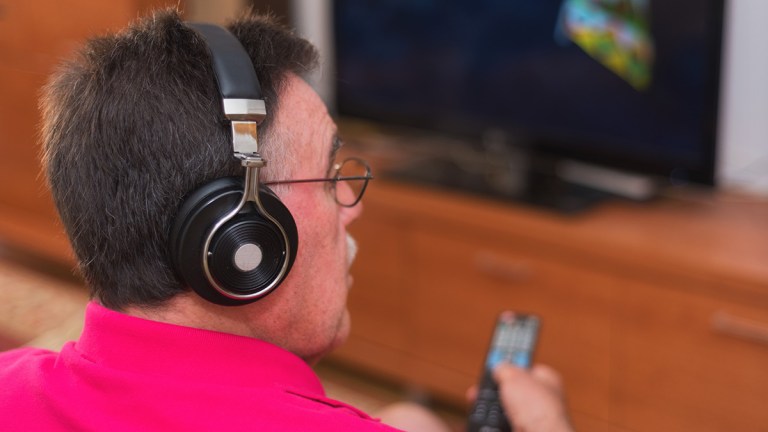
For limited hearing problems, an alternative (or assistive) listening device (ALD) may be all that’s required — for example, TV headphones, telephone typewriters (TTY) or vibrating alarm clocks.
Please note: this information was current as of July 2006 but is still a useful guide today.
Are you eligible for free hearing services?
Hearing aids aren't covered by Medicare, but children, most pensioners, part-pensioners, veterans and their dependants are eligible for free hearing services under the Australian Government's hearing program:
- The Office of Hearing Services (OHS) provides vouchers to eligible people for a free hearing assessment, hearing rehabilitation and hearing aids or ALDs. Voucher applications are available from your GP or specialist, or directly from the OHS: phone 1800 500 726 or TTY 1800 500 496, or visit www.health.gov.au/hear.
- The hearing aids available free of charge include basic BTE and ITE models. More specialised styles are available for people with special needs.
- If you're after aids with higher-technology features, you'll have to pay your provider the difference between the cost of these 'top-up' aids and that of appropriate aids that could be fitted free.
Not eligible?
If you don't qualify for free hearing services there are still some ways to reduce your costs:
- If you're privately insured for ancillary benefits, your health fund may pay part of the cost of a hearing aid.
- Tax relief is available for medical expenses that you pay above $1500 per year. So keep your receipts.
- If you can't afford new hearing aids, you may be able to get recycled ones from a hearing aid bank for a low administrative fee.
Getting professional advice
You can get a hearing assessment from an audiology department in a major hospital, usually free of charge, or from a practitioner in private practice.
The first consultation generally involves testing and diagnosis. A second consultation may be needed if hearing aids are recommended. During these consultations, your hearing services provider should:
- Do an audiogram and explain the results.
- Explain the benefits and limitations of different types of hearing aids, if aids are recommended.
- Give you a detailed quote.
- Agree to a trial period of at least 30 days.
- Outline a plan for how to get the best from your new hearing aid and make arrangements for a follow-up visit.
Shopping around
There can be huge price differences between providers for the same hearing aids so it pays to shop around.
- Ask the first provider you see for a copy of your audiogram. You'll probably have to pay a fee.
- Equipped with the results of your hearing test and one practitioner's recommendations, you could try getting a few phone quotes from other providers for the same or a similar aid.
- Know what features you want so you don't end up comparing one brand's top-of-the-range aid with another's cheaper, mid-range model.