Brand
Price
Annual running cost
Top filters (6)
Recommended
CHOICE Expert rating
Performance score
Tri-band router (6GHz)
Free parental controls
Shop Ethical rating
Test results (5)
Features (4)
Specifications (3)
Sort by
Filter by
Best wireless routers


Most Aussie homes connect to the internet via the National Broadband Network (NBN), which can supply superfast download speeds up to 2000 megabits (or two gigabits) per second. The infrastructure has improved, but when was the last time you upgraded your home network gear?
Not only can the latest wireless routers tap into these speeds, they also offer improved security features and parental controls to help keep your young ones safe online. They’re also great for larger households, like families and share houses, with enough bandwidth to go around (assuming you have a suitable internet plan).
Our wireless router test helps you find the models that:
- Deliver the best performance for single and multiple concurrent users.
- Maintain a strong signal through obstructions such as walls, doors and multiple floors.
- Are the easiest to use.
- Have the best parental controls to filter harmful/adult content.
CHOICE router reviews are free to read as part of a paid partnership with NBN Co. All CHOICE testing and reviews are conducted independently by experts.
We’ve also partnered with Shop Ethical on this update to show the ratings the Ethical Consumer Group gives to each company.
Shopping links on this page
CHOICE is an independent, nonprofit organisation. Some of our links go to retailers, and we may earn a small commission if you buy. This never influences any of our rankings. The money we make goes straight back into our nonprofit mission.

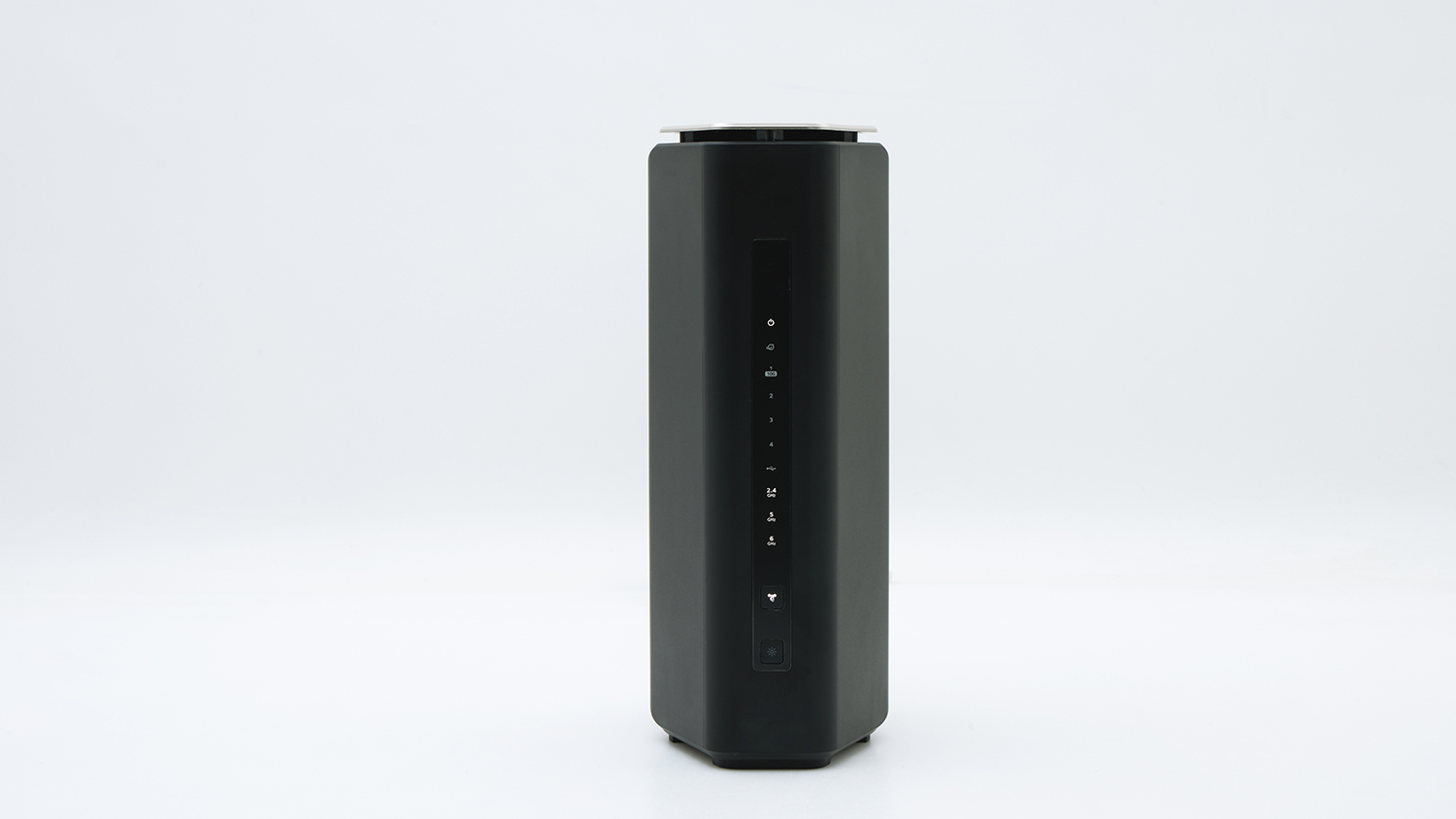
Netgear RS600
Wi-Fi 7 router
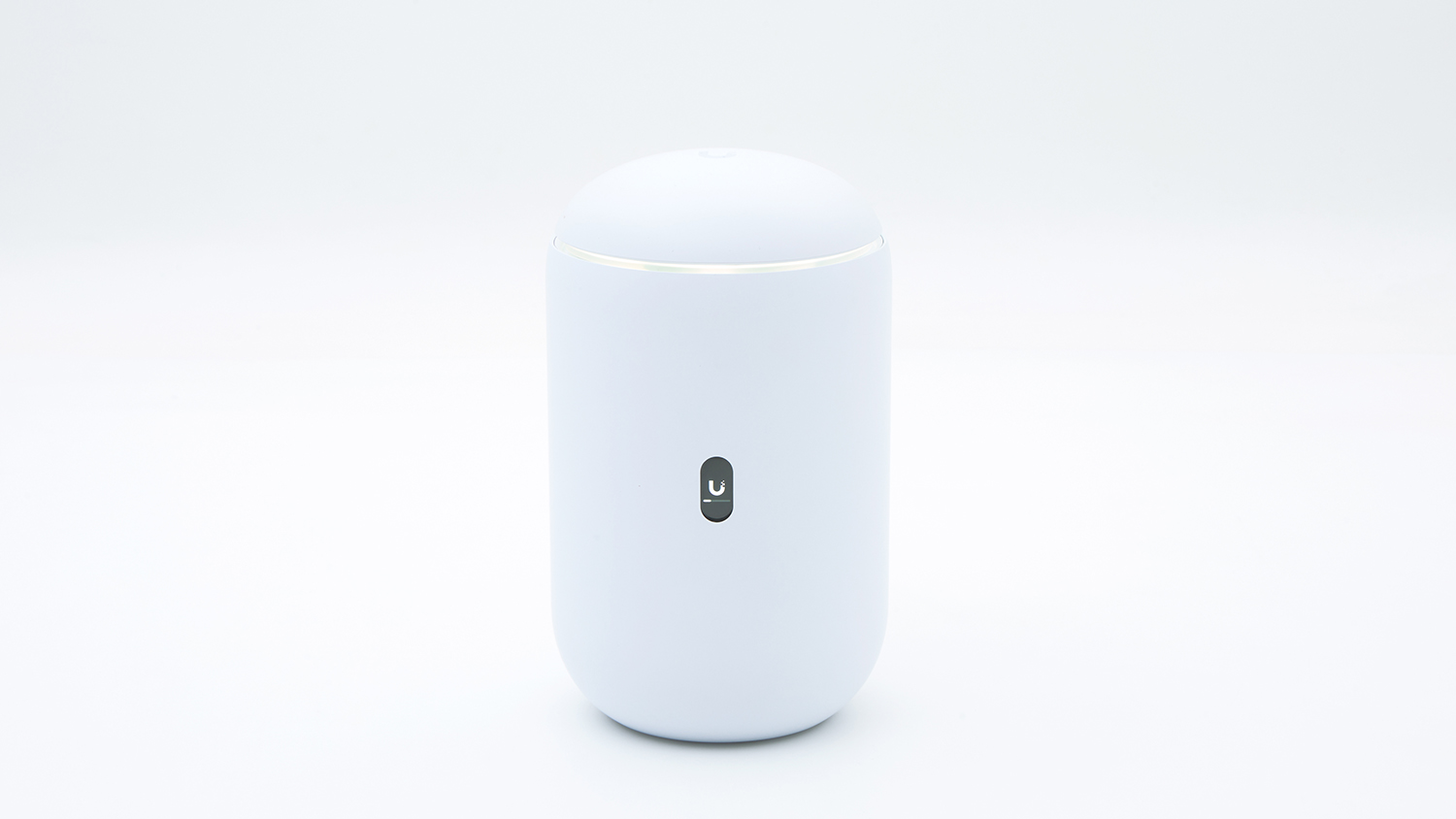
Ubiquiti UniFi Dream 7 Router UDR7
Wi-Fi 7 router
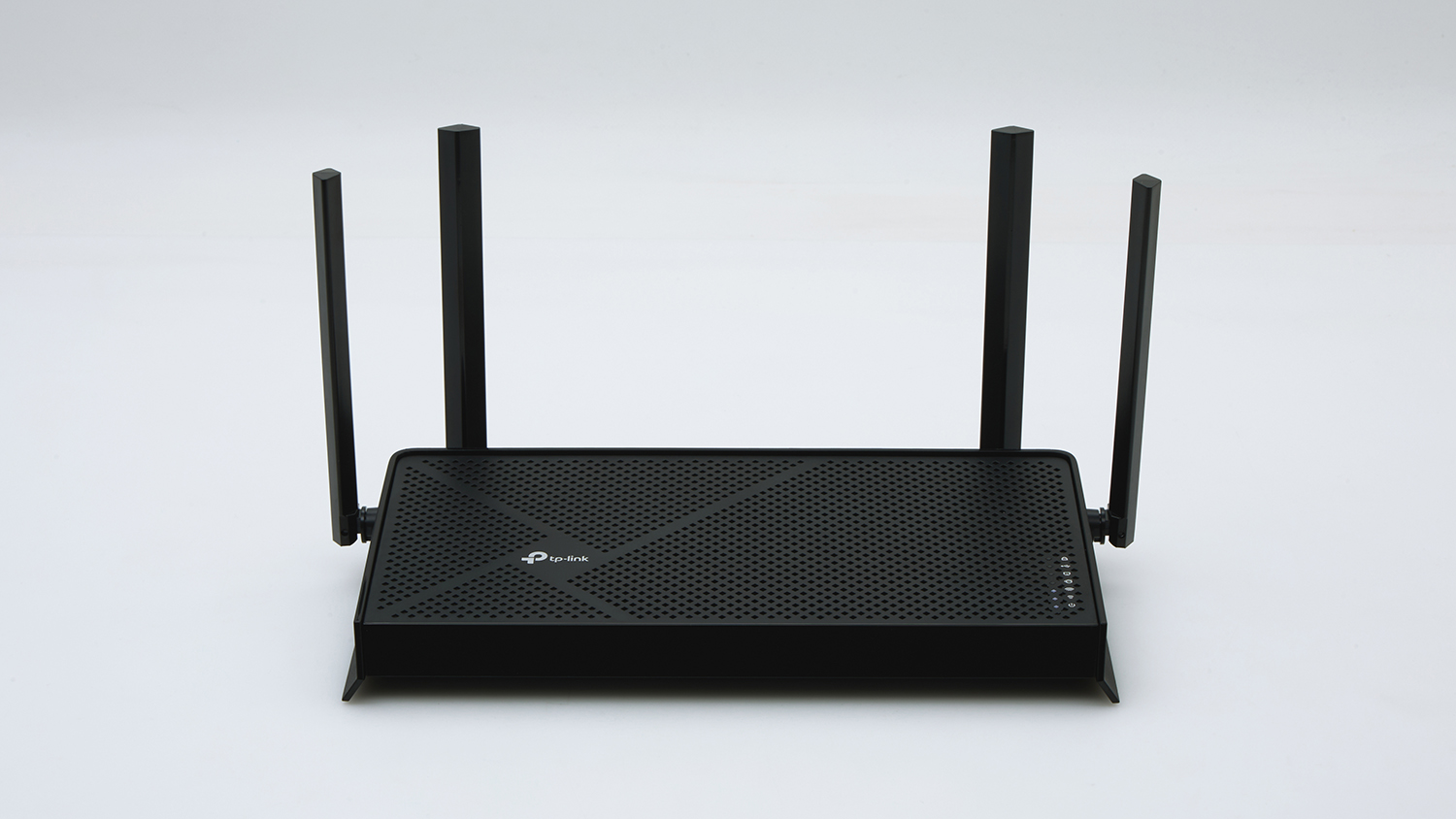
TP-Link Archer BE230
Wi-Fi 7 router
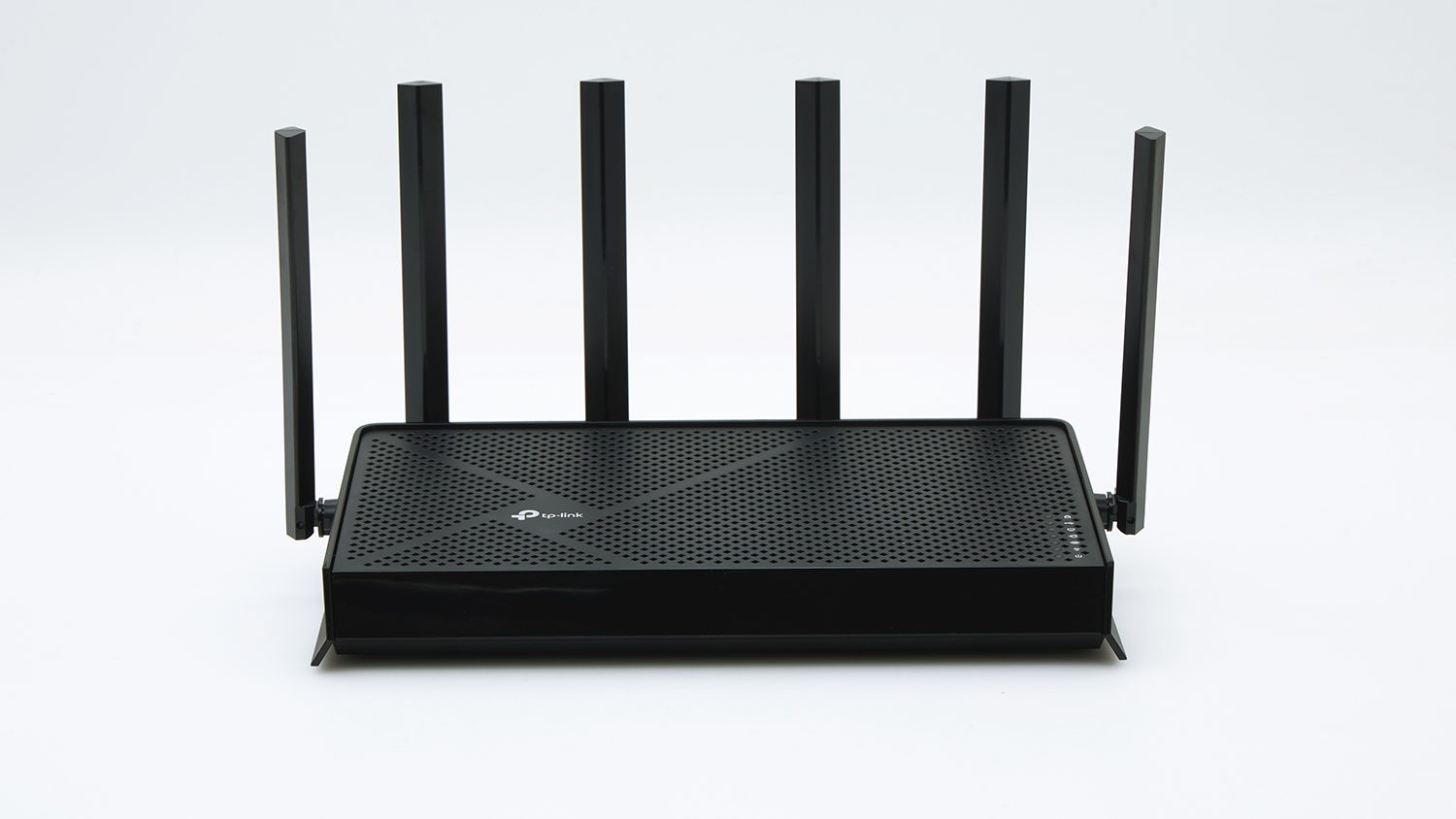
TP-Link Archer BE400
Wi-Fi 7 router
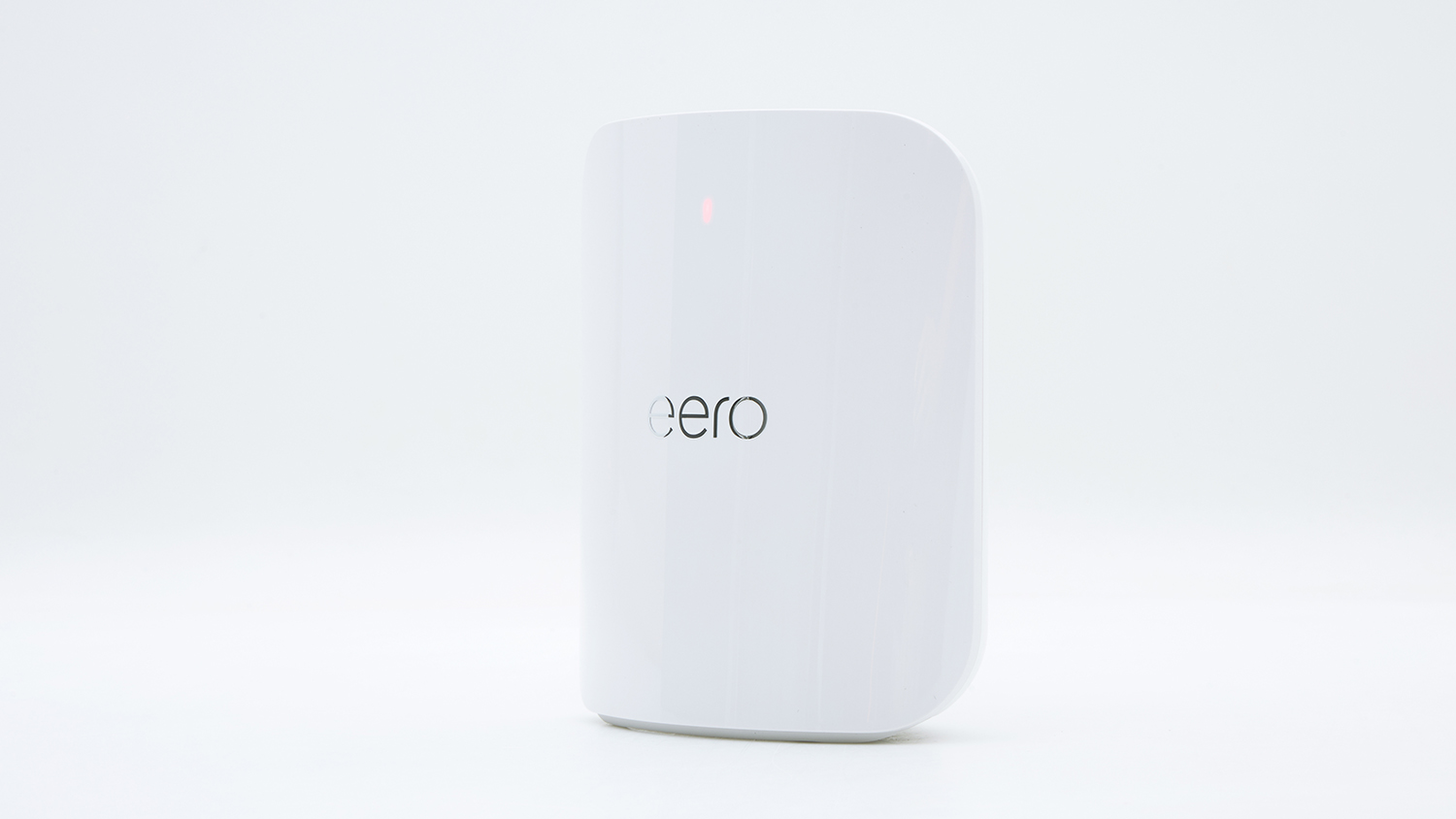
Eero Pro 7
Wi-Fi 7 router
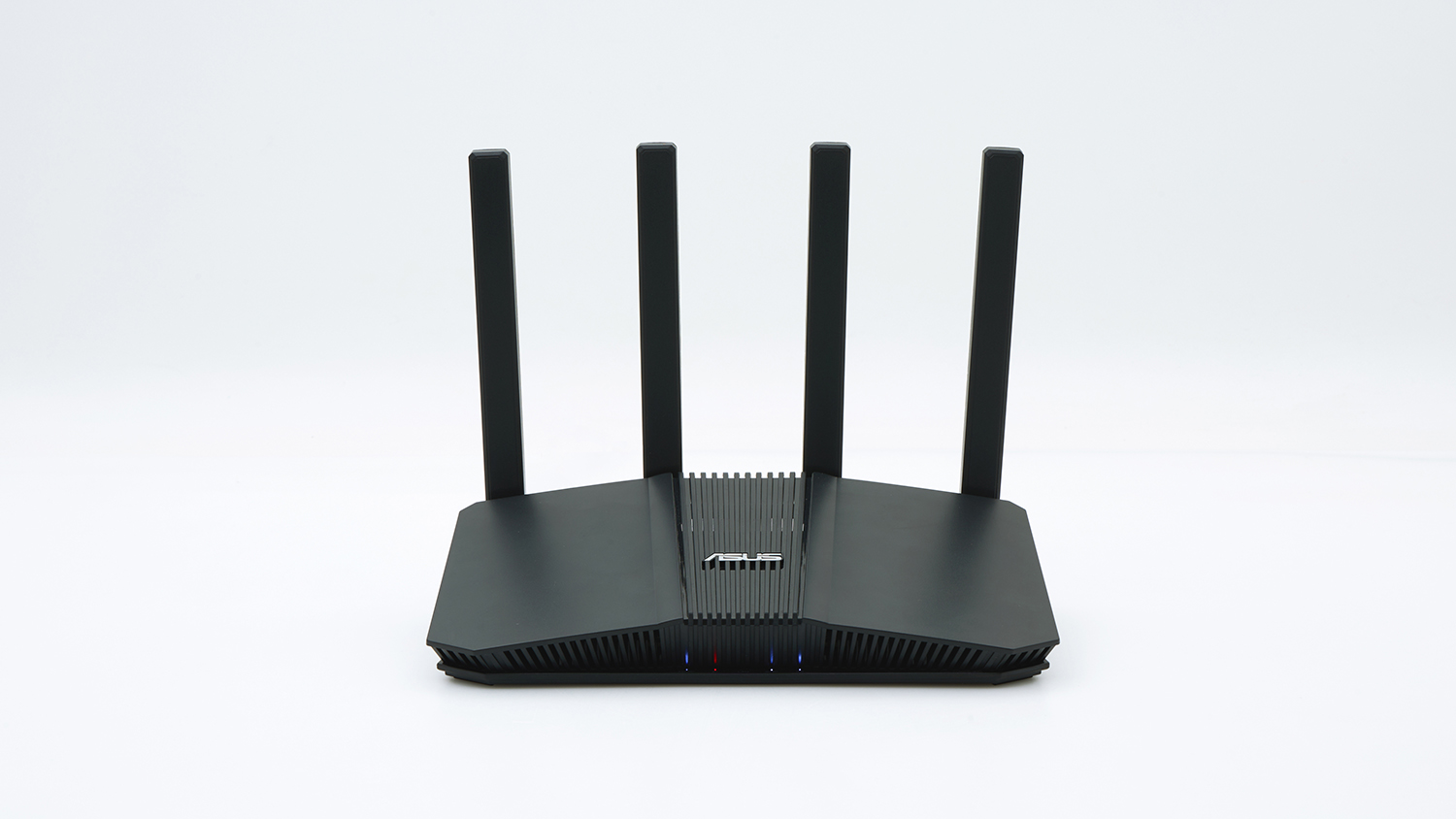
Asus RT-BE58U
Wi-Fi 7 router
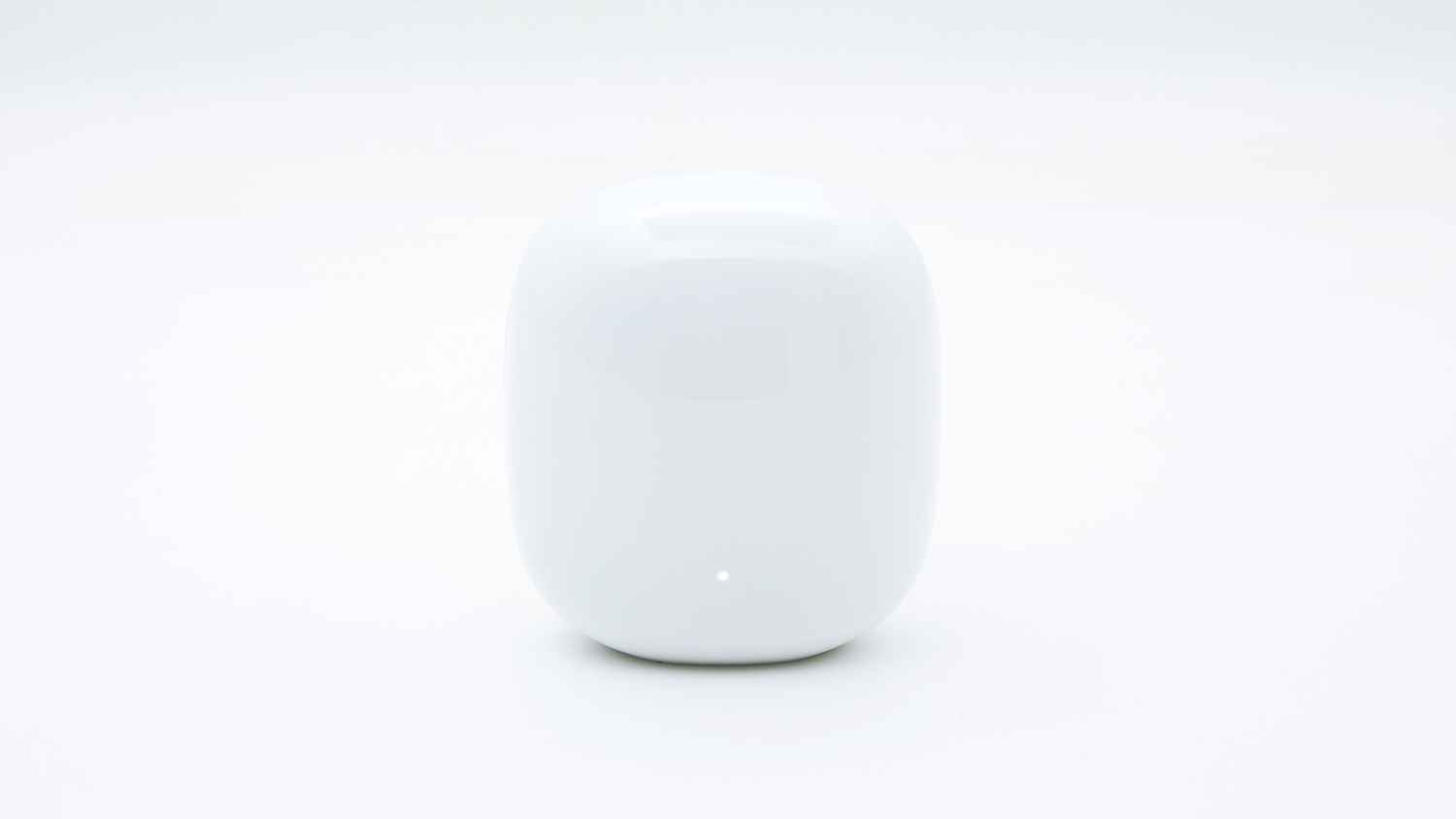
Google Nest Wifi Pro (GA03690-AU)
Wi-Fi 6E router
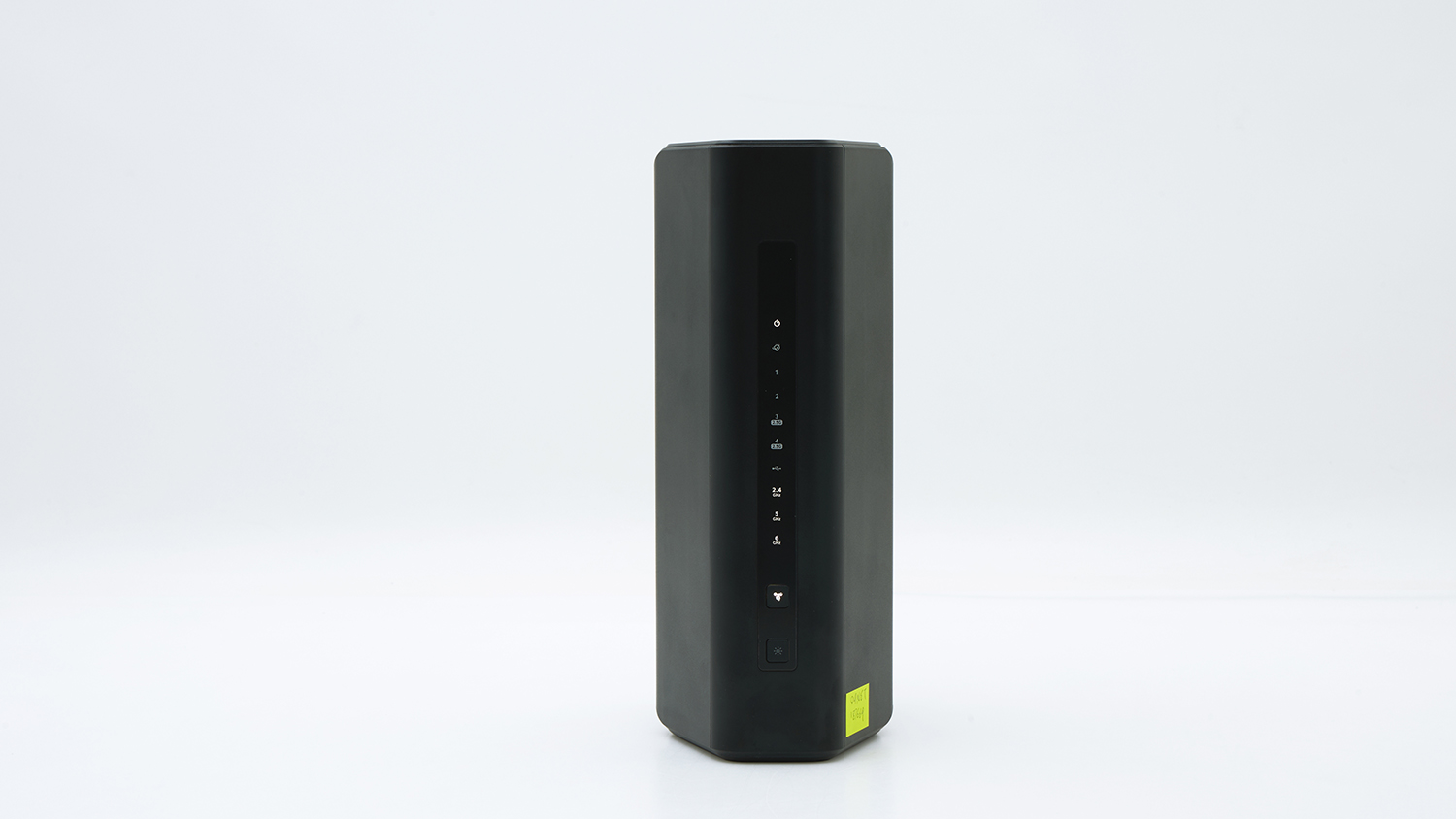
Netgear RS300
Wi-Fi 7 router
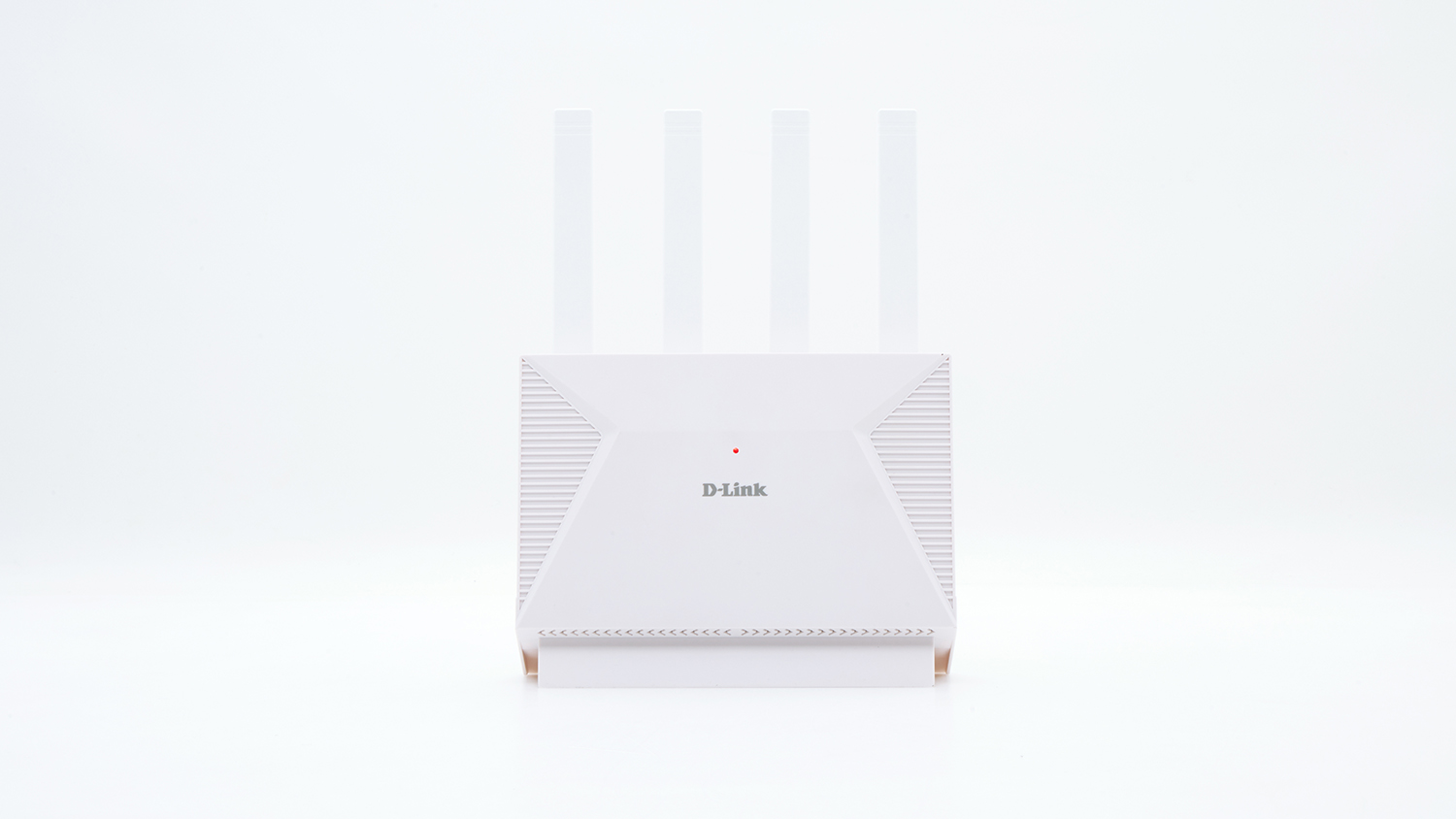
D-Link DIR-BE3602
Wi-Fi 7 router