Member-only content

Stroller and pram reviews

We've tested 128 strollers for safety, durability and ease of use.
 
Get access to all CHOICE BENEFITS
$1.91/wk
*Billed quarterly


  • Updated:15 May 2013
  • Author:Rebecca Ciaramidaro
  • rateraterateraterate: Member rating
 

01 .Introduction

stroller and pram reviews

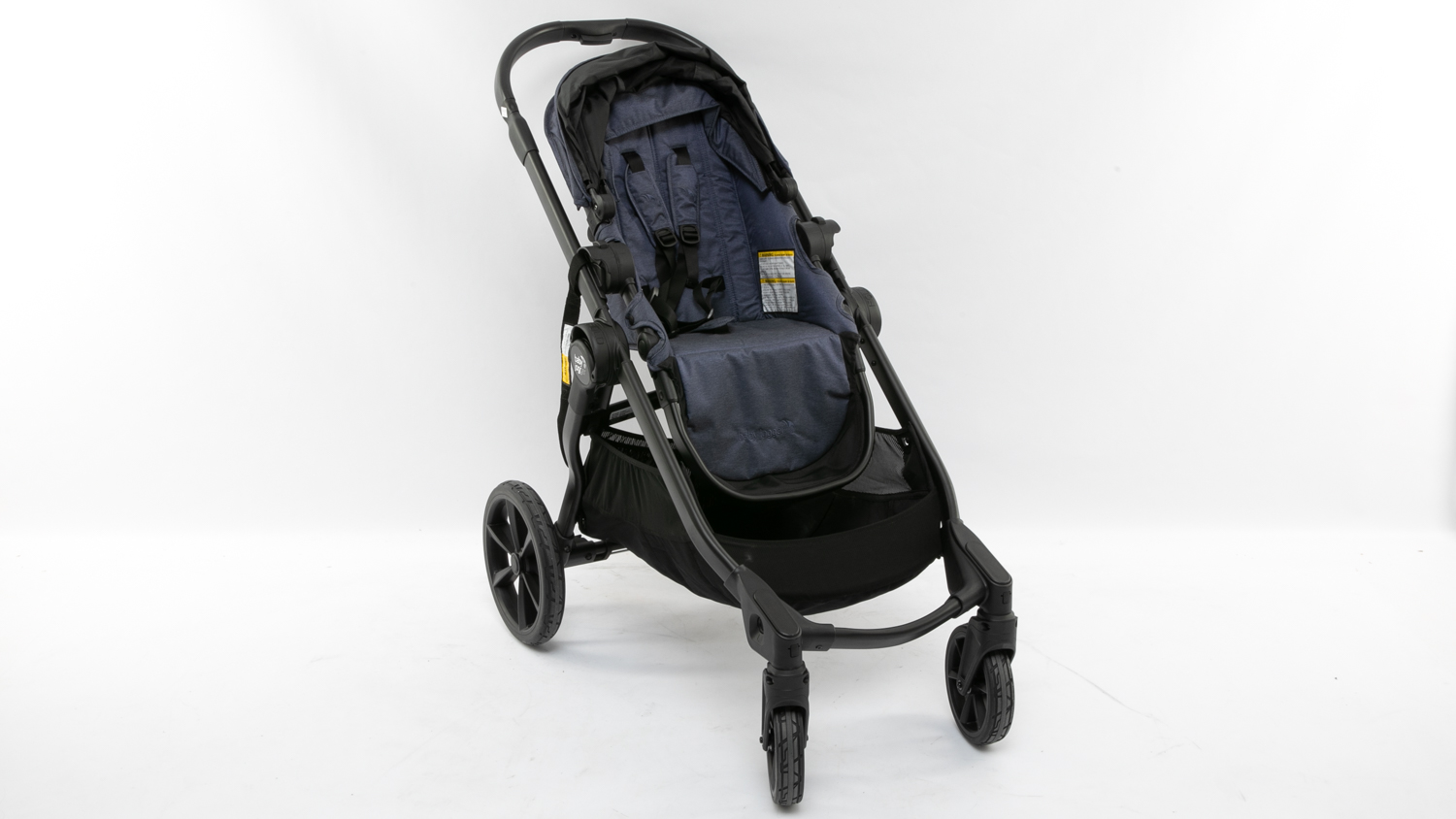
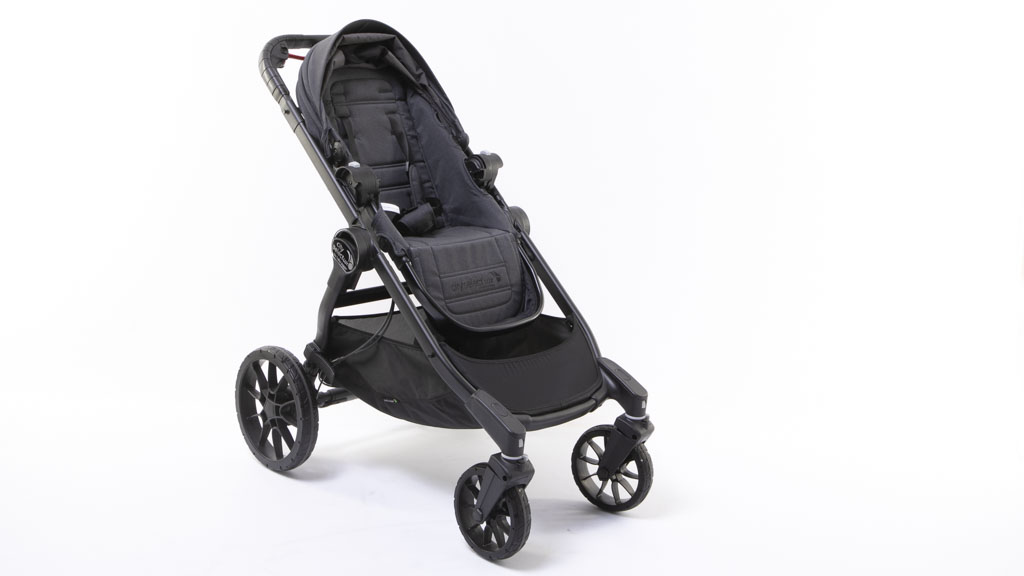
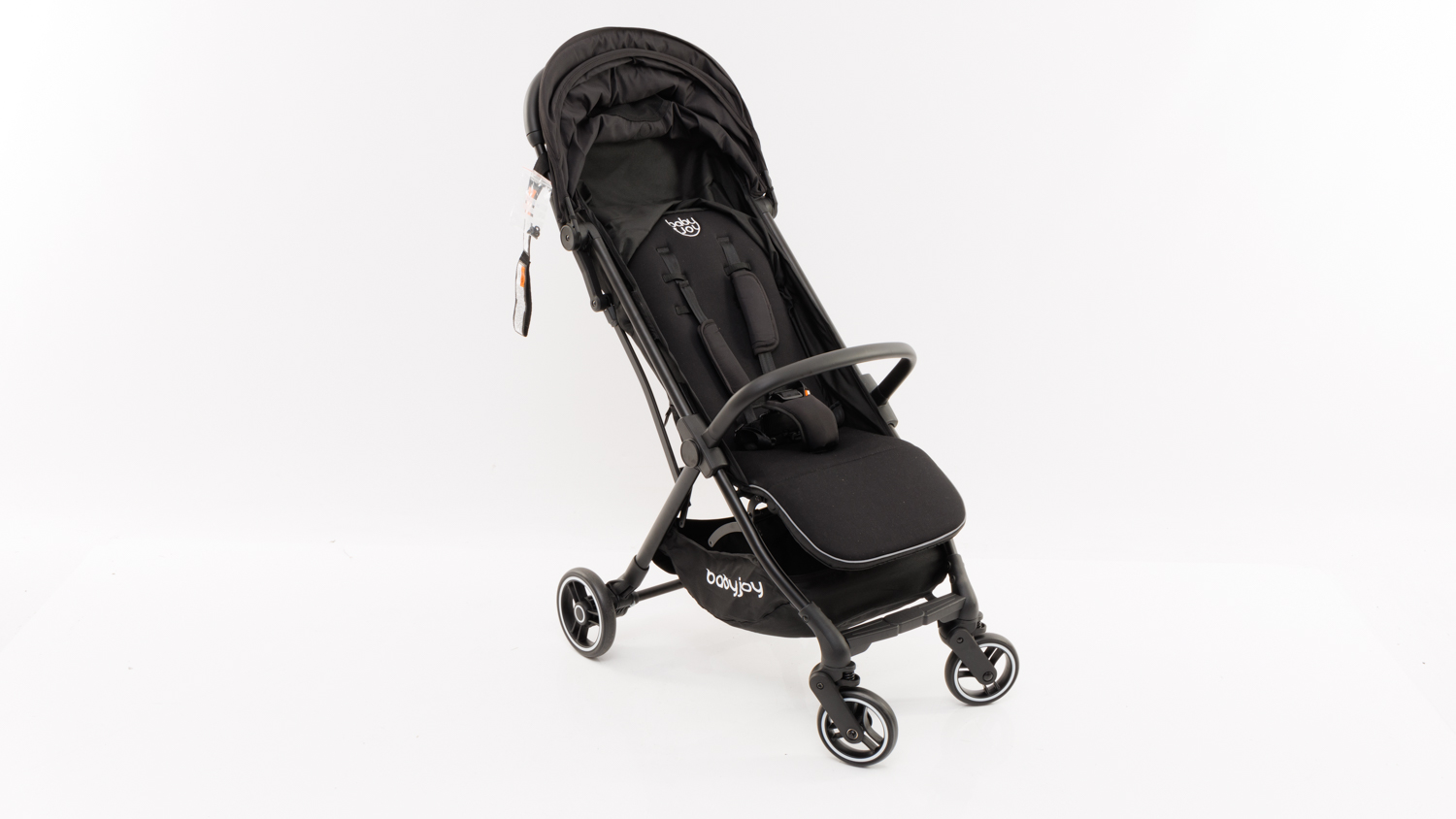
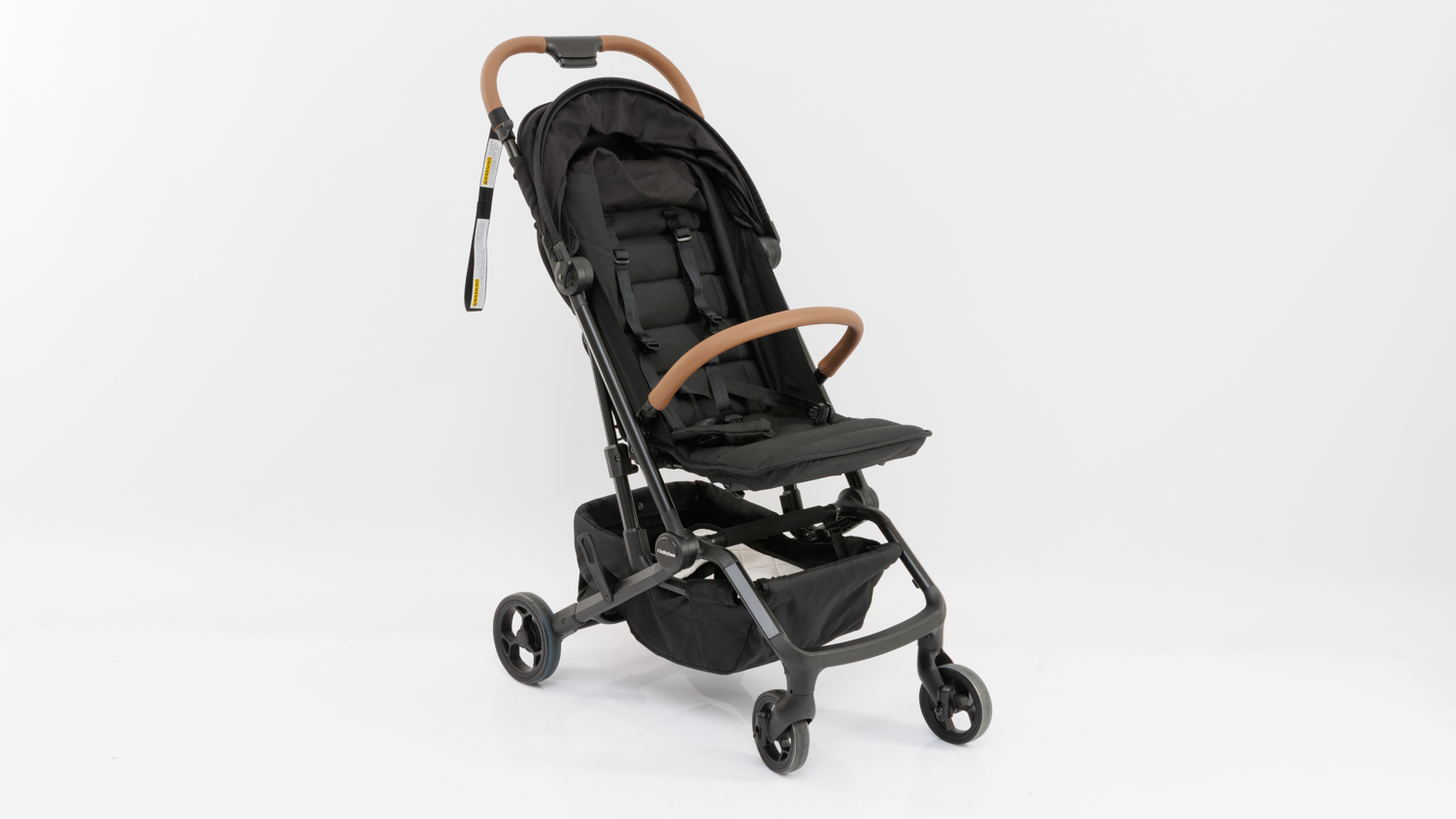
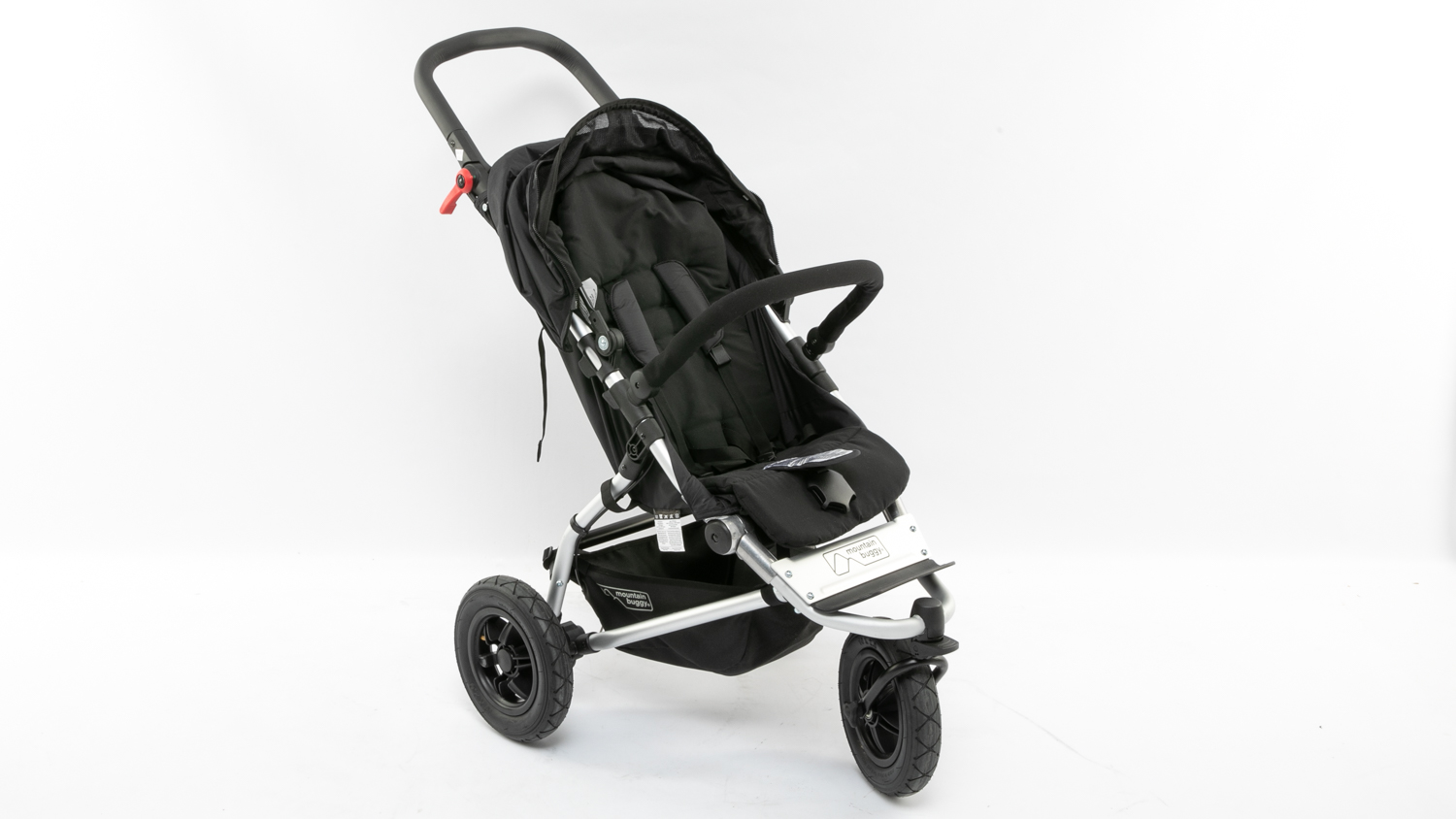
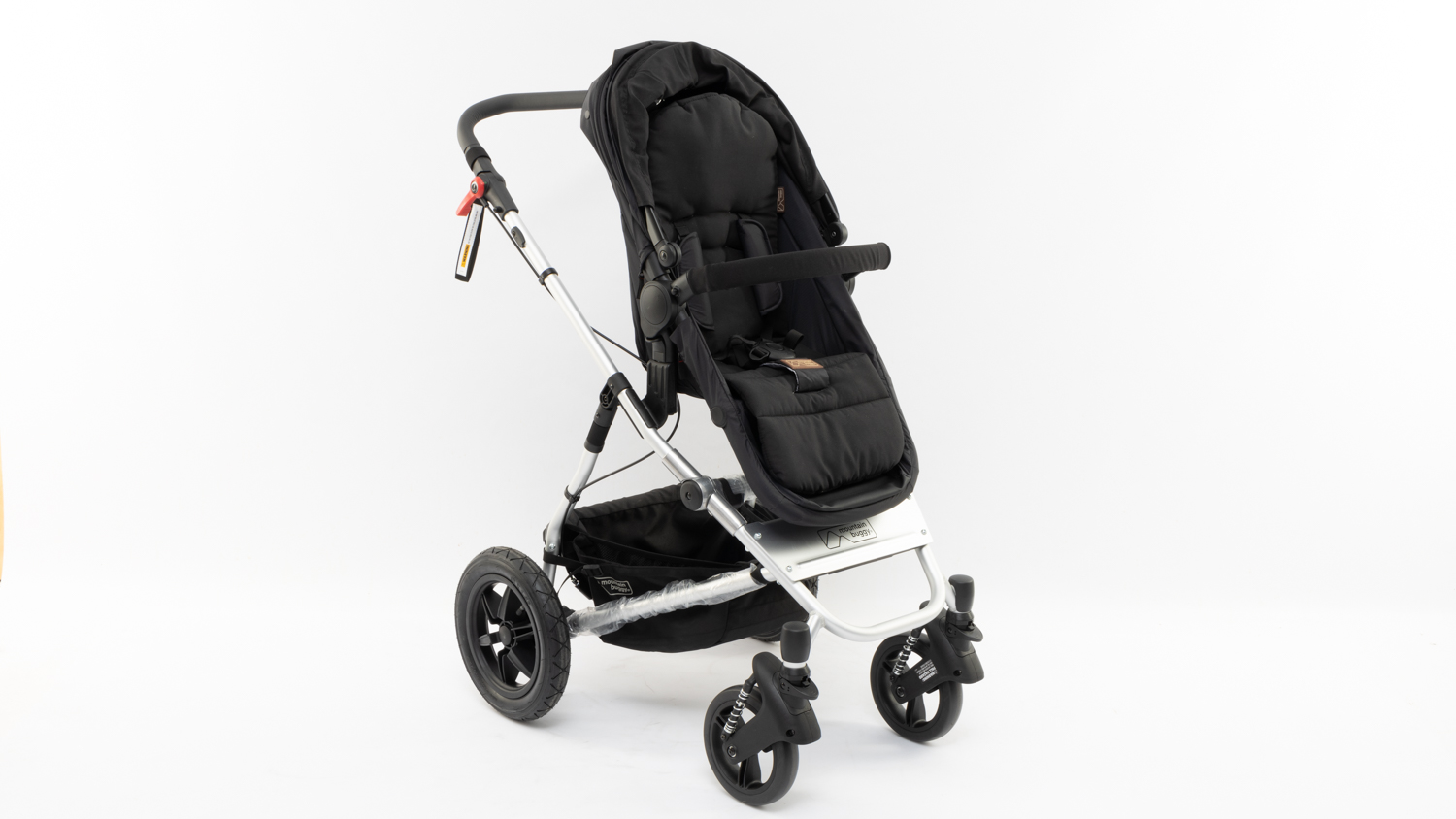
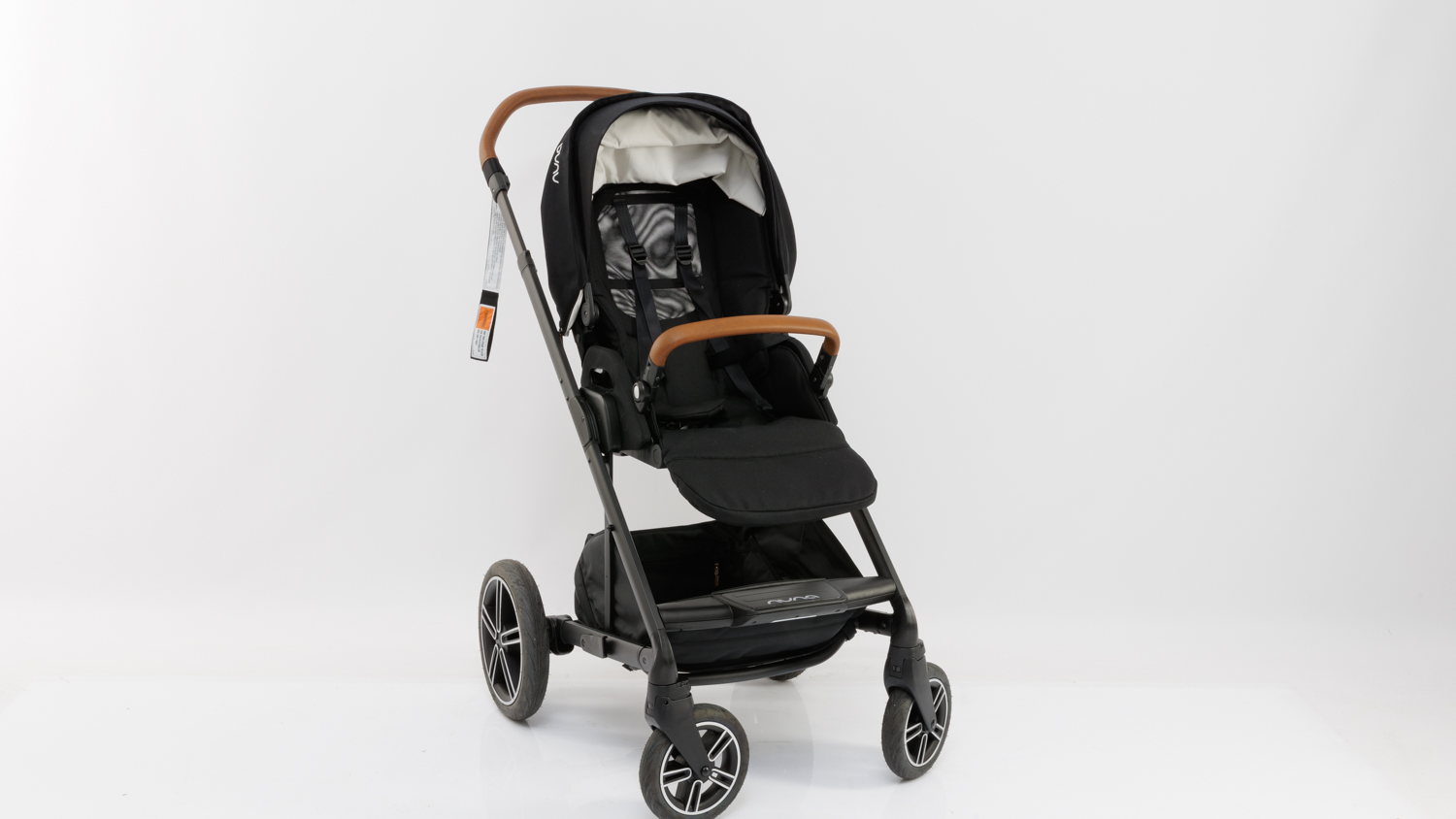
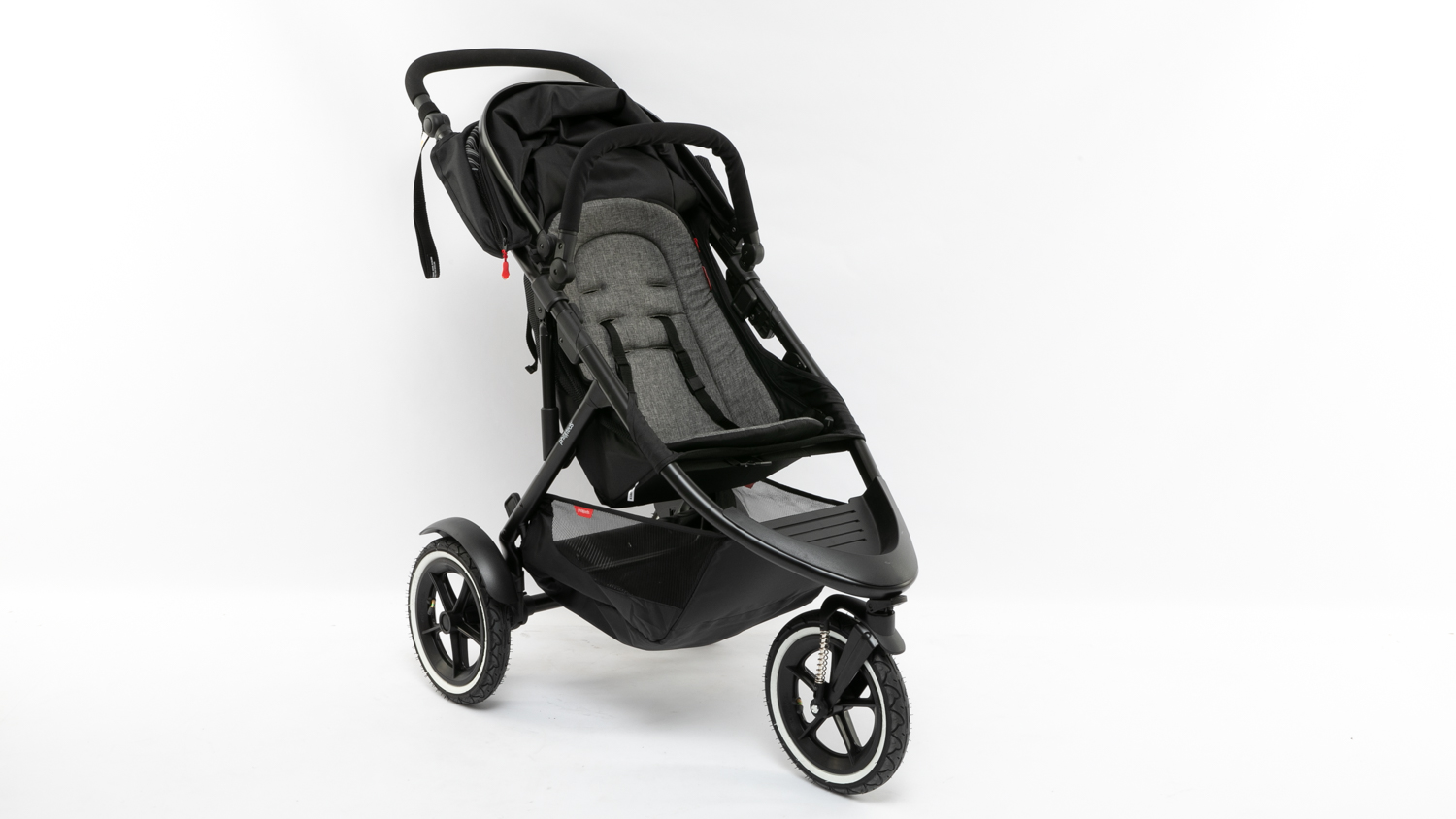
Here, we have test results for 128 strollers priced from $79 to $1699. 

Through our rigorous testing, we reveal which strollers are:

A stroller is one of the important baby-related purchases you’ll make – get it wrong and you’re stuck with an expensive tank that doesn’t fit into your boot or a lightweight trolley that tips over at the slightest road wobble.

And while size, style and ease of use are important, ultimately it’s about your baby’s safety. All strollers sold in Australia are required by law to meet the mandatory requirements of the Australian standard (AS/NZS 2088), and most manufacturers go further and have their strollers certified to the full 2000 version of the standard.

However, there have been two updates since 2000. Each revision has aimed to address recently identified hazards and improve on safety. 

We now test to and base our recommendations on the latest version of the stroller standard, AS/NZS 2088:2013. While we recognise that manufacturers haven't had much time to adapt to the 2013 revision of the standard, this latest update is largely the same as the 2009 version.

You shouldn't stop using strollers that we've previously recommended based on the older versions of the standard. While mandatory requirements are still based on the 2000 version we believe the new 2013 standard improves on safety, and we hope by basing our recommendations on this version, we'll encourage the industry to do likewise and encourage the regulatory bodies to update the mandatory requirements to the latest standard. 

We've created two comparison tables, one with models that we've recently tested to the 2013 version and one with those tested to the 2000 and 2009 version of the standard. 

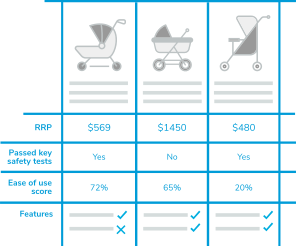
Check our tables to see whether strollers in the style you like and at the price point you're considering are also safe and durable.

The latest standard updates

The 2009 revision added a requirement checking that loops formed by the harness straps, when buckled together, aren’t a strangulation hazard. This followed a fatal case in 2005 in which a child slipped through such a gap and got caught. Children are most at risk from this hazard when left unattended or when the harness is left buckled when not in use, so you can reduce the risk with practical steps. Nevertheless, there’s no need for this problem to exist. In our testing, this particular requirement surrounding occupant retention and harness requirements is an ongoing issue that we’d like to see manufacturers make some improvements on.

The 2013 revision of the standard was released in time for our latest test of strollers. It’s largely the same as the previous revision, but addresses the safety concern of finger entrapment and crushing/scissoring injuries of operators and children outside the stroller. It also addresses stability and places further emphasis on harness requirements.

Video: stroller-safety

Chris Barnes explains some of the key features of stroller safety, and the regulations which govern and set these standards.

Chris Barnes explains some of the key features of stroller safety, and the regulations which govern and set these standards.stroller-safety-video-poster-frame


Brands and models tested

Models tested to the 2013 version of the standard
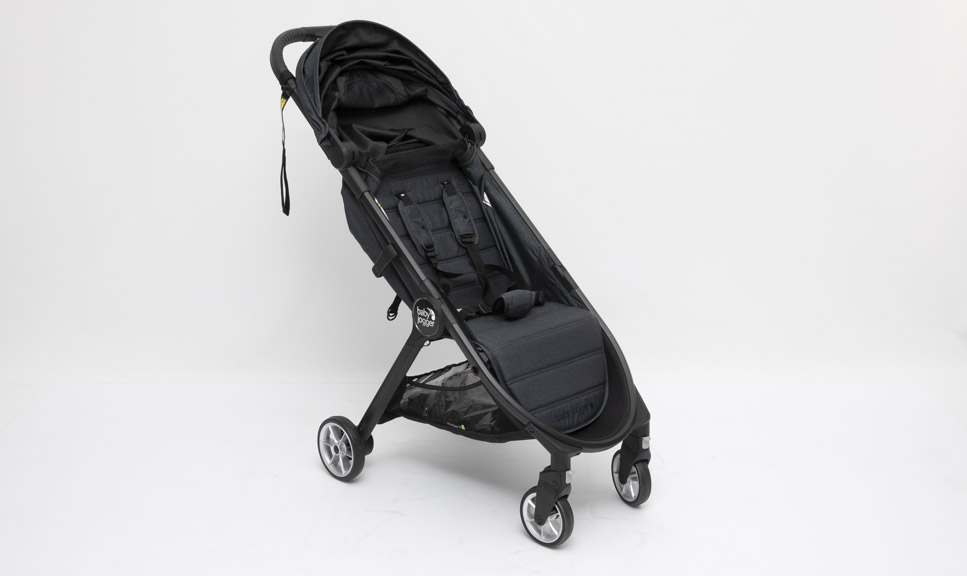
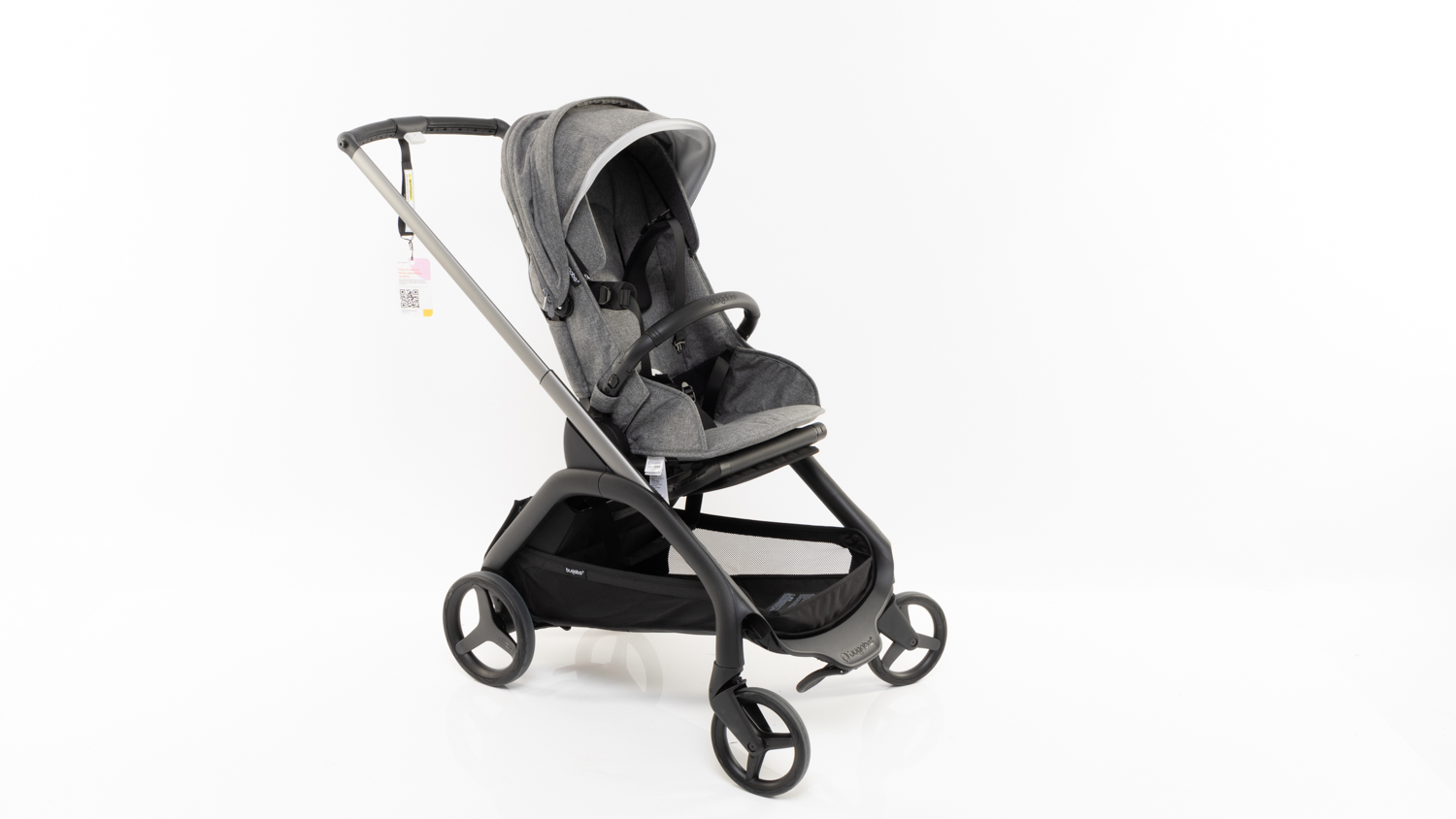
  • Baby Jogger City Mini Single
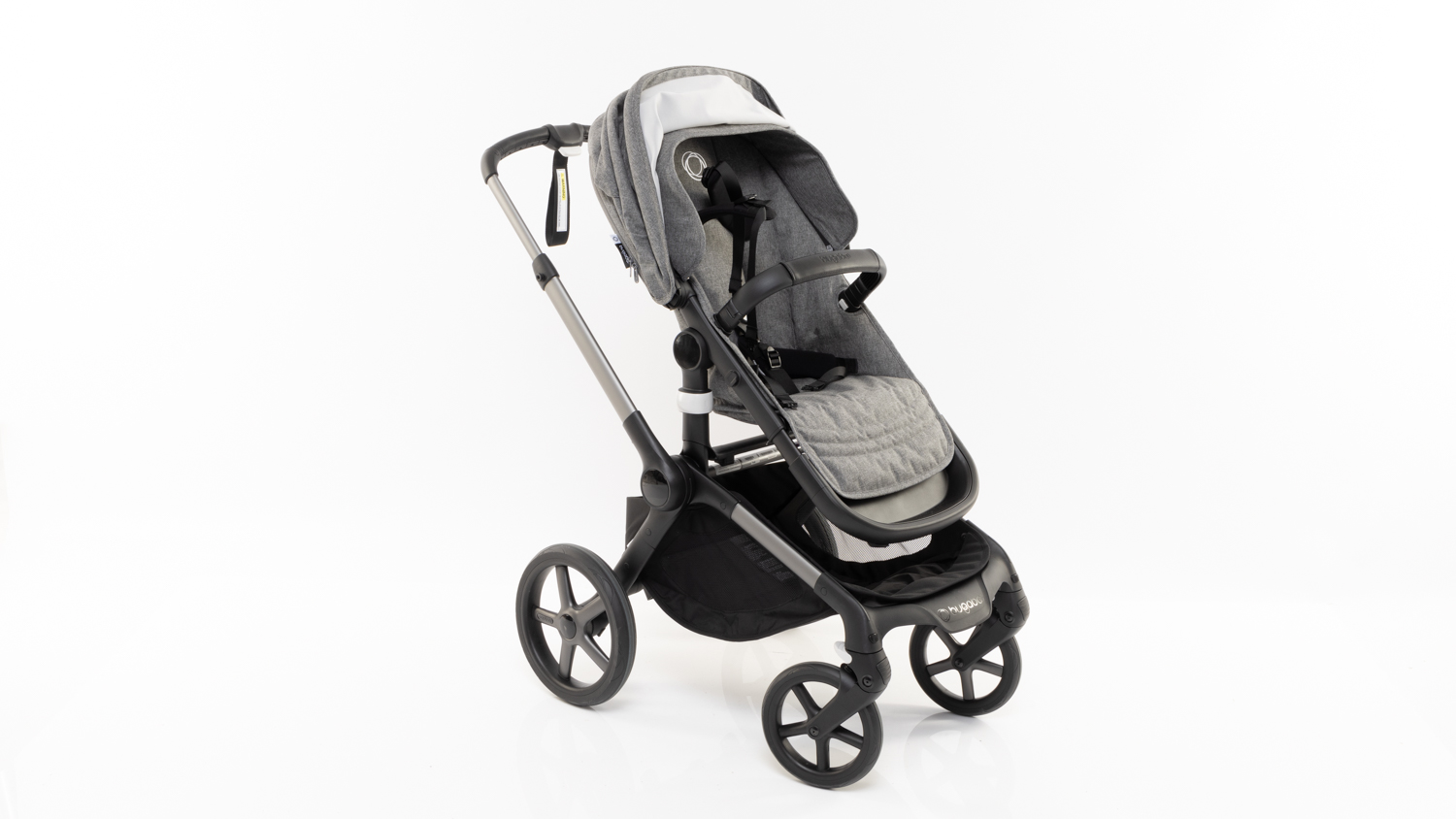
  • Bugaboo Cameleon 3
  • Childcare Discovery XLR
  • Joolz Day
  • Mamas & Papas Urbo
  • Maxi-Cosi Elea
  • Mother's Choice Carter
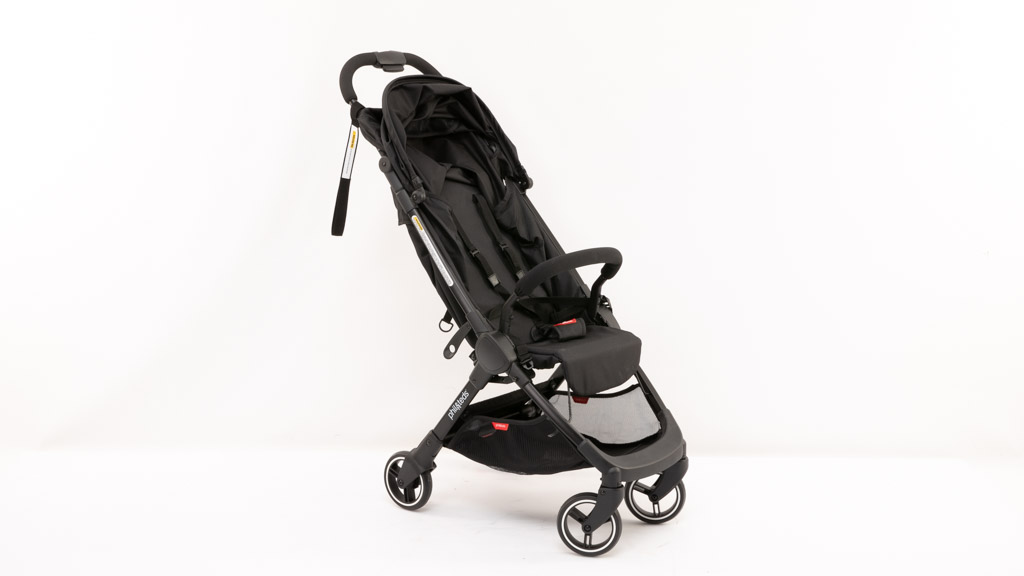
  • Phil & Teds Verve 2.0
  • Steelcraft Strider Compact
Previously tested models (tested to the 2000 and 2009 version of the standard)
  • Aussie Baby Baby Buggy (A)
  • Babylove Adventurer (A)
  • Babylove Aurora
  • Babylove Focus
  • Babysmart Beema Evo
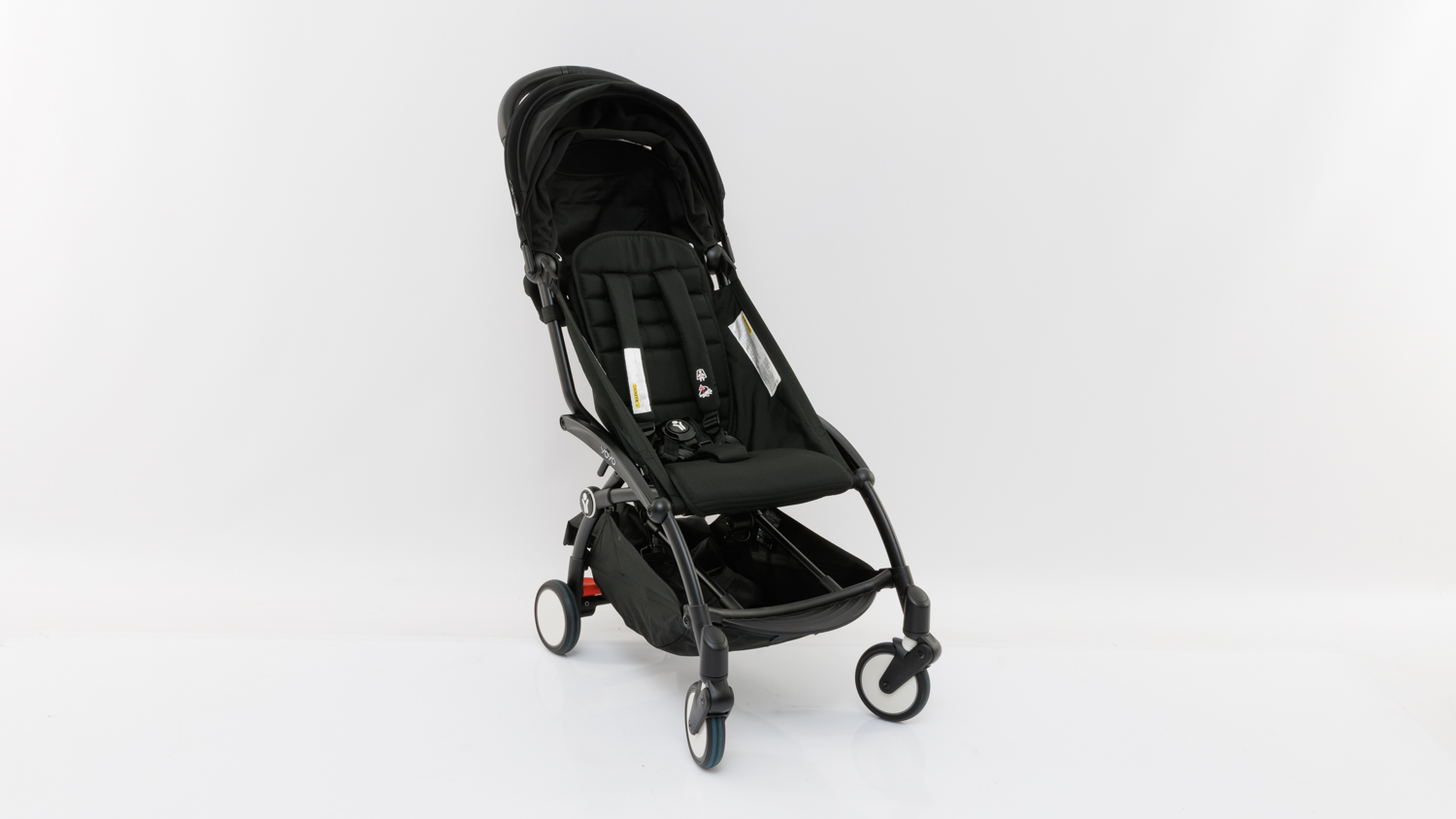
  • Babyzen Zen (A)
  • Baby Jogger City Classic
  • Baby Jogger City Select
  • Baby Solutions Layback Umbrella (A)
  • Bebe Care Caprice 015415-172
  • Bebe Care Mira (A)
  • Bebe Care Orion 011016
  • Bebe Care Rverse
  • Bebe Care Rverse XLR (A)
  • Bertini I-Ride Silver (A)
  • Bertini X2 Automatic 004863
  • Bertini X4 Lite and Gliding Seat
  • Bootiq Kye Stroller and Bassinet 007884
  • Bugaboo Bee
  • Bugaboo Cameleon 7400 RD01
  • Bugaboo Donkey (Mono) (A)
  • Capella Cony (A)
  • Chariot Cougar (A)
  • Chariot Cougar 2
  • Chicco Cortina
  • Chicco Ct 0.5 Evolution
  • Chicco Echo (A)
  • Chicco Liteway
  • Chicco Trevi
  • Childcare Alto XT
  • Childcare Blaze 013520
  • Childcare Captiva Storm
  • Childcare Discovery (A)
  • Childcare Hola 0151410-140
  • Childcare Vector XT
  • Combi Miracle Turn (A)
  • Combi Urban Walker
  • Combi Well Carry
  • Croozer Kid for 1 (A)
  • Croozer 535
  • Emmaljunga Nitro City
  • Graco Mirage
  • Graco Trekko Metropolitan
  • iCandy Apple
  • Love N Care Adiva Sport
  • Love n Care Alpha (A)
  • Love N Care Atlantis
  • Love N Care Europa
  • Love n Care Mirage (A)
  • Love N Care Uni Coupe BP9756N
  • Love N Care Zooper
  • Maclaren Globetrotter (A)
  • Maclaren MX3
  • Maclaren Quest Sport
  • Maclaren Quest W0708013
  • Maclaren Techno XT (A)
  • Maclaren Triumph (A)
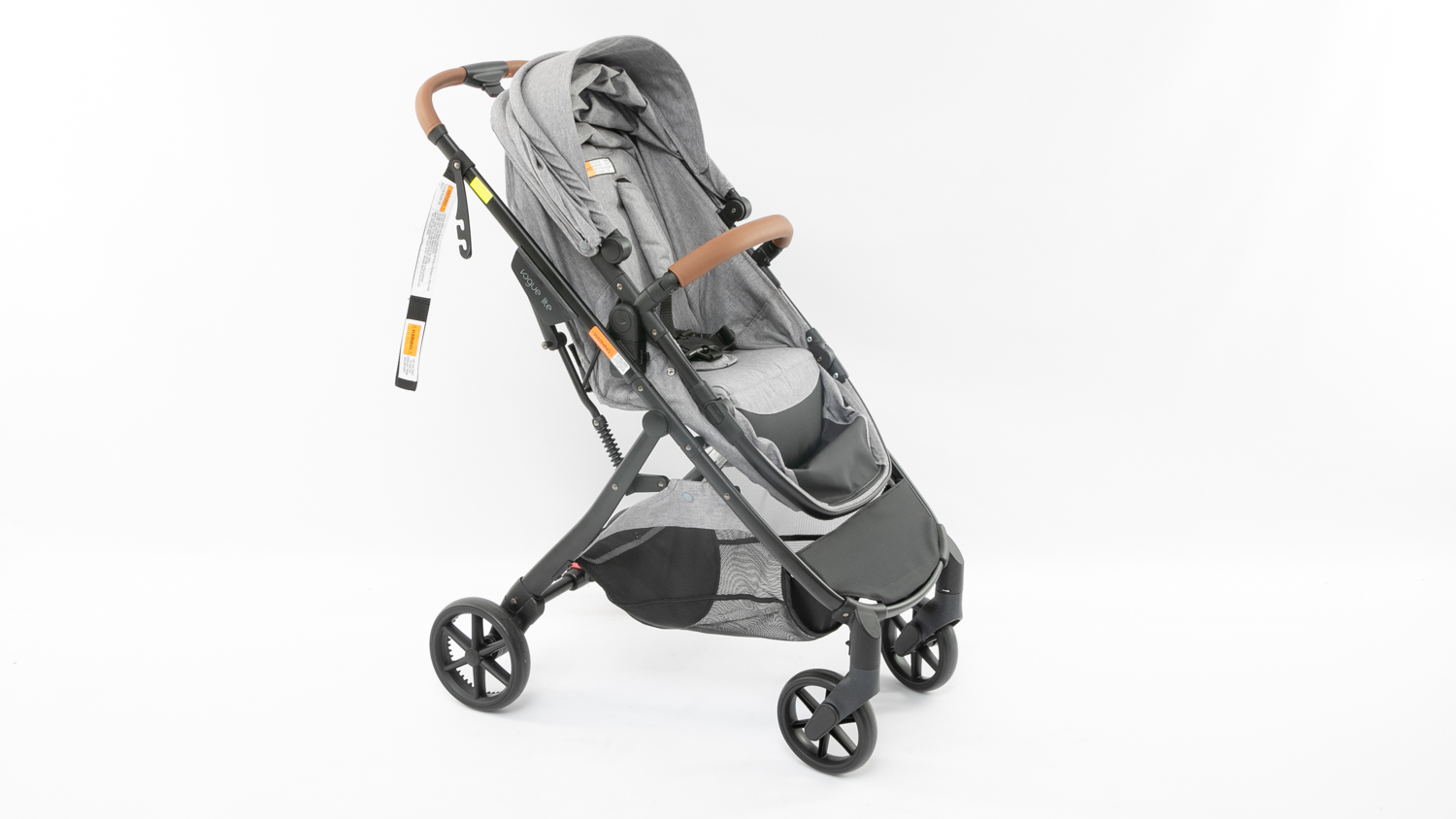
  • Maclaren Vogue
  • Maclaren Volo
  • Mamas and Papas Mylo
  • Maxi-Cosi Mila (A)
  • Mothercare Spin
  • Mothercare Whizzi
  • Mother's Choice Cachet
  • Mother's Choice Ensor Sport JG772
  • Mother's Choice Magnum (A)
  • Mother's Choice Maybel (A)
  • Mother's Choice Vivea (A)
  • Mountain Buggy Single Urban Elite
  • Mountain Buggy Swift
  • Mountain Buggy Terrain (A)
  • Mountain Buggy Urban Jungle (A)
  • Mutsy 4Rider
  • Peg Perego Aria
  • Peg Perego Pliko Mini (A)
  • Peg Perego Pliko Switch Compact (A)
  • Peg Perego Skate System
  • Peg Perego Uno
  • Phil & Teds Classic (A)
  • Phil & Teds Dash SPD
  • Phil & Teds Explorer
  • Phil & Teds Promenade (A)
  • Phil & Teds Smart with Peanut Bassinette
  • Phil & Teds Sub4 (A)
  • Quick Smart Easy Fold
  • Quinny Buzz
  • Quinny Senzz (A)
  • Quinny Zapp Xtra (A)
  • Red Castle Shop'n Jogg Disc II
  • Roger Armstrong Elfin 2
  • Roger Armstrong Elyse H603
  • Safety 1st Shuttle (A)
  • Silver Cross Dazzle
  • Silver Cross Fizz
  • Silver Cross Pop
  • Silver Cross Pop Air (A)
  • Steelcraft Acclaim (A)
  • Steelcraft Agile (A)
  • Steelcraft Holiday
  • Steelcraft Orbit Layback
  • Steelcraft Phoenix
  • Steelcraft Profile
  • Steelcraft Strider 30132T
  • Steelcraft Strider 3 30136
  • Steelcraft Strider Plus (A)
  • Stokke Xplory V3 (A)
  • Swallow Bravo
  • Swallow Whisper
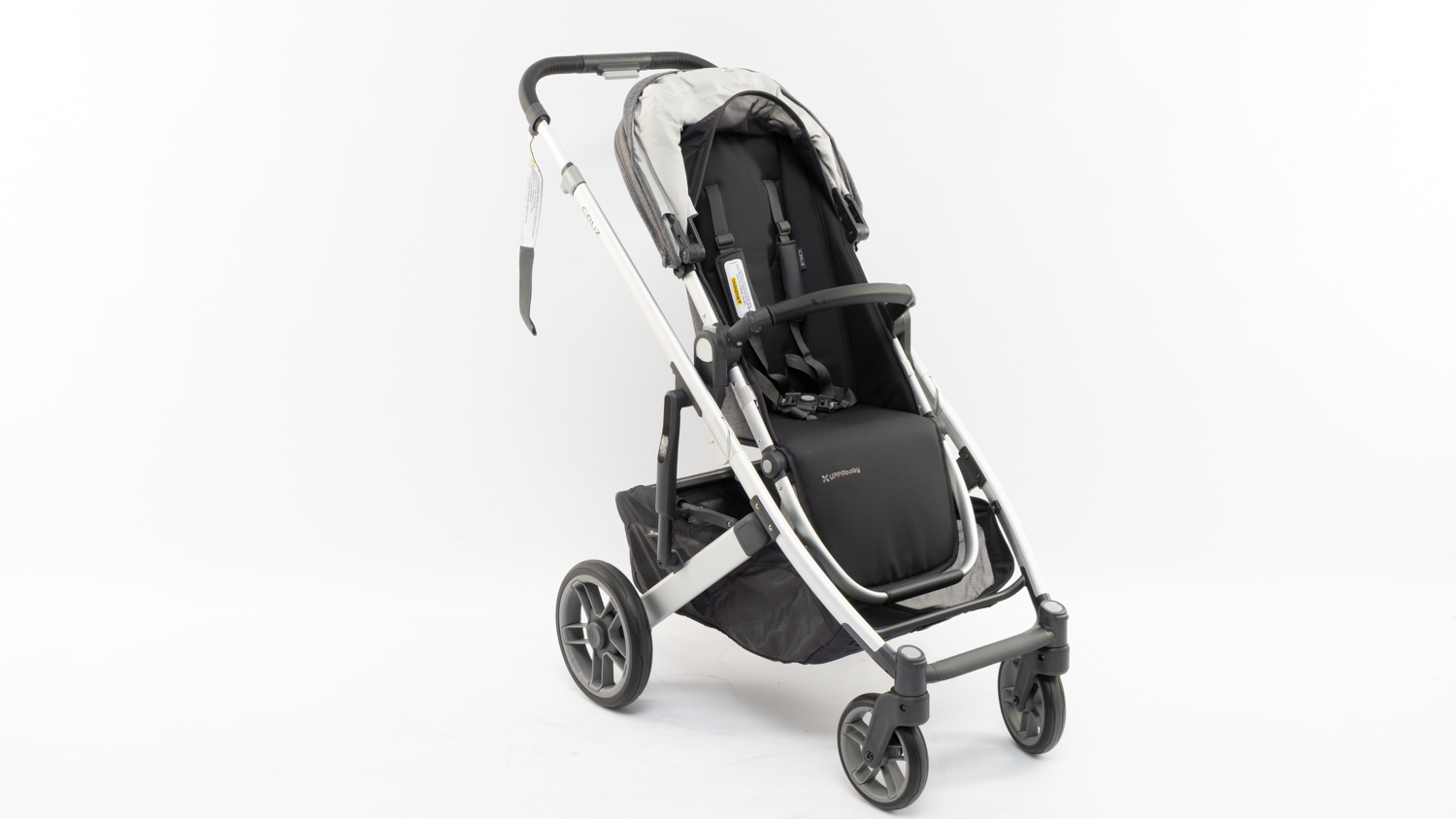
  • Uppababy Alta (A)
  • Valco Baby Ion
  • Valco Baby Matrix (A)
  • Valco Baby Rad
  • Valco Baby Quad (A)
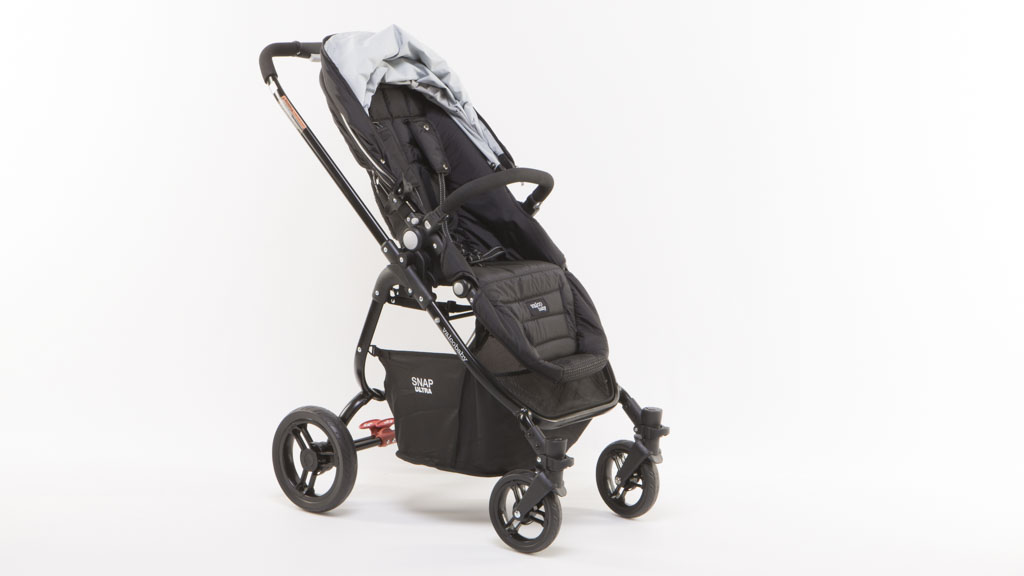
  • Valco Baby Snap 4 (A)
  • Valco Prism N3486
  • Zuzu Genesis (A)
  • ZuZu Ink 476
  • ZuZu Trini
(A) These models have been tested to the 2009 version of the standard.

If you're in the market for a stroller, you may also be interested in our tests of Double strollers. Become a member and get access to all these reports.

How we test

Buying a stroller can be a complicated exercise. There are some things you can check for yourself in the shop — such as size, features and manoeuvrability — but how can you tell whether the pram/stroller model you're considering is safe, durable, and easy to use?

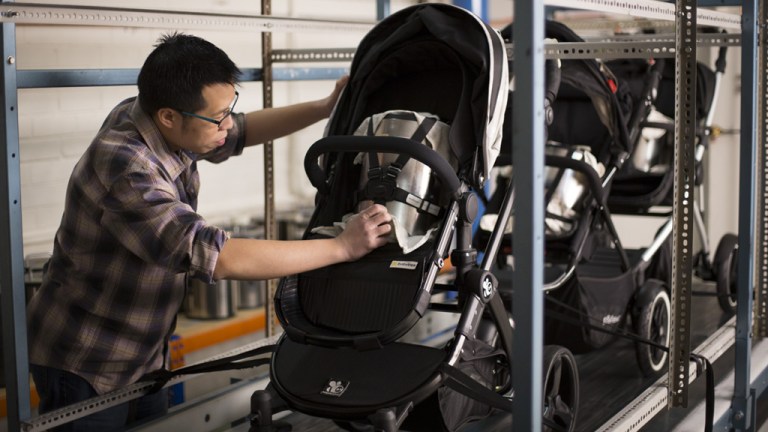
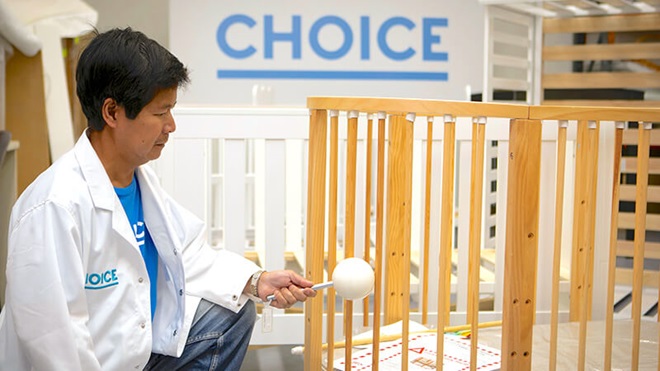
This is where CHOICE comes in. We buy strollers in retail stores and bring them back to our lab for a thorough independent test. We focus on durability and safety, assessed against key clauses of the Australian Standard AS/NZS 2088, plus ease of use.

Safety

Our testers, Antonio Bonacruz and Matthew Tung, check various aspects of safety based on the Australian standard AS/NZS 2088:2013, including that:

  • harness straps are adjustable and of adequate length;
  • the child is securely restrained;
  • folding mechanisms are safe and secure; and
  • that there are no sharp edges or possible entrapment points for fingers or limbs.
They also test the stability of the stroller and that the brakes work well.

Durability 

They put the strollers on our “rolling road” rig for 64 hours at a speed of 5km/h, as per the Australian standard. Three-wheelers that look like they might be used for jogging are then tested for a further 10 hours at 10km/h, to see how they stand up to faster speeds. All the strollers are also attached to a machine that continuously simulates the action of mounting a kerb. These tests show whether anything breaks, falls off or stops working properly after regular use.

Ease of use 

The testers check adjustments, such as reclining functions and the safety harness, and various activities such as loading and unloading the basket, using the brakes and locking the front wheel. They fold and unfold the strollers, push them over rough terrain, up and down stairs and through doorways, and test how easily they fit into the boot of a family car. 

For more information on Travel with kids, see Babies & kids.  


Look for the following safety features (found on all the models tested, unless specified):

Brakes

The effectiveness of the brakes and their engagement is vital. Look for rear brakes on both wheels that are linked, so the left and right brakes can be activated by a single lever rather than applied individually. Get an idea of how well they work by applying the brakes and then trying to push the handle. Check that they actively lock into position. Brakes that are foot-operated or operated by a lever on the handle mean you don’t have to bend down, but make sure you can access them easily.

Harness

A five-point harness consisting of two shoulder straps (attached to the backrest at shoulder level), a waist strap and a crotch strap. The waist straps in particular should be securely linked to the stroller’s frame, so that the child can’t lean out and tilt the stroller. Give the harness a tug to check that the seat doesn't pull away from the frame. The straps should be adjustable (allowing for growth) and the buckles easy to use (for you, but not your child).

Wheels

Front wheels that swivel to make manoeuvring easier, and that can be locked in the forward direction when travelling at higher speeds or over rough terrain. Large ones tend to be better on kerbs and stairs; pneumatic (inflatable) ones can puncture but generally give a comfier ride.

Also, check the following:

  • Are there protruding parts that can hit your child’s head or small parts that can detach easily and pose a choking risk?
  • Are there gaps that could trap your or your child's fingers? (Look especially around the release and folding mechanism areas).
  • Are there sharp edges or points on any surfaces?
  • Is there a child-resistant mechanism for locks?
  • And is the stroller stable enough not to tip easily?

Safety tips

Stroller safety is about more than just buying a model which meets all provisions of the relevant standard, and has good safety features. There are a number of safety precautions you should take while using it.

  • Never leave your child unattended in a stroller, and if it has a safety strap, put it on your wrist.
  • Always engage the brake when the stroller is standing to prevent it from rolling.
  • Use a lift where possible, but if you have to use the stairs, take the baby out of the stroller.
  • When at a train station, park the stroller parallel to the tracks with the brakes on and keep the stroller in view at all times. Travel in the carriage near the guard so they can make sure you’ve safely boarded or alighted.
  • When jogging, always lock the front wheel of a three-wheel stroller into place to prevent the wheel swivelling.
  • Be extra careful when talking on a mobile phone as you can easily not notice the stroller roll away – it only takes a second for a disaster to happen.
  • Don't attach a dog lead to the stroller.
  • Don't overload the stroller with shopping or other items, especially around the handles. It can affect stability.
  • If parking on a slope, park at right angles and lock the front wheel(s) in line if that’s possible. Apply the brakes carefully. Be especially careful in train stations, close to roads or water.
  • Take care when folding or unfolding the stroller that you don't get your fingers caught in the folding mechanism.

Mind your fingers

Recent incidents involving both adults and children injuring their fingers while folding or unfolding a stroller highlight the need to be careful while doing this. Most strollers have plenty of places where a carelessly placed finger could get a painful pinch (or worse).

We check each stroller for any pinching, shearing or scissoring hazards that might pose a risk to either the child or an adult operating the stroller. We find most strollers have some possible pinch points for the adult carer. Pinches are avoidable if you take care when folding or unfolding the stroller and don’t let children play with it.

Your say - Choice voice

Make a Comment

Members – Sign in on the top right to contribute to comments