
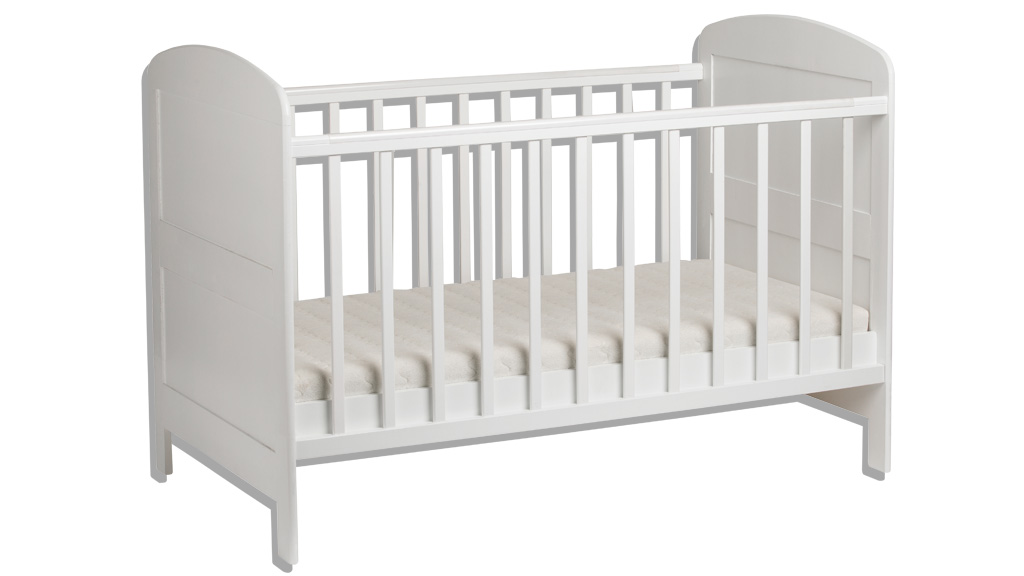
Cot reviews
Best cots to buy in Australia
Find the cots that are safest for your baby, easiest to assemble and that adjust as they grow.
Join to compare now Already a CHOICE member? Log in
51 models rated and ranked
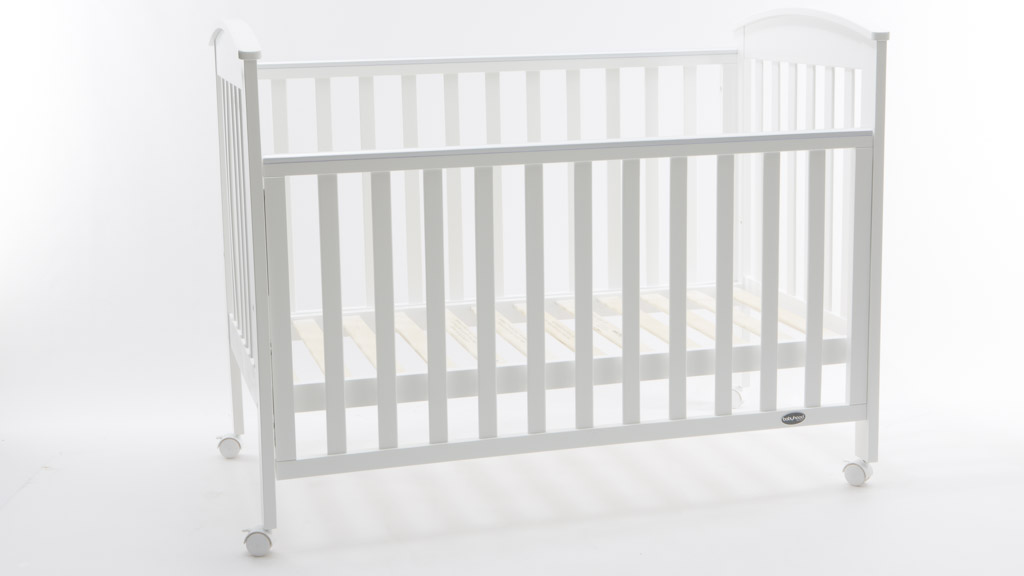
Babyhood
Classic Curve 4 in 1
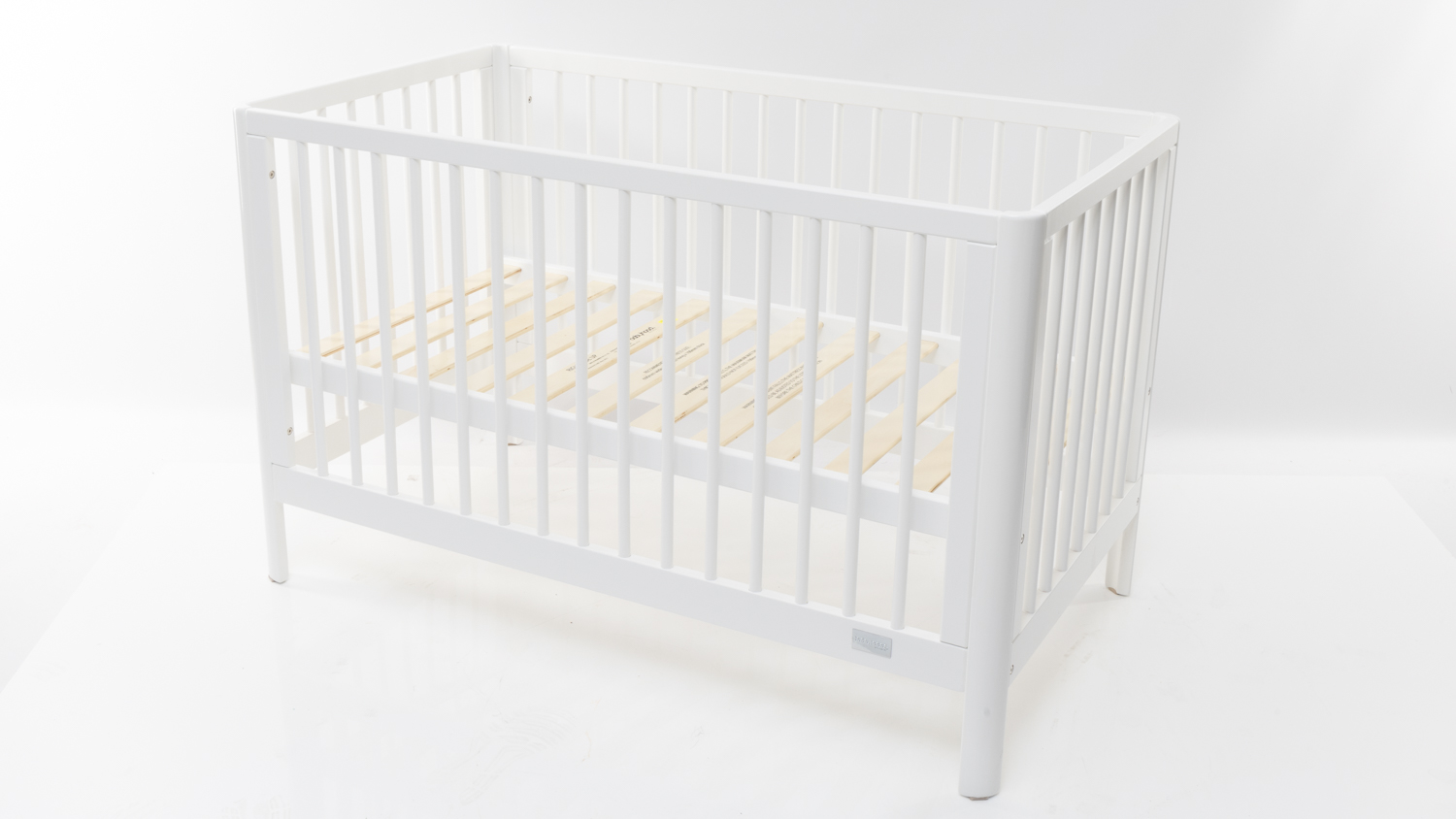
Babyhood
Dune
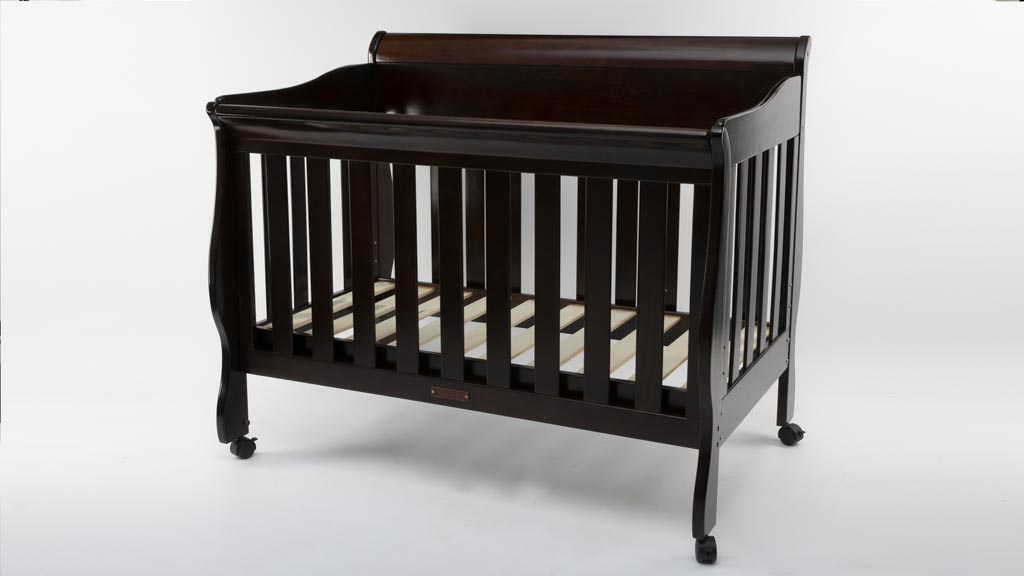
Babyhood
Amani Sleigh 4 in 1
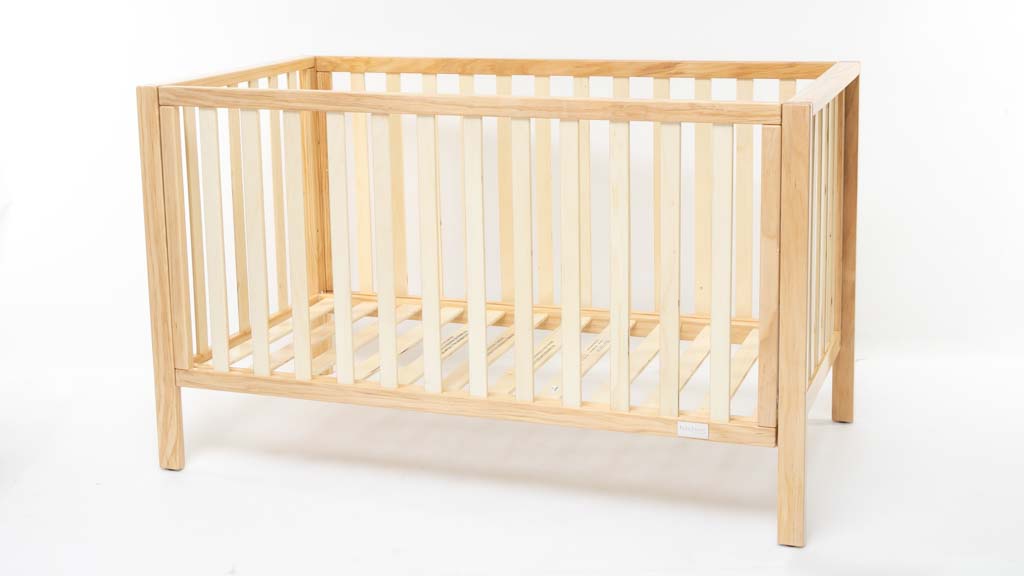
Babyhood
Lulu
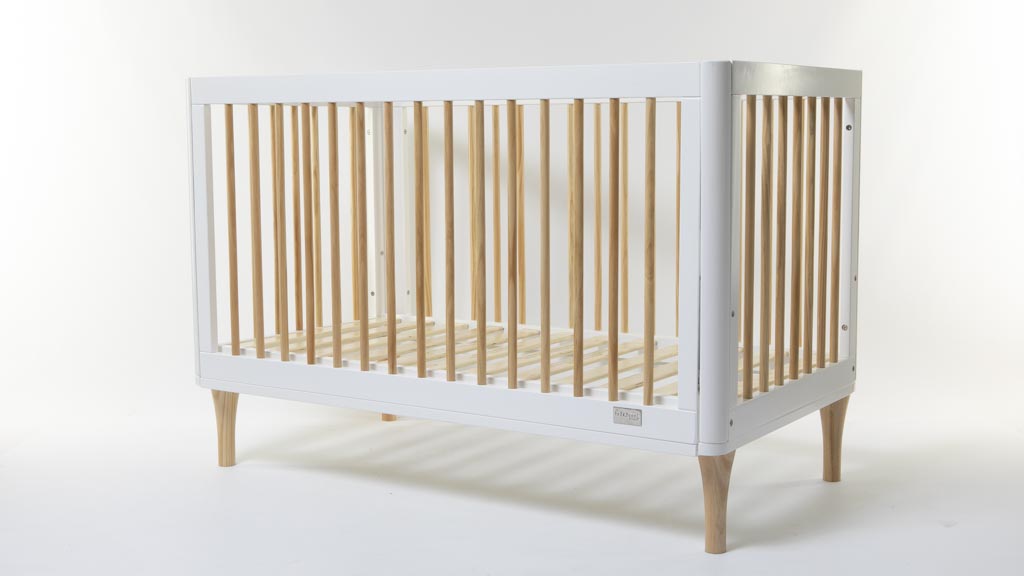
Babyhood
Riya
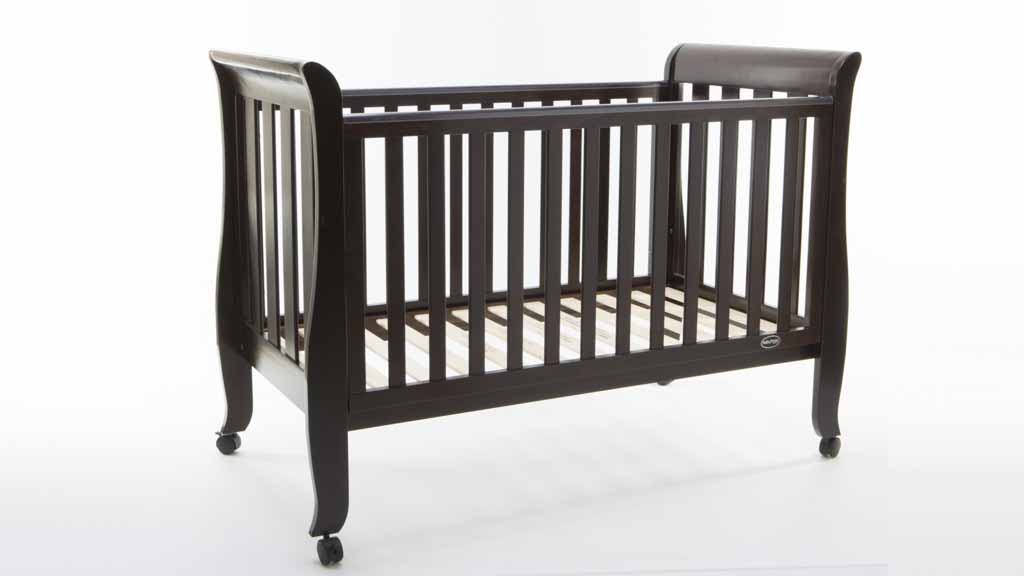
Babyhood
Classic Sleigh 4 in 1 cot
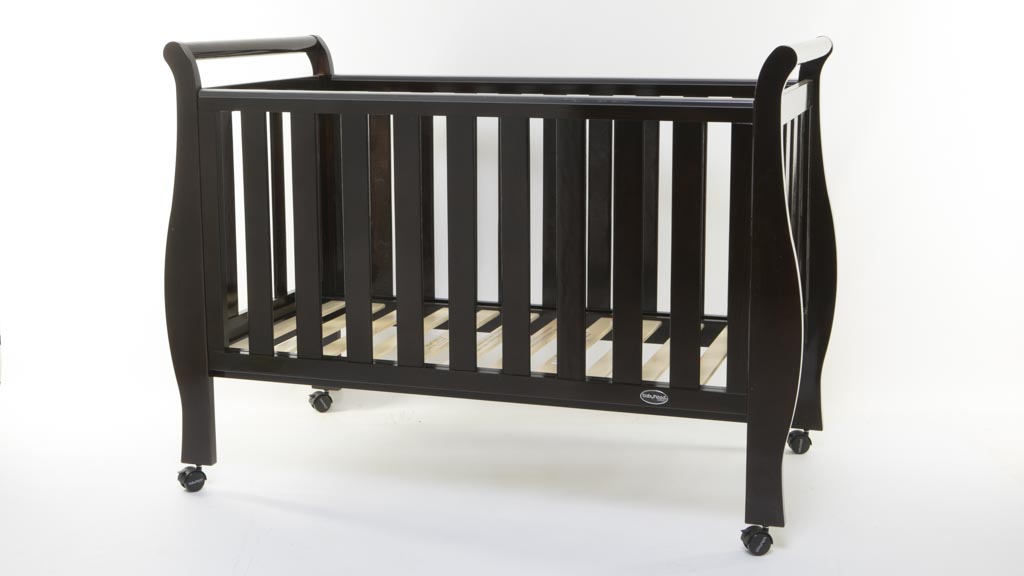
Babyhood
Georgia Sleigh Luxx cot
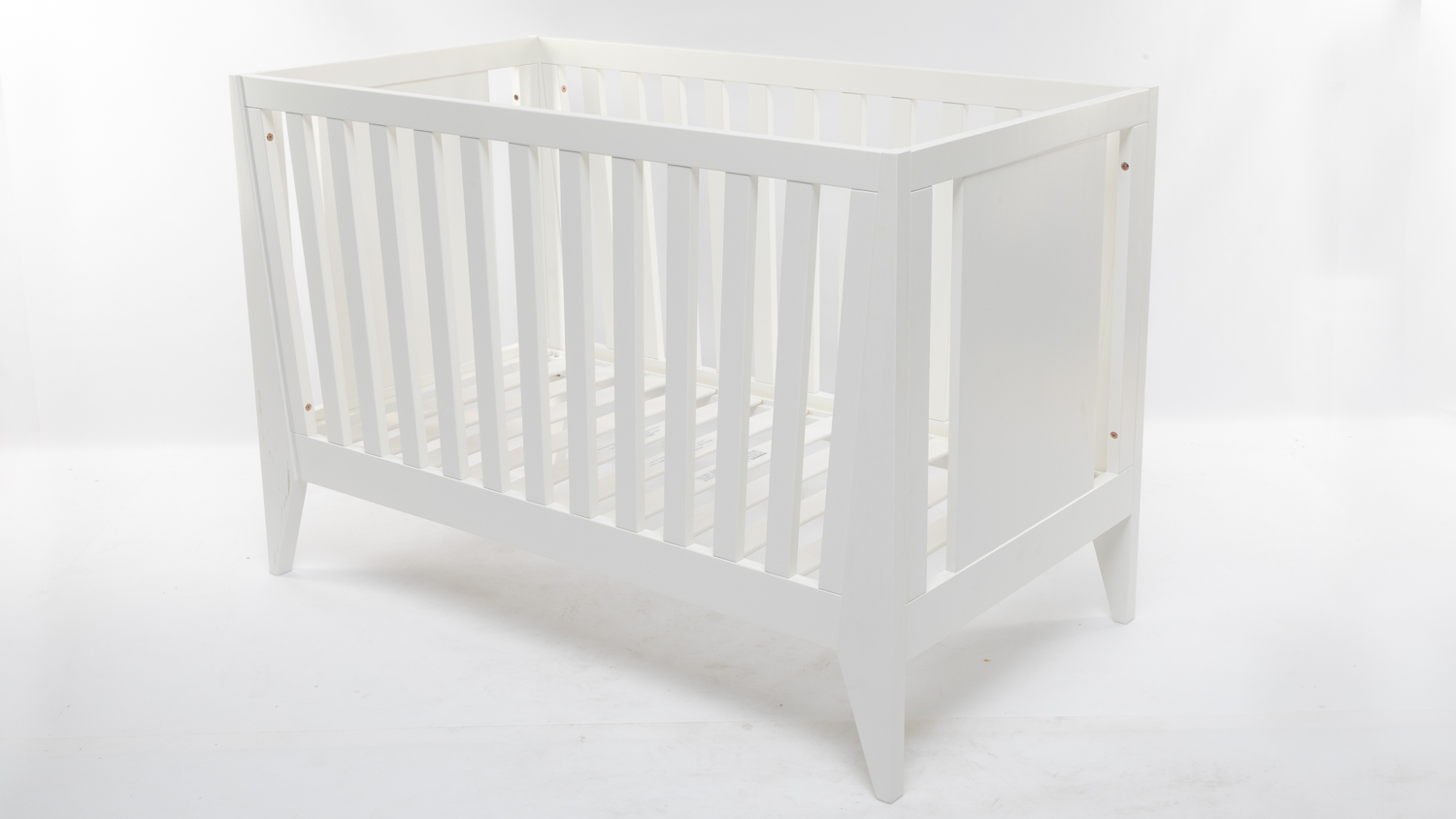
Babyrest
Franka
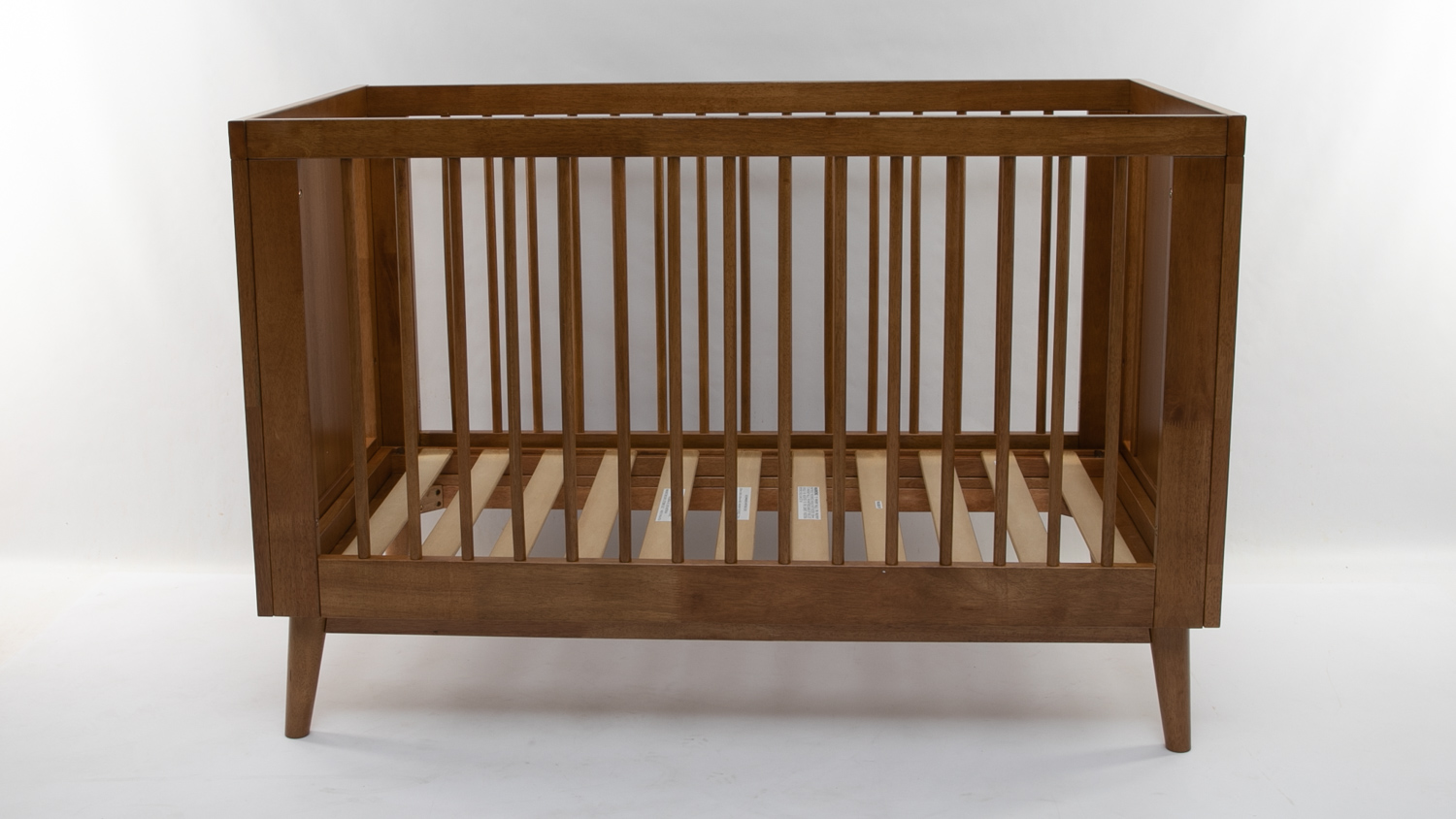
Babyrest
Kaya
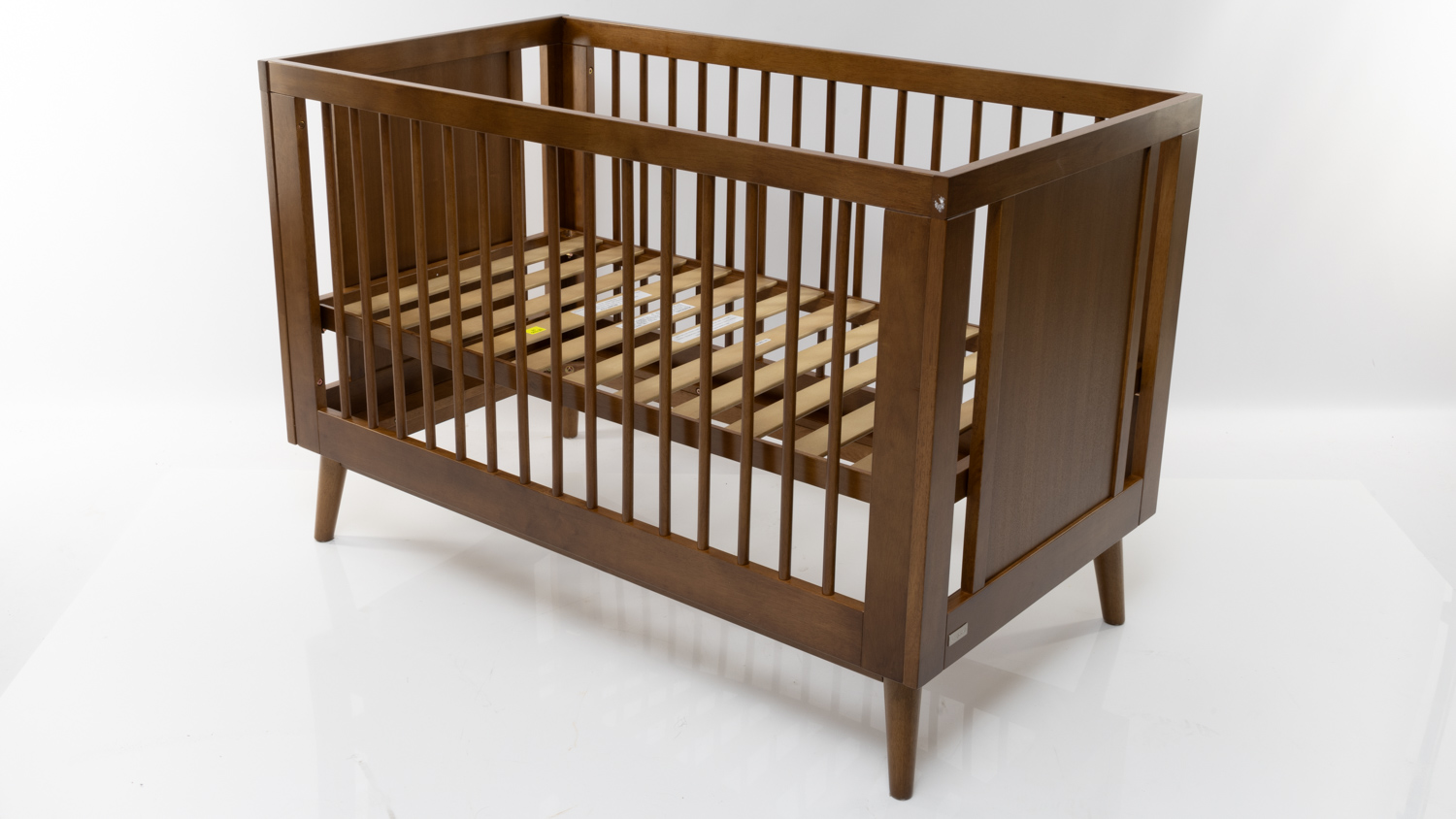
Babyrest
Beckett
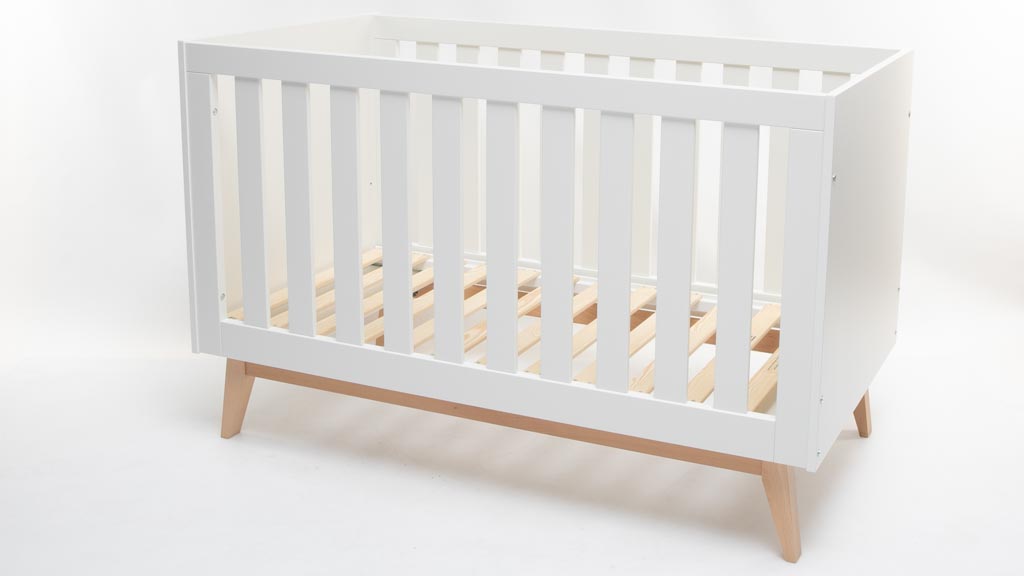
Babyrest
Tommi
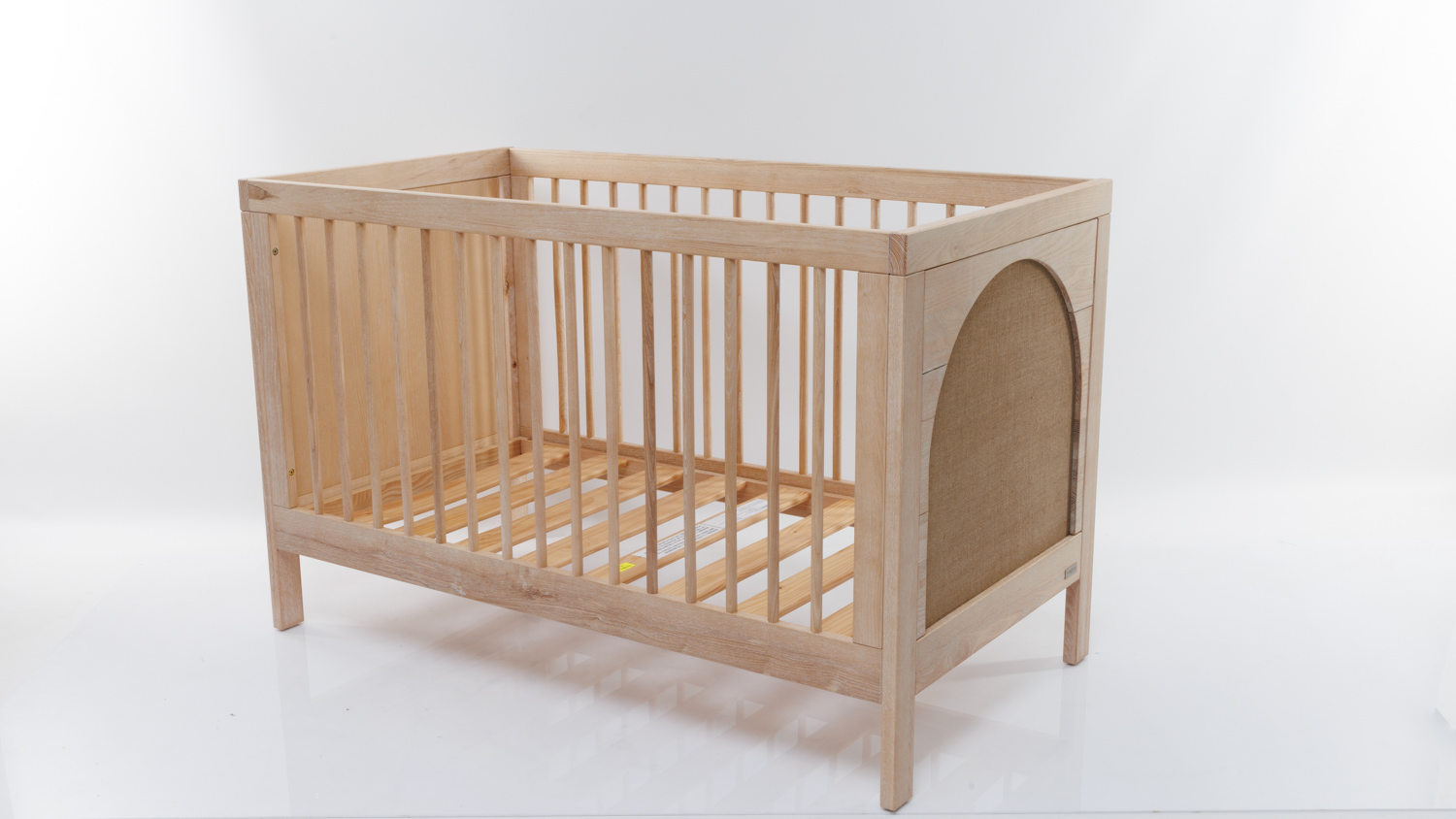
BabyRest
Grove
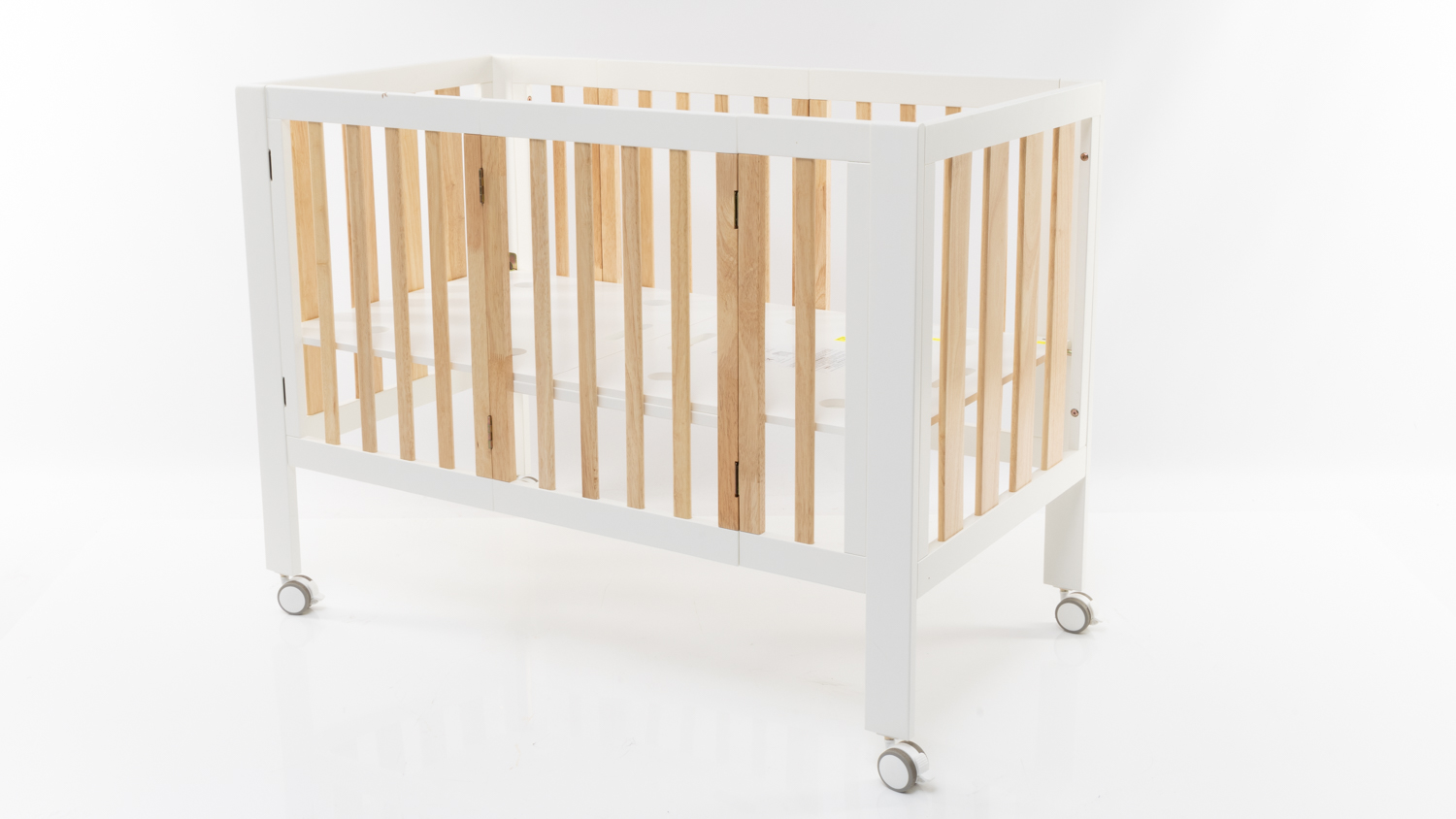
Babyrest
Dixie Folding
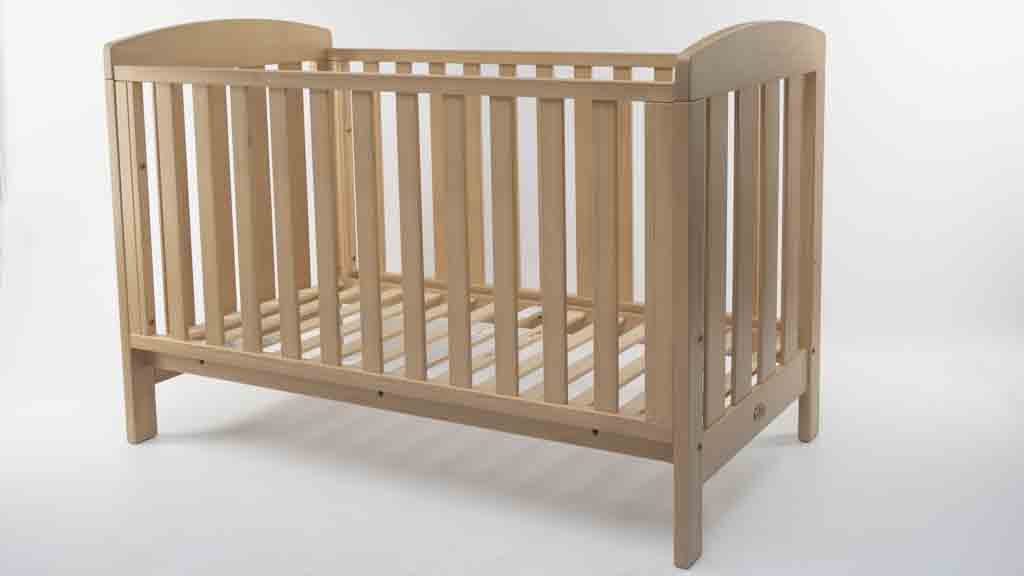
Boori
Alice
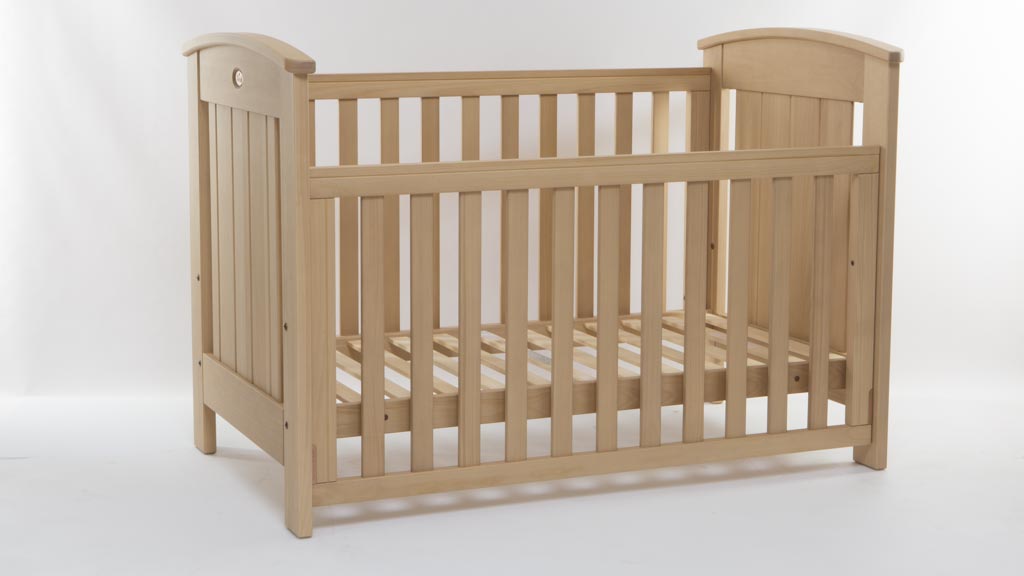
Boori
Casa cot
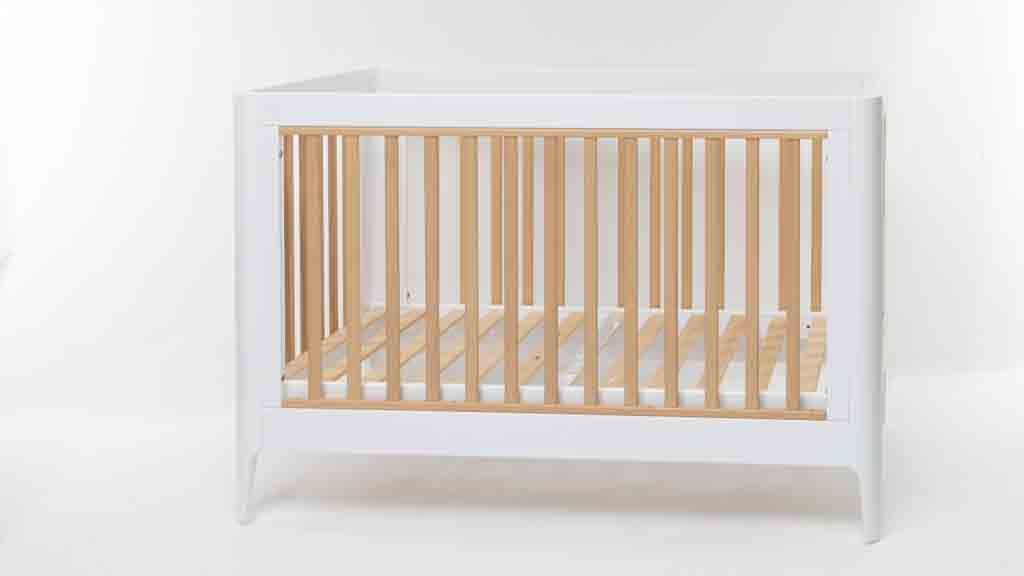
Boori
Koto
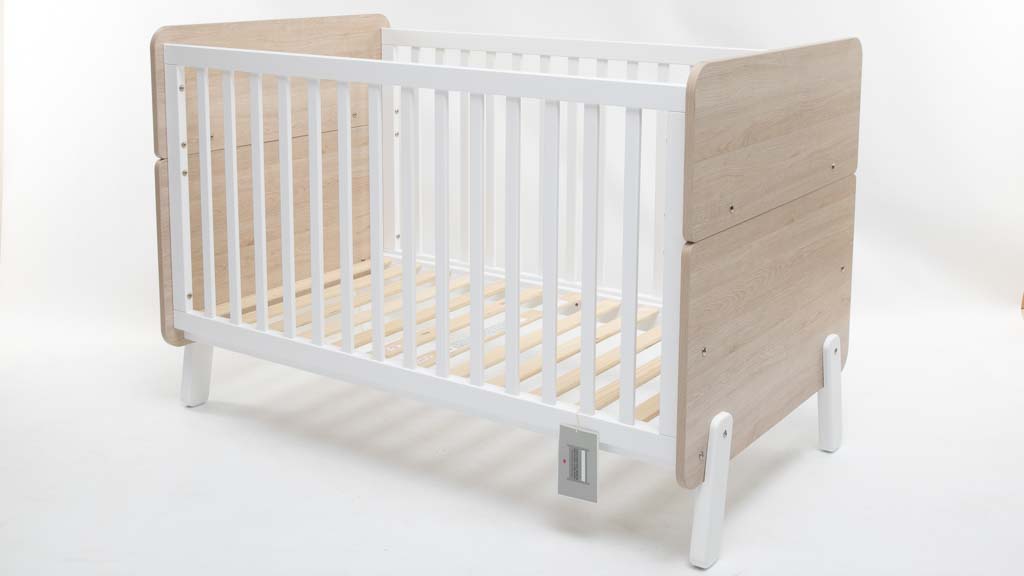
Boori
Natty
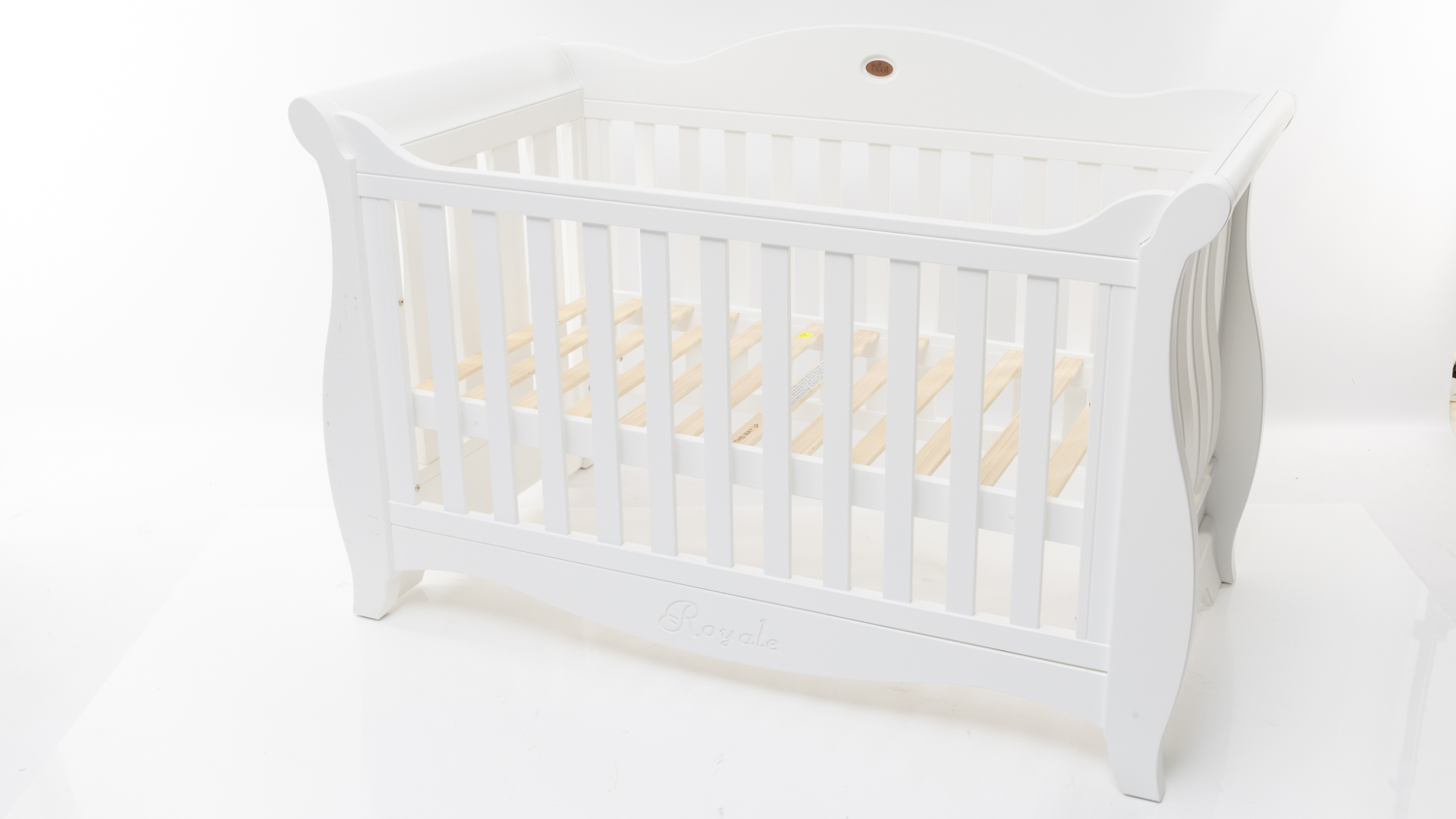
Boori
Sleigh Royale
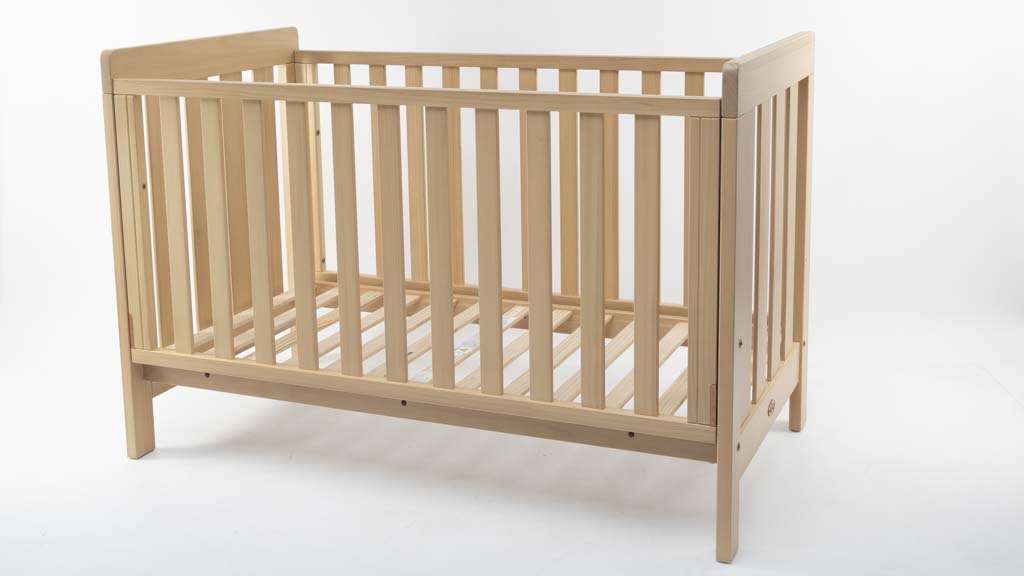
Boori
Daintree
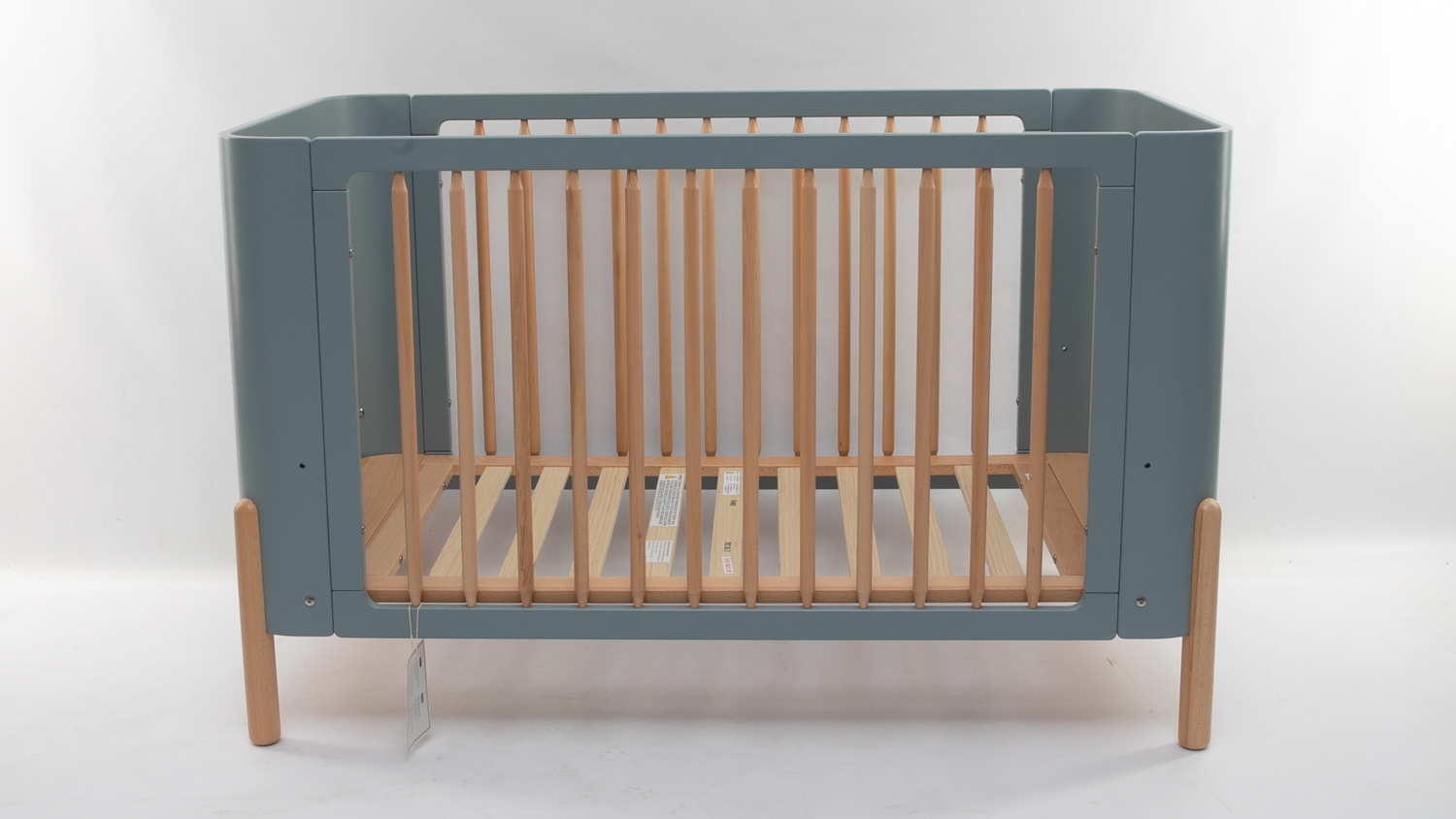
Boori
Nova
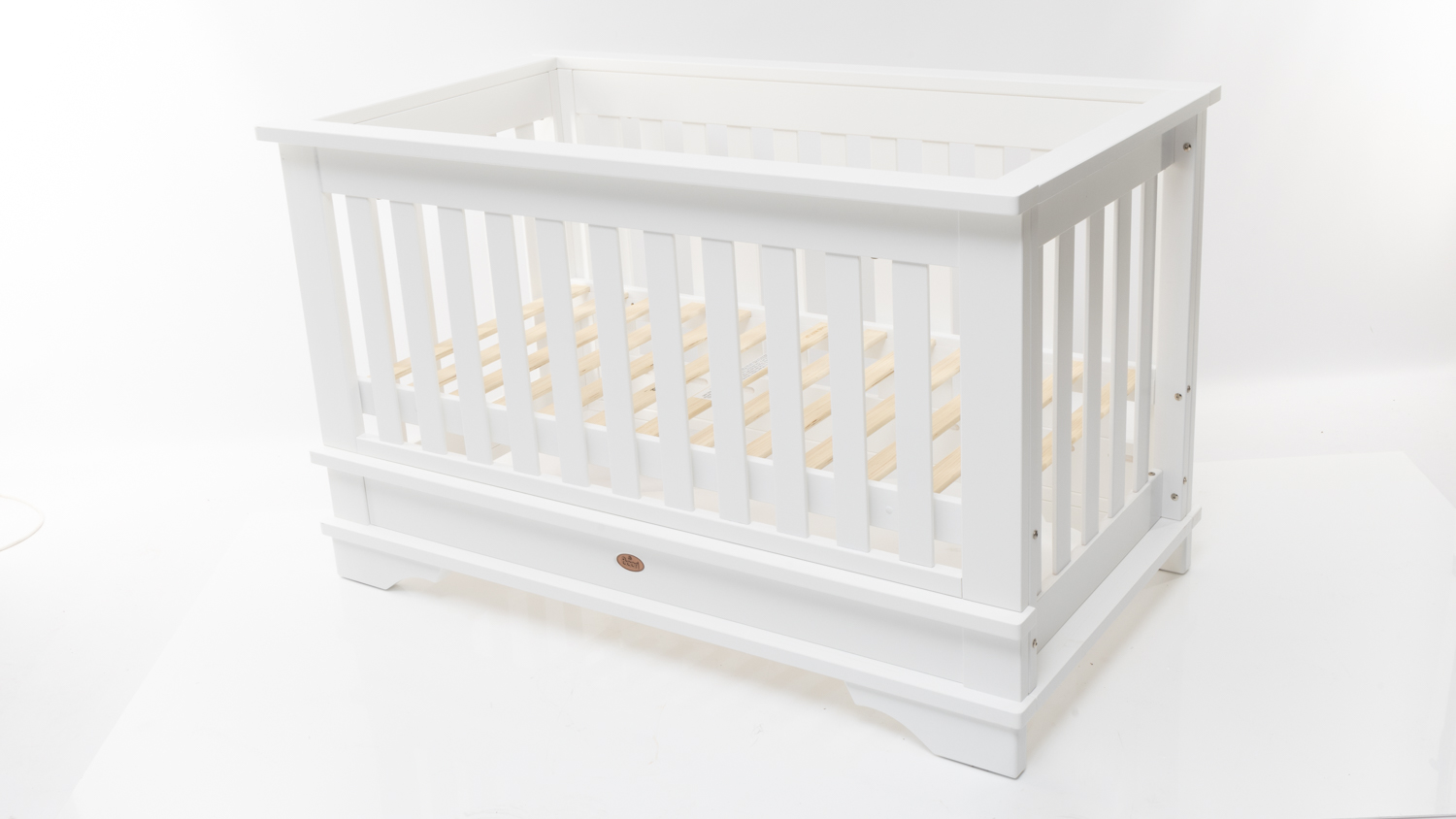
Boori
Eton Convertible Plus
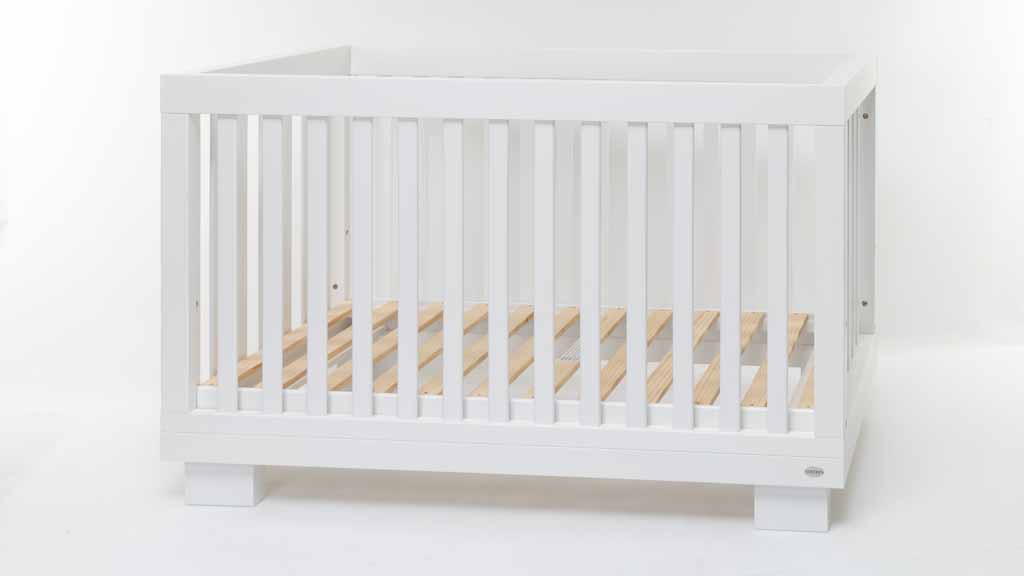
Cocoon
Aston
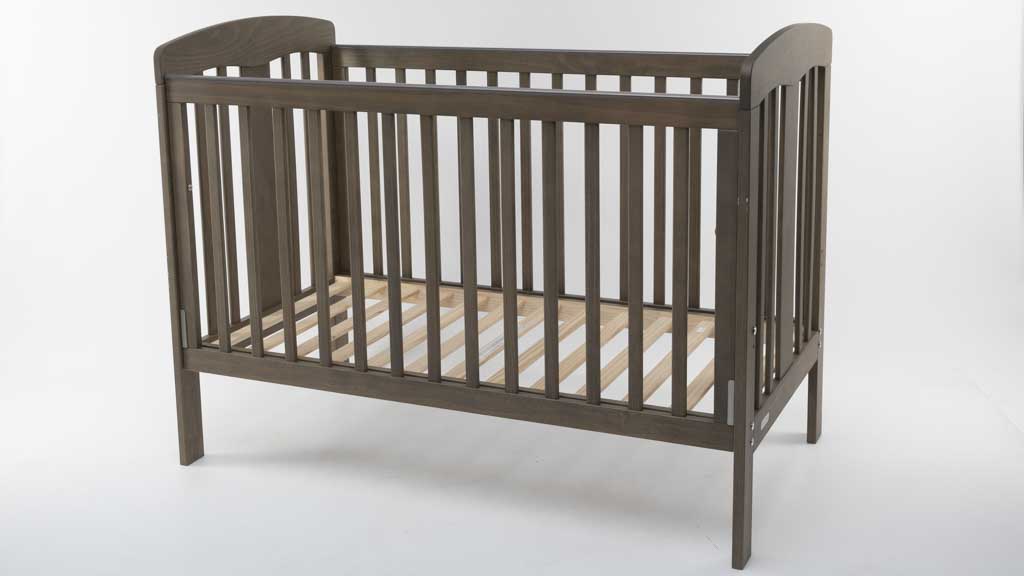
Grotime
Pearl
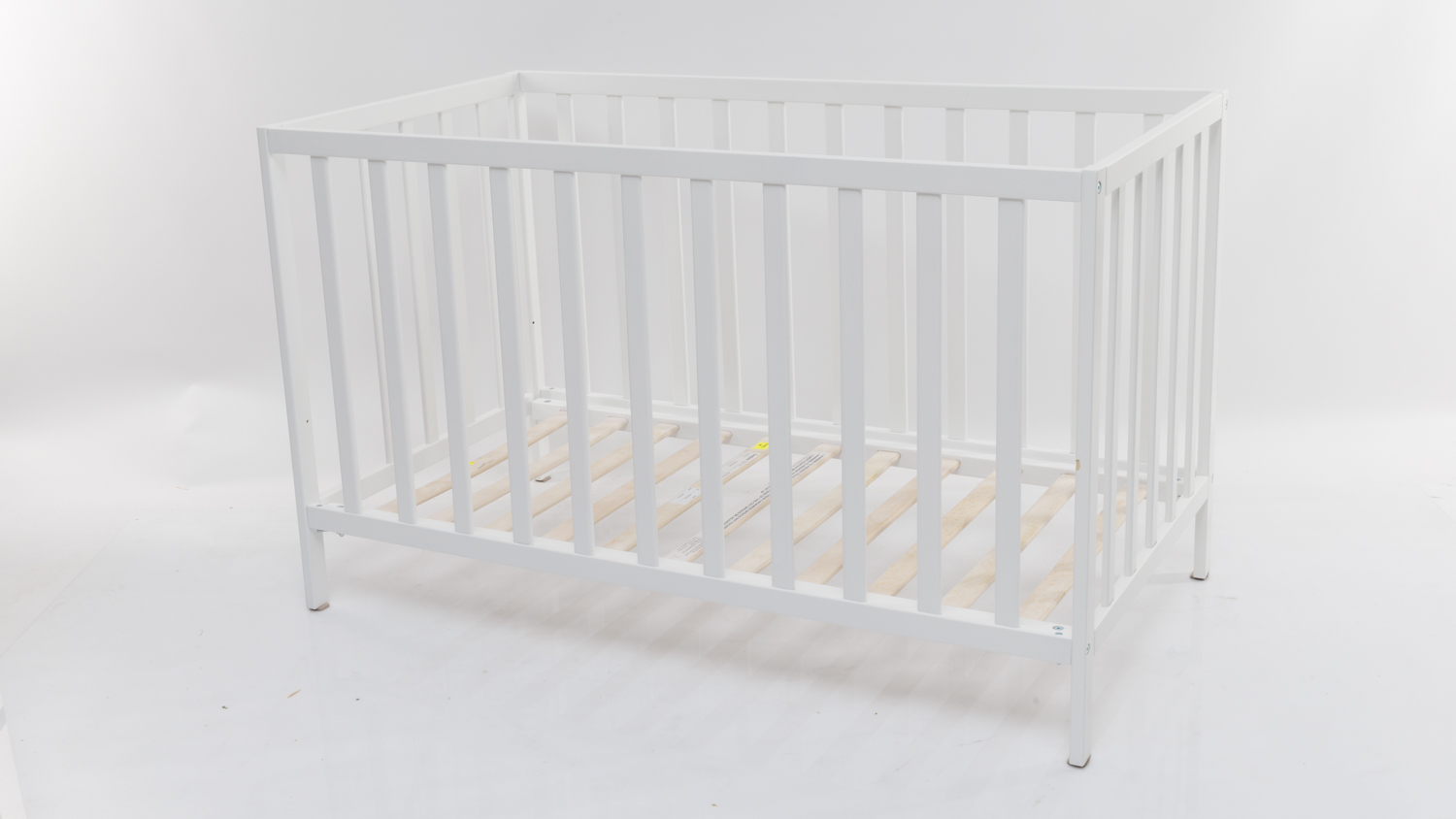
Grotime
Haven
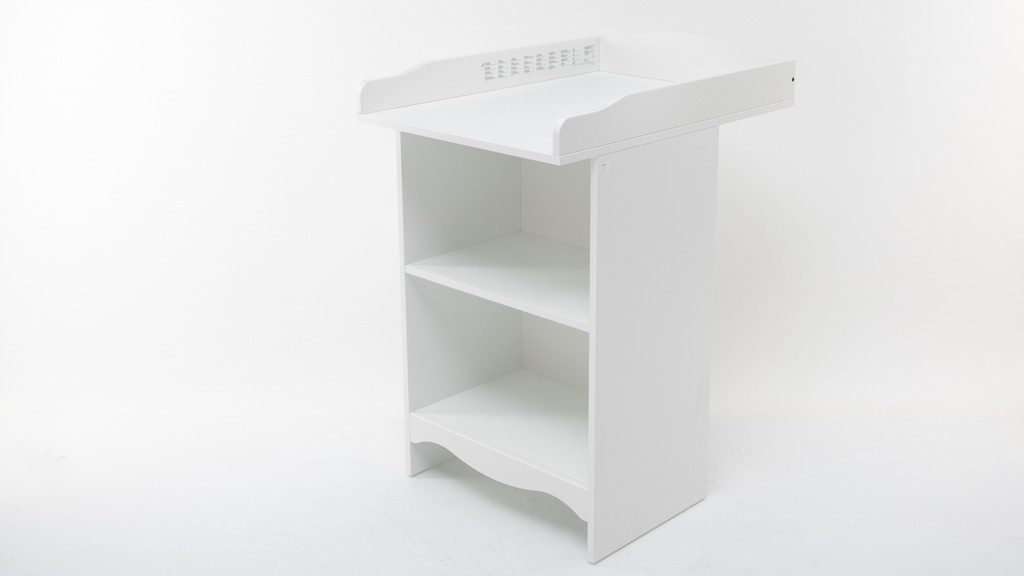
Ikea
Smagora
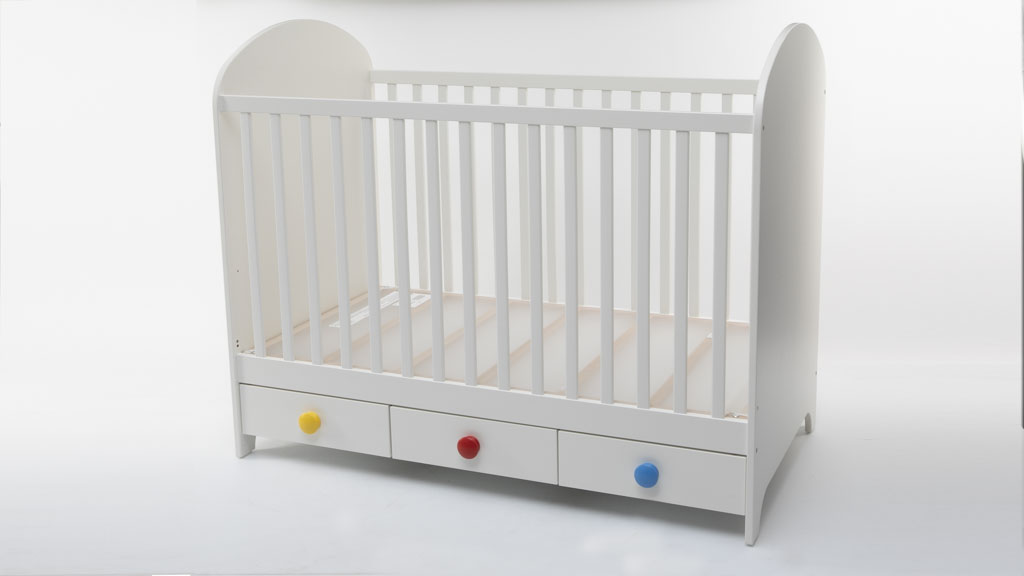
Ikea
Gonatt
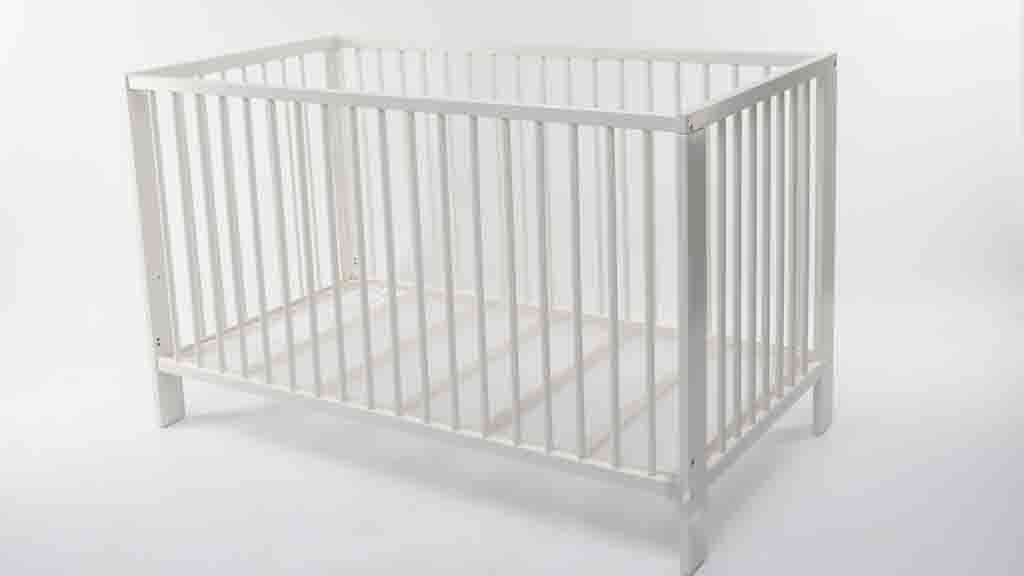
Ikea
Gulliver cot
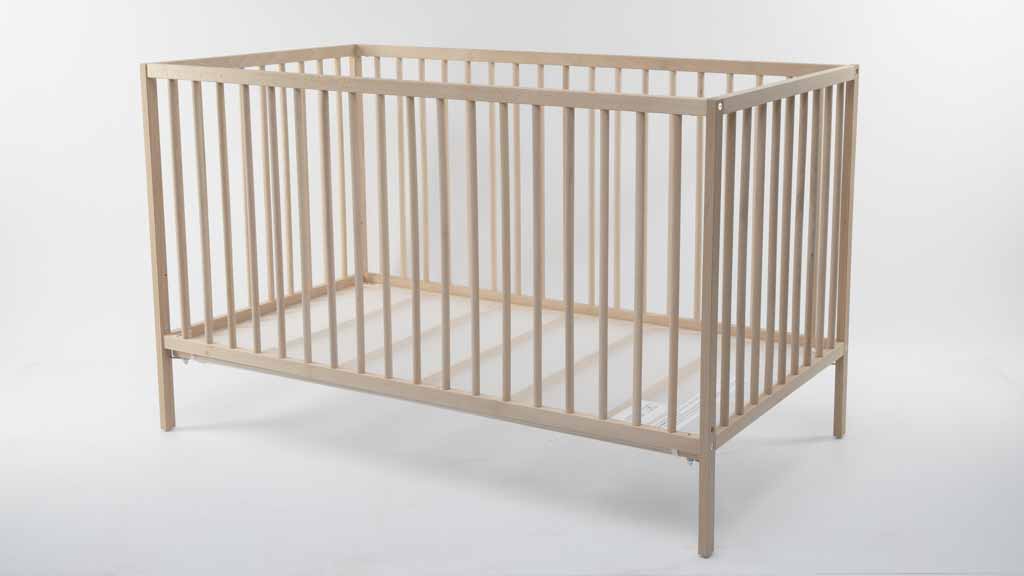
Ikea
Sniglar
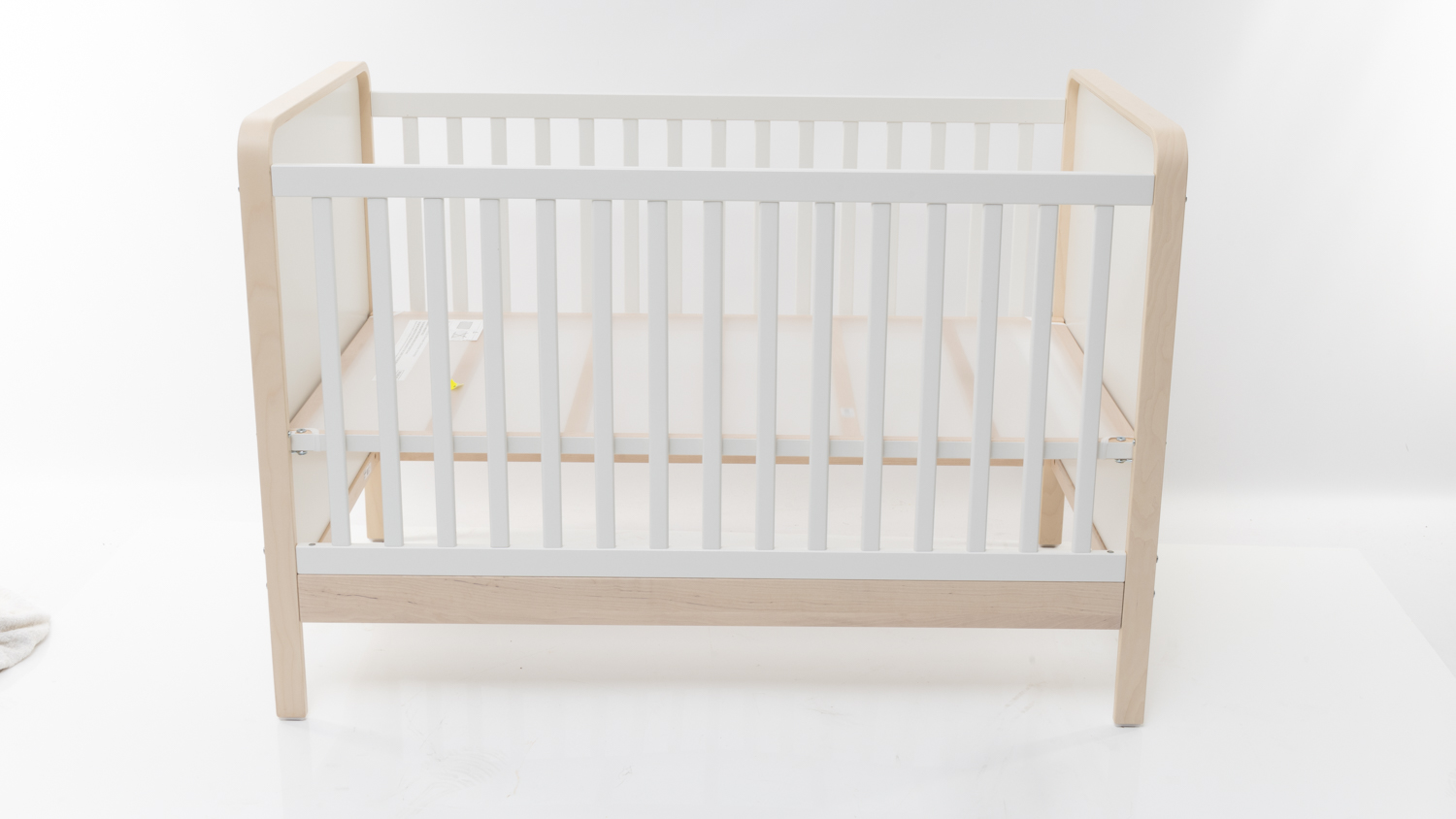
Ikea
Alskvard
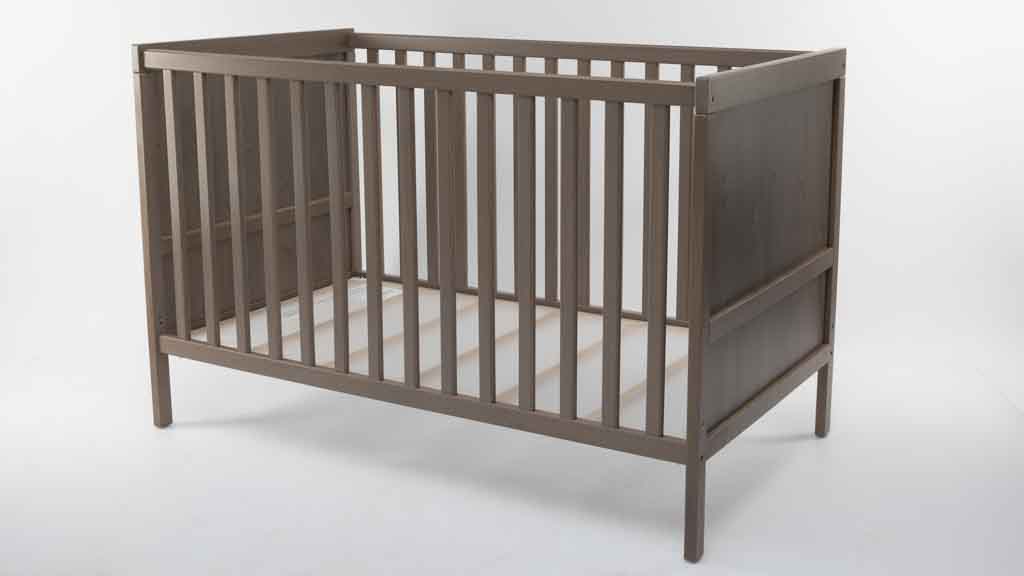
Ikea
Sundvik
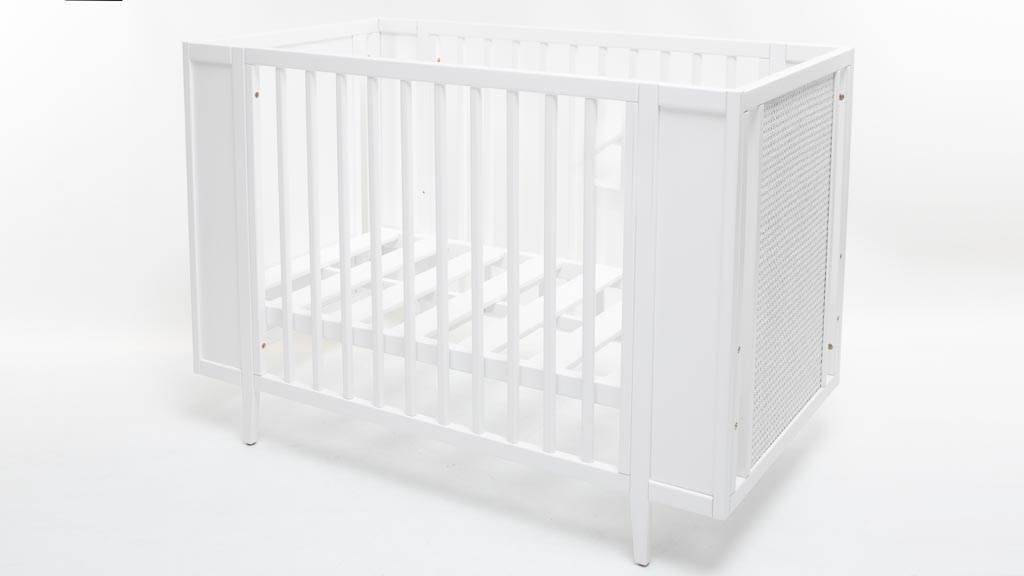
Incy Interiors
Maxwell
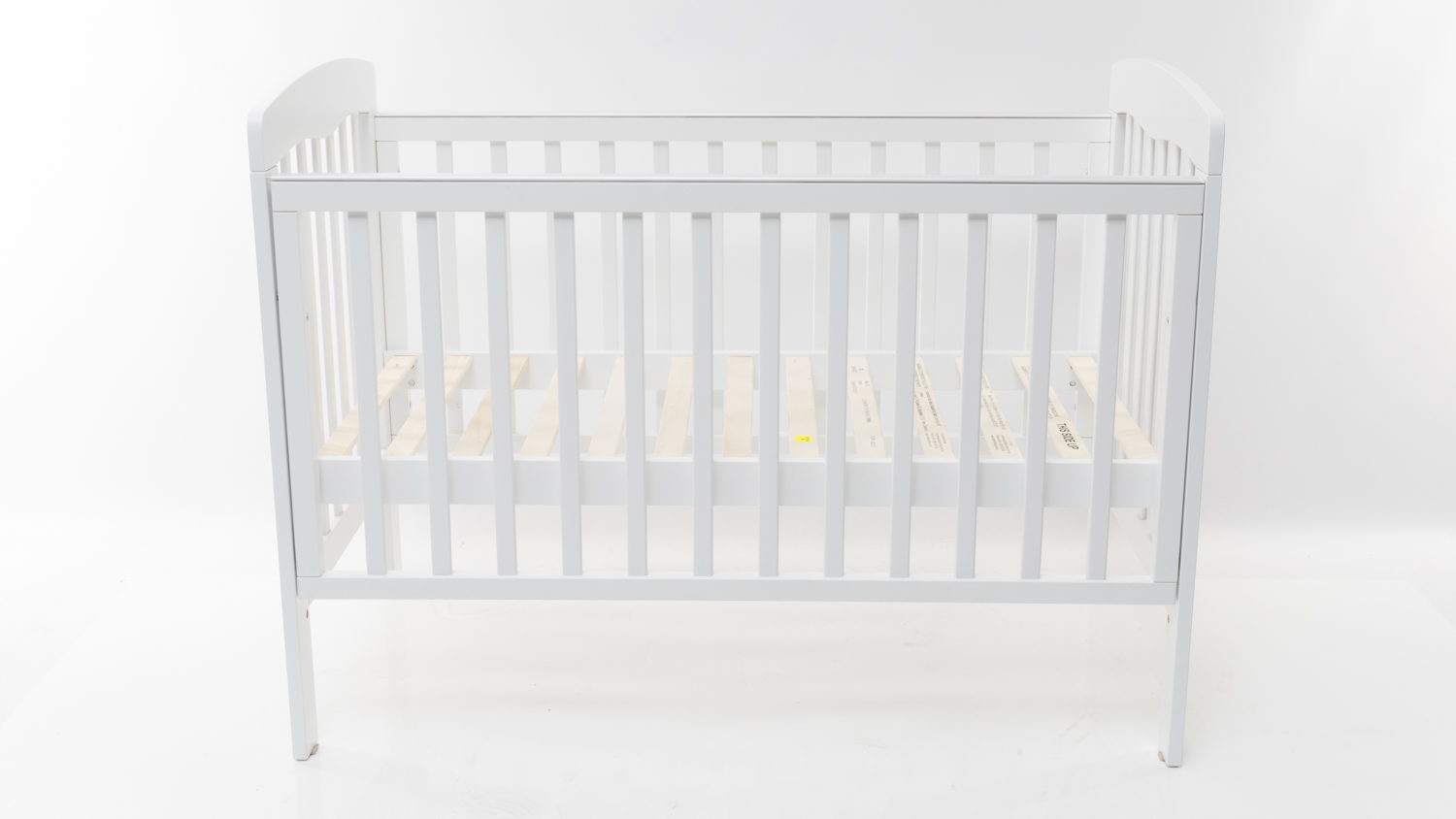
Jengo
Mila
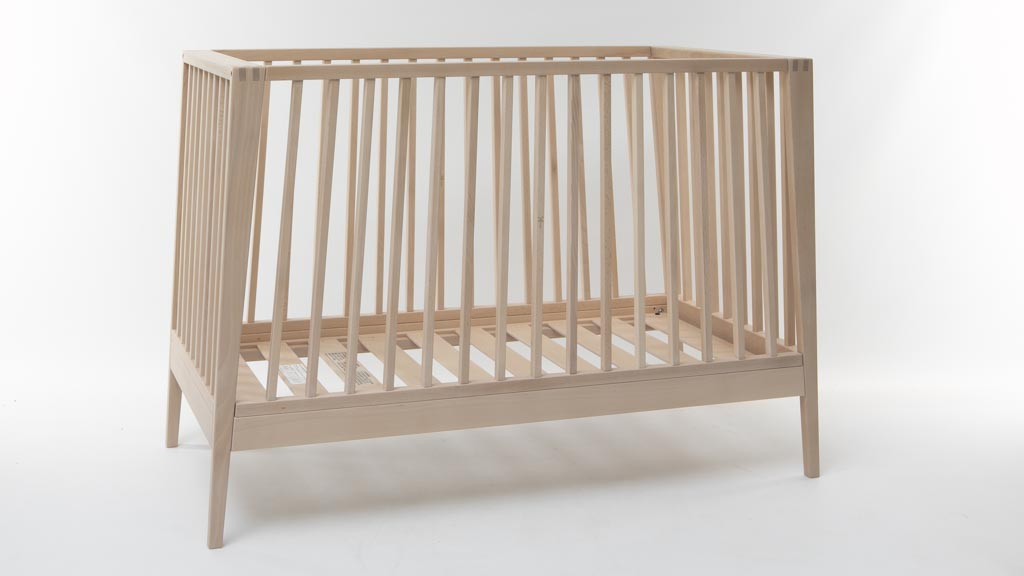
Leander
Linea Baby Cot
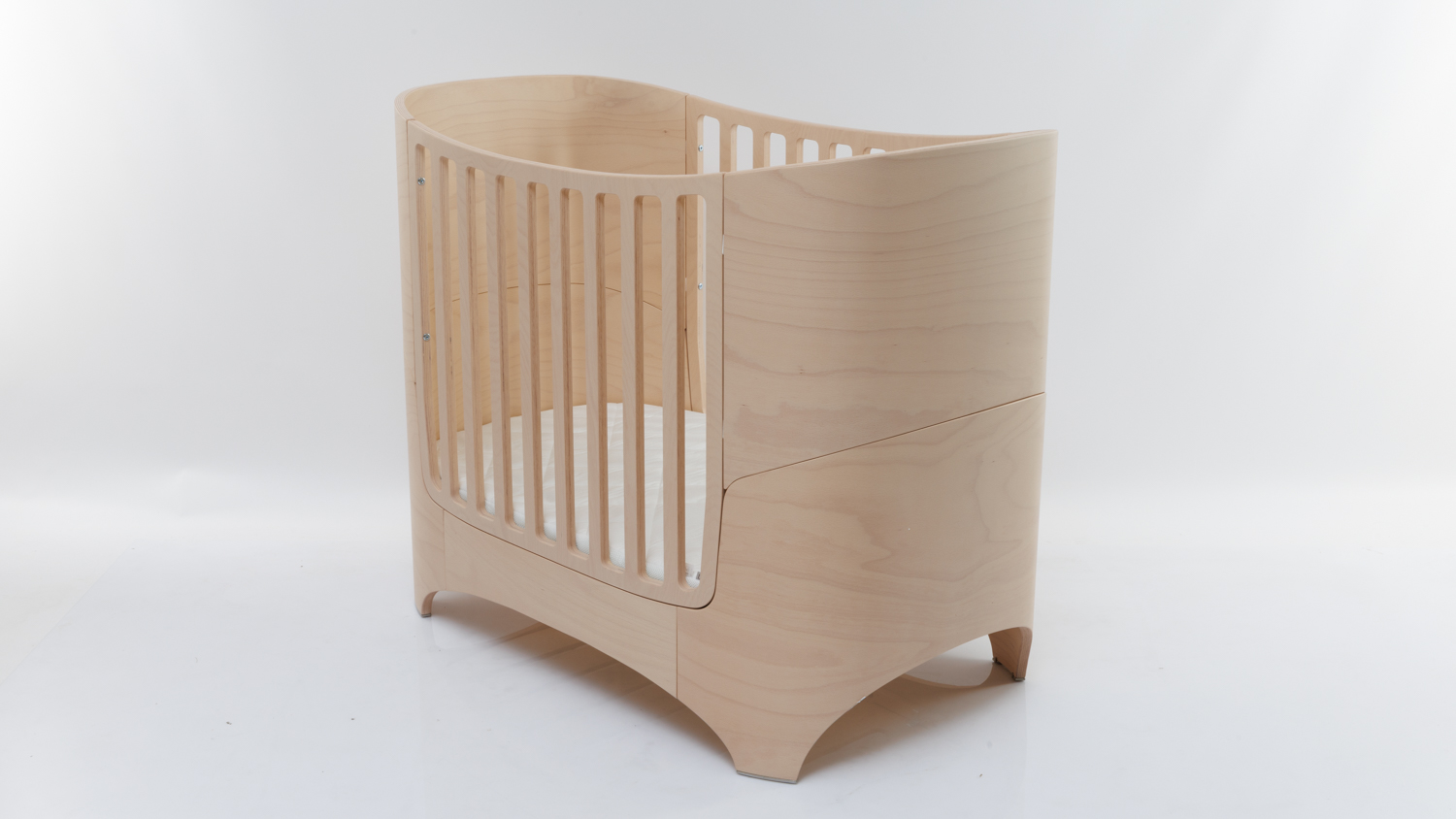
Leander
Classic
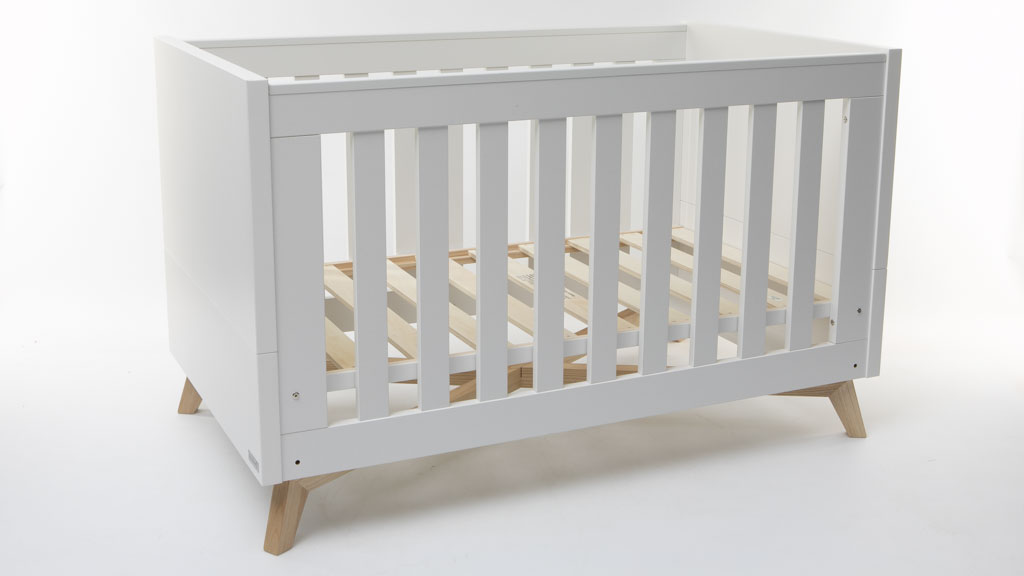
Love N Care
Charnwood Fjord
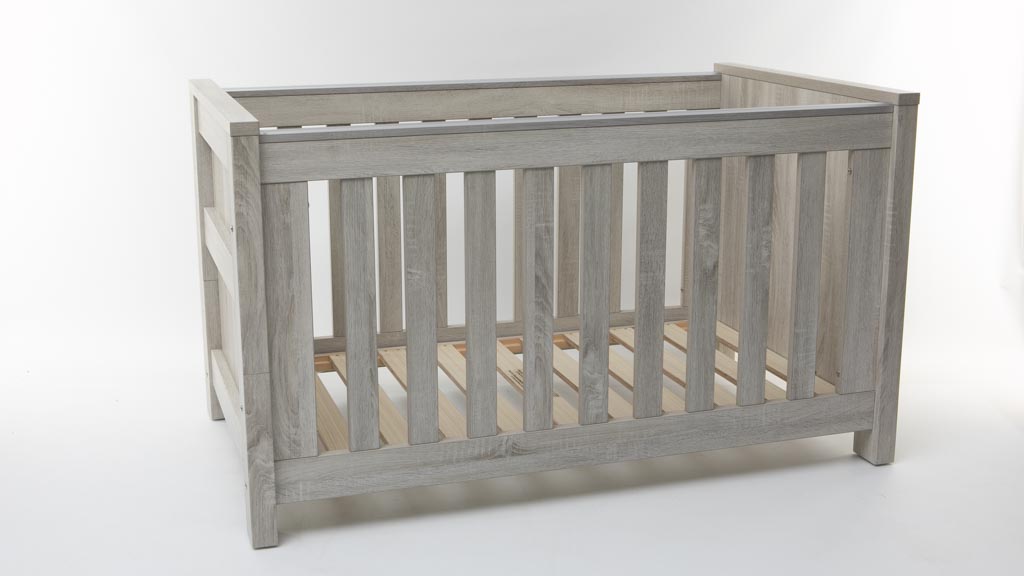
Love N Care
Charnwood Bordeaux
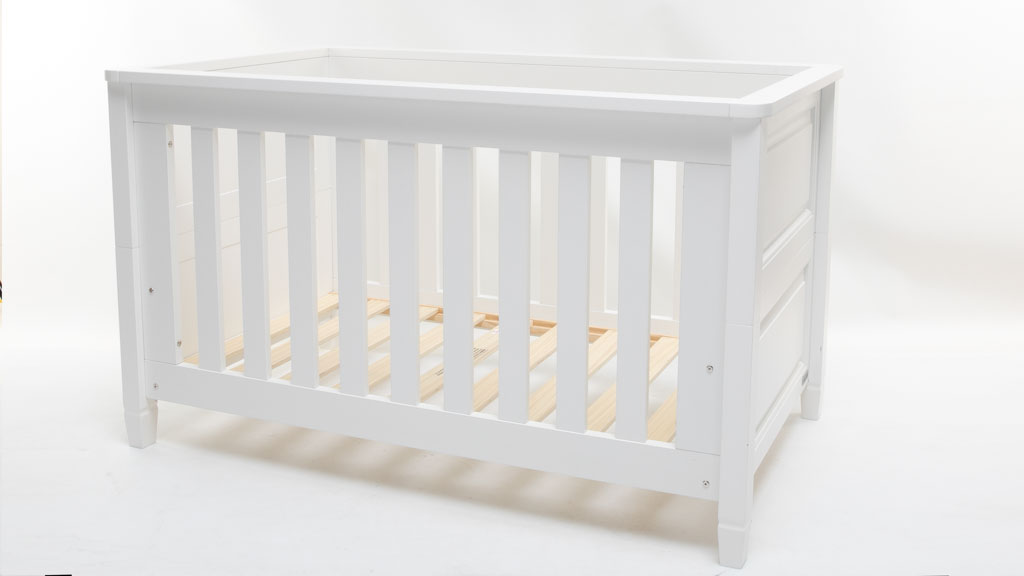
Love N Care
Everly
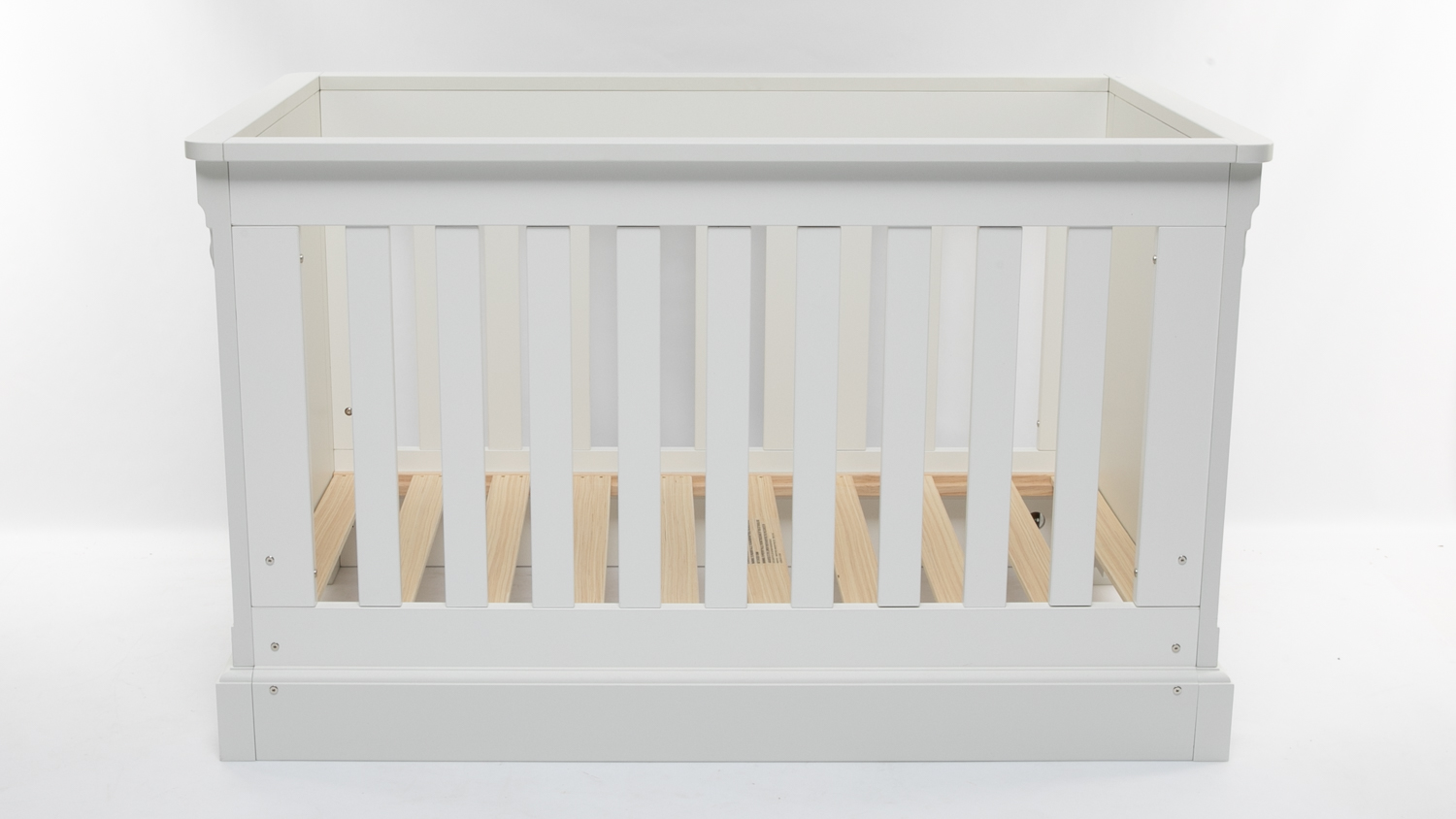
Love N Care
Emilia
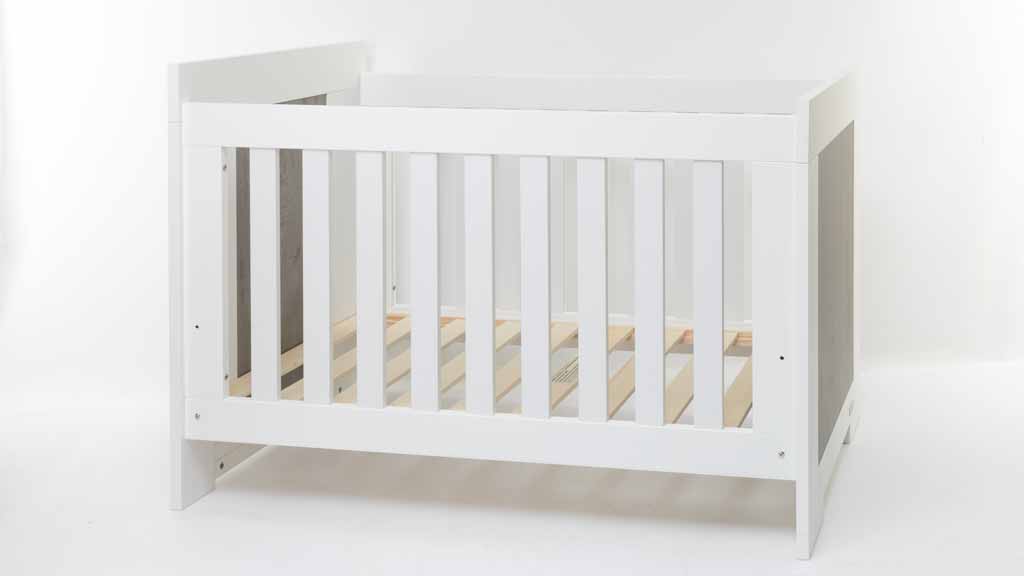
Love N Care
AU-Lucca CH 200WA
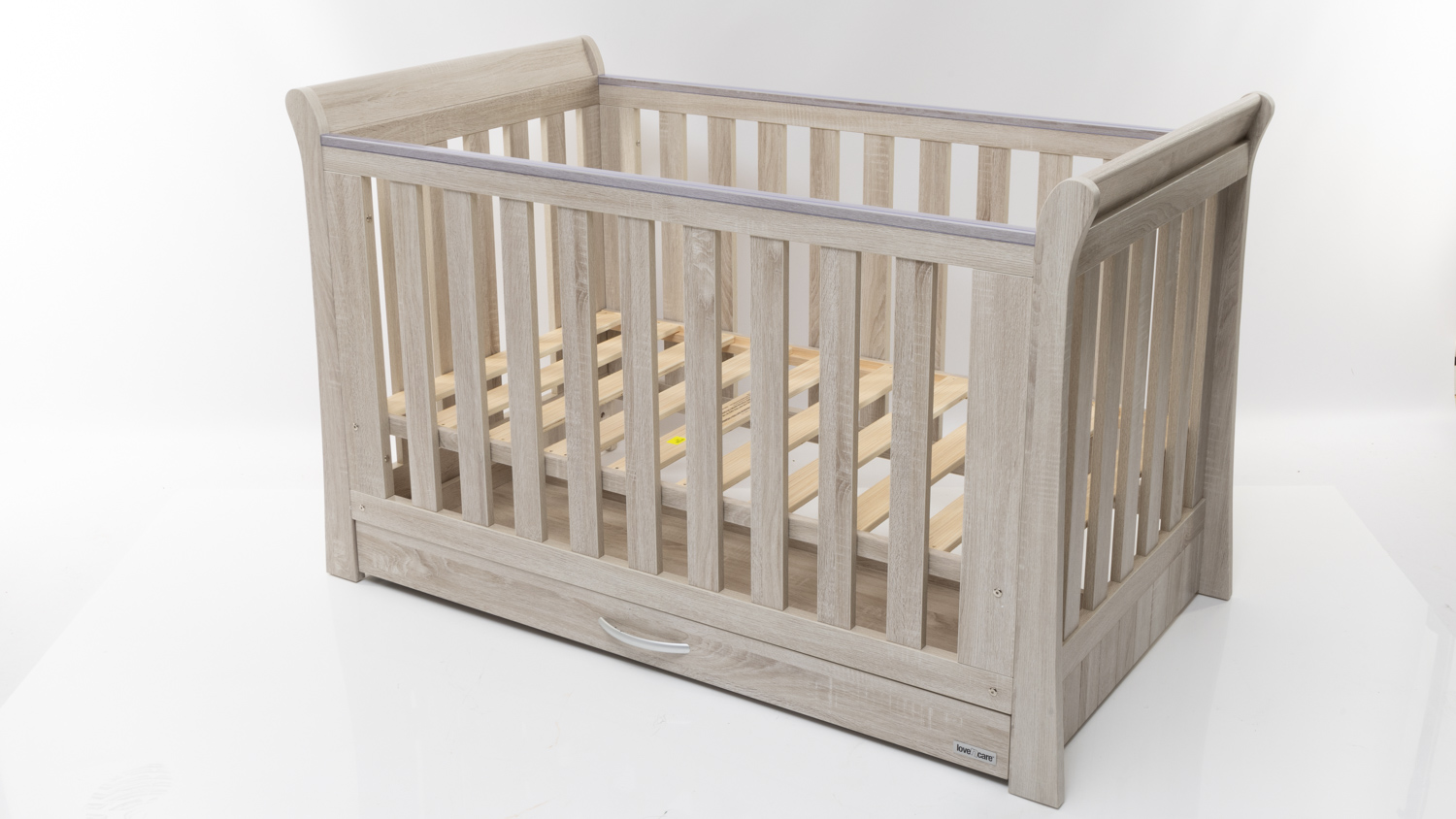
Love N Care
Noble
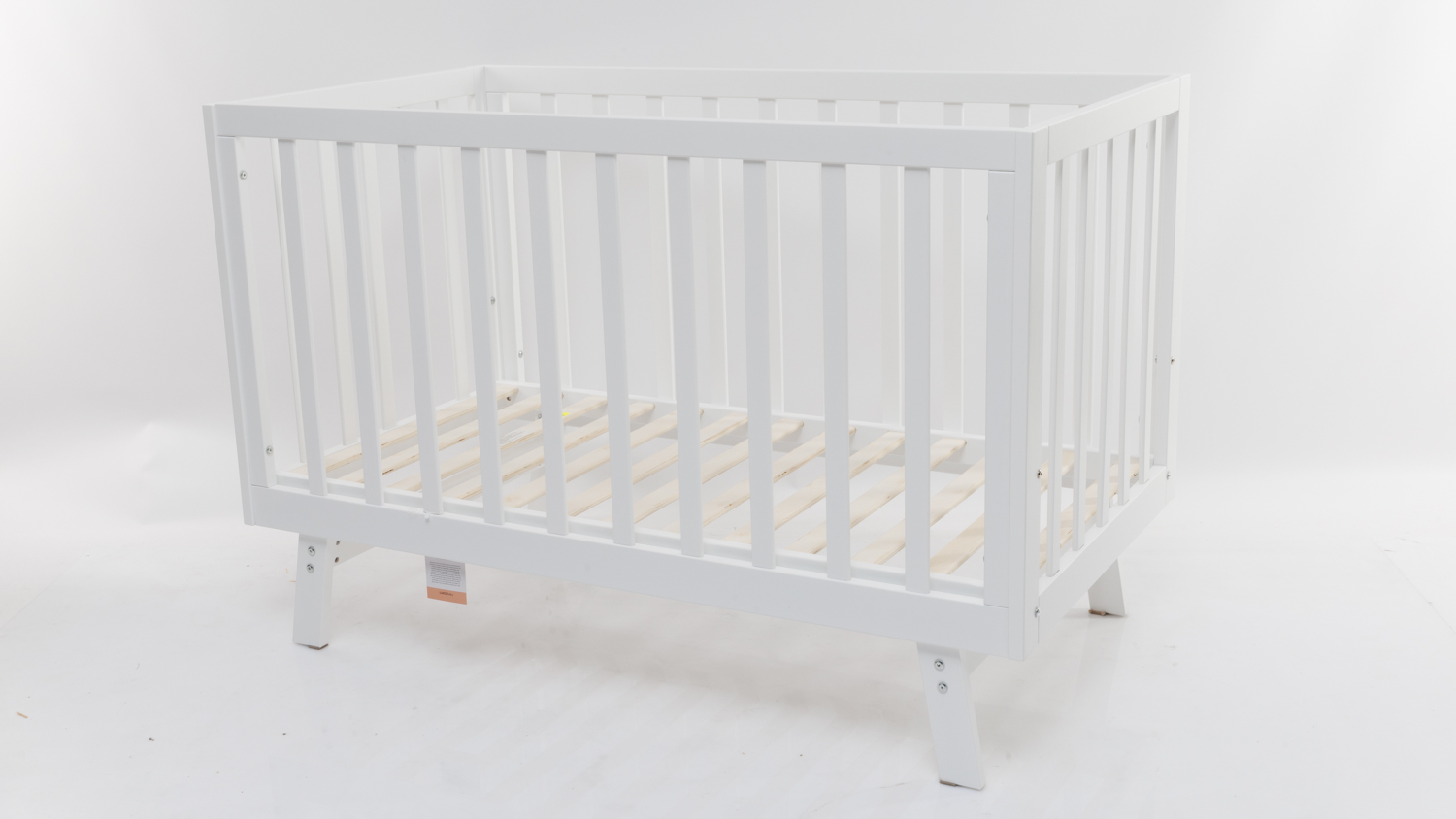
Luxo Baby
Eudora
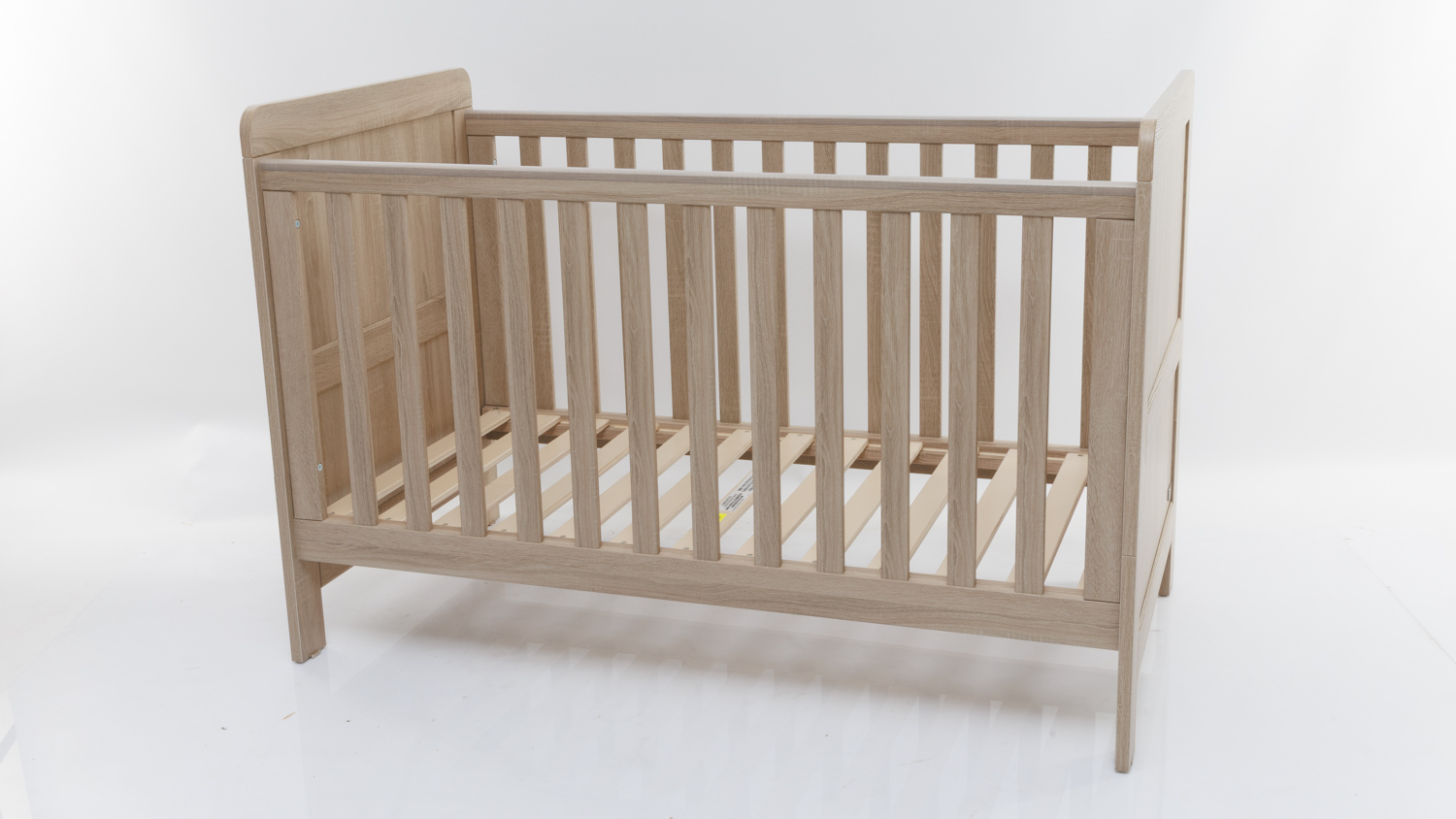
Mamas & Papas
Atlas
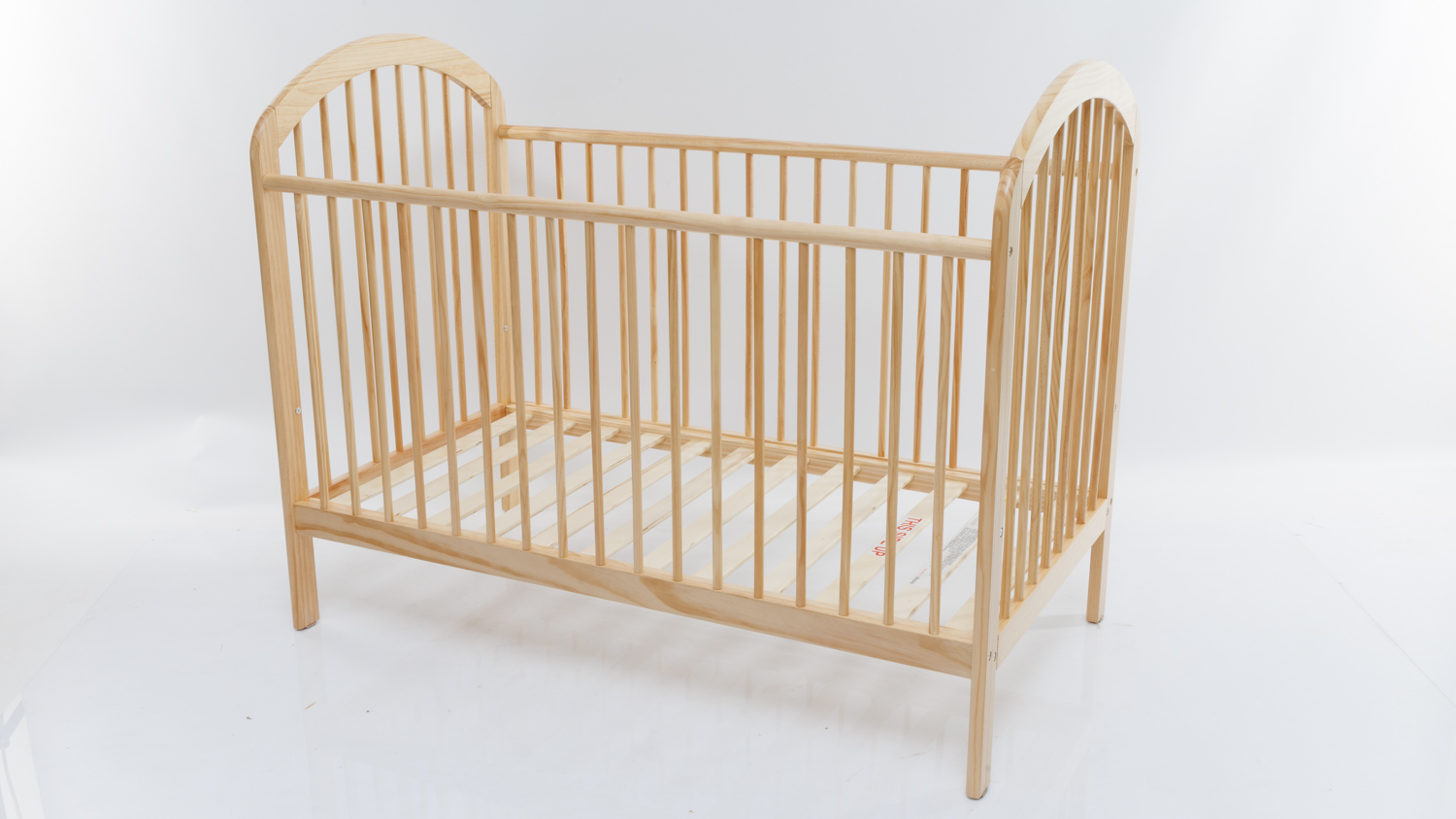
Mocka
Archie
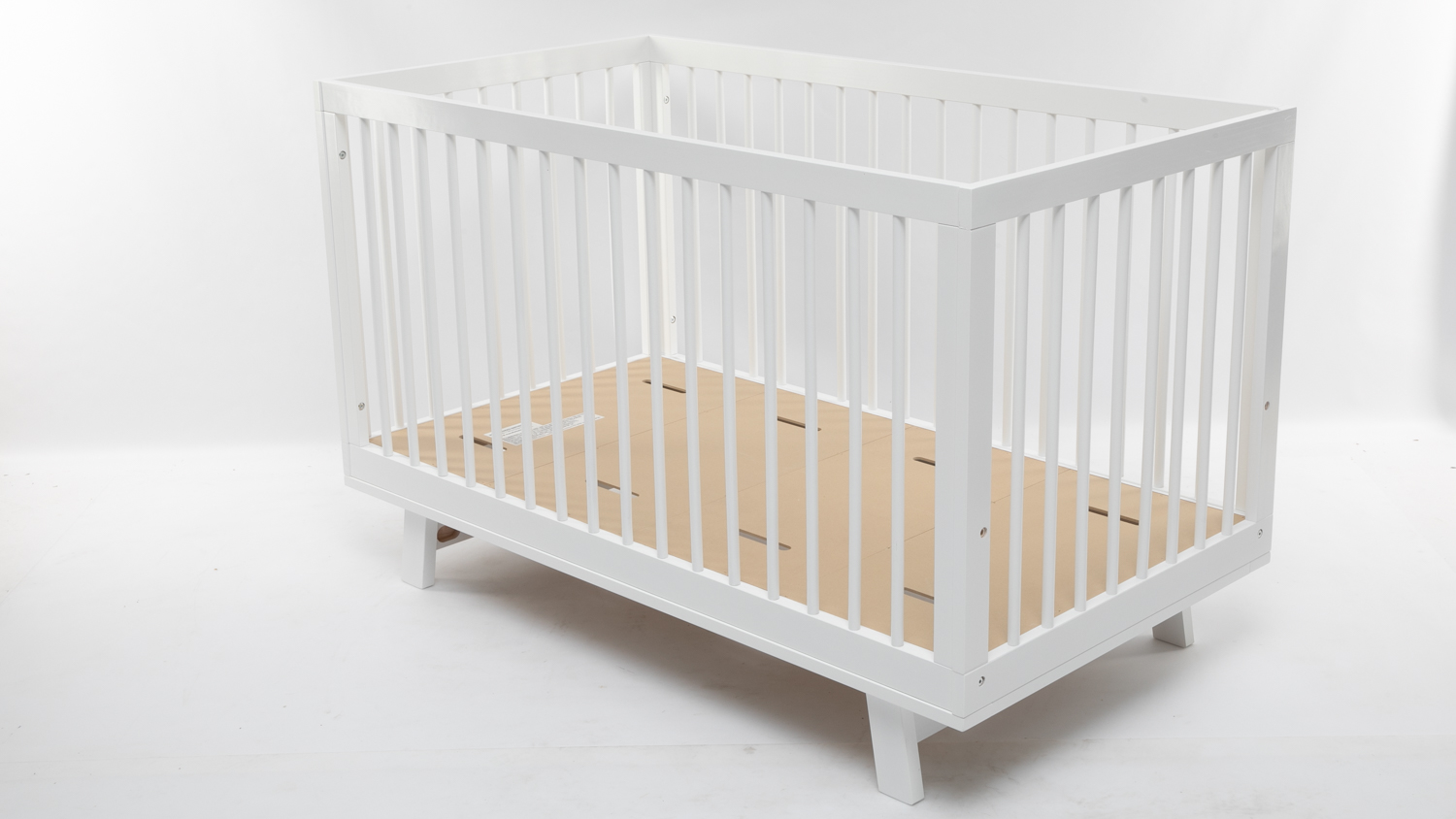
Mocka
Aspen
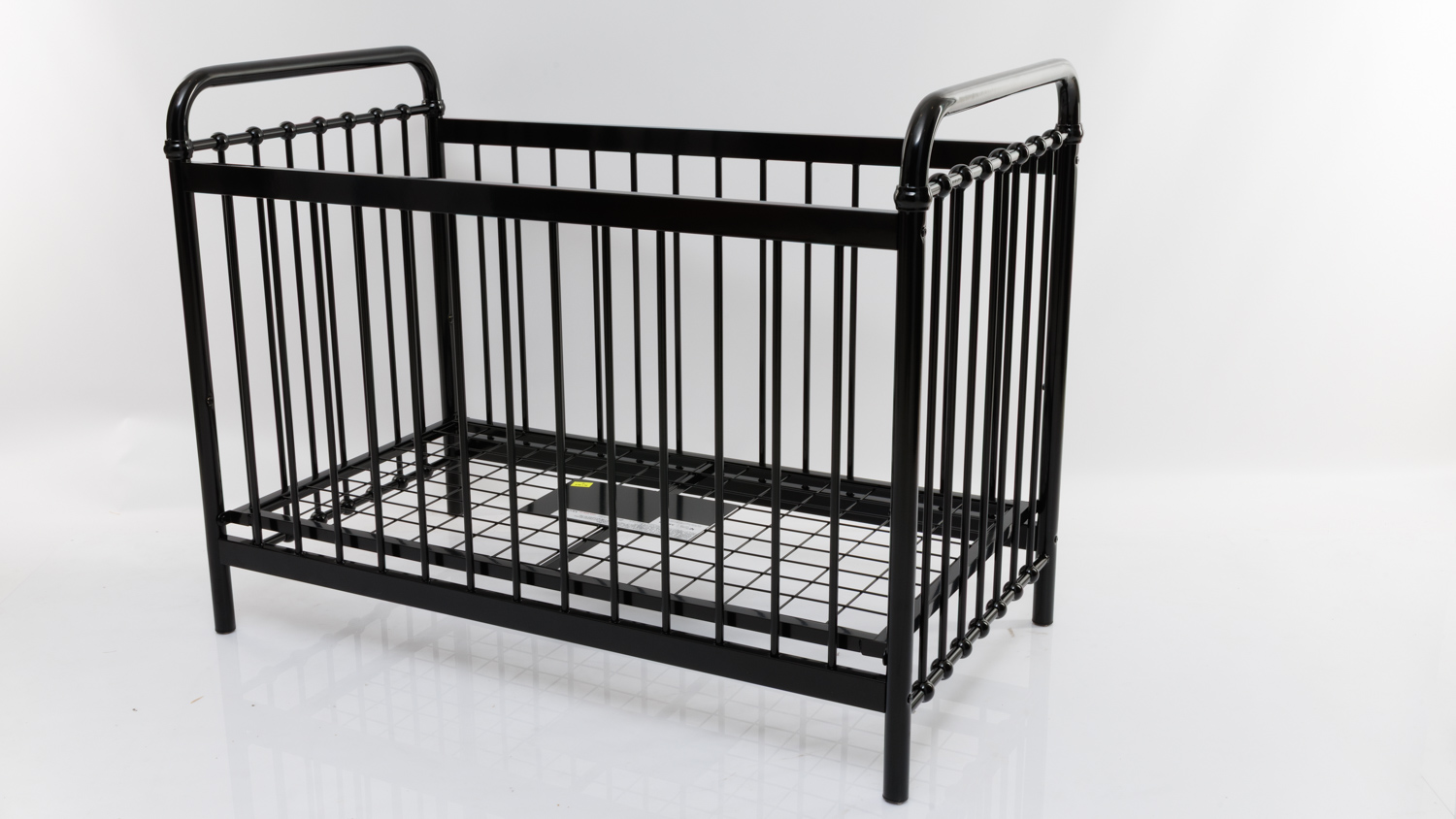
Mocka
Sonata

Pottery Barn Kids
Aus Fillmore
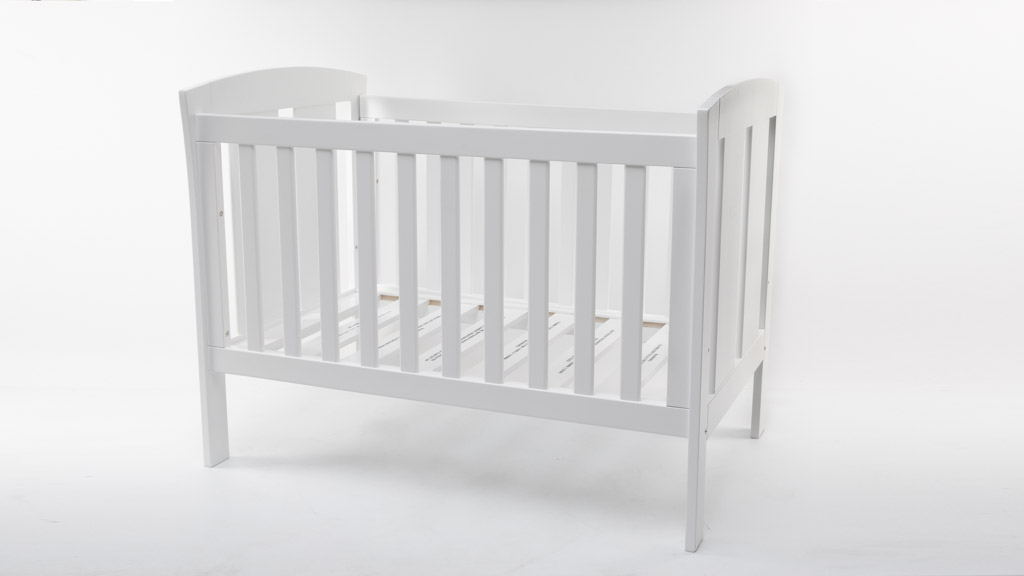
Seena
Capri
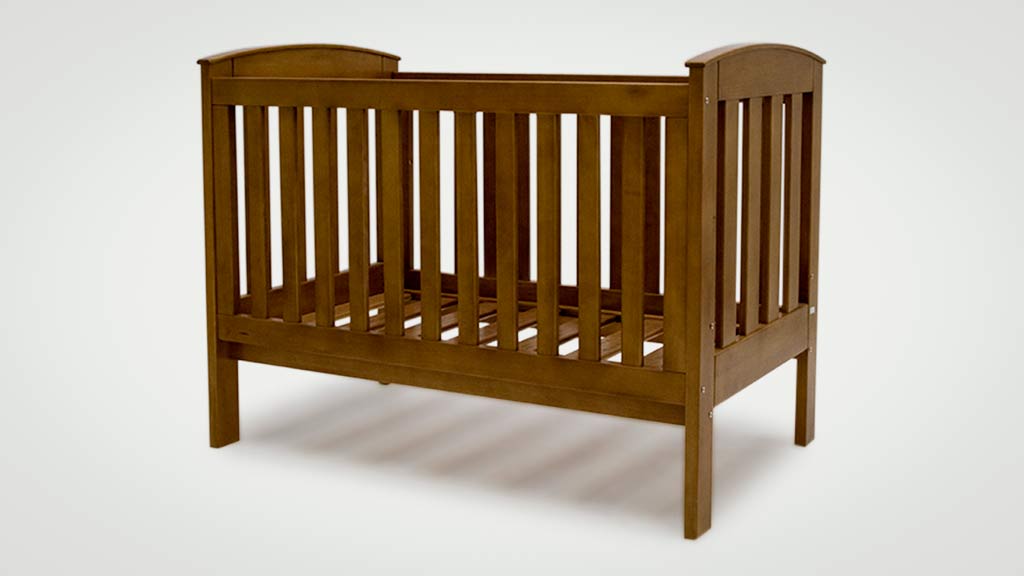
Seena
Siena
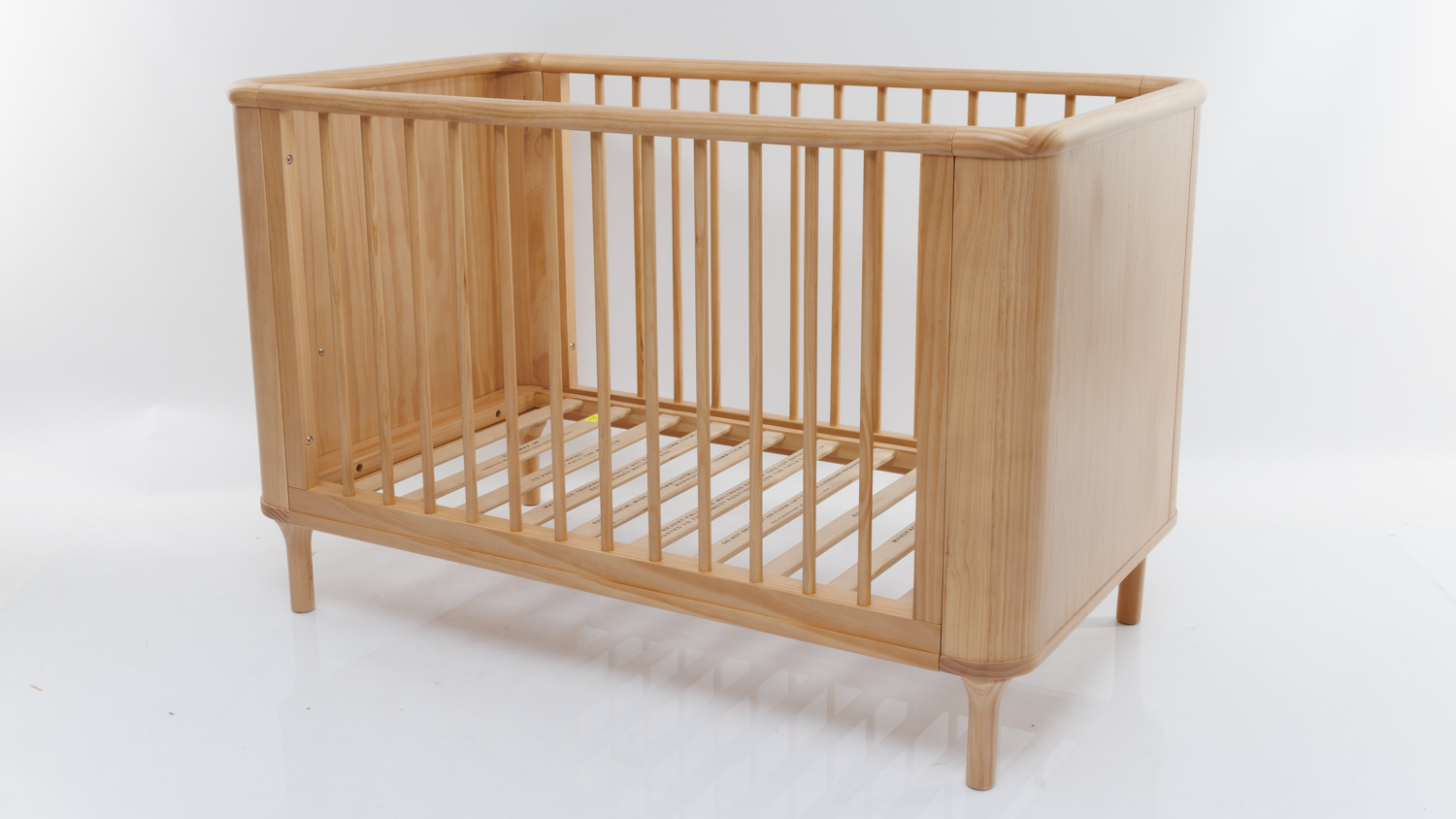
Seena
Willow
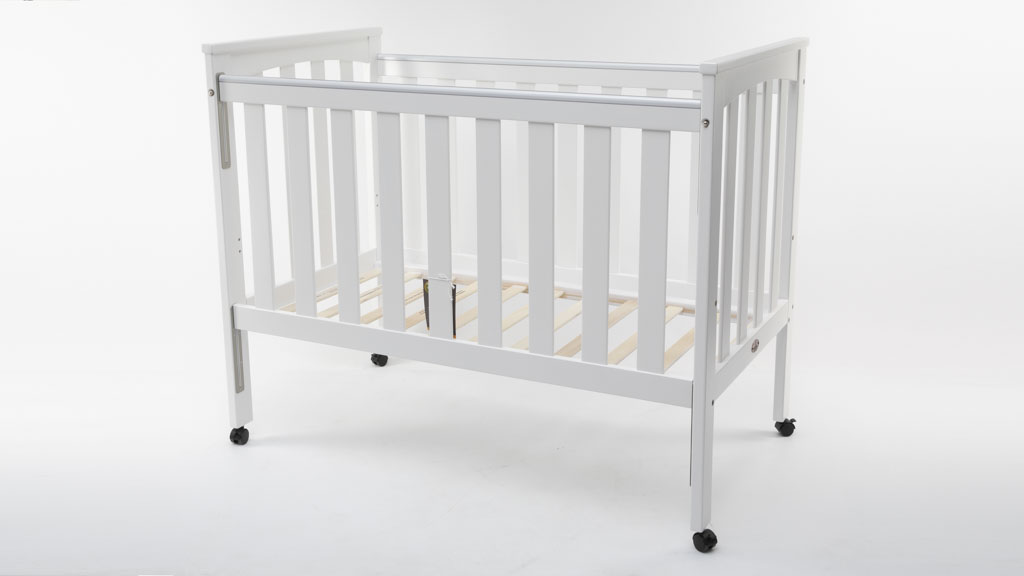
Sunbury
Tiburon
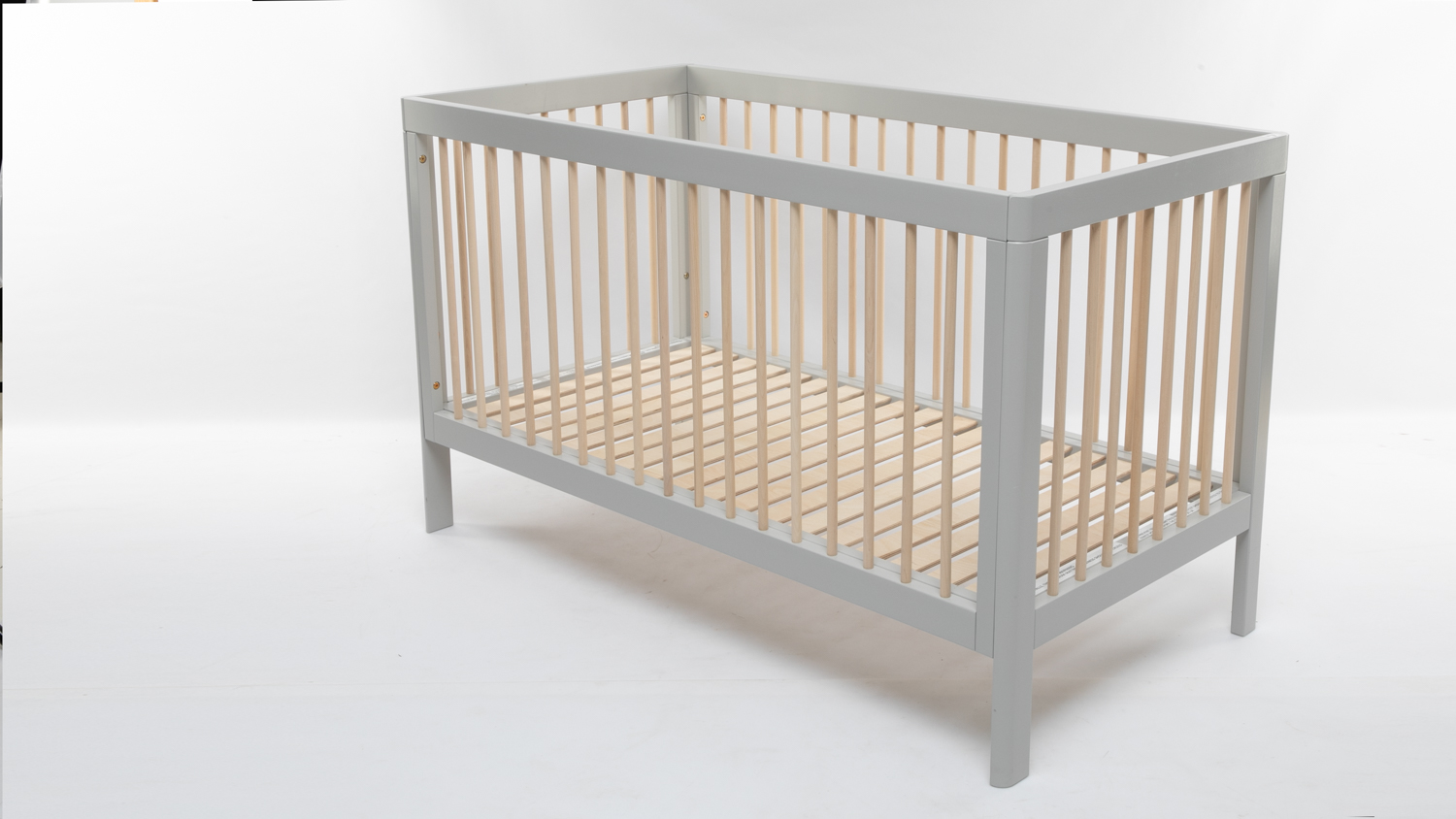
Troll Nursery
Lukas
Scientifically tested in accredited labs
We test baby products to the highest safety standard, so you can trust our results.
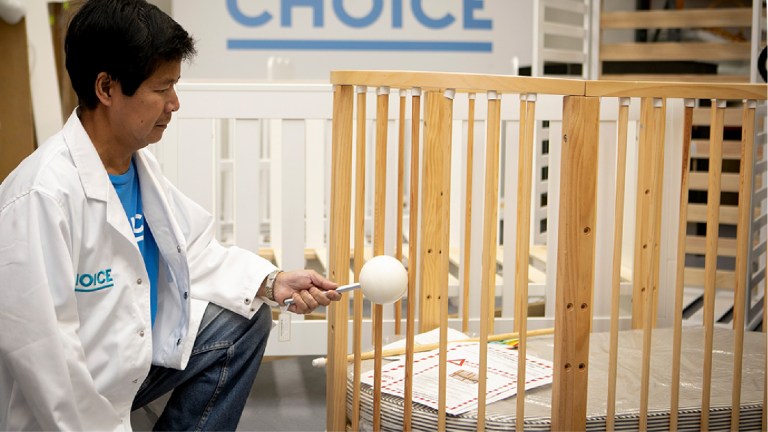
Our experts test and rate

Safest cots
Know which cots pass key tests for a safer night’s sleep

Easy to assemble
Instructions, number of parts and assembly – we rate them all
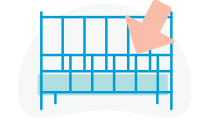
Features you need
Cots with a dropside for easy access or that convert to a toddler bed
We give each pram a score made up of:
Cots are assessed against key safety requirements in the Australian standards and must pass key tests.
How easy the cot is to assemble, prioritising clear instructions and assembly stages, and fewer parts.
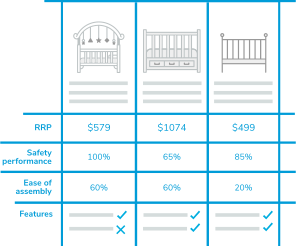
See key features side by side
Save time with our easy comparison tool – all the features rated so you don’t have to.

CHOICE keeps the marketplace honest. Without them, manufacturers will be able to do whatever they want.
Aaron – CHOICE member

They’re here to make a difference and here to make us safe.
Allison – CHOICE member

CHOICE keeps the marketplace honest. Without them, manufacturers will be able to do whatever they want.
James – CHOICE member
Our experts test cots from Babyhood, Babyrest, Boori, Cocoon, Grotime, Ikea, Jengo, Leander, Love N Care, Luxo Baby, Mamas & Papas, Mocka and more.
Our priority is testing the models you’ll see in stores and major online retailers. To do this, we check current market data to see what’s most popular. We’ll also test models that a lot of members have requested.
Cots are tested against key safety requirements of the Australian standards.
Tests include checking that the cot has suitable gaps between the bars and panels to avoid injury, is deep enough to prevent falls, and that the ends of the cot are clear of anything that could wrap around a baby’s neck.
Unlike other product review sites, we don’t accept free test models from manufacturers. This allows us to be independent and review without interference. Instead, we buy products anonymously from a variety of retailers, then bring them into our labs. This means we get what you’d get, and can be sure the model hasn’t been potentially ‘tweaked’ for better performance.
Our expert testers have decades of experience in testing children’s products and sit on the Australian Standards committee for cots. Our lab is also NATA-accredited to test cots against the standards.
We’re a nonprofit that’s been supporting Australian consumers since 1959
Buy smarter
The tools you need to find the best brands, avoid poor performers and get help when things go wrong.

Make a difference
Our members are at our heart, funding our independent product testing, journalism and campaigns.

Connect and belong
Join a community of thousands where you can share ideas, get advice and make positive change.
