01.Introduction
In brief
- There are many causes of sleep difficulties, so it’s important to get the diagnosis right.
- If your child is having problems sleeping that won’t go away with improved sleep hygiene or settling methods, see your doctor.
- Don’t ‘prescribe’ medication for them yourself — and that includes complementary medicine.
Why won’t my baby sleep?
- One of the most common causes of sleep problems in babies and very young children is parents misreading their children’s tiredness signals. The child then becomes overtired, making it even tougher for them to get off to sleep (or for you to get them into bed).
- Another common issue is lack of routine. Although the routine shouldn’t be too rigid, it should be established and stuck to. A change in routine, such as moving home or travel, can upset a child’s sleep, just as it can with adults. (When travelling, take your child’s pillow along!)
- A child’s temperament may also be a cause. Two children from the same family can be different: the one who’s more alert than the other may find it harder to fall asleep.
- Sometimes sleep difficulties can be caused by health issues, such as reflux, lactose intolerance, asthma or allergies.
- Sleep apnoea can also cause constant waking, daytime inattention and hyperactivity.
How can I settle them?
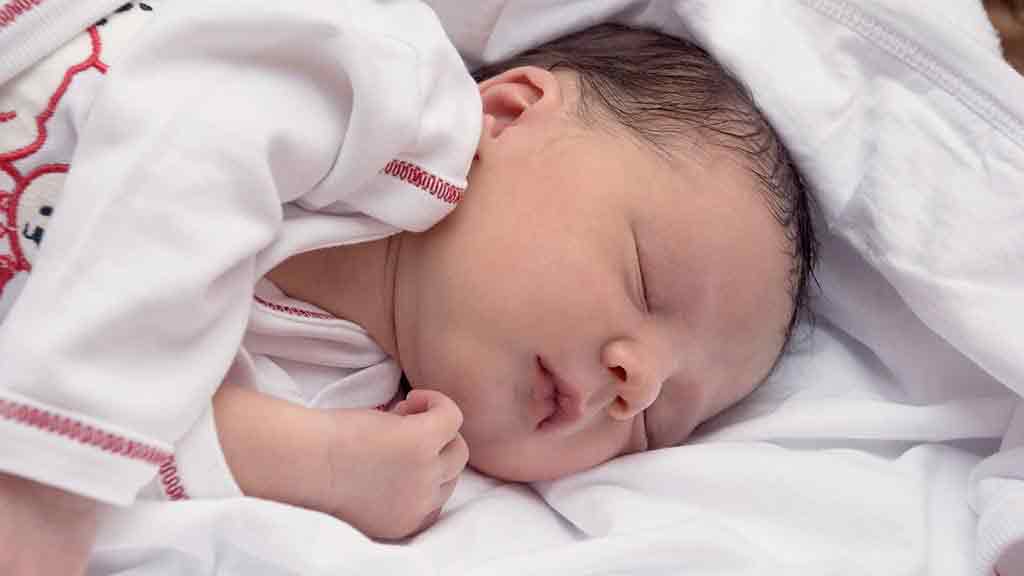
- Learn to recognise your child’s tiredness signals, and act quickly when you see them. In babies these may be grizzling, crying and fist clenching. They may also make jerky hand and feet movement or grimaces. Children may get upset suddenly, lose their concentration, rub their eyes or start yawning.
- Learn the appropriate settling techniques for your child’s age. The main aim here is to help the child learn how to self-soothe and go off to sleep. Karitane has a useful guide to settling babies and toddlers.
- Background ‘white noise’ such as a fan or quiet soothing music can be helpful (it also soothes you). It’s important that the music be continually playing, such as a CD on repeat, so that the child hears it if they wake up at night — see sleep onset association disorder.
- Develop a sleep routine. For example, always give your baby a massage or bath before putting them to bed.
- Make sure you get support. A stressed child can make a parent anxious, which can make the child’s stress worse, and so on. Having someone to talk to, such as a supportive friend, family member or community health worker can help.
- Getting some time out can help alleviate stress, especially if you’re very tired.
- Asking for help is not a sign of failure — children’s sleep problems can be challenging for the whole family and many people need assistance and support.
Can I give over-the-counter sleep aid products?
Experts say children shouldn’t be given any kind of sleep aid products (including over-the-counter ones such as antihistamines or complementary medicine) without first seeking medical advice. It’s important that a sleep disorder be correctly diagnosed, as each child is different, and by treating them incorrectly you may be doing more harm than good.
8 Mar 2013
|
The mandatory Australian standard aims to benchmark all cots to a safe level, but some failures slip through the cracks.
22 Sep 2006
|
Children need better protection from unhealthy food marketing, and a large proportion of people we surveyed think the government should help.
8 Jul 2008
|
Depression is a serious condition and you should discuss all available treatments with your doctor.
6 Jul 2010
|
Spending big on a bike for your child doesn't necessarily guarantee you're getting the safest bike.