There’s nothing more enjoyable than browsing the aisles for a new toy that you know will bring a smile to the face of a child you love. But when you’re shopping for gifts for young children, safety is also an important consideration.
While most toys are safe, sadly there are still lots of toy-related injuries every year – and even some deaths.
Fortunately, with a bit of knowledge and common sense, it’s not hard to avoid the dodgy toys.
10 tips to choose safe toys
1. Read the labels
Labels, or instructions on the packaging, should tell you:
age recommendations
assembly instructions (if appropriate)
proper use and supervision (if appropriate).
‘Not suitable for children under three’
This is a safety warning, not an indication of skill level or intelligence. For example, it’s illegal for a toy (and any detachable parts) intended for children under three to be so small that the toy could present a choking hazard.
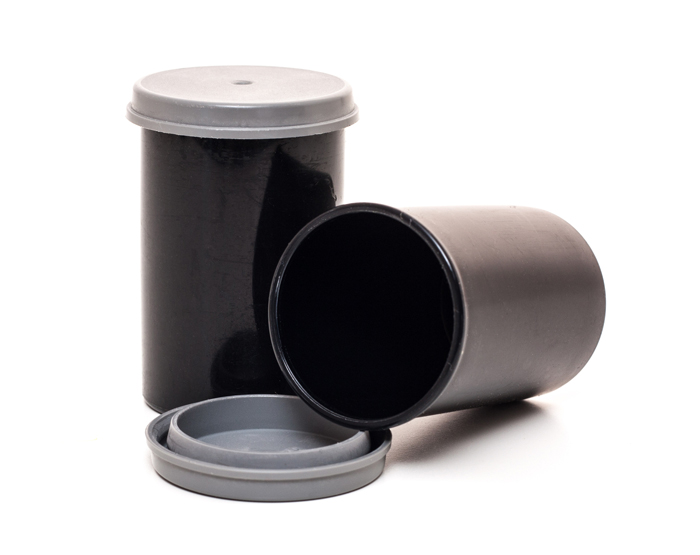
If a toy or its parts could fit wholly into a 35mm film canister, don’t give it to a child under three.
2. Look for choking hazards
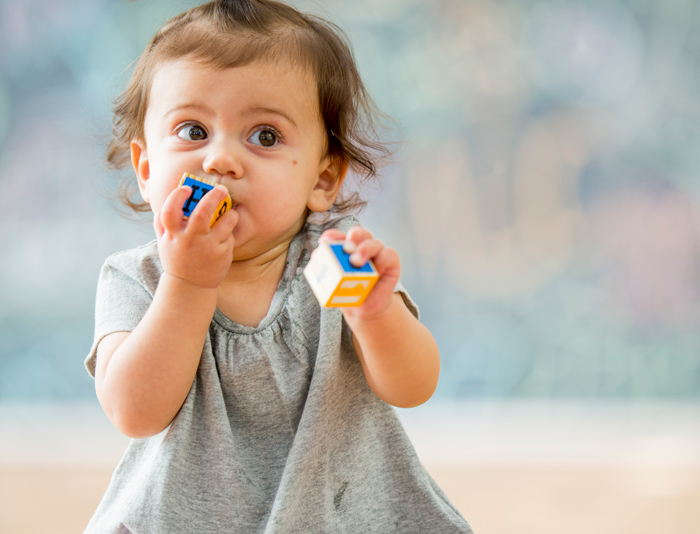
Choking and suffocation are the biggest toy-related hazards at this age. Small parts that can fit into a child’s mouth and be swallowed can be extremely dangerous.
As a guide, if a toy or its parts could fit wholly into a 35mm film canister, don’t give it to a child under three. The ACCC provides a free guide for how to easily make your own Choke Check tool to see if a toy or detachable part is too small.
When buying toys for toddlers and infants, avoid:
very small toys that could fit into their mouths
toys with small components such as beads and buttons that could easily detach if pulled, squeezed or twisted, or when the toy is dropped (as it will be).
Examine the toy and imagine dropping it a few times onto a hard floor, or tugging at any small parts like buttons or sewn-on eyes. Do they look like they’d easily break off? Is the assembly flimsy and likely to crack or come apart? If so, choose something else.
3. Are they durable and washable?
Babies and toddlers have a special knack for getting toys dirty, not to mention chewing on them too.
Toys that are hard-wearing and easy to clean will last longer and be safer for the child.
4. Inspect surfaces and edges
Make sure there are no:
sharp edges
sharp points
rough surfaces, or
small parts that could be bitten or break off.
If a sharp edge or point is essential to the function of the toy – toy scissors for example – make sure you show your child how to use it safely, and always supervise.
Also check there are no gaps or holes in a toy where a child could trap their fingers.
Babies and toddlers are expert toy chewers, so choose items that are hard-wearing and easy to clean.
5. Does it contain magnets?
Small, powerful magnets are very dangerous if swallowed. If two or more such magnets are swallowed, the magnets can lock together through the intestinal walls and cause perforations and blockages, leading to infection and even death.
The mandatory standard (i.e. regulation) applies for toys that contain magnets and that are intended for children under the age of 14. It requires manufacturers to ensure that hazardous magnets will not separate from a toy during play.
There’s also a permanent ban on separable or loose high-powered magnets that are marketed as toys (or games, puzzles, construction kits or facial jewellery), and are small enough to be swallowed.
6. Check for batteries
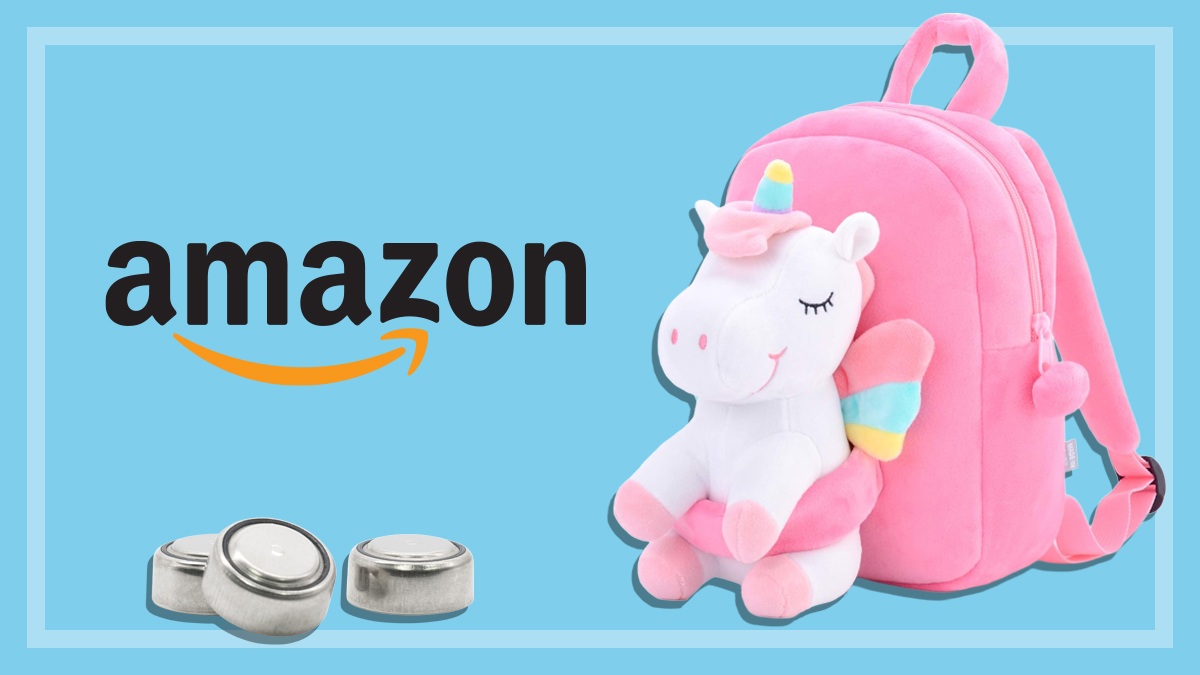
Batteries are often used to produce light and sound effects in toys. They can be found in many toys including plush toys, toy cars, digital pets, early learning watches, light-up yo-yos, games, novelty items and singing toys.
But toys aren’t the only source of battery hazards; there are plenty of household items, such as remote controls, that also contain batteries and are often left in reach of children.
Make sure batteries are not accessible to small children. Battery compartments should be secured with a screw or be otherwise inaccessible.
If swallowed, button batteries and magnets can be fatal
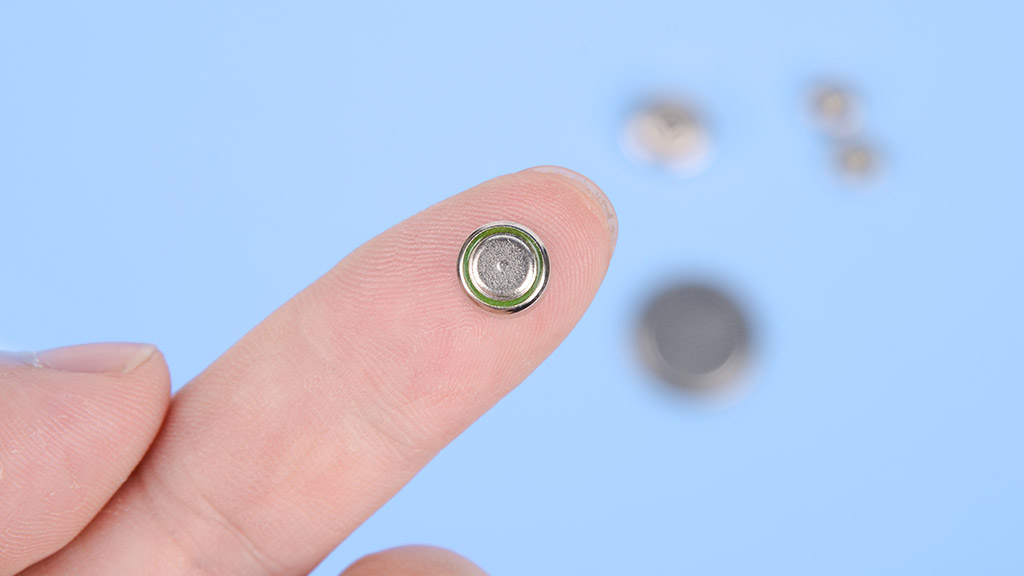
Button batteries in particular are a serious hazard if swallowed as they can lodge in the throat and cause severe burns or even death.
In December 2020, after years of campaigning by CHOICE and other organisations, the Australian government introduced mandatory safety standards for button batteries. These standards help to prevent children from gaining access to the batteries which, if swallowed, can be lethal.
Toys that make loud noises – particularly toys that are held against the ear, such as walkie-talkies and toy mobile phones – can be harmful to hearing (and to parents’ sanity, perhaps!).
8. Watch out for trap hazards
Toy chests and boxes should be designed not to trap or close on top of children, or better still, they should have a lightweight removable lid or no lid at all.
Any toy box big enough to crawl inside must have ventilation holes. Also, make sure the lid shuts slowly and is fitted with rubber or other stoppers that allow a gap of 12mm or more when the lid is closed, so that small fingers can’t be crushed, and to assist with ventilation.
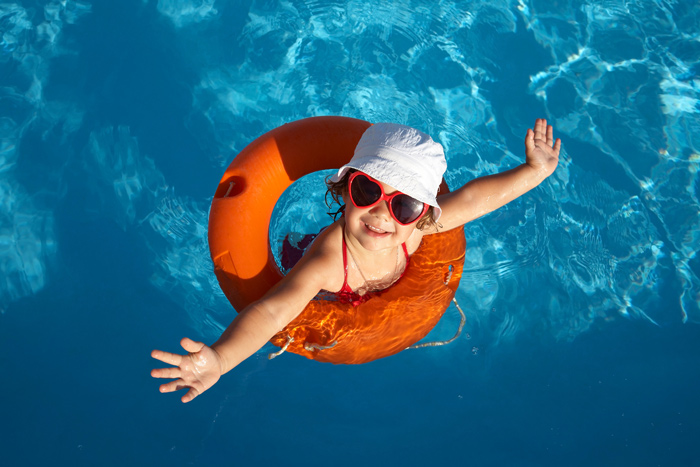
Inflatable rings should only be used under adult supervision.
9. Ensure aquatic toys meet safety standards
Aquatic toys include inflatable novelty shapes, “floatie” armbands, inflatable toy boats, inflatable rings and other such items. They must meet the requirements of the mandatory standard for aquatic toys, which means passing the relevant sections of the Australian toy standard. For example, the air inlets must have non-return valves, and permanently attached stoppers that can be pushed into the inflated toy, to help ensure it doesn’t deflate unexpectedly.
The standard also requires certain warning labels, which state that the item is not a life-saving device, and should only be used in shallow water and under supervision.
The latter is essential advice. Never rely on an aquatic toy to be a safety device, and always supervise young children in the water.
10. Does it fit your child’s developmental needs?
Toys meant for older children can be totally inappropriate or even dangerous for younger children.
Yes they are, but you still can’t assume every toy is safe.
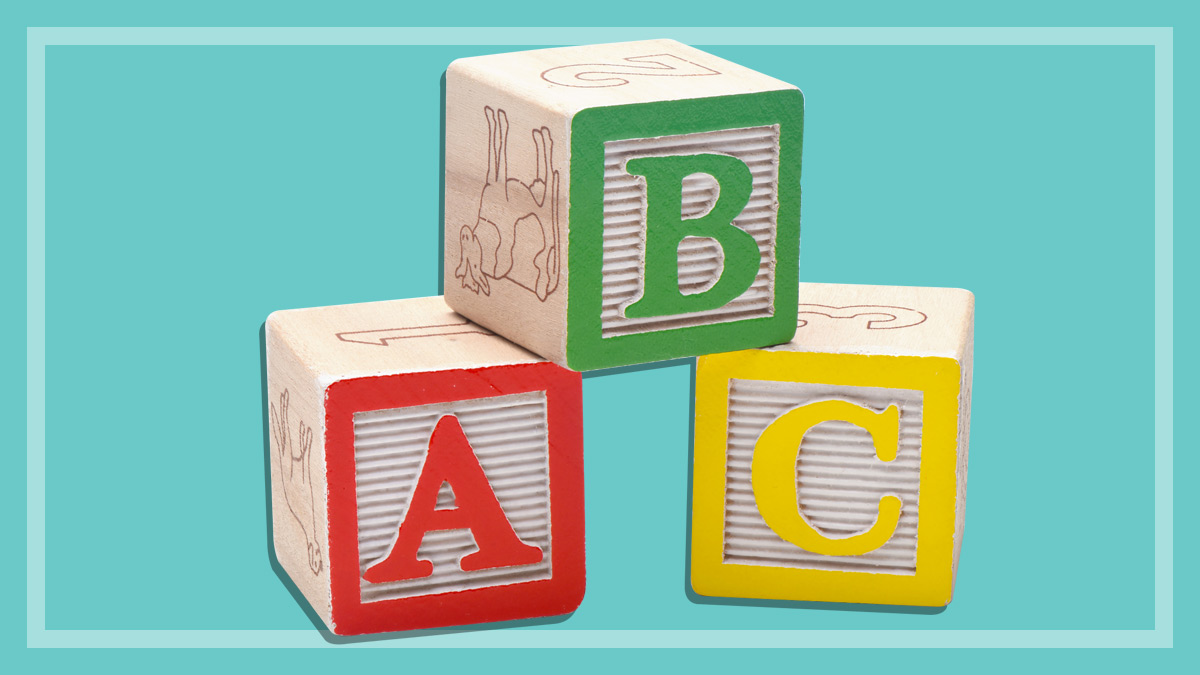
Toys for kids up to the age of three years – including rattles, blocks, bath toys, dolls and more – must meet strict safety regulations. These are based on the Australian standard for toy safety, AS/NZS ISO 8124.1, or other accepted standards such as the European standard EN-71 and the US standard ASTM F963.
The standard tests simulate rough play by a child (“foreseeable abuse”) and look for hazards such as accessible batteries, and small parts that come off too easily when twisted or pulled on or when the toy is dropped. Small parts are dangerous as they can choke a child.
Every year they find many dangerous toys and retailers can face heavy fines for selling them
There are also regulations to make sure painted toys don’t contain toxic elements such as lead, and to make sure projectile toys are not too powerful or dangerous.
State departments of Consumer Affairs or Fair Trading, and the Australian Competition and Consumer Commission (ACCC), regularly conduct toy blitzes to check that toys on sale do meet the mandatory standards. Every year they find many dangerous toys and retailers can face heavy fines for selling them.
Our toy tests have found that toys from small retailers, particularly cheap variety stores and market stalls, are more likely to fail tests, as these retailers are less aware of safety requirements. Government regulators often find the same.
Large toy stores and department stores generally have better compliance regimes and are much less likely to stock unsafe toys. Nevertheless, even toys from these large companies can still sometimes be recalled for various reasons.
Chris Barnes is a Senior Project Officer. He manages the product reviews that are done outside of CHOICE with external labs or data sources. This includes solar panels, electric heaters, air purifiers and detergents. Chris also manages our testing services through our commercial arm, Test Research, and he is CHOICE's NATA authorised representative for our lab's formal accreditations. Chris is involved with the standards committee for air conditioners. And he works with government and industry in areas such as product safety and regulation. In over 20 years at CHOICE, Chris has managed lab teams for a wide range of products, including children's products, kitchen appliances, laundry appliances, garden power tools and more. Chris has a Science degree from the University of Sydney. LinkedIn
Chris Barnes is a Senior Project Officer. He manages the product reviews that are done outside of CHOICE with external labs or data sources. This includes solar panels, electric heaters, air purifiers and detergents. Chris also manages our testing services through our commercial arm, Test Research, and he is CHOICE's NATA authorised representative for our lab's formal accreditations. Chris is involved with the standards committee for air conditioners. And he works with government and industry in areas such as product safety and regulation. In over 20 years at CHOICE, Chris has managed lab teams for a wide range of products, including children's products, kitchen appliances, laundry appliances, garden power tools and more. Chris has a Science degree from the University of Sydney. LinkedIn
For more than 60 years, CHOICE has been fighting the good fight for Australian consumers.
In the past year alone we've uncovered systemic issues with sunscreens, investigated shonky supermarket pricing, fought for stronger scam protections and helped make complex energy pricing fairer and clearer.
CHOICE is here to provide unbiased advice and independent testing in our world-class labs. We buy the products we test, just like you do, and our expert reviews are influence free. We’re here to help you choose smarter. Hopefully you’ll also save some money along the way.
Thanks to CHOICE, you’ll never be alone when a business treats you unfairly. You can support our work by joining or donating to our cause.