Dental health - the silent epidemic
01 Jul 11 10:00AM EST |
Post by
Brendan Mays
What’s worse than going to the dentist? Not having the option – like the 650,000 Australians who were on public dental waiting lists at last check in 2009. While many people can afford to seek treatment if they need it, those without the means to pay the high costs of dental care can spend years waiting.
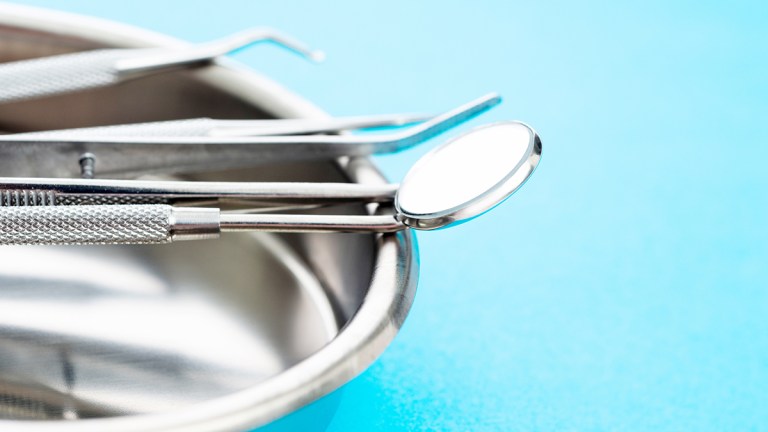
The big-number statistics don’t go a long way to painting a clear picture, so at the risk of ruining your lunch, we’re talking about months and months of bad breath, infections, abscesses, pus and gum disease. It’s a literal bad taste in your mouth, with both mental and physical pain on the side. Suddenly, the discomfort of foreign tools and fingers inside your cheek, the embarrassment of getting the dribbles after anaesthetic and even the dreaded dentist’s drill suddenly do not sound too bad.
But surely we don’t let people slowly deteriorate into an easily preventable sickness in Australia? You can get antibiotics through Medicare to treat infections and pain, but they won’t fix the cause of the problem, which could eventually lead to more serious issues, such as septicaemia and heart problems.
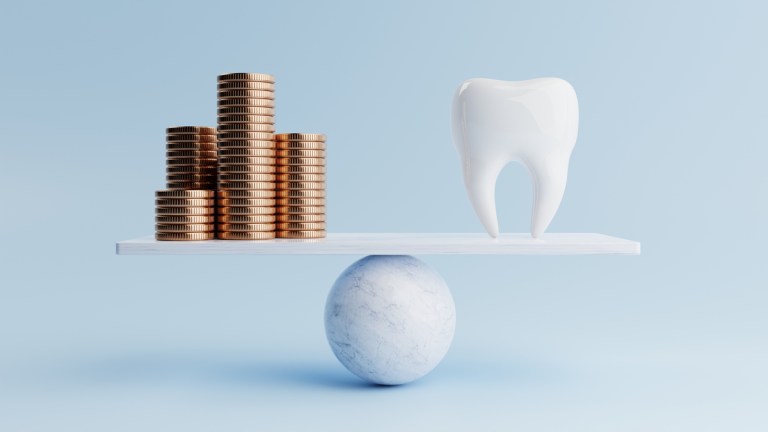
Clearly we need a solution, but unfortunately this is a problem that keeps getting left in the dark. A couple of years ago, a hefty report from the National Health and Hospitals Reform Commission (NHHRC) recommended a universal dental health scheme called DentiCare be established. But with an estimated cost of at least $5 billion, which was proposed to be raised largely by increasing the Medicare Levy Surcharge, it won’t be easy to get support (who wants to pay more taxes?). Although to put that cost in context, it should be balanced against the $2 billion that the current state of inactivity currently sets our economy back per annum, according to the Menzies Centre for Health Policy.
Critics raised further issues with the scheme, such as the shortage of skilled dental workers, alternative options such as providing some basic dental services through Medicare and the significant difficulties posed by rolling out the scheme - we don’t want to create even more waiting lists, and those most in need should receive treatment as a priority. Unfortunately, from there, it’s been all quiet on the oral front. Movement has practically grinded to a halt. For now at least.
The Greens are continuing to push for universal dental care, but both sides of government have largely kept the issue off the agenda until a later date. Even existing schemes are being disbanded, such as one subsidising dental for those with chronic medical conditions, which closes at the end of 2011 (although, this scheme also had its fair share of critics). The government did deliver a few positives for dental health as part of this year’s budget – incentives to improve the workforce in public dental clinics, $500,000 for a dental advisory committee and the promise that dental health will be a priority next time around.
Meanwhile, a good number of people wait for practical action. They wait for better access to dental services, so that early treatment and improved dental health can help avoid major problems that develop down the line.
Tips to navigate the dental system
-
Extras insurance will help pay for some dental costs, especially if orthodontics are on the cards over the next few years, but it won’t pay for everything.
- If you’re not expecting to make many claims on extras insurance or it is too costly, consider putting aside money each month until you build up a safety net to cover dental costs. It takes discipline but the alternatives are not pretty.

- Serious oral and maxillofacial surgery (such as resetting the jaw) may fall under your hospital insurance. Coverage varies, so check with your insurer.
- Some people report travelling overseas to save money on dental work. The risks can be high, so consider carefully whether this is worthwhile and research your options carefully.
- Make sure you are practicing good preventative dental to avoid problems in the first place.
Do you believe a universal dental program is a good idea? If so, should we have to pay more taxes for it or is there a better way?