Refunds, returns and repairs – your rights explained
Have you bought a product that’s faulty or not quite right? Get to know your rights.
Last updated: 31 Jan 2023
Need to know
- If there’s something wrong with a product you’ve bought, the retailer is legally required to provide you with a remedy
- Depending on the type of problem, this could be a refund, replacement or repair
- You may still be eligible for help even after the warranty has expired
On this page:
Have you ever bought something that didn’t work as expected, but when you’ve returned it to the store you’re about as popular as an unexpected item in the bagging area?
If you’re trying to return an item just because you’ve changed your mind, you might be stuck with it. But if there’s something wrong with your product, the retailer is obliged to help you – sometimes even if the item’s warranty has expired.
Arm yourself with this knowledge and other useful aspects of Australian Consumer Law (ACL) and you’ll have a strong leg (or two) to stand on next time you find yourself at the returns counter.
Refunds and returns – your rights
The ACL provides a range of consumer protections that all retailers must honour, and being ignorant of the law is no excuse.
Unfortunately, there’s no shortage of ignorance out there – in our latest shadow shop of major electrical retailers, CHOICE found seven in 10 stores misrepresented a customer’s right to a remedy.
Do I have a legal right to a refund?
In certain circumstances, yes. You can return something to where you bought it and expect a remedy (refund, replacement or repair) if it doesn’t do what you’d reasonably expect it to, or isn’t of acceptable quality.
The type of remedy you’re entitled to depends on whether the product’s fault is considered ‘major’ or ‘minor’ – we explain the differences between these further down.
However, stores are under no obligation to take your product back if you’ve changed your mind or found a better deal somewhere else.
An overview of your other key consumer rights:
- Retailers can’t just fob you off to the manufacturer – they’re obliged to help resolve your issue.
- You don’t have to return a product in its original packaging, but a business is entitled to ask you to provide some form of proof of purchase, such as a receipt.
- If you’ve lost your receipt, you can use the following as proof of purchase:
- Signs that say things like ‘no refunds’, ‘no refunds on sale items’, or ‘exchange or credit note only for return of sale items’ are illegal.
Major vs minor faults
Whether your faulty product entitles you to a refund, replacement or repair depends on if the problem is ‘major’ or ‘minor.’
There is a major failure with a product when it:
- is unsafe.
- has either one serious problem or several smaller problems that would’ve stopped you from buying the product if you had known beforehand.
- is very different from the description, sample or demonstration you received.
- can’t be used for its expected purpose and can’t easily be fixed within a reasonable time.
If a product has a major fault, you are entitled to your choice of a replacement product or a full refund.
Minor failures include smaller problems that don’t fit into the major failure categories, for example, loose threads on clothing or a broken remote for an electronic device.
If your product has a minor issue, the business is only obligated to repair it free of charge – it doesn’t have to offer you a replacement or refund.
These repairs must be made within a reasonable amount of time and a retailer must let you know if they’re using second–hand parts in the refurbishment.
If a product has multiple minor failures, this can be considered a major failure.
Your rights when returning goods
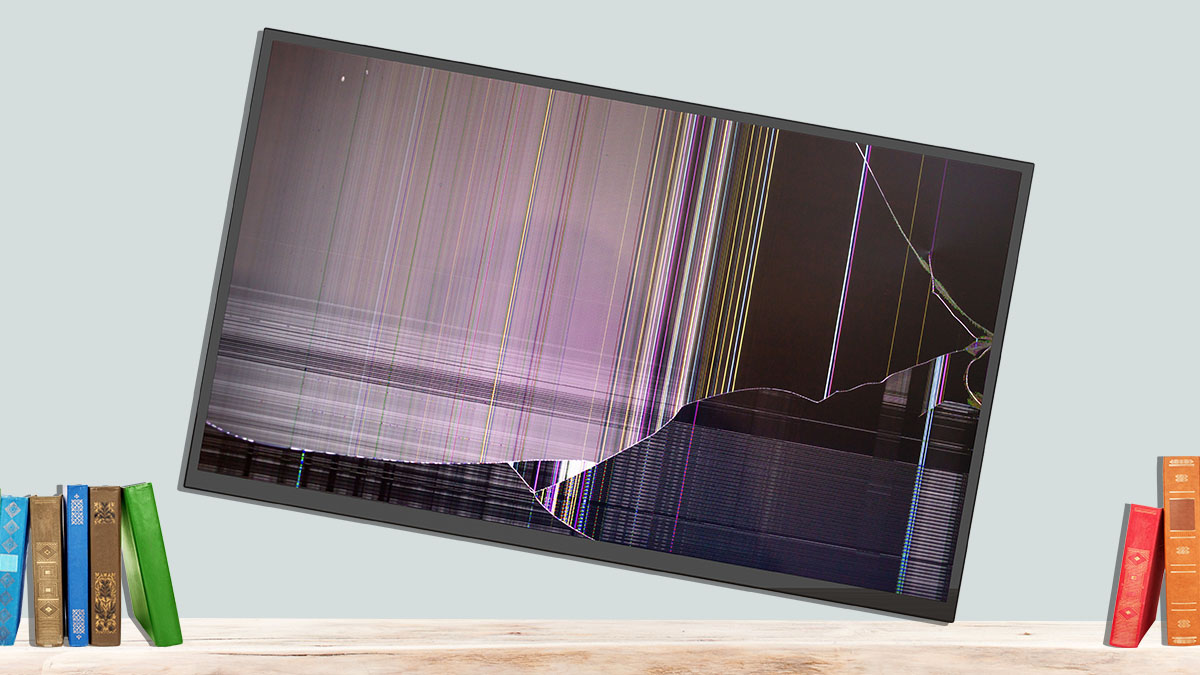
If your faulty item is small and easy to post or transport, you are responsible for returning it to the retailer. But if it’s something bigger, such as a bed or television, the business is responsible for taking it back, but they should still keep you in the loop with how much that process will cost.
If you’ve paid for the shipping and the retailer finds that the product does have a problem, then they must reimburse you for posting it to them, so keep any receipts.
If the retailer finds no issue and they paid for the shipping, then you may have to reimburse them for transporting and inspecting the item.
Do warranties affect my rights?
The ACL says a product being sold by a business must be of “acceptable quality” and last for a reasonable amount of time.
The expected lifetime of a product can be longer than the warranty period, especially in the case of expensive products such as electronics, whitegoods or vehicles.
This means that when retailers are offering you an extended warranty on a pricey product, they’re often selling you rights that you already have via the ACL – a guarantee the item will last.
Most extended warranties CHOICE comes across fit in this category because they only offer a few years’ protection on products that would reasonably be expected to function that long anyway.
Therefore, if your product develops a fault after the warranty period has expired, but you believe it’s still within its reasonable expected lifetime, you may be entitled to a remedy, so make your case to the retailer.
If you’re having trouble getting a remedy
If you believe you’re entitled to a refund, replacement or repair, but the retailer won’t provide you with one, contact your local state or territory consumer affairs or fair trading agency.
They can provide information about your rights and options and may be able to facilitate a negotiation between you and the business.
The ACCC can also provide relevant information and may investigate and take action against a retailer if it’s systematically misleading consumers.
Taking private legal action is also an option, but this can be costly and there’s no guarantee that you will be successful.
For more information on your refund, return and repair rights, see the ACCC guide.