
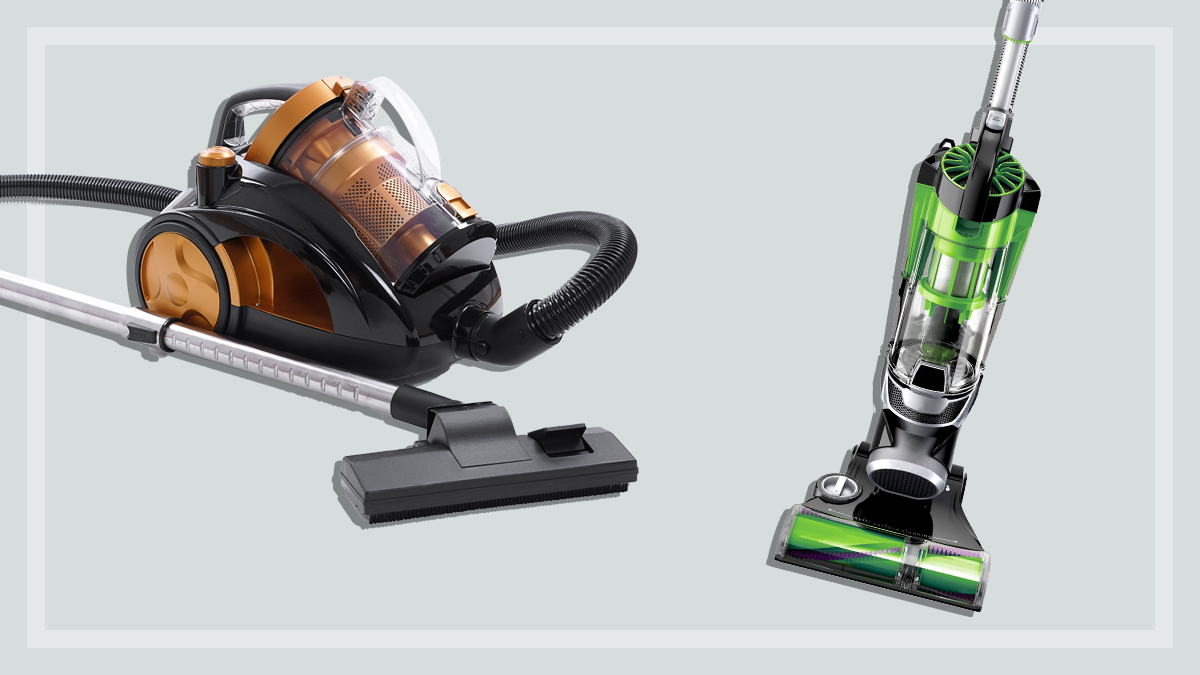
vacuum reviews
Best vacuums to buy in Australia
Shop smarter and faster with our unbiased, expert reviews.
Join to compare now Already a member? Log in
33 models rated and ranked
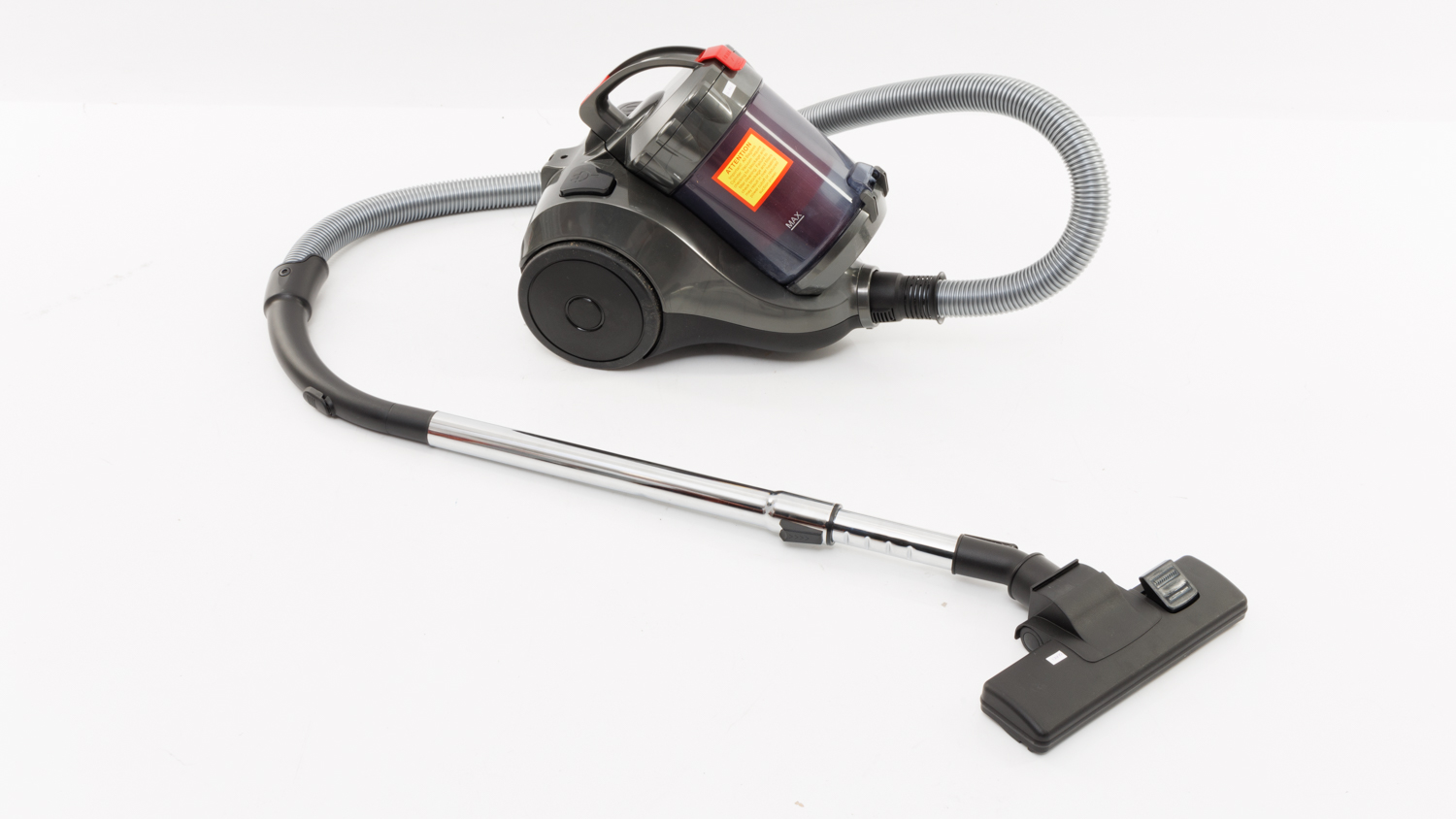
Akitas
Neon Multi Cyclonic 2400W Bagless Vacuum Cleaner AK155
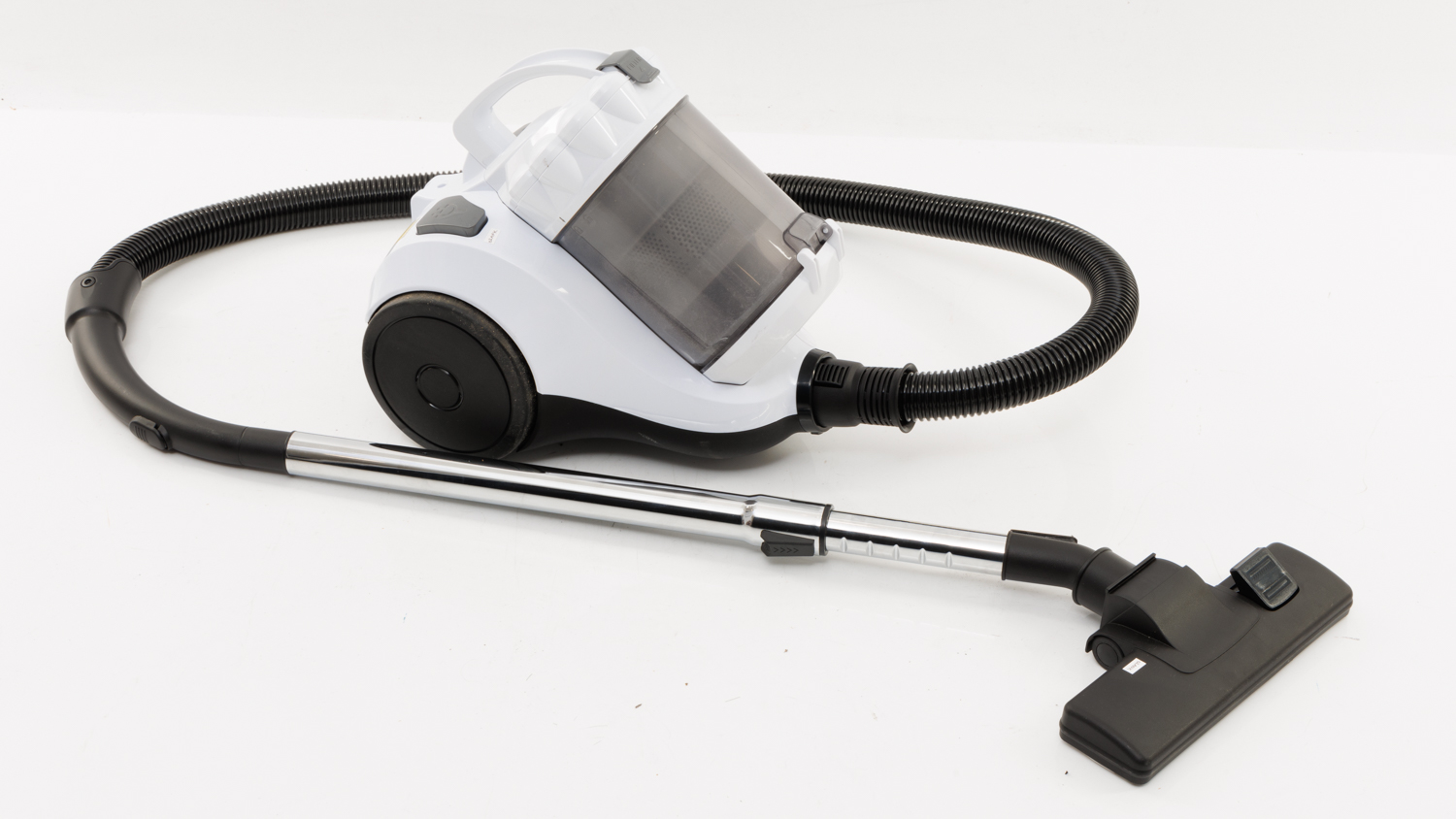
Anko
Anti-Allergy Bagless Vacuum SL155B-H13
Big W
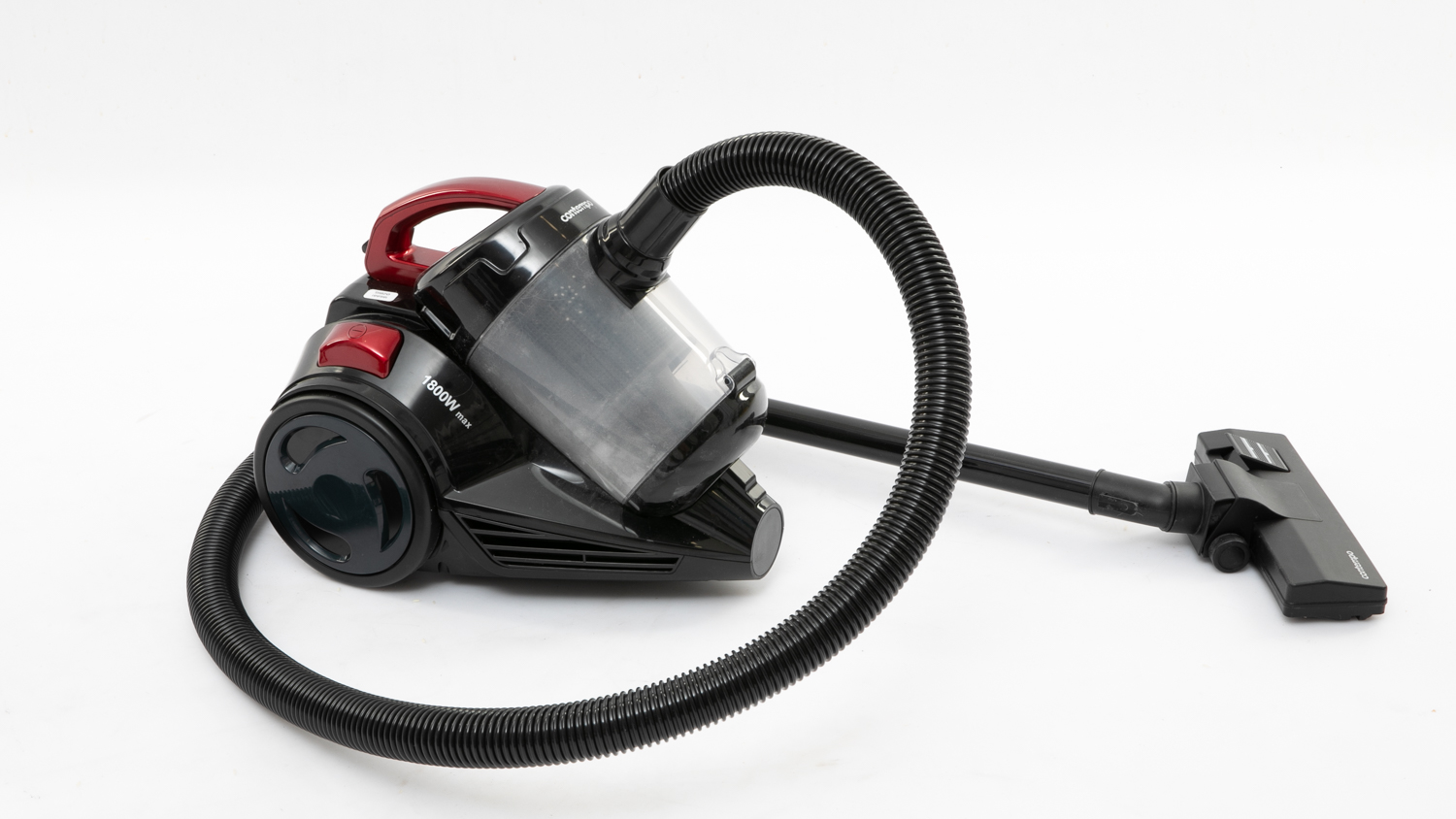
Contempo Compact Vacuum Cleaner 1800W JC621D-180J
Bissell
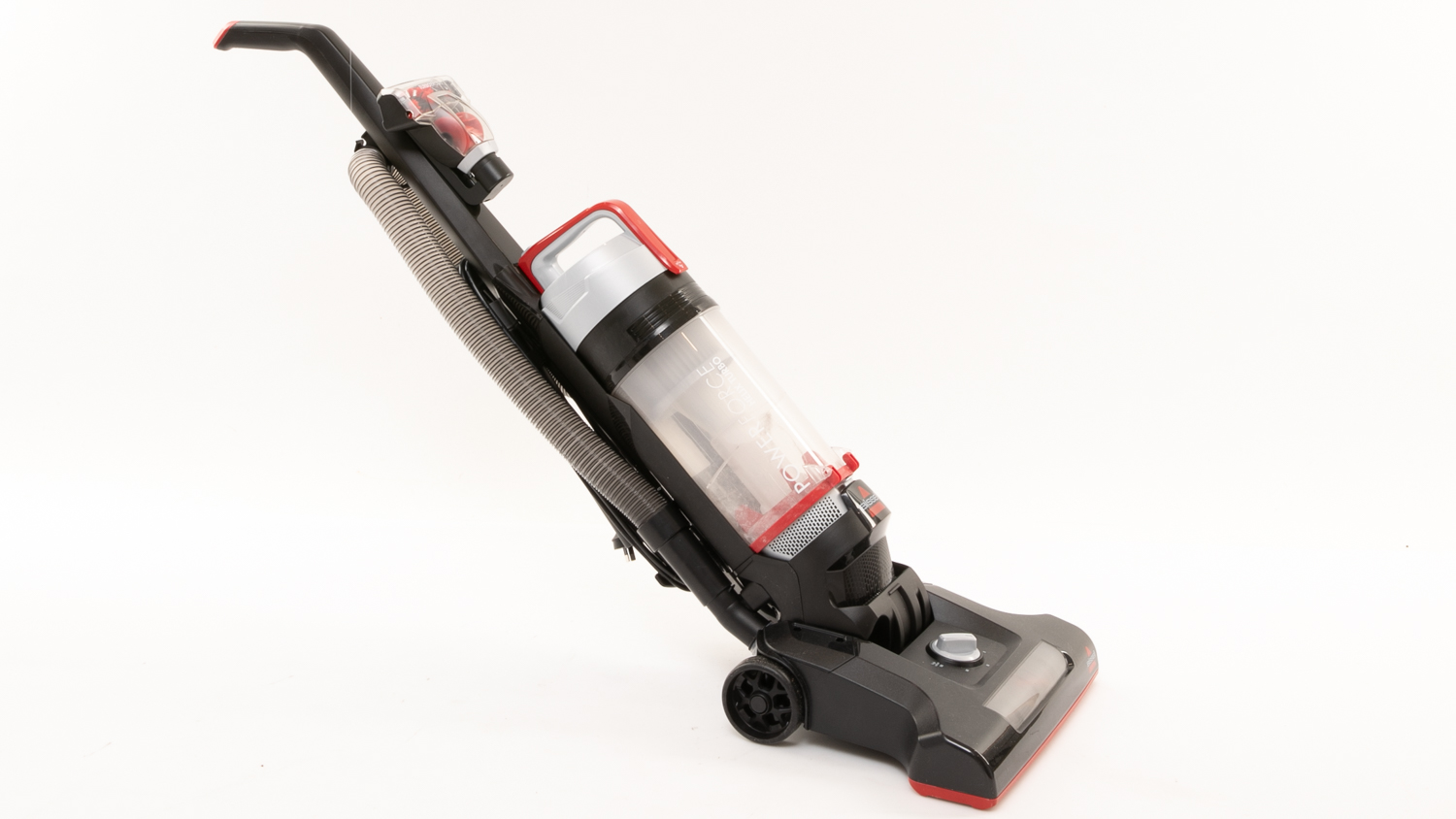
Powerforce Helix Vacuum 2110F
Bissell
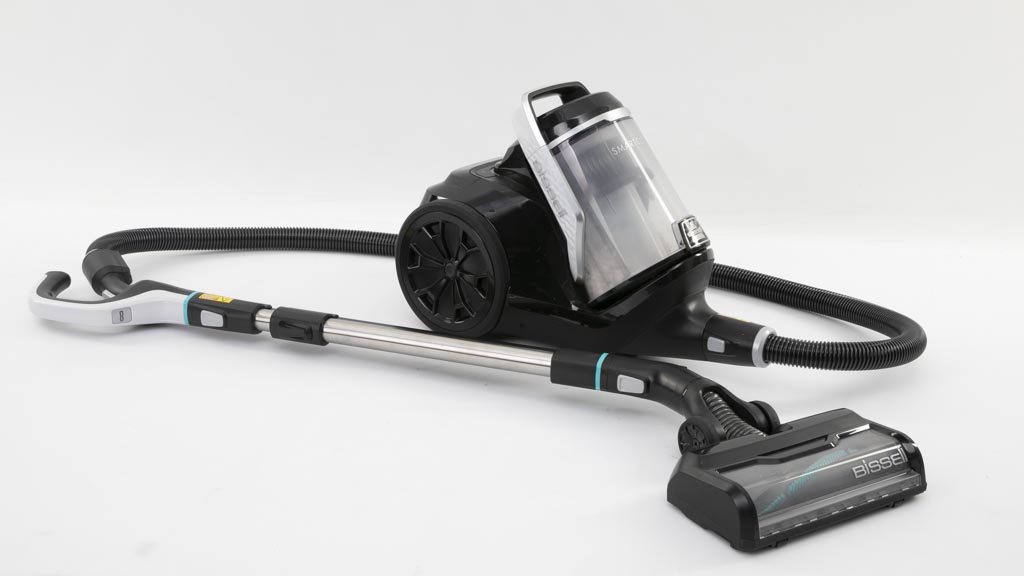
SmartClean 2229F
Bissell
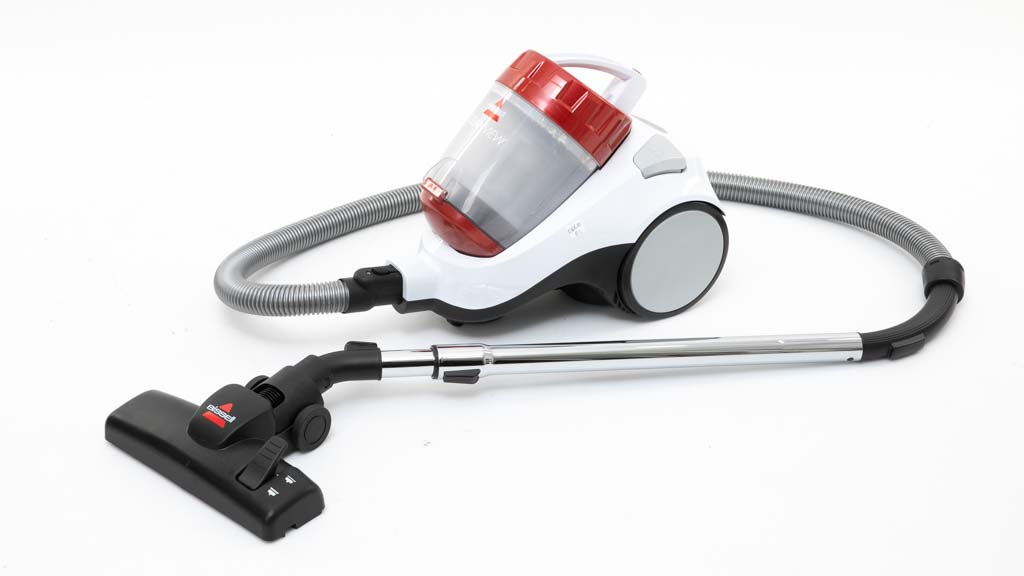
Cleanview Multi Cyclonic 1994F
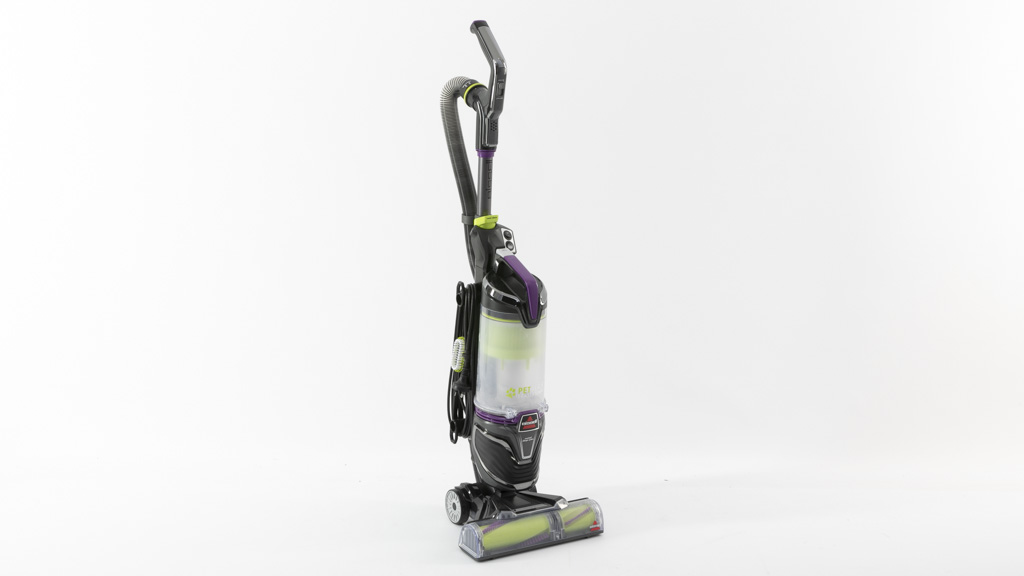
Bissell
Pet Hair Eraser Turbo 2454F
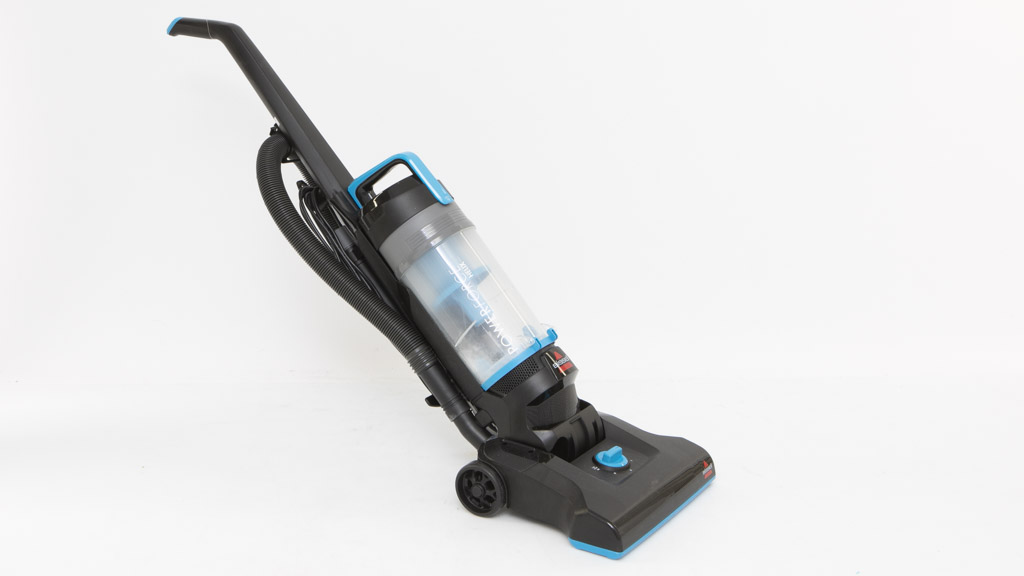
Bissell
PowerForce Helix 2111F
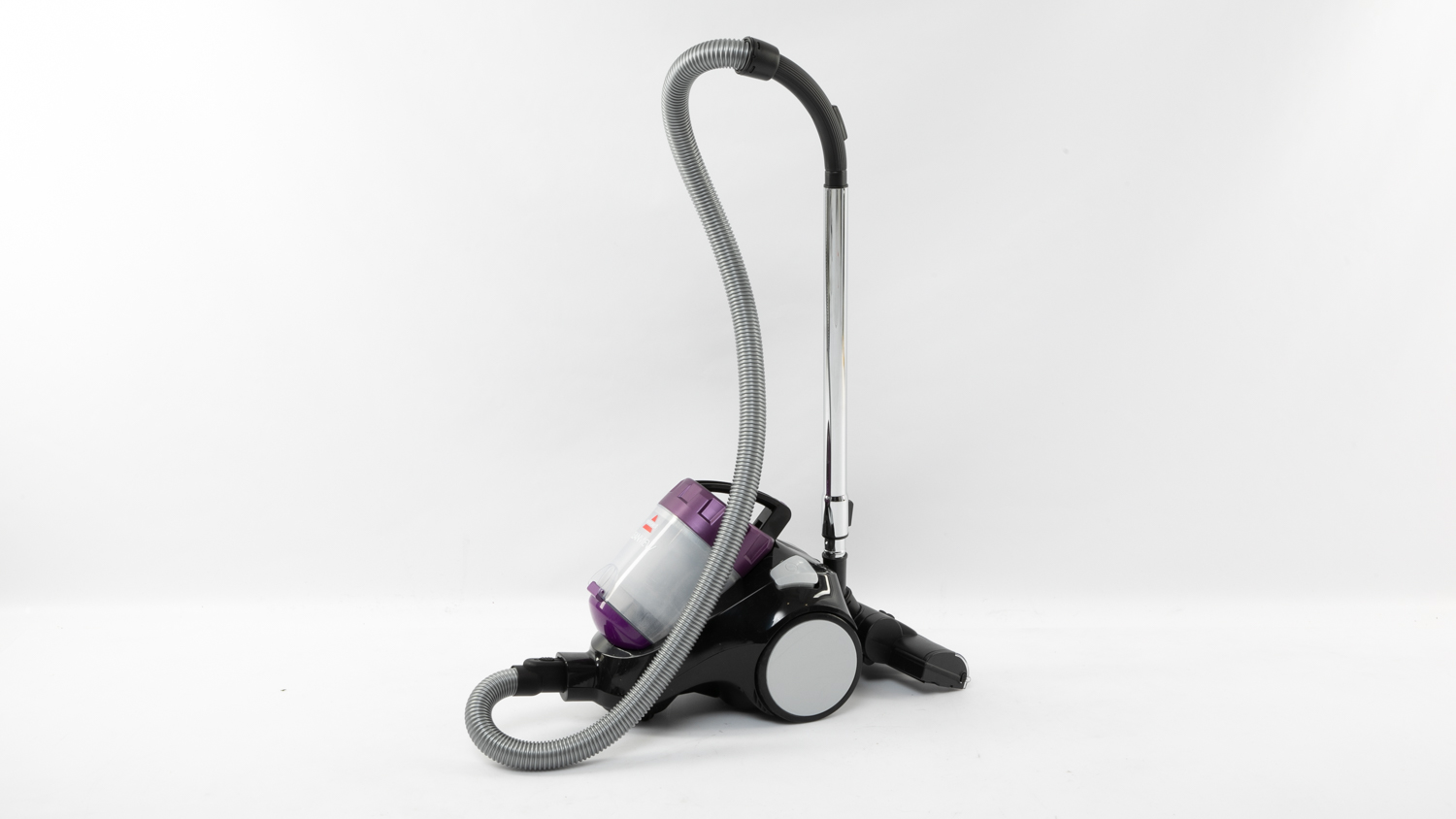
Bissell
Cleanview Turbo Multi Cyclonic 1994U
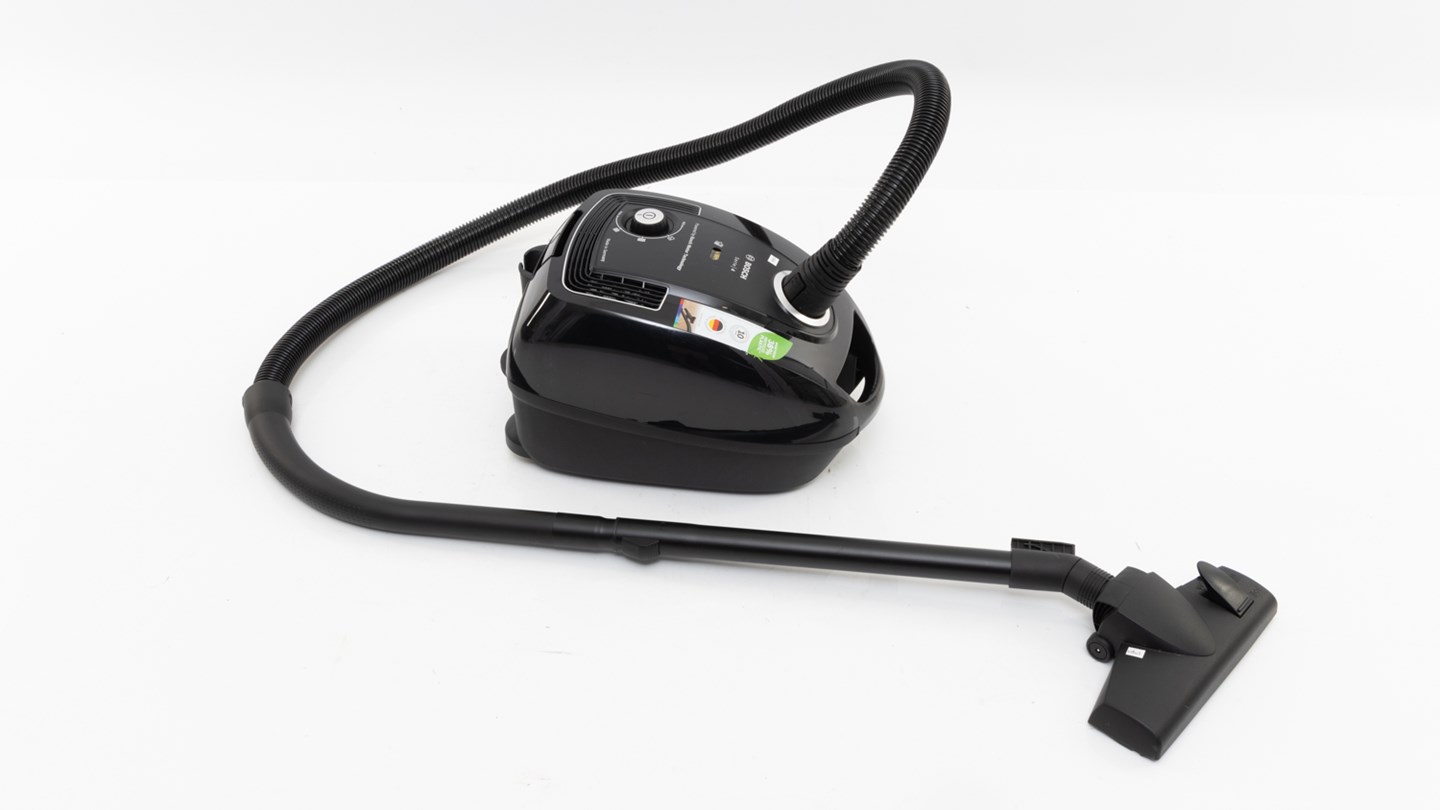
Bosch
Series 4 Bagged BGL38BA3AU
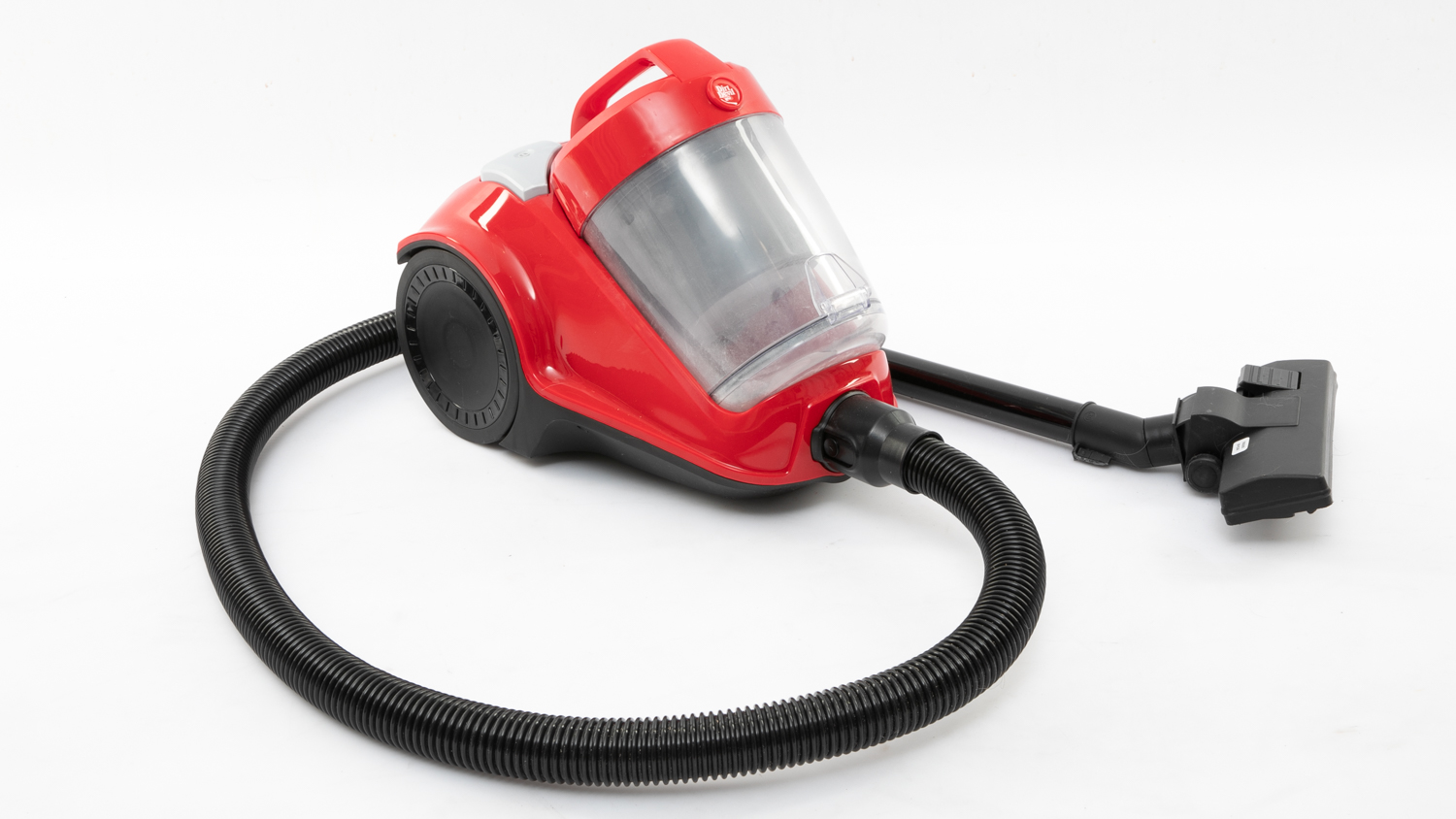
Dirt Devil
Rebel 4.0 Bagless Vacuum Cleaner DACBLV21E2
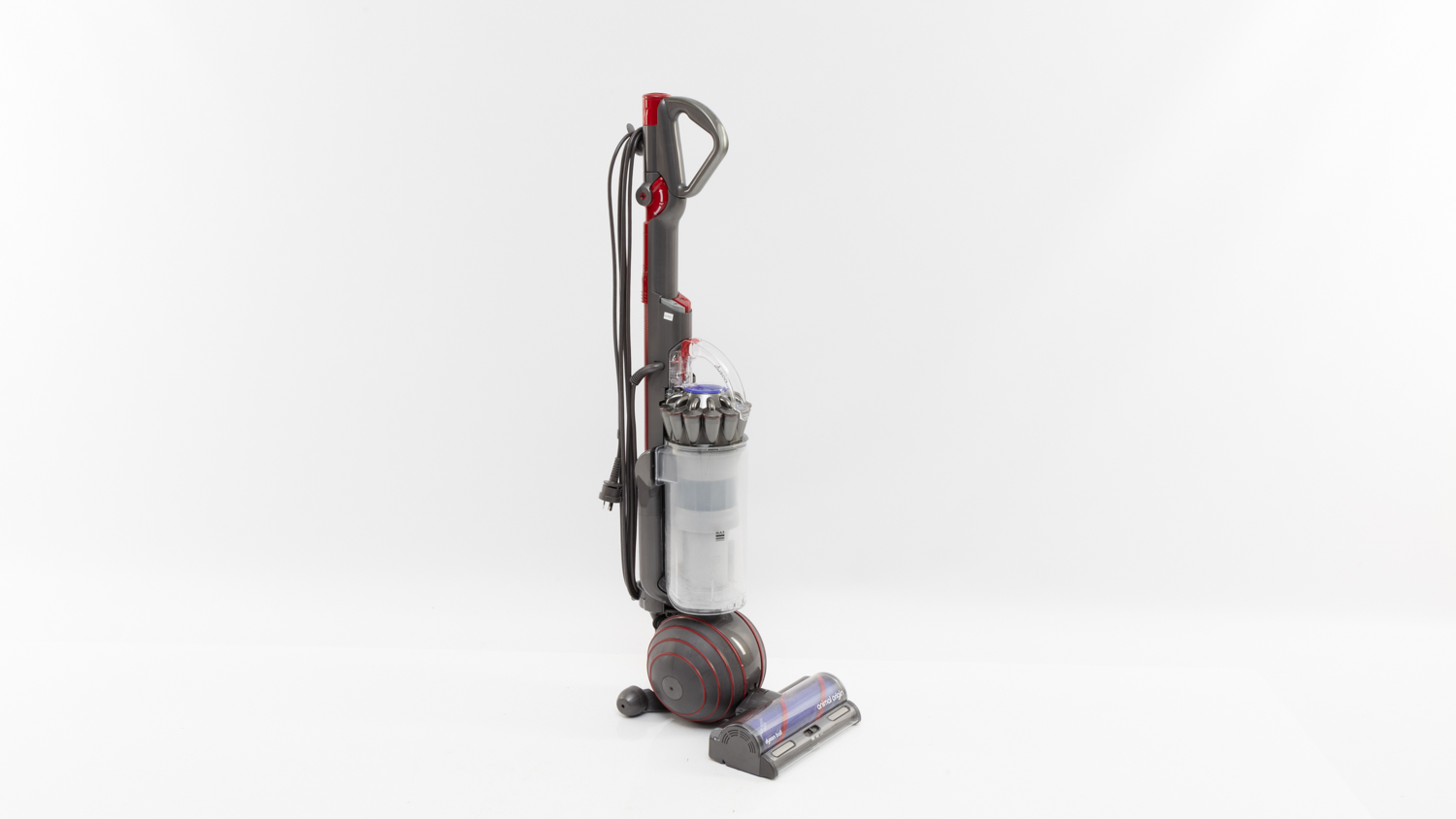
Dyson
Ball Animal Origin
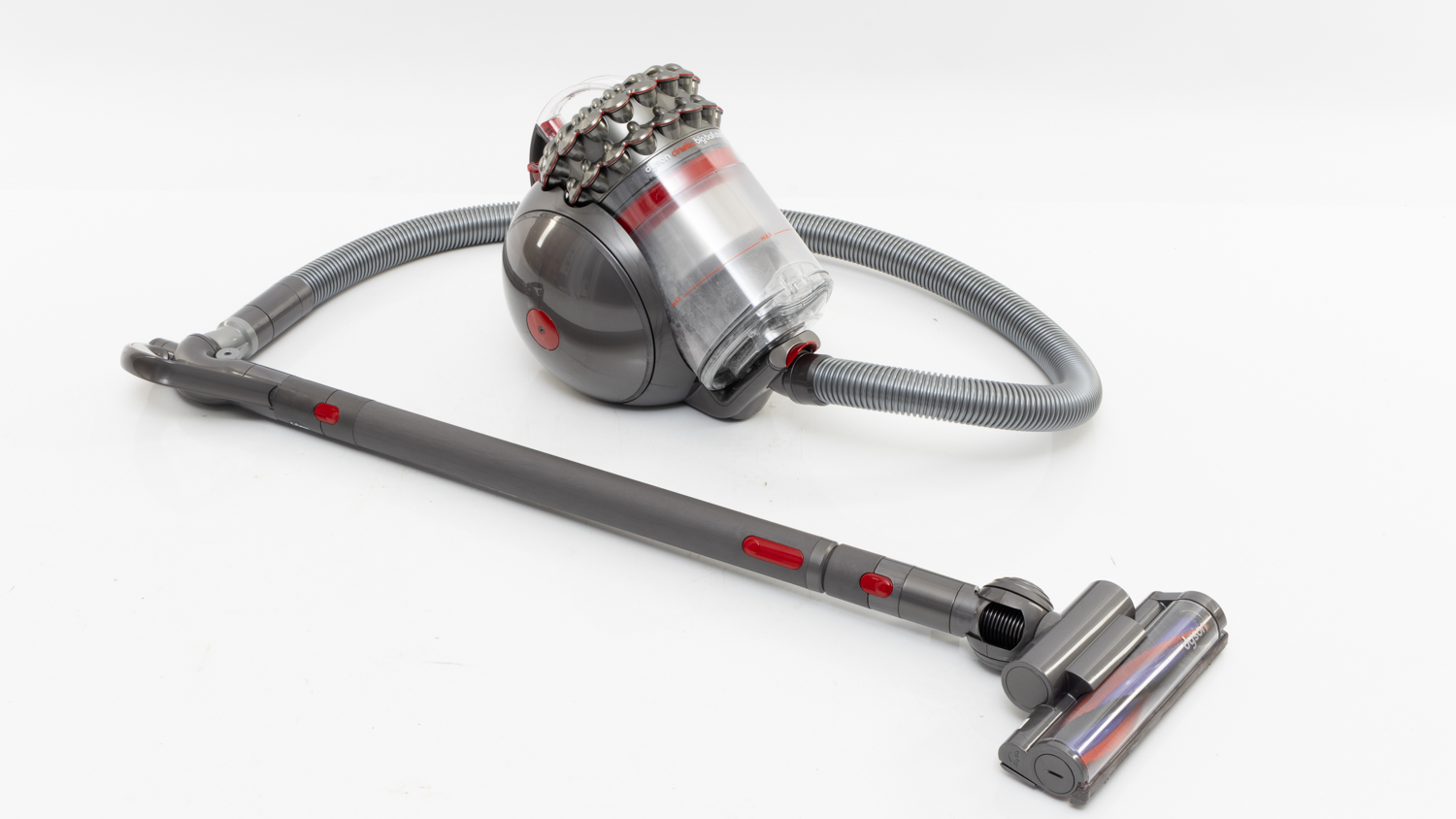
Dyson
Big Ball Absolute
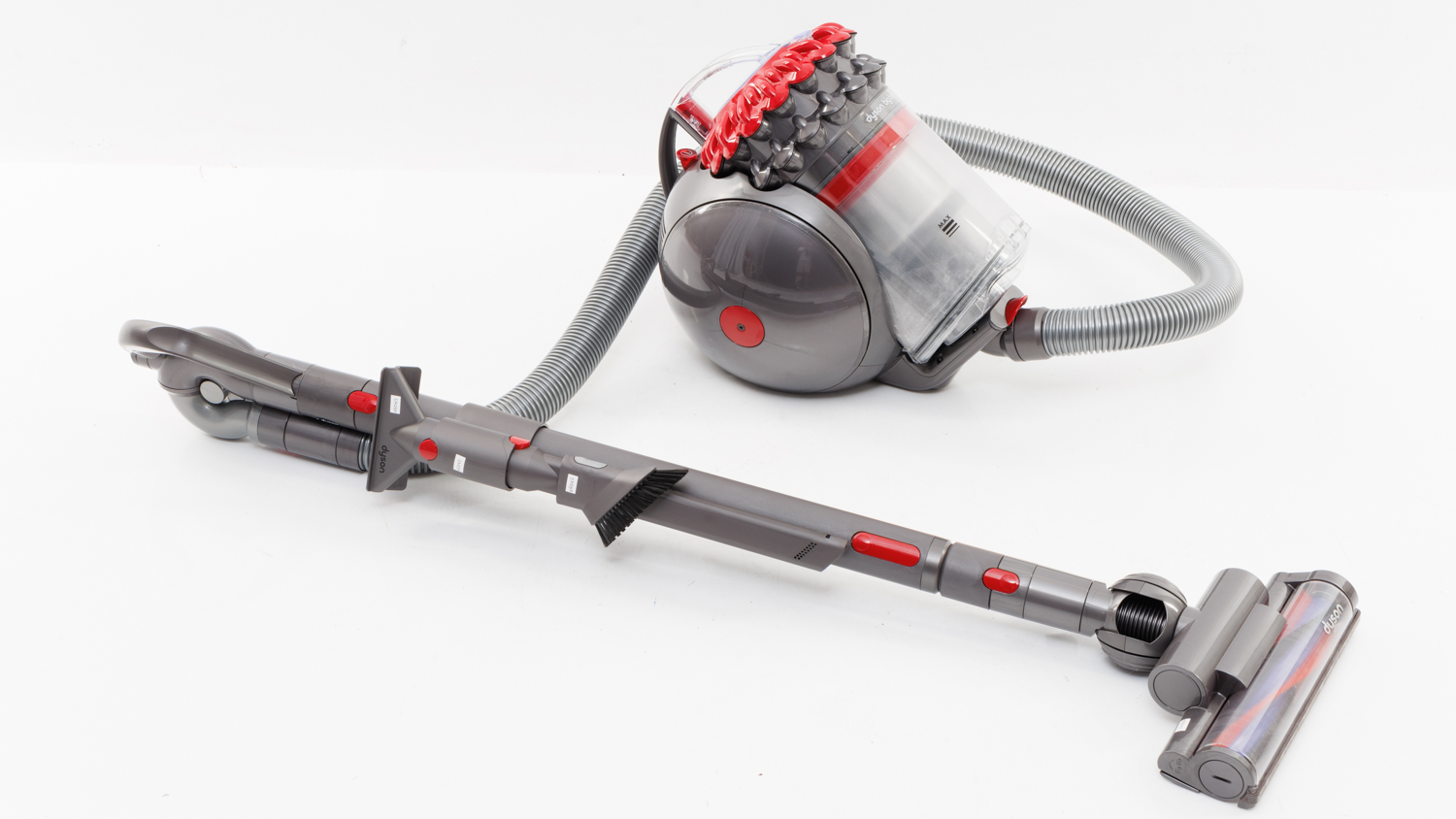
Dyson
Big Ball 447177-01
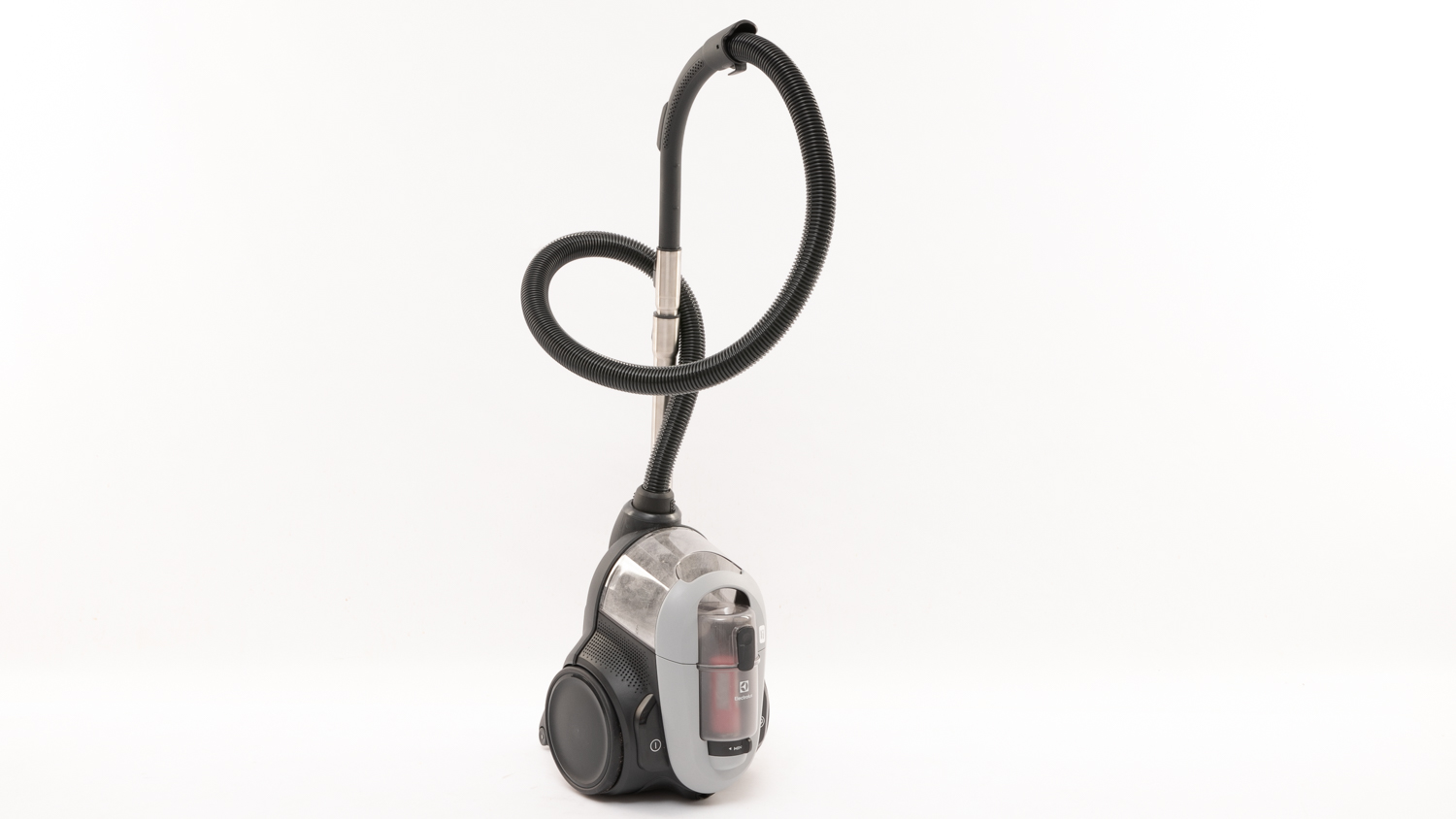
Electrolux
UltimateHome 700 Bagless Cleaner EFC71622GG
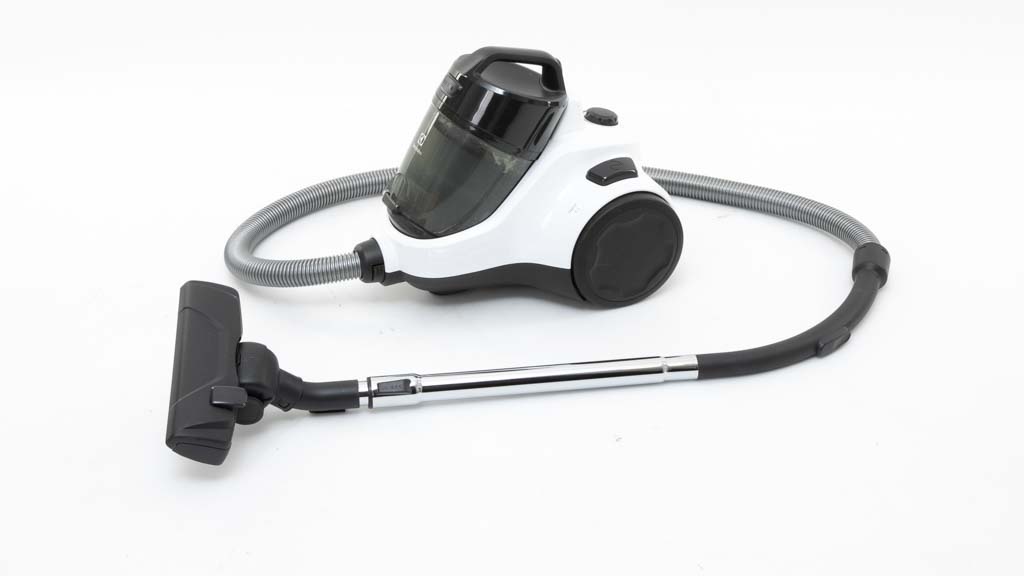
Electrolux
Ease C3 Origin EC31-2IW
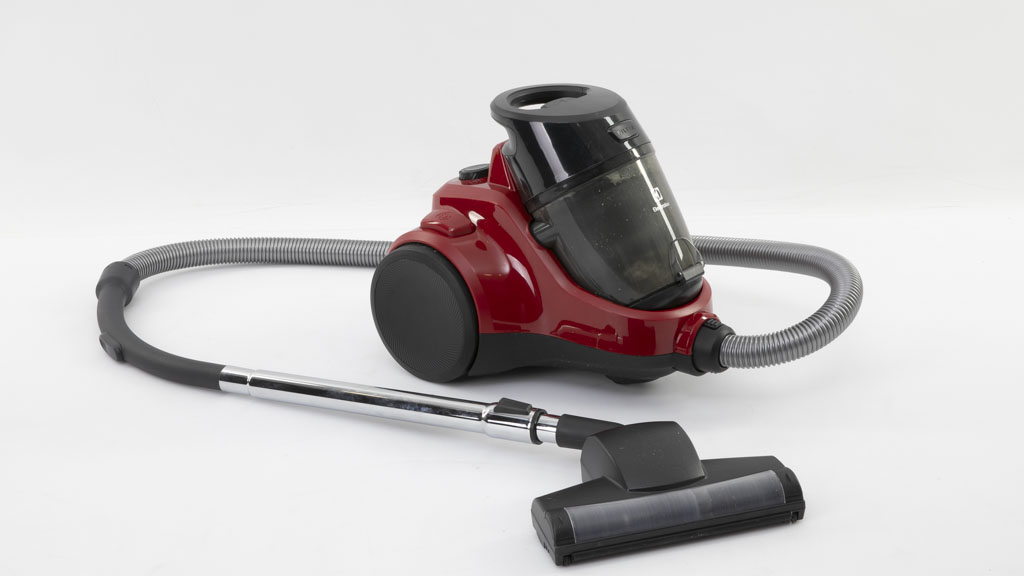
Electrolux
Ease C4 Animal EC41-ANIM
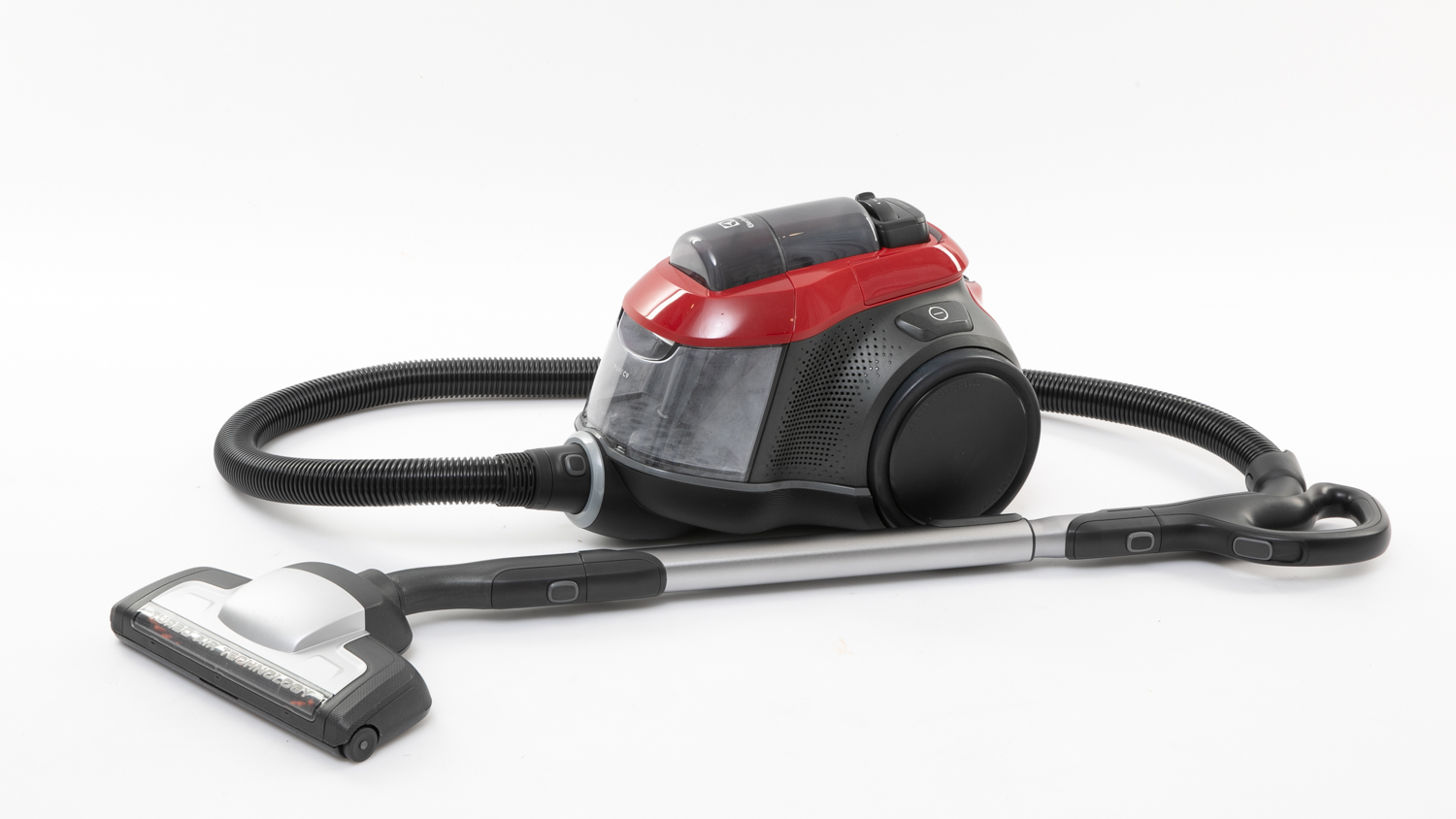
Electrolux
Pure C9 PC91ANIMAT
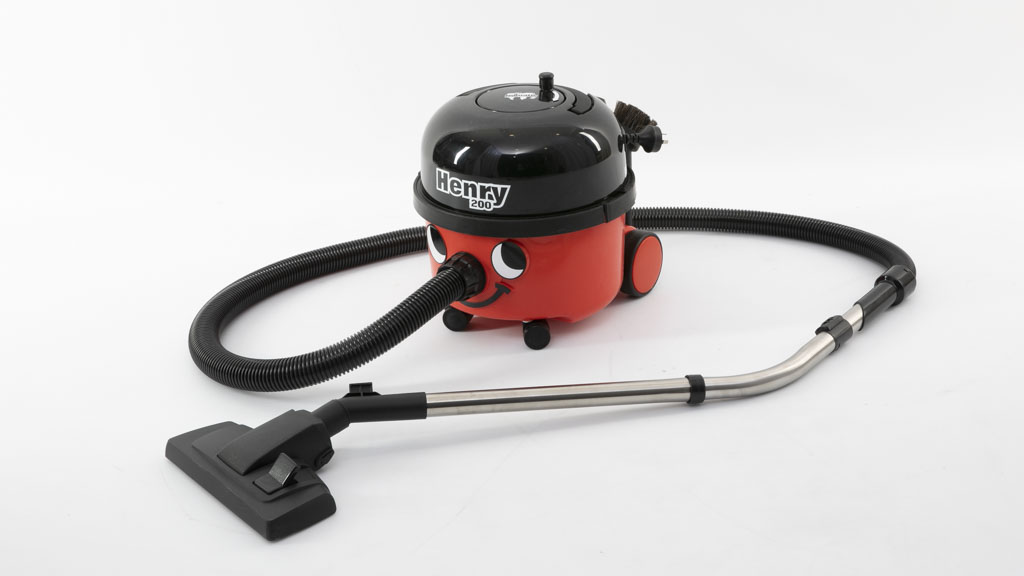
Henry
Original HVR200-11
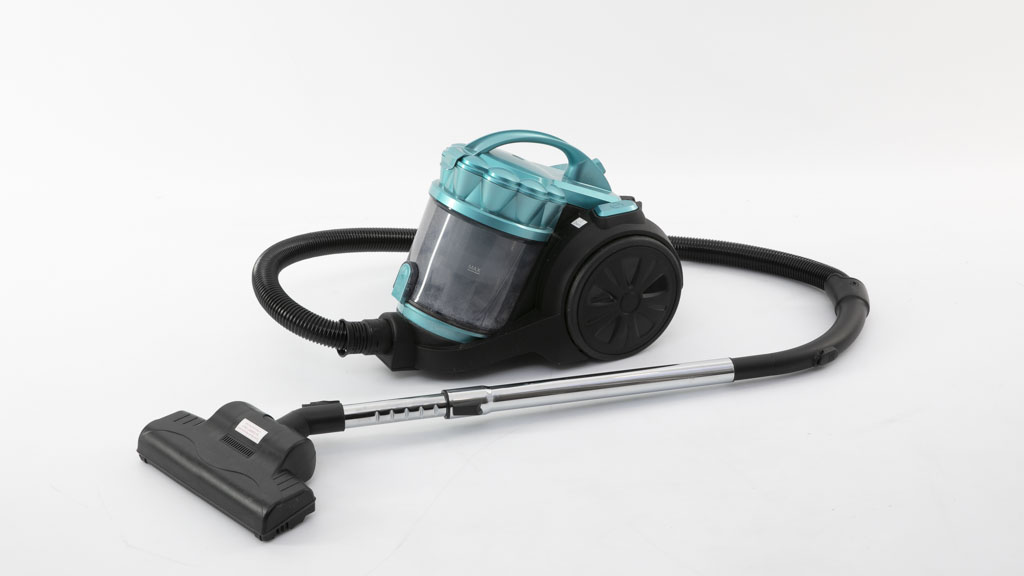
Kmart
Anko 2400W Bagless Vacuum SL163E
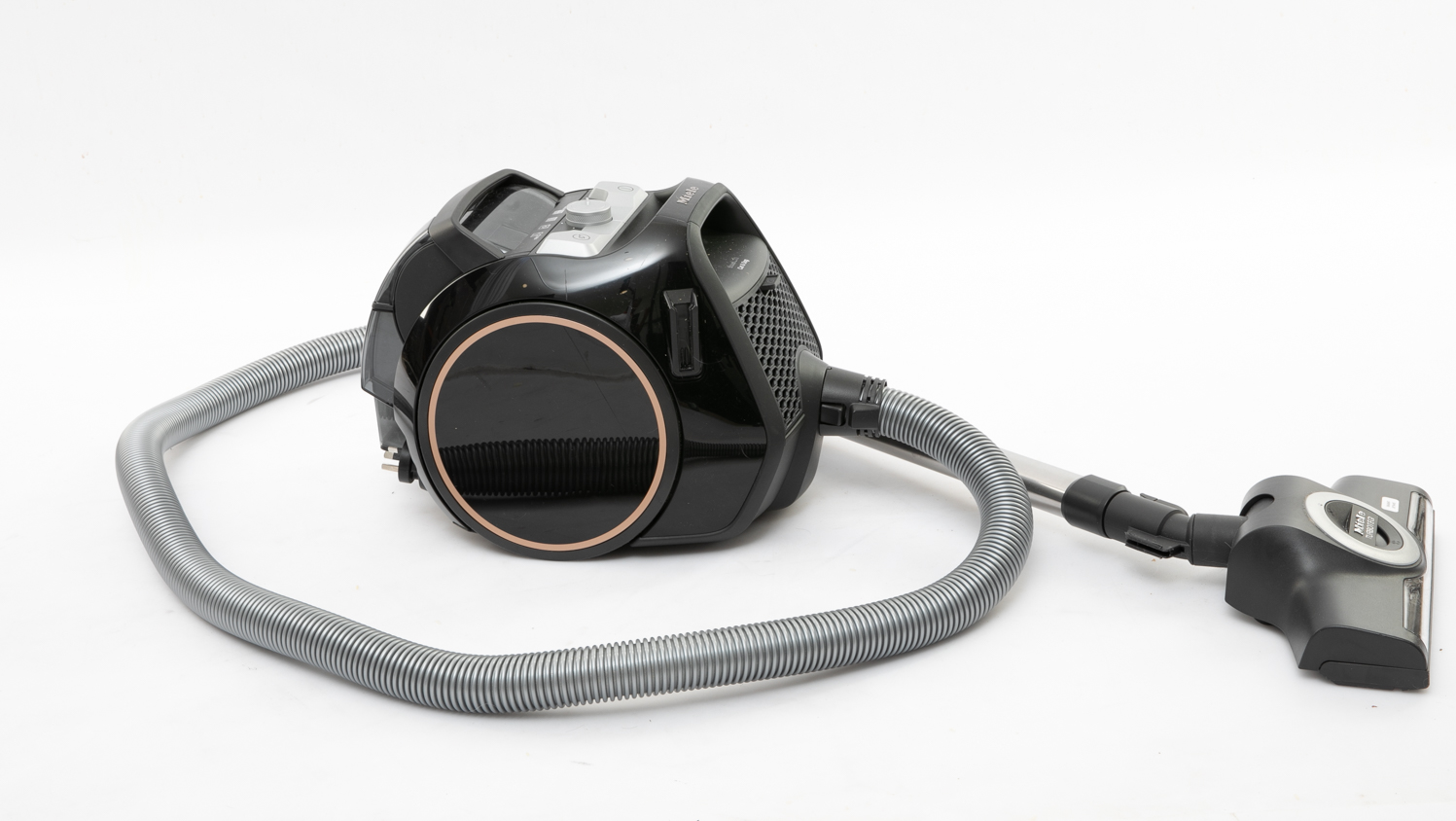
Miele
Boost CX1 Cat & Dog Powerline SNCF0
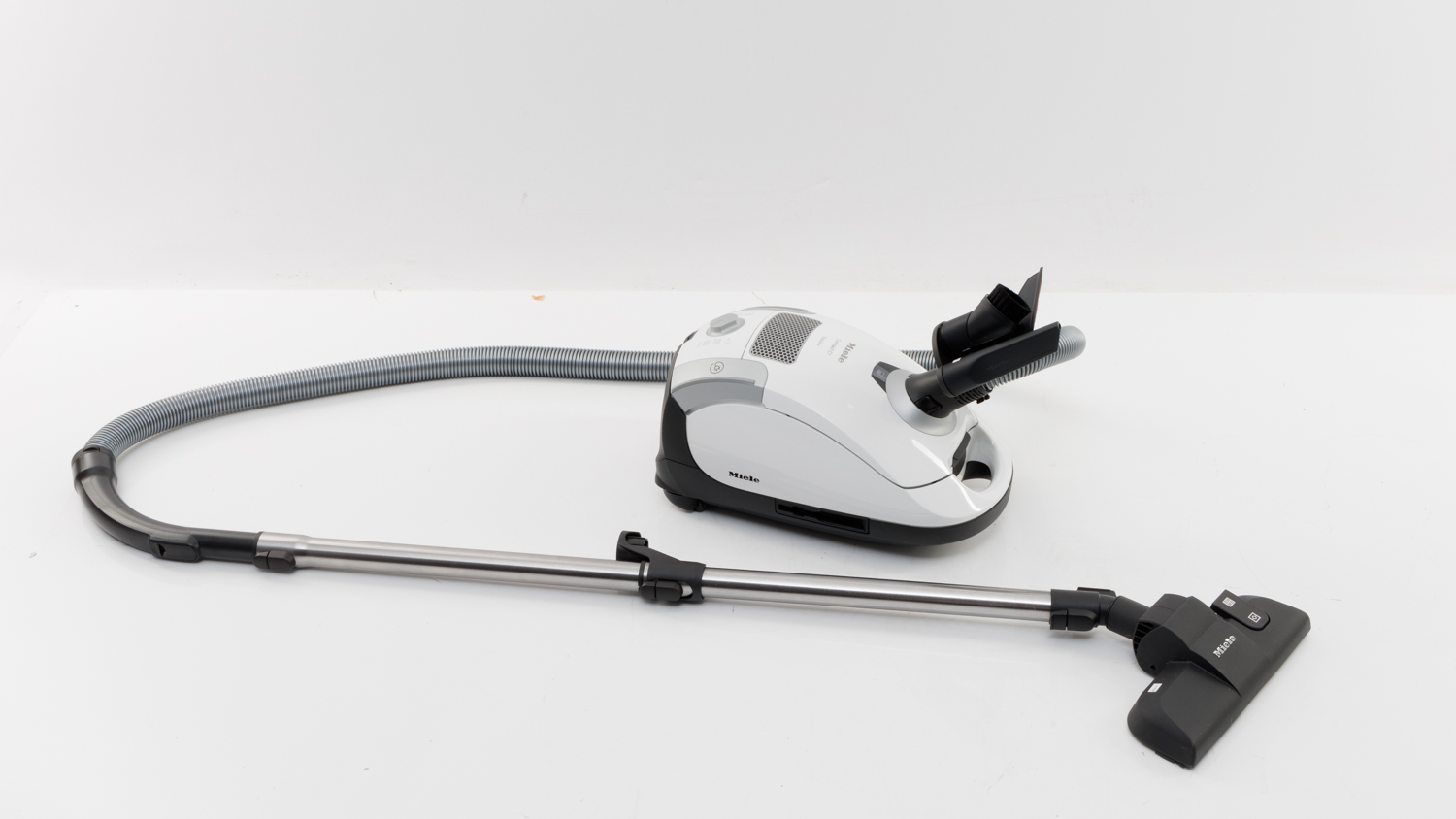
Miele
Compact C1 Ecoline 12396540
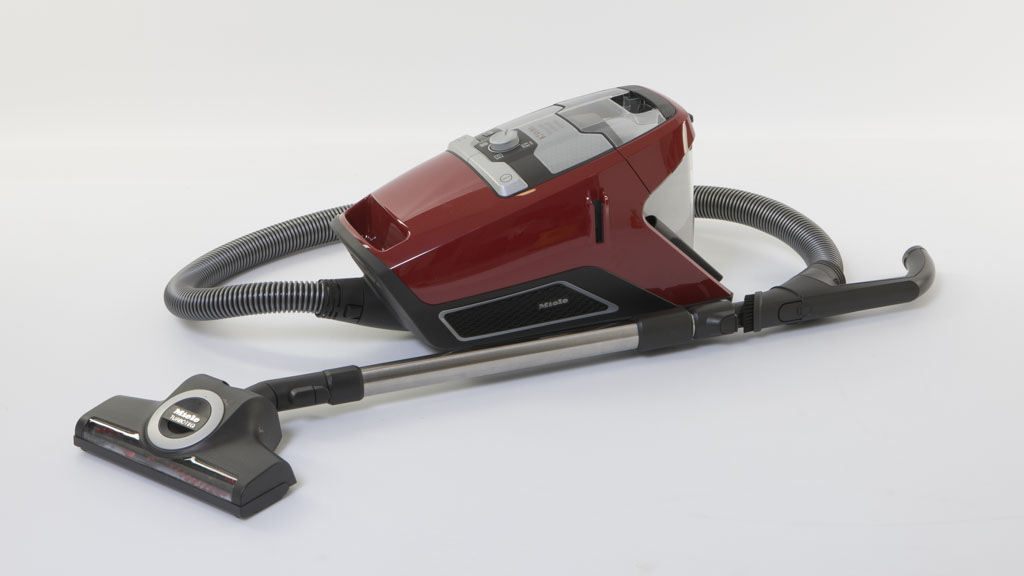
Miele
Blizzard CX1 Cat & Dog Powerline SKCR3
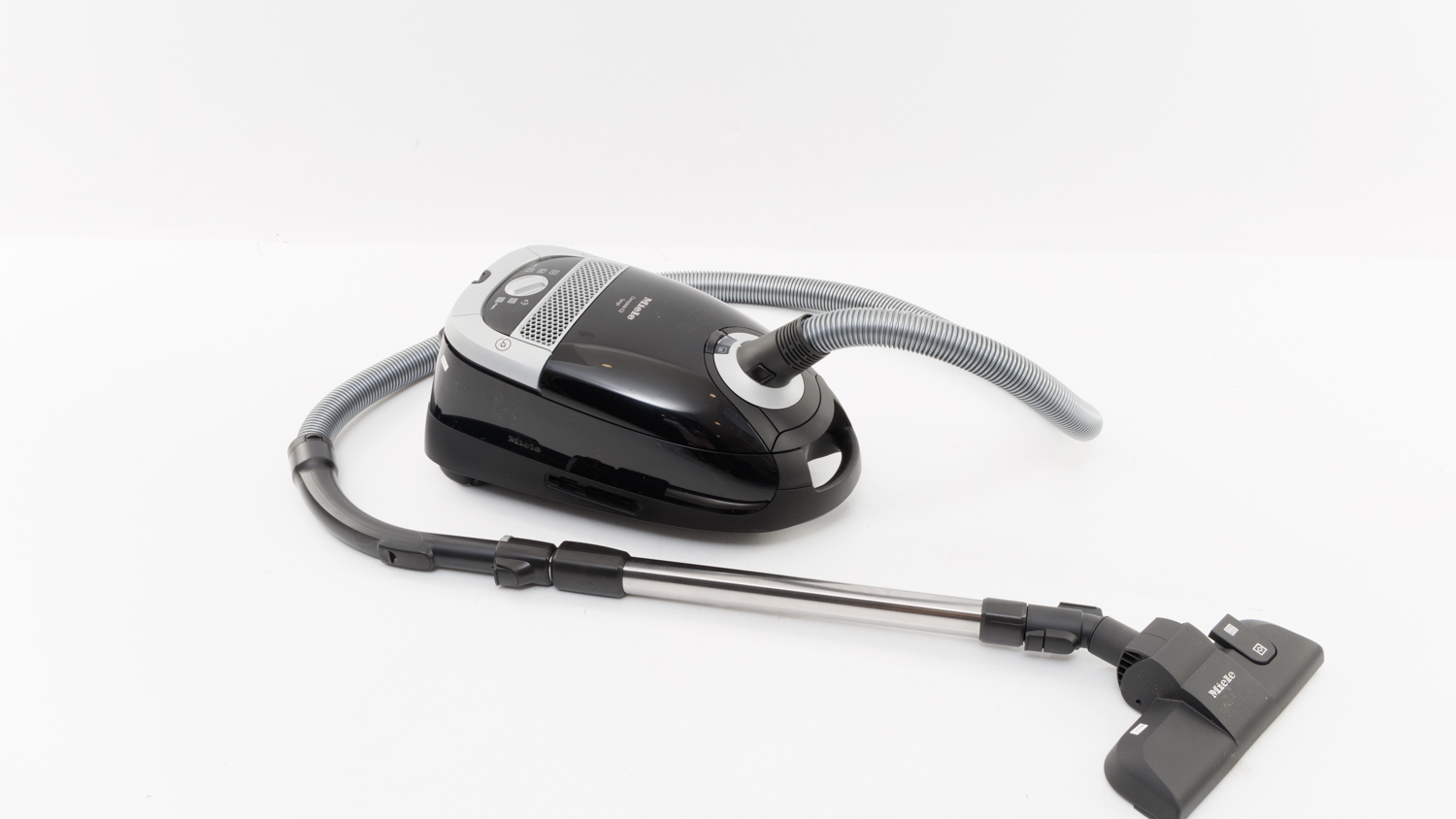
Miele
Complete C2 Tango Eco 12396570
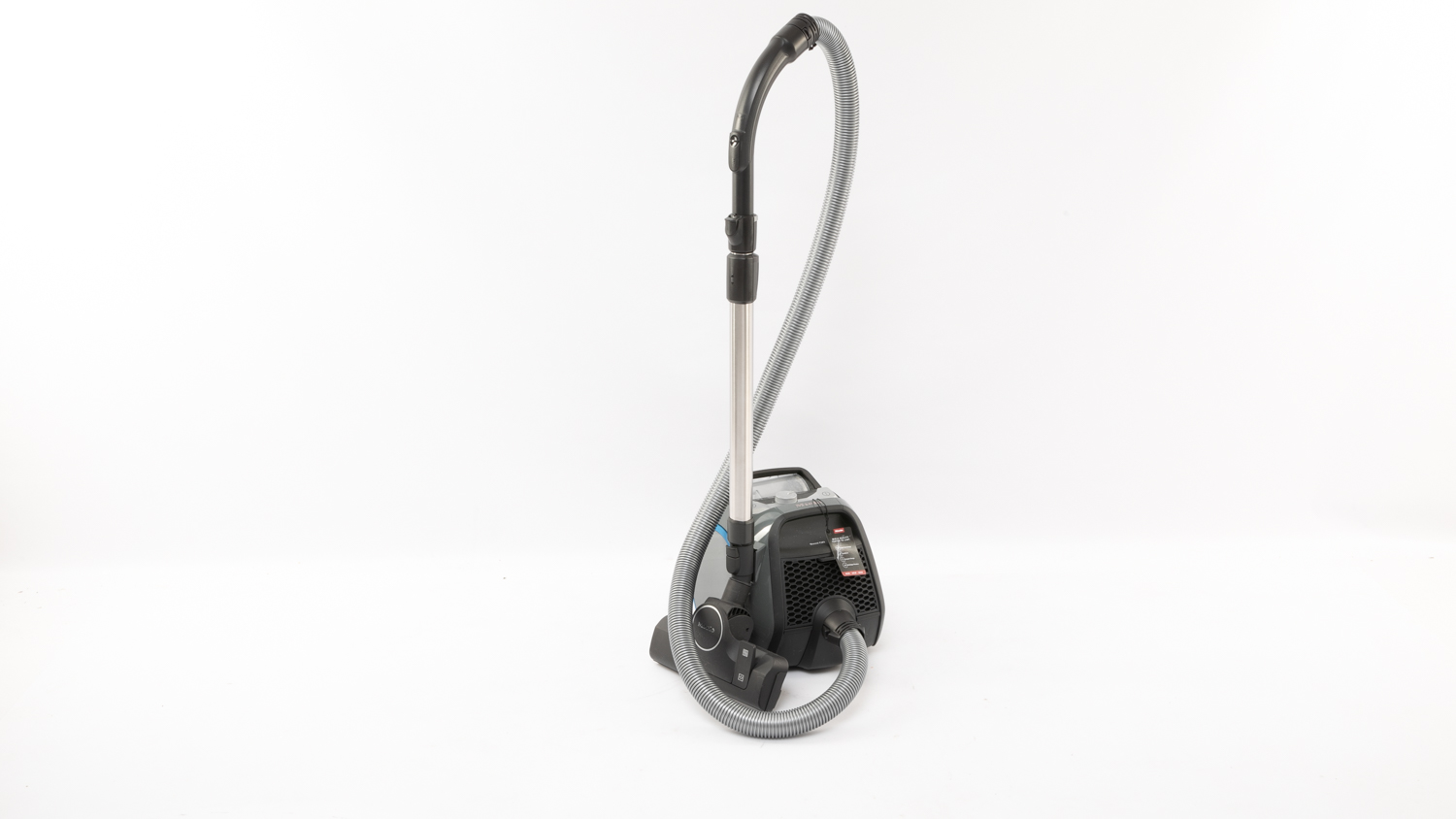
Miele
Boost CX1 Powerline SNRF0
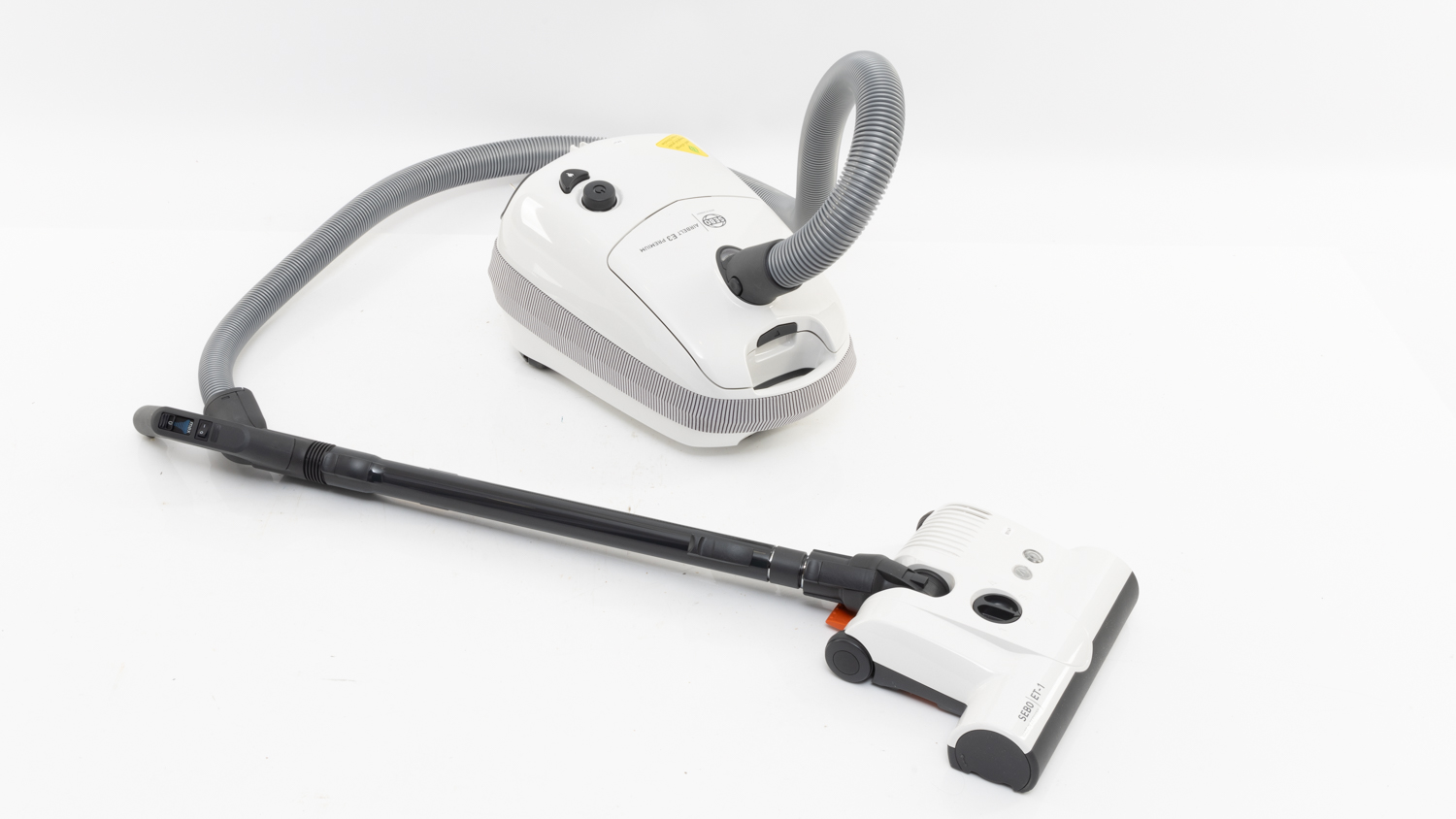
Sebo
Airbelt E3 SEVAE03
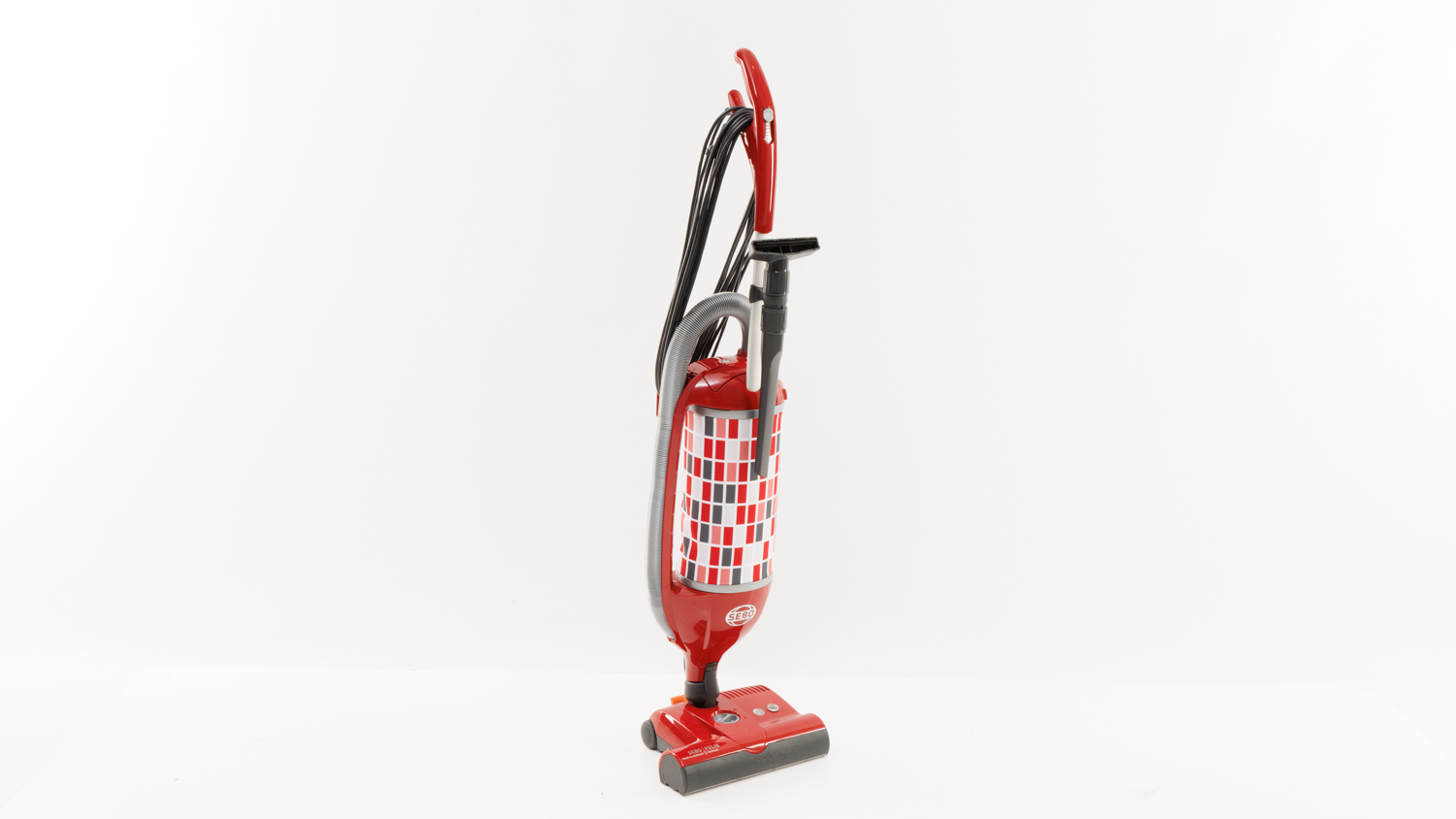
Sebo
Felix 1 Premium 9809AU
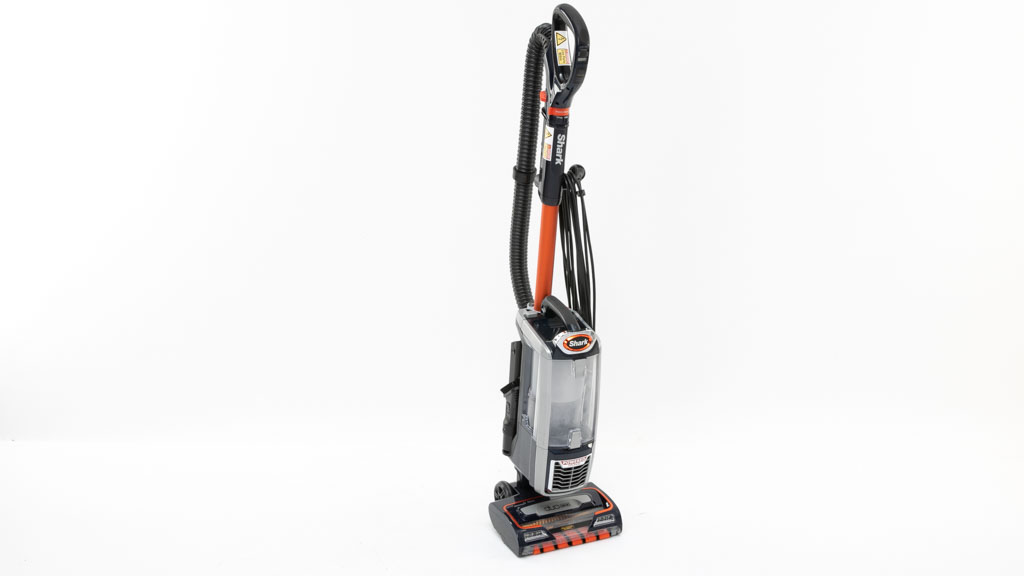
Shark
Corded Upright NZ801ANZ 40
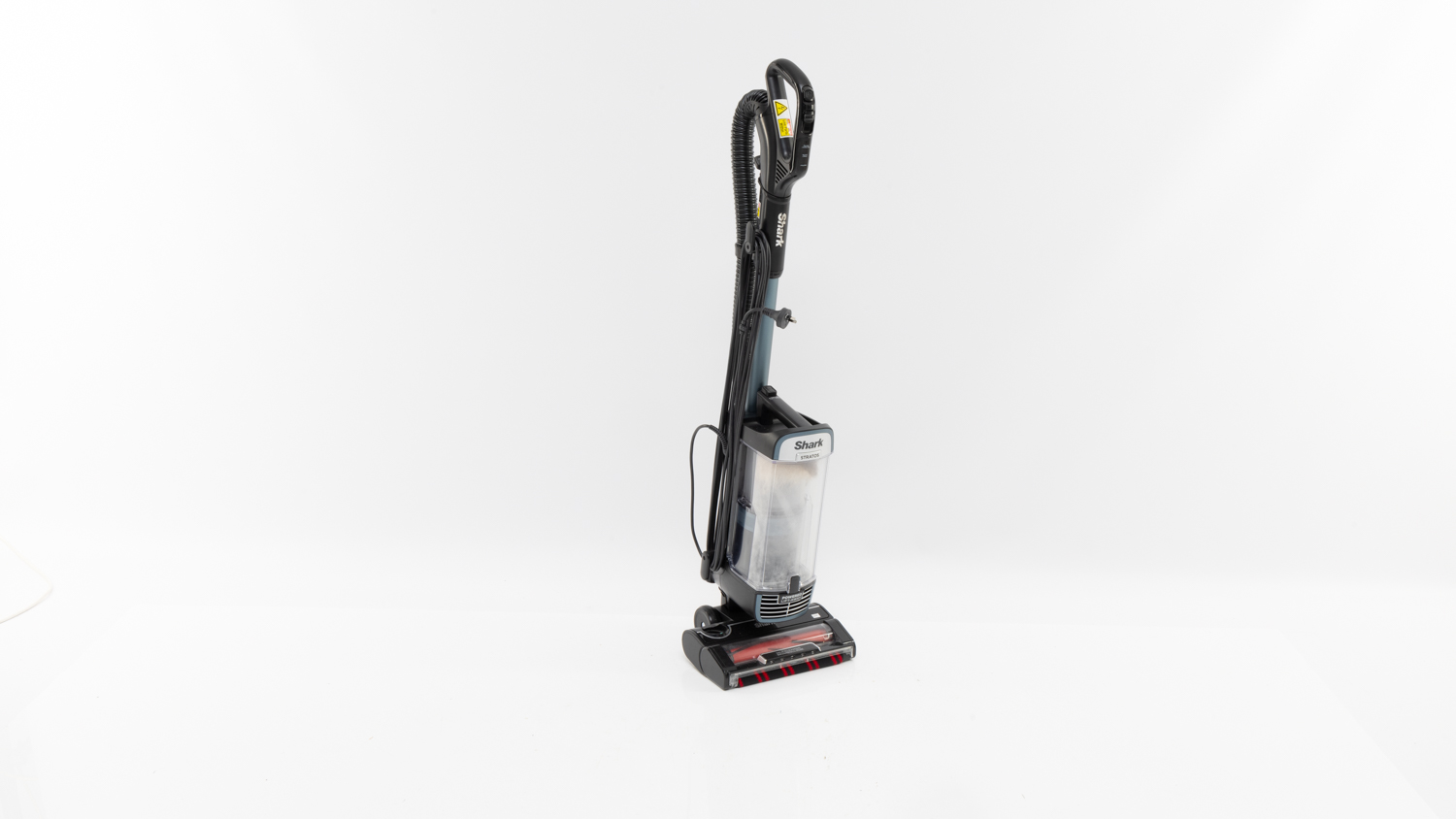
Shark
Stratos Corded Vacuum AZ913ANZ
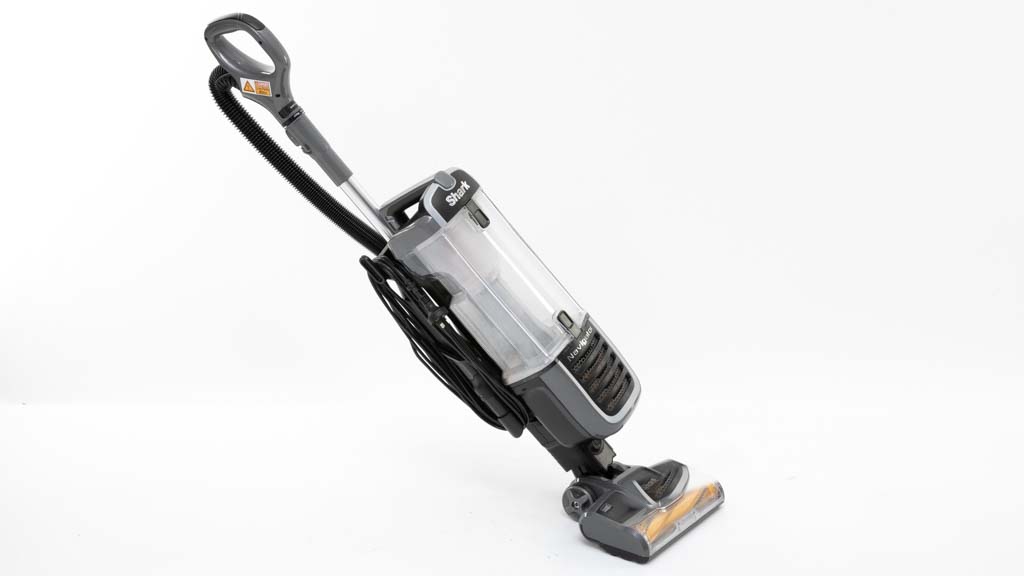
Shark
Navigator Pet ZU62ANZ 12
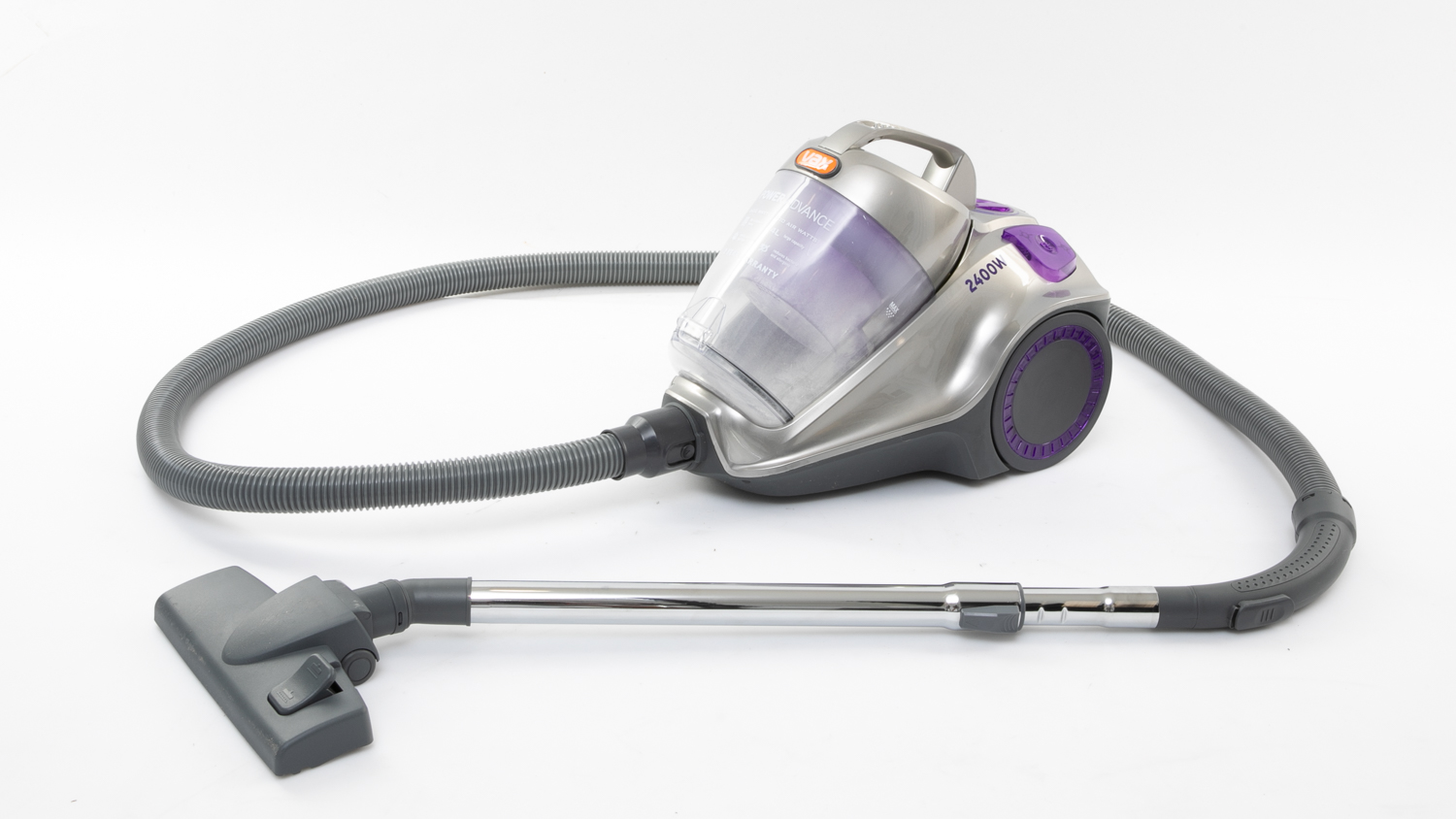
Vax
Power Advance Vacuum Cleaner VX77
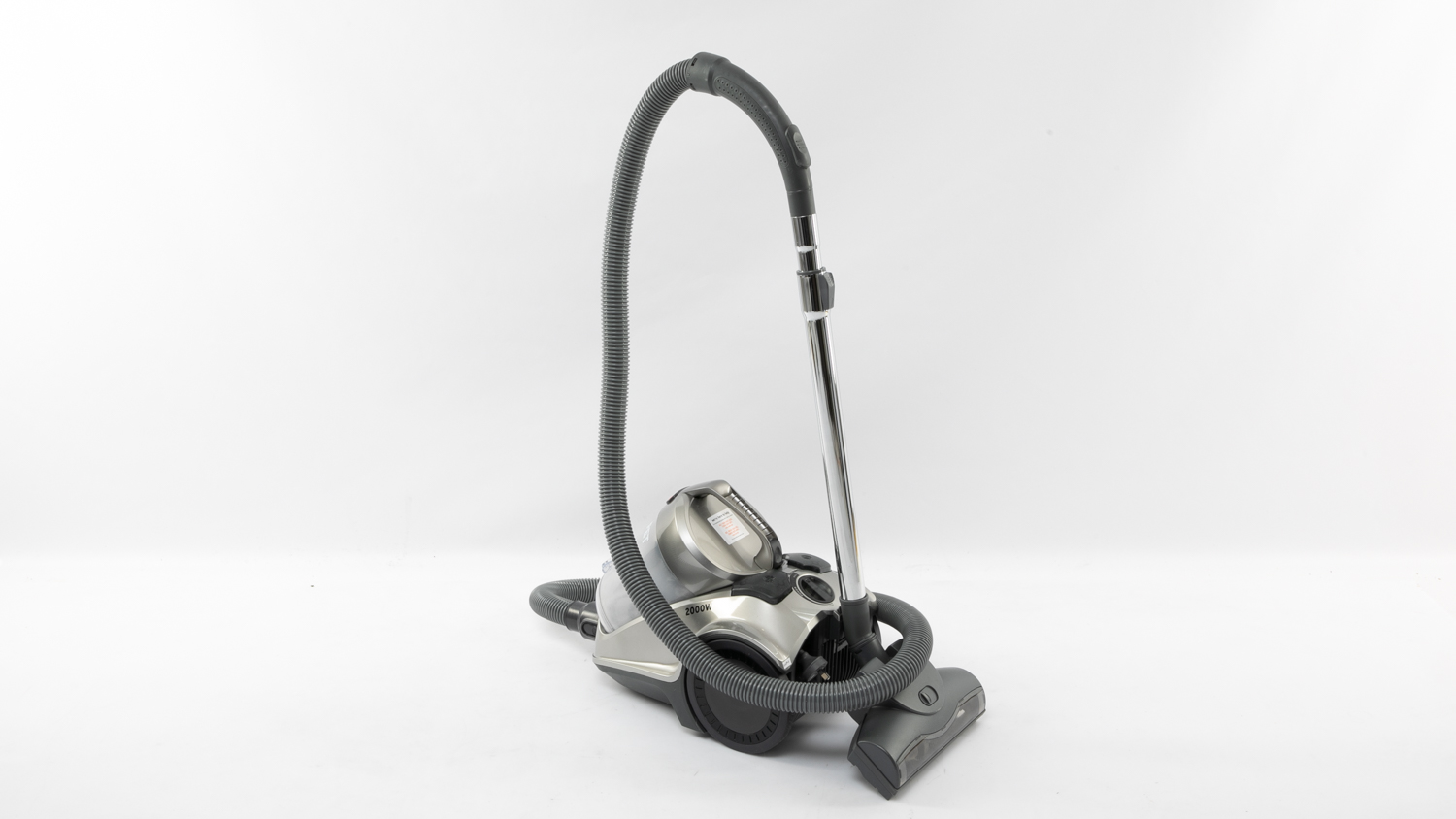
Vax
Advance Pet Vacuum Cleaner VX71C
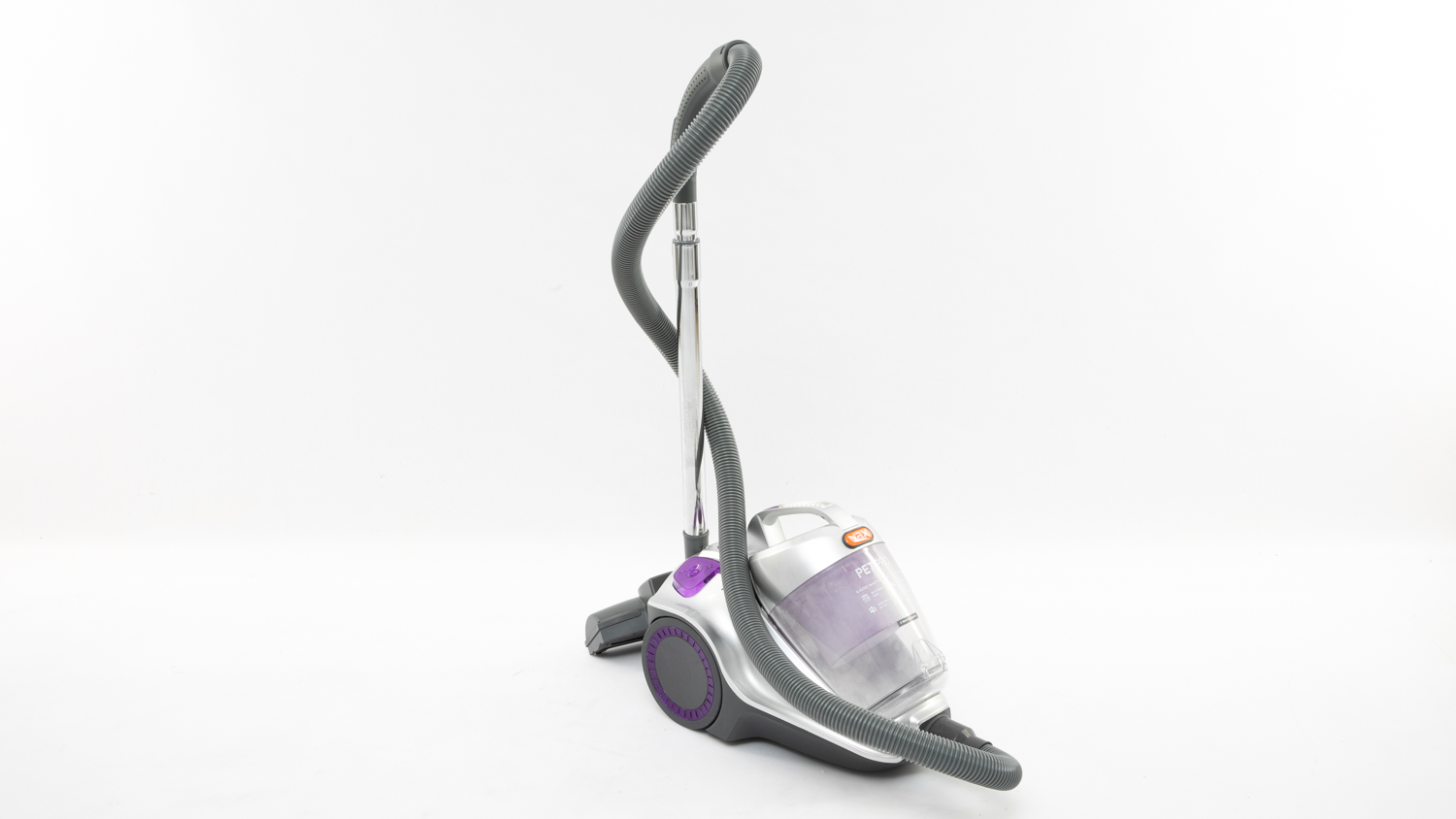
Vax
Pet Pro Vacuum Cleaner VX74
Scientifically tested in accredited labs
Get facts, not opinions or fake reviews. Each model is tested by experts with many years of combined experience.
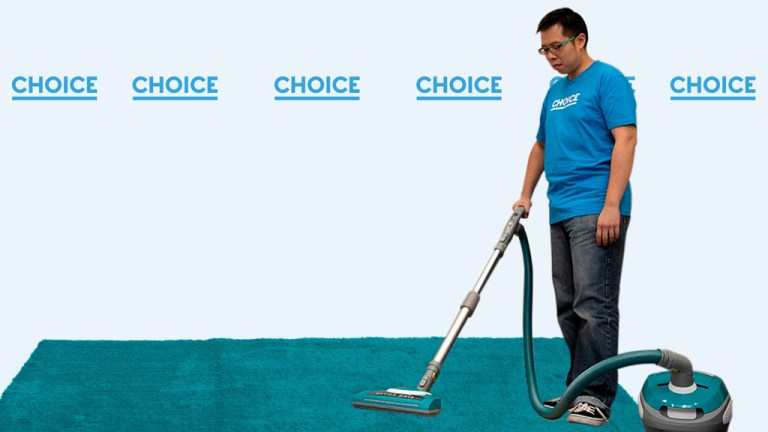
Our experts test and rate
Cleaning performance
Which brands remove dirt from carpet quickly and effectively

Easiest to use
How easy each vac is to control, and how well they reach under low furniture

Pet hair
Which models are best at removing stubborn pet hair
Vacuums to avoid
Members can compare all the models we test. Here’s a sample of the vacuums we suggest you avoid
The vacuums to avoid buying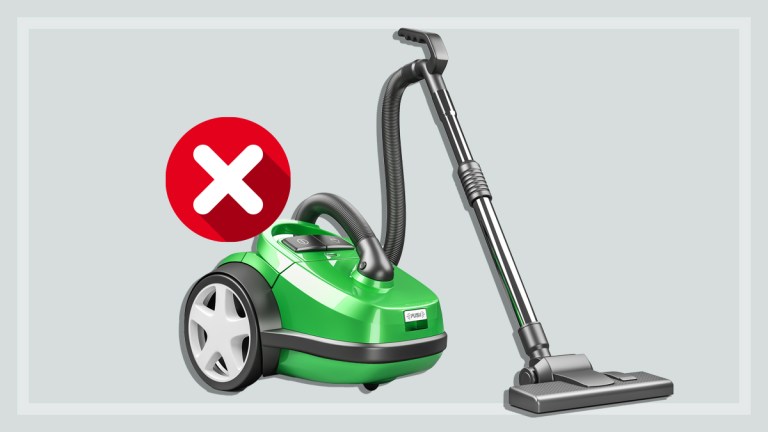
We give each vacuum cleaner a CHOICE score made up of:
Our tester pre-loads the vacuum cleaners with artificial household dust (a standard test material imported from Germany). We do that because vacuum cleaners are generally used with the bag or bin partly filled. The tester then embeds sand evenly into a section of carpet and vacuums it to a set pattern and speed. The sand collected is weighed and recorded as a percentage of the sand applied. This is repeated twice for each vacuum cleaner and the results averaged. We know exactly how much dirt goes into the test carpet, so we know to within a tenth of a gram just how much dirt the vacuum removed. Our tester rates all models based on the dirt pick-up performance from carpet using the standard cleaning head. We don’t test dirt pick-up from hard floors anymore, because in our experience all vacuums are excellent at this task.
Ease of use is based on how easy it is manoeuvre the cleaner, and to move the cleaning head on the carpet and under low furniture. We assess how difficult it is to empty and change the bag or barrel, plus the operation of the controls. We also test how easy the supplied accessories are to use and store.
To test pet hair removal, we embed cat hair in the carpet and vacuum it to a set pattern and speed. We rate the results based on how much cat hair is left behind after the test. When supplied, the vacuum’s turbo brush or power head is used for this test. If not, we use the standard cleaning head. The pet hair for our testing is supplied by Woof Cat & Dog Grooming, Bondi, NSW.
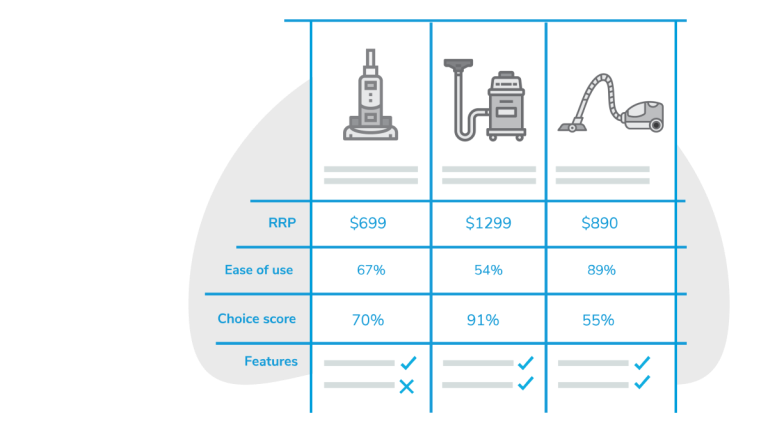
See key features side by side
Save time with our easy comparison tool – all the features rated so you don’t have to.

CHOICE keeps the marketplace honest. Without them, manufacturers will be able to do whatever they want.
Aaron – CHOICE member

They’re here to make a difference and here to make us safe.
Allison – CHOICE member

CHOICE keeps the marketplace honest. Without them, manufacturers will be able to do whatever they want.
James – CHOICE member
Our experts test barrel and upright vacuum cleaners from Beko, Bellini, Big W, Bissell, Bosch, Dirt Devil, Dyson, Electrolux, Henry, Hoover, Kmart, Miele, Sauber, Shark, Vax, Wertheim, Westinghouse and more.
Our priority is testing the models you’ll see in stores and major online retailers. To do this, we check current market data to see what’s most popular. We’ll also test models that a lot of members have requested.
We have our own on-site labs, equipped with precisely-calibrated measurement tools and reference machines to test and compare products. Every model is tested with a standardised samples of dirt, and pet hair. These align with Australian and International Standards and help us determine which vacuum cleaners perform best in real-world settings.
Our expert testers have many years of experience reviewing appliances and household products in our lab facilities, with some sitting on both national and international Industry Standards Committees.
Unlike other product review sites, we don’t accept free test models from manufacturers. This allows us to be independent and review without interference. Instead, we buy products anonymously from a variety of retailers, then bring them into our labs. This means we get what you’d get, and can be sure each model hasn’t been potentially ‘tweaked’ for better performance.
We test a new batch of vacuum cleaners every 12 months, in line with updates and new releases into the vacuums market.
We’re a nonprofit that’s been supporting Australian consumers since 1959
Buy smarter
The tools you need to find the best brands, avoid poor performers and get help when things go wrong.

Make a difference
Our members are at our heart, funding our independent product testing, journalism and campaigns.

Connect and belong
Join a community of thousands where you can share ideas, get advice and make positive change.


