Fitting out a new home? Renovating your kitchen? The oven is something you’ll want to be happy with. Whether you go for a standard oven, freestanding oven, double oven or a smaller toaster oven, there are lots of brands and features to choose from. First you need to decide what type of oven you need.
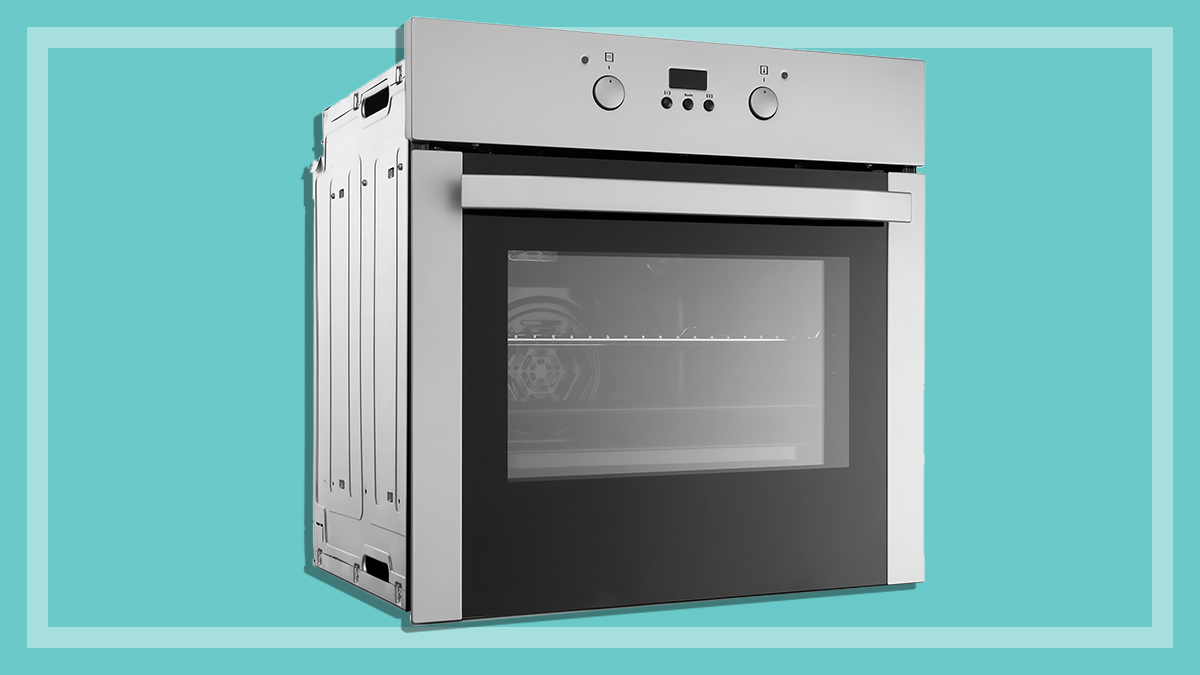
If you want flexibility with your kitchen layout, a wall oven is the way to go. They can fit in a wall, at a conveniently installed height to avoid bending or under your cooktop or bench. Or if you have a small kitchen, a single wall oven can be installed underneath your kitchen counters (including underneath your cooktop).
The standard size found in most homes is 60cm, however, if you have a big family or do lots of entertaining, extra wide 70- and 90cm models are also available. While larger ovens make a statement, bear in mind that ease of use is particularly important and they have larger trays that can be awkward and heavy to lift and move and the larger accessories can be difficult to clean in your kitchen sink.
You can also choose from electric or gas. The majority of ovens sold are electric, and we currently don’t test any gas models.
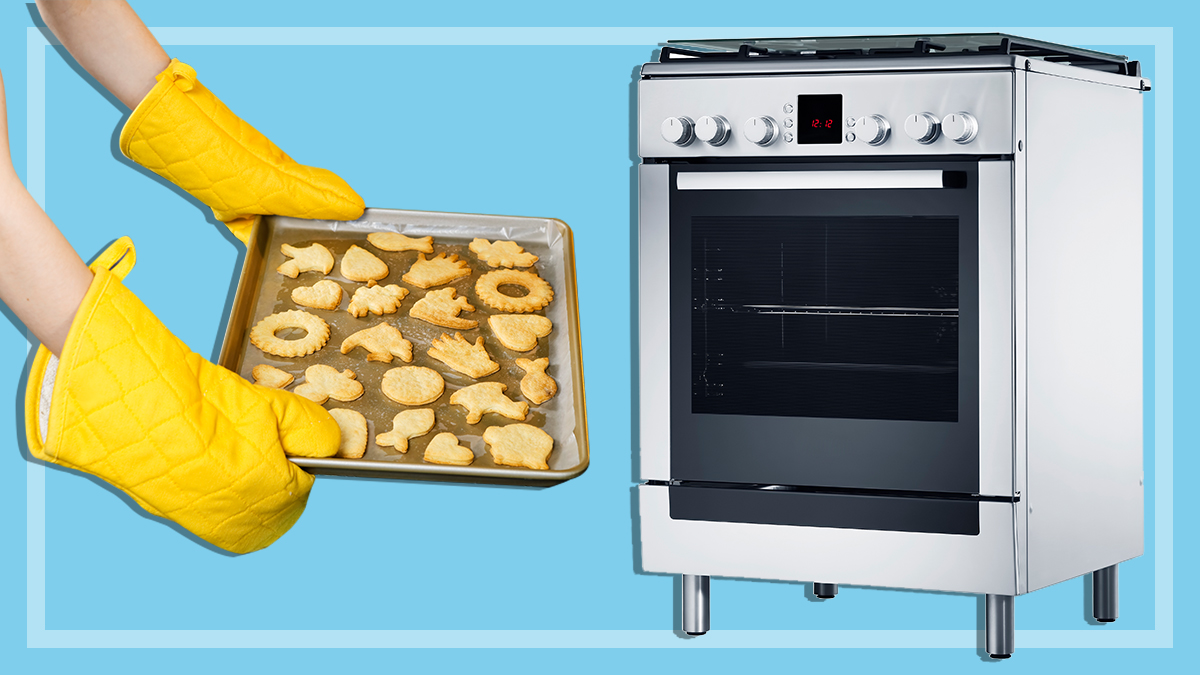
A freestanding oven gives you the oven and cooktop all-in-one. It can be a show stopper in your kitchen and is available in a variety of designs, from a modern aesthetic to the old-style ranges with divided compartments.
You can also choose from many variations – electric or gas oven with gas, induction or ceramic cooktop. The majority are electric ovens – we currently don’t test gas oven options.
If you’re strapped for space 60cm options are available, however, if you have the space and/or have a large family and love to cook up a storm 90cm options might be better suited for you.
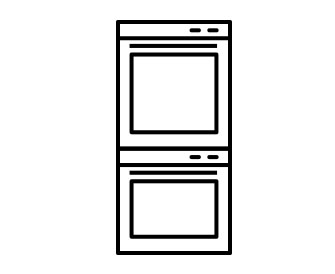
A double oven is two distinct ovens, each with its own set of functions, stacked one on top of the other. It allows you to bake and grill different dishes at the same time or bake two things that require different temperatures and functions.
They’re a great option for entertainers or large families who like to bake and can be electric or gas (although the majority are electric).
The main thing you’ll need to decide is the configuration of your double oven. Some are actually two full-sized ovens, and others are a smaller half-oven above (or below) a full-sized one. Keep in mind that half ovens tend to have limited functions and only one shelf. Consider how much space you have in your kitchen, and what you’ll be using the second oven for.
When it comes to features and functions, look at the same aspects as you would for a regular wall oven.
Installing a double oven is a little trickier than for a single wall oven, because both ovens need to be accessible, but it’s likely that one will end up being at an easier height than the other. Think about which of the two ovens will get the most use and install it at the right height for easy access.
They range in price from $1300 to over $6000, but can cost as much as $8000 or more.
This is a compact alternative to a full-sized oven. It can bake, roast, grill and toast and some even have a hotplate on top. It comes at a fraction of the price of a full-sized oven with reduced energy consumption too.
A toaster/benchtop oven is useful for small cooking jobs like cheese on toast and handy when space is an issue, but it can’t cater for larger scale baking.
Steam ovens claim to produce healthier food than conventional ovens because fewer nutrients are lost. However, they aren’t as versatile as a conventional oven, and there are cheaper ways of steaming food.
There are three types of steam oven:
Standalone steam oven – which only steams. This type isn’t capable of browning foods, so you’ll need to grill or fry before or after steaming to achieve browning.
Combination steam and convection ovens has typical multifunctional baking, combination steam/convection modes, and steam only settings.
Multifunction oven with added moisture function. This type is often the cheaper option and injects bursts of steam into the oven during normal baking at appropriate cooking phases to help keep in moisture.
They range in price from $2000 right up to over $7500.
CHOICE no longer reviews steam ovens.
What to check instore when buying a steam oven
Water tank
A
larger water tank means less interruption while steam cooking. One that you can
access without opening the oven door prevents heat and steam loss – and
minimises the risk of scalds from escaping steam. Make sure it’s easy to fill
and replace. The steaming system will need to be flushed through and descaled
periodically, depending on how often you use it and water hardness.
Condensation
Some
have condensation tanks that need to be removed, emptied and replaced, others
you drain by inserting a tube into the drain hole while water flows into a
container you hold below it, and another type need the oven cavity sponged out
after each use from an indented collection cavity in the base.
On the other
hand, some have no condensation tank or collection cavity – you just wipe dry
the interior after each use. But we’ve found this may not be an ideal design,
as moisture still seems to remain within the system, which isn’t ideal for
baking some dishes, including meringues.
There are also plumbed-in options, but
these require a fair bit of maintenance including descaling and regularly
flushing the lines to prevent mould growing, and they’re more expensive to buy
and install.
Comprehensive instructions and cooking guidelines
There’s
lots to learn about combination-steam cooking, and good guidelines can help a
great deal. It can only take 30 seconds to ruin a steamed dish, so accurate
guidelines mean significantly less trial and error and more fun in the kitchen.
Controls
Clear
and intuitive controls and labelling are even more important with combi-ovens
due to all the extra options available. It’s worth trying them out in a store,
where possible, to get a better idea of whether they’re easy to use and
understand.
Cooking demonstrations
A
demonstration on using a steam oven can help you get the most out of your new
kitchen appliance.
A light oven takes an ordinary combinaton convection/grill/microwave oven and adds a halogen lamp. This type of oven doesn’t cook using just light – the light’s main purpose is to assist browning and heating.
Kim Gilmour is a Senior project officer. She manages a range of product tests such as coffee machines, stick vacuums, bassinets, high chairs and ovens, which are all tested in our in-house labs.
Kim’s work gives people access to robust, independent advice and helps consumers make informed decisions about their purchases. Her work also helps to keep manufacturers in check, by regularly exposing product flaws which can result in better and safer products.
Prior to CHOICE, Kim spent 16 years working as a technology journalist in Sydney and London. With several years as a senior researcher/writer at our UK sister organisation, Which?
Kim has authored how-to technology books such as Spotify for Dummies and Digital Photography for the Older and Wiser.
Kim has a Bachelor of Arts in Communication (Journalism) from Charles Sturt University. LinkedIn
Kim Gilmour is a Senior project officer. She manages a range of product tests such as coffee machines, stick vacuums, bassinets, high chairs and ovens, which are all tested in our in-house labs.
Kim’s work gives people access to robust, independent advice and helps consumers make informed decisions about their purchases. Her work also helps to keep manufacturers in check, by regularly exposing product flaws which can result in better and safer products.
Prior to CHOICE, Kim spent 16 years working as a technology journalist in Sydney and London. With several years as a senior researcher/writer at our UK sister organisation, Which?
Kim has authored how-to technology books such as Spotify for Dummies and Digital Photography for the Older and Wiser.
Kim has a Bachelor of Arts in Communication (Journalism) from Charles Sturt University. LinkedIn
For more than 60 years, CHOICE has been fighting the good fight for Australian consumers.
In the past year alone we've uncovered systemic issues with sunscreens, investigated shonky supermarket pricing, fought for stronger scam protections and helped make complex energy pricing fairer and clearer.
CHOICE is here to provide unbiased advice and independent testing in our world-class labs. We buy the products we test, just like you do, and our expert reviews are influence free. We’re here to help you choose smarter. Hopefully you’ll also save some money along the way.
Thanks to CHOICE, you’ll never be alone when a business treats you unfairly. You can support our work by joining or donating to our cause.