
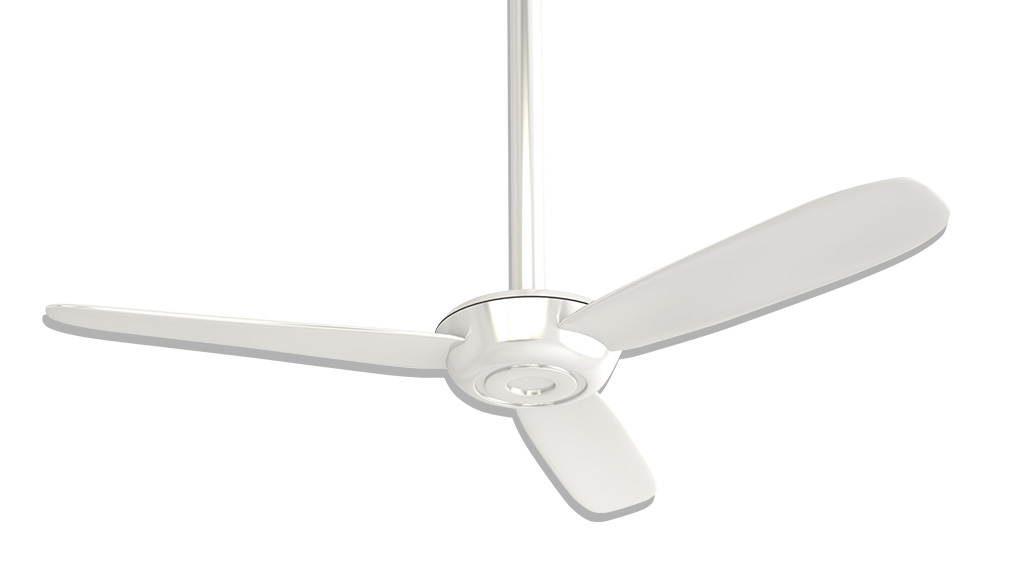
ceiling fan reviews
Best ceiling fans to buy in Australia
Find the best ceiling fan to keep you cool in the warmer months.
Join to compare now Already a CHOICE member? Log in
94 models rated and ranked
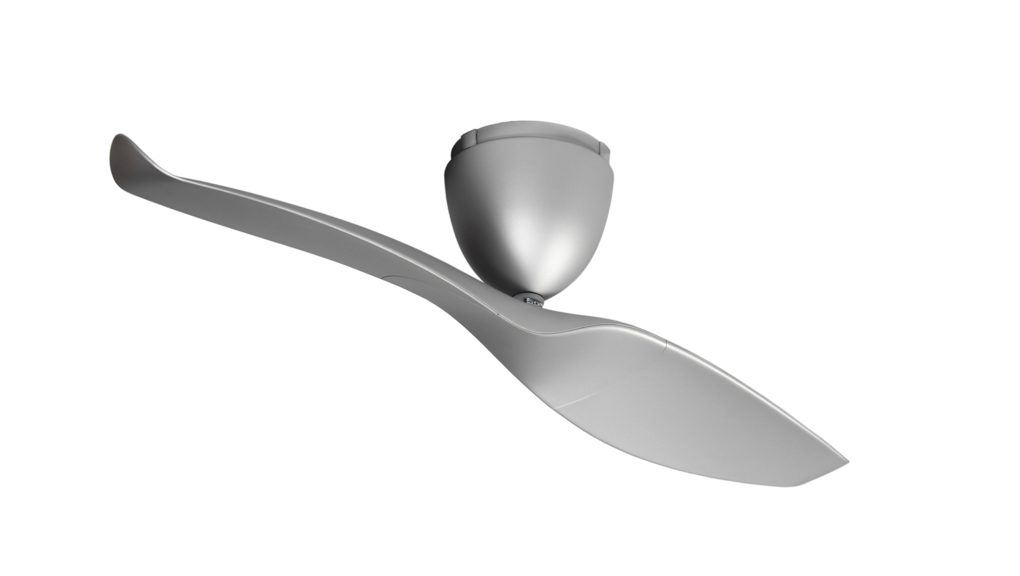
Aeratron
AE2+
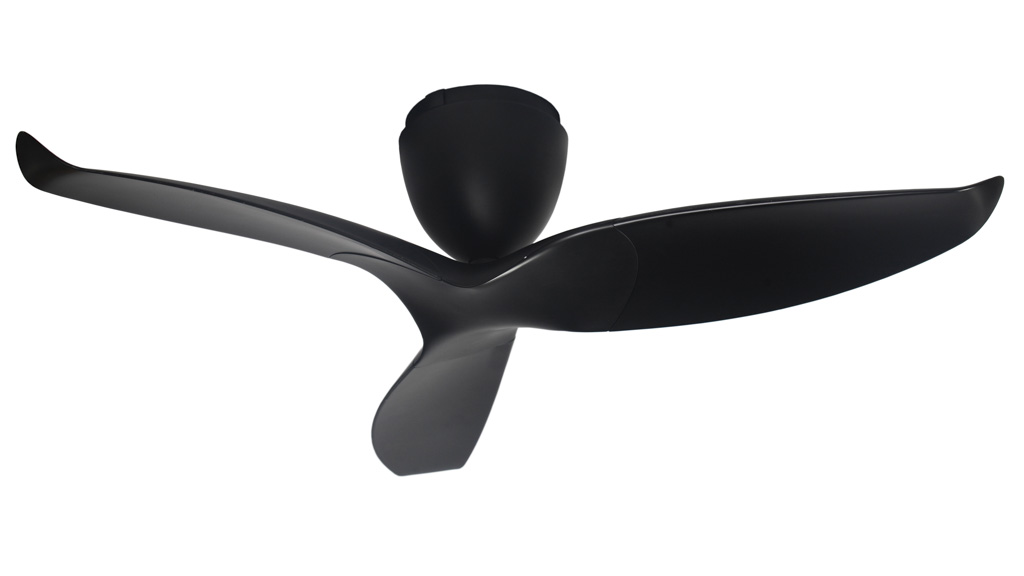
Aeratron
AE3+
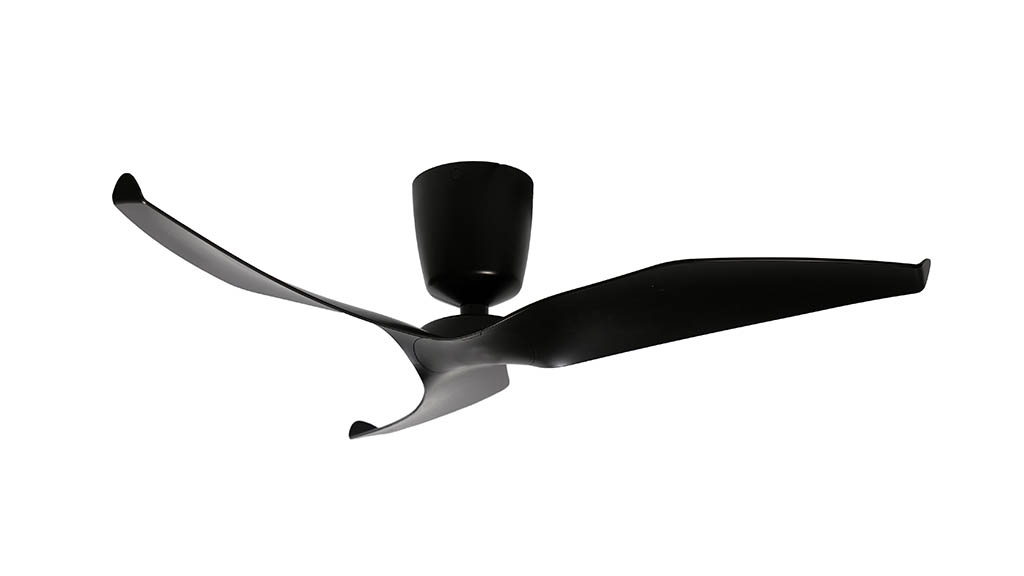
Aeratron
FR3
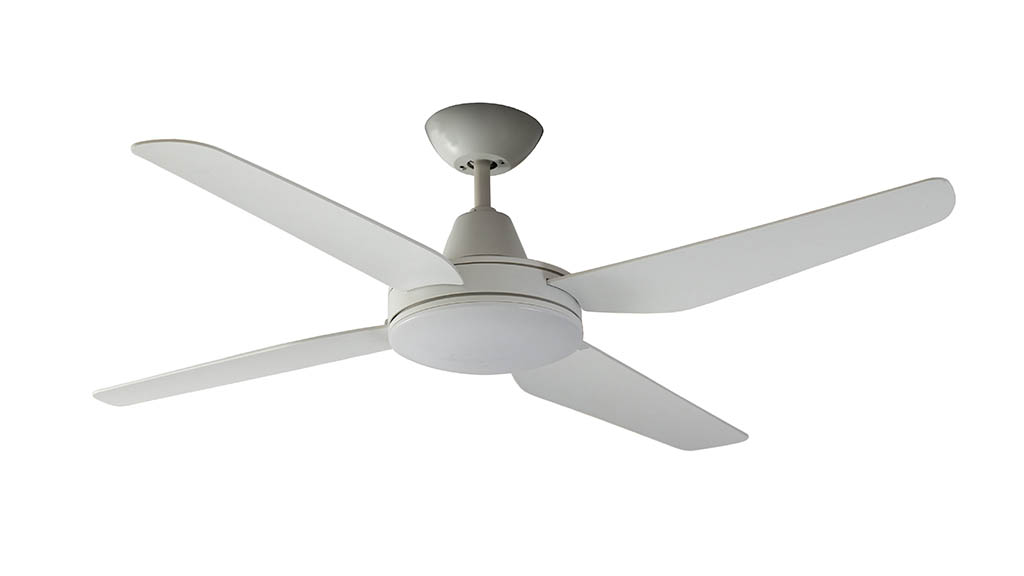
Arlec
Grid Connect
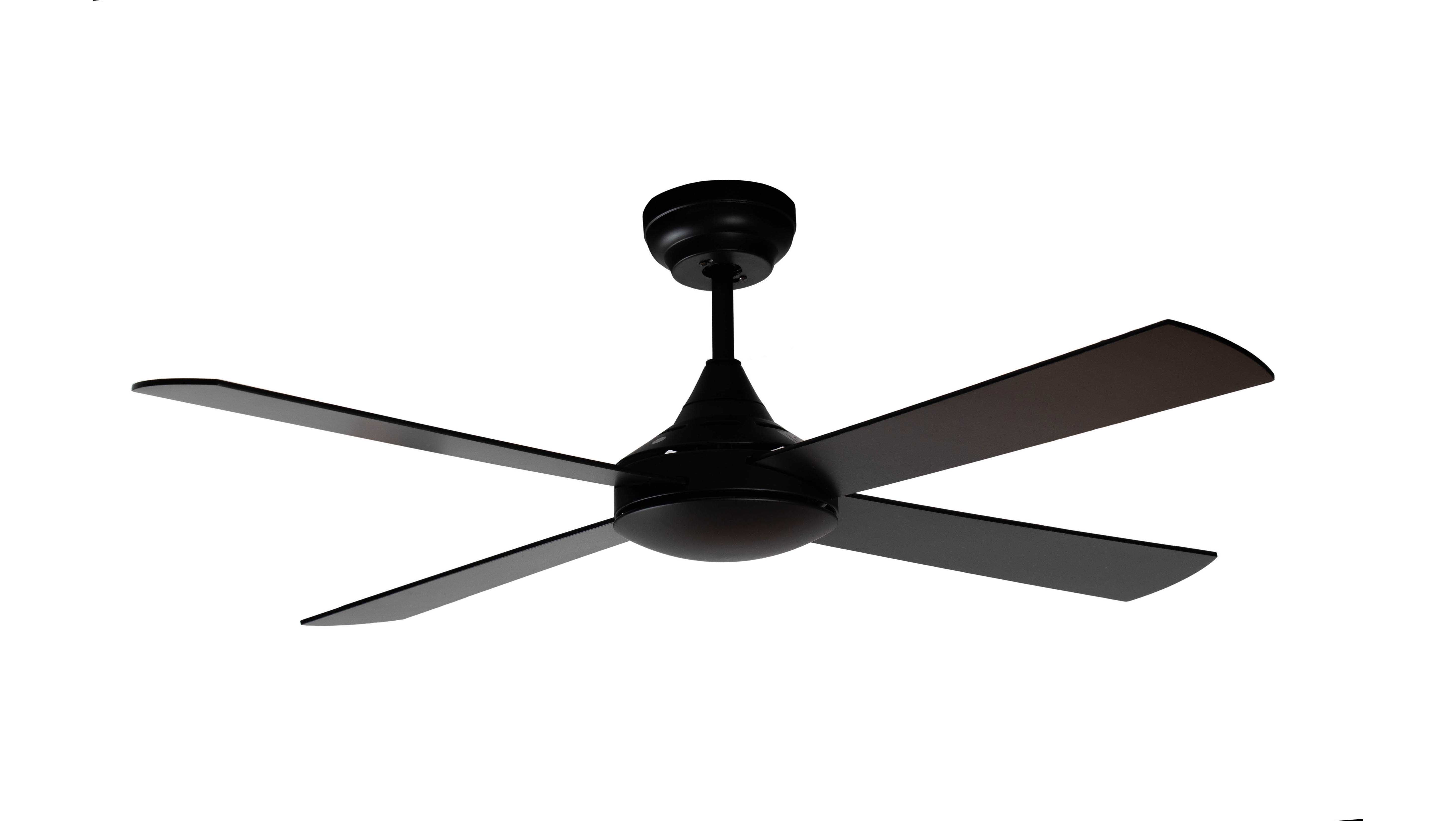
Arlec
Boston II
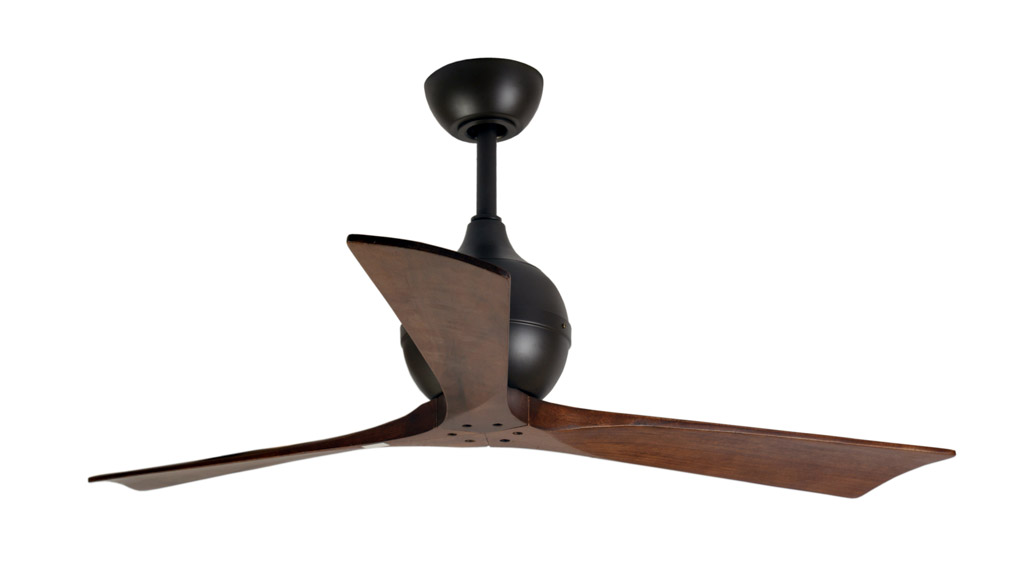
Atlas
Irene 3
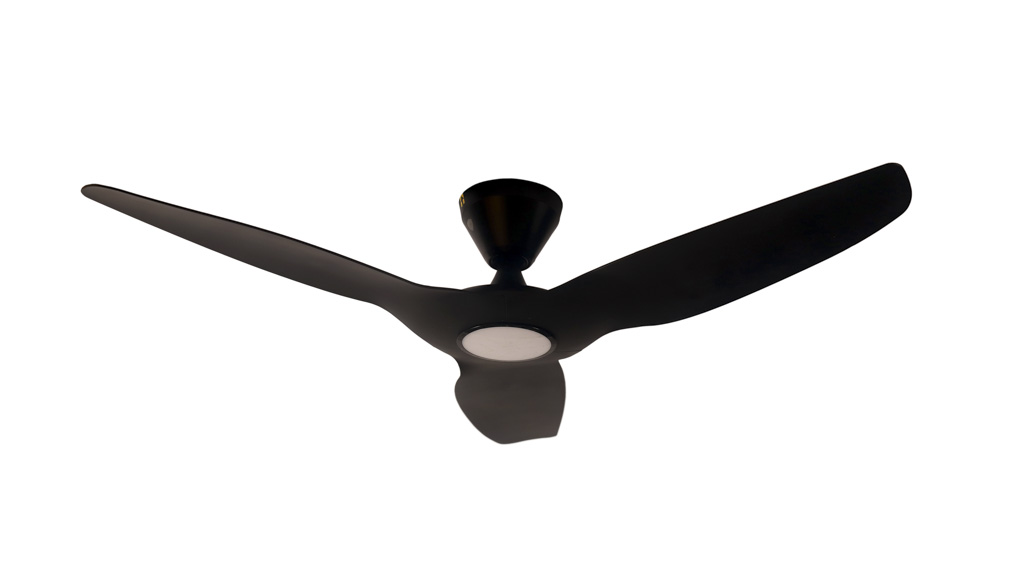
Big Ass Fans
Haiku L
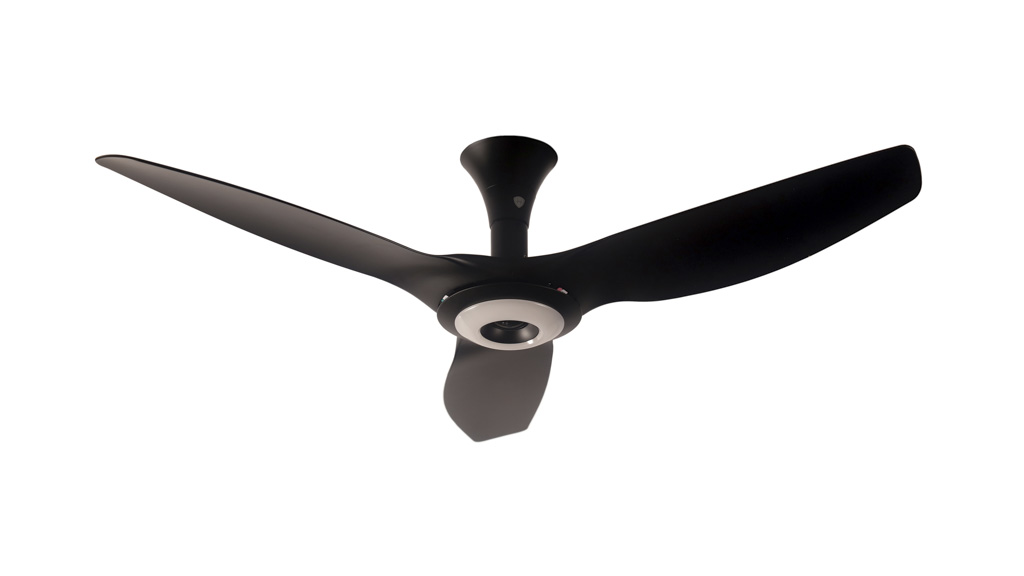
Big Ass Fans
Haiku I
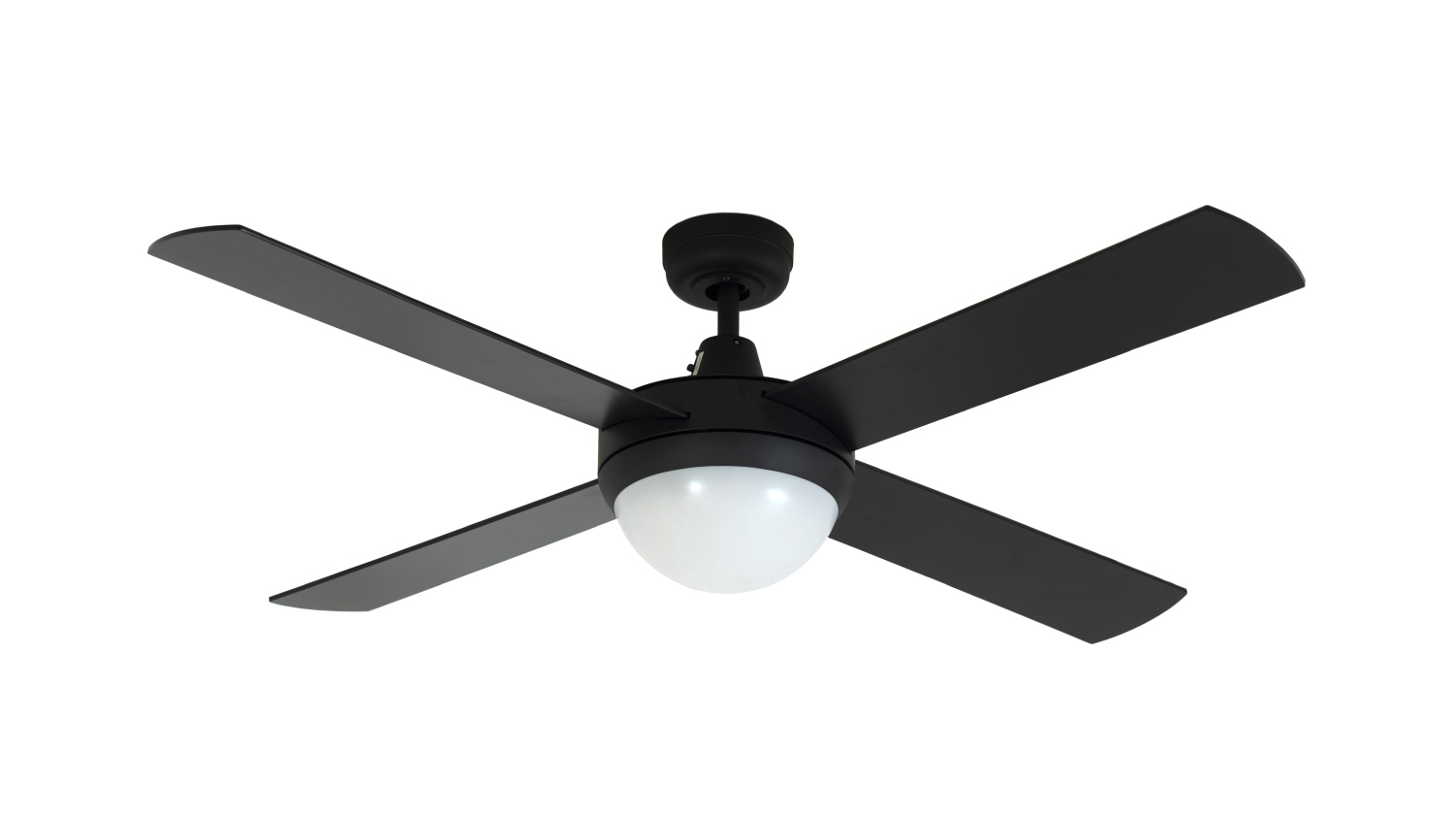
Brilliant
Tempest
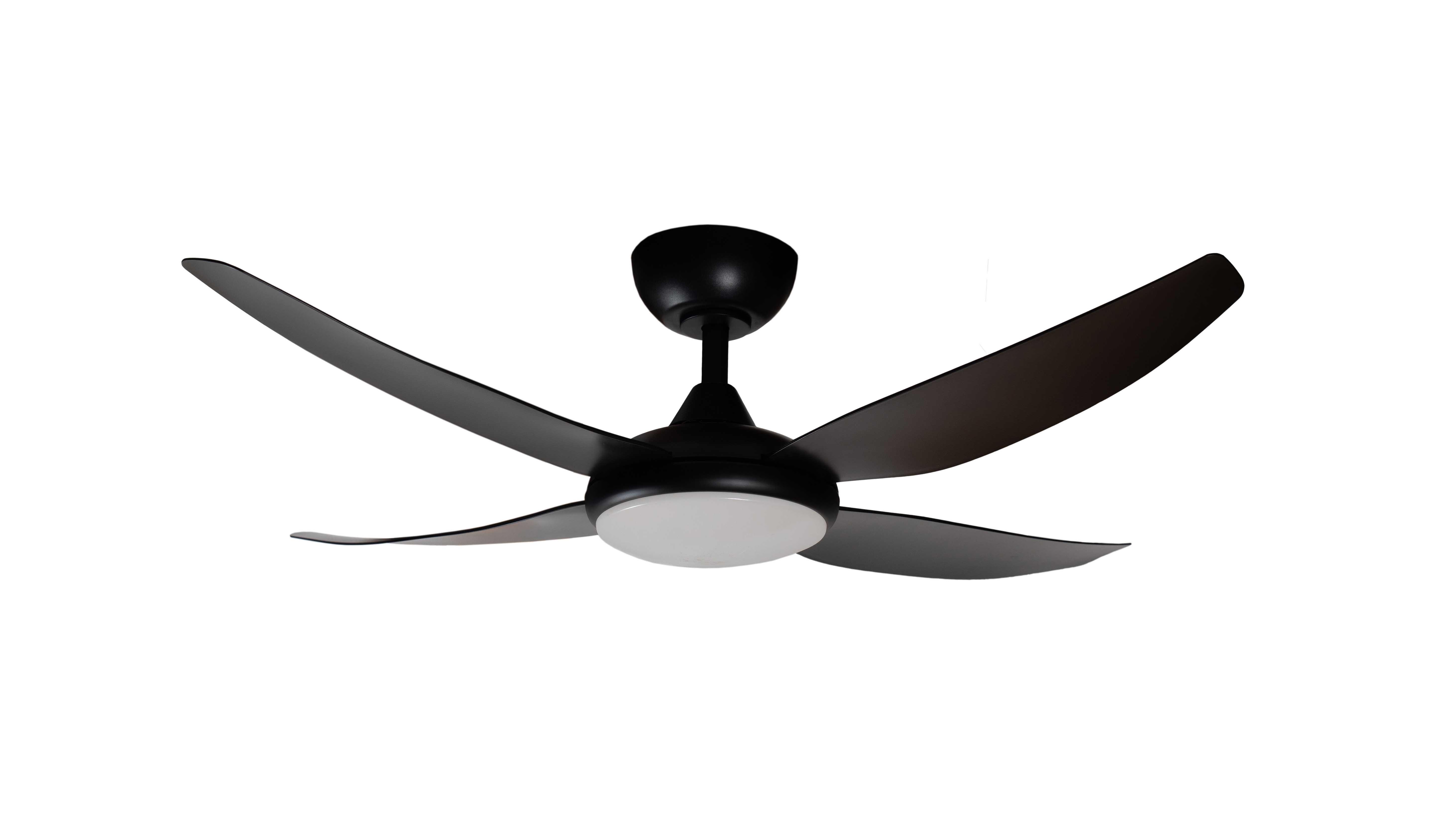
Brilliant
Amari
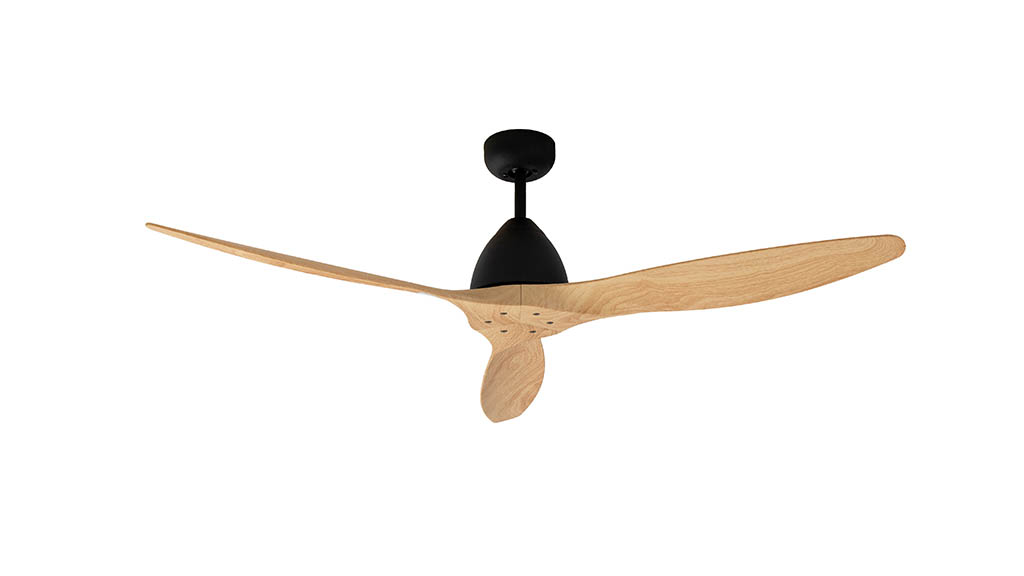
Brilliant
Canyon
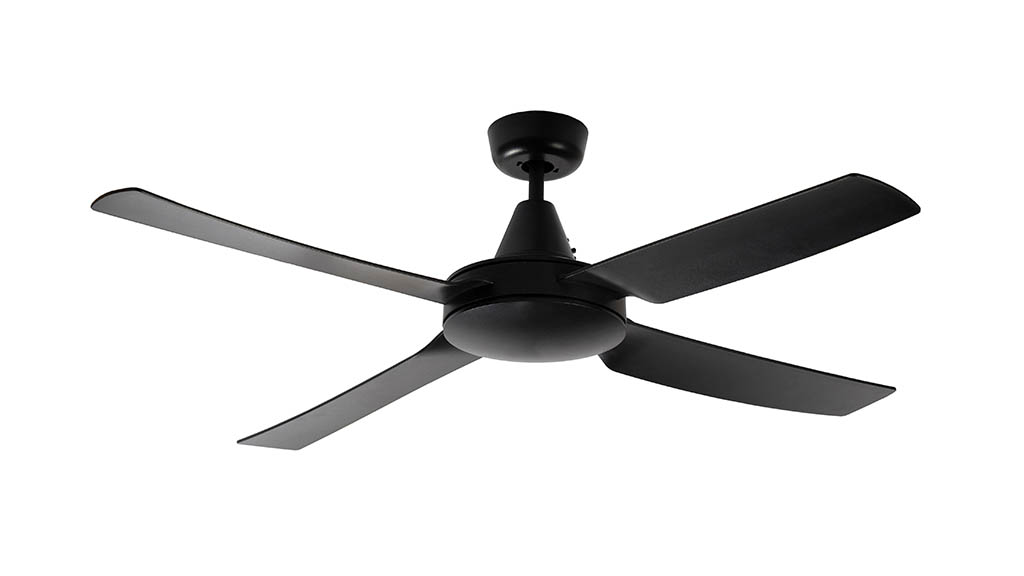
Brilliant
Cruze
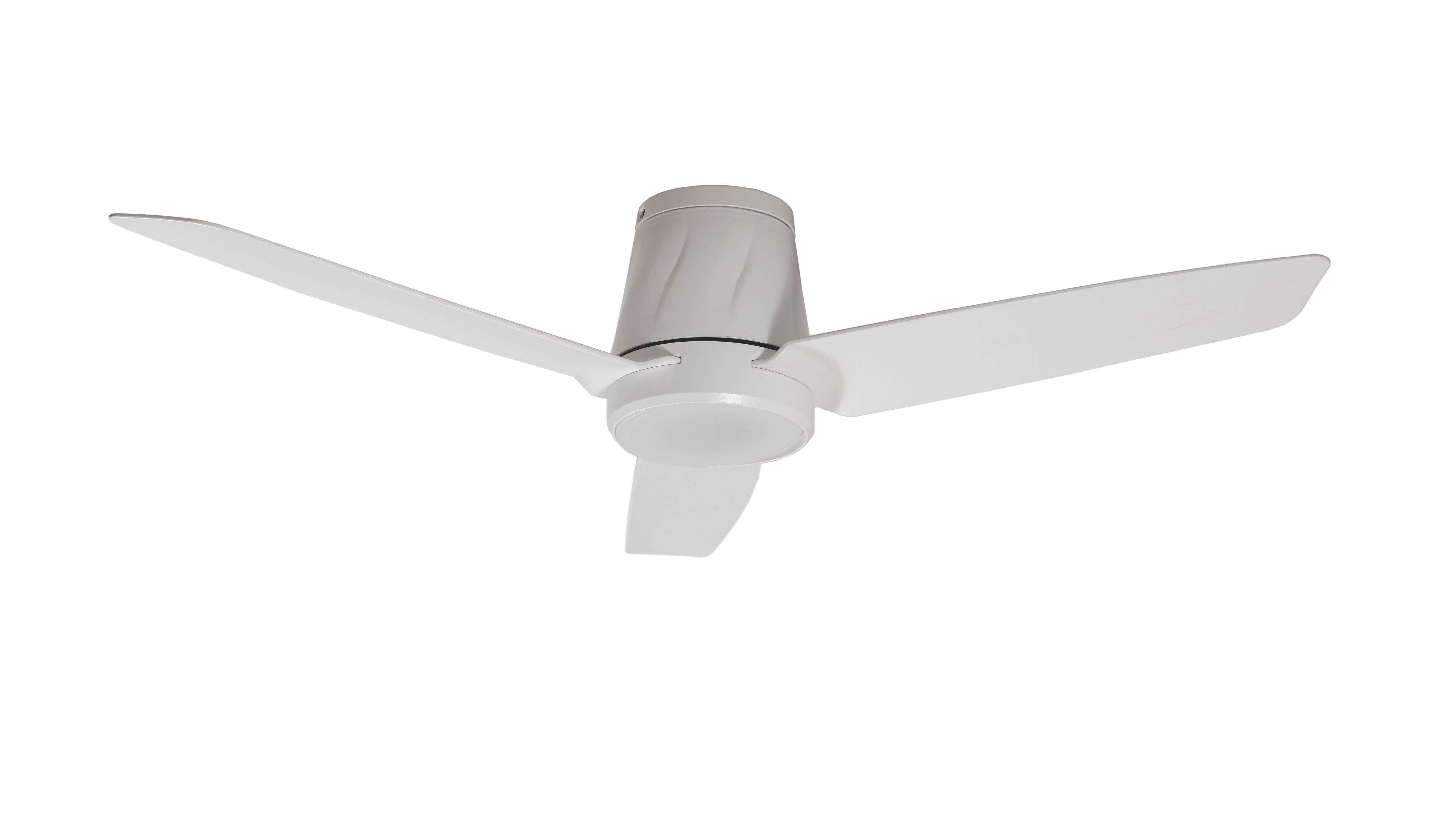
Calibo
Profile DC
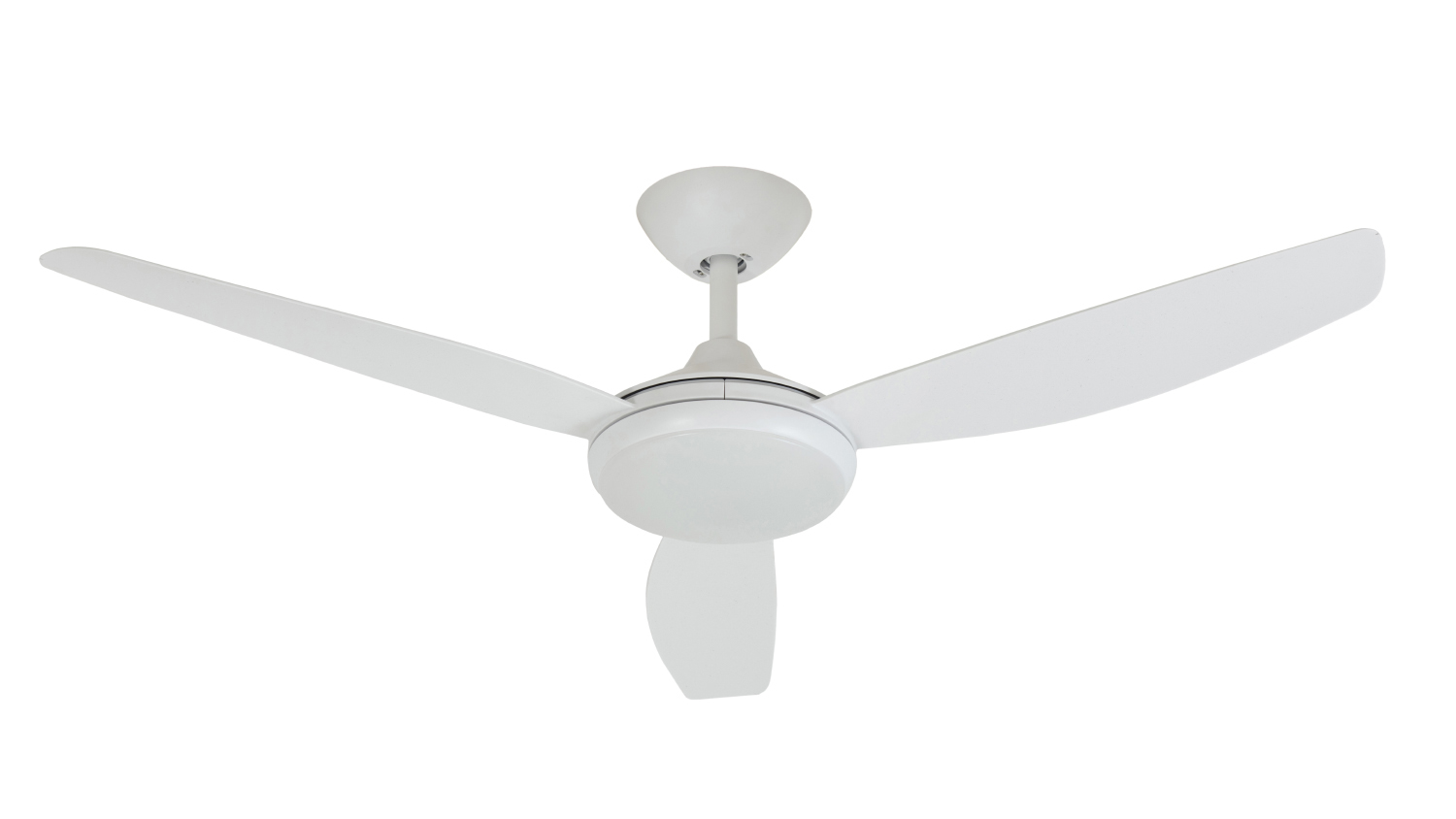
Calibo
Condor DC
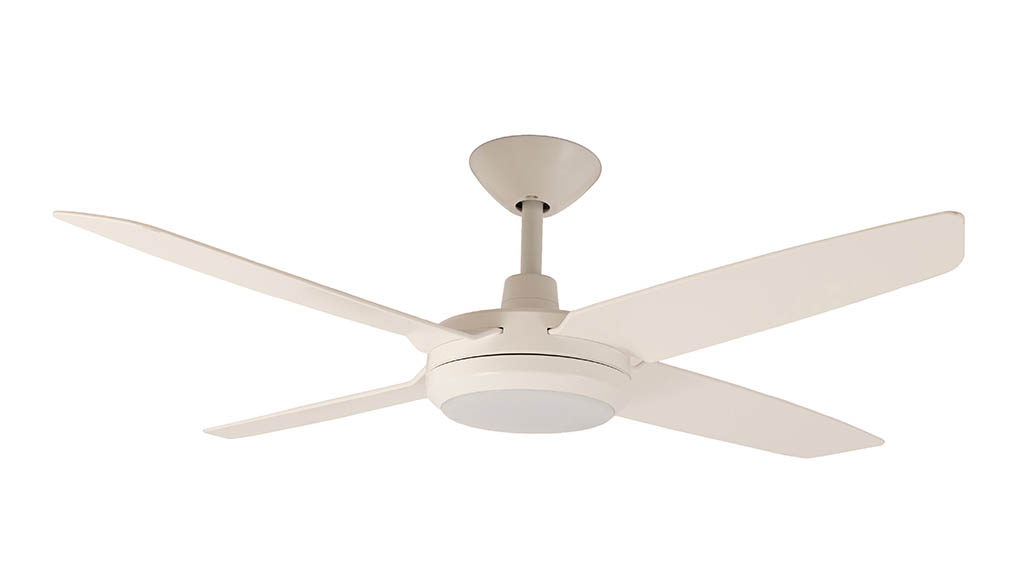
Calibo
Enviro DC
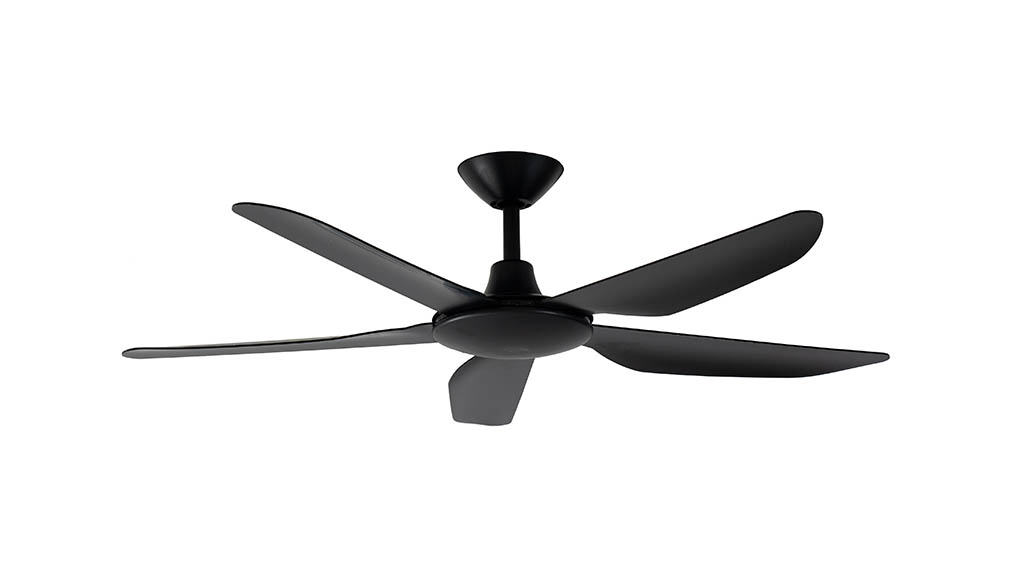
Calibo
Storm
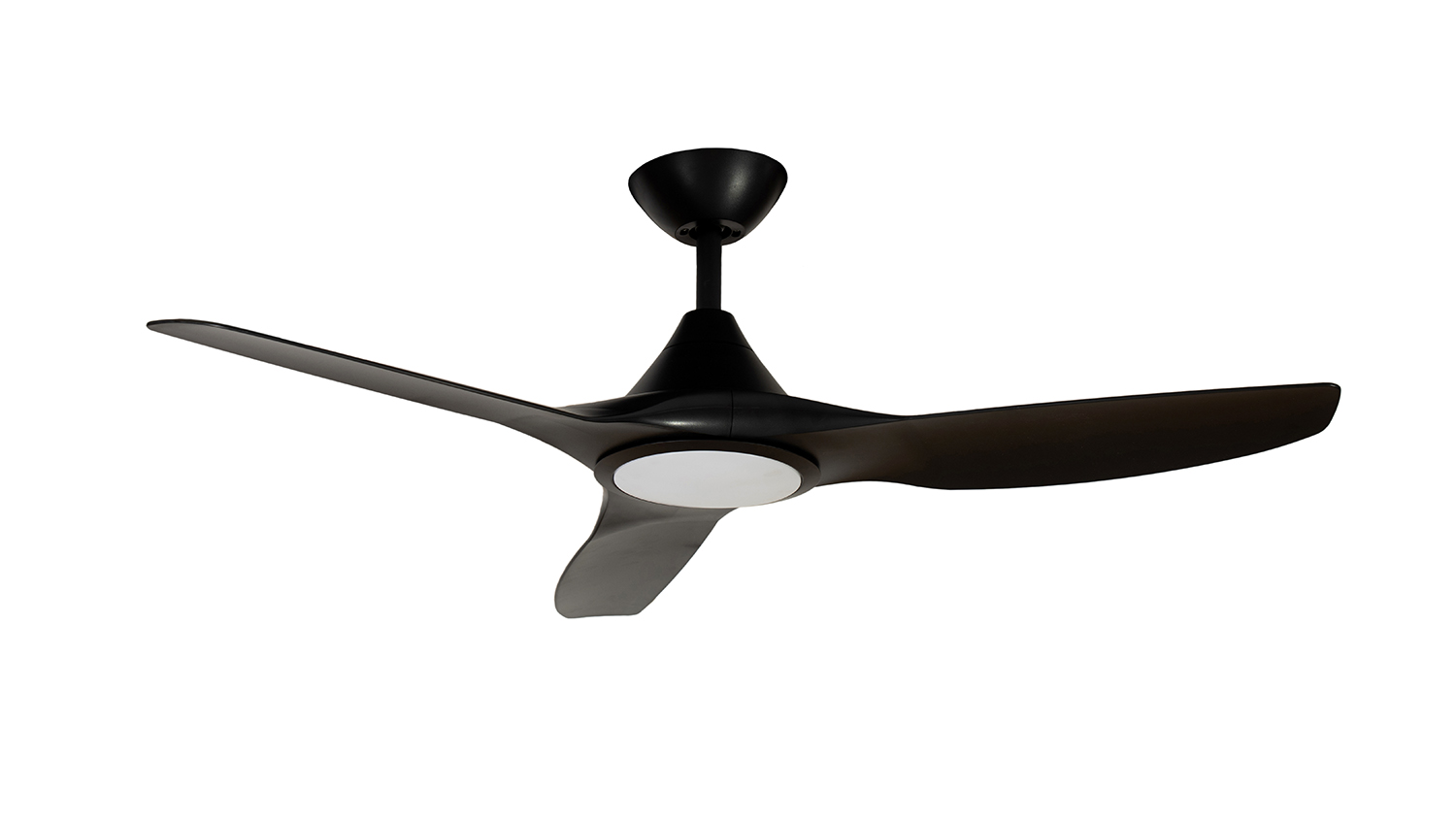
Calibo
Cloudfan
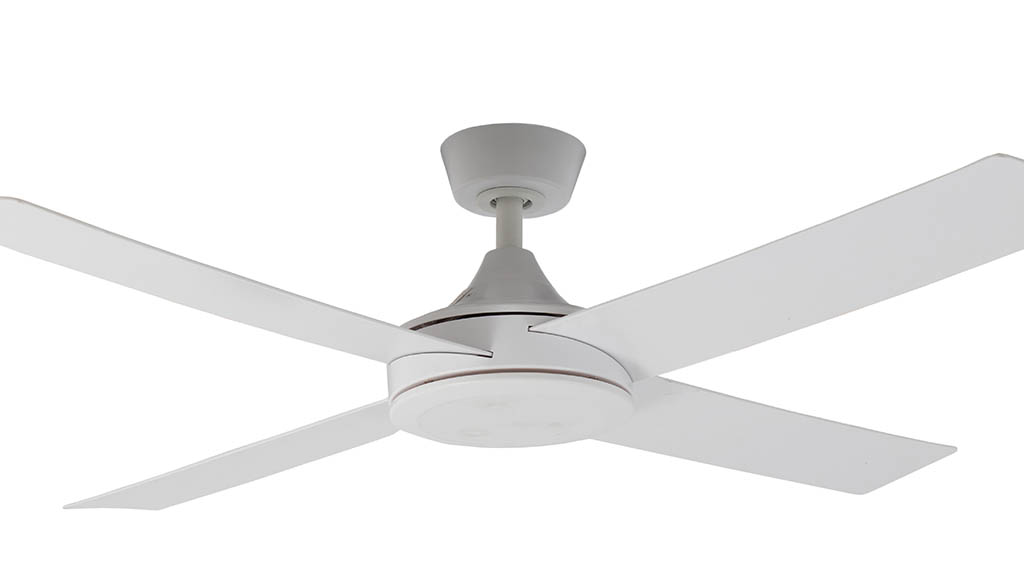
Calibo
Breeze Silent DC
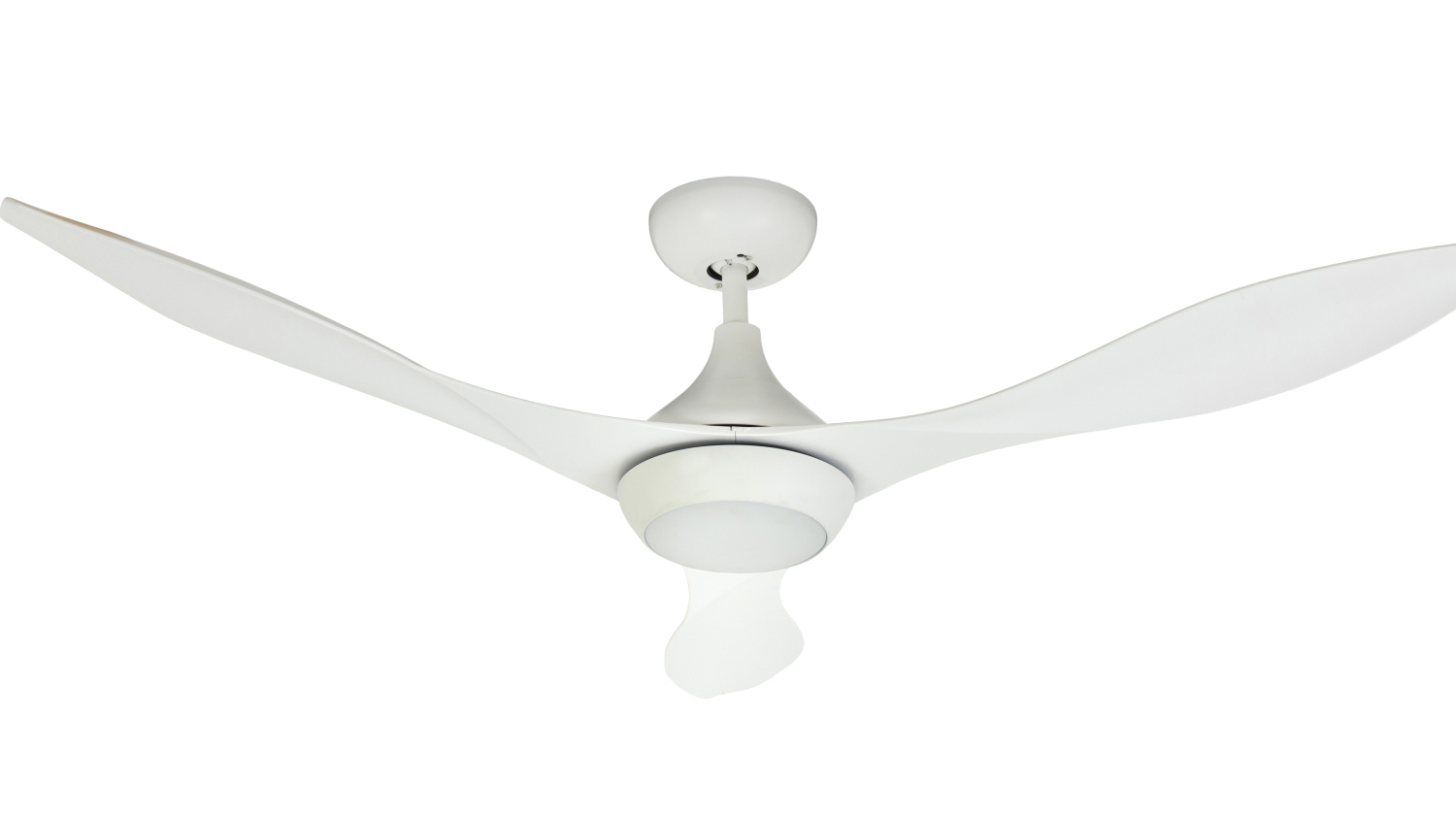
Claro
Essentials Flight
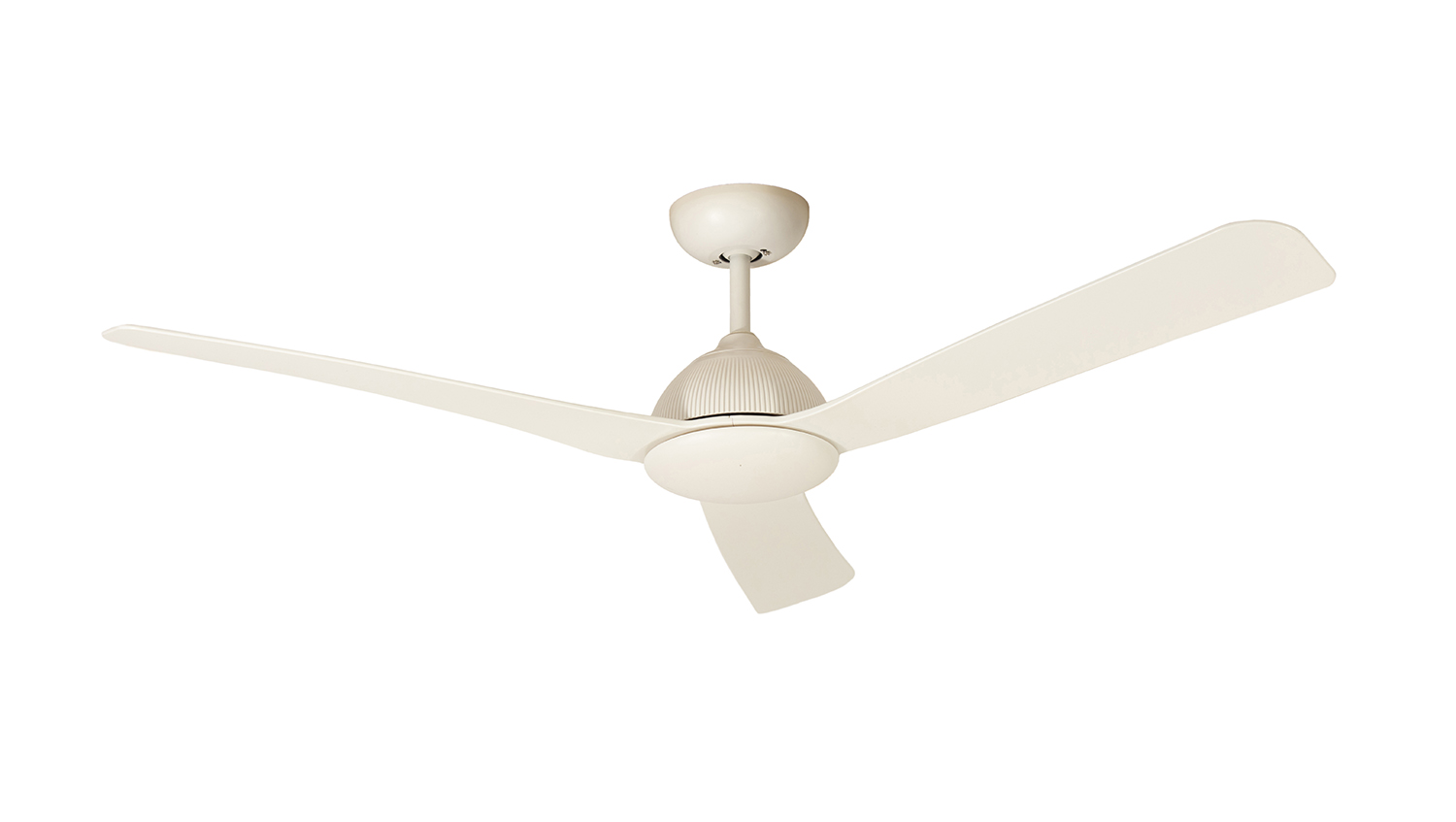
Claro
Groove
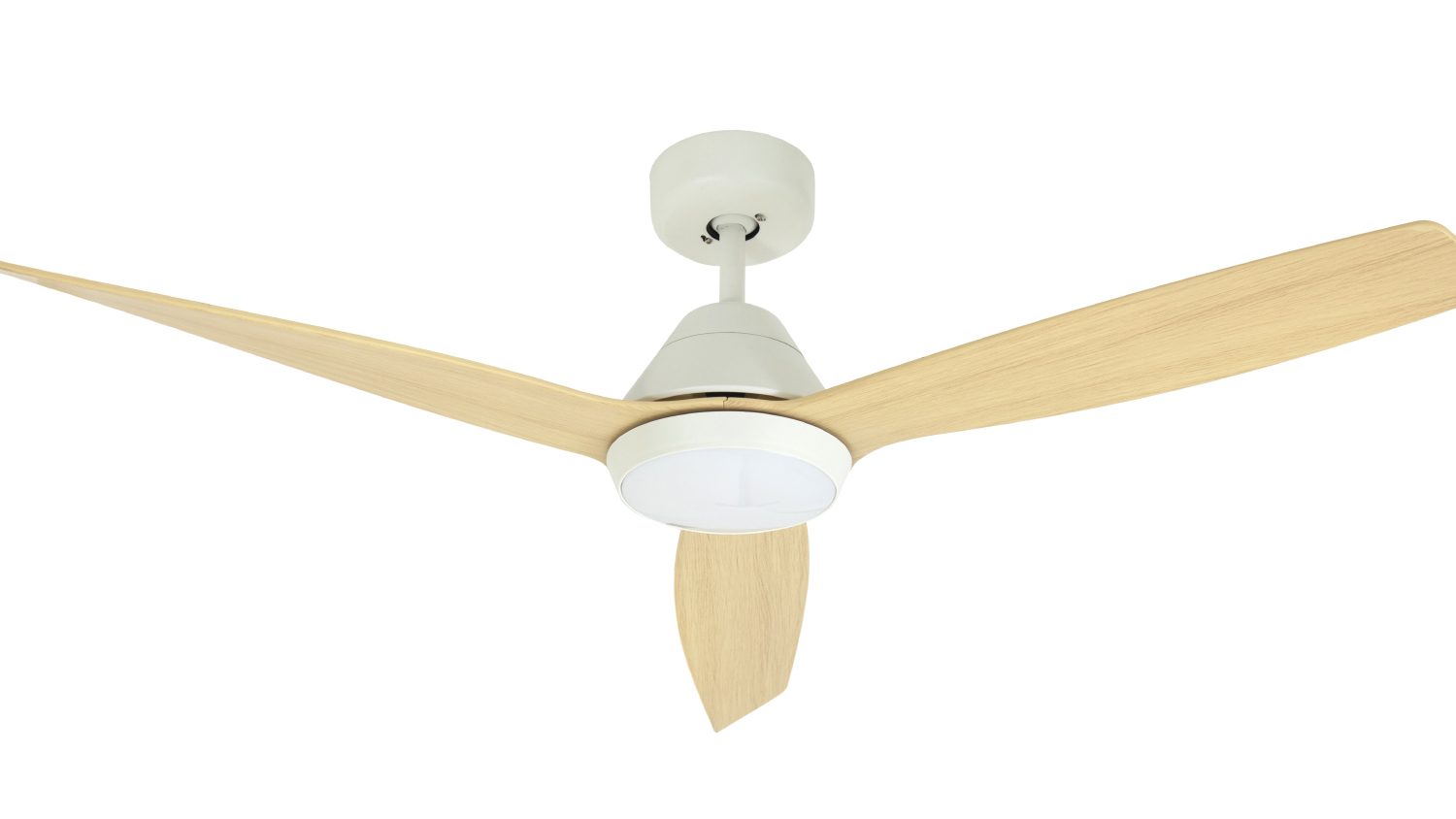
Claro
Dreamer
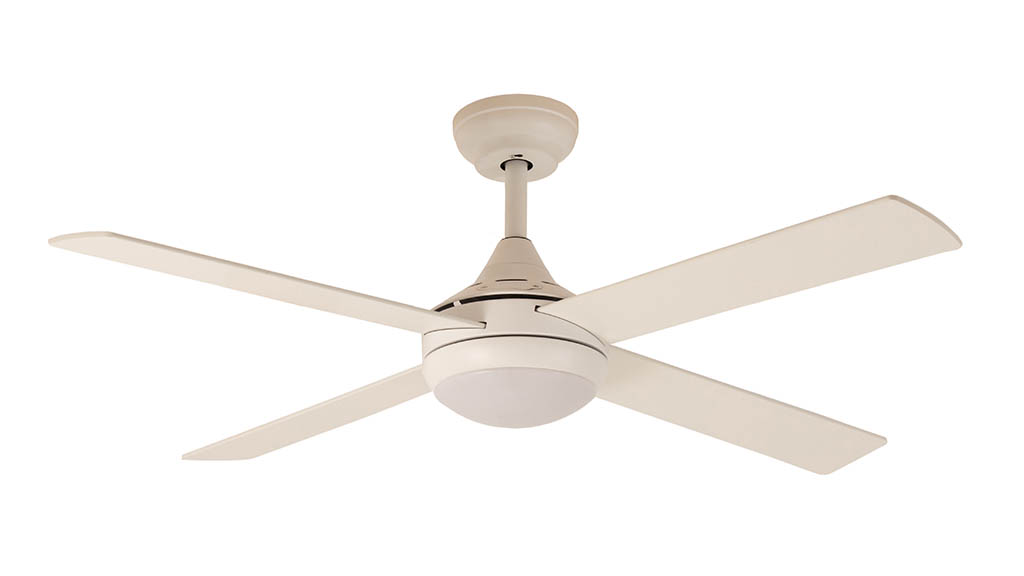
Claro
Summer DC
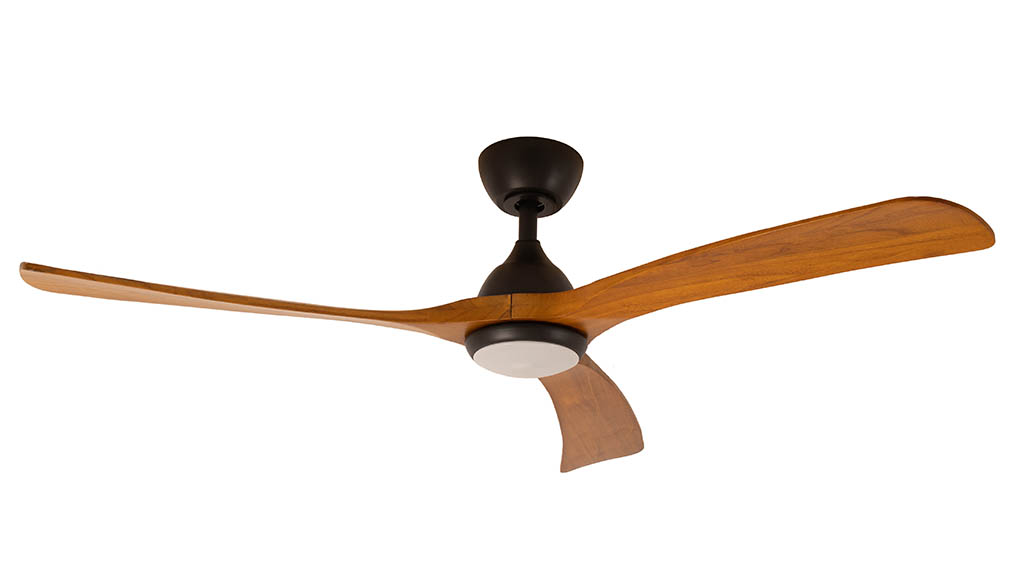
Claro
Sleeper DC
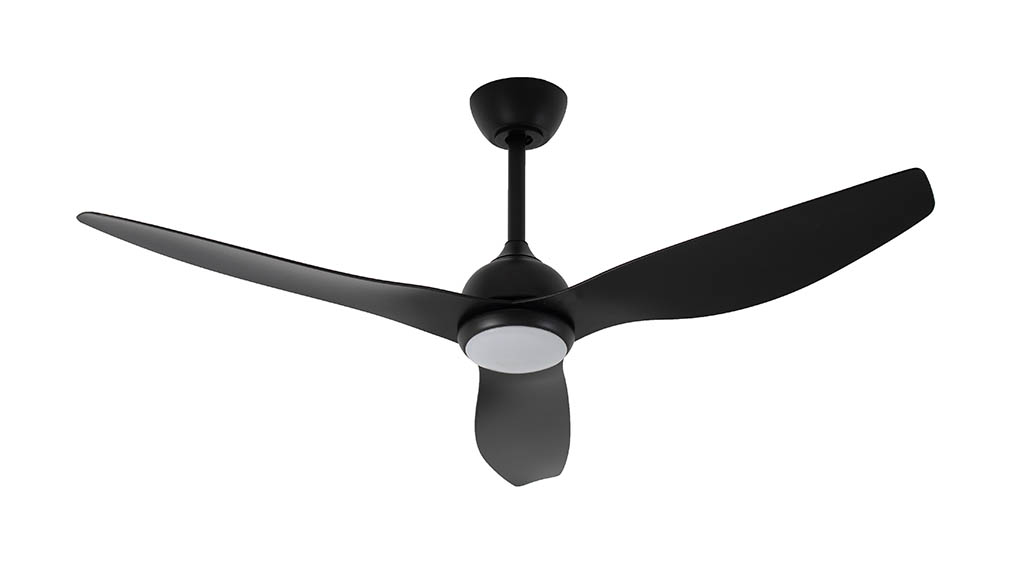
Claro
Whisper DC
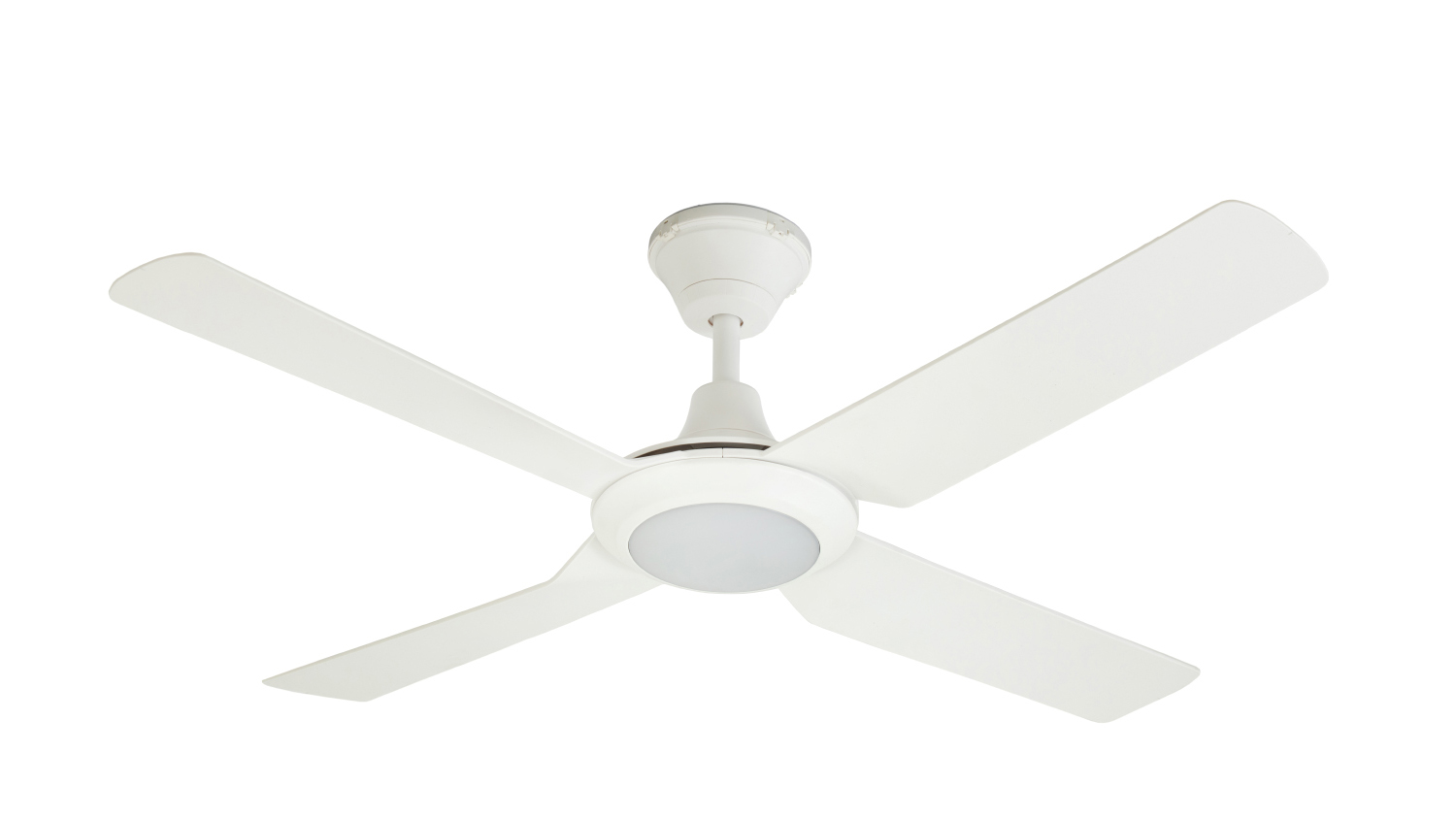
Domus
Fresco 52 Light
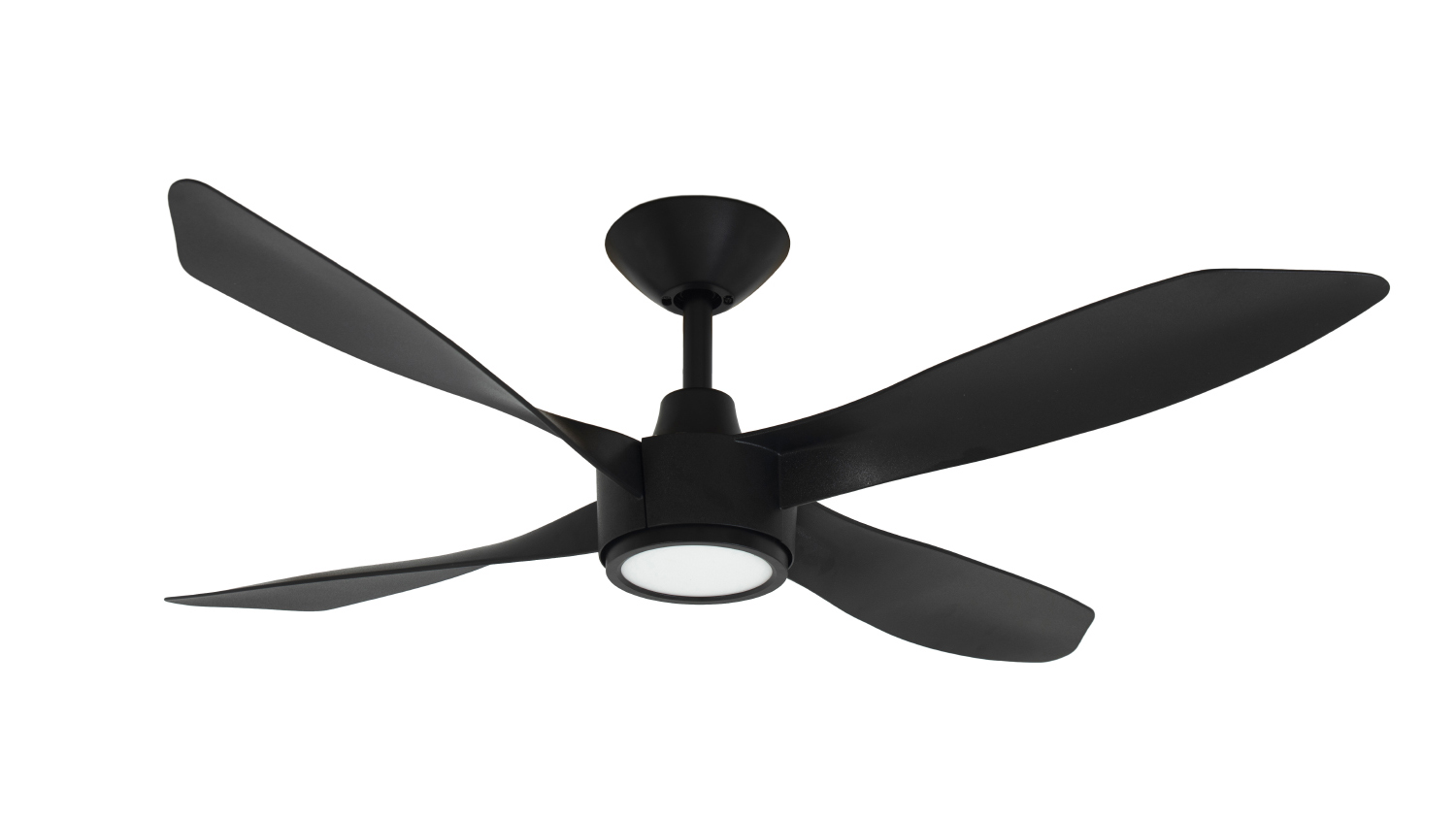
Domus
Blast-52
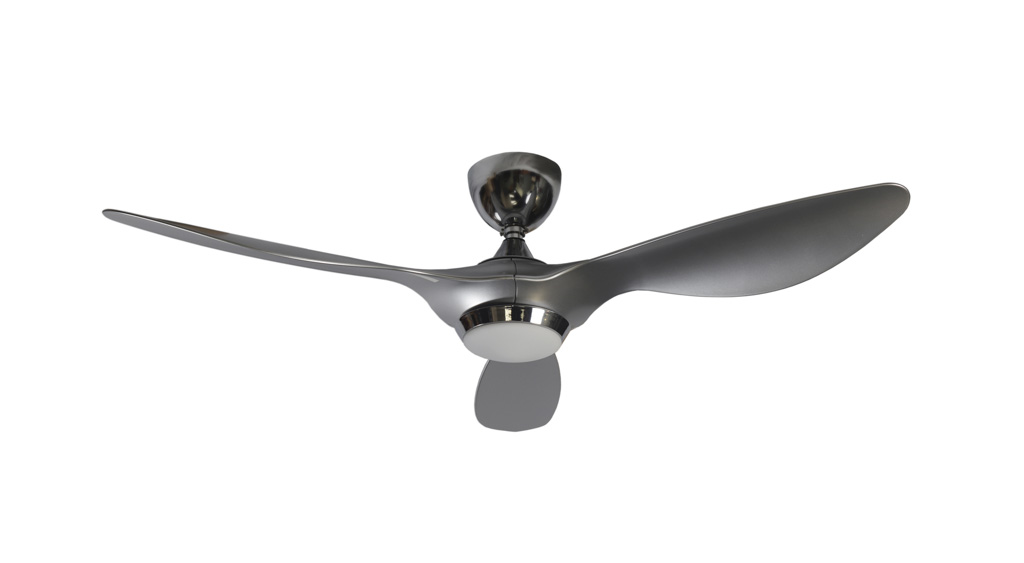
Early Settler
Hayman
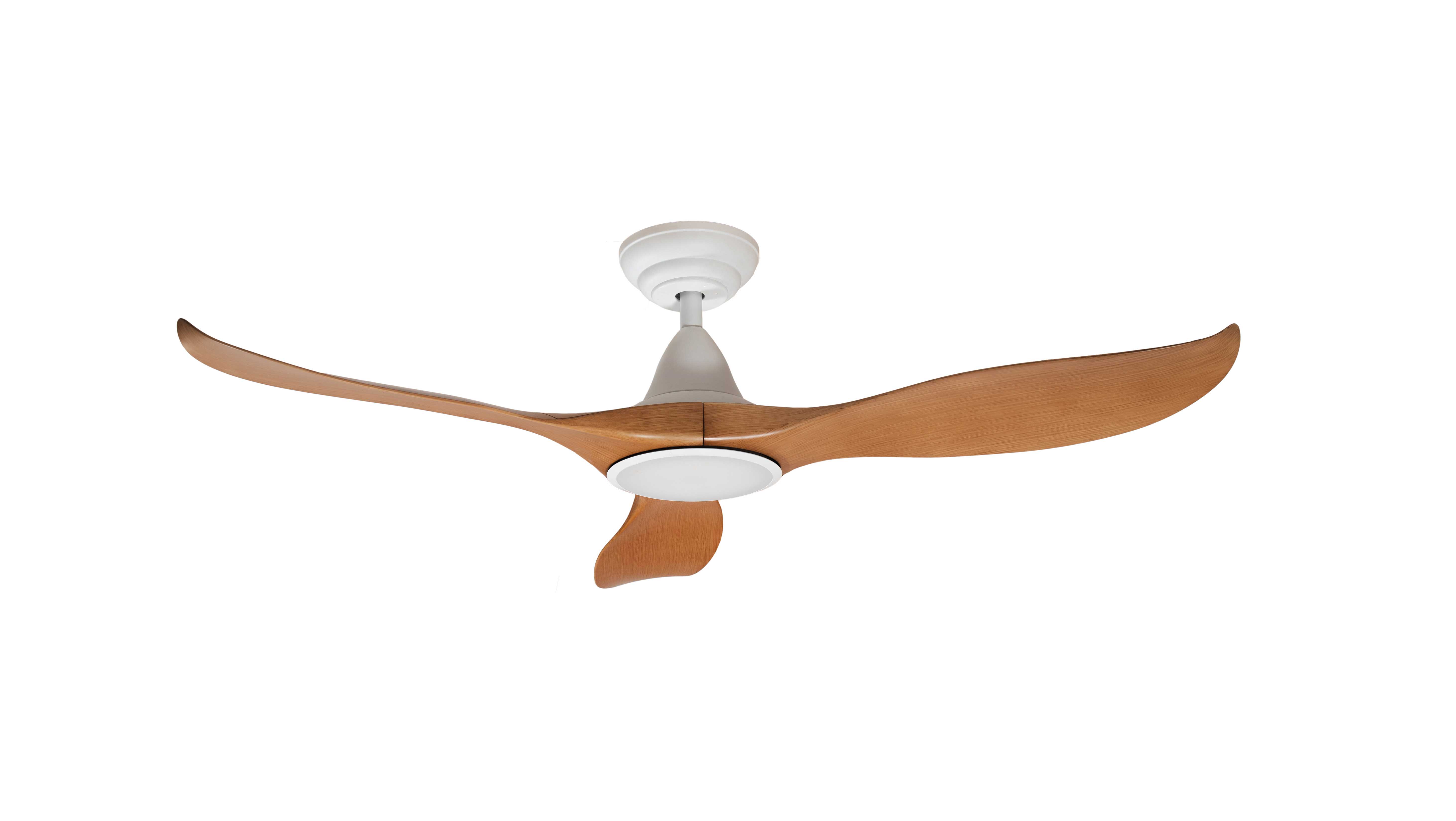
Eglo
Noosa 52
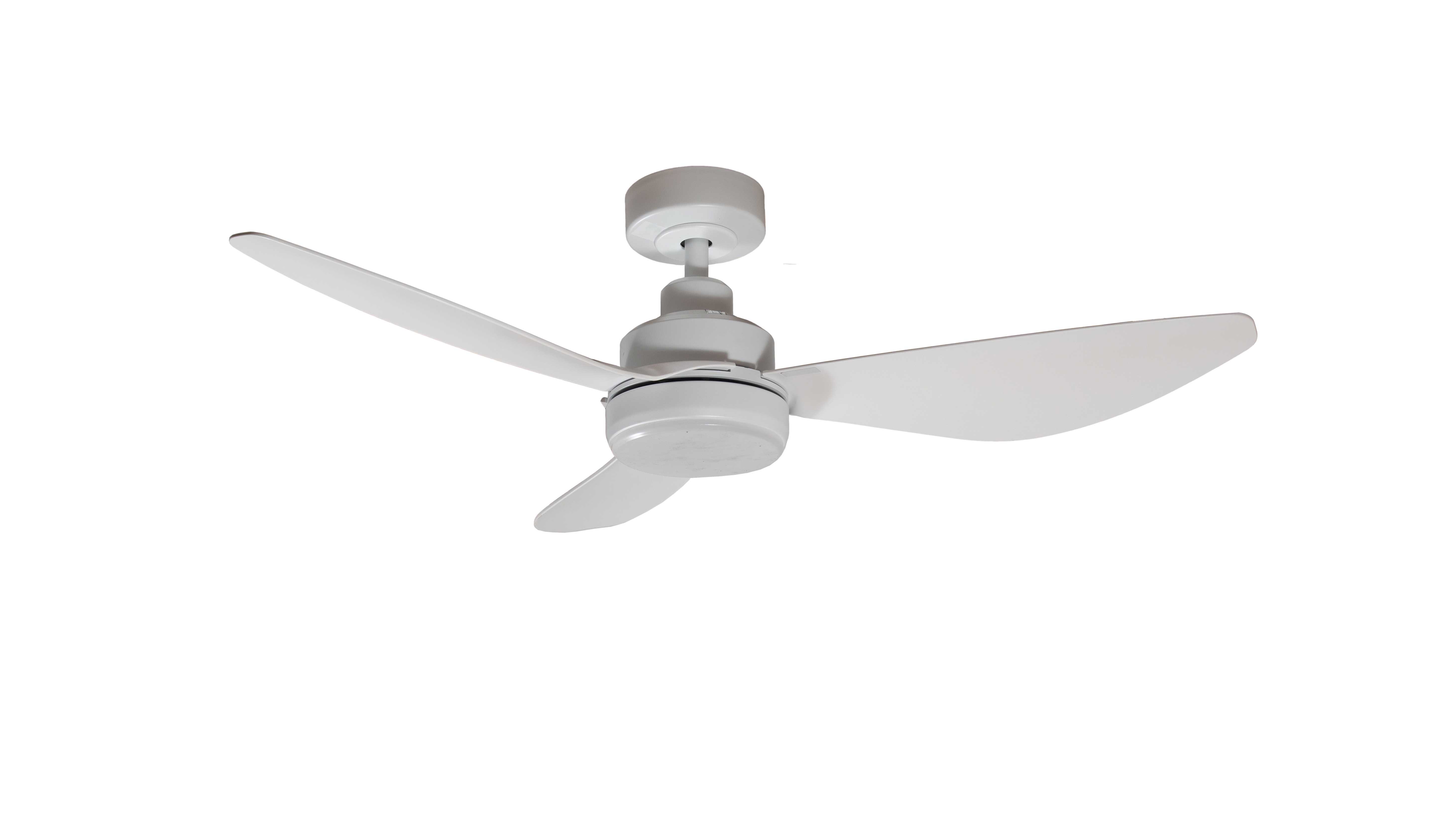
Eglo
Torquay
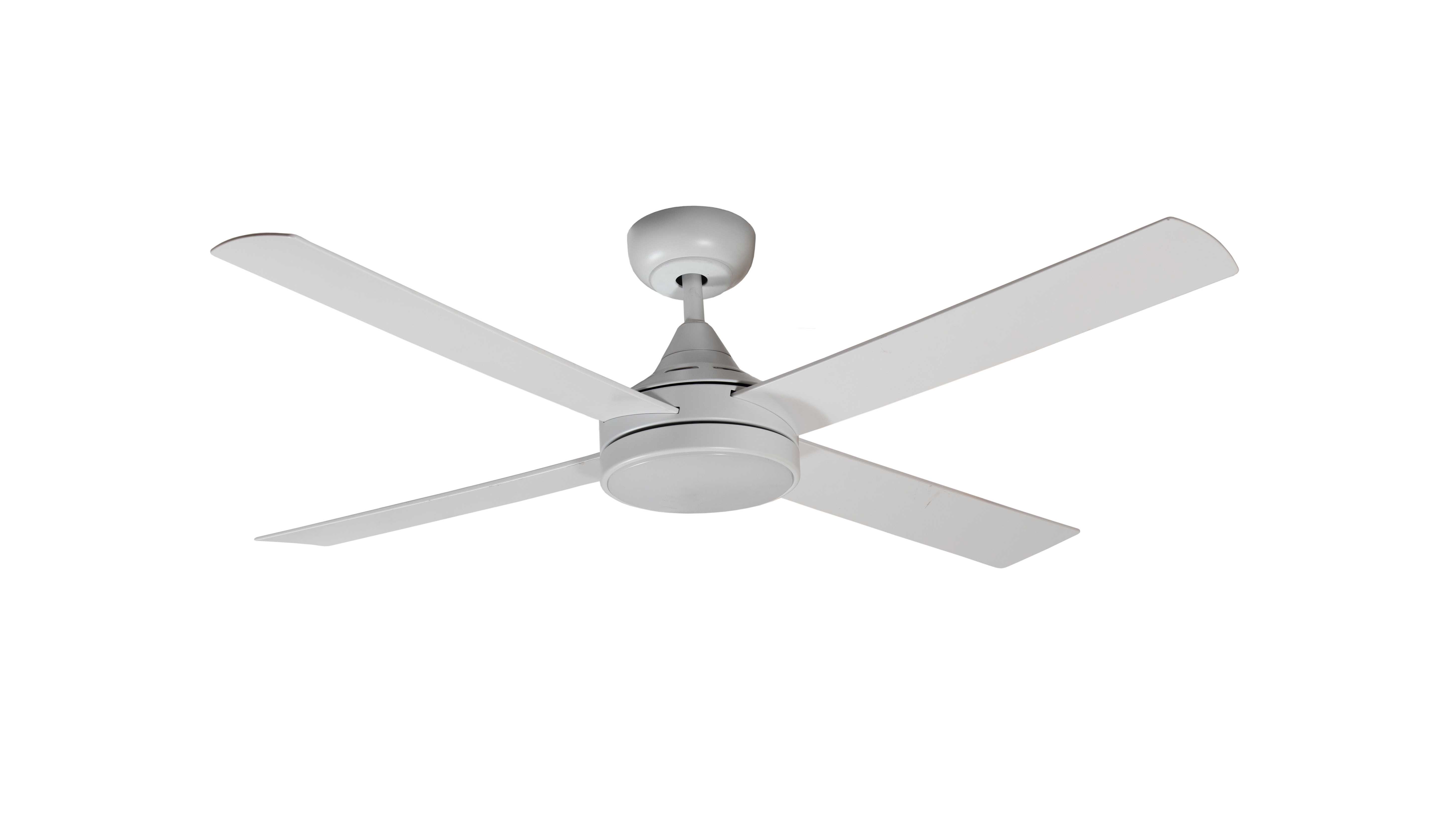
Eglo
Stradbroke
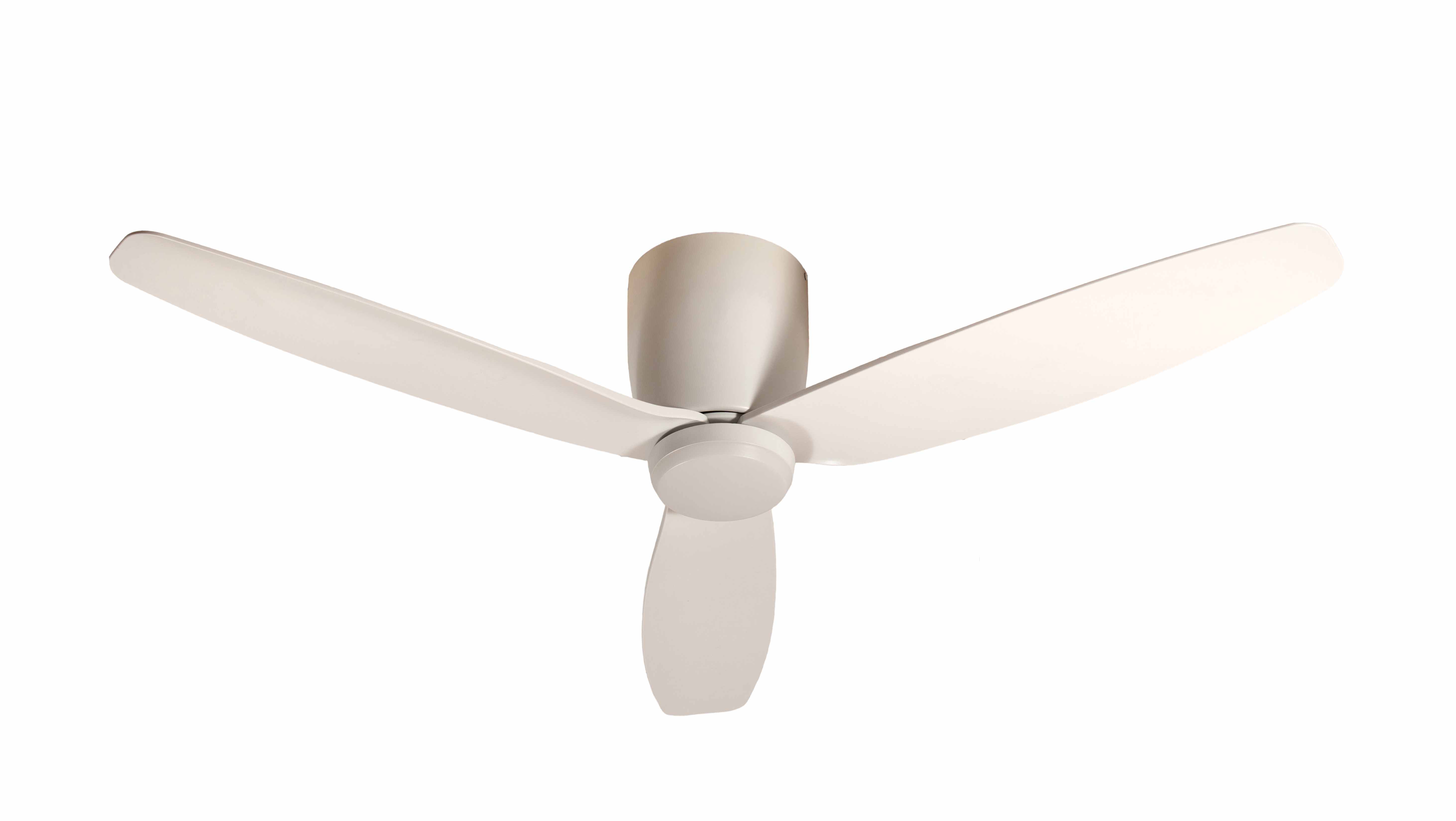
Eglo
Seacliff
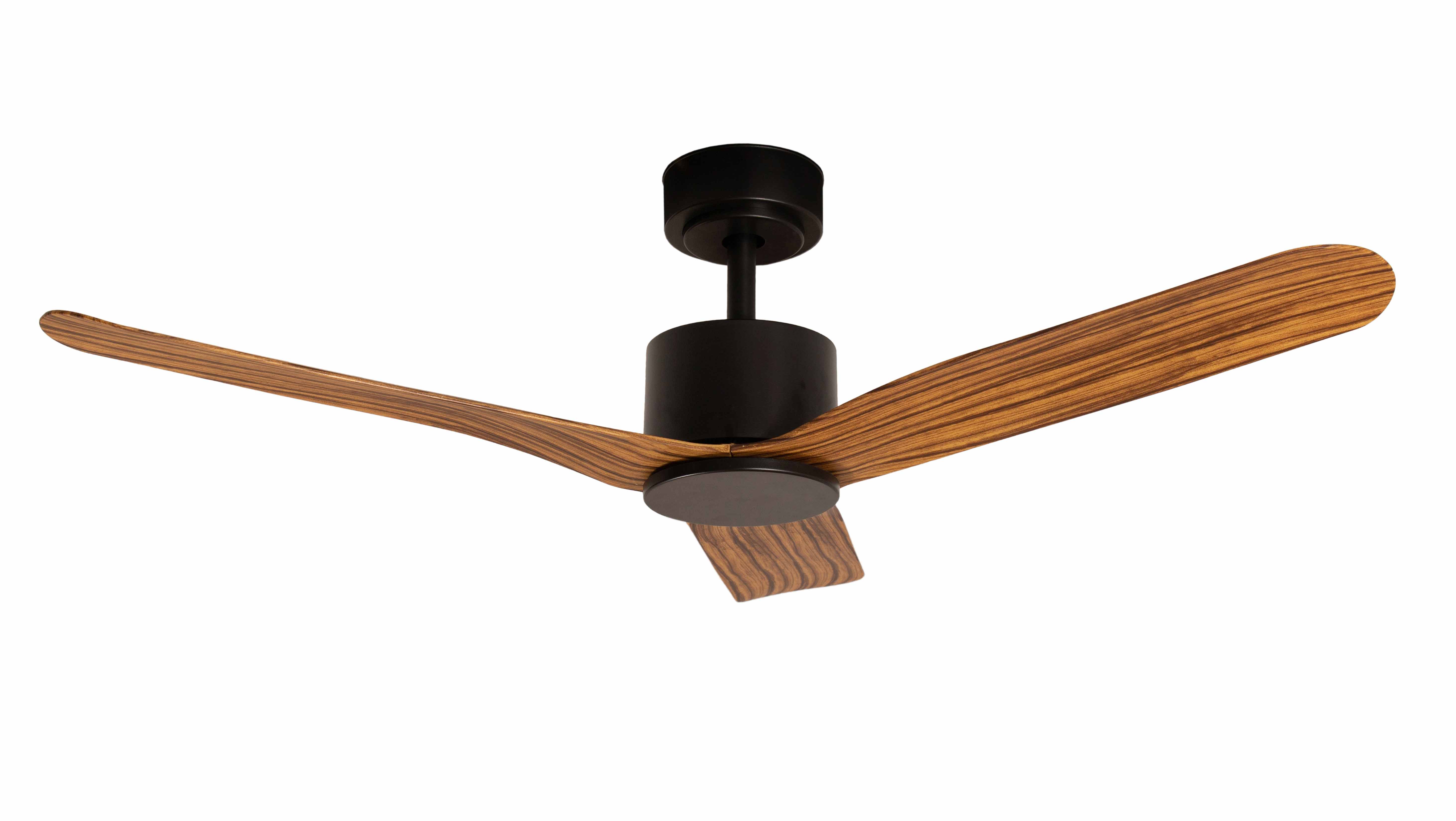
Eglo
Iluka
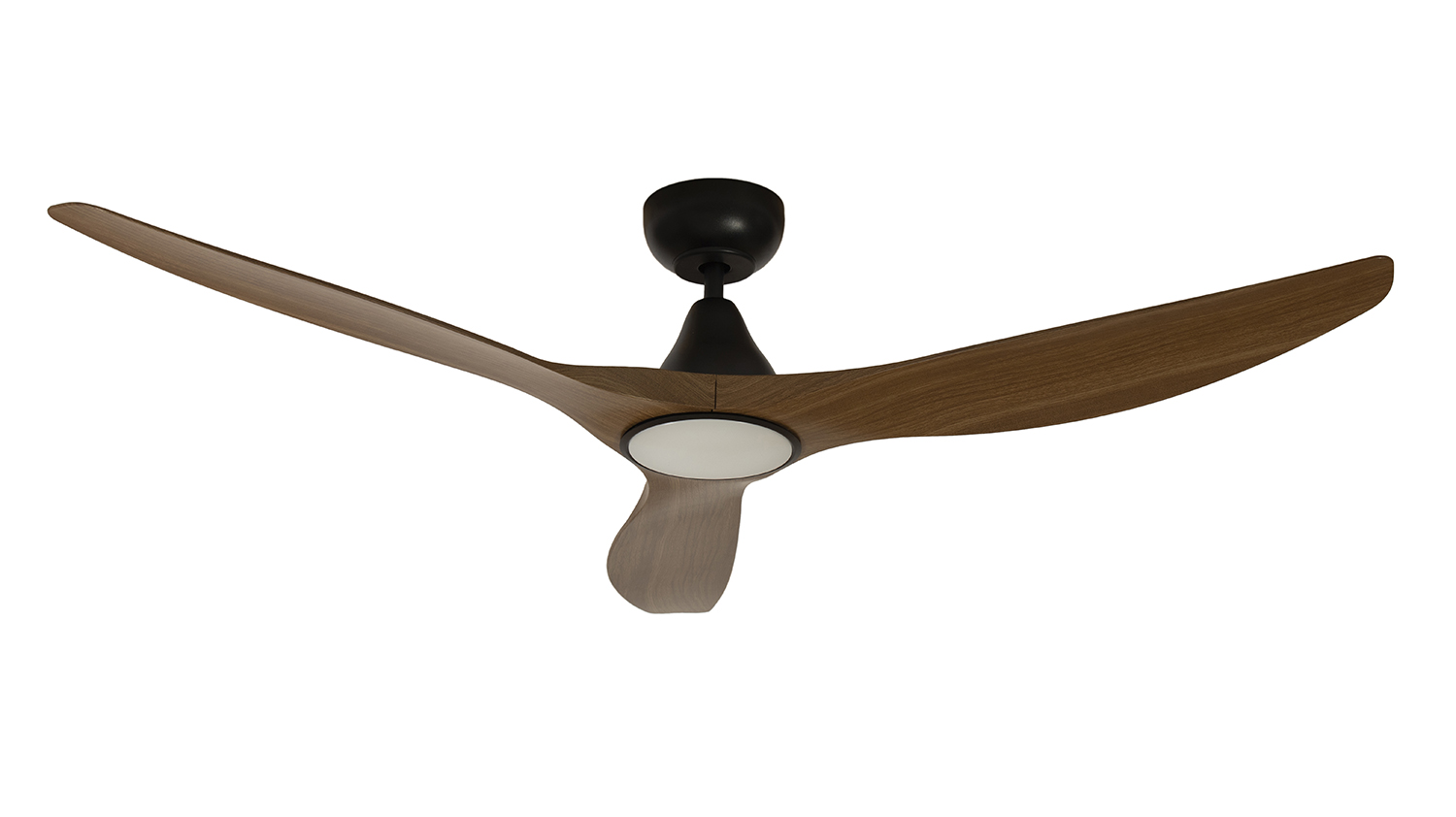
Eglo
Surf Smart
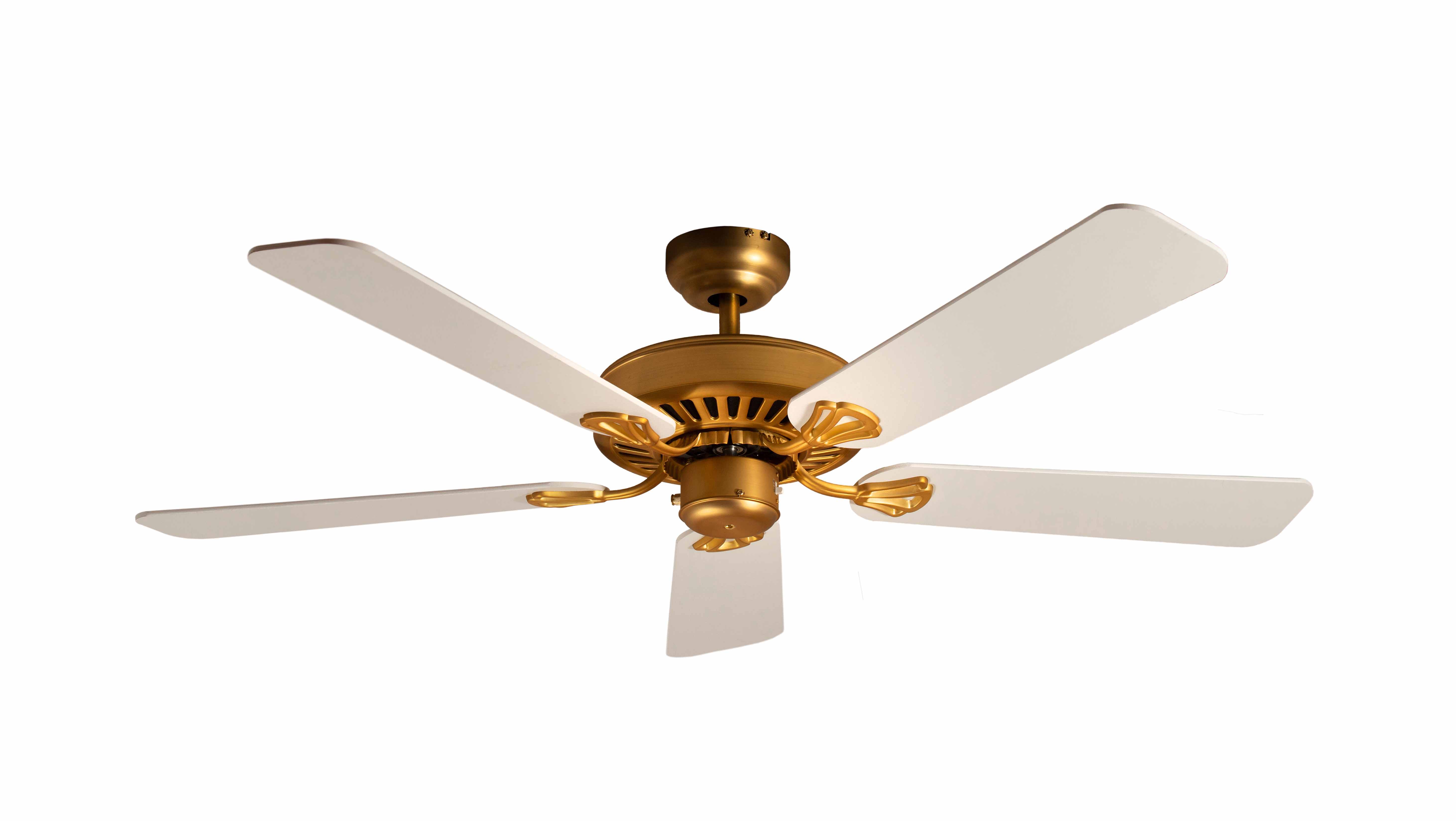
Eglo
Waikiki
Eglo
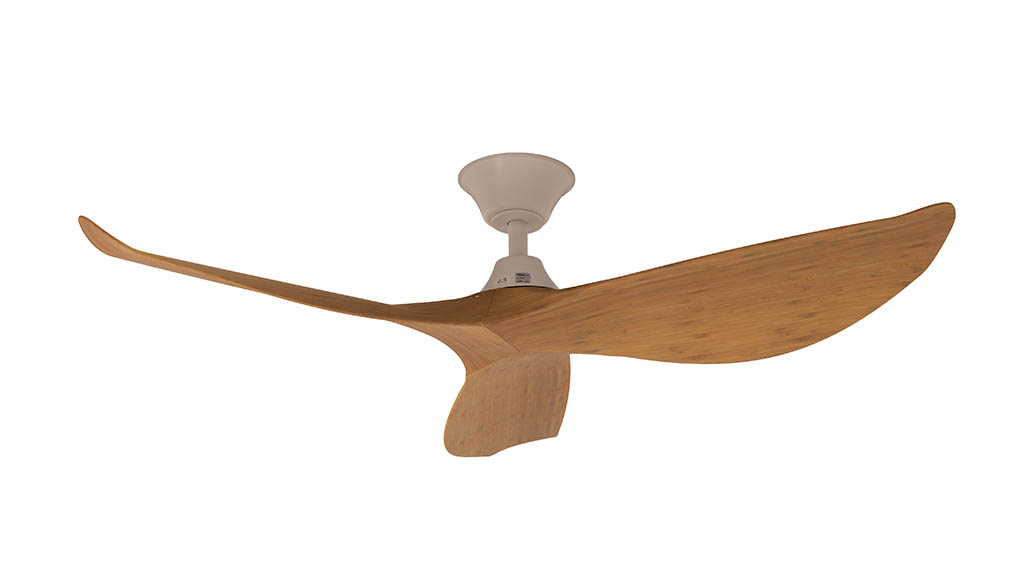
Cabarita
Eglo
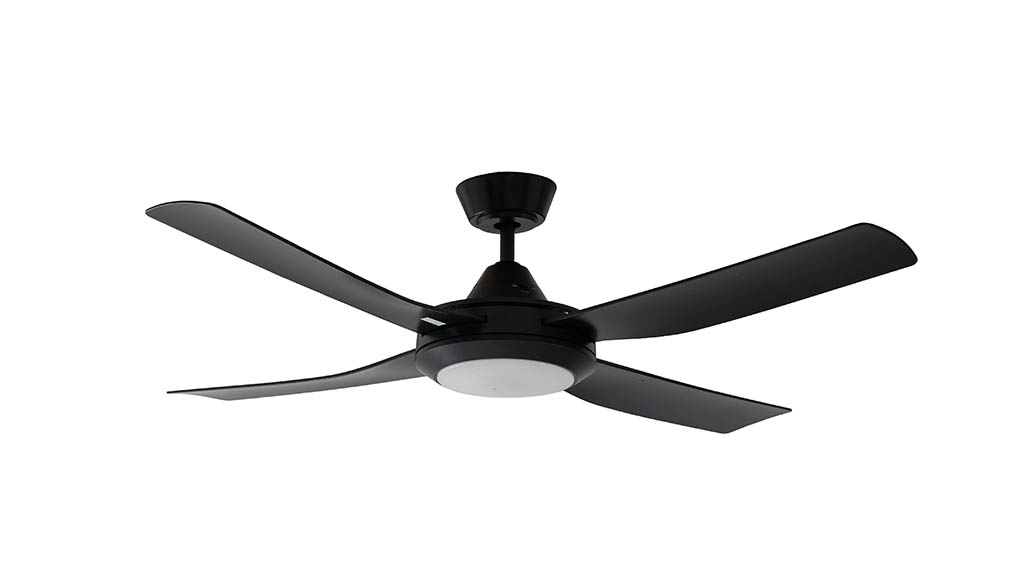
Bondi
Fanco
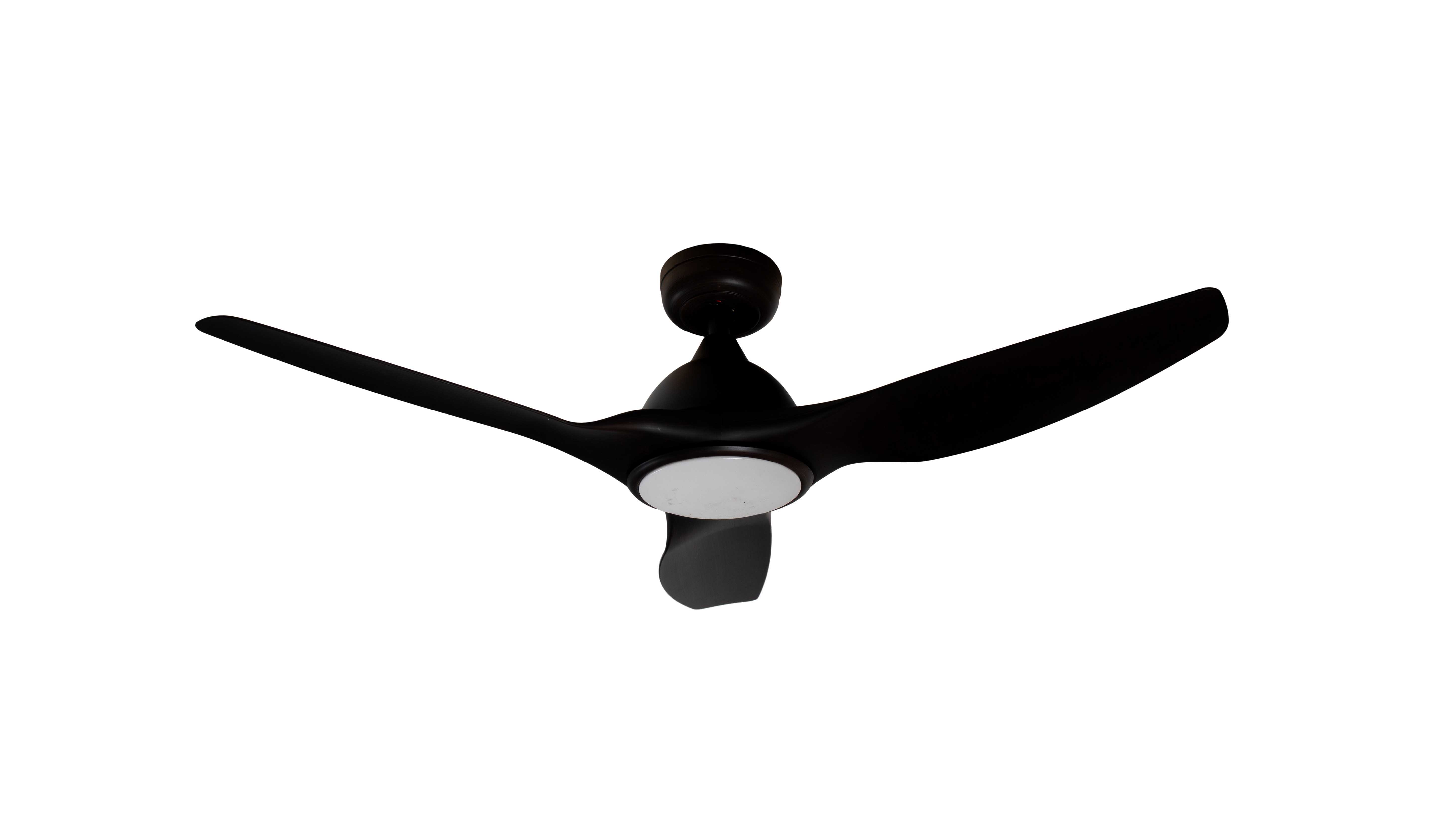
Horizon DC
Fanco
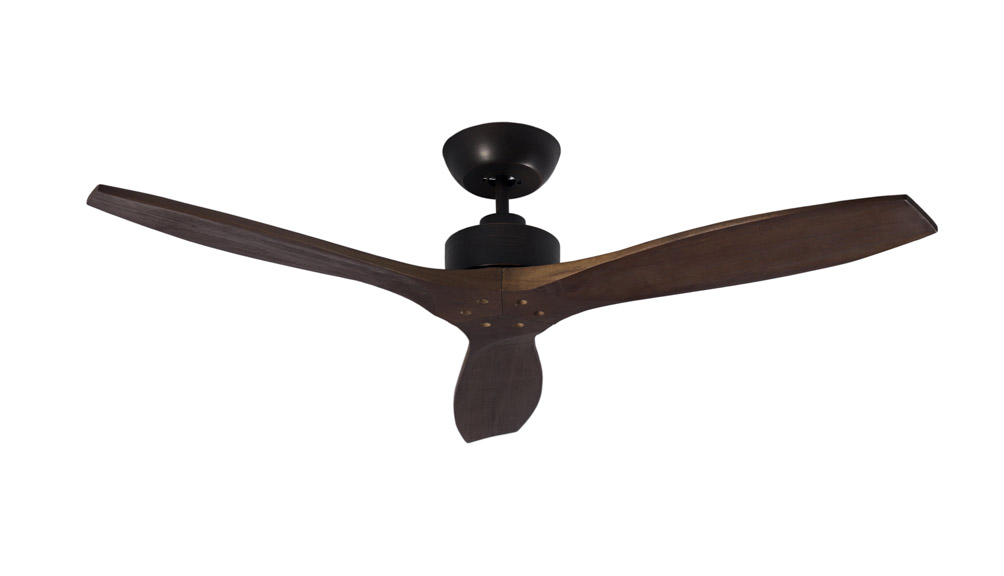
Wynd DC
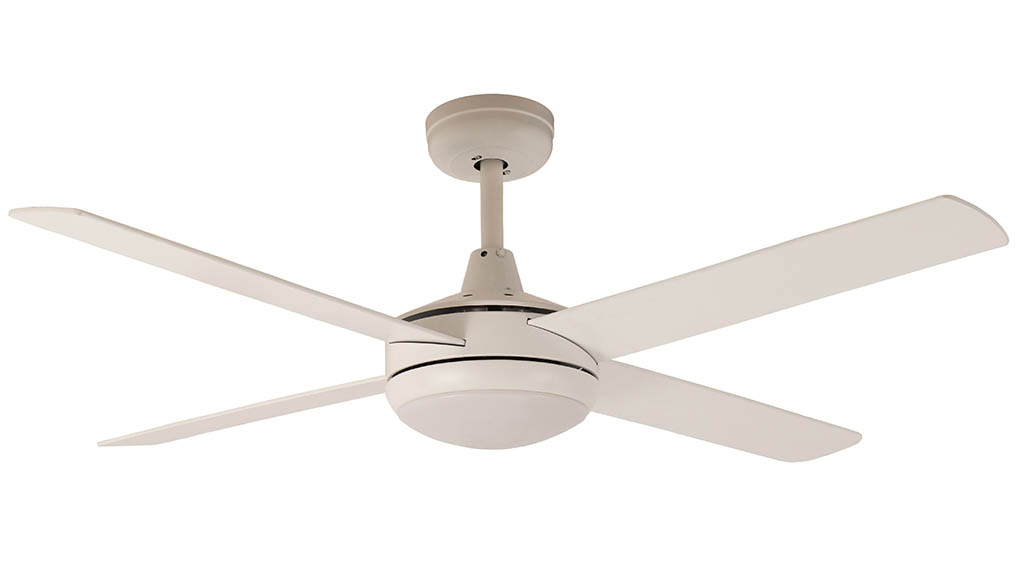
Fanco
Eco Silent Deluxe DC
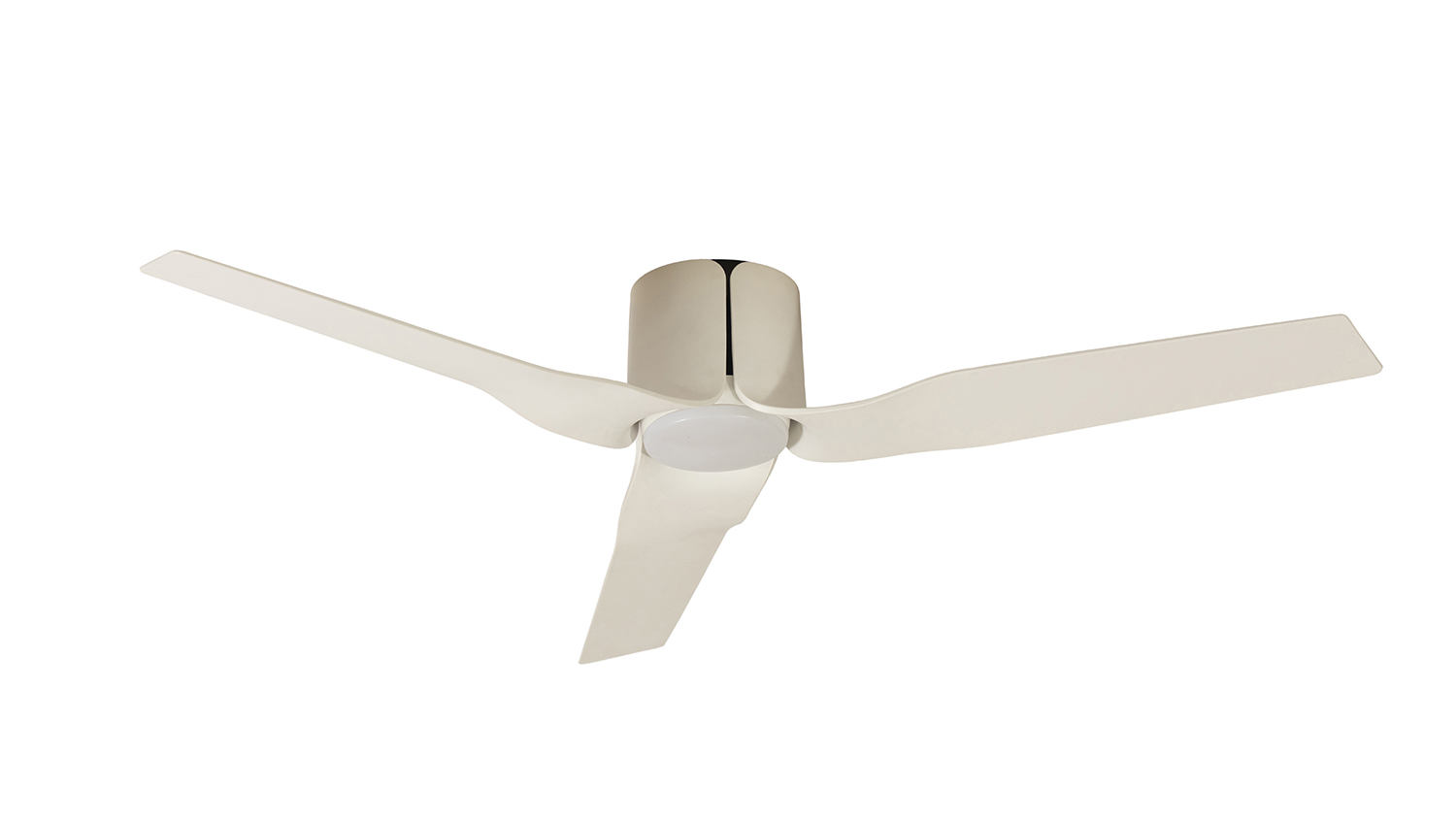
Fanco
Flow
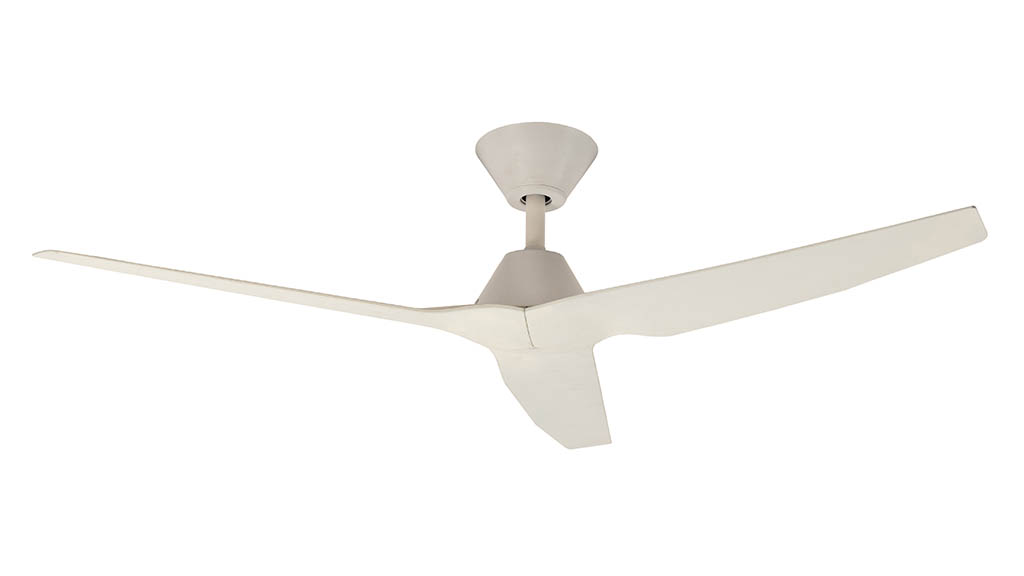
Fanco
Infinity iD
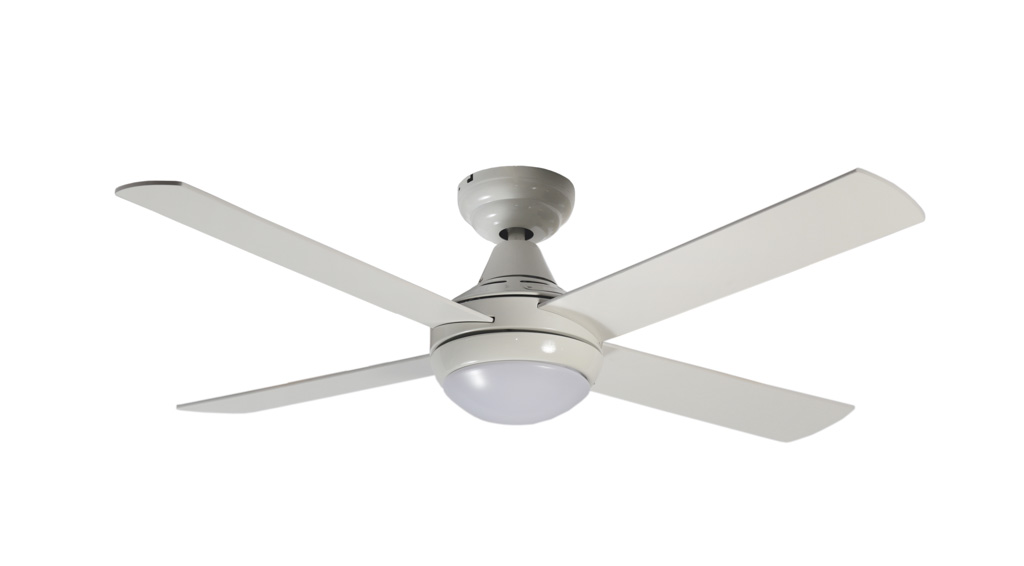
Fanco
ECO Silent
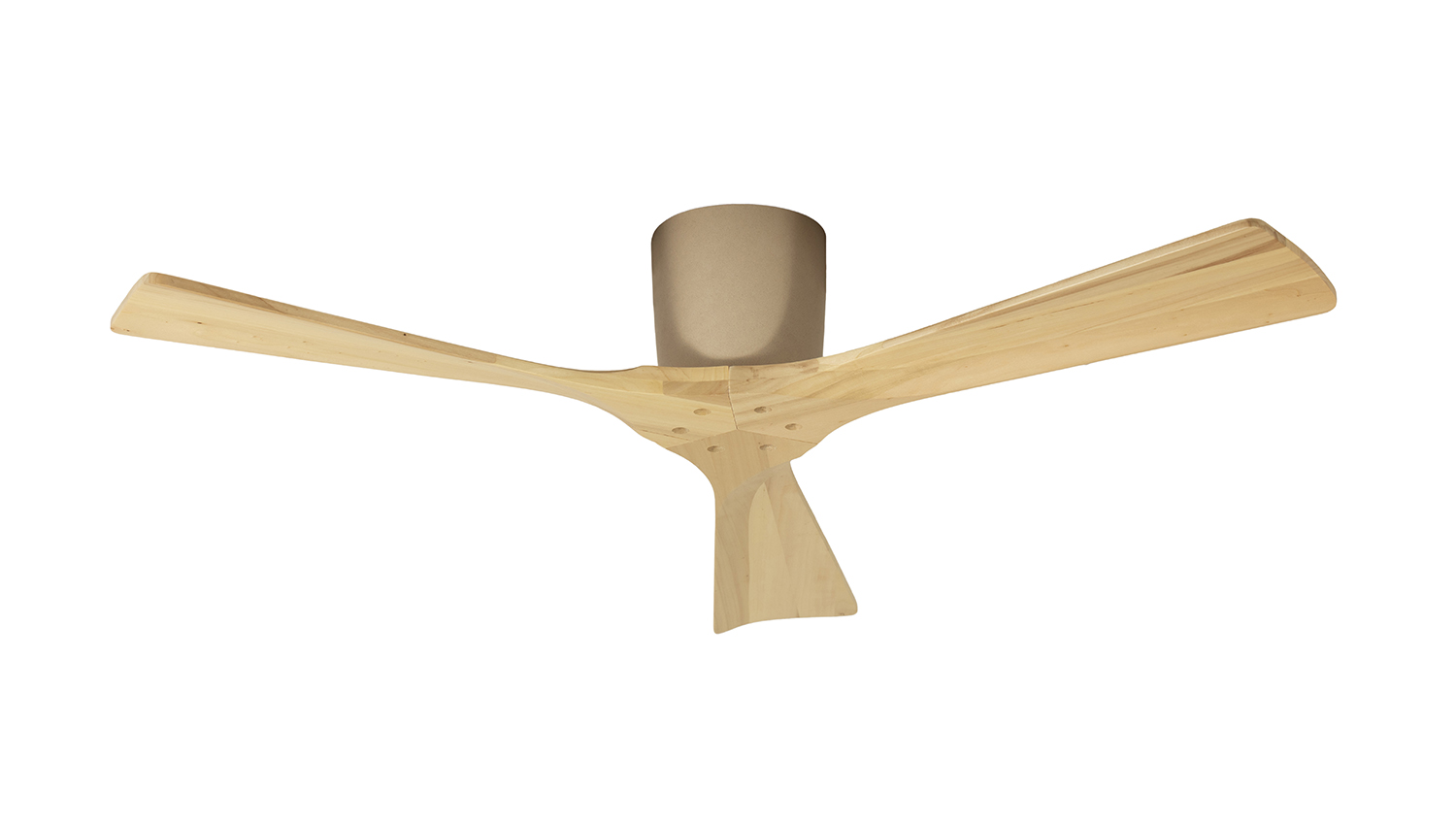
Fanco
Gaia
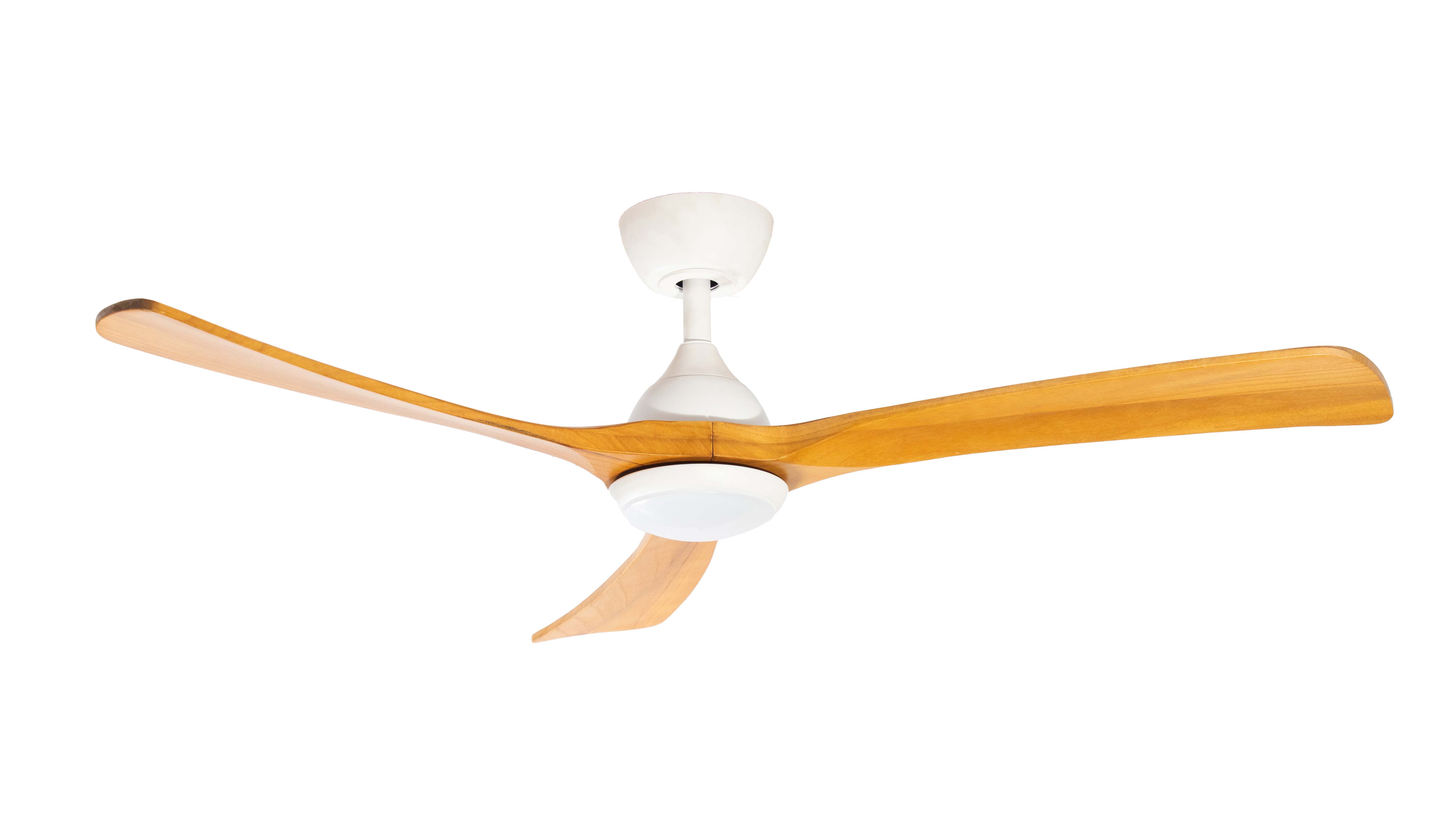
Fanco
Sanctuary
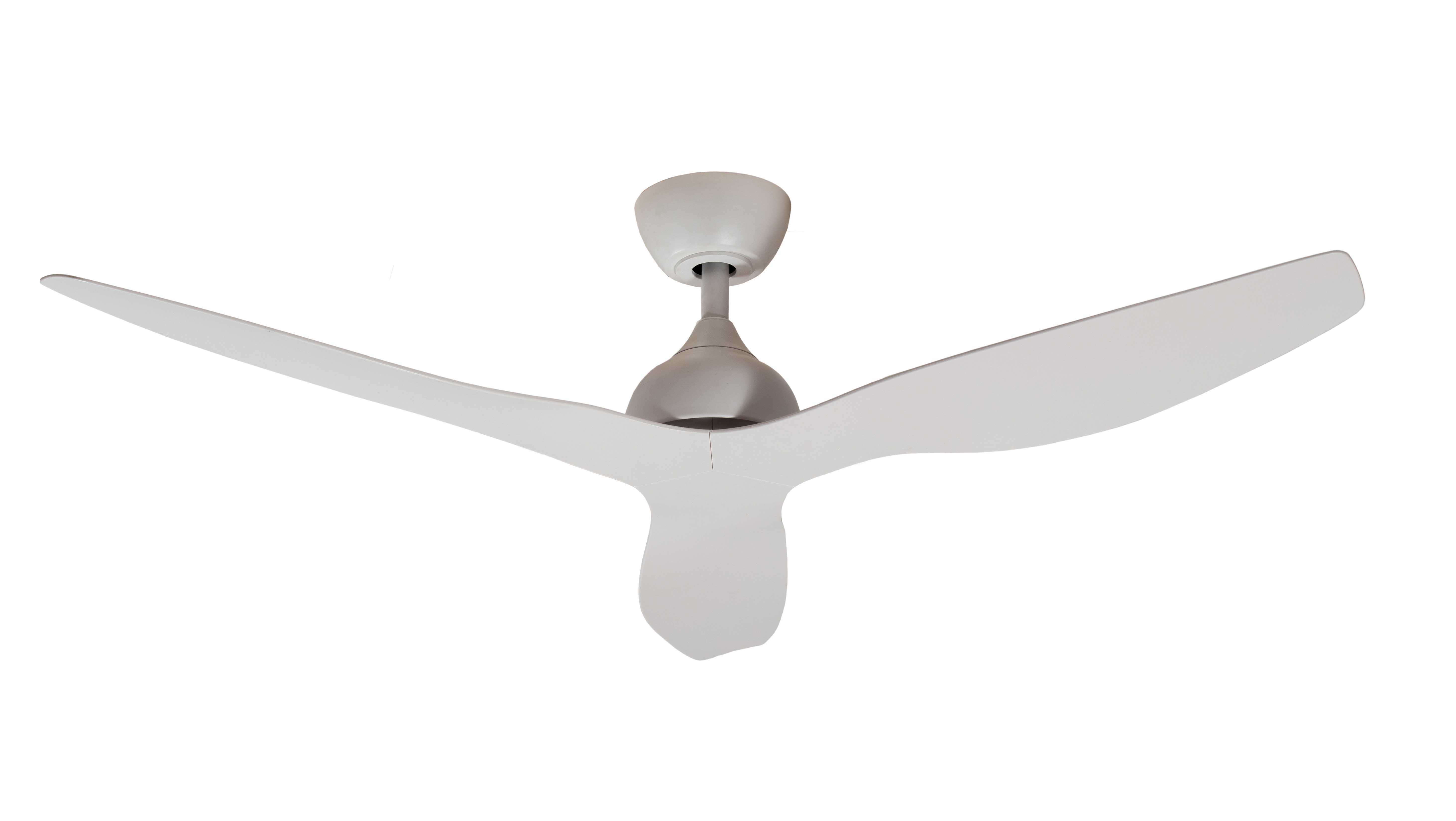
Fanco
Eco Style DC
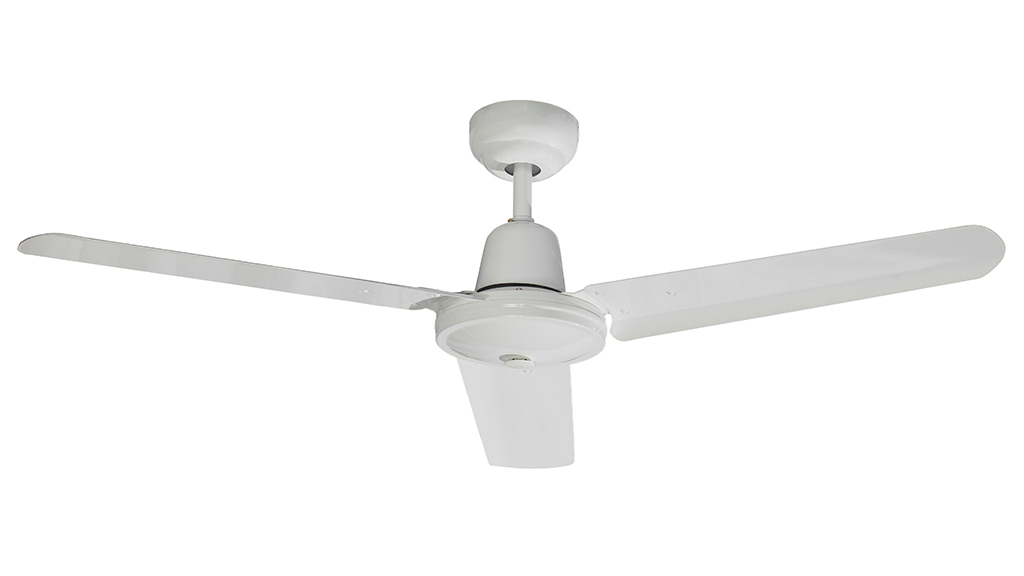
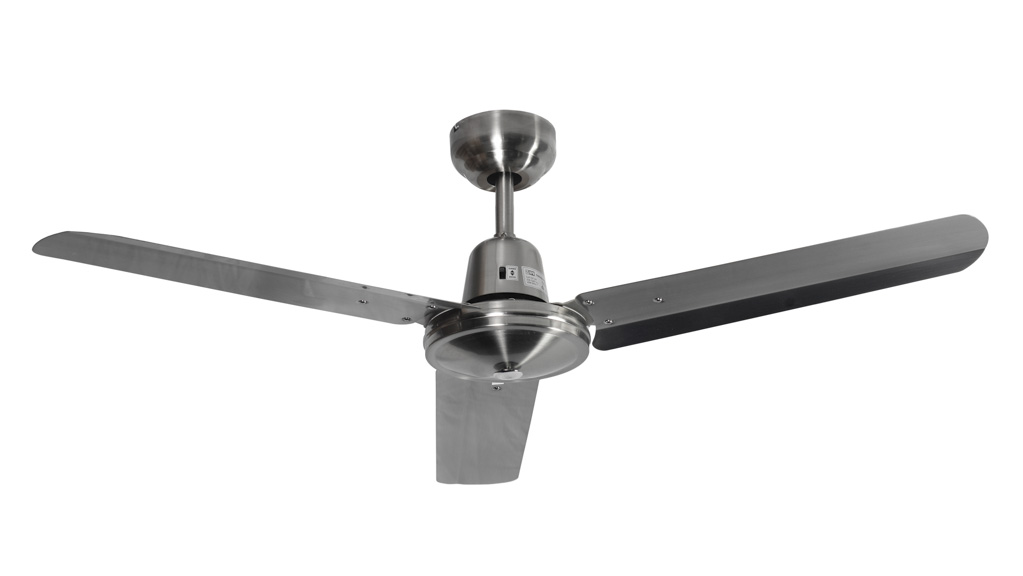
HPM
CF12HWE
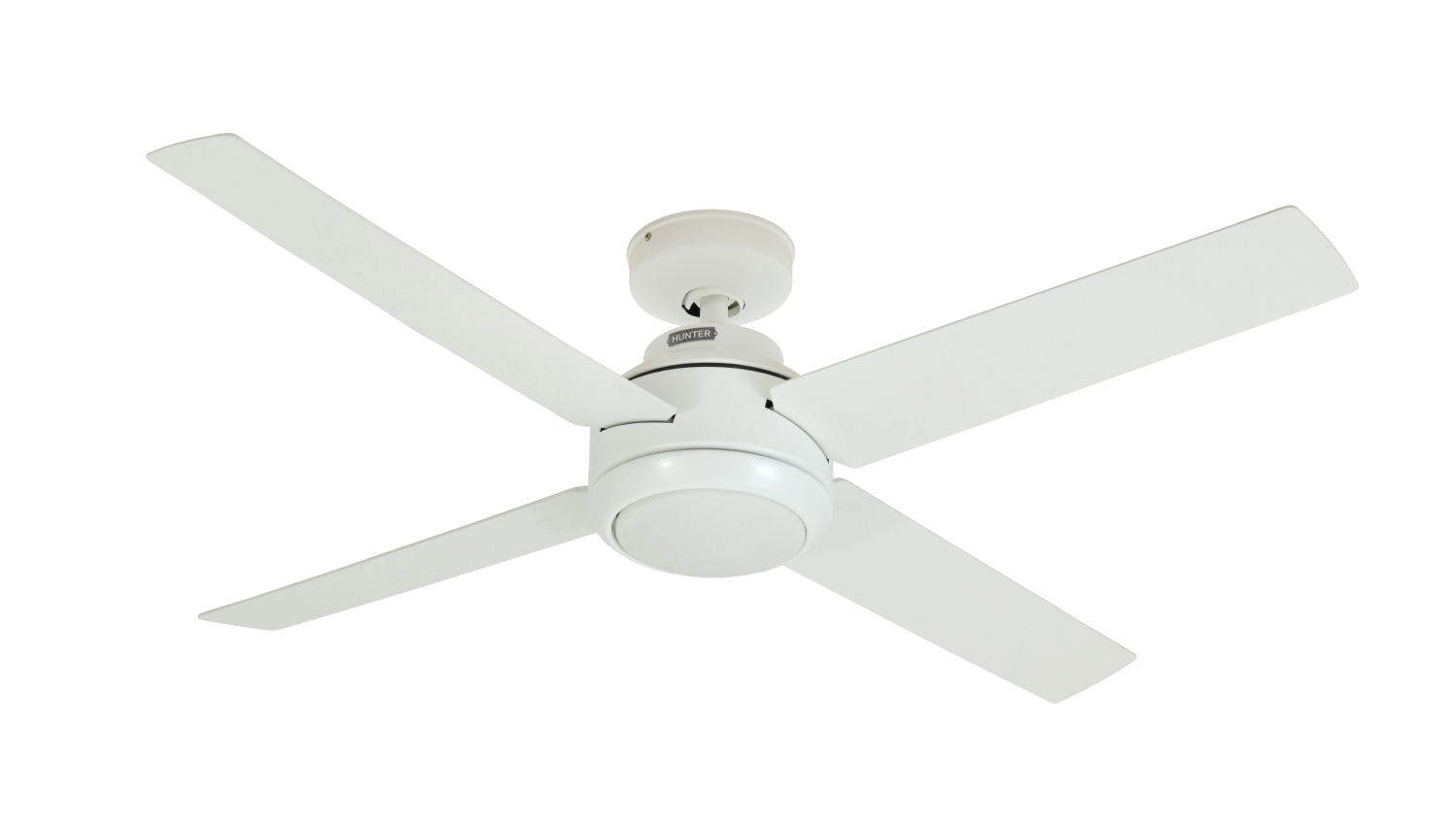
HPM
430SS
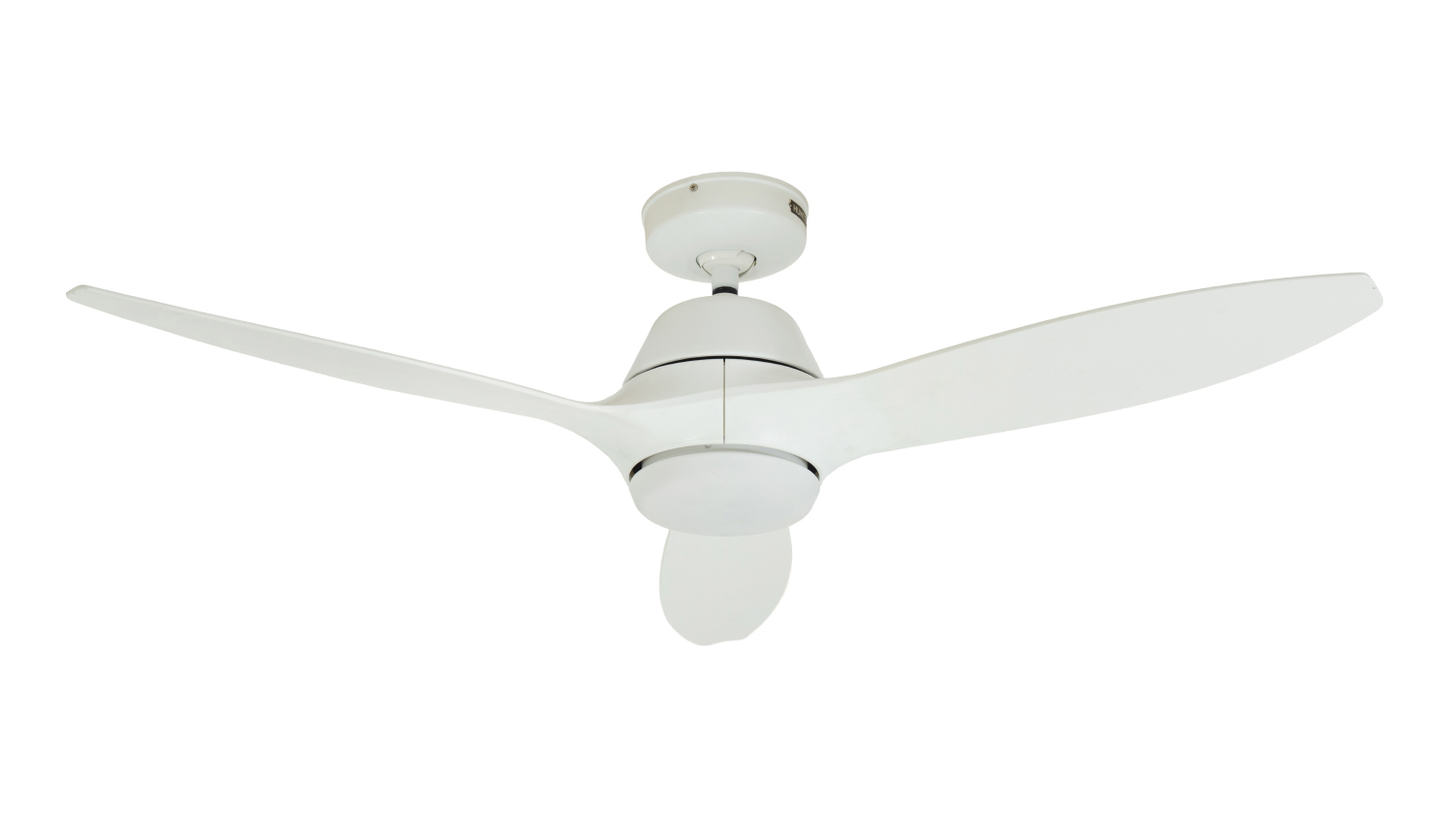
Hunter
Greta
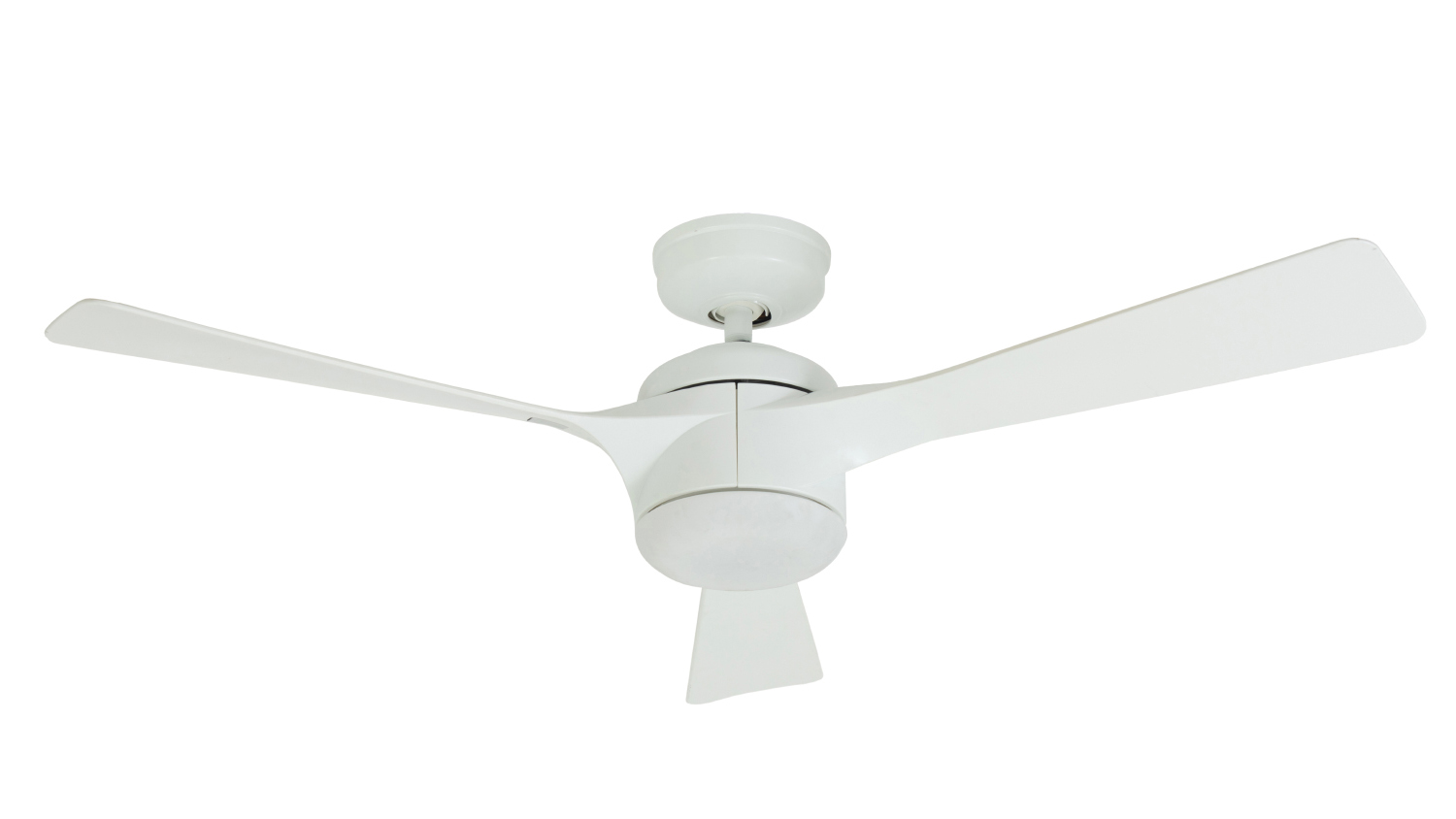
Hunter
Calabasas
Hunter
Rosedale
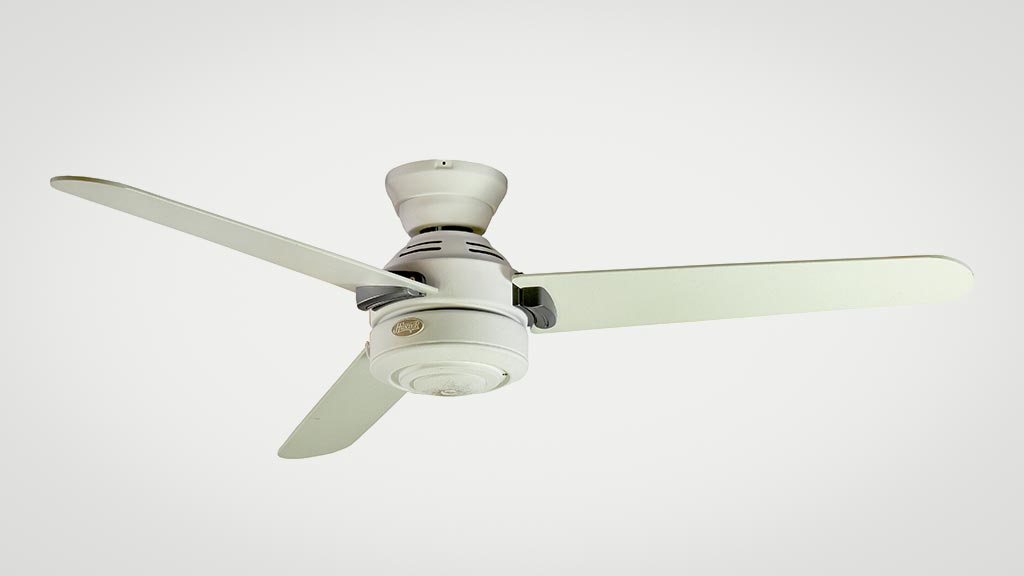
Hunter
Carera
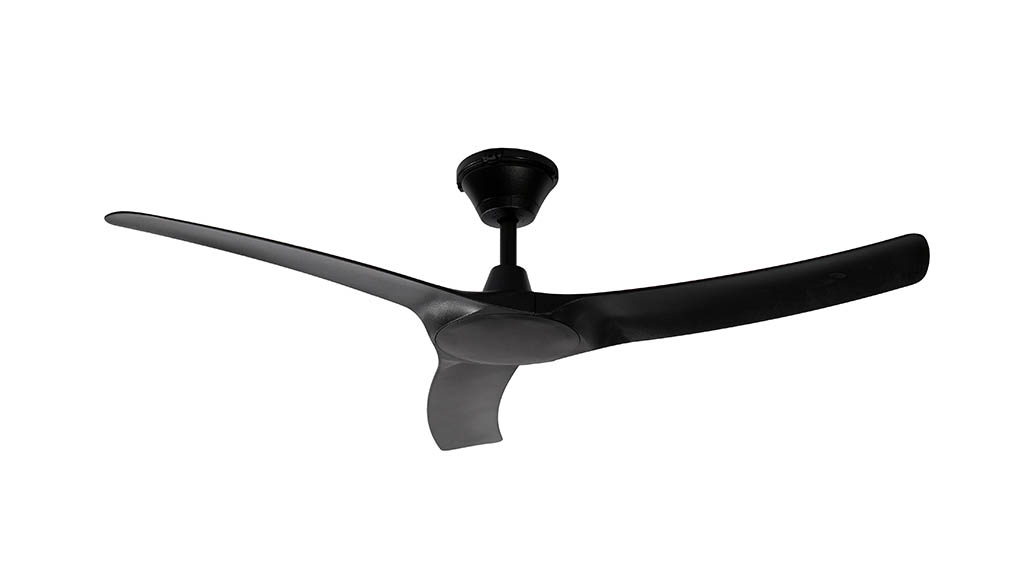
Hunter Pacific
Aqua IP66
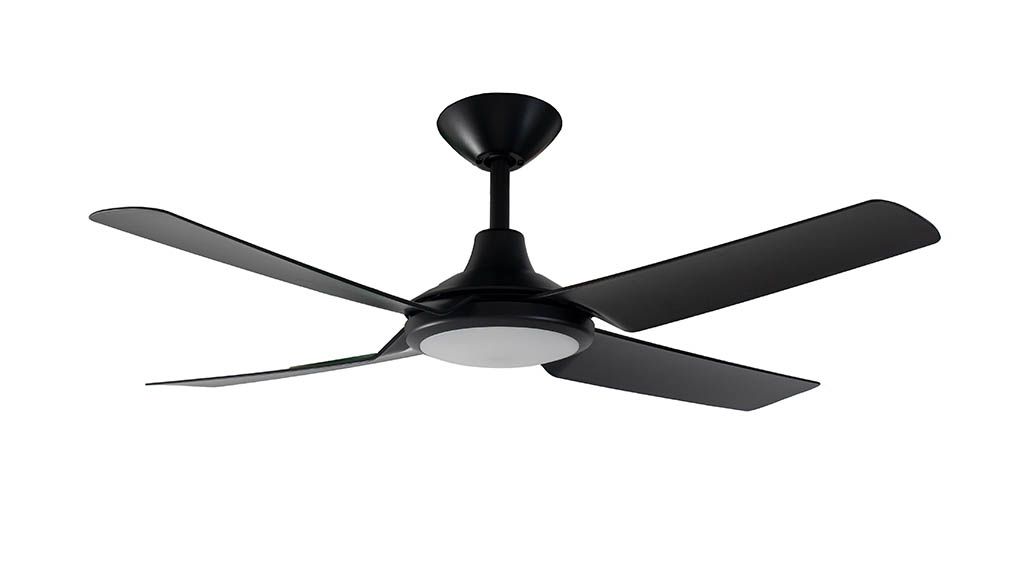
Hunter Pacific
Next Creation DC
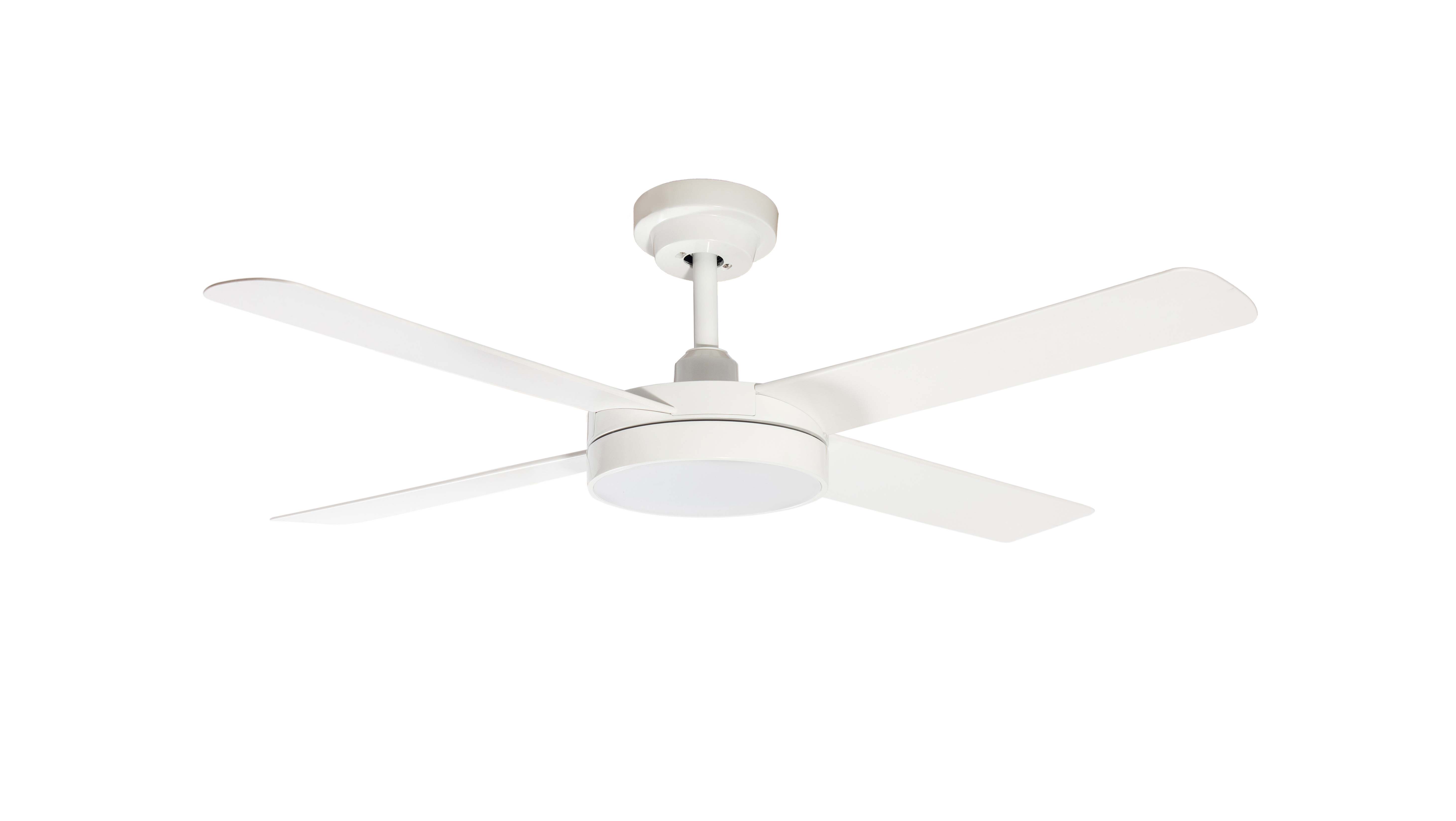
Hunter Pacific
Pinnacle V2
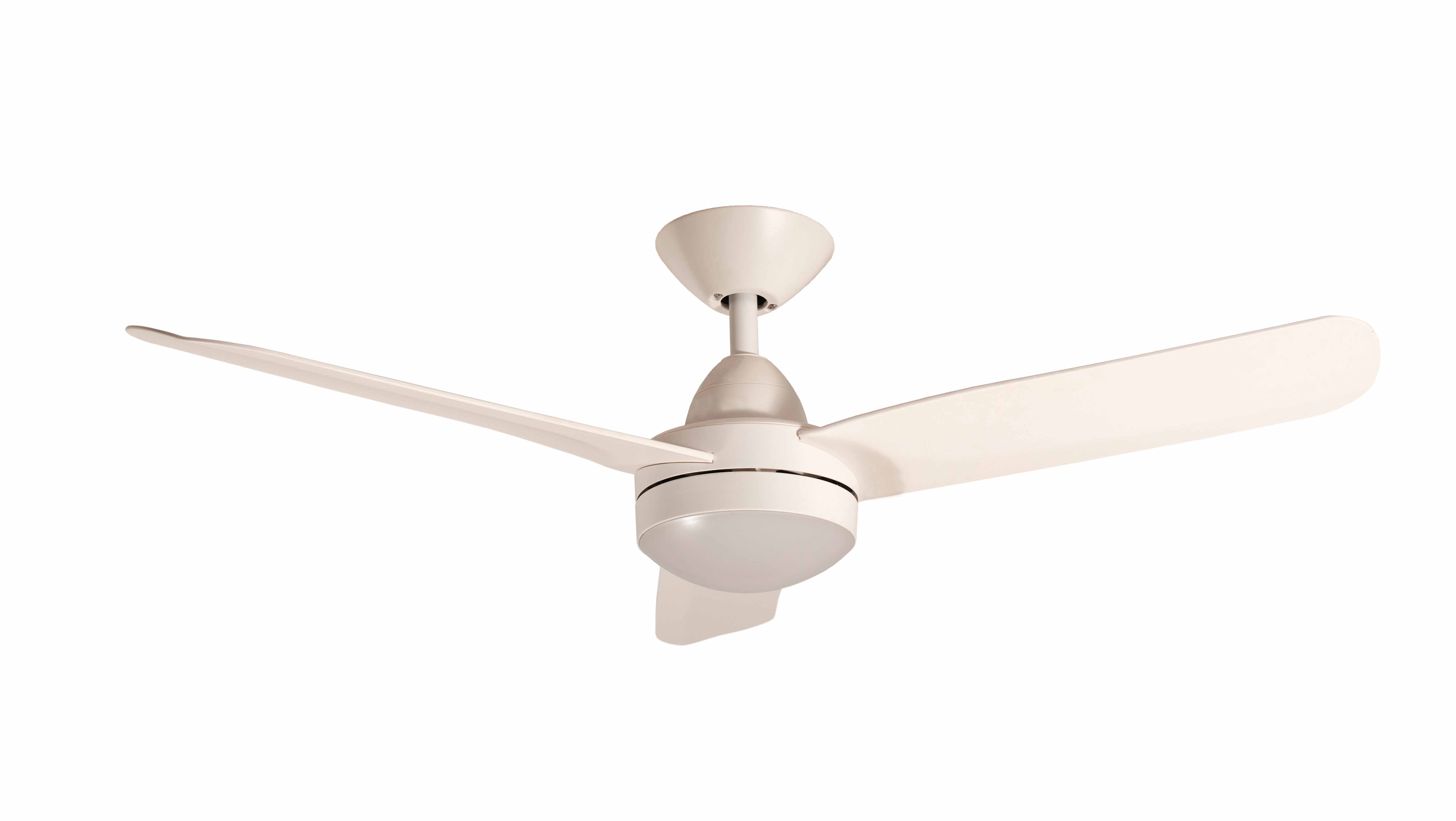
Hunter Pacific
X-Over
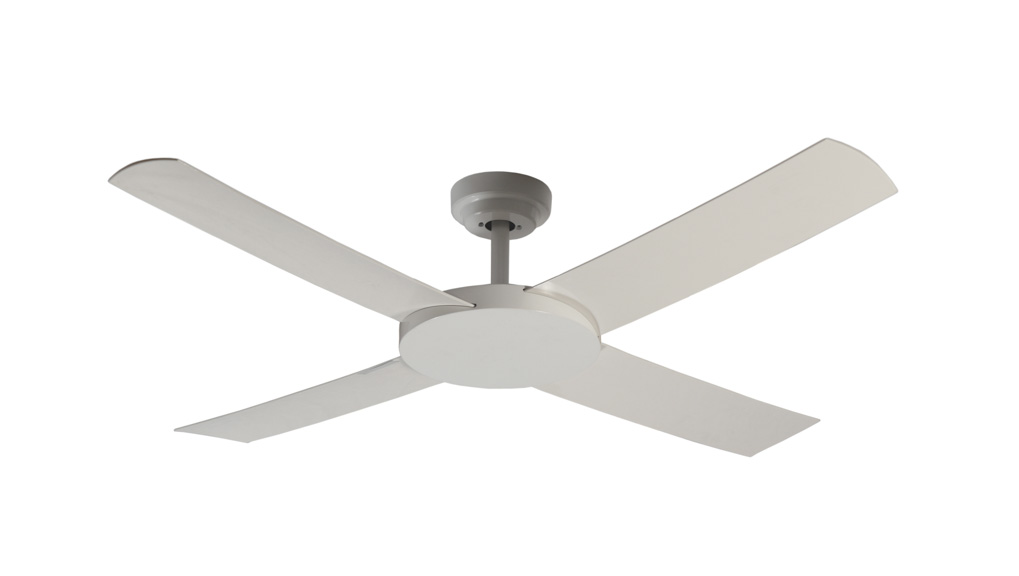
Hunter Pacific
Revolution 3
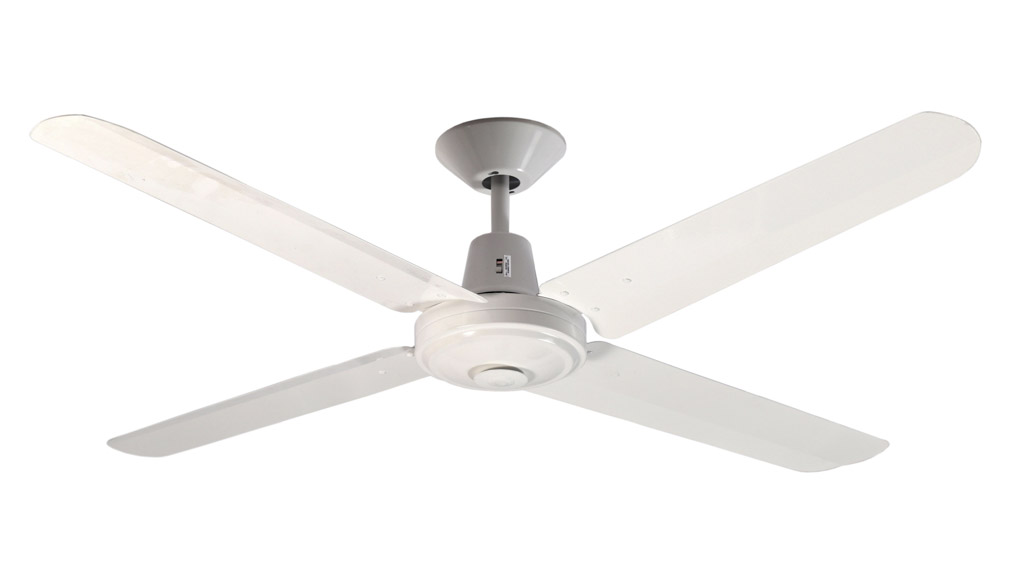
Hunter Pacific
Typhoon Mach 3
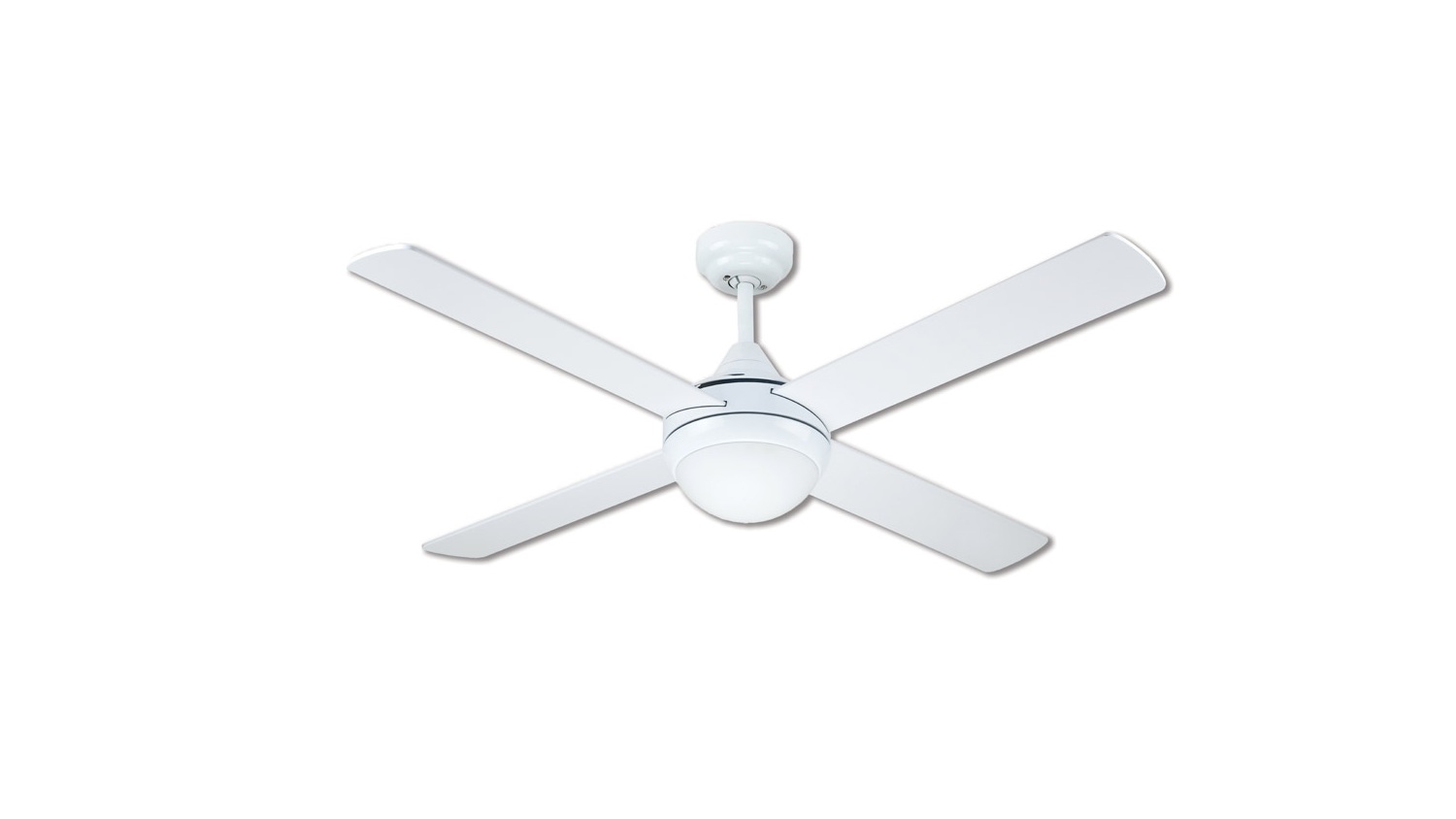
Hunter Pacific
Azure
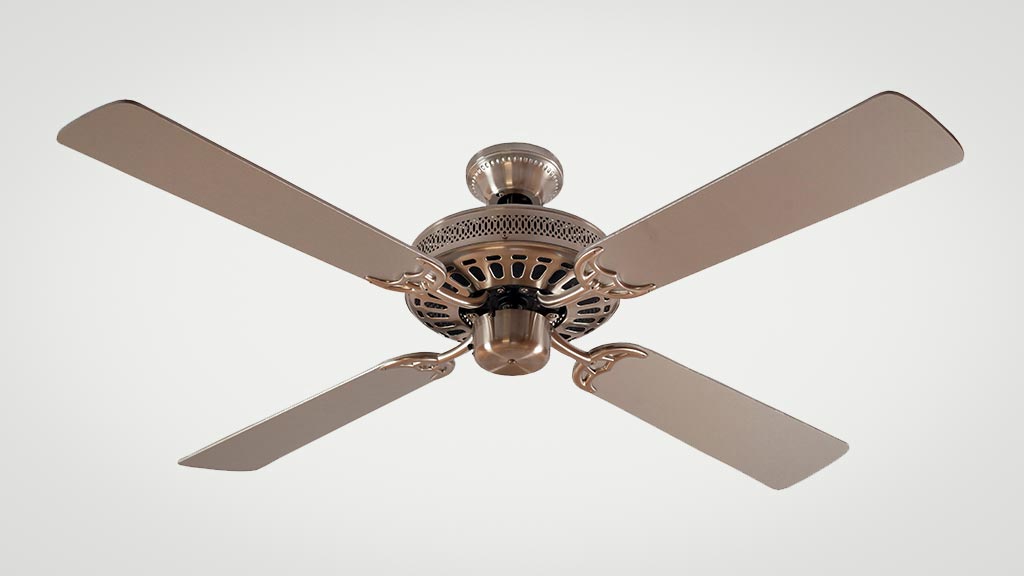
Hunter Pacific
Majestic Coolah
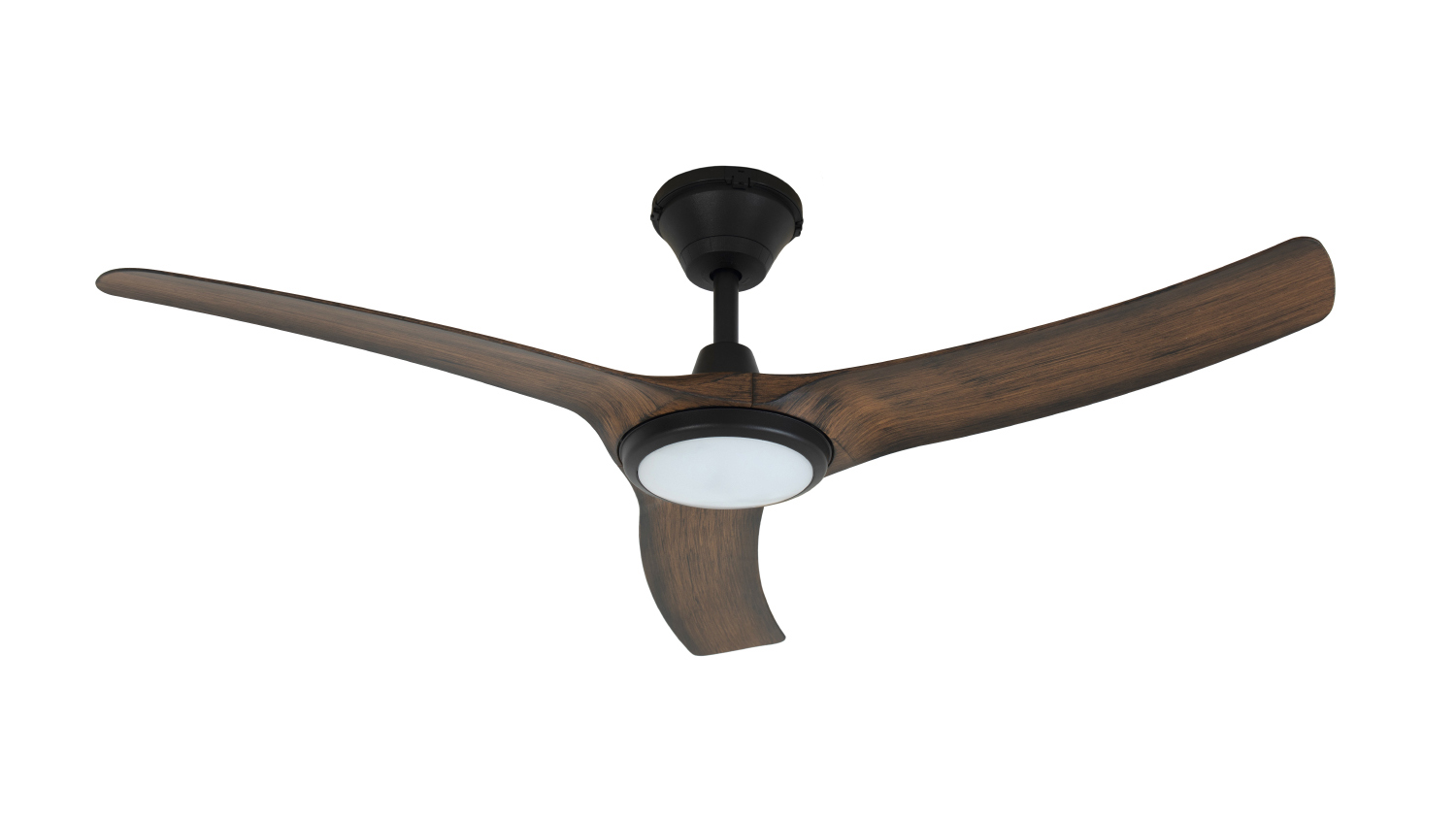
Hunter Pacific International
Aqua IP66 V2
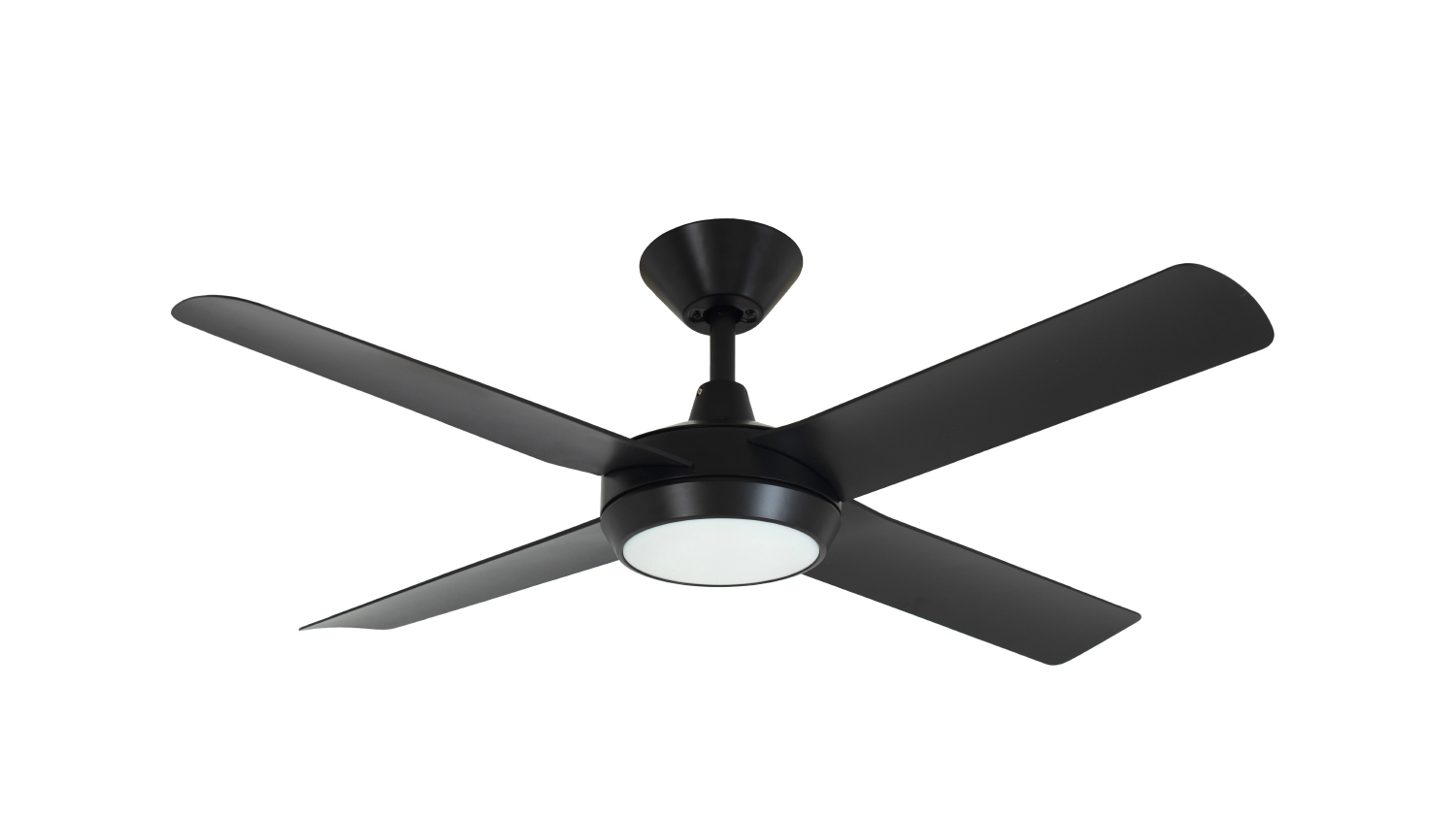
Hunter Pacific International
Concept
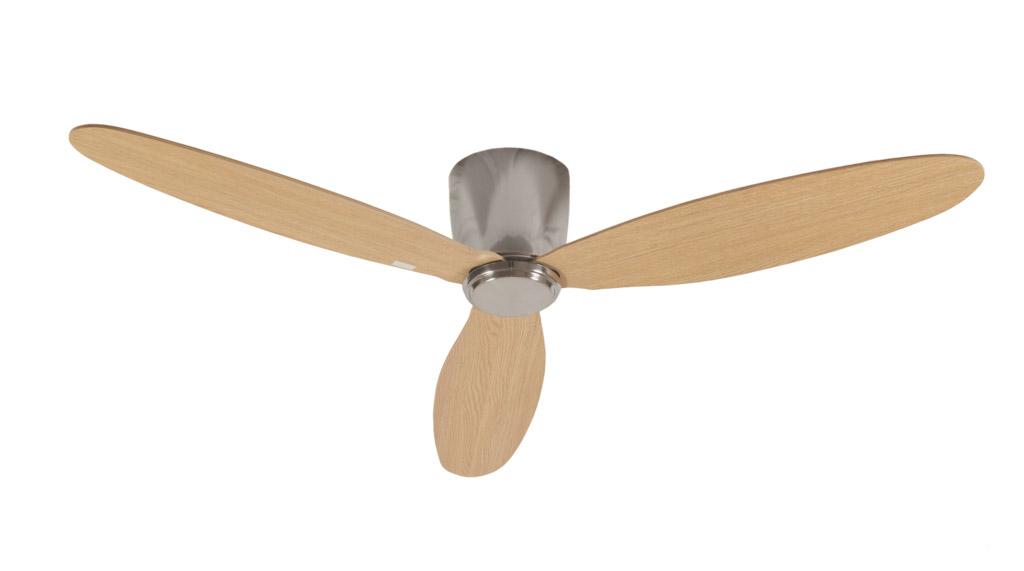
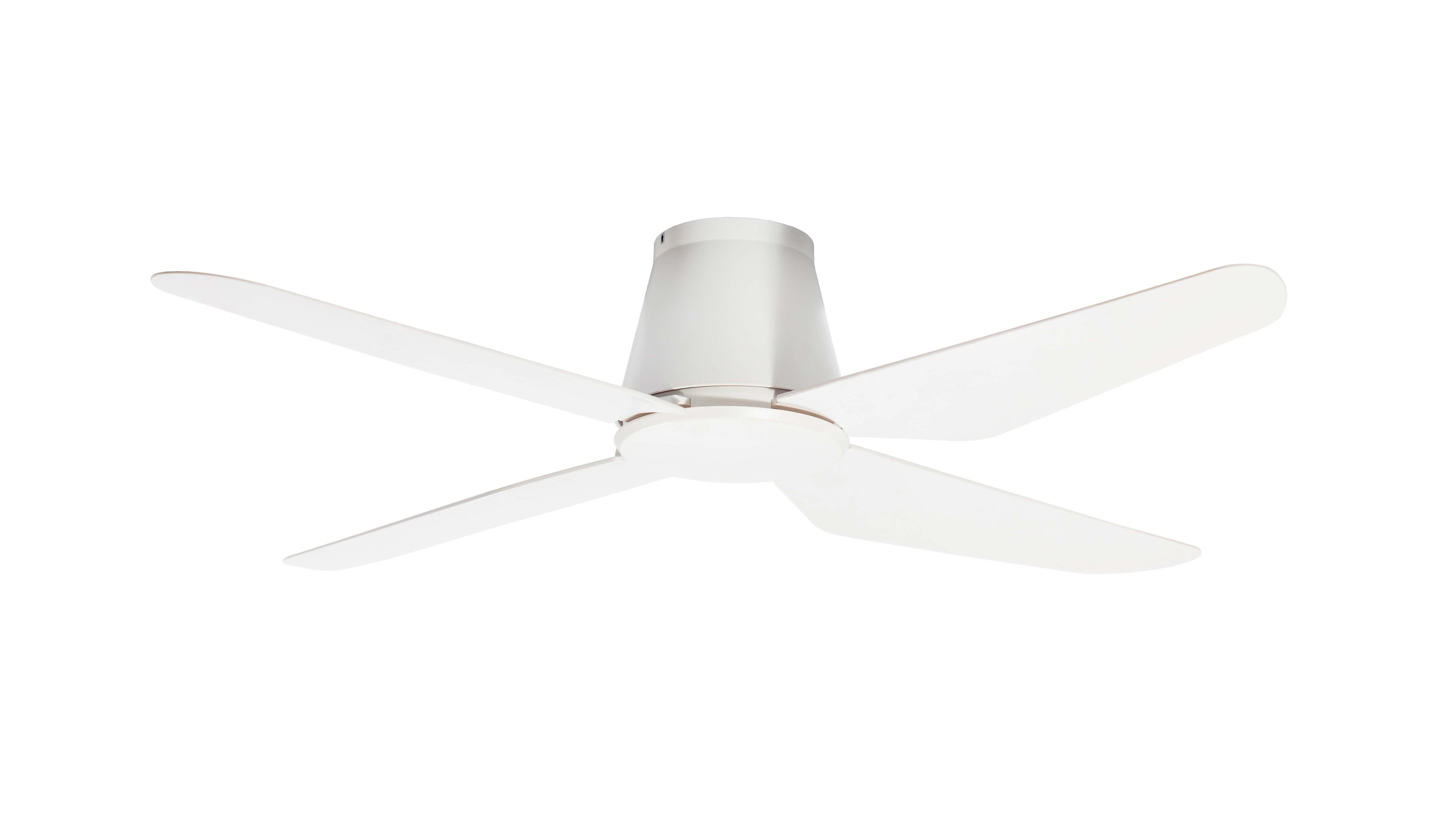
Lucci
Airfusion Radar
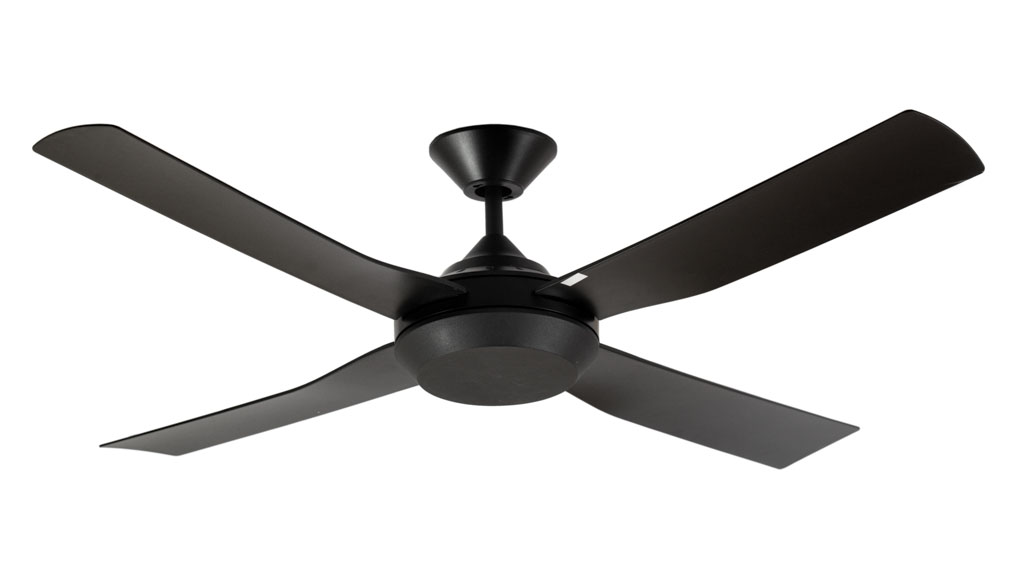
Lucci
Aria
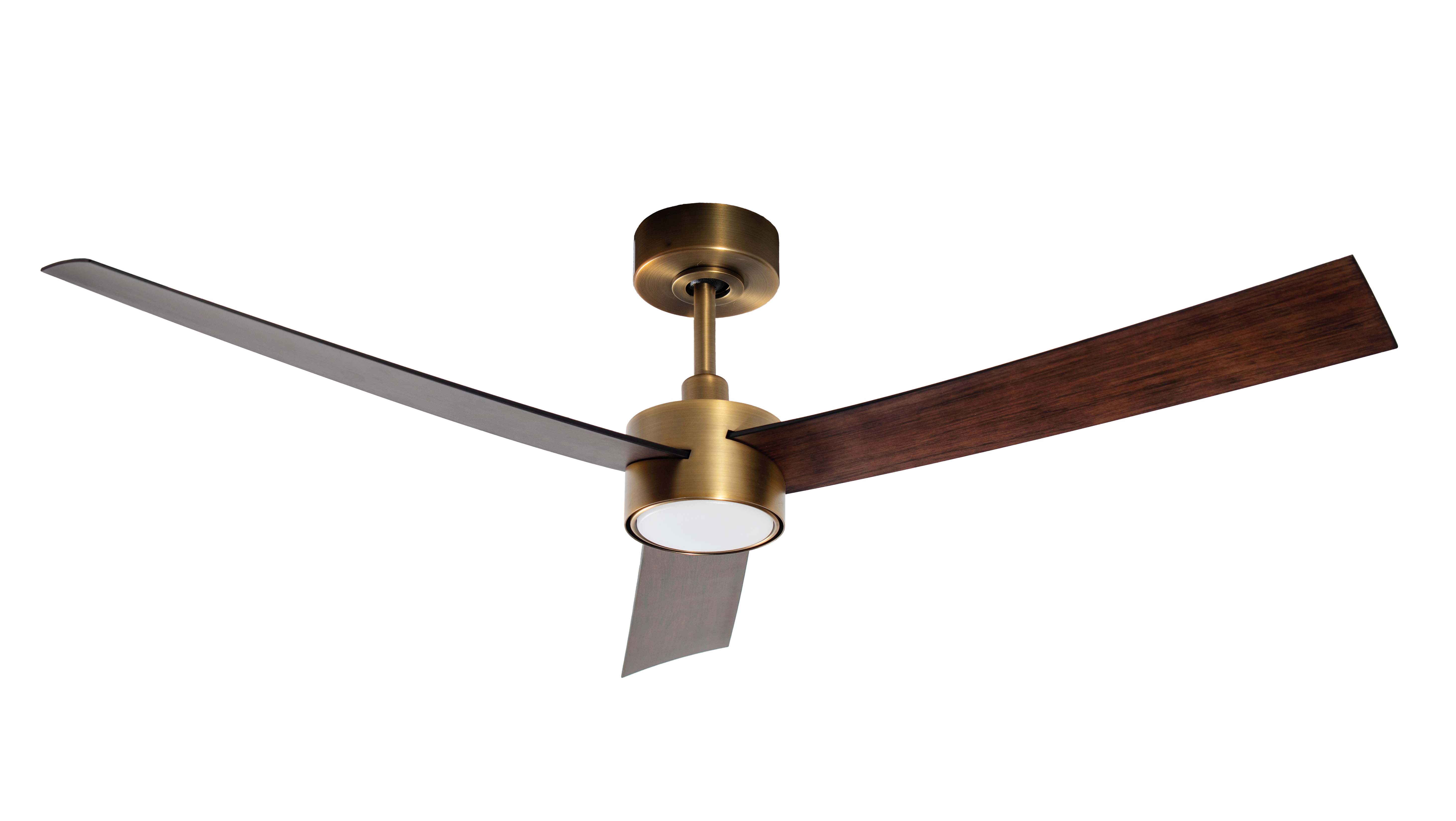
Lucci
Airfusion Moonah
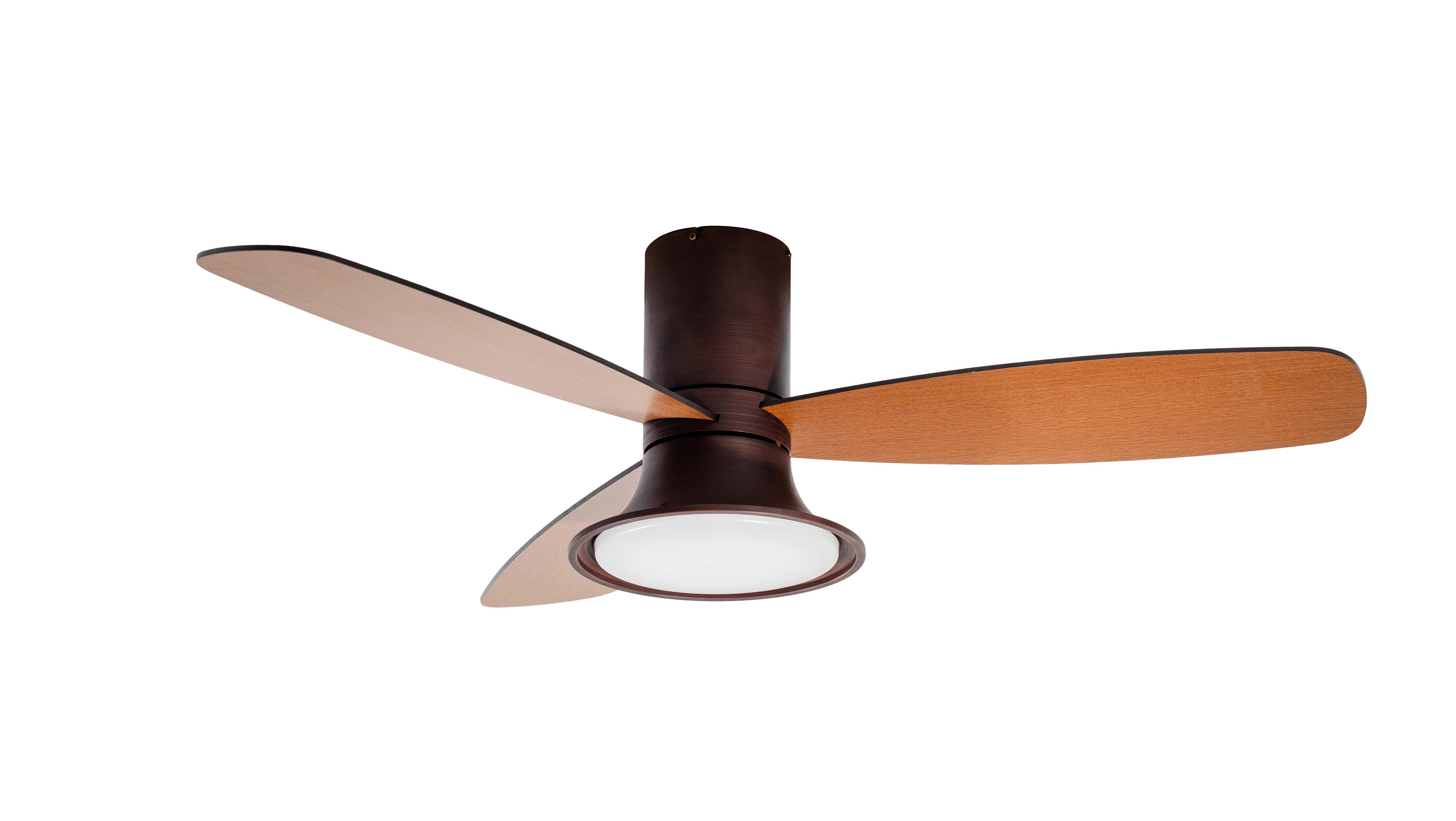
Lucci
Climate IV
Lucci
Airfusion Flusso
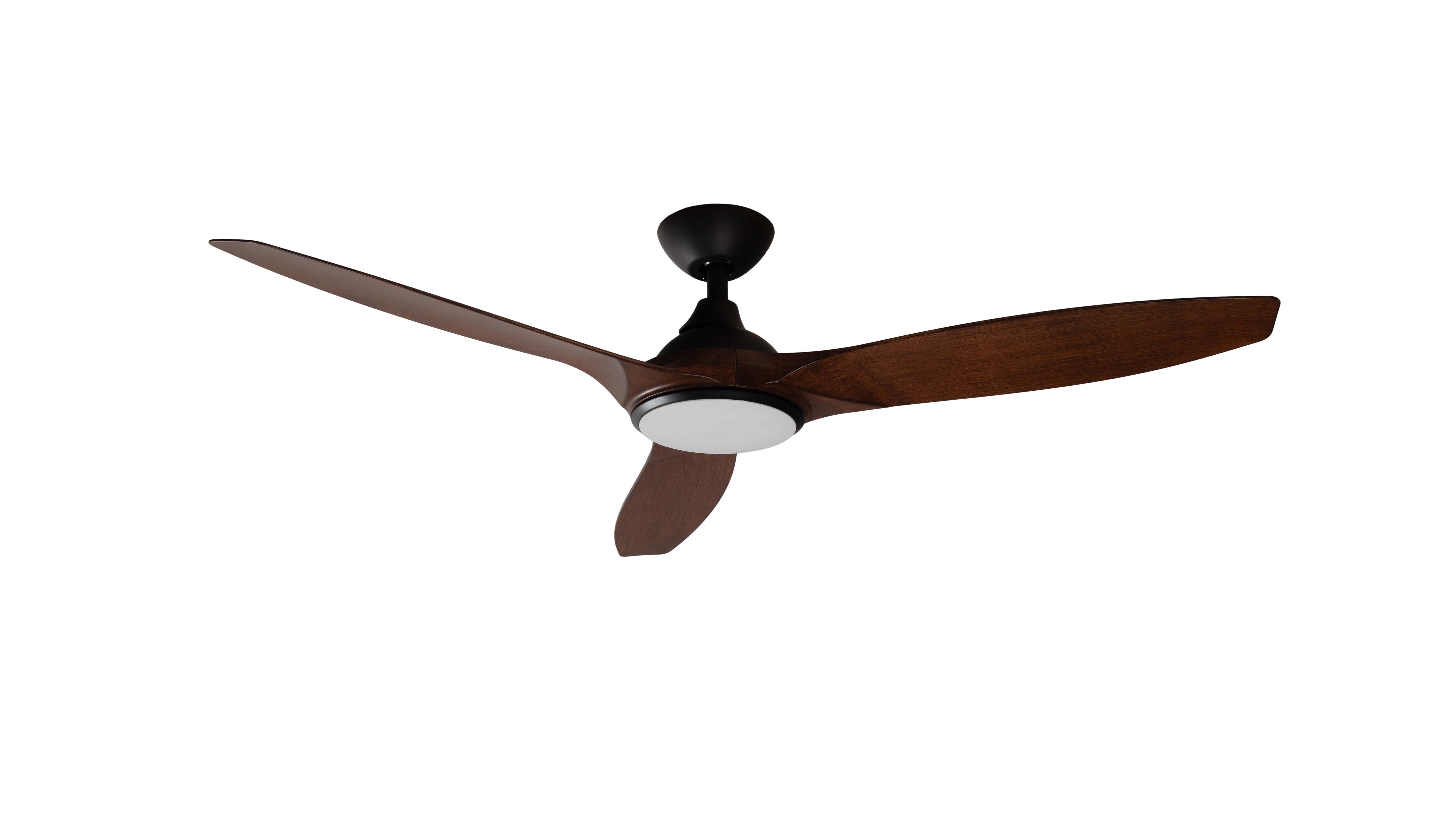
Martec
Newport
Martec
Link
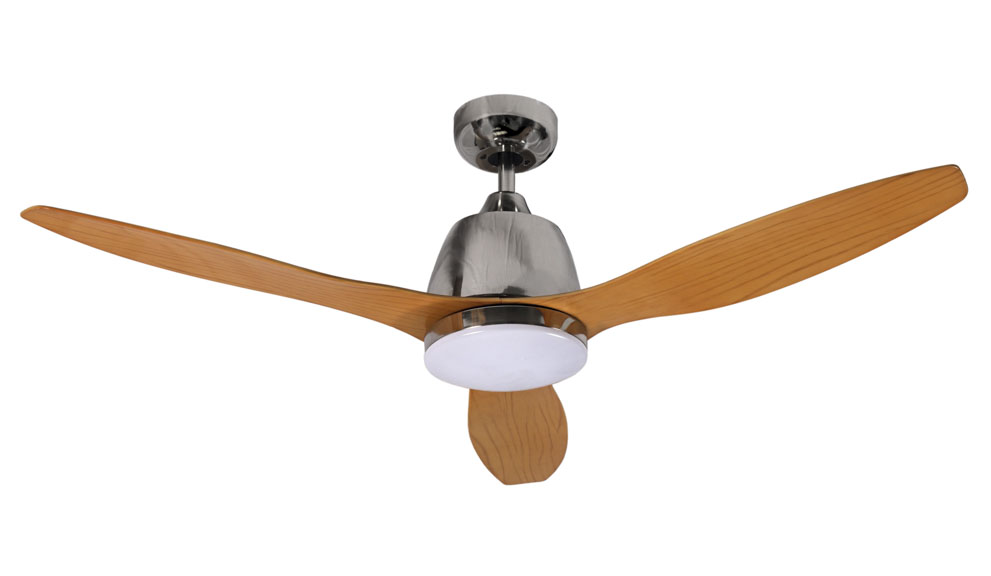
Martec
Elite
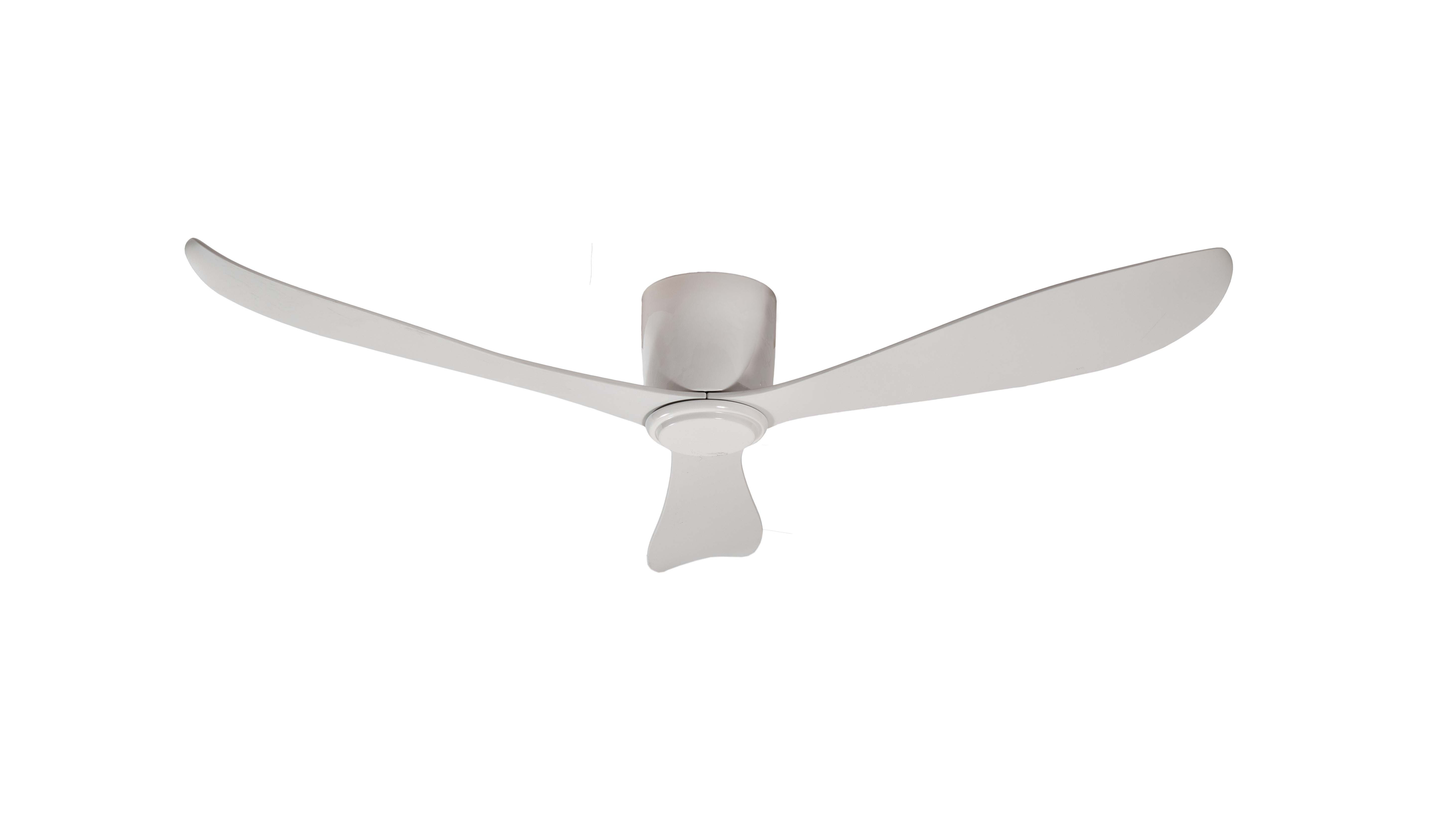
Mercator
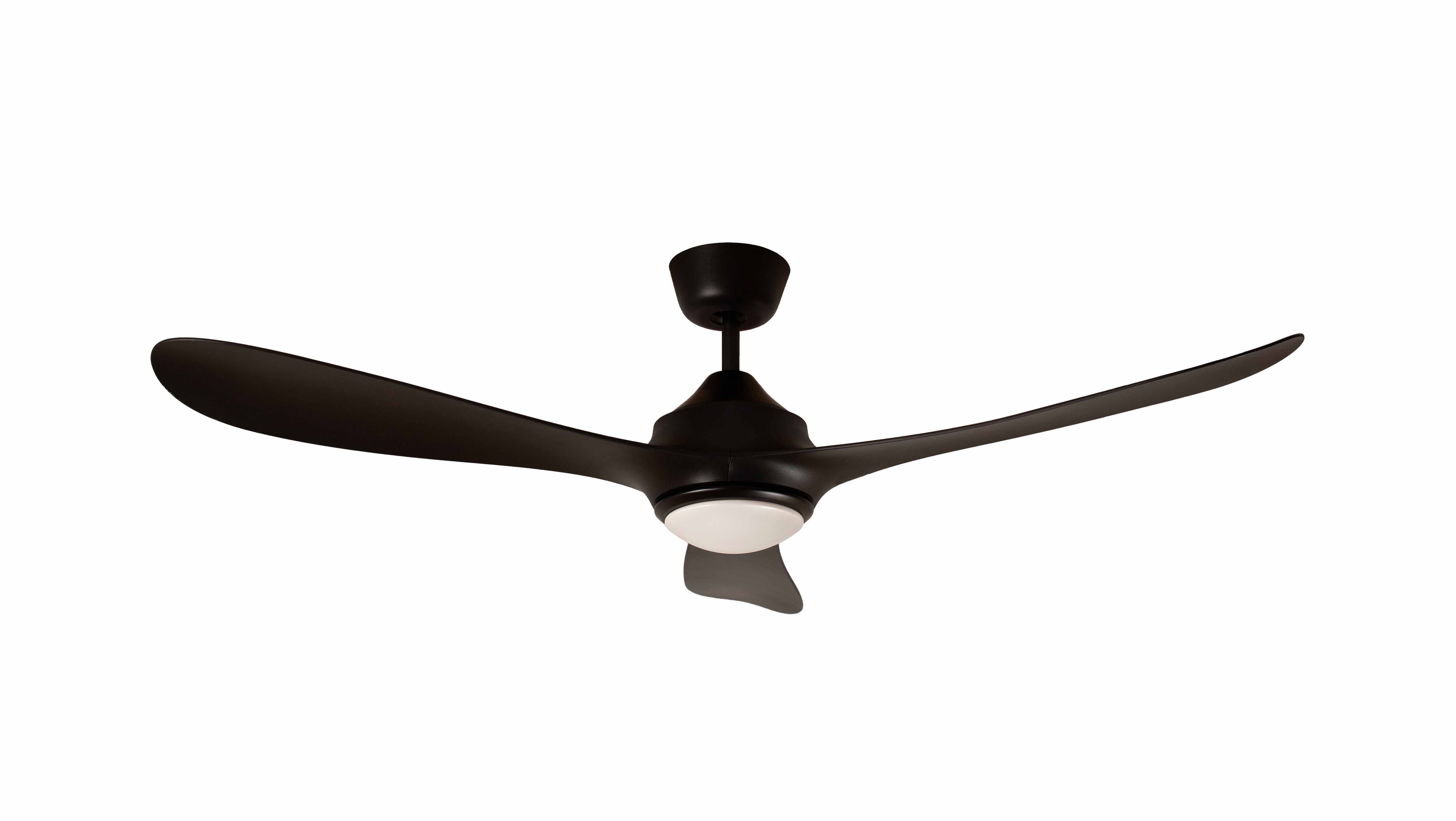
Instinct
Mercator
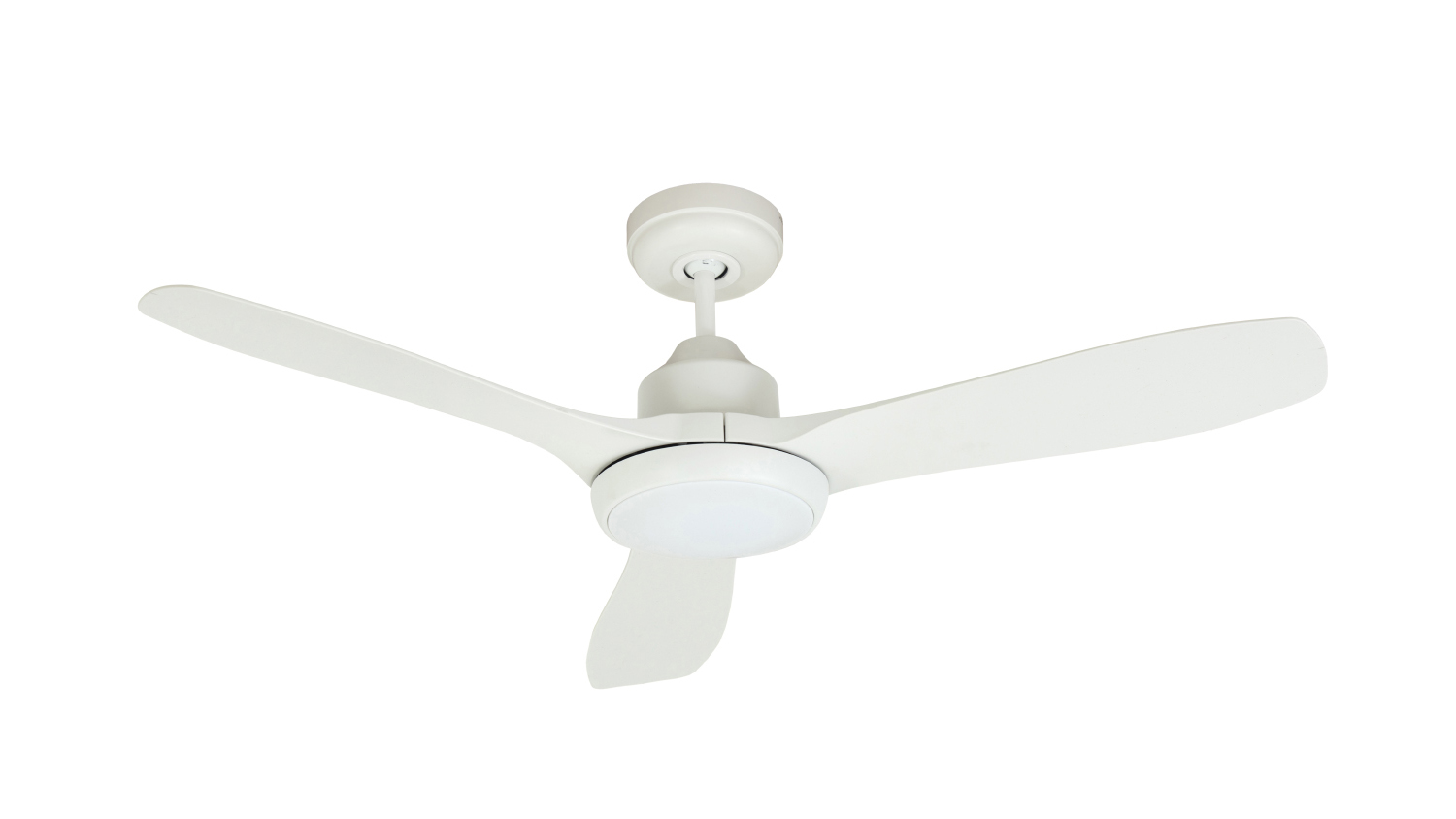
Juno
Mercator
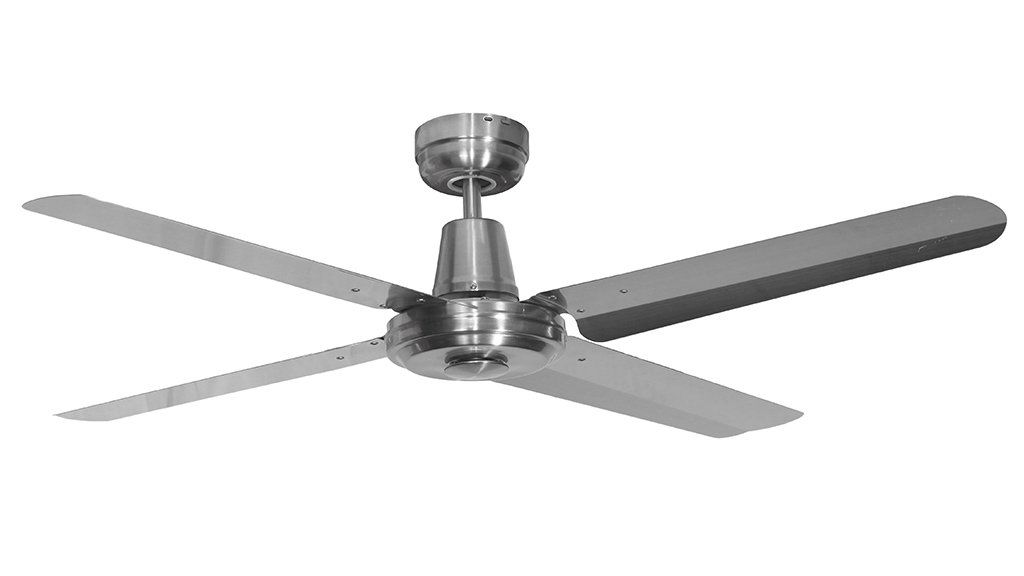
Raptor-S
Mercator
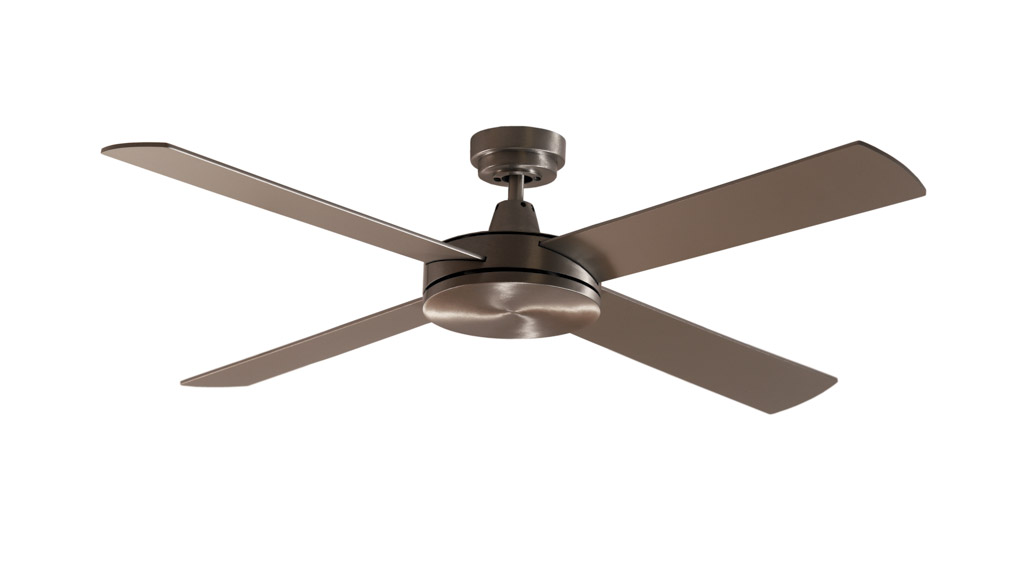
Swift 316
Mercator
Luna FC550134
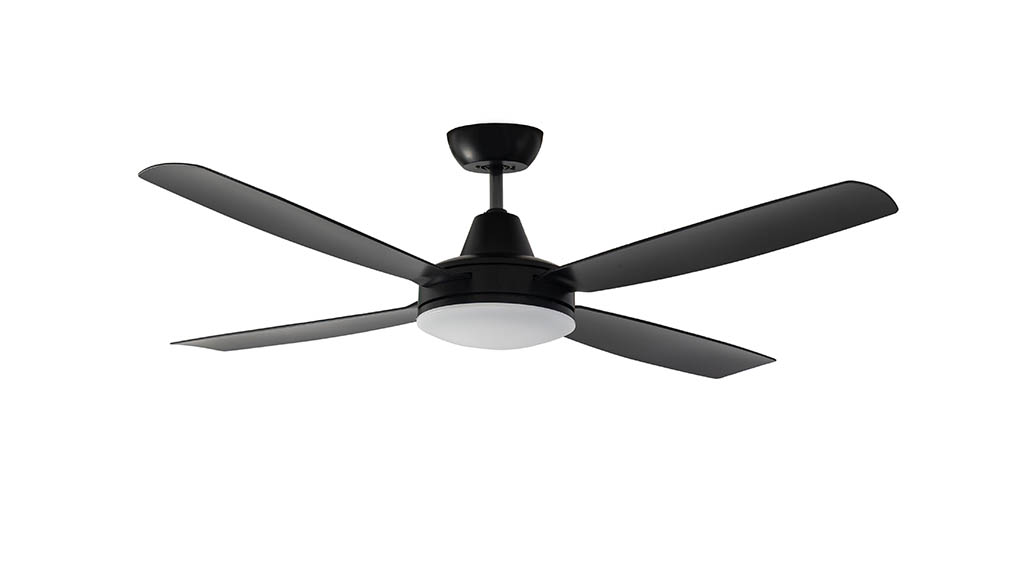
Mercator
Nemoi
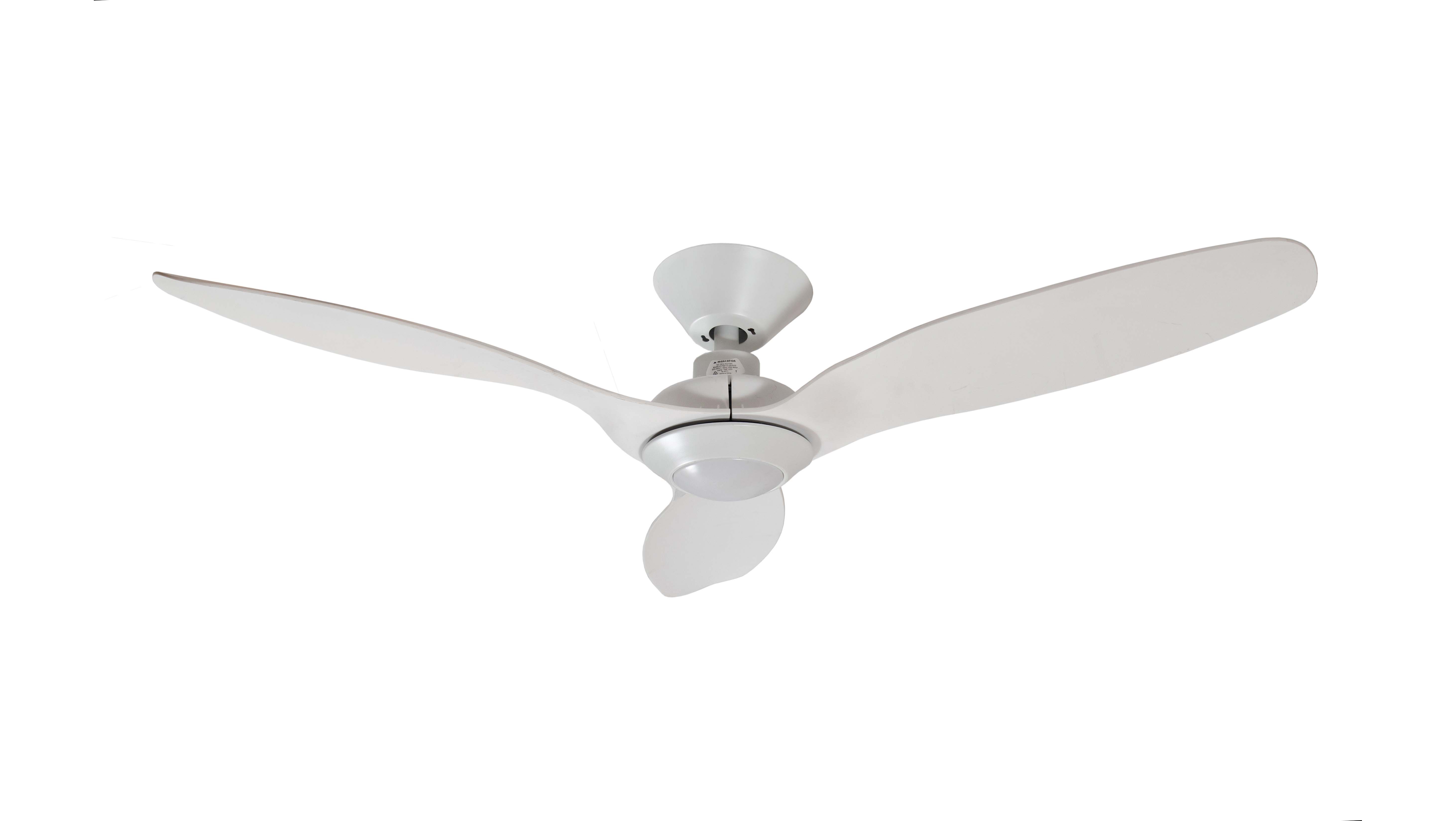
Mercator
Casa
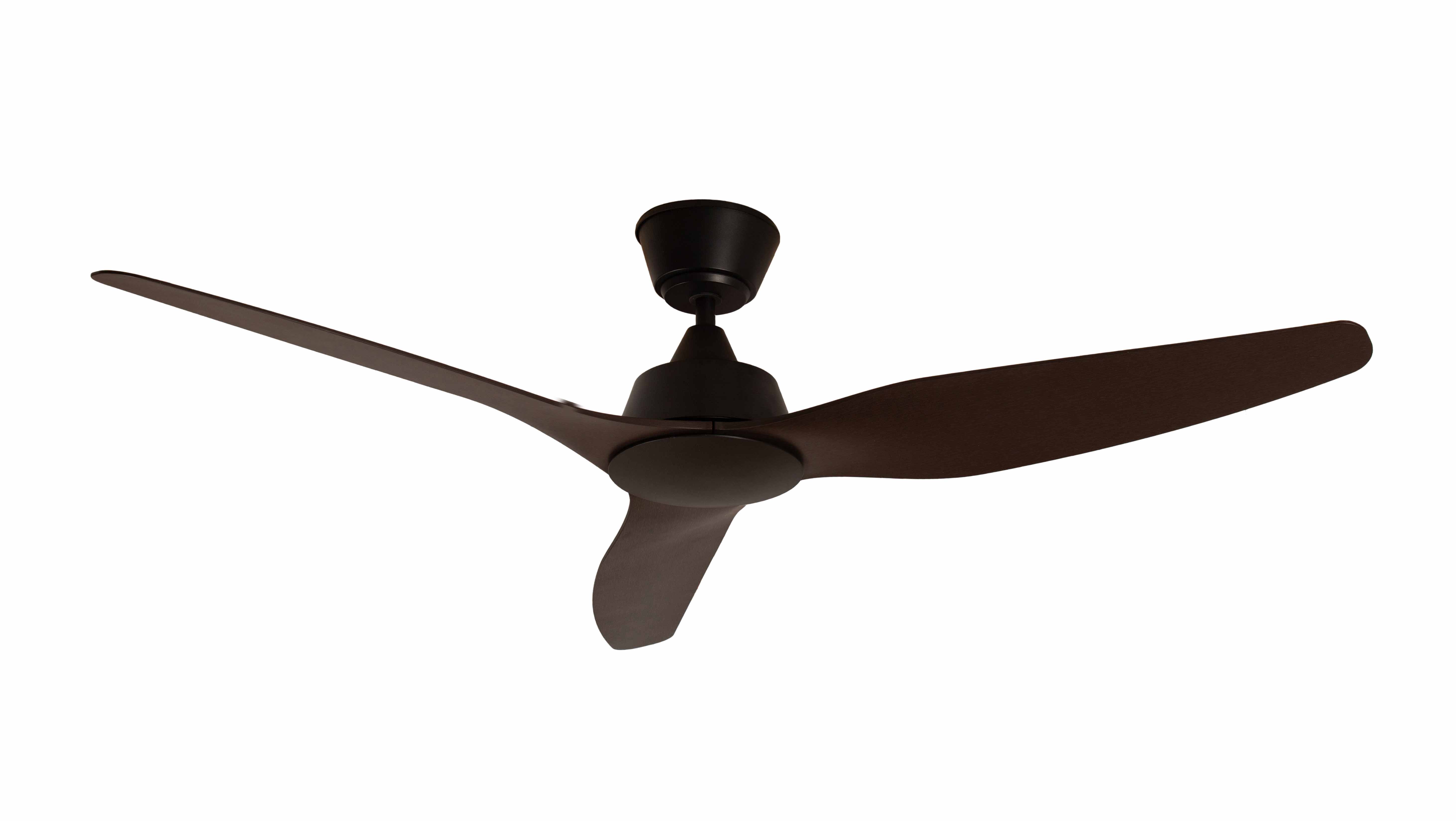
Mercator
Guardian
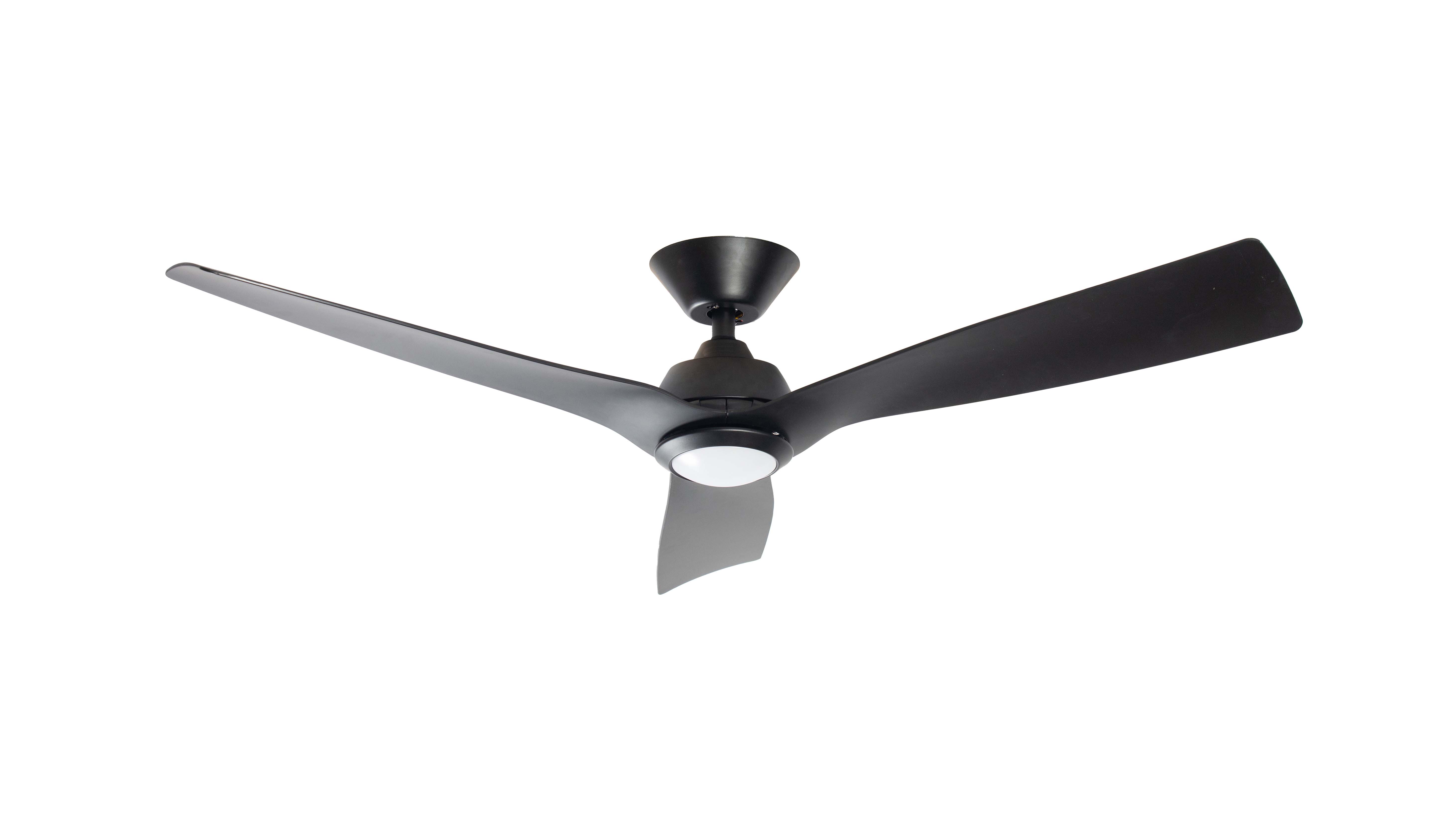
Mercator
Trinidad III
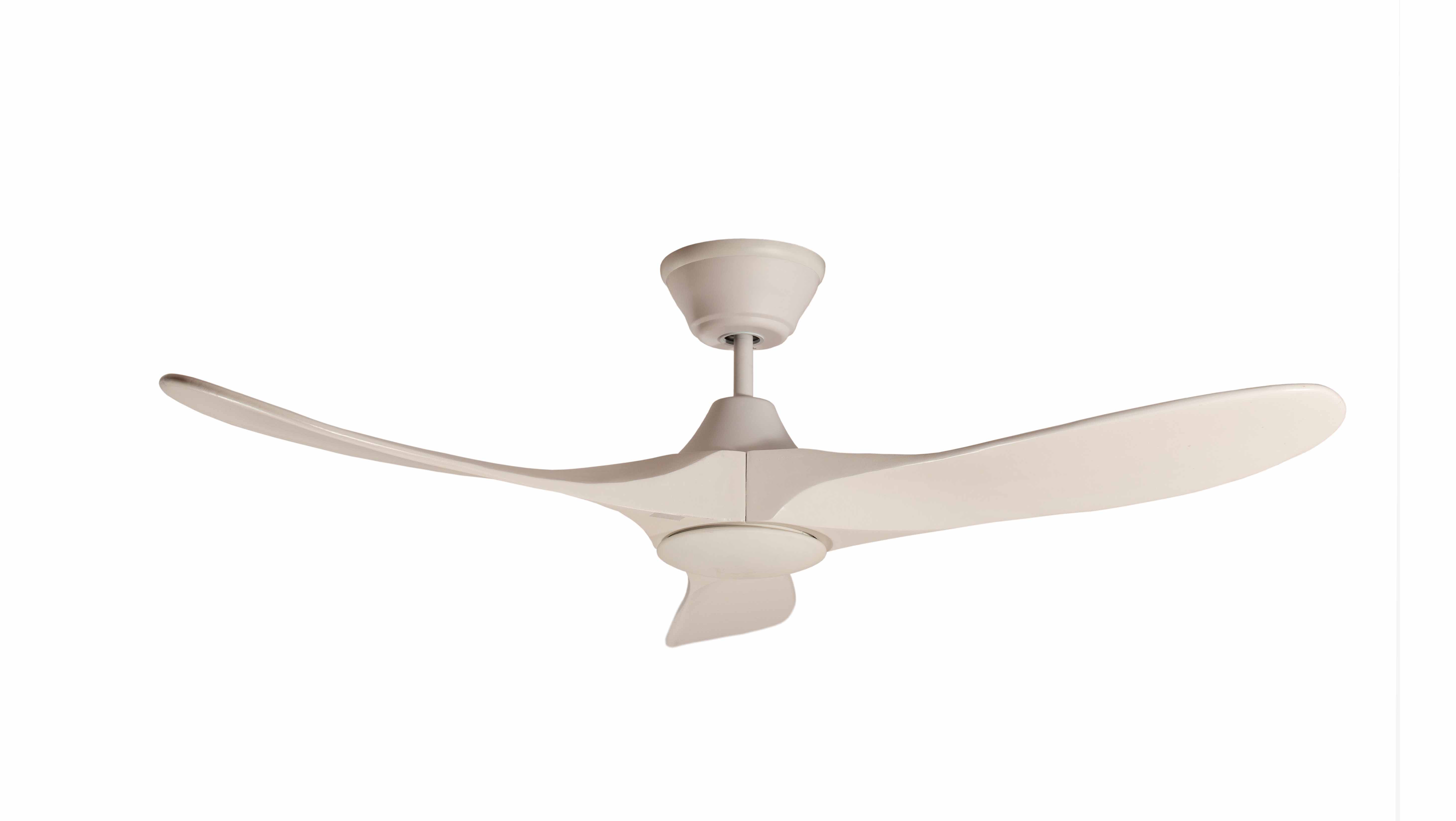
Milano
Slider Nova Full Moon
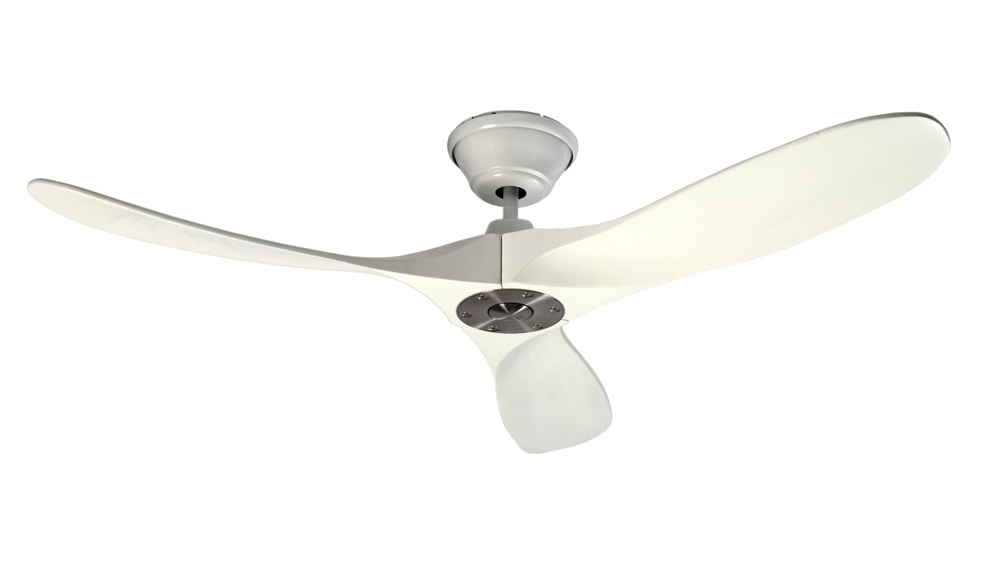
Milano
Slider Junior DC
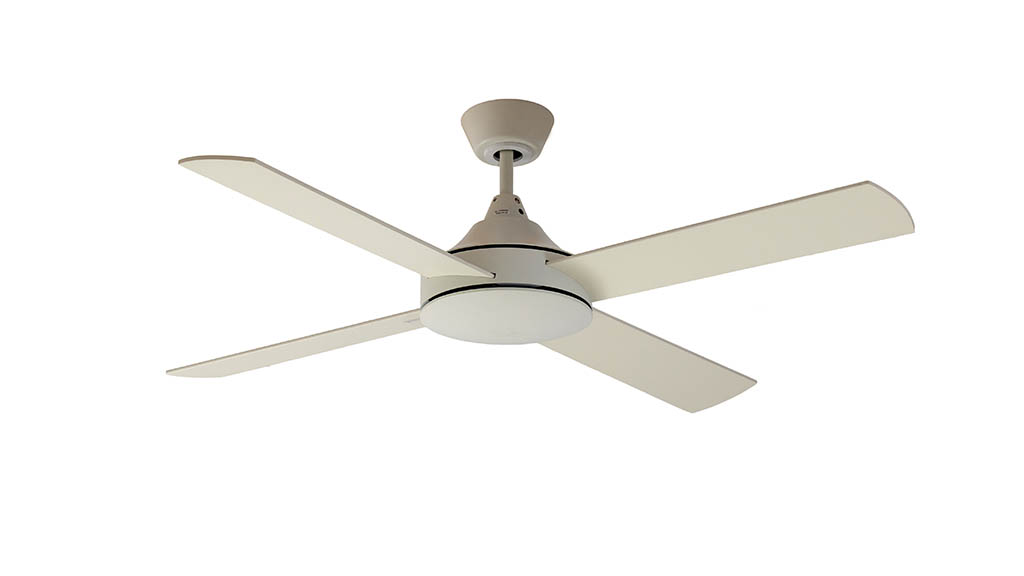
Milano
Elite DC
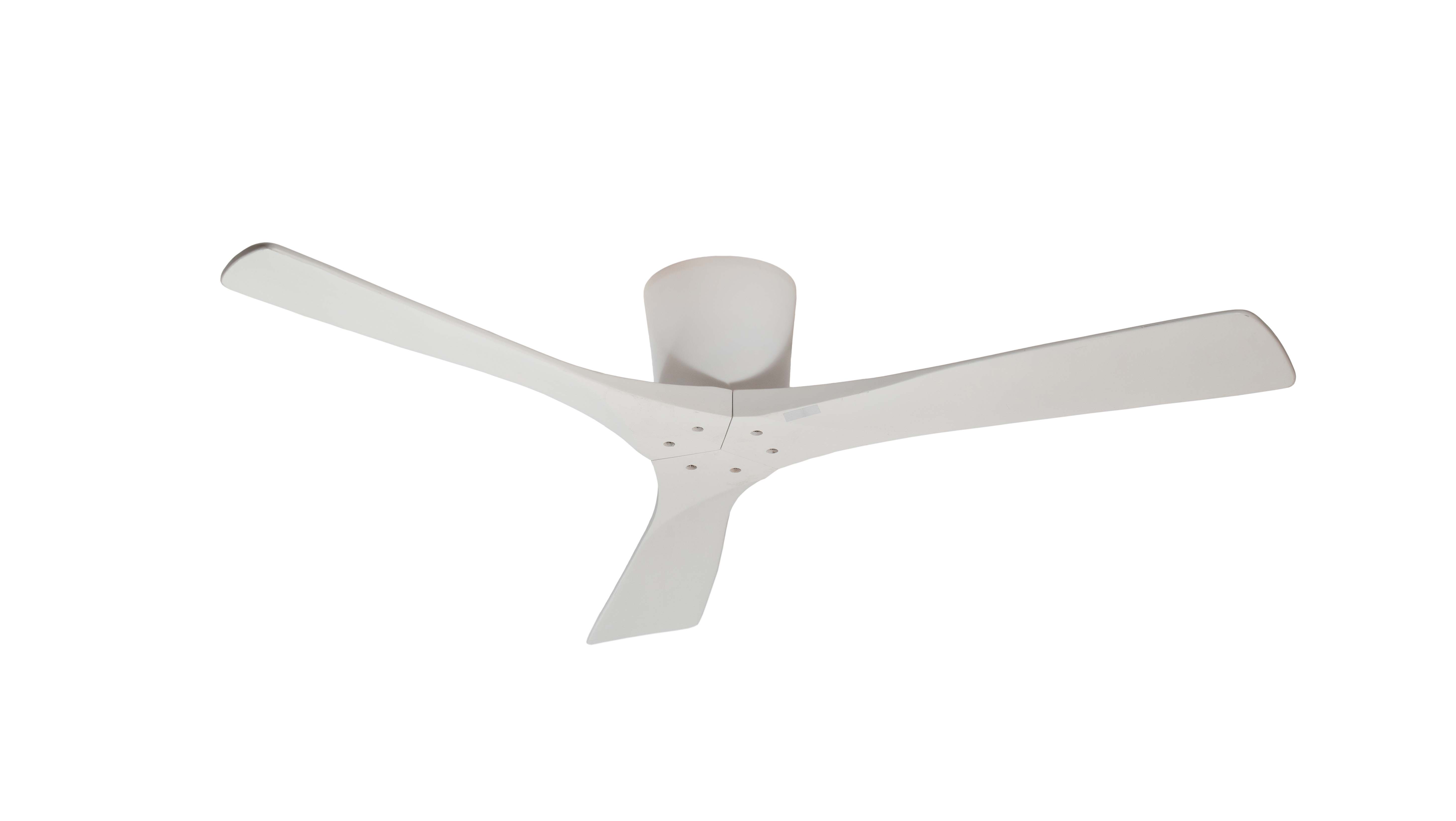
Milano
Zen DC
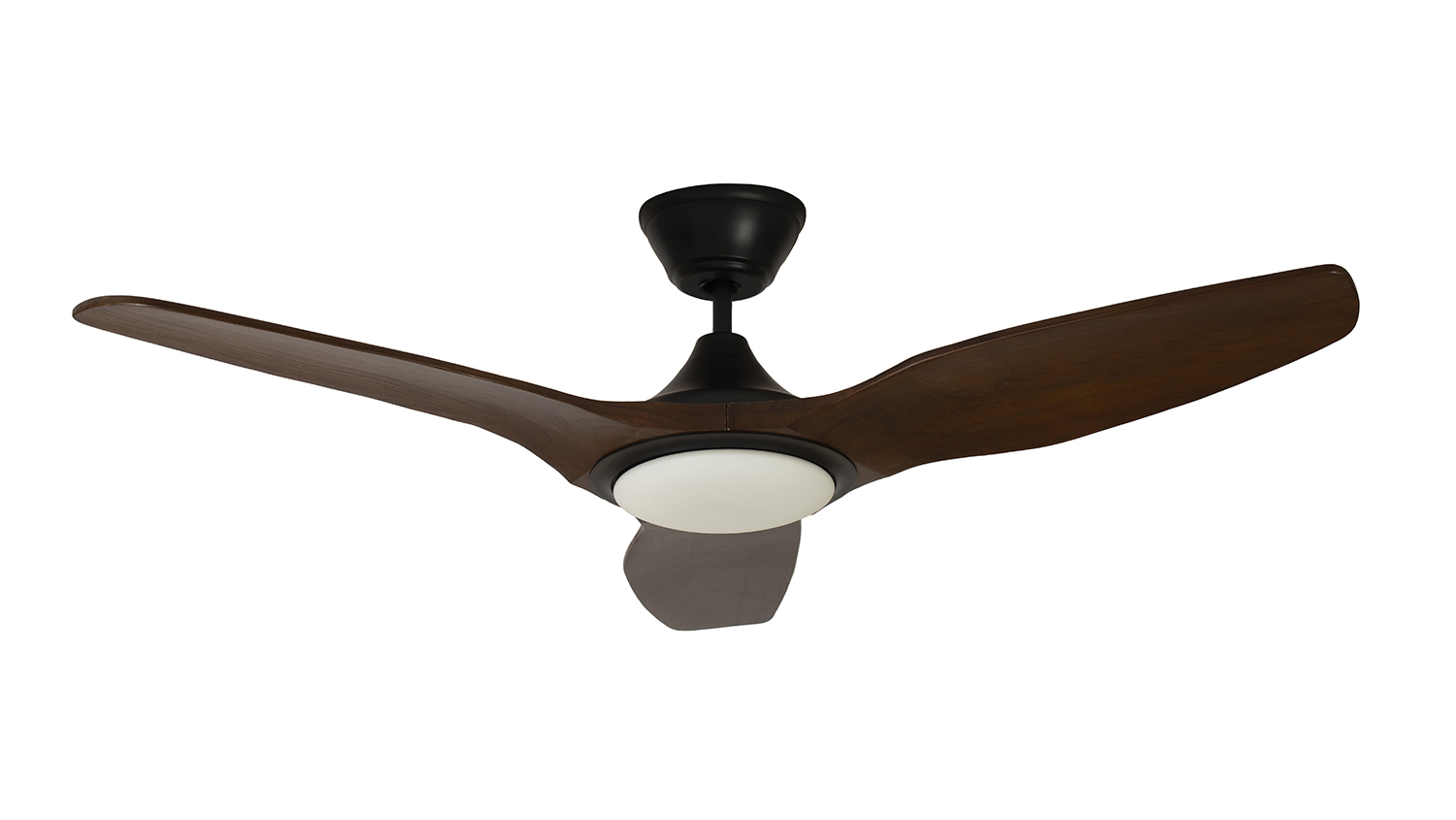
Milano
Valor
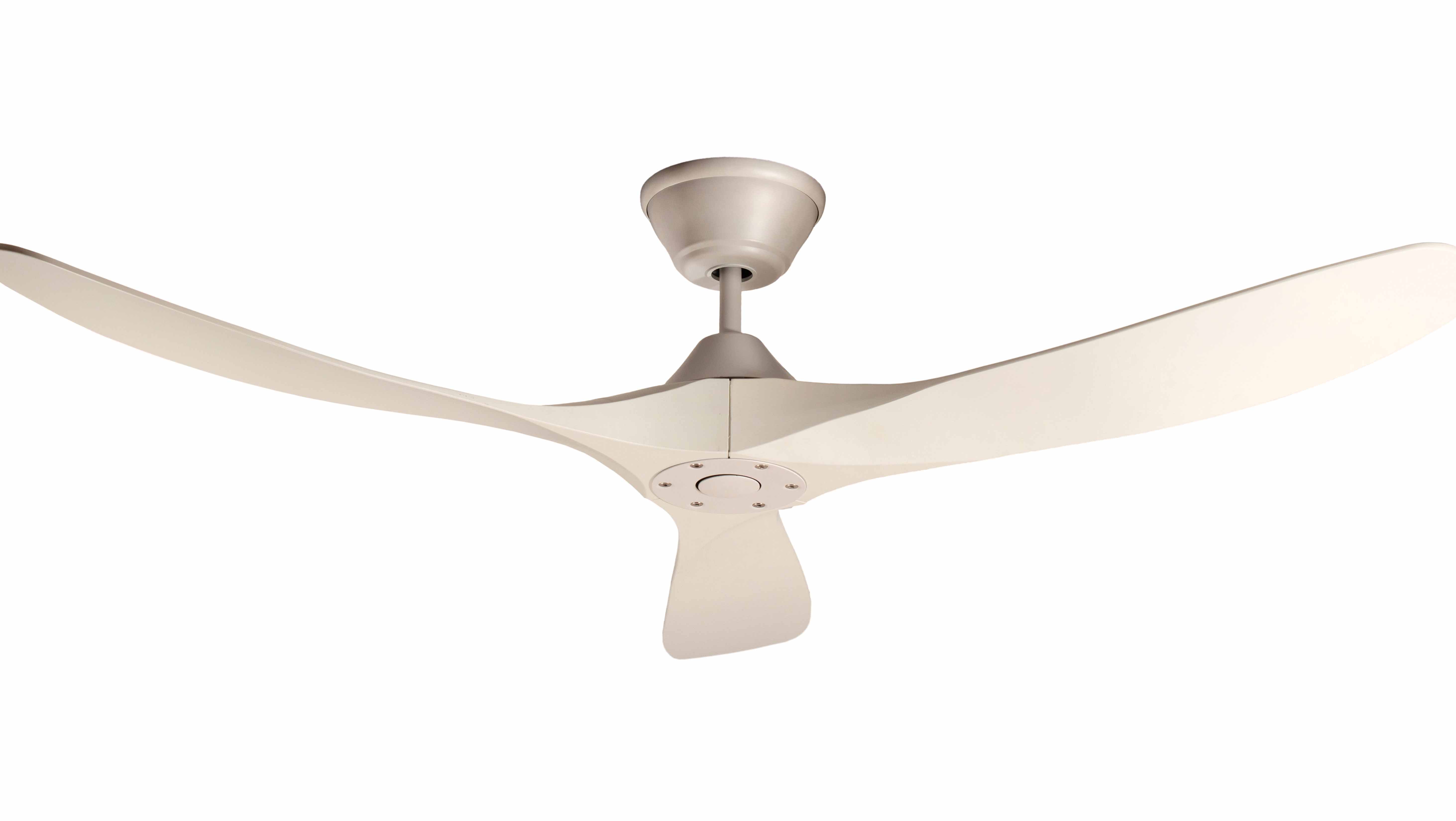
Milano
Slider Zest
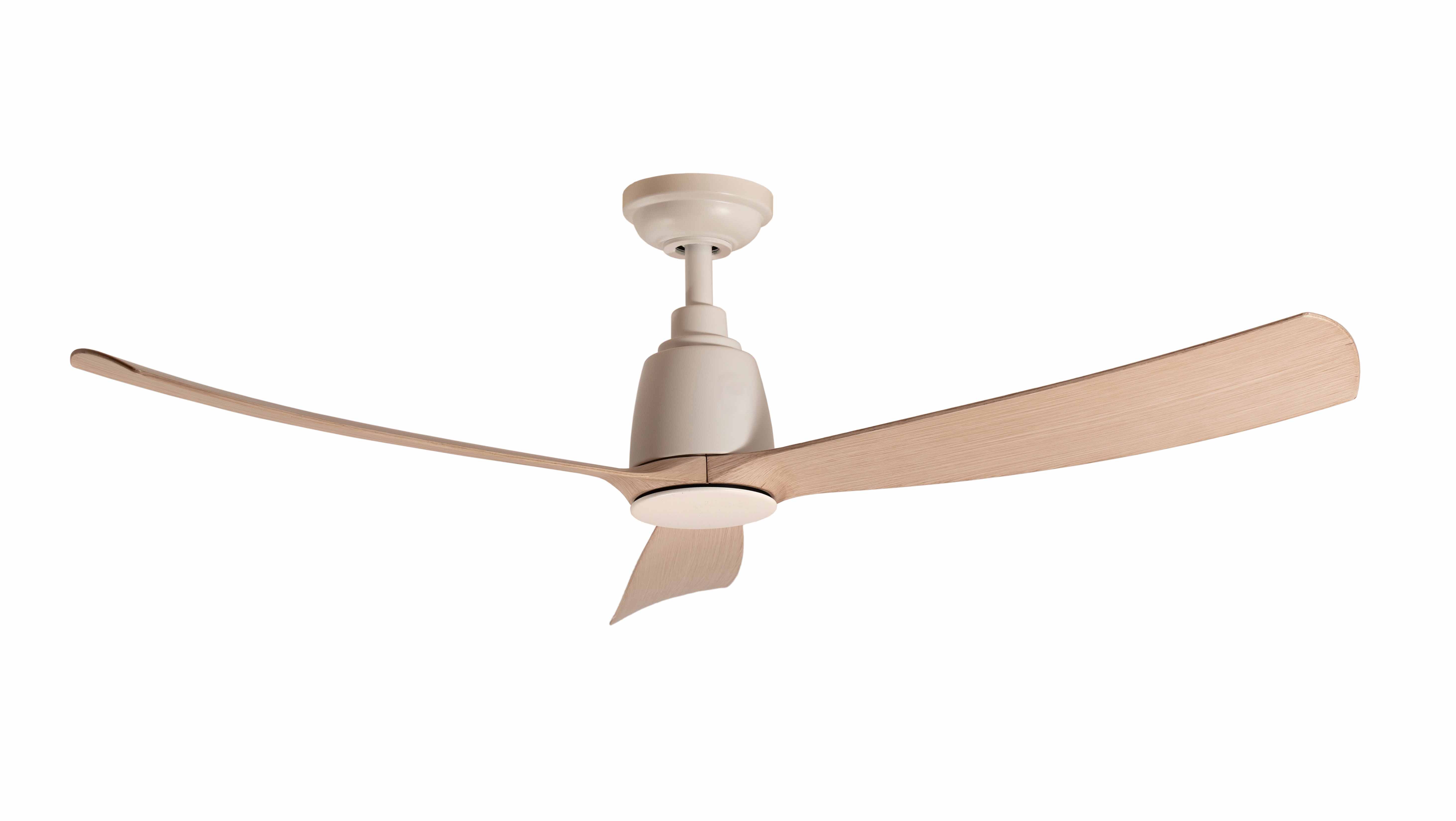
ThreeSixty
Kute
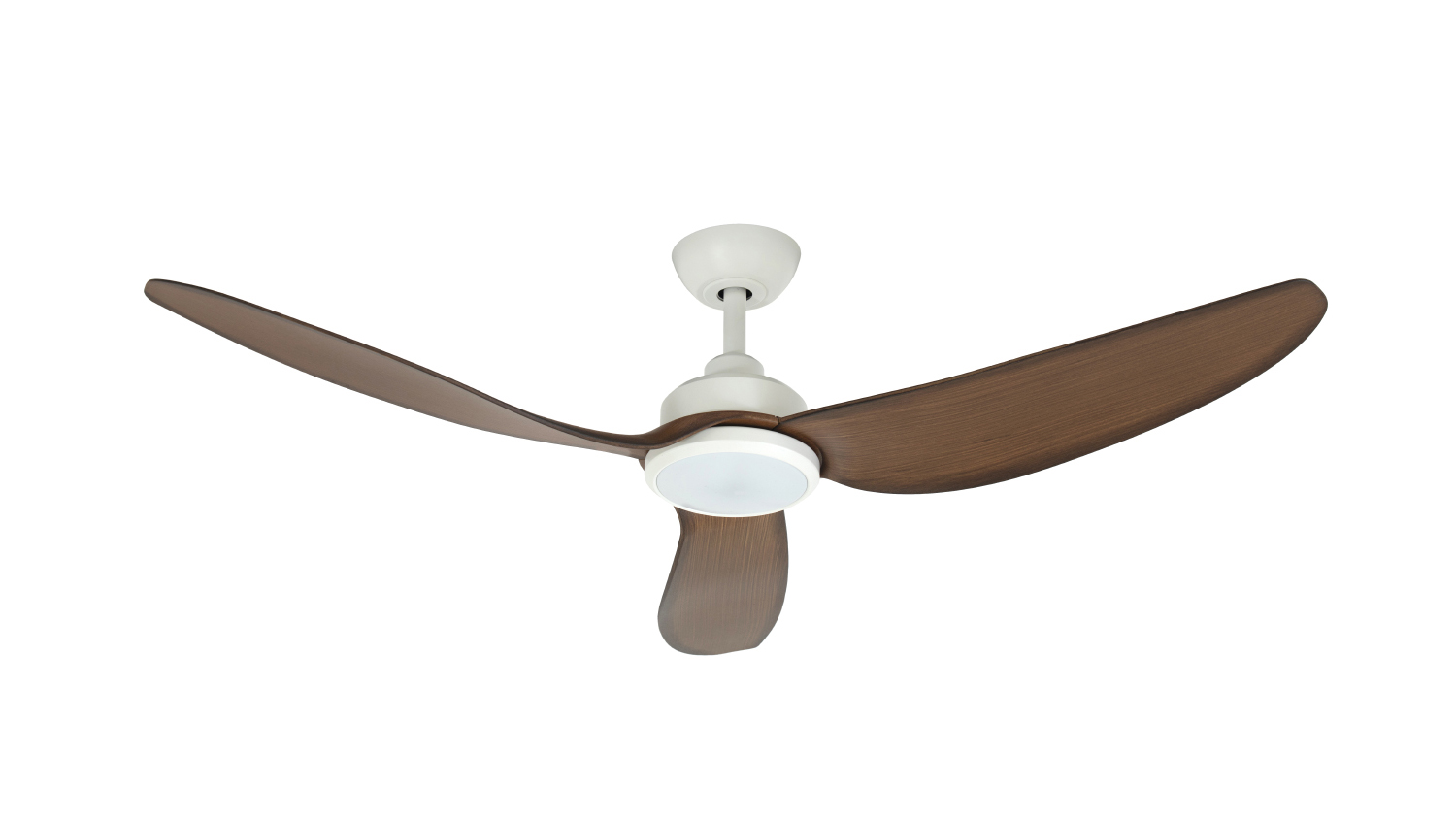
ThreeSixty
Trinity DC V4
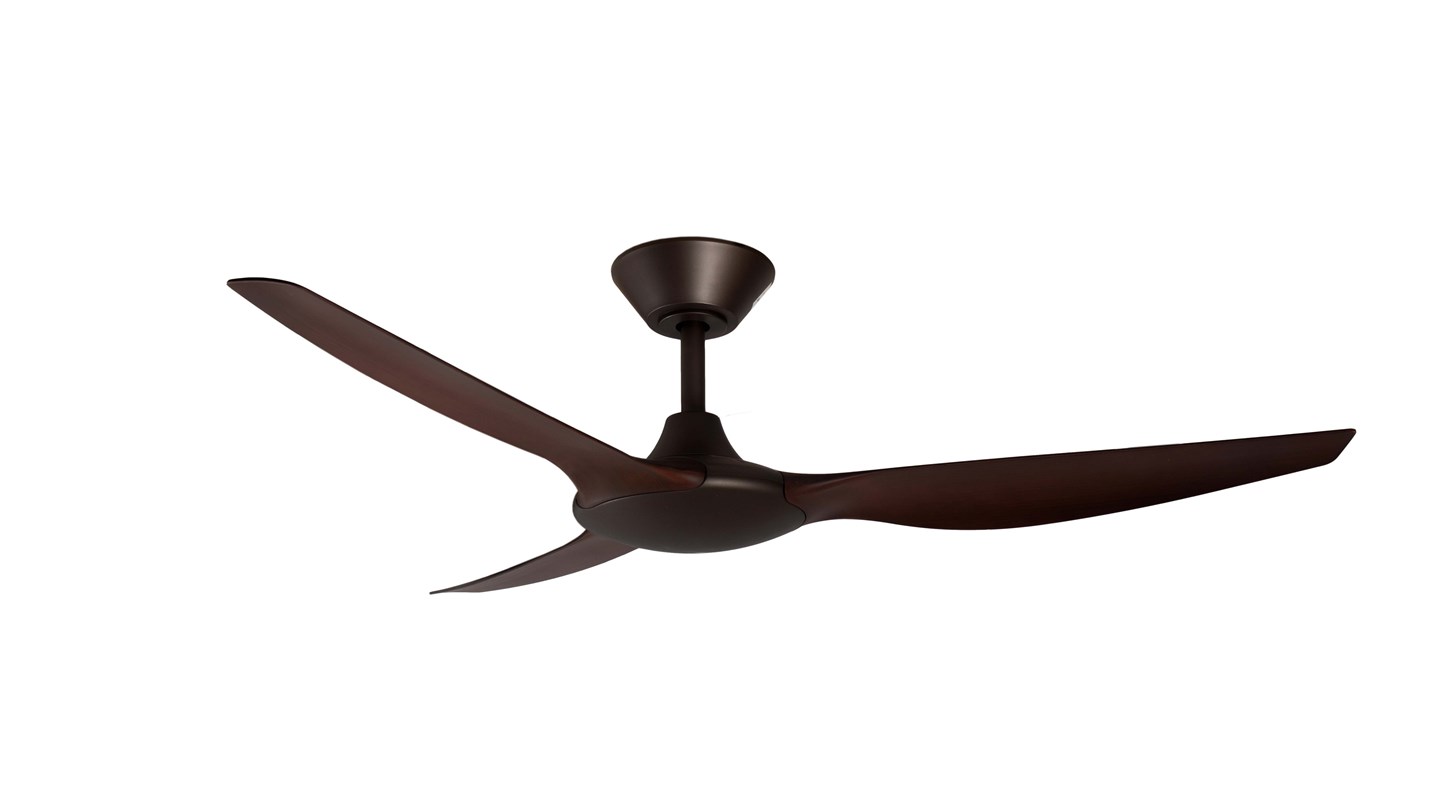
ThreeSixty
Delta
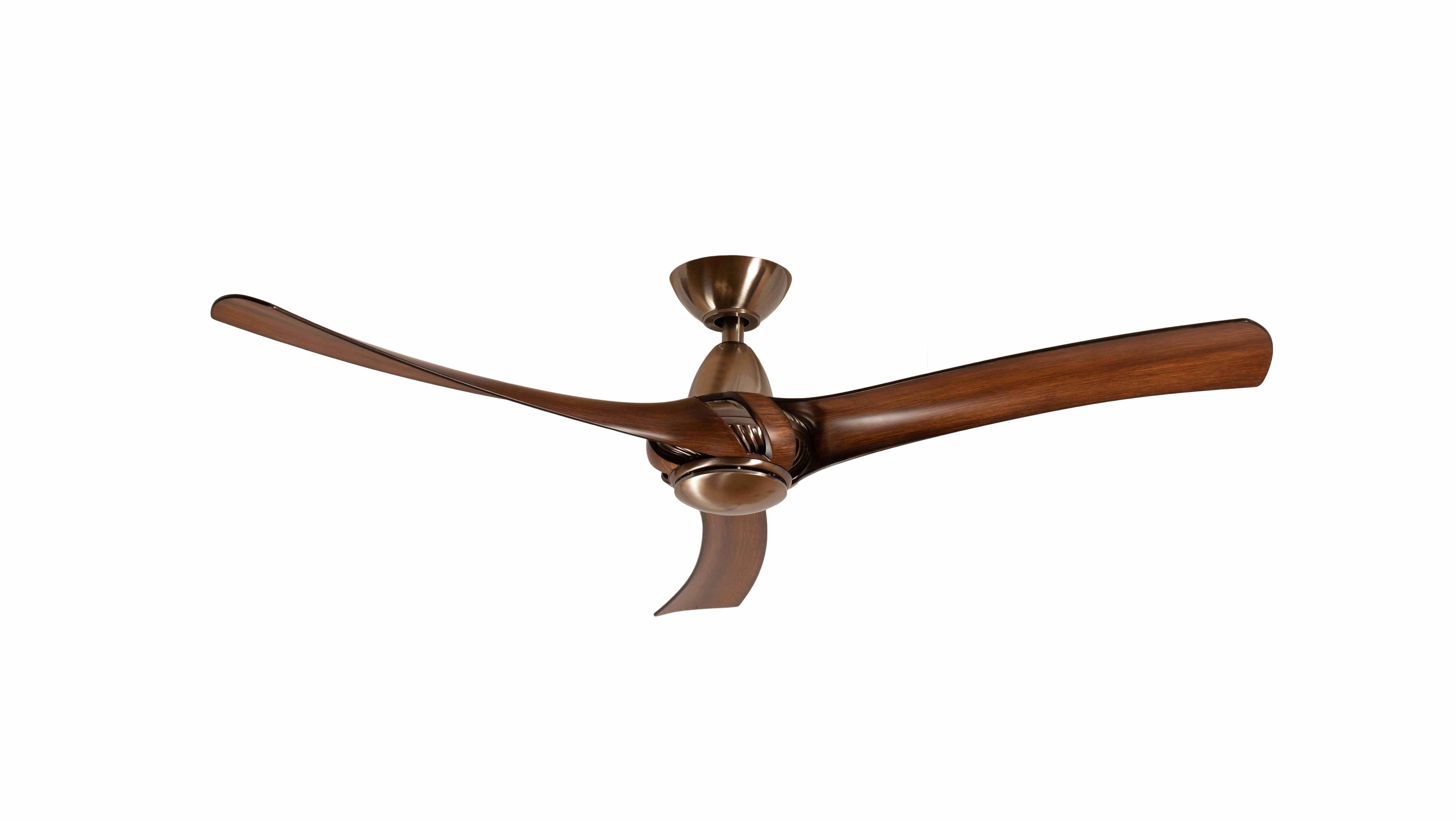
ThreeSixty
Arumi V2
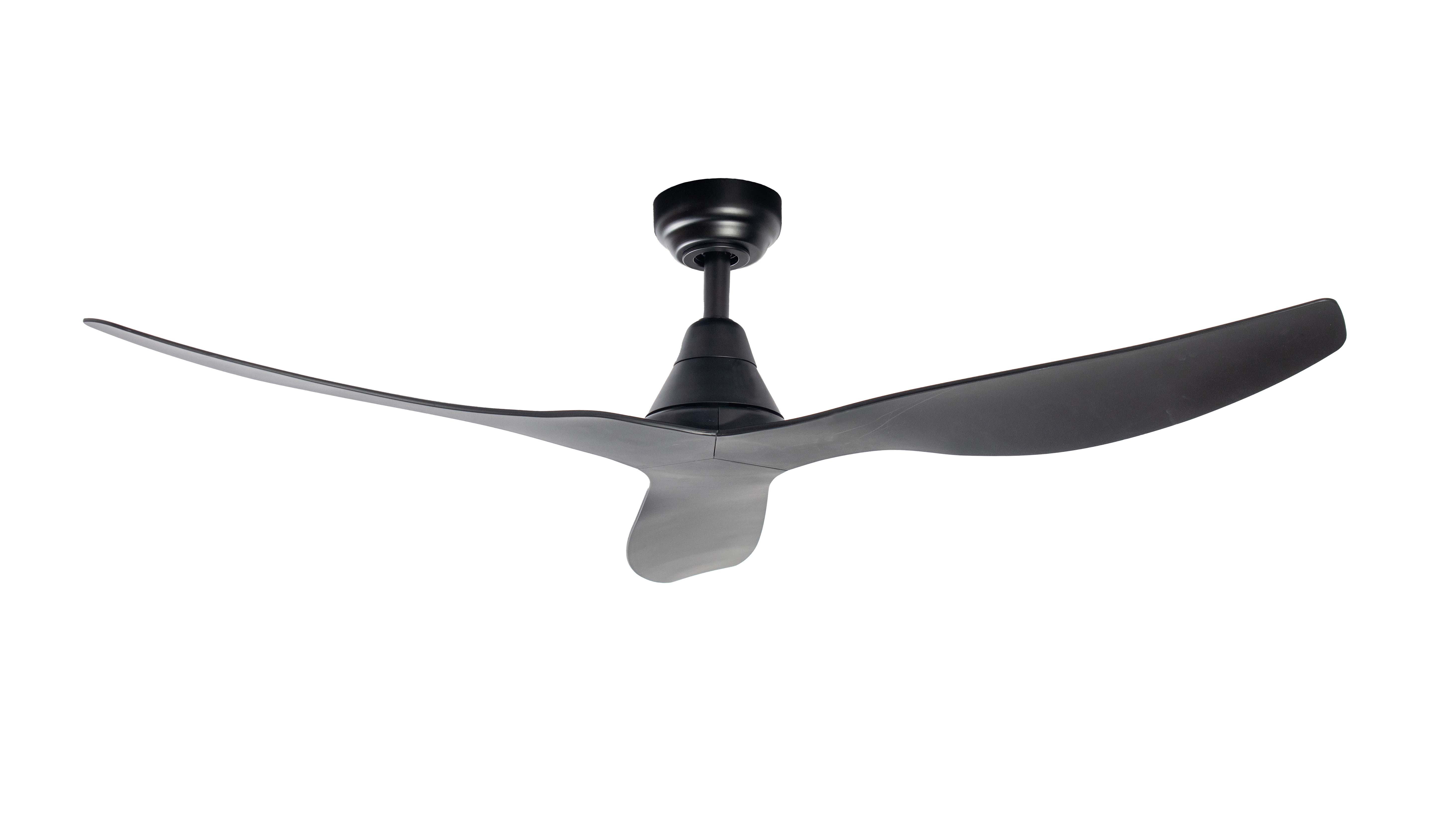
ThreeSixty
Simplicity
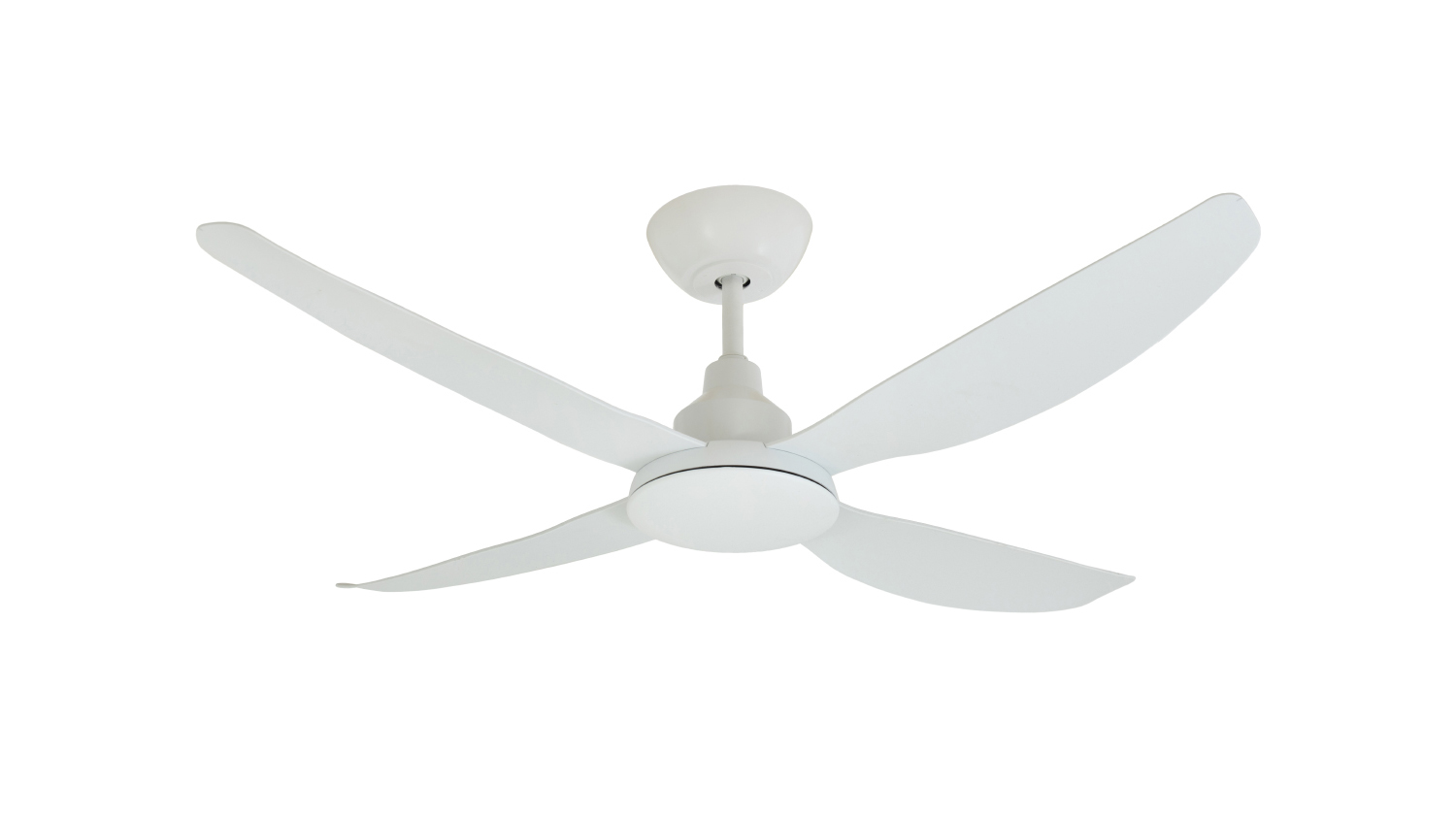
Ventair
Alaska DC
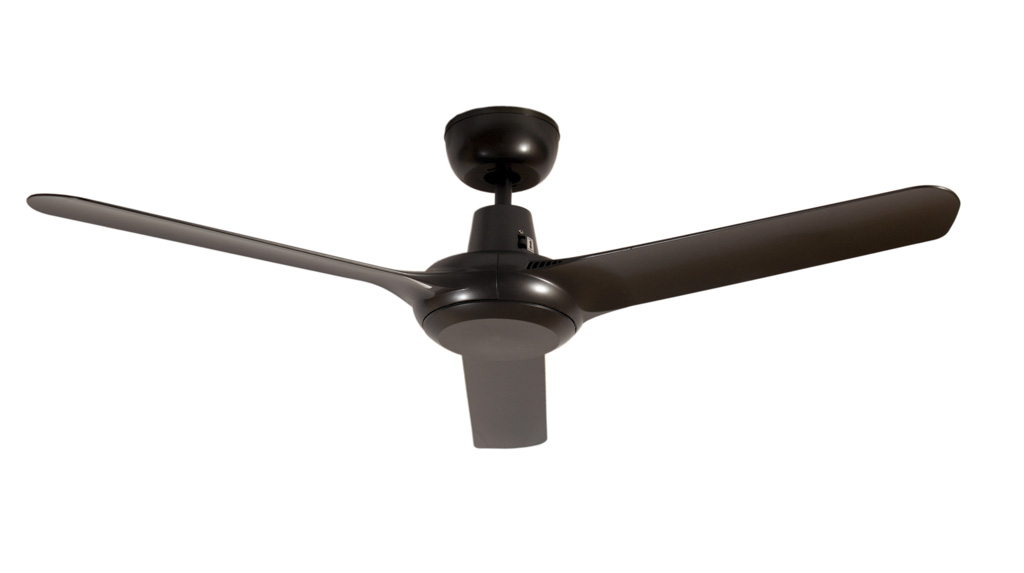
Ventair
Spyda
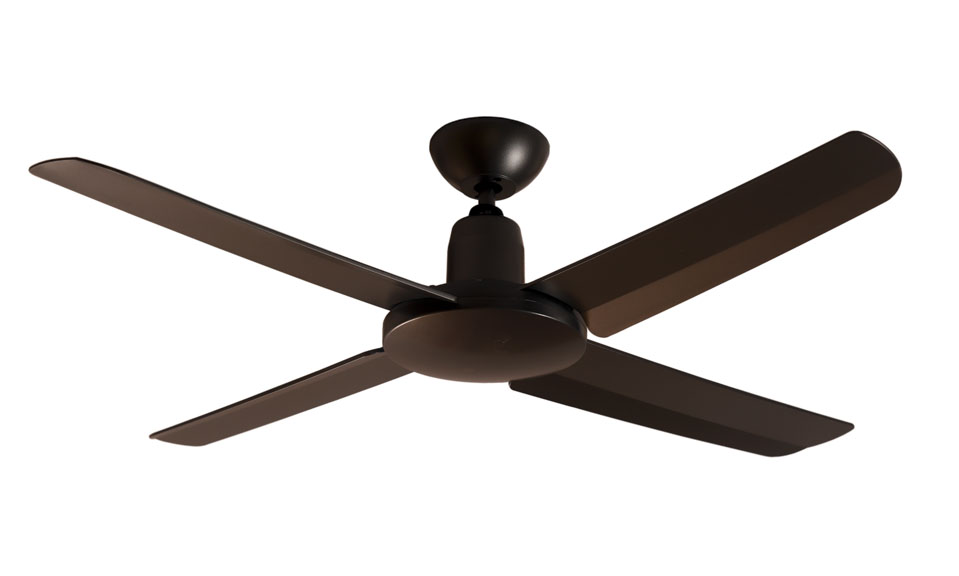
Ventair
Malibu
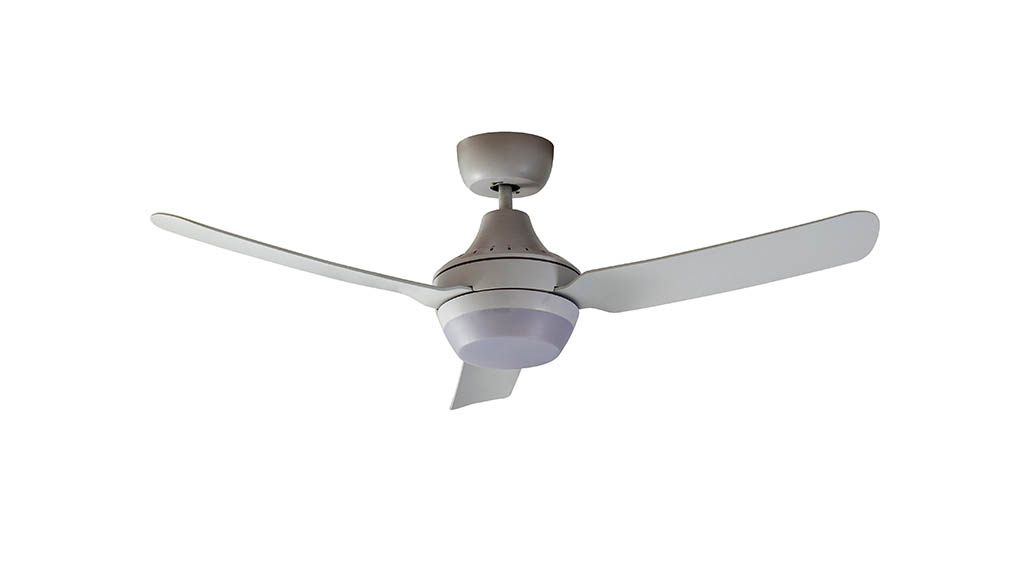
Ventair
Stanza
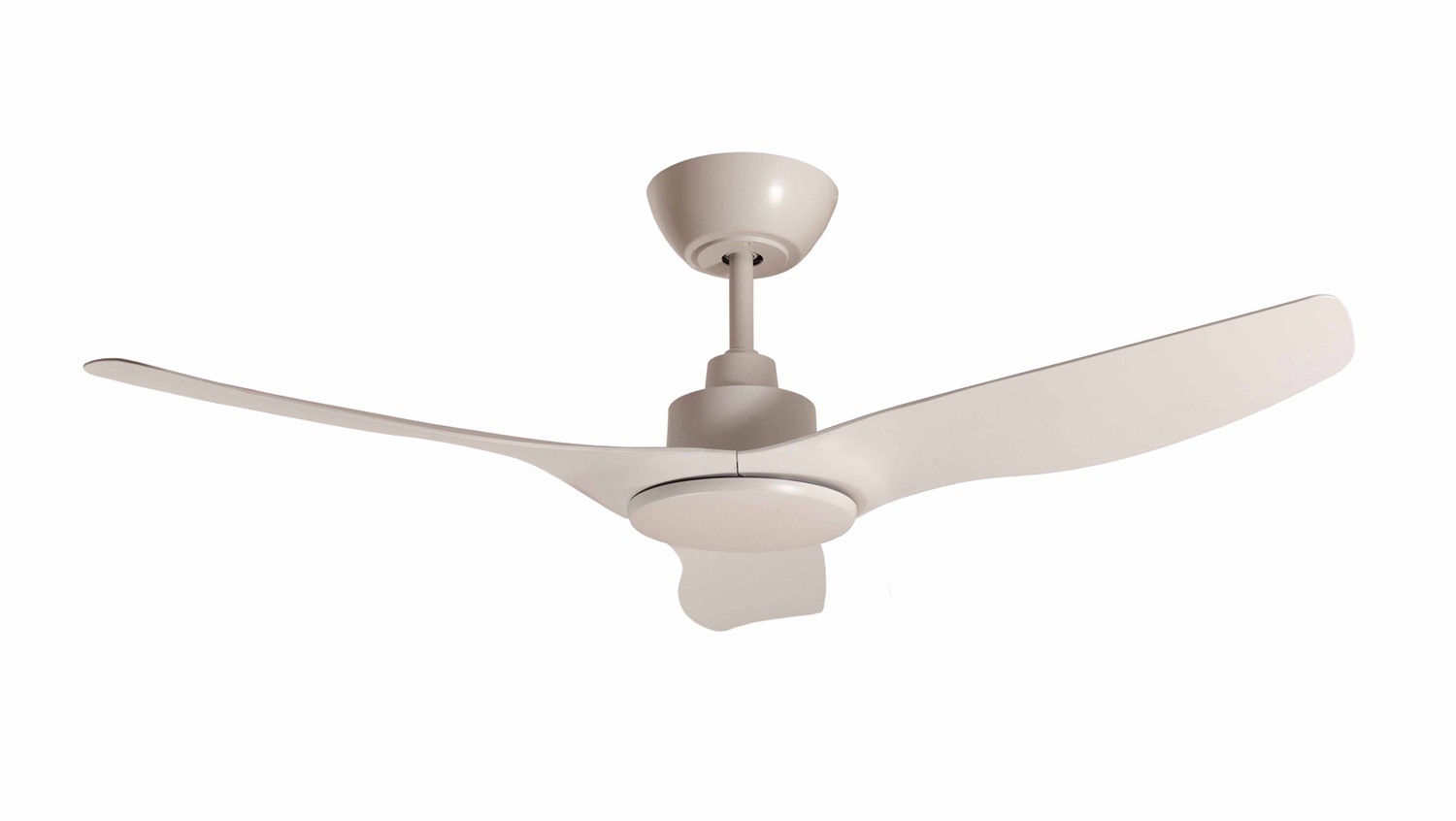
Ventair
DC3 (DC31203WHWC)
Ceiling fans that keep you coolest
We put dozens of fans through their paces in accredited labs to find you the truly cool performers.
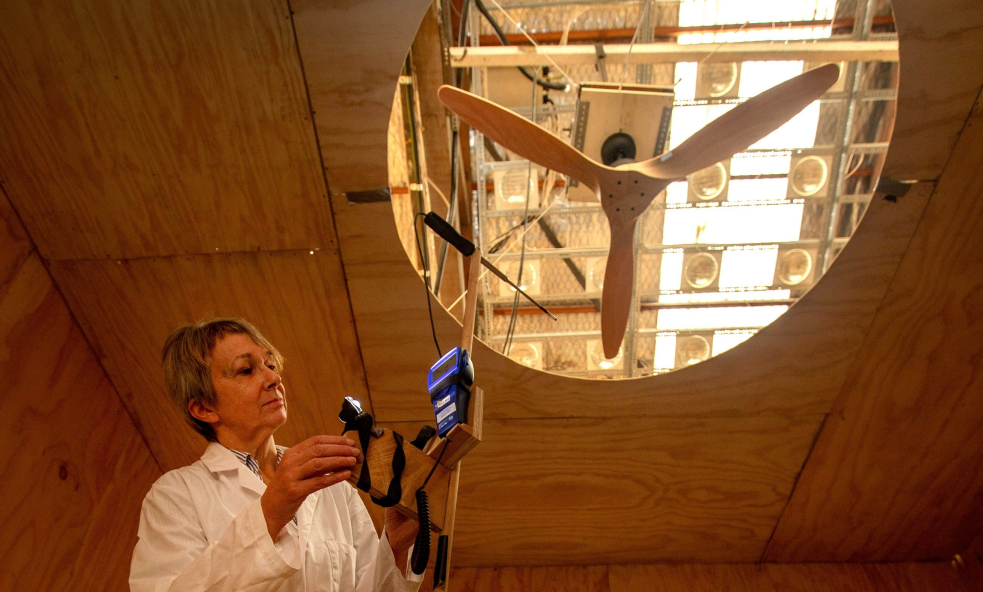
Our experts test and rate

Living room cooling
Which fans work best at a high-speed setting, moving air around a large area during the day
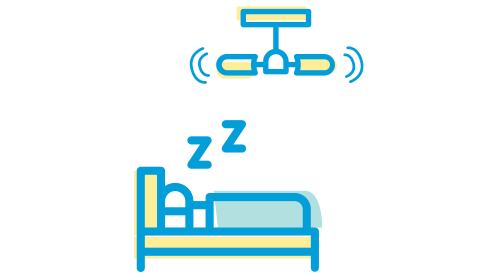
Quietest fans
How well they move air at the lowest setting – without disrupting your sleep
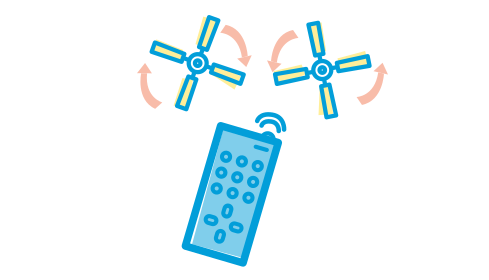
Ease of use
We look at how easy it is to use fan controls, speed settings, and rotational direction
Ceiling fans to avoid
Members can compare all the models we test. Here’s a sample of the ceiling fans we suggest you avoid
Ceiling fans to avoid buying
We give each ceiling fan a CHOICE score made up of:
We score how well the fan works at high speeds. This is the setting that is most likely to be used in a large area during the day.
We test how effective the fan is on its lowest setting, the most common setting for nighttime. Too strong is not ideal and too weak is useless.
Our score is based on how easy it is to use the fan controls, to reverse the fan direction, to move from one speed setting to another, and to follow the installation instructions.
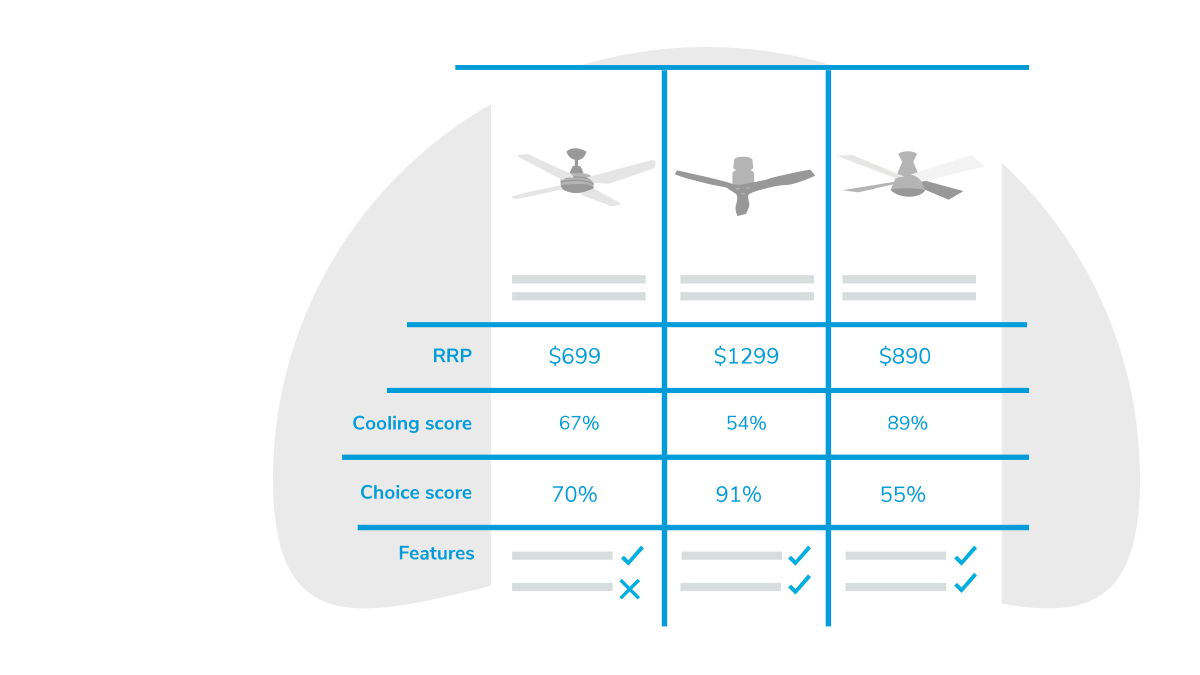
See key features side by side
Make the right decision with our easy comparison tool. Need advice? Our ceiling fans buying guide explains your options.

CHOICE keeps the marketplace honest. Without them, manufacturers will be able to do whatever they want.
Aaron – CHOICE member

They’re here to make a difference and here to make us safe.
Allison – CHOICE member

CHOICE keeps the marketplace honest. Without them, manufacturers will be able to do whatever they want.
James – CHOICE member
Currently, our experts test AC and DC ceiling fans from brands including: Aeratron, Airborne, Arlec, Atlas, Big Ass Fans, Brilliant, Claro, Early Settler, Eglo, Fanaway, Fanco, HPM, Hunter, Hunter Pacific, Kogan, Lucci, Martec, Mercator, Milano, ThreeSixty, Ventair, and more.
Our priority is testing the models you’ll see in stores and major online retailers. To do this, we check current market data to see what’s most popular. We’ll also test models that a lot of members have requested.
Unlike other product review sites, we don’t accept free test models from manufacturers. This allows us to be independent and review without interference. Instead, we buy products from a variety of retailers, then bring them into our labs. This means we get what you’d get, and can be sure the model hasn’t been potentially ‘tweaked’ for better performance.
We put the well-known brands, from Aeratron and Big Ass Fans to Hunter and Vento, through the exact same performance tests. We’re looking for: a powerful ability to move air at high speeds at a high setting (living room performance), gentle but effective air movement when used on a low setting (bedroom performance), plus ease of use. Our overall CHOICE Expert Rating shows you at a glance which brands come out on top.
Our data shows no difference in performance between 3- and 4-blade ceiling fans. We test models with 3, 4, 5 and even 2 blades and have found no real trend based on the number of blades. Choose based on our performance data instead.
Fans are cheaper to run and buy than other options like evaporative coolers and air conditioners. They start from about $70 but are generally priced at about $200 and up, particularly models using a DC motor. Our testers estimate that, if used for 8 hours a day over summer, a ceiling fan costs just $11 to run. By comparison, a 4kW air conditioner used to cool a small room costs roughly $205 and a large air con unit can cost $491. Remember: a ceiling fan can also pull double duty as a handy heating partner, with the ability to move warm air down from the ceiling area of the room down to the living area without creating an uncomfortable breeze when used in winter (reverse) mode.
We’re a nonprofit that’s been supporting Australian consumers since 1959

Buy smarter
The tools you need to find the best brands, avoid poor performers and get help when things go wrong.

Make a difference
Our members are at our heart, funding our independent product testing, journalism and campaigns.

Connect and belong
Join a community of thousands where you can share ideas, get advice and make positive change.
