The facts on fish
How to choose the best fish for your health and the environment.
Last updated: 29 Dec 2016
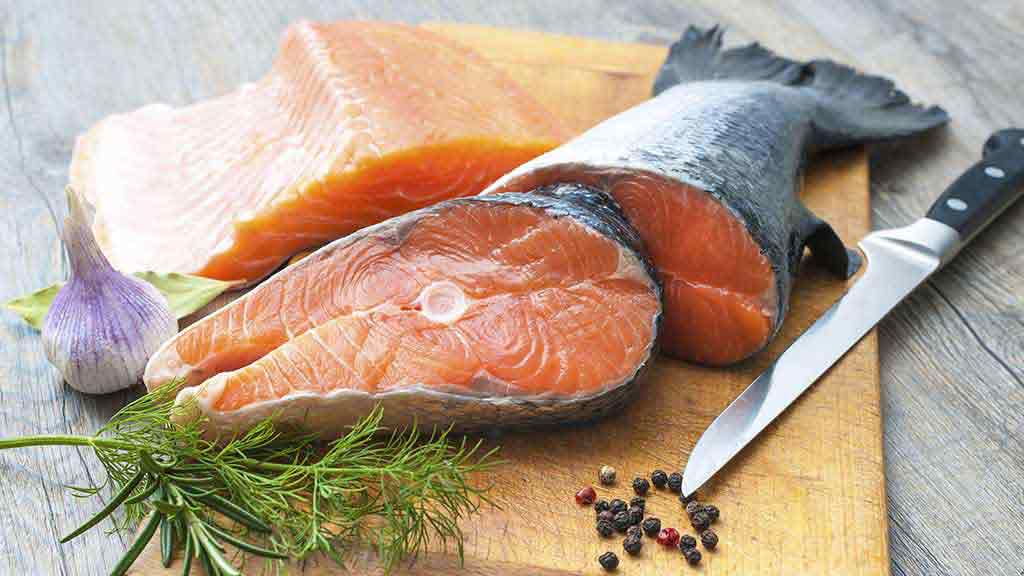
What’s not to love about fish? It’s a source of protein, contains essential vitamins and minerals such as iron, zinc, iodine and vitamin B12, and is low in fat. The omega-3 fatty acids, found in oily types of fish, can even help reduce the risk of heart disease, stroke, dementia and age-related macular degeneration.
On this page:
In short: fish is really good for you. But can you have too much of a good thing?
The bad news is that your favourite fish and chips could potentially include a serve of toxins such as mercury or PCBs. The risk to your health depends on which type of fish you choose, where and how it was caught or farmed, and how often you eat it.
The good stuff: omega-3s in fish
Docosahexaenoic acid (DHA) and eicosapentaenoic acid (EPA) are long chain omega-3 fatty acids found in high quantities in oily fish, such as Atlantic and Australian salmon, blue-eye trevalla, blue mackerel, gemfish, canned sardines, canned salmon and some varieties of canned tuna.
The government’s National Health and Medical Research Council (NHMRC) suggests a dietary target for long chain omega-3 fatty acids of:
- 610mg per day for men
- 430mg per day for women
Heart health
There’s strong evidence that eating oily fish regularly can help to reduce the risk of heart disease and stroke. The National Heart Foundation recommends we aim to include 2–3 serves of fish (including oily fish) per week as part of a heart-healthy diet – it estimates this would provide around 250–500mg of long chain omega-3s per day.
Better brains
Omega-3s are good for the brain development of infants, even before they’re born. Babies breastfed by mothers who regularly eat oily fish or take fish-oil supplements appear to develop better visual function, which is an indicator of improved brain development. There’s also a growing body of evidence that suggests omega-3s may decrease the risk of cognitive impairment and dementia as we get older.
Wider benefits
Other potential health benefits from eating fish have been suggested but the evidence isn’t as strong. These include lowering the risk of rheumatoid arthritis and, less convincingly, depression and asthma.
The bad stuff: toxins in fish
Fish, especially oily fish, can contain low levels of highly toxic pollutants, and farmed fish can be contaminated by antibiotics and other chemicals used to control diseases. The toxins of greatest concern are mercury and PCBs (Polychlorinated Biphenyls).
Mercury
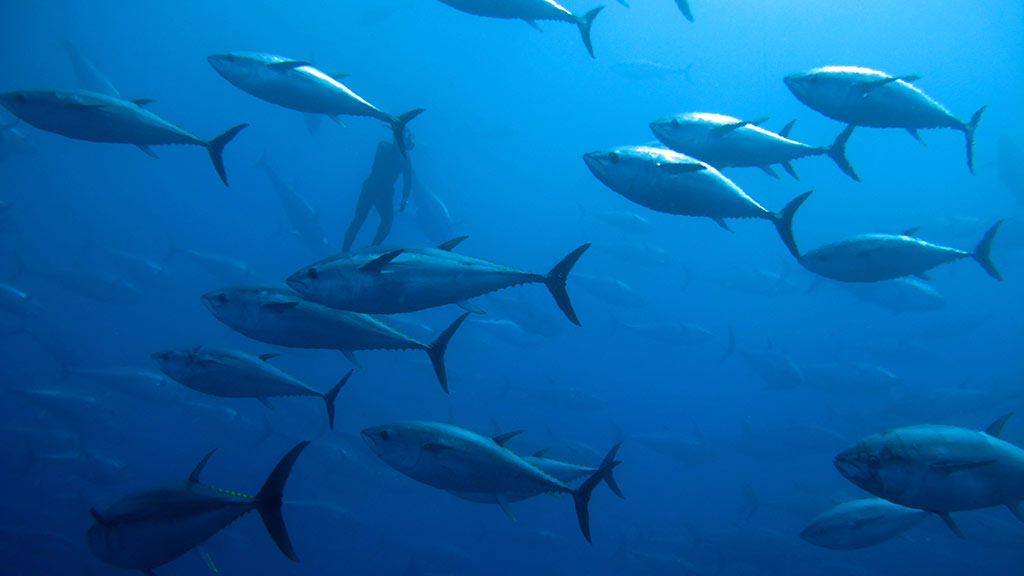
This highly toxic metal can affect brain development in children, even at very low levels. It’s found in small quantities in seawater but it accumulates as methylmercury – the most toxic form of mercury – in the flesh of mature fish at the top of the food chain, such as swordfish, marlin, shark (flake) and some species of tuna. As a rule, small fish are a safer bet if you’re worried about mercury.
As mercury can affect the nervous system, particularly the developing nervous system in unborn babies, you should limit these species in your diet, especially if you’re pregnant. The mercury in fish advisory statement from Food Standards Australia New Zealand (FSANZ) advises pregnant women, women intending to become pregnant and children under six to limit shark, marlin or swordfish intake to no more than one serve a fortnight – and the rest of us should have no more than one serve a week. These species are also best avoided because they’re not likely to be harvested sustainably.
PCBs and dioxins
These chemicals come from industrial pollution and are a known cause of cancer and may be associated with other health risks (and they’re in many foods, not just fish). PCBs may be found in high levels in certain fish, including eel and black bream, in some urban waterways, but dioxin levels in fish in Australia appear to be low compared to international levels.
Chemicals used in aquaculture
Fish farmers use antibiotics and other chemicals to prevent disease and parasite infestations. In 2005, FSANZ randomly tested for chemical residues in both domestic and imported farmed fish. The tests found the fungicide malachite green in three of the 19 domestically farmed fish (16%) and seven of the 41 imported fish (17%). A 2006 test by the Australian Quarantine and Inspection Service (AQIS) found the antibiotic nitrofuran in some imported prawns. Legally these substances can’t be present in food at any level of concentration, yet FSANZ claimed that their findings raised no real public health and safety concerns.
Food imported into Australia is inspected by AQIS at a rate of 5% of consignments. Fish contaminated with prohibited chemicals is rejected, however, 95% of consignments are not routinely tested, nor are most domestically produced fish.
Fresh, frozen or canned?
Can you get the same health benefits (and health risks) from frozen or canned fish, or is fresh always best?
Frozen
While fresh fish is generally better for flavour and texture, frozen fish can be just as nutritious and is a convenient standby that’s quick and easy to prepare.
Crumbed or flavoured frozen fish can be high in sodium and fat; plain, uncoated frozen fillets are the best choice. Processed products like fish fingers don’t always contain as much fish as you’d hope, so check the label.
Tip: If you’re buying ‘fresh’ at the supermarket or fishmonger, you’ll see that some fish has been “thawed for your convenience”. This means it’s been frozen before, so you’ll need to eat it as soon as possible and you shouldn’t freeze it again once you get it home.
Canned
Canned (and frozen) herring, sardines, mackerel and Atlantic salmon still deliver beneficial doses of omega-3.
Tip: Fish products claiming to be a “good source of omega-3s” must contain 60mg or more total EPA and DHA per serving according to the Food Standards Code. But even when products comply with these requirements the actual omega-3 content can vary widely, so it’s best to check the nutrition information panel rather than rely simply on the claims if you’re buying fish for its omega-3 content.
Sustainable seafood
Our seas, marine wildlife and habitats are significantly impacted by overfishing and poor aquaculture practices. There are two main ways of looking at sustainability: is the fish stock sustainable and does the fishing method cause environmental damage?
Fish stocks
Worldwide, the demand for wild fish is now greater than the ocean can supply. Southern bluefin tuna was once cheap and plentiful enough to go into canned tuna; it’s now an expensive rarity.
Australian fisheries are generally well managed, by international standards, but our waters are still overfished. Of 93 fish stocks surveyed in the 2016 Fishery Status Report from the Australian Bureau of Agricultural and Resource Economics, 14 (15%) were classified as overfished or subject to overfishing.
Fishing methods
All fishing has an environmental impact, but some methods can be particularly destructive of fish stocks and other wildlife. Non-selective fishing gear may catch and kill immature fish and unwanted species thrown away as “bycatch”. Dolphins, turtles and seabirds — often vulnerable or endangered species – can become entangled in nets and killed. Lost or abandoned fishing gear continues to catch fish (and other marine life) until it falls apart – a process that can take years.
These commercial fishing methods are of particular concern:
Trawling
Nets are towed behind a boat and dragged along the ocean floor. Trawling can damage the seabed, destroying marine life and habitats on which the fish depend for food. Trawling accounts for about 50% of the fish wasted as bycatch.
Drifting long lines
This method is used to catch tuna, marlin, swordfish and sharks. A main line, which can be a staggering 10-80km long, floats on or near the ocean surface. Along this main line there are numerous branch lines with baited hooks. Dolphins, whales and turtles, as well as endangered seabirds, such as albatross, are at risk of being caught in long lines. Unfortunately “dolphin safe” or “dolphin friendly” claims on fish products aren’t always substantiated. There’s no universal and independent verification of such claims. Undoubtedly many companies try to do the right thing, but there’s no guarantee.
Fish farming
Aquaculture is a big industry in Australia. Snapper, barramundi, southern bluefin tuna, mulloway, Atlantic salmon and trout are grown in sea cages, and prawns are grown in saltwater ponds built in wetlands along Australia’s tropical coast. This might seem like the answer to the problem of dwindling fish stocks, but fish farming raises environmental issues of its own.
- Farmed fish are more crowded than in the wild and therefore more susceptible to disease. Antibiotics and other chemicals are used to control disease outbreaks, and diseases can spread to native fish stocks.
- Farmed fish can escape from sea cages. Atlantic salmon are voracious predators and can wreak havoc on native fish stocks.
- Waste from sea cages can pollute coastal waterways.
- Sea cage fish are fed a diet that uses wild fish, such as sardines and mackerel, to produce fishmeal. It takes 2-4kg of wild fish to produce 1kg of farmed Atlantic salmon. It would seem more responsible to eat the sardines and mackerel instead – and they’re better sources of omega-3s.
Raising fish such as prawns, salmon and barramundi in fully enclosed tanks or ponds seems to be preferable, as the output of waste materials can be controlled. These operations can cause environmental degradation through clearing of mangrove forests and destruction of wetlands, but with appropriate care and expertise, fish farms can be ecologically designed and sustainably operated.
Choosing sustainable seafood
Choosing sustainable seafood can make a big difference, but unfortunately it’s not always simple.
Claims such as “ocean caught”, “wild caught” and “caught at sea” distinguish the product from farmed fish, but they don’t necessarily guarantee that the fish comes from sustainable sources. Making sustainable choices is also hindered by confusing country-of-origin labels such as “processed in China from imported ingredients”, “made in Australia from imported and local ingredients” and “processed in Vietnam from sea-farmed Barramundi from the Pacific Ocean region”.
Here are our top tips for making sustainable seafood choices:
- Look for the Marine Stewardship Council (MSC) certification logo on cans and packaging. The fish in MSC-certified products comes from fisheries that meet international standards for sustainable fishing and seafood traceability.
- Use the Australian Marine Conservation Society’s Sustainable Seafood Guide (book, website or app) to make smarter choices while shopping.
- Avoid eating endangered, vulnerable and heavily-fished species, including flake, tuna, swordfish and dory.
- Opt for species with healthier population numbers, such as Australian salmon, whiting, mullet and flathead.
- Ask your fishmonger or the person behind the supermarket deli counter which fish, if any, is in season, and where and how the fish was caught or farmed. Just letting the seller know that customers are interested in sustainability might have an impact on the fish they choose to stock in future.
Rachel Clemons is an award-winning journalist who worked at CHOICE from 2004–2022.
During her time at CHOICE her core focus was on food and nutrition, from reviewing breakfast cereals and fast food to dispelling myths about the benefits of detox kits and gourmet salt or translating confusing food labels – with the occasional taste test thrown in for good measure.
Prior to CHOICE she lived overseas, working predominantly in hospitality when she wasn't travelling and eating her way through various cuisines. She holds a Master of Science in Nutrition from King's College London (where she also researched and wrote for CHOICE's UK sister organisation, Which?), and a Bachelor of Science, Health Sciences from the University of Adelaide.
In 2017 she won the Dietitians Association of Australia's Nutrition Journalism Award and she's currently on the Steering Committee as a Parent Member of Parents' Voice.
You can find her on Twitter and LinkedIn.
Rachel Clemons is an award-winning journalist who worked at CHOICE from 2004–2022.
During her time at CHOICE her core focus was on food and nutrition, from reviewing breakfast cereals and fast food to dispelling myths about the benefits of detox kits and gourmet salt or translating confusing food labels – with the occasional taste test thrown in for good measure.
Prior to CHOICE she lived overseas, working predominantly in hospitality when she wasn't travelling and eating her way through various cuisines. She holds a Master of Science in Nutrition from King's College London (where she also researched and wrote for CHOICE's UK sister organisation, Which?), and a Bachelor of Science, Health Sciences from the University of Adelaide.
In 2017 she won the Dietitians Association of Australia's Nutrition Journalism Award and she's currently on the Steering Committee as a Parent Member of Parents' Voice.
You can find her on Twitter and LinkedIn.