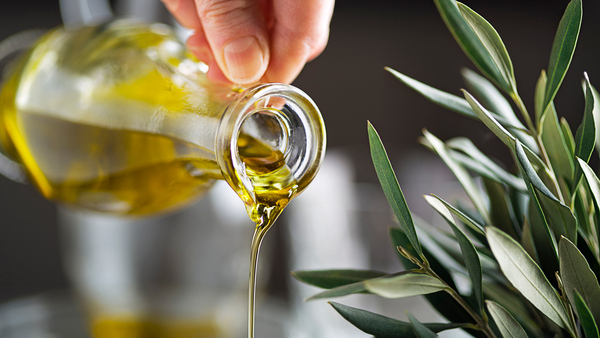
Extra virgin olive oil is widely recognised as being the gold standard for quality, flavour and health benefits. This heart-healthy oil is extracted from good quality olives by a mechanical process without using chemicals or excessive heat to ensure that it retains its nutritional value. It’s both complex and versatile, and can be used for everything from salads to desserts.
We put 25 extra virgin olive oils to the test to see if they meet international standards, and find out which oils taste best.
Is olive oil good for you?
The short answer is yes.
Olive oil is rich in heart-healthy monounsaturated fats, which can help lower your blood LDL (bad) cholesterol when they replace saturated fats in your diet.
It contains many more compounds that are beneficial to your health, including plant sterols and polyphenols which have strong antioxidant properties, and it’s thought that olive oil consumption may have a protective role against development of a variety of cancers.
Studies have also shown that olive oil may have additional beneficial effects on blood pressure and chronic conditions such as rheumatoid arthritis.
It’s a healthier substitute for butter or palm oil, which are high in saturated fats. But bear in mind that it still contains the same amount of kilojoules (calories) as any other fat – roughly 37kJ (9 calories) per gram. A tablespoon (20mL) of olive oil is about 740kJ (180 calories).
What makes olive oil ‘extra virgin’?
For an olive oil to be classified as ‘extra virgin’ it must meet certain chemical criteria and be free from taste defects as determined by an accredited sensory panel, according to the International Olive Council (IOC).
We carried out sensory analysis and three different chemical tests of the oils using IOC-approved methods – tests that are designed to check for signs of:
fruit damage
poor harvesting operations
poor storage of fruit or oil before processing or bottling
refining (such as bleaching or deodorising)
deterioration due to ageing
deterioration due to poor storage of the bottled oil.
Any of these issues could mean the oil isn’t of extra virgin quality when you buy it – even if it’s within its labelled best-before date.
The 22 oils that passed the chemical and sensory tests went on to be assessed in a show judging-style blind tasting. Trained tasters rated the oils out of 100, looking for well-balanced oils with good taste, aromas and fruity flavours.
Seven oils achieved silver (75–84%) or gold medal (85–100%) status in our show judging, and are recommended by CHOICE. They are:
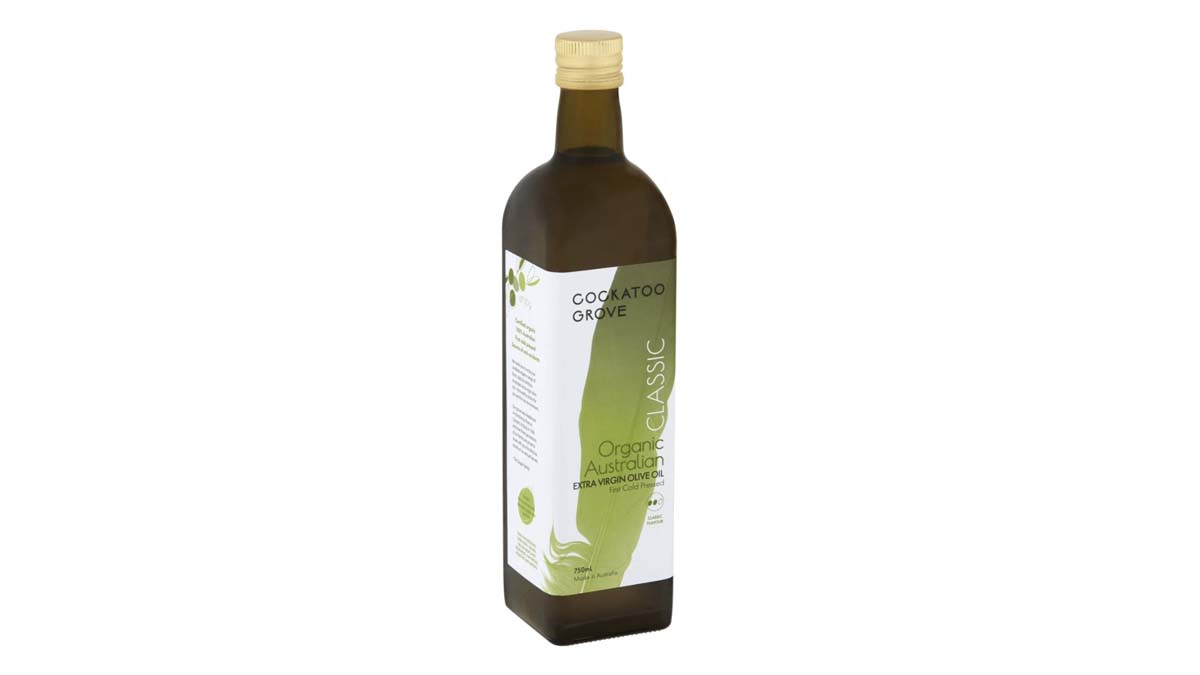
Cockatoo Grove Organic Australian Extra Virgin Olive Oil
CHOICE score: 87%
Price: $18 for 750mL ($2.40 per 100mL)
Tasting notes: “Intense green flavours of fresh herbs, grass, green apples, green tomato, green almond, tea and mint with excellent transfer to palate and smooth mouthfeel. Slowly developing and lingering pungency with a long pepper finish.”
Need to know: It’s certified organic, and is the only oil we tested to achieve gold medal status. It’s also among the most expensive in our test.
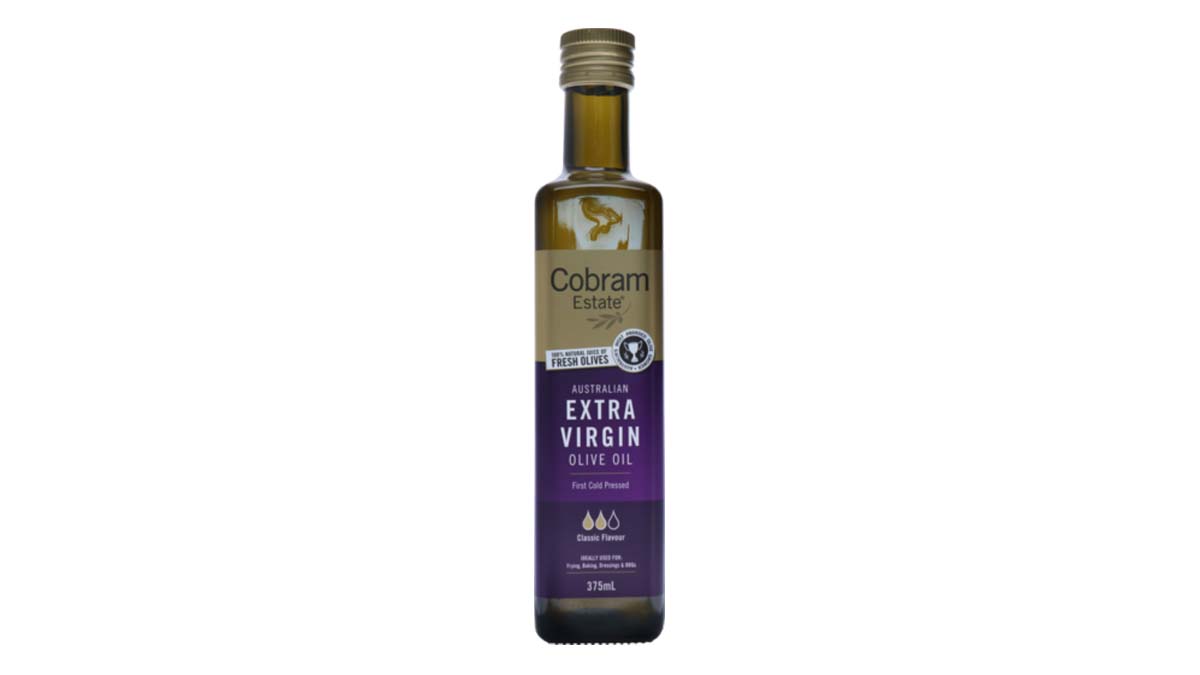
Cobram Estate Extra Virgin Olive Oil Classic Flavour
CHOICE score: 83%
Price: $18 for 750mL ($2.40 per 100mL)
Tasting notes: “Herbaceous oil with flavours of grass, salad leaves and green banana which transfer well to palate. Green oil with a gentle warm peppery finish.”
Need to know: A consistently high quality oil, Cobram Estate Classic received a CHOICE recommendation when we last tested oils in 2017. It’s available in 375mL, 500mL (Aldi only) and 750mL bottles, as well as a 3L tin.
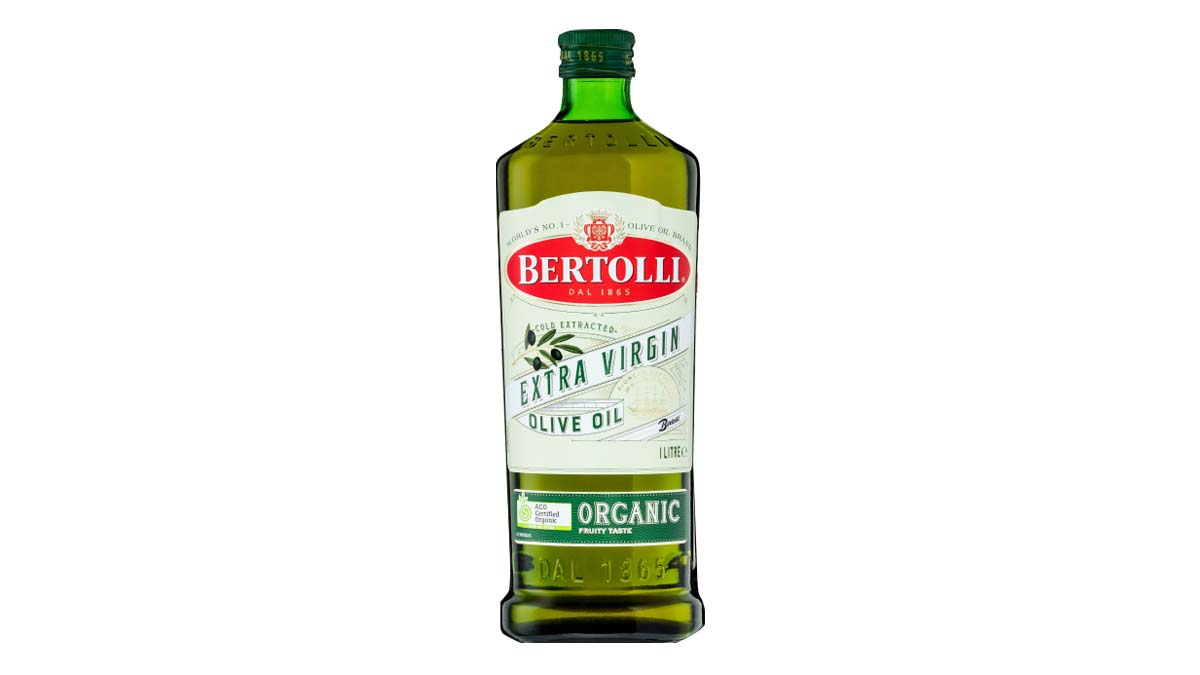
Bertolli Extra Virgin Olive Oil Organic Fruity
CHOICE score: 83%
Price: $22 for 1L ($2.20 per 100mL)
Tasting notes: “Green oil with flavours of cut grass, tomato leaf, dry rocket. Pleasant oil with subtle transfer of flavours. Harmonised bitterness and pungency with lingering warm finish.”
Need to know: This Italian oil is certified organic. The Bertolli brand has been around for more than 150 years.
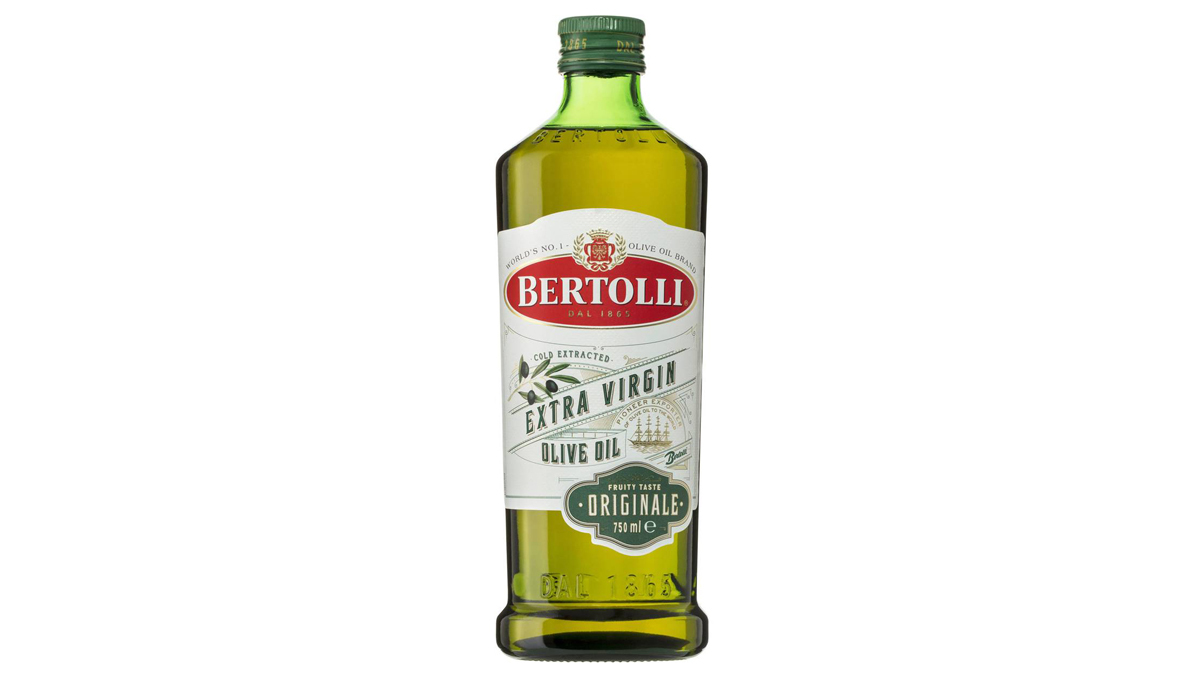
Bertolli Extra Virgin Olive Oil Originale
CHOICE score: 82%
Price: $16.50 for 750mL ($2.20 per 100mL)
Tasting notes: “Mint, grass, passionfruit and blackcurrant fruity flavours with excellent transfer. A very well balanced oil with lingering warmth.”
Need to know: Bertolli is the world’s best-selling olive oil in terms of retail value sales.
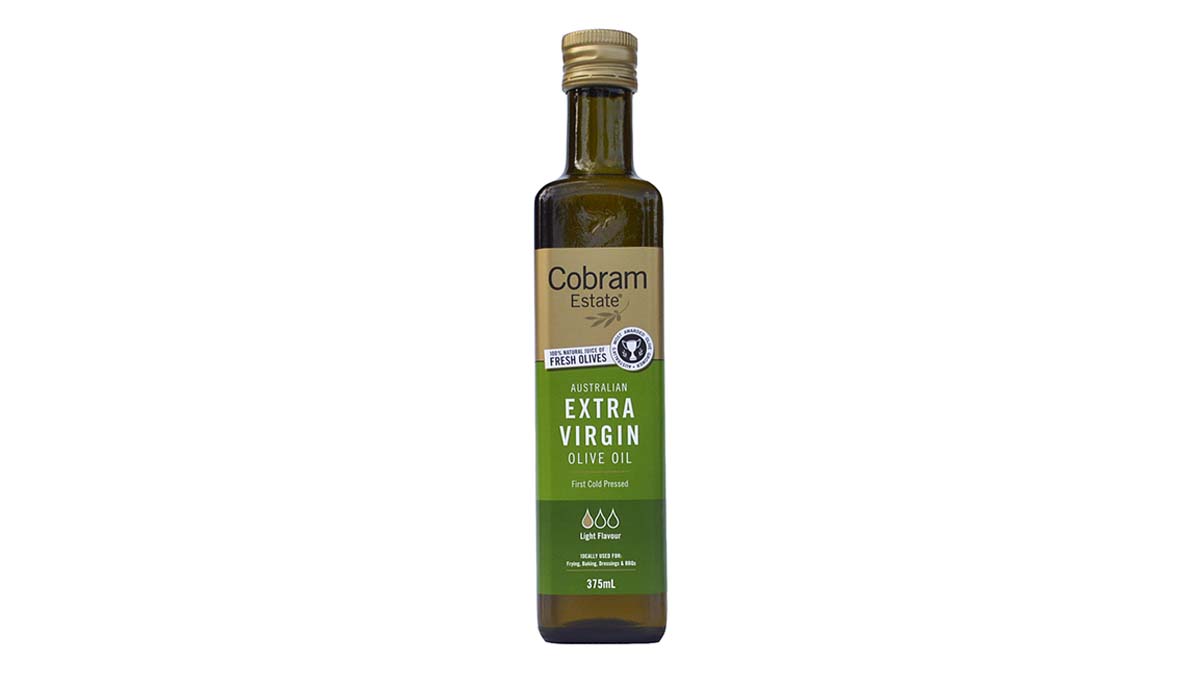
Cobram Estate Extra Virgin Olive Oil Light Flavour
CHOICE score: 81%
Price: $18 for 750mL ($2.40 per 100mL)
Tasting notes: “Tropical paw paw and spice flavours with some ripe fruit sweetness. Good transfer to palate with a spiced finish.”
Need to know: The word ‘light’ in its product name refers to flavour intensity, not calories.
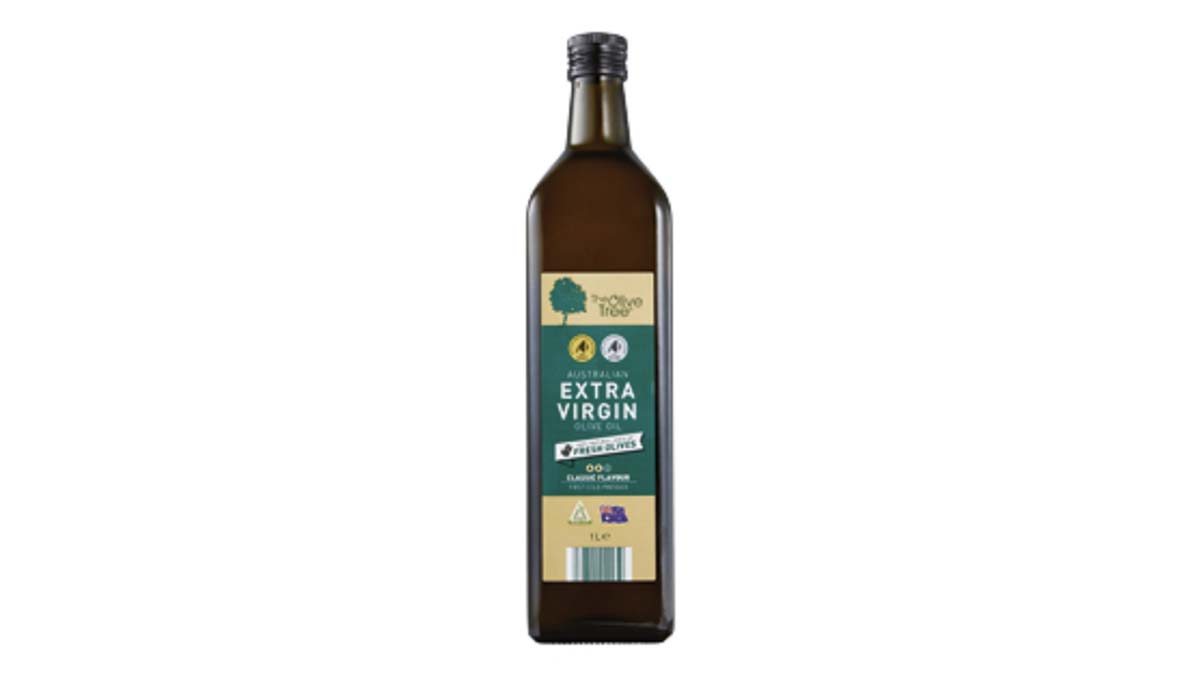
Aldi The Olive Tree Australian Extra Virgin Olive Oil Classic Flavour
CHOICE score: 77%
Price: $8.99 for 1L ($0.90 per 100mL)
Tasting notes: “Herbaceous fresh oil with aromas of apple, tomato, grass, rocket and banana and hints of passionfruit and spices. Good transfer to palate with lingering warm pungency.”
Need to know: Not only did this oil achieve silver medal status, it’s one of the cheapest oils we tested.
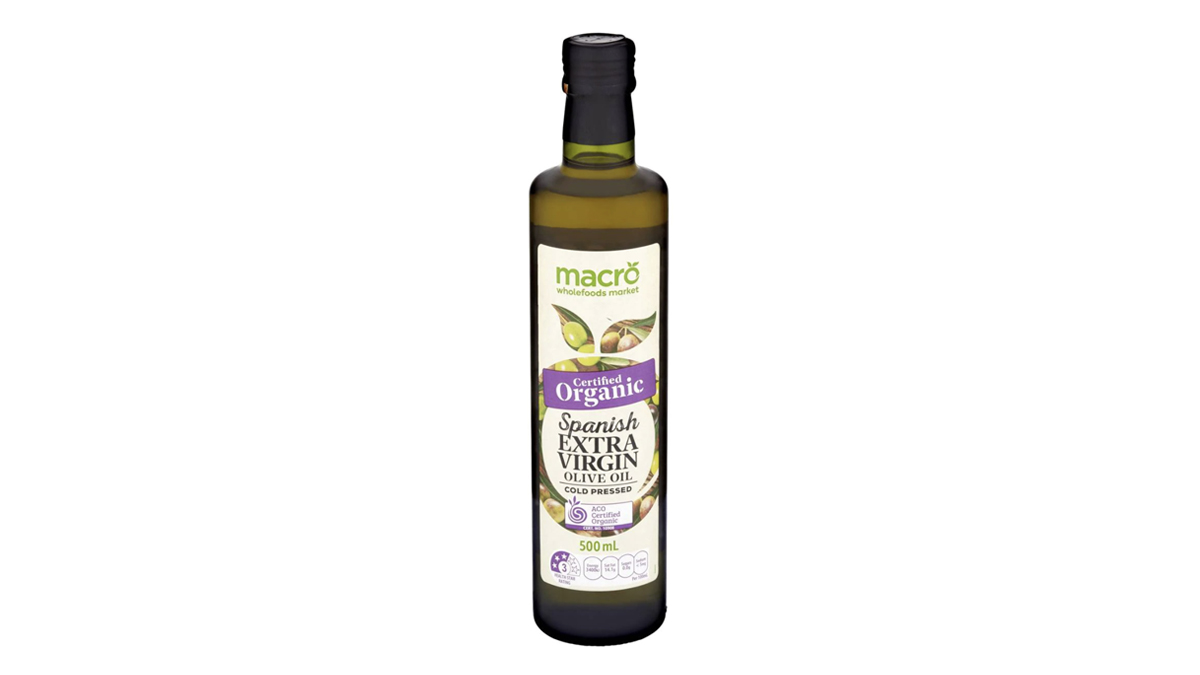
Woolworths Macro Organic Spanish Extra Virgin Olive Oil
CHOICE score: 76%
Price: $5 for 500mL ($1.00 per 100mL)
Tasting notes: “Herbaceous nose with some complex flavours of passionfruit, fig leaf, mint and guava. Good medium style bitterness and pungency. Rich buttery mouthfeel.”
Need to know: It’s certified organic, and although it’s not available in a large bottle it’s still among the cheapest oils in our test.
Sensory and chemical test failings
Three oils weren’t included in the show judging because their chemical or sensory test results fell outside the parameters for extra virgin olive oil as specified in the IOC trade standard, meaning they were classified as ‘virgin’. We sent results to the companies for their review.
The IOC-accredited sensory panel detected a “rancid” defect in Always Fresh Extra Virgin Olive Oil, with a score that fell outside permissible limits as defined by the IOC Trade Standard for extra virgin olive oil. A rancid defect is described by the IOC as the “flavour of oils which have undergone an intense process of oxidation”.
A spectrophotometer is used to measure UV absorption.
In chemical testing the same oil returned a result for one of the three components of the ultraviolet (UV) light absorption test that was higher than the limit specified in the IOC standard, indicating the oil may have degraded during storage – despite it being well within its labelled best-before date.
Responding to our communications, Always Fresh distributor Riviana Foods provided us with the analysis certificate from 2020 for the same batch that we tested, confirming that it met the IOC Trade Standard specifications for extra virgin olive oil at that time. More recent annual testing conducted on a batch of olive oil bottled in January 2021, which had been maintained in a controlled environment, reported that it met extra virgin requirements.
Riviana Foods expressed concern that the oil we tested hadn’t been stored appropriately, “in a cool and dark place, unrefrigerated, to minimise degradation of quality”. As the only oil of the 25 products we tested to be sold in a clear – rather than coloured – glass bottle, careful storage would be particularly important to help minimise its exposure to light.
“We have conducted a trace exercise for that batch and found that the oil was delivered to our NSW warehouse in December 2020 (and kept in enclosed cartons and stored in accordance with the instructions on labels), with store transfers occurring from then until July 2021,” Riviana Foods told us.
“Our supplier has highlighted that the length of time between bottling (August 2020) and when the NSW DPI testing was presumably conducted could have caused some level of degradation and also a misleading result.”
It’s worth noting that Always Fresh is available in Metcash stores (such as Foodland, Foodworks and IGA) where product turnover may be lower than that in larger supermarket chains.
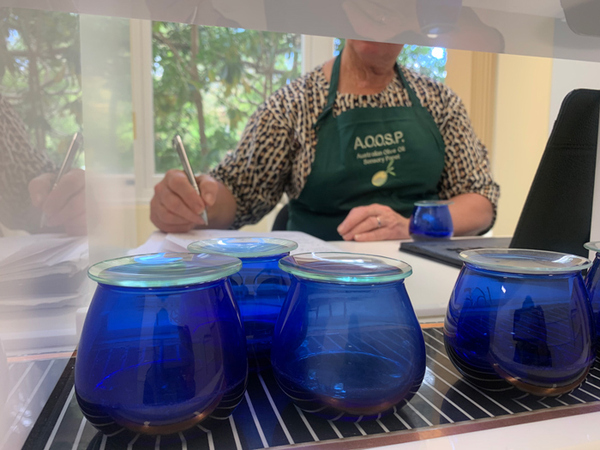
Blue glasses are used in sensory testing to eliminate potential oil colour bias.
The sensory panel detected a “fusty/muddy sediment” defect in Goodman Fielder’s Olive Grove Extra Virgin Olive Oil as well as Woolworths Australian Extra Virgin Olive Oil, both with scores that fell outside IOC Trade Standard permissible limits.
According to the IOC, this defect is “the characteristic flavour of oil obtained from olives piled or stored in such conditions as to have undergone an advanced stage of anaerobic fermentation, or of oil which has been left in contact with the sediment that settles in underground tanks and vats and which has also undergone a process of anaerobic fermentation”.
Goodman Fielder and Woolworths were both contacted for comment.
Unlike wine, extra virgin olive oil doesn’t improve with age. It instead starts to deteriorate from the moment it’s pressed from the fruit, affecting both taste and nutritional value, so freshness is essential to the oil’s quality. The closer to its production you use it, the better.
‘Harvested on’ or ‘pressed on’ dates are the best indication of oil freshness, but few products have them on the label, so we’re reliant on the accuracy of the best-before date – a prediction of the length of time a product will retain its quality parameters (a timeframe also known as shelf life). IOC guidelines recommend that best before dates are limited to 24 months after bottling, and a ‘two years from bottling’ rule of thumb for best-before labelling is commonly used.
But different oils degrade at different rates, depending on their chemical composition. Testing of Australian olive oils over five years, for example, found that the true potential shelf life of oil kept in ideal conditions ranges from as low as six months to more than 30 months, with only 40% of oils showing a potential shelf life of more than 18 months. A best-before date of two years from bottling might therefore be optimistic.
There are models for predicting shelf life via a series of quality tests done at the time of bottling, and in some jurisdictions a best before date must be supported by technical evidence, but these tests can be expensive – perhaps prohibitively so for smaller producers. Importantly, these models work on the assumption that oils are stored in ideal conditions, which in reality is not often the case. So the formulas used to forecast shelf life need to be tweaked accordingly.
We should be able to trust that when we buy an extra virgin olive oil, it’s exactly that. As consumers, we have no control over the transport and storage of oils before we buy them – poor handling during this time is an issue for producers to follow up with distributors and retailers.
All we have to go on when selecting a good quality oil – other than the brand – is the date marking on the label. And unfortunately current labelling requirements don’t help us choose the freshest.
We’d like to see extra virgin olive oil producers provide pressed-on or harvest dates on their labels, in conjunction with realistic best-before dates based on an objective test.
Top 5 tips for choosing and using olive oil
Buy the freshest oil you can. Where possible, purchase from stores likely to have a high turnover, and look for a “harvested on” date, as best-before dates aren’t necessarily a good indicator of freshness.
Don’t buy oils from stores where they’ve been displayed near heat sources (such as refrigerator motors) or in a shop window where they’re exposed to direct sunlight.
Store in a cool dark place at home (i.e. not next to the stove/oven/window).
Keep your oil tightly stoppered, avoiding exposure to air as much as possible.
Use it in a timely manner, preferably within six months of opening. As a rule of thumb, buy a container size that matches your monthly consumption.
Jargon buster
“Virgin” olive oil is extracted from olives by a mechanical process without using chemicals or excessive heat to make sure it’s not altered and that it retains its nutritional value.
“Extra virgin” olive oil, in addition to the above, has low acidity (0.8% or less) and should comply with other technical specifications, as well as being free from taste defects.
“Cold pressed” and “first press” are outdated and unhelpful marketing terms. All virgin oils have to be “cold extracted” – extracted from the olive without the use of excessive heat (manufacturers can extract more oil from olives with heat but the quality suffers). Traditional hydraulic presses have been almost entirely replaced by centrifuges, and all virgin oil comes from a single extraction – there’s no second press.
Rachel Clemons is an award-winning journalist who worked at CHOICE from 2004–2022.
During her time at CHOICE her core focus was on food and nutrition, from reviewing breakfast cereals and fast food to dispelling myths about the benefits of detox kits and gourmet salt or translating confusing food labels – with the occasional taste test thrown in for good measure.
Prior to CHOICE she lived overseas, working predominantly in hospitality when she wasn't travelling and eating her way through various cuisines. She holds a Master of Science in Nutrition from King's College London (where she also researched and wrote for CHOICE's UK sister organisation, Which?), and a Bachelor of Science, Health Sciences from the University of Adelaide.
In 2017 she won the Dietitians Association of Australia's Nutrition Journalism Award and she's currently on the Steering Committee as a Parent Member of Parents' Voice.
You can find her on Twitter and LinkedIn.
Rachel Clemons is an award-winning journalist who worked at CHOICE from 2004–2022.
During her time at CHOICE her core focus was on food and nutrition, from reviewing breakfast cereals and fast food to dispelling myths about the benefits of detox kits and gourmet salt or translating confusing food labels – with the occasional taste test thrown in for good measure.
Prior to CHOICE she lived overseas, working predominantly in hospitality when she wasn't travelling and eating her way through various cuisines. She holds a Master of Science in Nutrition from King's College London (where she also researched and wrote for CHOICE's UK sister organisation, Which?), and a Bachelor of Science, Health Sciences from the University of Adelaide.
In 2017 she won the Dietitians Association of Australia's Nutrition Journalism Award and she's currently on the Steering Committee as a Parent Member of Parents' Voice.
You can find her on Twitter and LinkedIn.
For more than 60 years, CHOICE has been fighting the good fight for Australian consumers.
In the past year alone we've uncovered systemic issues with sunscreens, investigated shonky supermarket pricing, fought for stronger scam protections and helped make complex energy pricing fairer and clearer.
CHOICE is here to provide unbiased advice and independent testing in our world-class labs. We buy the products we test, just like you do, and our expert reviews are influence free. We’re here to help you choose smarter. Hopefully you’ll also save some money along the way.
Thanks to CHOICE, you’ll never be alone when a business treats you unfairly. You can support our work by joining or donating to our cause.