Increasing portion sizes

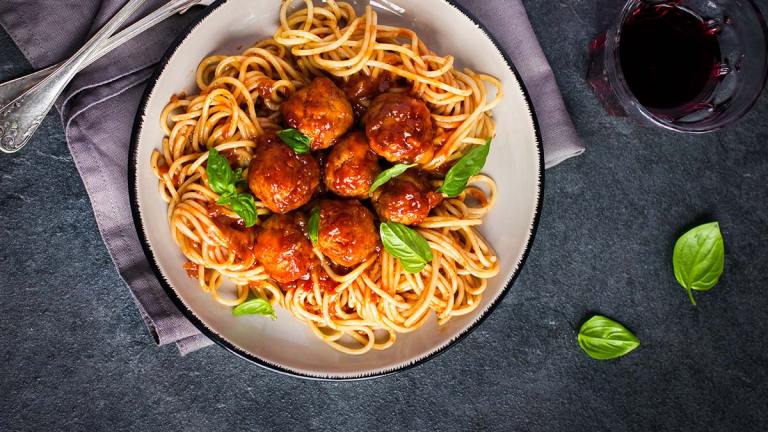
Food portion sizes are increasing, and so are our waistlines. We investigate the connection.
 
Get access to all CHOICE BENEFITS
$1.91/wk
*Billed quarterly


03.Beat portion distortion

To help reduce portion distortion – and control kilojoule intake:

  • Eat from smaller plates and bowls and use smaller spoons for serving and eating. One US study found that switching from a 10- to a 12-inch dinner plate (equivalent to switching from a 25cm to 30cm plate) caused people to consume 22% more calories at a meal. Australian research has shown that reducing portion sizes is an effective technique for weight loss.
  • Drink from tall narrow glasses rather than short wide glasses. Studies have found that people pour 28-77% more into short wide glasses.
  • Pre-portion your foods. Don’t eat directly from a box or bag or container that contains multiple servings of a food such as a family size bag of chips or a tub of ice cream. It’s hard to keep track of how much you’re eating so it's easy to overeat.
  • Don’t have second helpings.
  • Choose the smallest container/cup/plate on offer when buying takeaways. They usually contain more than enough food (and kilojoules).
  • Don’t be tempted by value meals or supersized/king-sized portions. They may be good value for money, but they’re often bad bargains in terms of kilojoules.


How to comment

Here's your chance to join in the debate. Just click in the comment box and let the CHOICE Community know what you think, or view all of the comments on this article.

Reporting offensive comments

If you see something offensive or something that just shouldn't be there, hit the report button and let us know immediately. View the Terms of use for user comments.


Make a Comment