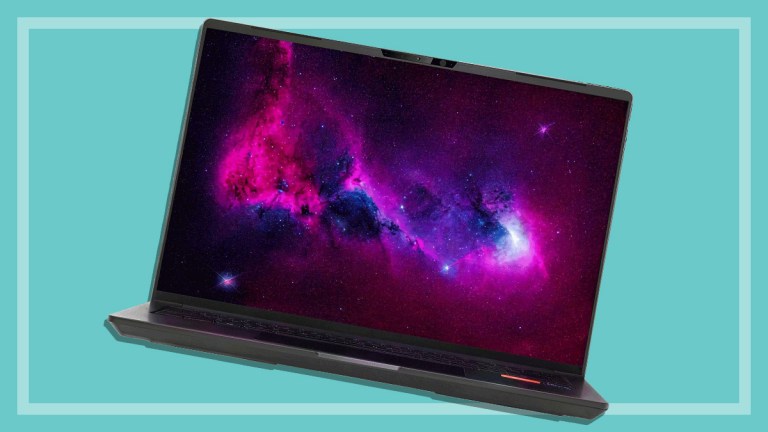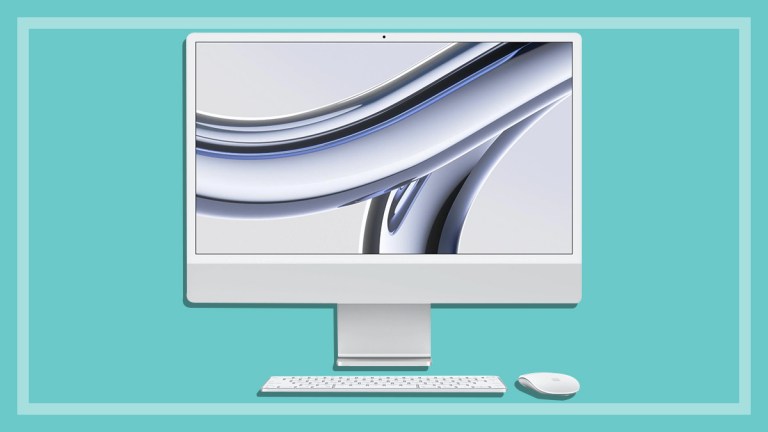
Forking out a lump sum of a couple of thousand dollars to upgrade your computer every few years can burn a big hole in your hip pocket. Renting or leasing technology equipment allows you to pay a lower initial cash amount and make monthly payments over a specified period of time while you use the system. It also means you can upgrade to the newest equipment whenever you want.
On the downside, a computer lease can be more expensive than paying for the goods upfront and you won't own the equipment after the term of the agreement is over.
So when is a computer lease a good idea?
We checked out some computer leasing companies to see:
- What's involved
- The advantages and disadvantages
- How to work out whether it suits you or your business.
This article should only be used a guide. Consult a professional tax expert for your individual situation.
Tip
- A Commercial Rental Agreement generally applies to leases for businesses.
- Consumers should sign a Consumer Lease. Many companies appear to focus on business customers but it's worth asking if they also provide leases for home users.
- The Consumer Credit Code (www.creditcode.gov.au) protects consumers with consumer leases.