People are becoming more aware of and concerned about the dangers that even tiny quantities of chemicals may cause them – chemicals that are found in products we use every day, such as plastic water bottles, sunscreen and toothpaste.
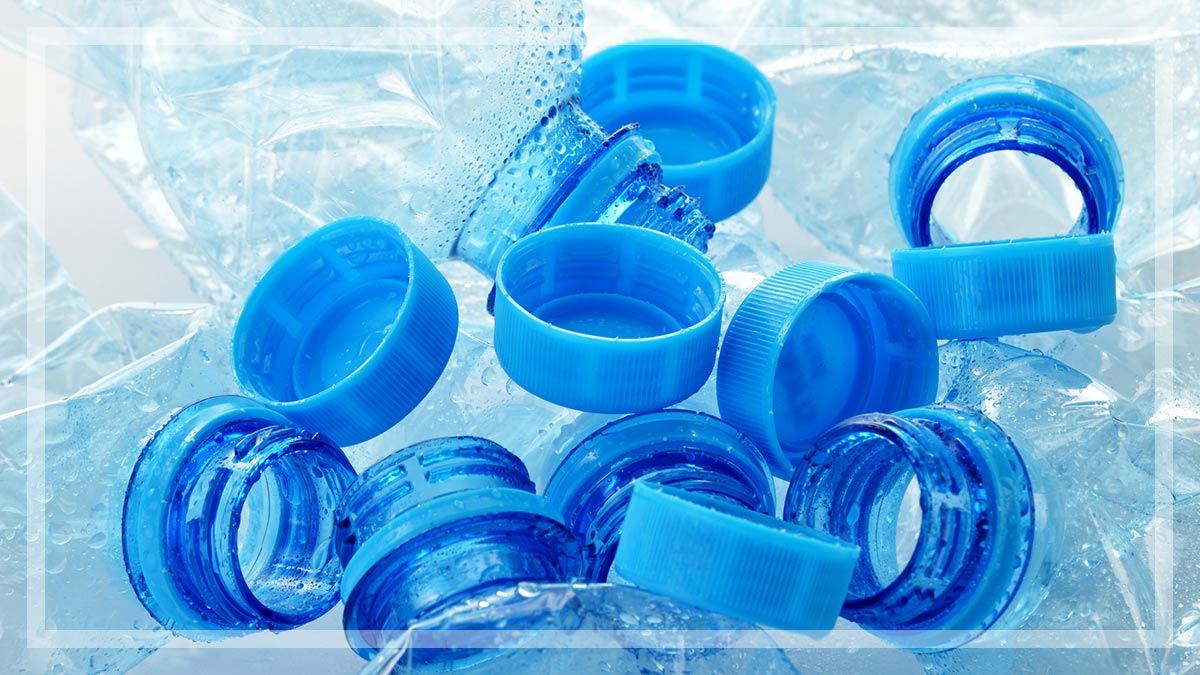
You’ve probably heard about bisphenol A (BPA), which can be found in plastic containers we use to store our food and drink.
We know BPA affects our hormones, and it’s been linked (although not conclusively) to all sorts of hormone-related health problems including asthma, obesity, diabetes, attention deficit hyperactivity disorder (ADHD), breast and prostate cancers, and reproductive abnormalities.
Because of its hormonal action, BPA is classified as an endocrine-disrupting chemical (EDC).
But it’s not the only EDC you’ll find in everyday items.
How EDCs affect us
The endocrine system is a series of ductless glands that secrete hormones directly into the blood to regulate various bodily functions. The glands and the hormones they produce include:
gonads – produce sex hormones (oestrogen and testosterone)
thyroid – thyroid hormone
adrenal – adrenaline
pancreas – insulin
pituitary – growth hormone.
Body fat, muscle, heart, liver, intestines and kidneys have secondary endocrine functions and also produce hormones.
Many substances affect our endocrine systems. When ingested (in food, for example), absorbed or inhaled into the body, these substances interfere with the production, action and/or elimination of our naturally present hormones.
Endocrine disorders are on the rise worldwide
Endocrine disorders include:
low semen quality and fertility in young men
genital malformations, such as non-descending testes (cryptorchidism) and penile malformations (hypospadias) in baby boys
premature birth and low birth weight
neurobehavioural disorders associated with thyroid disruption in children (autism, attention deficit disorders and learning disabilities)
endocrine-related cancers (breast, endometrial, ovarian, prostate, testicular and thyroid)
earlier onset of breast development in young girls, which is a risk factor for breast cancer
obesity and type-2 diabetes.
Studies have confirmed EDCs as a cause of many of these disorders (though not all). In some cases, EDCs account for their increased incidence, too. Endocrine disorders have also been recorded in wild and domestic animals.
Which EDCs are we regularly exposed to?
BPA may be one of the highest-profile endocrine disruptors, but we’re regularly exposed to plenty of others, including:
synthetic chemicals used as industrial solvents/lubricants and their byproducts (polychlorinated biphenyls (PCBs), polybrominated biphenyls (PBBs), dioxins)
plasticisers (phthalates)
pesticides (methoxychlor, chlorpyrifos, dichlorodiphenyltrichloroethane (DDT) and tributyltin)
fungicides (vinclozolin)
pharmaceutical agents (diethylstilbestrol)
fluorinated surfactants or perfluoroalkyl and polyfluoroalkyl substances (PFAS).
Although they’re rarely classed as endocrine disruptors, natural substances such as soy and beta-sitosterol also have hormonal effects. Pharmaceuticals including menopause hormone therapy and the oral contraceptive pill have endocrine-disrupting effects, too.
Another concern is that, of an estimated 50,000 chemicals in use today, very few have been tested for endocrine effects. And only a small proportion of the 800 or so chemicals suspected to be endocrine disruptors have been tested.
Some types of pesticides are known endocrine disruptors.
Who is most vulnerable to the effects of EDCs?
Our age and developmental stage play a major role in how, or even if, endocrine disruptors affect us.
Humans and other animals are most vulnerable to EDCs during critical periods of development, such as during foetal development and puberty. And there can be a long time, even several generations, between exposure to an endocrine disruptor and when it takes effect. This means a pregnant woman’s exposure may ultimately affect her grandchildren.
A pregnant woman’s exposure may ultimately affect her grandchildren
In acknowledgement of the vulnerability of the developing foetus and infant, the Danish government has compiled an English-version consumer brochure for pregnant women.
This explains how to avoid exposure to known and suspected endocrine disruptors while pregnant and breastfeeding. It also explains how to keep your baby away from them too.
We’re most vulnerable to EDCs during key developmental stages such as foetal development and puberty.
What lab results show – and don’t show
There’s lots we don’t know about the effects of EDCs. For instance, researchers still struggle to establish whether a substance is an endocrine disruptor or not, and under what circumstances. But research has at least shed some light on EDCs.
Animal testing
Lots of information about endocrine disruption has come from lab animals, but animal testing doesn’t always translate well from one species to another. For example, rats are more sensitive to some chemicals than other animals (including humans), yet less sensitive to others. Even within a species, some breeds are more sensitive than others.
Dosage
Many endocrine disruptors have different effects at different doses. The problem arises when scientists only study very large doses and, if proven safe, assume the EDC is still safe at lower doses, too.
But there’s growing evidence that very low doses of certain chemicals have an equal effect to high doses, or even a more potent effect. A medium dose, by contrast, may have no effect at all.
The other possibility is that the effect may be different, but equally damaging. For example, pregnant mice given large doses of an oestrogenic drug called diethylstilbestrol have extremely skinny offspring, whereas very low doses produce obese offspring. Alternatively, some endocrine disruptors may have an effect at medium doses, but have no effect at very high or very low doses.
Testing also often overlooks the combined effects of more than one EDC – they may magnify, change or cancel out any endocrine effects they have individually. This applies to products such as cosmetics or pesticides, which contain a raft of chemicals that could alter the effects of EDCs.
Studies on herbicides containing glyphosate, for example, found that the formulation of its containers was the major determinant of its endocrine effects, rather than the concentration of the glyphosate itself.
Test conditions versus normal use
Finally, just because a product contains known EDCs doesn’t mean they’ll be in a form that’s harmful.
The Danish environmental protection agency tested various products containing EDCs, including mobile phone covers, work gloves, sleeping mats, sneakers and handbags, and found that the chemicals didn’t migrate from the products under simulated conditions of normal use.
Just because a product contains known EDCs doesn’t mean they’ll be in a form that’s harmful
On the other hand, for decades scientists assumed BPA wouldn’t cause any problems because it was safely locked up in polycarbonate plastic – but when that plastic was heated or washed in harsh detergents, it released the BPA.
What are governments doing about EDCs?
Some jurisdictions adopt a precautionary approach, meaning they ban known EDCs from some or all products and processes.
Relevant Australian authorities are taking a wait-and-see approach until there are more definitive research results – these include the Therapeutic Goods Administration (TGA), Food Standards Australia New Zealand (FSANZ), the Australian Pesticides & Veterinary Medicines Authority (APVMA), the National Industrial Chemicals Notification and Assessment Scheme (NICNAS), plus the various state and local environmental and water authorities.
EDCs in everyday products
Bisphenol A (BPA)
BPA is in polycarbonate plastics, including some food and drinks containers.
Found in
Polycarbonate plastics, including food and drink containers
Linings of tins and jar lids
Thermally printed shopping dockets
Studies on animals and in vitro testing on human cells have linked BPA exposure to breast and prostate cancers, obesity, neurobehavioural problems and reproductive abnormalities.
Because babies and young children are more vulnerable to its effects due to their development stage and rates of metabolism, products containing this substance have caused the most concern.
BPA is more likely to leach from containers into food and drinks if the containers are heated or the contents are acidic. Harsh detergents can also break down the plastics, causing the release of BPA.
It’s been banned or voluntarily withdrawn from use in baby bottles in Australia and many other countries. FSANZ says it does not consider BPA in food and drink a significant health risk at current exposure levels.
What you can do
It’s difficult to know whether BPA is in tin or jar linings, but you can avoid polycarbonate plastics used in water bottles and other food containers (a number “7” in the recycling triangle means the plastic is polycarbonate or “other”, and a sign it may contain BPA).
Buying something labelled ‘BPA-free’ doesn’t guarantee that it’s risk-free
Don’t use scratched, damaged or old bottles and containers.
Unfortunately, chemicals used to replace BPA, including bisphenol S and bisphenol F, appear to have similar endocrine-disrupting effects, so buying something labelled ‘BPA-free’ doesn’t guarantee that it’s risk-free.
UV filters
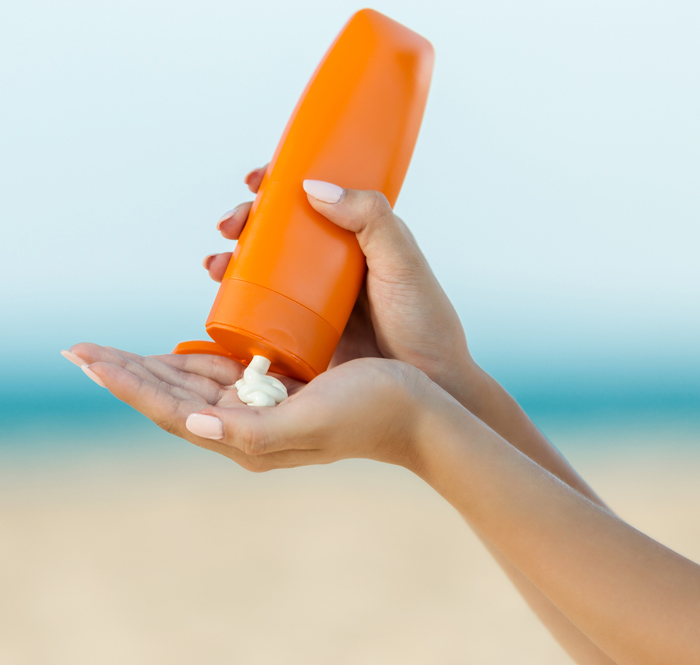
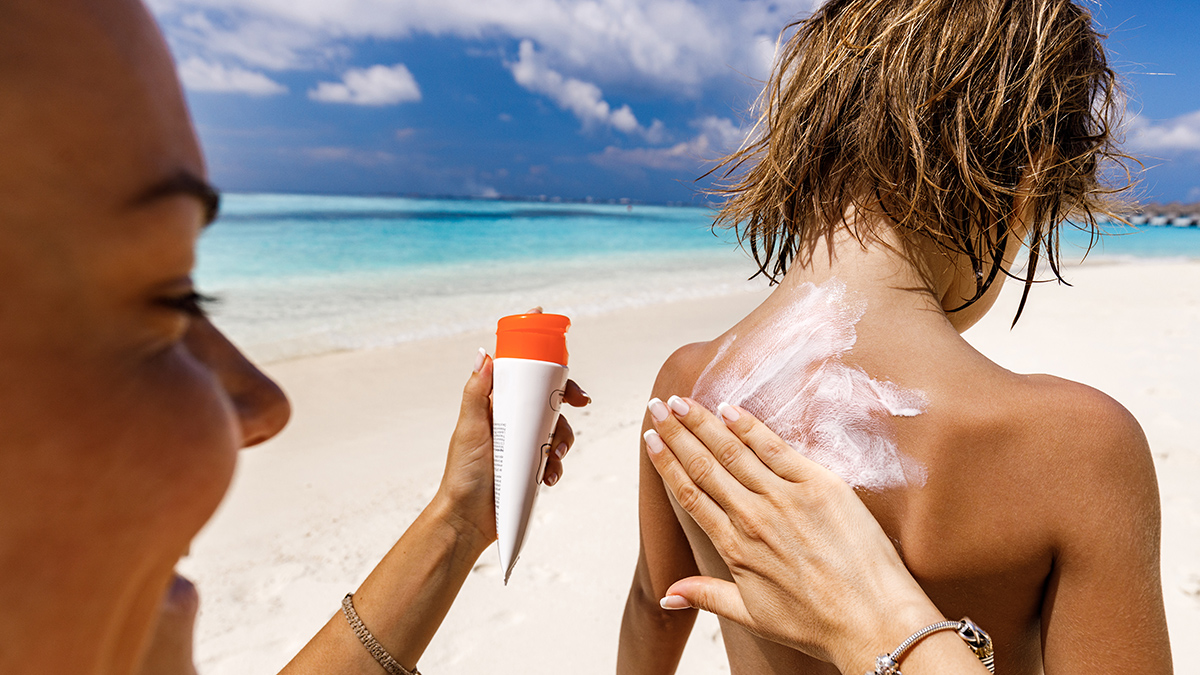
Some chemical sunscreens may have developmental and reproductive effects.
Found in
Sunscreen
Cosmetics with sun protection, such as lip balm, makeup and moisturiser
Some chemical sunscreens, including widely used octyl methoxycinnamate (also called OMC or ethylhexyl methoxy cinnamate), as well as 4-methylbenzylidene camphor (4-MBC) and benzophenone 3 (also called oxybenzone), have been found in some studies to have developmental and reproductive effects, as well as thyroid effects from OMC. (For more on the potential effects, see Endocrine disorders are on the rise worldwide, above.)
Most studies look at the chemicals in isolation, but in reality many products contain more than one chemical sunscreen, not to mention other potential endocrine disruptors, such as parabens. The combined effects of these aren’t known.
What you can do
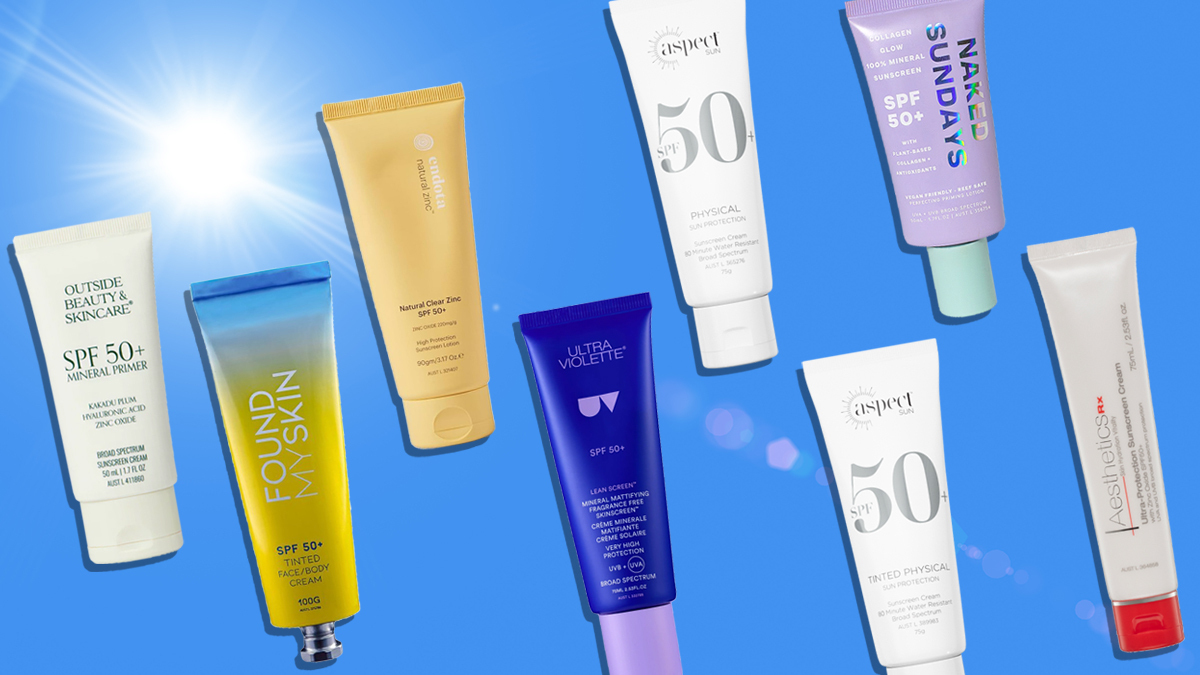
Choose sunscreens with physical blockers, such as zinc oxide or titanium dioxide.
Phthalates
Pharmaceutical companies use phthalates in coatings for timed-release pills.
Found in
Flooring
Food wrappers
Cosmetics such as fragrances, lotions and nail polish
Pharmaceutical products
Phthalates are common chemicals primarily used as plasticisers in the manufacture of flexible vinyl plastic found in flooring, food wrappers and medical devices. They are also in cosmetics and personal-care products, such as fragrances, lotions and nail polish. Pharmaceutical companies use them in coatings for timed-release pills.
All of this means we eat, breathe and absorb them through our skin. They have been linked with endometriosis and early puberty in girls, and reproductive organ abnormalities and reduced fertility in boys and men. They can also act on the thyroid, and have been linked with obesity.
What you can do
Some dangerous phthalates have been banned in cosmetics and children’s toys in Europe, and toys in the US. But only one phthalate has been banned in Australian toys. They’re often in fragrances such as air fresheners, so you could avoid perfumed personal-care and household products.
Parabens
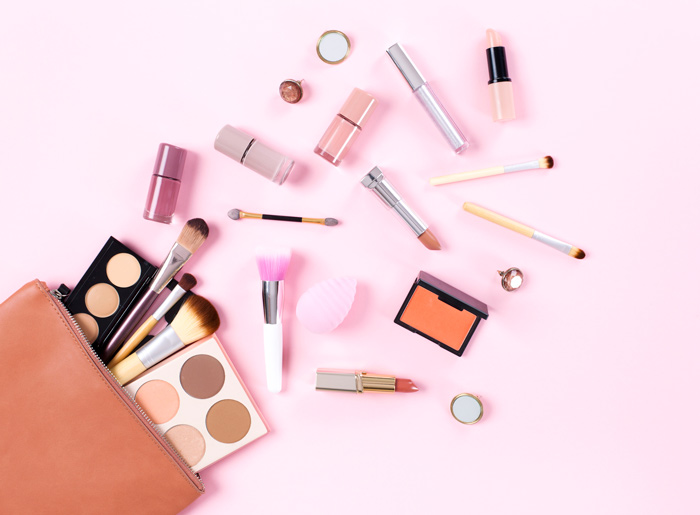
When buying cosmetic and personal-care products, avoid any containing propyl-, isopropyl-, butyl- and isobutyl-parabens.
Found in
Cosmetic and personal-care products
Parabens are preservatives used in many cosmetic and personal-care products, and are reported to have oestrogenic activity. The larger the molecule, the greater the effect. Smaller-molecule parabens are the safest, including methyl paraben, which is the most commonly used.
The European Scientific Committee on Consumer Safety carried out a review of parabens in consumer goods and determined that they didn’t pose a risk in the quantities permitted in such products.
But the Danish government has banned the use of some of the larger-molecule parabens (propyl-, isopropyl-, butyl- and isobutyl-parabens) in products for children up to three years old as a precautionary measure, as children might be especially vulnerable to endocrine effects. This is of particular concern if products are used on broken skin, such as nappy rash.
What you can do
Check the ingredients list and avoid products that contain propyl-, isopropyl-, butyl- and isobutyl-parabens.
Pesticides and herbicides
Limit your exposure to pesticides and herbicides by washing all fruit and vegetables before eating them.
Many pesticides are endocrine disruptors. These include some that have been banned but persist in the environment, and those that have been banned in some countries but not Australia, and some that are still widely used globally, including DDT, endosulfan, synthetic pyrethroids and chlorpyrifos.
DDT has an oestrogenic effect. Although it’s been banned in most countries for several decades, it persists in the environment and the food chain. It’s still used in some countries for mosquito control where short-term malaria deaths are understandably a greater concern than potential longer-term endocrine effects.
Atrazine is a selective herbicide used on animal-feed crops, sugar cane and forestry plantations, and canola crops, and is one of the most commonly used herbicides in Australia. Apart from being in food residues, it can also enter the water supply and has been linked with neuroendocrine effects. Australian regulatory authorities have determined that it doesn’t pose a health risk.
Glyphosate, the active ingredient in Roundup weed killer, is widely used throughout the world in agriculture, parks and home gardens, and has been linked to endocrine-disruption effects related to growth, sexual development and reproduction. Various food crops (including soy, canola, corn, cotton and sugar beet) have been genetically modified to be resistant to glyphosate.
What you can do
Wash all fruit and vegetables before eating them. If possible, avoid buying imported fresh, canned or frozen produce from countries with poor pesticide regulation. Buy GM-free produce to avoid plant foods (such as canola and soy) that are tolerant to pesticides.
Triclosan
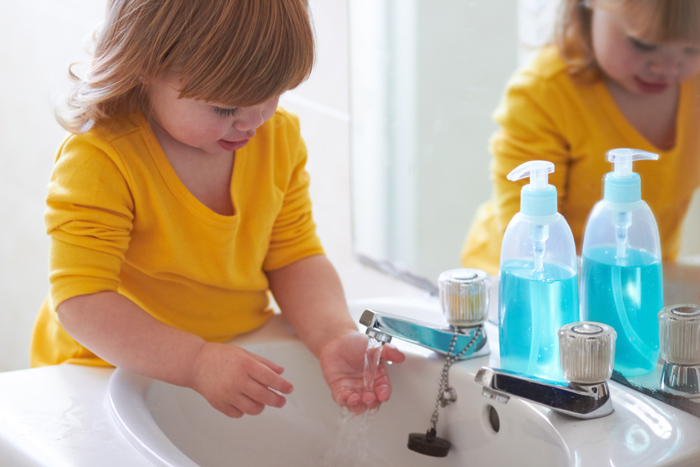
Triclosan is in some soaps, hand washes and toothpastes, but we couldn’t find any major brands in Australian supermarkets and pharmacies that still use it.
Found in
Antibacterial soap and hand wash
Toothpaste
Cleaning cloths
Cutting boards
Triclosan is an antibacterial compound found in some soaps, hand washes and toothpastes, as well as other consumer products such as cleaning cloths and cutting boards. It interferes with thyroid hormones and is oestrogenic. There are also concerns that it may contribute to antibiotic resistance.
What you can do
Triclosan in being phased out of personal-care products, and we couldn’t find any major brands in Australian supermarkets or pharmacies that still use it. But check the label to make sure.
Resorcinol
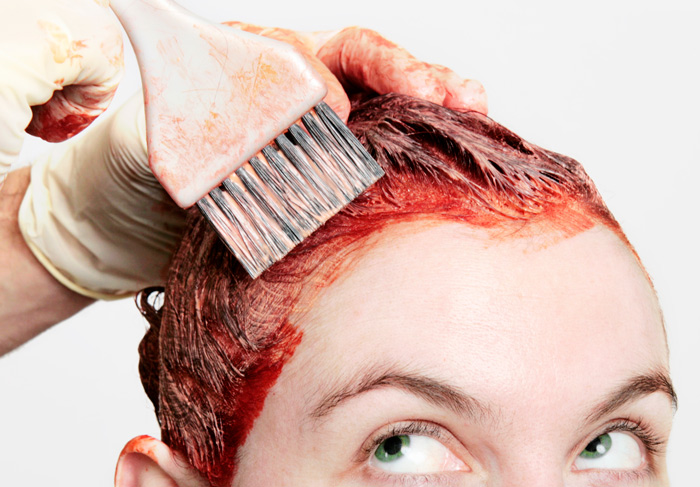
Avoid hair dyes that contain resorcinol.
Found in
Hair dyes
Topical treatments for acne, seborrhoeic dermatitis, eczema, psoriasis, corns and warts
Resorcinol is used as an antiseptic and disinfectant. It’s currently on the European Union’s Category 1 list of endocrine disruptors, and has been linked to thyroid disease when used in large quantities on broken skin over a long period.
What you can do
Look for hair dye that’s resorcinol-free and don’t overuse products containing resorcinol on broken skin.
Per- and polyfluoroalkyl substances (PFAS)
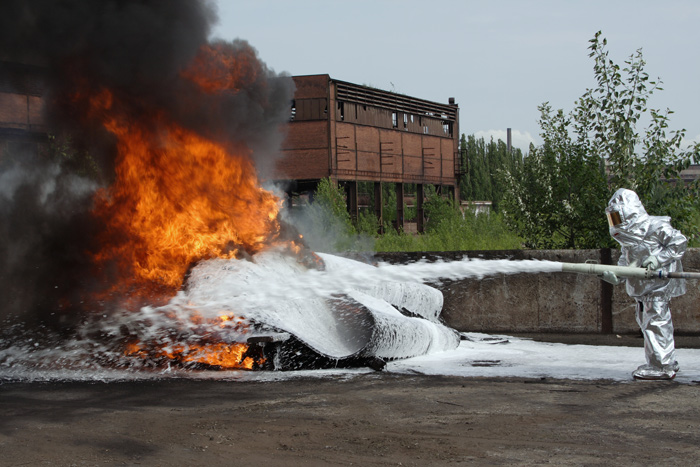
PFAS, which is used in firefighting foams, can contaminate soil and water supplies.
These chemicals are resistant to solvents, acids, oils and bases. They’re also heat-resistant and have a non-stick quality. All of these features make them highly useful in a variety of consumer products. These include cosmetics and personal-care products; stain- and water-repellent coatings and treatments for textiles (such as furniture upholstery, carpets, weatherproof clothing); coatings for non-stick cookware; and grease-repelling paper food wrappers and containers (such as pizza boxes and microwave popcorn bags).
PFAS are also used in firefighting foams, and can contaminate soil and water supplies near military bases, airports and other places where firefighting training takes place. In Australia, the federal government has offered some support including blood testing and counselling to communities living near three major contamination sites in Katherine (Northern Territory), Oakey (Queensland) and Williamtown (NSW), although it denies that PFAS has an adverse effect on health.
PFAS have been linked to various health problems. These include endocrine effects such as altered thyroid and sex hormone levels, low birthweights and reproductive disorders. A recent Expert Health Panel convened by the Australian government to look into the health effects of PFAS acknowledged these links, but considered the findings inconsistent, with too many issues and limitations in the research studies to draw firm conclusions.
What you can do
The bad news is that PFAS are difficult to avoid because environmental contamination means they’re in our food and water supplies. They persist in the environment for many years, and there are many more affected sites in Australia than those mentioned above.
The good news is that there are international efforts to limit the use of PFAS. Some companies have moved to phase out the main types of PFAS from food-related products, and one recent study found that the amount of them in microwave packaging (once a staple source) was now barely detectable.
If you have older non-stick cookware at home, and you’re not sure if it’s PFOA-free, use it at low temperatures only
Although it’s hard for consumers to know which cosmetics products contain PFAS and which don’t, some companies, including Body Shop and L’Oreal, have responded to public pressure and moved to eliminate PFAS from their products.
Look for non-stick cookware labelled PFOA-free (PFOA, or perfluorooctanoic acid, is a type of PFAS). If you have older non-stick cookware at home, and you’re not sure if it’s PFOA-free, use it at low temperatures only. If the coating is peeling, throw it away – you don’t want to swallow little bits in your food.
Phytooestrogens
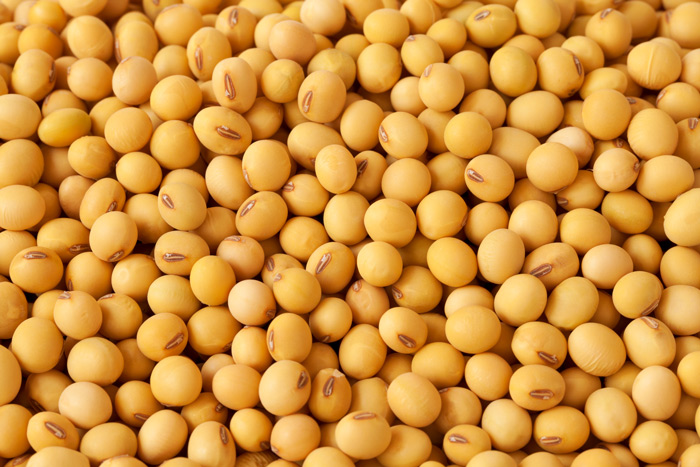
There’s some concern that plant oestrogens in soy may act as endocrine disruptors, but more research is needed.
Soy contains isoflavones called genistein and daidzein, which have a weak oestrogenic effect. Known as phytoestrogens (plant oestrogens), some researchers are concerned they may act as endocrine disruptors, much like the oestrogens in contraceptive pills or menopause hormone therapy. In particular, some claim they increase the risk of hormone-sensitive cancers, such as breast and prostate cancer.
Some studies on animals and human cells have indeed found that soy increases the growth of cancerous cells, but large long-term studies on people have found no evidence that soy causes breast or prostate cancer. In fact, it may even help protect against these cancers – some studies show lower rates of breast cancer among the highest consumers of soy foods compared with the lowest. But more research is needed to draw definitive conclusions.
As for taking soy supplements to head off menopausal ‘hot flashes’, which are caused by diminishing oestrogen levels, there’s no convincing evidence that it helps – the oestrogenic effect appears to be too weak.
Further reading
The Endocrine Society is an international organisation of professionals concerned with endocrinology research and clinical practice. Its members include clinicians, researchers, educators, industry professionals and health professionals. They have created a comprehensive review of the science behind endocrine disruptors.
The World Health Organization (WHO) and United Nations Environment Programme’s report on EDCs was released in February 2013.
Karina worked at CHOICE from 2000 to 2018, and continues to contribute as a freelancer, mostly on health and lifestyle matters.
You can find me on LinkedIn.
Karina worked at CHOICE from 2000 to 2018, and continues to contribute as a freelancer, mostly on health and lifestyle matters.
You can find me on LinkedIn.
For more than 60 years, CHOICE has been fighting the good fight for Australian consumers.
In the past year alone we've uncovered systemic issues with sunscreens, investigated shonky supermarket pricing, fought for stronger scam protections and helped make complex energy pricing fairer and clearer.
CHOICE is here to provide unbiased advice and independent testing in our world-class labs. We buy the products we test, just like you do, and our expert reviews are influence free. We’re here to help you choose smarter. Hopefully you’ll also save some money along the way.
Thanks to CHOICE, you’ll never be alone when a business treats you unfairly. You can support our work by joining or donating to our cause.