
supermarkets
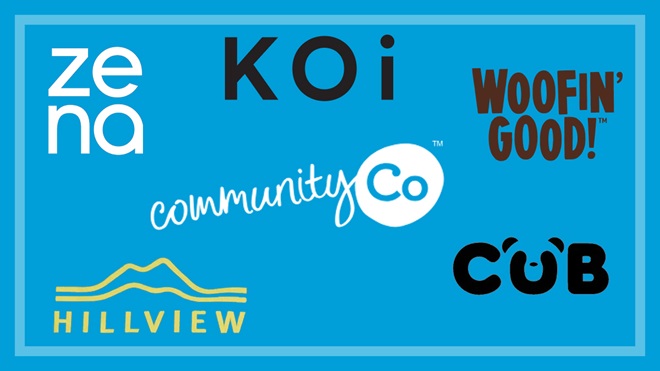
10 brands you didn't know were owned by big supermarkets
Home brand has had a glow-up. These independent-looking labels are actually owned by Coles, Woolworths and IGA.
Latest reviews
-
Transport
Electric bikes -
Home and living
Multi-cookers -
Home and living
Slow cookers -
-
Babies and kids
Change tables -
Electronics and technology
Laptops and tablets -
Home and living
Clothes dryers -
Electronics and technology
Broadband providers


Become a CHOICE member
Join a community of 400,000 who buy smarter and support a fair deal for all Australians.

Reviews you can trust

Easy side-by-side comparison

Personalised consumer help

Support positive change
Already a member? Log in
Latest stories
-
How to make a claim on your home and contents insurance
Our expert guide to make it easier and less stressful. -
Proposed buy now, pay later reforms a partial solution
A coalition of advocates say draft legislation should do more to protect consumers. -
Australians in mortgage stress say banks aren't lending a hand
A rise in complaints shows big banks aren't doing enough to help people in financial hardship. -
Are multi-cookers worth it?
Are they the small appliance of your dreams, or a waste of bench space? We look at the pros and cons. -
6 money-saving tips for using your dryer
When line drying isn't an option, here's how to use your clothes dryer without breaking the bank.


Take action

Sign the petition for fair, transparent grocery pricing
It should be easy to work out which products are the best value at the supermarket, but major supermarkets use a range of pricing tactics that could make you think products are better value than they are, including price tags that look like discounts when the product isn’t actually discounted. Call on the government to force supermarkets to use fair, transparent pricing now.
Cost of living
-
Unclear supermarket 'specials' are confusing shoppers
Consumers are struggling to spot a true discount. -
6 money-saving tips for using your dryer
When line drying isn't an option, here's how to use your clothes dryer without breaking the bank. -
Experts alarmed as Aussies use crowdfunding to pay bills
Energy companies are partnering with crowdfunding app HelpPay despite financial hardship obligations. -
Will an air fryer save you money?
Three ways this handy appliance could help boost your budget. -
How to save money on your home heating and cooling costs
These expert tips will help you keep a lid on your electricity bill in both winter and summer.


Feeling the pinch? We are here to help.
Get free expert advice
and cost saving tips
Shop smart
-
The Sunbeam, Kitchen Couture and Kmart air fryers to avoid buying
These models will leave you underwhelmed. -
Clothes dryers to avoid buying
These five damp squibs rated lowest in our expert tests and need to dry harder to deserve your cash. -
Home and contents insurance cover for jewellery
Are these valuables covered by your policy? What about when you're outside your home or overseas? -
Can you get your money back if a festival line-up changes?
Ticket holders want refunds after Placebo and Deep Purple drop out of the Pandemonium Rocks festival. -
The cheaper supermarket home-brand products outperforming big-name brands
These Aldi, Coles and IGA items deliver good value.


Making change together
How you've helped us make things fairer for Australians
Learn more-
FEB 2024
Support for Youpla/ACBF victims
The Government announces $97 million to the Youpla Support Program to assist some victims. Thanks to ongoing advocacy by First Nations advocates, policyholders, and community organisations.
-
DEC 2023
Win for fairness in financial advice
The Government announces that the best interests duty for financial advisers will stay in place, following advocacy to keep it by CHOICE and other groups. The rule ensures customers get helpful advice of a high standard.
-
DEC 2023
Coles refunds thousands of customers
Following our complaint to the ACCC about Coles' false 'locked' price claims, the supermarket apologises for raising prices of 20 products before the end of promotional periods and refunds thousands of customers.
-
SEPT 2023
Stronger renters’ rights in Vic
After a CHOICE report exposing invasive rent-tech, the Victorian Government commits to strengthening renters' rights, including restrictions on personal information collection and retention.
-
SEPT 2023
Bank execs on notice as new rules pass
New legislation, the Financial Accountability Regime (FAR), passes. Once in force, the rules will hold top executives accountable for misconduct by banks, super funds or insurers. They are backed up by strong penalties.
-
AUG 2023
Qantas backs down on COVID credits
Qantas removes the expiry date on credits for customers who had flights cancelled due to COVID, and allows them to ask for a refund. This follows our campaigns on travel rights, including awarding Qantas a Shonky for its behaviour in 2022.
-
JUNE 2023
Win for victims of financial misconduct
A banking royal commission reform passes after decades of pressure from consumer groups. The compensation scheme of last resort will provide compensation for many victims.
-
MAY 2023
Super advocate receives further funding
The Government commits an additional five years of funding to continue consumer advocacy in the superannuation sector.
-
MAY 2023
Consumer protections from scams
The Government commits $86.5 million in funding to combat scams, including the establishment of the National Anti-Scams Centre.
-
DEC 2022
ACCC takes action on shonky Bloomex
Following its 2022 Shonky Award, Bloomex is taken to court for publishing misleading online star ratings and price representations.
-
NOV 2022
Grieving WA consumers now protected
Funeral operators must now display prices publicly and provide key information without requiring people to meet with a sales representative.
-
OCT 2022
New fines for breaching consumer rights
Companies who harm, mislead or deceive consumers will face up to 5x greater penalties. For the first time ever, companies who rely on unfair contract terms will also face penalties.
-
OCT 2022
Timeshare taken to task
Ultiqa will pay a $900,000 penalty for breaching financial advice protections for consumers thanks to action from ASIC. We raised the alarm in our super complaint in May 2021.
-
SEPT 2022
A ban on binary options
These dodgy financial products share many characteristics with high risk gambling. CHOICE supported a ban to prevent consumer harm, and ASIC has extended that ban until 1 October 2031.
-
AUG 2022
South Australia joins school banking ban
Private banks are banned from school banking programs in South Australia, joining Victoria, NSW, Queensland and ACT state governments. We awarded Dollarmites a Shonky in 2018.


-
Buy smarter
The tools you need to find the best brands, avoid poor performers and get help when things go wrong.
-
Make a difference
Our members are at our heart, funding our independent product testing, journalism and campaigns.
-
Connect and belong
Join a community of thousands where you can share ideas, get advice and make positive change.


