
Think big or our progress will be small

02 Jul 11 02:00PM EST | Post by Nick Stace
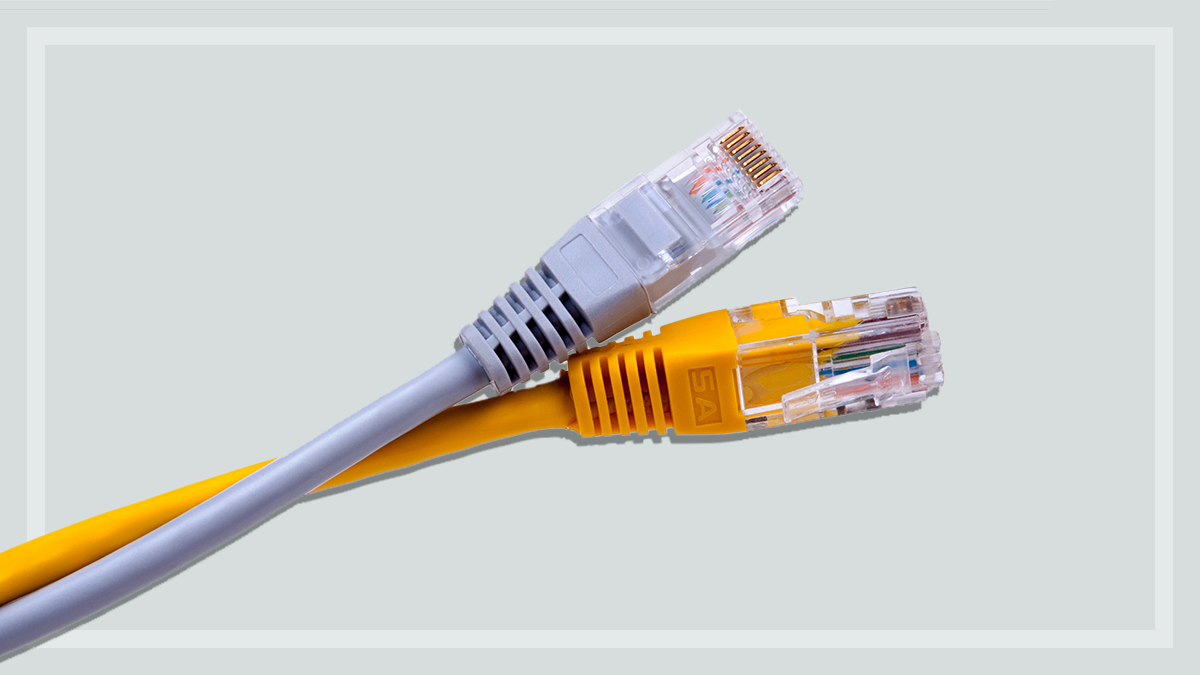
Fibre cable

Having worked at the heart of government I have some insight into how the daily morass of stuff can obscure the bigger picture and the ambitions that drive people into politics in the first place. It has made me feel more passionate that, for the sake of human development, ambition and vision should be rewarded, not vilified.

There’s immense pressure on politicians to get it right and there’s a cynical expectation - perhaps even hope - that they will get it wrong, thereby justifying a cynical public attitude. The money spent, the corners cut and the elections lost along the way all make the most visionary politician become more cautiously managerial. There’s more than a touch of Schadenfreude in our attitude to politicians and what they try to achieve.

The divisive debate around the National Broadband Network (NBN) is reflective of the balancing act of vision and self-preservation that politicians face. The project promises to provide fibre-optic connections to 93 per cent of the population, with the rest connected via satellite technology. The speeds of download will be among the fastest in the world but the cost of installation will be high. And what started out as a $15bn election commitment in 2007, is looking more like $40bn today.

The cost overruns have obscured any debate about the benefits of the NBN, leaving the Labor government on the defensive. Money has to be spent wisely but with the unrelenting focus on cost, we risk falling into the trap that Oscar Wilde described so well, of knowing the price of everything and the value of nothing.

I’ve grappled with whether I subscribe to the waste of money argument, but I have come to the conclusion that this enormous project is an essential spend for the future of Australia and here’s why:

Firstly, evidence from Cornwall in England proves it’s a winner. A recent report commissioned by Huawei revealed a positive impact on job creation and connectivity in regions that have an over reliance on seasonal agriculture and tourism. In the study, Cornwall was identified as a postcard from the future because of the impact of a recent $120m investment in high speed broadband which will connect 90 per cent of the county’s homes and businesses by 2014. It still takes five hours to travel by car from London to Cornwall but Cornwall just got a lot closer to attracting an ambitious, skilled workforce and entrepreneurial migrants.

The vastness of the Australia makes high speed connectivity even more important. An 800km drive from Mt Isa to Townsville in Queensland will take you through just five towns and it’s not hard to see how rural, isolated populations would benefit from this kind of investment.

High speed broadband can drive re-population of rural areas by transforming work from a place where you go, to a thing that you do. If the NBN can connect all parts of Australia like Cornwall is managing to do, then this has to be a good thing for Australians and the country’s progress.

Secondly, the NBN platform will enable innovation that will improve our lives. Of course it is one of the greatest challenges to articulate the benefits of services and products that don’t exist yet – but which will be part of our daily lives in 20 years’ time. The internet is only 20 years old but in that time the pace of change has been huge, with innovation growing exponentially.

In A Faster Future, Brad Howarth and Janelle Ledwidge argue that all products and services that can be connected to the internet will be. That means your heating systems, electricity readings and billings, health devices and even your running machine. The “location status of anything will be known” which means that broadband enabled internet is about to get a whole lot smarter at knowing who you are and where you are as well as pre-empting and directing your needs. The benefits for health, education and efficient management of our consumption are enormous.

Thirdly, it will benefit the economy. In a recent survey of 120 countries, the World Bank found that a 10 per cent rise in penetration of broadband services delivered a 1.3 per cent rise in economic growth.

Fourthly, we need to place multiple bets on the future and if we don’t we will lose out. I say this in part because I flew across the Pacific last week to visit Silicon Valley, visiting a number of new and innovative companies. Each of them shared a common approach to the future of placing “multiple bets”. The NBN in Australia will provide a platform for those multiple bets to be placed in areas where we cannot precisely predict today.

Finally, progress requires us to step into the unknown so that the fear of change in one generation doesn’t hold back the next. As Bill Gates once said, “We always over-estimate the change that will occur in the next two years and underestimate the change that will occur in ten. Don’t let yourself be lulled into inaction.”

I know it all seems like a lot of money now, but so did the building of the railways 200 plus years ago, and designing and transforming streets into towns and cities across the world. At the very least the NBN will give Australia a technical future, a street plan; it will be for the rest of us to create the opportunities that this technology enables.

So my message to politicians is, as much as you humanly can, stick to your guns, be more confident about the decisions you make and better communicate them to the public. As the story of the three stonecutters brilliantly reminds us, if we are not careful, we will get caught up in the work of today instead of the endeavor of tomorrow.

And as a people we need to give our politicians permission to think big and take risks, for without that thinking, our progress will almost certainly be small.

This is an edited version of an article which appeared on www.telegraph.co.uk


How to comment

Here's your chance to join in the debate. Click in the comment box and let the CHOICE Community know what you think.

Reporting comments

If you see something offensive or irrelevant, hit the report button and let us know immediately. View the Terms of use for user comments.

Have your say

Your say - Choice voice

We'd love to hear what you think but you'll need to register top, right to join in the conversation.

Members – Sign in on the top right to contribute to comments
Your say - Choice voice