
02.Consumer awareness
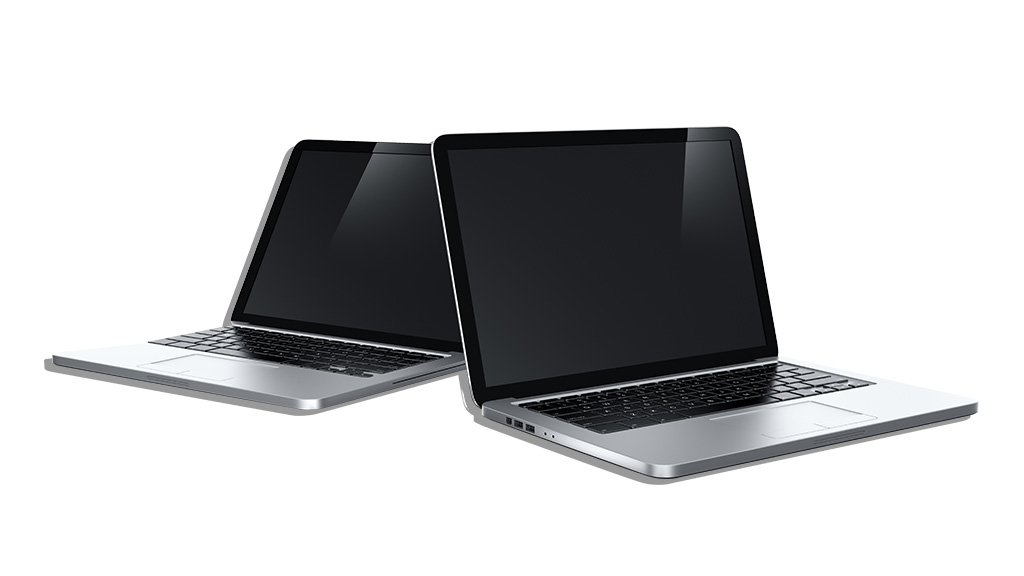
A recent study by Winton Sustainable Research Strategies found that while most consumers do think about energy efficiency while purchasing electronic goods such as refrigerators, almost none of us consider energy efficiency when purchasing televisions or computers.
According to the report, this is largely due to consumers being unaware of just how much power these products can use. Many assume that because computer products are relatively small they don’t require a great deal of power, which is not always the case.
Indeed, the study also found that some televisions can actually consume more power than a small family-sized household refrigerator.
Another report commissioned by Punchline Energy found that computer power consumption exceeds many common whitegoods around the home, such as washing machines, dishwashers and clothes dryers.
The report also found that while computers do include power saving features, most Australians are currently not using them.
Toxic chemicals
Disposing of a computer once it has reached the end of its life can also be hazardous to the environment.
Last year, a report by Greenpeace found that while some of the world’s biggest electronic manufacturers have made steps to become more environmentally friendly, many still produce products using hazardous substances and lack efficient take back and product recycling schemes for old hardware.
According to Greenpeace these two issues are hand in hand, as products produced using harmful chemicals are in turn significantly more difficult to recycle.
Of concern to Greenpeace was the continued use of brominated flame retardants (BFRs) and polyvinyl chloride plastics (PVC) in products, with companies encouraged to set phase-out dates for the use of such materials.
Some BFRs are difficult to break down when disposed of, and many have been found to impact on thyroid and hormone systems in humans. PVC, commonly used for insulation in wires and cables is not toxic, but its softening process results in a great deal of pollution and chemical production.
Burning PVC also releases toxic chemicals into the atmosphere. Lead, usually used for soldering, can cause damage to the nervous system when children are exposed to it, while mercury, used in most flat-screen displays, can cause brain damage.
Sony Ericsson and Samsung were the top performers in the Greenpeace study, due to a commitment to discontinuing the use of harmful chemicals in manufacturing processes.
However, they only offer take back schemes in selected countries. Microsoft, Phillips and Nintendo were the lowest performing companies in the report, with Nintendo having no plan at all in place for the reduction of harmful materials in its products, or recycling schemes for discontinued products.